




Abstract
Craniofacial anomalies, eye malformations, and permanent flexures of the forelimbs are common malformations seen in ruminants grazing semiarid rangelands of Northeastern Brazil. To investigate the cause of these malformations, we fed 2 suspected plants, Mimosa tenuiflora or Prosopis juliflora, to groups of 4 pregnant goats each. Fresh green M. tenuiflora was collected daily and fed ad libitum to 4 goats in group 1 throughout pregnancy. This treatment group also received a supplemental feed concentrate equivalent to 1% body weight. Four goats in group 2 received a ration with 70% of P. juliflora pods and 30% hay throughout pregnancy. Four control goats were fed supplemental feed concentrate (1% body weight) and hay ad libitum throughout pregnancy. Goats treated with P. juliflora pods and the control goats delivered 9 normal kids. The four goats that were fed M. tenuiflora during pregnancy delivered 4 kids, 3 of which had abnormalities similar to those observed in field cases, including cleft lip, unilateral corneal opacity, ocular bilateral dermoids, buphthalmos with a cloudy brownish appearance of the anterior chamber due to an iridal cyst, and segmental stenosis of the colon. Malformations induced experimentally by M. tenuiflora were similar to those observed in field cases, suggesting that M. tenuiflora is a cause of the field cases observed in the Brazilian semiarid rangelands.
Bone malformations are very common in goats 10 and sheep 7 grazing the semiarid rangelands of Northeastern Brazilian. The main defects are permanent flexure of the forelimbs; craniofacial anomalies including cleft palate, brachygnathia, agnathia, cleft lip due to unilateral or bilateral aplasia or hypoplasia of the incisive bones; and eye malformations including microphthalmia, ocular dermoids, and corneal opacity. Other malformations are kyphosis, scoliosis, lordosis, cranioschisis, segmental stenosis of the colon, and meningocele. Many animals had multiple malformations, mainly in the head and legs. Malformations are also observed in cattle but are less frequent than in small ruminants. 11 In studies on perinatal mortality, 10% of the neonatal deaths in kid goats 6 and 23% of lambs 7 were due to malformations. The goat and sheep populations of Northeastern Brazil are reported to be 10,160,737 and 6,717,980, respectively. The annual losses due to malformations are estimated to be 273,120 kids and 259,582 lambs, assuming 56% of females are in a reproductive phase, a birth rate of 1.6 for goats and 1 for sheep, and a perinatal mortality of 30% of lambs 7 and kids. 6
To demonstrate the cause of the malformations, we performed feeding trials using Prosopis juliflora and Mimosa tenuiflora, 2 common plants of the semiarid region, in pregnant goats. The leaves of M. tenuiflora are normally consumed by grazing ruminants as green forage. P. juliflora (mesquite beans) is a tree; ruminants consume the pods fallen on the ground or as a concentrated food after being harvested. To investigate the probable teratogenicity of these 2 plants, we mated 20 Moxotó goats to 2 bucks and immediately after the end of heat randomly assigned them to 1 of 3 groups of 4 goats each. Goats of the 3 groups were examined for pregnancy by ultrasonography, and those that failed to became pregnant were substituted. Fresh green M. tenuiflora collected daily was given ad libitum, throughout pregnancy, to 4 goats (group 1); the goats also received a supplemental feed concentrate equivalent to 1% body weight. A second group of 4 goats (group 2) received, throughout pregnancy, a ration with 70% of P. juliflora pods and 30% Cynodon dactylon hay. The 4 goats of the control group were fed, throughout pregnancy, C. dactylon hay ad libitum and a supplemental feed concentrate equivalent to 1% body weight.
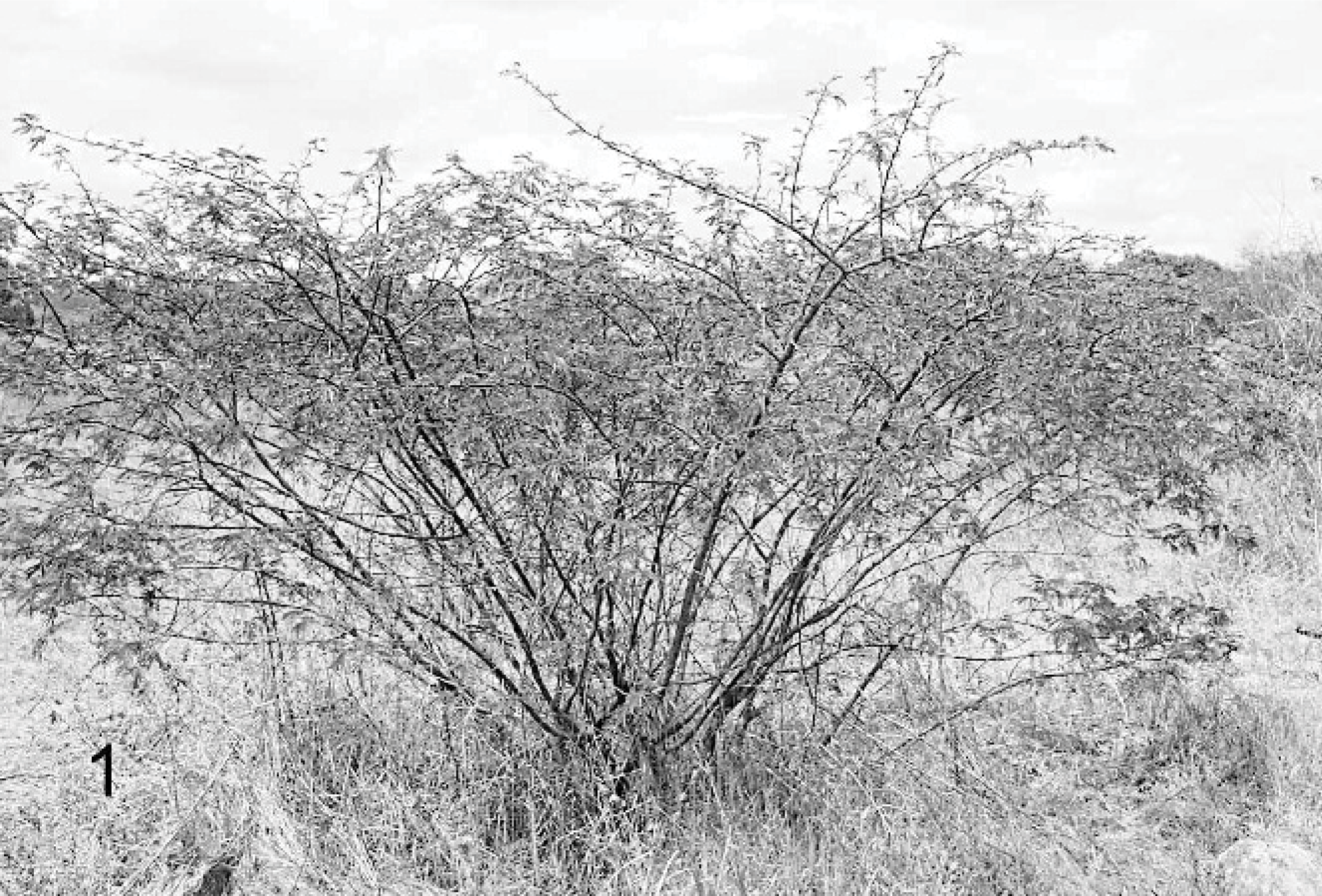
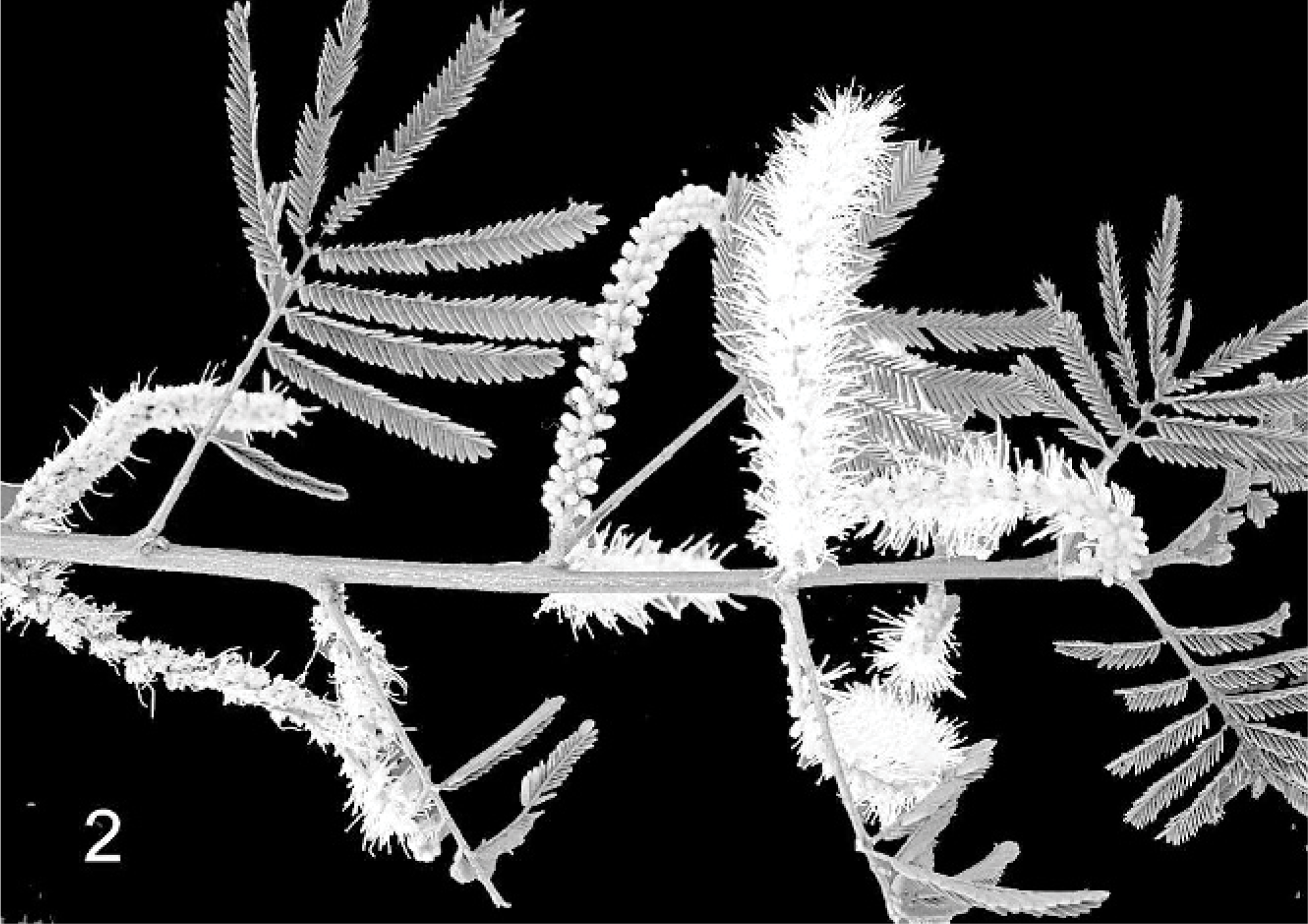
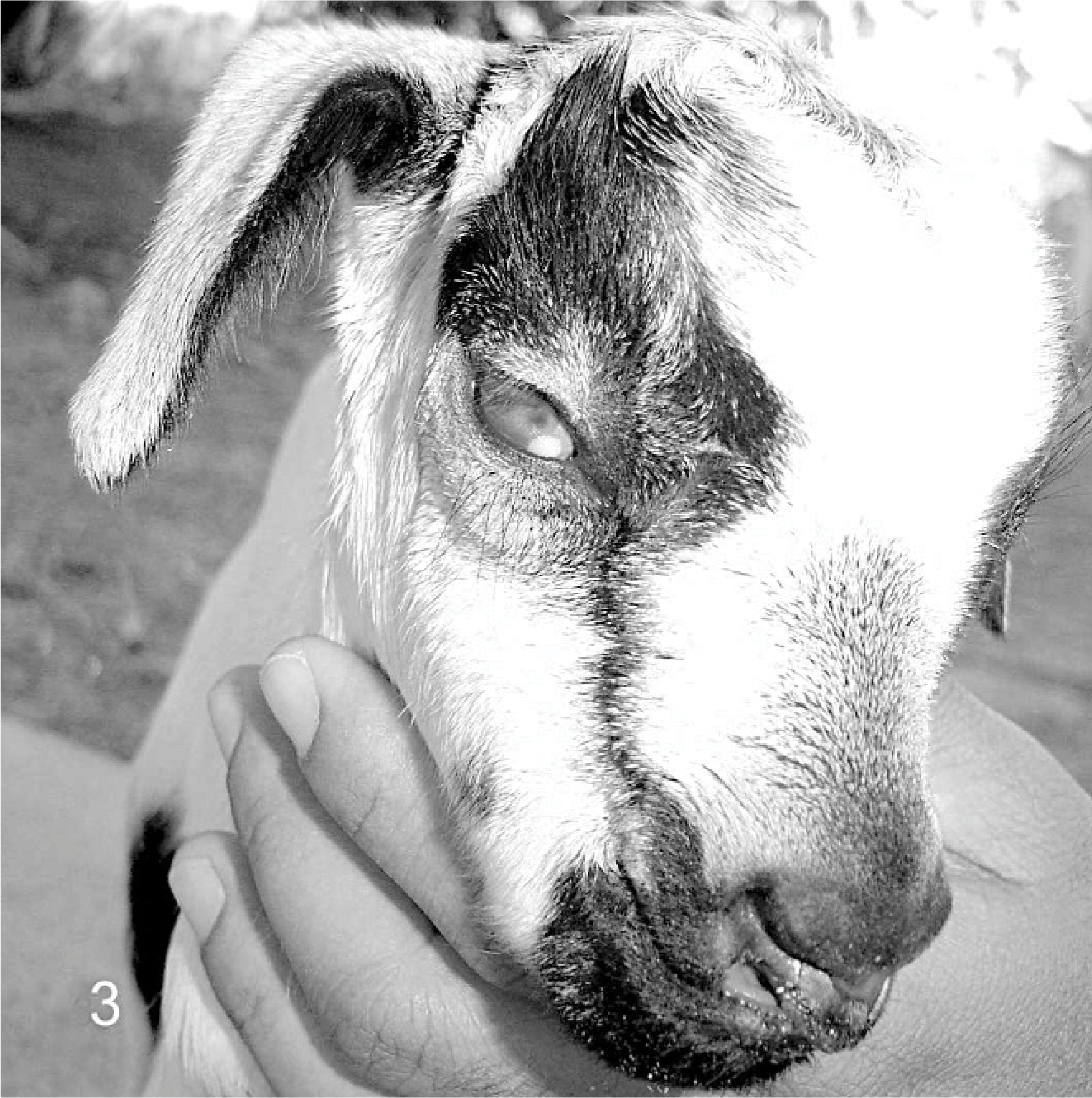
The 4 goats treated with P. juliflora pods and the 4 control goats delivered 9 normal kids (Table 1). The 4 goats fed M. tenuiflora (Figs. 1, 2) delivered 4 kids, 3 of which expressed severe malformations (Table 1). One kid (No. 1) expressed a unilateral mild cleft lip (notching of the lip) (Fig. 3) and unilateral corneal opacity and survived. Another kid (No. 2) was blind in 1 eye and by 3 days postpartum showed severe abdominal distention and was euthanized. At necropsy, a segmental stenosis was observed in the colon (Fig. 4). Upon histologic evaluation, the affected gut segment revealed marked hypoplasia with either complete absence or minimal residual evidence of the intestinal epithelium and submucosa. The right ocular globe was approximately 50% enlarged (buphthalmos) in relation to the left eye, which appeared to be normal. The anterior chamber had a cloudy brownish appearance. The cornea was flattened with an irregular surface. Histologically, the main lesion was an iridal cyst occupying most of the anterior chamber. The cyst was lined with flattened epithelium arising from the dorsal iridociliary epithelium (Fig. 5). On the right third of the cornea, the cyst wall adhered to the Descemet membrane. The lens was luxated into the vitreous. The third kid (No. 3) had scoliosis and unilateral cleft lip, due to aplasia of the incisive bone, with a large opening from the lip up through the nose (Fig. 6), and was completely blind, with ocular bilateral dermoids characterized by the presence of hair in both eyes. The cornea of the right eye was cone-shaped, and the anterior chamber had a whitish appearance. Upon histologic evaluation of both eyes, large areas of the cornea were covered by hairy skin with epidermis (Fig. 7), dermis, hair follicles, and sudoriparous and sebaceous glands. On the right eye, the crystalline was enlarged, occupying most of the anterior chamber (Fig. 7).
Malformations observed in kids born from goats of the 3 experimental treatments.
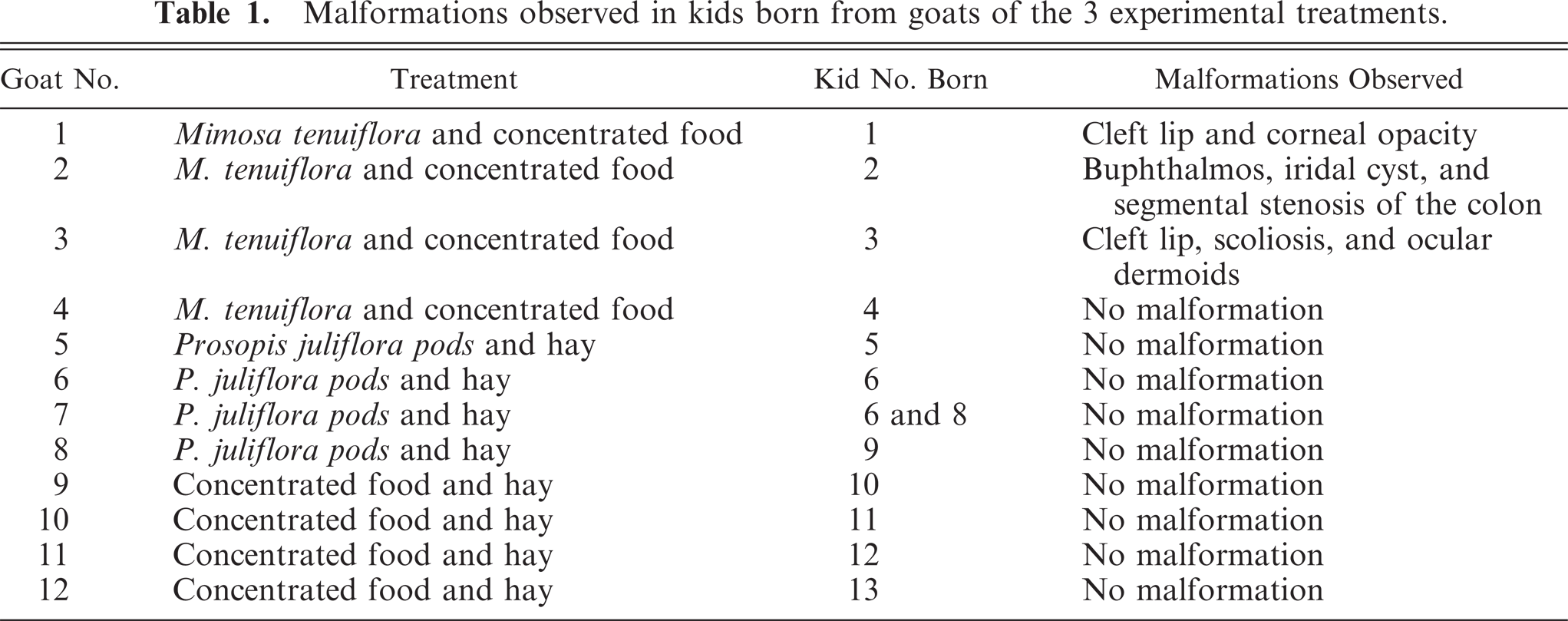
Mimosa tenuiflora. Municipality of Patos, state of Paraíba.
Leaves and flowers of Mimosa tenuiflora. Municipality of Patos, state of Paraíba.
Unilateral mild cleft lip and corneal opacity; kid No. 1.
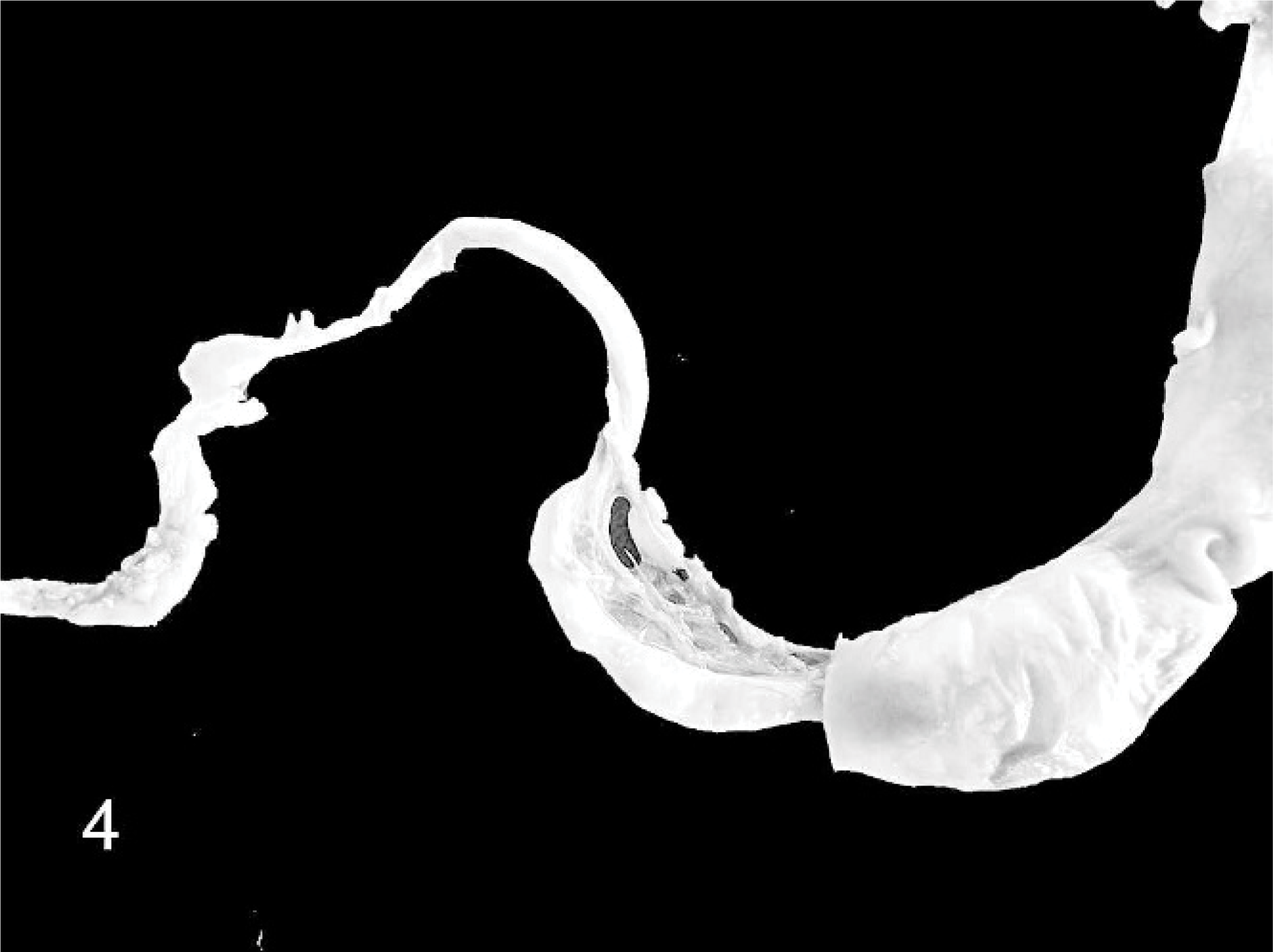
Large intestine; kid No 2. A segmental stenosis of the colon is observed.
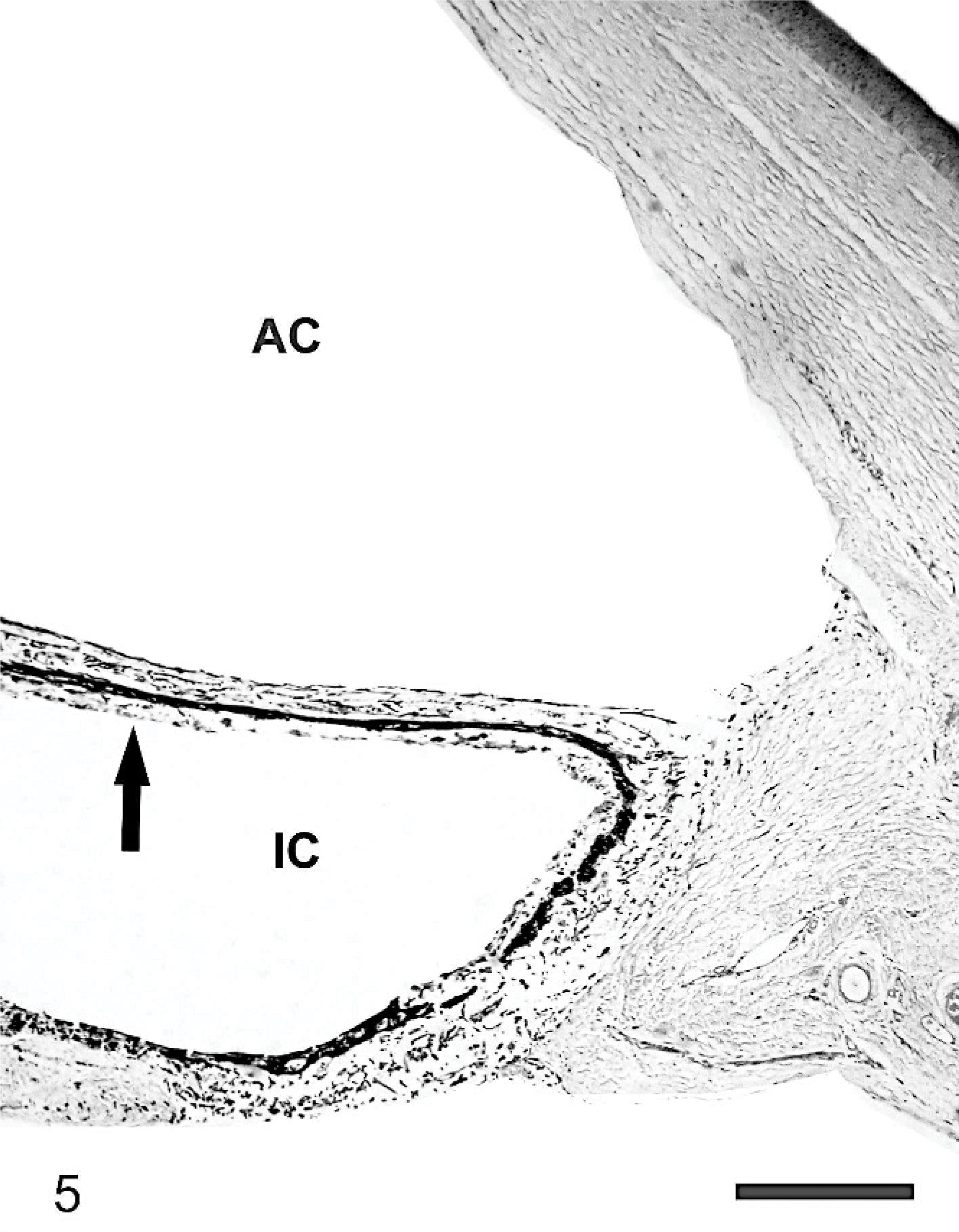
Eye; kid No. 2. Sagittal cut of the right eye shows the iridociliary epithelium (arrow) infolded into the anterior chamber (AC), forming an iridal cyst (IC). HE. Bar = 100 μm.
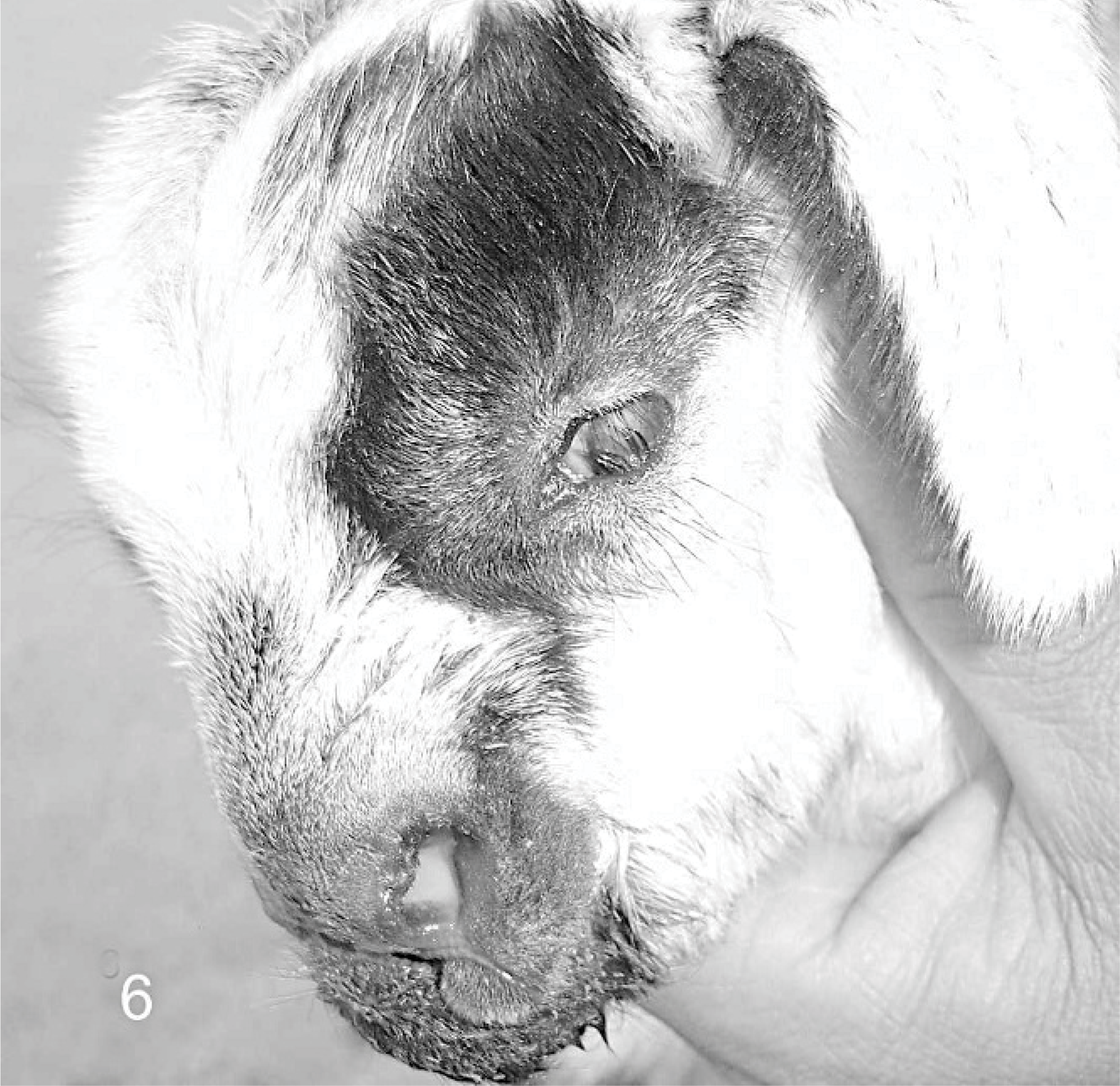
Unilateral cleft lip with a large opening from the lip up through the nose; kid No. 3. The right nostril and part of the lip are absent.
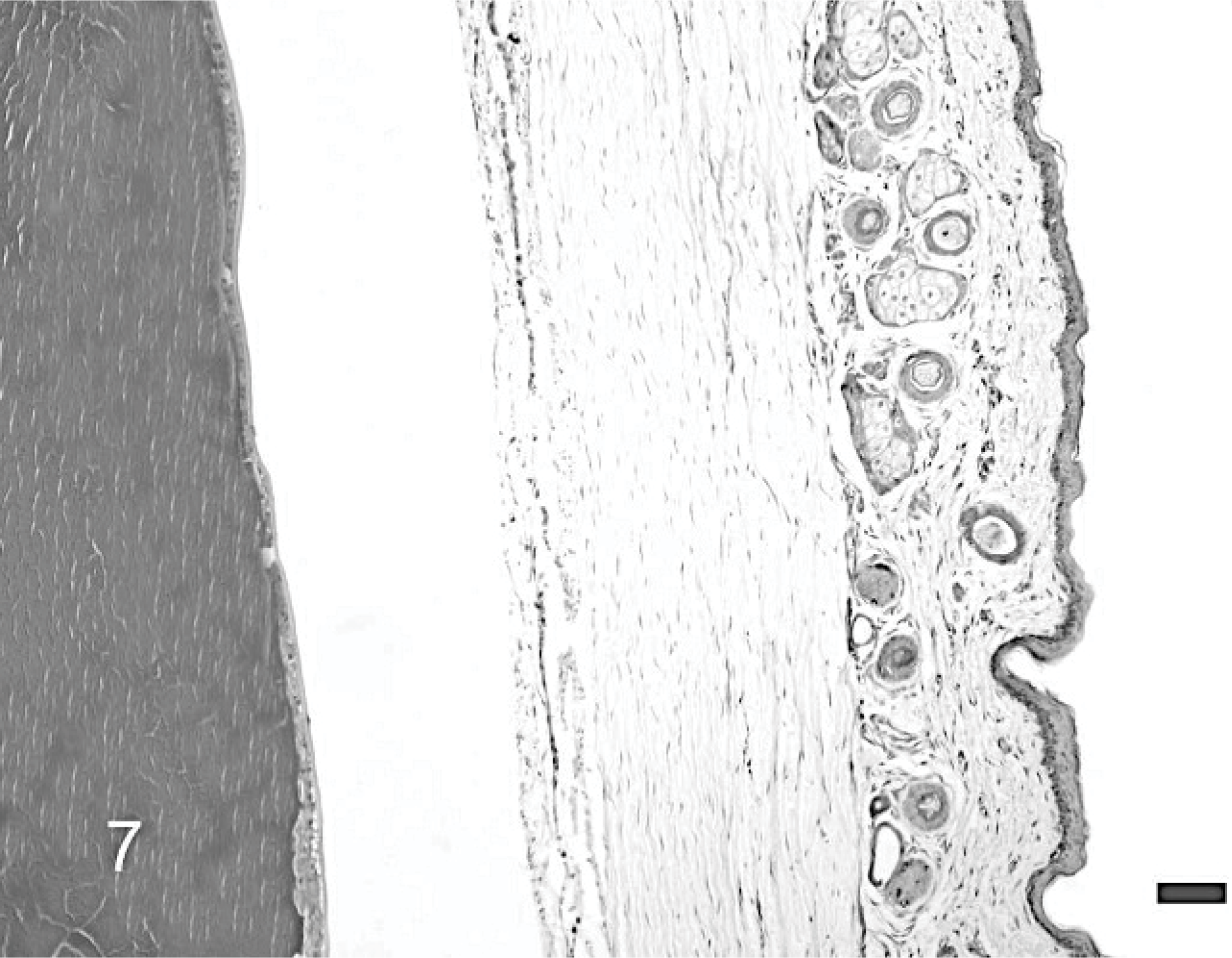
Eye; kid No. 3. Sagittal cut of the right eye shows the cornea covered by hairy skin. The lens is enlarged and occupying most of the anterior chamber. HE. Bar = 100 μm.
Malformations induced experimentally by M. tenuiflora were similar to those observed in field cases, demonstrating that this plant is a likely cause of such abnormalities. Cleft palate and skeletal malformations were also produced in rats fed, from the sixth to the 21st day of pregnancy, with a ration containing 10% of M. tenuiflora seeds. 2 M. tenuiflora is a xerophilous plant, very common in degraded areas in the semiarid region, where sometimes it is the only forage available. It belongs to the Leguminosae family, subfamily Mimosoideae, is a spined 4–6 m-high tree, with sticky hairs in the young branches. The stems are slightly inclined with a diameter of 20–30 cm and a coarse bark. It has an irregular and scantily branched treetop. The leaves are bipinnate and 1–3 cm long and have 4–7 pinnas, 2–4 cm long, and 15–33 pairs of leaflets, 5–6 mm long. The inflorescences are subterminal with isolated or geminated ears, 4–8 cm long, with white flowers. Pods are straight to slightly arcuate, 2.5–5 mm long and containing 4–6 seeds. 5 M. tenuiflora sprouts at the start of the rainy period, matching the normal breeding period for goats.
The incidence of malformations varies from farm to farm but has been reported to be 100% in some sheep or goat flocks grazing in areas where M. tenuiflora is the only available forage. This condition occurs at the end of the dry season, mainly after the first rain and when new rain does not occur during a period of 1 or 2 months. In these conditions, if sheep or goats are supplemented with grain or other concentrate food, they come into heat and get pregnant. These husbandry practices obviously expose pregnant sheep and goats during a high-risk stage of pregnancy, when these malformations are likely to occur. Recently, M. tenuiflora has been reported to cause embryonic death in goats (Dantas AF, Riet-Correa F, and Medeiros RMT, 2007, unpublished data).
The craniofacial anomalies and skeletal malformations observed in this study and in the field cases have some similarities to those reported in 2 flocks of sheep from Western Australia, where teratogenic plants were suspected as the cause of the malformations. 1 Other plants are known to cause malformations with some similarities to those induced by M. tenuiflora. Lupinus spp., Conium maculatum, and Nicotiana glauca, containing quinolizidines and piperidine alkaloids, can cause birth defects including congenital contractures affecting the legs (arthrogryposis), spine (scoliosis, lordosis), neck (kyphosis) and rib cage, and cleft palate in goats, sheep, cattle, and swine. 8, 9 While there are similarities of some aspects to those caused by M. tenuiflora, there are obvious differences also. Veratrum californicum induces severe craniofacial anomalies, skeletal malformations, embryonic mortality, and tracheal stenosis in sheep when ingested early in pregnancy. 4 The teratogenic alkaloids in V. californicum are steroidal alkaloids, including cyclopamine, cycloposine, and jervine. 4 Locoweeds (Oxytropis and Astragalus spp.) contain swainsonine (an indolizidine alkaloid) and cause occasional skeletal defects in sheep. 3 The toxin and specific stages of pregnancy for M. tenuiflora–induced malformations are not known at this time, but extraction techniques and experimental approaches used in the previously reported research will be used in identification of the toxin and elucidation of the mechanism of action in these cases. 9
The only recommendation to reduce or prevent malformations caused by M. tenuiflora is to keep ruminants out of pastures invaded by the plant until after 60 days of pregnancy. This practice seems to decrease significantly the incidence of malformations but is not the most optimal management option for ranchers, and future research is needed to determine the specific stage of gestation, elucidate the toxin, and develop strategies to allow optimum grazing of M. tenuiflora pastures.
Footnotes
Acknowledgements
This work was financially supported by Institutos do Milénio, National Council of Scientific and Technologic Development (CNPq), Grant No. 420012/2005-2 and by the Programa de Apoio a Núcleos de Excelência (PRONEX), Grant No. 001/04, CNPq, FAPESQ, MCT.