




Abstract
Objective:
The aim was to review the value of advanced sonography programs and to quantitatively evaluate the educational outcomes of two pilot advanced sonography programs (e.g., vascular and perinatal) with a well-established Commission on Accreditation of Allied Health Education Programs (CAAHEP) accredited Advanced Cardiac Sonography Program.
Materials and Methods:
The first phase of this sequential mixed-method study was to conduct a document analysis and extracting themes from published literature to highlight the content, benefits, and development of advanced sonography programs. The second phase was to implement a one-group pre-test post-test design to address the population, intervention, control, and outcomes (PICO) question: Among a sample of 12 participants (P), what are the effects of advanced programs (I) in cardiac, vascular, and perinatal sonography (C) on students’ composite knowledge, across 12 course levels and one clinical internship (O)?
Results:
The document analysis identified four latent themes: (1) the benefits of sonographer certification; (2) the need for sonographers to continuously develop their knowledge and skills; (3) the need to develop sonographers in diverse specialties of medicine; and (4) the need to develop new credentials for advanced practice sonographers. The effects of the three advanced sonography programs on the composite knowledge of the graduates were impressive, indicated by Hedges’ g = 2.02 (moderate) to 2.71 (large) effect size. Triangulation of data revealed that the four latent themes were consistent with the evaluation of the content and outcomes of the advanced cardiac, perinatal, and vascular sonography programs.
Conclusion:
Consistency between theory and practice and similar educational outcomes were achieved when comparing a well-established Advanced Cardiac Sonography Program with two pilot programs in advanced perinatal sonography and advanced vascular sonography. As this is the first comparison of this type, distinct conclusions that apply to all allied health programs cannot be drawn. The data collection in this study is a set of outcome measures that fits into a larger picture of academic success for these programs.
Community Regional Medical Center (CRMC) is a 685-bed regional hospital and trauma center in Fresno, California, which hosts the Medical Education programs of University of California, San Francisco. Accredited by the Commission on Accreditation of Allied Health Education Programs (CAAHEP), CRMC operates an entry-level Diagnostic Sonography Program in the following areas: Adult Cardiac, Abdomen/OB/Gyn, Pediatric Cardiac, and Vascular. The graduates of the cardiac programs have a career pathway to continue their formal education by entering the Advanced Cardiac Sonography Program after 3 years of clinical experience: “The CRMC Advanced Cardiac Sonography Program was developed in response to the cardiology and echocardiography profession request and need to create a career track for sonographers who practice at an advanced level in the echocardiography laboratory.” 1 The objective of the advanced program is to prepare sonographers who are committed to improving quality and efficiency although preparing echo assessments, performing advanced echocardiograms, mentoring fellows, students, residents, and staff, developing and implementing educational plans, facilitating continuous quality improvement, and coordinating cardiac ultrasound research. The Advanced Cardiac Sonography Program has proved to be successful, and we have completed four cohorts since 2017. However, the graduates of the entry-level Diagnostic Sonography Program (Abdominal-Extended, Ob/Gyn, and Vascular Programs) do not have the same advanced pathway for other modalities of sonography. The specific aim of this mixed-methods study was to review qualitatively the content, benefits, and development of advanced sonography programs and to evaluate quantitatively the educational outcomes of two pilot advanced sonography programs (vascular and perinatal) with the well-established CAAHEP accredited Advanced Cardiac Sonography Program.
The development of new sonography programs is consistent with demands to improve the training of sonographers, who need to become specialists and understand the value of holding a credential before becoming recognized as a professional.2 –5 In a review of the important role of sonographers, Bierig 6 concluded that “We will continue to see advance practice opportunities develop as health care continues to change and go through times of crisis. Ensuring standardized educational curricula and the completion of national credentialing examinations will continue to support the evolution of an advanced professional.” Independent billing has never been included in sonography advanced practice. There are three distinct components in moving toward advanced practice for sonography including educational programs, CAAHEP accreditation, and credentialing. The literature to date includes references to all three components, and the terms are often used independently and collectively. Although this research focuses explicitly on the educational arm of this triad, a document review was done to identify specific semantic and latent themes in the literature. The literature review methods and results are purposely listed before the quantitative comparative analysis of the Advanced Cardiac Sonography (ACS) program with the two pilot programs.
Materials and Methods
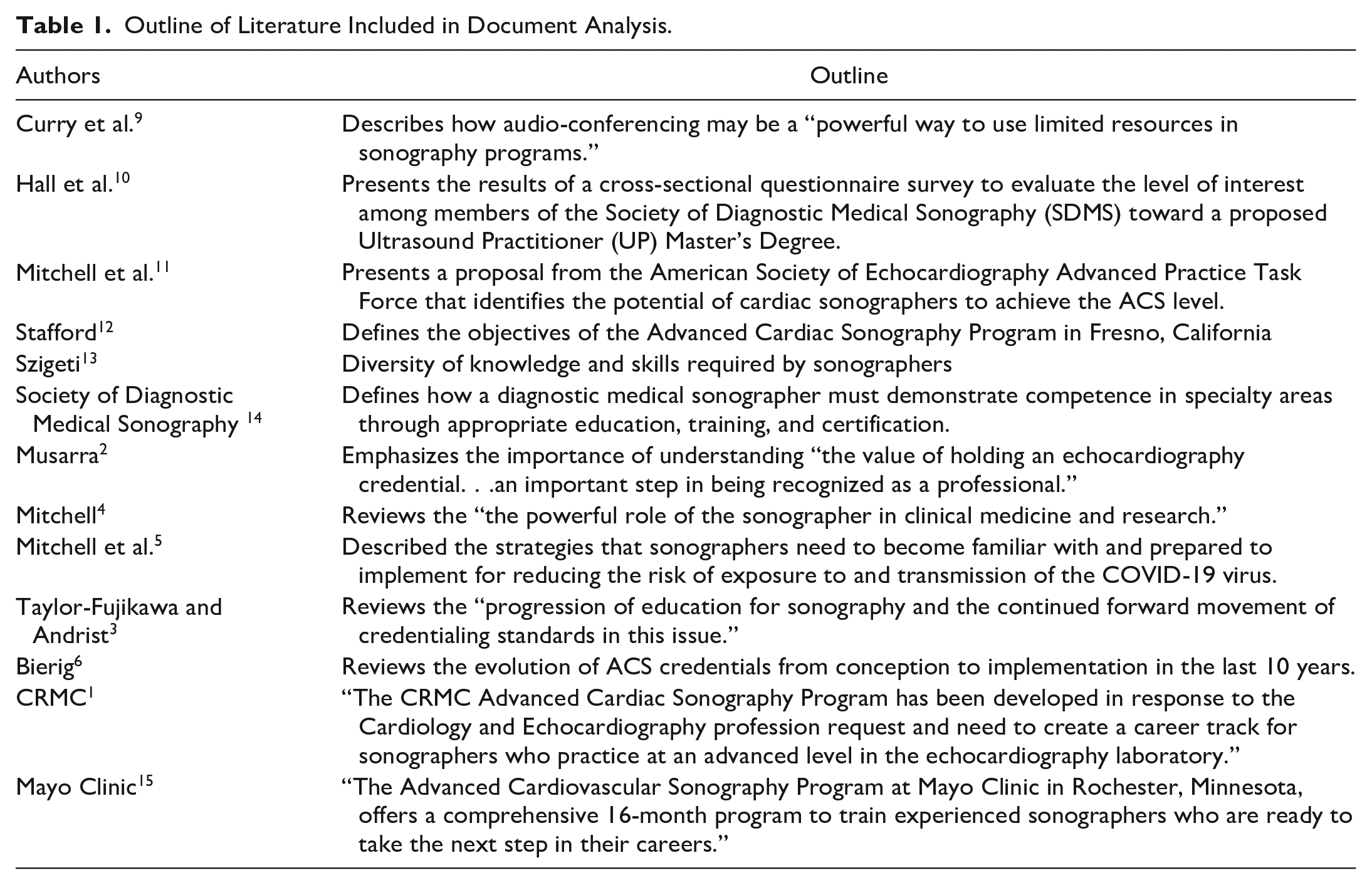
The mixed-method (qualitative/quantitative) design was underpinned by a rigorous sequential framework to provide trustworthy results. 7 A document analysis based on verbatim quotations extracted from publications listed in online databases (PubMed, PMC, EMBASE, and Cochrane Library) was chosen as a purposeful qualitative method to evaluate sources of information that were previously recorded without the researcher’s intervention. Document analysis provided a more systematic and objective approach to obtain reliable information on the training and practices of sonographers than a narrative review of the literature and/or phenomenological research based on face-to-face interactions with practitioners. 8 Table 1 outlines the literature (in chronological order) included in the document analysis.
Outline of Literature Included in Document Analysis.
Copies of the documents listed in Table 1 were imported into NVivo 12-Plus software. 16 NVivo was used as a digital platform to store, manage, examine, and search documents for themes, using the protocols described by Allsop et al. 17 Each theme consisted of a collection of uniquely coded units of information (phrases, sentences, or paragraphs) which represented a specific issue or topic related to the professional practice of sonography. Each theme that emerged inductively after reading the documents was classified as either semantic or latent. Semantic themes represented the literal or information provided by the authors of the documents. In contrast, the latent themes were “the patterns identified and developed later in the analytic process, building on and representing the outcome of the coding.” 18 Latent themes represented the researcher’s subjective interpretation of the implicit or underlying meanings and potential implications of the semantic themes. The latent themes were underpinned by the concept of positionality, defined as how the “researcher’s motivation, role, position, identity, power, and voice all impact on the doing of qualitative research.” 19 The researcher’s positionality was linked to her role as Program Director/Instructor of the Diagnostic Sonography and Advanced Cardiac Sonography Programs. The latent themes were also influenced by reflexivity, defined as “the process of a continual internal dialogue and critical self-evaluation of the researcher’s positionality as well as an active acknowledgment and explicit recognition that this position may affect the research process and outcome.” 20 The researchers took an impartial stance to ensure that positionality did not bias the results. The thematic analysis was conducted through a “reflexive lens” to avoid contaminating the conclusions with biased personal opinions. 21
In response to the demands to improve the training of sonographers, CRMC extended the ACS program to develop two pilot programs for perinatal and vascular sonographers. In January 2022, we accepted seven students into the ACS program, as well as three students into the pilot Advanced Perinatal Sonography (APS) program, and two students into the pilot Advanced Vascular Sonography (AVS) program. There was no advertisement for the pilot programs, and all candidates were drawn from our immediate geographic region. The pilot program participants were made aware that currently there is neither CAAHEP pathway for accreditation nor advanced credential for the pilot programs. The intent was to develop a formal educational pathway beyond cardiology for Advanced Practice Sonographers to provide the highest level of oversight and care for all patients requiring sonographic services. All the students graduated in June 2023. Institutional Review Board (IRB) approval was obtained through the CRMC/UCSF-Fresno IRB # 2023050 with the exempt Category 1 status: 45 CFR 46.101(1). We conducted a retrospective analysis of the entry criteria, course content, and the outcomes of a cross-sectional graduate survey.
Following the qualitative phase of this mixed-method study, a one-group pre-test post-test design was implemented to address the (population, intervention, control, and outcomes [PICO]) question: Among a sample of 12 participants (P), what are the effects of advanced programs (I) in cardiac, vascular, and perinatal sonography (C) on students’ composite knowledge, across 12 course levels and one clinical internship (O)? This question was answered by comparing the participants’ self-reported knowledge scores between the beginning and end of each program with a 10-point scale using a dedicated evaluation form for each program. The form for the ACS program is shown in Figure 1. The data analysis complied with the assertion that researchers should focus not on the statistical significance but on the practical significance (i.e., impressiveness, relevance, and value) of the outcomes of interventions in clinical and educational settings, indicated by effect sizes.22 –24
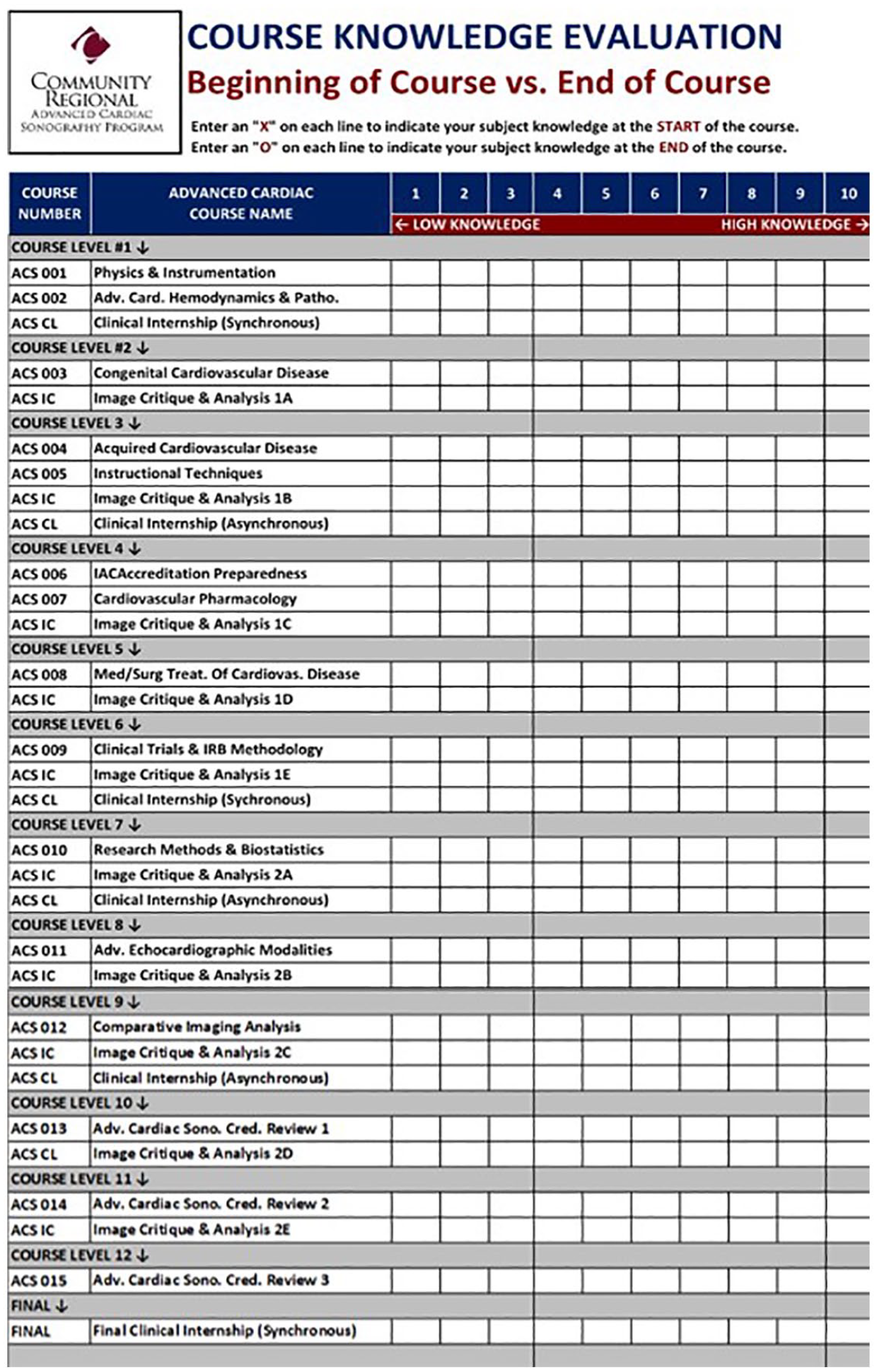
Course knowledge evaluation form.
Mean scores, 95% confidence intervals (CIs), and the effect size Hedge’s g were estimated to evaluate how much the mean scores awarded for composite knowledge changed between the start and end of each program. Hedges’ g was estimated in preference to Cohen’s d to correct for the bias due to the small sample size. 24 The interpretation of Hedge’s g complied with the criteria for clinical researchers: <0.41 = negligible effect; 0.41 = RMPE (recommended minimum value indicating a practically significant effect); 1.15 = moderate effect; 2.30 = large effect. 23
Results
Table 2 presents the evidence extracted from the cited documents to define the first latent theme entitled “Benefits of Sonographer Certification.” The overall primary theme recommended that sonographers must understand the value of holding a credential. The next seven secondary themes focused on how certification of advanced practice sonographers demonstrates acquisition of their knowledge, skills, and abilities, and helps to improve their diagnostic reporting and image quality. Certification of sonographers also enhances lab workflow and efficiency, mentorship, and the quality of patient care. Moreover, certification benefits the careers of advanced sonographers by providing more job openings as well as improving retention.
Benefits of Sonographer Certification.
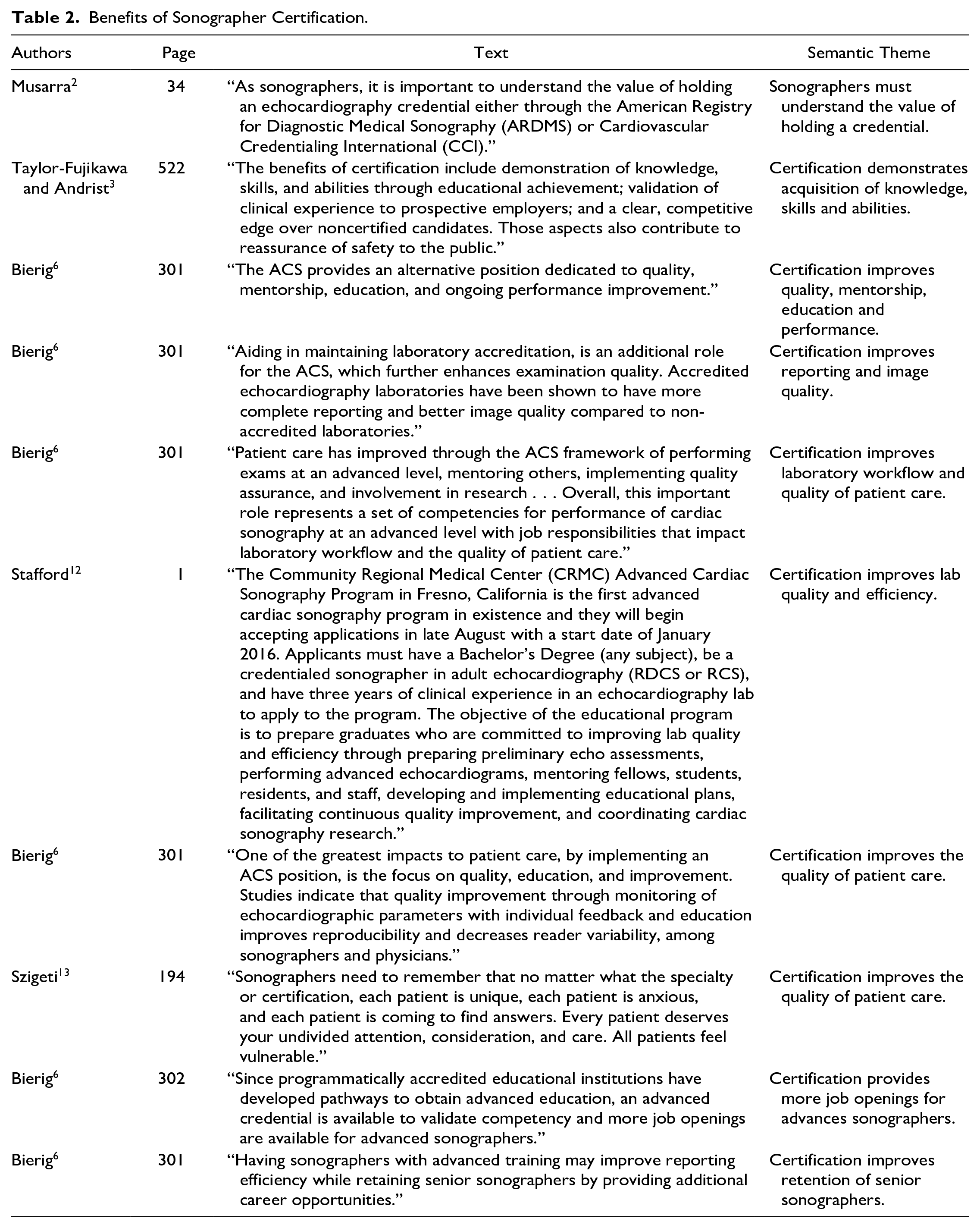
Table 3 presents the evidence extracted from the cited documents to define the second latent theme entitled “Sonographers Need to Continuously Develop their Knowledge and Skills.” The overall primary theme was that sonographers should become specialists. The next seven secondary themes focused on how sonographers can become specialists by staying appraised of standards and guidelines, learning how to collaborate with physicians, helping to promote evidence-based practice, engaging in research, be willing to learn and share information through alternative educational techniques (e.g., distance learning), develop their training skills, and be prepared to implement new scanning strategies (e.g., in response to the COVID-19 pandemic).
Sonographers Need to Continuously Develop Their Knowledge and Skills.
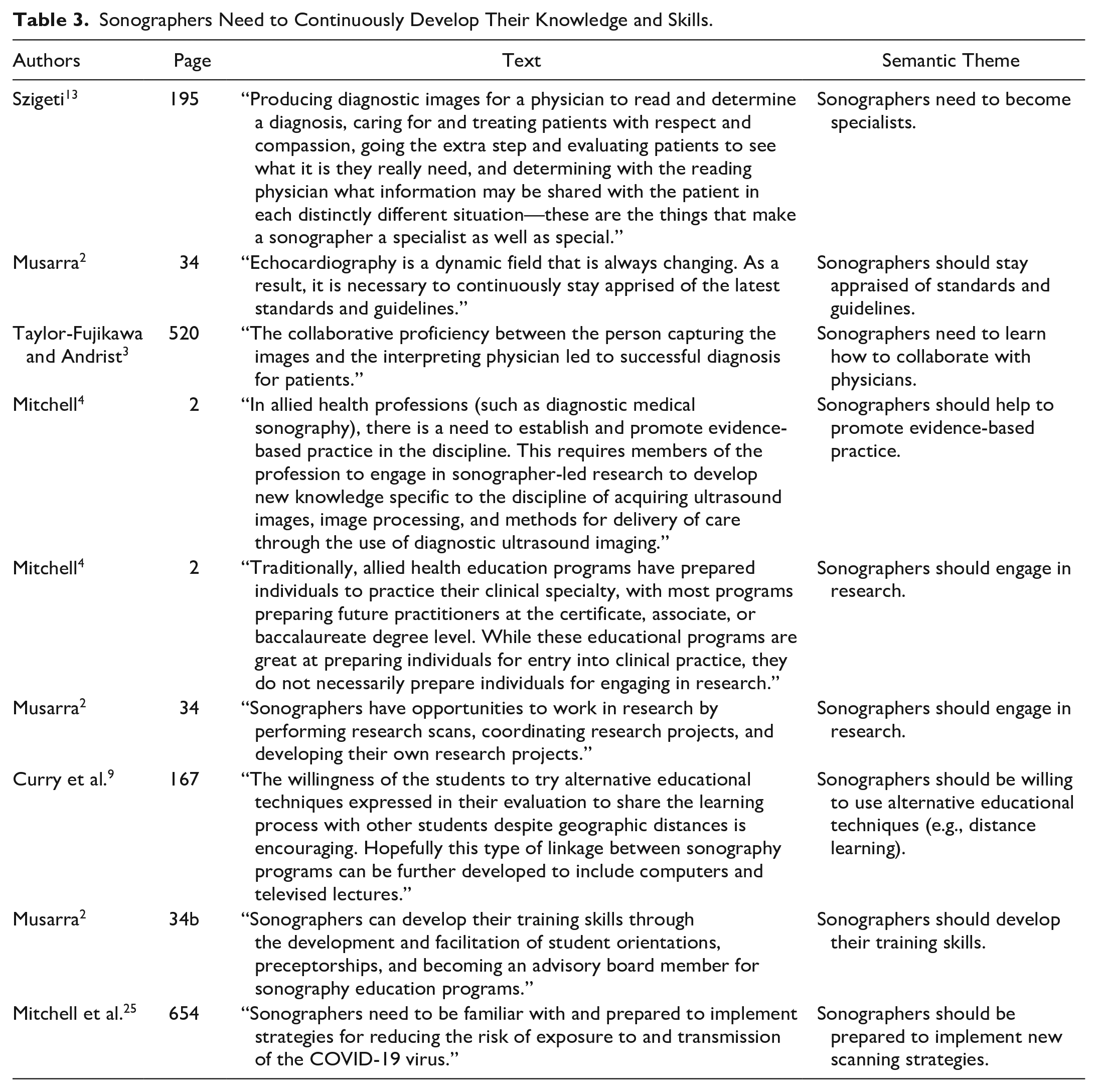
Table 4 presents the evidence extracted from the cited documents to define the third latent theme entitled “Development of Sonographers in Diverse Specialties.” The overall primary theme was that sonographers are currently required to deliver patient services in diverse specialties in new places. The next three secondary themes focused on the diverse specialties that sonographers need to cover. These specialties include traditional areas of diagnostic sonography (e.g., Abdominal, Ob/Gyn, Cardiac, and Vascular Technology) as well as nontraditional areas (e.g., family practice, internal medicine, and anesthesiology). New clinical services increase the need for referral to advanced sonographers after questions arise when nontraditional users engage in sonography.
Development of Sonographers in Diverse Specialties of Health Care.
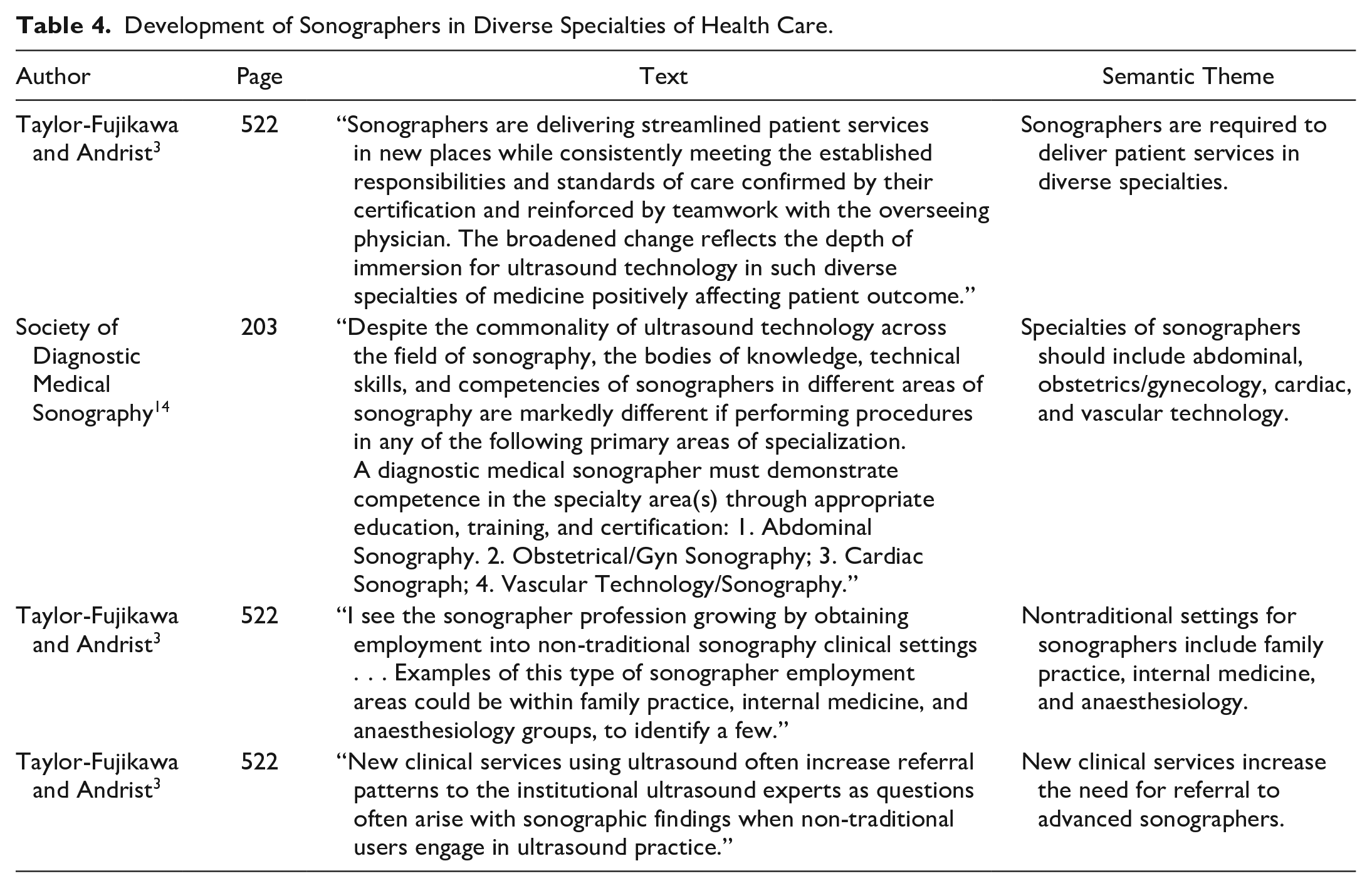
Table 5 presents the evidence extracted from the cited documents to define the final latent theme entitled “Need to Develop New Credentials for Advanced Practice Sonographers.” The overall primary theme is summarized by the statement “There are two tiers of sonographers who perform sonography in the United States: those with standard skills and those with advanced skills.” Advanced training is essential to provide sufficient practical or clinical knowledge to diagnose a patient’s clinical presentation. The Society of Diagnostic Medical Sonography has supported more advanced training of graduate sonographers for over 20 years, and accreditation bodies currently advocate continuing education to develop the competencies of advanced sonographers. The criteria for developing the professional status of advanced practice sonographers to provide a unique and essential service include the provision of a rigorous education and training program, the achievement of self-regulatory status, and the establishment of high standards for member selection. Advanced practice sonographers are recommended to focus on capabilities more than competencies.
Need to Develop New Credentials for Advanced Practice Sonographers.
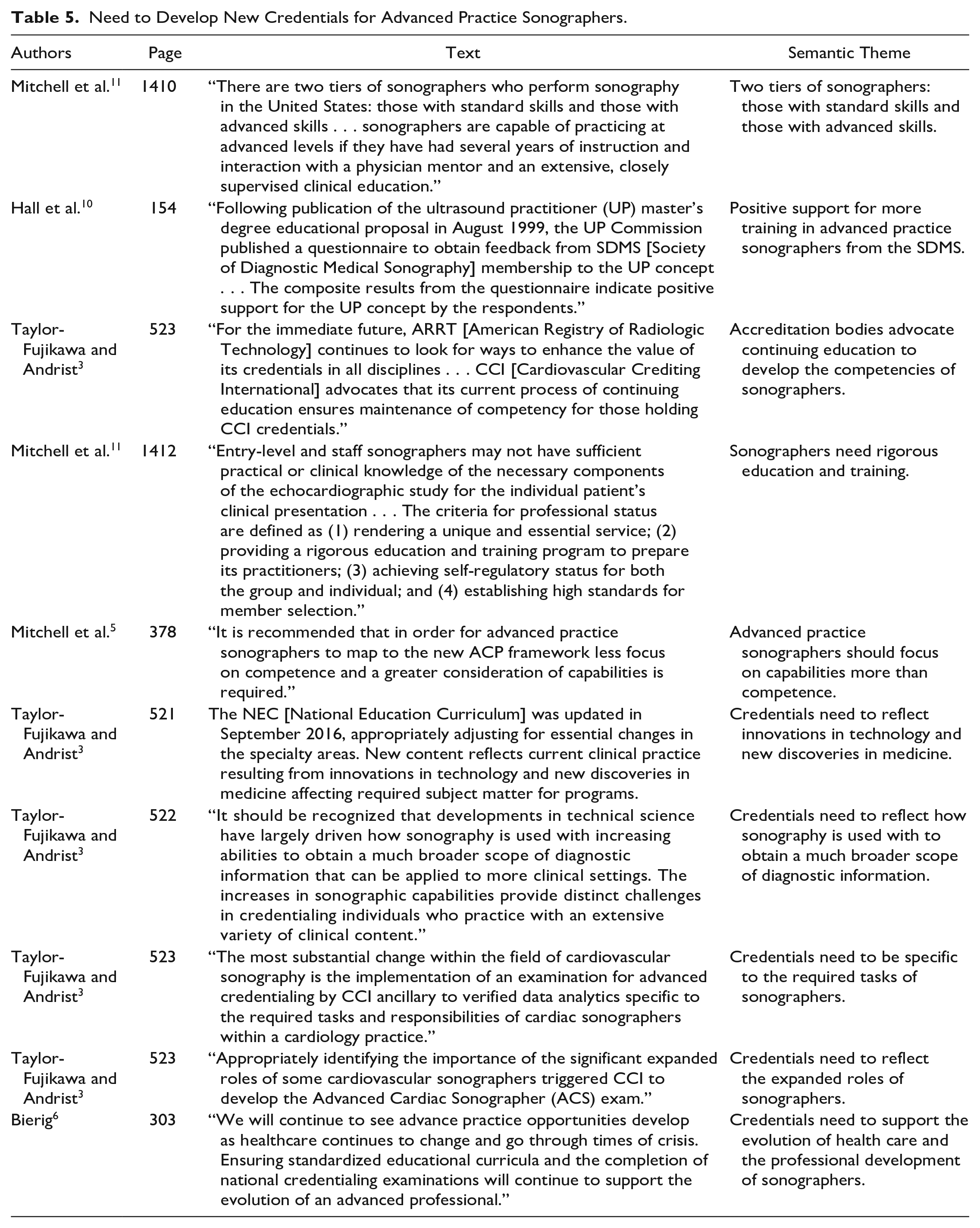
The next five themes provide the evidence to conclude that new credentials for advanced practice sonographers need to reflect the rapid changes in clinical practice. Specifically, these new credentials need to (1) reflect innovations in technology and new discoveries in medicine; (2) reflect how sonography is used to obtain a much broader scope of diagnostic information; (3) be specific to the specialized tasks of sonographers; and (4) consider the expanded roles of sonographers.
The final theme emphasizes that new training programs and certification to support the professional development of sonographers is essential as health care continues to change in the future. Standardized educational curricula need to be ensured and national credentialing examinations need to be developed to support the evolution of advanced practice sonographers.
Results of the quantitative comparative analysis of the established CAAHEP accredited Advanced Cardiac Sonography Program with two pilot advanced sonography programs are noted as follows. The entry criteria to the two pilot programs were identical to the established ACS program. These included the same hospital-based health learning competency (HLC) requirements as CRMC employees; bachelor’s degree; Registered Diagnostic Medical Sonography credential from the American Registry for Diagnostic Medical Sonography (ARDMS); 26 and 3 years of full-time clinical experience. The curriculum followed the current CAAHEP Standards and Guidelines for Advanced Cardiovascular Sonography 27 with changes made to reflect the differences in specific subspecialties. The curriculum was designed to provide parity across all three cohorts, and thereby providing an equitable educational and clinical experience. A recent article by Guthrie and Bierig 28 entitled “Impact of Advanced Cardiac Sonographers on exam completeness in the echocardiography laboratory” concluded that advanced cardiac sonographers perform more complete exams when compared with nonadvanced sonographers in specific pathologies.
Attachment 1 lists the courses offered within the three programs. Attachment 2 compares the course content of the three programs. Each program has 12 levels, and the course work is very similar across all disciplines. Seven generic courses are replicated across the three disciplines. Three specific courses are replicated across the cardiovascular and vascular disciplines. One course is replicated across the perinatal and vascular disciplines. Six courses are specific to the cardiovascular discipline. Nine new courses are specific to the perinatal discipline. Five new courses are specific to the vascular discipline. Each individual course was evaluated from the beginning of the course to the end of the program.
Figure 2 shows that the mean scores out of 10 for the Advanced Cardiac Sonography Program improved from 5.16 at the start to 8.89 at the end with a large and impressive effect size (Hedge’s g = 2.71). Figure 3 shows that the mean scores for the AVS program increased from 3.99 at the start to 8.43 at the end with a moderate effect size (Hedge’s g = 2.02). Figure 4 shows that the mean scores for the APS program improved from 5.48 at the start to 8.47 at the end with a large and impressive effect size (Hedge’s g = 2.71). Figure 5 shows that the improvement in knowledge was consistent across all 12 of the course levels. At the beginning, only 11% to 22% of the students scored more than 7/10 across the 12 levels (i.e., consistently low knowledge) whereas, at the end, 78% to 100.0% of the students scored more than 7 out of 10 across the 12 levels (i.e., consistently high knowledge).
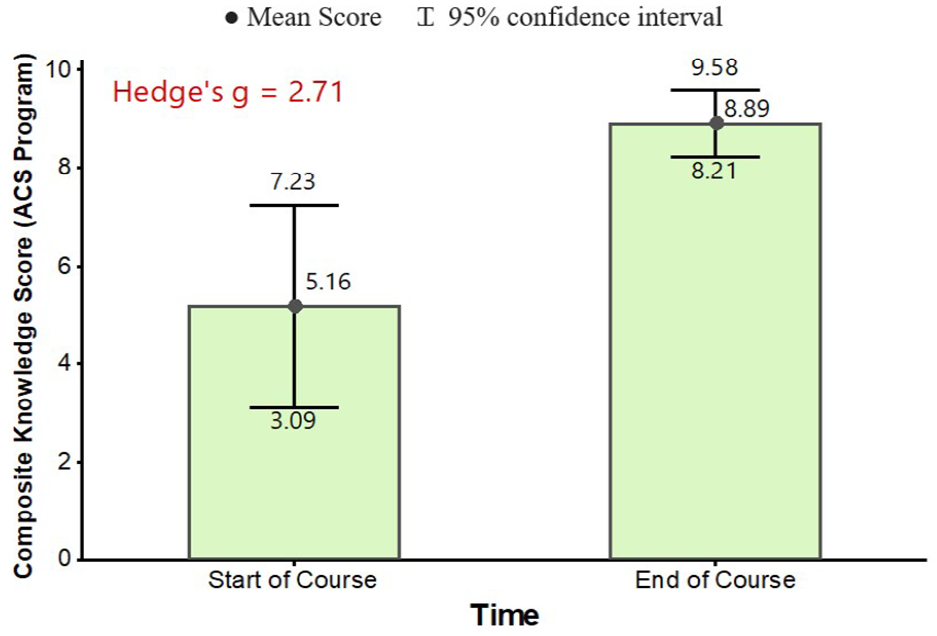
Change in knowledge of participants in Advanced Cardiac Sonography Program.
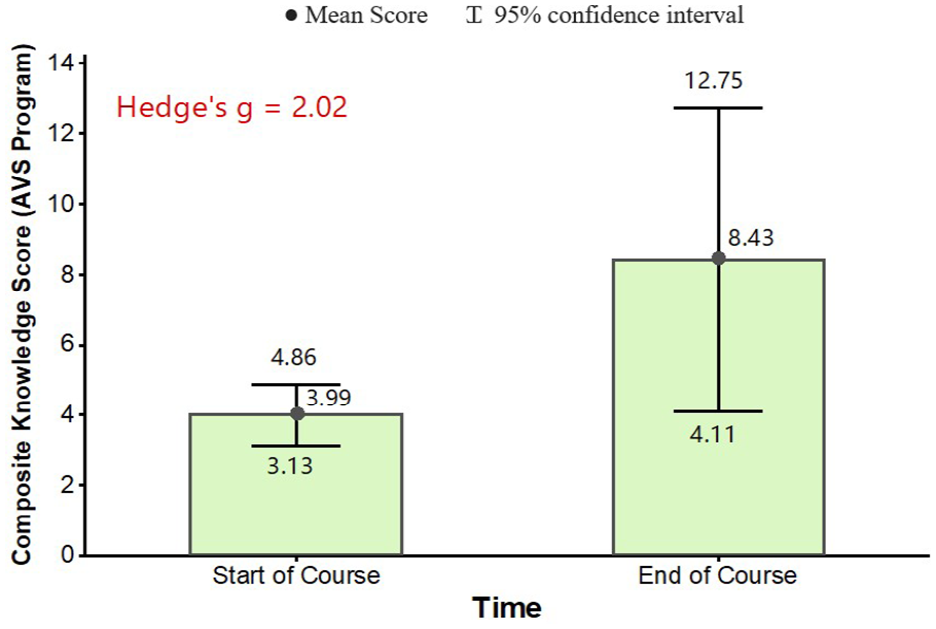
Change in knowledge of participants in Advanced Vascular Sonography Program.
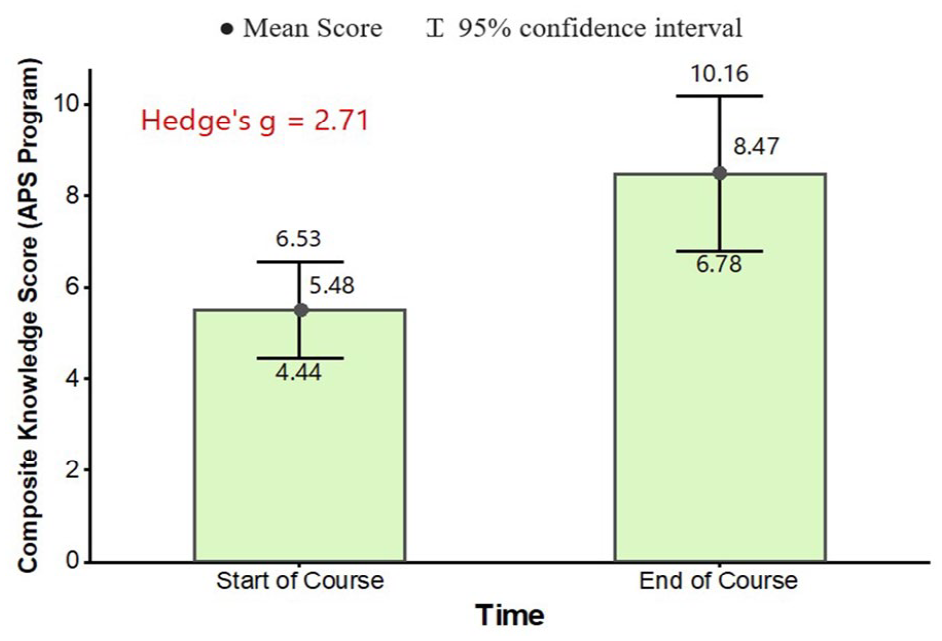
Change in knowledge of participants in Advanced Perinatal Sonography Program.
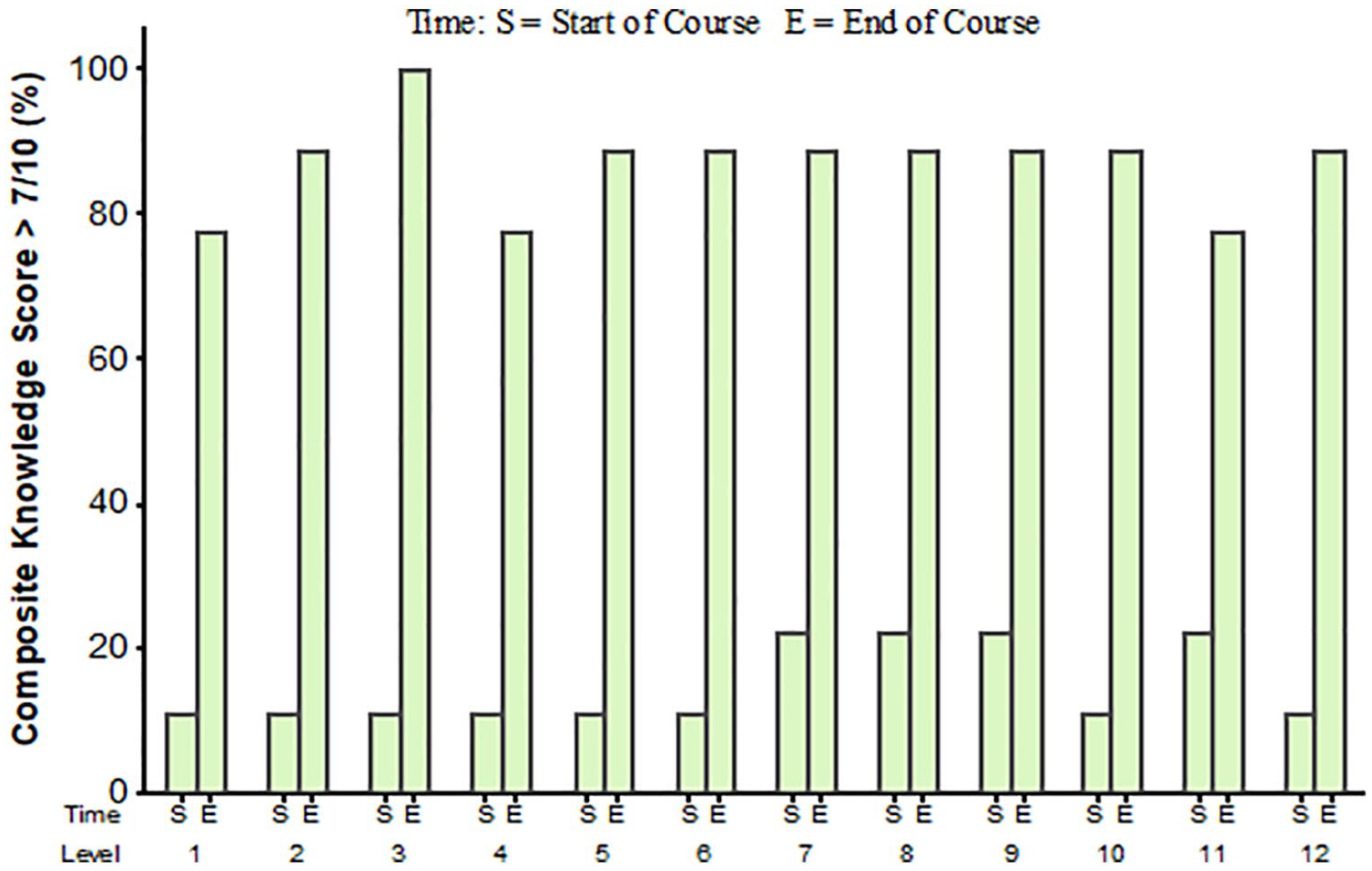
Change in knowledge of participants between the start and end of 12 course levels across three advanced sonography programs.
Discussion
The first phase of this mixed-method study focused on highlighting the value of holding credentials in sonography. A systematic, objective, and reflexive document analysis was implemented to interpret the existing published information on sonography practices. Four latent themes were identified as follows: (1) the benefits of sonographer certification; (2) the need for sonographers to continuously develop their knowledge and skills; (3) the need to develop sonographers in diverse specialties of medicine; and (4) the need to develop new credentials for advanced practice sonographers. The authenticity, credibility, representativeness, and meaningfulness of these themes were confirmed by the quantitative evaluation of the Advanced Cardiac, Perinatal, and Vascular Sonography Programs at CRMC. Triangulation, defined as a “method to increase the credibility and validity of research findings,” 29 revealed that the four themes extracted from the document analysis were consistent with the content and outcomes of the quantitative evaluation of the advanced sonography programs that we are developing at CRMC. The impressive effect sizes and the consistent improvement in the students’ knowledge across the 12 course levels in all our sonography programs emphasized the benefits of existing and new credentials for advanced practice sonographers. The quantitative evaluation also confirmed the ability of the three programs to improve the knowledge and skills of sonographers in diverse specialties of medicine. Moreover, the findings support the theory of credentialism, which assumes that higher education qualifications are essential to improve access to professional graduate occupations in many scientific fields. 30
Sonographers (practicing in all modalities) are highly trained and educated health care professionals. With that in mind, there are limited opportunities for sonographers to advance in their career. In fact, we, as a profession, are losing sonographers to other professions such as nursing and physician assistant programs. Although sonographers can get advanced degrees and become department heads, not all sonographers aspire to be in administration. This formal education pathway acknowledges that the sonographers that are accepted into these programs have already met the current standard of excellence (credentialed sonographer, bachelor’s degree, and a minimum of 3 years of experience). These programs provide an additional 16 to 18 month of formal education that employers are seeking to become the technical expert in the laboratory. If we look at other models in health care such as a registered nurse versus a nurse practitioner, the integral component is formal education. Institutions that are offering advanced sonography programs realize the vital role of sonographers and seek to provide advanced education and training to assist our physicians in busy laboratories; provide exceptional oversight of students, fellows, and staff; and provide guidance in quality assurance, laboratory accreditation, and efficient workflow. The goal is to provide comprehensive, competent, and exceptional care for our respective patients.
Limitations
The dilemma of thematic analysis is the common tendency of qualitative researchers to commit confirmation bias, defined as the interpretation of spoken or written information “in ways that give priority, even exclusivity, to confirming a pre-established, favored, or focal attitude, belief, claim, or message.” 31 We attempted to avoid confirmation bias, by reporting exact verbatim quotations from the existing literature, and by interpreting the latent and semantic themes through a “reflexive lens.” We were “aware of the subjectivity and role of the researcher in the process of knowledge production” and also “accountable for the means by which we arrived at a particular reading of the data.” 21 The limitation of the quantitative evaluation of the three advanced sonography programs was that the number of participants was relatively small; however, “The effect size is resistant against sample size, and therefore it can provide a more accurate measurement of the effect of an intervention.” 32 The overall limitation of this study is that the convenience sample of students who participated in the three advanced sonography programs at CRMC may not be representative of the entire population of all sonographers in the United States; consequently, the effect sizes may be inflated, and the external validity of the findings may be limited.
Future Research
With the encouraging results of this study, a second pilot program with more students has started. The future aim is to continue to evaluate the educational outcomes of the pilot advanced sonography programs with the established ACS program. In addition, the graduate and employer surveys of the first pilot programs will help to guide future curriculum or clinical competency changes as needed. Continuing outreach efforts with current program directors, sonography professional societies, hospital administrators, accreditation and credentialing organizations are ongoing and will help to support this effort.
Conclusion
We identified similar educational outcomes when comparing a well-established Advanced Cardiac Sonography Program with two pilot programs in APS and AVS. The effects of the three advanced sonography programs on the composite knowledge of the 12 participants across 12 course levels and one clinical internship were impressive (moderate to large effect size). Our program does not have control of the potential for CAAHEP accreditation nor the development of advanced credentials; however, this research served to test the educational arm of this process. As this is the first comparison of this type, distinct conclusions that apply to all allied health programs cannot be drawn. The data collection in this study is a set of outcome measures that fits into a larger picture of academic success for these programs.
Supplemental Material
sj-docx-1-jdm-10.1177_87564793241236785 – Supplemental material for Method Study to Compare a CAAHEP Accredited Advanced Cardiac Sonography Program With Two Pilot Advanced Sonography Programs
Supplemental material, sj-docx-1-jdm-10.1177_87564793241236785 for Method Study to Compare a CAAHEP Accredited Advanced Cardiac Sonography Program With Two Pilot Advanced Sonography Programs by Joy D. Guthrie in Journal of Diagnostic Medical Sonography
Footnotes
Acknowledgements
The author acknowledges the CRMC administration for allowing the addition of the Pilot Programs to help to propel our profession forward. The author also acknowledges ACS students and advanced pilot students for the faith in the educational process and Doctors Teresa Daniele, Douglas Helm, Ana Coll and Leigh Ann O’Banion for their continued support and advocacy for sonographers in their roles as Medical Advisors of all respective CRMC Sonography programs.
Ethics Approval
Ethics approval was obtained from the Community Regional Medical Center/UCSF-Fresno IRB committee #2023050 with the exempt Category 1: 45 CFR 46.101(1).
Informed Consent
Informed consent was not sought for this study because all case data were de-identified and/or aggregated and followed ethics committee or institutional review board (IRB) guidelines (also referred to as the Honest Broker System).
Animal Welfare
Guidelines for humane animal treatment did not apply to this study.
Trial Registration
Not applicable.
Declaration of Conflicting Interests
The author declared no potential conflicts of interest with respect to the research, authorship, and/or publication of this article.
Funding
The author received no financial support for the research, authorship, and/or publication of this article.

References
Supplementary Material
Please find the following supplemental material available below.
For Open Access articles published under a Creative Commons License, all supplemental material carries the same license as the article it is associated with.
For non-Open Access articles published, all supplemental material carries a non-exclusive license, and permission requests for re-use of supplemental material or any part of supplemental material shall be sent directly to the copyright owner as specified in the copyright notice associated with the article.
