




Abstract
We present a negative dielectrophoresis (n-DEP)–based cell separation system for high-throughput and high-efficiency cell separation. To achieve a high throughput, the proposed system comprises macro-sized channel and cantilever-type electrode (CE) arrays (L × W × H = 150 µm × 500 µm × 50 µm) to generate n-DEP force. For high efficiency, double separation modules, which have macro-sized channels and CE arrays in each separation module, are employed. In addition, flow regulators to precisely control the hydrodynamic force are allocated for each outlet. Because the hydrodynamic force and the n-DEP force acting on the target cell are the main determinants of the separation efficiency, we evaluate the theoretical amount of hydrodynamic force and n-DEP force acting on each target cell. Based on theoretical results, separation conditions are experimentally investigated. Finally, to demonstrate the separation performance, we performed the separation of target cells (live K562) from nontarget cells (dead K562) under conditions of low voltage (7Vp-p with 100 kHz) and a flow rate of 15 µL•min−1, 6 µL•min−1, and 8 µL•min−1 in outlets 1, 2, and 3, respectively. The system can separate target cells with 95% separation efficiency in the case of the ratio of 5:1 (live K562:dead K562).
Keywords
Introduction
In biological science, high throughput is essential to achieve a larger number of tests using fewer cells and reduce costs. 1 High efficiency in cell separation is also a key issue for many diagnostic and therapeutic studies. Recently, for the attainment of high throughput and high purity, various endeavors such as fluorescent-activated cell sorters, magnetically activated cell sorters, and flow-driven cell sorters have been reported.2–8 Nevertheless, this research concedes that there are still limitations in terms of particle separation efficiency because the conventional labeling process depends on the labeling performance of the target particles. 9 To overcome these limitations, researchers began focusing on microfluidic platforms with a nonimmunolabeling process.10–15 Various attempts for microparticle separation based on nonimmunolabeling processes such as the rearrangement of pillars for the deterministic lateral displacement of microparticles, the integration of the pinched segment in the microchannel, 16 and microelectrode-based dielectrophoresis17–26 were demonstrated in the microfluidic channel. Therefore, these platforms are still dependent on external pumps, which are expensive and overly large compared with a separation platform, although they do have a carefully designed microstructure and positioning samples generated by geometrically driven laminar flows. 27 In addition, these microstructure-based cell separation systems cause a limitation of throughput due to the micro-sized dimensions of the channel. Therefore, we propose a separation platform that can separate cells with high throughput and high efficiency. First, the proposed separation mechanism, which is based on the determinant of vector summation among gravity, hydrodynamic force, and negative dielectrophoresis (n-DEP) force in macro-sized channels, was invented. 28 Cantilever-type electrode (CE) arrays, a container module, channel modules, and separation modules in the proposed platform were designed, and in particular, hydrodynamic characteristics in the macro-sized channel of the channel modules were simulated29–34 to find the optimized channel shape and flow rate for high throughput and high efficiency. After selecting the target cell, the dielectric material property of the target cell was analyzed to estimate the n-DEP force acting on the target cell. Based on theoretical results regarding n-DEP and hydrodynamic forces, the separation working principle employing the double separation module was confirmed with respect to its ability to increase separation efficiency significantly. Then, the optimal condition for high efficiency was experimentally searched on the fabricated CE array. After assembling all the parts, a cell separation system was built, and cell separation conditions such as flow rate, voltage input for high efficiency, and high throughput were investigated based on the experimental results on the CE array and simulation results in the macro-sized channel. Finally, cell separation efficiency and throughput were evaluated using live leukemia cells (K562) and dead leukemia cells (K562) because K562 cells are frequently used as target cells for in vitro natural killer (NK) cell cytotoxicity tests in clinical laboratory medicine. 35 The flow diagram for the development of the proposed system is presented in Figure 1 .
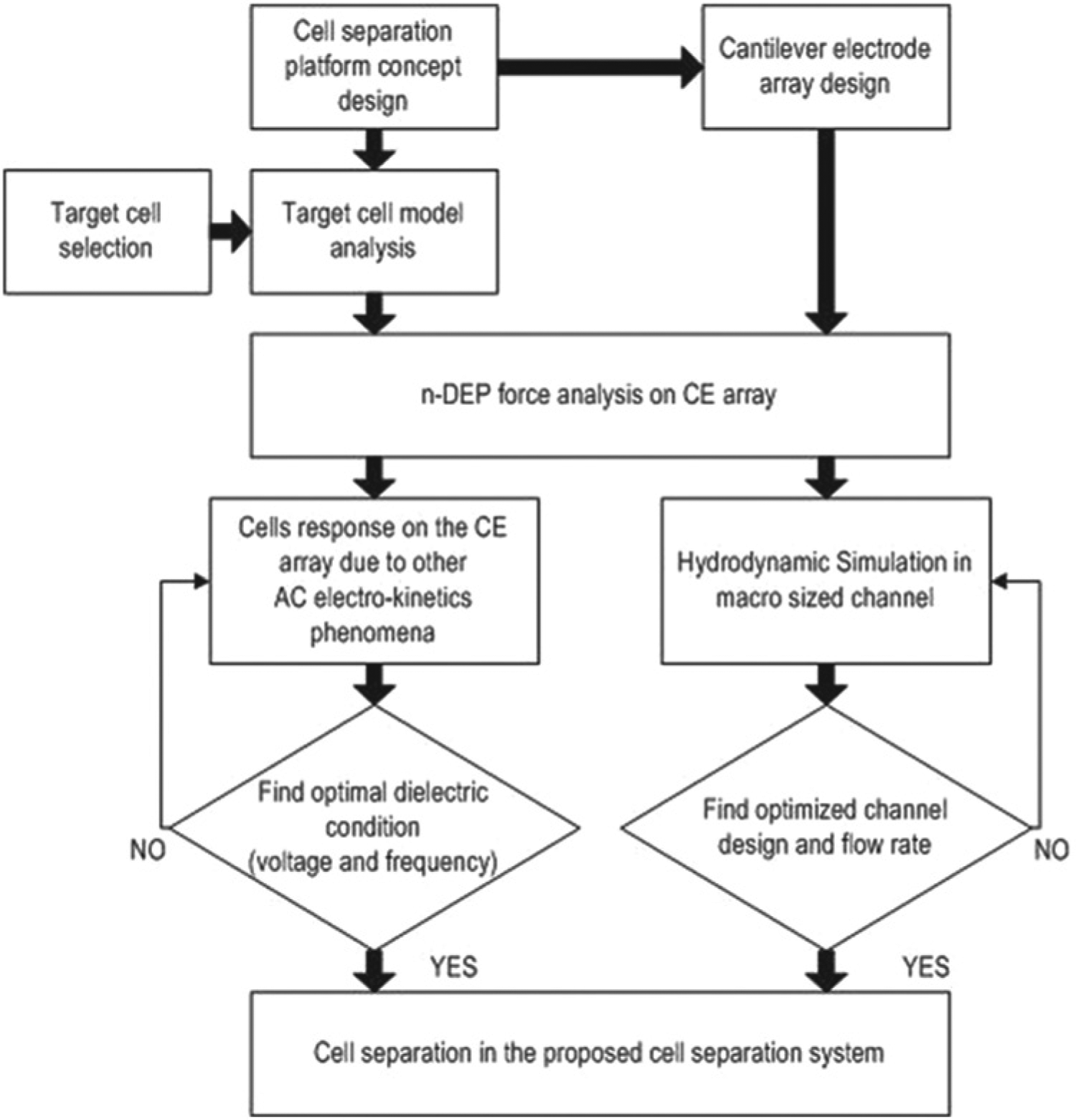
Flow diagram for the development of the cell separation system with high throughput and high efficiency.
Materials and Methods
Mechanism and Theory
For the development of an n-DEP–based high-throughput and high-efficiency cell-sorting platform, we employ gravity, hydrodynamic force from gravity-driven flow, and n-DEP force. As illustrated in Figure 2 , injected cells (both target and nontarget cells) sink along the path line under both gravity and hydrodynamic forces.
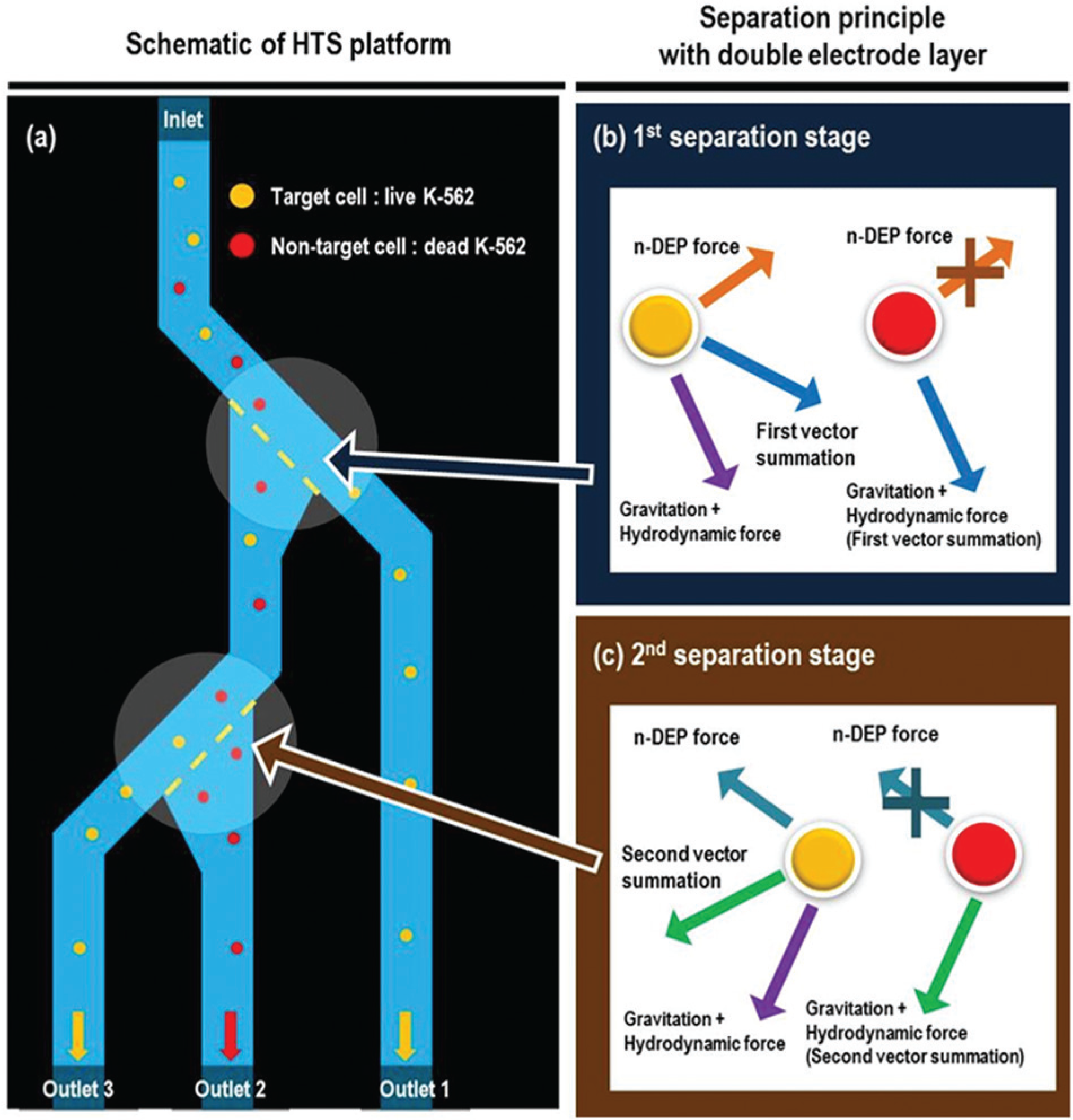
Illustration of separation mechanism based on double separation processes.
With the assumption that the net force acting on a cell becomes zero, the cells in the vertical channel reach terminal velocity. As terminal velocity is reached, the weight (W) of the cell is exactly equal to the summation of the upward buoyancy force (Fb) and drag force (Fd). In other words, that is,

If the falling cell is spherical in shape, the expression for the three forces is given as

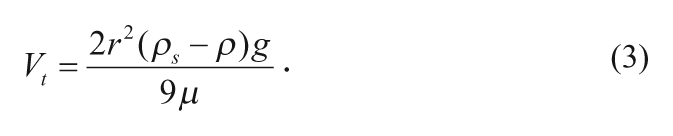
Finally, from the above equation, we can obtain the terminal velocity (Vt) of a cell in the fluid.
When they reach the CE array, all cells are exposed to the electric field from the CE array. Consequently, a cell will be under dielectrophoretic force (FDEP), which is affected by the cell radius (r), the permittivity of the liquid medium (ε0 εm), the real value of the Clausius-Mossotti (CM) factor (K (ω)) with the angular frequency (ω) of the AC electric field, and the electric field gradient (∇E2). 36

K (ω) in Equation 4 is given by
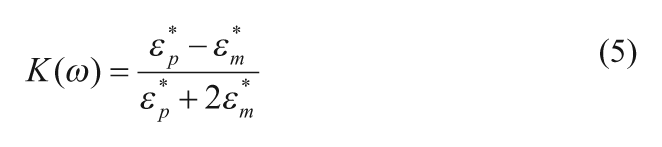

where i = m, p and m and p are the medium and particle, respectively.
The value of the CM factor is determined by the complex AC permittivity (
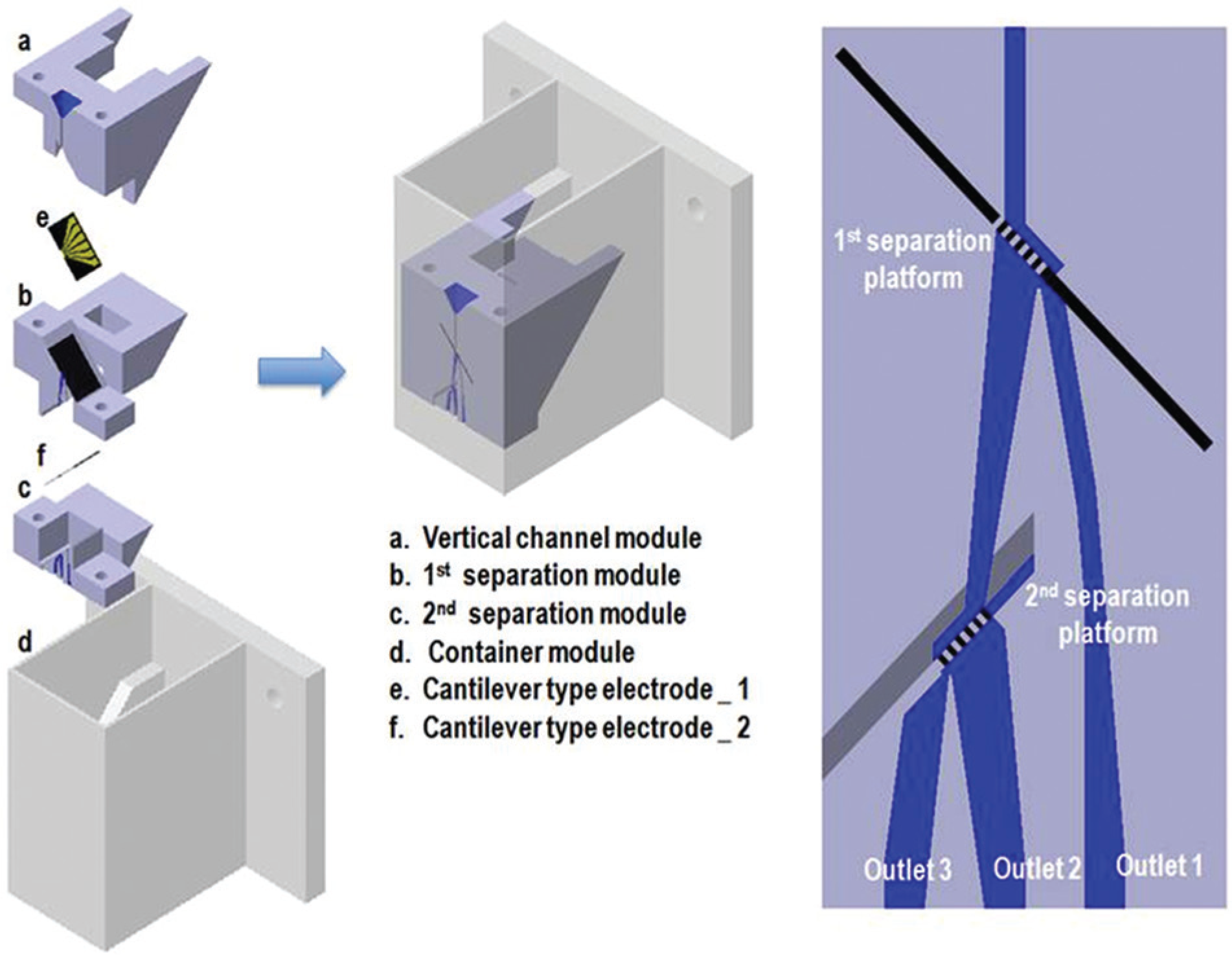
Configuration of negative dielectrophoresis–based high-throughput sorting platform.
Cell Selection and Preparation
For the diagnosis or analysis of immune status in various diseases, the measurement of lymphocyte immune function is increasingly important in laboratory medicine. A leukemia cell line has been used as target cells to investigate the immune function of NK cells, and the distinction between live and dead cells (K562) is an important process in NK cytotoxicity tests. In addition, for cellular function tests such as lymphocyte immunophenotyping and antibody-dependent cell-mediated cytotoxicity, separation between live cells and dead cells is still an important step, and staining with fluorescence-labeled monocloncal antibodies is mostly used to detect dead cells. However, the labeling process is dependent on the used monoclonal antibodies or labeling fluorescence, and the labeling process and pump damage could affect the immune functions of the cell. Also, in the case of flow cytometry, expensive components are needed for the detection of the biological properties of the cell.
For the purposes of this study, the target cell for n-DEP force–based cell separation did not require immunolabeling, and therefore, live and dead leukemia cells were selected for the separation experiment. The dead cells were obtained by incubating live cells with 10 µg/mL mitomycin-C for 24 h. The cells were centrifuged at room temperature at 1000 rpm for 1 min. The cells were then washed and resuspended with the medium (0.1× phosphate-buffered saline + 1% bovine serum albumin + 8.5 % [w/v] sucrose + 0.5 % [w/v] dextrose). The medium in the container was the same solution that was used to resuspend the cells. We confirmed the final conductivity of the buffer medium as 2.01 mS·cm−1 using an InoLab Cond 730 conductivity meter (Wissenschaftlich-Technische Werkstätten, GMbH&Co. KG, Germany). To investigate separation efficiency, the final population of the mixture in approximately 1 × 10⁷ cells·ml−1 (±5%) was counted using a hemocytometer (Marienfeld GmbH, Marienfeld, Germany).
CE Array Fabrication
In Figure 4 , we illustrate the microfabrication processes of the CE array. (a) We used a silicon wafer as a substrate. (b) Using chemical mechanical polishing, the thickness of the substrate was reduced to 300 µm. (c) For liftoff-based electrode patterning, a positive photoresist (AZ 7220 PR) was coated on the silicon substrate using a spin coater. (d) The coated positive PR was patterned through standard photolithography. (e) The exposed PR layer was removed using a developer. (f) A Cr seed layer of 500 Å and an Au layer of 2000 Å were then sequentially deposited on the substrate using an e-beam evaporator. (g) Using the liftoff process, the Cr/Au layer was removed, except for the electrode shape. (h) The deep reactive-ion etching process was employed to make the channel between the electrodes. (i) The completed biochip was rinsed with acetone and isopropyl alcohol.
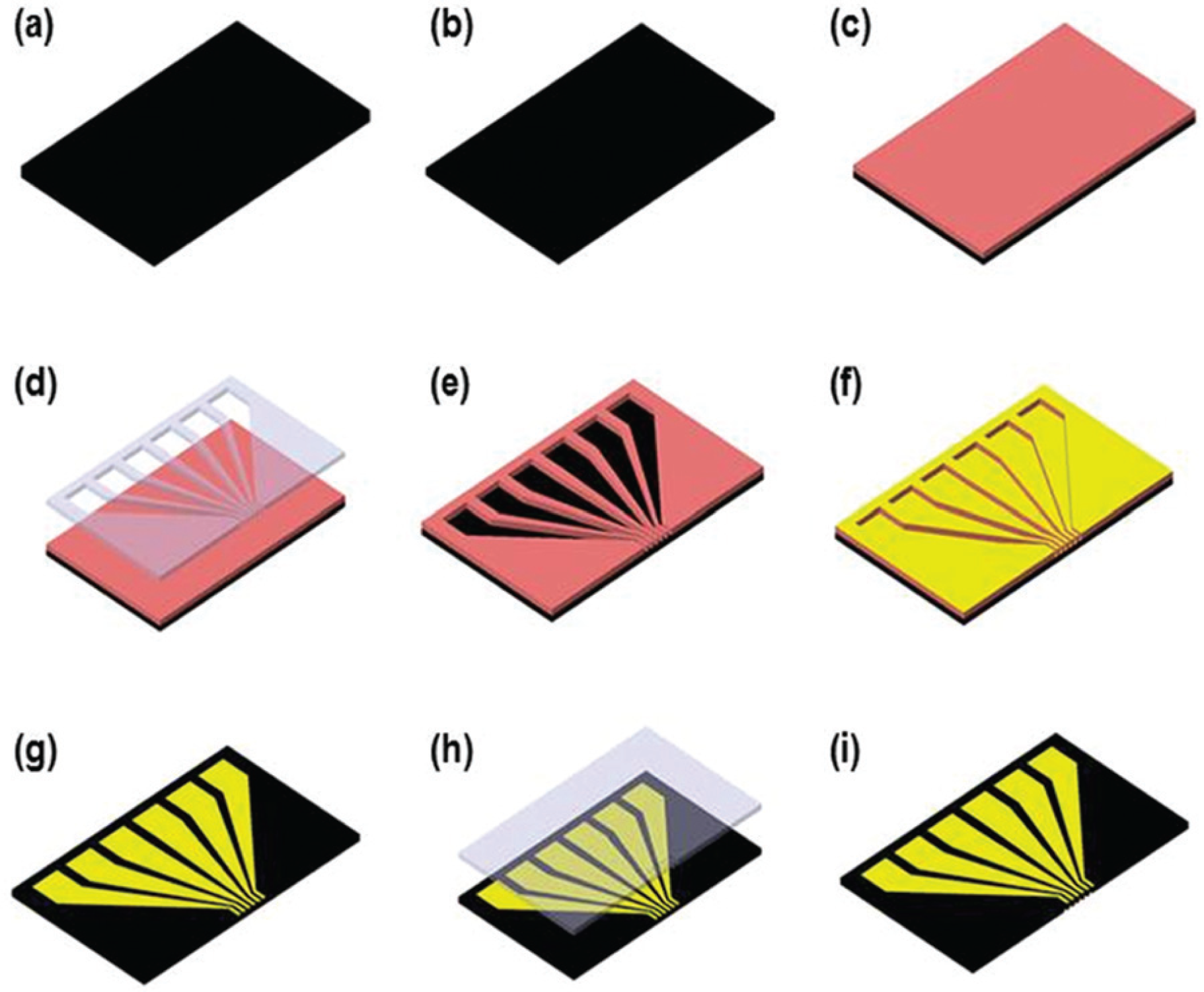
Microelectromechanical systems–based microfabrication process for the cantilever-type electrode array.
CE Array–Based Separation Platform
The proposed sorting platform ( Figure 3 ) was composed of a vertical channel module, a container module, separation modules with a silicon substrate–based CE array to generate n-DEP, and a flow regulator to generate hydrodynamic force without a micro-syringe pump. As described in the section on CE array fabrication, the silicon substrate–based CE array biochip was obtained using the micro-fabrication technique. The container section and the separation module were fabricated using a typical computer numerical control machine. The fabricated separation platform was assembled by integrating the container section, the separation module, and the CE array. To resolve the leaking problem of the buffer solution in the micro-channel of a conventional biochip, in this platform, the separation modules were located in the container section. At the bottom of the container section, we employed the flow regulator to ensure precise flow rate control without the micro-syringe pump. Therefore, a micro-syringe pump was not necessary in the proposed separation platform.
Cell Separation System Setup
After the mixed cells were injected at the top of the inlet channel, as shown in Figure 5 , the cell separation images were recorded on a personnel computer through a CCD scope (INF-500, Moritex, Japan). To improve the brightness of the recorded images, a halogen lamp light source (MHAB-150W, Moritex, Japan) was employed. A ring light guide (MRG48-1000s, Moritex, Japan) for high-intensity illumination was held in place by a flexible vice. With a function generator (33250; Agilent, Santa Clara, CA), AC voltage (operating frequency: 1∼100 MHz, 7Vp-p) was applied to the CE array. A sine waveform was employed. Optimal position adjustments for image recording were performed by using x, y, and z axis micro stages (M-UMR 8.25; Newport, Irvine, CA). To regulate the flow rate at each outlet, and consequently, the control flow velocity in the channels, three flow regulators were employed at the end of each outlet channel.
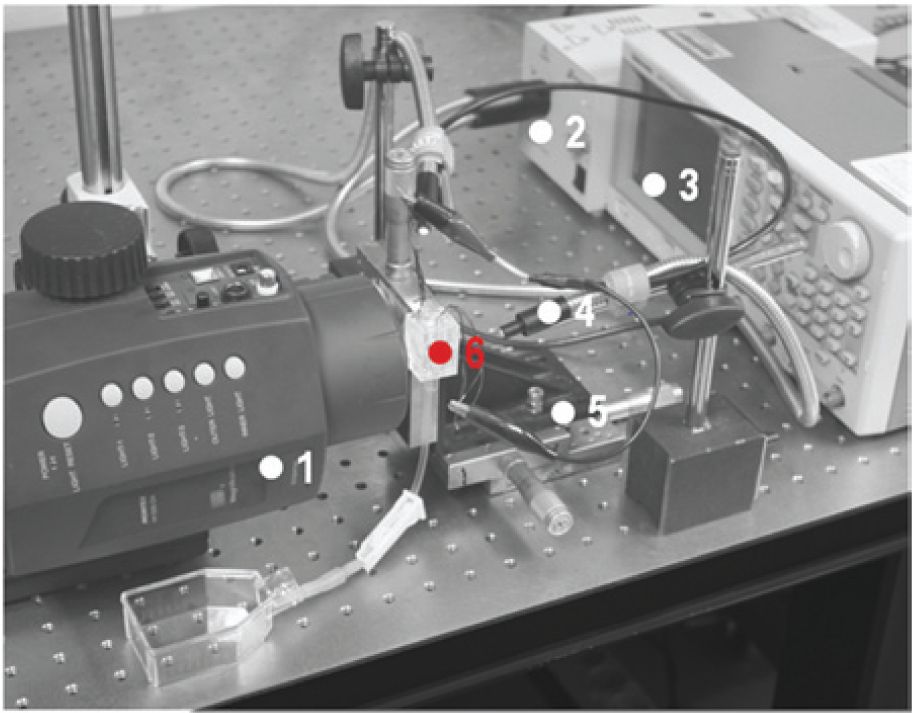
Experimental setup for monitoring and recording cell separation process. (
Theoretical Study
For the development of a high-efficiency and high-throughput separation platform, it was necessary to investigate the dielectric phenomenon in the micro-niche and test the feasibility of continuous cell separation. To investigate the dielectric phenomenon, we first performed three simulations related to the dielectric property analysis: (1) complex permittivity based on a triple shell model analysis, (2) the CM factor, and (3) the dielectrophoresis force acting on the target cell in the vicinity of an electrode. On the basis of these three simulations, we investigated the dielectric characteristics of the target cells (live K562). For nontarget cells (dead K562), a dielectric property analysis was not conducted because previous research has shown that dead cells have totally different dielectric material properties. 37
Triple Shell Model Analysis
Because the dielectric property of the target cell is anisotropic, we adopted a shell model analysis for precise dielectric property measurement. Figure 6a shows the transmission electron microscopic appearance of the target cell (live K562), and Figure 6b shows the triple shell model appearance of the target cell. Table 1 provides the dielectric property of the target cell.
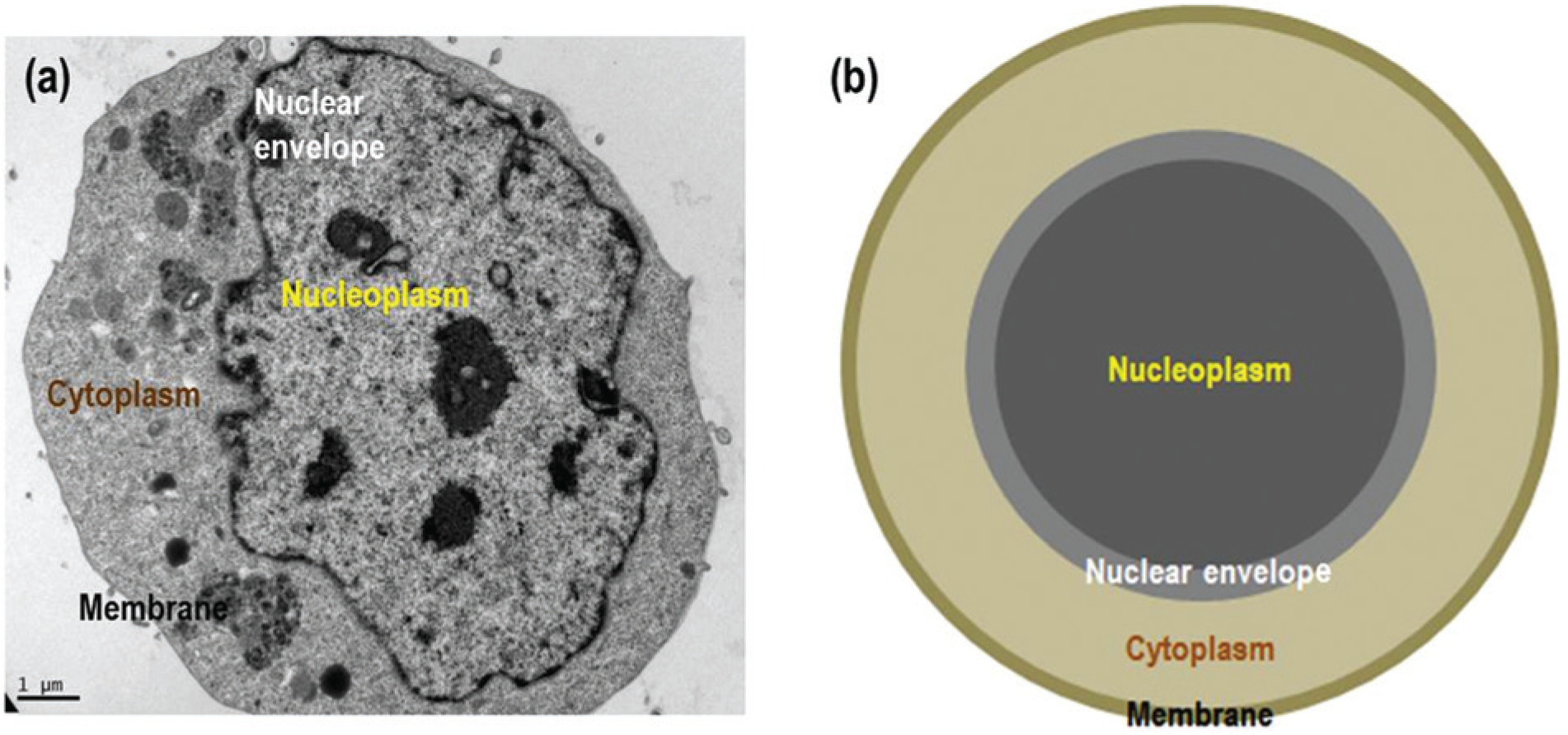
Transmission electron microscopic appearance of normal leukemia cell line (K562) and triple shell model appearance of normal leukemia cell line (K562).
Morphological and Dielectric Properties of Leukemia Cell Line (K562) 38 .

Because the complex components of target cells were described with the triple shell model, the complex permittivity of the target cell was given by the following process.
First, the complex permittivity of each component was defined as

In the case of the nuclear envelope and nucleoplasm, complex permittivity was given by
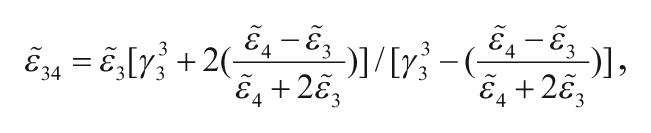
where
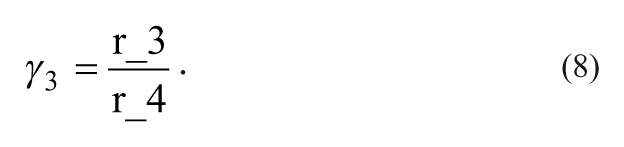
In the case of the nuclear envelope, nucleoplasm, and cytoplasm, complex permittivity was given by

where
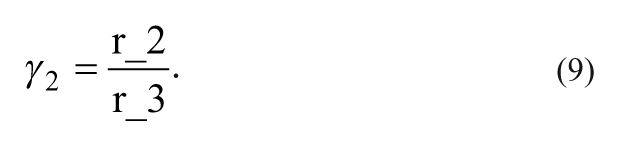
In the case of the nuclear envelope, nucleoplasm, cytoplasm, and the membrane, complex permittivity was given by

where
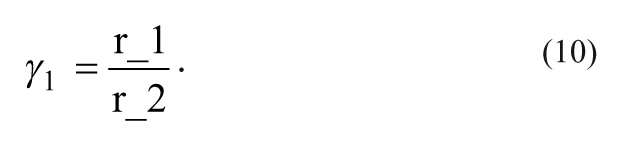
Finally, the CM factor was given by
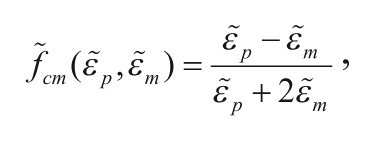
where

Based on the complex permittivity of the target cells, as shown in Figure 7a , the CM factor was represented according to frequency changes using the dielectric property of K562. 38 As other input variables, the conductivity and relative permittivity of the medium are 2.01 mS•cm−1 and 78, respectively. This result indicated that the target cells were showing n-DEP phenomena under the 10 kHz to 600 kHz frequency condition. Furthermore, we investigated the dielectrophoretic force distribution in the vicinity of the electrode with the result of the real value of the CM factor in Figure 7b .
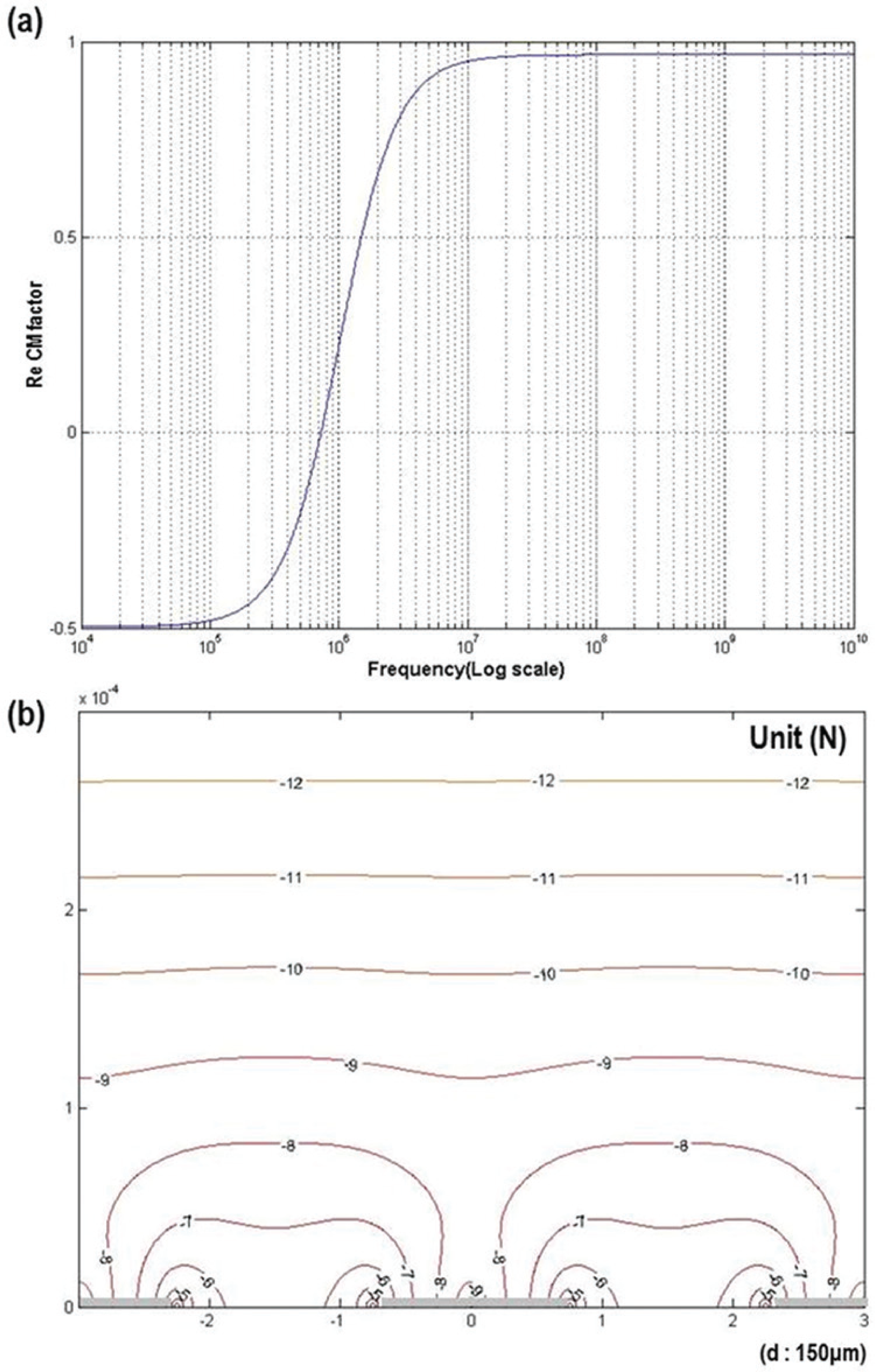
The Clausius-Mossotti (CM) factor according to frequency change and the dielectric force distribution in the vicinity of an electrode. The negative dielectrophoresis force (under 7Vp-p, 100 kHz) acting on a particle is calculated from the sum of the infinite Fourier series. 39
To verify the simulation results and test the feasibility of the cell separation in the micro-niche, the dielectric reaction of the live cells on the CE array were initially tested. The electrode width and distance between electrodes were 150 µm. According to voltage and frequency changes with the aforementioned medium condition, an AC electrokinetics reaction was observed, as shown in Figure 8 . Figure 8b shows the n-DEP phenomenon of target cells (live K562) on the electrode. As the voltage increases, an uncontrollable electrothermal phenomenon is dominant over the n-DEP force, as illustrated in Figure 8a . Therefore, the magnitude and the frequency of the voltage were limited to 7Vp-p and 100 kHz, respectively, which guarantees that the n-DEP force was dominant over the electrothermal phenomenon. The fact that the dead cells have totally different dielectric properties has already been reported. Thus, in the same condition in which live cells showed the n-DEP phenomena, the reaction of dead cells in the micro-niche was also observed. In the case of nontarget cells (dead K562), as a result, there was no dielectrophoresis phenomenon with the same condition. Through the experimental results, it was confirmed that the effective signal conditions existed to separate the target cells (live K562) from nontarget cells (dead K562).
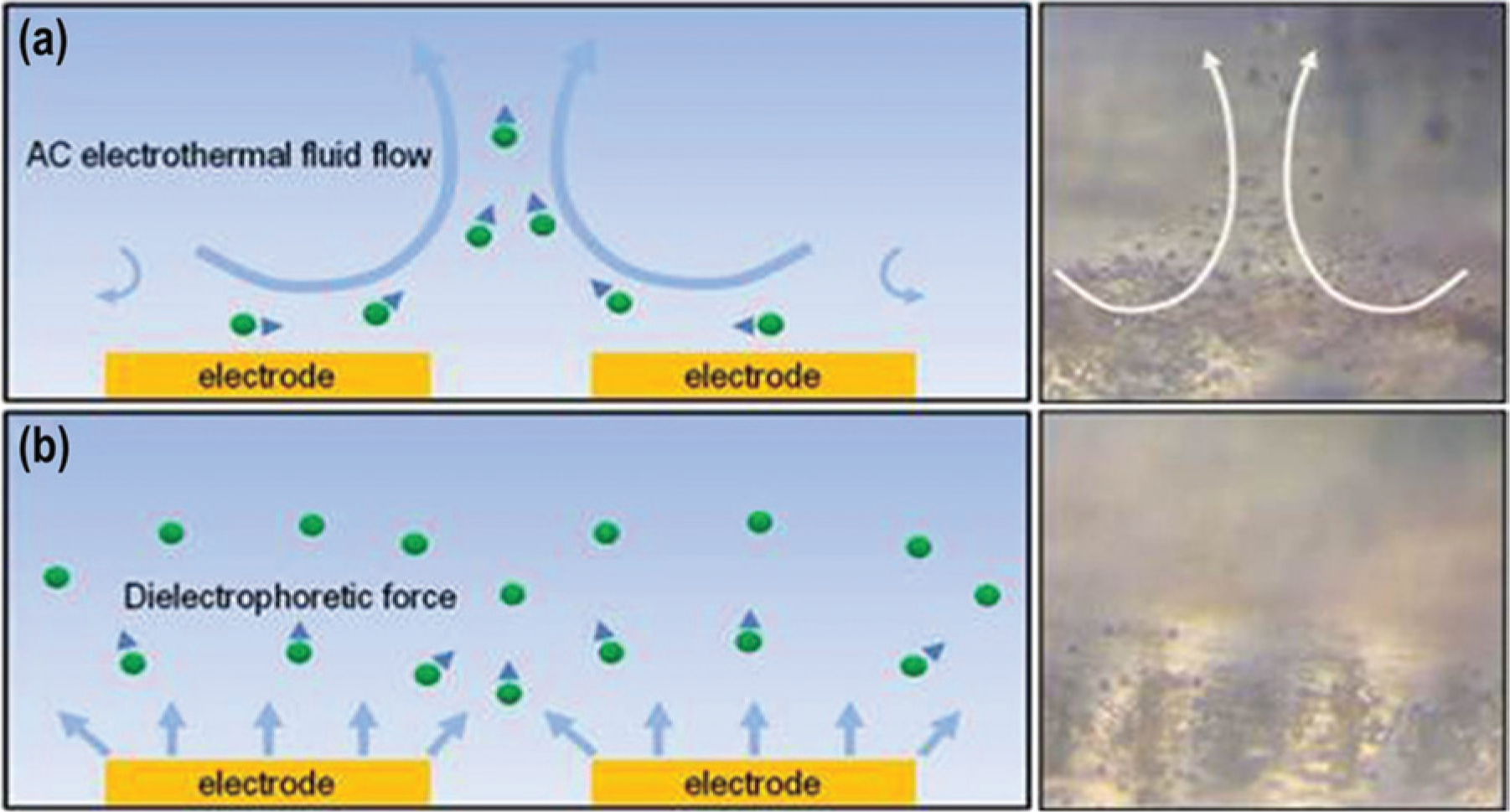
Cell characterization studies based on the input condition (voltage and frequency): (
Hydrodynamic Simulation
To investigate the path line of cells, a numerical study was performed using a commercial code (CFD-ACE), as shown in Figure 9 . For numerical modeling, the assumption and the variables used as inputs are given below;
There is no movement of fluid in the path line. The cells move along the path line only in the steady flow.
To simplify the analysis, we consider the movement of cells in the channel to be two dimensional (xy plane) and ignore the movement of particles in the z direction. Both the width of the electrode and the interval between the electrodes are 150 µm.
Because we can precisely control the velocity using a flow regulator in the real separation platform, the velocity in outlets 1, 2, and 3, respectively, are changed as input variables.
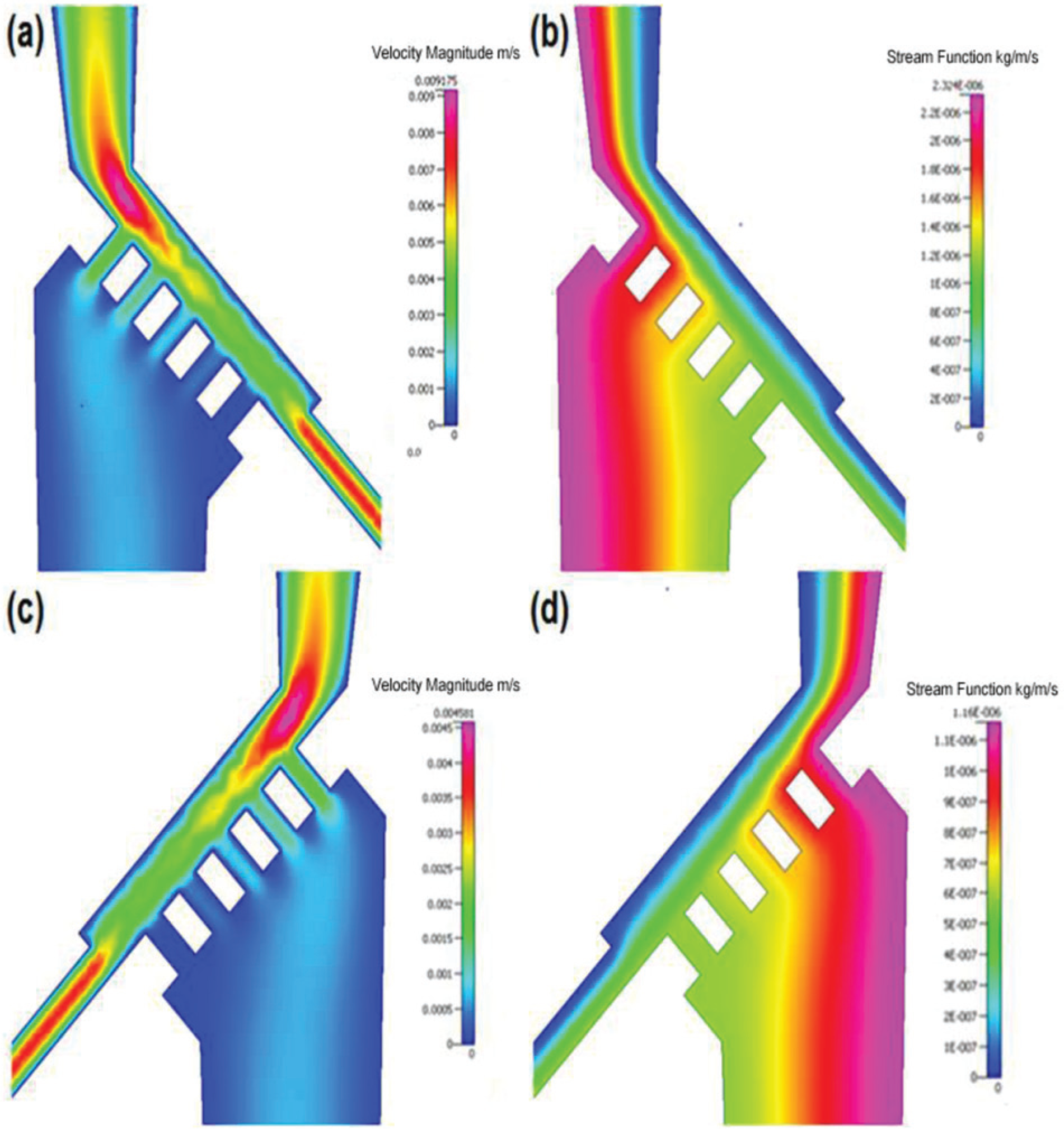
Simulation study for analyzing velocity magnitude and stream function (
Through the numerical results, a design could be derived that would achieve the best shape and dimension of the micro-channel with respect to the ability to confine the flow velocity, leave the separation principle unbroken, and maximize the flow rate for high throughput. In an experimental study, this result could act as a guide to find the optimized flow condition in each outlet without many trials and errors. Consequently, the optimized flow rates of 15 µL·min−1, 6 µL·min−1, and 8 µL·min−1 in outlets 1, 2, and 3, respectively, were able to be confirmed. In the flow rate condition, the maximum velocity magnitude of the macro-channel in the separation module was 4 mm/s.
Theoretical Estimation of the Force Acting on the Particle
To investigate the separation condition, three forces acting on the cell were estimated and compared: gravity, the hydrodynamic force, and the n-DEP force, as shown in Table 2 .
The Estimation Values of the Force Acting on Cell (18 μm) according to the Moving Mechanism 40 .

In the vertical channel of the inlet, the force acting on an 18 µm cell was 0.5 pN by gravitation. As mentioned in the previous section, the maximum velocity in the micro-channel would be 4 mm/s. Consequently, the maximum hydrodynamic force acting on the cell would be 0.53 nN. Gravity on the cells was much lower than the hydrodynamic force under forced flow with a rate of 15 µL·min−1. The n-DEP force acting on a particle was also calculated from the sum of the infinite Fourier series. 39

where ν is the volume of a particle, Re[α] is the CM factor, and ∇E2 is the electric field gradient. Under the applied input signal (7Vp-p with 100 kHz), the n-DEP force of 1 nN was obtained. Conclusively, the proposed separation platform was appropriate to separate cells because the n-DEP force was dominant over the hydrodynamic force at any place in the separation module.
Results and Discussion
To verify the separation performance of the proposed cell-sorting platform, experimental studies were performed. The mixture sample was prepared with a mixing ratio ( Fig. 10a ) of 5:1 (live to dead cells) and was injected into the inlet channel. On the basis of the experimental results, we confirmed that the dead cells not affected by the n-DEP force sunk through the channel between the CE array, and the live cells moved along the route determined by the vector summation among gravitation, hydrodynamic force, and n-DEP force.
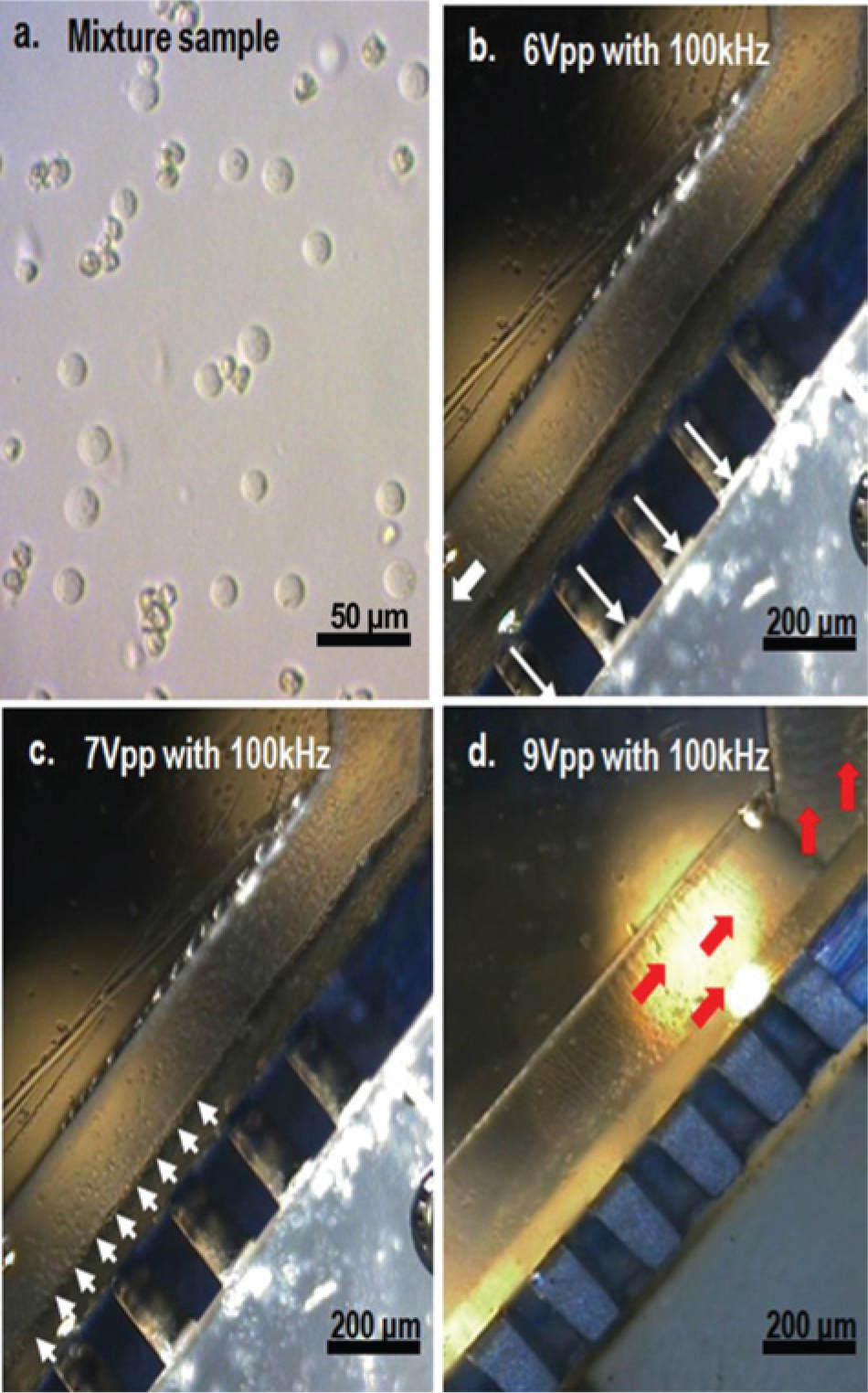
Dielectric deflection of live K562 and the path line of dead K562 according to voltage signal. White arrows represent the movement direction of cells under the dielectrophoresis phenomenon, and red arrows represent the movement direction of cells under the electrothermal phenomenon.
As mentioned in the Theoretical Study section, the magnitude of the n-DEP force acting on the live K562 increases with the square of magnitude of the applied voltage. Therefore, to sufficiently deflect K562 along the CE array, the applied voltage should be larger than 7Vp-p with 100 kHz, as shown in Figure 10b and c . However, the greater the magnitude of the applied voltage, the stronger the disorderly flow induced by the electrothermal phenomenon, as illustrated in Figure 10d . Therefore, the applied voltage of the optimal separation condition is limited to less than 9Vp-p.
In the case of dead K562, the main parameter related to the separation efficiency was flow rate. Figure 11a and b shows that some dead K562 with a flow rate of 12 µL·min−1 in outlet 3 and 20 µL·min−1 in outlet 1 did not enter the target area (channel between CE array), because the increased flow rate influenced the path line of the cell in the channel and drove cells to outlet 1 or outlet 3 directly. Therefore, the operation conditions to drive dead K562 into outlet 2 was limited by a flow rate of 15 µL·min−1, 6 µL·min−1, and 8 µL·min−1 in outlets 1, 2, and 3, respectively, as shown in Figure 11c . As a result, the sunken dead cells were collected in outlet 2 and the deflected live cells gathered in outlets 1 and 3. After the separation processes, Figure 12a and b shows that the live cells mainly collected in outlets 1 and 3. On the other hand, dead cells mainly collected in outlet 2, as shown in Figure 12c .
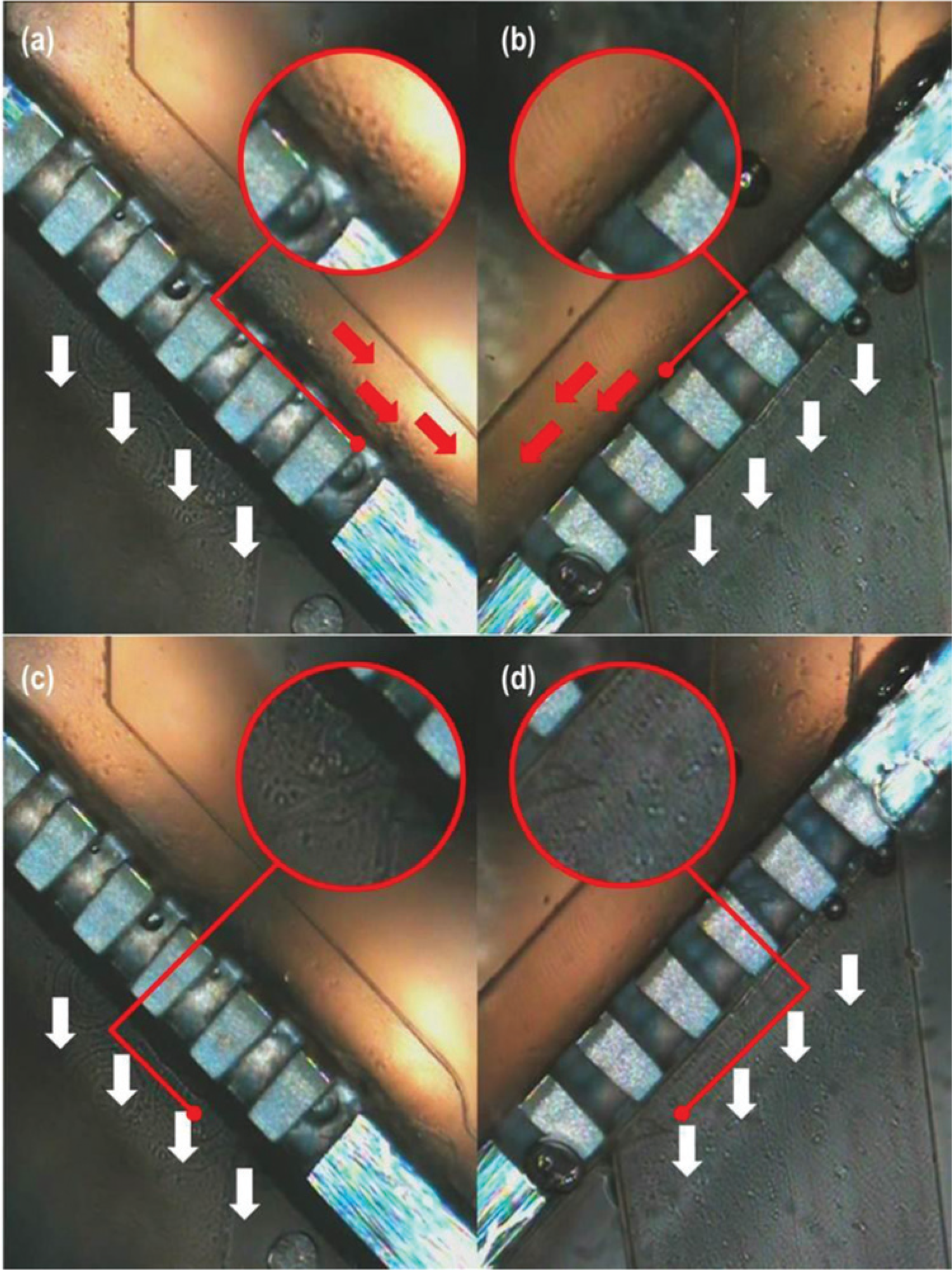
Experimental test for the best separation dead K562 in (
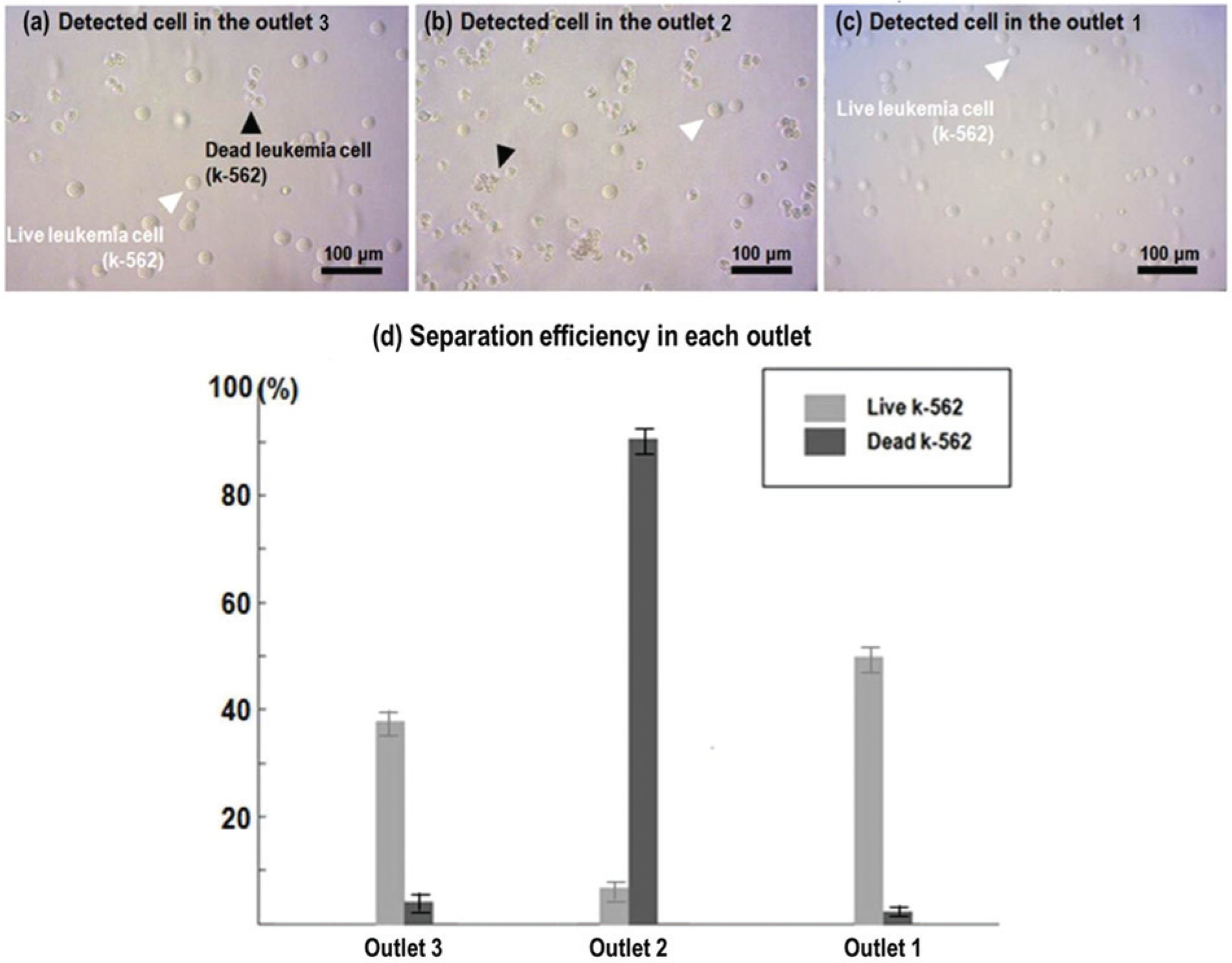
Experimental results of cell sorting. (
Based on the experimental results, the separation efficiency was defined as a percentage value calculated from the counted live cells in outlets 1 and 3 divided by the total number of live cells in all outlets. Conclusively, it was confirmed that the proposed sorting platform was able to separate live cells from dead cells with 54% separation efficiency in the first separation stage, as shown in Figure 12d . After the injected cells passed the second separation stage, the separation efficiency increased to 95% ± 2%. Thus, the double separation modules–based sorting principle increased the separation efficiency dramatically.
To investigate the viability of live cells separated by the sorting platform, live cells were cultured for 2 days in an incubator at 37 °C. As a result, more than 85% of the separated live cells were proliferated in the incubator.
Conclusion
In this article, we presented a novel strategy for high efficiency and high throughput using gravity, hydrodynamic force, and n-DEP force. Unlike the conventional microparticle separation system, we developed a frequency-dependent and non–immunolabeling-based separation technique under low voltage and precisely controlled fluid flow without a micro-syringe pump. Because the n-DEP force is the major determinant that manipulates the direction of target cells, we fabricated the appropriate electrode using a micro-fabrication technique to generate an electric field. In addition, to effectively isolate the nontarget cells, we designed a micro-channel based on numerous simulation results. Consequently, we suggested a novel separation platform comprising a vertical channel with a macro-size, CE array, and a flow regulator. Furthermore, for greater separation efficiency, the separation processes in the inclined CE array were conducted twice using double separation modules. To verify the effectiveness of the proposed system, leukemia cell lines were selected as target cells. Based on the simulation and experimental study, we confirmed the feasibility of the separation process for the target cell (K562). In detail, we estimated each force acting on a target cell theoretically and numerically. Through the estimation, we confirmed that the proposed platform was feasible with respect to separation by the n-DEP force due to an input voltage of 7Vp-p with 100 kHz under flow rates of 15 µL·min−1, 6 µL·min−1 and 8 µL·min−1 in outlets 1, 2, and 3, respectively. Through the experiment, we achieved 54% ± 5% separation efficiency in the first separation stage and 95% ± 2% separation efficiency in the second separation stage in the case of the ratio of 5 (live K562):1 (dead K562). Thus, we have demonstrated the feasibility of high-efficiency cell sorting. From the viewpoint of throughput, the proposed system is capable of a throughput of 2400 cells/s.
Nomenclature
m Mass of a cell
r Radius of the spherical cell
g Gravitational acceleration
ρ Density of the fluid
ρ s Density of a cell
µ Fluid viscosity
V Characteristic velocity
r1 Radius of membrane
r2 Radius of cytoplasm
r3 Radius of nuclear envelope
r4 Radius of nucleoplasm
Footnotes
Acknowledgements
This research was supported by the National Research Foundation of Korea (NRF) funded by Ministry of Science, ICT & Future Planning (No. 2005-2000206).
Declaration of Conflicting Interests
The authors declared no potential conflicts of interest with respect to the research, authorship, and/or publication of this article.
Funding
The authors disclosed receipt of financial support for the research, authorship, and/or publication of this article. See the Acknowledgments above for this information.