



Abstract
This study examines the dynamic, nonlinear interactions among foreign direct investment, renewable energy consumption, economic growth, and carbon dioxide emissions in 27 countries from 1971 to 2021 using a panel threshold vector autoregression (PT-VAR) model. Key findings include: (a) FDI contributes to emission reduction only when GDP growth exceeds a certain threshold. (b) Renewable energy consumption’s impact on reducing carbon emissions is significant only in the long term and depends on the level of economic growth. (c) In countries with high FDI, economic growth aids in reducing CO2 emissions both in the short and long term. In contrast, in low FDI countries, economic growth initially leads to environmental degradation, which lessens as the economy matures. (d) An N-shaped relationship exists between FDI and CO2 emissions in countries with higher renewable energy use in the short to medium term. These findings underscore the intricate relationship between these variables and offer policy insights for sustainable development and climate change mitigation.
Plain Language Summary
Why was the study done? This research aimed to explore the dynamics among investments, the adoption of sustainable energy sources, economic development and carbon dioxide emissions. What did the researchers do? I investigated how these factors interplay and whether they have negative impacts on one another in the efforts to combat climate change and foster sustainable progress. I examined data from 27 countries spanning five decades (1971 to 2021) using a approach of the panel threshold vector autoregression (PT-VAR) model. What did the researchers find? Foreign direct investment (FDI) contributes to lowering carbon emissions once a countrys economy surpasses a certain threshold. The advantages of transitioning to renewable energy for reducing carbon footprints are more evident in growing economies. The relationship between foreign investment and carbon emissions forms an N-shape in the short to medium term in countries that use more renewable energy. The carbon emissions have a varying impact depending on the investment and energy consumption levels. What do the findings mean? These findings highlight the complex ways in which economic factors and environmental health interact. They suggest that careful planning and policy-making, considering the level of foreign investment and the state of economic growth, can lead to better environmental outcomes. Essentially, this research provides valuable insights for countries aiming to grow their economies without harming the planet, indicating that it’s possible to achieve economic development and reduce carbon emissions simultaneously with the right strategies.
Keywords
Introduction
In recent decades, carbon emissions have been increasingly recognized as a primary contributor to air pollution and global warming (Xu et al., 2021). According to the report, emerging countries contribute the majority of the carbon emissions, accounting for 76.7% of greenhouse emissions. The primary goal for countries worldwide is to achieve economic growth and improve living standards at the same time. Economic growth has led to a rise in greenhouse gas emissions, especially CO2 emissions, contributing to global warming and creating serious environmental and human well-being threats (Ahmad et al., 2016). In this regard, understanding the complex relationships among factors that drive economic growth, energy consumption, and CO2 emissions is crucial for designing effective policies to promote sustainable development and mitigate climate change.
Grossman and Krueger (1995) pioneered the examination of the link between economic growth and carbon emissions, introducing the Environmental Kuznets Curve (EKC) hypothesis. This hypothesis proposes an inverted U-shaped relationship between environmental quality and per capita income. The EKC suggests that in countries with initial low economic growth, environmental pollution is relatively limited. However, as economic growth accelerates, it inevitably results in increased pollution emissions and significant environmental degradation. While when the economic level reaches a certain critical point, pollution emissions will increase together with the economic growth. After reaching the turning point, economic growth requires industrial upgrading or structural adjustment, high energy consumption industries are eliminated. Environmental problems are thus alleviated, an inverted U-shaped curve is finally formed between economic growth and environmental pollution. After the EKC theoretical hypothesis was put forward, empirical research continues, and the conclusions are diversified. Some support the inverted U-shaped, and some conclusions show that the relationship between economic growth and environmental pollution could be U-shaped, N-shaped, monotonously increasing, and monotonically decreasing.
In fact, there is a bidirectional effect between economic growth and carbon emissions where carbon emissions also affect economic growth. Environmental issues are often neglected in the early stages in regions that focus on economic growth. The increase in environmental pollution shows that economic production continues, the number of employed people increases, and the unreasonable industrial structure appears. When environmental pollution exceeds the capacity of the environment, the cost of environmental governance increases. For the purpose of sustainable development, long-term economic expansion faces limitations, thereby restraining economic growth.
Regarding FDI, it is widely recognized as a critical component of economic growth and development, particularly in developing nations (Dinh et al., 2019; Kenh, 2023; Saidi et al., 2022). In addition to providing capital funding, FDI contributes to the productivity improvements, job creation, and overall economic growth by transferring advanced technologies, knowledge, and managerial skills (Saleem et al., 2020).
However, the environmental impact of FDI remains ambiguous, it can either lead to higher CO2 emissions or facilitate cleaner technologies and renewable energy consumption, depending on the nature of the investments and the host country’s regulatory framework. For instance, FDI promoted rapid economic growth, which has intensified the fossil energy usage and produced a large amount of CO2 emission (Ren et al., 2014; Salahodjaev & Isaeva, 2021; Zhang, 2011). Additionally, according to the Pollution Haven Hypothesis (PHH) which indicates that the free flow of global trade and capital will make pollution-intensive industries transfer from developed areas with strict environmental regulations to developing areas with relatively loose environmental regulations in order to reduce environmental control costs and enhance the competitive advantage of enterprises. Therefore, it will make these areas gradually become “havens” for pollution-intensive industries (Levinson & Taylor, 2008). In this case, FDI inflows to developing countries contributes to an increase in the degradation of environment.
Conversely, FDI can enhance the domestic industrial structure and optimize the energy configuration through the spillover of green technologies and optimal resource allocation, thereby reducing carbon dioxide emissions (Abid et al., 2022; Wang et al., 2022; Zhang & Zhou, 2016). The phenomenon of FDI leading to less damage to the environment is known as the Pollution Halo Effect (PHE).
With the increasing attention to carbon emissions, the literature using EKC to study carbon emissions has increased rapidly. Scholars have provided new empirical evidence and explanations for the existence of EKC curves and national differences from different perspectives. However, there is a common problem in these existing studies: when EKC is used to study carbon emissions, the impact of energy structure is rarely considered (Bilgili et al., 2016). Compared with fossil energy, renewable energy consumption has gained prominence recently due to its advantage and potential to greenhouse gas emissions reduction and climate change mitigation (Bourcet, 2020; Inglesi-Lotz & Dogan, 2018; Mert et al., 2019). Transitioning from fossil fuels to renewable energy sources is considered critical for achieving sustainable development goals and limiting global warming. There may also be a bidirectional causal relationship between CO2 emissions and renewable energy consumption. The research of Salim and Rafiq (2012) revealed a positive correlation between CO2 emissions and the use of renewable energy. They observed a one-way causal link from renewable energy usage to carbon emissions. Conversely, in Brazil, China, and Indonesia, a two-way causal relationship was evident between these factors. Additionally, further studies, such as those by Chen et al. (2022), have indicated a threshold effect in renewable energy consumption. This suggests that an increase in renewable energy usage only leads to a decrease in per capita carbon emissions when it surpasses a specific threshold.
The relationships among FDI, economic growth, renewable energy consumption and CO2 emissions are complex and context-dependent, making it challenging to generalize the effects of the factors on environmental outcomes. By employing panel threshold VAR analysis, our study seeks to identify specific threshold effects and dynamic responses in the system, allowing for a more nuanced understanding of how these factors interact across different levels and stages of development. The ultimate goal is to provide empirical evidence and insights that could inform effective policy-making and strategic planning for sustainable development and climate change mitigation, recognizing the complex and nonlinear nature of these relationships.
We contribute to the existing literature as the follows: First, most existing studies are limited to whether economic growth promotes or inhibits CO2 emissions. However, it is proven that the nexus among various influencing factors and CO2 emissions exhibits threshold effects under different conditions. Therefore, it is crucial to investigate the presence of such threshold effects in order to better understand the dynamics of the relationship and make accurate predictions or assessments. This paper moves beyond a singular research perspective, focusing on the changing trends in the value size of the influence coefficient. By selecting different threshold variables, it will analyze the boundaries of how economic growth impacts carbon emissions from a threshold effect viewpoint. Additionally, the paper will delve into the regime-switching impact of various characteristics on carbon emissions, providing a more nuanced and in-depth understanding of these complex relationships.
Additionally, while earlier studies have investigated the connections between FDI, renewable energy consumption, economic growth, and CO2 emissions primarily through linear methodologies, the complexity of these relationships often exhibits nonlinearities and regime-switching behavior. Recognizing this, this study adopts a panel threshold VAR analysis to more accurately capture potential nonlinear behaviors within these dynamics. By examining a diverse sample of 27 countries spanning the period from 1971 to 2021, this research further investigates the generalizability of the findings, assessing potential differences in the relationships between OECD and non-OECD countries.
The remainder of this paper is organized as follows. Section 2 presents a literature review on the relationships between FDI, renewable energy consumption, economic growth, and CO2 emissions. Section “Methodology” introduces the methodology of the panel threshold VAR model. Section “Empirical Analysis” presents empirical analysis with the data selection and sources, results and discussions, including subsample analyses, and sensitivity to lag length. Finally, Section “Conclusion and Policy Implications” concludes the paper and provides policy implications of the study and avenues for future research.
Literature Review
Foreign Direct Investment (FDI) and Economic Growth
Most research show a positive association between FDI and economic growth (Ciobanu, 2020; Iqbal et al., 2022; Majeed et al., 2021). FDI is generally considered to contribute to economic growth by providing capital, technology transfer, and managerial expertise to host countries. Vujanović et al. (2022) investigated the impact of FDI from perspective of innovation and productivity in developing countries. They found that local firms benefit from foreign advanced technologies in the early stage of innovation process and gain larger FDI effects through knowledge use. This, in turn, enhances the productivity of domestic firms and contributes to economic growth. Aibai et al. (2019) suggested that FDI fosters financial development by improving the efficiency of financial markets and promoting access to financial services which play a crucial role in accelerating economic growth. Rehman et al. (2020) analyzed the correlation between FDI and infrastructure development in Pakistan and found that FDI plays a significant role in financing and developing critical infrastructure projects, which positively impacts economic growth. Moreover, the authors highlight that attracting FDI in infrastructure projects can create employment opportunities and improve the overall investment climate.
However, a large number of empirical studies have found that FDI does not necessarily produce positive economic growth. Scholars have tried to find reasons from different perspectives. Among them, the reason that has attracted much attention is the issue of “intermediate factors” which indicates the absorptive capacity of the host country or region. There are mainly two representative views here: One perspective is that a wider technological gap between host and foreign countries increases the potential for technological advancement in the host country, thereby leading to more pronounced economic growth Smeets (2008). Another view is that the host country’s absorptive capacity must attain a certain minimum threshold to effectively assimilate and utilize the advanced technology provided by multinational corporations (Cohen & Levinthal, 1989). Indeed, some studies have reported that the beneficial effects of FDI on economic growth are contingent upon the host country’s absorptive capacity, which is influenced by factors including the development of financial markets (Alfaro et al., 2004), human capital (Ford et al., 2007), infrastructure (Saidi et al., 2020; Yamin & Sinkovics, 2009), technology gap (Makieła et al., 2020) and trade policy (Balasubramanyam et al., 1996). According to Osei and Kim (2020), there is a potential maximum financial development threshold, beyond which FDI has a minor impact on economic growth. If this threshold is exceeded, however, there is a potential limit for economic growth.
Several studies have explored the nexus between FDI, economic growth, renewable energy consumption, and CO2 emissions (Iqbal et al., 2022). FDI has been found to promote renewable energy consumption by facilitating technology transfer, capacity building, and investments in clean energy infrastructure.
FDI and CO2 Emissions
The environmental impact of foreign investment on a country has long attracted the attention of many scholars (Dhrifi, 2015; Qamri et al., 2022). The PHH theory suggests that industries with high levels of pollution tend to migrate to countries where environmental regulations are less strict (Nadeem et al., 2020). Consequently, this leads to an increase of pollution levels in countries with relatively lax environmental policies (Guzel & Okumus, 2020; Singhania & Saini, 2021). To a certain extent, this hypothesis also reflects the structural effect of FDI on the environment. From this hypothesis, it can be seen that FDI affects the industrial structure of developing countries and makes the highly polluting industries in developing countries more intensive, aggravating environmental pollution in developing countries. The PHE theory holds that the inflow of foreign capital will produce technology spillover effect and demonstration effect on host country enterprises. In this process, host country enterprises make use of acquired technology and experience to improve production efficiency in order to reduce energy consumption and carbon emissions (Sun et al., 2022). The “Porter hypothesis” holds that when the host country introduces FDI, it will strictly examine its impact on the environment, raise environmental control standards, reduce energy consumption and reduce environmental pressure.
Therefore, FDI can affect CO2 emissions through three mechanisms: the scale effect, the technology spillover effect and the structural effect. The scale effect holds that the inflow of FDI has expanded the economic scale of the region, stimulating the increase of high-carbon production activities in various industries (Bakhsh et al., 2017; Pao & Tsai, 2011). With the entry of FDI, production efficiency has improved, and transportation activities have increased, leading to a gradual increase in carbon emissions in the transportation industry.
The technology spillover effect suggests that the advanced technologies originating from developed countries are comparatively cleaner when introduced into developing nations. This transfer of knowledge and technology not only fosters cleaner production practices but also encourages firms within the developing nations to enhance their technological capabilities, ultimately contributing to the overall improvement of environmental quality within these countries (Zhang et al., 2014). However, the technology effects brought by FDI are not all advantageous. When the technology advancement of the host country falls behind and FDI is directed toward heavily polluting industries, then it will bring more serious environmental pollution.
Structural effect means that when the host country introduces FDI to different industries, the local economy and production structure will change, resulting in changes in the local environment. Specifically, if FDI flows to the secondary industry, it will increase the demand for fuel and other energy resources, and carbon emissions will increase accordingly. When FDI is channeled predominantly into the tertiary sector, it capitalizes on the service industry’s characteristic of lower energy consumption. This shift can lead to a decreased need for energy, resulting in lower carbon emissions and thus enhancing environmental quality. Therefore, the direction of FDI inflows plays a significant role in influencing carbon emission levels.
It has not yet been determined whether FDI inflows are responsible for an increase in a country’s CO2 emissions. The impact of FDI on CO2 emissions is influenced by the type of investment. Investments in carbon-heavy industries may escalate CO2 emissions, whereas FDI directed toward clean technologies or renewable energy initiatives can help reduce emissions. This is achieved by encouraging the adoption of low-carbon technologies and energy sources.
Economic Growth and CO2 Emissions
Most researchers studying the link between economic growth and carbon emissions focus on the EKC hypothesis. However, empirical evidence for the EKC hypothesis is mixed, with some studies finding that the shapes of the EKC curve are proven to have the following relationships, inverted U-shape relationship (Jahanger et al., 2022), monotonous synchronous relationship (Zhang et al., 2020), N-shaped relationship (Balsalobre-Lorente et al., 2018; Shehzad et al., 2022) and U-shape relationship (Mehmood & Tariq, 2020). For the selected nine top globalized countries from 1990 to 2019, Weimin et al. (2022) verified the EKC (inverted U-shaped) presence. Tenaw and Beyene (2021) investigated the correlation between environment and development and confirmed the existence of inverted U-shaped ECK relationship. By examining the relationship between air emissions and economic variables across 56 principal Russian cities from 2013 to 2018, Ziyazov and Pyzhev (2023) identified the existence of an N-shaped correlation. N-shaped relationship indicates that after passing the turning point between environmental pollution and economic growth, from the “dilemma” stage to the “win-win” stage. The governance policy returns back to ineffective, and the environmental degradation is repeated again causing a N-shaped EKC.
Other studies concentrated on the causality between economic growth and CO2 emissions. From evidences from selected South Asian countries, Mughal et al. (2022) examined a causal link between GDP growth and environmental pollution, including CO2 emissions. You et al. (2022) uncovered the bi-directional causalities between economic growth, economic complexity and CO2 emissions where the magnitudes of the effects depend on the level of income.
Renewable Energy Consumption and CO2 Emissions
Renewable energy sources, including solar, wind, and hydropower, are often considered vital for energy conservation and reducing emissions, playing a key role in efforts to combat global warming. Academic research increasingly focuses on both renewable and non-renewable energy consumption, especially regarding their impact on CO2 emissions. The prevalent research approach involves using vector error correction models alongside Granger causality tests. Typically, findings from these methods suggest a link between increased renewable energy consumption and reduced CO2 emissions (Adams & Acheampong, 2019; Salim & Rafiq, 2012; Zafar et al., 2019).
However, scholars have also reached varied conclusions regarding the causality between renewable energy consumption and carbon emissions. Apergis and Payne (2014) confirmed a short term two-way causal relationship, where renewable energy consumption significantly reduced carbon emissions, and carbon emissions positively influenced renewable energy consumption. The findings of Bilgili et al. (2016) indicated a unidirectional causal relationship from renewable energy to carbon emissions. Menyah and Wolde-Rufael (2010) applied an adapted form of the Granger causality test to investigate the connection between CO2 emissions and renewable energy usage in the United States. Their results did not reveal a significant causal relationship between the consumption of renewable energy and carbon emissions.
Economic Growth, FDI, Renewable Energy Consumption, and CO2 Emissions
The interaction between different environmental-economic factors is intricate and multi-dimensional. Numerous studies employ various approaches to thoroughly examine environmental-economic variables. The findings of Awan et al. (2022) revealed an inverted U-shaped curve linking economic growth and environmental degradation. The study also showed a positive association between FDI and CO2 emissions, and a negative correlation between renewable energy use and CO2 emissions. Omri et al. (2014) found a bidirectional relationship between FDI and economic growth, as well as between FDI and CO2 emissions, with the exception of North Asia and Europe. By using a panel analysis of 22 Central and South American countries, Ben Jebli et al. (2019) showed evidence that renewable energy and FDI contribute to CO2 emissions reduction, while economic growth tends to increase CO2 emissions. In the short term, there exists a one-way causal effect from renewable energy to CO2 emissions, while in the long term, the relationship between renewable energy, FDI, and emissions is bidirectional. Similarly, Kahia et al. (2019) researched the impact of renewable energy consumption, economic growth, foreign direct investment inflows, and trade on CO2 emissions in 12 Middle East and North Africa countries from 1980 to 2012. Employing the PVAR model within a multi-domain analytical framework, their findings revealed a two-way causal relationship among these variables. The study noted that economic growth leads to environmental degradation, whereas renewable energy, international trade, and FDI contribute to the reduction of CO2 emissions. Based on the data from 1995 to 2015, Abban et al. (2020) found a bidirectional causal effect among these variables and highlighted that environmental pollution was exacerbated by the increase in FDI.
Nonlinear Dynamics and Threshold Effects
Overall, the body of research exploring the interconnections between FDI, renewable energy consumption, economic growth, and CO2 emissions is extensive and diverse. Although numerous studies have concentrated on linear relationships, there is an increasing acknowledgment of the potential nonlinearity in these relationships, often marked by threshold effects. This study aims to contribute to this emerging body of research by employing panel threshold VAR (PTVAR) analysis to examine the nonlinear dynamic relationships among these variables across a diverse set of countries.
Recent studies have begun to explore the potential nonlinear dynamics and threshold effects in the relationships among FDI, economic growth, renewable energy consumption, and CO2 emissions. For example, Ullah et al. (2021) used the panel smooth transition model (PSTR) to analyze the nonlinear dynamics between renewable energy and environmental degradation, distinguishing between low and high regime scenarios. The threshold regression model with fixed effects is utilized to study the nonlinear relationship between economic growth and environmental pollution in China, specifically focusing on real GDP per capita and carbon emissions per capita (Song, 2021). The results indicate that economic expansion, when coupled with significant investment in technology and environmental enhancement initiatives, can aid in reducing carbon emissions. These studies highlight the importance of accounting for potential nonlinearities and regime-switching behavior in understanding the complex interplay between these variables.
In this study, we use the Panel Threshold VAR (Vector Autoregression) model which accounts for potential non-linearities and threshold effects in panel data. There is a number of advantages in using this model: First, unlike other models, which only capture nonlinearity in the relation between the dependent variable and the explanatory variables, PT-VAR models allow for a more comprehensive analysis in the relationship among all variables in a panel setting. This feature allows for a richer understanding of the relationships between variables in different states. Second, with PT-VAR models, it is possible to conduct impulse response analysis, which allows researchers to study the dynamic effects of shocks on the variables in the system. This type of analysis is particularly useful for understanding the transmission of shocks and their impact on different variables. Third, the threshold structure of PT-VAR models makes it relatively easy to interpret the results, as the model is effectively divided into different regimes based on the threshold values. Fourth, PT-VAR models can better capture structural breaks or regime shifts in the data, as the threshold values divide the sample into distinct regimes. Fifth, PT-VAR models are designed for multivariate analysis, allowing researchers to study the dynamic interactions among multiple variables simultaneously. Additionally, PT-VAR models can forecast multiple entities simultaneously, useful for policymakers or analysts making predictions for groups of countries, industries, or firms.
Overall, Panel Threshold VAR models offer a flexible and powerful approach to analyzing panel data with potential non-linearities and threshold effects. This makes them well-suited for studying a wide range of economic and financial phenomena.
Methodology
Basic Structure of the Panel Threshold VAR Model
According to Mumtaz et al. (2018), the following panel threshold VAR model with two-regime system was constructed:

where
The conversion of the regime system depends on the threshold process related to the country:

where,
The variance-covariance matrix of the error term of the equation is defined as


where, ⊙ is the matrix dot product operation;

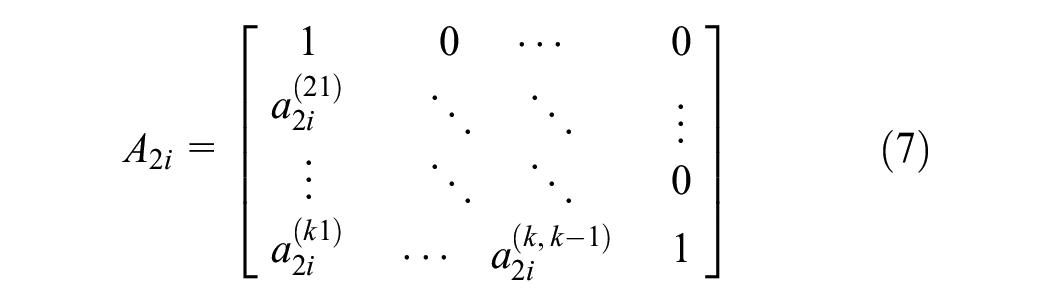
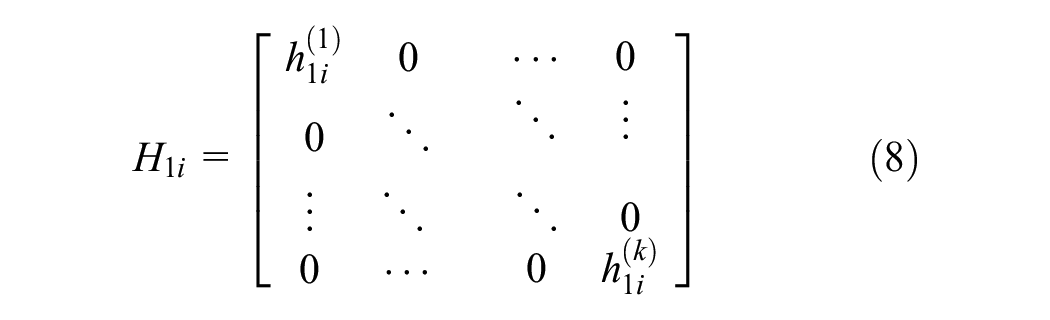

Priori
The slope




The slope parameter vectors


where


where
Similarly, the slope parameter vectors


where


where
Assume that the threshold

where

where
The prior distributions of the intercept vectors


where
The prior distributions of parameters


where
Gibbs Sampling Algorithm
The individual processes that need to be repeated in the Gibbs sampling algorithm are summarized in the following Figure 1. The box below is the conditional posterior distribution on which Gibbs sampling is based, and is the set of all other parameters. In view of the limited space, we will not introduce the specific form of conditional posterior distribution here. Interested readers can refer to Mumtaz et al. (2018).

Single flow of Gibbs sampling algorithm.
Impulse Response Function
According to Koop et al. (1996) and Mumtaz et al. (2018), the value of the impulse response function of the first phase is calculated as follows:

where
Empirical Analysis
Data and Sample Selection Sources
To examine the nonlinear dynamic relationships among foreign direct investment, renewable energy consumption, economic growth, and CO2 emissions, we employ annual panel data for 27 countries from 1971 to 2021. The sample includes a diverse set of countries from different regions and varying levels of economic growth to ensure a comprehensive analysis of the relationships.
The variables used in this study include carbon dioxide emissions (
Data Selection and Description.

Table 2 listed the countries included in this study and regions they belong to.
Countries Included in the Study.

Table 3 presents descriptive statistics for the variables used in the proposed model. Based on the results, the mean value of CO2 emissions (
Descriptive Statistics.

Denotes 1% significant level.
The results of skewness test show that the skewness coefficients of
Unit Root Test
The unit root test is required to analyze the stationarity of the panel data, in order to avoid the appearance of “pseudo-regression” and ensure the validity of the estimation results. The methods of unit root test are divided into two categories, which are Levin et al. (Levin 2002) and Breintung methods (Breitung, 2001) for homogeneous panel assumptions and Im, Pesaran and Shin (Im et al., 2003), ADF-Fisher (Dickey & Fuller, 1979) and PP-Fisher methods (Phillips & Perron, 1988) for heterogeneous panel assumptions. In order to make the test results more robust and convincing, this paper uses the LLC test, Breintung test, IPS test, ADF test and PP test at the same time in levels and first differences. If the null hypothesis of the existence of a unit root is rejected in tests, we say that the sequence is stationary, otherwise it is not.
It can be seen from Table 4 that
Unit Root Test.

p-Values are in parenthesis. ***, **, and * denote 1%, 5%, and 10% significant levels respectively.
The Optimal Lag Order
The panel data are organized into a balanced panel structure, with each country representing a cross-sectional unit and each year representing a time period. This structure allows us to capture both the between-country and within-country variations in the relationships among
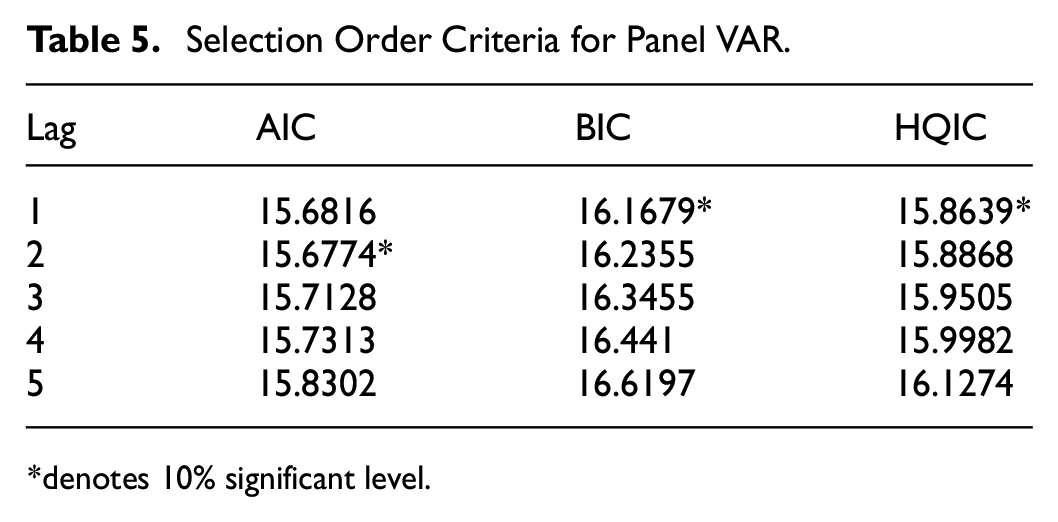
Table 5 reports the results of AIC criterion, BIC criterion and HQIC criterion. It can be seen that BIC criterion and HQIC criterion choose first-order lag at the same time. Given the differences in the suggested lag orders, we conduct diagnostic tests to check for cross-sectional dependence, heteroskedasticity, and autocorrelation in the panel data, which are essential for ensuring the validity and robustness of our panel threshold VAR analysis. The diagnostic tests reveal that the model with a lag order of 2 has significant autocorrelation in the residuals, while the model with a lag order of 1 displays better performance in terms of residual independence and model stability. Based on these findings, we suggest an optimal lag order of 1 for our panel threshold VAR model, which strikes a balance between model complexity and goodness-of-fit.
Selection Order Criteria for Panel VAR.
denotes 10% significant level.
Empirical Results and Discussion
We estimate the panel threshold VAR model using the transformed variables and optimal lag order to capture the nonlinear dynamic relationships among economic growth, FDI, renewable energy consumption, and CO2 emissions. Specifically, in this paper we use the cumulative impulse response to capture the aggregate influence of a single, unanticipated event on a variable over a period of time within a dynamic system. The cumulative impulse response function is the sum of individual impulse response functions at each moment in time. It calculates the total combined effect of a disturbance on a variable up to a predetermined time horizon.
Threshold Effects and Regime Switching
Our panel threshold VAR estimation reveals the presence of significant threshold effects in the relationships among the variables.
Economic Growth as Threshold Variable
Under FDI Shocks
We first take

Cumulative impulse response of CO2 after FDI shocks under GDPG threshold regimes.
In the low regime where
This finding is consistent with the EKC hypothesis and highlights the second phase of the inverted U-shaped curve (Tang & Tan, 2015). Countries with higher economic growth are more likely to experience a decrease in CO2 emissions from FDI, due to their advanced stage of economic growth.
Under Renewable Energy Consumption Shocks
Figure 3 represents the response of CO2 emissions growth rate under two regimes after one unit of exogenous positive shock on

Cumulative impulse response of
The result indicates that the increase in renewable energy consumption can reduce carbon dioxide emissions, and its effect is dependent on the economic growth level. However, this effect is not immediately apparent and only becomes significant in the long run. The output of renewable energy such as solar and wind might be fluctuating, thus in the early stage of energy transitioning, fossil fuel resources are still needed in order to deal with the inconsistent output. As advancements in economic and technology development make energy usage more efficient, the dependency on fossil fuels for power stability will diminish, resulting in more substantial reductions in emissions.
FDI as Threshold Variable
Under GDPG Shocks
Next, we take
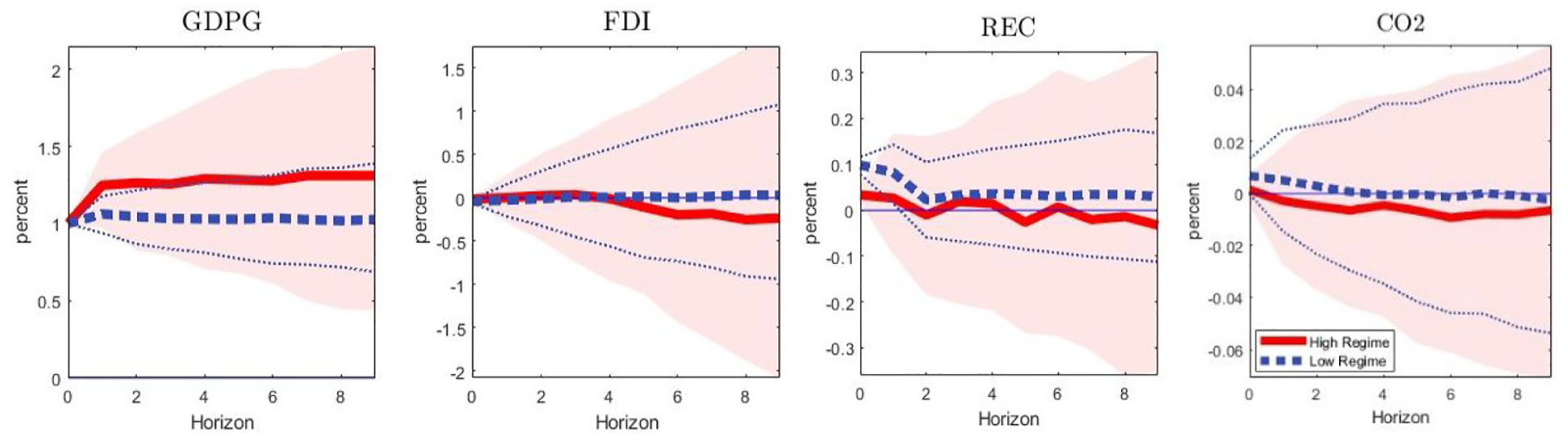
Cumulative impulse response of CO2 after GDPG shocks under FDI threshold regimes.
The observation suggests that in a country with greater FDI inflows, an increase in economic growth leads to a reduction in CO2 emissions in both the short run and long run. In contrast, in a country with lower level of FDI inflows, an increase in economic growth causes environmental degradation initially. The effect is more likely to mitigate afterwards in the long run when the countries reach higher levels of economic growth.
Under Renewable Energy Consumption Shocks
Similarly, Figure 5 shows a positive shock to

Cumulative impulse response of CO2 after REC shocks under FDI threshold regimes.
The relationship between renewable energy consumption and CO2 emissions is found to be slightly positive with values of less than 0.05% across all regimes, indicating that an increase in renewable energy consumption proportional to total energy consumption consistently actually leads to higher CO2 emissions.
This finding however contradicts existing literatures which highlight the environmental benefits of shifting from fossil fuels to renewable energy sources. Transitioning from traditional energy system to build green energy facilities will also produce large amount of carbon emissions due to the construction of wind turbines, solar panels and other new infrastructure consumes energy. Although these emissions may be offset over time by the clean energy produced, the initial increase in emissions can contribute to an overall increase in CO2 emissions during the initial stages of renewable energy growth.
Renewable Energy Consumption as Threshold Variable
Under GDPG Shocks
In Figure 6, we take

Cumulative impulse response of CO2 after GDP shocks under REC threshold regimes.
Under FDI Shocks
In Figure 7, the observation suggests a N-shaped relationship between FDI and CO2 emissions from short to intermediate term under the high regime, showing that environmental degradation first decreases, then increases, and finally decreases again. The interpretation could be that in the early stage of FDI inflows increase, the countries with higher level of renewable energy usage development gain advantages of carbon reduction. As the level of FDI inflows continue to increase, the offset effect of renewable energy reduces. The increase in environmental degradation could be due to industrialization, urbanization and higher overall energy consumption. However, at the higher FDI inflows levels, the relationship between FDI and environmental degradation becomes negative again. This stage suggests that as countries become more sustainable developed, they have formed more advanced green energy system, and experienced a shift toward less polluting industries and more Environmentally friendly practices. While under the low regime, the FDI shocks show minimum impact on CO2 emissions.
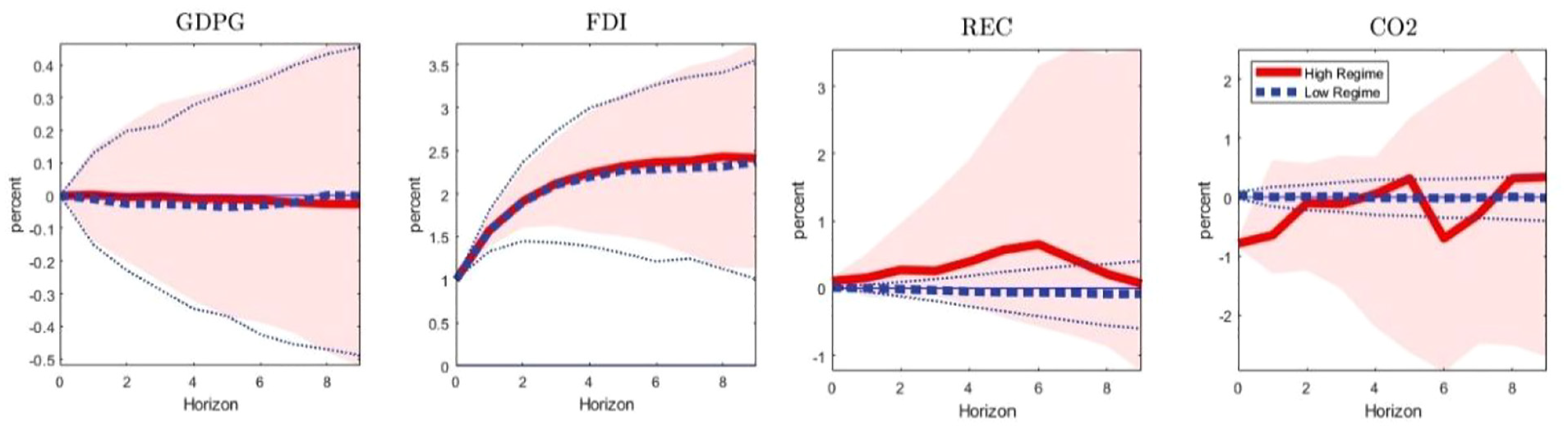
Cumulative impulse response of CO2 after FDI shocks under REC threshold regimes.
In summary, our empirical results reveal significant nonlinearities and regime-switching behavior in the relationships among FDI, renewable energy consumption, economic growth, and CO2 emissions. These findings provide valuable insights into the complex interplay between these variables and have important implications for both researchers and policymakers.
Subsample Analysis
We conduct subsample analyses by dividing our sample into OECD and non-OECD countries and estimating separate panel threshold VAR models for each subsample. This division allows us to examine and compare the nonlinear dynamics and threshold effects from these two distinct sets of countries, which often have different economic and social characteristics. The OECD countries in our sample are Australia, Austria, Belgium, Chile, Colombia, Denmark, Finland, France, Greece, Italy, Japan, Mexico, Netherlands, Norway, Portugal, Spain, Sweden, the United Kingdom and the United States. The non-OECD countries are Argentina, Brazil, India, Indonesia, Pakistan, Peru, South Africa, and Thailand. OECD countries are generally perceived as developed nations featuring high-income economies and well-established social welfare. While non-OECD countries can display a broad range of economic growth levels. We present the results in Appendix A (Figures A1–A6). According to the results, we find in most situations, after the shocks on GDPG and FDI, REC has a negative impact on CO2. The subsample results largely corroborate our previous findings, indicating that the nonlinear relationships among FDI, renewable energy consumption, economic growth, and CO2 emissions are present in both developed and developing countries.
Sensitivity to Lag Length
Lastly, we perform sensitivity analyses by varying the lag length of our panel threshold VAR model to assess the potential impact of different lag structures on our results. The estimated threshold effects and regime-specific relationships remain largely unchanged across different lag lengths, suggesting that our findings are robust to the choice of lag length.
Conclusion and Policy Implications
This study investigates the nonlinear dynamic relationships among foreign direct investment (FDI), renewable energy consumption, economic growth, and carbon dioxide (CO2) emissions using panel threshold VAR analysis for a sample of 27 countries over the period 1971 to 2021. Our empirical results reveal significant nonlinearities and threshold regime-switching behavior in the relationships among these variables, with important implications for sustainable development and climate change mitigation.
The conclusions are as follows: First, the study found that when GDP growth surpasses a certain threshold, FDI leads to reduced emissions, potentially due to the adoption of cleaner technologies or stricter environmental regulations. However, when GDP growth is below this threshold, FDI contributes to increased CO2 emissions, as investments flow into carbon-intensive sectors. This finding supports the Environmental Kuznets Curve hypothesis, indicating that countries with higher economic growth are more likely to achieve a decrease in CO2 emissions from FDI as they reach an advanced stage of economic growth.
Second, the study shows that increased renewable energy consumption can lead to a reduction in carbon dioxide emissions, but this effect is dependent on the level of economic growth and becomes significant only in the long run. During initial energy transition phases, fossil fuels are still needed to manage output fluctuations of renewable energy. However, when energy efficiency increases as technology and economic growth advance, the increase in renewable energy consumption results in reduced reliance on fossil fuels and greater emission reductions in the long run.
Third, the findings indicate that for countries with higher level of FDI inflows, increased economic growth leads to a reduction in CO2 emissions in both the short and long term. On the other hand, for countries with lower level of FDI inflows, economic growth initially causes environmental degradation, but this impact lessens as these countries progress to higher levels of economic growth over time.
Fourth, the research reveals that an increase in renewable energy consumption can initially cause higher CO2 emissions, which challenges the prevailing belief that shifting from fossil fuels to renewable energy sources has environmental benefits. This increase in CO2 emissions occurs during the lengthy construction of renewable energy facilities. As the global population and economies continue to grow, energy demand increases. If the growth in renewable energy capacity does not outpace the growth in energy demand, CO2 emissions may not decline as quickly as desired. Besides, CO2 emissions don’t come solely from the energy sector. Other sectors, such as transportation, agriculture, and waste management, also contribute to greenhouse gas emissions. The renewable energy generated might counterbalance these emissions over time, however the initial increase in emissions contributes to an overall increase in CO2 during the early phase of renewable energy development.
Finally, the study suggests an N-shaped relationship between FDI and CO2 emissions in the short to intermediate term in countries with higher level of renewable energy consumption, indicating that environmental degradation first decreases, then increases, and finally decreases again. Initially, countries with advanced renewable energy development benefit from carbon reduction as FDI inflows increase. However, as FDI inflows continue to rise, the offset effect of renewable energy diminishes, and environmental degradation increases due to industrialization, urbanization, and higher overall energy consumption. At higher FDI inflow levels, the relationship between FDI and environmental degradation turns negative again, implying that countries with more sustainable development adopt advanced renewable energy systems and shift toward less polluting industries and eco-friendly practices.
The policy implications of our study highlight the need for a comprehensive approach to promote sustainable development and combat climate change. Policymakers should consider the potential threshold effects and regime-switching behavior when designing policies to attract FDI, promote economic growth, and encourage renewable energy consumption. By accounting for these complexities, policymakers can better target their efforts to minimize the environmental impact of FDI and economic growth while maximizing the benefits of renewable energy consumption. First, government should encourage and facilitate FDI in sectors that promote cleaner technologies or adhere to stricter environmental regulations, especially as their economies grow. This approach supports the EKC hypothesis and helps countries reduce CO2 emissions as they advance economically.
Second, policymakers should promote renewable energy consumption by investing in research and development, providing incentives for renewable energy projects, and developing infrastructure to support clean energy growth. However, they should also be aware that the positive impact on CO2 emissions reduction may only become significant in the long run. Long term planning and substantial investments in renewable energy infrastructure are necessary to meet growing energy needs while reducing emissions. Governments should tackle the initial CO2 emissions increase during renewable energy infrastructure construction by advocating resource-efficient technologies and methods. This includes optimizing the construction process and minimizing environmental impact throughout the facility’s life cycle.
Third, for countries with different levels of FDI inflows, authorities should prioritize balancing economic growth with environmental preservation through sustainable development practices. This approach can help reduce the negative environmental impact of economic growth over time.
Fourth, although developing renewable energy use is essential, it is also necessary to address emissions from other sectors to see a significant overall reduction in CO2 emissions. Policymakers should ensure that renewable energy capacity growth outpaces energy demand growth to achieve desired CO2 emissions reductions. This requires a comprehensive approach, addressing not only the energy sector but also transportation, agriculture, and waste management.
Finally, acknowledging the N-shaped relationship between FDI and CO2 emissions in countries with higher renewable energy consumption, authorities should promote sustainable development by adopting advanced renewable energy systems and encouraging a shift toward less polluting industries and environmentally friendly practices.
While our study offers valuable insights into the nonlinear dynamics between FDI, renewable energy consumption, economic growth, and CO2 emissions, it has several limitations. First, the sample of 27 countries may not fully capture the diverse economic and environmental contexts across regions, which could affect the generalizability of the results. Additionally, while the study identifies the threshold effect of economic growth in determining the impact of FDI on carbon emissions, the specific factors driving the establishment of this threshold remain unexplored. Furthermore, the analysis assumes that renewable energy consumption is the sole driver of emissions reduction, without considering the broader technological and policy innovations that may also play a role. Future study could address these limitations, by expanding the sample and including more countries with diverse social and economic characteristics, especially those with unique renewable energies strategies. Understanding the mechanisms that define this threshold, such as technological advancements, institutional frameworks, or policy interventions, could offer deeper insights into the conditions under which FDI contributes to emissions reduction. The inclusion of technological innovations in renewable energies and the examination of the influence of governance, institutional quality and environmental policies on their effectiveness could provide a more comprehensive insight. A more detailed analysis of renewable energy sources, and their different effects on CO2 emission across different regimes, would enrich the findings. It would also contribute to the literature on climate change mitigation and sustainable development.
Footnotes
Appendix A
Acknowledgements
The authors wish to thank the editor and anonymous reviewers’ referees for their constructive comments.

Ethical Considerations
This research did not involve any human participants or animals.
Funding
The author disclosed receipt of the following financial support for the research, authorship, and/or publication of this article: This research was supported by National Social Science Fund of China under Grant number No. 24BJL081.
Declaration of Conflicting Interests
The author declared no potential conflicts of interest with respect to the research, authorship, and/or publication of this article.
Data Availability Statement
The datasets generated during and/or analyzed during the current study are available from the corresponding author on reasonable request.