



Abstract
In this study, we seek to contribute to a broader understanding of the processes and contexts that lead to inflated judgments of cognitive ability in human-computer partnerships. We conducted a within-subject experiment design study with 164 college students in order to explore the impact of the search experience on cognitive self-esteem (CSE). Our preliminary findings revealed that search experience is an important factor that influences individuals’ perception of their abilities to answer questions. This influence was observed regardless of whether they have access to search tools or not. However, search experience does not explain the significant change in CSE that we found between “access” and “no access” (to search tools) conditions.
Keywords
Introduction
With improvements in information retrieval systems, access to extraordinarily large amounts of information has become easier, and so people engage in external information search more than ever. If we need to remember a statistical concept, learn how to solve a mathematical equation, or find out an answer to a general knowledge question, we can turn on our computers or smartphones, open up our web browser, and access what we are looking for immediately. As we are more experienced in finding information online, our reliance on web search tools increases, which leads us to form a memory partnership with search systems that maximizes both the amount of information available to us and the efficiency with which this information is stored and retrieved. The Internet has become a memory partner, and we tend to delegate the process of remembering to the Internet. The tendency to offload the responsibility for storing and retrieving information to technology has drastically affected our memory. Sparrow et al. (2011) observed that individuals who expect online access to information tend to remember where to find facts rather than the facts themselves. Ward (2013) supported this by showing that using Google for trivia questions inflated cognitive self-esteem (CSE), reflecting an overestimation of cognitive abilities. Recent research deepens this understanding. Vătămănescu et al. (2023) highlight how online knowledge networks enhance self-evaluation and intellectual capital, shaping perceptions of cognitive resources. Similarly, Pocol et al. (2023) note that academia-industry collaboration in knowledge creation boosts self-efficacy in information management. Peters et al. (2024) explore the educational and philosophical implications of AI tools like ChatGPT-4, showing how they reshape cognitive self-assessment by facilitating problem-solving and broadening access to information.
Internet and Cognitive Evaluations
The Internet has transformed how we use and evaluate our memories. Access to web search tools inflates confidence in cognitive abilities, a phenomenon known as the “Google effect” (K. A. Hamilton & Yao, 2018; Ward, 2013). Knowing that information is readily available enhances metacognitive evaluations, boosting confidence in memory and cognitive skills. Cognitive self-esteem (CSE), or one’s perception of their ability to think, remember, and locate information, is notably higher among individuals with access to search tools. Ward (2013) and K. A. Hamilton and Yao (2018) found significantly higher CSE scores for participants using Google compared to those without access.
Recent research explores how search experiences shape cognitive evaluations further. Eliseev et al. (2023) found that non-humanized digital agents inflate CSE more than humanized tools. Similarly, Gong and Yang (2024) revealed that “Google effects” on memory and cognitive load are more pronounced when using mobile devices versus desktops. These studies highlight how ease of retrieval and search experiences influence CSE, emphasizing the need to understand technology’s role in shaping self-perceptions and cognitive processes.
Experience, Self-Esteem, and Self-Efficacy
Self-esteem is a concept related to one’s belief about oneself. The relationship between experience and self-esteem has been studied in the relevant literature. Depending on the type of experience under investigation, some studies suggest a correlation, and others show a causal relationship between self-efficacy and experience. For example, Reitz et al. (2020) showed that achievement-related experiences are correlated with self-esteem change among job beginners. Orth et al. (2012) indicated that self-esteem is a cause, rather than a consequence, of life outcomes, including relationship satisfaction, job satisfaction, occupational status, salary, positive and negative affect, depression, and physical health. On the other hand, Bachman and O’Malley (1977) reported that occupational status-related experiences lead to increases in self-esteem. In a recent meta-analysis study, Krauss and Orth (2021) suggested a reciprocal pattern between self-esteem and work experiences. Previous research clearly shows that experiences and self-esteem are related, but the direction of the relationship depends on the type of experience under investigation. Given that the relationship between search experience and CSE, an aspect of self-esteem has been understudied, there is a need for research that helps us better understand such a relationship.
Self-efficacy, defined as a person’s belief in their ability to complete specific tasks, is a critical factor in shaping self-esteem. Unlike general confidence, self-efficacy focuses on perceived task-specific capabilities (Sherer et al., 1982). Bandura’s (1977, 1982) foundational work established that self-efficacy arises from mastery experiences, influencing self-perception and goal achievement. Subsequent research (Cassidy & Eachus, 2016; Gardner & Pierce, 2016; Yorra, 2014) highlights its importance in education, workplaces, and information retrieval.
Positive task experiences further strengthen self-efficacy. Studies by Bailey (2017), Cassidy and Eachus (2016), and Gardner and Pierce (2016) show that successfully completing tasks boosts confidence in similar future endeavors. In the context of online information retrieval, repeated success in locating information enhances self-efficacy with digital tools, reinforcing individuals’ confidence in their ability to navigate and access information effectively.
In several studies in different fields, including psychology, education, information systems, business, etc., the mediator role of self-efficacy has been repeatedly shown (e.g., Abd-Elmotaleb & Saha, 2013; Appelbaum & Hare, 1996; Benight et al., 1999; Brooke et al., 2017; Jashapara & Tai, 2011; Maciejewski et al., 2000; Nauta, 2016; Seo, 2008; Strobel et al., 2011). A mediated relationship between variables is plausible when those variables are shown as associated with each other and when there is one potential candidate as a mediator (Baron & Kenny, 1986; Hayes, 2017). Given that search experience, self-esteem, and self-efficacy are associated, and that the mediator role of self-efficacy is known, self-efficacy can be hypothesized as a mediator of the relationship between search experience and CSE.
Research suggests that individuals develop a transactive memory (TM) system with the Internet, relying on it as an external memory source rather than retaining all information internally. Sparrow et al. (2011) demonstrated that people expecting online access prioritize remembering where to find information over retaining the details, establishing the Internet as a “memory partner” for cognitive offloading.
Fisher et al. (2015) extended this concept by showing how digital reliance blurs the boundaries between internal and external knowledge, treating the Internet as an extension of memory. Ward (2013) explored cognitive self-esteem (CSE) in this context, finding that reliance on digital tools inflates confidence in cognitive abilities without necessarily improving knowledge retention. Ward’s work highlights the psychological impact of TM systems, where ease of access enhances perceived cognitive ability. Additional studies (Aşkar & Yurdugül, 2009; Bereiter, 1963; Duncan et al., 2002; Lohman, 1999; Muthen & Khoo, 1998; Xitao & Xiaotao, 2005) provide critical frameworks and methodologies for examining TM systems, focusing on how internal and external memory resources shape cognition.
Theoretical Framework
The Transactive Memory System
The theory of transactive memory (TM) was originally developed to describe how human-human interactions facilitate shared knowledge by enabling partners to rely on each other to locate specific information rather than remember it individually (Wegner, 1987, 1995). With the rise of internet search engines, TM systems have evolved to include digital tools as external memory aids, significantly influencing how people access and recall information (Firth et al., 2023). These technologies act as cognitive partners, reducing internal cognitive load by offering quick access to vast knowledge resources (Eliseev et al., 2023).
As a natural extension of human behavior, individuals form TM partnerships with the internet. Studies suggest that people offload memory to the internet to reduce cognitive effort (Fisher et al., 2015; Sparrow et al., 2011; Ward, 2013). In such partnerships, the internet serves as a storage platform, often perceived as an extension of cognitive abilities (Eliseev et al., 2023). This reliance on external resources can blur the boundaries between internal and external knowledge (Soares & Storm, 2024).
Cognitive Offloading: The Transactive Memory Partnership With the Internet
The internet and search engines serve as transactive memory systems, enabling individuals to offload information and shift focus from remembering details to locating them. Risko and Gilbert (2016) proposed that this offloading process influences metacognitive processes, including cognitive self-evaluation, as individuals increasingly depend on the internet for retrieval (Meyerhoff et al., 2023). Their model suggests that individuals assess their capacities and choose between cognitive offloading and relying on internal memory. Eliseev et al. (2023) further noted that internet search behavior inflates cognitive self-esteem (CSE), supporting Hypothesis 1, as individuals view the internet as part of their cognitive toolkit, especially with unrestricted access.
Repeated success in cognitive offloading reinforces reliance on search engines over memory recall (Gilbert et al., 2023). This preference reduces the perceived need for internal memory, leading to higher CSE scores when the internet is available (Soares & Storm, 2024).
Cognitive Self-Esteem: An Aspect of Self-Esteem
Self-esteem is a complex construct that includes both general and specific self-evaluations. Global self-esteem, measured by the Rosenberg Self-Esteem Scale (Rosenberg, 1965), reflects overall self-worth and confidence. Building on this, researchers have explored domain-specific self-esteem, such as academic (Coopersmith & Gilberts, 1982) and professional (Aricak, 1999) self-esteem. More recently, Firth et al. (2023) highlighted the role of digital tools in shaping cognitive self-esteem (CSE), which involves thinking, remembering, and using transactive memory systems (Ward, 2013). CSE aligns with the search self-efficacy model, which links effective use of search engines to increased CSE, supporting Hypothesis 3 (Maddux, 2012; Yilmaz, 2025)
Relevant Studies
Digital search tools increasingly serve as “memory partners,” replacing human collaborators in aiding memory-related tasks. Sparrow et al.’s (2011) foundational study demonstrated that individuals better recall information they believe will be erased compared to information they expect to access later. Participants also more readily remembered where information was stored than the content itself, highlighting the role of digital tools in transactive memory systems, where people prioritize locating information over retaining it.
Recent research builds on this concept, exploring the cognitive impacts of digital memory systems. Soares and Storm (2024) confirmed the “Google effect,” where reliance on search tools reduces internal memory retention, aligning with Hypothesis 1. Eliseev et al. (2023) and K. A. Hamilton and Yao (2018) found that easy access to digital tools inflates cognitive self-esteem (CSE), with familiar devices like smartphones further boosting users’ confidence in their knowledge, supporting Hypotheses 1 and 2. Similarly, Vătămănescu et al. (2023) and Meyerhoff et al. (2023) noted that frequent reliance on online platforms enhances retrieval efficiency and reinforces CSE.
Ward (2013) found that individuals perceive the internet as part of their cognitive toolkit, with CSE scores significantly higher when using Google for trivia tasks, further supporting Hypothesis 1. Kahn and Martinez (2020), however, found no significant differences in memory or CSE between ephemeral and permanent digital communications, suggesting that the impact of media permanence on digital offloading requires further study.
Collectively, these studies emphasize the role of digital tools in enhancing cognitive evaluations, boosting search self-efficacy, and reshaping the relationship between internal and external memory.
Present Study
In line with the relevant literature, when designing the study, we have presumed that (1) people provide lower cognitive evaluations when they do not have access to search engines, compared to the situation in which they can access such tools, (2) in a sequence of evaluations, people’s former evaluations can impact latter evaluations, (3) self-efficacy has a mediator role in the relationship between search experience and CSE. To operationalize our thoughts related to CSE, search experience, and search self-efficacy, we formulated three hypotheses for the present study:
H1: The CSE of participants is lower when they do not have access to search engines but higher when they have access to search engines,
H2: The change in CSE that occurs over time varies depending on participants’ former cognitive evaluations, and
H3: The search self-efficacy can mediate the association between search experience and CSE.
Method
Participants
This study was conducted in two undergraduate courses at a large northeastern U.S. university, selected for their focus on digital literacy and integration of online research tools. These courses required extensive use of online resources for assignments, research tasks, and discussions, offering an ideal setting to explore the relationship between search experience and cognitive self-esteem (CSE). This aligns with prior research on the role of digital literacy in higher education (Martzoukou & Eteokleous, 2021). The study population consisted of undergraduates who frequently use the Internet and search tools in their academic routines (Head et al., 2019). This demographic is particularly relevant for examining the “Google effect,” where access to information influences perceived knowledge (Gong & Yang, 2024). By focusing on this group, the study provides insights into how digital information access shapes cognitive evaluations in educational contexts.
The research was approved by the institutional review board and consent was obtained from students in two courses. Following the completion of obtaining consent from students, we collected data in the first 3 weeks of the semester. For students to be included in the study, they were expected to (a) consent to participate in the study, and (b) complete all tasks assigned to them. 202 students enrolled in the courses; 164 students (22.6% female) consented to participate in the study and completed tasks in all experimental conditions. Therefore, the sample size for the study is 164. This study was reviewed by the Office for Research Protections at Penn State University, and determined that the study does not require formal IRB review because the research met the criteria for exempt research according to the policies of this institution and the provisions of applicable federal regulations. The ID number assigned to the study by the Office for Research Protections is STUDY00013140. Finally, informed written/verbal consent was obtained from the participants.
Experimental Design
Ward (2013) indicated that when the Internet is perceived as a transactive memory, individuals’ belief about their performance is blurred between intrinsic ability (e.g., knowledge) and situational influences (e.g., access to a search engine). They suggest that the impact of the situational factor causing a blurred effect on self-evaluation of internal memory can be revealed by giving individuals similar tasks in two consecutive conditions: condition 1, in which the situational cause is absent, and condition 2, in which the situational cause is present. Ward (2013) also suggests the use of general knowledge questions in the consequent conditions to examine the impact of situational factors on cognitive evaluations. In line with these suggestions, we designed no access and access conditions, assuming that participants could tend to answer a question from their internal memory in the no access (NA) condition and that they tend to use a search engine to answer the question in the access (A) condition. In NA conditions, the participants were not allowed to use any device to access search engines. In contrast, in A conditions, they were permitted to use search tools to search for the general knowledge questions.
Participants were asked to respond to two consecutive general knowledge questions. Each question was presented initially when students had no access to search tools (e.g., Google or Bing) and then re-presented when they had access to search tools. The purpose of asking the same general knowledge question twice (i.e., first in the NA condition, then in the A condition) was to minimize potential impacts of asking different questions on CSE in NA and A conditions and to better examine the change in CSE that occurred when the participants gained access to search tools. Given that the study aims to examine a potential change in participants’ CSE scores, we needed at least three temporarily separated observations to examine such a change. Since we could not use the same question after participants found the correct answer in the A condition, there was a need to use a similar task to create a third observation. Therefore, we used two different general knowledge questions with the same difficulty.
Selection of General Knowledge Questions
Tauber et al. (2013) produced the general knowledge questions to assess the illusions related to false memory recalls and investigate individuals’ confidence judgments, an index about the certainty of the accuracy of their own knowledge. Moreover, these questions were developed for assessing confidence and peer metacognitive judgments (Tauber et al., 2013). Specifically, Tauber et al. (2013) calculated the probability of recalls for each question, which assists researchers to choose questions with a probability value very close to zero to ensure that it is very unlikely for individuals to answer them from memory. For these reasons, we used two of these questions in this study, and for similar reasons, these questions were used in other studies (e.g., Ferguson et al., 2015; K. A. Hamilton et al., 2016). According to K. A. Hamilton et al. (2016), CSE is a form of global judgment about self rather than the judgment of domain-specific knowledge, so general knowledge questions appear to better serve the purpose of assessing CSE.
We selected general knowledge questions with the recall probability of .000 (i.e., very close to zero). Asking difficult questions helped us understand how the participants’ self-evaluations could change across all experimental conditions when answering questions, they did not know. If the participants had already known the answer to these questions, they would not have needed to use a search engine in a condition.
The questions selected for the study are presented below:
Q1: What is the highest mountain in South America?
Q2: What is the name of the instrument used to measure wind speed?
Experimental Conditions
Each participant was exposed to access and no access conditions in the order presented below:
Answer a general knowledge question when having “no access to search tools” (NA)
Answer a general knowledge question when having “access to search tools” (A)
Answer a second general knowledge question when having “no access to search tools” (NA)
Answer a second general knowledge question when having “access to search tools” (A)
We applied a counter-balancing approach (Gaito, 1961) to minimize the ordering effect of the within-subject design - one of the significant internal validity threats. We created two combinations of the general knowledge questions presented to the participants by changing the order of questions (see Table 1) during the experiment. The order of “no-access” and “access” was constant for both of the questions. Group 1 (G1) responded to Q1 first and then Q2. Group 2 (G2) saw Q2 first and then Q1. For data analysis, the participants from both groups were included, so the sample size remained at 164.
Counter-Balancing of the General Knowledge Questions.

The Instruments
This study utilized three measures to assess cognitive self-esteem (CSE), search self-efficacy, and search experience, selected for their theoretical grounding and relevance to digital contexts.
The Cognitive Self-Esteem (CSE) Scale, rooted in Ward’s (2013) metacognitive framework, evaluates individuals’ confidence in thinking, remembering, and utilizing transactive memory systems. The 14-item scale uses a 5-point Likert format. Exploratory factor analysis (EFA) revealed three factors—confidence in thinking, remembering, and transactive memory skills—with factor loadings from .60 to .90, explaining 68% of the variance. Cronbach’s α ranged from .78 to .94, indicating high reliability and aligning with studies on digital tools’ influence on cognitive self-esteem (K. A. Hamilton & Yao, 2018).
The Search Self-Efficacy Scale, based on Bandura’s (1997) self-efficacy theory, assesses confidence in search-related tasks. EFA with 327 participants identified four factors: task success, time management, query development, and advanced search skills, with loadings from .626 to .818. These factors explained 72% of the variance, and Cronbach’s α values ranged from .80 to .92, demonstrating strong reliability. The results highlight self-efficacy’s role in digital information-seeking (Martzoukou & Eteokleous, 2021).
The Search Experience Measure, adapted from Bates (1990) and Wildemuth (2004), is a single-item tool assessing expertise on a scale from beginner to expert. Test-retest analysis showed strong temporal stability (r = .84), and significant correlations with retrieval task performance (r = .72, p < .001) supported its validity.
These rigorously validated measures capture participants’ cognitive and metacognitive interactions with search tools, aligning with the study’s objectives.
Procedure
Data were collected in four sessions in two information technology courses that met twice a week in person. Figure 1 depicts the experimental design, where participants were randomly assigned to two groups (G1 and G2) and completed four sequential conditions alternating between access to search tools and no access. In Condition 1 (No Access), G1 answered Question 1 (Q1) from memory and completed questionnaires, while G2 did the same for Question 2 (Q2). After 2 days, in Condition 2 (Access), participants were asked if they knew the answer to their initial question (Q1 for G1, Q2 for G2). Those who did not know used search tools to find the answer before completing questionnaires, while those who knew the answer were excluded. Three days later, in Condition 3 (No Access), groups switched questions: G1 answered Q2 and G2 answered Q1 from memory, followed by questionnaires. Finally, in Condition 4 (Access), participants were again asked if they knew their new question’s answer. Those unable to recall used search tools, while those with prior knowledge were excluded. This alternating design examines the effects of search tool access on cognitive self-esteem, search self-efficacy, and reliance on external memory aids over time. Time intervals between conditions ensure a robust comparison of cognitive and behavioral changes.

The procedures of the study.
In this study, former cognitive evaluation is operationalized in line with the Cognitive Off-Loading Model (Risko & Gilbert, 2016). CSE in the first condition is the former evaluation of CSE in the second condition; CSE in the second condition is the former evaluation of CSE in the third condition; CSE in the third condition is the former evaluation of CSE in the fourth condition.
Data Analysis
The main motivation of this study was to explain the change that occurred in the participants’ CSE across four subsequent conditions. General Linear Models (e.g., paired sample t-test, ANOVA, ANCOVA, and repeated-measures ANOVA) do not provide sufficient information for us to explain how change occurs over time in relation to how it can interact with other factors (Aşkar & Yurdugül, 2009; Bereiter, 1963; Duncan et al., 2002; Lohman, 1999; Muthen & Khoo, 1998; Xitao & Xiaotao, 2005). The Latent Growth Model (LGM) is often preferred over linear models, especially when (1) change is the main focus of analysis, because of its capability to reveal individual differences between people for the variables investigated in a repeated-measure conditions, (2) there is an apriori hypothesis that bases on previous research (Jung & Wickrama, 2008; Park & Schutz, 2005; Serva et al., 2011), (3) both individual and group levels of changes are investigated (Jung & Wickrama, 2008; Park & Schutz, 2005; Serva et al., 2011), and (4) the main focus of a study is to reveal the associations among individuals and classify those individuals into distinct groups based on their response patterns (Muthén & Muthén, 2000). In this study, LGM was preffered over general linear models becasue (1) we focused on the individual differences of CSE in repeated conditions, (2) we had theory-driven hypotheses, and (3) we measured one variable at four different time points to observe a change in CSE.
In LGC, the analysis of mean and covariance structures in structural equation modeling is used to explain individual growth (McArdle & Epstein, 1987; Meredith & Tisak, 1990). LGC includes an intercept (i.e., an individual’s score on outcome variable at the onset of the investigation) and slope (i.e., the growth or change rate at which outcome measure changes over time) parameters that jointly define within-person patterns of change. That latent structure helps researchers to understand the growth curve in terms of observed and latent variables by handling both modeling and estimation of measurement error (Byrne, 1998).
The factor loadings of intercept are equal to one in LGC models; since it is assumed that intercept remains constant across all occasions of measurement times. For slope, the loadings are identified based on the “change” trend, which can be linear, quadrant, or cubic (Heck et al., 2013). Aşkar and Yurdugül (2009) recommend the use of a simple line graph that shows the change to observe the type of change. Since we had more than 100 participants, we created average scores of CSE for each condition to observe the type of change.
Figure 2 illustrates the experimental design, where participants are randomly assigned to two groups, G1 and G2, and complete four sessions alternating between “Access” and “No Access” conditions. In Condition 1 (No Access), G1 answers Question 1 (Q1) and G2 answers Question 2 (Q2) from memory, followed by questionnaires. After 2 days, in Condition 2 (Access), participants are asked if they know the answer to their initial question. Those who respond “Yes” are excluded, while those who respond “No” use search tools to find the answer before completing questionnaires. Following a 3-day interval, in Condition 3 (No Access), the groups switch questions: G1 answers Q2 and G2 answers Q1 from memory, followed by questionnaires. Finally, in Condition 4 (Access), participants repeat the “Access” process for their new question. Those who cannot recall the answer use search tools, while those who know it are excluded. The intervals between sessions allow for the analysis of changes in cognitive self-esteem, search self-efficacy, and the impact of search tools on cognitive evaluations. This design enables a robust comparison of memory recall, tool usage, and their effects on cognitive self-perceptions.

Line graph of all participants’ average CSE scores for each condition.
Later, we incorporated search experience into our unconditional model to understand if search experience helps us explain the random variability at the onset of the investigation and the rate of change. We added search self-efficacy to the unconditional model as a second predictor representing detailed skills. Including both search experience and self-efficacy in the unconditional model extended the conditional model.
We conducted a mediation analysis to examine whether search self-efficacy mediates the relationship between search experience and cognitive self-esteem (CSE). Mediation analysis identifies whether the effect of an independent variable (search experience) on a dependent variable (CSE) occurs indirectly through a mediator (search self-efficacy; Baron & Kenny, 1986). This approach reveals mechanisms explaining how search experience influences CSE.
The rationale for this analysis stems from evidence suggesting that self-efficacy significantly mediates cognitive and behavioral outcomes in digital contexts. Bandura’s (1997) self-efficacy theory posits that increased self-efficacy boosts confidence and performance, enhancing cognitive self-perceptions. Research by Firth et al. (2023) and Eliseev et al. (2023) supports the role of digital self-efficacy in improving engagement and outcomes, influencing CSE.
Following Baron and Kenny’s (1986) framework, we verified four steps:
Independent-Dependent Variable Relationship: Search experience was significantly associated with CSE, indicating a direct link.
Independent-Mediator Relationship: Search experience significantly predicted search self-efficacy, with frequent search experience boosting confidence in search tool use (Meyerhoff et al., 2023).
Mediator-Dependent Variable Relationship: Search self-efficacy was significantly linked to CSE, with greater confidence enhancing cognitive self-perceptions.
Controlling for the Mediator: Accounting for search self-efficacy reduced the effect of search experience on CSE, confirming mediation.
This analysis shows that search self-efficacy mediates the relationship between search experience and CSE. Frequent search experiences enhance self-efficacy, which in turn boosts CSE. These findings suggest that interventions targeting search self-efficacy could indirectly improve cognitive self-perceptions.
The mediation analysis was conducted using IBM SPSS AMOS 24.0 with bootstrapping, providing robust confidence intervals for indirect effects (Hayes, 2018). Bootstrapping reinforced the validity of search self-efficacy as a key factor influencing the search experience-CSE relationship.
Results
Order Effect
We checked the difference between these groups and CSE scores and did not find a significant difference. This indicated that no ordering effect was present for the order of the questions, F(3, 483) = 0.285, p = .789. Since the order of questions did not have a critical impact, we reported the results based on the order of conditions.
Unconditional Model
Figure 3 depicts the latent growth model (LGM) used to test Hypotheses H1 and H2, focusing on the trajectory of cognitive self-esteem (CSE) across four measurement points (C1, C2, C3, and C4). The LGM estimates both the intercept, representing participants’ initial CSE levels, and the slope, reflecting the rate of change over time. Each measurement point links to the intercept and slope factors, capturing baseline CSE and its progression. The model assumes fixed time intervals between measurements, represented by 0 and 1 values on the paths from the slope factor, indicating linear growth. Error terms (E1 to E4) account for unexplained variance, separating systematic changes from random noise. The covariation between intercept and slope factors allows for examining whether initial CSE levels influence the trajectory of change, shedding light on how participants with higher or lower baseline CSE experience different growth patterns. This model is essential for addressing H1 and H2, which examine the impact of search tool access and individual differences on changes in CSE, providing critical insights into the dynamics of cognitive self-esteem over time.

The latent growth model of CSE for H1 and H2.
When the first model was run, the model fit values did not produce a good fit (see Table 2). Byrne (1998) suggested that when model fit does not produce good fit results, that may happen due to misspecification of the model, so modification indices can be taken into consideration in LGC models. For that reason, modification indices were applied for a better model specification. As can be seen in Figure 3, we included covariances both between E1 and E2 and between E3 and E4. The standardized latent growth model (LGM) illustrated in Figure 4 demonstrates a strong fit (see Table 1 for fit indices). The model examines the trajectory of cognitive self-esteem (CSE) across four measurement points (C1–C4) using two latent variables: the Intercept, representing initial CSE levels, and the Slope, capturing the rate of change over time. Paths from the intercept to C1–C4 reflect baseline CSE levels, while paths from the slope indicate changes across sessions, with standardized coefficients showing the strength of these relationships. For instance, the slope coefficient at C2 reflects how much CSE shifts from the baseline. Residual variances (E1–E4) account for unexplained variance, ensuring observed changes are attributed to latent variables rather than random error. Model fit indices (e.g., CFI = 0.99, RMSEA = 0.001) confirm the model’s robustness. Additionally, the covariance between the intercept and slope (−0.41) indicates that participants with higher initial CSE levels tend to experience less growth, highlighting individual differences in response to experimental conditions. This model provides valuable insights into how CSE evolves over time, addressing hypotheses related to cognitive evaluations in human-technology interactions.
Evaluation of Unconditional LGC Model Fit Indices.


Estimated LGM of CSE.
The modified model provides estimated means and variances for both the slope and intercept. The mean score estimated for the intercept is 3.78 (S.E. = 0.044, t = 80.587, p < .001), which indicates that the participants had a medium level of confidence in their own ability to remember answers of the general knowledge questions presented at the beginning of this investigation. The variance estimated for the intercept is 0.131 (S.E. = 0.024, t = 5.528, p < .001), which points out that there were individual differences in CSE at the onset of the investigation. The mean and variance of slope are 0.272 (S.E. = 0.036, t = 7.626, p < .001) and 0.060 (S.E. = 0.012, t = 5.206, p < .001) respectively, indicating that the change was not the same for all participants across all conditions. The covariance between intercept and slope was −0.053 (S.E. = 0.015, t = −3.541, p < .001), which illuminates that those with low CSE demonstrated more changes than those with high CSE as illustrated in Figure 5. We have divided the participants as low and high CSE at the on-set of the investigation statistically applying two-steps cluster analysis. The analysis revealed two distinctive groups with 0.99 Silhouette measure of cohesion and separation. The ratio of the largest and smallest groups was 1.83. In the low group, there were 58 participants (35.4%) while there were 106 participants (64.6%) at the counter group. Participants with high CSE scores in C1 condition where they had no access to search tools demonstrated a slight increase in CSE scores after they gained access to search tools (C2). In contrast, participants with low CSE scores in C1 condition showed a notable increase in CSE scores after they gained access. The same pattern was observed between C3 and C4, which indicates that the pattern was independent of the question participants were asked to answer. To ensure this CSE change is not associated with students’ prior knowledge of the general knowledge questions, we have analyzed the responses for “no access” conditions in Table 3. Table 3 demonstrates that the number of correct responses was not different for two questions. The unconditional model supports the second hypothesis (H2) of the present study.

High and low CSE groups average score change comparison.
Crosstabs of the Frequencies of Incorrect and Correct Responses to Both General Knowledge Questions.

Note. Cochran-Armitage test for trends in 2 × 2 crosstabs for General Knowledge Question 1 on its was not significant, CA = 0.477, p = .491; while General Knowledge Question 2 was significant, CA = 5.396, p = .020.
Due to the counterbalancing, the frequency of responses at C1 for Group 1 and C3 for Group 2 (See Table 1 for more details) are presented.
Due to the counterbalancing, the frequency of responses at C1 for Group 2 and C3 for Group 1 (See Table 1 for more details) are presented.
Figure 5 illustrates average cognitive self-esteem (CSE) score changes across four conditions (C1 to C4) for High CSE (black line) and Low CSE (gray line) participants. The High CSE group consistently scores above the grand mean (dotted line at 3.82), with minimal variability. Their scores dip slightly in C3 (4.21) before recovering in C4 (4.29), suggesting resilience to experimental manipulations. In contrast, the Low CSE group scores below the grand mean, showing greater variability. Their scores rise from C1 (3.41) to a peak in C2 (3.61), dip in C3 (3.47), and partially recover in C4 (3.63). Error bars reveal variability within each condition, with overlaps suggesting areas where differences may not be statistically significant. Overall, High CSE participants exhibit stability, while Low CSE participants demonstrate fluctuations, reflecting sensitivity to the conditions and potentially the mediating role of search self-efficacy.
Conditional Model With Search Experience and Search Self-Efficacy
Figure 6 presents the Conditional Latent Growth Model (LGM) used to test Hypothesis H3, examining the mediating role of Search Self-Efficacy in the relationship between Search Experience and the growth trajectory of Cognitive Self-Esteem (CSE) across four measurement points (C1–C4). The model includes two latent variables: the Intercept, representing baseline CSE levels, and the Slope, indicating the rate of change over time. Paths from the intercept and slope to the measurement points illustrate their influence on CSE, with time-coded coefficients (0, 1) assuming linear change. Search Self-Efficacy, the mediating variable, is directly influenced by Search Experience, as shown by the connecting path. In turn, it impacts both the intercept and slope, shaping initial levels and changes in CSE. Residual variances (E1–E5) account for unexplained variability, ensuring model precision. Covariances among the intercept, slope, and mediator reveal how baseline self-efficacy influences CSE growth. This model captures how individual differences in search experience translate into CSE trajectories via search self-efficacy, providing a comprehensive framework for understanding the role of self-efficacy in cognitive evaluations within digital contexts. We examined whether these two variables explain the change in CSE that varied across all conditions depending on participants’ CSE at the onset of the investigation. According to Brennan et al. (2016), the search self-efficacy is expected to surpass the impact of the search experience, and this led us to check a possible mediation impact (Hayes, 2017), which required further analysis.

The conditional LGM Model of CSE with search experience and self-efficacy for H3.
Following the steps suggested by Baron and Kenny (1986), the associations estimated by bootstrapping presented below were checked for a possible mediation:
Between search experience and intercept of unconditional model: There was a significant impact of the search experience on the Intercept of LGM (B = 0.192, β = .249, t = 3.027, p < .01),
Between the search self-efficacy and intercept of unconditional model: There was a significant impact of the search self-efficacy on the Intercept of LGM (B = 0.134, β = .414, t = 4.685, p < .001),
Between search experience and search self-efficacy: There was a significant impact of the search experience on the search self-efficacy (B = 1.154, β = −.482, t = 7.017, p < .001),
Between search experience and intercept of unconditional model under the presence of search self-efficacy: Search experience had no significant impact on the intercept under the presence of search self-efficacy (B = 0.038, β = .049, t = 0.557, p = .578).
For the slope, the same steps were checked; however, the first step did not yield a significant association between search experience and the slope, (B = −0.008, β = −.023, t = −0.240, p = .881); the second step did not show a significant association between search self-efficacy and the slope as well (B = −0.007, β = −.047, t = −0.430, p = .667).
These results together indicate that there was a full mediation of search self-efficacy on the relationship between search experience and the intercept of the unconditional model with 77.5% explained variance ratio. There was no significant impact of either search experience or search self-efficacy on the slope, so there was no need to check the mediation of search self-efficacy on the relationship between search experience and the slope of the unconditional model. The estimations of the conditional model were illustrated in Figure 7, and the model fit values for the model are presented in Table 4.

Estimated conditional LGC model with search experience and self-efficacy mediation.
Evaluation of Conditional LGC Model Fit Indices.
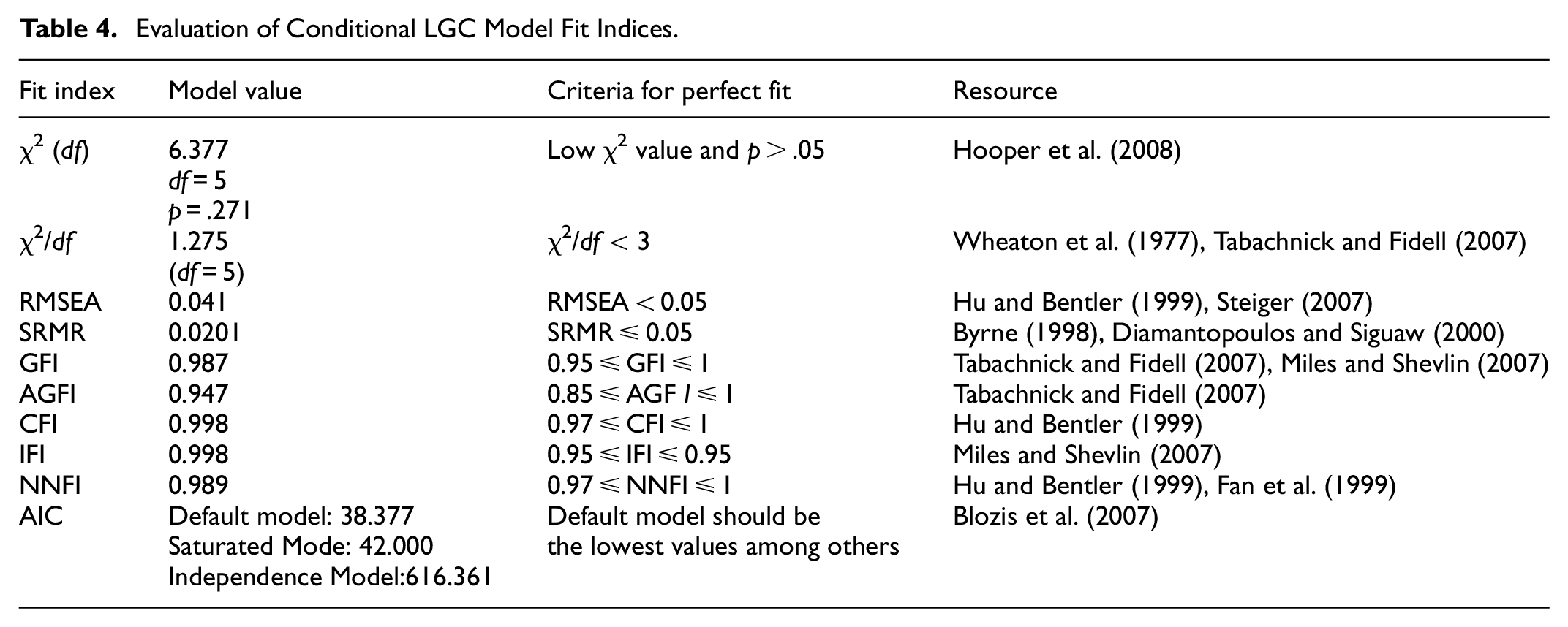
Figure 7 illustrates the mediating model examining the relationship between search experience, search self-efficacy, and cognitive self-esteem (CSE), grounded in Bandura’s (1997) self-efficacy theory. The model highlights search self-efficacy as a mediator, showing how confidence in performing search tasks bridges the relationship between prior search experience and cognitive self-perceptions. Research supports this framework, with studies indicating that repeated positive interactions with digital tools reinforce self-efficacy, which in turn enhances perceptions of cognitive abilities (Eliseev et al., 2023; Meyerhoff et al., 2023). Bootstrapping analysis (see Table 5) reveals that, while search experience and self-efficacy significantly impact CSE in specific conditions, they do not influence the change in CSE across four conditions, as the slope in the latent growth model (LGM) remains unaffected. This indicates that the mediation effect operates within isolated conditions rather than over time. The model demonstrates that the direct impact of search experience on CSE diminishes when self-efficacy is included, confirming its pivotal mediating role. Fit indices (e.g., CFI = 0.998, RMSEA = 0.041, SRMR = 0.0192) validate the model’s robustness. These findings underscore search self-efficacy’s importance as a mechanism linking search experience to CSE, highlighting its potential as a target for interventions to improve cognitive self-perceptions in digital contexts.
Indirect Unstandardized and Standardized Estimates of Searching Experience and Self-Efficacy on CSEs.

Note. Dashes indicate zero value.
p < .05. **p < .01.
For the individual differences, we found in the unconditional model, we analyzed low and high CSE groups’ estimates of only search self-efficacy due to its mediation role in the search experience. The low group yielded significant indirect estimates in all conditions; in contrast, the high group did not demonstrate any significant estimates. Furthermore, the estimates of the low group were higher than the high group. For all conditions, regardless of the low or high group, the estimates of access conditions were higher than “no access” conditions. These results show the impact of search self-efficacy on CSE.
This model highlights the critical role of search self-efficacy in shaping cognitive self-esteem through digital interactions. It offers a foundation for developing interventions aimed at enhancing search self-efficacy, which could indirectly improve perceptions of cognitive abilities. By incorporating slope and intercept factors, the model captures the dynamic development of self-efficacy, linking cumulative experience to evolving self-perceptions.
Discussion
Developments in the area of search and information access technologies have opened up ways for people to access the extraordinarily large amount of information and to engage in external information search more than ever. There is a growing tendency among people to rely on technology as a source of information instead of their own memory. Previous research suggests that people in a human-computer partnership, in which humans can delegate the responsibility for storing and retrieving information to technology, have inflated evaluations about the quality of their own memories.
The present study provides supporting evidence for the position that using any systems, enabling cognitive offloading, impacts individuals’ cognitive evaluations (H1). Participants reported higher CSE when they had access to search tools, compared to CSE they reported when they did not have access. In line with previous research (e.g., Ward, 2013; Wegner & Ward, 2013), this result suggests that the distinction between what individuals know and what the search system knows can blur in a human-computer transactive memory system. However, blurred boundaries between the self and technology may be subject to individual differences. This study shows that the changing pattern in CSE varies depending on participants’ CSE at the onset of the investigation (H2). Participants who had relatively higher CSE demonstrated very little change in their CSE once they gained access to search tools (i.e., from GQ1-NA to GQ1-A, and GQ2-NA to GQ2-A), whereas those with relatively lower CSE demonstrated a noticeable change in their CSE after gaining access. From the onset to the end of the investigation, participants with higher CSE demonstrated a slight decrease in their CSE; those with lower CSE exhibited a noticeable increase in their CSE. Our findings are limited in their ability to explain why being part of a human-technology transactive memory system has a subtle effect on subsequent cognitive evaluations of individuals with high CSE while subsequent cognitive evaluations of individuals with low CSE being impacted largely. Risko and Gilbert’s (2016) metacognitive model of cognitive off-loading allows us to consider a possible explanation. According to Risko and Gilbert, our knowledge regarding our previous success with either our internal storage (i.e., our confidence level in our own mind) or external storage (i.e., our beliefs about the reliability of a digital memory partner) plays a role in deciding whether we store information internally or offload memory onto our digital partner. Based on the model Risko and Gilbert propose, we speculate that the individual difference we found in the present study can be related to individual differences in decisions whether or not to offload the responsibility of retrieving information to technology. Individuals who had relatively lower CSE throughout the study may have seen search tools as a reliable partner that could assume the role of retrieving information. The beliefs they have regarding the reliability of the search tools may blur the boundary between their mind and the search tools as a source of retrieving knowledge, which, in turn, may lead to inflated CSEs after they gain access to search tools, such as Google. On the other hand, the other group of participants may have had relatively higher CSEs in the study because of their high confidence in their own internal memory. These individuals may tend to rely more on their internal memories than search tools as a source of knowledge, and therefore they may be more accurate in evaluating what they know and what their partner knows in the partnership they formed with search systems. This can be the reason why we did not observe much change in their CSE even after they had access to search tools.
We can extend the scope of how individuals’ CSEs are influenced by their individuals decisions to take into account the role of search self-efficacy in such decisions. Our results indicate that the impact of search self-efficacy on CSE varies depending on the levels of CSEs that individuals demonstrated throughout the study. Search self-efficacy had a significant impact on CSEs for individuals who demonstrated lower levels of CSEs in each study condition. This impact increased when those individuals gained access to search tools in GQ1-A and GQ2-A. Search self-efficacy is based on people’s beliefs about their overall task success, effective use of time, query development skills, and advanced search skills (Brennan et al., 2016). Since these beliefs are shaped by individuals’ prior successful search experiences, individuals’ beliefs about their abilities to accomplish tasks using search tools may lead to inflated CSEs once they gain access to search tools. Individuals’ prior search experience may lead to increased confidence in search systems, which may, in turn, influence their decision to offload memory onto the search systems as their digital partner. On the other hand, CSEs for individuals who consistently demonstrated higher levels of CSEs were not influenced significantly by search self-efficacy; this insignificant effect remained nearly the same across all study conditions. We think that individuals with higher levels of CSEs at the onset of this investigation may see their own memory as a primary source of retrieving information because of their knowledge regarding their previous success with internal memory; they may use search tools if they believe their own memory does not have the information they seek. Their tendency to consult their own memory in the first place may limit the role of search self-efficacy in their cognitive evaluations.
Several studies proposed concepts that are relevant to search experiences, such as device familiarity (K. A. Hamilton & Yao, 2018) and search fluency (Stone & Storm, 2019). Investigating search self-efficacy and its role in cognitive evaluations in relation to these concepts may give us a better understanding of why search self-efficacy influences individuals’ CSEs differently over time depending on the level of their CSEs at the onset. For example, K. A. Hamilton and Yao (2018) demonstrate that the familiarity a user has with a device plays an important role in influencing cognitive evaluations. In our study, some individuals used their personal devices, and others used classroom computers. Taken together, cognitive evaluations of individuals who used personally owned devices may have been inflated by the device familiarity. Therefore, we suggest future research to control the device familiarity when investigating the impact of search self-efficacy on CSE.
Brennan et al. (2016) argue that search self-efficacy is an overarching measurement for search experience and provides more enriched data. Our study provides supporting evidence for this argument; we found that search self-efficacy highly mediated the association of search experience on CSE. An implication of this finding is to replace widely used single-item search experience measures with the search self-efficacy scale to measure search experience in future studies.
The present study suggests that it is crucial to determine confounding factors that impact cognitive evaluations and control them when examining individuals’ cognitive evaluations in a transactive memory structure they form with an external digital memory partner. Our findings indicate that search self-efficacy has an impact on CSE measured before each search task presented in the study, so it should be controlled or considered in future studies to better understand the underlying mechanisms of the impact of external digital memory partners on individuals’ cognitive evaluations
Implications from these results contribute to our understanding of how cognitive evaluations are influenced when individuals form a transactive memory system with an external digital partner. The presence of individual differences at the beginning of a search task played a critical role in the subsequent tasks performed by participants in the present study. Individuals with low-level CSEs at the onset of a search task demonstrate higher-level, inflated CSEs once they gain access to search tools. Therefore, knowing the source of CSE measured before a search activity becomes critical at this point. Our findings point out the need to measure individuals’ CSEs at the onset of a search task and to think about potential remedies that can be implemented to prevent individuals from having inflated CSEs that may blur the boundary between their mind and search tools as a source of retrieving knowledge.
Findings of the present study may have an impact on how search tools are used in educational settings. To date, several educational interventions such as manipulatives (Martin & Schwartz, 2005; Pouw et al., 2014) or calculators (Ellington, 2003; Hembree & Dessart, 1986) have assisted students to reduce the extra mental effort required to learn new information (e.g., performing computational tasks). Such interventions have been effective in cognitive offloading to ensure that the cognitive load does not exceed students’ processing capacity, so they will not struggle to complete an activity successfully (Paas et al., 2003). Currently, search engines play a critical role in higher education, and their use is prevalent among students (Jadhav et al., 2011). Students tend to offload the responsibility of storing and retrieving information to search tools, and such an offloading strategy leads to concerns about the quality of students’ learning. Our findings suggest search engines can blur boundaries between what students really know and what they believe to know when they use search engines as cognitive offloading tools. Given that using search tools to access information has become a norm in today’s society, some strategies should be developed to address raising concerns without prohibiting students from using search tools in the classroom. We can benefit from the slow search concept that advocates reducing speed in favor of increasing quality. The slow search was introduced as a way to give search systems additional time to provide a higher quality search experience in exchange of reducing speed in retrieving search results (Teevan et al., 2013). Research that examined the impact of intentionally injected server-side delays into search results indicated that increasing the load time of the results page, even in 100 ms, decreased the number of searches per person (Shurman & Brutlag, 2009). In addition, delivering results slowly can lead to a dramatic drop in the perceived quality of results (Teevan et al., 2013). Thus, the slow search can cause students to trust less in search tools and more in their internal memory, which in turn can address the problem of the blurring effect. Waiting for search results longer than normal may adversely impact how students perceive the quality of search results, which may, in turn, encourage them to engage in effortful retrieval from their internal memory.
Limitations of the Study
Several limitations of the present study. There were four repeated measures carried out in a short period of time in the study. As suggested by Risko and Gilbert (2016), the numbers of measurement and time intervals between each measurement can be increased to better observe a longitudinal effect in further studies. Participants were from an information technology area due to the convenience sampling approach used. Hence, these participants were familiar with search engines, and using search engines was probably their daily routine. This limitation does not allow us to make any inference about individuals with low-level technology skills or those who barely use search engines or other available external memory tools.
Conclusion
This study reveals how access to search tools differently impacts cognitive self-esteem (CSE) across individuals. While those with higher initial CSE remained stable, individuals with lower initial CSE showed significant gains, with search self-efficacy playing a key mediating role. These findings align with research by Eliseev et al. (2023) and Meyerhoff et al. (2023), which emphasize the importance of self-efficacy in moderating the effects of digital tools on cognitive processes. Together, these studies highlight the critical role of search self-efficacy in shaping cognitive evaluations within human-technology interactions.
The results carry both theoretical and practical implications. Theoretically, they expand Bandura’s (1997) self-efficacy theory by demonstrating its mediating role in digital contexts, complementing Firth et al. (2023)’s findings on technology’s influence on cognitive abilities. Practically, interventions aimed at boosting search self-efficacy—particularly for those with lower CSE—could enhance confidence in cognitive abilities. Educational programs and digital literacy initiatives should focus on building search-related skills to promote equity in digital environments. Future research, as suggested by Vătămănescu et al. (2023), should explore these dynamics across diverse populations and technologies to further illuminate the relationship between CSE and technology use.
Footnotes

Ethical Considerations
This study was reviewed by the Office for Research Protections at Penn State University, and determined that the study does not require formal IRB review because the research met the criteria for exempt research according to the policies of this institution and the provisions of applicable federal regulations. The ID number assigned to the study by the Office for Research Protections is STUDY00013140. Informed written/verbal consent was obtained from the participants.
Author Contributions
Both authors equally contributed to this work.
Funding
The author(s) received no financial support for the research, authorship, and/or publication of this article.
Declaration of Conflicting Interests
The author(s) declared no potential conflicts of interest with respect to the research, authorship, and/or publication of this article.
Data Availability Statement
Data sharing not applicable to this article as no datasets were generated or analyzed during the current study.