




Abstract
This study aimed to use the repertory grid technique to identify the personal constructs of women exposed to domestic violence regarding their marriage and their marital constructs in the case of exposure to domestic violence. This study used an exploratory, sequential, mixed-method research design. Thus, participants’ personal and marital constructs were examined using qualitative and quantitative case study methods. Thirty-four women were included in this study. The findings indicate that women who have not been exposed to domestic violence perceive their marriages through a positive personal construct. Furthermore, the findings showed that some women exposed to domestic violence had both positive and negative constructs. The findings are discussed in line with personal construct theory in a cultural context. Regarding the subjective perceptions of women exposed to domestic violence, these results reflect the effects of violence and can offer a perspective on violence to practitioners working with women exposed to violence.
Plain language summary
This study examines how women exposed and not exposed to domestic violence perceive their marriages. The findings showed that women exposed to domestic violence with positive and negative thoughts about their marriages had distinct interpretations of the violence they faced. Women who perceived their marriages positively despite experiencing domestic violence were found to exhibit accepting interpretations of violence influenced by cultural factors. However, in accordance with these findings, the impact of cultural factors on interpretations of women exposed to domestic violence and perceiving their marriages negatively is minor. Considering the power of culture that shapes how individuals perceive their experiences, it is crucial for professionals, such as social workers, clinicians, and psychotherapists, who work with female victims of violence to adopt a culturally sensitive approach. Practitioners should consider the personal perceptions of women who are experiencing violence.
Keywords
Introduction
Individuals do not perceive the world passively but actively construct it. In accordance with the constructivist approach, we construct our personal representations of the world. In Constructive Alternativism, Kelly (1955) stated that a person is both free and determined. An individual is free because they attribute meaning to incidents. However, this meaning is determined by the framework of options presented or given to them (cited in Sanberk, 2020). Meanings ascribed by individuals about their marriage based on their daily lives and similar and different aspects of their marriages, in accordance with other marriages, constitute their constructs about marriage (Feist & Feist, 2006).
Related literature shows a significant factor influencing how marital relationship is perceived by couples is domestic violence (Durğut & Kısa, 2018; Kim & Emery, 2003; Md Said & Kaka, 2023; Ramezani et al., 2015; Stith et al., 2008). A key reason researchers study the dynamics between domestic violence and marriage is the prevalence of violence within families. One of the most comprehensive studies on the extent of domestic violence against women in Turkey was conducted by the Directorate-General for the Status of Women in 2015. The rate of women indicating their exposure to physical violence was 36%, whereas the rate of women indicating their exposure to sexual violence was only 12% around the country. Overall, 38% rate of women had been exposed to any violence (Directorate-General for the Status of Women, Ministry of Family, Labor and Social Services, 2009; Hacettepe University Population Studies Institute, 2015). When we analyze studies investigating the prevalence of domestic violence in our country, we find that violence in the family is a common problem, and more than half of married women are exposed to at least one of these forms of violence. Upon examining studies investigating the prevalence of domestic violence in our country, it was observed that domestic violence is a common issue, with more than half of married women experiencing at least one type of violence. When examining studies on the factors contributing to the escalation of domestic violence in Turkey, various factors arise. These factors are low educational attainment, economic dependency of women on men, financial problems, age, duration of marriage, number of children, exposure to or witnessing violence in the family of origin, alcohol and substance abuse, interference by relatives in domestic relationships, marital arrangements (such as arranged or consensual marriages), patriarchal family structure, pressure from elder family members for the continuation of marriage, normalization of violence by women who believe it will not be repeated (Altun, 2006; Arslan et al., 2005; Ayrancı et al., 2002; Boz et al., 2008; Cengiz Özyurt & Deveci, 2010; Çetiner, 2006; Dönmez et al., 2012; GüleçÖyekçin et al., 2012; Güler et al., 2005; Gürer, 2015; Kocacık & Çağlayandereli, 2009; Kurt et al., 2018; Tanrıverdi & Şıpkın, 2008; Tatlılıoğlu, 2013; Vahip & Doğanavşargil, 2006).
Violence is commonly perceived as the cause of negative interpretations of marital relationships. However, the relationship between violence and marital ties is more intricate than implied by this equation (Dim, 2023). Some studies indicate that the evaluation of marriages by women who experience violence from their spouses is not influenced by their experiences of violence (Dutton & Painter, 1993; Kelebek, 2016; Lundgren, 2012; Maier & Seligman, 1976; The Foundation for Women’s Solidarity, 2008; Toros, 2010; L. Walker, 2009). In particular, women who assume responsibility for the violence they endure, will not retaliate when confronted with violence, and behave as if nothing happened after an incident of violence do not harbor negative perceptions about their marriage (Altun, 2006). However, other studies have argued that women subjected to domestic violence experience significantly lower levels of marital satisfaction, marital harmony, relationship quality, and sexual quality of life than non-victimized women (Tav et al., 2018). This contradiction led us to investigate how victims of domestic violence mentally represent their marriages by employing a method of high internal validity. Kelly’s (2003) personal construct theory provides the theoretical framework necessary to explore how women subjected to domestic violence mentally represent their marriages, considering internal validity.
Conceptualization of Domestic Violence in Personal Construct Theory
According to Kelly (2003), individuals constructing an incident or object in their minds initially form an expectation based on their personal construct systems related to that incident or object. If their expectations are confirmed through lived experience, the existing construct system is preserved; however, in the event of contradictions, adjustments are made to the existing construct system. Personal construct theory argues that, to comprehend individuals’ actions, emotions, and decisions, their interpretation processes, meaning they attribute to incidents, and considerations regarding themselves and others must be revealed. In accordance with personal construct theory, the reactions of individuals to trauma are more subjective than objective. The primary determinant is how individuals interpret and construct narratives about their traumatic experiences. In this context, it would be more appropriate to approach the phenomenon of domestic violence, a type of trauma, from the perspective of personal construct theory rather than the positivist paradigm (Butt & Parton, 2005).
In personal construct theory, two fundamental components come to the forefront: constructs and elements. The term “construct” refers to the way individuals categorize and describe similar and different aspects of events encountered in their daily lives using adjectives (Feist & Feist, 2006; Jankowicz, 2004; Ravenette, 2000). In contrast, personal constructs are the bipolar dimensions created and formed within a system through which individuals interpret their experiences in the world (Feist & Feist, 2006; Jankowicz, 2004; Ravenette, 2000). According to Kelly (2003), a construct is a dimension in which two or more things resemble each other and, therefore, differ from three or more other things. The other fundamental concept among the two is elements. Kelly (2003) defines the element as “role titles representing significant objects, situations/incidents, or individuals included in the repertoire network for the purpose of uncovering similarities or differences and considered meaningful for the individual” (Vogel, 2012, cited in Sanberk, 2020). The repertory grid technique (RGT) was developed by Kelly (1955) developed the RGT to reveal personal constructs (cited in Sanberk, 2020).
Present Study
The aim of this study was to elucidate the marital constructs of women who were and were not exposed to domestic violence through the RGT, which is one of the methods of idiographic research.
A review of the relevant literature revealed that few studies have examined domestic violence from the perspective of personal construct theory (Camps et al., 2000; Soldevilla et al., 2014). These studies aimed to uncover the self-construct of women exposed to domestic violence. However, this study examined constructs related to marriage among women. No study has been encountered that specifically examined constructs related to marriage within the scope of domestic violence. In this context, we believe that revealing the marital constructs of women who are and are not exposed to domestic violence through a method with high internal validity could contribute to filling this gap in the literature. In this study, the marital constructs of groups exposed and not exposed to domestic violence were thoroughly examined; however, a statistical comparison among the groups was not conducted. Furthermore, within the scope of this study, data were collected only from women, and not from all family members. Nomothetic studies have high external validity, representing high representational power; however, idiographic studies provide high internal validity, offering in-depth and detailed information (Bortz & Döring, 2006, cited in Çağlayan, 2022). Because this research is idiographic in nature, its generalizability is low.
Research Questions
(1) What are the personal constructs of women exposed to domestic violence regarding marriage?
(2) Regarding exposure to domestic violence, how is the current marital element positioned in relation to other elements (ideal marriage, non-ideal marriage, my dream marriage, exemplary marriage according to me, marital perspective of my spouse, non-exemplary marriage according to me, normative marriage)?
(3) To what extent elements and personal constructs are correlated based on the exposure to domestic violence?
Methods
Repertory Grid Technique (RGT)
The RGT, developed by Kelly (2003) was used in this study. RGT, based on a semi-structured interview technique, is applied to elicit information about how an individual interprets the world or a smaller portion of it (Fransella et al., 2003). The RGT comprises various procedural steps. These steps include determining the elements, obtaining personal constructs, and scoring the elements for each aspect of construct (Fransella et al., 2003). The procedural steps in this study are as follows. In the first step, the process of determining the elements was based on the suggestion that individuals refer to their evaluations of marriages by considering the marriages around them and how marriages appear in the eyes of others (Bartholomew, 1993, cited in Sanberk, 2020). Therefore, in this study, dimensions that an individual could utilize as references when evaluating their “current marriage” were selected as the elements: “dream marriage,”“ideal marriage,”“non-ideal marriage,”“exemplary marriage according to me,”“non-exemplary marriage according to me,” and “marital perspective of my spouse.” Furthermore, the element “normative marriage” was included to understand how the woman was compelled to lead her marital life. The elements were determined by the researchers.
The second step of the RGT is to obtain the personal constructs. In this study, semi-structured interviews were conducted with women exposed to domestic violence to elicit their personal constructs. Thus, a list of the adjectives used in the repertory grid was obtained. The third step of the RGT is scoring the elements for each aspect of the construct. The distance between elements can be determined using Standardized Euclidean Distance measurements (Böker et al., 2000). Euclidean distance is one of the most commonly used methods for calculating the geometric distance between two individuals or objects and indicates the similarities between variables (Günay Atbaş, 2008). As the distance ratio between elements increases, the similarity ratios between them decrease (Karabayır & Doğanay, 2010). If the similarity ratio is between 0 and 0.80, it indicates a high similarity ratio between the elements; if it is greater than 1.20, it suggests that they are entirely different from each other; values between 0.80 and 1.20 imply that the elements have both similar and different aspects (Bartholomew, 1993, cited in Sanberk, 2020; Böker et al., 2000).
Research Design
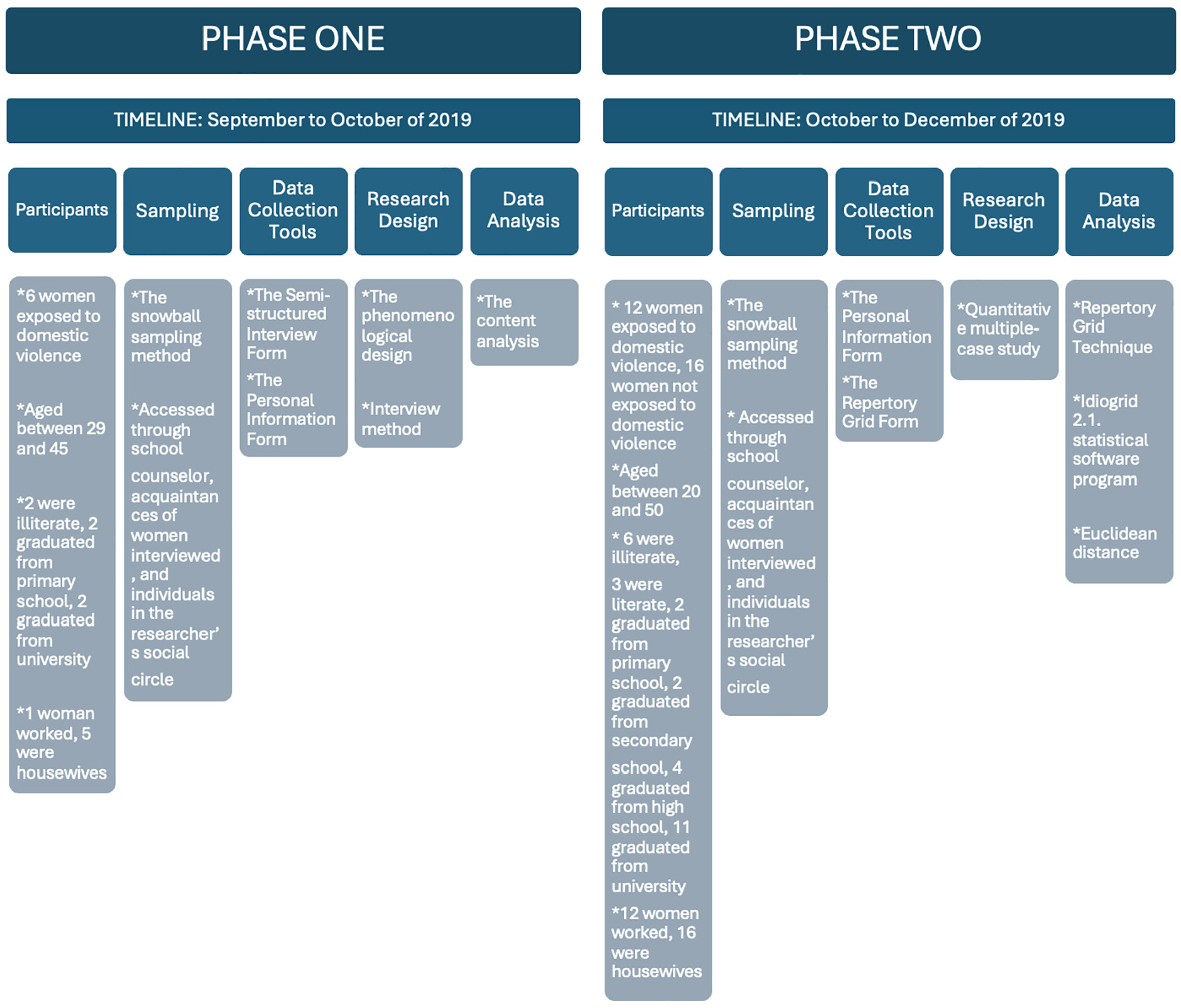
This study used an exploratory sequential mixed-method research design. This design aims to explore cases, identify themes, design a form, and test the designed form. In this design, qualitative data were first collected and analyzed, and the resulting themes were used to develop a quantitative instrument. The advantage of this approach is that it allows the researcher to identify embedded criteria within the data obtained from the participants. The researcher can initiate by listening to the participants and exploring their views instead of approaching the subject with a predetermined set of variables (Creswell, 2020). The study design is illustrated in Figure 1.
Exploratory sequential mixed-method research design.
The stages of the exploratory sequential mixed method within the scope of this study are as follows:
Phase 1. Qualitative component: Within the scope of the first research question, which was aimed at obtaining personal constructs, we utilized the qualitative dimension of an exploratory sequential design. We conducted semi-structured interviews and analyzed the data to identify themes referred to as personal structures. These themes were used to create a repertory grid.
Phase 2. Quantitative component: The second and third research questions were addressed within the quantitative dimension of the exploratory sequential design. This phase was designed using a case analysis model, and the repertory grid form, created in the initial stage, was administered to the participants. Although case analysis has traditionally been associated with qualitative analysis methods and examining a single individual, it can also possess quantitative characteristics. If multiple individuals are examined through a case analysis, this is considered a “quantitative multiple-case study” (Gerring, 2007). Hence, as the second and third research questions of this study are based on the examination of multiple individuals through case analysis, they take on the nature of a multiple-case study.
Study Group
The snowball sampling method was employed in both the qualitative and quantitative phases of this study. Six women exposed to domestic violence were reached within the framework of qualitative research, whereas in the multiple quantitative case analysis section, the participants consisted of 12 women exposed to domestic violence and 16 women not exposed to domestic violence. The researcher accessed the sample group through a school counselor, acquaintances of the interviewed women, and individuals in the researcher’s social circle.
The six women who were interviewed within the scope of the first research question were aged between 29 and 45 years. All participants except one had more than one child. While four women had companionate marriages, two had arranged marriages. Only one of six women worked, whereas the others were housewives. Except for two women, the other participating women did not consult any institutions for the violent problems that they experienced. Twenty-eight women aged between 20 and 50 years were interviewed within the scope of the second and third research questions. Of these women, six were illiterate, three were literate, two graduated from primary school, two graduated from secondary school, four graduated from high school, and 11 graduated from university. Twelve of the 28 women worked, and 16 were housewives. While 20 of these women had arranged marriages, eight had companionate marriages.
Data Collection Tools
A personal information form was used to obtain general information about the participants, a semi-structured interview form was used to answer the first research question, the repertory grid form was used to answer the second and third research questions.
Personal Information Form
The first part of the personal information form included questions about sociodemographic information, the second part included questions about marriage, the third part included questions about economic status, the fourth part included questions about children, and the fifth part included questions about domestic violence.
Semi-Structured Interview Form
The questions in this interview form were directed at the six women interviewed within the scope of the first research question. The semi-structured form included questions to reveal personal constructs of women who were exposed to violence through questions about their thoughts about their “current marriage,”“dream marriage” and “ideal marriage,”“non-ideal marriage” and “exemplary marriage according to me,”“non-exemplary marriage according to me,”“marital perspective of my spouse,” and “normative marriage.” The sample questions were as follows:
• How would you evaluate your current marriage? How do you feel about your marriage?
• What are the characteristics of your dream marriage?
• In your opinion, what does an ideal marriage look like? What are the characteristics of an ideal marriage?
• What are the differences between ideal and non-ideal marriages?
Repertory Grid Form
The repertory grid form was used to elicit the marital constructs of women who were and were not exposed to domestic violence within the scope of the second and third research questions. The repertory grid form includes elements and personal constructs. Negatively perceived personal constructs are placed in the left column, whereas positively perceived ones are placed in the right column. Participants ranked all elements in terms of each personal construct between 1 and 5. Lower scores indicate a negative assessment of the elements (left column), and higher scores indicate positive assessments (right column). For instance, if an individual rates their current marriage with one point in terms of happiness–unhappiness, this indicates they are predominantly unhappy in their marriage.
Procedures
Data Collection Process
Data for this study were collected in the city of Diyarbakır from September to December 2019. In the individual interviews conducted to answer the first research question, audio recordings of the participants were made with their consent. The interviews lasted between 34 and 54 min. For the second and third research questions, the researcher asked 28 women who were individually interviewed questions in a repertory grid form. No voice or image recordings were made during these interviews; instead, significant details were noted on the form. The questions were either simplified or repeated when it was believed that the women did not understand them. Some women had difficulty understanding the questions due to attentional or absent-mindedness issues. These women were told they could continue when they felt better or finish the interview whenever they wanted. When the questions were not understood, the researcher terminated the interviews, and the participants were excluded from the study group.
Data Analysis
Content analysis was used for interviews conducted to answer the first research question. In the first phase of the content analysis, personal constructs represented by women’s statements were identified based on the marriage triangle model. The personal constructs elicited through this process were classified using the marriage triangle model’s three main factors: individual traits, couple traits, and context. For reliability, views were obtained from a psychological counselor who had received family counseling education and studied domestic violence. The similarity between the two analyses was calculated to be 0.75, according to the Miles and Huberman formula. A reliability coefficient of 0.7 and above between the coders is known to be sufficient (Miles & Huberman, 1994).
Idiogrid 2.1. statistical software was used to analyze the repertory grid data used to determine marriage constructs within the scope of the second and third research questions. Euclidean distance, a value obtained from this analysis, is one of the most frequently used methods for calculating the geometrical distance between two individuals or objects, and it indicates the similarity of the variables to each other (Günay Atbaş, 2008). Similarity rates decrease as the Euclidean distance coefficient increases (Karabayır & Doğanay, 2010). Similarity rates are high if the similarity coefficient of the elements is between 0 and 0.80; they are considered entirely different from each other if the value is higher than 1.20, and they are considered to have both similar and different characteristics if the values are between 0.80 and 1.20 (Bartholomew, 1993, cited in Böker et al., 2000; Sanberk, 2020).
Findings
Under this heading, primarily within the scope of the first research question, the findings were obtained from a content analysis of semi-structured interviews conducted with women exposed to domestic violence. Within the scope of the second and third research questions, the findings regarding the analysis of the repertory grid form applied to women who had and had not been exposed to domestic violence were explained.
Findings Regarding the First Research Question: Obtaining Personal Constructs in the Repertory Grid Form
Based on the content analysis of the semi-structured interviews, three main themes emerged in the personal constructs of women exposed to domestic violence regarding marriage: individual characteristics, couple characteristics, and conditions. The following are the sub-themes of the individual traits theme: “lack of love—love/romance,”“unhappiness—happiness,”“disrespect—Respect,” and “lack of trust—trust.” The sub-themes of the couple traits theme are: “partner support—lack of partner support,”“indifference—interest,”“effective communication—conflict/fight,” and “aggression/threat or calmness.” The context theme has two sub-themes: “dependence on the root family—independence from the root family,” and “financial problems—financial comfort.” The subthemes form the personal structures that make up the repertory grid used to answer the second and third research questions.
Table 1 shows the frequencies of the personal constructs of women exposed to domestic violence.
Frequencies Regarding the Personal Constructs.

According to Table 1, women who experienced domestic violence most frequently mentioned the personal constructs of “effective communication—conflict/fight” (f = 79), which was followed by “calmness—aggression/threat” (f = 41) construct. Furthermore, personal constructs of women who were exposed to domestic violence included “love/romance—lack of love” (f = 28), “financial comfort—financial problems” (f = 23), “happiness—unhappiness” (f = 21), “presence of partner support—lack of partner support” (f = 21), “interest—lack of interest” (f = 18), “respect—lack of respect” (f = 17), “independence from the root family—dependence on the root family” (f = 16), and “trust—lack of trust” (f = 15).
Individual Traits
The quotations that exemplify the perceptions of women exposed to domestic violence regarding the subthemes under the main theme of individual characteristics are provided below. These quotations are integral to understanding the phenomenon of domestic violence and its impact on those who have experienced it.
Love-Romance/Lack of Love
While some women exposed to domestic violence reported that the violence decreased their love, others stated that their love was maintained. Most women emphasized love when discussing the marriage they saw as an example. Some of the views of the participating women about love are as follows: We do not have any love between us. I do not see him as my husband. I tolerate him just for the sake of my children. (P1) We have love from time to time. I love him a lot when he does not swear at me. I do not know about his love. (P2) I have no emotions. We have no respect for each other as we lost our love…Well, I do not believe in his love, either. He never told me that he loved me. (P3)
Happiness/Unhappiness
Most women interviewed in this study stated that they generally had low happiness in their relationships. The participants said that they generally dreamed of a marriage in which they were happy and peaceful, had good relationships, and were together with their children. Although most women were unhappy, they reported continuing their marriages for the sake of their children. The views of the women exposed to domestic violence on happiness were as follows: We are not sitting together to talk; we do not utter a word. We quarrel when we sit together. I want my husband to sit by me and talk nicely to me; I want us to look at each other, go somewhere together, go to weddings, markets, hospitals together. None of these ever happened. (P1) I dreamt of sitting with my children and talking with them. When their father comes home, my children just freeze. They are afraid of him. They are afraid of their father. We have no happiness in our home. I see my friends; they have peace and happiness, how nice… I feel jealous. (P2)
Respect/Lack of Respect
According to nearly all the women interviewed, a lack of respect for marriage increased family conflict. Some perspectives on the respect held by women exposed to domestic violence include the following: I want him to respect me. I want to respect him. I wanted it so much, but it never happened. (P1) Nothing happens when there is no respect… I respect him, but he never respects me. (P2)
Trust/Lack of Trust
Women exposed to domestic violence reported that their husbands’ lack of trust motivated them to engage in both psychological and physical violence. Similarly, after their experiences, women reportedly had difficulty trusting their husbands. Some of the statements made by women who were exposed to violence about trust were as follows: Even when a little child comes and says that your wife talked with men, he immediately believes that child. I have been with him for 19 years. Hasn’t he known me yet? Hasn’t he trusted me? How can I do such a thing? (P1) Under no circumstances do I trust him. I need to erase everything experienced in the past so that I can trust him… (P3)
Couple Traits
The quotations that may exemplify the perceptions of women exposed to domestic violence regarding the subthemes under the main theme of couple traits are provided below.
Effective Communication/Conflict-Fight
Conflict-fight was among the most important complaints about marriage, as indicated by women who were exposed to domestic violence. These women generally stated that they had problems in establishing effective communication with their partners. They also reported constant conflicts due to communication problems. They believed that they would be happy and have a better marriage if they could establish good communication with their partners. Some views of women regarding effective communication are as follows.
He is coming and swearing at me; we are fighting. Children come and say they need shoes; then I go and tell him. They have no pants, pullovers, coats, nothing. He tells me how to bring all these. I tell him that he has to. Then we are quarreling and beginning to fight. (P1) He does not interfere with me, but he swears so badly that one cannot tell them… everything could have been better if there were no swears. Things could have been different without swears. (P2) Well, a bad marriage is the one that has no communication. If couples cannot communicate and everyone lives their own life at home, that marriage is not a marriage. I think lack of communication is the main source of all problems. And lack of empathy, seeing everything from their perspective… A good marriage has strong communication, and a bad marriage has no communication. (P5)
Calmness/Aggression-Threat
Most women who were exposed to domestic violence stated that they faced aggression and longed for a tranquil marriage. Most of the interviewed women described aggression as physical violence, whereas others defined it as violence. Women who had experienced domestic violence against aggression reported the following: I have been exposed to a lot of violence from my husband. The first violence was experienced 4–5 months after marriage. (P2) Because I was young, he was good at having psychological pressure on me. He was so good at making me feel guilty. (P3) I got married, and now my husband is committing violence. (p. 6)
Partner Support/Lack of Partner Support
Nearly all the women interviewed stated that their husbands did not provide moral and material support. Women solely responsible for their homes and children expressed a desire to perform domestic and outdoor chores with their husbands. The statements of the women who were exposed to domestic violence regarding partner support were as follows: …I wish my husband helped me more. I wish he helped me about everything. I mean, I wish he were sufficient for himself and his family… (P3) …In fact, I wanted to be like friends with the person I would marry. I did not want to get married just for the sake of doing it. I wanted to do things together and thought that I should live with him because I got on well with him; I wanted to get married to become happy. That was the marriage in my mind. I thought I had that perception of the person I met but I could not find it. It is so different… (P5)
Interest/Lack of Interest
Most women who had been exposed to domestic violence stated that indifference was dominant during their marriages. They also reported a high level of interest in marriages in their dreams and good marriages that they already knew. Some statements about interest factors in marriage are as follows: … In fact, what women want is not materiality. Women want only interest and love … (P3). …I had already been very angry with him for four months. He made me experience very bad things. He ignored me; he was not interested in me… Ours is so different… (P5). …I would be happy if my husband said something nice, told jokes, worked, looked after our children, interested in me or we had good communication. For instance, my husband does not understand jokes … (P6).
Context
Below are quotations that exemplify the perceptions of women exposed to domestic violence regarding the subthemes under the main theme of context.
Financial Comfort/Financial Problems
Some of the women stated that they would experience less conflict violence if their husbands worked and met the needs of their homes and children. They highlighted that ideal marriages are associated with better financial conditions. Some of the women’s statements regarding the effect of economic conditions on marriage are as follows: …Now I say I wish I had married someone rich. I swear that money is very important. You can do nothing without money. I mean some people say that you can do without money; I also used to think so, but now I do not. Money is so important. (P1) …When the salary time approaches, I tell him to give me 100 TL to buy something for children; he says he has no money. (P2) He began to bring no money to home. Just imagine we came to a point that we found no food. (P4)
Independence from the Root Family/Dependence on the Root Family
The interview results show that their root families can positively or negatively affect men and women before and after marriage. Some women interviewed reported that their families reminded them they should get along well with their partners, whereas others reported that their families took the opposite approach. Some of the women’s statements regarding the effect of the root family on marriage were as follows: …Whatever he did, he did because of my mother-in-law’s sedition… I do not know why she was doing so. Then my husband used to come and beat us. (P1) …I was forced to marry by my family. My father saw me with him and scolded me so badly in the evening. He came towards me and slapped my face. In fact, we had nothing between us. Then we began to have something serious between us. Maybe if it hadn’t been for my father, that thing would not have continued, would not have been realized. (P3)
Findings Regarding the Second Research Question: Euclidean Distance Between the Elements According to Being Exposed to Domestic Violence
Information on the Euclidean distance between current marriages and other elements according to exposure to domestic violence is provided below.
Findings About the Women Who Were Exposed to Domestic Violence
How women exposed to domestic violence position their current marriage with other marriages indicates how they construct their marriages.
Table 2 shows the Euclidean coefficients between the elements of marriage for women who were exposed to domestic violence.
Standardized Euclidean Distance Coefficients Between Elements.

Note. CM = current marriage; EM = exemplary marriage according to me; DM = dream marriage; NEM = non-exemplary marriage according to me; IM = ideal marriage; MPS = marital perspective of my spouse; NIM = non-ideal marriage NM = normative marriage.
According to Table 2, women who were exposed to domestic violence positioned their “current marriage” close to “non-ideal marriage” (d = 0.71), “non-exemplary marriage according to me” (d = 0.48), “marital perspective of my spouse” (d = 0.58) and “normative marriage” (d = 0.16) elements. These elements were perceived as similar to each other. On the other hand, “current marriage” and “ideal marriage” (d = 1.08), “dream marriage” (d = 1.16), and “exemplary marriage according to me” (d = 1.04) elements were positioned in the area of ambivalence. These elements in ambivalent fields have both similar and different aspects.
Findings About the Women Who Were Not Exposed to Domestic Violence
Table 3 shows the Euclidean distance coefficients between the elements for women who were not exposed to domestic violence.
Standardized Euclidean Distance Coefficients Between the Elements.

Table 3 shows that women who were not exposed to domestic violence saw their “current marriage” closer to the “dream marriage” (d = 0.30), “ideal marriage” (d = 0.26), “exemplary marriage according to me” (d = 0.20), “marital perspective of my spouse” (d = 0.18), and “normative marriage” (d = 0.09) elements. They were found to position their “non-ideal marriage” (d = 1.43) and “non-exemplary marriage according to me” (d = 1.36) elements more distant from their “current marriage.”
Findings Regarding the Third Research Question: Relationship Between Elements and Personal Constructs According to Being Exposed to Domestic Violence
The relationship between the elements and personal constructs according to exposure to domestic violence is as follows:
Findings About the Women Who Were Exposed to Domestic Violence
Table 4 shows the relationship coefficients between the elements and personal constructs of women who were exposed to domestic violence.
Relationship Coefficients Between Elements and Personal Constructs.

All the women exposed to domestic violence associated the elements of ideal marriage, dream marriage, and exemplary marriage with positive personal constructs such as efficient communication, intimacy, love, happiness, and prosperity. On the other hand, the women mentioned associate unideal, non-exemplary, and normative marriages with negative personal constructs, such as conflict, aggression, unhappiness, indifference, disrespect, and distrust. From my spouse’s perspective, marriage is associated with personal constructs such as prosperity, efficient communication, calmness, respect, and attention, as reported by 83% of the women. 75% of women associated the element of marriage from the spouse’s perspective with personal constructs, such as love, happiness, trust, independence from the family of origin, and support from the spouse.
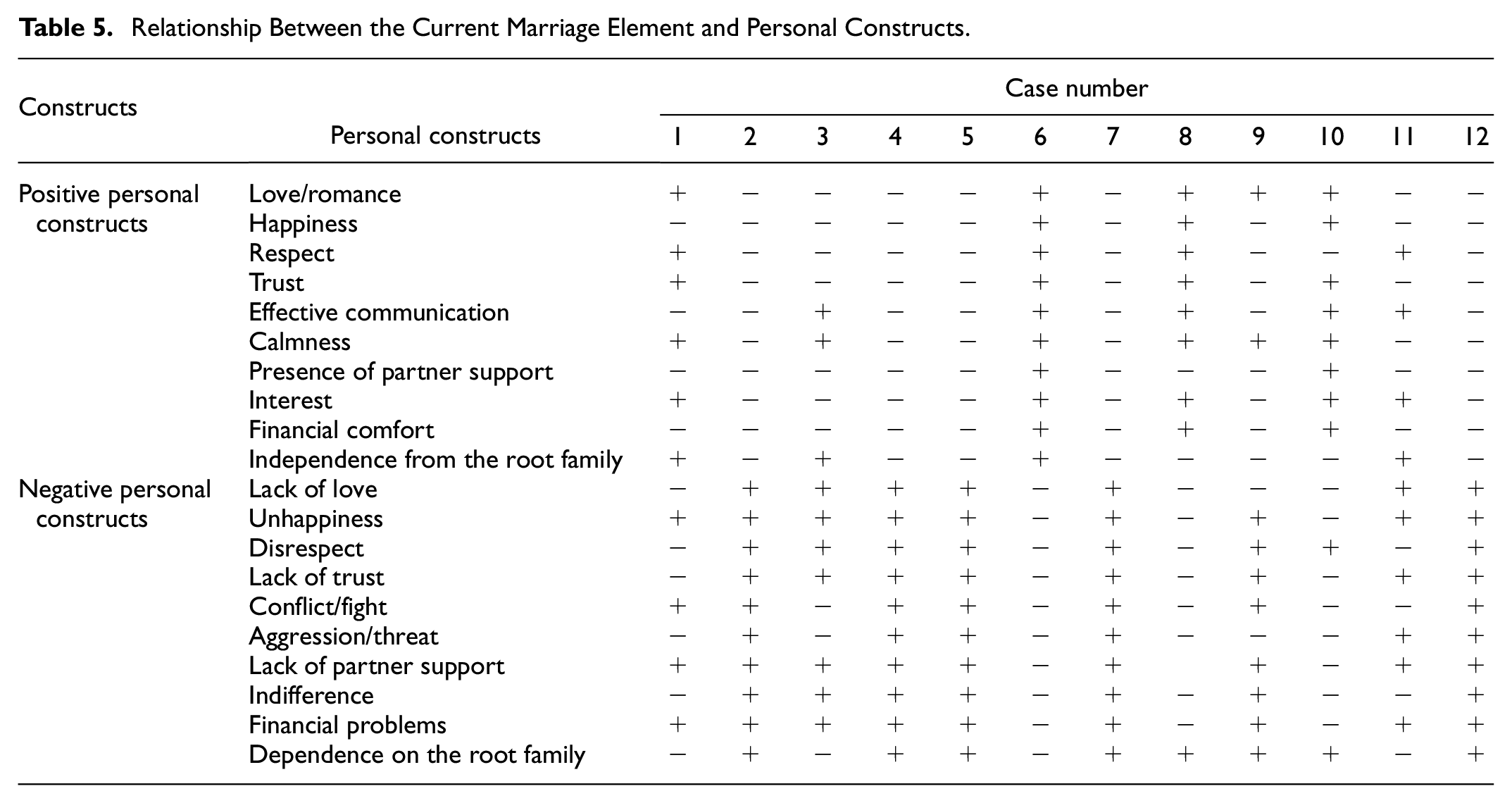
A detailed table showing the personal constructs each woman experienced in domestic violence associated with the current marriage element is provided below.
As shown in Table 5, the current marriage element was associated with 17% of the women with spousal support, 25% with financial comfort and happiness, 33% with respect, trust, and independence from the family of origin, 41% with effective communication, love, and attention; and 50% with the personal construct of calmness.
Relationship Between the Current Marriage Element and Personal Constructs.
Findings About the Women Who Were Not Exposed to Domestic Violence
Table 6 shows the Euclidean distance coefficients between the elements and personal constructs for women who were not exposed to violence.
Relationship Coefficients Between the Elements and Personal Constructs.

Table 6 shows that, “non-ideal marriage” and “non-exemplary marriage according to me” are negatively related to all personal constructs in women who were not exposed to domestic violence. All elements other than “non-ideal marriage” and “non-exemplary marriage, according to me,” were evaluated positively in terms of personal constructs.
Discussion
This study revealed that women exposed to domestic violence construct their marriages from their viewpoints. The Euclidean distance was used as a reference to identify the extent of similarity between the elements of marriage. Eventually, the current study examined women who were and were not exposed to domestic violence associated with their marriages, from which specific personal constructs were elicited.
The idea that women are not exposed to domestic violence in their current marriages is akin to ideal, dream, and exemplary marriages; the perception of non-ideal and non-exemplary marriages as distinct from their current marriage is a predictable outcome. Simultaneously, women who are not exposed to violence tend to believe that they possess effective communication in their marriages, leading to a calm marital life characterized by love, respect, interest, and trust. Women supported by their spouses and have autonomy from their families are generally satisfied with their marriages. Studies involving couples who have achieved harmony in their marriages indicate that collaboration, effective problem-solving, consensus, and interaction are significant factors (Erbek et al., 2005). Acar (1998) also concluded that sharing emotions and thoughts with one’s spouse, sharing responsibilities both inside and outside the home, receiving love and respect from one’s spouse, participating in social activities together, and not being exposed to verbal or physical violence from one’s spouse contributed positively to marital satisfaction. In the Marriage Triangle Model, Larson (2003) emphasizes that individual traits such as sociability, security, flexibility, self-esteem, commitment, and love, along with couple characteristics such as communication and conflict resolution skills, shared interests, consensus and compromise, spending time together, and emotional closeness, enrich the institution of marriage.
Moreover, women who have not experienced domestic violence perceive their current marriage and marriage elements from their spouses’ perspectives in a similar manner. B. M. Walker and Winter (2007) noted that shared marital constructs, especially when similar, enable spouses to predict each other’s behaviors better, leading to increased satisfaction with marriage. Aligning with personal construct theory, the essence of a successful marital relationship lies in the ability of couples to effectively interpret each other’s construct systems or perspectives and, consequently, predict each other’s behaviors (Richardson & Weigel, 1969).
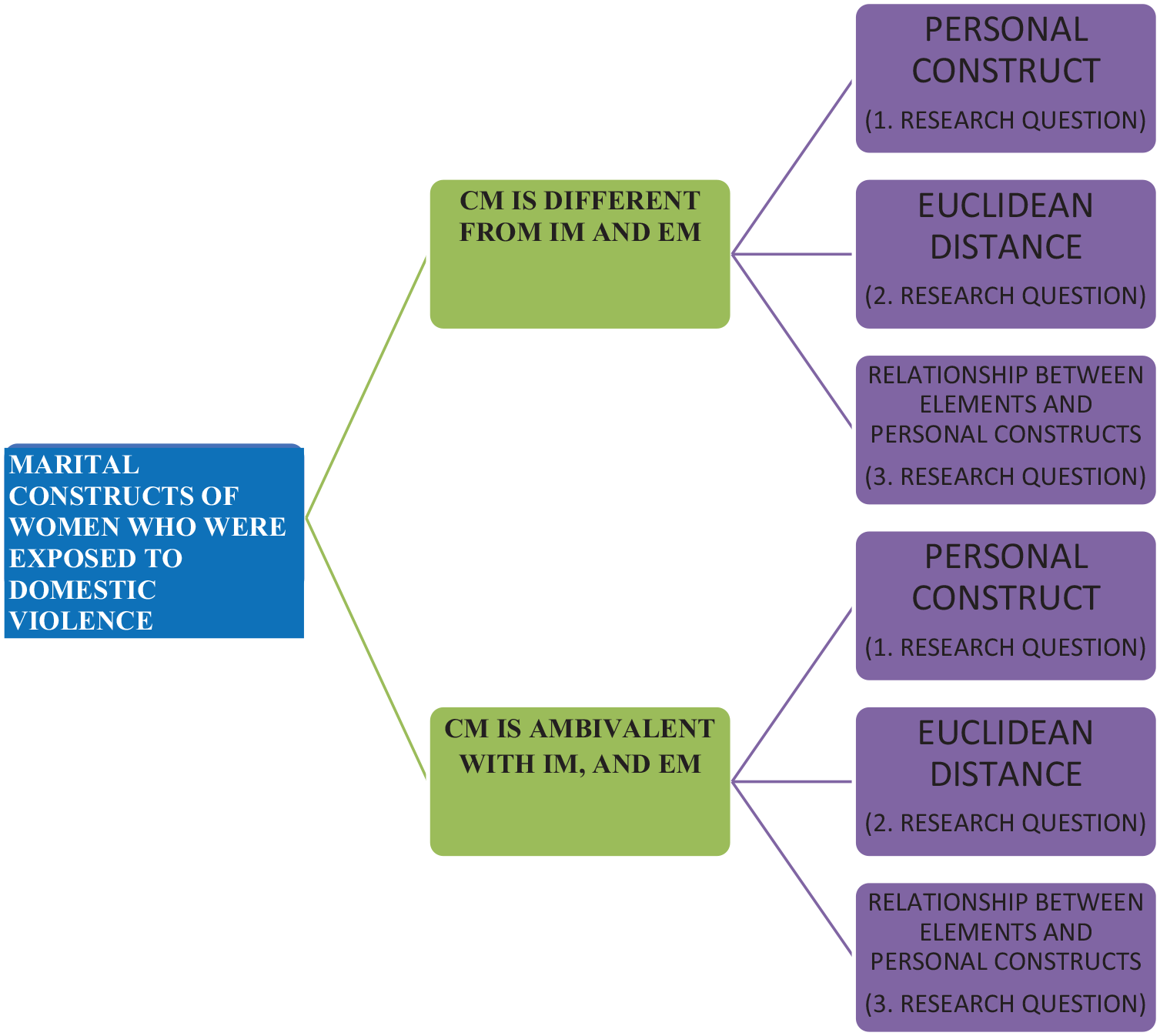
Figure 2 shows the marital constructs of the women exposed to domestic violence.
Marital constructs of women who were exposed to domestic violence.
Some women exposed to domestic violence perceive their current marriages as distinct from ideal and exemplary marriage elements, aligning more with unideal and non-exemplary marital elements. For clarity, only the elements perceived differently are shown in Figure 2. An examination of meta-analytic studies on this topic reveals a significant negative relationship between partner violence and marital satisfaction, whereas a significant positive relationship exists between partner violence and marital conflict (Stith et al., 2008; Vives-Cases et al., 2009). Women exposed to domestic violence also associated their current marriages with negative personal constructs, such as conflict, unhappiness, disrespect, and indifference. Factors such as conflict, disrespect, and a lack of trust in marriage were perceived as reasons for violence. Because of their experiences of violence, these women expressed that their marital constructs were negative. Clearly, these women believe that they do not deserve violence and consider it unacceptable. Therefore, it can be argued that the primary reason for negative marital constructs is the negative interpretation of violence.
Surprisingly, some women who have experienced domestic violence (approximately 33%) perceive their current marriages as both comparable and distinctive to the elements of an ideal and exemplary marriage. Upon individually analyzing the results of their personal assessments, it was observed that despite experiencing violence, these women expressed the presence of positive features in their marriages, such as effective communication, love, trust, and happiness. The qualitative findings of this research support the present findings from the quantitative multiple-case study. These women believe that they deserve violence, consider violence an integral part of being a family, and think that despite violence, family unity should continue for the sake of their children. Moreover, it has been revealed that witnessing other women in close social circles (relatives, neighbors, friends, etc.) experiencing violence contributes to the normalization of violence. Women exposed to violence interpret it as part of their destiny and believe that marital union can only end with death. In this context, it can be argued that the fundamental difference between positive and negative marital constructs among women exposed to domestic violence lies in variations in their interpretations of violence.
Domestic violence occurs in relational, social, cultural, and historical contexts. Personal construct theory is highly suitable for examining this phenomenon because it considers the cultural context in which an individual exists and how the individual interprets it (Warren, 1998). Following this theory, the ability to predict and accurately interpret the construct systems of others within a relationship is crucial. However, in relationship dynamics that create power imbalances, such as partner violence, women may abandon their perspectives to sustain their presence in the relationship and adopt the construct system or interpretation style held by society or their spouses (Clarke, 2013).
In the setting where the study data were collected, societal constructs regarding violence and marriage vary across regions in Turkey but generally include the following aspects: Establishing dominance over women is seen as an indicator of strong masculinity; violence is deemed necessary in certain situations (such as when women fail to fulfill traditional gender roles); in extreme cases, a woman can be killed to protect family honor; violence is viewed as a problem-solving method; violence serves as a means to restore male honor and maintain male dominance; women are expected to be submissive, cheerful, and obedient; women and men are not considered equal, and women should serve men; even if a woman experiences violence, she should continue the marriage for the sake of her children, and forgiveness is expected from women (Öztürk, 2014). The perspective of “a man who beats also loves” is a typical example of how culture legitimizes violence. In the local culture where the research data were collected, having a male child was highly valued. From a young age, men are given more freedom because of their privileged position, whereas women are almost consistently constrained throughout their lives. Simultaneously, the socialization process influenced by traditional culture teaches women to submit to all kinds of hardships from childhood onwards (Aktaş, 2006; Can, 2014). In this context, it can be stated that patriarchal culture based on gender discrimination is a significant determinant in shaping the perception of violence.
Limitations
Based on the relevant literature, it can be stated that our knowledge about domestic violence is limited to data collected from women because of difficulties in identifying and interviewing perpetrators of violence, namely abusive spouses. The present study was conducted exclusively on women. Furthermore, the marital constructs of violent perpetrators need to be recovered. Aiding partners in understanding the mutual constructs held by both partners provides alternatives to make sense of their experiences (Clarke, 2013). We posit that a thorough examination of the constructs articulated by men involved in acts of violence in future research may yield substantial contributions to the existing literature.
In the current study, we did not specifically focus on how women’s constructs were shaped by the type of violence they experienced. However, a literature review shows that women generally have little awareness of psychological, economic, and sexual violence, perceiving only physical violence as an experience of violence (Ataman et al., 2022). In future studies exploring the constructs related to violence, we believe examining how the violence type affects these constructs is crucial.
Based on studies indicating that the duration of marriage is a significant variable in terms of the frequency of violence, which was not taken into account in this study, we recommend considering this variable in future research (Kaya & Cin, 2019; Yalçın, 2014; Yıldırım et al., 2019). Explaining how the frequency of violence affects constructs related to violence and marriage is crucial.
Women exposed to domestic violence were not evaluated to determine whether they had received a clinical diagnosis. However, considering research findings indicating differences in cognitive processes related to violence between women with and without clinical diagnoses, the question of how marital constructs differ based on clinical diagnoses remains unanswered in the current study (Soldevilla et al., 2014). It will be essential to answer this question in future research.
When evaluating violence within its context-sensitive framework, we assumed that the reported prevalence of women exposed to violence was lower than the actual occurrence. This assumption may be attributed to the difficulties encountered in reaching women who are exposed to violence. Another challenge faced in the present study in reaching female victims was the procedural process. Accessing women who reside in state-affiliated institutions because of violence involves quite challenging and lengthy procedures justified by the need to ensure their safety. For researchers focusing on domestic violence, we believe it is crucial to develop facilitating policies that consider ethical and privacy considerations to ease the data collection process.
As this research is idiographic, the generalizability of the findings is low. However, due to the in-depth information provided by idiographic studies, the results obtained regarding the subjective perceptions of women exposed to domestic violence are considered functional for clinicians and psychotherapists.
Conclusion
The findings of this study are critical in understanding how domestic violence plays a role in women’s marital constructs. Surprisingly, despite being subjected to violence, they saw their marriages as similar to ideal marriages. It was revealed that these women also normalized violence, thought that they deserved violence, saw violence as part of being a family member, and understood violence as part of their destiny. It was observed that none of the women who perceived this way applied to aid organizations such as security forces, women’s shelters, or psychological help. As long as women normalize violence and do not define it as a problem, they will not seek help, as observed in this study. Therefore, to develop preventive strategies and reduce the number of violent incidents, it is important to understand the constructs of violence experienced by women. This study will guide future practices aimed at preventing violence by revealing its constructs. At this point, we find it valuable for policymakers to develop policies that will help women gain awareness of issues such as the phenomenon of violence, types of violence, and consequences of violence.
Additionally, the results of this study provide psychotherapists and clinicians with essential insights into the violence construct of women exposed to violence, how these constructions are formed, and the impact of culture on shaping these constructs. Therefore, in psychotherapeutic interventions for women exposed to domestic violence, changes in these constructs can be evaluated as criteria for therapeutic success.
Ethical and Privacy Concerns
The World Health Organization’s (2005) guidelines on ethical and safety issues in domestic violence research were examined during the planning stage. In line with the principles recommended in the guide, the measures taken to ensure ethical and privacy concerns are described below.
The primary ethical concern in investigating violence against women is the potential for unintentional harm to participants (Ellsberg & Heise, 2002). Participants may be at risk of experiencing violence from their partners if they discuss their relationships with others. Women who were exposed to violence interviewed within the scope of this research expressed concerns about privacy and security. Interviews were conducted at the researcher’s workplace, specifically in individual meeting rooms. Thus, both the privacy of the personal lives and the safety of the participants were ensured. Additionally, only one woman from each family was interviewed to maintain confidentiality regarding the interview’s topic and content. Before the interviews, the participants were given a consent form, and the interviews were conducted only if they agreed. The forms used during the interviews did not include identifying information such as the participants’ names, phone numbers, or addresses.
Another ethical concern is the possibility of the participants being emotionally harmed when the interviewer approaches them with an insensitive attitude. In this study, we believe that the fact that the interviewer was a psychological counselor was a significant protective factor. Throughout the interviews, the researcher approached the participants with a non-biased, supportive, and accepting attitude, as required by their profession.
An additional ethical consideration pertains to the potential for participants to experience distress while recollecting painful or distressing events. In this context, the researcher used methods such as informing the participants that they did not have to continue if they experienced emotional intensity, taking breaks when necessary, and providing emotional support.
Before the interviews, the researcher obtained information about the authoritative institutions available in the participants’ cities of residence, including which institutions they could contact and how they sought support from them. At the end of the interviews, the researcher shared this information with the participants and directed them to existing support organizations.
Footnotes
Authors’ Note
This article was produced from Rümeysa Daş’s Master’s thesis titled “Investigation of Marriage Constructs of Women who Suffered and not Suffered from Domestic Violence,” conducted under the supervision of faculty member Fatoş Bulut Ateş.
This research was conducted while Rümeysa Daş was at Çukurova University. She is now at Dicle University and may be contacted at
Declaration of Conflicting Interests
The author(s) declared no potential conflicts of interest with respect to the research, authorship, and/or publication of this article.
Funding
The author(s) received no financial support for the research, authorship, and/or publication of this article.

Data Availability Statement
The data can be made available upon request by contacting the authors.