




Abstract
This study aims to synthesize key elements from sustainable packaging research on consumer behavior and apply the Stimulus-Organism-Response (SOR) model to understand consumer responses. A systematic literature review (SLR) using Preferred Reporting Items for Systematic Reviews and Meta-Analysis (PRISMA) method was utilized to compile the current body of knowledge concerning sustainable packaging. Through a SLR, this study concluded the effects of various marketing and external stimuli on consumers’ perceptions and responses in the context of sustainable packaging, using the SOR model as a framework. The final list of 63 studies provides an integrative framework to better understand consumer behavior regarding sustainable packaging. Stimuli relevant to sustainable packaging are categorized into other stimuli and marketing stimuli, prominently including packaging, product attributes, brand, and label. Psychological and personal factors dominate the variables related to the organism, while behavior, particularly in sustainable consumption is the most frequently mentioned response. The unique aspect of this study is its thorough examination of the subject within the framework of the SOR model, utilizing a wide range of search terms related to sustainable packaging.
Keywords
Introduction
Packaging with its aspects such as the quality, design, color, and wrapper plays a significant role in influencing consumer purchasing behavior (Littel & Orth, 2013; Raheem et al., 2014). It serves as an important means for brands to establish a distinctive image, thereby serving various functions such as attracting attention, creating brand identity, conveying information on product and its quality, providing functional benefits, and promoting sustainability (Orth et al., 2010). There are many studies emphasizing that consumers make purchases by considering packaging material (Nuojua et al., 2022; Rokka & Uusitalo, 2008; Steenis et al., 2018), packaging color and message on it (Vila-López & Küster-Boluda, 2019), and sustainable packaging (Lindh et al., 2016; Norton et al., 2022; Orzan et al., 2018; Sabău et al., 2023).
Sustainability has been a vital issue and a shared global mission, encompassing environmental, social, economic, and ethical considerations in order to ensure the well-being of current and future generations through responsible management of resources and minimization of negative effects. The 2030 Agenda for Sustainable Development, which was set up by the United Nations (UN) in 2015, incorporates 17 Sustainable Development Goals (SDGs) with 169 associated targets and 232 indicators. SDGs are influential in following sustainability metrics and practices (General Assembly of the United Nations, 2015), and correlating with SDG 11 (Sustainable Cities and Communities), SDG 12 (Responsible Consumption and Production), and SDG14 (Life Below Water), the need to stop plastic production and usage, and to find innovative ways to reduce plastic pollution is apparent (Jestratijevic et al., 2022; Shimul & Cheah, 2023; Walker, 2021). In this case, governments have started to implement regulations and firms have begun to find solutions to minimize packaging waste (Boz et al., 2020; Islam et al., 2021). Sustainable packaging offers an innovative solution to the plastic waste pollution problem (La Fuente et al., 2022) as it has low environmental impacts on pollution (McCarthy & Wang, 2022; Yokokawa et al., 2021) while fulfilling essential packaging functions (Koch et al., 2022) because people use and, thus, create plastic waste every second.
The amount of plastic waste generated by people is about 400 million tonnes every year. There is also an important concern toward the usage of single-use plastic products which are intended for disposal after a short time. Around 36% of all plastic produced is utilized in packaging, with approximately 85% of these single-use plastics ending up in landfills or unregulated waste (www.unep.org, 2023). The primary cause of plastic waste stems from packaging, an area that has experienced rapid expansion due to a worldwide transition from long-lasting and reusable containers to disposable, single-use packaging (Baird et al., 2022). Consciousness about environmental damage which is rooted in products and services gives rise to the need for solutions to avoid these problems (Svanes et al., 2010) where package acts as a manner to reduce waste (Langley, Phan-Le et al., 2021). Hence, sustainable packaging plays a crucial role in demonstrating commitment of a brand or company to reduce its ecological footprint and contribute to sustainability. Companies have started seeking environmentally friendly ways to minimize their packaging needs. Therefore, when choosing packaging materials, they opt for recycled, reusable, or biodegradable materials. In deciding which method to choose, they consider criteria such as the product’s physical characteristics, the availability of recycling facilities, packaging waste volume, recyclable content, and recycling process costs (Dharmadhikari, 2012). At this point, sustainable packaging studies are being worked on under different terms depending on how they are approached. As a term green packaging is used to refer to packages that are made of ecological materials. In this sense the term is broad, thus, there are other terms used as synonyms (Šagovnović & Stamenković, 2023). For example, the term “biodegradable packaging” indicates an effective way to prevent harmful environmental impacts as it is made from materials that naturally break down under certain conditions. When used as waste, this type of packaging decomposes in natural environments through the action of living microorganisms. Biodegradable plastics, in particular, undergo complete biodegradation within 180 days through biological processes involving living microorganisms (Koenig-Lewis et al., 2022). Another example of how these terms are actually used interchangeably is the term “eco-sustainable packaging.” It refers to the set of criteria used to assess the environmental impact of packaging after use. The primary focus is on the biodegradability aspect. Besides, other criteria include recycling feasibility, reprocessing, energy production, and pollution (Petljak et al., 2019).
Despite the considerable scholarly attention that the development and usage of sustainable packaging have received in recent years (Magnier & Crié, 2015; Martinho et al., 2015), a systematic understanding of the relationship between sustainable packaging and its relationship to the consumer is lacking (Martinho et al., 2015; Q. Zhang et al., 2022). A search of the literature revealed few studies that systematically evaluated the state of the art regarding consumer responses to sustainable packaging (Afif et al., 2022; Boz et al., 2020; Jestratijevic et al., 2022). An example is the systematic review of Ketelsen et al. (2020) where the authors tried to unveil only consumer responses toward sustainable packaging within the food industry, similar to the review of Popovic et al. (2019) on consumer purchase behavior of foods. Thus, it was considered to be fruitful to review the studies from consumer perspective in a comprehensive manner by using all possible sustainable packaging-related words. In order to cover not only consumer related factors and behavioral outcomes, but also to include the stimuli triggering this effect, Stimulus-Organism-Response model was deemed as the most appropriate theoretical framework to group and analyze the reviewed studies. This model enables listing stimuli and organism factors resulting in behavioral outcomes, and is expected to provide a full picture of consumer thinking and response regarding sustainable packaging.
Theoretical Background:Stimulus-Organism-Response Model
The current review aims to synthesize the studies on sustainable packaging under the Stimulus-Organism-Response (SOR) model that was developed by Mehrabian and Russell (1974) to use in research on green consumption. The model has its roots in Input-Output consumer behavior models, like most of the models in diverse disciplines (Jacoby, 2002). When it was acknowledged that consumers do not behave rationally through various research in social sciences, especially in psychology, the next generation of models emerged. These models admitted the role of the inner determinants of the individual in inducing a response, where those inner determinants are affected by external stimuli (Han et al., 2022) of marketing or environment. The model suggests that engagement with the stimulus fosters the internal states which in turn triggers responses (Ahmed et al., 2020). This structural model associates both observable and unobservable variables with individual responses (Hempel & Hamm, 2016). It suggests that organism gives a response to a stimulus from external cues (Kwon & Boger, 2021).
The model was developed for environmental psychology, yet has been extensively used in research of diverse disciplines and topics such as tourism (H. C. Wu et al., 2022; X. Wu & Lai, 2021; J. Yang et al., 2022), social commerce (Cai, 2022; Djafarova & Bowes, 2021; S. Zhou et al., 2022), education (Goi et al., 2018; Y. Zhao et al., 2020; C. Zhou et al., 2023), health (X. Yang et al., 2021; Ye et al., 2022; P. Zhou et al., 2023), environmental sciences (Dong et al., 2022; Mahmud et al., 2020), management (Chen et al., 2022; Kabadayi et al., 2023; Qi & Ramayah, 2022), consumer behavior (Bigne et al., 2020; Han et al., 2022; Rayburn et al., 2022), and marketing (Kamboj et al., 2018; C. T. Lee et al., 2023; Y. Zhang & Yang, 2023). In particular to package, consumer behavior research is limited. Package of the product is acknowledged as a pure stimulus factor together with brand, logo, price, store environment, etc. in the display developed by Jacoby (2002) where the author visualized the model and suggested that there are some factors that fall into solely stimulus, organism or response categories, but there are also intersections of these dimensions.
Stimulus
The initiator of the model is the stimulus, corresponding to the environment that the individual encounters (Jacoby, 2002). Those external stimuli affect the cognitive and emotional processes of the individual (Liao et al., 2015; Sugiarto et al., 2022) and accordingly, generate the response (Kotler et al., 2023). There is no fixed range for stimulus (X. Yang & Zhang, 2024). Marketers are interested in how those stimuli turn into responses. The external factors are grouped as marketing factors and environmental factors (Armstrong & Kotler, 2015; Bandara et al., 2022; Kwon & Boger, 2021) while Yadav and Chakrabarti (2022) group the stimuli as consumer level, brand level, and environmental factors. Marketing stimuli refer to the four Ps whereas environmental factors indicate the economic, social, technological, and cultural forces in the consumer’s environment. The grouping of the factors differs such as social and media influence in tourism (Hsiao & Tang, 2021), information quality, system quality, and service quality in services (Lian, 2021), situational and individual influences in e-commerce (Shiu et al., 2023) and content, network, interaction, and other characteristics in social commerce (K. Z. K. Zhang & Benyoucef, 2016).
Organism
The stimuli that attract the attention of the consumer will be processed by the cognitive and emotional systems (Kumar et al., 2019). Jacoby (2002) defines this long-term memory sector as organismic and states that it includes the consumer’s prior experience, belief, knowledge, attitude, values, motives, feelings, images, etc. It acts as a mediator between stimulus and response. These are “perceptual, physiological, feeling, and thinking activities” (Kwon & Boger, 2021). In brief, it refers to the internal state of the consumer which guides the behavior (Donovan & Rossiter, 1982; Pan et al., 2021). The factors associated with organism are different in studies. K. Z. K. Zhang and Benyoucef (2016) grouped the factors used in social commerce research as personal traits, value perceptions, social perceptions, social/relational oriented perceptions, and other factors. W. Zhao et al. (2023), on the other hand, listed the factors relevant to organism in the research as perceived usefulness, perceived value, perceived enjoyment, perceived trust, attitude, emotional reaction, and social capital. Vieira (2013) found emotional responses which were pleasure, arousal, and dominance in her meta-analytic review of the store environment. In their review of the effect of the physical environment on consumer behavior, Vos et al. (2018) classified organism-relevant factors as perceived service environment and internal responses.
Response
Stimulus generates behavioral response(s) when it affects the organism containing the perceptual processes of consumers. Therefore, a causal relationship between stimuli and response is established (Laato et al., 2020). Response involvement emerges as a result of complex perceptual and behavioral processes in the consumer decision process which consists of pre-search, information search and acquisition, decision-making, and post-decision stages (Arora, 1982). The stimuli evoke either a positive or negative consumer response, leading to either a desire to acquire a product or perform certain actions or an inclination to avoid them (Gatautis et al., 2016). Research about consumer behavior has revealed responses such as repurchase intention (Chopdar & Balakrishnan, 2020; Hewei & Youngsook, 2022; B. Zhu et al., 2019), impulse buying behavior (H.-J. Chang et al., 2011), satisfaction (Kim & Park, 2019), and approach/avoidance behavior (Eroglu et al., 2001). As seen, all responses of the studies reveal themselves as outcomes of the process that is triggered by a stimulus. Within the SOR model, responses were listed and grouped under different titles. K. Z. K. Zhang and Benyoucef (2016) grouped responses in line with the steps of the purchase decision process as need recognition, search, evaluate, purchase, and post-purchase. W. Zhao et al. (2023) on the other hand, grouped the responses as engagement behavior, performance behavior, and intentions.
In the marketing literature, numerous researchers have applied and extended the SOR model to sustainability issues in such diverse contexts as tourism (Y.-J. Lee et al., 2023) sharing economy platforms (Dabija et al., 2023), and mostly consumer-related issues measuring their responses to various issues such as product purchase (Grădinaru et al., 2022), advertising messages (Stadlthanner et al., 2022), and fast fashion (H. J. (. Chang & Jai, 2015). But, to the best of the authors’ knowledge, the model has not been applied to sustainable packaging issues to draw an overall picture and to have a general understanding of how packaging is related to other stimulus factors, leading to behavior through stimulating the organism. Galati et al. (2022) emphasized this situation in their research stating that the underlying reasons for consumer purchase of sustainable packaging have not been studied enough although the model has been used previously on environmental issues (Harjadi & Gunardi, 2022; Pan et al., 2021; Song et al., 2022; X. Yang & Zhang, 2024). Literature on sustainable packaging reveals that there are some other theories used as the frameworks of the studies conducted. Yet, we assume that they all posit limitations. For example, Theory of Planned Behavior models attitude-behavior relationship but does not include the role of stimuli, or Signaling Theory focuses on the characteristics of stimuli but does not include consumer-related factors. Thus, SOR model acts as an embracive model considering all these factors in behavioral outcomes of consumers.
In line with the above-explained reasons on the significance of package as a tool shaping consumer evolutions and responses, together with the prevalence and significance of sustainability today, it is regarded as contributory to evaluate the research on sustainable packaging from the perspective of consumer, detailing which factors affect how consumers think and react. Hence, the purpose of current research is to synthesize the relevant elements on sustainable packaging research derived by a systematic literature review to present an integrative framework based on the Stimulus–Organism–Response model.
Methodology
In this study, a systematic literature review (SLR) approach was adopted to consolidate existing knowledge on sustainable packaging within the framework of the SOR model. An SLR enables analyzing and synthesizing related studies on a specific domain to identify gaps in the topic (Billore & Anisimova, 2021) in a meticulous, transparent and reproducible way (Cook et al., 1997; Tian et al., 2018) and is acknowledged as the “gold standard among reviews” (Snyder, 2019). Paul et al. (2021) listed the evidence for the increasing prominence of SLR studies in academia such as the appearance of systematic literature reviews in premier journals, issues dedicated to SLR studies, and citations received by these reviews suggesting that this type of review is the most informative and scientific. When a review is transparently conducted, it offers objective, clear, and replicable results (Rojas-Méndez & Khoshnevis, 2023). There are various forms of SLR as domain-based, theory-based, and method-based reviews where domain-based reviews are further classified as structured reviews, framework-based reviews, bibliometric reviews, hybrid-narrative reviews, and reviews for theory development (Paul & Criado, 2020). Following the traces of past research to shed light on future studies is the greatest contribution of SLRs. Thus, a framework-based approach is employed in this paper to have a deeper understanding of how sustainable packaging is reflected in consumer behavior as studies in the literature on sustainable packaging are reframed within the SOR model.
In order to prepare the protocol, the research adopted the PRISMA 2020 (Preferred Reporting Items for Systematic Reviews and Meta-Analyses) method to extract the data from academic sources (Page et al., 2021). The original four-stage flow diagram and 27-item checklist were developed by Moher et al. (2010) to improve the design and reporting of systematic reviews. Then, the checklist was updated in PRISMA 2020. The chart in Figure 1 presents the flow of the systematic search approach that was adopted in the study.

PRISMA flow chart.
Package has been subject to numerous studies not only from a marketing perspective but also from the standpoint of diverse disciplines such as food science technology, environmental sciences, biotechnology, and material science. Furthermore, various review studies have been conducted on the design, labeling, or material of packaging from a marketing perspective. However, the authors could not come across with any research analyzing how consumers react to sustainable packaging. Thus, to answer the research question of “What are the relevant elements on sustainable packaging research and how can they be presented on the SOR model to understand the internal mechanisms and responses of consumers,” a systematic literature review has been made.
Identification of Studies
The review was conducted in the Web of Science (WoS) database, which is acknowledged as one of the most comprehensive databases widely used, especially in review studies (Birkle et al., 2020; J. Zhu & Liu, 2020). In determining the search words, the review of Dörnyei et al. (2023) was used. The authors have developed a definition for sustainable food packaging where they have listed the terms that were previously used for sustainable packaging. Accordingly, the list of terms provided by the authors was used and following truncated words were searched in “topic”: “sustain* pack*,”“environmentally friendly pack*,”“eco-friendly pack*,”“ecologically responsible pack*,”“ecologically conscious pack*,”“pro-environmental pack*,”“eco-design* pack*,”“ecological* pack*,”“green pack*,”“circular pack*,”“zero waste pack*,”“recycl* pack*,”“post-consumer recycled content pack*,”“reus* pack*,”“plastic pack*,”“closed-loop pack*,”“return* pack*,”“multi-way pack*,”“non-disposab* pack*,”“durab* pack*,”“refill* pack*,”“bio-based pack*,”“plant based pack*,”“biomaterial based pack*,”“bioplastic pack*,”“biopolymer pack*,”“bio* pack*,”“biodegrad* pack*,”“oxo-degrad* pack*”, “compost* pack*,”“edib* pack*,”“biopack*,”“eco-refill* pack*,”“non-excess* pack*,”“lightweight pack*,”“downgaug* pack*,”“innov* pack.” As the derived studies will be analyzed according to the SOR model, the search terms of “consum* behav*,”“customer* behav*,”“buyer* behav*,”“user* behav*,”“consumer* response*,”“consumer* decision-mak*” were used together with sustainable packaging terms in combination to limit the studies only with the ones on consumer behavior. There was not any time limit for the publication year of the studies which allows to see all studies that have been conducted addressing the research question (Nightingale, 2009). The search period covered 6th of June to 11th of July 2023. The identification phase resulted in 110 works in total.
Screening
Following the process of determining which papers would be reviewed in the study, inclusion and exclusion criteria were decided. While choosing the works to be included in the review process, studies satisfying the inclusion criteria and not meeting the exclusion criteria were kept. In the study, the inclusion criteria were determined as (1) articles that were published in peer-reviewed scientific journals, (2) studies that were written in English language, and (3) works with full-text access. Contrarily, (1) proceedings, books, book chapters, and reviews, (2) works published in a language other than English, and (3) works that are not available in full-text were excluded from the study. In accordance with these criteria, the screening phase resulted in 95 studies as ten studies were review articles and five studies were conference proceedings. Furthermore, an article written in Portuguese was eliminated from the list of included works, revealing 94 studies at the end of the eligibility phase.
Eligibility
In the eligibility phase, these ninety-four studies were exported to an excel sheet with a coding scheme. Initially, the contents of the studies were assessed by the coders separately according to predetermined criteria. This step was followed by the comparison of the codes through a collaborative examination until an agreement was reached. The eligibility phase resulted in the elimination of thirty-one studies. Some articles were excluded from this study either because their content did not align with the research focus (Li et al., 2023; Wilson et al., 2022) or because they primarily consisted of literature reviews (Morashti et al., 2022; Siddiqui et al., 2022).
Sixty-three studies that were identified as appropriate for inclusion in further review. For this purpose, a detailed excel sheet was prepared that included information on the articles (author(s)’ names, journal title, study title, year of publication, author keywords), countries where the research was conducted, the theory used in the research (if any), study type (empirical or conceptual), research design (quantitative, qualitative, or mixed), data collection method, type of product that the research is made on, variables falling into categories of stimulus, organism and response. We obtained information about the location where the study was conducted by reaching out to the corresponding author of articles in cases where this detail was not explicitly mentioned. In this phase, the authors again separately coded each article, and the sheets were compared. Following the conclusion of the coding process, inter-coder reliability was assessed using Krippendorff’s alpha (α) method. The analysis indicated that the Krippendorff’s alpha (α) value fell within the acceptable range of .65 to .84 (Neuendorf, 2001). If articles included in the research have multiple studies, the information related to the study that is relevant to the focus of the current research has been included in the review.
Findings
In this part, the findings of the literature search on consumer responses in the context of sustainable packaging conducted at the WoS database are given. First, an overview of the included 63 studies is provided. Second, the role of sustainable packaging and its effects on consumers’ internal mechanisms and reactions are presented within the framework of the SOR model, namely, stimulus, organism, and response.
An Overview of the Studies
The literature search on sustainable packaging (with various interchangeable terms) and consumer behavior terms in the WoS database identified 110 studies. The application of inclusion and exclusion criteria, and assessment of papers resulted in the current systematic review, which was composed of 63 published articles. Examining the articles’ year of publishing showed that the earliest article within the included study was published in 2009. The articles’ publishment years extended to 2023. Figure 2 reveals that there has been a marked increase in the number of articles published in the year 2022.
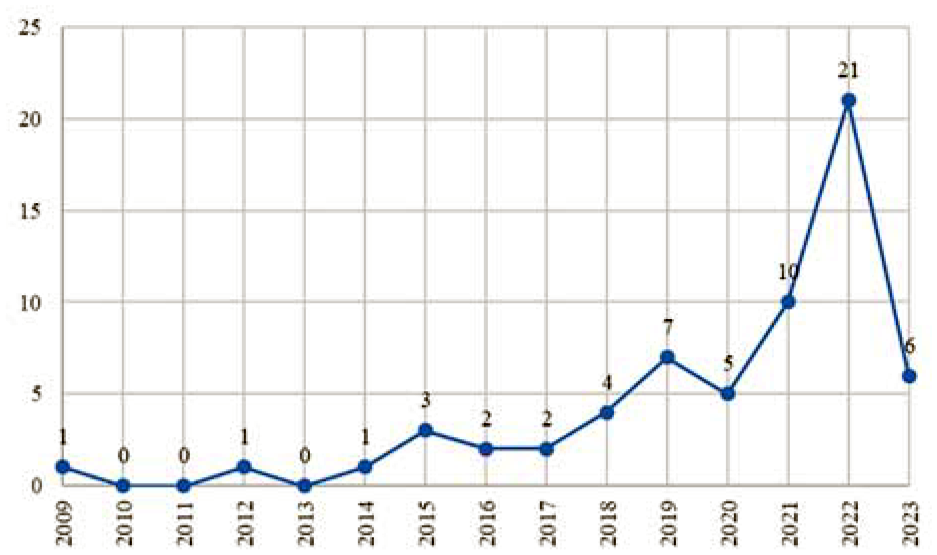
The distribution of the studies over the years.
The methodology of the included studies was investigated. Almost all of the papers, 62 out of 63 were empirical, and only one of them was conceptual. Of the empirical studies, 54 of them used quantitative methods of data collection, six studies employed qualitative methods and two studies used mixed methods. Among the quantitative studies, 39 of them used surveys to collect data, eleven studies conducted analyses based on experimental data, and two studies combined two different data collection methods (survey and experiment), the remaining two studies used game theory modeling and combination of case study with survey. The product type, if any, was also coded into the sheet and the findings indicate that of the 63 articles, 25 of them used a food and/or beverage specifically when measuring consumer responses to sustainable packaging. One study measured what consumers expect from apparel industry, one research was conducted on FMCG products and another research was conducted on a convenience and a shopping good. About 35 articles were not conducted on any specific product category, and measured general consumer tendency toward sustainable packaging instead. Table 1 presents coding scheme and corresponding frequency distributions, providing a comprehensive overview of the analyzed data.
Coding Scheme and Frequency Distributions of the Reviewed Studies.

Source. Authors’ own elaboration.
Journals of the articles were examined to determine the rankings of journals based on their contributions to the articles reviewed in this study (Table 2). Out of the 63 articles reviewed, 36 different journals were emerged as the publisher. The leading contributor was Sustainability with nine articles, followed closely by Resources, Conservation and Recycling with eight articles, and Journal of Cleaner Production with six articles. Notably, not only sustainability related journals are prevalent but also journals from a domain relevant to food (e.g., British Food Journal, Foods) emerged from the literature search.
Journal Wise Distribution of Reviewed Articles.

Source. Authors’ own elaboration.
The present results also showed that only 27 out of 63 articles based their analysis on a theory to examine and explain the relation of sustainable packaging with consumer behavior. Consistent with the aim of the literature search, the most dominant theories were the ones that seek to understand and predict consumer behavior. For example, eight studies utilized the theory of planned behavior to predict purchase intention (Friedrich, 2020; Lan et al., 2023; Q. Zhang et al., 2022), purchase behavior (Martinho et al., 2015; Su et al., 2021; van Birgelen et al., 2009) and pro-environmental behavior (Ghaffar et al., 2023; Widayat et al., 2021).
One study adopted the theory of planned behavior with self-consistency theory to explain pro-environmental action to avoid plastic packaged products (Rapada et al., 2021) and one study utilized the theory of planned behavior with social practice theory to investigate by following a sociological and anthropological framework to predict consumer preferences (Yokokawa et al., 2021). One study utilized the theory of planned behavior, the theory of reasoned action, and behavioral reasoning theory together to explain the purchase of eco-friendly packaging and willingness to pay (Galati et al., 2022). One paper employed the theory of reasoned action based on environmental concern and personal norms to predict intention to purchase and willingness to pay premium (Prakash & Pathak, 2017). Additionally, the articles obtained from the literature search also adopted the means-end chain theory (Zeng & Durif, 2019), the theory of consumption values (Singh & Pandey, 2018), the capability, opportunity, motivation, and behavior model (Allison et al., 2021), and the habit theory (Herédia-Colaço, 2023).
The literature search revealed that the authors also referred to psychological concepts and frameworks to understand the mechanisms behind individuals’ behavior such as attribution theory (Gosselt et al., 2019), cue consistency theory (Donato et al., 2021), dissonance cognitive theory (Lisboa et al., 2022), elaboration likelihood model (Aagerup et al., 2019), goal-framing theory (Koch et al., 2022), and protection motivation theory (W. Wang et al., 2022). Moreover, the academic literature on sustainable packaging and consumer behavior has indicated that some papers incorporated theories with strong mathematical foundations and predictive power such as economic models or branches of mathematics to predict and model consumer behavior. For example, as economic models, one paper used Lancastrian consumer theory to predict consumer choices based on products’ characteristics (Klaiman et al., 2016), one study utilized random utility theory to predict the individuals’ choices based on utility (Yoon et al., 2022) and one paper adopted both Lancastrian consumer theory and random utility theory (Xu & Ward, 2023). Furthermore, as a branch of mathematics, fuzzy set theory (Tseng et al., 2020) and stochastic theory (C. Wang et al., 2022) were also adopted by the studies to understand and model consumer behavior under situations with uncertainty and vagueness.
The empirical studies were examined regarding the geographical regions where the data was collected. Two studies did not mention any region as one of them was a conceptual paper (Hafsa et al., 2022) and one of them was conducted by a stochastic differential game perspective and no region was mentioned in the study (C. Wang et al., 2022). Therefore, the distribution of data collection regions of 61 studies was inspected. These studies were carried out in 31 different regions of the world and their data collection regions were indicated in the world map in Figure 3 with darker colors indicating more studies conducted in those regions. The results indicated that most of the empirical studies were conducted in Europe, such as the UK (6 studies), Germany (5 studies), Italy (5 studies) and Portugal (4 studies). For the Eastern part of the world, the studies collected data from India (4 studies), China (2 studies), and Indonesia (2 studies).
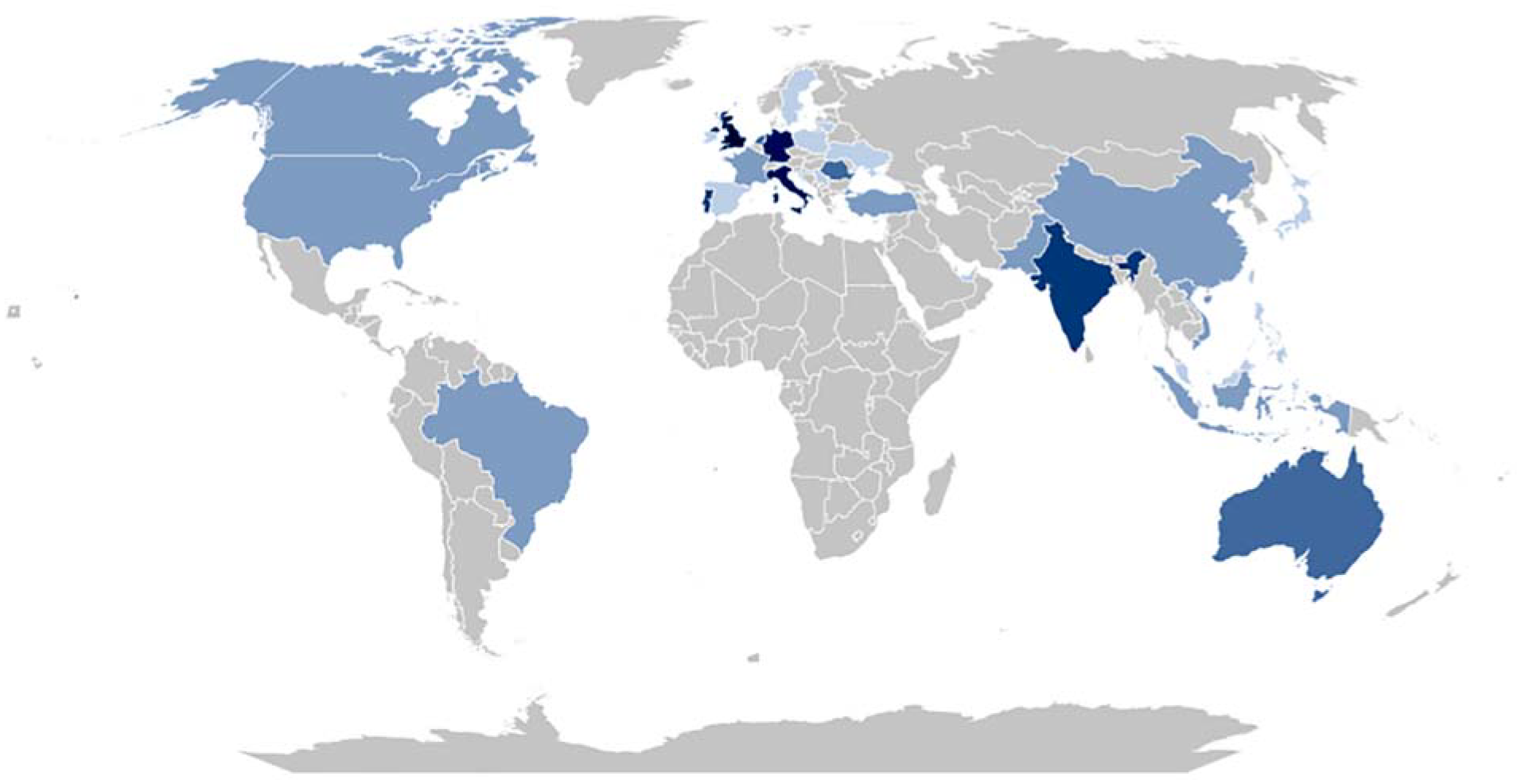
The distribution of the geographical regions in the empirical studies.
Findings on Stimulus-Organism-Response Model
In the context of sustainable packaging, the SOR model provides a valuable framework for understanding how various factors can influence consumer behavior. About 63 papers were reviewed and the elements associated with the SOR model were extracted from data analysis. Figure 4 presents a detailed framework for the context of sustainable packaging to understand consumer behavior.
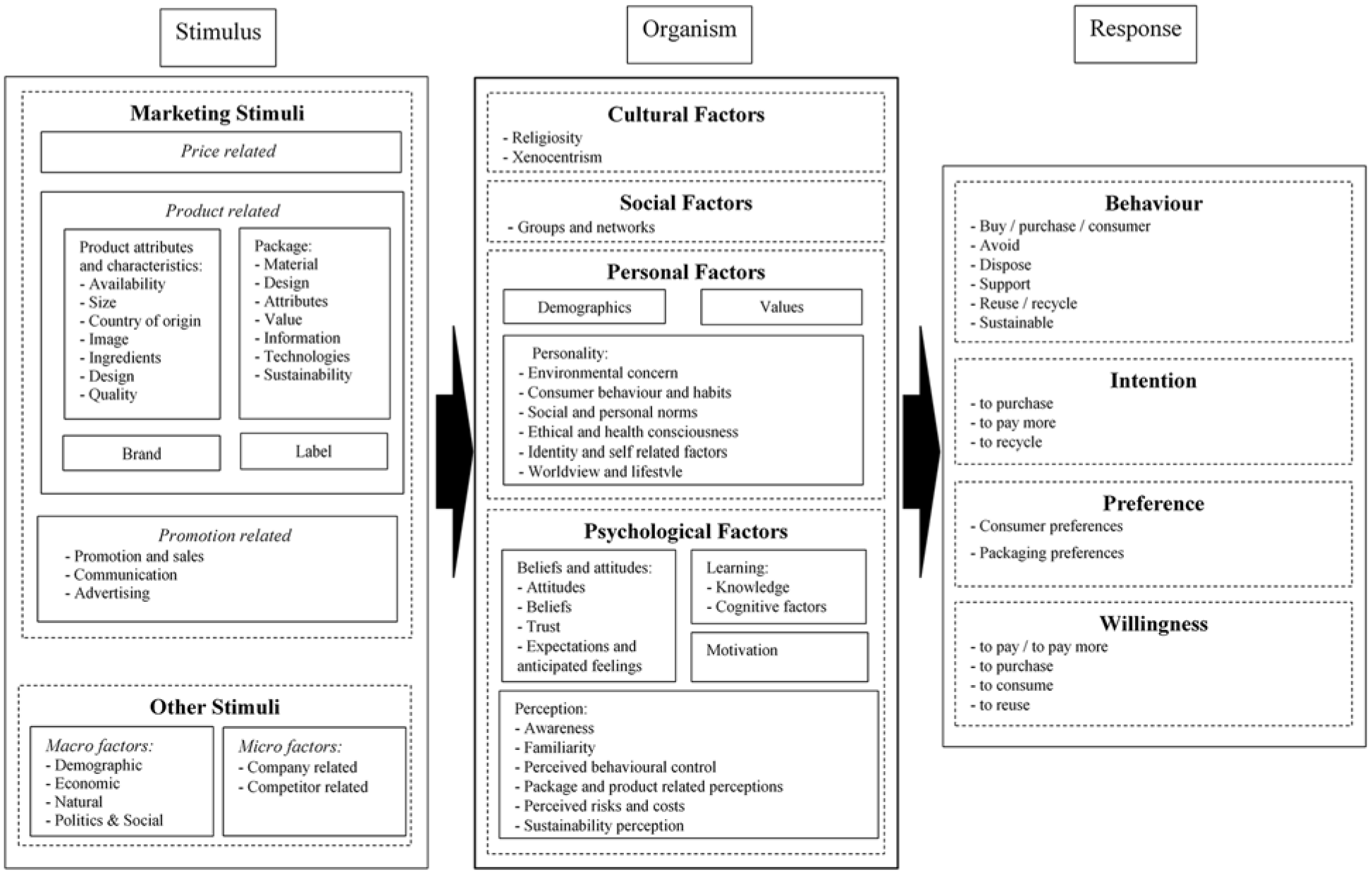
SOR model.
Stimulus in Sustainable Packaging
The “stimulus” in the context of sustainable packaging refers to the elements related to sustainable packaging that trigger consumer responses. Various factors pertinent to sustainable packaging were mentioned in the studies obtained from the literature search. These factors can be broadly categorized into elements of the marketing stimuli and other external determinants as Kotler et al. (2023) emphasizes. The literature search revealed that the marketing stimuli can be categorized under product related, promotion related, and price related factors. Other stimuli refer to the actors and factors outside the marketing and can be grouped as micro and macro environment factors (Kotler et al., 2023).
Consumer responses to sustainable packaging are influenced by a range of product-related factors, including product attributes and characteristics, packaging, brand, and labeling. Regarding product attributes and characteristics, the literature search unveiled that availability (McCarthy & Wang, 2022), bottle size (Xu & Ward, 2023), country of origin (Ghaffar et al., 2023), product’s eco image (Devi Juwaheer et al., 2012), ingredients (Lobachevska & Daub, 2021; Mai, 2014), product design (Tseng et al., 2020) and quality of the product (Mancini et al., 2017; Martinho et al., 2015; C. Wang et al., 2022) are effective when consumers respond to sustainably packaged products.
Majority of the studies obtained from the literature search reported packaging as a critical element affecting consumer responses. Packaging plays a significant role in triggering positive or negative responses based on the material (Friedrich, 2020; Nuojua et al., 2022), design (Hafsa et al., 2022; Langley, Phan-Le et al., 2021), attributes (Norton et al., 2022; Zeng & Durif, 2019), value (functional, epistemic, economic, symbolic) (Singh & Pandey, 2018), the information on package (Jerzyk, 2016; Testa et al., 2020), intelligent packaging technologies used (Aday & Yener, 2015), and sustainability-related features (Kapse et al., 2023; Martinho et al., 2015; Norton et al., 2022; Rausch et al., 2021). Brand and labels can also influence consumer attitudes and perceptions, and evoke associations with eco-friendly practices as product-related factors. Brand name (Mai, 2014), and green packaging branding (Shabbir et al., 2020) were derived as the stimulus elements regarding brand in the context of sustainable packaging from the literature search analysis. In terms of labeling, eco-labeling was mentioned as the factor triggering consumer behavior toward the environment (Shabbir et al., 2020), such as green consumption pattern or consumer purchasing pattern (Devi Juwaheer et al., 2012). In addition, labeling design was also mentioned as an element affecting consumer perceptions and behavior (Langley, Phan-Le et al., 2021).
Price-related factors, as another marketing mix element, significantly influence consumer preferences toward buying food in eco-friendly packaging (Kapse et al., 2023; Petljak et al., 2019), willingness to pay (Klaiman et al., 2016; Mai, 2014) and willingness to purchase (McCarthy & Wang, 2022; C. Wang et al., 2022).
Data extracted from analyses also highlight several promotion-related factors that serve as stimuli affecting consumer responses. These factors are promotion and sales, communication, and advertising. Promotion investments (C. Wang et al., 2022), promotion sales toward packaging (Su et al., 2021), and discount (Mancini et al., 2017) were the elements affecting customer responses under promotion and sales category. Message appeal (Shimul & Cheah, 2023), argument type (health, authenticity, social, elitist) (Tseng et al., 2020), and communication regarding the environmental sustainability characteristics of the packaging (Chirilli et al., 2022) were related to the communication factor that trigger consumer behavior. Digital advertising (Rapada et al., 2021), advertising investment (C. Wang et al., 2022), environmental advertisement (Devi Juwaheer et al., 2012), and advertisement toward packaging (Su et al., 2021) can be listed as advertising factors under promotion-related factors.
The literature search also revealed that micro-environmental and macro-environmental factors are also effective in shaping consumers’ practices in the context of sustainable packaging. The company and competitor-related factors are the micro factors that act as other stimuli in the context of sustainable packaging. Various factors were listed under the company-related factors such as environmental reputation (Su et al., 2021), greenwashing (Testa et al., 2020), R&D investments (C. Wang et al., 2022), sustainable design strategies (Steenis et al., 2018), and uncertified internal CSR claim (Gosselt et al., 2019). External third-party Corporate Social Responsibility (CSR) label (Gosselt et al., 2019) can be classified as a competitor-related factor that affects consumer responses to sustainable packaging. Demographic, economic, natural, and politics and social factors work as macro factors that trigger consumer behavior. Market demand and market potential (C. Wang et al., 2022) were identified as the elements of demographic environment that affect willingness to purchase and pay for environmentally friendly packaging. Fairtrade (Mai, 2014) and opportunity (Aagerup et al., 2019) were classified under economic environment that affects consumer responses. Environmental aspects may be related to natural forces that are effective on consumer perception and preferences (Yokokawa et al., 2021). Reference persons (van Birgelen et al., 2009) and social influence (Lan et al., 2023) would be categorized under politics and social factors as stimuli that affect consumer responses.
Organism in Sustainable Packaging
Package of a product influences the way consumers perceive and evaluate a product (Liao et al., 2015), which makes it instrumental to understand the intervening factors that were employed in research on sustainable packaging. In order to categorize the elements related to organism, characteristics affecting consumer behavior in buyer behavior model of Kotler et al. (2023) was used. In this model, the authors have grouped factors that shape how consumers perceive and evaluate stimuli into four categories, which are cultural, social, personal, and psychological factors. Based on this model, the consumer-related variables in the reviewed studies were classified.
The findings of this classification revealed that psychological variables have dominance in the studies as there were 94 variables used in research that are titled under this category. This is followed by personal factors with 59 variables in total. Cultural and social factors, on the other hand, were studied in very limited numbers.
Elaborating more on the subdimensions of these groups and the research categorized under these classifications revealed that cultural factors were researched in only two studies. One research employed religiosity (Q. Zhang et al., 2022) whereas the other one tests the mediating role of consumer xenocentrism (Ghaffar et al., 2023). Social factors were also studied in limited research, where only two studies employed three social factors which were of sense of community (Lan et al., 2023), social optimism and social pessimism (W. Wang et al., 2022).
The findings of the review indicate that variables that are grouped under personal factors were used in numerous research, especially the items related to the personality of the consumers. When grouped according to Kotler’s buyer behavior model, studies on age and life stage (Almeida et al., 2023; Chirilli et al., 2022), occupation (Aday & Yener, 2015), economic situation (Walker, McGuinty et al., 2021) and lifestyle (Baird et al., 2022; Su et al., 2021; Zeng & Durif, 2019) were again limited when compared to personality and self-concept dimension of personal factors. Under the heading of personality and self-concept, there were studies on environmental concern (Kardos et al., 2019; Orzan et al., 2018; Tüzemen & Kuru, 2018), habits (Herédia-Colaço, 2023; Norton et al., 2022), social and personal norms (Koch et al., 2022; Widayat et al., 2021), ethical and health consciousness (Koenig-Lewis et al., 2022; Mai, 2014), and identity and self-related factors (Baird et al., 2022; Su et al., 2021; W. Wang et al., 2022).
The variables that were classified under the psychological factors category make up the greatest part of the variables related to organism. Variables in this group were categorized under beliefs and attitudes, learning, motivation and perception dimensions in accordance with Kotler et al.’s (2023) model. In this title, studies analyzing the motivation of consumers toward buying or using sustainable packaging were limited (Aagerup et al., 2019; Koch et al., 2022; Walker, McGuinty et al., 2021). Psychological traits related to learning are also studied in a limited manner, where the studies employed knowledge (Koch et al., 2022; Norton et al., 2022; Shimul & Cheah, 2023) and cognitive factors (Aagerup et al., 2019; Allison et al., 2021) to analyze how consumers process inputs from the stimuli. Studies using factors related to the dimension of beliefs and attitudes measured attitude mostly (Galati et al., 2022; Steenis et al., 2018), followed by beliefs (Allison et al., 2021; Shabbir et al., 2020), expectations and anticipated feelings (Jerzyk, 2016; Nuojua et al., 2022) and trust (Ghaffar et al., 2023; Y. C. Yang & Zhao, 2019). The final dimension of psychological factors is perception and the variables measured in this dimension were grouped under the sub-dimensions of package and product-related perceptions (Donato et al., 2021; Yokokawa et al., 2021), sustainability perception (Herrmann et al., 2022; Taufik et al., 2020), awareness (Kardos et al., 2019; van Birgelen et al., 2009), perceived risk and cost (Magnier & Crié, 2015; Zeng & Durif, 2019), familiarity (Gosselt et al., 2019; Herédia-Colaço, 2023; Nuojua et al., 2022), and perceived behavioral control (Martinho et al., 2015; van Birgelen et al., 2009).
Response to Sustainable Packaging
The responses that the interaction between stimuli and organism evoke are grouped under four titles within the current research. These titles are behavior, intention, preference and willingness. The reviewed articles mostly measure consumer behavior as a response, which is grouped into three titles as green behavior, waste reduction and purchasing behavior. Studies grouped under green behavior measured outcomes such as pro-environmental behavior (Šagovnović & Stamenković, 2023; Widayat et al., 2021), green brand attachment (Y. C. Yang & Zhao, 2019), sustainable behavior (Ghaffar et al., 2023; Mancini et al., 2017), and single-use plastic minimizing practice (McCarthy & Wang, 2022). The variables that were measured under the title of waste reduction were practice of food waste (Baird et al., 2022; Khandelwal et al., 2022; Martinho et al., 2015). Some studies, on the other hand, measured purchase behavior (Carvalho et al., 2022; Kardos et al., 2019) and purchase characteristics (Devi Juwaheer et al., 2012; Orzan et al., 2018).
Measurement of consumer willingness toward certain responses was the second most researched dimension under response. The responses under this category are grouped as willingness to pay/to pay more (La Fuente et al., 2022; Prakash & Pathak, 2017), willingness to purchase (Norton et al., 2022; C. Wang et al., 2022), and willingness toward environmental actions (Herédia-Colaço, 2023; Robu et al., 2021).
Reviewed studies measuring intention responses of consumers toward stimuli on or related to sustainable packaging centered around purchase intention (Jeseviciute-Ufartiene, 2020; Lisboa et al., 2022), where limited number of studies tested intention to pay more (Petljak et al., 2019) and recycling intention (W. Wang et al., 2022; Widayat et al., 2021). Studies analyzing the preferences of consumers toward buying sustainably packaged products (Allison et al., 2021; Petljak et al., 2019) or general pro-environmental preferences (Yokokawa et al., 2021; Yoon et al., 2022) were found as the subject of a limited number of studies.
Discussion
The present study was designed to systematically evaluate the state of the art regarding consumers’ responses, as well as organism’s internal states regarding sustainable packaging. This study adopted the SOR model as a theoretical base to present an extensive framework for better understanding consumer behavior within sustainable packaging context. This section of the study covered the discussion of the findings obtained from the literature search based on consumer behavior and sustainable packaging. Additionally, the current section contains suggestions for future research and provides theoretical and practical implications by presenting the limitations of the study.
The distribution of the publications’ years indicated that the researchers have begun to be heavily interested in consumers’ internal state and responses regarding sustainable packaging after the year 2021. Notably, one-third of the papers that emerged from the literature search were published in the year 2022. Although the 2030 Agenda for Sustainable Development with 17 Sustainable Development Goals was adopted in 2015, there was not a discernible increase in the number of publications on attaining these goals in research after the year 2015. This inconsistency may be due to the fact that plastic pollution is not directly referred to in any of the 17 SDGs (Shimul & Cheah, 2023). An explanation for capturing interest in sustainable packaging and consumer behavior by scholars after the year 2021 would be related to the call of United Nations for more concerted actions regarding plastic waste pollution in 2018 (www.unep.org, 2018). Additionally, McKinsey&Company (Cherel-Bonnemaison et al., 2022) reported that over the past few years, there has been a swift and substantial growth in sustainable packaging regulations that extend far beyond just addressing shopping bags with the global regulatory development across 30 countries for sustainability. Moreover, the literature search revealed various articles published on different journals which implied that sustainable packaging topic is on the intersection of various disciplines. It is expected that the number of studies regarding this topic will continue to increase after 2023. However, since the literature search of the current study was conducted between 6th of June – 11th of July 2023, the number of studies published in 2023 seems to be low in the findings.
The literature search based on consumer behavior in the sustainable packaging context indicated that less than one-third of the studies concluded the paper by drawing upon a theory. Although there are various theories employed in social sciences to explain consumer behavior such as the value-belief-norm theory (Stern, 2000) and norm activation model (Schwartz, 1977), the studies emerged from the literature search mainly utilized the theory of planned behavior. High usage of the theory of planned behavior in the included studies is not a rather unexpected outcome since Ajzen’s (1991) theory of planned behavior is one of the most widely utilized theories to explain human behavior in social sciences, especially in understanding sustainable behavior as Yuriev et al. (2020) reported.
Through this systematic search, it was identified that the empirical studies were conducted mostly in Europe. These results mirror those of the policies of the European Union regarding the reduction of the negative impact of plastic packaging (European Union, 2020). In Europe, packaging constitutes 40% of plastic usage (PlasticsEurope, 2020) and plastic recycling rates are low (European Environment Agency, 2020). Sustainable packaging and solutions as alternatives should be found to decrease the negative environmental impacts of plastic packaging (La Fuente et al., 2022), which in turn brings about a need to conduct empirical studies in Europe.
The stimulus factors, organism factors and response factors relevant to the SOR model in the context of sustainable packaging were derived from the studies. The findings reported here confirm the elements of the buyer behavior model of Kotler et al. (2023) and contribute additional evidence that suggests significant insights specific to the context of sustainable packaging. Stimulus relevant to sustainable packaging is based on two main groups- marketing stimuli and other stimuli. Package-related factors such as the material, design, and attributes have been the focus of much investigation in the search for the literature regarding sustainable packaging. Previous research has noted the importance of package attributes such as clear and easy-to-read information for the evaluation of consumers of sustainable packaging (Langley, Parker et al., 2021). Notably, packaging emerges as a prominent element in this context since the search terms of the literature search include “packaging.” Besides package, product-related attributes and characteristics, products’ brand and label were obtained as product-related marketing stimuli.
Packaging is assumed to be a contemporary component of integrated marketing. Among the various promotional tools available at the point of sale, packaging continues to be the primary factor that affects consumers’ responses (Jerzyk, 2016). Since packaging has a critical role in promotional activities, several studies mentioned promotion as the stimuli, and the elements were grouped under three areas-promotion and sales, communication, and advertising. However, up to now, far too little attention has been paid to the role of social media on consumer responses in the context of sustainable packaging (Rapada et al., 2021). Packaging also relates to the price factor as stimulus since the consumers associate simplified packages with poor packing performances and poor value for money (Petljak et al., 2019; Zeng & Durif, 2019). Thus, price affects consumers’ willingness to pay (Galati et al., 2022; Klaiman et al., 2016; Mai, 2014) and willingness to purchase sustainable packaging (McCarthy & Wang, 2022; C. Wang et al., 2022) in various studies.
It is important to stress that place did not emerge as the marketing stimuli in the context of sustainable packaging. Place, in other words, distribution channels refer to “a set of interdependent organizations that help make a product or service available for use or consumption by the consumer” (Kotler et al., 2023, p. 365). These organizations have critical roles in reducing environmental impacts during their operations to produce consumer value (Pomering, 2017) and packaging is a pivotal element in lessening the negative impacts of these operations., However, the literature search revealed that the studies in the context of sustainable packaging did not examine the roles of marketing channels triggering consumer responses. This finding is consistent with that of Dangelico and Vocalelli (2017) who stated that insufficient focus has been given to examining distribution channels for environmentally friendly products.
Kotler et al. (2023, p. 88) divided the actors and factors outside marketing into two groups- micro-environment and macro-environment. According to the findings, the company and competitor-related factors have emerged as the micro factors affecting its customer serving capability, and are assumed as other stimuli in the context of sustainable packaging. Although there are other micro-environmental actors such as suppliers, marketing intermediaries, publics, and customers, none of the studies mentioned these actors as stimuli relevant to sustainable packaging, to the best of our knowledge whereas previous research revealed the non-negligable role of these effects on consumer responses (Skandalis et al., 2023). This discrepancy could be attributed to the tendency to evaluate consumer responses in the sustainability context by focusing on internal mechanisms (Orzan et al., 2018; Zeng & Durif, 2019), regarding marketing stimuli and organism factor. Another source of the scarcity in the investigation of external factors is the dominance of TPB in the context of sustainable packaging to understand consumer responses. As TPB investigates the internal factors of the consumers (Widayat et al., 2021), the marketing stimuli rather than external factors observed more heavily in the findings.
The findings of the current systematic literature review indicate that in sustainable packaging literature, the most dominant variables that are related to organism are psychological factors, which are followed by personal factors. However, cultural and social factors were used in limited number of studies. Culture provides significant insights into the critical factors leading to changes in consumer behavior dynamics (Douglas & Samuel Craig, 1997). Prior studies have also noted the role of this factor in shaping consumers’ pro-environmental response (Baird et al., 2022; Herbes et al., 2018). Similarly, social factors were used in a few studies in sustainable packaging literature. Consumers having a sense of community would be more inclined to be engaged in using or having positive attitudes toward sustainable packaging (Lan et al., 2023). Collective motivators will make consumers more focused on helping others through group goals (W. Wang et al., 2022). Therefore, consumers caring for the benefit of others will be more inclined to use sustainably packaged products. With regards to psychological variables which make up the most researched organism-relevant factors, an unanticipated finding is the clearly limited use of motivation despite the emphasis of previous studies on its importance in pro-environmental consumer response (Herédia-Colaço, 2023; Sapiains et al., 2016; W. Wang et al., 2022). Previous studies suggest developing ways to motivate consumers to eliminate the discrepancies that arise due to the skepticism they have toward green practices (Pope & Wæraas, 2016). The findings of the review are consistent with those of other studies emphasizing the significance of perception in consumer responses (Petljak et al., 2019; Steenis et al., 2017) as it is the most highly employed psychological factor in studies on sustainable package. The fourth factor that organism-related variables were grouped under in the current review was personal factors. Under this title, personality variables attracted the greatest attention. This finding accords with the previous studies that showed the significance of consumer personality in pro-environmental response (Arbuthnot, 1977; He et al., 2018; Orzan et al., 2018; Pettus & Giles, 1987). Surely, there are numerous personality variables that need to be researched, especially after the radical shift in consumer attitudes and responses toward health and sustainability issues.
The findings unveiled that behavior is the most mentioned response in the studies. These behaviors depended on the context such as sustainable consumption behavior (Ghaffar et al., 2023), consumer recovery behavior (Hafsa et al., 2022), creative reuse behavior (Baird et al., 2022), and shopping behavior at retailers practising sustainable packaging (Su et al., 2021). Behavior has been intensively investigated due to its prevalence as a construct in various consumer theories such as the theory of planned behavior and the theory of reasoned action. Stimulus seems to determine the possible responses in the context of sustainable packaging. For example, the price of the product with other marketing and external stimuli affects the willingness to purchase or willingness to pay for environmentally friendly packaging (Galati et al., 2022; Klaiman et al., 2016; Mai, 2014; McCarthy & Wang, 2022). The packaging preferences of the consumers are determined by various packaging characteristics (Allison et al., 2021; Kapse et al., 2023; Norton et al., 2022; Yoon et al., 2022). In general, it appears that the response type in the context of sustainable packaging can be predicted by the stimuli. Nevertheless, one must approach this assertion with caution due to the variations in the organism, as the response is also influenced by consumers’ evaluations. It is commonly assumed that the response encompasses all evaluations and reactions to the stimuli (W. Zhao et al., 2023).
The aim of this paper was to propose a conceptual theoretical framework based on sustainable packaging. Therefore, this study draws findings on SOR model to explain various stimuli, organism and response factors. The investigation of these factors has shown that sustainable packaging with various marketing and external stimuli, as well as organism factors, is predictive of various responses of consumers. As no attempt was made to clearly conceptualize sustainable packaging in consumer behavior previously (Magnier & Crié, 2015), the findings of the current study contributed to a better understanding of various factors behind consumer responses in the context of sustainable packaging. The study identified limited evidence of the utilization of various theories on sustainable packaging and consumer behavior. Recent studies related to understanding consumer behavior in the sustainable packaging context employed popular theories such as the theory of planned behavior or the theory of reasoned action. Thus, the results of this study indicated a need to understand consumer responses in the context of sustainable packaging by adopting various theories such as the value-belied-norm theory, norm activation model, cognition affection behavior of attitude.
Conclusion
In conclusion, this study has provided a comprehensive evaluation of consumer behavior in the context of sustainable packaging, utilizing the SOR model to explore the relationship between stimuli, organism factors, and responses. The findings reveal a growing interest in sustainable packaging, particularly after 2021, driven by global initiatives and regulatory developments. However, there remains a significant gap in theoretical diversity, as most studies rely heavily on the theory of planned behavior. Additionally, more empirical studies in regions outside Europe are necessary to diversify the geographic focus. The limited attention to social and cultural factors, as well as external environmental stimuli, suggests potential areas for further exploration. The findings of this study demonstrate that consumer behavior within the context of sustainable packaging can be comprehensively explained within the framework of the SOR model. As an inclusive model, SOR could be judged as being too overarching to miss some details in each dimension. However, as the main purpose of the review is to see all relevant factors within a single view, SOR model is deemed the appropriate theoretical framework. This model, which illustrates how various marketing stimuli and organism factors shape consumer responses, provides a significant theoretical framework for sustainable packaging studies. In this context, the study presents important implications that encourage further use of the SOR model in sustainable packaging research. Overall, this study has contributed valuable insights into the factors influencing consumer responses to sustainable packaging, paving the way for future research that can further enhance our understanding of sustainable consumer behavior.
Managerial Insights
The outcomes of this study offer a profound source of insight for marketers, businesses and for the government. Marketers could have a key role in the behavioral responses of consumers by stimulating their eco-conscious values through acts such as clear and transparent messages on the product’s environmental benefits. Highlighting the emotional benefits of the package besides functional ones would be a medium for consumers to reflect their identity and lifestyle. Social media is another ground where marketers could promote sustainable packaging and cultivate a sense of community among consumers. These approaches will also foster brand image, which would result in higher loyalty and a competitive edge.
Grounded in the framework of the SOR model, this research underscores the proposition that, although managers may encounter challenges when influencing organism variables, they can effectively shape consumers’ purchasing behaviors by strategically addressing stimuli. By investing in eco-friendly packaging solutions and collaborating across the supply chain, businesses can not only reduce their environmental footprint but also respond to the growing consumer demand for sustainability. Through aligning these eco-friendly packaging efforts with other sustainability initiatives carried out at the product or service level, businesses can communicate their stance more clearly, ultimately gaining a green competitive advantage.
From the perspective of policymakers supporting research and education to help consumers learn more about the benefits of sustainable packaging so that would raise awareness of sustainable packaging and encourage consumers to make more informed choices, and also through regulations and public awareness initiatives. Furthermore, actions could be taken to enhance consumers’ understanding of the significance of sustainable packaging, such as the development of environmental footprint indicators at the point of purchase or highlighting the health benefits of sustainable packaging, particularly in the context of food products. Therefore, governments can collaborate with educational institutions and NGOs to launch public awareness campaigns that educate consumers about the benefits of sustainable packaging.
Limitations and Further Research
Finally, several limitations need to be considered while interpreting study findings. It is beyond the scope of this study to examine the articles which are searched in databases other than WoS. Although WoS database is well-known and extensive, it might not encompass all relevant research pertaining to sustainable packaging. Moreover, it was not possible to investigate the articles written in any language other than English which may lead to exclusion of valuable research. The scope of this study was limited in terms of study types of studies. Exclusion of conference proceedings, books, chapters and reviews may lead to overlook valuable insights. Additionally, the current study omitted the gray literature which may provide significant knowledge.
This research has thrown up many questions in need of further investigation. First, the literature search revealed that only one study was conceptual in nature. Additionally, it seems the studies obtained from the literature search have drawn upon a limited number of theories. Therefore, future studies would enable a more comprehensive and deeper understanding by adopting various well-grounded theories to understand consumer behavior in the context of sustainable packaging. Future works would introduce conceptual papers, especially by utilizing new technologies adopted in sustainable packaging. Second, as the cultural differences were inadequately considered in the studies obtained from the literature search, in future research, eco-packaging studies can be conducted with the aim of elucidating cultural differences. Third, future studies would approach consumer behavior in the context of the sustainable package through the SOR model and can contribute to the field by examining eco-package purchasing behavior comprehensively with empirical findings. Fourth, as a methodological advancement, qualitative and mixed research methods can be employed to understand the package attributes that environmentally-conscious consumers pay attention to, and the motivations driving their purchasing behaviors. Furthermore, experiments could be conducted for varying levels of organizational variables together with selected stimulus variables to determine their combined effect on consumer attitude and behavior. Besides, cross-disciplinary research examining how variables from different disciplines would affect consumer behavior would provide contributory findings. By integrating cognitive models, and neural computation frameworks, the structure established by the SOR model could be enriched and researchers can construct a more robust model that explains how organisms process and respond to stimuli. Fifth, as the communication emerged as a critical marketing stimulus, there is abundant room for further progress in determining which marketing communication strategies firms can employ through various channels to capture consumers’ attention in the context of eco-packaging. For instance, research could explore whether using social media marketing can effectively capture the attention of young consumers in this regard, lead them toward purchasing decisions, or identify which specific activities by firms in this domain generate higher levels of engagement. Finally, as various types of products with different package options were examined in separate studies, future work could examine consumers’ tendencies to choose eco-friendly packaging based on the type of product.
Footnotes
Declaration of Conflicting Interests
The author(s) declared no potential conflicts of interest with respect to the research, authorship, and/or publication of this article.
Funding
The author(s) received no financial support for the research, authorship, and/or publication of this article.

Data Availability Statement
Data sharing not applicable to this article as no datasets were generated or analyzed during the current study.