




Abstract
EO literature suggests that the effects of entrepreneurial orientation (EO) on performance is affected by studying context. There is a lack of study executed in transitional economies. In addition, the mediating role of differentiation advantages (DA) and innovation capability (IC) on the relationship between EO and performance remains underexplored. Thus, drawing upon resource-based view and contingency theory, this study examines the mediating effects of DA and IC on this relationship in the contexts of manufacturing SMEs located in Vietnam. A sample of 176 manufacturing SMEs currently operating in Vietnam was analyzed. Partial least square structural equation modeling was applied to test the hypotheses. The results indicate that DA and IC fully mediate the relationship between EO and performance. These findings permit four theoretical contributions to the literature. First, this study contributes to the EO literature by examining the effects of EO in a transitional economy as Vietnam. Second, this study also overcomes prior EO studies in term of the operationalization of the performance. Third, this study introduces to EO literature two novel mediators such as DA and IC. Last but not least, this study it also contributes to contingency theory in EO study by addressing mediating rather moderating effects. Regarding to practical implications, managers of manufacturing SMEs should aware that adopting EO is only beneficial to the performance when EO can be used to develop DA and IC.
Introduction
Small and medium-sized enterprises accounts for more than 90% of enterprises in the world (Rodríguez-Gutiérrez et al., 2015). SMEs have a major contribution to economy propensity. For example, they are acknowledged as job creating and revenue generating machines, which supports the developments of economies (Rigtering et al., 2014). Despite this major role, SMEs suffer from the lack of financial, technical, and managerial resources, which may have negative impact on performance (Singh et al., 2008). In this regard, a growing body of research has aimed to address how these enterprises can increase their performance. Entrepreneurial scholars suggest that entrepreneurial orientation (EO) is an important factor determining performance of SMEs (Anderson & Gerbing, 1988; Arzubiaga et al., 2018; J. J. Ferreira et al., 2021; Gupta & Batra, 2016; Kiyabo & Isaga, 2020; Mantok et al., 2019; Rodríguez-Gutiérrez et al., 2015).
The relationship between EO and performance can be explained by using resource-based view. This view states that when organizations successfully combine their resources and/or capabilities together, they gain superior performance (J. Barney, 1991). EO is suggested to be crucial capabilities permitting SMEs to build their own competitive advantages (Brouthers et al., 2015; Shirokova et al., 2016). Particularly, EO enhances the willingness to innovate and take risk, and the propensity to act ahead their competitor and to anticipate customers’ future demands (Miller, 1983). Therefore, EO capabilities permits better ultilize internal resources as well as better obtain and exploit external resource efficiently (Wiklund & Shepherd, 2003), which translates to superior performance.
The direct relationship between EO and performance is complex (Andersén & Samuelsson, 2016). Empirical evidence shows mixed results (Soares & Perin, 2019). For instance, some studies indicate a positive relationship (Covin & Slevin, 1991; Covin et al., 2006; Ireland et al., 2009; Lumpkin & Dess, 1996; Soininen et al., 2012; Wiklund & Shepherd, 2003) while some studies reveal partial supports for the relationship (Dimitratos et al., 2004; Richard et al., 2009). Several studies suggested a negative relationship (Nybom et al., 2021; Veidal & Flaten, 2014) as well as no relationship (Covin et al., 1994; George et al., 2001; Madison et al., 2014; Stam & Elfring, 2008). Other studies indicated the inverted U-shaped relationship (Bhuian et al., 2005; Chen & Hsu, 2013; Tang et al., 2008).
To explain for those mixed results, EO scholars (Lumpkin & Dess, 1996; Wiklund & Shepherd, 2005) argued for the assessment of other factors affecting this relationship. One approach is to examine the indirect effects of EO on performance via mediating factors (Alegre & Chiva, 2013; Helm et al., 2010; P. Hughes et al., 2018; Li et al., 2009; Vega-Vázquez et al., 2016). The assessment of the indirect effects allows an insight into the underlying mechanism which EO indirectly has impact on performance (W. J. Wales et al., 2013).
According to contingency theory in EO studies, the relationship between EO and performance is contingent upon various factors (Choi & Williams, 2016, pp. 3–4). Based on this theory, EO scholars posited that organizational aspects can affect the way to which EO influences performance (Engelen et al., 2015; J. J. Ferreira et al., 2021; Jeong et al., 2019; Li et al., 2009; Mantok et al., 2019; Mu et al., 2017). According to the mediating approach of contingency theory, organizational aspects must play as mediating role on the relationship between EO and performance (Linton, 2016).
From contingency theory, it is expected that the positive effects of EO on performance is to be mediated by differentiation advantages (DA). Particularly, organizations following an EO approach can gain competitive advantages and allow the performance implication (Kiyabo & Isaga, 2020). DA are one of the competitive advantages that lead to performance sustainability (Banker et al., 2014). Organizations following entrepreneurial-orientated approaches are more likely to gain competitive advantages through differentiation (Lortie et al., 2021).
From contingency theory, it is also proposed that the relationship between EO and performance by innovation capability (IC). Particularly, prior studies indicate various types of innovation are the mediators between EO and performance (Alegre & Chiva, 2013; Asad et al., 2018; Kollmann & Stöckmann, 2014; Shan et al., 2016). The degree of innovation depends on the degree of organizational capability to innovate (Laforet, 2011). This capability is a key driving factor of innovation (Neely et al., 2001). IC is distinct construct, which was showed to be an antecedent of various innovation types (Rajapathirana & Hui, 2018).
This study addresses three following gaps in the EO literature. First, it is strongly argued that the context has a strong impact on the effects of EO (S. M. Lee et al., 2011; Semrau et al., 2016; W. J. Wales, 2016; W. Wales et al., 2019). There is a lack of EO studies in the context of transitional economies. A transitional economy is an economy undergoing a prolonged transition from a centrally planned economy to a free market economy, characterized by weakened bureaucratic authority and significant private ownership (Kriauciunas & Kale, 2006). Compared to market economies, transitional economies have unique characteristics, which may cause EO outcomes to be different. In transitional economies, organizations are challenged by high market volatility caused by instability and underdevelopment in the institutional and market environment (Luu & Ngo, 2019). As a result, in these economic systems, organizations often face challenges in accurately predicting future market demand as well as understanding the evolving business environment. Besides, in transitional economies, organizations are under constraint to gain effectiveness when they adopt proactive practices because the governments of those economies control a large number of scarce resources (Sheng et al., 2011). In this regard, the relationship between EO and performance in transitional economies is argued to be more complex than in market economies (Lumpkin & Dess, 2001).
Second, the measuring approach of performance is one of the biggest concerns of EO scholars because it may have an impact on the mixed relationship between EO and performance. According to Andersén (2010), the approach, which the prior EO author executed to measure the performance of organizations by including various performance indicators, is less likely to represent a true reflection of reality. Consistently, Gupta and Wales (2017) reviewed prior EO studies and criticized that the combination of well-established performance indicators and other ambiguous performance indicators causes unreliable measures of performance. Besides, a review by Gupta and Wales (2017) also indicates that previous measuring performance of an organization focuses on financial indicators. Executing financial indicators to measure performance is suggested to focus on the past rather than the future (H. Lee & Choi, 2003). Non-financial indicators should be included in addition to financial indicators to measure performance comprehensively (Dossi & Patelli, 2010). Acknowledging this issue, some EO studies (Kantur, 2016; Soomro & Shah, 2020; Veidal & Flaten, 2014) include both financial and non-financial indicators to measure the performance of organizations operating in farming, manufacturing, and service industries. However, studies executing financial indicators to measure performance outweigh one using non-financial indicators. It demands future studies include both types of indicators to measure the performance of organizations operating in other industries.
Third, although the explorations of novel mediators provide a contribution to EO literature, there is a lack of studies examining whether DA and IC are the mediators of the relationship between EO and performance. Relating to DA, past research (Budiati et al., 2022; Shah & Ahmad, 2019) focuses on differentiation strategy rather than DA when examining mediating roles of those variables. And these studies revealed mixed results. DA and differentiation are two distinct concepts. They have a relationship with each other (Keskin et al., 2021). In this regard, it requires further research to shed light on the mediating effects of DA on the relationship. Relating to IC, when examining the mediating role of innovation on the relationship between EO and performance, prior studies focus on the types of innovation rather IC. According to EO scholars Altinay et al. (2016), organizations need to develop capabilities in order to effectively exploit EO resources. Prior EO studies indicated that EO resources permit organizations to develop specific capabilities, which results in superior performance (Altinay et al., 2016; Isichei et al., 2020; Pratono & Mahmood, 2015). Therefore, it is demanded that future studies examine the mediating role of IC on the relationship between EO and performance.
To address these mentioned gaps, this study focuses on manufacturing SMEs operating in Vietnam, a transitional economy. Since the 80s, the Vietnamese government implemented Doi Moi, an economic reform (Beresford, 2008). The purpose of this reform is to permit the Vietnamese economy to transition from a centrally planned economy to a market economy. It permits the Vietnamese economy to shift from a de-entrepreneurship to a pro-entrepreneurship stance (Nguyen & Mort, 2016). A pro-entrepreneurship stance is a crucial force driving the development of the Vietnamese economy (Turner & An Nguyen, 2005). One sector is benefited from this is the manufacturing sector. For example, in the period 2005 to 2015, the number of private manufacturing SMEs grows more than three times (Rand & Tarp, 2020, p. 3). However, according to de Jong et al. (2012), despite being a transitional economy, entrepreneurship research in Vietnam seems to gain little attention from scholars. Therefore, there is a limited understanding of how EO permits manufacturing SMEs operating in Vietnam to improve performance. Drawing upon the EO literature, resource-based view, and contingency theory, the purpose of this study aims to find the answers to the following research questions.
RQ1: Whether EO has a direct relationship with the performance of manufacturing SMEs operating in Vietnam?
RQ2: Whether EO has an indirect relationship with the performance of manufacturing SMEs operating in Vietnam through DA?
RQ3: Whether EO has an indirect relationship with the performance of manufacturing SMEs operating in Vietnam through IC?
This study was outlined as follows. The following section indicates theoretical backgrounds and develops hypotheses. The next section provides the method used in this study. The result and discussion section were presented next. Finally, the last section concludes, indicates limitations and future directions.
Theoretical Backgrounds and Hypothesis Development
Theoretical Backgrounds
Resource-Based View
J. Barney (1991) proposed the resource-based view to explain how and why organizational resources and competencies allow the organization to sustain its competitive advantage to gain superior performance. Accordingly, organizational resources and capabilities are crucial for improving organizational performance (Penrose & Penrose, 2009). However, to find performance implications, these resources and capabilities must be valuable and rare (Wernerfelt, 1984). Besides, these resources and capabilities must be difficult for the competitors to imitate to be more competitive (Dierickx & Cool, 1989). Last but not least, organizations must organize these resources and capabilities well to sustain their competitive advantages, and in turn, sustain the performance.
In EO literature, resource-based view is the theoretical lens used to predict how EO leads to superior performance. EO is suggested to be intangible resources (Andersén & Samuelsson, 2016) because it refers to how an organization is organized to discover and exploit opportunities (Wiklund & Shepherd, 2003). In this regard, according to resource-based view, EO can have an impact on performance.
Contingency Theory
This theory posits that organizations must design their characteristics to align with the situations to foster performance implication (Ngo, 2021). As a result, the impact of organizational characteristics on performance is contingent on these situations (Donaldson, 2001). Thus, to examine the contingency effects, one way to model the research framework is to assess the mediating effects of these situations on the relationship between organizational characteristics and performance.
The relationship between EO and performance is suggested to contingent upon various factors (Choi & Williams, 2016, pp. 3–4). In contingency theory, there are two approaches to assess the contingent factors on the relationship between EO and performance (Linton, 2016). One approach is to assess the moderating effects of contingent factors. This approach permits the understanding on what condition the relationship between EO and performance is strongest. In this line of research, various EO authors examined the moderating effects of various contingent variables. Prior studies indicate that variables relating to the situations of internal and external environments of an organization moderates the relationship between EO and performance. Regarding to the external situations, Dubey et al. (2020) indicated that the relationship between EO and operational performance of manufacturing organizations is moderated by environmental dynamism. Shirokova et al. (2016) demonstrated two contingent factors as environmental hostility and market growth are the moderators of the relationship between EO and firm performance. Gupta and Batra (2016) observed that the association between EO and SMEs’ performance is moderated by competitive intensity.
Regarding to the internal situations, Engelen et al. (2015) showed that four dimensions of transformational leadership behavior (e.g., articulating a vision, providing an appropriate model, having high performance expectations, and showing supportive leader behavior) have moderating effects on the relationship between EO and the performance of SMEs. J. J. Ferreira et al. (2021) discovered that entrepreneur’s education and networks moderates the link between EO and SMEs’ performance. Mu et al. (2017) revealed that the relationship between EO and product development performance is affected by two moderators as networking capability and networking ability.
Another approach is to examine the mediating effects of contingent variables on the relationship between EO and performance. This approach sheds lights on what conditions EO has an impact on performance. In this line of research, there are three relevant studies. Jeong et al. (2019) showed that adaptive organizational culture and people-centered management are two mediators of the relationship between EO and performance. Li et al. (2009) found that knowledge creation process is the mediator between EO and firm performance. Mantok et al. (2019) demonstrated that the relationship between EO and business performance is mediated by organizational learning.
Prior studies suggest that the mediating assessment from contingency theory in EO literature is scare. Therefore, more research should have been done to examine this assessment (W. J. Wales et al., 2013, p. 369). According to this assessment, this study proposes that EO has a positive impact on the performance of manufacturing SMEs in the condition, which is that EO fosters IC and DA, which results in performance implication.
Based on resource-based view and contingency theory, Figure 1 indicates the direct effects of EO and performance as well as the indirect effects of EO on performance via DA and IC.

Research model.
Hypothesis Developments
The Link Between EO and IC
EO refers to entrepreneurial styles in strategic decision-making, managerial philosophy and organizational behavior (Cools & Den Broeck, 2007; Covin & Slevin, 1988). According to Miller (1983), this concept has three distinct dimensions: innovativeness, proactiveness, and risk-taking. Innovativeness is the driver influencing organizations to engage in creative and experimental activities to introduce new products/services by taking the lead in technological leadership. Risk-taking is organizational tendencies to commit their resources heavily to business investment, process and activities, although the result is highly uncertain. Finally, proactiveness refers to organizational behavior characterized by opportunity-seeking and forward-looking, which allows the organization to act ahead of their competitors and anticipate customers’ future demands.
The literature strongly supports the positive association between EO and innovation types. For example, this orientation was suggested to enhance innovation generation and of firms in the Spanish innovative industry (Pérez-Luño et al., 2011). Besides, it is revealed that EO leads to higher innovation speed of new ventures (Shan et al., 2016). Last but not least, EO was demonstrated to positively impact innovation performance of SMEs in Iran industrial zones (Madhoushi et al., 2011) and middle and large-sized firms operating in manufacturing industry in Turkey (Zehir et al., 2015).
IC is one of the innovative characteristics of organization. IC refers to an organizational ability permitting the continuously transformation of knowledge and ideas into novel products, processes and systems, and as such, ensures organizational success (Hurley & Hult, 1998; Lawson & Samson, 2001). Yang et al. (2009) refers IC as a crucial capability of organization, which permits the deployment of resources with a novel ability to create value. Saunila (2020) argued that IC in SMEs context is the capability to successfully develop distinct types of innovation as product and process innovation. When examining the impact of IC on other types of innovation, IC is suggested to be the crucial antecedent. For example, Yusr (2016) found that IC is the determinants of innovation performance. In addition, Rajapathirana and Hui (2018) showed that IC fosters various type of innovation as product/service, process, organizational, marketing innovation.
The positive relationship between EO and IC was examined in different contexts. Makhloufi et al. (2021) indicated that EO permits medium and large firms in Algerian industrial zones to improve IC. Parkman et al. (2012) demonstrated that thanks to EO, architectural design organizations in the Western United States enhance IC. H. Lee et al. (2019) showed that the positive link between EO and IC is significantly established when assessing professional entrepreneurs in various industries in South Korea. Preda (2013) indicated that companies in the Western of Romania adopts EO to improve their strategic IC. Sulistyo and Ayuni (2019) revealed that SMEs in the Indonesian creative and handmade fashion industry improve IC thanks to the EO adoption.
Although these mentioned studies address the positive impact of EO on IC, in the context of manufacturing SMEs in a transitional economy, this relationship has not been examined before. Because the relationship between EO and its consequence depends on the contexts, it is necessary to examine the relationship between EO and IC in this context. This study expects that there is a positive relationship between EO and IC in the context of manufacturing SMEs operating in Vietnam. Particularly, EO was also revealed to have a positive impact on product and process innovation. Particularly, it was indicated that EO induces product innovation (Salavou & Lioukas, 2003). In the same vein, it was showed that organizations that emphasize EO have more process innovation (Dost et al., 2018). Therefore, because EO positively impacts these two types of orientation, this study expects it to enhance IC because innovation in products or processes requires a high degree of IC (Das & Joshi, 2012; Subramaniam & Youndt, 2005). Therefore, the first hypothesis is as follows.
H1: EO is positively related with IC
The Link Between EO and DA
In the EO literature, the relationship between differentiation strategy and EO was examined by prior studies. However, the results are mixed. Regarding to the association between EO dimensions and differentiation strategy, (Lechner & Gudmundsson, 2014) examined small firms in Iceland and found that two EO dimensions as innovativeness and risk taking are positively associated with differentiation strategy while proactiveness is not. (Zehir et al., 2015) found that three dimensions as innovativeness, proactiveness, and risk taking have a positive association with differentiation strategy in the context of medium and large manufacturing firms in Turkey. Regarding the association between EO and differentiation strategy, Shah and Ahmad (2019) indicated that in the contexts of SMEs in Pakistan, EO has a negative association with differentiation strategy. In contrast, Budiati et al. (2022) examined furniture SMEs in Indonesia and indicated the positive association. In this regard, the link between EO and differentiation strategy is not well established. One reason is that the effects of EO is influenced by examining contexts.
Prior EO studies focuses on differentiation strategy. However, differentiation strategy and DA are distinct concepts. The aims of pursuing differentiation strategy is to gain DA (Cavaleri & Shabana, 2018). In this regard, scholars consider them to be distinct concepts which have relationship with each other (Keskin et al., 2021).
Therefore, instead of focusing on differentiation strategy, this study examines the effects of EO on DA. One reasons is that this study’s aim is to extend the study of Kiyabo and Isaga (2020). These authors showed that following EO promotes competitive advantage. Competitive advantages have several aspects. For example, competitive advantages include DA, market sensing, and market responsiveness (Kiyabo & Isaga, 2020). Furthermore, according to M. E. Porter (1987), there are two type of competitive advantages as cost-leadership advantages and DA. DA is one of competitive advantages permits organizations to sustain their performance. Examining the relationship between EO and DA extends the current knowledge by provides an answer for the question of what is a specific competitive advantage created by EO.
This study argued that DA allows manufacturing SMEs in Vietnam to improve performance. DA allow organizations to charge premium prices because their products/services carry uniqueness and newness characteristics (e.g., premium quality, exclusive features, superior services, …). This paper expects that EO allows manufacturing SMEs in Vietnam to gain DA because of the following reasons. First, DA require organizations to strive for innovativeness because innovation in products and services is a crucial element of this advantage (Das & Joshi, 2007; Hoonsopon & Ruenrom, 2012). Second, DA also require organizations to be the first-mover in the market by introducing new products/services meeting customers’ demands (Rahman & Bhattacharyya, 2003). In this regard, proactiveness benefits these advantages because it induces the advantages of the first movers (Lumpkin & Dess, 1996). Third, risk-taking behaviors also important for gaining DA because the development of unique products/services requires organizational tendency to face uncertain factors (Galbreath et al., 2020). Empirical results reveal that these three dimensions are positively related to DA (Zehir et al., 2015). Since these dimensions represent EO construct, it is expected that EO induces DA. It leads to the second hypothesis as follows.
H2: EO is positively related with DA.
The Link Between EO and SMEs’ Performance
The argument, which indicate that EO has a positive effect on SMEs’ performance, can be explained by using the resource-based view. Accordingly, EO is suggested to be the intangible resource, which allows organizations to explore and exploit new business opportunities ahead because they find it difficult to imitate or substitute (J. Barney, 1991; Lonial & Carter, 2015). As a result, the sustainability of competitive advantages can be archived through EO, leading to superior performance (Wiklund, 1999). Empirical evidence from both emerged (Arzubiaga et al., 2018; Keh et al., 2007) and emerging countries (Alvarez-Torres et al., 2019; Zhang & Zhang, 2012) strongly supports the direct relationship between EO and performance. In line with prior findings, this study proposes the third hypothesis as follows.
H3: EO is positively related with SMEs’ performance.
The Link Between IC and DA
Innovation refers to the degree to which organizations adopt and apply new ideas on their products/services and the processes to create a superior value to customers (Hurley & Hult, 1998). It is suggested to have a strong impact on the strategic position of organizations to sustain their competitive advantages (Keupp et al., 2012). J. Ferreira et al. (2020) showed that IC improve competitive advantages. However, because competitive advantages can be classified as cost-leadership advantages and DA, there is a limited understanding on whether or not IC has an impact on DA.
According to Farhana and Bimenyimana (2015), innovation is crucial for DA. Empirical evidence support this. For example, Le and Lei (2018) provided empirical evidence supporting this by showing that the speed and quality of innovations significantly induce DA. In addition, Y. Wang et al. (2020) revealed that eco-innovation was showed to have an effect on DA. Therefore, various types of innovation are beneficial DA.
Various types of innovation depend on IC to foster. There is limited understanding on the relationship between IC and DA. Thus, from prior findings, this study expects that IC permits manufacturing SMEs in Vietnam to improve DA as follows. Particularly, IC refers to developing new products/services or the changes of the products/services, which are significantly different from the current ones (Camisón & Villar-López, 2014). IC is suggested to have two types: product and process ICs (Lei et al., 2019). These two types allow the gain of DA due to the two following reasons. First, a high degree of product innovation allows organizational products/services to gain competitive advantages resulted from the differentiation (Hoonsopon & Ruenrom, 2012). Second, organizations with a high capability of product innovation may gain DA through the uniqueness of the products, which allows high competencies of these products.
Second, although process innovation is suggested to link the internal efficiency, which is indicated to have a link with low-cost advantages (Evangelista & Vezzani, 2010), modern thinking suggests that this innovative type can contribute to DA. Particularly, it is suggested that manufacturing organizations not only focus on products innovation but also service differentiation, which allows them to sustain their competitive advantages thank the creation of product-service bundle meeting customers’ demand (Devaraj et al., 2004; Gebauer et al., 2011). Process innovation is revealed to have a positive relationship with DA (Das & Joshi, 2007). In this regard, organizations with a high capability of process innovation may gain DA because this allows them to deliver their services, which are different from competitors. In summary, the discussion allows this study to expect that IC allows DA. In this regard, the fourth hypothesis is as follows.
H4: IC is positively related with DA.
The Link Between IC and SMEs’ Performance
Innovation is one of the crucial factors determining organizational performance improvement (Calantone et al., 2002; Hult et al., 2004; Ngo, 2023b). One reason explaining this association is that organizations with a high degree of innovation perform better in terms of economic growth and productivity than ones, which are less innovative (Cainelli et al., 2004). In addition, innovation also allows organizations to improve their value (Rubera & Kirca, 2017), leading to higher performance (Adams & Ferreira, 2009). Thus, prior studies indicated that various types of innovation are positively associated with performance. For example, Ar and Baki (2011) revealed product and process innovation positively influence firm performance of SMEs located in Turkish science and technology parks. Crema et al. (2014) showed that manufacturing SMEs in Italia improve firm performance.
IC is a distinct construct. It is an organizational capability enhancing various types of innovation (Rajapathirana & Hui, 2018). The resource-based view also provides a mechanism to explain the link between IC and performance. IC can be considered a valuable intangible capability, which allows the organization to gain competitive advantages. Since innovation is crucial for organizational performance implication, it is expected that organizations having a high degree of IC find performance implication.
IC consists of product and process IC (Lei et al., 2019). Product and process innovation may have a positive impact on organizational performance. First, product innovation allows organizations to create a new product or an existing product with a new function, allowing organizations to gain the advantages of first movers and find performance implications because the competitors find it hard to compete with (Sage, 2000). As a result, organizations having strong product innovation find better performance (Chapman & Hyland, 2004). Second, process innovation allows an organization to find efficiency by introducing new methods of productions (Evangelista & Vezzani, 2010). As a result, process innovation strongly impacts production costs (Chang et al., 2012). Since production costs determine performance, process innovation also has a strong influence on organizational performance. Hence, prior studies reveal these two types of innovation allow the improvement of organizational performance and new product performance (Ar & Baki, 2011; Najafi-Tavani et al., 2018). That leads to the fifth hypothesis is as follows.
H5: IC is positively related with SMEs’ performance.
The Link Between DA and SMEs’ Performance
Existing literature strongly posits that DA allow high performance. A competitive advantage as DA allows to the performance implications because it is valuable to organization and rare in the industry (J. Barney, 1991). DA also create a high barrier for competitors to imitate, and as such, it allows organizations to sustained their advantages (J. B. Barney, 2014). Organizations striving for superior performance can be beneficial thanks to DA (M. Porter, 1985). Therefore, a review (see Banker et al., 2014) and a meta-analysis (see Mohammadi et al., 2019) strongly support that differentiation strategy aiming to gain DA permits the sustainability of financial performance.
However, relating to the relationship between DA and performance, prior studies revealed mixed results when examining the impact of DA on performance. For instance, Zhou et al. (2009) indicated that innovation DA and market DA permit hotels to gain market performance. Similarly, Andersén (2021) found that DA improve the financial performance of small firms in manufacturing industries. However, Corsini et al. (2019) found the non-significant relationship between DA and operational performance of Italian craft beer firms. Additionally, Ling-yee and Ogunmokun (2001) examined new venture and showed that DA has non-significant effects on growth performance. Therefore, the relationship between DA and performance are not well-understood and need further examination.
This study expects that DA permits manufacturing SMEs to improve their performance. One possible explanation is that allows organizations to be unique, and as such, their customers are more satisfy and loyal to the organizations (Miller, 1988). Empirical evidence suggests that a high degree of customer satisfaction and loyalty increases financial performance (see Fernandes Sampaio et al., 2020; Golovkova et al., 2019). Hence, in line with the literature, this study proposes that DA allow performance implications. The sixth hypothesis is proposed as follows.
H6: DA is positively related with SMEs’ performance.
The Mediating Role of DA
Although the literature suggests that EO determines performance, the results are inclusive (Soares & Perin, 2019). For instance, some studies indicate a positive relationship (Covin & Slevin, 1991; Covin et al., 2006; Ireland et al., 2009; Lumpkin & Dess, 1996; Soininen et al., 2012; Wiklund & Shepherd, 2003) while some studies reveal partial supports for the relationship (Dimitratos et al., 2004; Richard et al., 2009). Several studies suggested a negative relationship (Nybom et al., 2021; Veidal & Flaten, 2014) as well as no relationship (Covin et al., 1994; George et al., 2001; Madison et al., 2014; Stam & Elfring, 2008). Other studies indicated the inverted U-shaped relationship (Bhuian et al., 2005; Chen & Hsu, 2013; Tang et al., 2008).
Thus, it is argued that mediators influence the link between EO and performance (Alegre & Chiva, 2013; Helm et al., 2010; P. Hughes et al., 2018; Li et al., 2009; Vega-Vázquez et al., 2016). Organizations following an EO approach can gain competitive advantages and allow the performance implication (Kiyabo & Isaga, 2020). DA are one of the competitive advantages that lead to performance sustainability (Banker et al., 2014). As a result, prior studies reveal that DA mediates the link between EO and performance.
However, when examining insight, the results are not consistent. For examples, Budiati et al. (2022) revealed that differentiation strategy is a complementary mediator of the relationship between EO and performance while Shah and Ahmad (2019) indicated differentiation strategy is a competitive mediator. From these results, DA positively and negatively influences the effects of EO on performance. Contexts of research may cause this variation. Although the results are mixed, this study is in line with these prior studies, which indicate the positive relationship as follows.
Drawing upon contingency theory, the relationship between EO and performance is contingent upon organizational aspects (Linton, 2016). DA is an organizational aspect. In this regard, according to mediating approach of contingency theory, DA is possibly the mediator between EO and performance. Thus, the seventh hypothesis is as follows.
H7: DA mediate the association between EO and SMEs’ performance
The Mediating Role of IC
Innovativeness is suggested to be a mediator between EO and performance (Helm et al., 2010). Prior studies support this argument. For instance, Kollmann and Stöckmann (2014) revealed that exploitative and explorative innovation are the mediators between three EO dimensions as innovativeness, risk taking, and proactiveness and the performance of information and communications technology firms. Similarly, Asad et al. (2018) found that innovation is the mediators between two EO dimension as risk taking and proactiveness and the performance of micro and small enterprises in Pakistan. When examining EO as an unidimensional, Alegre and Chiva (2013) found that innovation mediates the relationship between EO and the performance of ceramic tile producers in Italy and Spain.
However, IC is a distinct construct and has a relationship with other types of innovation (Rajapathirana & Hui, 2018). To the best knowledge, there is no study examine the mediating effects of IC on the link between EO and performance. In line with prior study, this study expects the same effect. This study draws upon mediating approach of contingency theory to propose the mediating effects. Particularly, organizational characteristics may influence the relationship between EO and performance (Lumpkin & Dess, 1996; C. L. Wang, 2008). Contingency theory argues that organizational characteristics need to be aligned with EO to foster higher performance (Vega-Vázquez et al., 2016; C. L. Wang, 2008). According to mediating approach of contingency theory, IC is the mediator between EO and performance. In this regard, this study expects that IC also mediate the link between EO and SMEs’ performance. Hence, the last hypothesis is as follows.
H8: IC mediates the association between EO and SMEs’ performance.
Methods
The analyzing procedures are indicated as follows. First, this study uses primary data to examine the research model. To collect these data, a questionnaire was prepared. There are four main variables in the research model, and therefore, fours instruments were adopted from prior studies. These instruments were translated in to Vietnamese and carefully examined by two managers of manufacturing SMEs. In addition, in the questionnaire, there are several other questions asking respondents to indicate their demographic characteristics. Next, after several round of revisions of the questionnaire, an email was sent to target respondents. After the collection, data were used to analyzed. Due to the concern of common method bias, this study uses Harman’s single factor test to examine by using SPSS. Later, an application as SmartPLS was used to assess the research model.
Data Collection
As mentioned earlier, the Vietnamese government implies Doi Moi. One consequence is that entrepreneurial activities in manufacturing sectors are rocketed. For example, in the period 2005 to 2015, the number of the private manufacturing SMEs grows more than three times (Rand & Tarp, 2020, p. 3). In this regard, manufacturing SMEs in Vietnam is under the study’s scope.
According to General Statistical Office (2020), there are about 109,917 manufacturing SMEs currently operating in Vietnam. Due to the difficulties in finance, this study uses a random sampling technique to collect data. Particularly, an email list of 1,500 manufacturing SMEs operating in Vietnam was purchased from a private seller. This list was randomly drawn from a database consisting of 250,000 SMEs located in Vietnam. The collecting process is as follows. First, an email was sent to the email addresses of these 1,500 SMEs. A brief introduction about the study and a link to the online survey is presented in this email. After 2 months, it is indicated that 179 completed questionnaires. However, three of them were removed due to the majority of missing values.
This study takes into account some crucial criteria for selecting appropriate respondents. First, according to the Vietnamese criteria, manufacturing enterprises employing less than 200 employees belongs to the SME category (see Vietnam National Assembly, 2018). Thus, this study only selects the manufacturing enterprise employing less than 200 employees. Second, this study requires the target respondents to be the owners or the managers of the SME because they have enough knowledge to fill the survey (Ngo, 2023a).
Measures
A 5-point Likert scale measured all measures used in this study. This study adopts the EO measure from Eggers et al. (2013). This measure is the revised version of the original measure of Covin and Slevin (1989), which is mostly used in EO studies. In line with Eggers et al. (2013), it was operationalized as a reflective second-order construct, which consists of three sub-dimensions: innovativeness (INNO), proactiveness (PROAC), and risk-taking (RISK). When EO is a multidimensional construct, there are two approaches to operationalizing it. Some scholars examine the impact of each EO dimension on its consequence. One reason is that the mixed impact of EO dimensions on its consequences might be attributable to variances in individual dimensions, and the structure of these dimensions can vary among sectors (Lomberg et al., 2017). Other scholars examine the composite effects of EO on its consequences. Examination of composite effects requires EO to be operationalized as a second-order construct. This study focuses on the latter approach because of the following reason. In the literature, EO includes three strategic behaviors such as innovative, practice, and risk-taking behaviors. These three distinct organizational behaviors are captured by EO (Basco et al., 2020). The operationalization of EO as a composite construct permits this study to examine the direct and indirect composite effects of EO on its consequences rather than the individual effects of each dimension on its consequences (Hernández-Perlines et al., 2021). This operationalization is in line with prior studies (Hernández-Linares et al., 2020; Hernández-Perlines et al., 2021). There are five items in the first and second dimensions and four in the last dimensions.
The DA measure was adopted from the study of Langerak (2003). This variable is operationalized as a first-order construct, which consists of six items.
According to Lei et al. (2019), IC consists of the product (PROD) and process IC (PROC). In this regard, the measure of overall IC reflects the ability of product and process innovation. Thus, this study operationalizes this variable as a reflective second-order construct. Furthermore, similar to Lei et al. (2019), two scales measuring these two dimensions were adopted from Liao et al. (2007). Thus, there are six items on the first scale and five items on the second scale.
According to Frank and Roessl (2015), it is difficult to obtain objective measures of performance, particularly in SMEs. In this regard, this study relies on subjective measures of performance to measure the performance of SMEs. This approach is sufficient in EO literature (Gupta & Wales, 2017). An instrument from Prieto and Revilla (2006) was used in this study to measure the overall performance of SMEs. There are 10 items on this scale. The first five items are financial indicators, while the rest of the items are non-financial indicators.
Zhao et al. (2011) suggested that organizational age (AGE) and size (SIZE) have an impact on performance. Therefore, this study controls for SMEs’ age and size. The age and size are both ordinal scales. The number of employees was used to measure SMEs’ size.
Evaluating Common Method Bias
Due to the use of the survey method to collect the data, common method bias may pose a concern in this study. Hence, following the suggestion of Podsakoff and Organ (1986), Harman’s single factor test is used to examine whether or not this bias influences the results. The results indicate that the first factor of principle component analysis is accounted for 25.870% of total variances. Therefore, it is safe to conclude that this bias does not concern when interpreting the results.
Results
There are two approaches used to evaluated structural equation modeling such as covariance-based structural equation modeling (CB-SEM) and partial least square structural equation modeling (PLS-SEM). PLS-SEM was used to evaluate the proposed research model. It permits the estimation of the complex casual-effect relationships between latent variables (Hair et al., 2011). There are two reasons, which drive this study to use this technique over CB-SEM. First, this technique is highly recommended to use in strategic management studies (Hair et al., 2012). Second, it also has a capability to handle non-normality data and small sample size (Hair et al., 2018) while CB-SEM requires data to be multivariate normality and the size of a sample to be larger (e.g., more than 200 observations) as well as other specifications (Riou et al., 2016). SmartPLS tools (version 3.2.9) was used to assess data.
Profiles of Manufacturing SMEs and Descriptive Statistic
According to Table 1, there are 176 observations in the sample. Table 1 shows the profiles of the manufacturing SMEs in the sample.
Profiles of Manufacturing SMEs.
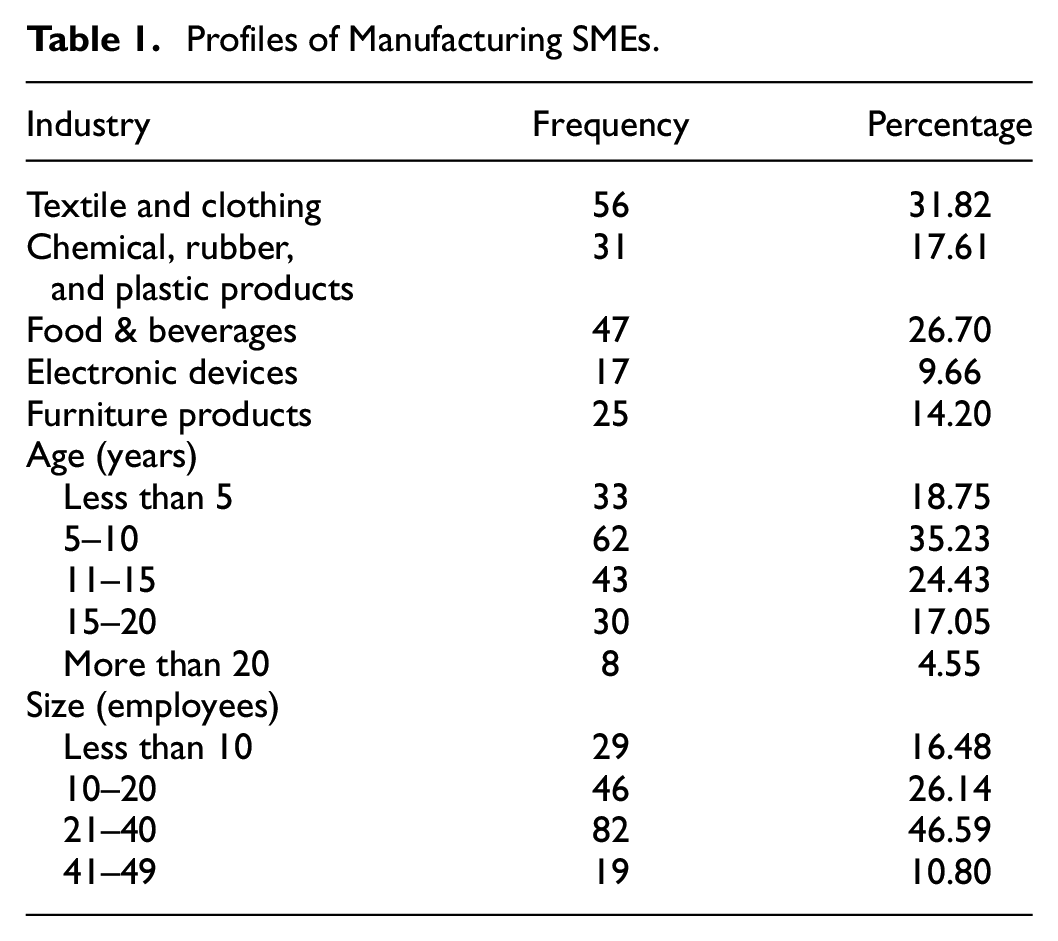
Table 2 indicates the correlation matrix of variables in the research model. Regarding to the dimensions of EO, each of dimension has significant and positive relationship with other dimensions. Besides, they have significant and positive relationship with each dimension of IC as well as DA. In association with the dimensions of IC, each dimensions of IC also have significant and positive relationship with each other as well as SP. Lastly, DA also have significant and positive association with SP.
Correlation Matrix.

Correlation is significant at the .05 level (two-tailed).
Correlation is significant at the .01 level (two-tailed).
Measurement Model
The two stage-approach of partial least square structural equation modeling (PLS-SEM) was used to assess the measurement model. This approach follows the suggestion (see Sarstedt et al., 2019). Thus, the first stage is to evaluate the first-order constructs, and the second stage is to examine the second-order constructs. Assessing first and second-order constructs follows the same procedure. According to Hair et al. (2019), it is necessary to evaluate indicator loadings, internal consistency reliability, convergent validity, and the discriminant validity of each construct.
Assessing the First-Order Constructs
The first-order constructs (INNO, PROAC, RISK, PROD, PROC, DA, SP, SIZE, AGE) were examined in the model. The result suggests that two indicators as DA_6, PROAC_3, PROD_5, SP_7, and SP_8 were removed due to their loadings below 0.708 (Hair et al., 2019).
The internal consistency reliability of the first-order constructs was assessed by examining Cronbach’s Alpha and composite reliability. According to Hair et al. (2019), these values are necessarily higher than the cut-off value of 0.7. Table 3 shows that this reliability is established.
Cronbach’s Alpha, Composite Reliability, and AVE.

The convergent validity of the first-order constructs was assessed by evaluating average variance extracted (AVE) values. This value above the threshold value of 0.7 is sufficient. Therefore, according to Table 3, this validity is adequate.
The discriminant validity of the constructs was examined by assessing the Heterotrait-Monotrait (HTMT) ratios. These ratios below 0.85 suggest a sufficient degree of this validity (Henseler et al., 2015). Table 4 shows the establishment of this validity.
Heterotrait-Monotrait Ratios Between First-Order Constructs.

Assessing the Second-Order Constructs
After assessing the first-order constructs, this stage examines the second-order constructs (EO, IC). First, three first-order latent variables (INNO, PROAC, RISK) were transformed into three indicators to measure EO using factor scores. The same process was applied to IC, which is measured by two indicators as PROD and PROC. Second, the same procedure used for the evaluation of first-order constructs was applied. All the conditions are satisfied (see Tables 3 and 5), and as such, the validity of the second-order constructs is sufficient.
Heterotrait-Monotrait Ratios Between First-Order and Second-Order Constructs.

Structural Model
Following the guideline of Hair et al. (2011), the structural model was assessed with a bootstrapping procedure with 5000 replacements. According to Hair et al. (2019), it should examine the collinearity, explanatory power, and predictive accuracy of the model. The collinearity of latent variables is evaluated by examining VIFs. Table 6 shows the satisfaction of this requirement because VIFs are all lower than 3 (Hair et al., 2019). Q2 values were used to examine the explanatory power of the model. Table 6 shows the satisfied conditions because these values are higher than zero (Hair et al., 2019). Table 6 also indicates that the R2 values are sufficient.
Q2, R2, and VIF.

According to Figure 2, the relationship between EO and SP is insignificant (β = −.069, p = .878). The relationship between EO and IC is positively associated (β = .291, p < .001), and between EO and DA is positively related (β = .291, p < .000). The association between IC and DA is positively linked (β = .289, p < .001), and between IC and SP is positively related (β = .348, p < .001). Therefore, Table 7 indicates that hypotheses H1, H2, H4, H5, and H6 are supported.

The results of the research model.
Research Results.

The next step is to evaluate the mediating effects of DA and IC on the link between EO and SP. The results show that DA (β = .070, p = .024) and IC (β = .101, p = .001) significantly mediate this link. The results also show that their confident interval excludes zero ([0.019, 0.138], [0.044, 0.170]). The direct relationship between EO and SP is insignificant when controlling for DA and IC. Therefore, DA and IC fully mediate this relationship. Therefore, Table 7 show hypotheses H7 and H8 are supported.
Discussions
Drawing upon the resources-based view and contingency theory, the paper aims to explore three research questions. The first question aims to shed light on the direct impact of EO adoption on the performance of manufacturing SMEs operating in a transitional economy such as Vietnam. The second question focuses on the indirect effect of EO on the performance through DA. The last research question aims to gain insight into the indirect effect of this effect through IC. To address those questions, eight hypotheses are formulated. The results of the data analysis are discussed as follows.
First of all, the results show a positive association between EO and IC. It implies that EO is beneficial to manufacturing SMEs located in Vietnam to the extent to which it fosters a high degree of IC in the context of manufacturing SMEs. This finding is consistent with prior studies examining EO and IC in different contexts. Regarding to emerging countries, it is showed that EO permits the enhancement of IC in the contexts of Algerian medium and large firms (Makhloufi et al., 2021), South Korean professional entrepreneurs (H. Lee et al., 2019), Western Romania companies (Preda, 2013), and Indonesian creative and handmade fashion SMEs (Sulistyo & Ayuni, 2019). Consistently, studies an emerged country as United States confirms the same results in the context of architectural design organizations (Parkman et al., 2012). In this regard, it provides empirical evidence supporting the relationship between EO and IC in the contexts of manufacturing SMEs in a transitional economy as Vietnam.
Second, this study indicates the positive link between EO and DA. This finding suggests that one of the benefits of EO is to allow manufacturing SMEs located in Vietnam to gain DA. This finding is in line with Shah and Ahmad (2019), who showed the positive relationship between EO and differentiation strategy in the context of Pakistani SMEs. However, it is inconsistent with Budiati et al. (2022), who showed the positive association between EO and differentiation strategy of Indonesian furniture SMEs. This significant finding can be explained by resource-based view. Accordingly, EO is an intangible resource, which permits manufacturing SMEs located in Vietnam to gain DA.
Third, the results indicated an insignificantly direct relationship between EO and SMEs’ performance. This result also sheds light on the first research question of whether manufacturing SMEs adopting EO directly improves the performance of manufacturing SMEs operating in Vietnam. This result implies that SMEs adopting EO need help finding performance implications directly in a transitional economy like Vietnam. This result is consistent with prior studies (Asad et al., 2021; Covin et al., 1994; George et al., 2001; Madison et al., 2014; Stam & Elfring, 2008), which found no direct relationship between EO and performance in the contexts of developed and emerging economies. In this regard, the conditions of a transitional economy such as Vietnam are less likely to impact the results. Instead, it is from the internal environment of SMEs. There are two possible explanations. First, this insignificant relationship can be explained by the resource-based view. Particularly, although EO resources are valuable to SMEs, rare in the market, and difficult to imitate by competitors, these resources permit sustainable competitive advantages when the characteristics of SMEs support these resources (Wiklund & Shepherd, 2003). Based on the contingency theory, the supporting characteristics refer to manufacturing SMEs adjusting their capabilities or strategies to exploit these resources and gain superior performance effectively. Therefore, without taking into account strategy and capabilities, there is less likely to explain the positive impact of EO resources on performance. Second, a high degree of EO permits manufacturing SMEs to take risky actions in order to produce innovative products proactively. In the EO literature, risk-taking actions are the most concern because it increases the risk of failure (Andersén, 2010). Empirical EO studies (Le Roux & Bengesi, 2014; Naldi et al., 2007) show that risk-taking actions have a negative impact on performance. Therefore, although proactive actions and innovative actions have a positive impact on performance, risk-taking actions have a negative impact on this performance. The findings of M. Hughes and Morgan (2007) support this argument. In this regard, EO is less likely to have a direct and significant effect on the performance of manufacturing SMEs.
Fourth, the results revealed the positive relationship between DA and SMEs’ performance. It implies that manufacturing SMEs improve their performance when they have DA. It is consistent with two studies. Zhou et al. (2009) indicated that innovation differentiation advantages and market differentiation advantages permit hotels to gain market performance. Andersén (2021) found that DA improve the financial performance of small firms in manufacturing industries. However, it is opposite with two following studies. Corsini et al. (2019) found the non-significant relationship between DA and operational performance of Italian craft beer firms. Ling-yee and Ogunmokun (2001) examined new venture and showed that DA has non-significant effects on growth performance. This significant positively relationship can be explained by M. Porter (1985). Particularly, it is argued that if an organization is able to distinguishingly offer their products, which is value to customers, it gains superior performance.
Fifth, the findings demonstrate the positive impact of IC on DA. It suggests that in Vietnam, manufacturing SMEs gain DA thank to IC. This finding is in line with prior studies as follows. Le and Lei (2018) showed that two types of innovation as the speed and quality of innovations significantly induce DA. In addition, Y. Wang et al. (2020) revealed that eco-innovation was showed to have an effect on DA. Because the degree of various types of innovation depends on IC, this study shows that it permits manufacturing SMEs to gain DA.
Sixth, the results show the positive association between IC and manufacturing SMEs’ performance. It can be interpreted as that in Vietnam, manufacturing SMEs improve their performance thanks to IC. This finding is in line with Najafi-Tavani et al. (2018), who founded that product and process IC has a positive impact on new product performance of Iranian high and medium technology manufacturing firms. In this regard, this study successfully replicates this finding to manufacturing SMEs in a transitional economy.
Seventh, the result of the mediating analysis answers the second research question: whether DA is the mediator of the relationship between EO and the performance of SMEs operating in Vietnam. The results demonstrate the full mediating effects of DA, and it is a complementary mediator. It implies that the positive relationship between EO and performance is contingent upon DA in manufacturing SMEs operating in a transitional economy such as Vietnam. EO permits these manufacturing SMEs to gain high DA, which results in superior performance. This finding is similar to Budiati et al. (2022) but inconsistent with Shah and Ahmad (2019). For instance, Budiati et al. (2022) revealed that differentiation strategy is a complementary mediator of the relationship between EO and SMEs’ performance in Indonesia. However, Shah and Ahmad (2019), indicated that differentiation strategy is a competitive mediator when examining SMEs in Pakistan. One reason is that Vietnam and Indonesia share many similarities in terms of context. They are located in the same geography, South East Asia. They also participate in the Association of Southeast Asian Nations, a political and economic union that promotes common economic conditions. In that regard, although Vietnam is a transitional economy, the similarity in the context leads to the similarity in results between the two studies.
Eight, the result from mediating analysis also reveals the answer to the third research question of whether IC mediates the relationship between EO and the performance of manufacturing SMEs operating in a transitional economy such as Vietnam. The finding reveals the full mediating effects of IC. In a transitional economy such as Vietnam, the relationship between EO and the performance of manufacturing SMEs is contingent upon IC. A high degree of EO permits these manufacturing SMEs to gain high IC, which results in superior performance. This is in line with prior findings. For instance, Kollmann and Stöckmann (2014) revealed that exploitative and explorative innovation are the mediators between three EO and the performance of information and communications technology firms operating in Germany. Similarly, Asad et al. (2018) found that innovation is the mediator between EO and the performance of micro and small enterprises in Pakistan. Lastly, Alegre and Chiva (2013) found that innovation mediates the relationship between EO and the performance of ceramic tile producers in Italy and Spain. In this regard, like other emerging and developed economies, manufacturing SMEs operating in a transitional economy such as Vietnam find the performance implications indirectly through IC when adopting EO.
Theoretical Contributions
Regard to the findings, this study contributes to the literature as follows. First, the literature strongly supports that the relationship between EO and its outcomes is largely depended on contexts of studying countries. Most knowledge of SME’s adoption of EO on performance is draw from empirical studies in emerged contexts like US and European countries (Jeong et al., 2019). It is a concern that a concept, which is initially developed in emerged markets, are challenged when applying it to emerging contexts (Bruton et al., 2013). In addition, the examination of the impact of EO on performance is limited in the context of transitional economies. These economies is the transition from de-entrepreneurship to a pro-entrepreneurship markets (Nguyen & Mort, 2016). Martens et al. (2016) urged that more work should be done in a specific context to advance the knowledge of EO. By examining an emerging and transitional context as Vietnam, this study sheds light on this issue.
Second, in the literature, Andersén (2010) is concerned that prior studies operationalizing the approach of performance are less likely to represent a true reflection of reality, and as a result, it causes a mixed relationship between EO and performance. Besides, a review by Gupta and Wales (2017) also indicates that previous measuring performance of an organization focuses on financial indicators. Measuring performance based on only financial indicators is argued to be focused on the past rather than the future (H. Lee & Choi, 2003). Non-financial indicators should be included in addition to financial indicators to measure performance comprehensively (Dossi & Patelli, 2010). By adopting the measure from Prieto and Revilla (2006), this study comprehensively measures both financial and non-financial aspects of SME performance in the context of manufacturing SMEs. In this regard, this study contributes to the growing body of EO studies (Kantur, 2016; Soomro & Shah, 2020; Veidal & Flaten, 2014), which take into account both financial and non-financial indicators when measuring performance.
Third, in the assessment of mediating effects of the relationship between EO and performance, differentiation strategy and various types of innovation were examined before. However, to the best knowledge, there is no study evaluating the mediating role of DA and IC. In this regard, this study contributes to EO literature as follows. First of all, it extends Kiyabo and Isaga (2020) by indicating that EO leads to a specific form of competitive advantages as DA, which fosters performance implications. Next, this study addresses the mediating role of organizational capability as IC rather innovation. Prior EO studies examine the types of innovation. There is no study examining IC before. Hence, this study contributes to EO literature by uncovering the mechanism which is that EO has an impact on performance through the enhancement of organizational capability.
Last but not least, contingency theory has been suggested to be a theoretical lens to predict the how contingent variables affects the relationship between EO and performance. However, in this line of research, moderator assessment is dominated. Surprisingly, there is a lack of mediating assessments in this line of research, and as a consequence, more EO studies should be done to assess this effect (W. J. Wales et al., 2013, p. 369). This study draws upon contingency theory to show that DA and IC are the mediators between EO and performance. In this regard, this study contributes to contingency theory in EO literature by assessing the mediating effects of these contingent factors.
Practical Implications
In Vietnam, the entrepreneurial environment is highly active, and more than 61% of Vietnamese people between the ages of 15 and 53 have a high degree of willingness to adopt entrepreneurial initiatives (Welter et al., 2013). Despite being a transitional economy, a high degree of governmental control over resources, financing, and materials distribution has a crucial impact on proactive, innovative, or risk-taking strategies (Shultz, 2012). According to de Jong et al. (2012), despite being a transitional economy, entrepreneurship research in Vietnam has gained little attention from scholars. As a result, this study’s results provide some crucial practical implications for managers and owners of manufacturing in Vietnam as follows.
In Vietnam, the managers of SMEs in the manufacturing industry should be bold when a potential opportunity presents itself, as well as be proactive in grasping this opportunity to find innovative ways through modifying existing products and developing novel products. However, the managers of these SMEs should consider that when manufacturing SMEs engage in many risk-taking behaviors to seize opportunities to gain innovation proactively, they are less likely to gain business success because these risk-taking behaviors are linked to business failures. As a result, manufacturing SMEs in Vietnam cannot directly gain business success if they only exert risk-taking, proactive, and innovative behaviors. Instead, these manufacturing SMEs take advantage of these behaviors to improve their competitive advantages as well as capabilities.
First, manufacturing SMEs can proactively take risky actions in order to innovate in the market. In this regard, these SMEs can find innovative ways to modify their current products and develop novel products which are valuable to customers. This leads to the enhancement of these products’ uniqueness. Because these products are different from other products available in the market, customers are more likely to pay higher prices than other standardized ones. As a result, these manufacturing SMEs can charge a premium price for those products.
Second, when manufacturing SMEs take risky actions and proactively grasp opportunities to gain innovation, they are more likely to develop high IC. Successfully developing IC provides some benefits. For example, market innovation is one of the consequences of IC. Marketing innovation permits manufacturing SMEs to innovate their marketing programs. These SMEs can change their product designs and packages, which are attractive to customers. In addition, manufacturing SMEs can adjust their current promoting and pricing programs, which improves the customers’ attractiveness. In this regard, manufacturing SMEs are more likely to gain business success because their products have highly competitive advantages and because their customers perceive these products to be more attractive in terms of designs, packages, and price.
Conclusions, Limitations, and Future Research
Drawing upon a resource-based view and contingency theory, this study aims to address the direct relationship between EO and performance as well as the indirect relationship through the mediating role of DA and IC in the contexts of manufacturing SMEs operating in a transitional economy such as Vietnam. Data were collected from 176 manufacturing SMEs currently operating in Vietnam. A technique of PLS-SEM was used to evaluate the research model. The results indicate that there is no direct relationship between EO and performance, while there are two mediating mechanisms of DA and IC that have effects on the relationship between EO and performance. These findings permit four theoretical contributions to the literature. First, this study contributes to the EO literature by examining the effects of EO in a transitional economy such as Vietnam. Second, this study also overcomes prior EO studies in terms of the operationalization of the performance. Third, this study introduces two novel mediators such as DA and IC, to EO literature. Last but not least, this study also contributes to contingency theory in the EO study by addressing mediating rather moderating effects. Regarding practical implications, managers of manufacturing SMEs should be aware that adopting EO is only beneficial to the performance when EO can be used to develop DA and IC.
However, this study’s results should be cautiously interpreted because of the following limitations. First, the dataset includes manufacturing SMEs operating in Vietnam. Thus, the generalization of the results to other markets rather than Vietnam should be cautious because there are possibilities that some unique hidden characteristic in Vietnam may cause variation in the results when applying in other contexts. Second, although this study tries its best to collect data, there is only 176 observation in the sample. Thus, it may subject to a small sample size. Third, this study uses survey to collect data, and therefore, it subjects to the limitation of cross-sectional design. Lastly, this study uses subjective measures to measure the performance of manufacturing SMEs. Hence, it may pose concern on the approach to measure performance.
Despite some limitations, this study opens an avenue for future research. First, regarding to the first limitation, this study suggests that future studies should replicate this study in other transitional economies to ensure the generalization of this study. Relating to the second limitation, future study can use Tailored Design Method (Dillman et al., 2014) to improve response rates. In association with third limitation, this study argues that researchers should use longitudinal data instead of cross-sectional data. With the last limitation, future studies should use primary data to measure objective performance of SMEs in Vietnam. Second, Sok et al. (2017) revealed that organizational resources moderate the link between EO and organizational capability. Thus, future studies should examine whether or not SMEs’ resources moderate the link between EO and IC and competitive advantages. Last but not least, Cui et al. (2018) found that the institutional environment moderates the mediating effects of organizational capability on the link between EO and performance. Thus, the institutional environment may impact the mediating effects of competitive advantages and IC on the link between EO and performance. Future studies should examine this issue.
Supplemental Material
sj-docx-1-sgo-10.1177_21582440231203035 – Supplemental material for The Impact of Entrepreneurial Orientation on SMEs’ Performance in a Transitional Economy: The Mediating Role of Differentiation Advantages and Innovation Capability
Supplemental material, sj-docx-1-sgo-10.1177_21582440231203035 for The Impact of Entrepreneurial Orientation on SMEs’ Performance in a Transitional Economy: The Mediating Role of Differentiation Advantages and Innovation Capability by Quang-Huy Ngo in SAGE Open
Footnotes
Acknowledgements
Not applicable.
Declaration of Conflicting Interests
The author(s) declared no potential conflicts of interest with respect to the research, authorship, and/or publication of this article.
Funding
The author(s) received no financial support for the research, authorship, and/or publication of this article.

Ethics Statement
Not applicable.
Data Availability Statement
Data will be made available on request.
Supplemental Material
Supplemental material for this article is available online.
References
Supplementary Material
Please find the following supplemental material available below.
For Open Access articles published under a Creative Commons License, all supplemental material carries the same license as the article it is associated with.
For non-Open Access articles published, all supplemental material carries a non-exclusive license, and permission requests for re-use of supplemental material or any part of supplemental material shall be sent directly to the copyright owner as specified in the copyright notice associated with the article.
