



Abstract
The purpose of this study was to analyze the competitive situation of the cheminformatics industry using Porter’s competitive model and to determine the priority and weight of each competitive force in this industry. In addition to qualitative analysis of data collected from library surveys and the Delphi method, multicriteria decision-making techniques (MCDM) were used to determine the rank and weight of forces (criteria). A preference judgment questionnaire was used to collect data. This researcher-made questionnaire was sent to cheminformatics specialists in Iran. Using the process of hierarchical analysis (AHP), Porter's competitive forces in this industry were investigated. The criteria, subcriteria, alternatives, and relation between them were drawn using the analytical decision tree model. Then, the priority and weight of each force were calculated. Then, the effect of each force on each other was investigated. The results showed that the decision-making priorities of cheminformatics industry managers in the competitive market concerning the management of competitive forces of the Porter model are as follows: (1) competitive rivalry condition between current competitors, (2) the threat of the entry of alternative products (the threat of substitutes), (3) the threat of new entrants (potential competitors), (4) the bargaining power of customers, and (5) the bargaining power of suppliers. We concluded that due to the prevailing economic conditions, companies active in the field of cheminformatics in the present study, to ensure profitability, should prioritize the competitive situation between competitors and consider this priority in strategic planning. Finally, we recommend that the present study be repeated in other countries and companies active in this industry.
Keywords
Introduction
Competition is one of the most important issues in sales and marketing. In any industry, safe competition is an important factor in improving the quality of products or services and reducing costs. Finally, competition increases customer value. Companies that do not participate in the competition cannot have enough information about their competitors. They do not know the strengths and weaknesses of their competitors, they cannot be successful in their business, and they are inevitably out of the field. Competition between companies is a kind of decision making behavior. The behavior that companies face in their competition can change the company’s economic fate. The strategic plans of each company in business competition are an endogenous type of organizational behavior strategy.
Figure 1 shows the number of published papers in topic bioinformatics from 1997 to 2022 based on WoS’s analysis tool (03 Jan 2020). These papers included different categories: 622 papers in Multidisciplinary Chemistry, 413 papers in Computer Science Interdisciplinary Applications, 337 papers in Medicinal Chemistry, 267 papers in Computer Science Information Systems, 234 papers in Biochemistry Molecular Biology, 176 papers in Pharmacology Pharmacy, 138 papers in Mathematical Computational Biology, 103 papers in Biochemical Research Methods, 62 papers in Biotechnology Applied Microbiology, and 58 papers in Multidisciplinary Sciences. This figure clearly shows that the number of studies on Cheminformatics in the Multidisciplinary Chemistry category is higher than that in other categories. Additionally, in Computer Science Interdisciplinary Applications and Chemistry categories, much research has been published on cheminformatics.
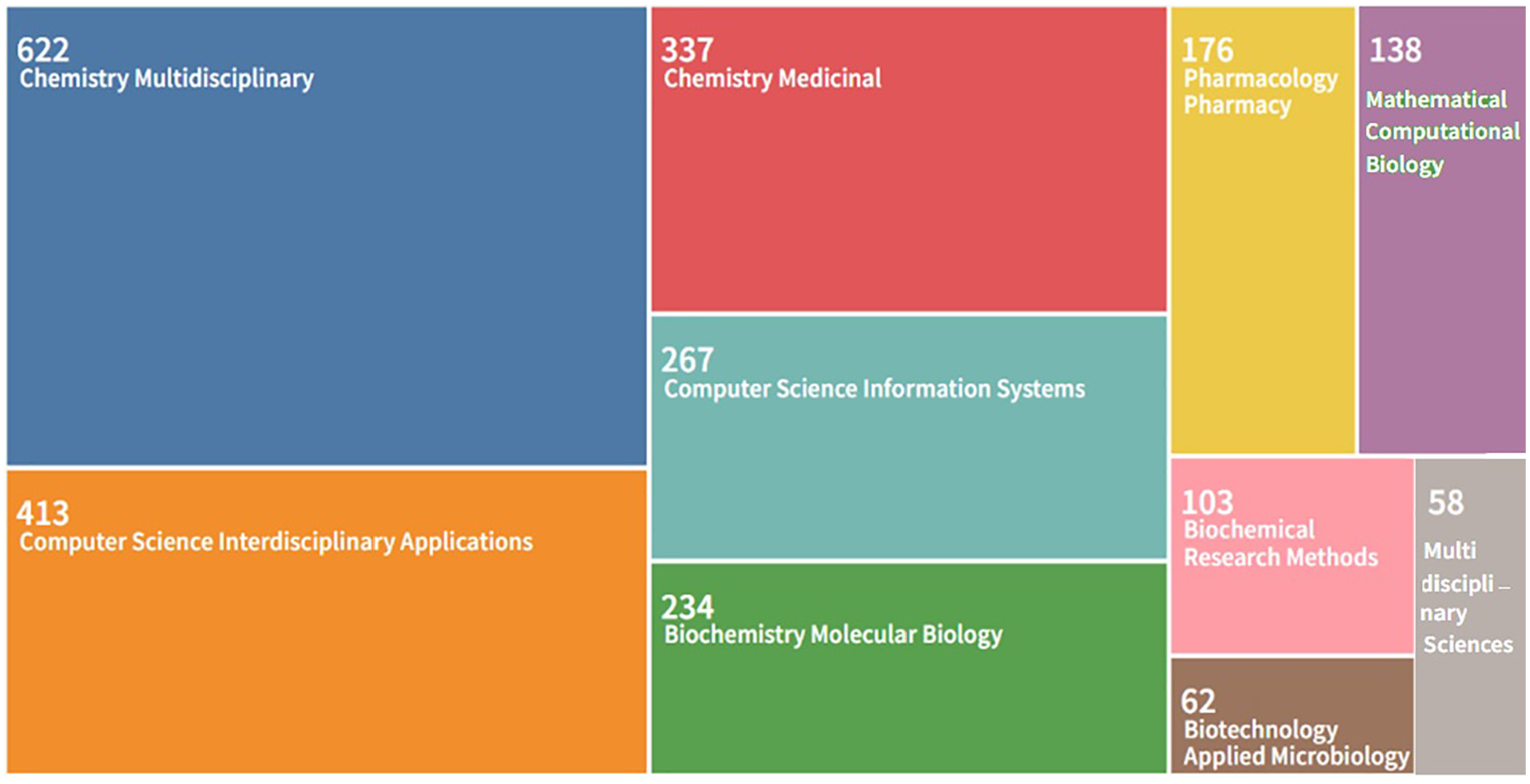
Published papers on bioinformatics topics from 1997 to 2022 based on different categories.
Figure 2 shows the number of published papers on the topic of bioinformatics from 1997 to 2021 (03 Jan 2022) based on publication year. This figure clearly shows that the number of published papers in this field is increasing daily, and researchers have given special attention to this issue.

Published papers in bioinformatics from 1997 to 2021 based on publication year.
Given the importance of the issue based on what has been said, our research sought to help strategists in this field by investigating “Porter’s five competitive forces” in the cheminformatics industry using MCDM techniques to correctly plan for these forces to be profitable. These forces include competitive rivalry conditions between present competitors, the bargaining power of customers, potential competitors (the threat of new entrants), the bargaining power of suppliers, and the threat of the entry of alternative products (the threat of substitutes). The research questions are as follows:
RQ1: How is the hierarchy of decision trees in strategic competition in the cheminformatics industry?
RQ2: What is the priority of each Porter’s competitive force in the cheminformatics industry?
RQ3: What is the weight of each force (criteria) and related subcriteria?
Porter Model
Porter (1979, 2008) emphasized the organization’s strategy, and he said that it should determine how organizational resources, skills, and competencies should be combined to create a competitive advantage (Mind Tools Content Team, 2018). Porter (2008) stated that awareness of the five forces could help a company understand the structure of its industry, stake out a more profitable position, and be less vulnerable to attack. In the conceptual definition of Porter’s (1980) general strategies, there are three concepts: leadership cost, differentiation strategy, and focus strategy. For leadership cost, the company committed to producing and supplying standard products. The cost of each unit reduces for the customer (who is sensitive to the price). The purpose of the differentiation strategy is to distinguish the product. This means that products and services claim to be unique products or services in the industry. These products can be offered to customers who are not very sensitive to the price. The focus strategy ensures that the focus on specific products and services meets the needs of small groups of consumers. Snowdon and Stonehouse (2006) mentioned that Porter believed “a nation's prosperity depends on its competitiveness”. It can be said that competition is the result of the full productivity of products and services. Having macroeconomic, political, and legal policies is necessary to create a prosperous economy, but it is not enough. Paying attention to the infrastructure of the micro economy is also necessary for competitiveness. The situation of the competitive strategies depends on the quality of trade and the microeconomy of countries. Also, in the competitive policy of the national economy, it is necessary to understand the basics of the country's micro-economy (Porter, 2001). The Global Competitiveness Index is the most accepted and known competitiveness indicator in the world constructed by the World Economic Forum. Porter (2008) believed that “we should determine overall industry structure, and test the analysis for consistency: Why is the level of profitability what it is, and what is it? What are the controlling forces for profitability? Is the industry analysis consistent with actual long-run profitability? Are more profitable players better positioned concerning the five forces? He suggested analyzing recent and likely future changes in each force, both positive and negative. Many factors can affect industry profitability in the short run – including the weather and the business cycle – and industry structure, manifested in the competitive forces, sets industry profitability in the medium and long run. The strongest competitive force or forces determine the profitability of an industry and become the most important to strategy formulation.” Currently, competition has intensified in all industries. Each company needs a proper analysis of the market and its competitors for successful entry into the market. Porter said that all companies are looking for profits, and the factor that determines the amount of profit is competition. If the intensity of the competition is clear, profitability is also evident. In this regard, the task of strategists is to look for a position in the industry in which companies can defend themselves against these forces or in their favor, and it affects them (Porter et al., 2015). Porter (2008) stated that five competitive forces shape strategy. In brief, these forces included competitors, customers, suppliers, potential entrants, and substitute products. Finally, with evaluation, assessing these factors will help the organization meet its overall goals and objectives. Figure 3 shows how competition in the industry is shaped by Porter's five competitive forces.
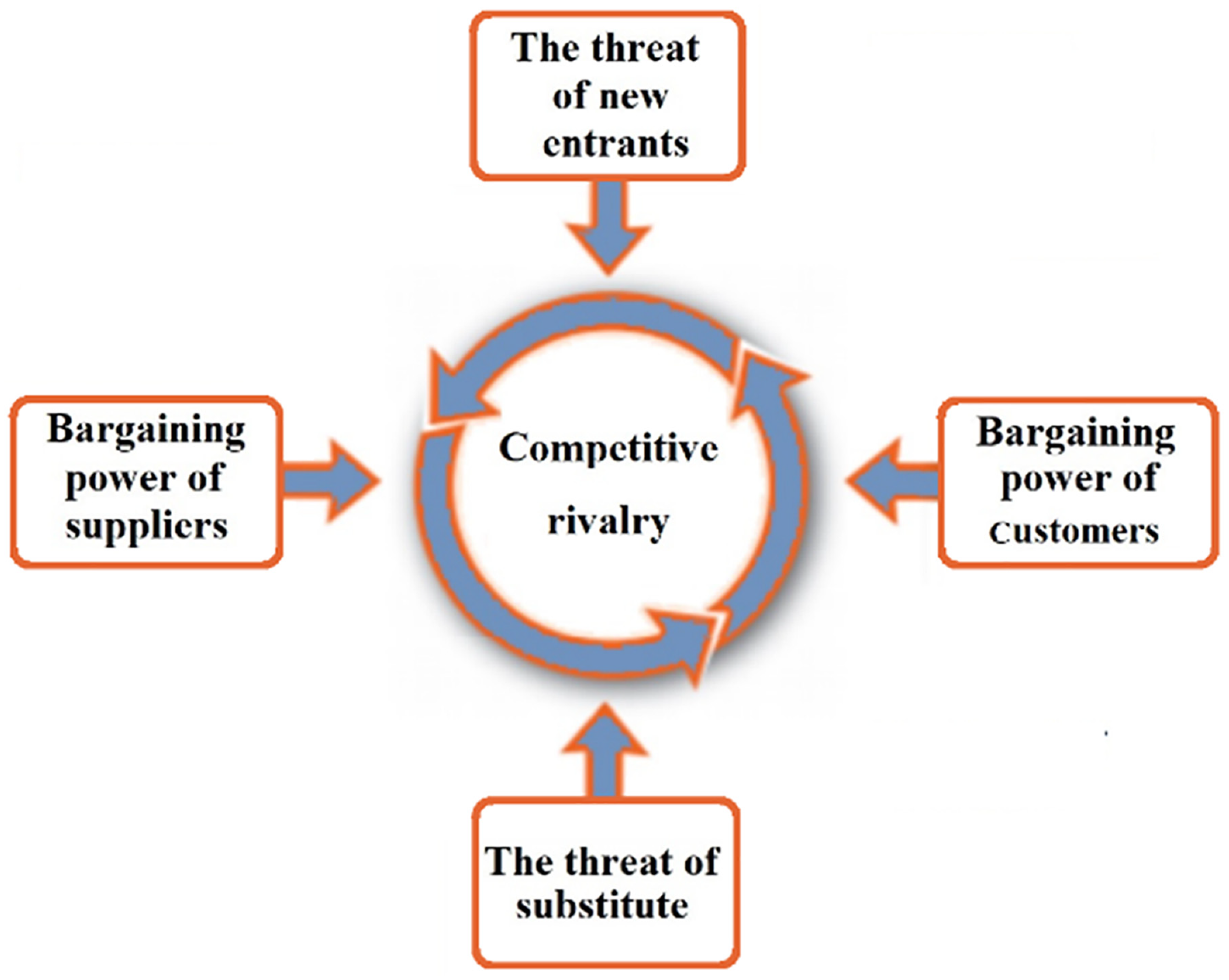
How competition in the industry is shaped by Porter's five competitive forces
In this regard, the economic foundations of strategy (Mahoney, 2005) show the essential basic tenets of strategy. It shows the interrelationships of five major theories of the firm: behavioral theory, transaction costs theory, property rights theory, agency theory, and dynamic resource-based theory.
Cheminformatic Industry
Cheminformatics, also known as chemoinformatics, is primarily concerned with the application of new information technology and information science to solve broad interdisciplinary problems in chemistry, physics, biology, biochemistry, statistics, and mathematics. There is no clear information about the history of cheminformatics. It slowly evolved from several, often quite humble beginnings (Engel, 2006). Cheminformatics refers to solving chemical and synthetic problems effectively by using information tools in the vast space of the web (Thareja et al., 2021). Additionally, computer and informatics skills in analyzing chemical data are considered essential requisites (Kim et al., 2021). Figure 4 shows a knowledge map of eight primary concepts for cheminformatics (Yewno Discovery, 2021). Based on this figure, the sub concepts of cheminformatics are pharmacophore, virtual screening, docking (molecular), pesticide research, combinatorial chemistry, matched molecular pair analysis (MMPA), JOELIB, molecule mining, hit to lead, structure mining, and chemical similarity. This figure also shows important people like Yvonne Connolly Martin (1936- ) in connection with the concept of cheminformatics. Gasteiger (2003) has stated that the scope of chemoinformatics has included molecular structures, informatics methods, and metabolism. “It was realized quite some decades ago that the amount of information accumulated by chemists can, in the long run, be made accessible to the scientific community only in electronic form; in other words, it must be stored in databases. This new field, which deals with the storage, manipulation, and processing of chemical information, emerged without a proper name” (Gasteiger & Engel, 2006). Some of the primary concepts of cheminformatics are included bioinformatics, molecular informatics, computational chemistry, materials informatics, and nanoinformatics. Bioinformatics is defined as follows: “bioinformatics is a hybrid science that links biological data with techniques for information storage, distribution, and analysis to support multiple areas of scientific research, including biomedicine” (“Bioinformatics | Science | Britannica”). Molecular Informatics finds relationships between molecules using informatics ideas and concepts (Bender & Glen, 2004). Computational chemistry is one of the sub-subjects of chemistry. This science examines the results of theoretical chemistry using appropriate computer programs. They use this science to calculate the structures and properties of molecules. It is also widely used to solve chemical problems.

A knowledge map of eight primary concepts for cheminformatics.
Another concept concerning to cheminformatics is materials informatics. In this science, efforts are made to improve and increase the efficiency of material development by data analysis and using the technologies of informatics and information science. Nanoinformatics is concerned with acquiring information in the field of nanotechnology and developing tools for the efficient use of this information (Nanoinformatics 2020 Roadmap, 2011). Chemical and drug information has collaborated with cheminformatics over the past decades (Gasteiger, 2006; Varela et al., 2017). Cheminformatics tools and techniques help chemists better understand the complex structures of chemical compounds. This subject is a new interdisciplinary field that plays a vital role in collecting, storing, and analyzing chemical data (Begam & Kumar, 2012). The cheminformatics strategies help explore chemistry and its applications (Prieto-Martínez et al., 2019). Various cheminformatics approaches include data mining, representation of chemical compounds via descriptors, similarity, substructure searching, and classification algorithms (Jamal & Grover, 2017). This concept of knowledge derivation was illustrated by Hann and Green (1999) and modified in Figure 5 by the researchers. This image shows that they consider a pyramid to depict the basic concepts of cheminformatics, which in one side includes knowledge, information, and data from top to bottom. At the other side of the pyramid are numbers as data, facts as information, and rules as knowledge. Mussa et al. (2015) believed that the pattern classification techniques are indispensable in cheminformatics.

Concept of cheminformatics.
Sometimes the treatment process requires extensive experimental effort. In this regard, computer techniques can increase the speed of action, and cheminformatics tools play an essential role in pharmaceutical research (Poorinmohammad & Mohabatkar, 2014). Cheminformatics addresses discovering drugs based on modern drug discovery techniques (Begam & Kumar, 2012). Additionally, cheminformatics analysis offers a new and promising approach to systematically understanding complex chemical reactions (Li et al., 2015). Figure 6 shows the knowledge map of published scientific resources in cheminformatics and the subconcepts. This report was prepared by using Yewno, a web application, on July 19, 2021. The active companies in the field of cheminformatics try to engage and equip researchers, students, and other companies with bioinformatics knowledge and services. The companies’ employees are composed of professionals with research experience in chemistry, pharmacy, bioinformatics, software development, and specialists in genomic data analysis and molecular genetic analysis. These companies hold courses and workshops to develop drug design, cheminformatics, quantitative structure-activity relationship (QSAR), molecular dynamics, Python programming, next-gene sequencing (NGS), and many other computational skills in bioscience. They offer counseling services to many research centers, universities, and R&D departments to achieve their scientific and industrial goals. Additionally, the companies provide equipped computer-based labs and other computational services for consumers. One of the significant activities of companies is genomic data analysis services. These bioinformatics services include NGS, proteomics, metabolomics, transcriptomics analysis, drug & vaccine design services, molecular dynamics, molecular docking, and many other computational services in biosciences.
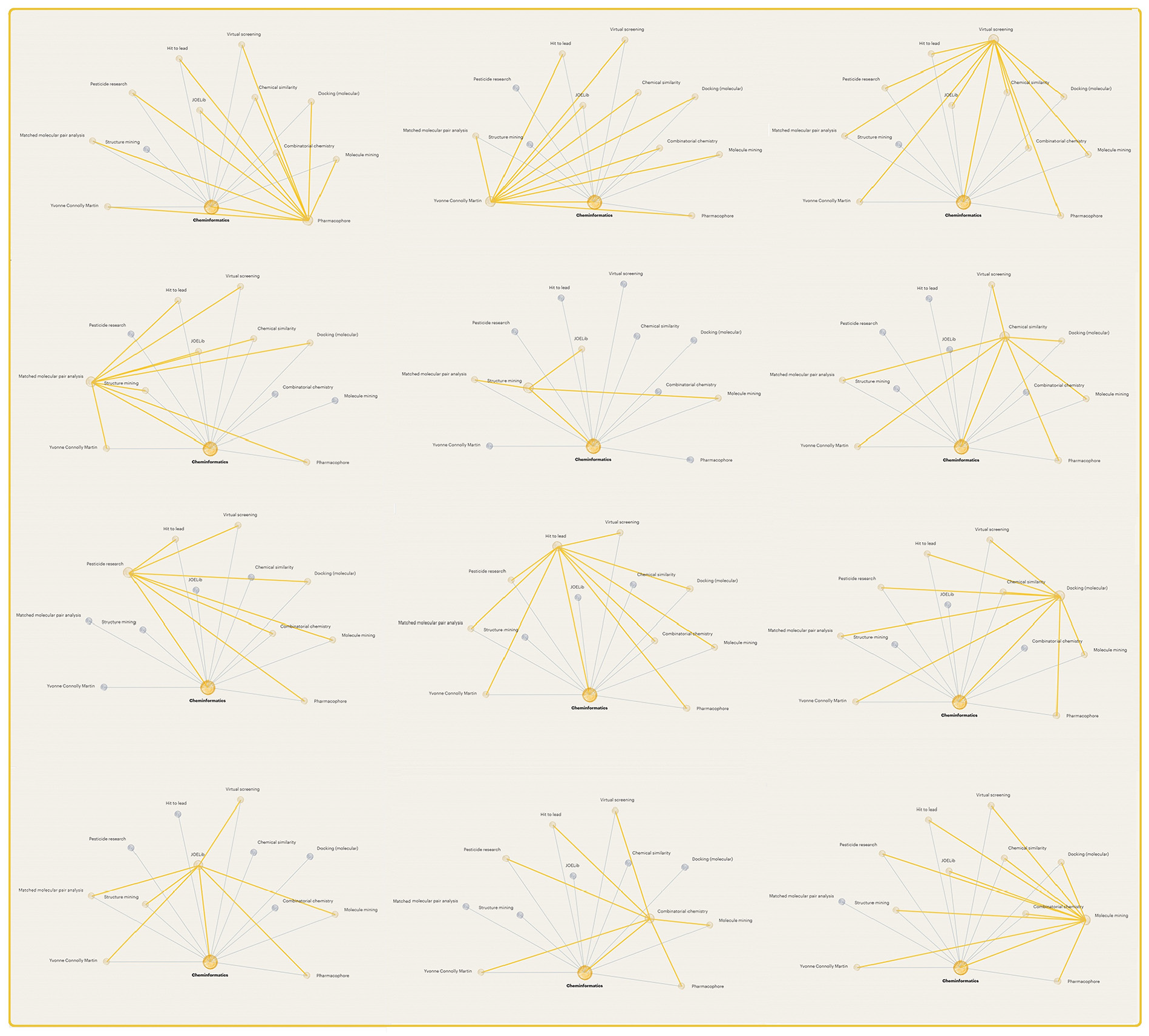
Knowledge map of cheminformatics and its relationship with the subconcepts.
The expectations of the cheminformatics industry which is a pre-formulated mental result from this industry could be that cheminformatic industry has so far had important applications in using technology to assist the sciences related to this industry, including chemical and molecular structures. As a new technological industry, it has played an important role in solving cheminformatics problems using various techniques of data collection, organizing and processing data, computational analysis, comprehension, and interpretation of data. On the other hand, it has greatly contributed to the development of new compounds, materials, and processes. The most used technique in cheminformatics is “in silico” which it is virtually simulated through appropriate software on a computer. Thus, can predict some expectations for this industry as a goal for the future. For example, it can play an important role in the drug discovery process for a selected disease. Thus, by searching for potential compounds and molecules using software for calculating and visualizing structures, it can be an important factor in discovering new drugs and reducing the target disease. Martinez-Mayorga et al. (2020) believe that cheminformatics plays a key role in the discovery of drug and that it faces challenges in this regard.
Literature Review
In relation to examining the competitive situation of different industries, research has been done using the Porter model in different countries. Sagheer (2007) has evaluated the national competitiveness of Indian and Thai shrimp industries using the Porter model. Bridwell and Kuo (2005) examined the computer industry in China and Taiwan using Porter’s competitive advantage factors. Clancy et al. (2001) also examined industry clusters in three indigenous parts of Ireland. They also used the Porter model for this study. Based on previous research, it seems that similar work has not been done to examine the competitive situation of the cheminformatics industry in other countries. The studies reviewed in connection with this article were divided into three categories. The first category includes studies that examine the behavior of the organization/company in the field of competition. Here, we tried to present some articles from the oldest studies to emphasize the history of these studies and the importance of the subject. The second category includes studies based on Porter’s five competing forces. The third category of studies is related to the cheminformatics industry and related topics in connection with the subject of the present study.
Regarding the first category, Barnard (1938) observed that the administrative process transcends the capacity of merely intellectual methods. In a safe and successful competition, behavioral and cognitive processes play an important role in competitive decision-making. Simon (1947) proposed a theory of human choice and decision-making. This theory aimed to accommodate the rational aspects of choice. His theory included the limitations of human decision-making mechanisms and attracted the attention of psychologists and practical decision-makers. March and Simon (1958) studied human behavior in organizations. They believed that organizations must consider the motivational, attitudinal, and rational aspects of human behavior. Cyert and March (1963) emphasized the actual process of making business decisions and provided detailed observations of how organizations make these decisions. Simon (1947) borrowed from economics and operations research, artificial intelligence, and cognitive psychology to build a theory of procedural rationality (i.e., a theory of the processes of decision-making) in complex, dynamic circumstances. Johnson et al. (2008), in “Exploring Corporate Strategy,” believed that strategy determines the direction and scope of an organization over the long term. Additionally, they discussed determining the market needs and stakeholders. Garcia-Nunes and Antunes da Silva (2019) used web crawling, competitive forces, and PESTLE analysis to indicate threats and opportunities. Their case study showed that this approach could be used as a viable alternative to support surveillance of strategic discontinuities that permeate the organizational environment.
Regarding the second category, Slater and Olson (2002) present such an updated model, built on and expanding the basic premises underlying Porter’s five competitive forces model. Manteghi and Zohrabi (2011) proposed a comprehensive framework to formulate strategy in organizations. Dulčić et al. (2012) introduced the dimension of time dynamics into the five forces format. They tried to give a clear insight into the existence and nature of the past, present, and future of the interaction between the firm and its industry environment. Z. Y. Zhao et al. (2016) used a five-force model to assess China’s biomass power industry. This assessment highlighted the status, existing issues, and prospects of the biomass power industry. Similarly, it helps develop procurement strategies for the sustainable development of the industry. Chen et al. (2017) analyzed the competitiveness of the Health Club in Weifang based on Porter’s diamond model. They conducted this research to determine the current state of development of the club. The results of this study showed that the level of competition in this club is not high. They suggested that to increase the club’s competitiveness, it was necessary to increase publicity in the field, increase government support, strengthen the industry norm, improve the personal system, and introduce high-level coaches. Marek (2018) analyzed the Polish marine container terminal market using Porter’s model to explore profitability criteria. They first looked at industry competitors in the marine container terminal market, then analyzed the customers of these services, and finally the suppliers of resources and services in the industry. They concluded that the economic strength of this market is one of the most important factors in this regard. L. Zhao (2018) determined food industry competitiveness based on Porter’s diamond model in China. The results of this study show that there are seven indicators to assess competitiveness in the food industry. These seven indicators are factors of production, demand conditions, supporting industries, company strategy, industry structure or competitive environment, government policies, and innovation. They identified innovation as a key factor influencing other indicators. Baxter (2019) used Porter’s model to strategically analyze Cargolux airlines’ international position in the global air cargo supply chain. This research showed that the company has developed successful strategies, and in 2017, with the introduction of the “Cargolux 2025 Strategy,” it began its journey of transformation. Ge and Li (2019) analyzed the competitive power of Chinese sports apparel brands based on Porter’s model. They concluded that in developing local sportswear brands, a cost-leading strategy should be implemented in the core strategy. They also believe that growth strategies are considered the strengthening strategy and three aspects of market penetration, market development, and product development. Tsai et al. (2021) used Porter’s diamond model to assess the competitiveness of the solar photovoltaic industry in Taiwan. In their study, they used six dimensions to identify indicators of vital development. The results of this study showed that these six dimensions should be promoted in order of priority: company strategy, structure and competition, demand conditions, chance or opportunity, operating conditions, and finally related or supporting industries. Lord et al. (2021), in addition to using resource dependency theory and Altman’s Z score model, use Porter’s competitive model and his five forces. Using these methods, they have examined the relationship between market factors and the financial distress of a nursing home. They concluded that the effect of foreign market forces on the financial problems of nursing homes is limited. However, organizational-level variables have a significant impact on these problems.
Regarding the third category, the Porter model has also penetrated the cheminformatics industry and is used to design business plans. Chu et al. (2015) used Porter’s five forces model to analyze the impact of cheap drug modification on the pharmaceutical industry. They acknowledged the beneficial effects of this reform. They said the reform could lead to the healthy development and promotion of China’s pharmaceutical industry. PRNewswire (2015a, 2015b, 2016) reported on the ink solvent market. PR Newswire in Chicago was a distributor of press releases. The report is focused on the market by type of chemistry, product type, process, application, and region. This study analyzes the entire ink solvent market based on Porter’s model and his five competing forces. Value chain analysis concerning technology providers, solvent ink manufacturers, printing ink manufacturers, and end-user industries is presented. The impact of various market factors, such as incentives, constraints, and opportunities, is also reported. This report concludes that the economic downturn in Europe and the United States affected the economies of other developed countries as well. This report identifies the key companies, and it is concluded that these companies are constantly focusing on expanding their production capacity to achieve a competitive advantage and more effective customer service. The report also provides a competitive perspective that covers a variety of strategies and developments, such as mergers and acquisitions, investment and development, and new products. Rothaermel (2016) discusses the meaning of competitive advantage and how a company’s strategy is defined, as managers’ theory, of how the business operates and maintains competitive advantage. In his study, he describes the strategic group model in the pharmaceutical industry as an example. He believes that the opportunities and threats of a company based on this model are different according to the strategic group in which it is located. Finally, we examine the importance of strategy in technology-based industries and believe that sustainable competitive advantage can only be achieved through continuous innovation. Additionally, the Porter model was used in designing the LabiNet business plan for the management of the chemistry laboratory (Kao, 2018). Molloy and Johnson (2016) believe that the Porter model concerning the five competitive forces is a prominent strategic planning framework in previous research that has not received enough attention in biotechnology companies. They have studied the application of this model in a biotechnology company. They concluded that this technique, like other techniques in biotechnology companies, has failed. Despite the conclusion reached in the end, they are suggested that considering the forces that influence the success of biotechnology companies can provide a new basis for designing a successful strategic framework in the biotechnology business. Kumar et al. (2021) analyzed the transcatheter aortic valve replacement industry using the Porter model and its five competitive factors. The results show that transcatheter aortic valve replacement is more expensive than surgical aortic valve replacement. Transcatheter aortic valve replacement is a growing industry whose financial sustainability currently depends on operational efficiency.
A review of studies shows that competition is a topic that has a long history. The study of competition based on the Porter model has always been of interest to researchers and experts in various industries. Studies show that the issue of competition in many disciplines has been and is influenced differently by Porter’s five forces. It has also been used extensively in the chemical & pharmaceutical industries and health care to study the relevant market. However, it seems that no research has been done specifically in the field of cheminformatics. This study specifically addresses Porter’s competitive forces in this area based on the views of experts in the field in related companies using MCDM techniques.
Methodology
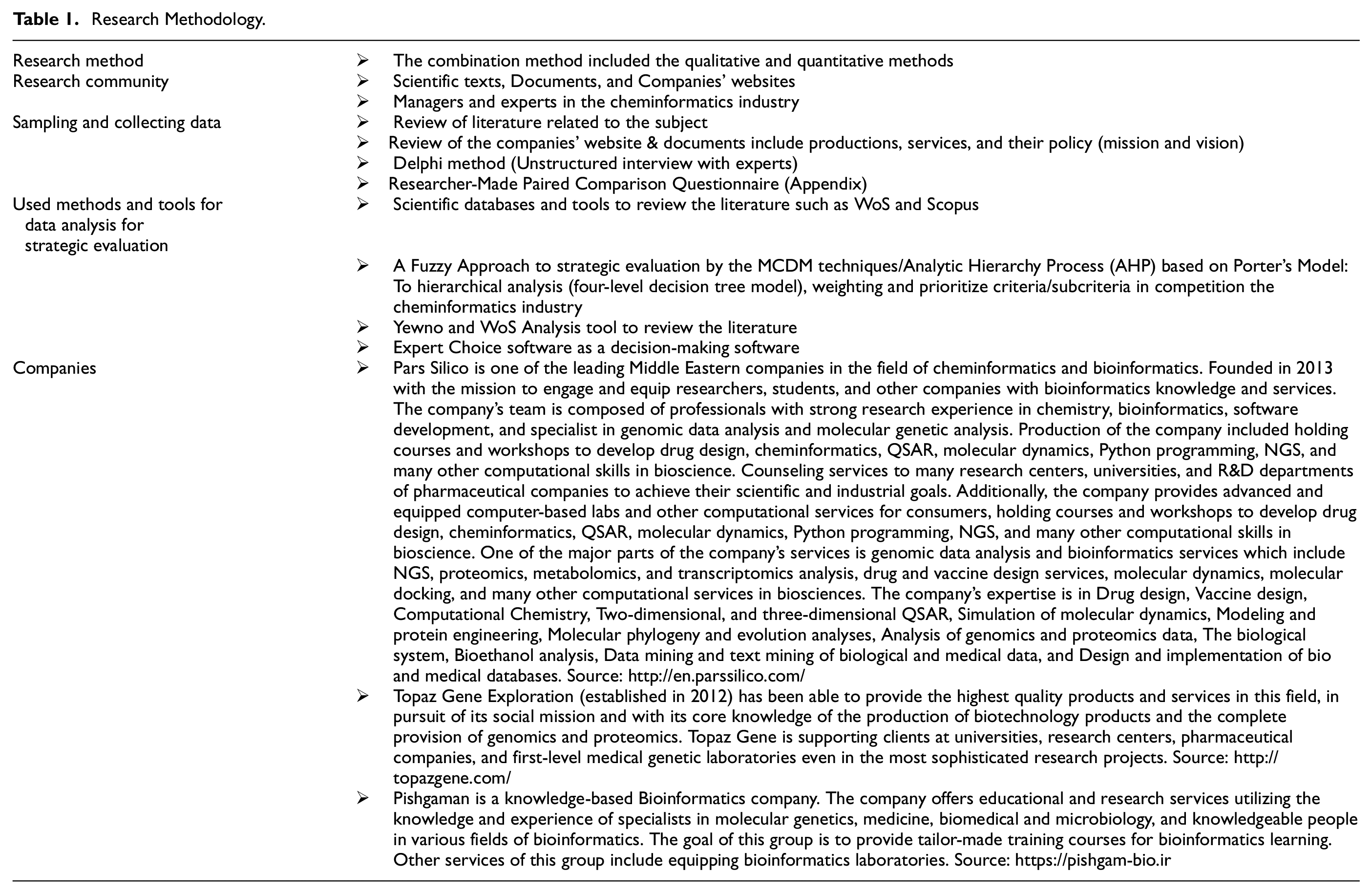
The choice of research methodology depends on the purpose and nature of the subject. This method also depends on operational capabilities. This section discusses the type of research, the research community, data collection, and data analysis methods and tools (Table 1). This study is an “Applied Research,” and according to the techniques of data collection, the research method is “Descriptive.” Descriptive research is a set of methods aimed at describing the circumstances of the case study. The statistical community of the research is a community that the researcher chooses to determine the sample. In the present study, the research community included managers and experts in the cheminformatics industry in Iran. Data collection aimed to answer research questions. Various methods and tools were used to collect the required data: 1. The library studies method includes reviewing scientific texts and reviewing organizational documents, 2. browsing the websites of companies surveyed in the cheminformatics industry include productions, services, and their policies about mission and vision, 3. unstructured and open interviews with experts and activists in the related field, and 4. gathering the opinions of experts using the preferential judgment questionnaire (Appendix). One of the most suitable theories for assessing market competition is Porter’s five forces theory. Using Porter’s model can be useful in choosing the right policy to enter or develop in the market. In this model, we deal with five main competitive forces. Porter considers these five factors in industry analysis. These forces include competitive rivalry conditions between present competitors, the bargaining power of customers, potential competitors (the threat of new entrants), the bargaining power of suppliers, and the threat of the entry of alternative products (the threat of substitutes).
Research Methodology.
Porter’s five competitive forces influence the nature and intensity of competition in the industry. This collective power of forces determines the capacity of a business’s profits. Here, we used Porter’s five forces analysis to help formulate a strategic plan for companies in the field of the cheminformatics industry. In this regard, the questionnaire was designed based on Porter’s five main criteria and subcriteria per the main criteria and was completed by selected experts from three companies. To draw a decision tree model, the researchers reviewed the companies’ websites, such as their productions, services, and policy, including mission and vision.
Researchers in recent decades have turned their attention to multicriteria models for measuring complex decisions. MCDM methods are divided into two categories: multiobjective decision-making (MODM) and multicriteria decision-making (MADM). The purpose of decision-making is to choose the best option or to weigh the decision factors. Each decision-making method has a specific task, such as ranking the criteria, weighting the criteria, or evaluating the criteria. Here, we explain the most widely used MCDM methods. Figure 7 presents a classification of multicriteria decision models. This figure also shows the MCDM method used in this research. The AHP method is one of the scoring methods under the compensatory methods of MCDM. In scoring methods, the preferred option has the highest score. In these methods, using different algorithms, the best option is to obtain the most points. This method is a powerful decision-making technique, introduced by Saaty (1980). The process of hierarchical analysis usually consists of four main stages. First, the decision is identified, and its options and criteria are identified. Paired comparisons are then performed fuzzy or nonfuzzy. In the next step, the weight of the importance of each set criterion is calculated. Finally, the utility of the best option is calculated. One of the advantages of this method is indicating the degree of compatibility and incompatibility of the decision. In this method, the problem is divided into different levels of objectives, criteria, subcriteria, and options so that the decision-maker can easily be careful in the smallest decision. As the name implies, this method is examined hierarchically or from top to bottom. In this study, the AHP method was used to determine Porter’s competitive forces in the cheminformatics industry. To solve the problem of decision-making, all possible solutions, called alternatives, were first identified and the criteria by which the experts made judgments. The importance of the criteria was determined by experts using pairwise comparisons.

Multicriteria models for measuring complex decisions.
Compiling an AHP questionnaire includes two steps. The first step in this stage is to form a hierarchical model, that is, a model in which the criteria and subcriteria of the problem are well defined. In the second step, after defining the criteria, a questionnaire is prepared to determine the levels of importance of these criteria. Then, pairwise comparisons of the criteria should be formed, that is, the criteria should be compared in pairs. This comparison is based on fuzzy spectra. Here, the number of respondents to the AHP questionnaire, because its system is expert-oriented, is 21 people, and to select experts, criteria such as proficiency in the research topic, availability, and relevant work experience are used. The type of sampling was nonrandom and snowball sampling. The MCDM questionnaire does not have validity and reliability, but a rate called the incompatibility rate is used, which some consider equivalent to reliability. In any matrix, the result of dividing the incompatibility index by the random matrix index of its dimension is a suitable criterion for judging the incompatibility of the matrix, which is called the degree of incompatibility. If this number is less than or equal to 0.1, the matrix is approximately consistent; otherwise, the judgments should be reconsidered.
Steps to Conduct Research
A. To review the scientific literature including books, articles, dissertations, databases, and related websites. B. To identify effective and constructive criteria of each of Porter’s competitive forces and its subcriteria with the help of experts in cheminformatics and using existing information resources. C. To draw a four-level hierarchy of decision tree for strategic competition in cheminformatics industry. D. To prioritize and determine the weight of the criteria and subcriteria based on the experts’ opinion using a researcher-made questionnaire. E. Determining the weight each of Porter’s forces as the criteria and subcriteria based on the experts’ opinion. F. Discussion on the importance and impact of Porter’s forces and the competition status of the cheminformatics industry using experts’ opinion, the hierarchical analysis (four-level decision tree), and software. G. Finally, limitations and suggestions are presented to achieve this industry’s effective strategy in competition (Figure 8).

Research map.
Findings
In this section, data collected from 21 managers and experts in the cheminformatics industry were analyzed using multicriteria MCDM decision-making methods. The methods are compatible with the type and purpose of the research and the types of variables. Ultimately, the hierarchy of decision trees drew in strategic competition in the cheminformatics industry.
Porter’s Five Factors in Cheminformatics Industry Analysis
In the theoretical foundations of this research and literature review, background information for the cheminformatics industry was provided. The following presents some information about the global cheminformatics market and the economic principles identified by each of Porter’s five forces in the field.
Cheminformatics market
The global bioinformatics market is projected to reach USD 21.8 billion by 2026 from USD 10.7 billion in 2021, at a CAGR of 15.2% during the forecast period (Bioinformatics Market - Global Forecast to 2026 | MarketsandMarkets, Jan 2022). In recent years, various news items have been published regarding the bankruptcy of cheminformatics-related markets. Some of the headlines of this news are bankruptcy PET recyclers being sold off (Tullo, 2021), bankrupt pharmaceutical chemicals company Aceto to sell off businesses (McCoy, 2020), succinic acid maker BioAmber is bankrupt (McCoy, 2018), and bankrupt Orexigen to sell for $75 million (Cross, 2018). Ahmadpour and Shahsavari (2016) investigated the quality earnings characteristic and earnings management type in bankrupt and distressed companies between 2007 and 2012. This study is related to companies listed on the Tehran Stock Exchange. This study shows that bankrupt firms tend to use opportunistic earnings management, and nonbankrupt firms choose efficient earnings management. They showed that both debtor and bankrupt companies tend to manage profits. They showed that efficient profit management is strong for solvent companies. Tbalvandani and Aghajan Nashtaei (2017) repeated this study for the same listed companies between 2012 and 2015. They concluded from their study that the quality of accruals and the portfolio rank of companies have a significant relationship with future profits in healthy companies, and they showed that cash flow has no role in this regard. This was while this relationship was very weak in bankrupt companies. Sales returns are currently due to successive economic crises, including economic sanctions, declining exports, declining imports, declining liquidity of the industry’s customers, a sharp rise in inflation and declining purchasing power, the consequences of the COVID-19 pandemic, and the many political and economic problems in Iran. Sales returns in various industries, including the cheminformatics industry, have approached the low levels of their small history.
Market definition of cheminformatics
Market definition of this industry requires the identification of the product and geographic markets (Besanko et al., 2013). As previously mentioned, based on the opinions of experts surveyed in this study, currently, according to the current situation in Iran, one of the markets of companies active in the field of cheminformatics includes the training market for companies to hold courses and workshops. Workshops to develop drug design, cheminformatics, structure-activity quantitative relation (QSAR), molecular dynamics, specialized Python programming courses in the industry, next gene sequencing (NGS), and many other computational skills in life sciences. They provide consulting services to many research centers, universities, and research and development departments to achieve their scientific and industrial goals. These companies also provide computer-equipped laboratories as much as possible and other computing services to consumers. One of the significant activities of these companies is genomic data analysis services. These bioinformatics services include NGS, proteomics, metabolic, transcription analysis, drug and vaccine design services, molecular dynamics, molecular binding, and many other computational services in the life sciences. Given the explanations provided, the geographic market in which the cheminformatics industry competes is certainly limited to a few metropolises, including Tehran. In this study, internal competition in this area is examined.
The threat of the entry of alternative products (the threat of substitutes)
Given that in recent years there have been many advances in the bioinformatics industry worldwide, in the field of cheminformatics, there have been significant advances. From the emergence of synthetic cannabinoids in the market and the trend toward their molecular similarity with QSAR analysis and the creation of new classifications for drugs and chemical structures to new advances in the research and development process through the analysis of reproducible data and designing the KNIME platform. We are constantly witnessing the emergence of new analysis tools in line with the latest developments in the field of bioinformatics and cheminformatics on the market. Therefore, in the field of the threat of alternatives, the issue of quality and efficiency of previous tools in the cheminformatics industry is important. Of course, consumers tend to be up to date because otherwise using the previous tools will not be effective for them in this industry. Charging costs are an important factor in keeping up with new industries in the field of cheminformatics and the high cost of up-to-date equipment. Additionally, the price of products and tools that replace previous products is another important factor in this regard. Given the current situation in Iran, it is difficult to predict whether new technologies will replace or complement previous technologies in this country. According to recent agreements with China, including the 25-year Iran-China agreement, which entered into force on January 15, 2022, the current situation is likely to change.
Bargaining power of suppliers
The main suppliers of raw materials and secondary materials in the cheminformatics industry in Iran are mainly from abroad. These suppliers include companies active in this field of the industry worldwide. Due to the conditions of Iran’s economic sanctions, contracts with suppliers are done through intermediaries of other countries such as China, Russia, Turkey, and some of the other countries closed to Iran. Here, private companies are mainly considered customers. Supply companies offer their services in competitive markets, and the supply and demand forces in the new technology market, especially in recent years, have been affected by pandemic conditions and increased wages. The price of cheminformatics tools and equipment has also risen sharply. Purchasing companies have little ability to invest in this area. Companies are becoming acquainted with new technologies, but it seems that due to limitations, they cannot adapt to the new settings. Factors in this area are important, including various and scattered inputs in the cheminformatics industry. Other factors include a sharp decline in the number of suppliers and the degree to which suppliers depend on their sales. Qualitative differences between suppliers are also very important because the range of supplier choices has been severely reduced due to economic sanctions. On the other hand, supplier performance and supplier confidence play an important role in this regard. The importance of the demand for suppliers and threats through communication and coordination are other important factors in determining the bargaining power of suppliers. Suppliers of the cheminformatics industry can have very high prices due to the great variety of vital products.
Potential competitors (threat of new entrants)
Given the current situation in Iran, only a very few companies are active in the bioinformatics industry, their scope of activity is very limited, and Iran’s economic sanctions play a major role in this regard. Technological changes and economic pressures in Iran and the devaluation of money in this country further reduce barriers to entry. Innovations in the cheminformatics industry have opened only a small and cost-effective platform focusing on limited activities, including educational activities. This reduces available capital and limits the number of companies active in this field able to enter successfully. It seems that if the economic sanctions are lifted and the companies operating in this field are profitable, a new entry will be pursued. Factors that were considered by experts in this field are the economic size in the cheminformatics industry, the characteristics of the products offered, the identity factor and the value of the occupational context in this industry, charging costs, the amount of capital required for entry or development, how to access the distribution network according to the recent situation, the specific costs required for the profitability of companies operating in this field, how to design the product and present domestic products, how the government policy in this industry, and the expected return rate.
Bargaining power of customers
Customers mainly include private laboratories, universities, researchers, professors, students, and professionals active in this field. People who decide to do business in this field are also among the customers in the cheminformatics industry. Due to the reduction of the government budget in recent years, which is mainly dependent on oil sales, payments in this area have been declining compared to the past. Almost any factor that affects the profitability of the industry has become much worse in Iran in recent years. With all these conditions, it can be said that the factors that are effective in determining the bargaining power of customers in the cheminformatics industry are mainly related to price sensitivity, the number of consumers, the purchase amount according to the value of foreign currencies in Iran, the existence of substitute products, and the number of suppliers. They can do business with Iran or the number of suppliers who can act as intermediaries, and the focus is on consumers.
Competitive rivalry conditions between present competitors
Due to the bankruptcy of various companies in this field and the closure of some of these companies, only a small number of companies active in the field of cheminformatics and bioinformatics have continued to operate. It can be said that the most important factor that can intensify internal competition is the profit from operating in this industry. Another factor is the fixed costs that companies incur, such as the cost of training activists in this field. Competitors’ growth rate plays an important role in domestic competition. The lower the rate is, the lower the competition. It seems that in the current situation, the competition rate in this industry has not grown significantly.
One of the most important reasons is the number of competitors that are active in this field. Other important factors are the cost of charging the status and growth rate of the cheminformatics industry in Iran. Due to the wide range of topics in the field of cheminformatics and the variety of products and services that are offered, the factor of difference between competitors is also important in domestic competition. Another factor that plays a role in domestic competition is the barriers to exit from the market.
How Is the Hierarchy of Decision Trees in Strategic Competition in the Cheminformatics Industry?
Figure 9 shows a four-level hierarchy of the decision tree for strategic competition in the cheminformatics industry in this study. In the first level, there is strategic competition. In the second level, there are the five competitive forces that shape the competition strategy in this industry. The fourth level included the subcriteria of the five main competitive forces. In the last level, three factors interact with the above levels. These three factors include the focus strategy, end-of-price strategy, and differentiation strategy.

Four-level hierarchy of decision trees for strategic competition in the cheminformatics industry.
What Is the Priority of Each Porter’s Competitive Force in the Cheminformatics Industry?
The collected data from the questionnaires were analyzed using the AHP method. Table 2 shows that in this study, the “competitive rivalry condition between present competitors” is more important than other criteria. This criterion has the most significant impact on the cheminformatics industry. “The threat of the entry of alternative products” is in second place and the next priority. The incompatibility rate for the pair comparisons was 0.08. This value is less than 0.1. Therefore, this incompatibility is acceptable.
Prioritizing Porter’s Five Competitive Forces for the Cheminformatics Industry.

What Is the Weight of Each Force (Criteria) and Related Subcriteria?
In this section, Porter’s five competitive forces are reviewed in the cheminformatics industry. These forces were weighted and prioritized. Table 3 shows a weighting of the subcriteria relative to each of the relevant criteria.
The Weighting of the Subcriteria Related to Each of the Forces.

Results from the relative weight of criteria (five forces)
Porter’s competitive forces are weighted using the AHP method. The following criteria (force) were determined:
Competitive rivalry condition between current competitors,
The threat of the entry of alternative products (the threat of substitutes),
potential competitors (the threat of new entrants),
Bargaining power of customers
Bargaining power of suppliers.
Results of weighting the subcriteria relative to each of the relevant criteria
➢The relative importance of subcriteria relative to the competition between current competitors
➢The results show that the sub-criteria of “barriers to new entrants”, “threat of substitute products”, and “bargaining power of customers” are relatively important.
➢If the inconsistency rate of a decision matrix is less than 0.1, that matrix is acceptable. Here, the pairwise comparison matrix of the sub-criteria shows that “cost of status change” is preferred with a relative weight of 0.302 and its inconsistency rate is 0.08. Therefore, this decision matrix is acceptable.
➢As the pairwise comparison matrix shows, in examining the criteria related to “barriers to new competitors”, “first serve” has a relative weight of 0.255 with an inconsistency rate of 0.09. Therefore, this matrix is also acceptable.
➢Examining the paired matrix of criteria related to “threat of substitutes” shows that “customers' interest in alternative products or services” has a relative weight of 0.588 in the first priority and “quality of alternative products or services” has a relative weight of 0.275 in the second priority. Considering that the inconsistency rate is 0.08, this matrix is also acceptable.
➢Further, the analysis of the pairwise comparison matrix of the criteria related to “customers' bargaining power” shows that “price sensitivity” has a relative weight of 0.235 and is placed in the first priority compared to other criteria. The inconsistency rate of 0.06 was less than 0.1, and this decision matrix is acceptable.
Discussion and Conclusion
As mentioned in the review of previous research, we compare the results of past research with the results of the present study. In this section, only the research results that used the Porter model for their research are reviewed and compared. Comparison of the results of the present study with the results of previous research were comparable only in general cases because it seems that thus far, no specific research has been done in line with the present study. For example, Manteghi and Zohrabi (2011) proposed a comprehensive framework for strategy formulation in organizations. In the present study, the obtained results can be used as an aid to formulate a comprehensive framework for formulating strategies in the cheminformatics industry for for-profit management. Dulčić et al. (2012) then introduced the dynamics of time in the form of five forces. Certainly, in the present study, the dynamic dimension of time is of particular importance. Strategic planners in the field of cheminformatics must be up to date and comfortable with the introduction of new technologies. Z. Y. Zhao et al. (2016) concluded that the development of procurement strategies in China’s biomass energy industry contributes to sustainable development. Certainly, sustainable development is one of the topics in the cheminformatics industry, and in managing the competitive forces in this industry, it is also important to pay attention to this issue. Chen et al. (2017) showed that the level of competition in the health club is not high and suggested that it is necessary to increase the club’s competitiveness, increase publicity in this field, increase government support, strengthen the industry norm, improve the personal system and introduce high-level coaches. In the cheminformatics industry in Iran, competition is not high for the other reasons already mentioned. The results of the present study show that increasing government support and strengthening the industry norm in Iran can be a significant help to increase competitiveness in the cheminformatics industry. In general, the results obtained from this study are in line with the present study. Marek (2018) concluded that the economic strength of the Polish offshore container terminal market is one of the most important factors in this regard. The results of this research are in line with the present research. Due to the unfavorable economic conditions in Iran, the level of economic power comes first. The results of the present study also confirm this. L. Zhao (2018) shows that there are seven indicators to assess the competitiveness of the food industry in China, which include production, demand conditions, supporting industries, company strategy, industry or competitive environment structure, government policies, and innovation. They identified innovation as a key factor influencing other indicators. The main results of this study are in line with the present study. The indicators obtained from this study are also very close to the indicators obtained from Zhao’s research. Ge and Li (2019) showed that growth strategies are considered a strengthening strategy and three aspects of market penetration, market development, and product development in the market of Chinese sportswear brands. Although growth strategy is an important issue in strengthening the market, its basis is economic strengthening. In the cheminformatics industry, if it is strengthened enough economically, the growth strategy will also play an important role in the competitive market and profitability management. Tsai et al. (2021) showed that in the solar photovoltaic industry in Taiwan, these six dimensions should be promoted in order of company strategy priority, structure and competition, demand conditions, chance or opportunity, operating conditions, and finally related or supporting industries. The results of Zhao’s research are in line with the results of the present study and confirm it. Lord et al. (2021) concluded that the impact of foreign market forces on the financial problems of nursing homes is limited, but organizational level variables have a significant effect on these problems. Similarly, the results of the present study show that due to the conditions of economic sanctions in the study population, foreign market forces are not colored, and unlike the results of research by Lord et al. (2021), organizational level variables in this market are weak.
In detail, we concluded that competitive strategy refers to how a company competes in a particular business. Competitive strategy is concerned with how a company can gain a competitive advantage through a distinctive way of competing. The study aimed to determine, review, and evaluate the competitive status of the cheminformatics industry in this study based on Porter’s competitive forces. Considering the results of the research, the following is proposed to increase the effectiveness of strategic plans in cheminformatics:
Regarding the first rank of importance for the “competition between current competitors of the company,” the competitive strategies can be adjusted based on the strengths and weaknesses of competitors. This strategy is considered the first priority in the company. For example, none of the competitors have products under license. Additionally, competitors do not cooperate with the world’s largest companies. Adopting this strategy by the company can be a factor in their success in qualitative competition and technology over competitors.
The weight of the subcriteria “cost of change” warns the company to give more attention to investment. Instead of developing a product, it focuses on the development of the market. In this situation, heterogeneous variety has a perfect advantage over homogeneous diversity.
For the subcriteria “the bargaining power of customers” (distributers) versus the subcriteria “the bargaining power of suppliers,” we concluded that in vertical integration strategies, the company should choose a vertical upward integration because buying stocks and taking ownership of broadcasting companies will take out strong bargaining power against the company.
The importance of the subcriteria “price sensitivity” determines the need to use Porter’s general strategy based on “overhead management and cost reduction.” This strategy also placed at the first priority the subcriteria “diversity with focus.”
To adopt development strategies in the cheminformatics industry, it recommended entering high technology areas, which require considerable financial and technical investment because “needed capital” has a higher priority in the industry to enter new entrants. Adopting this strategy could create a market with more guarantees for the company.
Finding more suppliers for each raw material is another of the essential strategies of the cheminformatics industry. Regarding the first priority of subcriteria, “the existence of substitute inputs,” the most potent bargaining power of suppliers is their “single source.”
Another important strategy of the company is “branding” and “introducing products to customers,” because the subcriteria, “customer reluctance to substitute products,” is the most critical threat to the loss of the market by customer substitution of foreign products. Given the importance of the subcriteria “product quality,” in case of increasing product quality and maintaining the advantage in subcriteria “product price,” we can adopt the best strategy against the hard-core foreign competitors.
The innovation of this research can say that thus far, the development of strategic plans based on Porter’s model in the cheminformatics industry is new. In the literature review, in some cases, only a qualitative difference was considered between criteria and subcriteria. In our research, in a scientific and precise manner, the prioritization and weighting of forces and subcriteria are calculated using the decision hierarchy and AHP technique to prioritize the organization’s strategies.
In this industry’s exports, with the economic structure of Iran, the more companies move toward the final, more complex, and higher value-added products, the harder it becomes to export and compete with regional competitors because the value chain behind the product becomes more complex and competitiveness becomes a problem in the cheminformatics economy. Production costs accumulate at every step, and competition becomes tougher. In Iran’s cheminformatics industry, we are witnessing unbalanced development, so a significant part of this development has the potential to become a development in the production of more value-added products.
Limitations
This study is limited to the cheminformatics industry and Porter’s Model with a special issue in Iran. In addition, the analysis method is limited to MCDM techniques such as AHP. The following proposals are recommended for future study:
To increase accuracy and reduce uncertainty in prioritizing benchmarks and indicators, we suggest that this model be combined with neural network models and genetic algorithms.
Indicators of this research should be tailored to the scope of the research, according to the cheminformatics industry. We propose to review similar initiatives by comparing similar models to other major sectors that include all the criteria. For example, Treacy and Wiersma (1993, 1996) strategies can be used to compare results. Treacy and Wiersma’s model outline three competitive strategies: operational excellence, product development or differentiation, and customer intimacy. These criteria can be suitable criteria for examining the competitive situation of various industries, including the cheminformatics industry.
Footnotes
Appendix
Acknowledgements
The Corvinus University of Budapest supported this paper for proofreading.
Declaration of Conflicting Interests
The author(s) declared no potential conflicts of interest with respect to the research, authorship, and/or publication of this article.
Funding
The author(s) disclosed receipt of the following financial support for the research, authorship, and/or publication of this article: The present publication is the outcome of the project “Project no. TKP2020-NKA-02 has been implemented with the support provided from the National Research, Development and Innovation Fund of Hungary, financed under the Tématerületi Kiválósági Program funding scheme.”
