



Abstract
In the year 2000, a global agenda to achieve quality education for all children by 2015 was birthed. However, even after the lapse of this period, quality of education remained low in developing countries. In light of this, the World Bank developed a framework for assessing education quality based on six facets, namely, assessment; autonomy; accountability; attention to teachers; attention to early childhood development; and attention to culture, together called 6As. Based on this framework, this paper examines education quality and attainment in Tanzania, and how Korea, which has partnered with Tanzania can help mitigate the challenges in the sector, which the two countries have set as their priority development partnership sector. The study is qualitative analysis based on secondary data. The study finds that Tanzania has made significant progress in line with education for all, exhibited by high enrollment rates, which is above the average of sub-Saharan Africa. Nonetheless, major failures exist in regard to quality of education, occasioned by policies that are inconsistent with the 6As. In situations where proper reforms have been instituted, laxity in enforcement have played a role to undermine quality. Moreover, Korea’s support to Tanzania does not involve significant cross-border financial flows. As a result, the impact of its assistance on local education system is limited. The paper recommends significant reforms in education management. Korea can leverage its partnership with Tanzania to initiate stakeholder dialog in areas of necessary reforms. It should also increase cross-border financial flows and provide technical assistance to Tanzania’s based on its success with education reforms.
Keywords
Introduction
Quality education produces the global economy’s workforce and expands its knowledge. Investment in education enables learners to gain the skills that drive individual labor productivity. There are also a number of social and non-market benefits of schooling; increased child well-being, improved health, efficiency of consumer choices, and not least, social capital (Montenegro & Patrinos, 2014). The theory of human capital thus avers that investment in education has payoffs in respect of competitiveness and higher wages (Heckman, 2006); an additional year of schooling increases earnings by 10% a year. It is no doubt therefore that, ceteris paribus, education is the greatest equalizer of income disparities. Studies also document that returns to education are higher in low or middle income economies than in high income economies, making schooling even more essential in developing countries and among underprivileged groups.
The early part of the 21st century was dominated by the idea of education for all (EFA), which underscored the initiation of Free Primary Education (FPE). This was accompanied by the calls for quality education. Both of these initiatives were inspired by Dakar Framework for Action, a collective commitment by governments to ensure that children, youth and adults have access to education that meet basic learning needs (United Nations Educational, Scientific, and Cultural Organization [UNESCO], 2000). As many countries successfully registered higher rates of enrollment, the focus shifted to a greater emphasis on quality of education, when developing countries failed to provide learners with basic cognitive and behavioral skills that are essential in the job market (World Bank, 2010). In Tanzania, education gained a central place in policy making in the wake of the 1967 Arusha Declaration and Education for Self-Reliance. Today, Tanzania has one of the world’s youngest populations, and banks on it to achieve a middle-income status by 2025. Tanzania has taken cognizance of the need to improve education quality in line with Sustainable Development Goals (SDGs) number 4. Hence, it adopted “Big Results Now” initiative, which advocates timely acquisition of literacy and numeracy skills and improving teacher and school performance (Uwezo, 2010).
This paper examines Tanzania’s education policy and practice in light of quality and distribution of education opportunities. A qualitative analysis is done within the framework of 6As of education. The paper is based on desk analysis of various literature materials and data from World Bank, UNDP, KOICA, OECD, UNESCO, and various government statistical data.
Theoretical Framework
The ability to compete effectively in the global economy depends on whether a country meets the increasing demands for highly skilled manpower. This in turn hinges on improvements in the quality of education (Barber & Mourshed, 2007). To succeed in the global labor market, people need to invest early, but also to invest in the relevant skills—that is, problem solving skills, communication skills, learning skills, skills for self-control, and social skills (Patrinos, 2016). The World Bank suggests three institutional incentives fundamental to quality education—these are, autonomy, accountability, and assessment (World Bank, 2010). Countries similarly need to pay attention to structural factors underpinning education quality, that is, teachers, early childhood development and culture (Patrinos et al., 2013).
Assessment means that education provides sound instruments and procedures for assessing student performance and disseminating the information to education stakeholders—including administrators, policy makers, but especially students and their families. Autonomy on the other hand connotes delegating significant decision-making power to local officials and schools (Patrinos, 2010a, Patrinos et al., 2013). It involves empowering the schools by transferring part or all of decision-making power relating to the management of the schools from central government to lower levels, such as communities. Thus it bestows them with ownership, gives them a voice and strengthens the school’s resource base through mobilization of a large base of social forces. In Kenya, for example, autonomy was achieved by training school management committees to monitor teachers’ performance as well as giving them hiring mandate. Parent-Teacher Association (PTA) teachers are thus hired by local school management, while civil service teachers are hired by the central government through teachers service commission. Duflo et al. (2007), find that empowering parents over both categories of teachers leads to lower teacher absenteeism, higher student test scores, and decreased student dropouts.
Accountability implies key stakeholders are given specific responsibilities over resources and school activities. For instance, head teachers are made to account to the authorities for the proper use of funds, and to parents and local officials for improved school environment and learning outcomes (Patrinos, 2010b). Accountability aligns with the parents and community interests since they are involved in school management. It also creates incentives and disincentives by linking teachers’ rewards to student performance. Attention to teachers involves providing a good compensation and salary structure for teachers, selecting the right people into the teaching profession and developing teachers into effective educators (Barber & Mourshed, 2007). Evidence demonstrates that countries that do well on education select teachers from among the top third of each graduate cohort (Patrinos et al., 2013).
Attention to Early Child Development (ECD) focuses on forming the foundation of children’s learning and well-being (Heckman, 2004). The final component of quality education is Attention to Culture. Culture implies the prevailing societal perspective about the value of education and educational leadership, which is often necessary to instill change (Patrinos et al., 2013). The final aspect of culture is the language of instruction. Evidence shows that bilingual education can lead to substantial human capital gains among students from minority backgrounds.
The next sections examine these elements in the context of Tanzania’s education system. Sub-section 2.1 examines Tanzania’s education reforms and achievements relative to African peers. Sections 3 and 4 drills into the institutional and structural aspects of education management. Section 5 analyses how South Korea can bridge the gaps in Tanzania’s education, while section 6 is implication and conclusions.
Tanzania’s Education Reforms
Tanzania’s education has undergone three phases of reforms since independence in 1961. The first phase of reforms started in 1961 to 1967 and focused on eliminating inequalities in access to education that were inherited from the colonial regime (Nguni, 2005). The second phase of reforms was initiated from 1967 to 1990, with the aim of enhancing self-reliance. This was in line with the government’s socialist state policy. The 1967 Arusha Declaration and Education for Self-Reliance were the foundation upon which government policy rested. Socialism advocated for democracy and equality, while Education for Self-Reliance was laid out in a presidential paper that attempted to make education relevant to the lives of the populace. To achieve this goal, the government made primary education compulsory, encouraged high enrollment, expansion of school infrastructure, and abolition of race-based education system (TEN/MET, 2007). The reforms opened up education space and increased equity in education access. Furthermore, the initiative resulted in over enrollment in schools that were largely understaffed. Thus the government resorted to hiring para-educators to reduce pupil-teacher ratios to reasonable levels. The initiative proved successful and Tanzania recorded very high literacy rates, becoming the leading country in literacy rates in Sub-Saharan Africa (Figure 1). (The data for Tanzania is missing in some years). In comparison to its peers in East Africa, Tanzania’s literacy rate is higher than that of Burundi, Rwanda, and Uganda. However, it remains lower than Kenya’s (Figure 2). Tanzania’s success is partly attributable to its socialist ideology, which emphasized literacy as a tool for enhancing participation of the masses in society. Based on that, it built an administrative network to deliver adult education supported by the rollout of massive literacy campaign. A salient factor explaining the disparities between Kenya and Tanzania is that while both had a similar policies emphasizing human capital formation, the former pursued the policy more consistently even when the latter seemed to backtrack (Ernest, 1979).

Literacy rate, adult total (% of people ages 15 and above).

Literacy rate, adult total (% of people ages 15 and above): East African countries.
A new phase of education reforms took off in 1990, which coincided with the time the government was transitioning from socialist state to market economy. The adoption of structural adjustment programs during this phase made the government to cut expenditures on social services, including education, and reintroduce fees in public schools. In 2002, the government once again reintroduced free and compulsory primary education. This resulted in massive rise in primary enrollment ratio from 58% to 97.3% in 2002 (BEST, 2010). However, the government’s budget cuts on education compromised the quality of education and infrastructure base. One key lesson is that Tanzania’s education reforms were as a result of participatory engagement. For instance, the abolition of user fees in primary school was a product of broad stakeholder engagement, after an increasing sense of social discontent, civil society activism and the government’s turning to international donors for support (Wanjohi, 2010).
Institutional Aspects of Education in Tanzania
Assessment
Achieving quality education requires mechanisms to provide feedback to education consumers on the quality of education to make appropriate interventions. At the core of this are benchmark-based assessments; Benchmark-based assessments appraise the outcomes of the education and the standards and indicators of students’ competencies. A distinction must be made between benchmark-based appraisals and examinations. The former aims to validate the standard of education; the latter evaluates the operation of the education and student achievement. Once this feedback is obtained through benchmarks, matching resources need to be supplied to improve teaching and learning, as well as aligning them with accountability and autonomy (Patrinos et al., 2013). The Tanzanian assessment system is examination-oriented, meaning that it focuses on student scores which are used to promote students to the next grade. It thus fails to assess the overall learning outcomes, such as skills acquired, which are essential indicators of the quality of education. Moreover, Tanzania’s education faces critical deficiencies in terms of poor pedagogy, demotivated teaching workforce, less instruction time, minimal teacher-student interaction, and inadequately resourced schools. The mode of teaching has been basically transmission based, emphasizing a hierarchical transfer of knowledge and traditional teacher-centered classroom organization. This recitational pedagogical approach partly accounts for the poor education outcome among learners.
Indeed a study by UNICEF on life skills found that most students in Tanzania exhibit low problem-solving skills (Baldeh, 2018) (Figure 3). Problem-solving is an important indicator of student’s ability to perform mathematics and to identify and overcome challenges in extracurricular contexts. Low problem-solving skills implies that most teaching and learning on math lessons focus on identifying answers rather than on building up the students’ problem-solving ability and flexibility. Problem-solving flexibility: The methods included attempting to solve the problem in the children’s head; using counters, tallies or their fingers; and/or using paper and pencil for calculations. During the interview, students were asked to demonstrate their problem-solving ability using various skills. Only 1% of the students were able to use three methods to solve a problem. About 40% could use two methods, while majority of them—61%—could use only one method.

Proportion of students using various problem-solving methods.
The implications go far beyond individual competency levels and private returns. Hanushek and Woessmann (2008) found that there is a correlation between the average level of student learning and a country’s long-term economic growth in both developed and developing countries. That is, a student’s average cognitive skills are related with long-term growth rates of per capita income. The overall implication is that there is need for Tanzania to review pedagogic strategies from the teacher-centered transmission based learning, delivered through lectures and stressing a hierarchical learning, to an interactive and constructivist approaches.
Autonomy in Education Management
Tanzania decentralized education planning and management to regions and districts since 1972 (Nyerere, 1972). Decentralization was aimed at enhancing autonomy, transparency and accountability, local participation and provision of services that correspond to the demand (Ministry of Regional Administration and Local Government, 1998). In the decentralized arrangement, the national government is responsible for the overall management of education, while the local community have the mandate to design, implement, allocate and utilize resources. The role of the ministry of education and vocational training includes curriculum development, coordination, monitoring, quality assurance, and control. It also oversees training and recruitment of teachers. On the other hand, the local governments have responsibility over the management and delivery of primary and secondary education in their areas. These local authorities are under the jurisdiction of the Prime Minister’s Office, Regional Administration and Local Government (Kayombo, 2011). District officers have more concrete responsibilities, while at a more local level, ward coordinators play a more critical role. However, many regions have experienced a shortfall of managerial capabilities among regional education administrators. In particular, there exist major deficiencies in management at regional and district levels. Additionally, while the performance and behavior of head teachers as education managers play a vital influence on the quality of school, Lillis (1990) observed that Tanzania faces constraint in identifying and training head teachers due to shortage of quality staffing among personnel in the supervisory cadre. In the foregoing circumstances, improving the quality of education management should begin with putting a greater emphasis on selection, training, and supervision of the core personnel at lower level of education management. These include Regional Education Officers (REOs), District Education Officers (DEOs) as well as School Inspectors who are vested with quality control and innovation within the sub-systems. A study in Kenya found that deterioration in education outcomes in any given district was attributable to the malfunctioning of key education managers at the local level, such as DEOs (Somerset, 1985).
Decentralization of education management not only entails relocating some powers and authority to the local systems, but also moves part of the financing responsibility to local stakeholders. In the case of Tanzania, the responsibility of financing education are shared among the government, communities, and parents. However, the government remains the biggest financier of education. In theory, the aim of decentralization was to enhance the autonomy of the public and give it a greater voice to facilitate effective partnership with the government over how public services were allocated (Nudzor, 2014). In reality, however, citizens at the local level still believe that the government is responsible for providing education to the citizens. Another factor that jeopardizes autonomy and local ownership is that despite decentralization, the central government preferences overrides decision-making while local wishes are ignored (Mollel & Tollenaar, 2013). These facts point to the need for dialog on reforms necessary to improve the working relationship among education stakeholders.
Accountability
Accountability outlines the relationship between the stakeholders, and where there is clear accountability framework, it is possible to assign responsibility over the processes, resources, and outcome. In public education, accountability defines the relationship between the education providers and the consumers (parents or communities), whereby the consumers have the power to reward, punish, or replace the provider of education services (Newmann et al., 1997). For accountability to be properly functional, it is imperative that the consumers be informed about school performance as well as understand the criteria for judging the school’s success (Newmann et al., 1997). Further, they need to understand their rights as education consumers.
Tanzania’s reforms in the education sector have been cognizant of the need to improve accountability. However, its accountability framework remains blurred (Komba, 2017). A review of literature reveals multiple and confusing stakeholder relationship. The central government ministry retained key functions including, monitoring and evaluating education policies, teacher training and quality assurance. Another parallel ministry, Ministry of PO-RALG (President’s Office, Regional Administration and Local Government Tanzania), holds other key functions including recruitment and transfer of teachers. Under the ministry of PO-RALG, teachers are answerable to ward educational officers, DEOs and REOs. As such, head teachers and teachers have several immediate supervisors (Komba, 2017). Characterized with lack of clear reporting mechanisms to monitor and evaluate performance, the system imperils accountability. Similarly, as the case in other African countries, teachers in Tanzania are hired and paid by the central government, further making it difficult for communities to hold teachers accountable.
Parents and communities often exercise oversight role over schools through school management committees or boards to which they are seconded as representatives. Ideally, the committees should keep track of the day to day running of the school, facilitate seamless communication between parents, teachers and learners, oversee development and prudent management of funds. The committees thus serve as a mechanism for holding teachers accountable in the use of resources and learning outcomes. However, the committees in Tanzania are often more concerned with the physical infrastructure than the actual educational outcomes (Galabawa & Agu, 2001; Komba, 2013). Similarly, Mbiti (2016) documents that ministry of education officials (school inspectors) who visit schools in developing countries to monitor compliance with education standards rarely focus on important issues. In the case of Tanzania, the visits are mainly administrative, often to collect information such as enrollment or to deliver exams. Furthermore, lack of sufficient teaching and learning facilities constrains the extent to which parents can hold teachers to account for the learning outcomes (Komba, 2017). This is because to hold teachers accountable, employers need to supply the tools necessary to deliver adequate teaching. The link in the accountability framework has been further derailed by the introduction of FPE. Parents and communities tend to be more concerned with the affairs of institutions in which they have themselves invested. Under the FPE, the government and other development agencies bear the cost of education. Nevertheless, due the limited funding, the introduction of FPE was not accompanied by significant expansion of education infrastructure.
Traditionally, education infrastructure has been supported on a cost sharing basis between the government and communities. Community contribution toward education infrastructure draws from Tanzania’s “Ujamaa” policy which was adopted at independence. “Ujamaa” was President Nyerere’s version of communitarian socialism. It is similar to Kenya’s “Harambee” philosophy, Zambia’s humanitarianism and Ghana’s “Consciencism.” Both of them emphasized collectivism in the form of community involvement in the provision of development, especially in education and health. Nyerere’s “Ujamaa” philosophy thus helped to construct more schools through self-help initiative. Nonetheless, the abolition of school fees after the introduction of FPE created a significant funding gap in schools. For these reasons, established schools are unable to fund basic needs they previously funded with parents’ contributions, including construction and renovation of schools, purchasing essential learning materials and hiring PTA teachers (Human Rights Watch, 2017).
Taken together, in essence, Tanzania’s education framework and the introduction of FPE bolstered the role of the central government in education management, including teachers’ governance at the expense of local stakeholders. Thus, elements of autonomy, namely, local ownership, voice and ability to reinforce the school’s resource base have been eroded. To improve educational accountability, there is need to incorporate performance indicators in Tanzania’s Education Sector Plan. While Kenya is still facing accountability challenges in the education, incorporating performance standards in National Education Sector Plan has improved accountability.
Accountability in public financing of education
Financing is an important aspect of EFA and quality of education. For the most part, governments do not usually invest in education for the benefit of individual households; rather, they do so for larger national economic gains, such as to create a more skilled workforce or to increase productivity. Nevertheless, the interests of the public and private sector can overlap as observed in the significant public investment in education in South Korea that was complimented by prodigious private investment by families in the education of their children (Leipziger, 2015). Thus, while it might be misconstrued that Korea realized high quality education by a means of modest investment in education as a percent of GDP, private investment in education provided as much effort as did the government. Today many countries, including Tanzania, have adopted the provision of education as a basic human right. This implies that providing basic education is a primary responsibility of the government to its citizens.
Generally public expenditure in education has increased across African countries over the years. Despite the positive trajectory, African Development Bank (ADB) estimated that Africa faces an annual $40 billion gap in education financing (Africa Development Bank [ADB], 2020). According to statistics from the World Bank, Tanzanian government’s expenditure on education as a percent of GDP has increased, but still remains below 5% (Figure 4). Noticeable disparities exist between Tanzania and its neighboring peers, especially Kenya and Rwanda (Figure 3). This is also lower than the average for Sub-Saharan Africa, which is 5% of the GDP. Overall, Tanzania’s education sector budget has been declining as a share of the total national budget from 20% to 15% between 2014/2015 and 2017/2018 (United Nations Children’s Fund [UNICEF], 2018). This falls short of the Global Partnership for Education (GPE) target, which requires countries to allocate at least 20% of the national budget to education sector.
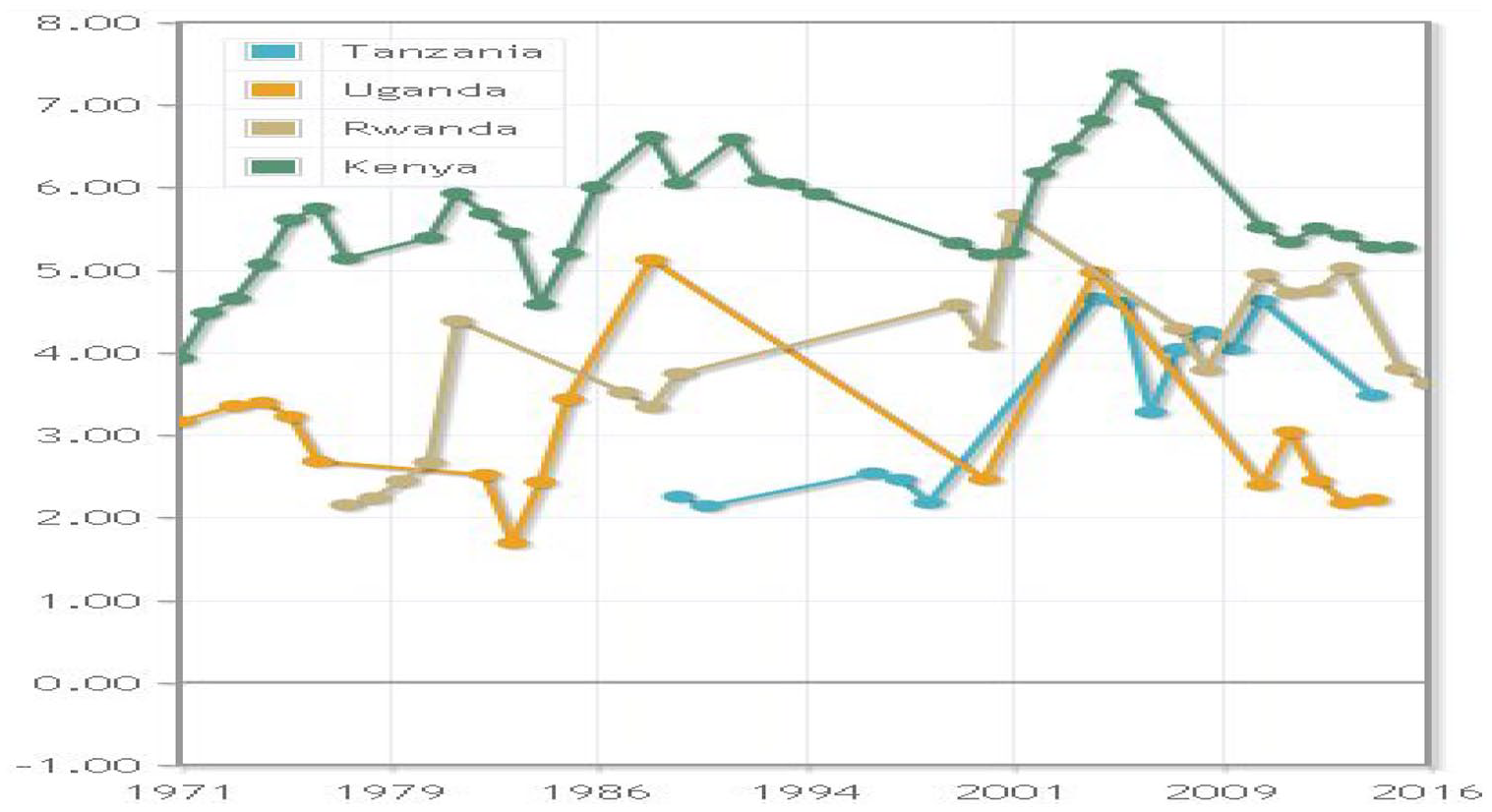
Government expenditure on education, (% of GDP) for East Africa countries.
Furthermore, a growing body of literature appreciates that the increased investment in education could be dampened by leakages of financial transfers, chronic teacher absenteeism, poor monitoring mechanisms and low level of parental involvement, all of which are symptomatic of low levels of accountability (Mbiti, 2016). In Kenya and Tanzania, primary schools receive capitation funds from the central government to cover operating expenses. These funds are on per child basis because they cover items like text books and maintenance of schools. A study conducted in Tanzania revealed that 40% of public funds is leaked in the flow of resources from central ministries to the front-line providers—schools. This implies that two-fifths of school capitation grants do not reach the schools because they are siphoned off by intermediate layers of education administration (Sundet, 2007). These leakages are partly sustained by the fact that parents are ill-informed about education financing policy in Tanzania. For example, only 13% of parents know what capitation fund is, while only 3% of them know how much money each school should receive (Mbiti, 2016).
Despite the challenges, there is a pointer that the growth of private sector schooling could increase accountability and education quality. Private schools arise in part due to failure of public schooling system. In Kenya the demand for private schools suddenly surged after the introduction of FPE and the associated deterioration in education quality. In comparison to public schools, private schools are more accountable and responsive to parents, have lower teacher absenteeism, higher teaching activity, and thus report better test scores. They are also able to be more efficient given stricter monitoring measures among education stakeholders (Muralidharan & Sundararaman, 2015), and can leverage technology to enhance accountability (Mbiti, 2016): for example, Bridge International Academies, a chain of private schools operating in Kenya, Nigeria, Liberia and Uganda, is a technology-enabled and data-driven school. Bridge uses technology to monitor teachers’ attendance, real time materials delivery in the classrooms and financial administration. It also uses a database to track students’ learning progress in real time. Another concern has been that private schooling may intensify economic and social inequalities. Nonetheless, there is trend of the emergence of low-cost private schools in Africa and Asia. While in some cases private schools remain more accessible to the wealthy quintile, private schools increasingly locate in rural areas and slums where they serve a disproportionate segment of children predominantly from middle-class and poorer families (Andrabi et al., 2008). In the Kenyan slums of Nairobi, more pupils (42.9%) from the poorest households attend private schools compared to the least poor (33.1%) (Oketch et al., 2010). Equally insightful is that private schools are able to charge low-cost fees by employing young, moderately educated and untrained local teachers, and by linking teacher’s pay to local labor market conditions. In Pakistan, private schools tend to locate in clusters and are competitive, which drives down their cost (Andrabi et al., 2008). If some of these phenomena could be replicated in Tanzania, they can improve accountability, access and quality of education.
Structural Fundamentals in Education Attainment
Attention to Teachers
The quality of teachers is a key driver of variation in student learning (Mckinsey & Company, 2007). Vegas (2005) identifies incentives to teachers performance as monetary and non-monetary. This includes creating an incentive structure that attracts the best to become teachers and taps the best out of them. Sufficient remuneration of teachers is particularly important to give teachers motivation, decent standard of living and job satisfaction. In Tanzania, teachers face myriad challenges; poor housing, poor remuneration, and fringe benefits, limited opportunities for professional advancement, low motivation and recognition from the community and insufficient supply of teaching materials. The average salary of primary school teachers in Tanzania (as a ratio of per capita GDP) was 4.7 (1970–2000s), which falls far below the average of Africa, which was 6.3 in the same period (Lambert, 2004). Furthermore, due to the high enrollment rates, there is high pupil-teacher ratio. This implies not only more workload to the teaching force, but also erodes quality of education given that class size determines the quality of education.
The issue of student-teacher ratio is even more important due to the nature of education, which is transaction-intensive, meaning that producing desirable results demands repeated interaction between the teacher and individual students (Bruns et al., 2011). Moreover, education is a variable service, implying that in any given classroom, teachers must customize their methods of teaching to a number of students with varied motivations, learning styles and aptitudes. In OECD countries, teacher-student/pupil ratio, even though varied among countries, is generally below 40. According to latest data available for different African countries, pupil-teacher ratio was; Tanzania 51 (2018), Uganda 43 (2018), Kenya 31(2015), and Rwanda 60 (2018) (UNESCO, 2021a). In Zanzibar, an island in Tanzania, student-teacher ratio is 1:70, almost triple the international standard. Schools in Tanzania also lack enough supply of teachers specialized in mathematics and science subjects, especially in secondary education. Teachers in remote areas face additional challenges including lack of electricity and clean water. The poor working conditions not only demoralize teachers, but also discourage the most qualified candidates from joining the teaching profession. It further contributes to brain drain as highly qualified teachers leave the country to seek better working conditions abroad. Indeed, Mgaiwa (2018) underscores the low entry qualification for candidates aspiring to become teachers as factor contributing to deterioration in education quality in Tanzania. Inadequate attention to teachers is worrisome, given that in countries that score well on global education assessments (PISA and TIMSS), such as Finland, Korea, and Singapore, teachers are held in high esteem, and education is seen as a universal goal of all stakeholders (Leipziger, 2015).
Attention to Early Childhood Education
The Education 2030 Framework for Action underscores the significance of early childhood education (ECE) as “the foundation for children’s long-term development, well-being and health” (UNESCO, 2015, p. 37). In Africa, the Education for All Global Monitoring Report (EFA GMR) 2007 held in Dakar in 2006 urged governments to increase and comprehensively improve early childhood care and education, especially for the most disadvantaged children (UNESCO, 2006). While there is not explicit international convention that makes ECE free and compulsory, it is considered so from a right-based perspective. As such, a number of countries have developed various national legal provisions making pre-primary education free, compulsory or both. However, Africa is lagging behind all regions in the initiative (UNESCO, 2021b).
The main goal of ECE is to promote children’s holistic development across all domains; mentally, physically, and socially and emotionally for formal education, and to prevent poor performance and early dropouts (Mligo, 2018). ECE also has a strong correlation with attendance, participation and learning readiness; Children who have attended ECE tend to learn faster and have ease socializing with fellow children. In addition, ECE serves as a protective measure to young children and their families, including during emergencies and crises, such as the Covid-19 health pandemic; Schools can provide a safe and secure environment where children receive developmental support (UNESCO, 2021b). In developing societies, ECE can set girls free from child labor by enabling them to successfully transition to school rather than to workplace and by reducing hours available for work (ILO, 2019; Ndijuye et al., 2020). This is important in relation to Africa where the demand for child labor is rising due to the changing context. For instance, urbanization and changes in household structures have diminished the role of extended family members as caregivers. Similarly, the rising number of working mothers with young children has necessitated the need for non-parental child care (Ansu, 2008).
The Africa preschools were initially purposed to be non-academic and non-teaching, a view that persisted until 1970 when stakeholders demanded a new approach comprising the provision of early childhood instruction in reading, writing, and basic mathematics in order to prepare children for primary education (Koech, 2003). Tremendous achievements have been made in terms of growth and development; more schools for ECE have been built in response to demand (Mwamwenda, 2014). Despite this, EFA GMR 2007 noted that Sub-Saharan Africa’s gross pre-primary enrollment ratio was merely 12% compared with 48% for all other developing countries (UNESCO, 2006). The East African region performs better in this category, although enrollment does not equate with quality. Within the region, Tanzania is the second best performer in ECE enrollment. According to data from World Bank on preschool gross enrollment ratio (GER %), Kenya had 76 (2016), Tanzania 42 (2019), Ethiopia 29 (2015), Rwanda 28 (2019), Burundi 17 (2019), and Uganda 14 (2017). The challenges to ECD in Africa vary by country and localities. In Kenya for instance, a pilot project called Tayari conducted in four counties, namely, Laikipia, Nairobi, Siaya, and Uasin Gishu found that Nairobi county’s early childhood development centers (ECDCs) were well resourced and equipped relative to other regions. But across the counties, more than 90% of the ECDCs had age appropriate desks and tables for learners, while 84% of ECDCs had age appropriate chairs and benches. Nonetheless, 2 out of 10 teachers in public ECDCs lacked any form of preservice qualifications (African Population & Health Research Center, 2018).
Tanzania in particular is confronting more challenges; ECE is for children aged 5 to 6 years, which contrasts with other countries where children below such age are eligible for ECE (United Republic of Tanzania [URT], 1995). This implies the private sector is responsible for ECE for children aged 0 to 4 years, while the public sector focuses on 5 to 6 years old. Since fees are charged in private schools, low income parents may instead of sending their children to school resort to sending them to the labor market prematurely (Mwamwenda, 2014). The quality of early childhood education is equally low due to inadequate resourcing and poor infrastructure (Garcia et al., 2008). This has been exacerbated by the existence of laws that do not adequately promote ECE. For instance, by law, all public primary schools in Tanzania must have a minimum of one pre-primary classroom, yet shortage of pre-primary classrooms in schools is one of the impediments to universal preprimary enrollment. Similarly, while national laws guarantee access to 2 years of free pre-primary school to all children, attendance is not compulsory (World Bank, 2012). Recently more ECE teachers are being trained, however, the practice has been that teachers who are not specifically qualified for ECE have been responsible for providing ECE instructions (URT, 2010). At the same time, quality data for important indicators of ECE is still missing. As such, there is no comprehensive system to monitor progress in children’s development (World Bank, 2012).
Ethiopia on the other hand despite still having low access to ECE relative to Tanzania, is comprehensively addressing challenges to promote equitable access and quality ECE to all children. These include establishing ECE in all urban and rural primary schools, supplying qualified teachers and learning materials (Ministry of Education, 2010). For example, the government in conjunction with private sector, NGOs, local communities and religious institutions is running ‘O’ class (a reception year prior to grade 1) and child-to-child programs to increase access to ECE (Admas, 2016). A child-to-child program is where older children in grades 5 and 6 support younger ones in their neighborhood. The program enabled Ethiopia to enroll half a million children to ECE in the 2013/14 academic year. Overall, the lack of focus on ECE in Tanzania can spill over to primary and secondary education, and in turn undermine the quality of education outcome. In the area of infrastructure, the government can partner with communities, missions, churches and NGOs to build ECE centers, as the case in Kenya and Ethiopia.
Attention to Culture
Gender disparities in education attainment
Education reforms should aim at changing old-fashioned cultural views, values, and customs in various institutions (Patrinos et al., 2013). The education policy in many Africa countries hinders girls from proceeding with education after they become pregnant. Tanzania’s President John Magufuli is on record decreeing that girls should not be allowed to enroll in public schools once they become pregnant. Girls undergo pregnancy tests and get expelled when they are found to be pregnant. Similarly, girls who get married are expelled in compliance with the government’s rules. Once out, they struggle to get back into education system because of stigma associated with adolescent mothers and the absence of re-admission policy for young mothers (Human Rights Watch, 2017). These policies are at variance even with its neighboring peers such as Kenya, Uganda, Rwanda, and Ethiopia. As a result, less than 30% of girls who enter lower-secondary school in Tanzania are able to graduate; More than 55,000 Tanzanian expectant schoolgirls have been expelled from school (Centre for Reproductive Health Rights, 2013). This overt discrimination against girls fails to recognize that some the early pregnancies result from sexual violence against adolescent girls. Furthermore, while Tanzania’s education policy provides for sexuality education, comprehensive sexual education is not included in school syllabus, thus denying school children salient information about sexuality and reproductive health.
Moreover, African societies were built on patriarchal structures with rigid division of labor. As a result of socio-cultural socialization processes, girls are more likely than boys to be assigned family chores. This obstructs their school attendance and academic performance. Gender inequality in higher learning institution is acute problem in Tanzania and starts during the transition from primary to secondary. In terms of gender enrollment, Tanzania has attained gender parity in primary school enrollment and near parity in lower secondary enrollment. But the performance of boys in the primary school leaving examination still dwarfs that of girls (Mlyakado, 2012). Again, a contrast can be drawn here between Tanzania and Kenya, which recently does not exhibit systematic gender pattern in the cadre of top performing students in primary school leaving exams.
Table 1 shows that within East Africa, Tanzania has the second highest gender inequality index. The percentage of women with secondary education is higher than neighboring countries, but lower than men. Tanzania further has the highest adolescent birth rate and the lowest labor market participation rate for women. It is even lamentable that there is no clear correlation between women representation in legislature with improved opportunities for women in education or labor market; Tanzania has a larger share of women representation in parliament than Kenya and Uganda (Table 1, last column), yet it has the lowest female labor market participation rate and higher adolescent birth rate, which are key barriers to girl’s access to education.
Gender Inequality in Education Attainment and Labor Market in East Africa.

Source. UNDP Report.
Language of instruction
Language constitutes another important structural quality element in education. A study from Guatemala found that the introduction of bilingual education reduces repetition and dropout rates, increases promotion rates and raises academic performance in subjects such as reading, writing and math (Patrinos & Velez, 2009). In the case of Tanzanian, the medium of instruction changes from Kiswahili to English as pupils transition from primary to secondary school. While Kiswahili is the official language, competence in English is regarded as most crucial since it is an international language (Brock-Utne, 2003). Insufficient skills in English is seen as a barrier to entry to cultural and professional success. Linguistic barriers imply that students cannot have sufficient comprehension skills as a result of spelling complexities and inability to read well or to understand class instructions (Patrinos et al., 2013). These eventually translate into low scores, particularly in international assessments such as Programme for International Student Assessment (PISA) and Trends in International Mathematics and Science Study (TIMSS) in the short run. In the longer term, they result in low basic skills, and sometime low income. Parents who are conscious of their children’s success pay high tuition fees to private English-language primary schools. But this is only afforded by the wealthy families, a fact that is responsible for exclusion and a lack of social mobility (Joyce-Gibbons et al., 2018). The privileged access to English at primary level means that almost half of all learners leaving primary school in class 7 are unable to read English at a standard 3 (Uwezo, 2010). This demotivates learners who lack a strong sense of self-efficacy in English.
At secondary school where English is the primary medium of instruction, teachers have difficulties teaching students whose level of sufficiency in English is varied, thus hindering effective delivery of course contents and impeding the learning quality (Qorro, 2013). Statistics show that despite high enrollment rates in primary school, transition to secondary school is alarmingly low. Out of the eligible population, only about 52% are enrolled in lower-secondary education (Human Rights Watch, 2017). A number of factors contribute to this phenomenon, but it is primarily attributable to inadequacy in English, which results in inability to cope with learning in secondary.
To even the playing field, Tanzania might need to implement some redistributive policies. The first one would be to introduce English as a language of instruction in upper primary school to enable all students to have a proper mastery of the language before they make transition to secondary school. The second approach is to target poorer public schools and regions with additional funds and resources. Sufficient expenditure on public education makes private spending on education less necessary; When the government invests adequately in public education sector, educational achievement is barely restricted to students whose families can afford enrollment in more prestigious private schools.
How Can South Korea Bridge the Gaps in Tanzania’s Education?
Korea successfully industrialized as a result of prioritizing investment in education, which give it adequate supply of educated workforce in the early period of development. Furthermore, Korea succeeded in establishing universal basic education system on a strong foundation. Among its development partners, Korea puts greater emphasis on supporting education. Currently, it sends volunteers to Tanzania to help curb the shortage of teachers in natural sciences and engineering in secondary schools. Korea-Tanzania country partnership strategy on education (2016–2020) is centered on support to secondary and vocational education, improving educational environment and the quality of education and support education opportunities for girls and women. These areas are pivotal to improving education quality in Tanzania, and would be critical in supporting pro-poor growth. In fact, the other areas outlined in Korea-Tanzania country partnership strategy, that is, access to clean water and heath, transport infrastructure, and stable energy supply compliment the education sector.
As a donor, investment in education is a top priority in Korea’s Official Development Assistance (ODA). In 2016 for instance, it spent 11% of its total ODA on education, coming sixth among OECD donor countries (Donor Tracker, 2016). This puts Korea well above the average spent on education by other donor countries (8%). Geographically, the funding focuses on Asia, which constitutes 52% of all bilateral ODA from Korea. Another 15% is invested in sub-Saharan Africa (Donor Tracker, 2017). Out of its priority partner countries for Korea’s development assistance in education sector, eight are from Asia and seven are from Africa. This implies that Korea’s bilateral assistance to Africa is modest relative to Asia, given the magnitude of educational needs in Africa.
Korea’s education strategy, which is based on “inclusive development through quality education,” could be leveraged to strengthen education system in Tanzania. Its priority development partner countries in African include Ethiopia, Ghana, Mozambique, Uganda, Rwanda, Senegal, and Tanzania. In Africa in general, sub-Saharan Africa countries accounted for 88% (USD. 3,060.51 million) of Korea’s total ODA (USD. 3,473.83 million) to the region between 2000 and 2018. Moreover, among African countries, Tanzania is the largest recipient of Korea’s ODA. Between 2000 and 2018, it received more than 17% (USD 531.31 million) of total Korean bilateral ODA to Africa (Figure 5).
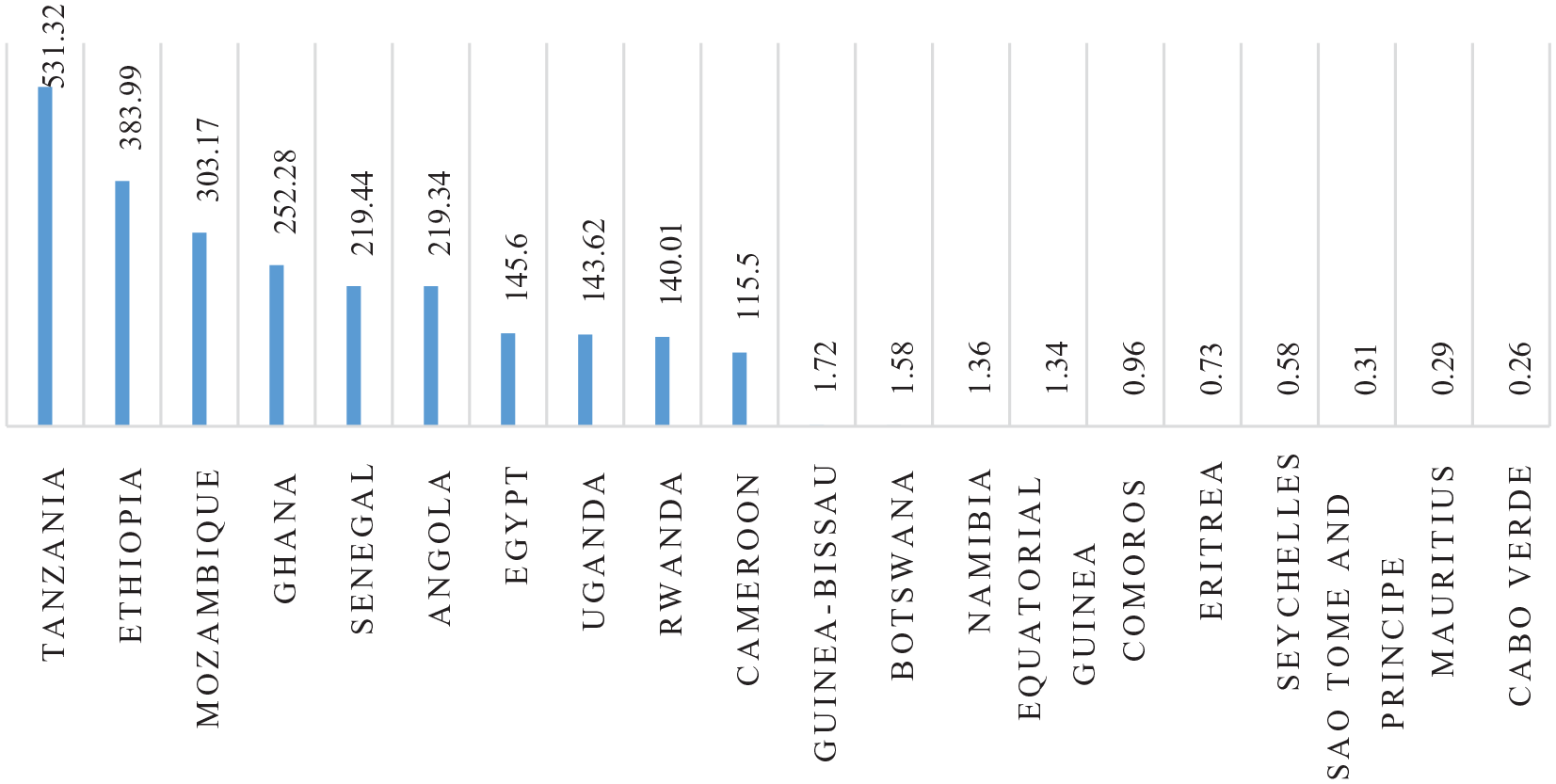
Top 10 and bottom 10 recipients of Korea’s ODA in Africa (millions USD), 2000 to 2018.
Korea seeks to ensure the rights to education for all by strengthening education systems in partner countries. Nevertheless, a disproportionate share of its funding to education goes to post-secondary education, which accounted for 41% of bilateral ODA in 2017 (Figure 6). A sizeable share of this covers the costs of hosting international students ($43 million in 2017) within higher learning institutions in Korea. This therefore means there is no cross-border financial flows, implying that the funding never goes the recipient country directly. Another area of Korea’s funding priority is vocational training, which accounted for 19% of bilateral ODA to education. A smaller share was spent on basic education (18%) and secondary education (12%) (Donor Tracker, 2017).

Korea bilateral ODA to education sub-sectors.
Overall, Korea’s approach seems counterintuitive to achieving education for all and strengthening systems in partner countries. In most developing countries, primary and secondary education are the priority areas as they bear greater impact on the socially disadvantaged groups. Arguably, those who have attained post-secondary education do not constitute the underprivileged in terms of access to education in developing countries. The UN SDG number 4 lays greater emphasis on children and adolescents of primary and lower secondary school age, or adults who lack literacy, and to providing basic infrastructure and facilities to enhance effective learning environment. Furthermore, donor funds that do not constitute cross-border financial flows to recipient country do not have direct impact in the recipient’s education system. However, to understand why Korea focuses on post-secondary education in its ODA, it is imperative to appreciate that Korea’s ODA also involves the diffusion of its own development experience. For instance, Korea achieved successful industrialization by focusing on vocational education in agriculture and mechanical engineering. In this regard, Korea’s strategy of funding certain sub-sectors of education is informed by its history of development, which emphasized the development of highly skilled human labor, majority of whom are found in the cadre of post-secondary education.
Despite this, Korea should enhance its role in providing education facilities, including ICT teaching and learning infrastructure in Tanzania. Korea is a technology leader among developed countries. The role of technology in improving access and quality of education is immense; it can improve teaching and learning, and enhance inclusion by helping children with special needs to access educational materials. As already noted, some schools in Kenya are leveraging technology to improve accountability and quality of education. For instance, Bridge Academies uses technology to monitor teachers’ attendance and real time delivery of instructions. As a result, students from Bridges academies outperform their peers in national examinations every year. The role of technology in education has been exacerbated by Covid-19 health crisis; children in many African countries, including Tanzania stayed home for several months without learning due to lack of e-learning infrastructure. In this area, Korea can provide infrastructure and technical support to Tanzania.
Given that Korea has limited donor funding capacity, it should create synergy with Korean private organizations keen on supporting education. This can be achieved by forming public-private partnership (PPPs) with such organizations to intensify the flow of aid to Tanzania. Korea’s support strategies should also extend to collaboration on teacher training, technical assistance in educational planning and management, as well as curriculum development. Further, Korea can offer scholarship opportunities to Tanzanian educators in the cadre of education managers, curricular developers and those aspiring to become science teachers, areas with critical deficiencies in Tanzania. It is also a common practice that donor aid is conditional on policy reforms in developing countries. In this regard, given the necessity for education reforms in Tanzania, Korea should give aid to Tanzania conditional on the government’s commitment to initiate meaningful dialog on education reforms.
Implications and Conclusion
Tanzania has made remarkable progress in its education sector. These include increased enrollment rates and reforms that enabled it to achieve high literacy rate and near-gender parity in education. Nevertheless, concerted efforts are still needed in many areas to improve quality and inclusion. This study reveals that the existing education management system is characterized by weak sense of local ownership and parallel chains of command. The government particularly needs to empower lower cadres of education managers to take full responsibility of education management. Autonomy is only achievable when those to be delegated to have full awareness of their responsibilities and knowledge to perform them. It is also imperative that they are given the mandate to hire and monitor teachers’ performance. This has worked relatively well in Kenya. Strengthening autonomy will enhance accountability. Once stakeholder relationships are realigned and local stakeholders given the concrete mandate in management, teachers will be fully answerable to them. It is for this reason that countries with greater autonomy and accountability report better learning outcomes (Fuchs & Wößmann, 2007). This research further suggests establishing performance indicators to improve accountability.
In terms of assessments, like most of its counterparts in Africa, Tanzania’s education system is inadequately designed to impart problem-solving skills on students. The implication is that those who graduate from this education system do not have life-long skills that is a key goal of education. It is thus necessary to develop a curriculum with clear indicators of students’ competency development. The curriculum must also be tailored to promote talent development. Kenya for instance has revised its curricula to refocus on problem-solving skills and talent development. Countries like Korea have fared well in education due to emphasis on life-long skills development.
Comparative statistics from East Africa shows that teachers in Tanzania are one of the lowest paid cohorts of the workforce, have limited opportunities for advancement and higher student- teacher ratio. Some studies found that teachers in Tanzania seek part time jobs to bridge their income gaps, thereby contributing to chronic absenteeism. Some of these problems can be ameliorated through strengthened partnership with development partners like Korea that can provide opportunities for further teacher training and infrastructure to improve working conditions.
ECE is still in the formative stage in terms of commitment in Africa. It is only Senegal that has emphasized ECE more seriously from early years. National laws are especially important in providing a regulatory framework in which ECE can thrive. In Tanzania, the quality of ECE is still low due the absence of legal framework and lack of parental awareness on the value of investing in ECE. There is also no harmonized curriculum for private and public ECE schools. To reverse this situation, Tanzania should establish a legal framework for ECE and anchor it in its National development plan to elicit sufficient government commitment. Creating awareness among parents is essential to generate consciousness about the value of education.
Culture remains a significant barriers to inclusion in education in Africa partly because of patriarchal system that prizes education of boys at the expense of girls. Tanzania stands apart in this area due to its policy of pregnancy tests on girls and prohibiting their readmission in schools once they are married. Culture should be addressed from both policy and social perspectives. For example, Kenya has outlawed female genital mutilation (FGM) that was a key a hindrance to girls’ education. From social perspective, it requires awareness creation and collaboration with community based organizations that work to reverse retrogressive practices.
Overall, the challenges in Tanzania’s education presents opportunities for PPPs. These include implementing service contracts for schools, encouraging the growth of private sector education by enforcing enabling laws and increasing private financing of education. The scaling up of Kenya’s Primary, Math and Reading (PRIMR) initiative typifies how to achieve learning-centered education reforms. The program was built on the support of key stakeholders including, the government, teachers’ unions, NGOs and donors such as USAID and the UK’s DFID, Kenya’s key development partners. The reforms gained broad support because it provided clear guidelines for implementation nationally, inputs, indicators for measuring outcomes and requisite changes in pedagogy and teacher support. These were then communicated to all stakeholders down to the local level. In essence, education reforms should not be top-down process but an inclusive one. Hardman et al. (2015) suggest that teachers should be central drivers of the reforms, taking responsibility as professionals and establishing a wider repertoire of pedagogic strategies for use in the classroom. In Tanzania, stakeholder dialog should be the essential foundation for the reforms. Korea can leverage its donor influence to initiate broad-based stakeholder dialog in areas of needed reforms. Korea could also intensify cross-border financial flows to Tanzania to improve local education environment and provide technical assistance based on its success with education reforms.
Footnotes
Declaration of Conflicting Interests
The author(s) declared no potential conflicts of interest with respect to the research, authorship, and/or publication of this article.
Funding
The author(s) received no financial support for the research, authorship, and/or publication of this article.
