



Abstract
Employees can flourish through proper leadership and a nurturing workplace environment. Our study looks into the subject through a theoretical model that consists of spiritual leadership, and customer-oriented boundary-spanning behavior (COBSB) as a total effect alongside person–organization fit (POF) and workplace spirituality as mediating effects. Data were collected from hotel employees across North Cyprus. Our results show that linkage between spiritual leadership and COBSB is fully mediated when both variables are included in the equation. Also, self-esteem was found to be an enhancer for spiritual leadership and COBSB linkage. Our study takes place within the hotel industry of North Cyprus, with consideration of tourism being a significant industry on the island. This article contributes to the literature of both BSB and leadership through expansion into North Cyprus as well as the conduction of mediation analysis.
Keywords
Introduction
Modern workplaces are continually changing, and the pressure upon employees incrementally increases. This leads to complex issues surrounding both employees and their organizations. The atmosphere within a workplace greatly influences staff as long hours are spent within the firm when compared with hours of socialization (Yang et al., 2019). This emphasizes motivation and stimulation of a healthy workplace to be achieved, which allows employees to gain a better sense regarding their jobs as well as their lives. Leadership plays a significant role in the creation of an adequate workplace (Afsar et al., 2016).
Consequently, leaders can affect employees on a personal level through the creation of bonds. Consistent with organizational goals, degree of fit within the workplace, as well as the extent of which the organization tends to employees’ well-being and values, can lead to higher degrees of performance, which in turn will yield in a better image, and higher shares for the firm (Duchon & Plowman, 2005; Madison & Kellermanns, 2013). Scholars have paid an increasing level of attention toward spirituality and especially, in the workplace (Afsar & Badir, 2016; Bayighomog & Araslı, 2019; M. Gupta et al., 2014; Saks, 2011). This is consistent with the increasing number of people, who tend to pursue meaning and spirituality in their lives as well as their careers (Afsar & Rahman, 2015; Benefiel et al., 2014; Duchon & Plowman, 2005). This is while the literature of the topic calls for further and more extensive research to be conducted upon the matter (Bayighomog & Araslı, 2019; Rego & Pina e Cunha, 2008). It is to be noted that the role of leadership in this context is vital and, more specifically, the styles of leadership, from which environmentally friendly behaviors, sustainability, and socially responsible traits are encouraged and emphasized without jeopardizing the profit-flow of the organization (Benefiel, 2005; Fry & Slocum, 2008). This notion has led to a considerable number of leaders and managers to engage in behaviors, which promotes the factors as mentioned earlier. This becomes more vivid within the context of spirituality as human companionship, personal growth, and transcendence are stimulated, which further entails positive behaviors from the employees toward their organizations (Madison & Kellermanns, 2013). The literature lacks sufficient empirical data regarding the linkage between spiritual leadership (SL) and customer-oriented boundary-spanning behavior (COBSB). This further expands to the linkage among the variables of this study as no prior research has analyzed current model. In turn, current model contributes to the extent literature of leadership and organizational behavior through developing theoretical model consisting of variables that although have been individually examined, have not been included in a singular model. Consequently, current research was further directed to analyze this hypothesized model to contribute to our understanding of workflow in a highly impactful industry (tourism). Furthermore, the context of this research (hotels of Northern Cyprus) as a Mediterranean Island has been widely neglected, which can be useful for both practitioners and scholars as it provides comparative analysis of factors at hand. Thus, our study looks into this topic thoroughly and examines the relationship between SL and prosocial behaviors of employees (e.g., COBSB) through mediating effects of workplace spirituality (WS) and person–organization fit (POF), and moderating effect of self-esteem. This can be of aid for mangers in hotels to better understand and imply factors in their organizations to further increase likelihood of prosocial behaviors of their employees, which subsequently will lead to a better image and potential increased benefits from customers.
Background
Spiritual Leadership and Customer-Oriented Boundary-Spanning Behavior
Leadership has been noted to be of significant importance in terms of accommodating spirituality within the firm as well as its values (Afsar et al., 2016; Madison & Kellermanns, 2013; Sani et al., 2016). In an environment, which connectedness and sense of completeness are encouraged, employees will function on a higher level that is due to the previously mentioned fact that most people spend more time in their workplaces rather than in their communities (Afsar et al., 2016; Giacalone & Jurkiewicz, 2003). Spiritual leaders can provide a higher degree of a personal sense of spirituality as well as meaningfulness, connectivity, and purpose to their followers within the workplace (Duchon & Plowman, 2005). A spiritual leader can further encourage his or her subordinates toward higher levels of meaning and purpose by connecting members to each other and their society and themselves (Hudson, 2014). This was noted in a study conducted by Kaya (2015), through organizational citizenship behavior that a spiritual leader could connect employees as colleagues. Furthermore, a spiritual leader can merge organizational values and objectives with individuals through integration, which provides a better setting for employees and increases their level of fit with the organization (Afsar et al., 2016; Benefiel, 2005). Similarly, spiritual leaders can enhance connectedness and purposefulness for individuals, which create a relatively stable link between organizational and personal spirituality (Benefiel, 2005; Chen et al., 2012). Thus, SL fosters feelings of membership, which enhances well-being and consequently will have a positive impact on overall work outcomes both in individual level and organizational level (Benefiel et al., 2014; Fry, 2003; Fry et al., 2005; Hill et al., 2013). This model is based on motivational leadership styles, such as transformational and charismatic leadership (Anderson & Sun, 2015; Chen et al., 2012; Fry, 2003). Spiritual survival and quality of life are endorsed increasingly through SL, which creates membership and a sense of belongingness (Fry et al., 2005). Characteristics of a spiritual leader can be (a) envisioning future as well as having reasons of why that future should be created and strived for by people, which is by and for the organization (Kotter, 1995); (b) and harmonic sense alongside liveliness, attention, completeness, and care for others and self (Fry, 2003; Fry & Cohen, 2009); and (c) having faith that the vision will be met and the mission will be achieved, which gives further confidence to others and sets an example to be followed regardless of obstacles or limitations (Fry, 2003; Fry & Cohen, 2009).
COBSB can be referred to as a type of prosocial behavior, which is to connect firms with their customers (Bettencourt & Brown, 2003). COBSB has been categorized into three distinctive groups that are namely, service delivery (response, courteousness, and flexibility of services to be delivered, which significantly impacts customer satisfaction); internal influence (initiatives undertaken by individuals when interacting with organization, or other staff in line with improvement of self and others, leading to better service delivery); and external representation (promotion of the firm and its image, services, and goods to other parties) (Bettencourt & Brown, 2003; Bettencourt et al., 2005; Ze et al., 2018). Employees can play an essential role in terms of representing the firm and its legitimacy to other external parties. While service delivery can be noted as a role-prescribed behavior as it is noted within job specification or training, internal influence and external representation are taken discretionary as they are added to the role a member of staff plays within the company (Duchon & Plowman, 2005). As these factors are not officially given to employees, it is more of an individual initiative and willingness to undertake such behaviors. These are firmly related to workplace environment and leadership as well as fitness of the individual within the firm (Bayighomog & Araslı, 2019; Bettencourt et al., 2005; Cropanzano & Mitchell, 2005).
The current research is conducted in the context of Northern Cyprus. The culture element of the island and particularly, businesses active in this location are more familiar with the concept of faith and vision than inner-life, proposed by Fry (2003). It is important to note that prior to the conduct of this research, researchers noted all aspects of SL. However, as vision, harmonic sense and positive energy have been found to be more familiar and understandable for employees working in hotel industry of Northern Cyprus. Therefore, our study takes these characteristics (vision, harmonic sense and positive energy) as indicators of SL. Following our hypothesized model, POF and WS are acting as mediators for the relationship between SL and BSB.
There have been studies in which SL has shown to have a significant relationship with prosocial behaviors. A study revealed significant effectiveness of SL through self-concept, managerial position, and culture (Chen & Li, 2013). It was noted that SL and organizational citizenship behavior are in significant relationship for family businesses, while no significance was noted for nonfamily firms (Madison & Kellermanns, 2013). This was further tested and reported significant by Kaya (2015). Similarly, SL was found to have significant linkage with performance in the job as well as productivity (Salehzadeh et al., 2015). This is derived from Social Exchange Theory, from which positive and beneficial behaviors are triggered through mutual exchanges and interactions between two parties that tend to advance the quality of that relationship (Blau, 1964; Mitchell et al., 2012). Hence, the current research aims to develop current understanding of SL in an empirical manner through inclusion of POF and WS as mediators and self-esteem as moderator. This will enable current research to expand the underlying effects of SL, particularly on COBSB.
In addition, Social Identity Theory addresses the extent to which an individual defines oneself with social categories and feels belongingness to a group. This, in turn, will lead to embracing the values of that group and, thus, sharing the feelings regarding success or failure (Ashforth & Mael, 1989; Korschun, 2015). As the extent of research on the relationship between SL and COBSB is not abundant, our study deems appropriate to analyze this linkage with the existence of mediating variables that are POF and WS. As SL can affect prosocial behaviors, the following hypothesis can be merged:
Mediating Effect of Workplace Spirituality
The extent of attention paid to WS has faced a rise from the early 1990s (Bayighomog & Araslı, 2019; A. A. K. Gupta, 2017; Madison & Kellermanns, 2013). This increasing importance of spirituality is intact with several influential factors that can be, namely, terrorist attacks, demoralization, and economic downsizing, which affect all sorts of employees. This adds to the point that a workplace should or can act as a source of spirituality for employees as well as employers based on what was previously mentioned (Fairholm, 1998; Fry, 2003; Geh & Tan, 2009; Madison & Kellermanns, 2013). Connection, understanding, meaning, and support are feelings that can be provided through the definition of spirituality (Smith & Rayment, 2007).
Spirituality can be a driving force for an individual, who goes beyond their interactions with the environment surrounding them and is meta-cognitive and meta-physical (Bayighomog & Araslı, 2019). Complex nature of spirituality obstacles the approach toward the topic from a scholar perspective in comparison with the sectarian perspective (Hill & Smith, 2003). Existence of sense of meaning, belongingness, and altruistic behavior can be referred to as a mutual notion between science and spirituality of leader in this case (Fry, 2003; Hill et al., 2013; Hill & Smith, 2003). This does not fall within the boundaries of current research (See Bayighomog & Araslı, 2019; Benefiel et al., 2014; Dalai Lama, 1999). SL is also studied in the hospital context regarding work engagement, which has been reported to have significant linkage with meaning, and membership of staff (Saripudin & Rosari, 2019).
Spirituality has its nexus in the characteristics and features of an individual in an internal manner. These qualities can be named, the capability of love, harmony, and responsibility. Spiritual leaders endeavor to be aware, self-initiated, and come from ones’ feelings of connection (Ayoun et al., 2015; Ayranci & Semercioz, 2011; Dalai Lama, 1999). Spirituality is thus, subjective, individual, and oriented in terms of emotion. In addition, it is systematic and strategic and is harmonious rather than doctrine (Hill & Smith, 2003).
Main aspects of WS include inner life and meaningful work, feeling of community, and consensus of values with the firm (Ashmos & Duchon, 2000; Houghton et al., 2016; Milliman et al., 2003). Respectively, the degree of an employees’ spirituality that is brought to his or her work based on their needs is referred to as inner life (Houghton et al., 2016); the extent of which a job can contribute to personal meaning and overall values of an individual is the meaningfulness of job (Bayighomog & Araslı, 2019; Houghton et al., 2016; Milliman et al., 2003); feeling of community can be described as individuals seeking companionship and social interactions with colleagues through commitment and sharing (Bayighomog & Araslı, 2019); consensus of values with the firm is the degree of which an employee can identify one’s self with organizational goals and values (M. Gupta et al., 2014; Milliman et al., 2003). In light of what was mentioned, WS can be referred to as endeavor of an individual in the path toward seeking the purpose of life, establishing connections with other members of the firm as well as those stakeholders that can be relevant. In addition, ones’ opinion and values should also comply with the organization’s values (Milliman et al., 2003). It was argued that SL encourages a sense of meaningfulness for the employees, which in turn leads to the workplace with a caring atmosphere. This yields in belongingness that further embodies dimensions of WS (Bayighomog & Araslı, 2019). Consequently, this is intact with employees’ tendency toward engaging in BSB as they feel personal linkage with their leaders, or the extent of identification with the firm is perceived higher. As COBSB and its dimensions (service delivery, internalized influence, and external representation) are consistent with a sense of meaningfulness and sense of appropriation with the firm (in terms of provision of customer satisfaction, quality services, interaction within firm, and promotion), the following hypothesis is merged:
Mediating Role of POF
Through reviewing the literature of hospitality as an industry, it was noted that POF requires more extensive research as it has not been thoroughly discussed (Karatepe, 2012). It is noteworthy that POF has been reported to be of significance in the hospitality context as it affects several organizational outcomes (Kim & Lee, 2013). Ethical values of an individual and their perception upon it can significantly impact the extent of their POF. The degree of involvement with the job, satisfactions regarding rewards from the job, and identification with the firm are among the factors under the influence of WS (Saks, 2011). Personal interests regarding meaning, fulfillment, and values are among the traits that an employee can seek (Rego & Pina e Cunha, 2008). While creativity requires the brain to be stimulated, spirituality addresses “souls,” which follows the path of purpose and goals. The concept of POF has been noted as both subjective, where perception of values being aligned with the firm is individual, and objective, where the match with organization in terms of value is perceived by others (e.g., Kristof, 1996; Kristof-Brown et al., 2005; Van Vianen et al., 2007; Verquer et al., 2003). It has been mentioned that POF has significant linkage with outcomes such as job satisfaction, organizational citizenship behavior, and turnover intentions (negatively) (Arthur et al., 2006; Kristof-Brown et al., 2005). In addition, SL has been found to be influential on affective commitment, through calling and membership (Rosa & Ancok, 2020). This shows that the assumption that SL is influential on organizational positive behaviors has solid nexus within the extant literature.
Expectations that an individual may hold against a company can be comprehended on a higher level when the person has higher degrees of POF. This is followed by modifications in attitudes or behavior to incorporate specific feelings (Gregory et al., 2010). If the values of an employee agree with the organization they work in, the level of POF is then relatively higher. POF has been noted to have mediation effects in terms of leadership and employee outcomes (e.g., Chi & Pan, 2012; Raja et al., 2018; Shamir et al., 1993). SL allows staff to feel a higher degree of belongingness, which in turn urges them to align their actions with the firm further. POF can relatively create a unity between the individual and the company. Hence, when unity is recognized, WS is increased and thus, it will aid the process of being aligned with the firm as both individuals and the firm shares a common value, which can be integrated (Van Vianen et al., 2007). This, in turn, will lead to the potential of increasing the degree of POF. Contradictory to what was mentioned, low perception of WS leads to lower degrees of POF perception. This can yield in disengagement and collision of values. The higher the level of perception on WS, the higher the level of POF as a linkage between employee and organization can be better felt. This subsequently affects their performance, which will impact their work outcomes (Afsar & Badir, 2016; Hamstra et al., 2019). Thus, the following hypothesis has emerged:
Moderating Role of Self-Esteem
Self-esteem can be referred to as the evaluation of oneself as an individual (Barelds et al., 2018). This is a reflection of self-evaluation in terms of competencies and skills (Rosenberg, 1965). People with higher self-esteem are more likely to “like who they are” and vice versa (Barelds et al., 2018; Pelham & Swann, 1989). Self-Esteem has been shown to have a vital impact on employees’ degree of motivation, attitude toward work, behavior, social identity, and BSB (Chen et al., 2012; Korschun, 2015; Schierjott et al., 2018). Individuals who possess higher degrees of self-esteem tend to see themselves as crucial, meaningful, and worthy members in their respective firms. Similarly, it was shown that the rise of self-esteem could lead to higher levels of organizational commitment as well as satisfaction (T. A. Howell et al., 1998; Pierce et al., 1989). In addition, it was noted that self-esteem is significantly linked to performance level (Bono & Judge, 2003). Furthermore, a negative linkage was found for self-esteem and the degree of turnover and turnover intentions (Pierce & Gardner, 2004). Total outcomes of employees with a higher level of self-esteem were shown to be significantly more positive, when compared with those with lower degrees of self-esteem (Chen et al., 2012; Gecas, 1989; Locke et al., 1984; Ozer & Bandura, 1990; Schierjott et al., 2018).
While the mediating effect of self-esteem on the relationship between SL and productivity was measured in a study conducted by Chen et al. (2012), its moderation effect remains a mystery. Individuals who possess lower levels of self-esteem tend to be attracted to those individuals, whom can direct them to have “progress” or be “better,” and enhance their sense of worth as well as belonging (J. M. Howell & Shamir, 2005; Padilla et al., 2007; Thoroughgood et al., 2012). Thus, the role of leaders becomes vital as such people tend to turn to the leaders for approval and development (J. M. Howell & Shamir, 2005). The moderating role of self-esteem was noted in several studies in regard to leadership and employee outcomes (e.g., Babalola et al., 2014; Barelds et al., 2018; Yang et al., 2019). Thus, the current model includes self-esteem (SE) within the model to test its moderating effect (enhancer) on the relationship between SL and COBSB. This is while the mediation effects of self-esteem have been noted before this research in terms of its linkage with SL (J. Y. Wu & Li, 2015). Thus, the current study looks into the effects of self-esteem on SL and COBSB regarding its moderating effects. Hence, the following hypothesis is merged:
Referring to the literature of the subject at hand and considering all variables included in the model above, it is assumed that both spirituality in workplace and POF can be mediating factors as individual mediating effects have been supported in the extant literature. In addition, with regard to the context of current research, these elements can enhance the linkage between leaders’ activities in a spiritual manner and overall COBSB notion of the firm. This is due to the assumption that employees that are aligned with the firm (e.g., tasks, values, and goals) and have spiritual-orientation in their workplace can further positively affect provision of COBSB services. This is in accord with the fact that employees are vital for service industry as they reflect the company to customers. This becomes more vivid in hotel industry as employees have interaction with customers (directly/indirectly). Such behaviors are not mandatory for staff of hotels. However, through an SL and elements of spirituality and fit, staff are more likely to move toward COBSB, which can explain the linkage between SL and COBSB on a more profound manner. This is shown in figure 1, following the work of Bayighomog & Araslı (2019).
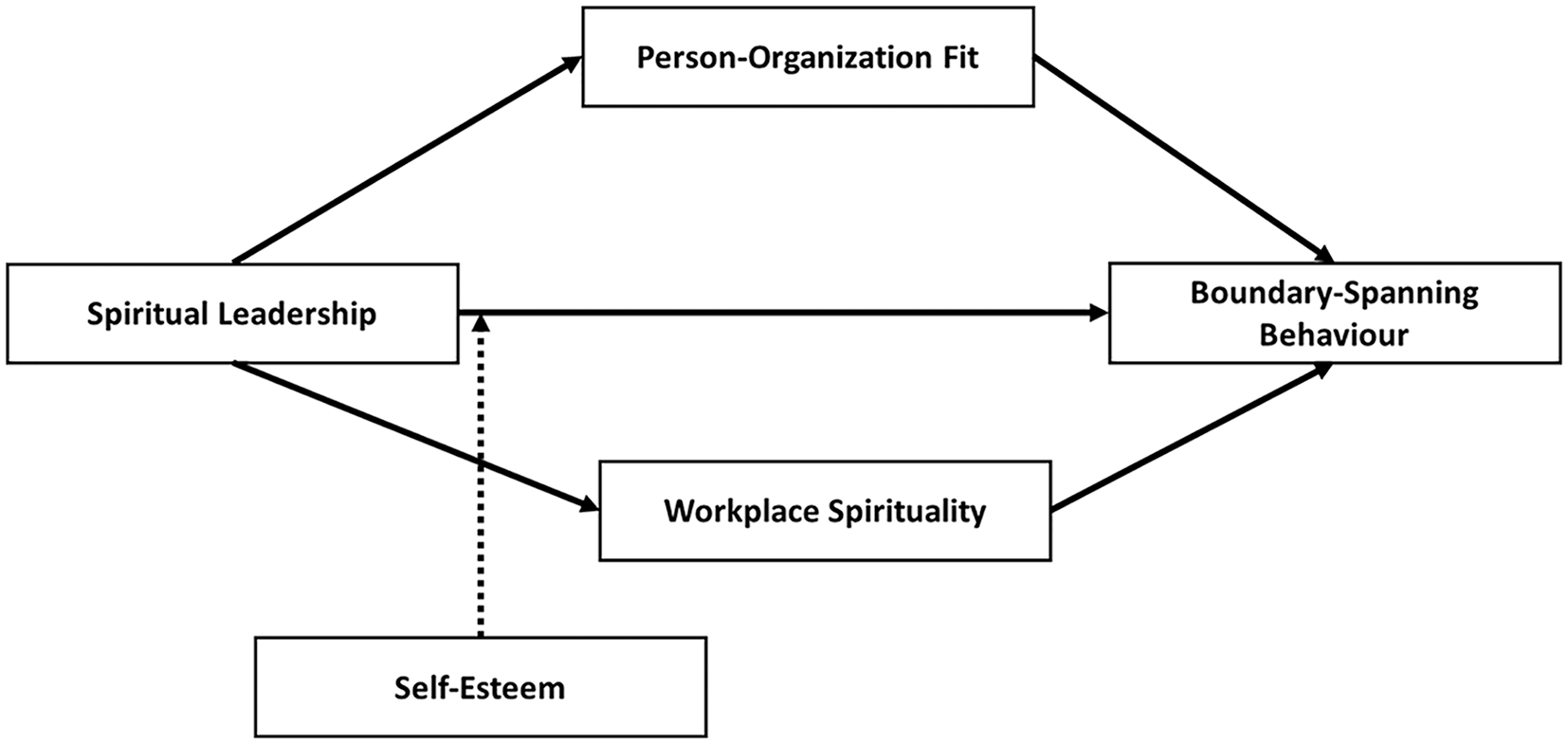
Research model.
Method
Sampling and Data Collection Procedure
Our study takes a quantitative approach to the phenomenon in the context of hospitality. The total number of five hotels located in Northern Cyprus was selected for purposes of this article. As Cyprus has over 2 million tourists annually (Turkish Republic of Northern Cyprus Statistical Yearbook, 2016), tourism and hospitality play a significant role in the country. Thus, it was deemed appropriate to conduct our research in this context. Because of time, cost, and ease of implementation considerations, the current study’s scope was narrowed down to the Kyrenia district. The hotels selected for the means of this study act as the universe of this research.
A total number of 283 participants were included in the data collection process, from which a convenient sampling method was used, and relevant permissions were given by hotel management. The hotels selected are all 5-star, for they have relatively more proficient management, and the number of recruitment is higher than in smaller hotels. This enhanced our data collection process as the Convenient Sampling method was used based on the availability of full-time staff of the hotels. Our study targets front-line employees in hotels as they have been deemed fit as target samples due to the objectives of this article. Frontline staff within hotels is a crucial point as they are in constant communication and interaction with customers. Their behaviors are a resemblance to the organizational strategy and have a direct effect on service quality. It is to be considered that frontline and mainly, front office staff is the source that customers refer to in times of inconveniences (e.g., maintenance issues, malfunctions, and other complaints regarding services such as, food).
In addition, employees are a reliable source regarding information gathering of their respective organizations (Korschun, 2015). The data were collected during two periods (1. Demographics, WS, and POF scales – 2. COBSB, self-esteem, and SL scales) and upon finishing employees’ shifts. This was due to the intention of lowering the risk of Common Method Bias (Podsakoff et al., 2003). The data were consolidated using codes for each participant (e.g., Emp1) to ensure respondents are addressed adequately. The survey included Turkish translation for ease of Turkish employees using two professional translators (Sperber, 2004). All participants were informed of the purposes of the study and data confidentiality. For avoiding response errors, no personal questions were included (e.g., income, and religion), and the survey was designed anonymously. Respondents were given relevant information upon their request for a better understanding of the purpose of the survey. The completion of the survey had a time span of 18 to 27 min. All surveys were self-administered by the researchers. The final sample consisted of 64.5% male and 35.5% female respondents. Age range dominance belonged to the 21 to 30 years group with 39%, followed by 31 to 40 with 26%, above 40 with 21%, and less than 21 with 14%. In addition, 71.8% of participants had a work experience of fewer than 5 years, which is similar to studies conducted in Turkey with the same context (e.g., Arslaner & Boylu, 2017; Bayighomog & Araslı, 2019; Burke et al., 2013).
Measurements
Our scales were driven from available and existing literature. SL scale was driven from the work of Fry et al. (2005); POF scale was extracted from the work of Cable and Derue (2002); COBSB was designed based on Bettencourt et al. (2005); WS was driven from The Integration Profile, which was developed by Miller (2012) (ethics, expression, experience, and enrichment); and Self-esteem scale was derived from subscale of Luhtanen and Crocker (1992) retrieved from Bartel (2001).
Data Analysis
Our model was tested through multiple regression and mediation analysis using SPSS version 23 (PROCESS macro for SPSS). Dimensions of each variable were turned into reflective variables through a transformation of means. The total effect of SL and BSB was found to be significant and positive (coefficient of .413 and p = .043). In Table 1, it can be seen that SL and BSB lose their effect insignificance with a p value of .721 when POF and WS are included as mediators. This shows that the existence of both variables has a full-mediation effect on the relationship between SL and BSB. This proves the significance of these variables in terms of the work outcomes of employees. Moreover, through Process Macro Plugin for SPSS (Hayes, 2017), moderation analysis was conducted to show the enhancing effects of self-esteem. The results of moderation analysis are shown further in this section. These findings support our hypotheses, which have been mentioned earlier in this article. A reliability test was conducted on the data regarding the original five-factor model, which is presented below, and construct reliability, as well as average variance extracted alongside alpha-calculated values, is presented in Table 2.
Multiple Mediation Analysis.

Note. POF = person–organization fit; WS = workplace spirituality; BSB = boundary-spanning behavior; SL = self-esteem.
Reliability, Validity, and AVE.

Note. CR = construct reliability; AVE = average variance extracted; POF = person–organization fit; CO = customer-oriented.
Table above shows the mediation effect of mediating variables. Following the work of Hayes (2017), PROCESS was used to show this effect. The POF and WS columns show individual linkage of these variables with the linkage between SL and BSB. As it can be seen, the value of P has become insignificant in the BSB column, which shows that a full mediation has occurred through the existence of both mediators. In the bottom section, the variation of R-square is increased from 0.47 merely being the linkage of BSB and SL to 0.092 when both mediators are included. The p values for both mediators have been found significant (.036 and .041).
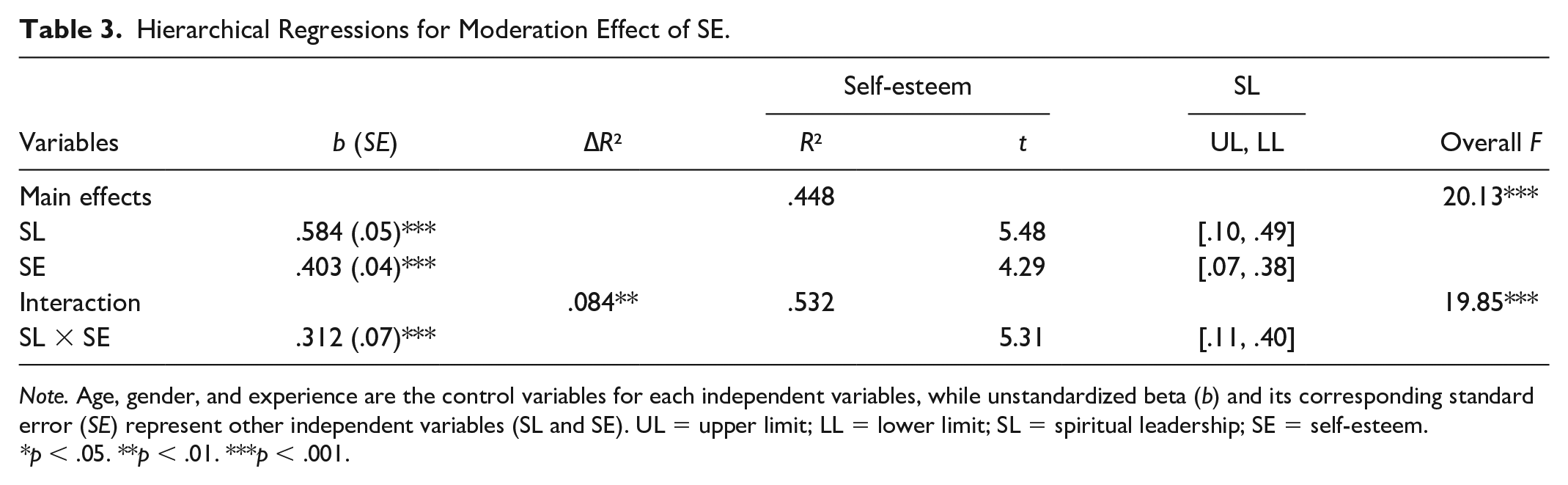
Table 3 shows the moderation effect of SE in an enhancing manner that has been found significant through PROCESS, following the work of Hayes (2017). This effect further is shown in the following section.
Hierarchical Regressions for Moderation Effect of SE.
Note. Age, gender, and experience are the control variables for each independent variables, while unstandardized beta (b) and its corresponding standard error (SE) represent other independent variables (SL and SE). UL = upper limit; LL = lower limit; SL = spiritual leadership; SE = self-esteem.
p < .05. **p < .01. ***p < .001.
Tables 3 and 4 exhibit the moderation effect of self-esteem on the relationship between SL and COBSB. The effect is positive, and thus, it can be deduced that self-esteem is an enhancer for the relationship mentioned above. Figure 2 plots the interaction of SE on the previously mentioned linkage. The enhancer effect (Rose et al., 2004) of SE can be seen as high levels of SE that leads to higher COBSB. As can be seen from Figure 2, even low levels of self-esteem can have a positive effect as SL positively directs the movements toward higher COBSB. It is also noteworthy that our current model follows the work of Bayighomog and Araslı (2019), in which their model was proven to be of a good fit. Their model differs from our model with the inclusion of POF and exclusion of customer engagement.
Statistical Output for Interaction Plot.


Interaction plot.
Discussion
The findings of our study show consensus with previous studies with similar contexts (e.g., Afsar & Badir, 2016; Afsar et al., 2016; Bayighomog & Araslı, 2019). Our results provide additional data and understanding of the literature of SL and WS within the context of hospitality and, subsequently, the service industry. This is crucial for hotels as the majority of their employees are in direct interaction with customers, and their extent of performance profoundly affects the image of the company as well as its overall performance level. It is noteworthy that this context has not been thoroughly investigated within the format of the service industry and particularly, hospitality (Salehzadeh et al., 2015; Tian et al., 2019). According to our results, spirituality within the workplace is vital alongside POF to explain the existing linkage between SL and COBSB of employees. The importance of this notion becomes vivid within the hospitality industry and specifically, hotels as previously mentioned, due to the high levels of interaction among employees and customers. Thus, employees with higher levels of spirituality and level of fit within their respective firms can significantly enhance the image of the organization they work in. It is also important to note that our findings agree with similar studies in this context (i.e., Fry & Slocum, 2008; Salehzadeh et al., 2015). Following the work of Bayighomog and Araslı (2019), our study contributes to scarce literature of COBSB in the context of spirituality and particularly, SL. It is also important to note that the relationship between leader and followers and its quality was found to be of significance, which is homogeneous with social exchange theory developed by Blau (1964).
Our results show that employees are more likely to engage in COBSB and similar prosocial behaviors when the leader exhibits spiritual traits. The leader–member relationship can significantly be impacted through such behaviors from the leader as it can trigger trust and positivity toward the workplace and, subsequently, the organization as a whole. These findings are consistent with similar researches conducted before this research (e.g., Garba et al., 2018; Tu & Lu, 2016; L. Z. Wu et al., 2013). There is great competition in the hotel industry, so hotel managers need to find ways to involve employees in boundary behavior so that they can maintain or improve their market position and reputation and create unique customer experiences. Mainly it is crucial to involve Front Desk Employees because they can improve the quality of service and are always aware of the needs and demands of customers. Since the current model explores a portion of literature that has not been examined before, obtained results carry importance from both scholar and managerial perspectives. The model examined in this research opens pathway to further analyses of linkage between leadership and BSBs. In this context, SL has been found to be of significant importance for the context of hotel industry in terms of influencing employees to exhibit prosocial behaviors. Self-esteem of individuals and the extent of POF as well as existence of spirituality in the workplace further boost this. Since tourism and hospitality industry are highly important both globally and particular to the case of this research, implications of current findings are notably vivid. Hotels can develop or recruit leaders with spiritual characteristics to further enhance WS. In addition, through implementing organizational fit and an atmosphere, where employees can increase their self-esteem, a better quality service deliverance can be achieved. As a consequence, customers will be more likely to revisit, or recommend the hotel to others through word-of-mouth based on adequacy of services, and enhanced image.
Furthermore, the context of this research (hotels of Northern Cyprus) as a Mediterranean Island has been widely neglected, which can be useful for both practitioners and scholars as it provides comparative analysis of factors at hand. Thus, our study looks into this topic thoroughly and examines the relationship between SL and prosocial behaviors of employees (e.g., COBSB) through mediating effects of WS and POF, and moderating effect of self-esteem. This can be of aid for mangers in hotels to better understand and imply factors in their organizations to further increase likelihood of prosocial behaviors of their employees, which subsequently will lead to a better image and potential increased benefits from customers. Besides, service organizations are faced with employees who want to find meaning in their business to create and implement new ideas and who prefer to be in harmony with their organizations. This study, which uses the hotel sector, adds a new context to the literature of SL, WS, and BSB, which is seldom explored. Although PO perceptions and WS are vital for the hotel industry, the industry itself has rarely been the focus of studies. Finally, there is still little research on the subject, despite the growing interest in the hotel industry for spirituality. This study, in which hotel employees are used as a research topic, once again emphasized the importance of front office employees’ perceptions about their hotels. This study also coincided with previous studies on the positive effect of SL perception on employee BSB. This research also supported past research by identifying WS and PO compliance as essential variables.
Managerial Implications
The hospitality industry is changing rapidly, and competition is becoming more and more intense, so employees need to go beyond their job descriptions and behave accordingly toward customers. Based on our findings, POF and WS seem to be mediators. Specifically, SL affects employee BSB. For this reason, managers must lead spiritually to promote border coverage behavior. However, hospitality managers must understand that SL means more to some employees than others. Managers who are aware of and accept these differences are more likely to increase leadership efforts to achieve positive BSB. In particular, our research shows that among employees with BSB, those with high self-esteem tend to pay more attention to the spirituality of their leaders. Organizations should, therefore, strive to promote ethical leadership at all levels and create greater awareness of these dynamics. Service organizations may also identify specific personality traits in the selection and recruitment of executive candidates who are believed to demonstrate ethical leadership.
Several practical applications can be obtained from our findings. Employees are emotional and spiritual human beings, not only rational. Organizations should seek to provide a variety of spiritual qualities in their work culture to attract potential employees. Employees with a boundary-spanning role may be encouraged to make recommendations that benefit the organization in the strategic planning process. These employees, who have invaluable information about customers, competitors, and the organization, can be much more beneficial to the organization than those, who do not have a boundary role (Podsakoff et al., 2000). As employees with a boundary-spanning role can establish a customized relationship with customers based on their wishes for more customers, customer satisfaction will increase, and the performance of the organization will increase accordingly (Sujan et al., 1994).
To use SL in an organization in a healthy way, the inner lives of the members of the organization should always be paid attention to. The fact that people in the organization can feel like members of the organization think and pay attention to themselves and other members of the organization and pay attention to them, experience the feeling of appreciation and being in the organization will increase the sense of belonging of the members of the organization. By emphasizing the importance of the work done within the organization and increasing one’s belief in the work, it can be ensured that people take action for this work and work in an internally controlled manner. It should be recognized that an essential capital in the workplace is the qualified employees, with the changing world and business conditions, and they should approach them with respect and love and establish a workplace that gives confidence. Employees come to workplaces not only as tangible assets but also as spiritual assets. Therefore, it is not enough to meet the financial needs of employees, such as wages and physical working conditions. To ensure that the employees are also satisfied in their workplaces (spiritual well-being), several practices such as flexible working hours, meditation or prayer rooms, child care services, recreation, and recreation opportunities should be applied. Thus, employees will be more creative and can provide more effective and holistic solutions to problems.
Leaders have critical tasks to create a spiritual workplace. Leaders should create an organizational culture that respects the spiritual values of employees and make them adopt such an environment. Creating a good mission and a viable vision for this is among the essential tasks of the leaders. Workplaces should ensure that employees find their work meaningful. Only then will employees adopt their work and be productive. For this, it is necessary to determine what makes sense to employees and to identify what they find essential and feel useful in life. Therefore, an open and continuous communication situation at work is essential. The values of the employees in the workplace and the values of the workplace should be ensured. The different beliefs and opinions of the employees should be respected while ensuring this. In this sense, workplaces should not become environments where any belief is dominant, and other beliefs are not respected.
In the workplace, community awareness among employees should be felt. Employees should be encouraged to cooperate, and workplaces should become a family environment where all employees support each other. To this end, leaders should identify common goals and objectives well and seek to establish an organizational culture that encourages the achievement of these goals. Businesses should also give importance to social responsibility projects. Employees who know that their work and workplaces are beneficial to society will feel more committed to their workplaces and jobs. Employees will feel better and communicate more honestly and openly if they know that their managers concern them when they have any difficulties. This will lead to good attitudes and behaviors of employees toward the workplace. Employees who develop proper attitudes and behaviors toward the workplace may also lead to positive outcomes in the organization.
Study Limitations and Recommendations for Future Research
Measurement scales and their full version availability limited our study. Future scholars can use a complete version of scales to understand various aspects of the phenomenon better. In addition, our research was limited by the scope of employees, which can be extended to leaders in future research and provide management level results to be compared. Moreover, our model was tested through multiple mediation analyses (PROCESS), which can be expanded to more structured models such as SEM.
It is possible to examine the relationship between one or more variables (such as labor turnover rate, organizational citizenship behavior, intention to quit, stress) that are suggested to influence WS. Besides, the relationship between WS and financial performance indicators (such as profitability, productivity) can be investigated. Various analyses can be performed in different countries, regions, sectors, workplaces, cultures, and different data sets to determine whether the impact of SL on BSB differs according to different countries, regions, sectors, workplaces, and cultures. Furthermore, our research was limited in terms of several hotels available in a time span of data collection. Future research can be conducted with a higher number of hotels. At last, our research is limited within the boundaries of a quantitative approach, which can be further improved through mixed methods.
Conclusion
The time spent by the individual in the workplace constitutes an integral part of his/her daily life. For the majority of the week, employees see more superiors and colleagues than their own family. Therefore, the structure of the current organization, the way of organization, and management paradigm of organization, leadership characteristics, groups, and friendship relations significantly affect the comfort of the life of the individual. The necessity of earning a certain level of profit to survive cannot be excluded. However, while the current economic order already limits the possibility of a person reaching a minimum standard of living, post-modern life always raises these standards, and people are lost in the effort to reach these standards. However, human needs are not purely economic and have internal or spiritual (spiritual) needs. To reach the standards of post-modern life, one cannot meet these needs and sometimes even not realize them. In short, the vast majority of people become alienated to themselves, lose the meaning of life, and complete their lives as ordinary people without being able to feel their importance on the world as a human being.
The reflections of this crisis are also manifested in business life. Research shows that managers, leaders, and employees expect much more than economic returns in the workplace. Employees now question the relationship between their work and their spirituality and desire an inspiring and meaningful job. According to the results of this research, there is a positive relationship between SL and BSB. The presence of spiritual values in the work environment makes employees feel safe and increases personal happiness, organizational commitment, and solidarity of individuals as it reinforces the climate of trust. High level of perception of WS and the presence of SL contributes to increased satisfaction among employees, facilitating the emergence of organizational synergy, and improving organizational performance. However, all these dynamics can only develop in an organizational climate where the behavioral processes of healthy interactions within the organization are optimized. This study sheds new light on the mediation mechanism that links SL to the BSB of front-line employees in the hospitality industry. Our findings indicated that the relationship between SL and BSB was particularly strong for front office workers with a high level of self-esteem probably because they developed a stronger sense of obligation to respond to SL behaviors. Researchers should continue to explore other leadership influence mechanisms and BSB conditions in the hospitality industry.
Footnotes
Declaration of Conflicting Interests
The author(s) declared no potential conflicts of interest with respect to the research, authorship, and/or publication of this article.
Funding
The author(s) received no financial support for the research and/or authorship of this article.
