




Abstract
Safety and security are the most important issues to tourist while traveling and the first aspect they consider is to be protected from hazards. Emergency planning and preparedness for a crisis are the most significant components of dealing with disasters. Hospitality practitioners noticed a rising number of natural and man-made crises that harm the hospitality industry, regarding its vulnerability to crisis and internal and external hazards. By using secondary data, this study aims to shed some light on this issue, contributing to knowledge and awareness on emergency preparedness for the hospitality industry. Moreover, the study aims to explain the management’s commitment to adopt, develop, and update emergency plans. The results of this study explain that tourism as an international mobile industry must respond to internal and external hazards such as disease movement and terrorist attacks. Marketing safety is important to promote hotels and tourist destinations to the guests and holiday advisors. Hotels have a long history of being a soft target for terrorist attacks, as can be seen in several accidents that have shaken the hotel industry in the past few decades. Hotels invest a lot to install protective techniques, but terrorists are becoming more organized. Practitioners propose disaster management frameworks using several measurements. Recovery from crisis and learning help business retention that minimizes negative impacts and prevent losses. Finally, evaluation and feedback are very important to overcome the hazards and return to normal, as well as adopting new ideas to deal with emergencies. Single- and double-loop organizational learning should benefit proactive preparedness.
Introduction
International tourists grew by 4.4% to a total 980 million in 2011, in spite of many challenges, political changes, and disasters in the Middle East, North Africa, and Japan. Hospitality is responsible for 5% of the global Gross Domestic Product (GDP) and 6% of the total exports, as well as employing 1 out of 12 workers in the economy around the world (United Nations World Tourism Organization [UNWTO], 2012). Safety and security are very important in the hospitality industry. UNWTO (2012) argued that the growth by region was 10% in South America and 6% in Europe, which is explained by the stable economy in Europe and the relapse in North Africa and the Middle East. The purpose of this study is to explore the existing literature about emergency preparedness for disasters and crisis affecting the hotel industry, and how we can mitigate the effects of such hazards. This will shed the light to plan for the next hazardous events.
In this regard, many researchers argued that safety and security are most important to tourist while traveling and the first aspect they consider (Pizam, Tarlow, & Bloom, 1997; Rittichainuwat, 2005; Sönmez, & Graefe; 1998). Enz (2009) mentioned that being protected from hazards is the most important issue for the tourists as hotel customers. Crimes against hotels and its guests will happen when there is any opportunity or gap in the hotel (Lisante, 1972). Hospitality cannot develop in destinations with hazards (Reisinger & Mavondo, 2005). Countries with crime notoriety will struggle to retain their tourists (Prideaux, 1996).
The history and progression of emergency management is very important to understand (Haddow & Bullock, 2006). Emergency management has existed since ancient times as has been shown by the ancient hieroglyphics demonstrating how the old cave-man dealt with disasters, and later how the next generations tried to cope with disasters preparing for them before they occurred.
The emergency management definition could be diversified regarding event response, style of management, and willingness from stakeholders. Haddow and Bullock (2006) defined emergency management as dealing with hazards timely and taking action to avoid hazards. Practitioners mentioned safety measures like closed circuit TV (CCTV), passport photo ID checks, guards, emergency generators, fire protection, emergency plan, and emergency lights (Bach & Pizam, 1996; Bullen, 1988; Enz, 2009; Kwortnik, 2005). Researchers such as Lois, Wang, Wall, and Ruxton (2004) clarified the guests need for a printed multilingual emergency form providing guidance and evacuation procedures. Planning is the most significant component to dealing with a crisis (Cavanaugh, 2006).
Coyne (2011) asserted that disasters could create shakiness and menace the security and safety of any community. Natural or human-made unexpected phenomena, disasters can take place in any region (Haddow & Bullock, 2006). Faulkner (2001) noticed a rising number of natural and man-made crises that harm the hospitality industry. Scholars noticed a series of crises and disasters such as 9/11 (Prideaux, 2004), the Bird Flu outbreak in 2001 (Sperling & Biermann, 2009), foot and mouth epidemic (Sharpley & Craven, 2001), Severe Acute Respiratory Syndrome (SARS) in 2002-2003 in Southern China and Hong Kong (S. Kim, Chun, & Lee, 2005), the 2003 Blackout (Kwortnik, 2005), the Iraqi War in 2003 (Copson, 2003), the Tsunami in 2004 (Chandrasekharan et al., 2008), Hurricane Katrina in 2005 (Trotter & Fernandez, 2009), London bombing in 2005 (Lockey et al., 2005), Bali bombing in 2005 (Hitchcock & Darma Putra, 2005), the H1N1 (Sperling & Biermann, 2009), the Amman bombing in 2005 (Weimann, 2006), the financial crisis (Hall, 2010), and the Arab spring revolution in 2010 (Cordesman, 2011). Such events can cause insecurity and future uncertainty (Malhotra & Venkatesh, 2009). Moreover, they can directly impact the number of tourist (Mendoza, Brida, & Garrido, 2012).
The hospitality industry is one of the most vulnerable to crisis and can be affected by internal and external hazards (Henderson & Ng, 2004; Santana, 2004). Some practitioners study the impact of the crisis on different sectors within the hospitality industry such as restaurants (Green, Bartholomew, & Murrmann, 2004; Tse, So, & Sin, 2006), airlines (Gillen & Lall, 2003; Henderson, 2003), travel agents (Lovelock, 2003), and hotels (Chien & Law, 2003; Hassanain, 2009; Israeli & Reichel, 2003; S. Kim et al., 2005). The effects of disasters cannot be stopped, but they can be mitigated, and lives and property can be saved (Ritchie, 2004).
Literature Review
Emergency Management Preparedness
Fink (1986) clarified that efficient planning has a sufficient role in emergency management. He asserted that planning for emergencies is very important to control the existing event. In addition, it is a technique to avoid hazards such as hotel fires, and demonstrates the intention to recognize the crisis warning signals. Hotels have been categorized as high-risk buildings, especially for fires, because of the presence of highly flammable materials and the chance of pervasion of smoke and fire to the rest of the building or even to neighboring buildings (Hassanain, 2009). Subramaniam (2004) spoke about improving knowledge that allows the practitioners to understand hotel fire characteristics, while Ellis (1981) clarified the employees’ need to receive sufficient training on how to deal with fires and miscellaneous hazards.
Furness and Muckett (2007) indicated that the concentration of guests in a specific area could slow the escaping capacity near exits, which could increase the injuries in case of emergencies. And it is important to note the amount of flammable materials that could turn into suitable fuel for a fire (Goodson & Murnane, 2008). Furthermore, the hotel design of placing the guest rooms in the highest floors, while the high-risk facilities are placed in the lower floors, is a risky plan that may close the escape exits in case of emergencies (Roberts & Chan, 2000).
Information technology (IT) has recently been involved with all hotel operations: front office, reservation, restaurants, accounting, housekeeping, and wireless networks in the guest rooms and public areas in the hotel (Choice, 2000; Cobanoglu & Cougias, 2003; Collins & Cobanoglu, 2008). Zhang and Paxson (2000) asserted that IT could open a back door for threats to customers by using unauthorized access to the hotel and guests’ data, which demonstrates the necessity of an efficient computer security system. A hotel may secure its information and protect it from prohibited usage (H. Kim, Lee, & Ham, 2012). This insures the software and hardware security works continuously without information interruption (Azaiez & Bier, 2007; Zio, 2009), and protects the guests’ personal data (O’Connor, 2007).
Furthermore, the potential usage of biometric technologies in the hospitality industry could reinforce the hotel services by ensuring security, maintain customer relations by reducing the cost, and improve the effectiveness of hotel security operations. Moreover, biometric technologies could be used for physical access, computers passwords, and recognition of terrorists and criminals (Meyers & Mills, 2005). Hotels may have to cooperate with the intelligence and police agencies to prevent crimes and terrorist activities (Bach & Pizam, 1996; Chin, 2003). Biometric systems could decrease robbery by guests and employees as well as the misuse of hotel assets (Tinari, 2003).
Tourism, as an international mobile industry, has a great role in the disease movement (Barker et al., 2006; Budd, Bell, & Brown, 2009; Hall, 2010; Hulme, 2009; Mouchtouri et al., 2008; Tatem, 2009), as it is possible to transfer the pestilential from one tourist destination to another (Sharpley & Craven, 2001; Stanbury, Pryer, & Roberts, 2005). For example, in a few weeks SARS prevailed in more than 30 countries, causing the death of approximately 900 people, and more than 8,400 were infected by the disease (Lee & McKibbin, 2004).
Terrorism also has a great impact on hospitality and the tourism industry. Great changes are occurring in the world vision toward safety and security, with a high effect on the global economy and flight cancellations, which cause a low occupancy rate and decrease in the arrivals (Chan & Lam, 2013). Goodrich (2002) stated that U.S. hotel occupancy dropped by half with at least US$2 billion losses after September 11. Further safety and security awareness should give the guests a clearer idea about flexibility actions taken in case of emergency. This means that the higher the safety plan, the higher safety improvement by the hotel. Furthermore, hotels may market their safety to increase awareness and promote their hotels as well the destinations to the guests and holiday advisors (Graham & Roberts, 2000).
Planning for emergencies should consider several internal factors such as collaboration, communication, and control. But the most important internal factor is the management’s commitment to adopt and develop an emergency management plan, which will be a strong guidance and updated message to communicate before, during, and after the crisis (Faulkner, 2001). Caponigro (2000) argued that large organizations are more likely to have an emergency plan than smaller ones, depending on the size and their financial situation. Furthermore, Caponigro clarified that with limited resources, crisis planning is less important for small organizations, as they think that crisis will not affect them, or they will manage their business without a plan. Some practitioners explained that the organizations that faced a disaster before will be more likely to invest in and develop their own emergency plan, because they suffer from the previous hazards and learn from its effect on the properties and human lives (Guth, 1995; Pearson & Mitroff, 1993).
Stakeholders and managers should be aware of the importance of updating an emergency plan and full detailed information about their hotels, its services, and safety and security procedures adopted in the case of vulnerability. Della-Giustina (2003) explained three steps essential in emergency planning: to recognize existing risks, to develop an updated emergency plan, and finally to assure the organization’s preparedness for the emergencies. The plan also should contain the use, maintenance, and upgrading for the security and safety systems (Enz, 2003).
Many studies have examined how the tourist destination’s image, safety, and security affect the tourist destination choice, as tourists search for a safe place away from natural and man-made disasters (Carter, 1998; Floyd, Gibson, Pennington-Gray, & Thapa, 2004; Kozak, Crotts, & Law, 2007; Law, 2006; Lepp & Gibson, 2008; Pizam et al., 1997; Reisinger & Mavondo, 2005; Rittichainuwat, 2006; Sönmez & Graefe, 1998; Thapa, Holland, & Absher, 2008). But unfortunately, a very few studies were undertaken to examine the planning and preparedness for the emergency management issues in the hospitality industry (Ritchie, 2008). So, this article will explain how hospitality industry can be prepared for the next hazards and lessons to mitigate the effect of such hazardous events on the hotels.
Hotel Safety and Security
Terrorist activities can cause a negative impact on the hotel sector and decrease the number of arrivals in a destination (Stafford, Yu, & Armoo, 2006). Hotels have a long history of being soft targets for terrorist attacks, with terrorists using themselves or a bombed car to attack these hotels (Singh et al., 2004) because they have weaker security measures compared with governmental or military facilities. Furthermore, hotels are targets for their brand names, location, and the media coverage produced by attacking them (Stipanuck, American Hotel, & Lodging Educational Institute, 2006). During the last decade, several accidents have shaken the hotel industry, for instance, the bombing of a car at the Marriott Hotel in Jakarta in 2003 killed 13 people and wounded 100 people. In Amman in 2005, the worse terrorist attack on the Jordanian hotel industry took place when terrorists bombed three hotels classified as five and four stars hotels—the Radisson SAS, Hayat Amman, and Days Inn hotels—killing 67 people and injuring more than 150 people (Weimann, 2006). With a question of attacking the hotels regardless of its location, ownership, and nationality, this emphasizes that hotels should upgrade their security procedures to make them harder targets against terrorist activities (Pizam, 2010).
Safety and security are essential for the hotels in preventing death and injury for guests and employees, with multiple forms of hazards such as falls, cuts, slips, burns, and related accidents (Enz & Taylor, 2002). To improve safety and security, hotels installed CCTV, fire sprinklers, smoke detectors, and electronic doors (Pizam, 2010). Security personnel have the responsibility to insure the safety of the hotel, guests, employees, and assets. In this regard, human resources should attract and recruit professional security officers with good experience for this mission. Employees in general, and security officers specifically, should attend training workshops on governmental regulations and first-aid. Moreover, they should receive fire and emergency evacuation training to deal effectively with hazards (Henderson, Shufen, Huifen, & Xiang, 2010). Since September 11, security budgets have been increased by the hotels to invest more in the front area, installing heavy-duty equipment (Howie, 2005). To tackle blackout situations, hotels enhance power systems and emergency lighting (Kwortnik, 2005).
Academic practitioners began to fathom the safety and security research in the hospitality and tourism industry in the 1990s. Abraham Pizam (1999) categorized the features of criminals by studying 300 cases at worldwide tourism destinations. He analyses the effectiveness of tourism models from different aspects, especially tourism demand, and identifies the duties for different parties in the stage of prevention and recovery. Other hospitality practitioners investigate the role of safety and security managers in the hospitality industry. Gill, Moon, Seaman, and Turbin (2002) studied this role in the U.K. hotels, where they found that security managers have a conventional responsibility guarding the hotels in different aspects including safety, health, IT security, fire safety, insurance, and loss prevention. In contrast, Pizam (2010) argued that hotels still did not upgrade their security levels. His study found that 30% of U.S. hotel general managers did not upgrade their security systems. Some managers argued that they were satisfied with the system efficiency (Enz, 2003). Other managers did not do any upgrading to their systems because they were convinced that the crisis would not happen to them. Furthermore, this improvement will not generate extra revenue for them (Shellum, 2003).
This study proposes a theoretical framework (Figure 1) from the literature adopted from Faulkner’s (2001) disaster management framework, and the implementation of the same model by Faulkner and Vikulov (2001) and Ritchie (2004), which proposed that disaster responses could be categorized into six stages: pre-event phase, when planning for the disasters and trying to prevent and mitigate their effects; prodormal phase, the need to activate the managerial plans where the hospitality industry has no choice of avoidance and must face the hazards; emergency phase, when the disaster strikes and begins doing damage to the destination; intermediate phase, where emergency plans should be adopted to help people and satisfy their needs; recovery phase, where the long-term plans should be applied and affected destination should be rebuilt; and finally in the resolution phase, crisis management should be evaluated and improved and organizational learning should be undertaken, to plan for the next hazards and try to mitigate the effect of the next disasters (Faulkner, 2001; Faulkner & Vikulov, 2001; Ritchie, 2004).

Emergency preparedness theoretical framework for the hotel industry.
Method
This study seeks to explore the existing literature on hospitality emergency management and preparedness. It proposes a theoretical framework explaining the relationship between emergency preparedness, planning, and safety and security within the hotel industry. To strengthen the discussion, the results of former studies have been used. As a conceptual article, the methodology will include a review of secondary data from different resources such as published journals, books, and conference proceeding papers to explain the existing concepts (Chaudhary, 1991). A review of previous hazards affecting the hotel industry will provide information regarding emergency preparedness, and planning (Abbott, 1983).
Findings and Discussions
Hotels have become an easy target for terrorists because of several factors, including easy, open access with 24 hr of operation, many public and multiple entrances, meeting rooms, conferences organized, encounters with strangers and foreigners, and restaurants (Horner & Swarbrooke, 2004). Henderson et al. (2010) stated that hotel designers and architects should be aware of safety and security principles as hotel parking, entrances, and lobbies are vulnerable to terrorist attacks. However, security awareness among scholars and practitioners has been on the rise since September 11, allowing hotels to adopt and install safeguard surveillance, checking luggage and cars, personal metal detectors, and collaboration with airports and aviation companies (Tarlow, 2009).
In this regard, although hotels invest a lot to install protective techniques to improve the safety of guests and property, nonetheless terrorists have become more organized and sophisticated, using different methods to harm people and organizations. Organizations invest many resources to improve security but terrorists use less resources while presenting a high risk to harm these systems (Then & Loosemore, 2006). New additional systems have emerged to protect the hotel entrances such as surveillance cameras, employees’ emergency checks at the employee entrance, and guest verification before reissuing the room key, which also should control the access to the elevator and guest floors. Employees should be motivated to be partners with the emergency process and report any suspicious accident or object to the security department (Henderson et al., 2010).
From his point of view, Faulkner (2001) noticed that there are a limited number of studies that focus on disasters and crisis management within the hotel industry. In addition, the essential needs for crisis management are to increase safety and security awareness among practitioners, managers, and stakeholders (Chan & Lam, 2013), to improve the written emergency plans and avoid lack of training and equipment (Kano, Ramirez, Ybarra, Frias, & Bourque, 2007). Rooney and White (2007) found lack of emergency plans focusing on people with disabilities, which shows the need to update the emergency plans to give them priority when performing an evacuation. Furthermore, hotels should consider employing a person with a disability within the emergency team. Kapucu and Khosa (2013) identified the main substantial factors in the emergency preparedness plan, and demonstrate a lack of leadership and coordination at the level of preparedness.
A framework was developed by Racherla and Hu (2009) in their study about tourism that integrates effectiveness with knowledge management when planning and dealing with the hazards. They mentioned that organizations respond to the crisis in relation to their own agenda, and a lack of resources and confidence among organization prevents knowledge sharing between the hospitality organizations that are often in competition. In contrast, Henderson (2008) found an insufficient level of preparedness and planning for the next hazard.
As mentioned previously, efficient preparedness and planning for the crisis in the prodormal stage and emergency management plans have a critical role in the emergency management (Cavanaugh, Gelles, Reyes, Civiello, & Zahner, 2008; Malhotra & Venkatesh, 2009). Hospitality and tourism practitioners such as Faulkner (2001), Ritchie (2004), and Santana (2004) proposed crisis management models, describing the crisis stages—precrisis, during the crisis, and postcrisis—using several measurements. Carlsen and Liburd (2008) argued that the effects of crises increased because of insufficient preparedness and planning for the next hazards, causing deeper impacts and a long retro-gradation to the destination. Hospitality and tourism practitioners asserted that emergency planners should focus on the prodormal stage of preparedness, planning, and prevention.
The emergency management plans should be adopted, validated, and evaluated to ensure the crisis prevention, which enhances the ability to detect crisis signals that will minimize losses. However, during the emergency stage, the focus is on evacuation and communication to ensure immediate response and coordination to resolve the crisis. After the crisis has occurred, the focus will be on recovery and learning which helps the businesses to recover and retain customers (Faulkner, 2001; Paraskevas & Arendell, 2007; Ritchie, 2004; Santana, 2004).
Emergency practitioners argued that efforts should be taken to mitigate the effects of the crisis and hazard events before the disaster happened to minimize the losses. Fink (1986) clarified that it is very difficult to recognize the warning signals for all the events. Damage to the organization began while the crisis moved from the prodormal to the acute stage. In this case, damages will fluctuate with regard to the organization’s preparedness level (see Figure 2). Furthermore, Roberts (1994) illustrated his four-stage crisis model explaining the mitigation efforts and preparation in the pre-event stage, while efforts should be made to organize to save people and property during the emergency stage (see Figure 3). After the crisis strikes, efforts should start immediately to overcome and restore essential services, finally continuous planning and long-term strategies to be prepared for the crisis should be the goals in the long-term stage.
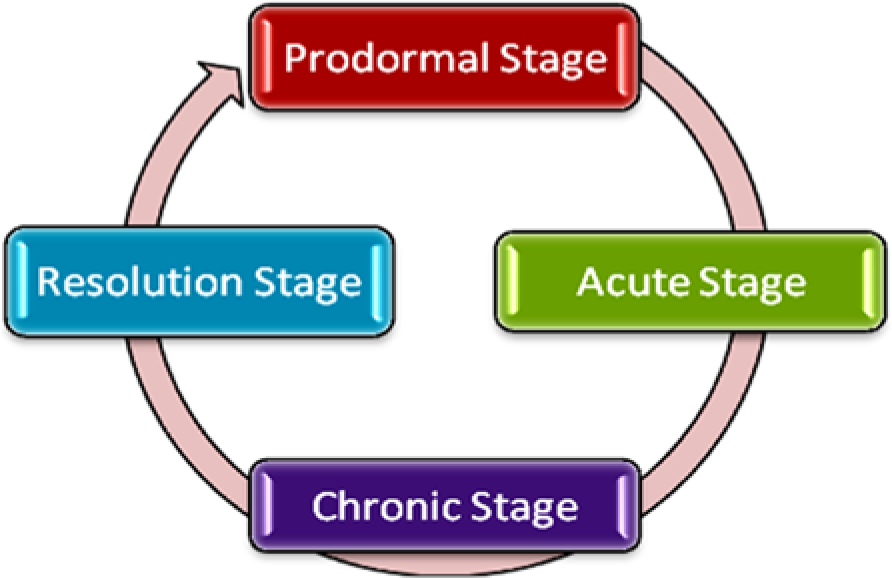
Fink (1986) lifestyle model.

Roberts (1994) lifestyle model.
Reviewing the literature, practitioners suggest different models to deal with the hazards and disaster, to minimize the negative impacts and prevent losses in the hospitality industry. Evans and Elphick (2005) suggested in their model that when dealing with emergencies, there are two typologies of crisis: “cobra” and “python” (see Figure 4). “Cobra” relates to sudden disasters such as September 11 or Amman bombing, which essentially lead to a preventive response, while “python” relates to repeated disasters affecting the organizations. They argued that organizations must enforce collaboration with the national emergency preparedness to reduce the potential impact of such phenomena (see Figure 4).

Cobra and python disasters typologies.
Finally, the evaluation and feedback in the resolution stage are very important to the hospitality organizations to recover from a disaster and return back to normal operations. Hospitality should overcome the disaster impacts whether positive or negative, reduce their severity or obtain benefits as guests, and tourists may change their travel plan to a safer destination; examples include the U.S. tourists changing their travel plans from the Middle East to the Caribbean during the Gulf war in 1991 (Ritchie, 2004) and the Arabian Gulf tourists from the Middle East to the Far East during the Arab spring revolution (AlBattat, Mat Som, Ghaderi, & Abukhalifeh, 2013).
Faulkner (2001) noticed that disasters could be a turning point for the destination, positive or negative. It can create heroes who can manage and guide the organizations to overcome the hazard and return to normal operations (Burnett, 1999). With the ability to learn from crises, hospitality management should modify or adopt new strategies. Furthermore, a feedback loop should benefit proactive preparedness and effective planning to prepare for future disasters (Ritchie, 2004). As mentioned by Ritchie, Dorrell, Miller, and Miller (2004), the organizational learning from the disasters is determined by the interest to learn from hazardous events. They argued that British organizations make very few changes to their research because they think that these events cannot be predicted or forecasted.
Kolb (1984) proposed his loop learning and educational theory. He asserted that double-loop learning needs a paradigmatic model using knowledge and experience gained from the crisis and, to conclude, it requires a new concept compared with single-loop learning (see Figures 5 and 6). People who suffer from disasters are more capable of reacting to a hazardous event by a single-loop action. The organization will modify its plans, collaborate on efforts, enhance communication systems, redistribute its resources, and increase its marketing campaign to overcome the impact of the events (Ritchie, 2004).
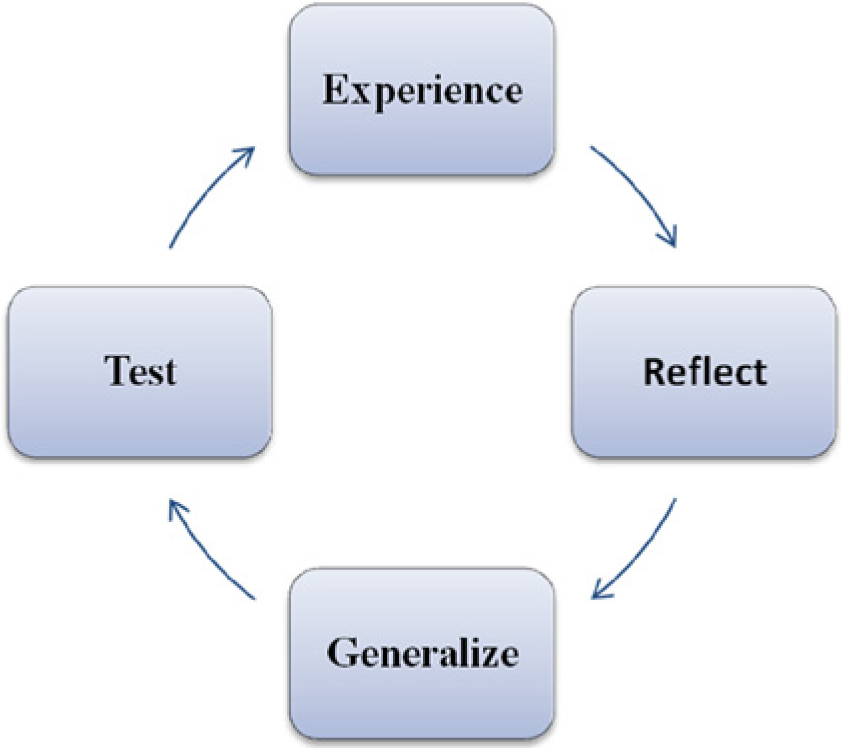
Single-loop learning.

Double-loop learning.
Conclusion
The hospitality industry is one of the most vulnerable industries to crises. More than before, crises are becoming more frequent and complex, affecting the hospitality industry and other related industries. Operating 24 hr a day, hotels become a soft target for terrorists and criminal activities. Thus, it is better to be well prepared to overcome and mitigate the potential impacts of such natural or man-made crisis events. Rittichainuwat (2005) asserted that marketing the destination as being less expensive could not motivate tourists to visit hazardous destinations. Furthermore, safety and security are two of the most important factors for the guests, when compared with low price. Communication and media relations will clear the marketing message and release any ambiguity about the situation, with effective collaboration between media and government authorities to remove fears and avoid transmitting unnecessary information (Mansfeld, 2006). Emergency preparedness plays a significant role in the organization. Plans should be adopted, evaluated, and updated. Managerial commitment and managers’ awareness provide necessary resources and effective training to minimize losses, and mitigate the effects of hazards. Safety surveillance and security systems are indispensable to the guests in the hospitality properties; practitioners argued that this could be used as a marketing tool for tourists, guests, and meeting planners. Finally, organizational single- and double-loop learning from the crisis will help hospitality practitioners to understand hospitality management emergency frameworks, develop proactive planning, and evaluate a strategy’s effectiveness, and give them the opportunities to adopt and implement new ideas and strategies to deal with emergencies and hazardous events.
Footnotes
Acknowledgements
The authors are grateful for the kind assistance and the constructive suggestions of the anonymous reviewers that helped strengthen this article.
Declaration of Conflicting Interests
The author(s) declared no potential conflicts of interest with respect to the research, authorship, and/or publication of this article.
Funding
The author(s) disclosed receipt of the following financial support for the research and/or authorship of this article: The authors would like to extend their appreciation to the Universiti Sains Malaysia for the Research University Grant under the Sustainable Tourism Research Cluster titled “Tourism Planning” (Grant No. 1001/PTS/8660013) that made this study and article possible.