




Abstract
Purpose
This study investigates how collaborative, lesson study-style professional development improves teacher noticing behaviors in the context of unit-based mathematics teaching in China. We employed framing theory to understand the phenomenon. First, the study aims to reveal the change in teacher noticing and frames before and after professional development; second, it seeks to clarify the influence of cultural factors in these changes.
Design/Approach/Methods
Questionnaires were used to collect data on 10 teacher noticing skills and semi-structured interviews were used to explore their views of the factors influencing change. These data were analyzed thematically to identify noticing behaviors, infer frames, and identify sociocultural influences; the Wilcoxon signed-rank test was used to reveal changes in noticing behaviors.
Findings
First, teachers demonstrated varying degrees of improvement in three sub-skills of noticing and five teachers demonstrated a shift in framing. Second, the cultural factors influencing these shifts were summarized.
Originality/Value
This study enriches the literature on teacher noticing and frames by providing a detailed analysis of a lesson study, and it contributes to the theories of teacher noticing and framing.
Keywords
Introduction
Recently, Chongde Lin's research team defined core competencies for Chinese students, identifying the essential characteristics and key abilities that students should develop to ensure lifelong development and meet social expectations (Yao & Guo, 2018). In the discipline of mathematics, these core competencies include observing the real world through mathematical perspectives, thinking about the real world through mathematical thinking, and expressing the real world in mathematical language (Ministry of Education of the People's Republic of China [MOE], 2020, 2022). These broad competencies transcend discrete math skills, necessitating a change in teaching approach. Therefore, the MOE has advocated for teacher professional development (PD) that helps mathematics teachers develop teaching units—as opposed to planning lessons individually (MOE, 2020, 2022).
Unit-based teaching allows teachers to develop students’ core competencies while also conveying the interconnectedness of subject knowledge. In mathematics, unit-based teaching requires teachers to reorganize and optimize the content of textbooks, highlighting important mathematical skills as well as the threads of broader mathematical reasoning that connect them. Significant effort is required on the part of teachers to make this kind of teaching work in the classroom. Therefore, if the MOE's reform is to succeed, teachers need PD to develop their unit teaching skills (Darling-Hammond et al., 2017).
The skill of teacher noticing—how teachers direct their attention and how they respond, both internally and externally, to what they notice—plays a pivotal role in enhancing teaching quality and fostering students’ mathematical achievements (Sherin et al., 2010). Teachers need specific training in teacher noticing because cultural backgrounds can have a significant impact on how teachers notice things and how students learn (Louie, 2018; Yang et al., 2019), so teachers need to understand how their noticing behaviors impact student outcomes. Additionally, there may be unique factors that shape teacher noticing among Chinese teachers. Given the findings on the importance of teacher noticing for student mathematical achievements, research is needed to determine whether specific instruction in teacher noticing may be of benefit to PD programs targeting mathematical unit teaching skills.
Collaborative learning environments provide unique opportunities for teachers to develop their noticing skills through peer interactions and shared experiences (Lee, 2019). Additionally, researchers have identified collaborative learning among teachers as an important factor in the effectiveness of PD programs (Borko & Potari, 2024; Desimone, 2009). However, there remains a lack of research regarding whether teachers’ framings are currently helpful for noticing enhancement and on the cultural factors that promote teachers’ focus on relevant competencies in the Chinese context.
This study investigates how a collaborative PD program affects Chinese teacher noticing during unit planning. There are two primary goals for the study: First, it aims to reveal the transformation in teacher noticing and framing during unit-based teaching. Second, it aims to explore the influence of collaborative learning environments on the noticing and framing practices of Chinese mathematics teachers.
Literature review
Teacher noticing and framing
A vital element of effective teaching, especially in mathematics, is teacher noticing, or the expert skill to pay attention to, interpret, and respond to key moments in instruction (Jacobs et al., 2010b; Kaiser et al., 2017; Mason, 2002). Although existing research has primarily focused on how teachers notice students’ thinking (e.g., Jacobs et al., 2010a, 2010b), another important research direction relates to teacher noticing during lesson planning, such as task design (e.g., Choy, 2016; Dietiker et al., 2018). Studies indicate that teachers’ design decisions directly impact the quality and effectiveness of classroom instruction (e.g., Zuo et al., 2024a, 2024b). Therefore, gaining insight into teacher noticing during lesson planning is crucial for mathematics education reform. Only when teachers can accurately notice key elements in their lesson planning can they make effective instructional decisions in authentic classroom settings, thereby providing more targeted and efficient teaching for students.
Previous research on teacher noticing has frequently addressed cognitive dimensions (Weyers et al., 2023), relegating sociocultural influences to the periphery despite their profound effects on the observation process (Louie, 2018). Therefore, the influence of sociocultural factors on teacher noticing in different educational cultures and teacher development systems is not well researched. Some recent studies have begun to emphasize cultural influences on teacher noticing (Santagata et al., 2021; Wei et al., 2023).
Researchers have employed the concept of frames as a framework for understanding teacher noticing (Louie et al., 2021; Sherin & Russ, 2014). Sociologist Erving Goffman is credited with creating the concept of Frame Analysis (Goffman, 1974). A frame is a culturally formed conception of reality that helps people make sense of objects and events.
Recently, some scholars have introduced this concept into the context of teaching and teacher noticing (Louie et al., 2021; Scheiner, 2021, 2023). Frames provide interpretative contexts that assist teachers in understanding the tasks they are performing, identifying relevant knowledge, and determining the appropriate behaviors for themselves and others in specific situations (Scheiner, 2023). According to Goffman (1974), the frames are “principles of organization” (Goffman, 1974) that serve as “schemata of interpretation” (Goffman, 1974). Frames can be applied to understand how people organize and interpret events. For teachers, these organizational principles serve as guides to perceiving, identifying, and naming teaching situations, and thereby attributing meaning to their experiences. By highlighting specific aspects of a given situation and by shaping interpretations according to a teacher's values, framing influences how teachers perceive and understand classroom dynamics, ultimately influencing their instructional decisions and actions.
Teachers with different frames, such as those shaped by cultural backgrounds, may exhibit distinct teacher noticing behaviors influenced by those underlying frames. For instance, Yang et al. (2019) showed that, when observing the same student statements, Chinese teachers concentrated more on aspects related to the teaching and learning of mathematics, whereas German teachers focused more on general pedagogical aspects.
Prior studies have argued that framing and noticing are closely and bidirectionally linked (Russ & Luna, 2013). Louie et al. (2021) described sociopolitical framing as a key component of noticing, with the aim of understanding how teachers can challenge deficit discourses in mathematics education. Through a case study, the researchers illustrated how local contexts can support anti-deficit noticing. In a prospective study, Scheiner (2023) identified a spectrum of deficit-based and strength-based frames influencing teachers’ perceptions of students’ mathematical thinking. The study revealed that, after a frame-building intervention, the teachers shifted their focus from deficit-based thinking toward noticing students’ strengths in mathematical thinking.
Collaborative learning and framing among teachers
Collaborative learning in PD is a topic of interest to educational researchers seeking to understand how teachers learn (Fishman & Davis, 2006). It has been demonstrated that teacher learning is distributed and social (e.g., Scribner et al., 2007); teachers learn best when they learn together. In collaborative learning environments, the concept of frames can help elucidate how teachers’ individual and collective experiences shape their noticing. Collaborative discussions allow teachers to share and negotiate different frames, leading to a more comprehensive understanding of instructional practices (Louie, 2018).
Lesson study, a collaborative teacher learning model, has been shown in numerous studies to be effective in promoting professional growth (e.g., Coenders & Verhoef, 2018; Vermunt et al., 2019) and shifting teaching practices (e.g., Chen & Yang, 2013; Huang & Shimizu, 2016; Huang et al., 2017; Lewis, 2002).
The term Chinese lesson study (CLS), also referred to as keli (exemplary lesson) study, emphasizes its roots in Chinese cultural traditions. CLS focuses on reviewing and polishing a lesson that is consistent with reform-oriented teaching (Huang & Bao, 2006) by conducting iterative lesson rehearsals in consultation with experienced educators. Additionally, the lesson must be in line with Chinese cultural values and pedagogical philosophies (Chen, 2017). There are a few key differences between CLS and non-CLS. Specially, the essential components of CLS are: (1) repeated teaching of the same topic, (2) emphasizing both content and pedagogy, (3) involving knowledgeable others throughout the process, and (4) creating exemplary lessons as products of the lesson study (Huang et al., 2017; Li, 2019). Knowledgeable others play an important role in CLS (Ding et al., 2024); they are professionals deeply engaged in the formulation and development of national curriculum standards within the MOE.
Theoretical framework
In this study, we build on the framework of previous research on the combination of teacher noticing and frames (Levin et al., 2009; Louie et al., 2021; Russ & Luna, 2013; Scheiner, 2021), integrating these concepts as illustrated in Figure 1.
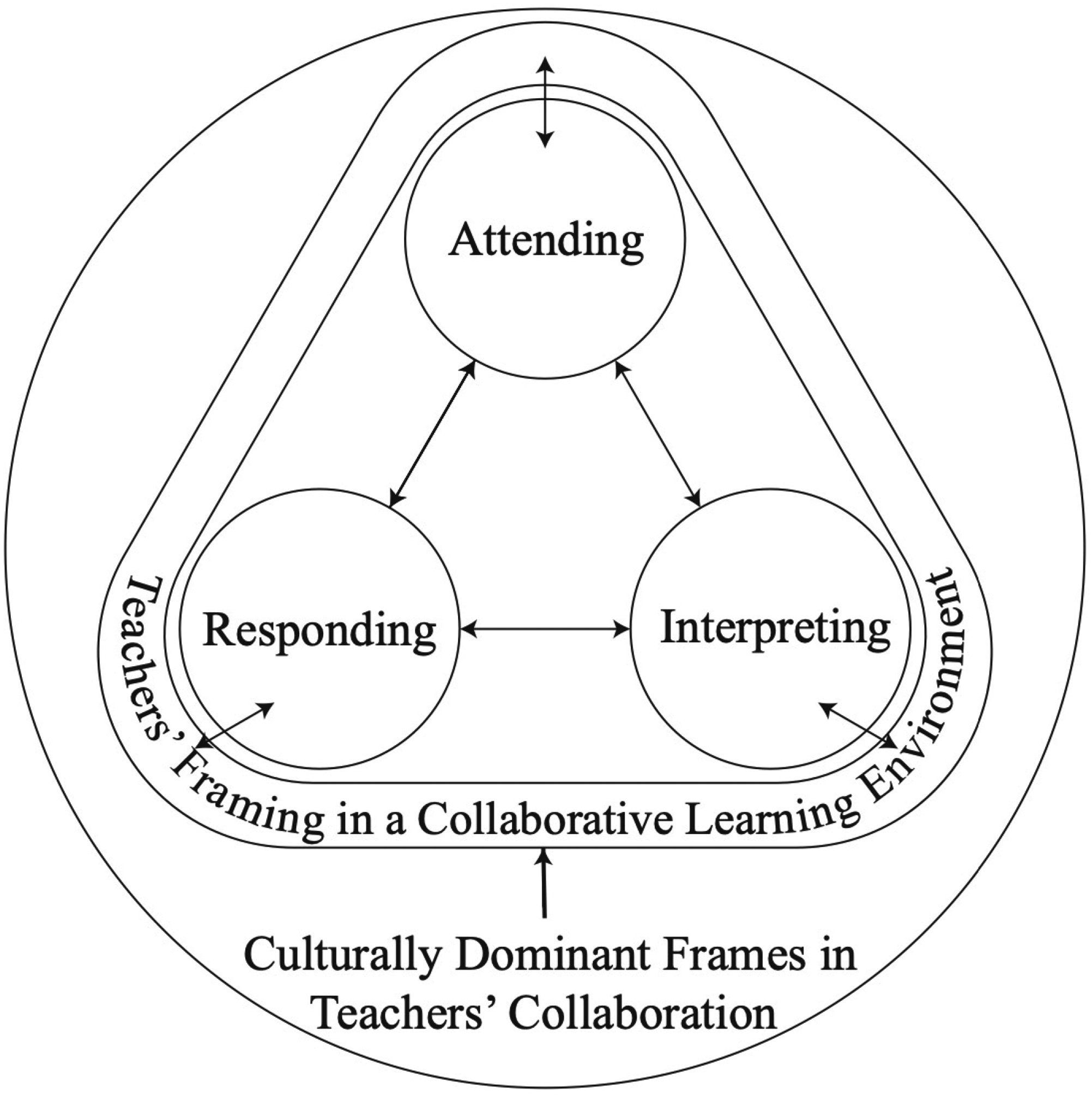
An integrated framework of teacher noticing and framing. Source. Adapted from Louie et al. (2021) and Scheiner (2023).
According to this perspective, how teachers frame the subject of attention, which is frequently influenced by broader frame orientations, both shapes and is shaped by the three processes of noticing (attending, interpreting, and responding; e.g., Louie et al., 2021; Scheiner, 2021). In the context of unit teaching, teacher noticing pertains to the entire teaching unit. In CLS, teachers notice particular aspects of a lesson plan that they and the educational experts construct. Therefore, drawing on the definition of curricular noticing (Dietiker et al., 2018), we define the three processes of lesson plan noticing as follows: (1) attending is pointing out significant details, (2) interpreting is taking a position regarding what one has learned, and (3) responding is suggesting instructional strategies in response to one's thought processes.
In this research, we conceptualize teacher noticing as having “levels,” adapted from classic work on noticing (Jacobs et al., 2010a; van Es et al., 2017). In the context of this study on unit planning for integrated mathematical reasoning, a higher teacher noticing level means that a teacher notices more specificity and connectivity between mathematics, everyday life, and other mathematical topics. van Es et al.'s (2017) framework includes “what teachers notice” and “how teachers notice,” which correspond to attending and interpreting in our framework. To define responding, we refer to Jacobs et al.'s (2010a, 2010b) classic framework.
We examine how Chinese teacher noticing changes after participating in a collaborative CLS. To clarify the influence of cultural factors, we use framing theory (Goffman, 1974) to offer a historically and culturally contextualized viewpoint. By emphasizing characteristics, values, and other factors, frames can influence perceptions by making those factors seem more relevant to the topic than they otherwise would (Hammer et al., 2005). Moreover, a “durable and extensive network of reified tools and institutionalized social practices” (Hand et al., 2013) underpins culturally dominant frames. In the context of teacher collaboration, culturally dominant frames are influenced by, for example, the curriculum standards that guide teachers, the national assessments that students are required to participate in, the perceptions of the more experienced or knowledgeable members of the group, the expectations of teachers and others, and institutional constraints. These sociocultural frames strongly influence individual teachers’ frames (Louie et al., 2021; Scheiner, 2023).
Thus, in this study, framing theory acted as a bridge between teacher noticing and collaborative learning; we assumed that teacher noticing could only change if teachers’ frames shifted during the collaborative learning process.
Based on the theoretical framework, we developed the following research questions:
How do secondary mathematics teacher noticing (attending, interpreting, and responding) and framing of unit-based teaching change during this Chinese lesson study? What cultural factors supported the change in secondary mathematics teacher noticing and framing of unit-based teaching?
Methodology
Participants and setting
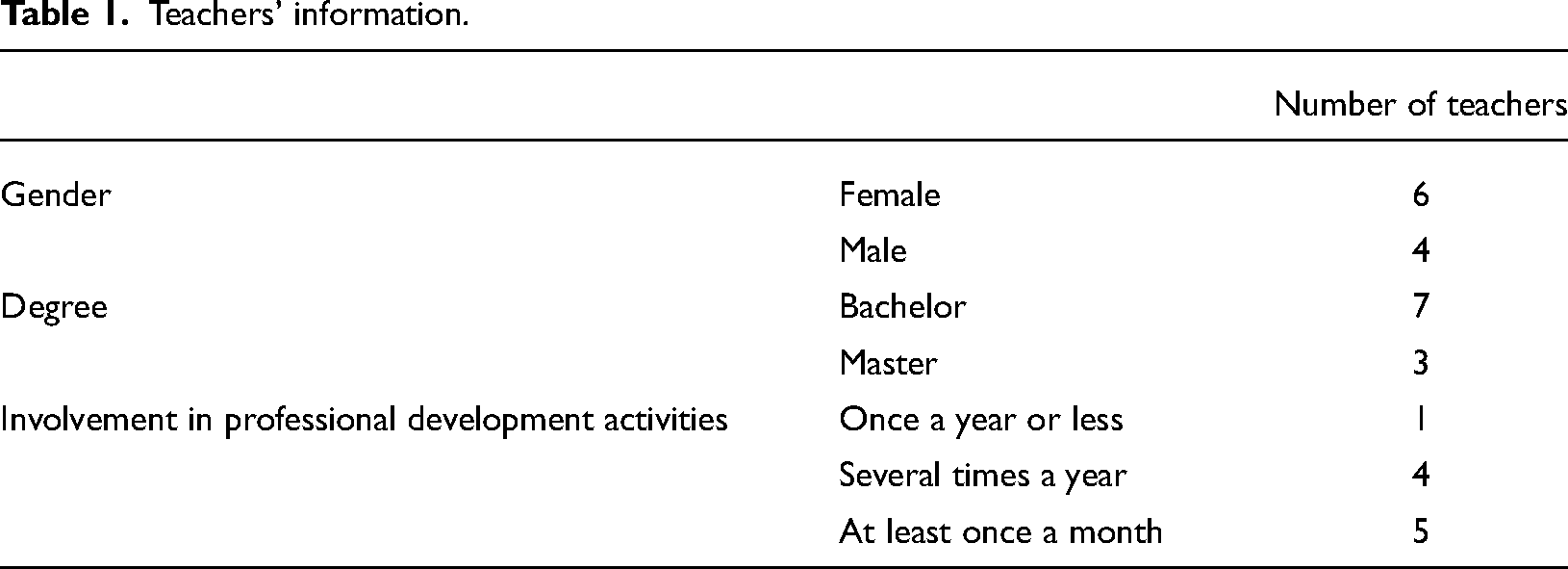
In this study, the teacher collaboration group consisted of two teams, including three university researchers (including one of the authors of this article) and 10 seventh-grade mathematics teachers (T1–T10). This study is part of a larger research initiative that intends to collaborate with teachers and researchers to enhance unit-based teaching practices in secondary school mathematics. All educational research guidelines and ethical rules have been followed and approved by the University's research committee. Ten teachers from four schools in District J were recruited for the study. Most of them had previously participated in similar research projects. Every teacher has more than 10 years of experience in the classroom and a bachelor's degree in mathematics or above; more information is shown in Table 1.
Teachers’ information.
Most of the teachers actively participated in classroom teaching and research activities at schools in the region and were thus ready to learn about new reform ideas that would help them become more proficient teachers. The university researchers in the study play an important role in the new curriculum reform; they are involved in the revision of the curriculum standards for China's compulsory education, as well as the compilation of junior high school mathematics textbooks, and could therefore assist in guiding and supporting teaching activities and the implementation of unit-based teaching. The project encourages all participants to follow the principle of “collaborative learning” (Goodchild, 2008), where they all have an equal opportunity to share their opinions.
This lesson study included three complete lesson cycles. As shown in Figure 2, teachers learned in collaboration with researchers during the “Study” stage. Questionnaires were given to teachers during the “Plan” stage of both the first and last cycles. Classroom video recordings were made of classroom teachers during the “Teach” stage across all three cycles, and semi-structured interviews were given to teachers during the “Reflect” stage of both the first and last cycles. The same teaching unit was used throughout all three cycles of the lesson study. This teaching unit comprises multiple lessons, each designed to address specific learning objectives. While the overarching unit remained consistent, the focus within each cycle varied slightly to emphasize different aspects or goals of the teaching and learning process. This approach allowed us to maintain consistency in the content being taught while also providing opportunities to refine and adapt our teaching strategies based on observations and reflections from each cycle. In addition, our research team included a PhD candidate (one of the authors of this article) who helped team members communicate with mathematics teachers and acted as a “participatory researcher.”
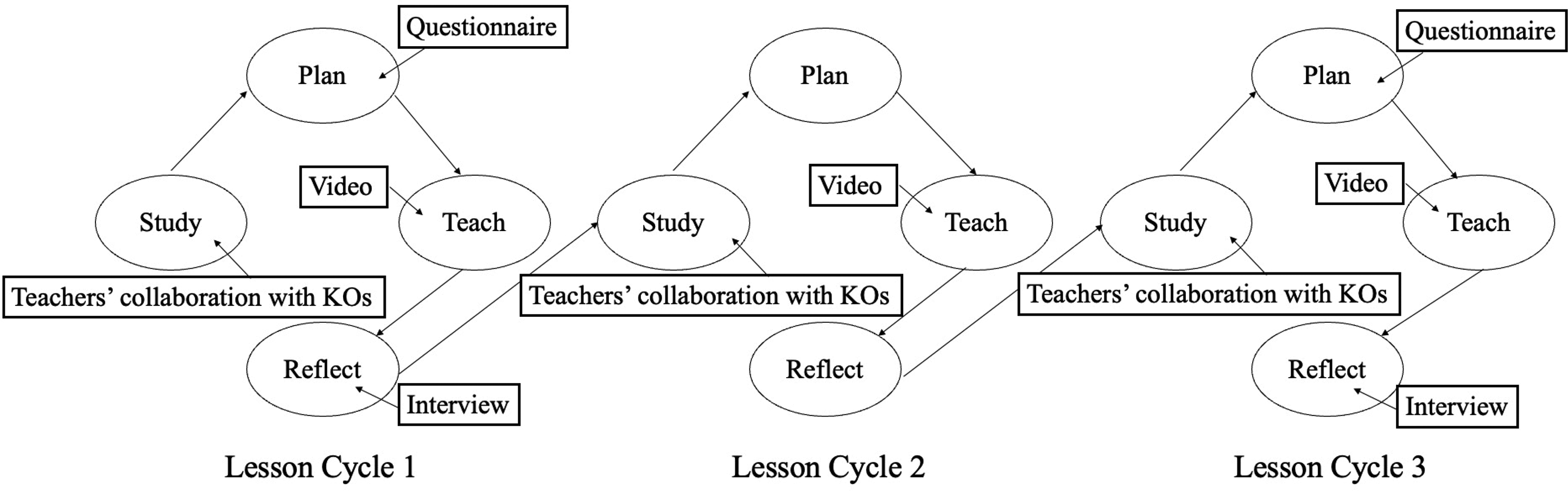
Lesson cycles in this study.
Data collection
To answer the RQ1 of this study, we drew upon previous relevant study designs (Earnest & Amador, 2019; Santagata et al., 2007; van Es, 2011) to help design teacher questionnaires. In this lesson study, the researcher gave the teachers instructions for answering the questionnaire and encouraged them to write out all their ideas as much as possible. The teacher participants were asked the following questions at the “Plan” stage of the first and last lesson cycles:
What do you pay most attention to in the process of unit planning (e.g., objectives, tasks, and assessment of unit teaching)? What do you find noteworthy about your group's plan for this unit? What do you think needs attention in your lesson implementation? Why do you attend to these things and how do you explain them in the context of unit teaching? Why do you think you need to pay attention to what you mentioned above during the implementation phase of the lesson? Based on your understanding, how would you respond to what you have attended to and what kind of instructional decisions would you make?
In this questionnaire, Q1–Q3 were designed to gather data on teachers’ curricular attending skills, Q4–Q5 aimed to collect data on teachers’ curricular interpreting skills, and Q6 was designed to collect data on teachers’ curricular responding skills. Additionally, teachers’ responses were used to infer their frames, as detailed in the data analysis.
For RQ2, it was necessary to collect data on the factors that impacted teacher noticing and framing during the collaborative learning. To gain insight into the factors that, in teachers’ opinions, supported change in their noticing and framing of unit planning, 10 teachers participated in semi-structured interviews with the first author (rather than the knowledgeable others in this lesson study) at the first and final “Reflect” stages. To allow them to thoroughly consider the entire process, the interviewees were given their own questionnaires (answered during the “Plan” stage) and shown videos taken during the “Teach” stage of the lesson cycle, a few days prior to each interview. To obtain robust data for analysis, we conducted 90-min interviews. The following were the principal queries put to the teachers:
During the lesson study, what impressed you as the most noteworthy aspect? Did this study have a significant impact on how you could implement unit-based teaching in the future? How so? Were there any personal changes that you felt were especially apparent? If so, what were they? Why? Could you please offer any reasons you may have for these changes? What factors, in your opinion, influenced the teachers’ perspectives on unit-based teaching? In what ways did your experience influence these modifications?
Throughout the interview, the teachers were encouraged to elaborate on their answers and provide specific examples.
Data analysis
The data analyzed in this study included teachers’ written responses to researcher-designed questionnaires, administered during the planning stages of the first and third lesson cycles; interviews conducted with teachers during the reflection stage of all three cycles; and transcripts of all videos recorded throughout the three cycles. The analysis was conducted in three phases.
Phase 1: Coding levels of attending, interpreting, and responding
The three noticing questions were designed to collect data on teachers’ curricular attending, interpreting, and responding in the context of unit-based teaching. Using the methodology described by Sherin and van Es (2009), the research team first divided the answers to each question from each teacher into one or more analysis units. We referred to each specific idea related to the unit plan as one analysis unit. Next, we assigned a code to each unit according to prespecified coding categories.
For the first round of data collection, 10 teacher questionnaires were collected, yielding a total of 275 units of analysis, based on the division of questions and natural statements (including: attending: 151 units; interpreting: 73 units; responding: 51 units). Similarly, the final data collection yielded 10 teacher questionnaires, which were divided into 312 units of analysis (including: attending: 191 units; interpreting: 78 units; responding: 43 units). As in previous research (e.g., Qi et al., 2022a; Zuo et al., 2024a, 2024b), teachers were more likely to respond with more content on questions related to attending and more deliberate decision-making on questions related to responding, hence the quantitative difference between the two. In addition, each unit of analysis was assigned a code (T1–T10) to indicate the teacher who provided the response.
Similar to existing research assessing changes in teacher noticing (Earnest & Amador, 2019; Jacobs et al., 2010a; van Es et al., 2017), this study used criteria (see Table 2) to assess the three skill levels of attending, interpreting, and responding within the context of unit planning. The levels of the first two elements of the framework are mainly based on van Es et al.'s (2017) descriptions. However, considering the interconnected nature of the mathematics content emphasized in the unit, we combined “mixed” and “focused” in the original framework to level 2 and simplified the levels of attending and interpreting. We defined the levels of responding as “lack of evidence,” “limited evidence,” and “robust evidence,” and further refined these categories within the context of unit planning.
Level criteria and samples of noticing of unit teaching.
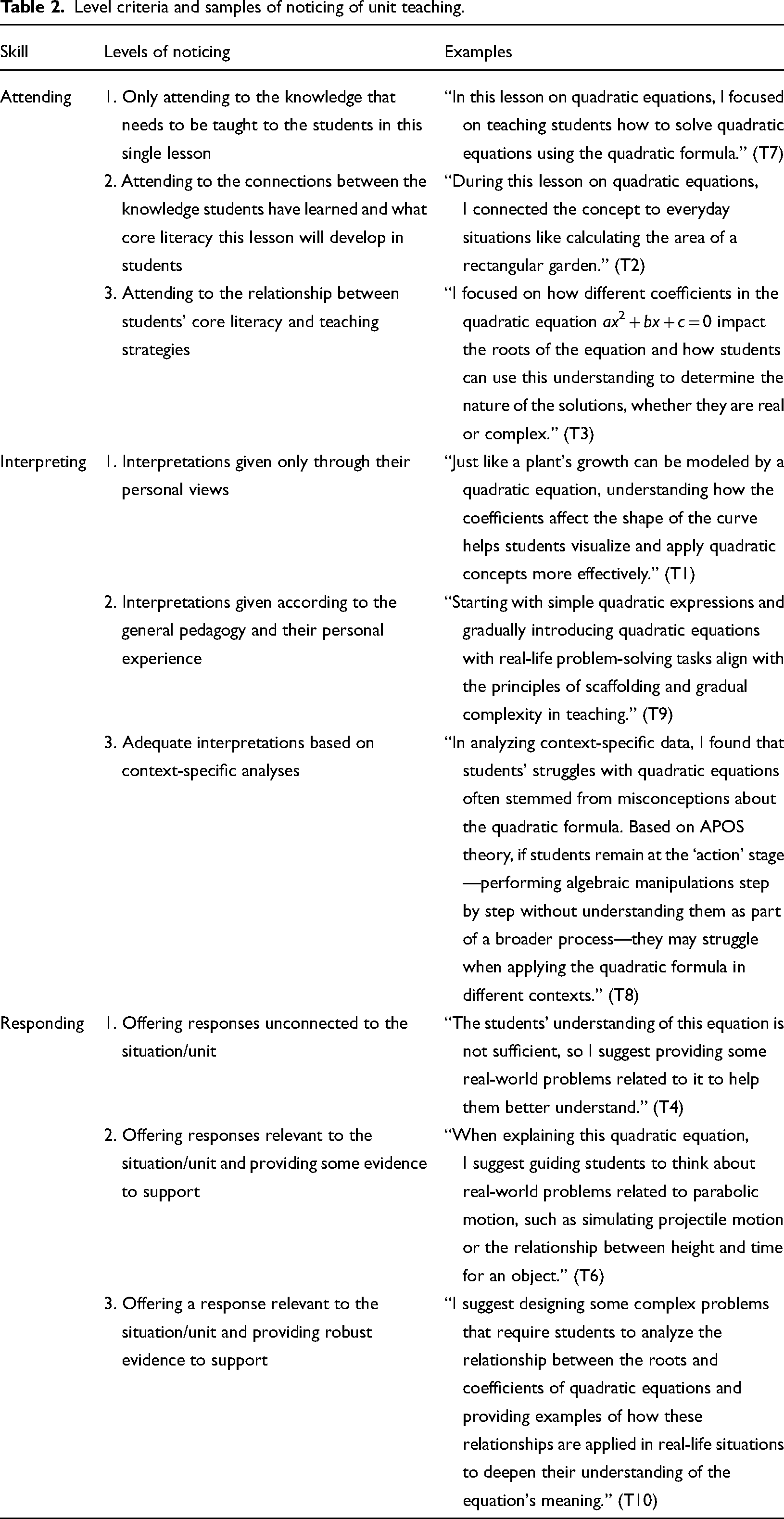
To ensure the reliability of the coding process, two coders double-coded all units of attending, interpreting, or responding to determine the level of each skill. All response units (attending, interpreting, and responding) have over 80% dependability, indicating a high level of inter-rater reliability. Discussions were used to settle any disputes. For the coded data, in addition to descriptive statistics, we conducted a Wilcoxon signed-rank test to show differences in the data. A sample code is also shown in Table 2.
Phase 2: Inferring teachers’ frames
The second phase of the study involved analyzing the coded noticing response units, with a deeper exploration of the attending, interpreting, and responding aspects. This phase aimed to extract participants’ underlying frames by examining the “local patterns” discerned from teacher noticing behaviors, a methodology elaborated by Russ and Luna (2013) to capture insights into participants’ frames and perceptions. This method provides valuable evidence for understanding participants’ grasp of knowledge-building processes. Finally, for specific frame changes of the 10 teachers, we used descriptive statistics to show the differences between the pre- and post-intervention periods.
In our study, we focused on the concept of framing within the context of unit-based teaching, examining how teachers interpret and structure their teaching practices and interactions over an entire teaching unit, rather than over individual lessons. This broad, unit-based perspective allowed us to infer two main types of frames: single-oriented teaching and comprehensively developed teaching. The process of deriving these frames was informed by existing research and our theoretical framework. This categorization is consistent with the definition of unit-based teaching, which emphasizes the interconnectedness between different lessons and content areas.
Single-oriented teaching: This frame focuses on isolated aspects of teaching, often emphasizing discrete skills or content areas without integrating them into a broader context. Teachers with this frame might notice individual lessons or activities as separate entities, rather than parts of a cohesive whole.
Comprehensively developed teaching: This frame reflects a holistic approach, where teachers integrate various aspects of teaching and learning across multiple lessons. This involves recognizing and leveraging connections between different topics, skills, and student interactions to create a cohesive and interconnected teaching unit (see Table 3).
Categories of teachers’ framings of unit teaching.
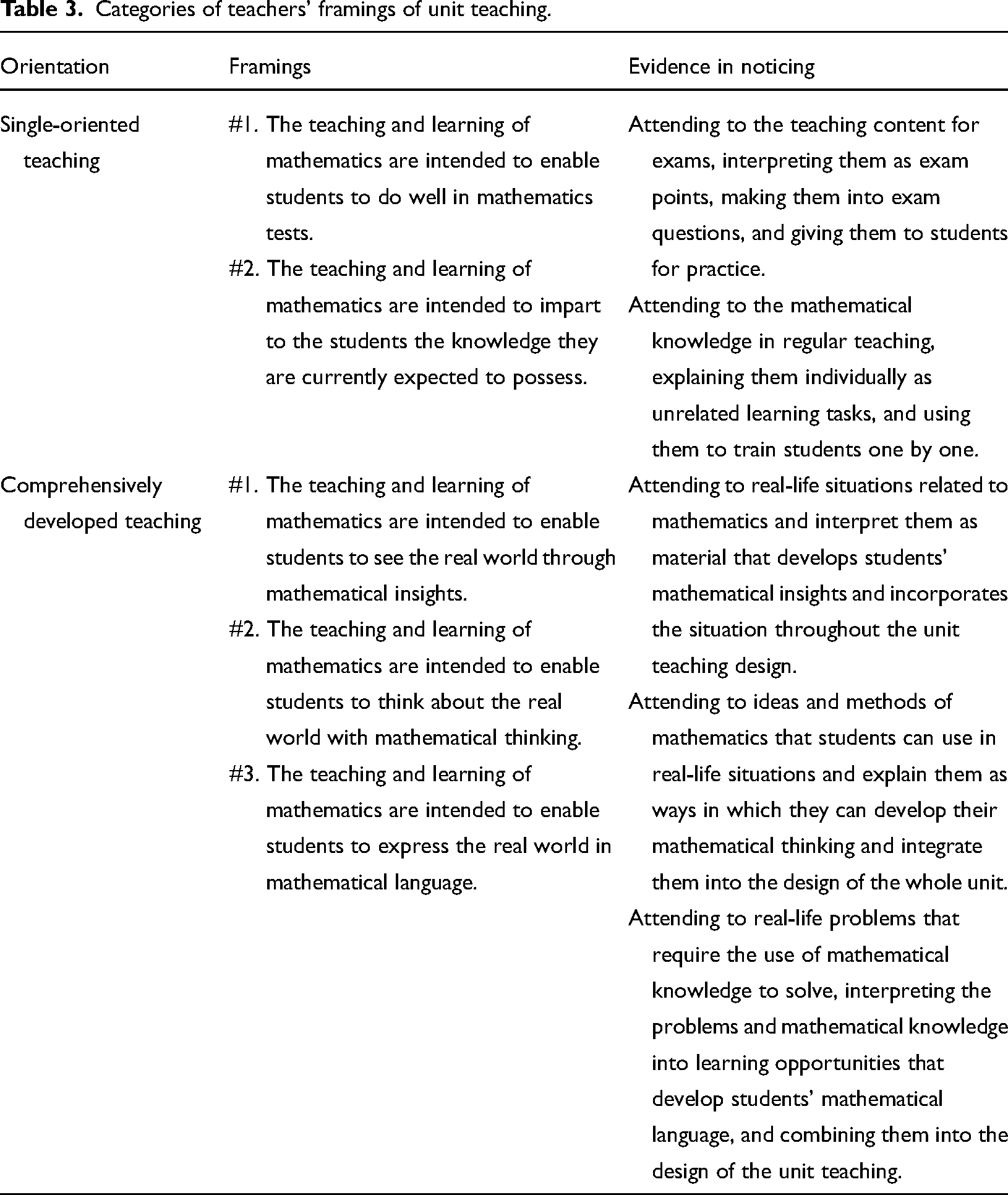
After inferring each of the 10 teachers’ frames at the beginning and end of the lesson study, we classified the teachers into three categories based on the type of change in their frames: (1) single-oriented teaching, (2) comprehensively developed teaching, and (3) transition from single-oriented to comprehensively developed teaching.
Phase 3: Exploring the cultural factors contributing to noticing and framing changes during collaborative learning
During this phase, the transcripts of teachers’ discussions and interviews were analyzed using methods inspired by grounded theory, but without the objectivist connotations sometimes associated with them (Charmaz, 2006), to gain a deeper comprehension of the themes and content of the conversations. On the basis of the interviews and the teachers’ discussions in the CLS, we tried to explain the cultural factors that contributed to the change or lack of change in the teachers’ frames and noticing behaviors.
Following Dey (1999), we started by approaching the data with an open mind. All authors participated in the first round of open coding, which focused on identifying the topic or theme of each discussion. The interviews with teachers were used as further evidence to validate the authors’ judgment. Then, we narrowed down our data by identifying the themes that were important to our study questions. We determined participants’ objectives and activities by analyzing the dominant discussion themes that emerged in the lesson study. Guided by this perspective, we searched for the prominent factors that impacted teachers’ frames in our research context.
Results
This section provides a summary of what participants attended to in planning and implementing the teaching units, how they interpreted content and events in the context of unit-based teaching, and how they responded to those interpretations. Additionally, it offers several categories of interpretations inferred from teachers’ questionnaire responses at the beginning and end of the CLS lesson cycle. The frames are defined as single-oriented teaching and comprehensively developed teaching frames. Within these two categories, three types of teacher change are distinguished, with further variations in how teacher noticing changed for each participant. In addition, we explore the broader cultural factors that may explain the observed changes.
Changes in teacher noticing and frames of participants
Changes in teacher noticing
Overall, the results indicate that teachers significantly enhanced their noticing of unit-based teaching during collaborative sessions. Teachers’ attention to student development within unit-based teaching became notably stronger, demonstrated through comprehensive descriptions, nuanced interpretations, and decisions grounded in evidence-based practices. The findings show that teacher noticing unit-based teaching—that is, their attention, interpretation, and response—improved, perhaps owing to the collaborative CLS approach, although other factors may have contributed as well. Significantly, they were more adaptable in their attention to student development within the context of unit-based teaching, covering a wider range of topics and providing in-depth descriptions of how each topic is illustrated in the unit. Similarly, their interpretations displayed increased adaptability in their attention to student development and more nuanced interpretations grounded in data, as well as an improved ability to formulate appropriate responses (see Figure 3).
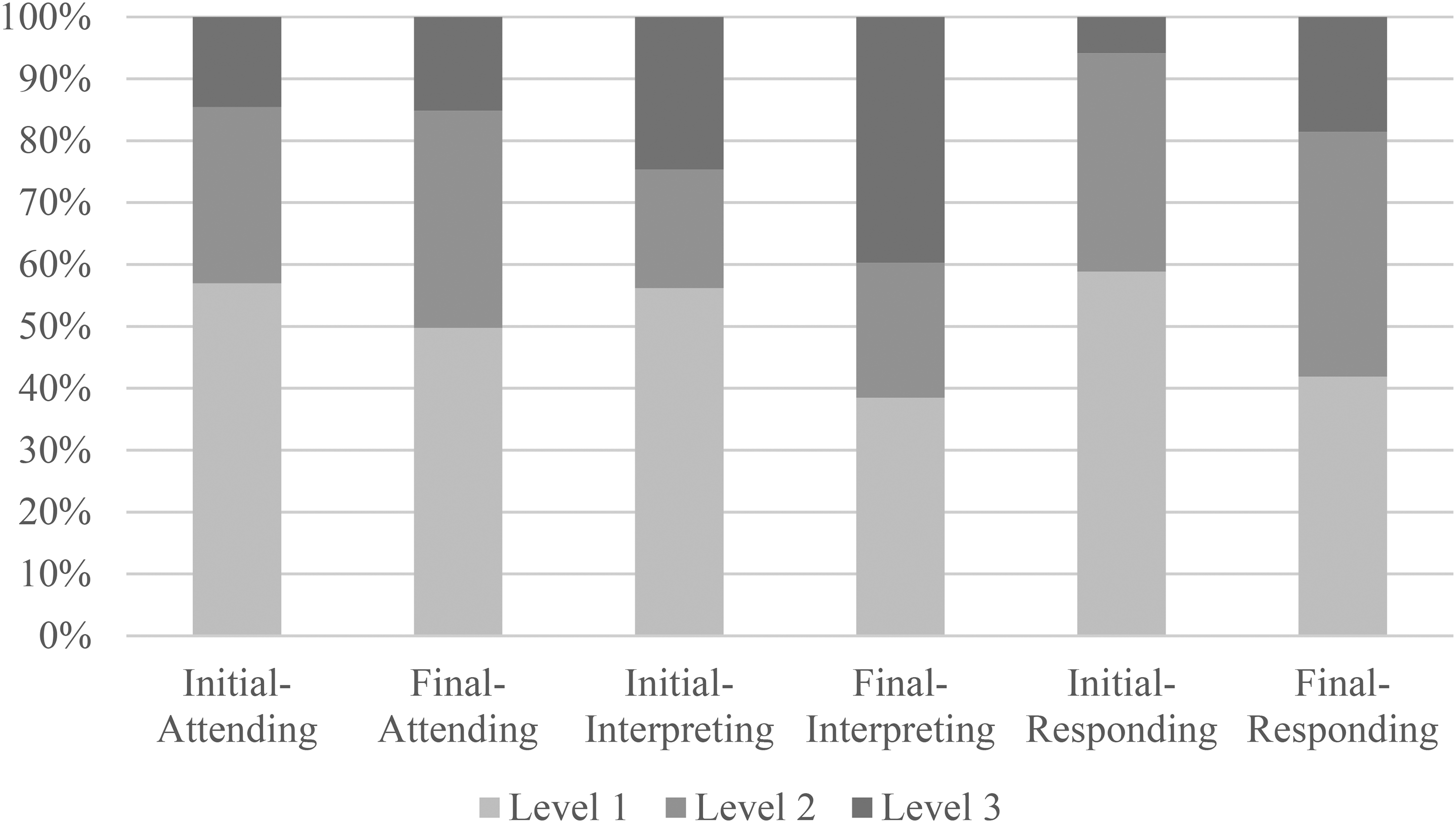
Overall levels of teacher noticing.
Table 4 presents data related to noticing skills among teachers at the beginning and end of the lesson study. The findings indicate level changes across noticing skills. Specifically, teachers’ Level 2 curricular attending skill showed a significant improvement, increasing from 28.48% at the start to 35.08% at the end of the lesson study (Z = −2.002, p = 0.026), indicating a noteworthy shift. We observed a significant increase in the teachers’ Level 3 curricular interpreting skill (Z = −2.372, p = 0.012) and a decrease in their Level 1 curricular interpreting skill (Z = −2.308, p = 0.016). This suggests a meaningful enhancement in curricular interpreting skills in this group of teachers. The results also indicate notable changes in curricular responding skills across skill levels. Specifically, teachers’ Level 1 curricular responding skill significantly decreased, from 58.82% at the initial “Plan” stage to 42.60% at the final “Plan” stage of the lesson study (Z = −2.401, p = 0.008), indicating that the frequency of teachers using this Level 1 skill decreased. These results suggest improvements in teacher noticing skill levels.
Changes in teacher noticing.
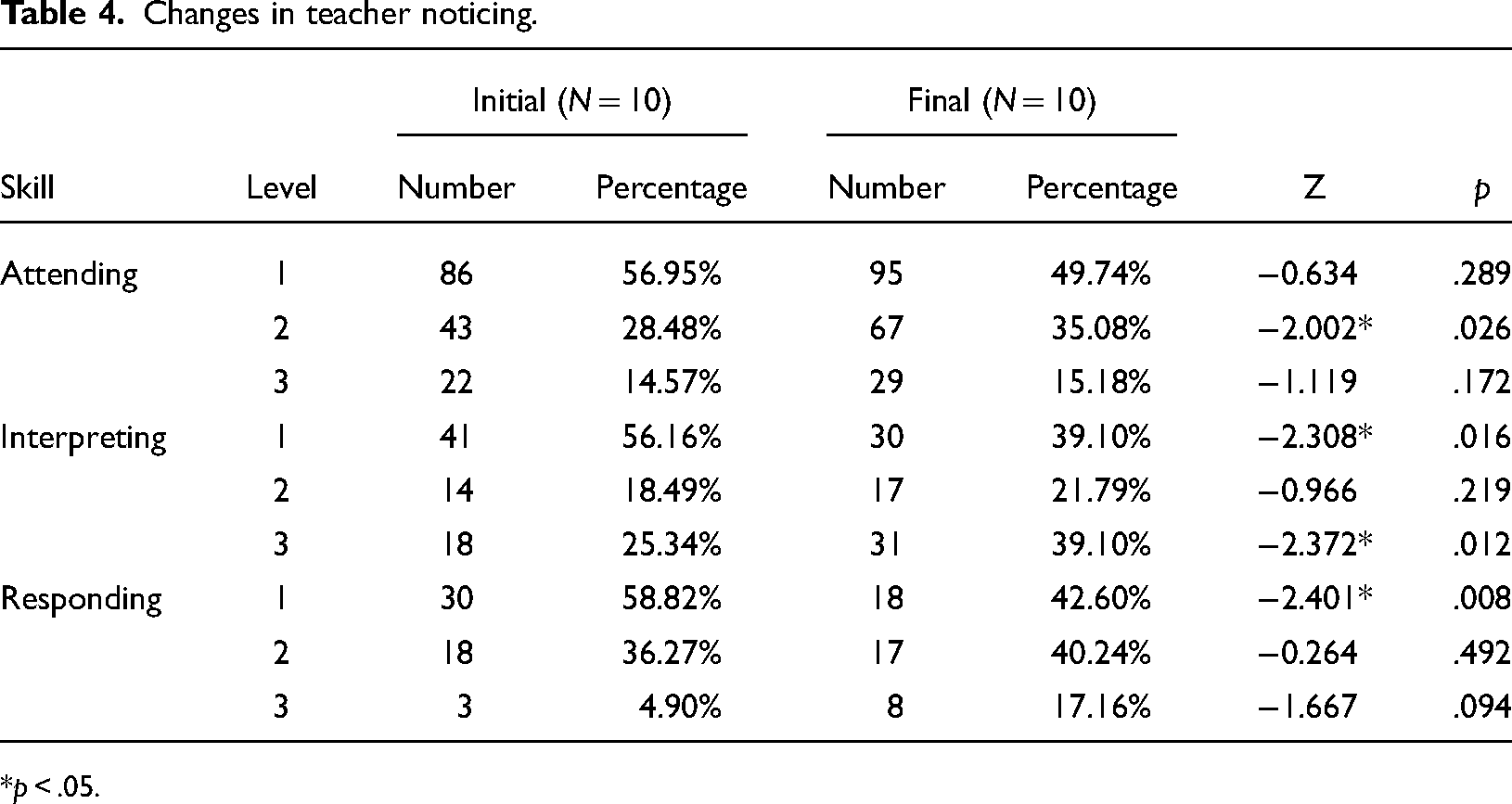
*p < .05.
Changes in teachers’ frames
The shift in the frames guiding teachers’ interpretations of unit teaching is presented in Table 5; at the beginning of the lesson study, 80% of teachers demonstrated a single-oriented teaching frame, whereas by the end, only 30% of responses reflected this type of frame. The remaining 70% adopted a comprehensively developed teaching frame. Two teachers used a comprehensively developed teaching frame throughout the study, three teachers’ responses still illustrated a single-oriented teaching frame at the end, and the remaining five teachers shifted from a single-oriented to a comprehensively developed teaching frame. Thus, we grouped teachers into three categories and tested the difference in levels of noticing among teachers in each frame-change group; the results are shown in Table 5.
Changes in teachers’ framings.
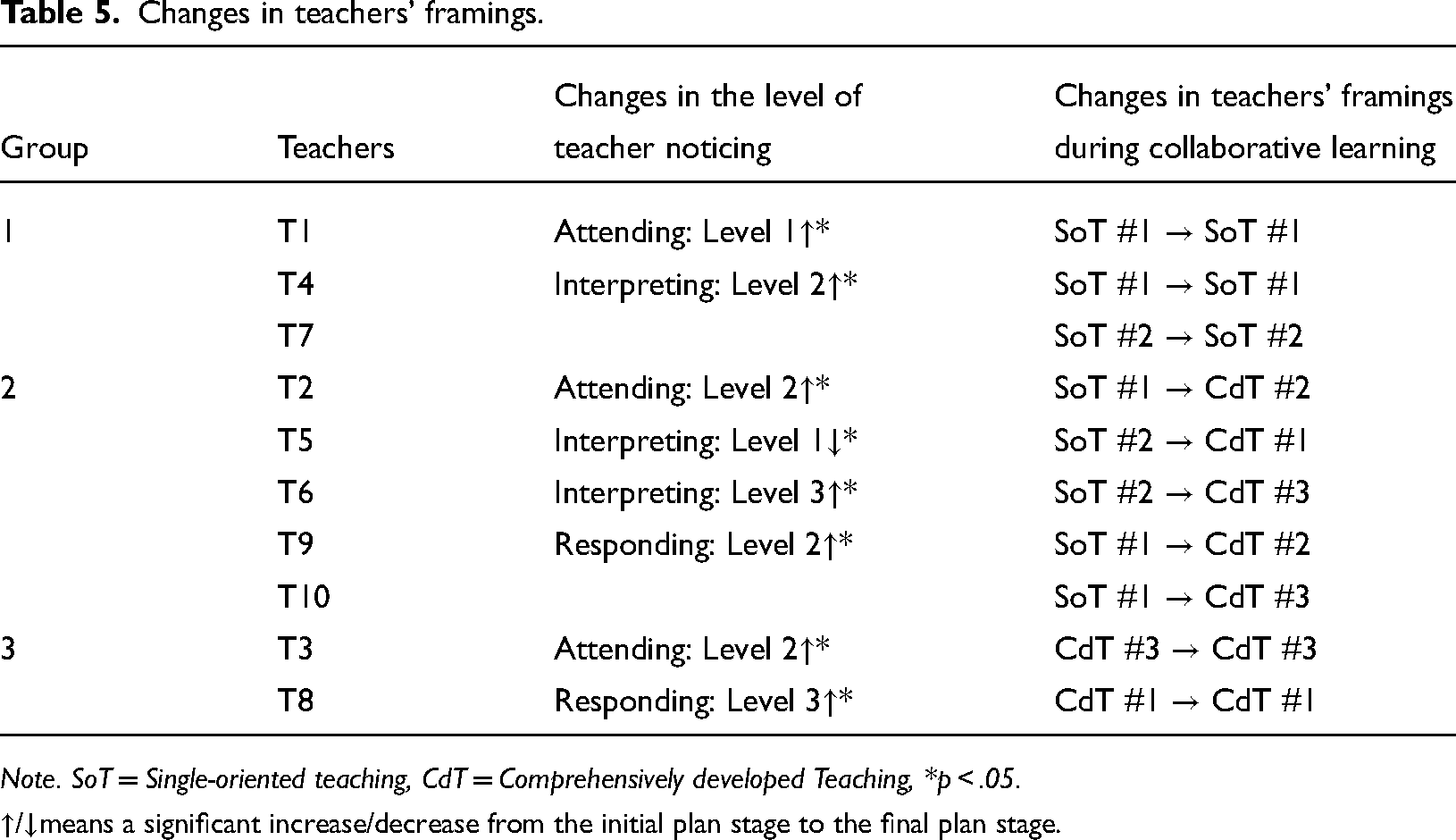
Note. SoT = Single-oriented teaching, CdT = Comprehensively developed Teaching, *p < .05.
↑/↓means a significant increase/decrease from the initial plan stage to the final plan stage.
Teachers in group 1 improved their noticing skills at some of the lower levels. Teachers in group 2 used fewer lower-level skills in attending and interpreting and more higher-level skills. Finally, teachers in group 3 demonstrated increased use of higher-level skills in both attending and responding. In addition, it is evident that the five teachers whose frames changed from single-oriented teaching to comprehensively developed teaching showed improvements across all three noticing sub-skills, in contrast to the two groups of teachers whose frames remained unchanged. This finding may suggest that teachers’ frames influenced improvements in noticing.
Factors contributing to teacher noticing and frame changes during collaborative learning
We investigated the factors influencing changes in teacher noticing in the context of unit-based teaching (RQ2). We summarized teacher interviews and discussions for each of the three types of changes in teacher frames, with the goal of exploring the contribution of culturally dominant frames.
High-stakes testing
Through interviews with three teachers who had SoT frames, we identified a culturally dominant frame that strongly influenced their framing and noticing: high-stakes testing. In the Chinese educational system, high-stakes testing drives both teaching and learning processes (Qi et al., 2022b). T1: In fact, what I care about most is whether the students can get good grades in the end. No matter how the teaching has changed, the students still have to sit for the examination, and if the examination has not changed, I will continue to teach in the same way as before. T4: Not only does the test determine whether a student gets into a better school, but it also determines whether or not I get a better job performance rating.
High-stakes testing exerts immense pressure on both students and teachers, shaping the way lessons are structured and delivered. This emphasis on exam preparation can narrow teachers’ frames, encouraging them to prioritize content coverage over in-depth understanding and critical thinking skills.
Respect for authority and hierarchy
Through interviews and discussions with five teachers who changed from SoT to CdT frames, we identified another culturally dominant frame that strongly influenced their framing and noticing: respect for authority and hierarchy. Confucian principles emphasize respect for authority and hierarchical relationships, a trait that was evident in the collaborative CLS. For example, during discussions, teachers generally nodded and accepted suggestions for improvement made by researchers or experts, valuing their input and integrating their perspectives into their own practice (Huang & Shimizu, 2016). T2: I have a question as to why it is necessary to relate quadratic equations to students’ real-life models. It seems to add to the cognitive load of the students. KO1: The curriculum standards require students to think about the real world through mathematical reasoning. In the study of quadratic equations, this practice develops students’ modeling and algebraic thinking skills. T5: Yes, I agree with you, but can you tell us exactly how to implement this in our teaching? KO1: Of course, the easiest way to do this is to put it in the introduction stage of teaching to impress students; you can also find that there are a lot of topics related to real-life situations in the exercises. The practice that I advocate most is to embed a real-life situation throughout the whole unit, so students learn quadratic equations in the process of solving real-life problems. T5: Thank you, I will try it. T2: Thank you.
Cultural deference to authority can enhance the collaborative learning process by encouraging teachers to adopt new, more modern perspectives more readily than they might in less deferent cultures, ultimately enriching teacher noticing and framing of unit teaching.
Institutional constraints and professional routines
Through interviews and discussions with two teachers who had CdT frames, we identified another culturally dominant frame that strongly influenced their framing and noticing: institutional constraints and professional routines. This frame can also provide a structured framework that supports effective teaching and professional development. In the context of CLS, these routines often include regular, scheduled collaborative meetings and well-defined roles within the teaching community. T8: As a core teacher in my school, I often participate in various professional development activities, at district, city, and provincial levels, which give me the opportunity to learn about some new teaching reforms in advance, and allow me to be ahead of others.
The institutional practice of CLS is itself a professional routine that fosters continuous improvement and reflective practice among teachers. Through structured peer observations and feedback sessions, teachers can systematically analyze and refine their instructional strategies (Huang & Bao, 2006). This process not only promotes a culture of continuous learning but also ensures that teachers’ professional growth is aligned with institutional goals and educational standards.
Discussion
This study focuses on collaborative learning for secondary school mathematics teachers and its impact on teacher noticing. We used framing theory to understand the influence of collaborative learning on teacher noticing, suggesting that cultural factors such as traditions of teacher education and testing traditions impact teachers’ frames and promote a shift in their noticing, which ultimately leads to an improvement in teaching effectiveness.
The study makes the following contributions: The findings suggest that teachers’ frames can be transformed in collaborative learning environments, leading to an improvement in teacher noticing skills. The improvement of noticing skills was more comprehensive among teachers whose frames changed. Finally, we identified key factors that promoted change in teachers’ frames and improvement in their noticing skills in the context of the Chinese cultural tradition. The results of this study show that all three sub-skills of teacher noticing in a unit teaching context changed (albeit to varying degrees) following a CLS. This finding aligns with previous research (Qi et al., 2022a; Wei et al., 2023). Regarding the changes in teachers’ frames, we observed differences among the participants. Generally, however, teachers’ frames changed from SoT framing to CdT, with no changes in the opposite direction, which also aligns with previous results (Louie et al., 2021; Scheiner, 2023). Unlike previous researchers, however, we separated the groups of teachers into three categories based on the nature (or lack) of their frame change. We found that teachers whose frames changed during the CLS also displayed greater improvement in their noticing skills compared with those whose frames did not change.
We went on to explore the cultural factors that led to these different types of change. Based on previous literature on cultural factors in CLS (Huang & Bao, 2006; Huang & Shimizu, 2016; Qi et al., 2022b), teachers’ frames are influenced by culturally dominant frames: Teachers’ worries about high-stakes testing discourage shifts in their framing. The Confucian tradition of respecting teachers and elders in collaborative learning facilitated shifts in teachers’ frames. Furthermore, a well-regulated system of PD enables teachers to strengthen their frames.
However, this study focuses only on the context of unit-based teaching of mathematics, which is a limitation. Future research can explore the context of other disciplines. Additionally, the methodology of this study limited our ability to identify diverse teacher frames, with only two emerging from the analysis. Future research could enhance the methodology, for example by utilizing eye movement and head-mounted camera capture technology to enable a more robust analysis.
Footnotes
Acknowledgments
Thanks to Professor Luc Trouche for literature support and valuable advice during the writing process.
Contributorship
Siyu Zuo conducted the literature review, research design, and writing. Chunxia Qi completed the conceptual framework and writing. Both authors collected and analyzed the data, read and approved the final manuscript.
Declaration of conflicting interests
The authors declared no potential conflicts of interest with respect to the research, authorship, and/or publication of this article.
Ethical statement
This research was approved by the Academic Ethics Committee with approval number BNU202303100004 (Ethical Approval of Faculty of Education, Beijing Normal University).
Funding
The authors disclosed receipt of the following financial support for the research, authorship, and/or publication of this article: This study was partially supported by the Interdisciplinary Research Foundation for Doctoral Candidates of Beijing Normal University (BNUXKJC2401), awarded to Siyu Zuo.
