



Abstract
The coronavirus-disease 2019 (COVID-19) was announced as a global pandemic by the World Health Organization (WHO), and it affected all human groups. Severe COVID-19 is characterized by cytokine storms, which can lead to multiorgan failure and death, although fever and cough are the most typical symptoms of mild COVID-19. Plant-based diets provide a 73% lower risk of moderate-to-severe COVID-19. Additionally, the association between low levels of some micronutrients and the adverse clinical consequences of COVID-19 has been demonstrated. So, nutritional therapy can become part of patient care for the survival of this life-threatening disease (COVID-19) also short-term recovery. Magnesium as an essential micronutrient due to its anti-inflammatory and beneficial effects can effectively prevent COVID-19 pandemic by playing a role in the treatment of comorbidities such as diabetes and cardiovascular disorders as major risk factors for mortality. Sufficient magnesium to stay healthy is provided by a proper daily diet, and there is usually no need to take magnesium supplements. Considering that almost half of the dietary magnesium comes from fruits, vegetables, nuts, and grains, it seems necessary to pay attention to the consumption of edible plants containing sufficient magnesium as part of the diet to prevent severe COVID-19. In this study, we have described the beneficial effects of sufficient magnesium levels to control COVID-19 and the importance of plant-based magnesium-rich diets. Additionally, we have listed some edible magnesium-rich plants.
Introduction
The seventh human coronavirus, severe acute respiratory syndrome coronavirus 2 (SARS-CoV-2), was found in Wuhan, Hubei province, China, during a recent pneumonia epidemic in January 2020.1,2 SARS-CoV-2, SARS-CoV, and Middle East respiratory syndrome coronavirus (MERS-CoV) all induce severe pneumonia, with death rates of 2.9%, 9.6%, and 36%, respectively.3,4 Fever and cough are the most typical symptoms of COVID-19 patients. 5 However, severe COVID-19 is characterized by cytokine storms, which can lead to multi-organ failure and death. 6 Organ function damage affects many patients in intensive care units, including acute respiratory distress syndrome (ARDS), heart injury, acute renal injury, and liver dysfunction. 7 Although some drugs, such as glucocorticosteroids 8 and monoclonal antibodies, 9 appear to be potentially beneficial in treating COVID-19, there is still a lack of definite clinical evidence, and the epidemic has not been effectively contained.10,11 The main risk factors for severe COVID-19 include hypertension, cardiovascular diseases, kidney disease, and diabetes. Evidence shows that 50% of hospitalized patients with COVID-19% and 70% of patients who require intensive care unit (ICU) care had at least one of the comorbidities. 12 In these circumstances, maintaining the population’s general health plays a crucial role in combatting the COVID-19 pandemic, and micronutrients are effective in maintaining health as factors involved in the proper functioning of different body systems. Accordingly, researchers have investigated preventive and therapeutic effects of micronutrients on SARS-COV-2 infection as a novel concept. 13 A recent study showed that there is a regulatory effect of high-dose vitamin C on COVID-19-associated cytokine storm. 14 In addition, evidence showed that coping with micronutrient deficiencies such as vitamins D, E, zinc, and magnesium is essential in the treatment of COVID-19.15,16 Half of the required magnesium comes from edible plants such as fruits, vegetables, nuts, and grains. 17 Additionally, worldwide studies suggest that plant-based diets play a significant role in reducing the risk of severe COVID-19 and its mortality.18,19 Accordingly, comprehensive and detailed studies on the role of micronutrients and plant-based diets in the treatment of COVID-19 seem necessary.
Data Sources and Research Strategy
PubMed, EMBASE, Web of Science, Google Scholar, and Science Direct were used to perform online searches. All of the reviewers debated and refined a literature search strategy after reviewing the results of primary investigations and pertinent reviews. The final search keywords included (magnesium OR Mg OR covid-19 OR herbal sources OR micronutrients OR magnesium deficiency OR treatment OR mechanism OR functions) AND (covid-19 OR multi-organ dysfunction OR magnesium OR micronutrients OR treatment). The inclusion criteria included magnesium deficiency in all human types and ages infected with SARS-CoV-2, and review literature about herbal uses of Mg, while the exclusion criteria were animal studies.
Magnesium
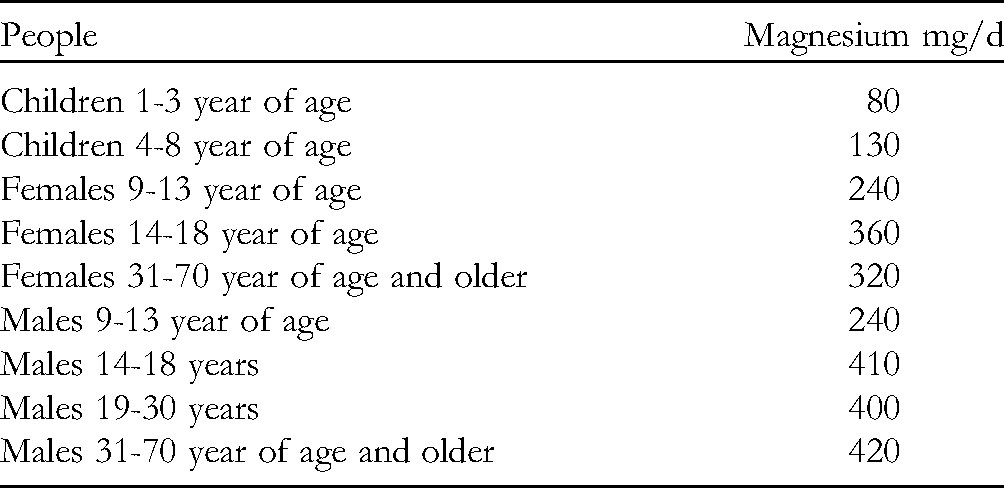
Magnesium (Mg) is the body’s fourth most abundant cation and the second most abundant intracellular cation after potassium. It is an essential cofactor in over 300 enzymatic processes where it has a vital role in adenosine triphosphate (ATP) metabolism. 20 Magnesium has various activities as a calcium antagonist. It also plays an important role in muscular contraction, neuronal activity, control of vasomotor tone, cardiac excitability, and neurotransmitter release.20,21 The rate of intestinal absorption of dietary magnesium is determined by the amount taken and the total body magnesium status. The Recommended Dietary Allowance (RDA) has ranged the amounts of magnesium required for humans, as shown in Table 1.20,22,23
COVID-19 and Magnesium
SARS-CoV2 triggers oxidative stress and inflammation, leading to multi-organ failure, acute respiratory distress syndrome, heart failure, arrhythmia, renal failure, and shock, thus increasing the mortality associated with COVID-19.24,25 Cytokine storm is a characteristic of the severity of COVID-19 in which the overproduction of inflammatory cytokines such as interleukin-6 (IL-6), interleukin-1(IL-1), and tumor necrosis factor (TNFα) is observed. 6 In COVID-19 patients, hyper-inflammatory due to excessive cytokine release can lead to multi-organ failure and even death. 26
It has been demonstrated that magnesium plays a key role in the immune systems including in antigen binding to macrophages and regulation of leukocyte activation. Moreover, it acts as a cofactor for the synthesis of antibodies.27,28 Also, clinical evidence shows magnesium supplements effectively control inflammation by reducing IL-6 response. 29 Based on a clinical research study, magnesium sulfate can inhibit cytokine storm in COVID-19 patients through immune-modulatory and anti-inflammatory activities. 30 At the beginning of the pandemic, an association between serum levels of micronutrients and the severity of COVID-19 was assessed. The study revealed a relationship between magnesium deficiency and higher lung involvement. However, this relationship has also been found with vitamin D and zinc. 31 Although hypomagnesemia is highly prevalent in hospitalized patients due to COVID-19, 32 another study revealed that magnesium and vitamin D intake reduced requiring oxygen therapy and intensive care support in high-risk patients with COVID-19. 33 In addition, it has been demonstrated that magnesium sulfate inhalation effectively alleviates respiratory symptoms such as shortness of breath, cough, and oxygen saturation in COVID-19 patients. 34 The association between trace elements and COVID-19 outcome was also evaluated in pregnant women. The obtained results showed that serum magnesium level was significantly higher in the COVID-19 group compared to the control in the first and third trimesters of pregnancy. Additionally, its concentration was correlated with lymphocyte (P = .04, r = −0.254), CRP (P = .03, r = 0.271), ferritin (P = .03, r = −0.272), and creatinine (P = .01, r = 0.30) levels, but no correlation could be seen between disease severity and serum magnesium. 35
On the other hand, another critical issue for patients with COVID-19 is comorbidities involved in increasing mortality associated with the disease. 12 The most prevalent comorbidities are cardiovascular diseases such as arterial hypertension, chronic ischemic heart disease, and other chronic condition linked to obesity, diabetes type II, chronic renal failure, and cancer. 36 Evidence reveals that hypertension doubles the risk of severe COVID-19, 12 and a clinical study depicted that the mortality rate in hospitalized COVID-19 patients with chronic kidney disease (CKD) was remarkably higher than patients without kidney disease. 37
Moreover, oral magnesium supplementation has a beneficial effect on 24-h urinary cortisol excretion and glucocorticoid metabolism, thereby reducing the risk of cardiovascular diseases, 38 which play a crucial role in the severity of COVID-19. 39 Another study indicated that hypomagnesemia has been observed in more than 30% of COVID-19 patients with QT prolongation. 40 Furthermore, research on hypertensive patients depicted that magnesium as a calcium channel blocker reduces 3 parameters: blood pressure, systemic vascular resistance, and left cardiac work index.41,42 Lung injury is the primary clinical manifestation of COVID-19, 43 and magnesium improves pulmonary function by ameliorating dyspnea 44 and reducing oxidative stress. 45 Furthermore, magnesium can be effective against COVID-19 by affecting chronic diseases such as metabolic syndrome (Met S) and type 2 diabetes (T2D). These pathological conditions are associated with the severity of COVID-19.23,46,47 Kidney impairment is also considered an important risk factor associated with an increased risk of death from COVID-19. 48 On the other hand, acute kidney injury (AKI) is the most common severe adverse effect of administration of some drugs for the treatment of COVID-19 such as remdesivir. 49 According to clinical studies, adequate magnesium intake reduces the incidence of AKI and CKDs and subsequent mortality.50,51 The comorbidities with the most impact on the COVID-19 mortality rate are shown in Figure 1.
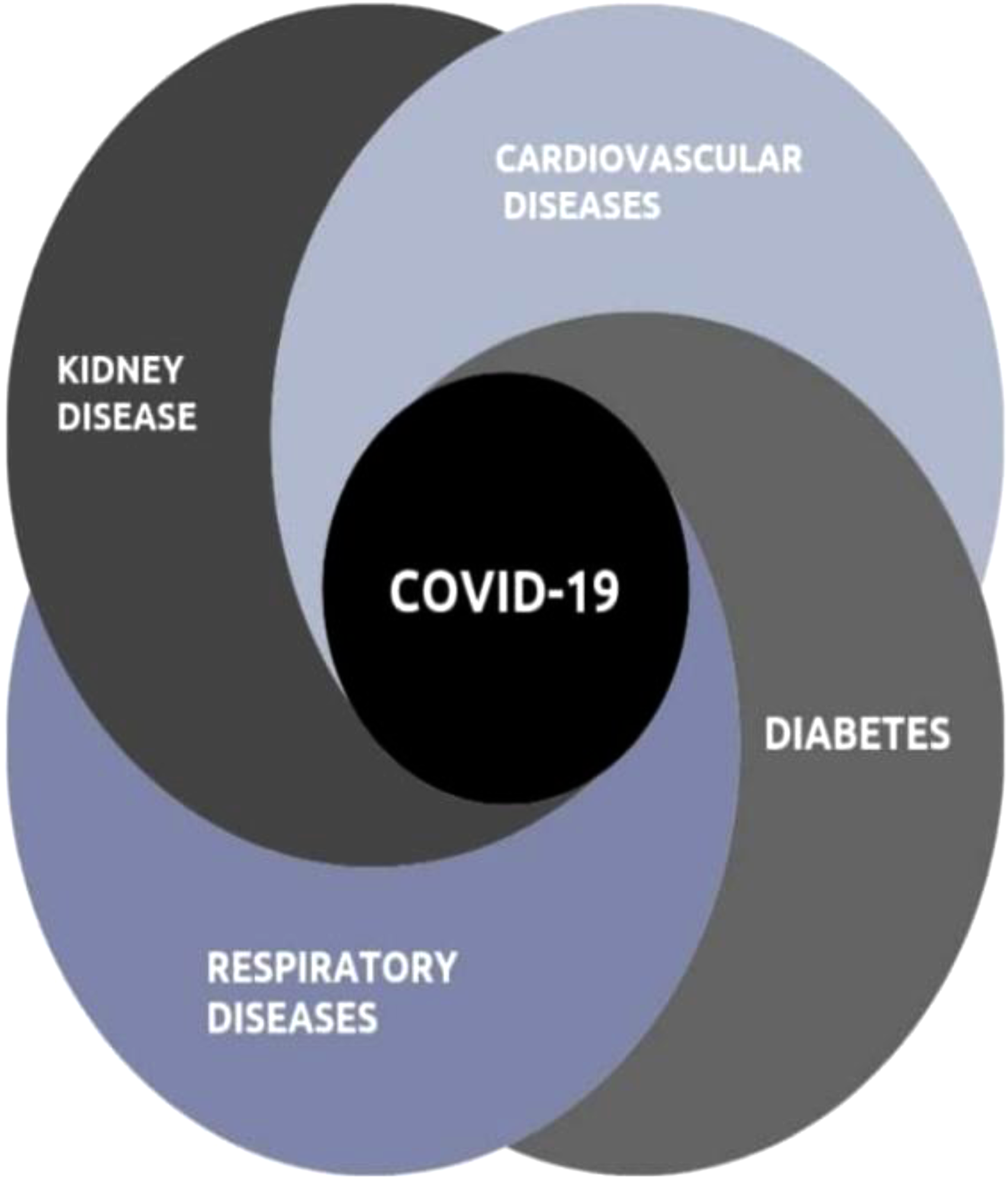
The comorbidities with the most impact on the COVID-19 mortality rate.
On balance, magnesium as a vital micronutrient can be helpful in all phases of COVID-19, but it mainly has a preventive effect on severe COVID-19.52,53 Various effects of magnesium on COVID-19 risk factors are shown in Figure 2.
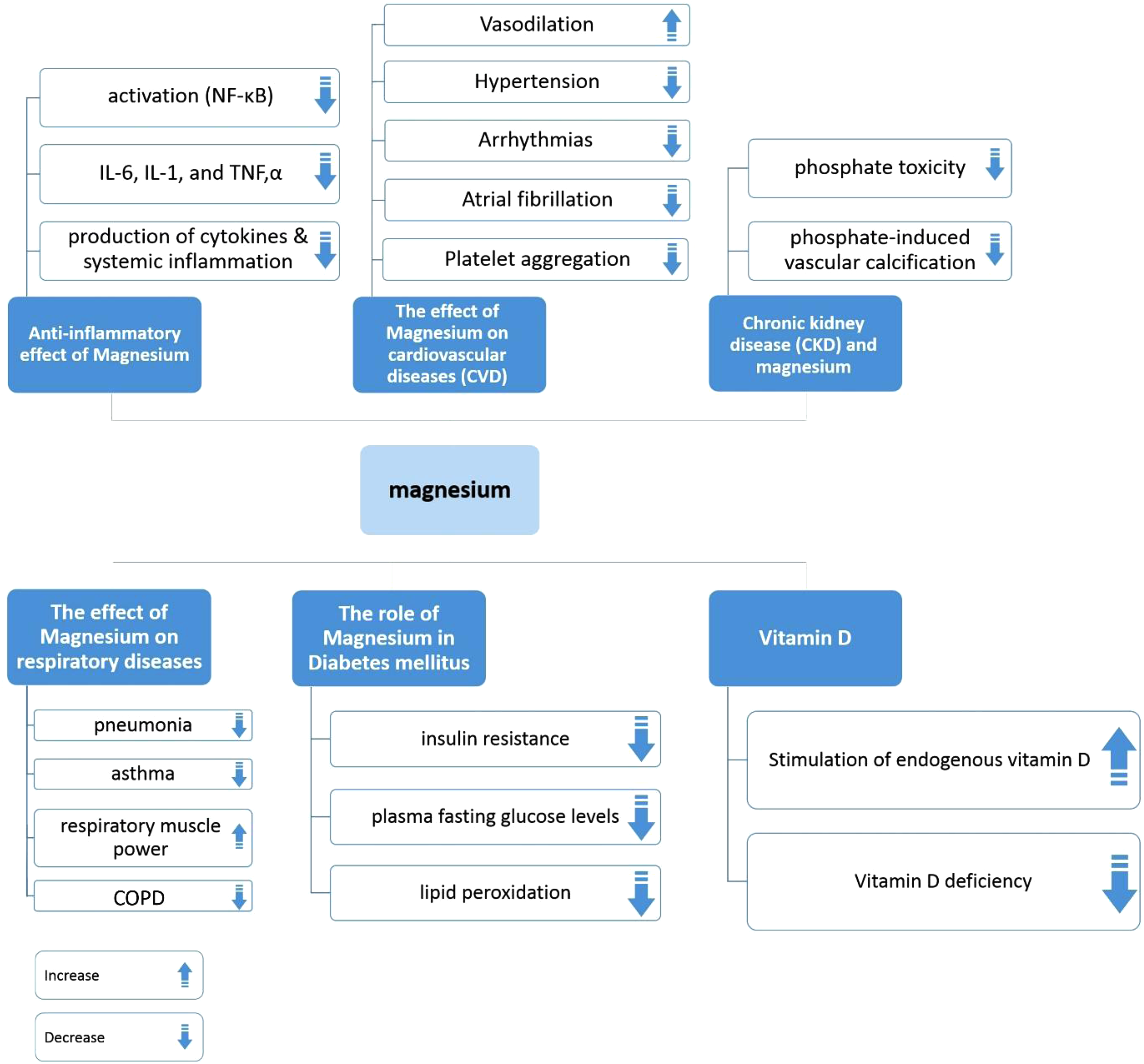
Various effects of magnesium on COVID-19 risk factors.
Anti-Inflammatory Effect of Magnesium
Anti-inflammatory and antioxidant activities are other beneficial effects of magnesium. 54 Magnesium prevents the activation of nuclear factor kappa-light-chain-enhancer of activated B cells (NF-κB), the production of cytokines, and systemic inflammation by inhibiting the influx of calcium to immunocompetent cells. 55 The association between inflammatory stress and magnesium deficiency has been shown with increasing C-reactive protein (CRP). 56 Besides, magnesium deficiency increases the release of inflammatory cytokines, including IL-6, IL-1, and TNFα through activation of macrophages and release of neuromediators. On the other hand, serum levels of these cytokines are inversely related to the consumption of magnesium-rich foods. 57 Evidence suggests that magnesium deficiency could cause chronic inflammation, both directly and indirectly, by altering gut microbiota. 58 Besides, clinical research in obese women has revealed a negative correlation between magnesium and pro-inflammatory cytokines such as IL-6. 59
The Relationship Between Vitamin D and Magnesium
Higher magnesium intake lowered the incidence of vitamin D deficiency and insufficiency in the general population, according to data from the National Health and Nutrition Examination Survey (NHANES). 60 Therefore, consuming the right amount of magnesium can help minimize vitamin D supplementation, as magnesium helps to activate or stimulate endogenous vitamin D that is already present in the body. 61 Evidence showed vitamin D supplements could reduce the risk of COVID-19 infections and deaths. 62 Due to the critical role of vitamin D and magnesium on immune function particularly in natural killer (NK) cells and CD8 + T lymphocytes, the deficiency of these micronutrients is involved in the occurrence of cytokine storm in patients with COVID-19. 63 Other studies have also emphasized the simultaneous administration of vitamin D and magnesium in patients with COVID-19.64,65 A cohort study revealed that requiring intensive care support and oxygen therapy have significantly been reduced in older COVID-19 patients that take 1000 IU/d vitamin D, 150 mg/d magnesium, and 500 μg/d oral vitamin B12 combination. 66
The Effect of Magnesium on COVID-19 Comorbidities
Magnesium and cardiovascular diseases (CVD)
Several studies suggest a strong correlation between pre-existing cardiovascular diseases and worse outcomes among patients with COVID-19, and CVD is often considered the most critical risk factor for COVID-19. Because of this, researchers are trying to find ways to manage CVD more effectively.12,36
Following reports of reduced arrhythmias and better survival from trials in South Africa, Australia, and Europe, researchers were interested in the therapeutic potential of magnesium in the care of patients with acute myocardial infarction (AMI). Patients dying abruptly from ischemic heart disease (IHD) had lower amounts of magnesium and potassium in their myocardial tissue than controls (death after severe trauma). 67 According to the findings of a meta-analysis, 1.2 to 10 g of intravenous magnesium sulfate is a safe and effective treatment for fast atrial fibrillation. 68 Furthermore, 2 investigations on magnesium and mortality after AMI were published before thrombolysis was introduced. In the treatment groups, it was found that IV magnesium administration was associated with a 49% reduction in ventricular tachycardia (VT) and ventricular fibrillation (VF). The delivery of magnesium was related to a 54% reduction in mortality. 41 Another research showed that giving magnesium to patients with AMI was a safe and effective way to reduce arrhythmias and death. 69 Several studies suggest that magnesium as a natural calcium channel blocker significantly decreases blood pressure (BP) by increasing nitric oxide, improving endothelial dysfunction, and inducing direct and indirect vasodilation.42,70 Magnesium affects the sensitivity to angiotensin II and prostacyclin production, thus generating its vasodilation effect. 42 On the other hand, magnesium helps maintain the elasticity of the vessels, 71 and adequate magnesium intake as an inexpensive intervention is effective in preventing and combating endothelial dysfunction and subsequent atherosclerosis. 72 Unfortunately, poor magnesium diet affects the growth and migration of endothelial cells and increase platelet aggregation, adhesion, and subsequently microvascular dysfunctions. 73
Magnesium and Chronic Kidney Disease (CKD)
High mortality risk is observed in COVID-19 patients with renal complications, chiefly CKD, and requires a comprehensive multidisciplinary management strategy.74,75 Magnesium as a phosphate binder can be effective against the phosphate toxicity to the kidney by suppressing phosphate-induced vascular calcification. Therefore, inadequate magnesium intake is linked with the high risk of incident CKD and progression to end-stage renal disease. 76 A recent clinical study has shown that the association between serum magnesium levels and mortality caused by CKD is U-shaped; thus, maintaining a normal level of magnesium plays a vital role in CKD patients. 50 Considering CKD and CVD have similar risk factors, reducing the effect of magnesium on cardiovascular mortality in pre-dialysis CKD and end-stage kidney disease, is to be expected and proven.76,77
Magnesium and Respiratory Diseases
Respiratory diseases are one of the main comorbidities of COVID-19.12,36 Chronic obstructive pulmonary disease (COPD) poses a higher mortality risk than asthma in patients with COVID-19. 78 A recent study showed that a magnesium-rich diet improves the quality of life in COPD patients. 79 Also, evidence suggests that magnesium positively affects pulmonary function in the COPD exacerbation population. 80 However, more clinical studies are needed on the effect of magnesium on COPD. 81 Several studies have shown that magnesium supplementation can help people with respiratory disorders, including asthma and pneumonia. 21 Magnesium is a potentially appealing treatment option for asthma because of its widespread availability, low cost, and few side effects. Moreover, the use of magnesium for severe acute asthma seems safe and beneficial by increasing the peak expiratory flow rate and forced expiratory volume per second. 82 In a meta-analysis of acute asthma in children, intravenous magnesium in moderate to severe asthma showed a possible benefit when combined with standard bronchodilators and steroids. 83
A study of inhaled magnesium sulfate in acute asthma showed that nebulized magnesium in combination with a beta2 agonist improved pulmonary function and resulted in a trend toward fewer hospital admissions. 44 The need for magnesium increases under emotional and physical stress conditions, even dyspnea caused by asthma. 23 Magnesium also affects respiratory muscles’ function. Low serum magnesium concentrations are associated with decreased respiratory muscle strength. 84 There is evidence that magnesium is required for prostaglandin and isoprenaline-mediated vascular smooth muscle relaxation, 85 and magnesium may enhance the impact of agonists on adenylyl cyclase. 86 Moreover, another study showed that when activated neutrophils from adults with asthma were exposed to magnesium, they produced less superoxide. 45 On the other hand, Mg administration decreases CD4 + T lymphocyte cytokines and modulates the immune response in acute asthma. 73 The most significant effects of magnesium against COVID-19 are shown in Figure 3.

The most significant effects of magnesium against COVID-19. (A) Magnesium can increase respiratory muscle power like diaphragm, (B) To prevent cell death, magnesium can stop the cytokine storm and reduce inflammation. (C) Calcium channel blocker action of magnesium by increasing NO reduces hypertension. (d) Magnesium also has a beneficial effect on increasing vascular elasticity, endothelium dysfunction, and atherosclerosis. (F) Vitamin D and magnesium have a critical role in the function of CD8 + and T lymphocytes in COVID-19.
Magnesium and Diabetes
A meta-analysis study demonstrated diabetes more than doubled the mortality associated with COVID-19. Whereas the pathogenesis of the impact has not yet been found. 87 The widespread clinical evidence indicates that magnesium oral supplements play a vital role in reducing insulin resistance, maintaining normal insulin secretion, reducing plasma fasting glucose levels, reducing lipid peroxidation, and ultimately reducing the prevalence of Met S.46,88,89 Furthermore, the considerable protective effect of magnesium on the incidence of type 2 diabetes (T2D) has been proven. 90 Usually, people with Met S and T2D have Mg deficiency, which is related to increased plasma levels of a marker of inflammation named CRP. Additionally, several clinical studies have shown an association between Met S and increased synthesis and release of pro-inflammatory cytokine. 46 Besides, magnesium as a 3- hydroxy-3-methyl-glutaryl-coenzyme A (HMG-CoA) reductase controller raises high-density lipoprotein cholesterol (HDL-C), lower triglycerides, and low-density lipoprotein cholesterol (LDL-C). 23 Hypomagnesemia doubles premature ventricular complexes (PVC) prevalence in adults with T2D. PVC considerably increases cardiovascular mortality, so maintaining normal serum magnesium levels is essential in diabetic patients. 91
Magnesium Deficiency (Mg D)
Serum magnesium levels cannot reflect total body magnesium status, and Mg D is mainly indicated by determining the level of magnesium in red blood cells (RBCs). The average RBC magnesium level is between 4.2 and 6.8 mg/dL, and normal serum magnesium is between 1.82 and 2.30 mg/dL (0.75-0.95 mmol/L). 21 Unfortunately, few clinicians are aware of the many clinical states in which magnesium deficiency occurs; thus, evaluating magnesium levels is rare. 92 However, evidence shows that chronic Mg D is a risk factor for multiple preclinical and clinical manifestations, including changes in lipid metabolism, insulin resistance, metabolic syndrome, T2D, hypertension, atherosclerosis, cardiac arrhythmias, stroke, osteoporosis, depression, and other neuropsychiatric disorders. Therefore, it seems necessary to pay attention to adequate magnesium intake in promoting human health. 71 Unfortunately, it is reported that about two-thirds of the adult population do not consume the average estimated magnesium requirement, leading to chronic marginal to moderate magnesium deficiency. Hospitalized patients with COVID-19 should be monitored for hypomagnesemia, and serum magnesium concentration must be higher than 4 to 5 mmol/L. 93 This requires that serum magnesium levels be checked during initial presentation and hospitalization. 94
Herbal Sources of Magnesium and COVID-19
Evidence suggests that magnesium supplements have very poor intestinal absorption, leading to moderate bioavailability and limited efficacy. 95 The Mg content of foods can be a considerable determinant of whether a diet provides enough Mg for health. 22 However, Mg deficiency due to inadequate diet intake is a major health problem for western nations such as USA and Canada, based on the increasing data. In western countries, plant-based foods are consumed in much lower quantities; processed foods, meat, and dairy products constitute essential components of the diet. 96 Magnesium diet intake has been reduced from about 500 mg/d to 175 to 225 mg/d in USA over the past 100 years. 20
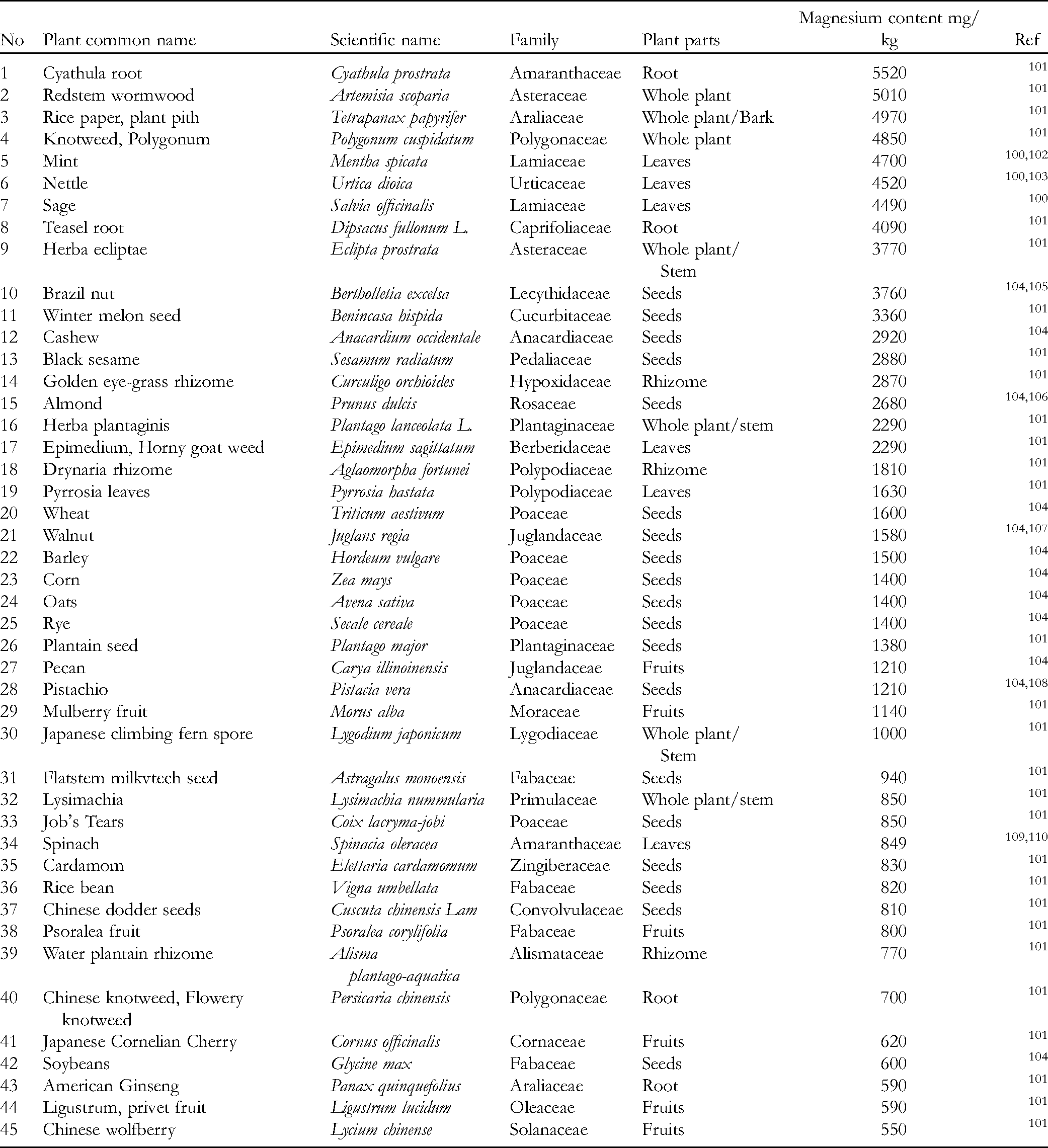
Several studies have shown that approximately 45% of dietary magnesium comes from fruits, vegetables, nuts, and grains, while only about 29% comes from milk, meat, and eggs. 17 Plant-based diets are one of the 3 main reasons for low SARS-CoV-2 infection in Sub-Saharan Africa. 18 In addition, evidence from 6 countries (France, Germany, Italy, Spain, UK, USA) showed plant-based diets provide a 73% lower risk of moderate-to-severe COVID-19. 19 A cohort study in USA depicted that people who did not get sufficient magnesium in their daily water and food were at higher risk for infection in early transmission of COVID-19. 97 Sufficient magnesium to stay healthy is provided by a proper daily diet, and usually there is no need to take magnesium supplements. 98 Mg is abundant in many herbs, such as whole grains, green vegetables, nuts, and pulses. 99 Mg is preferably accumulated in cereals even when the availability of Mg to plants is low, which means whole grains are considered a good source of magnesium for humans. 22 Besides, green leafy vegetables have a unique magnesium content because chlorophyll is magnesium–chelate porphyrin. 17 Mint magnesium content is approximately 4700 mg/1 kg, nettle that has 4520 mg/1 kg of magnesium, and sage with the average 4490 mg/1 kg amount of magnesium can provide a good source of this element. 100 Cyathula, redstem wormwood, rice paper, knotweed, teasel, Herba ecliptae, Brazil nut, and winter melon are other magnesium-rich edible plants with a magnesium content of 3000 to 5000 mg per 1 kg fresh weight.100‐105 Edible plants with magnesium content 1000 to 3000 mg per 1 kg fresh weight including cashew, black sesame, golden-eyed grass, almond, Herba plantaginis, Horny goat weed, Drynaria, pyrrosia, wheat, walnut, barley, corn, oats, rye, plantain, pecan, pistachio, and mulberry.101,104,106‐108 A more complete list of magnesium-rich plants and their magnesium content (middle bound values in mg/kg fresh weight) is provided in Table 2.
Some Magnesium-Rich Plants and Their Magnesium Content.
Conclusion
Magnesium is involved in combating COVID-19 and reducing its mortality by inducing antioxidant, anti-inflammatory, and immunomodulatory effects and reducing the risk of comorbidities. On the other hand, plant-based diets provide a lower risk of moderate-to-severe COVID-19. Therefore, plant-based magnesium-rich diets can be helpful as an accessible and executable approach to control COVID-19. However, further clinical studies are needed to provide a more definitive view of the performance of plant-based magnesium-rich diets at various stages of COVID-19.
Footnotes
Authors’ Note
Mohammed Namiq Amin and Saba Rahimi Bahoosh collected the data and prepared the article; Leila Hosseinzadeh reviewed the article; Mahdieh Eftekhari designed and supervised all phases of the study.
Declaration of Conflicting Interests
The author(s) declared no potential conflicts of interest with respect to the research, authorship, and/or publication of this article.
Funding
The author(s) received no financial support for the research, authorship, and/or publication of this article.
Study Limitations
Clinical trial data are not sufficient to determine the definitive role of magnesium and to determine the effective dose in the management of COVID-19.
