




Abstract
Given its significant environmental footprint, healthcare sustainability is paramount. This study delves into the contributory role of hand therapy, assessing hand therapists’ comprehension, implementation and barriers to sustainable practices, focusing on orthotic fabrication. A global survey distributed via social media and professional networks collected data on sustainability awareness, practices and educational needs from 113 respondents, primarily from North America (34%) and Europe (32%). Although 91% recognized climate change, only 34% practised sustainability. Despite 57% attempting eco-friendly actions in orthotic fabrication, such as reusing components (65%), knowledge of reusable materials was low (17%) and recycling thermoplastics was inadequate (74.3%). The main barriers were lack of awareness (59%), material scarcity (56.6%) and time constraints (54%). The findings underscore the urgent need for enhanced education, better resource availability and policy reforms to close the gap between awareness and action, promoting sustainability in hand therapy.
Keywords
Introduction
Sustainability, encompassing environmental, social and economic dimensions, is a pressing global concern across industries and borders (Kjӕrgård et al., 2014; Poland and Dooris, 2010). Due to resource-intensive practices, waste generation and energy consumption, the healthcare sector is recognized as a significant contributor to environmental degradation. Consequently, there is a rising movement within healthcare to adopt sustainable practices to reduce ecological footprints while maintaining patient care quality (Cimprich et al., 2019; Eckelman et al., 2018).
Despite some existing sustainability awareness in broader healthcare settings, specific research or initiatives focusing on hand therapy are still being determined (Witt et al., 2022). The present study addresses this gap by exploring hand therapists’ awareness, practices, barriers and potential strategies concerning sustainability. Ultimately, it seeks to contribute to the knowledge base of sustainable healthcare practices and foster environmental responsibility within the hand therapy community.
Methods
Development of survey
Our survey was developed based on the established Federation of Societies for Surgery of the Hand (FESSH) Green Hand Survey (Witt et al., 2022), originally designed for hand surgeons but tailored to the context of hand therapy. This adaptation process involved structured discussions across three rounds with expert panels to ensure relevance to hand therapy practice. After these discussions, the survey was thoroughly reviewed by two senior authors, to ensure validity and alignment with our research goals. The resulting survey comprehensively explores sustainability practices in hand therapy through three sections. The first introduces the study’s objectives and importance, while the second, consisting of 41 items, gathers quantitative and qualitative data on therapists’ awareness of sustainability and their employed solutions. The final section focuses on educational needs and preferred methods for learning about sustainability.
Data collection
The survey was distributed globally in rounds of advertising between October and December 2023 through social media channels (Twitter, LinkedIn, Instagram and Facebook), with direct email outreach and asking for collaboration from several American, European, Australian and Canadian hand therapy societies. It was conducted anonymously and accessed solely by the researchers for data and content analysis using Google Forms (Google LLC, Mountain View, CA, USA). We specifically targeted occupational and physical therapists involved in assessing, treating and fabricating orthoses for hand and upper extremity conditions, emphasizing those with experience or interest in sustainability practices.
Data analysis
We employed a comprehensive approach to analyse the survey data. Quantitative data from Likert-scale items were processed using Excel (Microsoft, Redmond, WA, USA) to calculate counts and percentages, with graphical representations to enhance data accessibility and comprehension. Simultaneously, open-ended responses underwent detailed thematic analysis. This iterative process involved coding responses to identify underlying patterns, which were refined into main themes. Discussions among the research team ensured conceptual consistency and accuracy. These main themes were further validated through discussions to construct an interpretative framework, providing a nuanced understanding of sustainability practices in hand therapy. This methodology integrated quantitative and qualitative perspectives, offering a comprehensive data analysis.
Results
A total of 113 professionals responded to the survey. The results revealed distinct demographic characteristics. Of the respondents, a significant majority, 87%, were women with the largest group falling within the 30–39-year age group; in terms of experience, there was an approximate balance between those with less than 5 years and more than 20 years of experience, with most of them working in private clinics (Figures 1 and 2). The participants were predominantly from North America and Europe (Figure 3).
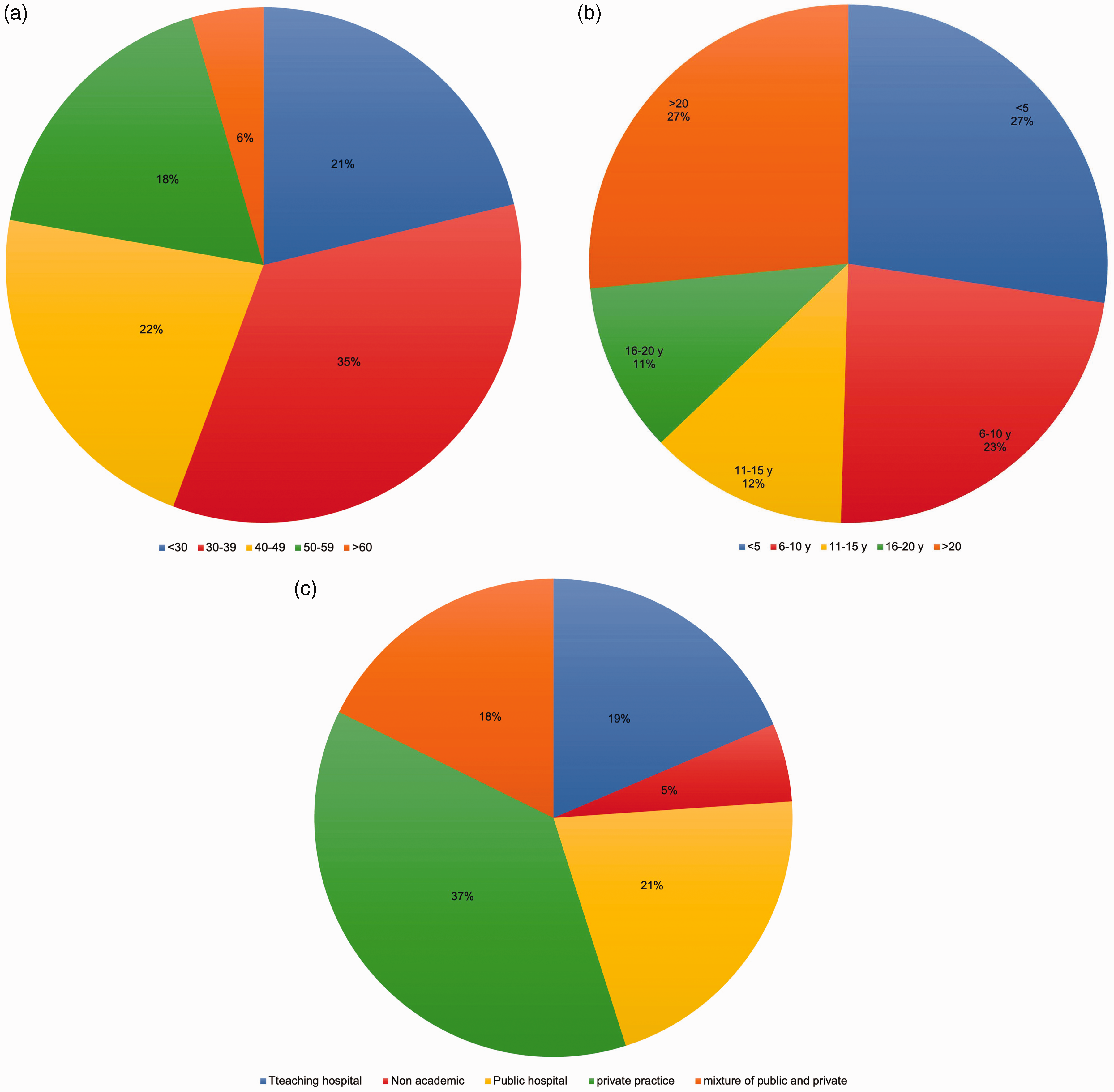
(a) Age distribution of survey respondents. (b) Duration of practice in hand surgery among hand therapists and (c) Distribution of practice area of hand therapists.
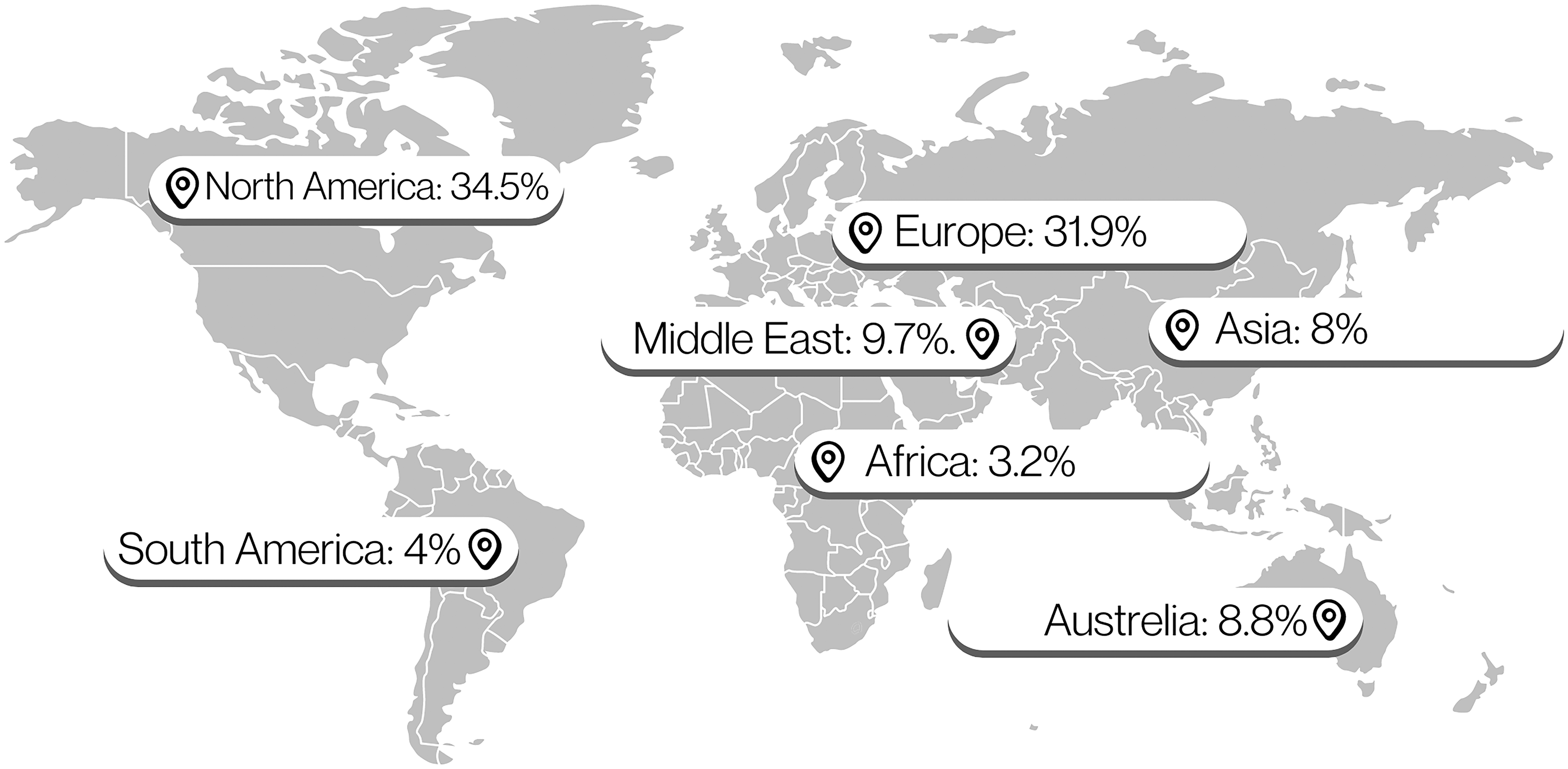
Geographic distribution of participants’ clinical practices.
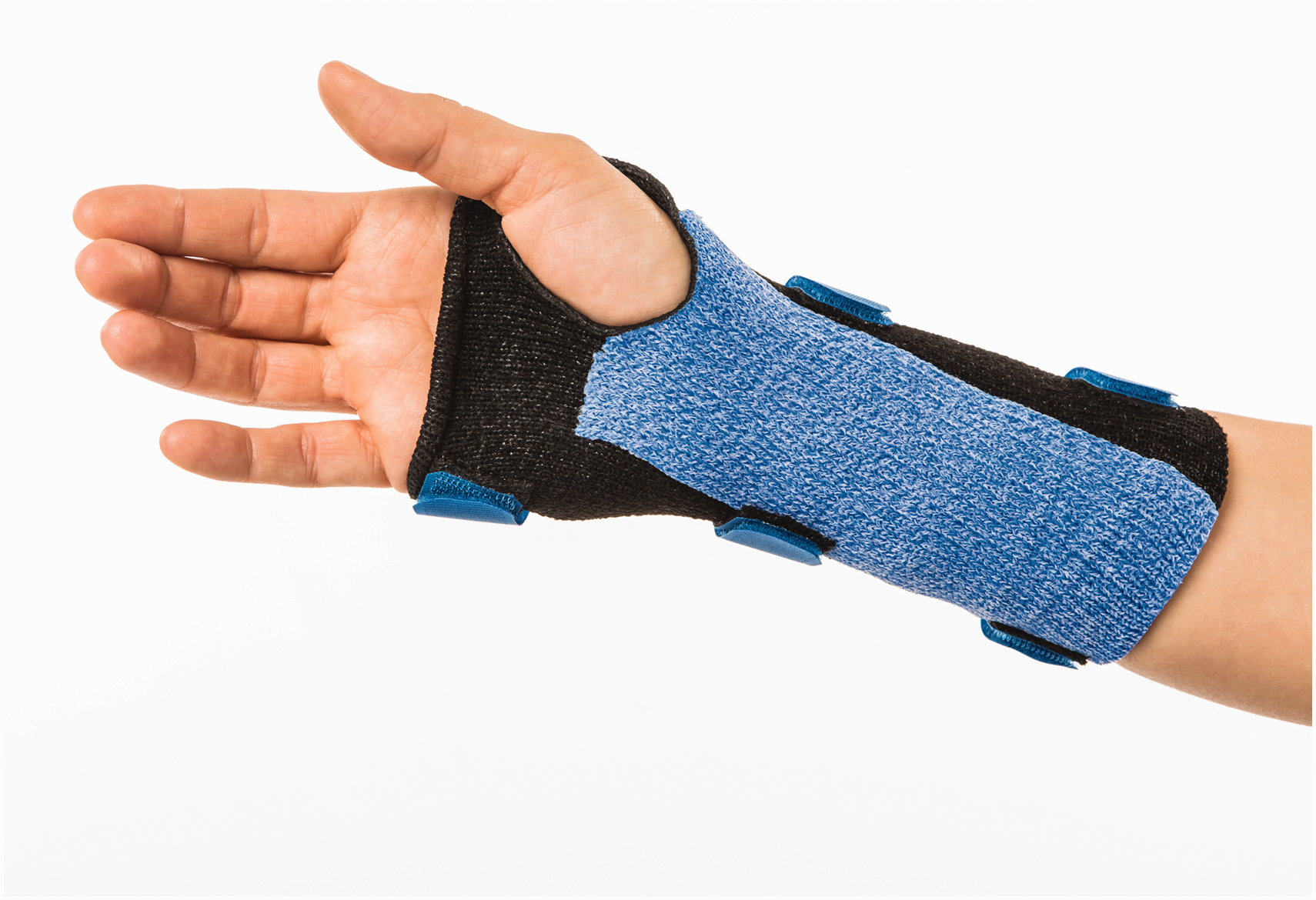
Volar resting orthosis fabricated with Orficast Blue and Black 6 cm and 15 cm, a sustainable, biodegradable thermoplastic material, adhering to ISO 14855-1 and EN14995 criteria.
Awareness and attitudes
Most participants were familiar with climate change (91%): 89% expressed genuine concern about this critical issue and 93% are aiming for a more sustainable lifestyle.
Although 75% of responders had contemplated the environmental impact of their practice, only 51% of them expressed the need to be better informed about national initiatives or legislation aimed at reducing the environmental impact of healthcare. More than half of the respondents (58%) reported needing to be aware of initiatives or policies within their hospital organizations, and 45% consider integrating sustainability in hand therapy is important. The results showed that more than half of therapists (53%) indicated that their professional societies lacked a dedicated ‘green’ forum, focus group or committee for addressing sustainability concerns. Of the participants, 51% agreed and 45% considered it very important to impart knowledge about the environmental impact of healthcare.
Current sustainability practice in hand therapy
Despite this, most therapists (86%) stated they integrate environmentally friendly treatment techniques. They reported using various methods, such as taking environmental considerations into account when prescribing assistive devices or splints (61%), using virtual therapy sessions as a strategy to diminish the carbon footprint associated with clinical operations (31%) and adopting waste management and recycling practices within clinical environments (83%). Some therapists (44%) indicated that they discussed the environmental impacts of therapy interventions with patients to educate them on sustainable healthcare practices. In contrast, 46% of therapists doubted their ability to significantly reduce environmental impact, suggesting a need for more awareness and education in the field.
Sustainability practice in orthotic fabrication
Many therapists incorporate orthosis into their practice (57%) but in general, they do not discuss the environmental implications of various orthotic materials with their patients. In addition, while 45% of therapists possess some knowledge about reusable orthotic components, a majority (57%) refrain from employing reusable thermoplastic materials, and an even larger percentage (74%) do not recycle these materials. Among the therapists who practise recycling, various sustainable strategies have been identified for reducing waste and optimizing the use of materials. These strategies include repurposing small pieces of plastic for different orthotic needs, sanitizing and reassigning used devices to new patients, and adopting creative recycling techniques, such as melting plastic remnants to craft new orthotic devices or converting waste into therapeutic tools and activities. Some therapists prioritize making orthotic care more affordable and accessible by reusing material scraps for patients with limited financial means. In addition, there are efforts to donate these materials for charitable or educational purposes, reflecting a broader commitment to societal and environmental health. Despite these positive practices, challenges persist, notably the limited awareness or availability of recycling options in certain clinical environments.
Recommended strategies for sustainability in hand therapy by therapists
The results of our survey showed that 54% of therapists actively implemented strategies to reduce the environmental impact of their clinical practices and adopted diverse methods to enhance sustainability in their work settings.
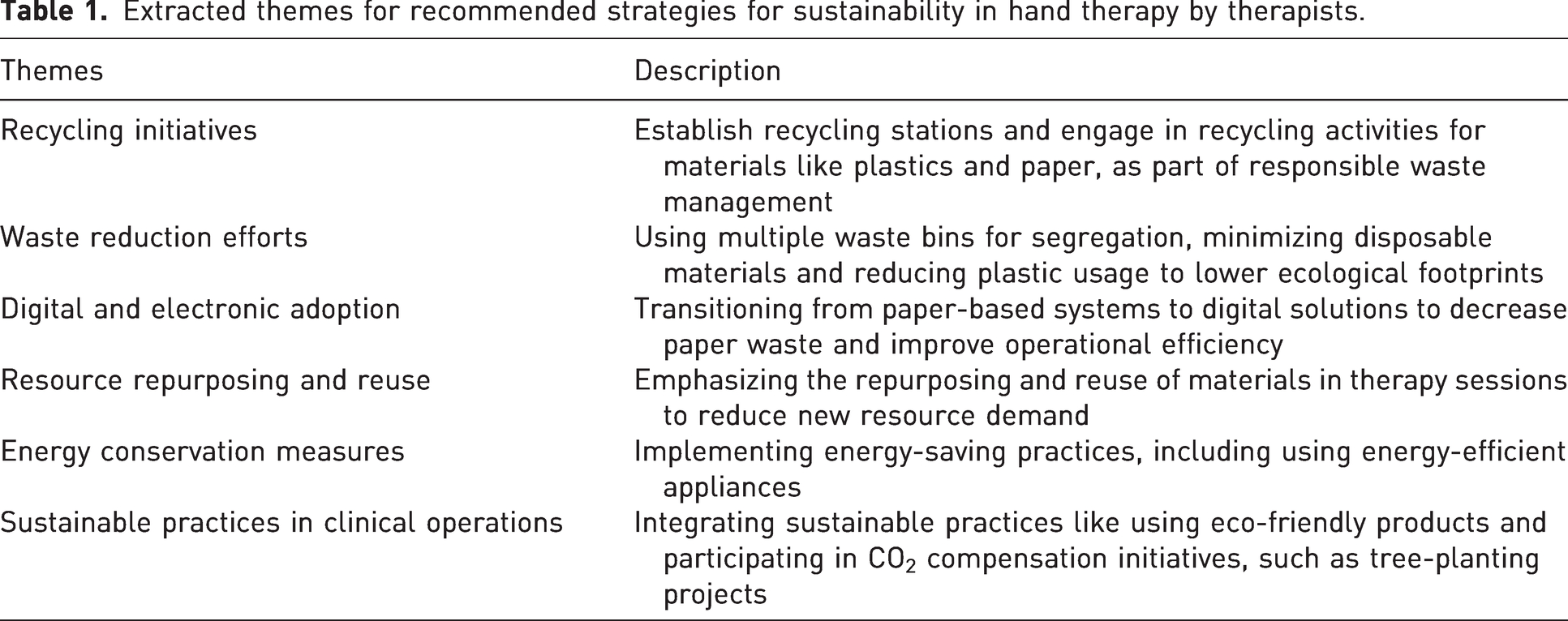
Based on their responses, we identified six key themes regarding the methods that they used in the sustainability efforts, as shown in Table 1.
Extracted themes for recommended strategies for sustainability in hand therapy by therapists.
Barriers to implementing sustainability practices
The main challenges in using sustainable practices include the need for more knowledge or education about sustainability (59%), difficulties in finding materials that can be used again (57%), too busy (54%), financial issues (49%), personal views on sustainability (48%), rules at the clinic (23%) and outside factors such as industry standards (19%). In addition, 17% mentioned that some patients would prefer to use something other than sustainable options, demonstrating that teaching patients about these practices is essential.
Strategies for advancing sustainability in hand therapy
To make sustainability a more significant part of hand therapy, some therapists (21%) think having easy access to learning materials and resources is the best way forward. Working together with other healthcare workers and setting up clear rules and steps for sustainability were ideas supported by 17% of participants. In addition, 15% believe that having workshops and national meetings where experts discuss sustainability (8%) and support from their organization is crucial. Regarding teaching patients about being sustainable in hand therapy, 52% prefer using items from home for exercises, 10% give out learning materials and 8% encourage patients to adopt green habits in their daily routines. Regarding learning about sustainability, 95% are interested in training, primarily through online videos (34%), email newsletters (24%), reviews of materials used in splints and therapy equipment (21%), and online articles or guides (20%), which shows a clear preference for digital methods of learning, reflecting a move towards easy-to-access and modern ways to improve their work with sustainability in mind.
Discussion
The survey findings underscore a high awareness among hand therapists about the implications of climate change. However, this awareness often needs to translate into actionable, sustainable practices in clinical settings, indicating a critical need for more focused and practical educational programmes. These programmes should specifically target applying sustainable strategies within hand therapy environments to address knowledge and practice discrepancies.
While hand therapists’ practices reflect various sustainable efforts, including recycling and digital adoption, there is a need for more standardization and uniformity. This diversity points to the necessity for structured and comprehensive sustainability approaches that can be broadly implemented across various hand therapy settings. Establishing uniform practices would contribute to a more cohesive and practical approach to sustainability in hand therapy.
In orthotic fabrication, practitioners are aware of the environmental impact of their work but there is a notable gap in applying this awareness to sustainable practices. This situation underscores the need for resources focusing more on the practical application of sustainability in orthotic fabrication, especially considering challenges such as the limited availability of sustainable materials and cost implications.
The survey on sustainability practices in hand therapy provides a nuanced perspective on the current state of environmental awareness and action within the profession. While there is a high level of climate change familiarity among hand therapists, there is still room for improvement in translating this awareness into practice. Only 75% have considered the environmental impact of their practice, highlighting the need for more targeted educational programs and practical resources to bridge the gap between awareness and implementation.
Despite some practitioners needing to be more informed about national initiatives or legislation, the survey reveals a significant shift towards sustainable practices. Notably, 57% of therapists have actively implemented strategies to reduce their environmental impact, embracing diverse methods such as recycling initiatives, waste reduction, digital transitions, resource repurposing, energy conservation and sustainable clinical operations.
The survey also highlights the evolving role of hand therapists in patient education, with a substantial number (80%) educating patients on the environmental impacts of interventions. This shift towards patient involvement in sustainability aligned with the broader trend in healthcare towards patient-centred care and shared decision-making.
While there are significant hurdles to achieving widespread sustainable practices in healthcare, such as the scarcity of reusable resources, stringent time demands and budgetary limitations, these challenges reflect deeper, systemic inefficiencies. Addressing these foundational issues is essential to foster the more extensive integration of eco-friendly practices. Adopting different orthotic materials serves as a testament to the evolving landscape of sustainable hand therapy (Figures 3 –5).
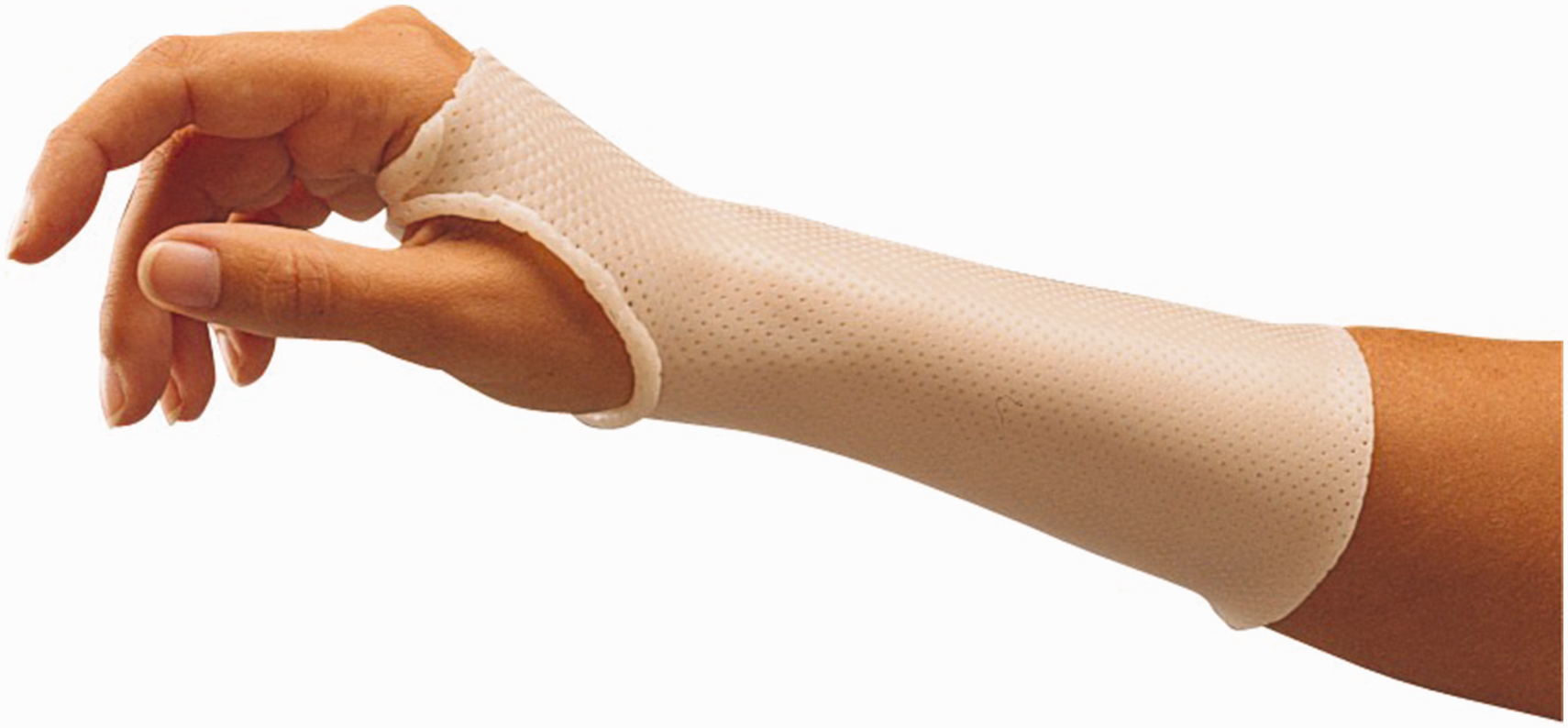
Beige Orfit Classic wrist immobilization orthosis demonstrating 100% remoldability for multiple adjustments, minimizing material waste and supporting sustainable practice in hand therapy.

Traditional plaster cast used for immobilization, a non-sustainable option with a high environmental impact due to its non-biodegradable nature.
In conclusion, hand therapists demonstrate a commendable awareness and concern for environmental issues, particularly climate change. However, there exists an opportunity for enhancing the translation of this awareness into practical, sustainable practices within the field of hand therapy. To bolster sustainability efforts in hand therapy, offering targeted education, establishing standardized sustainable approaches and providing practical resources to bridge the gap between awareness and implementation is imperative. Hand therapists have taken significant steps towards embracing sustainability despite the challenges encountered, indicating a positive trajectory for the profession. It is crucial to continue ongoing efforts to integrate sustainability into hand therapy and healthcare practices seamlessly.
Footnotes
Acknowledgements
We wish to acknowledge Yasaman Falahati, BSc. Art and Humanity, with an Honours Specialization in Visual Art from the University of Western Ontario, Canada, for her exceptional contributions in creating our study’s figures and visual results. In addition, we acknowledge Orfit Industries’ crucial role in distributing our survey and its promotional support on social media platforms, greatly enhancing our data collection efforts. We are also indebted to Dr. Zaf Naqui for his steadfast support throughout this study. We extend our gratitude to Joy MacDermid, who was supported by a Canada Research Chair in Musculoskeletal Health Outcomes and Knowledge Translation and the Dr. James Roth Chair in Musculoskeletal Measurement and Knowledge Translation. Her work benefits from a foundation grant from the Canadian Institutes of Health Research (#167284).
Declaration of conflicting interests
The authors disclosed no potential conflicts of interest with respect to the research, authorship, and/or publication of this article.
Funding
The authors received no financial support for the research, authorship, and/or publication of this article.
Informed consent
Verbal informed consent was obtained from all participants before the study.
