




Abstract
Educational transitions between schools can be very challenging for autistic children and young people. Research tends to focus on the views of families and teachers which means that children’s voices are often marginalised despite them having valuable knowledge that could improve transition practices and experiences. ‘Voices through Art’ was an innovative project involving researchers, educators, a graphic artist, and neurodivergent lived experiences. Together we co-created a transition support resource – the School Daze comic – to enable insights and conversations about transitions. This project contributes to the amplification of autistic voices as agentic knowers of the sources of difficulty and supports in their educational transitions. This was achieved through several methods including small-scale research projects and project-specific workshops where students worked on character development, storylines, and other imagery for the comic. The output is the School Daze comic which tells the story of the lead character – Lee Mouse – as they start at a new secondary school. The stories include the first day at school and the anxieties associated with that, finding safe spaces and supportive teachers, making friends through shared interests, and settling into school life. School Daze was positively reviewed by students and education and related professionals, suggesting that this could be a valuable transition resource. We share it here to encourage wider dissemination and use in research and practice.
Development and purpose of the School Daze comic
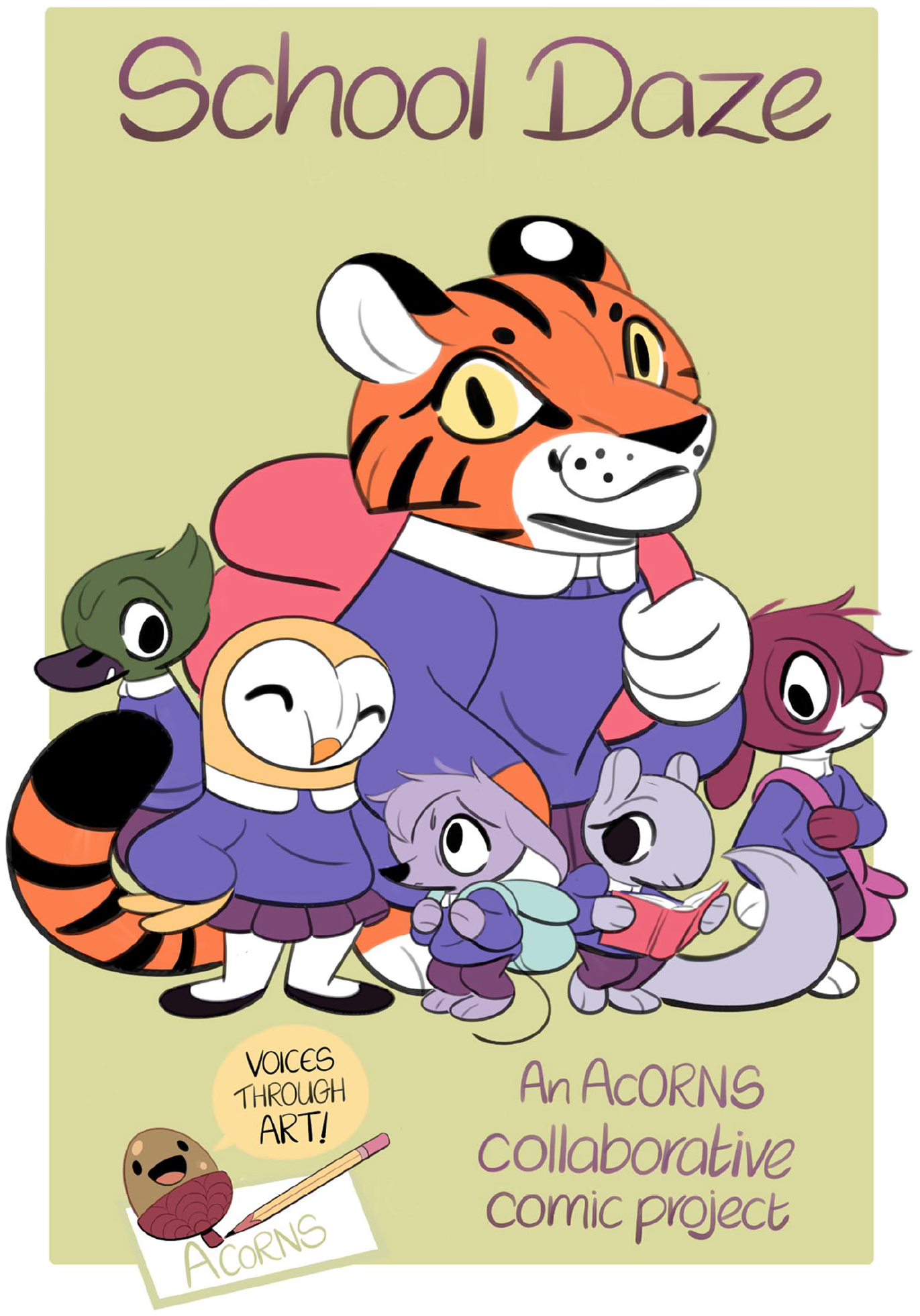
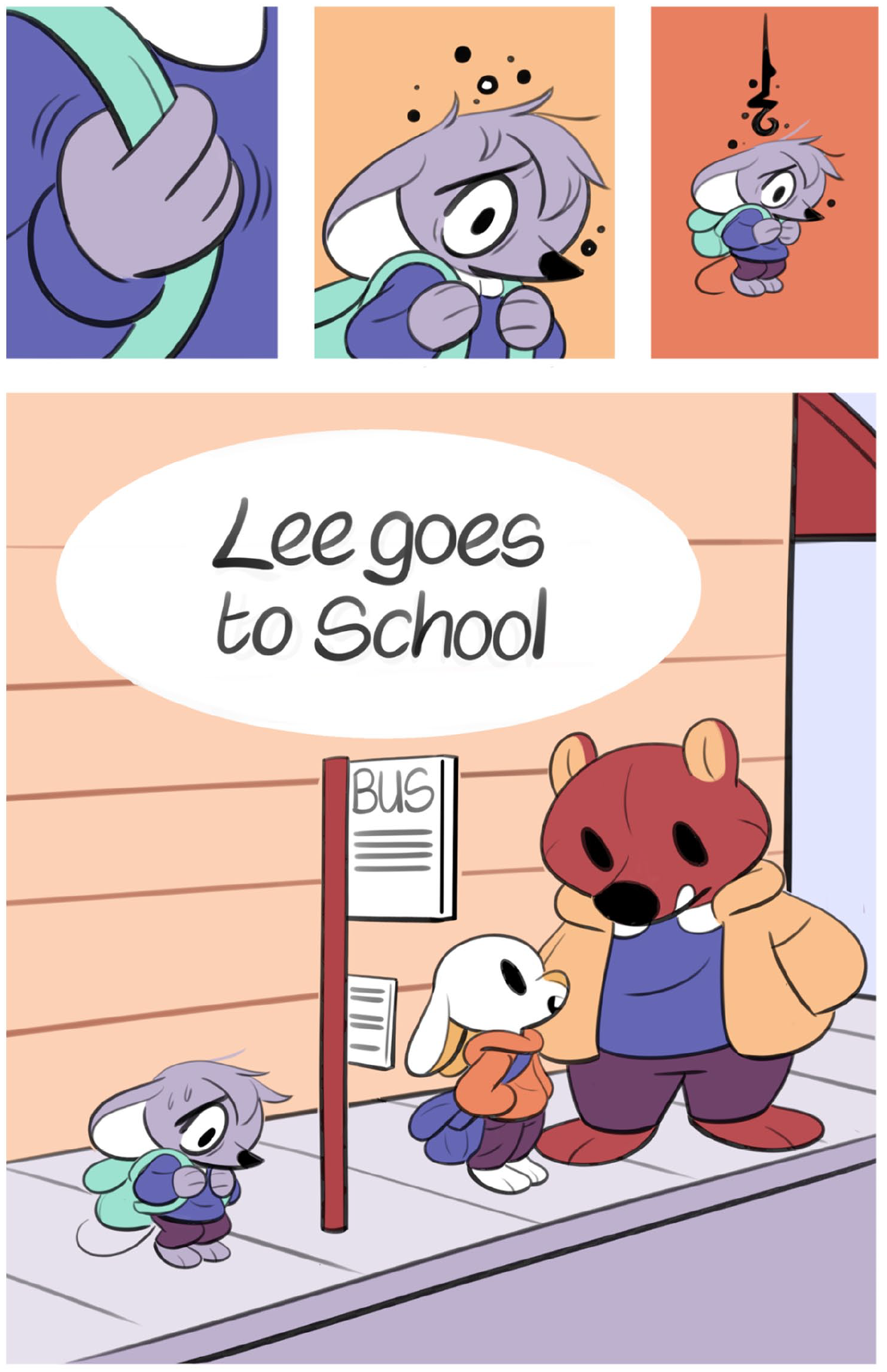
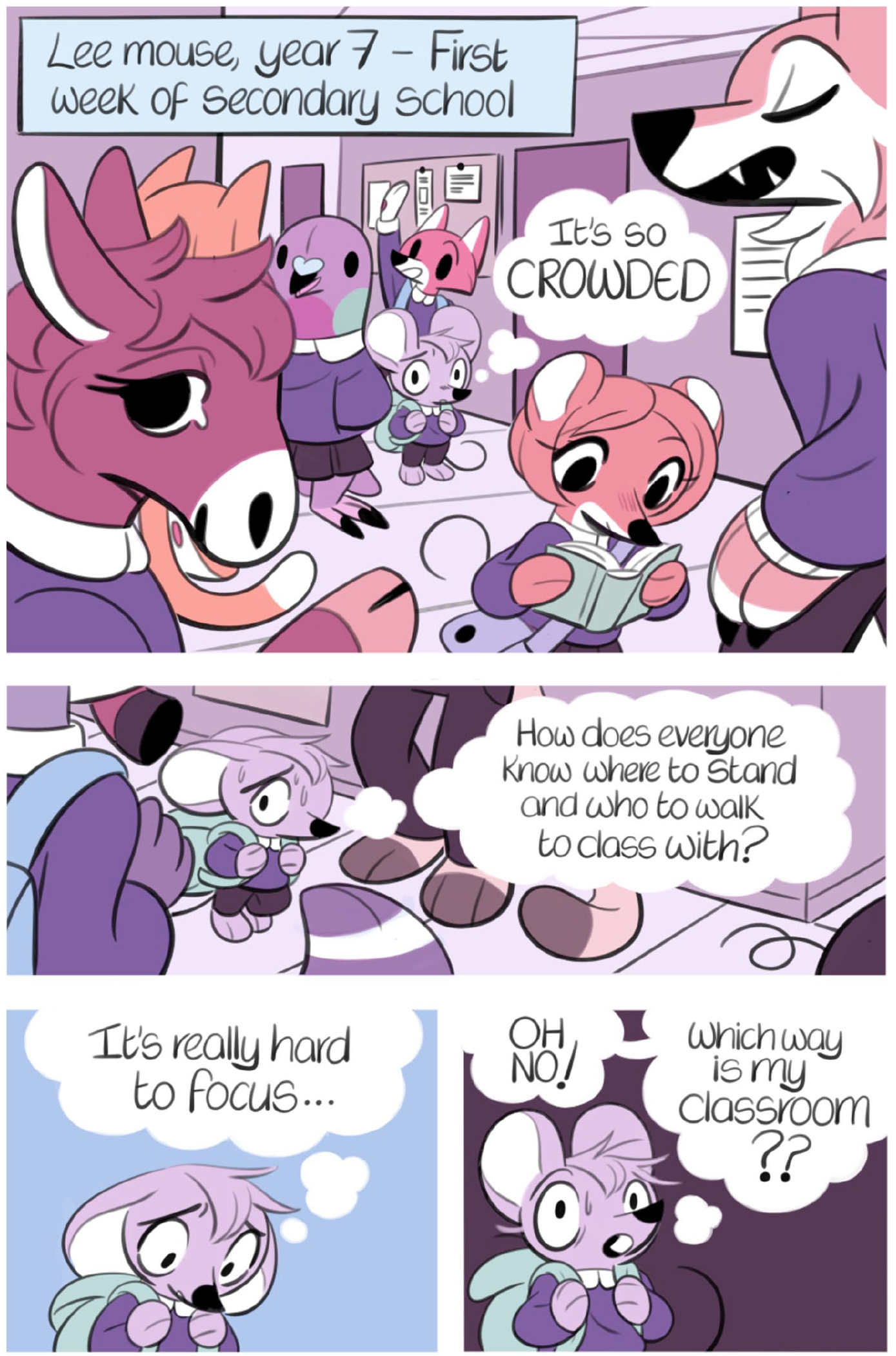
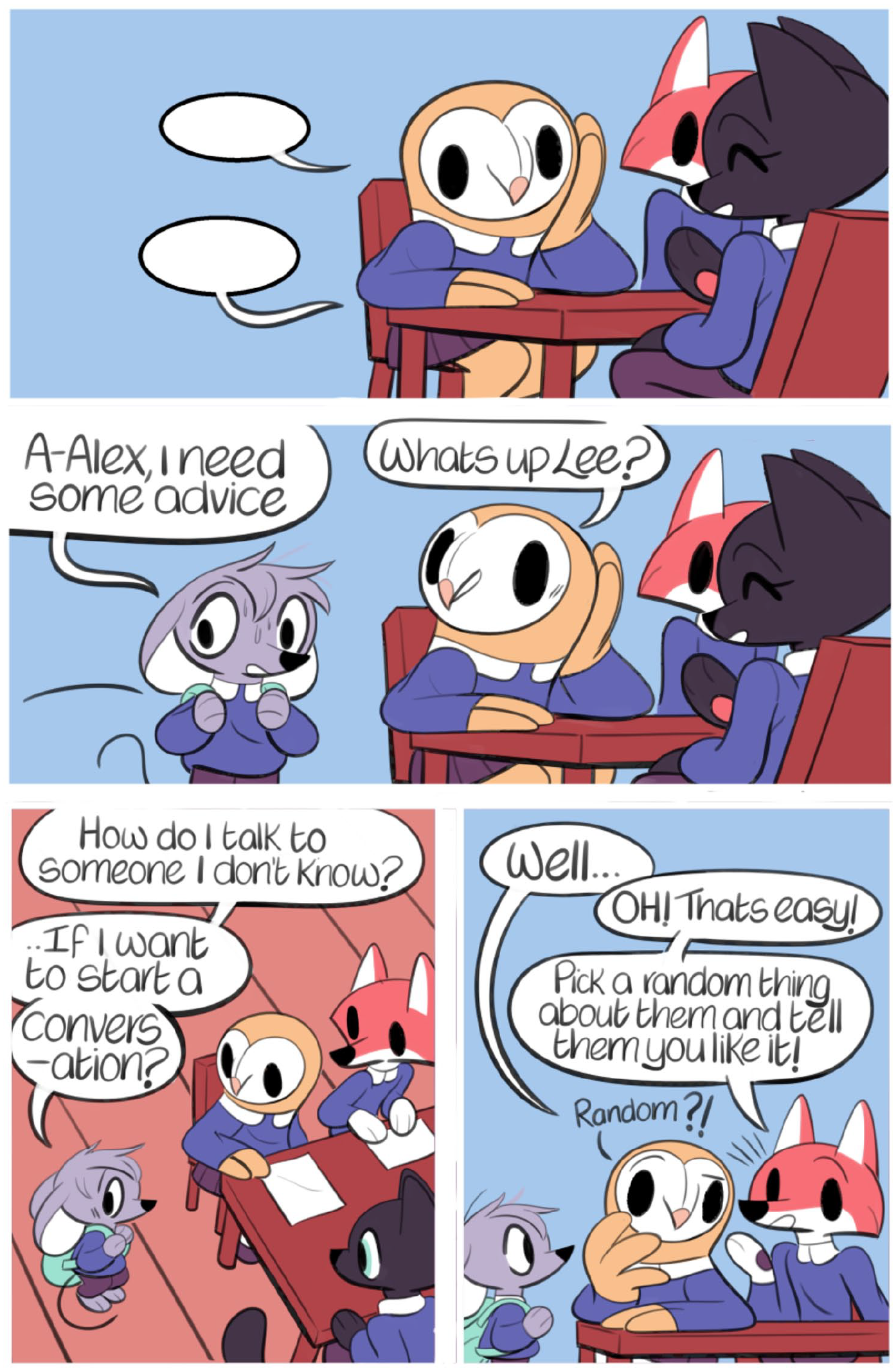
School Daze is a short comic book that tells the story of the lead character – Lee Mouse – as they start at a new secondary school. The storylines include the anxious first day at school, finding safe spaces and supportive teachers, making friends through shared interests, and settling into school life. This innovative comic book was co-designed with staff and students from New Forest School in Hampshire, the United Kingdom to meet the needs of autistic children and schools regarding educational transitions. Transitions to new schools are a well-known challenge for many autistic children and young people requiring person-centred planning to account for individual needs and concerns (Hoy et al., 2018). Poorly planned or executed educational transitions may lead to poorer adjustment, support, inclusion, well-being, and attendance (West et al., 2010). Autistic children and young people’s voices are often marginalised within transition processes with perspectives mainly drawn from parents and teachers (Nuske et al., 2019). Consequently, autistic children are rarely afforded status as agentic knowers in their own lives (Parsons et al., 2022). This lack of inclusion reinforces epistemic injustice through failing to include children’s knowledge and experiences to inform research and practice (Catala et al., 2021). This project contributes to the amplification of young autistic voices as agentic knowers of the sources of support, difficulty, and strategies for enabling smoother transitions from primary to secondary schools.
To address this issue, we sought to co-design an accessible and child-centred resource to support thinking and conversations about transitions. We were particularly focused on co-creating a comic that would be genuinely appealing to children and young people, and that had strong authenticity in being grounded in their real experiences of transitions and school belonging. Assistant Head and Director of Art Charlie Raufi outlined an idea to amplify the views and voices of autistic young people about educational transitions, through art and English lessons incorporating illustration, comic book workshops, graphic design, and writing. With illustrator Sam Davies, we created a set of workshops and resources around these topics to inform the design and content of the comic.
Spaces and voice
The voices of autistic children and young people may be shared through speaking and non-speaking modes of expression including silence, body language, gestures, and mark-making that may be visual or written (e.g. using typed text). We align with a neurodiversity framing of autism that takes a strengths based approach and positions the lived experiences of autistic people as central to improving research and practice. Accordingly, in line with the sociology of childhood, we understand autistic children to be agentic knowers and for their voices to be multi-modal, including the ‘unvoiced and differently voiced’ (Ashby, 2011: n.p.).
Accordingly, voices are not simply about spoken words and we agree with Lundy (2007) that (spoken) voice alone is ‘not enough’ (p. 927) for realising children’s rights to express their views according to Article 12 of the United Nations Convention on the Rights of the Child (UNCRC; UNICEF UK, 1989). Lundy’s (2007) framework for conceptualising voice requires the following:
Space: opportunities for expression of views
Voice: facilitation of views
Audience: listening to views
Influence: acting upon views (as appropriate)
In recognising that voices require a sender and a receiver (audience) of a message, we draw on Freire (1970) and Bakhtin (Holquist, 1990) in recognising the essentially dialogical nature of human existence and how dominant power structures can and should be subverted. In common with much participatory and inclusive research, we grapple with redistributing power so that marginalised voices and experiences are highlighted or amplified and are brought into closer dialogue with wider audiences (who typically have more power) to influence change (Parsons et al., 2022).
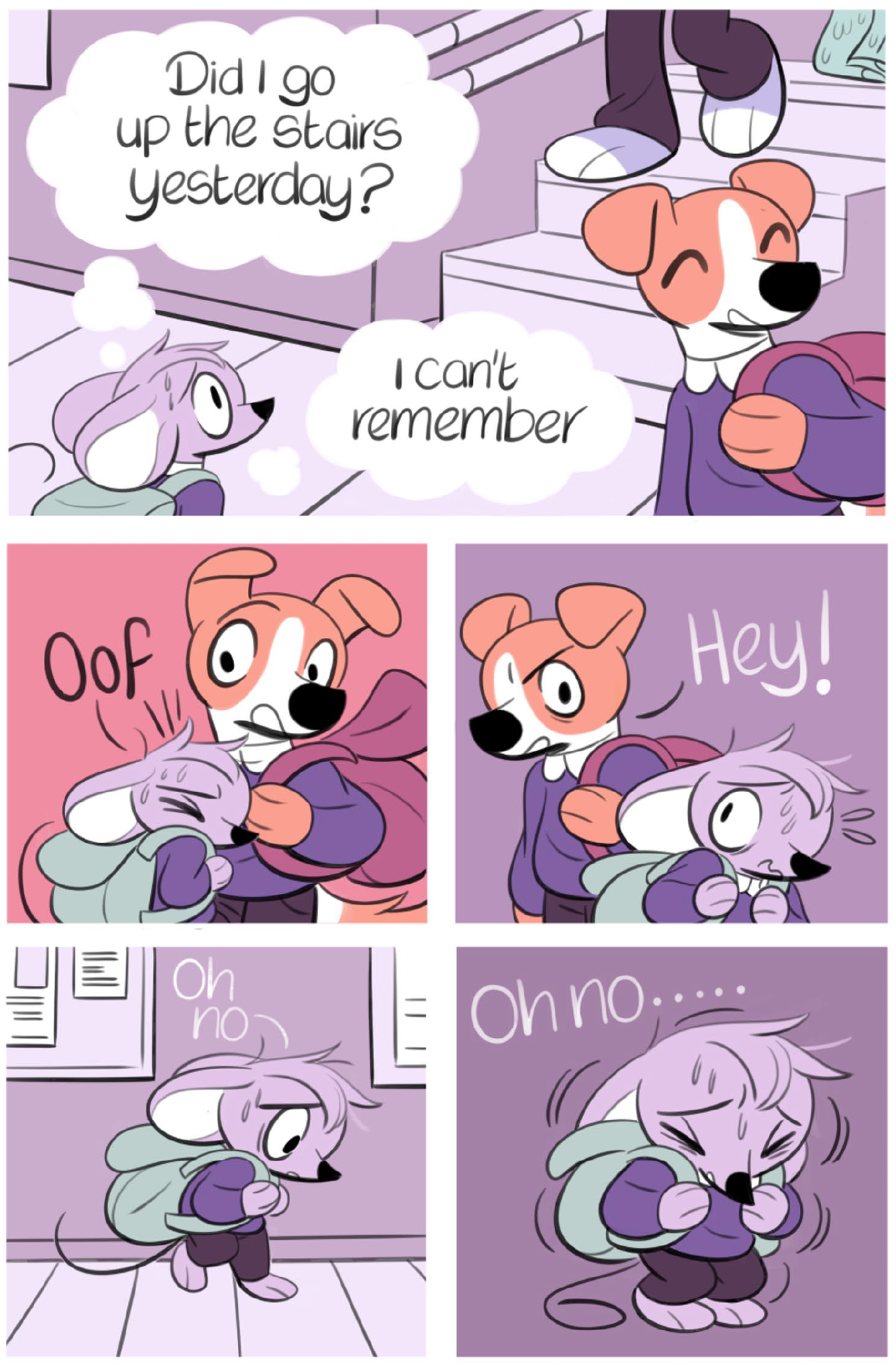
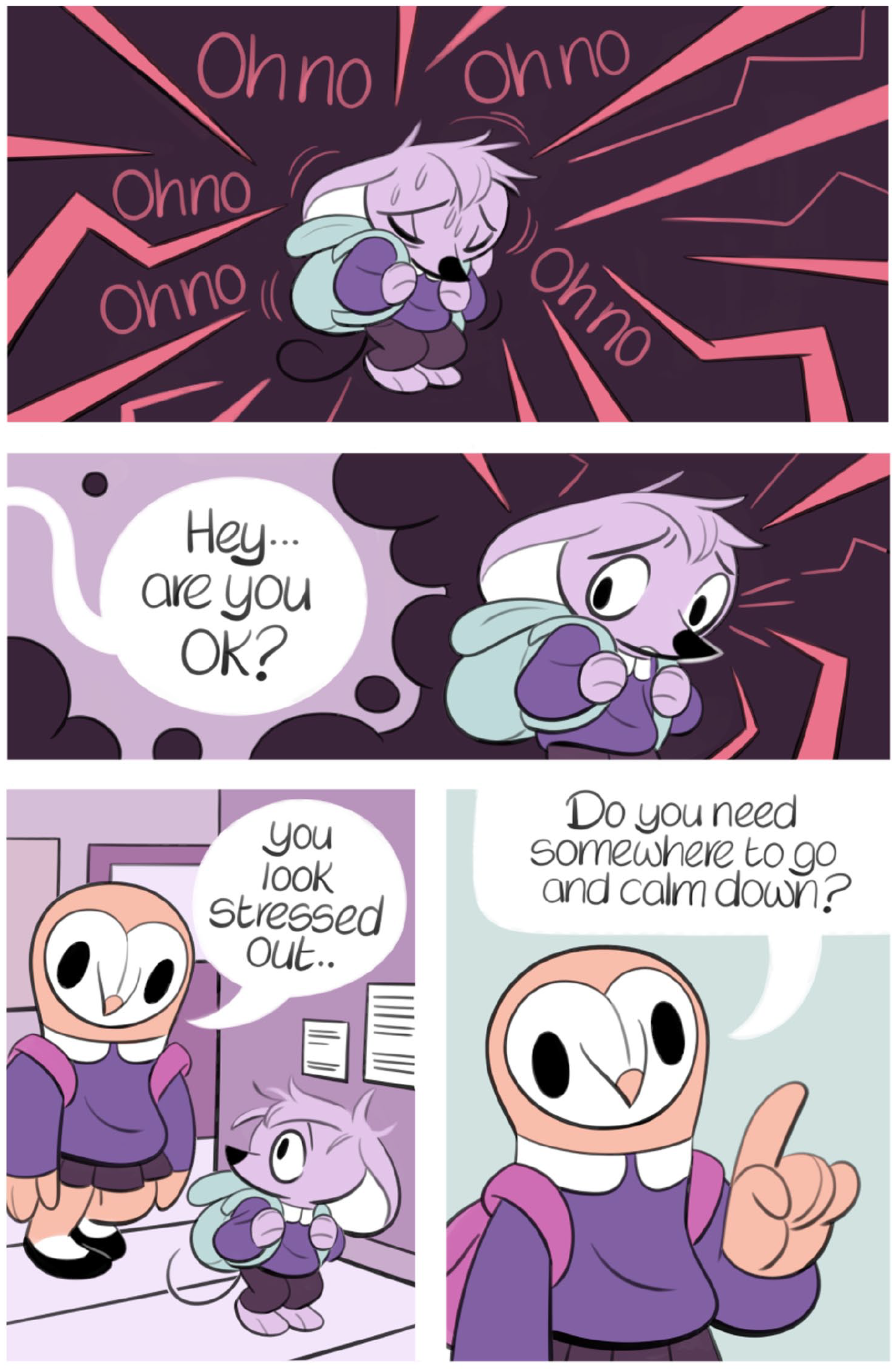
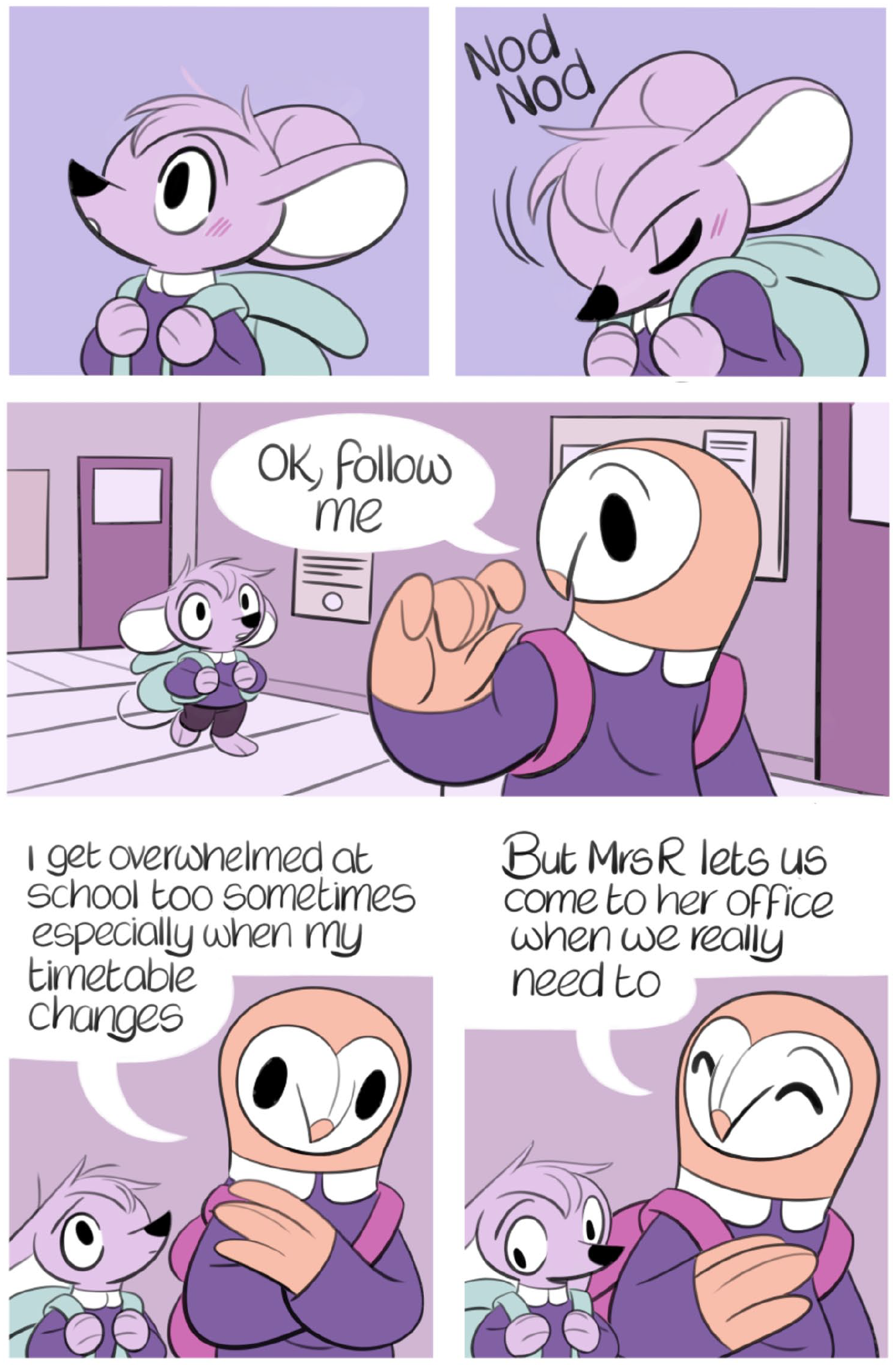
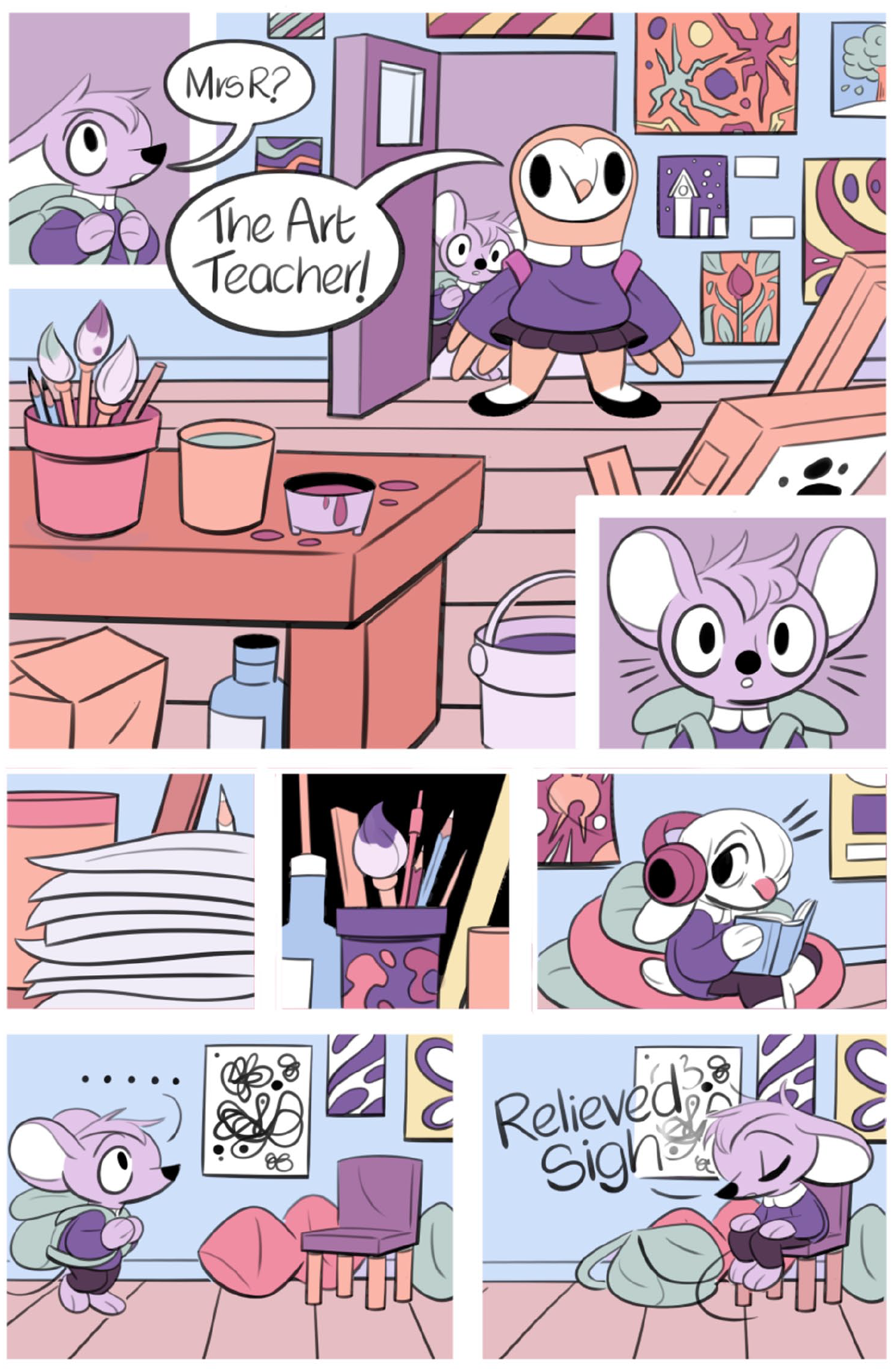
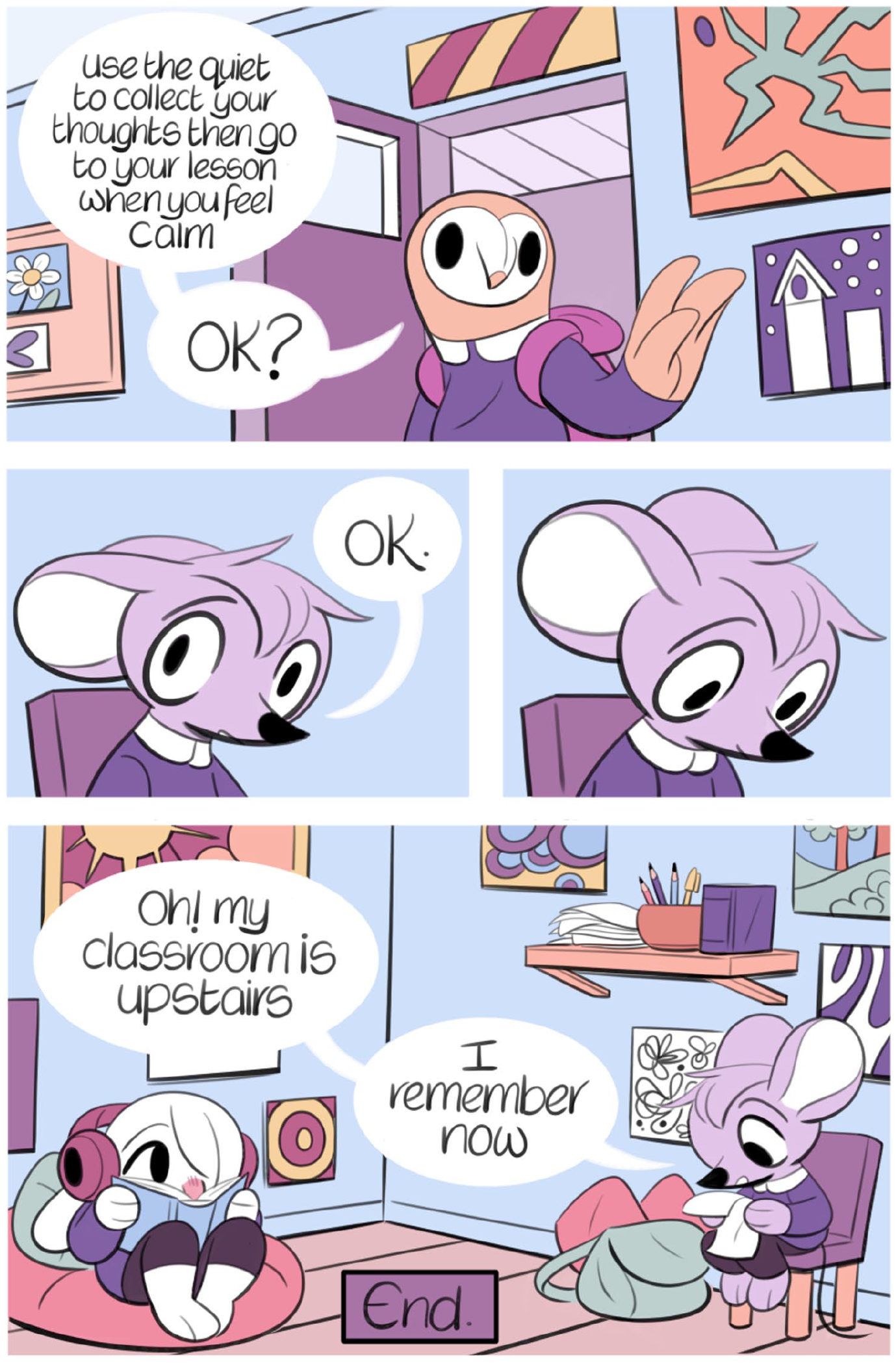
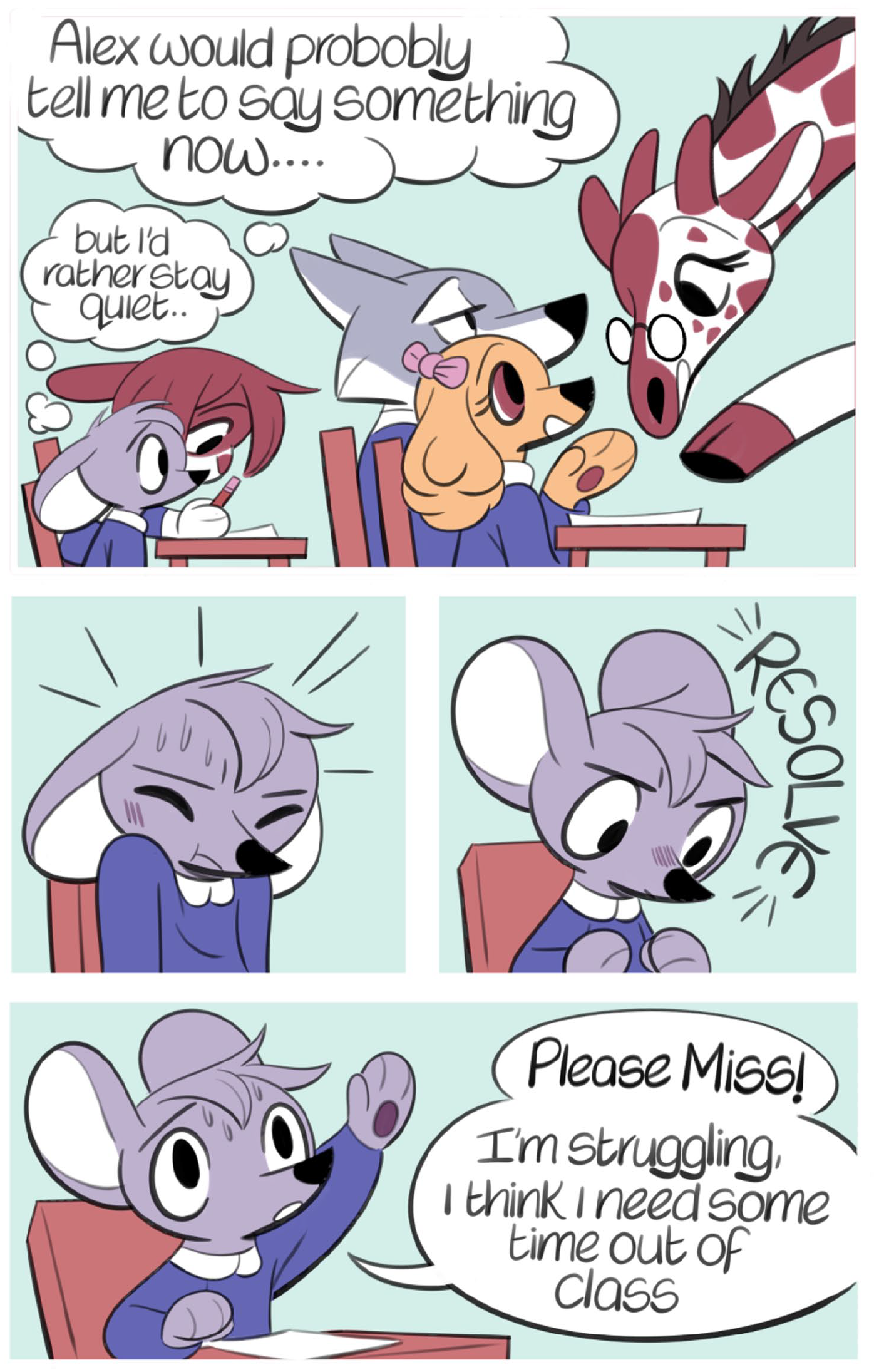
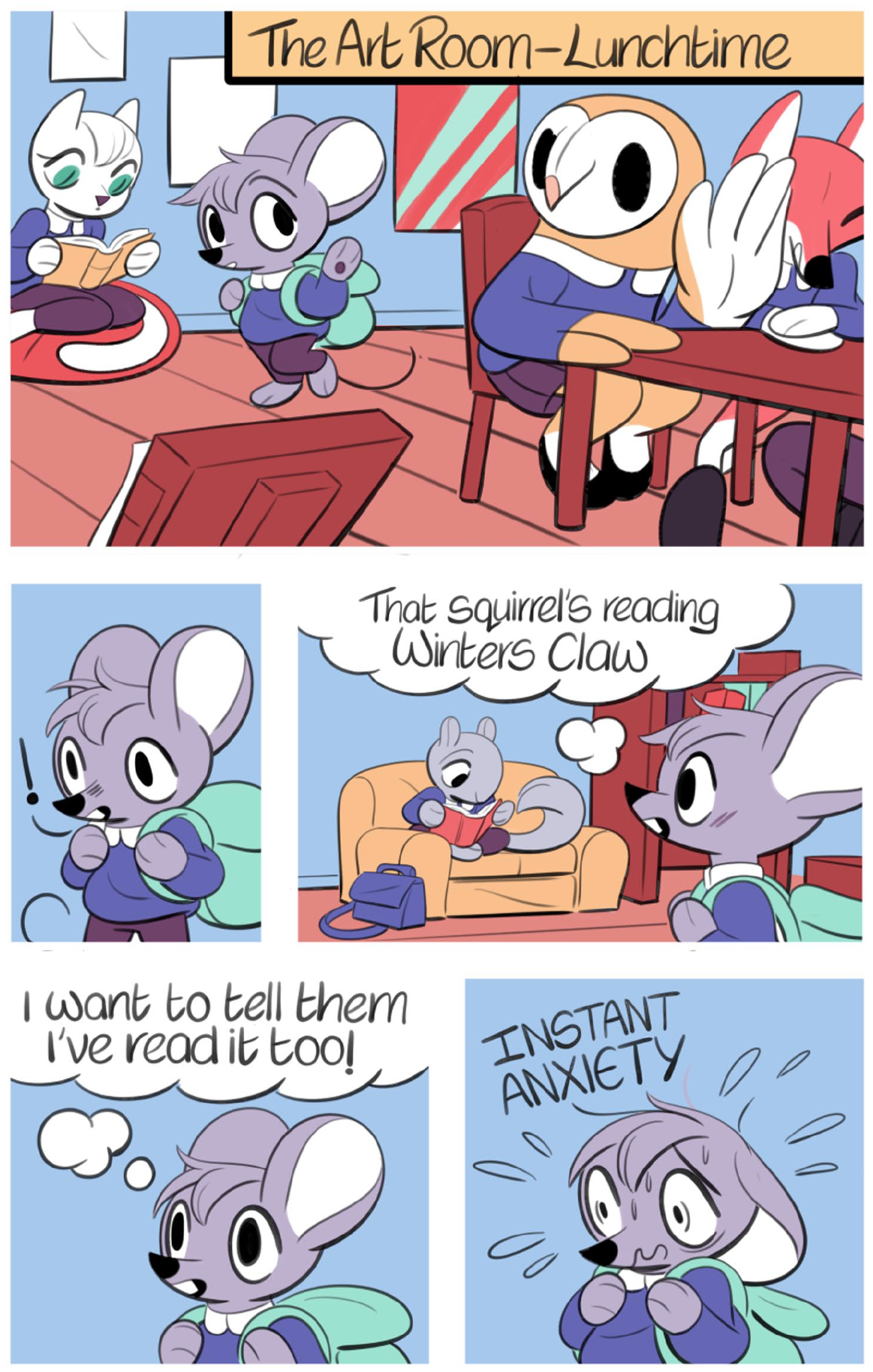
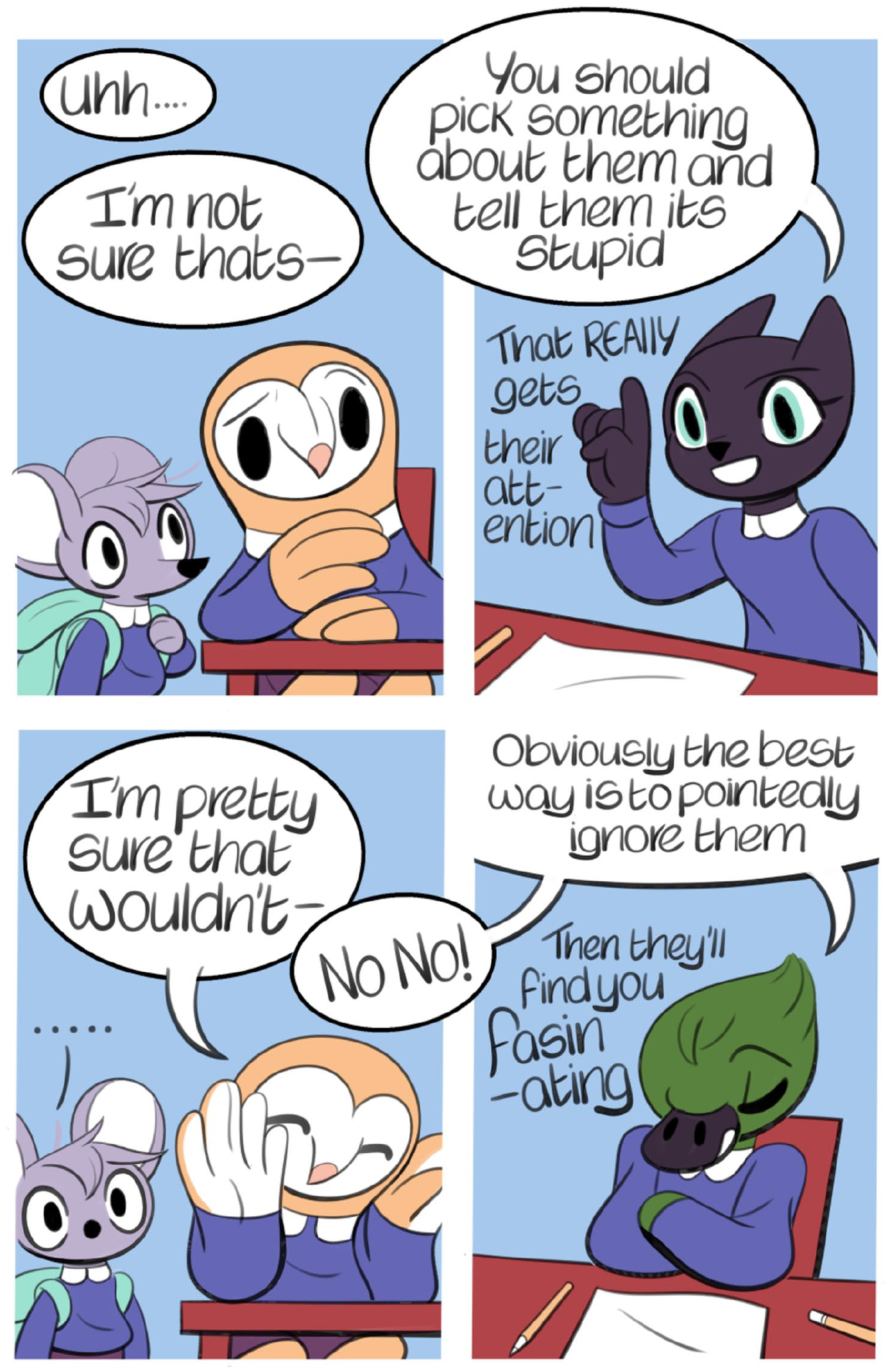
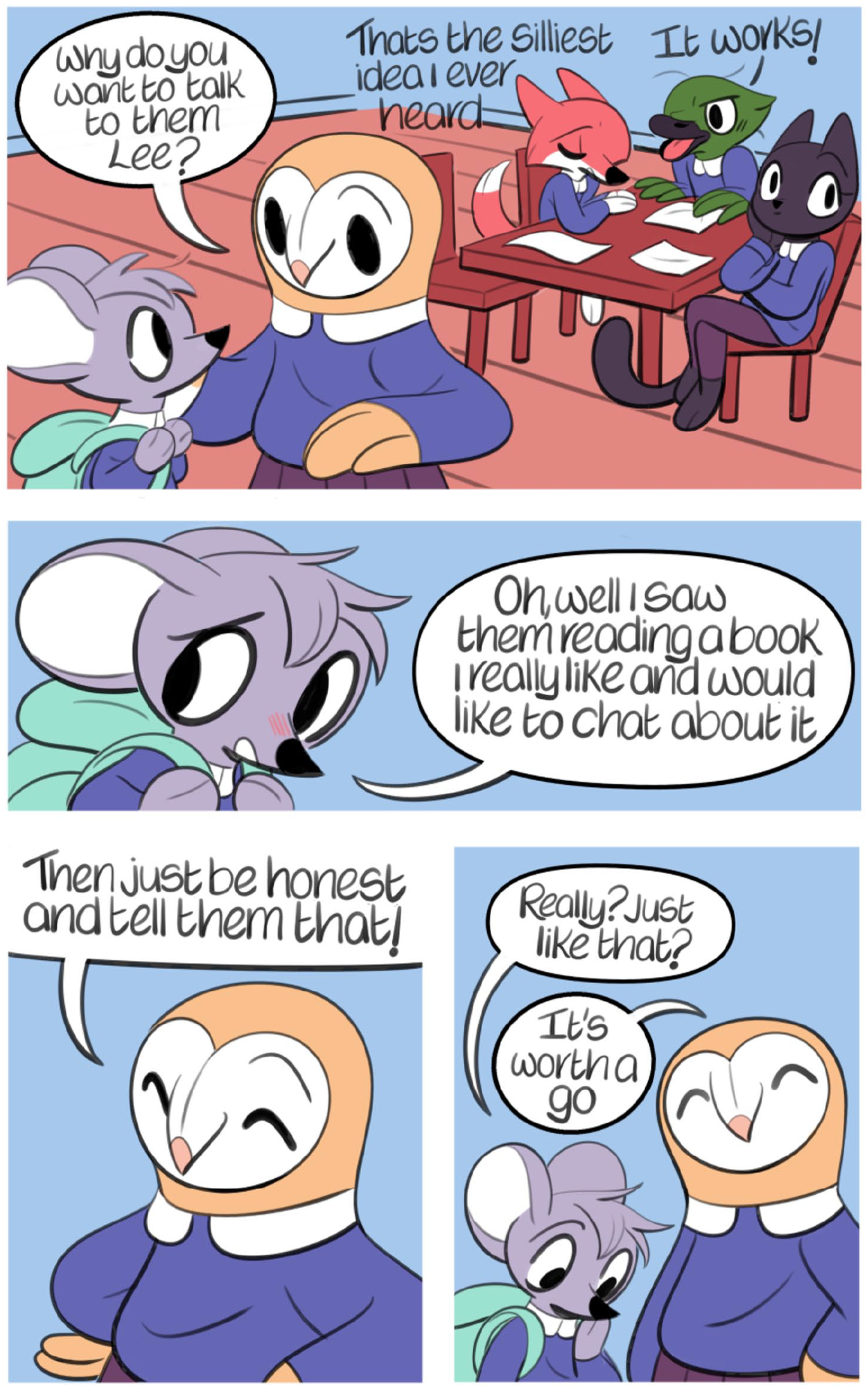
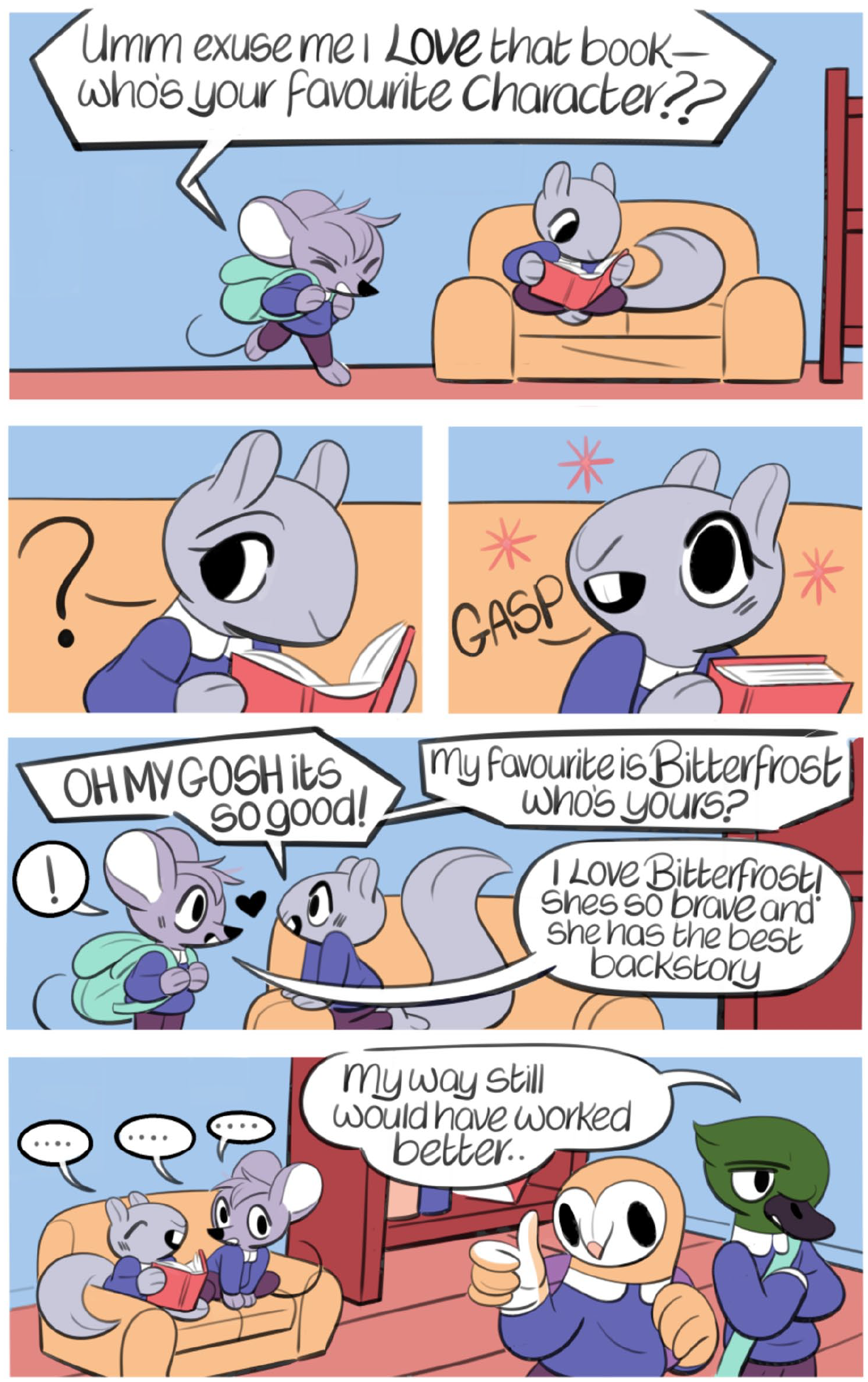
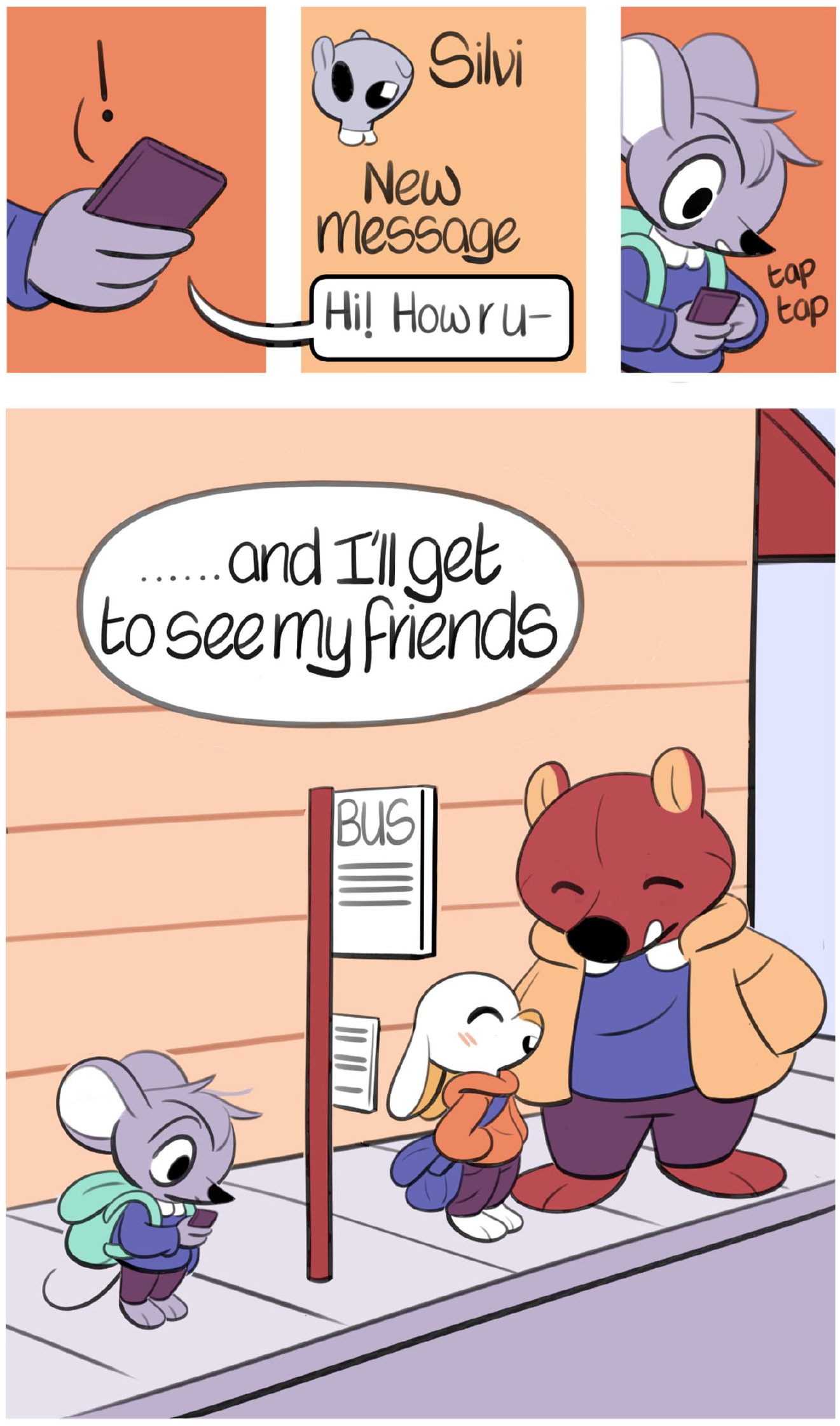
Applying Lundy’s (2007) framework, our creation of space for voices was initially instantiated through small-scale research projects that provided evidence about autistic children’s experiences and views of transitions within nursery, primary, and secondary provision (Kovshoff and Parsons, 2019) using creative methods including digital storytelling (Parsons et al., 2022) and photovoice (Hoy et al., 2018). Key themes such as providing quiet spaces for refuge; utilising the strengths, interests, and expertise of the child; and knowing who to ask for help, were included in the comic storylines. For example, Figure 1 shows Lee Mouse feeling overwhelmed by the environment and then being spotted and supported by an older student (Alex) who shows Lee to a safe and quiet space. Figure 2 shows Lee Mouse summoning their courage to talk to another student about the book they are reading which Lee also really loves. This example illustrates how Lee’s interests can be used as a strengths-based strategy to start a conversation with a peer, and Lee ignores some of the less helpful comments from other students.
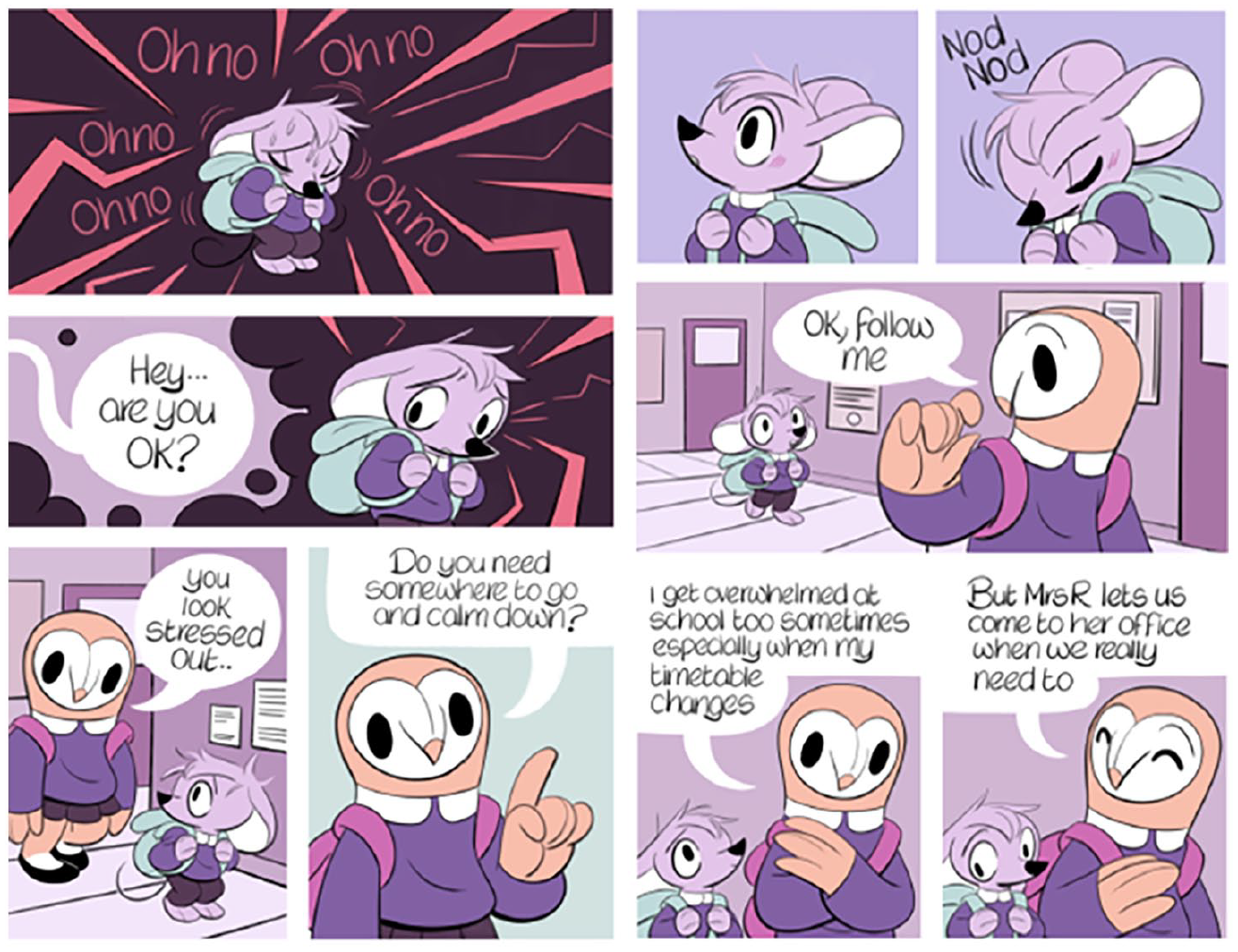
Feelings of overwhelm, being supported by older student Alex and finding a place of refuge and safety.
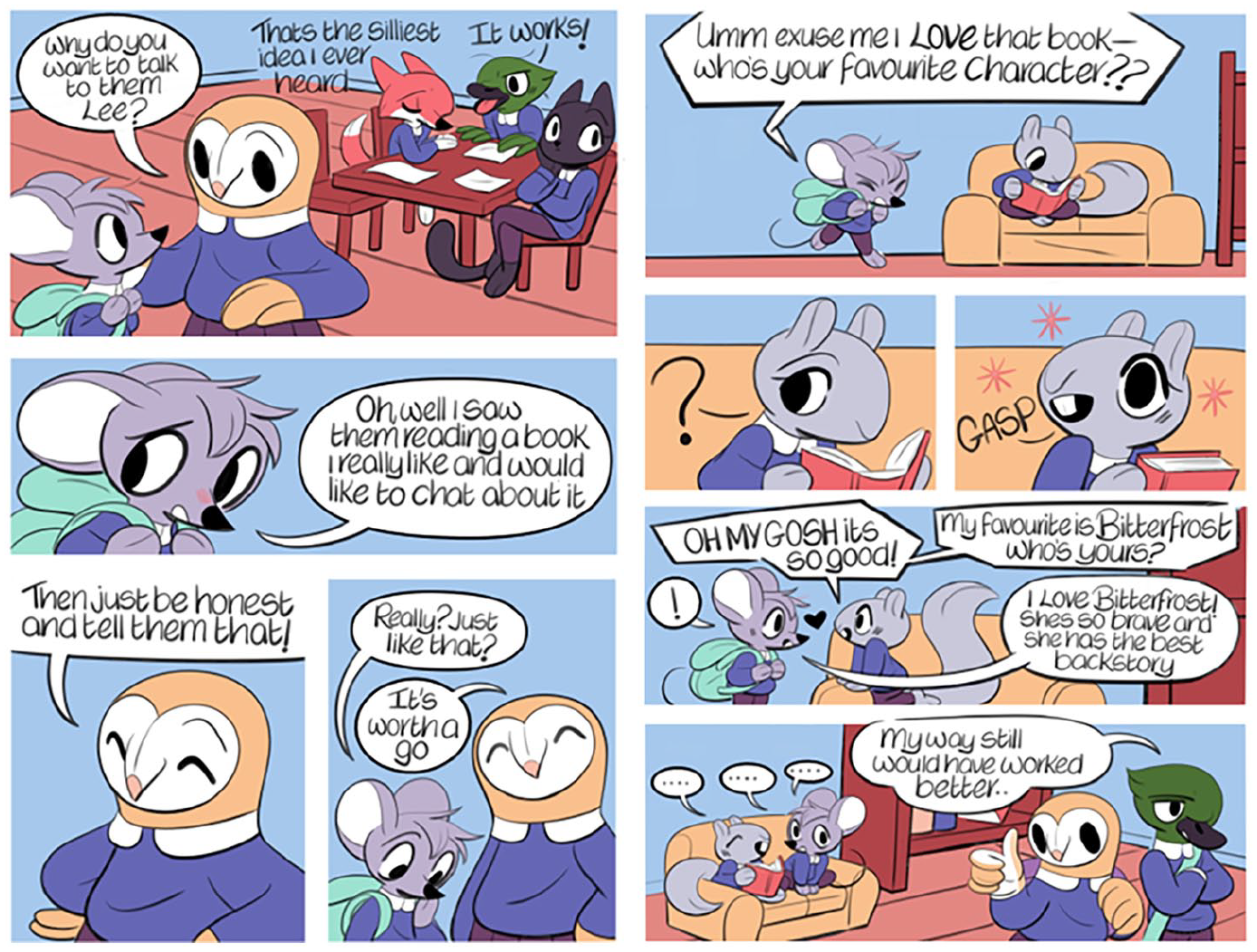
Finding a strategy to make friends using shared interests while ignoring unhelpful comments from others.
With reference to the second main element of Lundy’s (2007) framework, children’s voices in these projects were facilitated through applying creative methods and, where appropriate, with adult support in line with Article 7 of the UN Convention on the Rights of Persons with Disabilities (CRPD; United Nations, 2006) which recognises the importance of ‘disability and age-appropriate assistance’ in relation to enabling the rights of children with disabilities to express their views. This facilitation included starting with some initial examples of comic characters and storylines to avoid the well-documented challenge for autistic children of starting with a blank page in participatory design projects (Parsons and Cobb, 2014). We also collaborated with an experienced illustrator who publishes comics for children and young people and is skilled in applying the narrative possibilities of comics in ways that are accessible to them.
We first embedded work on the comic in the art curriculum and within English lessons at New Forest School where students contributed ideas for a project logo, comic characters, colours, and further storylines (see Figure 3). Students disliked the paler, pastel colours originally used in the comic and preferred stronger colours, which were later incorporated. We also held further design and feedback workshops at the John Hansard Gallery in Southampton, which was a creative space, outside the normal boundaries of school. Several autistic students from the school and invited professionals from different educational settings participated (Figure 4).
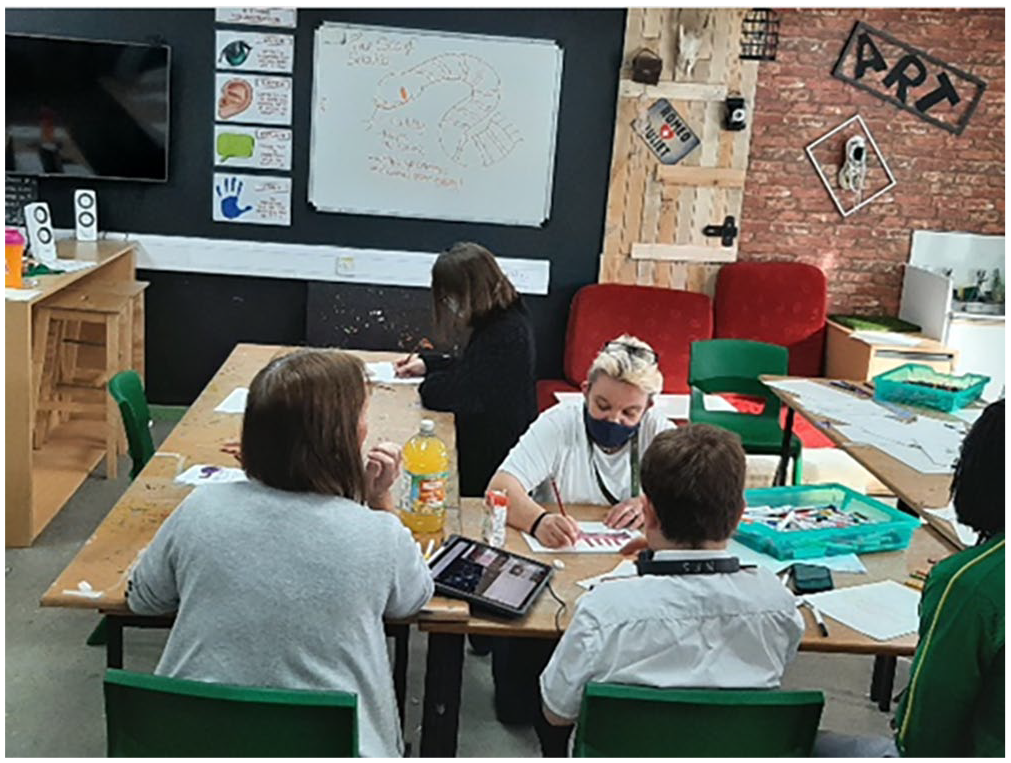
School-based design workshop (Charlie in the middle of the picture).
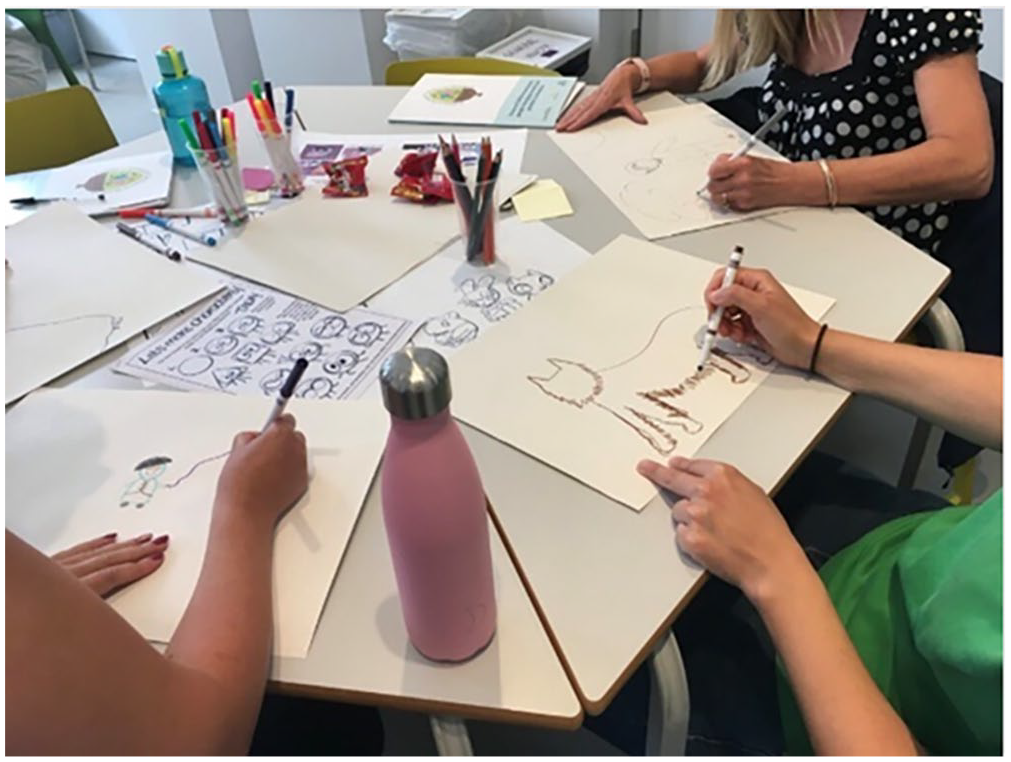
Comic character creation at the workshop with professionals.
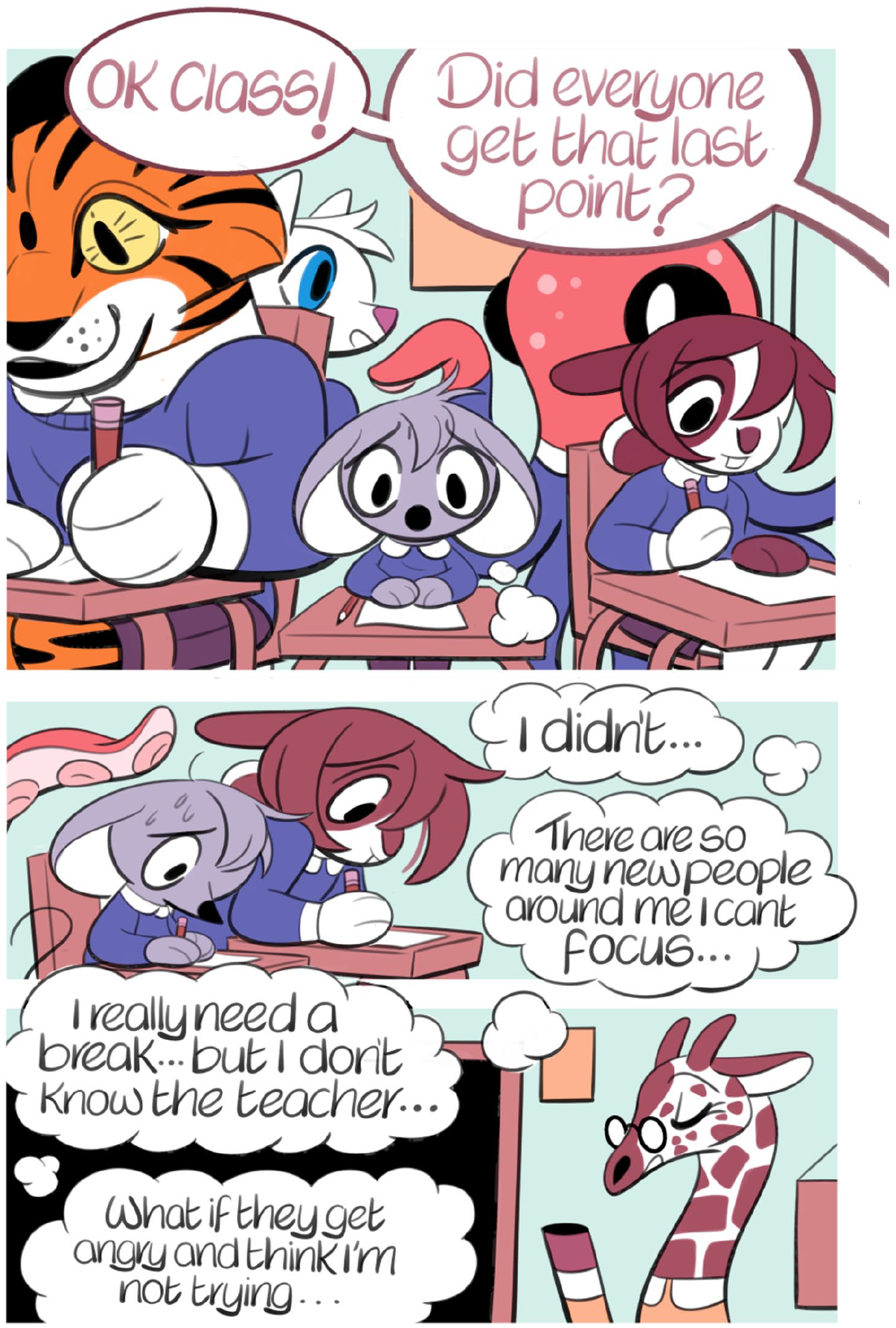
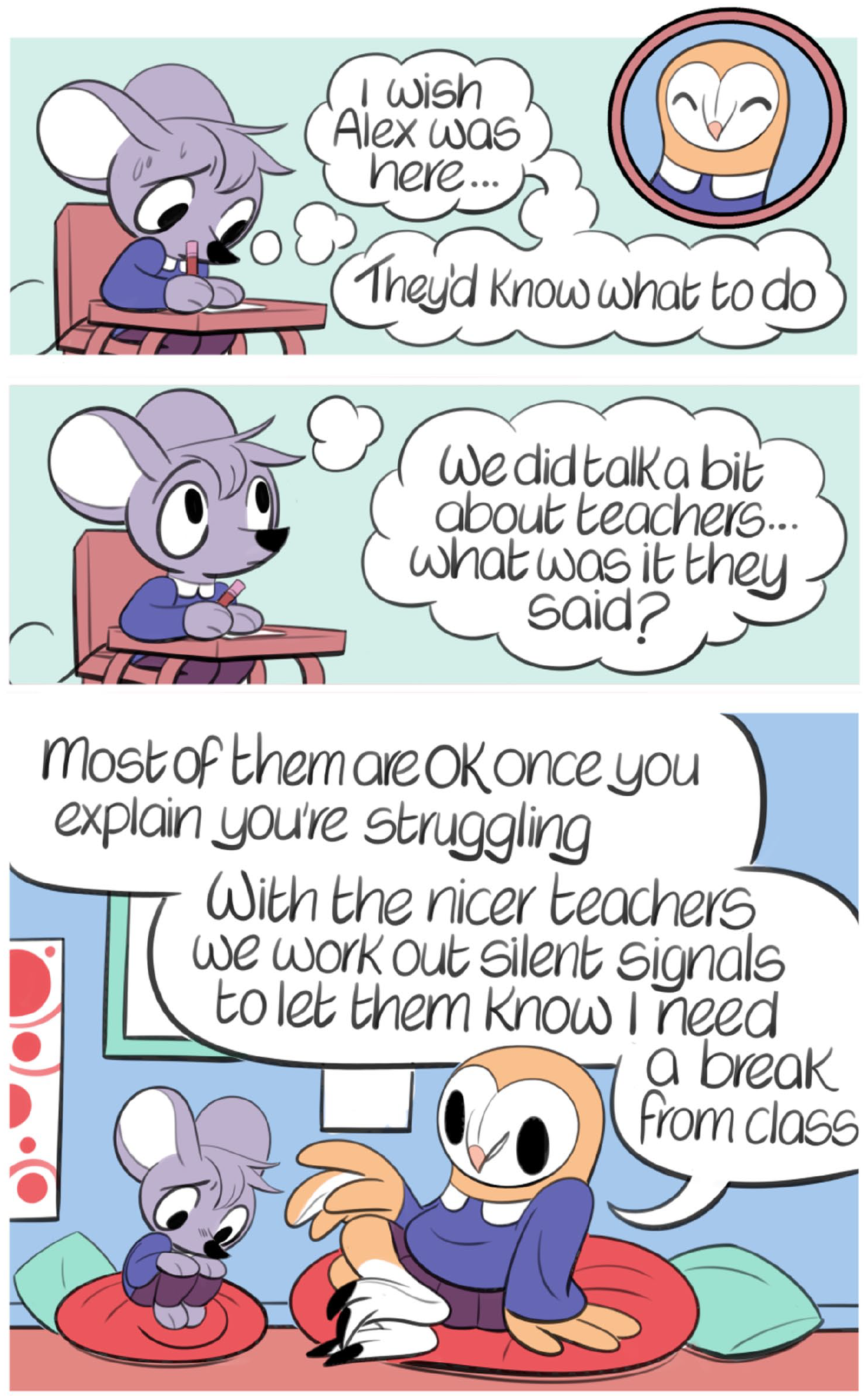
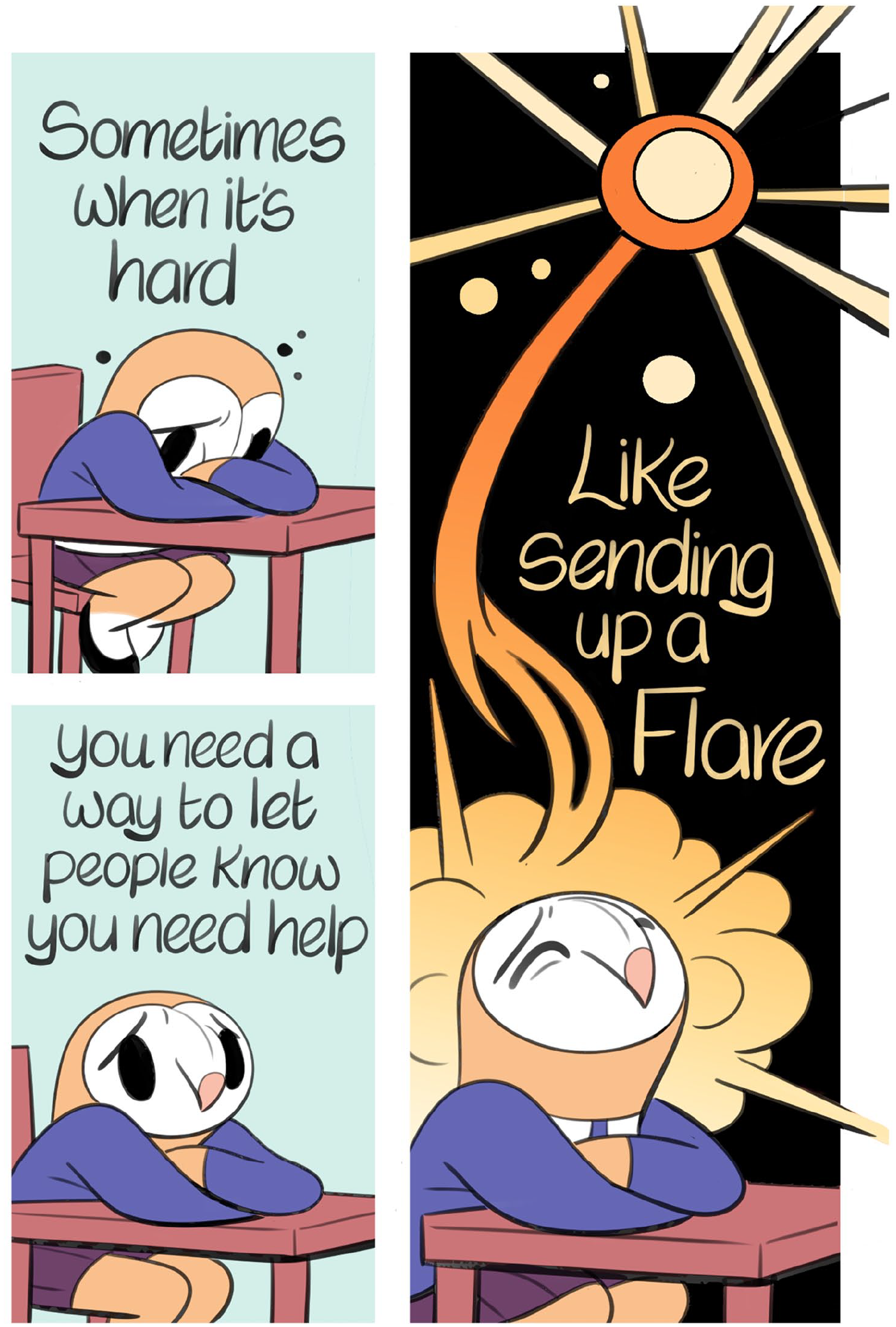
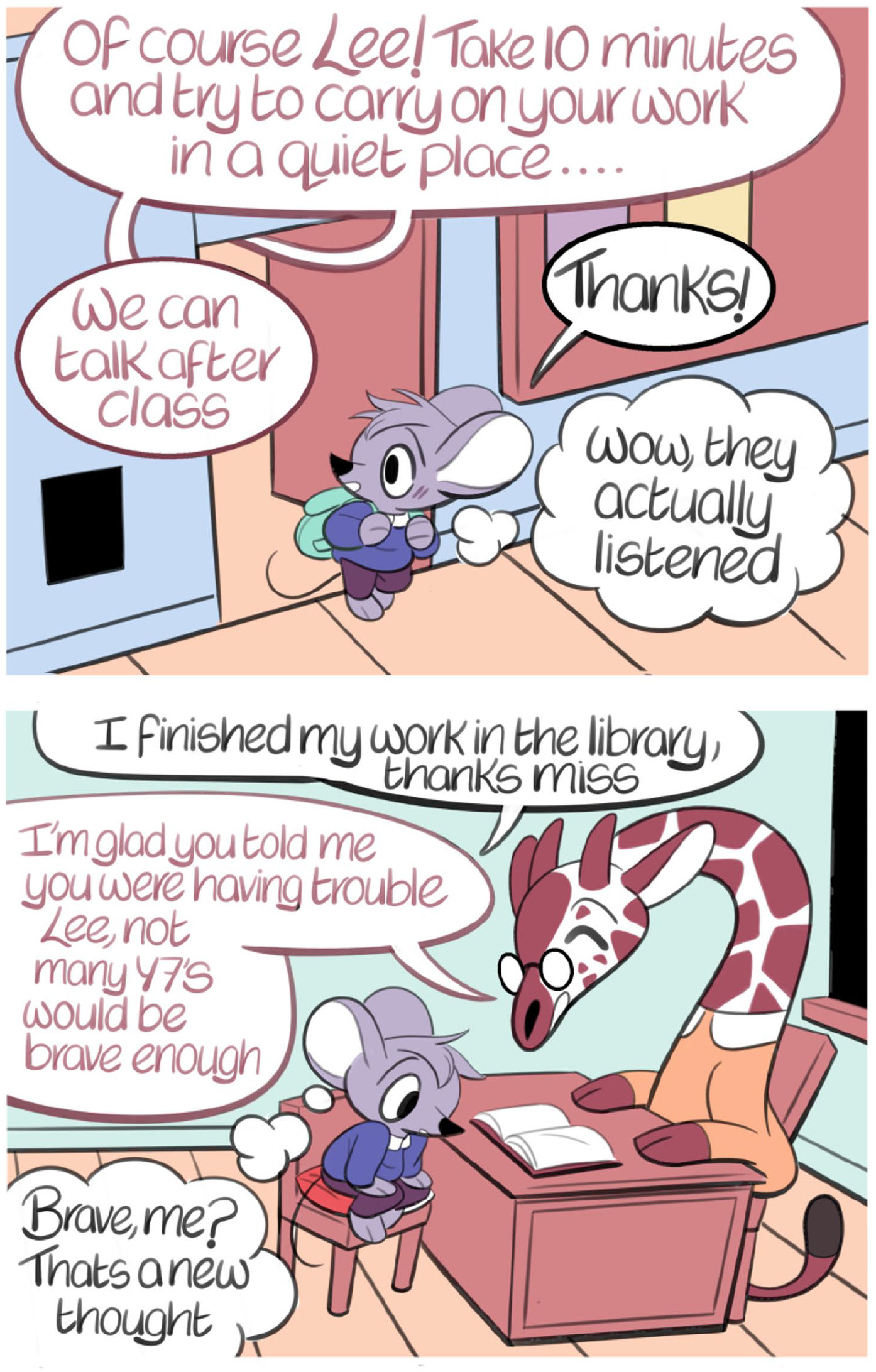
This workshop focused on a part of the storyline which was still in the sketch phases and involved Lee being supported by his older buddy Alex to develop a strategy for asking the teacher for help. Lee is shown being supported by the teacher to leave class 10 minutes early to finish their work in a quieter space. One of these pages was the source of much discussion as it shows Alex talking and thinking about how to ask for help and imagining this as ‘like sending up a flare’. The original colouring for this was a bright red background (Figure 5) but students felt this sent the wrong kind of signal which could be interpreted as a loud alarm, and something that was public to others, rather than the intended meaning of the flare as an internal feeling or wish that was being silently communicated.
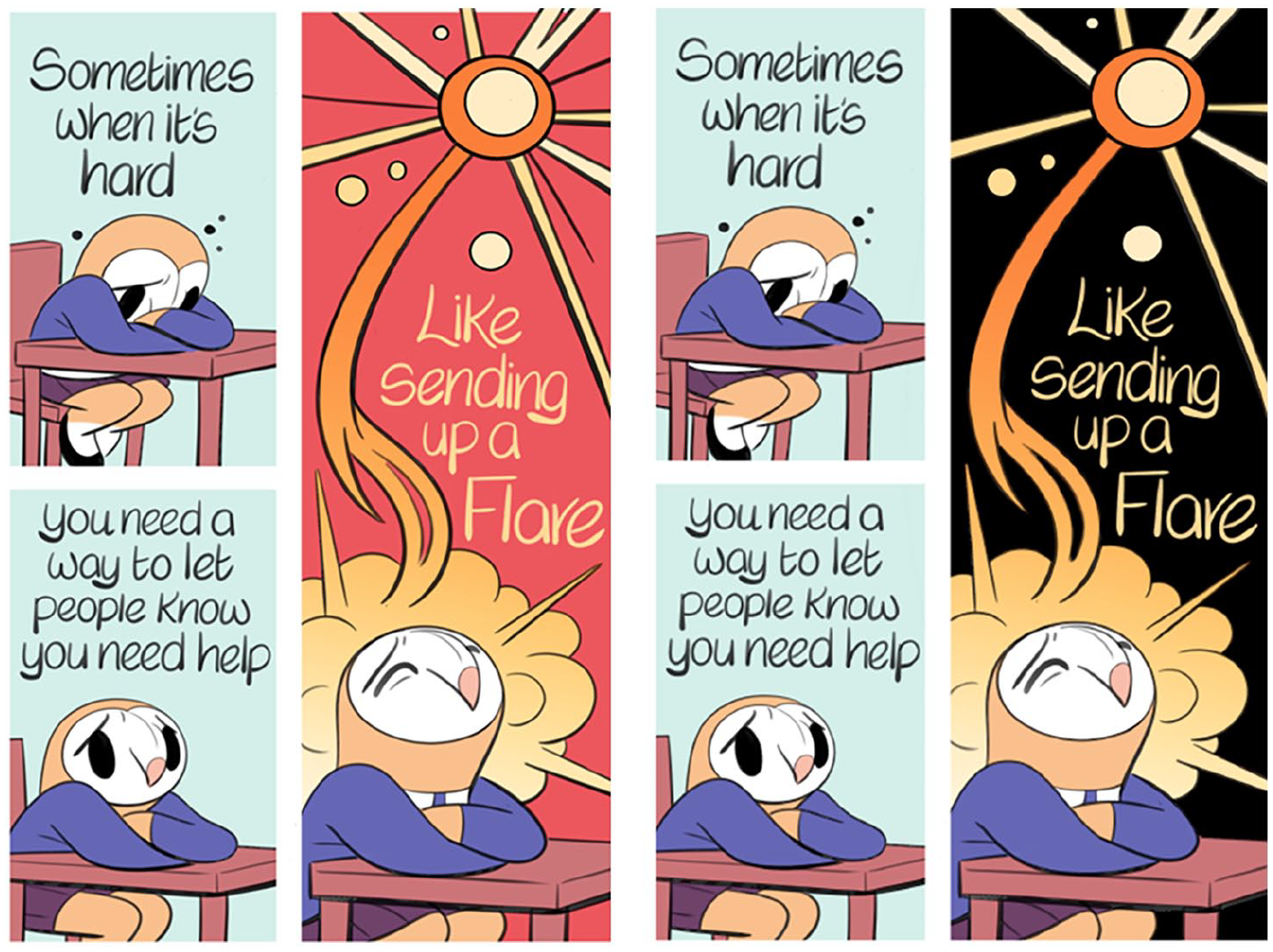
The original red colours of sending up a flare on the left and the final, darker colours on the right.
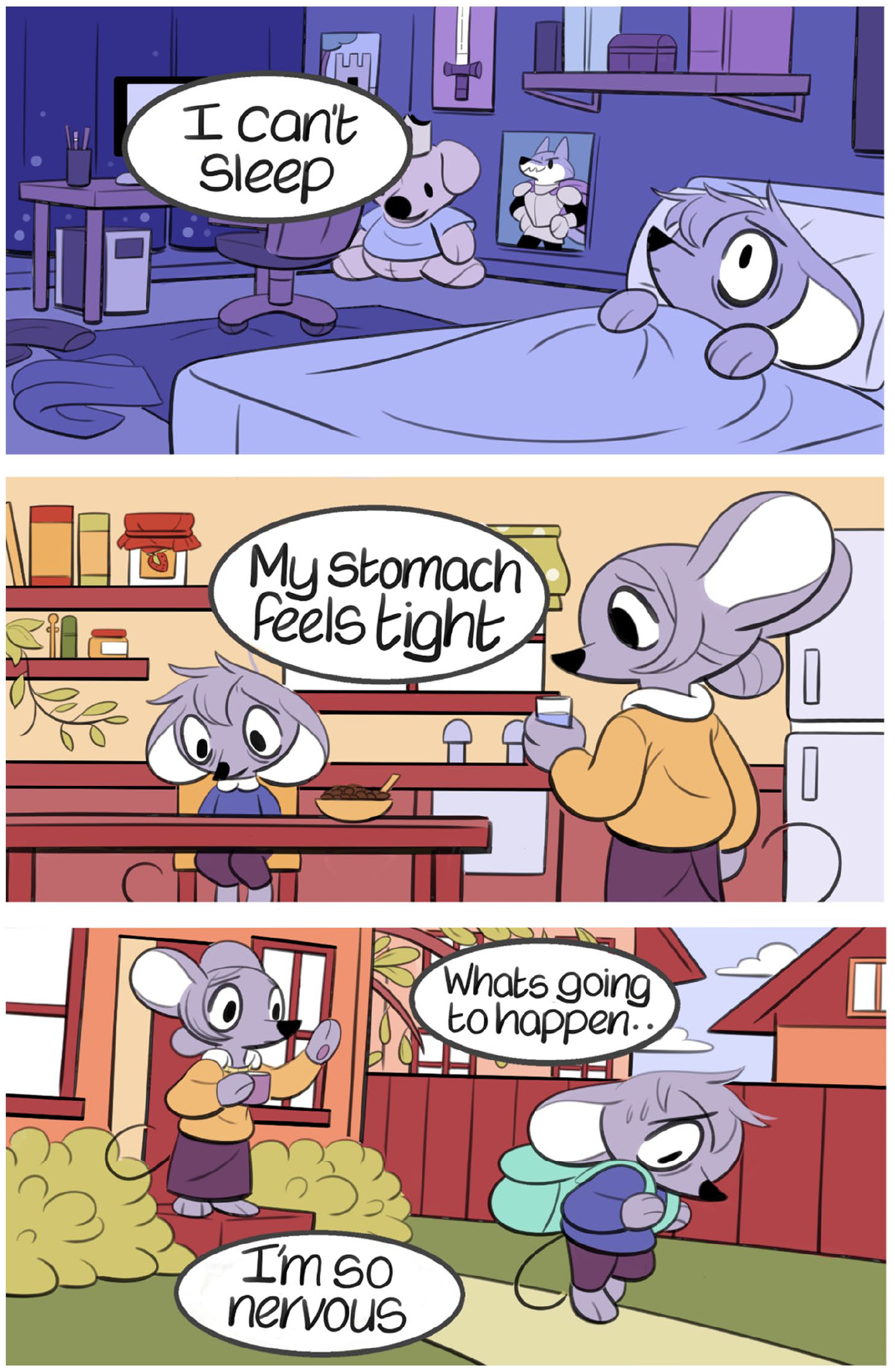
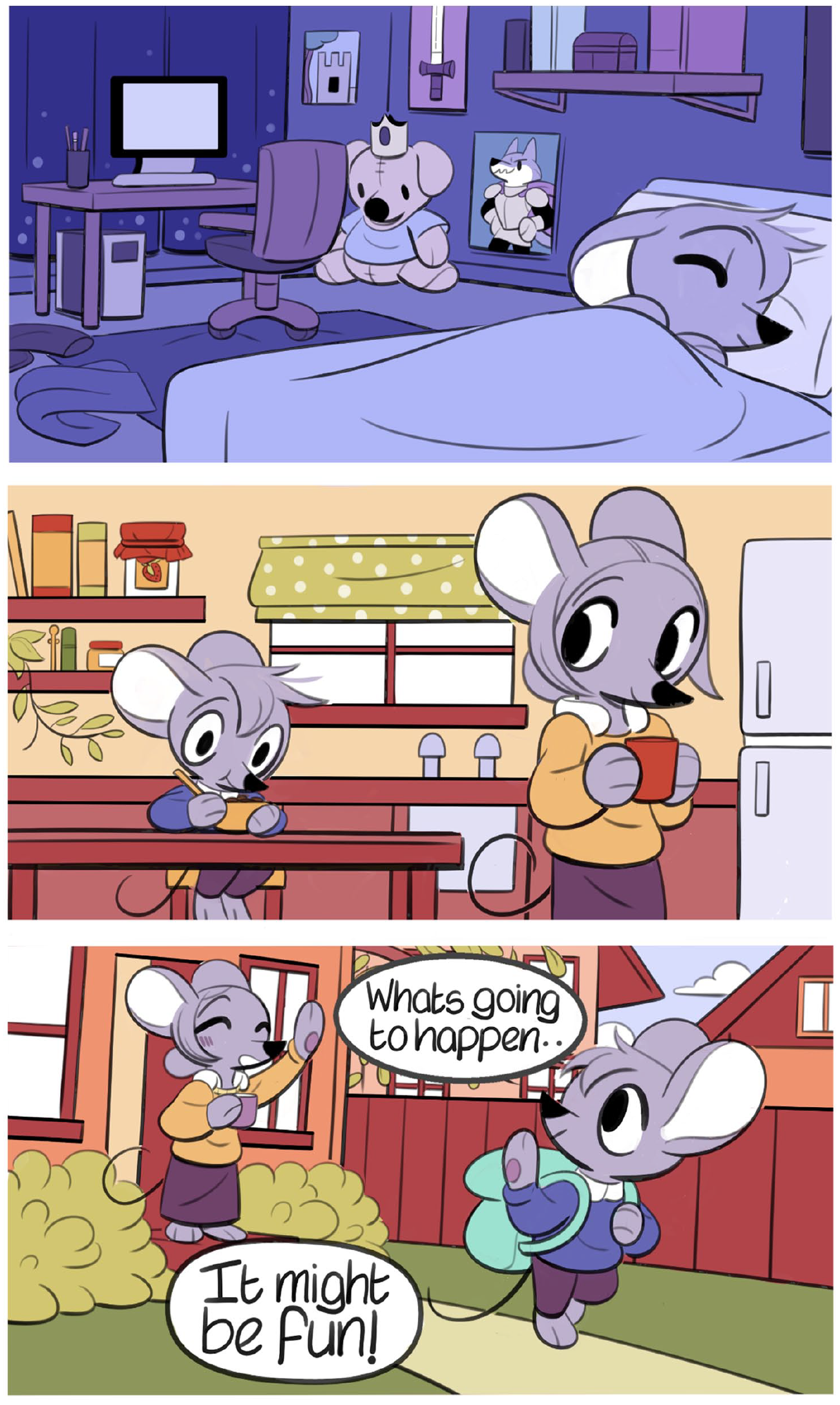
We encouraged the students to reflect on what they liked and disliked about the storylines and received valuable feedback. The students also expressed ideas for character designs and storylines like coping with the stress of travelling to school, getting ready in the morning at home, and dealing with a bully. Many of these suggestions were subsequently incorporated into the final comic. For example, ignoring unhelpful comments from other students is shown in Figures 2 and 6 shows the opening scene of the comic with Lee feeling anxious about school and setting off from home feeling nervous, which was added specifically following this feedback.
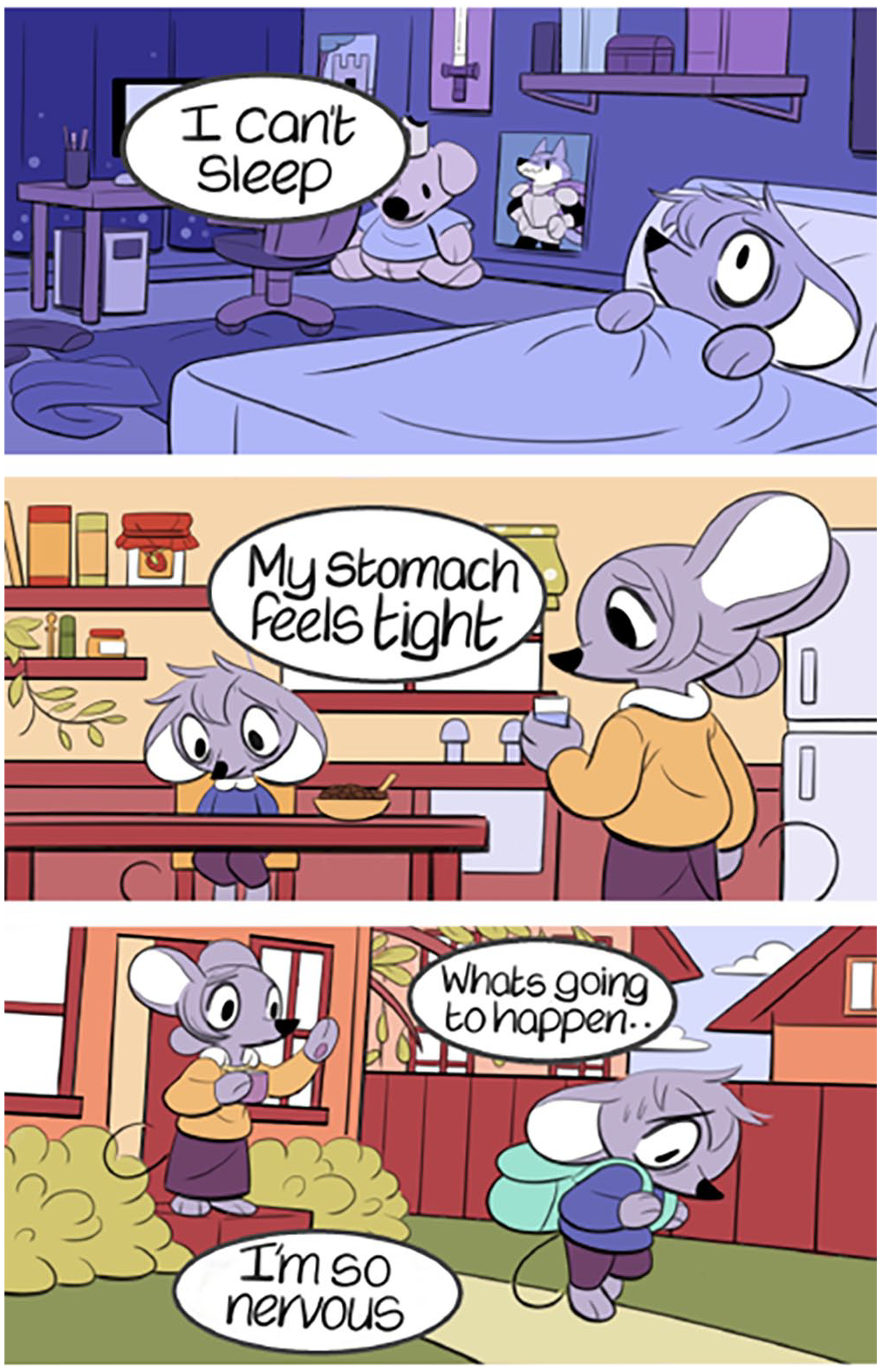
The opening scene of the comic showing Lee being unable to sleep and feeling very anxious about their first day.
Audiences
The recognition of the importance of the audience in Lundy’s (2007) framework is particularly relevant for comic creation. Comics can make explicit lived experiences in a ‘material’ way (Fall, 2020: 771) using text and images. This feature aligns with children’s rights not just to impart their views but also to receive information in any media of their choice (Article 13, UNCRC; UNICEF UK, 1989). Thus, children’s voices are further considered in their roles as potential audience members for the comic as well as co-creators of it. Comics can also make explicit ‘emotional truths’ (McNicol, 2019: 236) of experienced realities which may otherwise be difficult to convey. These can include fictional elements that enable distance and anonymity from very specific accounts or ‘verifiable’ truths, which are more commonly aimed for in the direct reporting of research data (McNicol, 2019). Accordingly, comics can transform research data into shareable, more accessible narratives, which can then be received and interpreted by audiences in different ways (Dittmer, 2010). Comics are, therefore, dialogic artefacts whose meanings are open and negotiated in the context of any audience’s ‘nomadic subjectivities’ (Dittmer, 2010: 224), that is, their shifting, and individual, responses to the content.
As the core intended audience for the comic, two groups of students (5–6 in each group) reviewed and evaluated the finished comic through activities that were embedded into their school lessons. Feedback provided strong support for the comic, for example,
I like that [the characters] are animals not people. The choice of animals are good because they match emotions to the type of animal. Wise Owl. Confident Tiger. Timid Mouse. I like the comic as it helps people get used to transitioning. I like the characters as you made the character relevant to their role.
Another student commented that the comic characters ‘. . . will help me get throw [through] the yier [year]’. He gave a top liking rating of 5 (out of 5) about the comic characters, and said he wanted to give the comic to his younger brother who was in Year 6 because he thought the comics would help as his brother ‘is a bit skerd’ [scared of starting at a new school]. These comments suggest that the comic was successful in conveying ‘emotional truths’ (McNicol, 2019: 236) that we had aimed for, and which children connected with. This was further reinforced when sharing the comic with an autistic university student who commented, Having stomach cramps from anxiety at school was something I’d experienced from about 6 or 7 but I couldn’t really understand what was happening. So the comic was really relatable, informative and beautiful to me.
Professionals were positive about the comic too: Such a brilliant concept – you can target so many of the worries that autistic children and all children are having in school. SLT’s [speech and language therapists] could use these comics to support children to learn how they can problem solve by personalising the comic.
Influence
Lundy (2007) is clear that the gathering of children’s views must not lead to ‘Tokenistic or decorative participation . . .’ (p. 939) such that those views are subsequently ignored by adults who have power over them. We are still in the early days of sharing the comic with wider audiences (as here) to promote awareness of children’s voices and encourage use of the comic to support school transition practices. Nevertheless, we were contacted by a Consultant Community Paediatrician who is using the comic in their work who wanted to share that The School Daze cartoons have been really well received by 4 children so far, all neurodivergent, anxious Yr 7s who are reluctant to attend school and have had difficulty articulating why the transition has been so hard. The cartoons have been a truly amazing way of helping them to explain their feelings and a great help for us as clinicians to hear for them what these issues are rather than relying on the adult perspectives alone.
This provides a welcome indication that young people’s views and experiences as represented in the comic are being seen and heard and are beginning to have an influence in making a difference for others.
Procedural and practical ethics
For procedural ethics, this project was reviewed and approved by the School of Psychology ethics committee at the University of Southampton (Ref # 62353.A1), and all student projects whose data informed the themes of the storylines were also reviewed and approved. For practical ethics, there was careful consideration given to the confidentiality of the students, not least given that the school’s name would be used in any dissemination. Questions arose regarding the authorship of the comic if students wanted their contributions to be recognised through naming them explicitly, however given that many students who attend New Forest School are subject to care orders, we decided together to acknowledge the students as a group rather than name individuals.
Footnotes
Acknowledgements
Thanks to the students at New Forest School who provided their views, voices, and stories to co-create (and name!) the School Daze come. The authors are grateful as well to New Forest staff who supported young people to participate in the many ways in which were important, meaningful, and chosen by them.
Funding
The author(s) disclosed receipt of the following financial support for the research, authorship, and/or publication of this article: This project was funded by the University of Southampton’s ESRC Impact Acceleration Account.
