




Abstract
Disasters are not just the result of extreme natural events but are also affected by complex governance scenarios, social vulnerability, existing infrastructure, and housing reconstruction policies. This paper is an examination of a social housing construction process following destruction by an urban forest fire in an informal settlement in Valparaíso, Chile in 2017. The paper compares this process, in all its complexity, to that following another very destructive fire three years earlier in the same area. Rather than taking the standard hierarchical model of social housing reconstruction that often follows a disaster, this more recent process in Valparaíso, in response to a new 2016 national policy, attempted to make use of co-production, most notably through a collaborative design workshop. This paper examines the entire social housing reconstruction process, focusing in particular detail on this design workshop, and it assesses the degree to which co-production has been successfully introduced into this process.
Keywords
I. Introduction
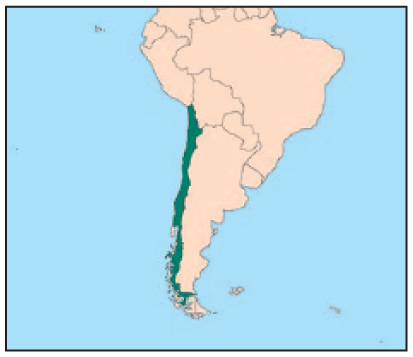
Chile is continually subjected to extreme natural and anthropogenic events with catastrophic consequences and serious human and material losses.(1) Yet the country’s governmental framework for disaster risk governance falls short in various ways. The disaster action strategy excludes citizens’ participation, lacks coordination among government institutions, focuses on the emergency (rather than conditions contributing to it), and draws on scant knowledge of the affected territories.(2) The National Policy on Disaster Risk Management, promulgated in 2016, has as one of its principles “to consider goals and deadlines that include the local reality of each territory”.(3) Chile still needs better planning instruments that favour intergovernmental coordination and tools that make citizen participation in disaster scenarios binding in decisions by government agencies. Citizen participation in housing development has tended to be consultative, with the beneficiaries passive observers of predesigned projects.
This paper introduces an attempt after a 2017 fire in Valparaíso to make use of a more collaborative approach, with households more fully involved in their own reconstruction as part of a process of co-production. This effort is put in context by comparing it to an earlier reconstruction process in the same area that followed an even more destructive fire in 2014. The aim of the paper is to describe the social housing component of these two reconstruction processes, and then to assess the extent to which the 2017 process was able to put in place a more co-productive approach.
II. Theoretical Framework: People-Centred Housing and Urban Co-Production in Disaster Recovery
Urban co-production can be understood as a scenario in which a heterogeneous group achieves a common goal, through a process of what Duque Gómez and Jaglin have referred to as “co-learning and micro-negotiations that help produce the cognitive alignment necessary to the management of services”.(4) Co-production, as Mitlin points out, “has rarely been considered as a route through which the organized urban poor may choose to consolidate their local organizational base and augment their capacity to negotiate successfully with the state”.(5) The post-disaster co-production literature focuses on initiatives led by grassroots organizations and NGOs,(6) centred on two dimensions: helping the survivors of an emergency and preparing the community for future disasters.
The prevailing definition of resilience in the literature on co-production in reconstruction processes is the concept of Build Back Better (BBB).(7) This proposes a holistic approach to reconstruction and understands it, according to Mannakkara and Wilkinson, as “a way to utilize the reconstruction process to improve a community’s physical, social, environmental and economic conditions to create a more resilient community”.(8) In most post-disaster housing reconstruction, however, communities are not at the centre of the decision-making process or the design of their own homes. A top-down approach prevails, accompanied by a donor-driven reconstruction logic,(9) where the participation is restricted to the selection of a predesigned housing model designed by a third party. In this context, the concept of people-centred housing recovery (PCHR)(10) presents an alternative, since it supports co-productive processes of design, financing and housing construction in post-disaster scenarios. PCHR, according to Maly, “can be categorized at multiple scales of housing recovery: 1) policies and development at the overall disaster-area scale; 2) participation in decision-making processes at the community scale, and 3) housing design, form and construction of individual houses at the household scale”.(11) The PCHR process proposes that those impacted by a disaster be the main decision-makers in the governance process surrounding reconstruction. PCHR promotes housing co-production whenever it is integrated into a process of urban reconstruction governance with a people-centred approach,(12) especially in reconstruction of informal settlements where there is a pattern of community co-production of public spaces and housing.
An example of PCHR is the RAPIDO(13) applied in the Rio Grande Valley (USA) after 2008’s Hurricane Dolly. RAPIDO promotes a bottom-up dynamic where those affected by a disaster directly influence the location and installation of a prefabricated base module on their plots. From that base they evaluate with the RAPIDO team the possible extensions that might be applied to adapt the house design to the families’ needs. This dynamic allows people to be included in the design process of the expanded house. However, it does not provide tools for them to design their homes, nor is the model integrated into an urban reconstruction governance process (as is the case in the example discussed in this paper).
Of course, the successes of PCHR models are dependent on the quality of local governance, and, as argued by Barten and colleagues, urban governance is a “multifaceted and ill-defined concept”. It can be understood as a “relationship that exists between the State and civil society with respect to problems and national policies of public interest”.(14) In the case of informal settlements, this relationship responds to tensions resulting from the policies and approaches of government with respect to urban informality – its eradication or settlement restructure.(15) In some informal settlements of the global South where processes of urban co-production have taken place for the improvement of infrastructure and/or housing, scenarios have been generated where citizens become both co-workers and customers of the co-produced service.(16)
In 2002, UN-Habitat, in its Global Campaign on Urban Governance, used the concept of “good urban governance”, understanding this as “the difference between a well-managed and inclusive city and one that is poorly managed and exclusive”.(17) Swapan, analysing the concept of good governance, defined four models of urban governance (1- authoritarian, 2- bureaucratic, 3- political, 4- democratic). Each model has a stage of participation (1- informing, 2- consulting, 3- involving, 4- empowering).(18) In Chile and other countries, social participation and community empowerment in the context of urban reconstruction governance tends to remain in the consultative phase, despite being a recurring theme in public administration.(19) In practice, community involvement in the design of housing recovery is very low or non-existent.(20)
The benefits of co-production among civil society, the government and private companies are clear. Members of civil society often lack the tools and financial resources to modify the physical conditions of their environment in ways that allow them to reduce the risk of disaster,(21) and government agencies do not necessarily possess the local knowledge that would allow them to act with greater precision and certainty. Thus, in post-disaster reconstruction scenarios, it is practical to generate co-production processes that bind all participants to a negotiated outcome. In addition to improving the quality of reconstruction, this process could influence the understanding of the threats and vulnerabilities of affected settlements, promoting collective capacities that reduce the risk of disaster.(22)
The 2015 Sendai Framework for Disaster Risk Reduction states that communities, in collaboration with public institutions, should provide specific knowledge and pragmatic guidance in the development and application of regulatory frameworks for disaster reduction.(23) Public and academic institutions should participate in urban governance for the creation of local, national, regional and global plans and strategies, fostering a culture of prevention and education on disaster risk management with the communities. The scientific evidence is solid in relation to the importance of capital and social cohesion, related to the reduction of social vulnerability throughout the disaster risk management cycle and, in this way, supporting communities better in post-disaster scenarios.(24) The shared responsibility of government and citizens in the integrated management of disaster risk has been strategically incorporated into the public policies of some countries.(25) Government agencies should promote citizen participation through urban governance in processes of prevention, preparation and reconstruction, designing and facilitating the necessary tools for community self-management in the disaster management cycle, and allowing better communication between civil protection institutions and the population.(26)
This paper presents an example of a social housing co-production process integrated into the urban reconstruction governance of an area affected by urban-forest fire in the city of Valparaíso in 2017, a process that combined bottom-up and top-down visions. One of the particular contributions of this paper is its discussion of the application of didactic tools for the design of the individual families’ housing in a post-disaster scenario with a PCHR approach. To contextualize this local experience, we review governmental actions and self-managed community processes in another area in the same city that was destroyed by a catastrophic fire in 2014.
III. Background: Fires in Valparaíso’s Informal Settlements
Fires in Valparaíso are a recurrent event. The “mega-fire” on 12 April 2014, spread over several areas, was the largest fire in the history of the city.(27) Also significant, though, were fires in the La Cruz hills in 2008,(28) the Rodelillo-Placeres in 2013,(29) and Puertas Negras in Playa Ancha.(30) Eighty-two per cent of all the outbreaks related to these fires between the years 2000 and 2017 were in forest plantations close to the city’s periphery.(31) Most of the city’s informal settlements are located next to these forest areas. Informal settlements are a fundamental part of the pattern of urban growth in Valparaíso. Pino and Ojeda note that “they have been the main form of habitat generation … through which the city has grown and consolidated”.(32) These informal settlements develop according to a transgenerational family strategy, carried out gradually by small groups – as distinct from the informal settlements in the Santiago Metropolitan Region, which have been a manifestation of the collective, political and synchronized action of a group of people, taking over an area suddenly.
Since 2007 in Chile, the concept of a campamento (shanty town) has been used by government to define informal settlements, which are “preferably urban, composed of more than eight families that live in irregular possession of a land and whose homes are grouped and contiguous”.(33) In 2017, of 162 informal settlements in the Valparaíso Region, 52 were located in the city itself, housing a total of 2,354 families.(34) The families that inhabit these informal settlements do not own the land, but only have informal tenure. However, they have built the housing they occupy. One way they can become owners of the land they inhabit is through the regularization of their tenure in accordance with Decree Law 2695 of 1979 of the Ministry of National Property, which sets standards for the ownership of small properties. Article 2 stipulates that those who want to legalize a site of which they are in functional possession must, at least, prove they have occupied the site for at least five years. Another path to ownership, in the case of the presence of large camps that meet the time requirement for occupation, involves the eventual acquisition of the land by the government for the development of collective housing the inhabitants can move to.
Almost 70 per cent of the informal settlements in Valparaíso are located in risk areas with steep slopes and ravines, where the greatest physical hazards are associated with landslides and fires.(35) Devoid of formal urbanization and public infrastructure, these communities are unable to mitigate these risks effectively and to ensure a rapid post-disaster recovery. The area affected by the mega-fire of 2014, for instance, combined this kind of hazardous geography(36) with social vulnerability and a lack of urban infrastructure – 28 per cent of the settled parts of the devastated territory were informal settlements, 52 per cent were settlements of informal origin,(37) and 20 per cent were formal settlements.(38) The 2017 fire occurred in Puertas Negras, an area in the Fábrica ravine (Map 1). The fire affected three of its five neighbourhoods, two informal (Emilio Recabarren and Los Lancheros del Bongo) and one of informal origin (Picasales).
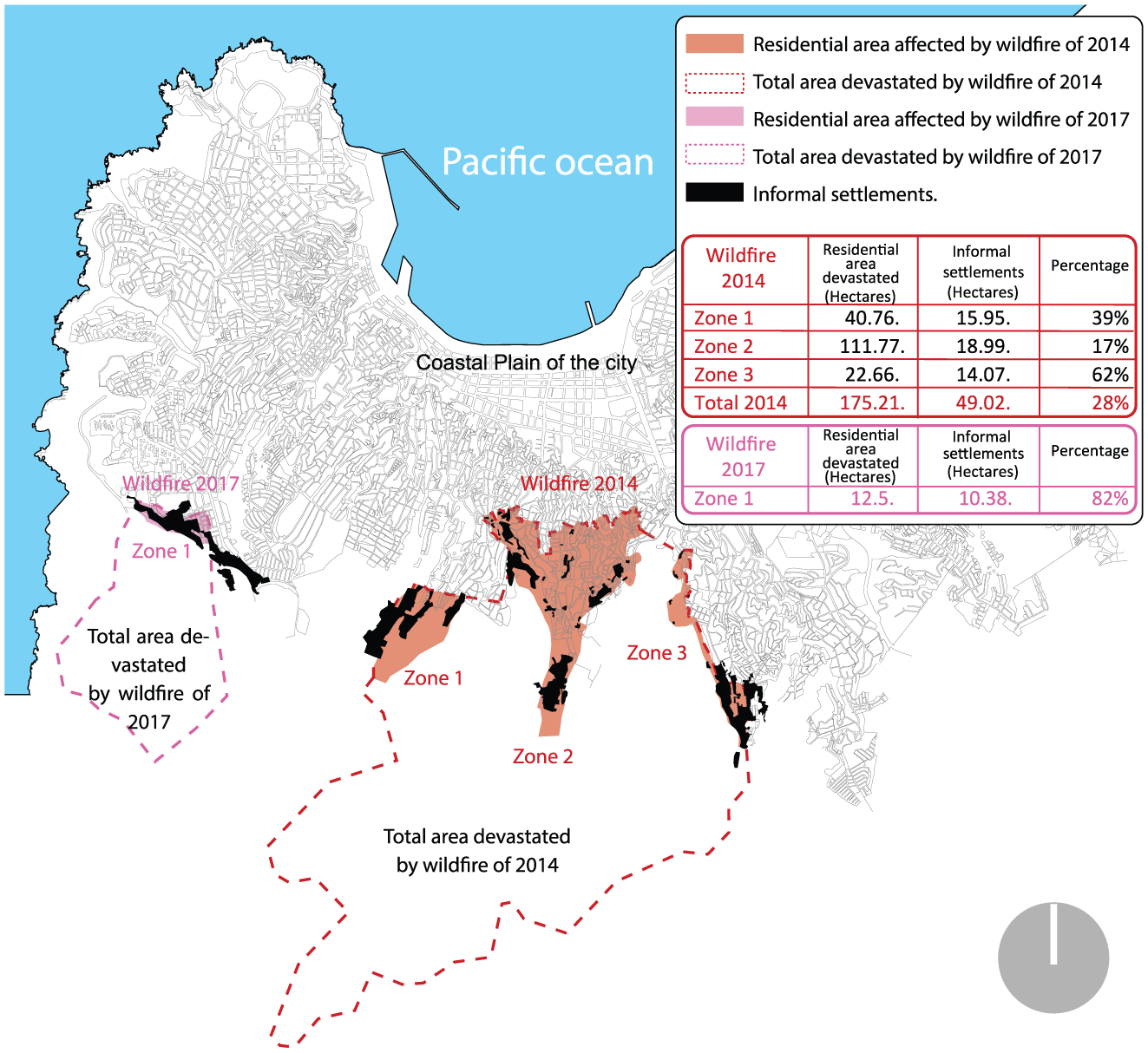
Total areas devasted and residential area affected by the 2014 and 2017 fires
IV. Methods
For this study, the team employed both qualitative and quantitative data collection, as well as the use of secondary data. For an understanding of the 2014 mega-fire, we drew on empirical data from the Ministry of Housing and Urban Development of Chile (MINVU) analysing the post-fire reconstruction process, along with territorial/land tenure studies carried out at the CINVIT University of Valparaíso.
For the 2017 fire in Puertas Negras, we made use of both primary and secondary data. Focusing specifically on the informal-origin Picasales neighbourhood, we drew on the CINVIT land tenure study and the analysis of the Emergency Basic Data Sheet (FIBE) produced by the Chilean government, as well as making use of a sociodemographic survey, semi-structured interviews, and ethnographic observations.
V. Results
a. The 2014 reconstruction process
Following the 2014 fire, which, as noted above, wiped out informal settlements covering 49.02 hectares, the government declared the area to be a catastrophe zone, and delegated its powers to a presidential representative, who led an inter-sectoral task force for reconstruction with a special budget.
After the fire, 1,320 individuals moved to shelters sponsored by government or NGOs. Another 513(39) began setting up tents, exercising a communal sovereignty over their plots(40) to prevent the potential invasion of outsiders. In the first weeks, several entities including the government, NGOs, individual and organized volunteers, researchers and students, and private business, participated in debris removal, gathering and distribution of food donations, and support to the emergency shelters. These interventions were for the most part meant for communities as a whole, while other later interventions (primary health care and emergency housing) were targeted at families and individuals. The government and private agencies made 346 emergency houses available (provided by an NGO, TECHO). None of these homes, however, was designed to be improved or expanded through self-construction.
Beyond the emergency phase, the reconstruction process presented a series of barriers and regulatory difficulties for the government:
The unavailability of subsidies for residents of settlements outside the city’s limit.
The lack of subsidies for residents who did not own the plots their homes were on. This included 30 per cent of the population in the 12 affected informal settlements.(41)
The prohibition against building in restricted zones (bottoms of ravines).
The high costs of engineering mitigation works for housing located in risk areas.
Sectoral obstacles preventing the execution of urban mitigation projects that integrated housing, public equipment and public space.
MINVU granted four types of subsidies to survivors:
These subsidies were grouped into two modalities: one involving relocation and three for remaining in place. Affected residents who possessed tenure of their sites could opt for any modality (SH, ASC, HR or HRS); those who did not could only opt for a relocation subsidy in another city (HRS). In all, 60 per cent opted for relocation and 40 per cent to reconstruct their homes in the same location.
Some of the inhabitants in informal settlements decided not to accept the relocation subsidy, and they stayed on site, rebuilding their homes without any type of government funding or legal grounding. Most of them were able to return to “normality” within six months,(42) greatly exceeding the speed of government response in the residential areas affected – where there was only 1 per cent recovery after eight months, and where the process still continued four years later.
The extent of the response required by the exceptional magnitude of the 2014 mega-fire, the need for speed, and the regulatory obstacles inherent within government agencies caused these agencies to work without effective coordination. It also meant that individual assistance was privileged over community participation in the decision-making process.
The Ministry of Housing and Urban Development (MINVU), the body in charge of delivering and managing all housing subsidies, was challenged by the realities of the informal settlements. Many inhabitants had illegally taken land or had legal possession of the site but were in risk areas or restricted areas. Other legal owners had two or three dwellings on a site where the law allowed only one. The ministry managed 2,920 cases of the 3,582. Of these, 832 received the rapid standard housing (SH) assistance, 335 opted for assisted self-construction (ASC), 21 had household repairs (HR), and 1,711 received housing relocation subsidies (HRS) in a nearby municipality (relocation by incentive). Typical dwellings reached 50 square metres in most cases; the ASC houses were an average of 85 square metres.
The recovery process after the catastrophic 2014 fire suffered not only from uncoordinated action on the part of government agencies and slow progress, but also from poor-quality housing construction on the part of private companies, as well as considerable confusion and discontent in the community. Clearly, those who rebuilt independently managed to recover their lives more rapidly.
b. 2017: The reconstruction process in the Quebrada la Fábrica, Puertas Negras, Valparaíso
The fire that broke out in Puertas Negras in January 2017 was much smaller than the 2014 fire. But it destroyed 215 homes and left 360 families affected. Seventy-four of these families imitated those affected by the 2014 fire, settling with tents on their sites to ensure the security of their holdings, whether formal or informal (Map 2). Leaders of one of the neighbourhoods affected by the 2014 fire offered advice to those affected by the 2017 fire on the advantages of the different housing subsidies and how to organize against potential conflicts, both with government agencies and others – NGOs, volunteers and construction companies.
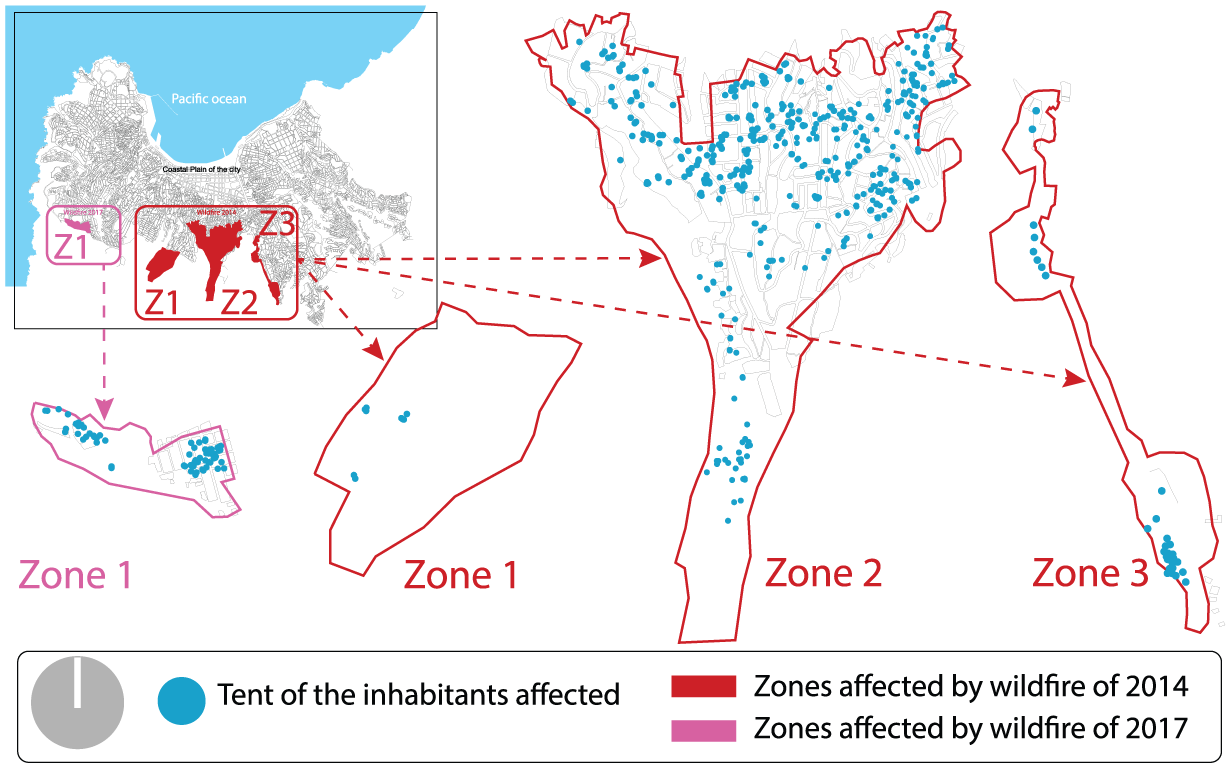
Comparative mapping of the 2014 and 2017 fires revealing the extent of spatial appropriation for tents
Meanwhile, given the multiple challenges after the 2014 fire, some changes had been made in the reconstruction process. While all those whose homes were destroyed could still opt for at least one of the four types of subsidy (owners: settlement and non-owners: relocation), a decision was made to double the value of existing rebuilding subsidies in recognition of the high costs of building in the difficult topography of the Valparaíso hills. The Ministry of Housing and Urban Development also decided to foster a participatory process that included the households that were impacted by the fire.
After determining that 82 per cent of the occupied area of the Fábrica Ravine consisted of informal settlements or those of informal origin (Map 1),(43) government officials informed those who had tenure of their sites (81 families) that they could opt for a building-in-place subsidy on their own site (SH, ASC, HR); those who did not (134 cases) were advised to go for a relocation subsidy (HRS) to obtain public housing within the region or an apartment in a housing project. The government’s encouragement of relocation was informed by an assessment that concluded that the informal settlements were almost all in restricted areas, prohibition zones, non-buildable green areas, risk zones, and public-use national areas owned by the government, all of which could only be modified through changes to municipal land zoning restrictions, a process that would take at least one year to complete. The affected territory was divided into three zones (Map 3). The municipality, together with the Quiero Mi Barrio–MINVU programme, was responsible for informal zones 1 and 2 (Emilio Recabarren, Los Lancheros del Bongo) and SERVIU was responsible for Picasales, the settlement of informal origin(44) (zone 3).
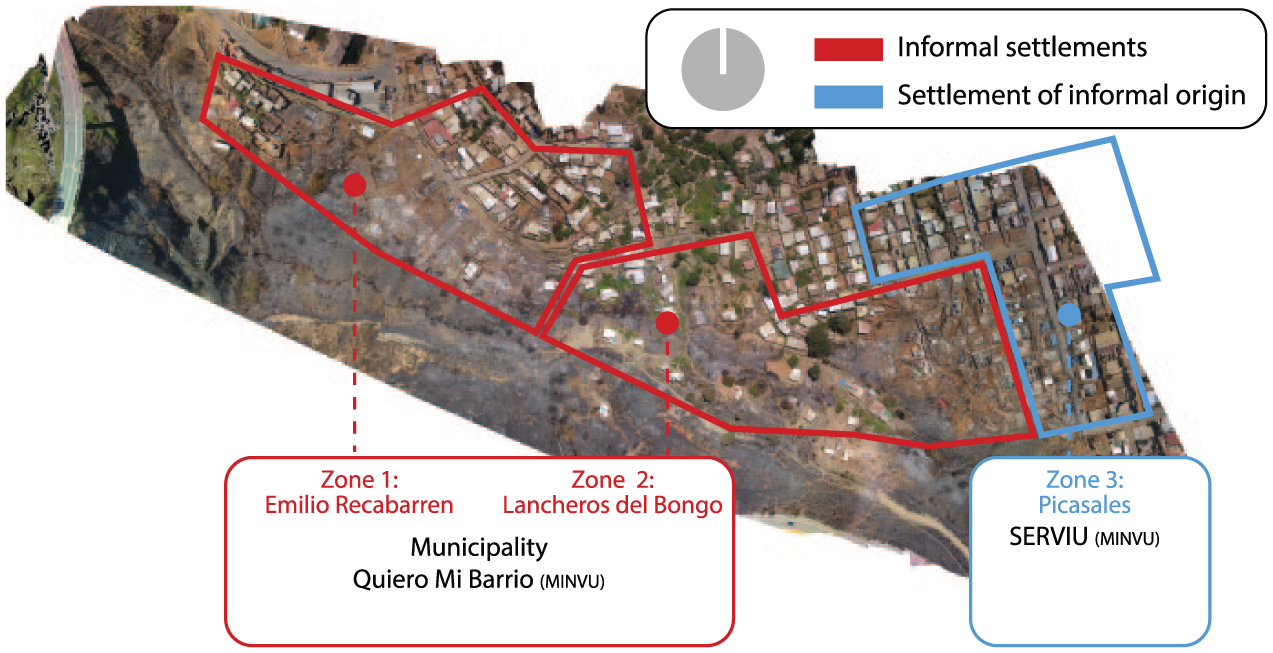
Subdivision of territory around La Fábrica Ravine
It should be noted that although the Picasales inhabitants had regularized their tenure in the 1960s, their houses never reached the standards required by the urban planning and construction ordinance, so they remained essentially “informal”. Access to basic services was also weak or non-existent, and there was no public infrastructure or public space. In all respects but tenure, then, the Picasales neighbourhood had the same living conditions as the other two affected informal settlements.
VI. People-Centred Housing Recovery (PCHR)
Given the ministry’s commitment to a participatory process, the relevant government agencies were open to sharing and working in the horizontal collaborative approach that characterizes people-centred reconstruction. Co-production can be understood as a balanced distribution of power between the government and citizens.(45) The example of co-production documented in this paper was integrated into a process with eight consecutive stages, which did not all lend themselves equally to a co-productive approach, and they had very different levels of power distribution. Overall, however, this could be seen as an effort supporting people-centred housing recovery (PCHR).
Once each family selected its subsidy, SERVIU–MINVU commissioned a team of external consultants (composed of a researcher, architects and social psychologists) to implement a participatory strategy for the co-design of single-family or multi-family homes as part of the co-production process of the ASC modality. The team (which included this paper’s first author) began to develop this participatory methodology under the concept of PCHR.
A central objective of this participatory research methodology was to create an architecture game that would generate and support a bottom-up process of spatial co-production of replacement housing in several of the eight stages of the process. Beneficiaries would design their homes using a set of LEGO-type building blocks, and then agree on the modality of co-financing. The game made it possible for families to express their needs and spatial requirements visually, and together with an architect certified by the government, to develop the final plans and start the self-construction process under the supervision of MINVU (Figure 1).
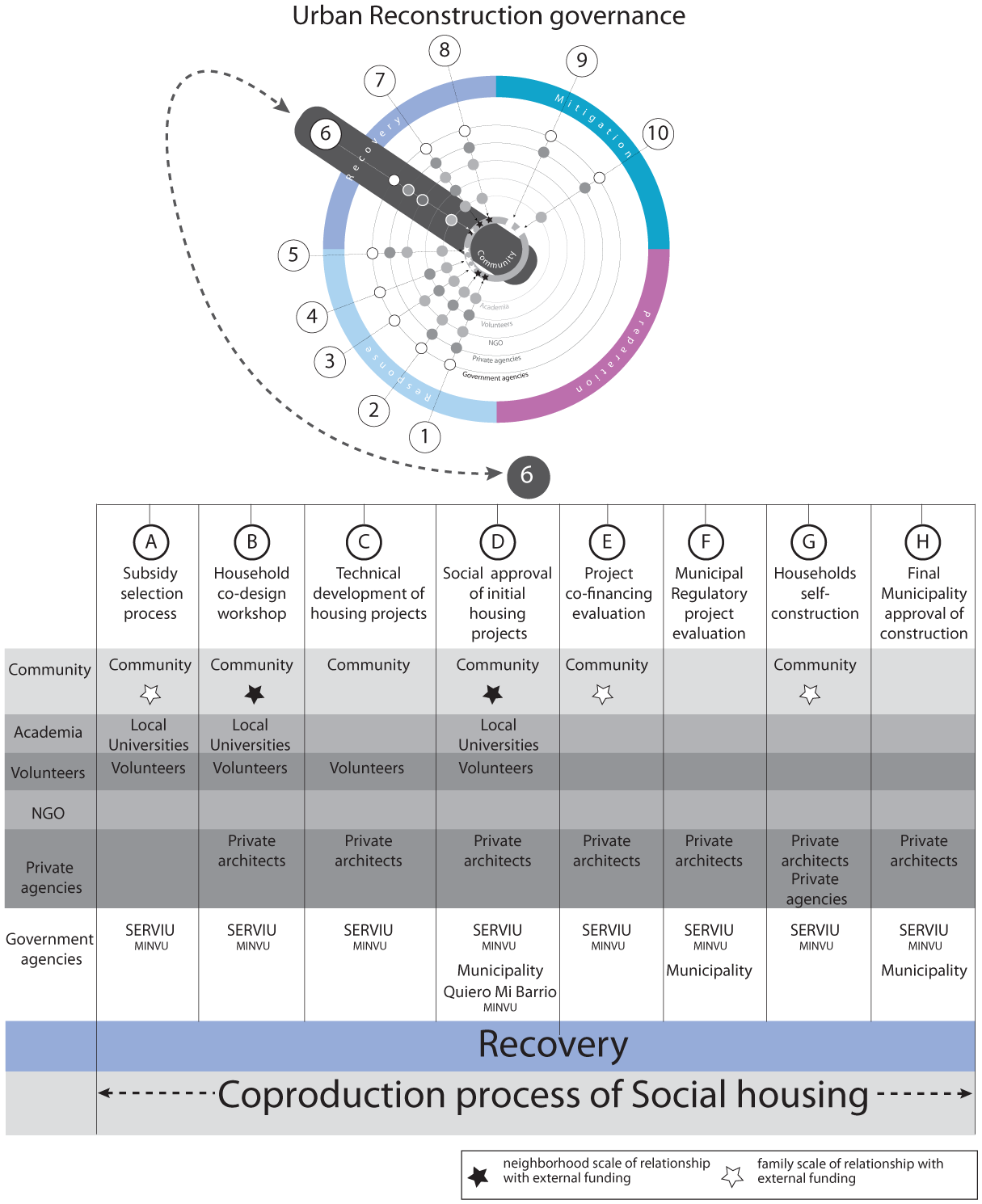
The co-production process of social housing construction
As a preliminary step, the team surveyed representatives of the 81 affected families from Picasales. This was primarily a demographic survey, although it also included questions on their initial choice of subsidy modality. Thirty per cent of these families had two members, almost half had four or more members (47 per cent), and 23 per cent had three members. Twenty-four per cent were under 14 years old, 31 per cent between 15 and 29, 14 per cent between 30 and 40, 15 per cent between 41 and 59, and 16 per cent older than 60 years. Only 9 per cent of those over the age of 15 reported being unemployed. In at least 27 per cent of the families, there was one member with a physical disability. The majority (57 per cent) owned their site.
Almost half the households (44 per cent) had lived in the neighbourhood more than 45 years, and had been through a process of regularization of their informally occupied settlement through a purchase of the land during the government of Eduardo Frei Montalva (1964–1970). As a result, the community had previous experience with formalization through a process negotiated between the government and the community. Now, after the fire, of these 81 families, 18 opted for standard housing (SH), 39 for assisted self-construction (ASC) and 24 for housing relocation subsidies (HRS). Fifty-two of these 81 families had built their damaged homes themselves, and the survey found that 65 per cent of them had a family member who worked in construction, which might explain why so many chose the ASC modality. In contrast, the 27 per cent of those families affected by functional disabilities had a greater need to quickly solve their housing problem; this might have contributed to the numbers (42 out of the 81 families) that initially opted for standard housing or housing relocation subsidies.
The description of the process includes reflections on ways it might continue to evolve and improve.
a. The eight stages of the PCHR process in Puertas Negras
The subsidy selection process
This stage lasted through the municipal regulatory project evaluation stage (three months). All the participants with tenure had installed on their plots an emergency housing(46) unit of 22 square metres delivered by the government. This unit was badly constructed (for instance, it leaked – Photo 1) and it was not connected to a regular water supply or sewage for the first two months. Although it might have added to the initial expense, it would have made sense for the emergency housing to be designed with a view to incorporating it into the permanent housing as a core unit.
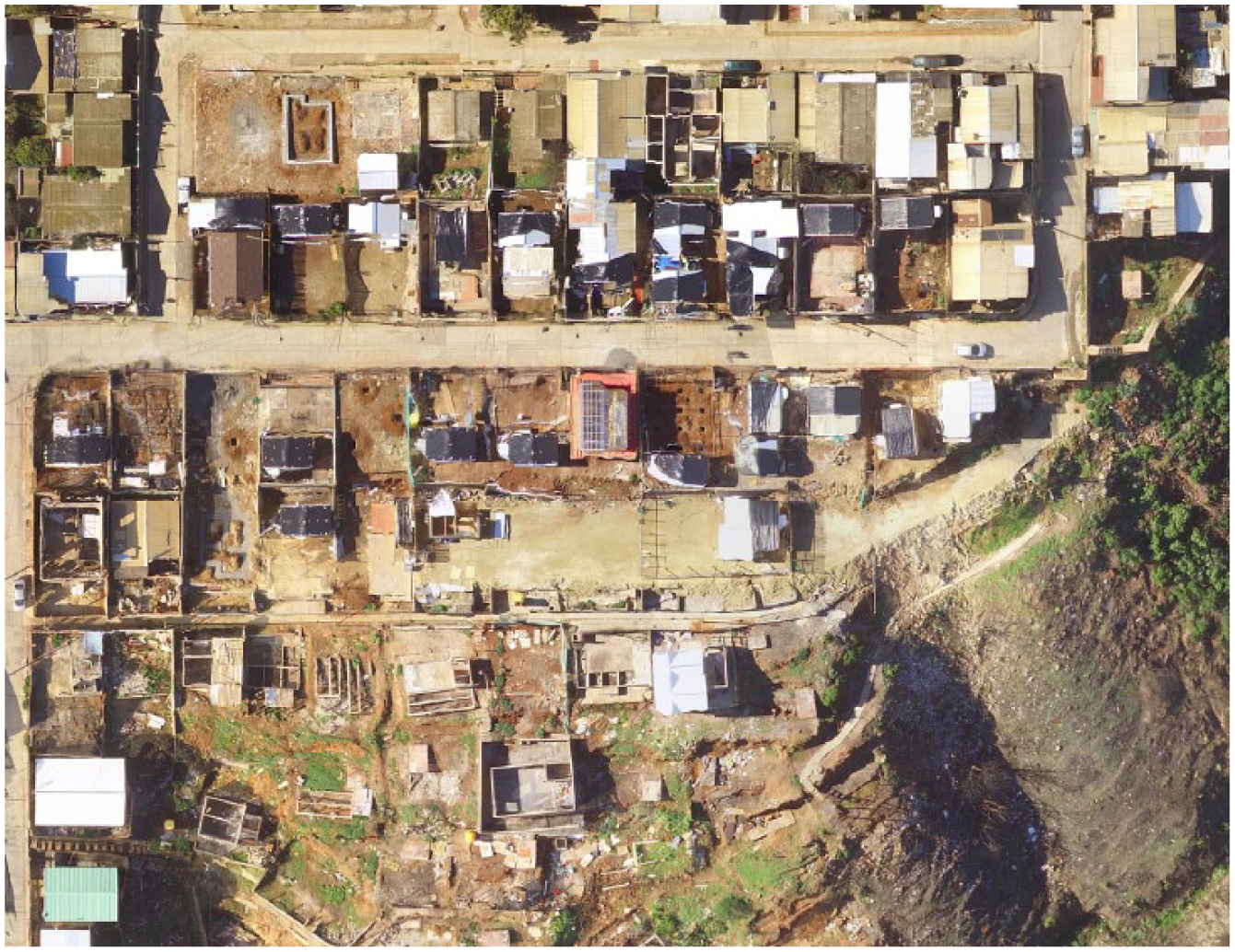
Emergency housing with water leak problems (houses are covered with plastic tarps)
The 81 families, as noted above, had all opted at this point for a particular kind of subsidy. Families made several changes in their subsidy choices over this period, as distrust towards government agencies grew in the community. It would have been helpful to include a more participatory element in this stage, informing households about the subsidies’ advantages and limitations, and equipping them to decide in a more considered way.
The household co-design workshops
Over the course of a week, five workshops were conducted, each lasting a day with a maximum of 10 families per session. The purpose was to establish a platform for dialogue among beneficiaries, government officials and consulting architects participating in the co-production process of the houses.
Of the 81 families, 50 decided to participate in this co-design process. Thirty-nine of these families had chosen the assisted self-construction mode. Another 11 had chosen the standard housing mode, but wanted a chance to assess whether the ASC mode might actually make more sense for them. The beneficiaries, who had considerable autonomy in this design process, planned their houses together with the housing government agency professionals in a dialogue informed by their own knowledge and priorities. They made models, using three-dimensional scale pieces representing the enclosures that could compose their dwellings. Then they arranged their models on a large-scale representation of the Picasales neighbourhood. This made it possible to see each other’s models in context, and to visualize what the neighbourhood would look like (Photo 2).
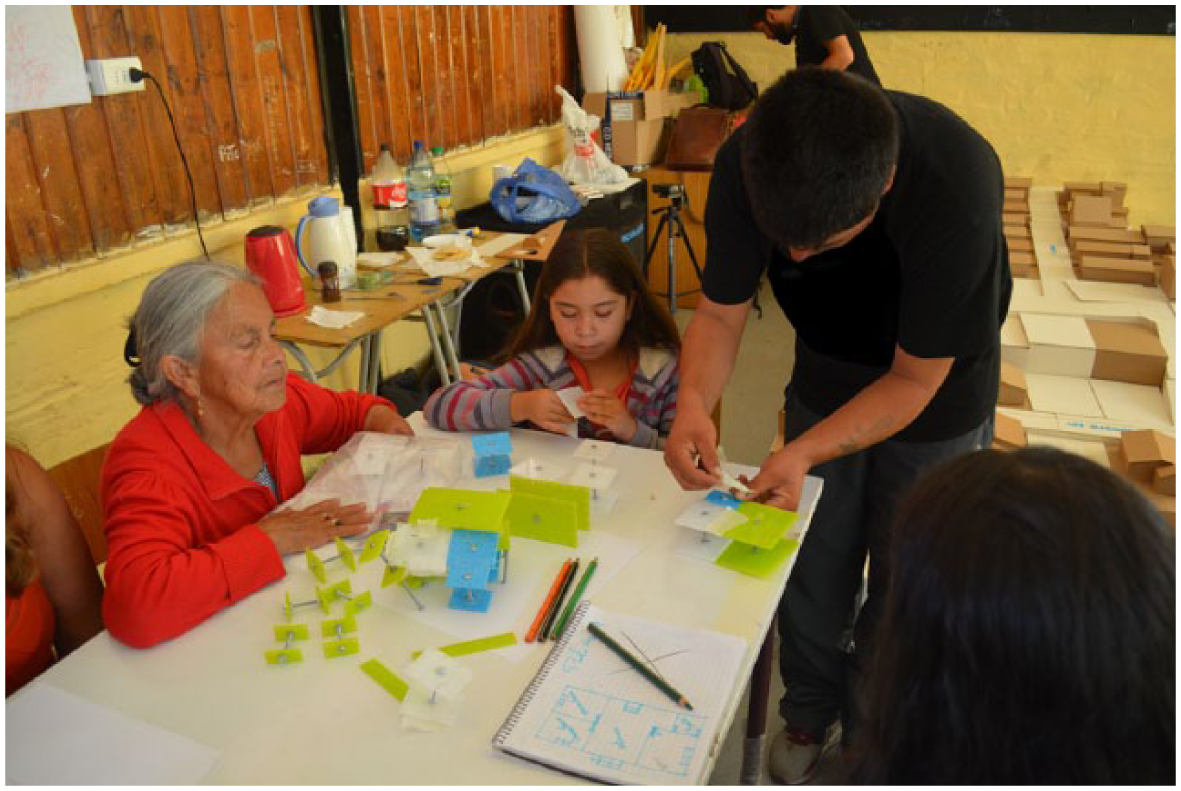
A family arranging the units to design their household
Once the workshops were completed, of the 50 families, 29 opted to go ahead with the ASC mode, 11 still preferred the standard housing (SH), and 10 decided to move instead to a housing relocation subsidy (HRS). The workshop had the added advantage, then, of clarifying their preferences, when they saw how much work might lie ahead of them.
The time allowed for these workshops was brief and did not allow families to carry out a thorough evaluation and revision of their plans. They had only a single workshop to make their model, and were not given the final model so that they could review it more carefully with their families and propose possible changes. This added step could have extended the value of the workshop by anchoring the final design in a family negotiation process.
Another shortcoming was the fact that participants were not first informed about the ways that regulations might affect their plans. This will be further discussed below.
The technical development of housing projects
During this stage, housing officials (the five architects) had greater decision-making power, as it was assumed that only they could apply the regulations required by local ordinances, and study the technical feasibility, engineering and budget for the execution of the preliminary plans carried out by households. In addition, the simplified models developed in the design workshops lacked detail (windows, coatings, colours, etc.), meaning that the architects had to interpret the intentions behind these models and complete the design process to generate buildable projects.
Tensions arose as the review and evaluation of the projects was carried out in three meetings. In many cases, a different family member attended from the one at the design workshop, generating different and sometimes contradictory points of view about the household design. As a result, 10 of the 29 cases took two weeks longer than the others to complete this technical development phase.
Ideally, these two consecutive stages would have incorporated an intermediate stage where the families could have discussed and adapted their three-dimensional models in the context of local regulatory restrictions and also in light of a fuller family discussion of priorities.
The social approval of initial housing projects
This stage consisted of a public exhibition of all the house plans designed by the beneficiaries and then technically developed by the architects (Figure 2). This exhibition, which lasted 15 days and was held in the building of the Government of Valparaíso,(47) consisted of the presentation of the beneficiaries’ models along with an architectural standards sheet. Beneficiaries, thus, could compare their projects among themselves and ask the attending architects for relevant changes. This exhibition had mass media coverage and allowed the neighbourhood leaders to advocate with the governor for funds to improve public roads in the sector – a highly successful process. This might also have been improved, however, with a preliminary session among participants to discuss the overall layout of the neighbourhood, and the potential for disaster mitigation measures.
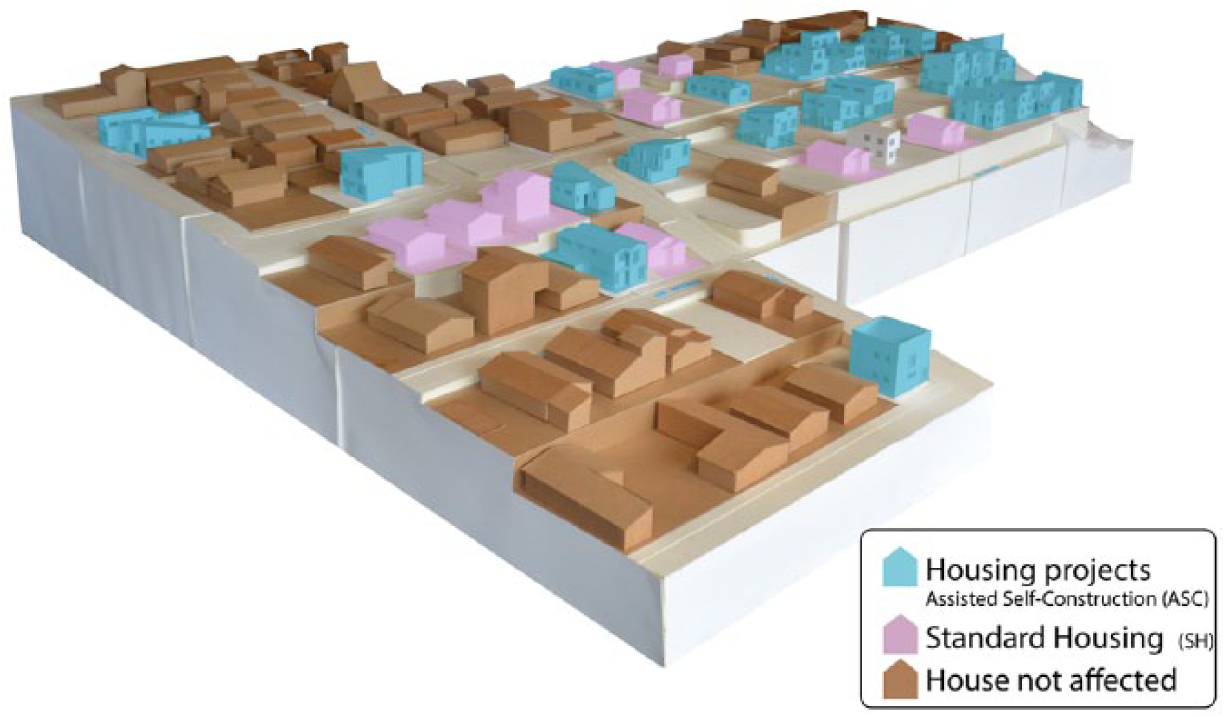
Models of the architectural projects designed by the Ministry of Housing and Urbanism and the inhabitants
The project co-financing evaluation
This stage consisted of developing the contracts between the beneficiaries and the SERVIU–MINVU professionals; it was agreed that any costs that exceeded the subsidy had to be financed by the households involved. If they themselves were builders, they could use the 40 per cent of the subsidy budget intended to pay for labour to buy additional materials instead. As a result, projects could exceed the standard 75 square metres, reaching 100 metres. This process was marked by a series of meetings with SERVIU finance officers, who explained that the total amount of the per-household subsidy of US$ 37,181 was divided into US$ 11,382 for mitigation plus US$ 25,799 for housing. One of the major conflicts that arose at this point was around the explanation that materials had to be purchased with a voucher from MINVU-certified supplier companies. This meant that the cost of the materials was higher than inhabitants were accustomed to paying. It is understandable that the authorities might need to establish certain standards for the materials they were paying for. But preliminary discussion with beneficiaries might also have resulted in a wider range of suppliers being approved.
The municipal regulatory project evaluation stage
This was the least participatory and most conflictual stage. The families had no power and the housing professionals had to submit to the administrative rigour of the municipal approval process. This period was marked by a natural distancing between participants and the housing agency, and there was considerable uncertainty about the process, which took an average of two months. By contrast, the standard housing (SH) applications were approved in two weeks and their construction began quickly. The distrust was generated in part by the fact that the participants did not understand the uncoordinated actions of the government agencies. Tension increased even more when the inhabitants who had opted for the ASC mode began to realize that the standard housing (SH) did not have to comply with the same level of administrative rigour that they were being subjected to, and that these SH houses were exempt from the full range of urban and architectural regulations. On the other hand, the ASC builders recognized the advantages: although they had to comply with regulations, their houses could be taller and roomier, and could have such features as extra windows and balconies facing neighbouring sites (Figure 3).
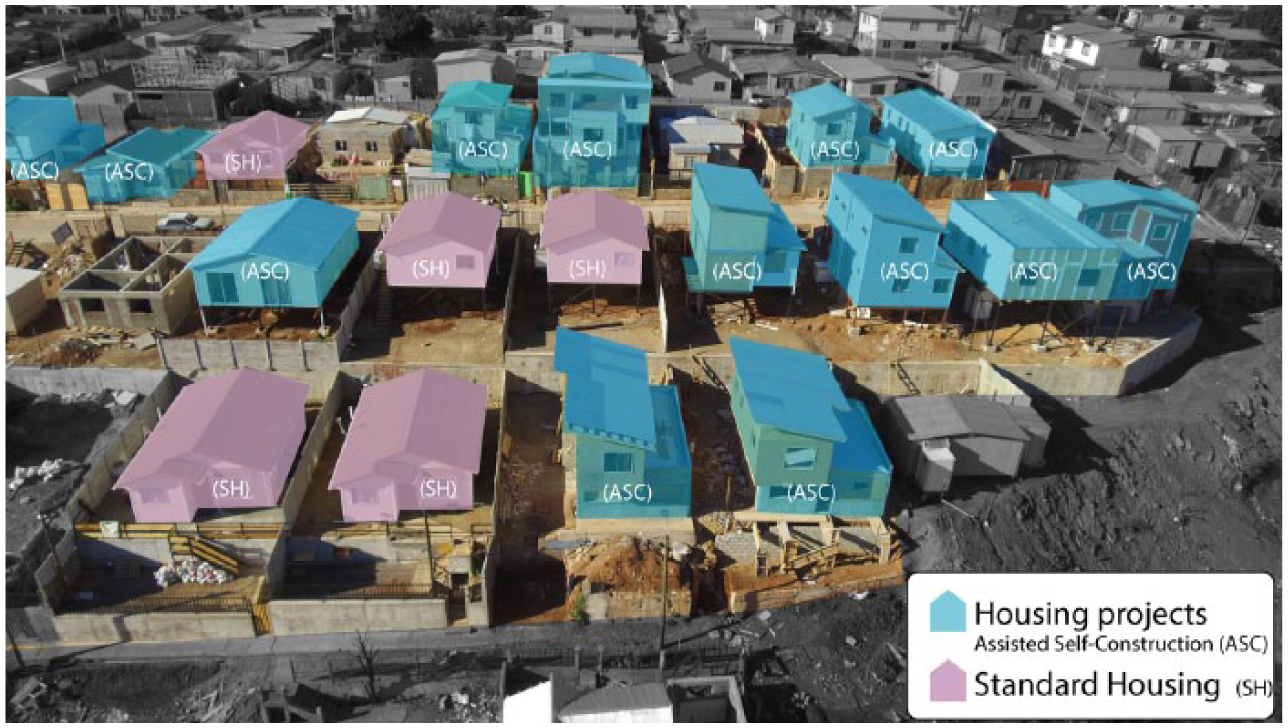
Progress comparing assisted self-construction and standard housing (February 2018)
Clearly the conflicts and frustrations of this stage could have been minimized by informing participants at the beginning of the process about the regulations they would have to comply with. Had they been fully informed, they would have been in a position to adapt their initial designs to the restrictions they would later be subjected to. Instead, they invested themselves in a vision that might then be frustrated in the process of official scrutiny. Instead of generating the trust and collaboration that was intended by introducing a process of co-production, this feature of the process reinforced a more authoritarian governance mode, contributing to a sense that officials were arbitrary and capricious.
The self-construction process
The distribution of power was more balanced during the construction phase, as the ASC inhabitants were in charge of buying the materials and carrying out the construction of their homes. The housing technicians were in charge only of ensuring the correct development of the projects, delivering subsidy instalments for satisfactory progress. This stage was, however, marked by conflicts connected to how each understood construction standards and regulations. The majority of the beneficiaries built their homes thinking about future extensions, and for this reason some areas of the houses were built with the possibility of being easily dismantled to permit the spatial growth of the house. This points again to the value of establishing some preliminary shared understanding on these issues. Another conflict was related to the municipal requirement that residents destroy their emergency housing. In fact, in most cases this housing was already badly damaged, so that only in some cases were the materials actually reusable. Again, an incremental strategy that included the use of higher-quality emergency housing as a core for the permanent housing could have reduced overall costs and inefficiencies.
The municipal approval of construction
The municipal approvals were contingent on verification of compliance with the plans approved in the municipal regulatory project evaluation stage. This inspection focused on analysing distance from neighbouring properties, the square metres built, the connections to basic services, and the sizes and positions of the windows. Subsequently, the beneficiaries and municipal technicians worked together to study the changes they were required to make, and then to carry out the modifications required for the final approval of the houses.
b. A summary of lessons learned during the co-production process
1) For the subsidy selection process, an initial workshop for beneficiaries should include a discussion of the advantages and disadvantages of each of the subsidies offered by the housing government agency. This would allow each family to simulate possible scenarios for each subsidy and thus make more informed decisions about their choice.
2) Emergency housing should be constructed, in terms of material quality and layout, in ways that allow it to become a part of the permanent housing designed by the inhabitants during the co-design workshops. These workshops could then be focused on determining practical extensions of the core unit.
3) The household co-design workshops should take place in two stages. First, an understanding of the municipal regulations and construction approvals that become a factor in municipal evaluations should be part of an initial learning unit. The second stage should consist of two design workshops, between which beneficiaries could take their 3D models home to review them together with other family members and think about possible modifications.
4) The technical development stage should include a participatory analysis of the model designed by the future owners, their compliance with regulations and how these might affect their plans. In parallel, it would be necessary to include an explanatory session on the modalities of payment, the processes of acquisition of construction materials, and the accountability of finances, in order to improve the stage of the project co-financing evaluation.
5) During the approval of initial housing projects, it is imperative to integrate neighbourhood-level factors, enabling the design of settlement-level disaster mitigation measures that could reduce individual costs.
6) Finally, the self-construction process should start with a workshop where all the possible contingencies, related to both regulations and construction, are explained, along with their proper solutions. The goal would be to minimize changes after review of projects, since ignoring these regulations might lead to self-construction that in the end would not be approved by the municipality.
VII. Conclusions
The complex post-disaster scenarios that emerge in informal settlements are ideal for applying the co-production processes implied by people-centred urban reconstruction governance, since in self-built territories, social cohesion is essential to any process that involves settlement upgrading or social improvement. As the site for potentially effective new forms of governance, these informal settlements, which normally escape local regulations and ordinances, require more flexible administrative and regulatory requirements for all types of post-disaster reconstruction housing subsidies. To prevent a market logic from dominating the collective reconstruction of these informal settlements, it is essential to integrate this reconstruction into a supportive model of urban governance. Inhabitants’ basic rights and services must be guaranteed, while they also negotiate with local government and private companies on how to improve their urban settings.
The playful dimension of the co-design workshops – a collective process where everyone possessed the same tools to design their homes – facilitated the resolution of conflicts of interest and differences. The resulting solutions were framed in a collective process that set the rules for future self-construction processes (individual and/or collective). Ideally, though, this design process should include attention to the neighbourhood scale.
The game also demonstrated that, although the three-dimensional models were expected to result in a balance between expectation and necessity, the logic of self-construction prevailed. That is, participants were more focused on thinking about future extensions than about the budgetary restrictions of the subsidy granted. This shows that this form of co-production, being a dialogical process, functions as a prospective tool to innovate in the existing situation – after the disaster – and not a retrospective means of recreating what existed before the disaster, even though the beneficiaries could have been drawn to replicating what they had lost. Finally, this architectural game, as a component of a process of co-production, generated a socio-educational scenario, where the affective and subjective views of those who lost their houses were combined with the technical–administrative visions of the state officials and their external advisers, a compelling point of departure for designing comprehensive disaster risk management in complex urban scenarios.
The co-production process is one piece of a larger participatory urban governance process of post-disaster reconstruction that combines bottom-up and top-down visions and implementation. This example mobilizes us to rethink the forms of participation and action of those involved not just during the design process but throughout the reconstruction as a whole. In the case we have reviewed here, users went from being subjects of a welfare approach of mono-production in 2014 to participating in a far more collaborative dynamic of co-production. There are still limitations, since the absence of a government agency that can systematize and analyse these processes undermines the potential for drawing productively on these experiences in future post-disaster reconstruction.
The co-production process may offer an innovative approach for a disaster recovery–housing programme that strengthens community agency and resilience. The co-design, if executed within a more participatory framework, could lead to a better use of resources and planning for communities and individuals. Co-production may also be part of a stronger governance in which the national, local and community leadership can collaborate in the building of resilient households. Similarly, there are lessons in this process related to the plans for emergency housing and permanent housing. Households have strong incentives to stay on their sites, which calls for creating an approach that incorporates the emergency units into the final co-construction process. A co-construction experiment requires a change in the sectoral and hierarchical approach to reconstruction, but it can also be in its pilot form a way to experiment with a new form of governance that the same reconstruction process requires.
The lessons learned from this co-production process could contribute to the efficiency of future recovery efforts, and to the ongoing evolution of more mature forms of participatory governance in the context of disaster recovery. Informing and involving beneficiaries more fully at every stage would add to the cost of the participatory process, but this would be more than compensated for by the greater efficiencies down the line, and by the implications for more collaborative governance.
Footnotes
Funding
1- FONDECYT (Chilean National Fund for Scientific and Technological Development) Project No 11140546, “Study of informal urban appropriations”.
2- CIGIDEN (Research Center for Integrated Disaster Risk Management), CONICYT/FONDAP/15110017.
