



Abstract
Achieving considerable shape-memory effects is a challenge for typical sea-island structured polymer blends. In this article, we successfully fabricated a novel heat-triggered shape-memory polymer (HSMP) based on ethylene–vinyl acetate copolymer/nitrile–butadiene rubber (EVA/NBR) thermoplastic vulcanizates (TPVs) via dynamic vulcanization. The influence of deformation temperature (Td), recovery temperature (Tr), and recovery time on the shape-memory behavior of the EVA/NBR (weight ratio = 80/20) TPV was investigated systematically. The shape-memory result of the EVA/NBR (weight ratio = 80/20) TPV demonstrated that when the Td was close to the melting temperature (Tm) of the EVA phase (76°C), the TPV could obtain a good shape fixity ratio (>95%) and an excellent shape recovery ratio (>95%) at 100% stretch ratio. A shape-memory mechanism was proposed for this HSMP. The dynamic mechanical analysis results under temperature sweep mode showed that with increasing EVA content in TPVs, the tan δ decreased, while the storage modulus increased. The morphology observation showed that the cross-linked NBR particles were dispersed evenly in the etched surface of EVA/NBR TPV with an average diameter of approximately 2–6 μm. The longitudinal stretching surface of the EVA/NBR TPV exhibited the banding-like texture microstructure during the stretching process.
Keywords
Introduction
Shape-memory polymers (SMPs) are a promising class of smart materials for which externally programmed shape(s) can be temporarily fixed and later recovered on demand. Because of the unique ability to sense and respond to external stimuli, such as heat, light, electricity, magnetic field, and chemicals, 1 –6 SMPs obtain great opportunities to realize their vast potential in a number of scientific and technological fields, such as the intelligent packaging, high-performance textile, self-repairing plastic components, aerospace, and smart medical devices. 7 –9
Heat-triggered SMPs (HSMPs) are the most concerned and attractive SMPs because of their feasible shape-memory and the broad applications. The shape-memory process of the HSMPs can be perfectly realized by regulating the temperature. To get the charming shape-memoryre behavior, HSMPs are usually designed to contain at least two essential functional components: (1) the switching phase with the responsibility to maintain the temporary shape and (2) the reversible phase that is easily deformed to provide driving force for recovery. Conventionally, the reversible phase can be chemical or physical cross-linking structures, whereas the switching phase can be either a crystal or an amorphous structure. When the HSMPs are heated to above the switch temperature (Tsw), usually the glass transition temperature (Tg) or melting temperature (Tm) of the switching phase in HSMPs, the flexibility of molecular chains allows the reversible phase to exert deformation under an external force, and the temporary shape can be fixed by cooling down to below Tsw quickly while the external force is maintained. When the HSMPs are reheated to above Tsw, the deformed HSMPs would revert back to their original shape under the driving force of the natural curly molecular chains due to the entropy elasticity. 10 –13
As far as we know, the preparation of HSMPs can be classified into two main categories: chemical copolymer synthesizing and polymer blending. The copolymer usually includes a hard domain providing permanent memory shape and a soft domain acting as a switching domain, for example, polyurethane. 14 –16 Although the architecture of the copolymer can be designed to offer the required shape-memory effect (SME), the relatively expensive synthesis process limited their broad utilization more or less.
Compared with the complicated chemical synthesis, polymer blending offers a more simple and effective method to fabricate HSMPs because of the ease of changing components to tune the microstructure and properties.
17,18
Polymer blends based on high-density polyethylene/poly(ethylene terephthalate),
19
poly(lactic acid)/poly(vinyl acetate),
20
sodium bisulfite/poly(ε-caprolactone) (PCL),
21
and PCL/poly(
In this article, we presented a novel HSMP derived from the ethylene–vinyl acetate copolymer (EVA)/nitrile–butadiene rubber (NBR) TPVs, which has never been reported to our knowledge. The influence of the EVA/NBR weight ratio, the deformation condition, and the recovery condition on the shape-memory behavior of EVA/NBR TPV was investigated. The dynamic vulcanization has been proved to be an effective method for preparing an SMP. Considering that the EVA is biocompatible and has been widely used in many biomedical engineering applications, 27 such as in drug delivery devices 28 and shape-memory applications, 29,30 the successful preparation of EVA/NBR HSMP provides a promising future for EVA-based HSMP in intelligent medical devices.
Experimental
Materials
EVA copolymer, grade 7470 M (Tm = 76°C, 26 wt% vinyl acetate content), was supplied by Formosa Plastics Co. Ltd, China. NBR rubber, grade N41 (29 wt.% acrylonitrile content), was commercially manufactured by Lanzhou Petrochemical Co. Ltd (China). Sulfur, used as a vulcanizing agent, was obtained from Hengye Zhongyuan Chemical Co. Ltd (China). N-Cyclohexyl-2-benzothiazole sulfenamide (CZ) and tetramethyl thiuram monosulfide (TS), used as accelerators, were supplied by Northeast Auxiliary Chemical Industry Co. Ltd (China). Zinc oxide (ZnO) was used as an activator and obtained from NewLe Qinshi Zinc Co. Ltd (China). Stearic acid was used as an activator and obtained from Wanyou Co. Ltd (China). Poly(1,2-dihydro-2,2,4-trimethyl-quinoline) (antioxidant RD) was used as an antioxidant and obtained from Shengao Chemical Co. Ltd (China).
Preparation of EVA/NNR TPVs
Commercially available NBR and EVA, as above, were used for the TPVs. The concentrations for cross-linking the NBR system are expressed in parts per hundred NBR rubber by weight (phr). The composition for NBR rubber system using sulfur as the cross-linking agent is shown by weight (phr), as follows: 100 phr NBR, 1.0 phr sulfur, 1.5 phr CZ, 1.2 phr TS, 5.0 phr ZnO, 1.5 phr stearic acid, and 1.0 phr antioxidant RD.
The EVA/NBR TPVs were produced via a two-step mixing process. Firstly, the preblends containing NBR and the additives were compounded in a two-roll mill at room temperature; then, the preblends were removed from the mixer after 3 min. Secondly, the TPV compounds were prepared by melt-mixing the NBR preblends with EVA resin using a Brabender PLE 331 plasticorder (Brabender GmbH, Germany). The mixer temperature was kept at 165°C with a constant rotor (camtype) speed of 80 r min−1. The EVA/NBR weight ratio was varied from 50/50 to 90/10. The requisite quantity of EVA resin was charged into the mixer and allowed to melt. The NBR-based preblend was added after 3 min. The mixing was continued for another 8 min to allow the dynamic vulcanization. Finally, the compound was removed from the mixer and passed through a cold two-roll mill in the molten state to obtain a sheet. Then, the sheet was compression-molded under a pressure of 15 MPa at 165°C for 8 min to a thickness of about 2 mm, followed by cold compression for 8 min at room temperature. Dumbbell-like test specimens were die-cut from the compression-molded sheet and used for testing after 24 h. For brevity, TPVs were coded according to the EVA/NBR weight ratios, and the details of the TPV compositions are listed in Table 1.
Various TPVs composition.
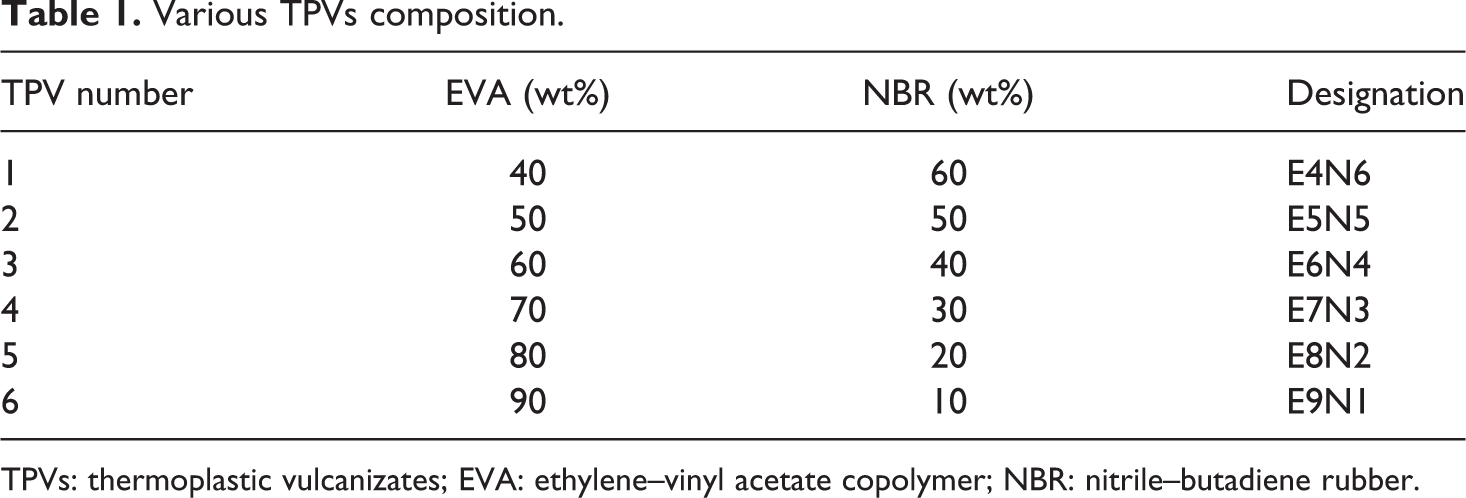
TPVs: thermoplastic vulcanizates; EVA: ethylene–vinyl acetate copolymer; NBR: nitrile–butadiene rubber.
Characterizations
Dynamic mechanical analysis
Dynamic mechanical analyses (DMAs) of the EVA/NBR TPVs were conducted with a dynamic mechanical thermal analysis system (DMTS EPLEXOR, 500 N, NETZSCH GABO Instruments GmbH, Germany). Temperature sweep of the samples was carried out in tension mode over a temperature range of −100°C to +90°C at a heating rate of 3°C min−1. The samples were scanned at a frequency of 1 Hz and a strain level of 1%, and the storage modulus (E′), loss modulus (E″), and loss tangent (tan δ) were determined as a function of temperature.
Microscopy analysis
Morphological study was carried out using field-emission scanning electron microscopy (FE-SEM; JSM-6700F, Japan Electron Optics Laboratory Co. Ltd, Japan). For the etched specimens, the EVA phase was extracted by immersing the TPVs into toluene for 120 min at 60°C. Then, the specimens were dried at room temperature. The etched surfaces and the fracture surfaces of the specimens were sputtered with thin layers of gold and imaged using FE-SEM.
SME measurement
SME measurement was similar to that in Zhu and colleagues’ report 31 : (a) Two distance lines of 2 cm were marked at the center of a dumbbell specimen (L0); (b) before elongation, the marked dumbbell specimen was placed under deformation temperature (Td) for 10 min; (c) the marked 2 cm was elongated to 4 cm; (d) the elongated specimen was cooled down to 1°C under loading, and the marked distance was recorded as L1; (e) upon the removal of the applied force and 24 h later, the marked distance was recorded as L2; (f) the specimen was heated to the recovery temperature (Tr); 5 min later, the marked distance was recorded as L3. The shape fixity (SF) and SR ratios were calculated according to Equations (1) and (2), respectively. The schematic description of the SME measurement is shown in Figure 1. Five specimens were measured to achieve the average value.


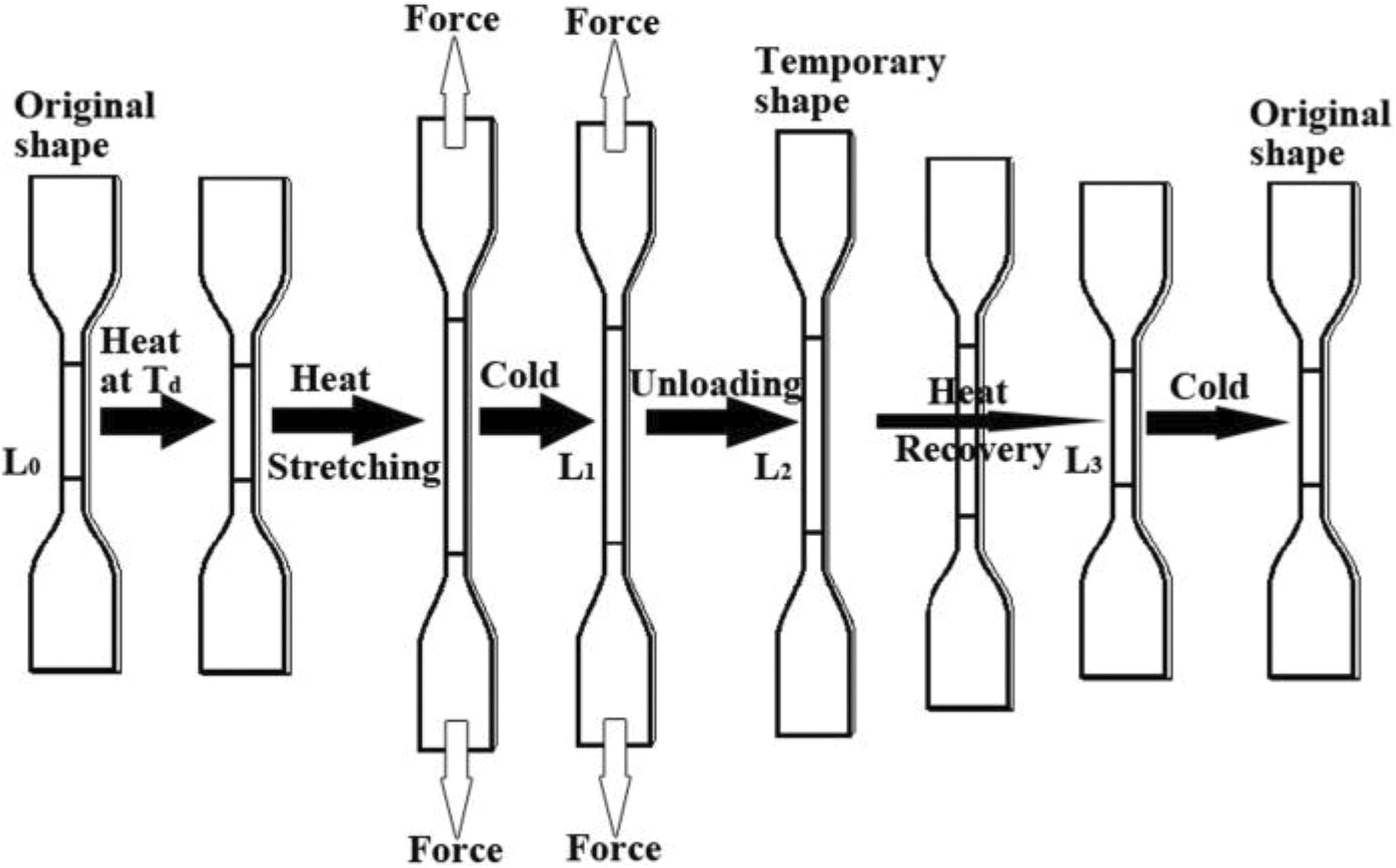
Schematic description of SME measurement.
Results and discussion
Dynamic mechanical analysis
DMA was often used to study the miscibility in polymer blends. The results of DMA afforded the information about the behavior of the blends and microstructure. Tan δ can be defined as the ratio of the loss modulus to the storage modulus.
The maximum tan δ peak from the DMA curve is often considered as a measure of the glass transition temperature (Tg). Figure 2(a) shows the temperature dependence of tan δ values of EVA resin, NBR vulcanizate, and the series EVA/NBR TPVs. It is clear from Figure 2(a) that tan δ values of the TPVs were increased in the glass transition region with the increasing NBR content. When the rubber content in the TPVs was high, more rubber chain segments were exposed to a dynamic transition, leading to the higher tan δ values (higher dissipation of energy) in the transition region. Now by gradually adding thermoplastic EVA phase (from 50 parts to 90 parts) into the TPVs, the availability of the chain segments to the dynamic transition became lower. This was due to the immobilization of the chain segments, which comes closure to the plastic phase, and as a result, these chain segments could not contribute to the dynamic transition.
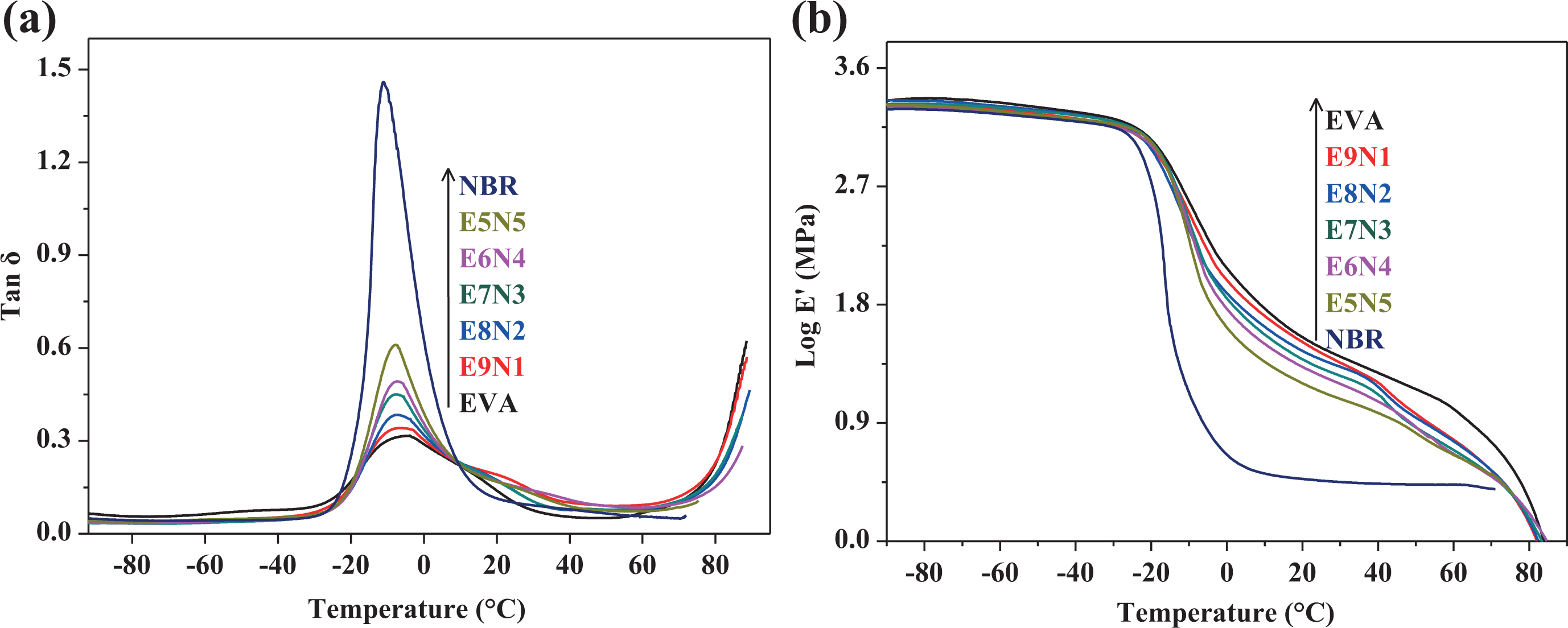
DMA results of (a) tan δ and (b) storage modulus (E′) of EVA resin, NBR vulcanizate, and the series EVA/NBR TPVs.
The temperature dependence of the storage modulus of EVA resin, NBR vulcanizate, and the series EVA/NBR TPVs is shown in Figure 2(b). From this figure, it is clear that there was a sharp decrease in the area of −30–10°C with the increasing temperature, which corresponded to the glass transition area of NBR vulcanizate. One distinguished phenomenon was clear that the rubbery plateau region was gradually increased with the increasing NBR content in the TPVs. We could also find that the storage modulus value of the TPVs containing higher EVA content was always higher than that of the TPVs containing lower EVA content in the temperature range of approximately 45–50°C. This was due to the higher modulus of pristine EVA than that of pristine NBR, indicating that the higher EVA content helped to enhance the SF ability of the TPV at a temporary shape.
The DMA results of EVA resin, NBR vulcanizate, and series EVA/NBR TPVs at 0°C are summarized in Table 2. EVA showed the highest E′ and E″ values as well as the lowest tan δ value among the samples; however, NBR vulcanizate showed the lowest E′ value and E″ value as well as the highest tan δ value among the samples. The DMA results of TPVs were in between that of EVA resin and NBR vulcanizate.
DMA results of EVA resin, NBR vulcanizate, and series EVA/NBR TPVs at 0°C.
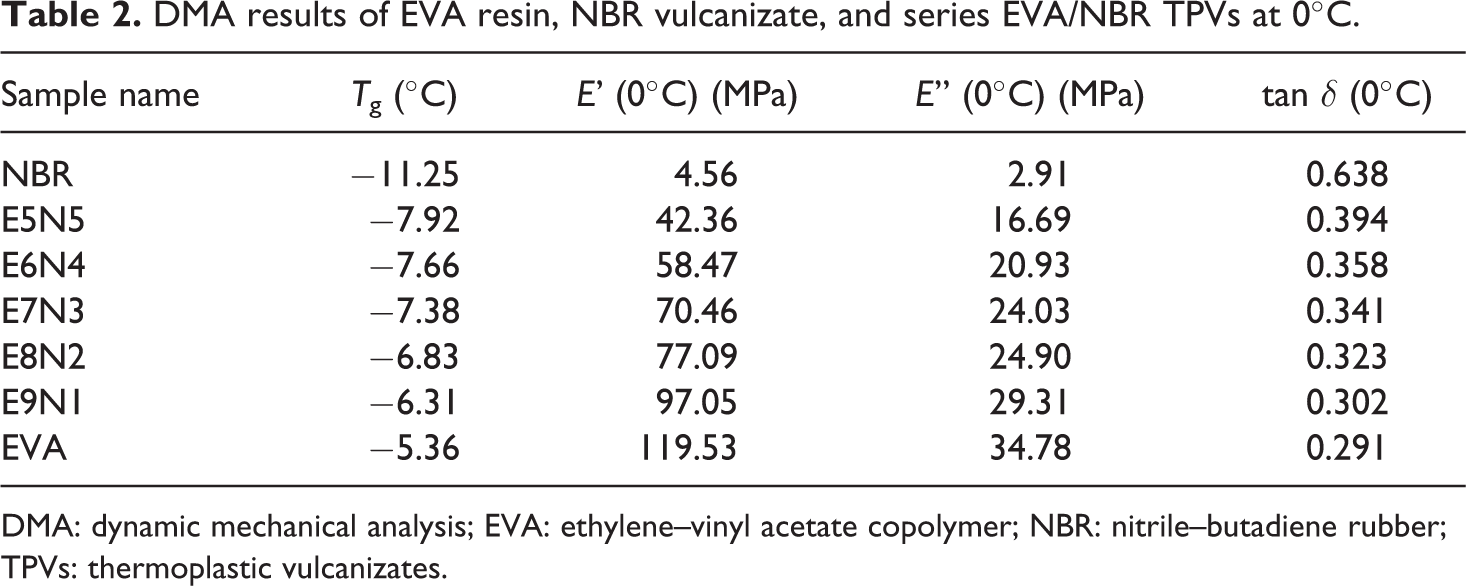
DMA: dynamic mechanical analysis; EVA: ethylene–vinyl acetate copolymer; NBR: nitrile–butadiene rubber; TPVs: thermoplastic vulcanizates.
Shape-memory process
Figure 3 shows a typical heat-triggered shape-memory behavior in a tensile model for an E8N2 specimen while both Td and Tr were set at 75°C. The Td was set close to the Tm of the EVA phase. The TPV specimen was stretched at 100% in which the conformation of the chain segments could be altered, and the temporary shape could be fixed by cooling the specimen down to below Tsw quickly. As shown in Figure 3, when the sample was triggered to Tsw again, the deformed TPV would shrink and recover to its original shape.
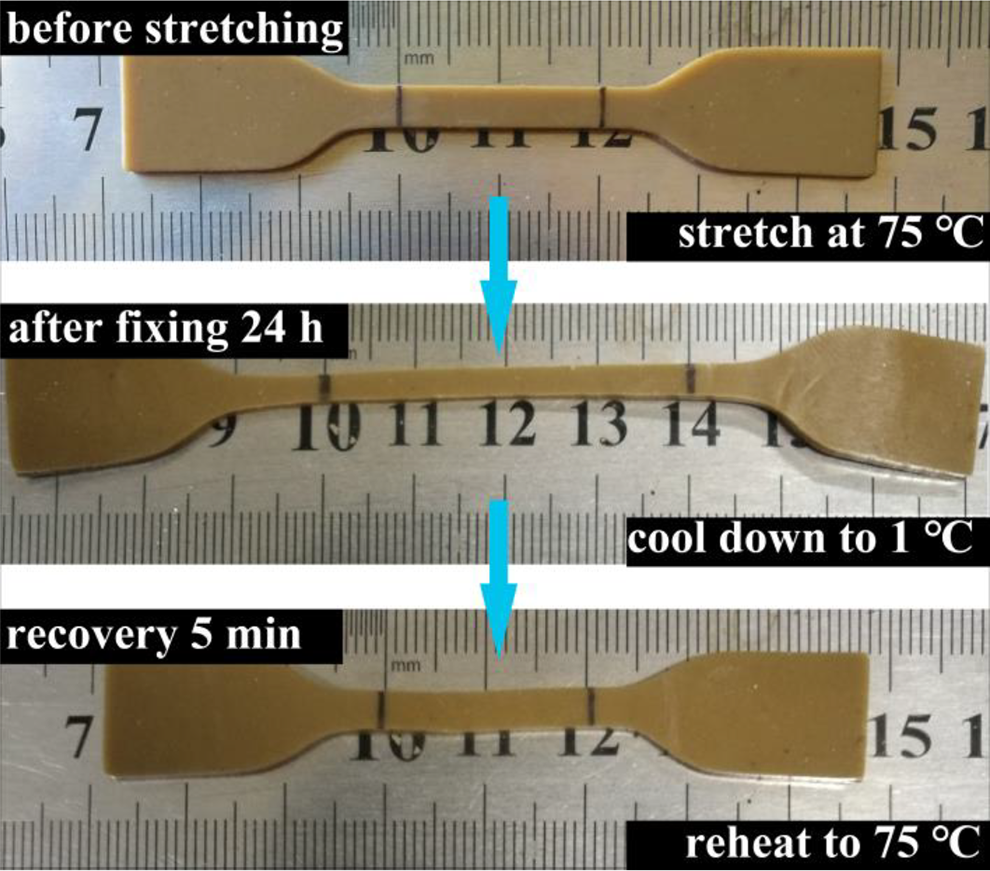
Shape-memory behavior in a tensile model for E8N2 while both Td and Tr were set at 75°C.
Figure 4 shows the entire shape-memory process visually for an E8N2 specimen while both Td and Tr were set at 75°C, and the shape-memory recovery was achieved in hot water. From Figure 4, it is clear that the spiral specimen could automatically extend within 30 s thoroughly, which was due to the transition from its temporary shape to the original shape. Impressively, the sheet-like specimen was brought freely into a curled shape after recovery from the spiral specimen. The curled specimen could also recover automatically to the original shape within 30 s. The above experiments demonstrated that E8N2 exhibited good SME performance and reprocessing ability, which would bring the potential applications for EVA/NBR TPVs in sensors and self-disassembling intelligent devices.
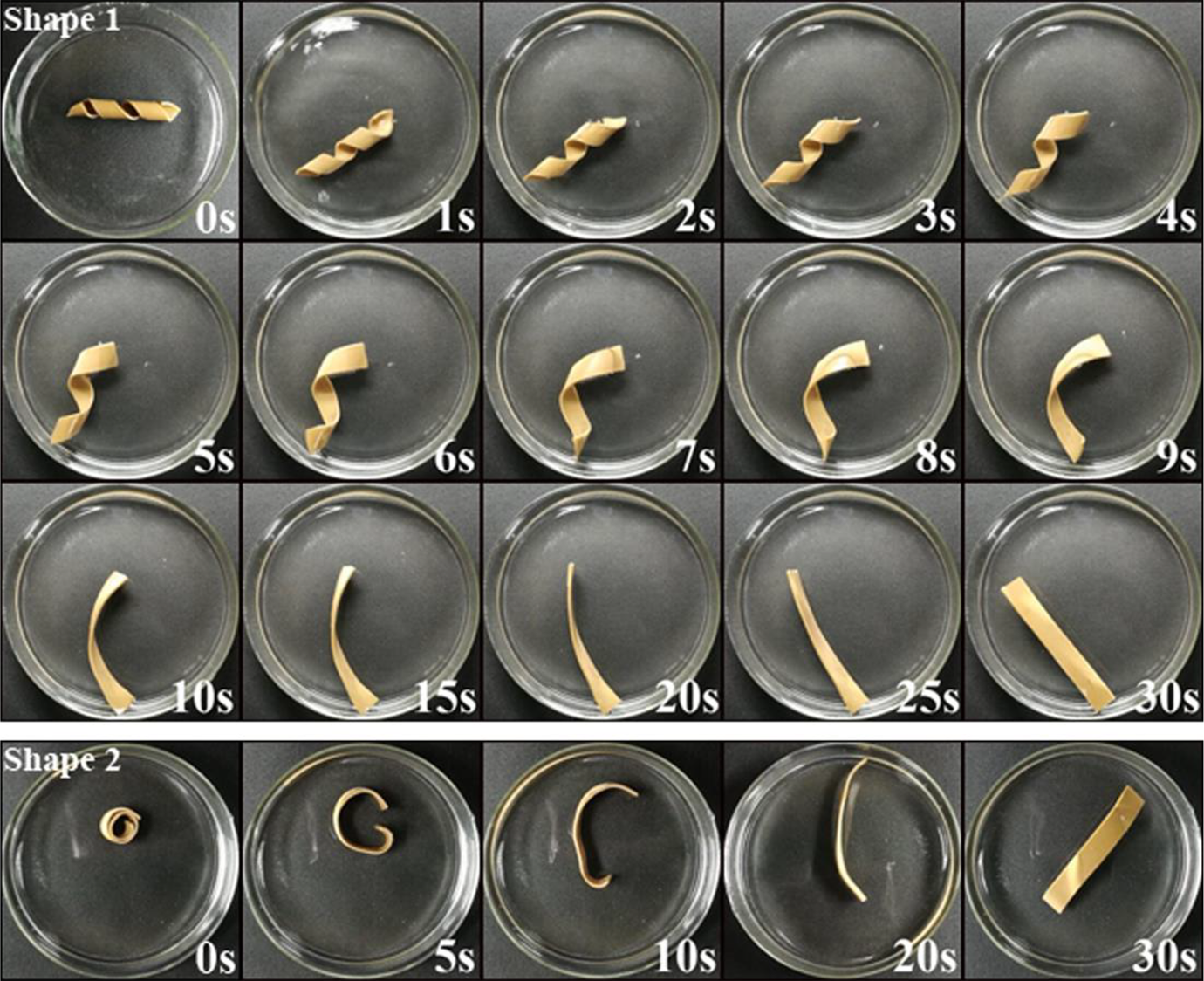
Shape-memory behavior for an E8N2 specimen while both Td and Tr were set at 75°C.
Shape-memory effects
To determine an appropriate Td, the influence of Td on the shape-memory behavior was studied where E6N4 was used as an example. Figure 5 provides the SF and SR ratios of E6N4 specimens obtained at various Td values, while the Tr was set at 75°C, and the shape-memory property testing was carried out in hot water. From Figure 5, we could understand that the SF ratio was increased with the increasing Td, which could be ascribed to the easier and faster rearrangement of EVA chain segments at a higher temperature; moreover, the melting of EVA crystals near the melting area would be helpful for the deformation and fixity of EVA/NBR TPVs. The SR ratio was firstly increased and then decreased with the increasing Td; moreover, it should be noted that the SR ratio reached the maximum value (96.4%) at 75°C. When the Td was close to the Tm of the EVA phase (76°C), the EVA phase had strong ability to deform NBR particles and inhibit the retractions caused by the elongated NBR phase, which was extremely beneficial to the subsequent deformation recovery.
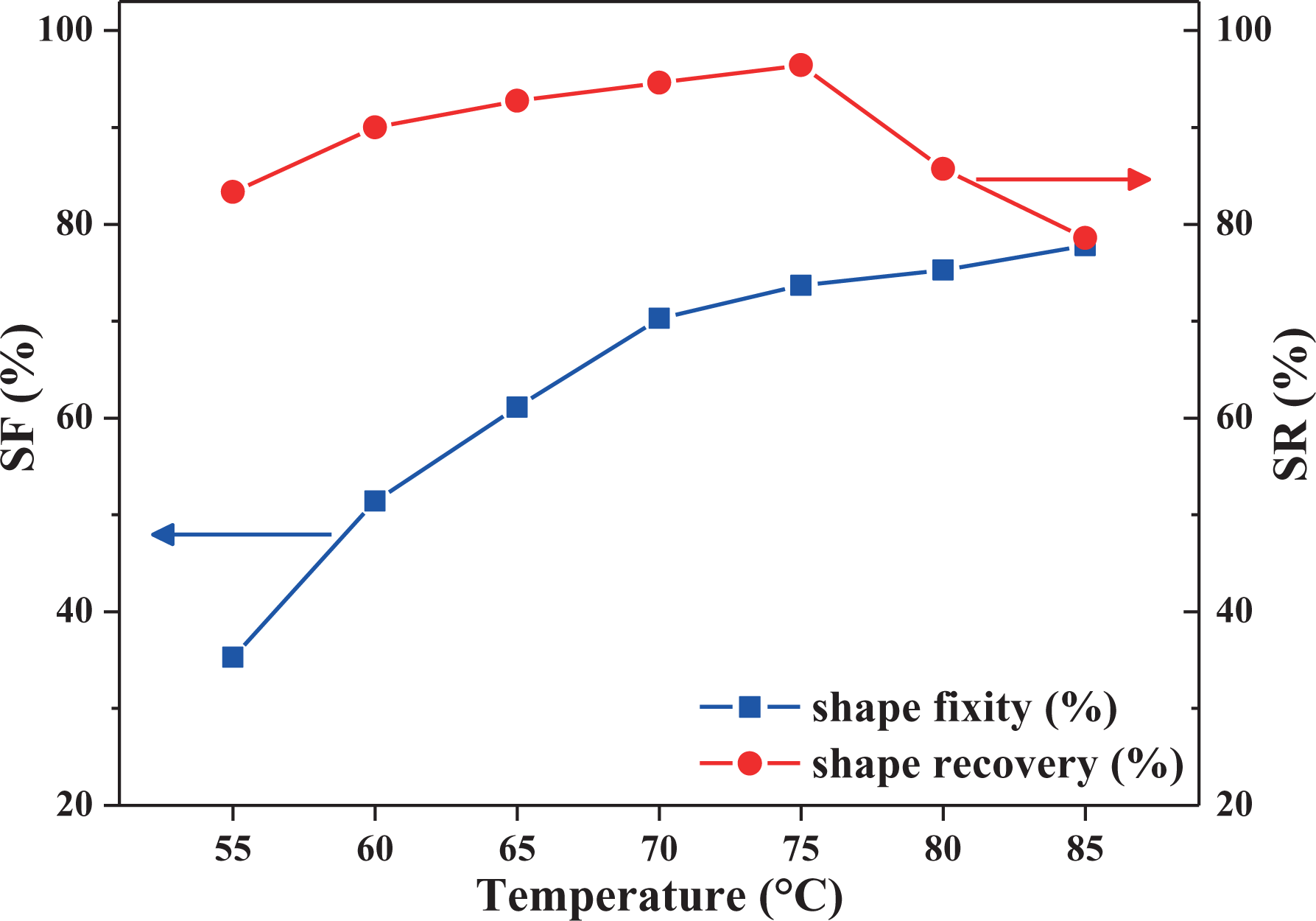
SF and SR ratios for E6N4 obtained at various Td values (Tr = 75°C).
To provide an overall understanding of the SME behavior, Figure 6 shows the SF and SR ratios of TPVs with various EVA/NBR weight ratios, while both the Td and Tr were set at 75°C. From Figure 6, it is clear that E8N2 showed the highest SR ratio, while its SF ratio was only slightly lower than that of E9N1. From Figure 6, it is clear that the shape-memory property testing was carried out in hot water, while both Td and Tr were close to the Tm of EVA; the SF was mainly determined by the existence of the EVA matrix phase in the TPV. We could find obviously that when the EVA/NBR weight ratio reached 80/20, the EVA phase could deform and keep the deformed rubber particles in a temporary shape effectively, storing sufficient resilience to well fulfill the shape-memory performance. In other words, the TPV specimen had the excellent SF and SR ratios at the same time. It was worth pointing out that when the EVA/NBR weight ratio reached 90/10, its SR ratio decreased slightly because the reduction of the rubber content in TPV would weaken its driving force for SR.
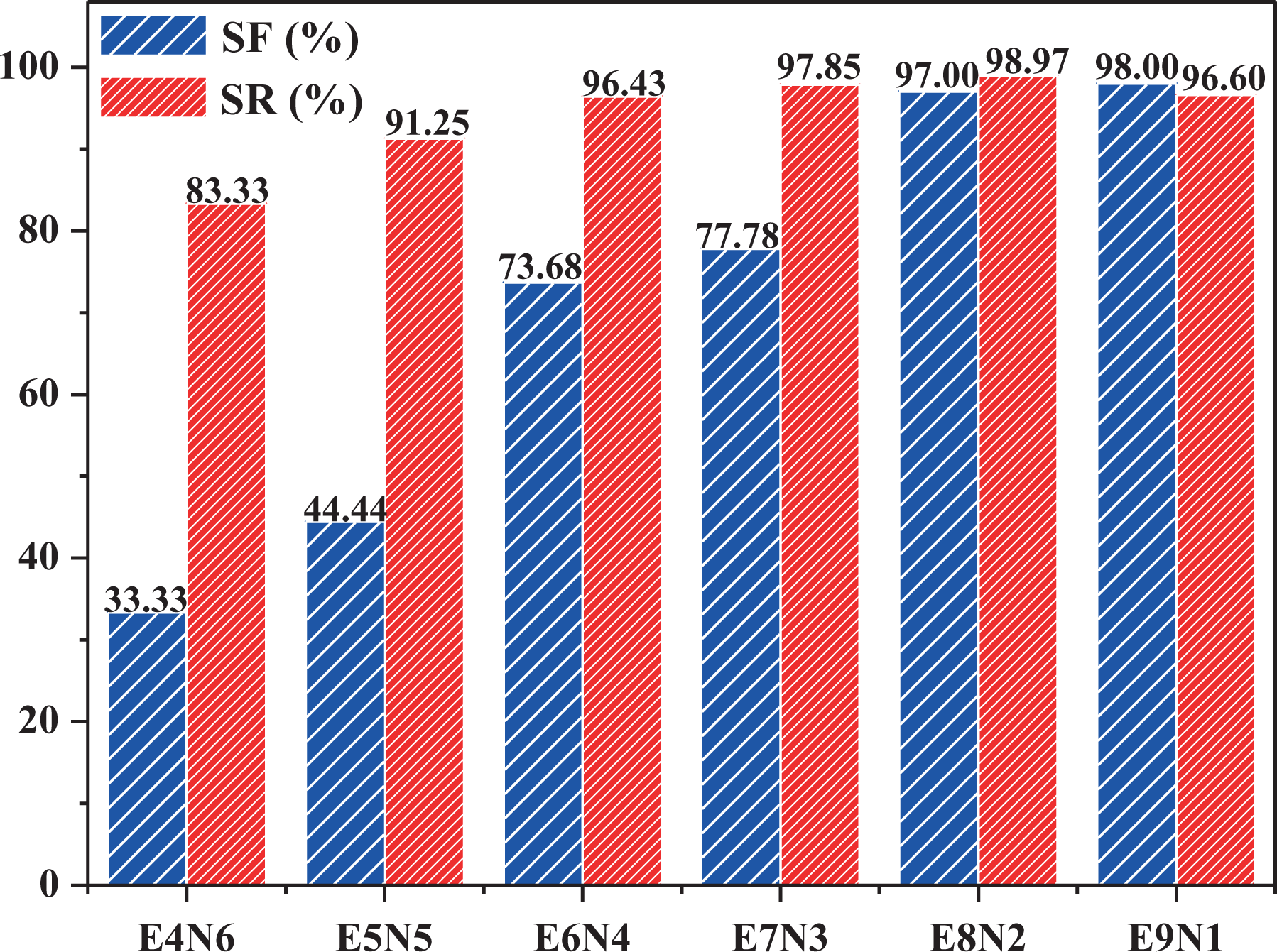
SF and SR ratios of TPVs with various EVA/NBR weight ratios while both Td and Tr were set at 75°C.
Figure 7 shows the SF and SR ratios of E8N2 specimens obtained at various Td values, while the Tr was set at 75°C, and the shape-memory property testing was carried out in hot water. We could observe that the SF ratio was increased with the increasing Td; however, the SR ratio was firstly increased and then decreased obviously when Td was 75°C above. This significant difference might be attributed to the different deforming degrees of the dispersed NBR particles.
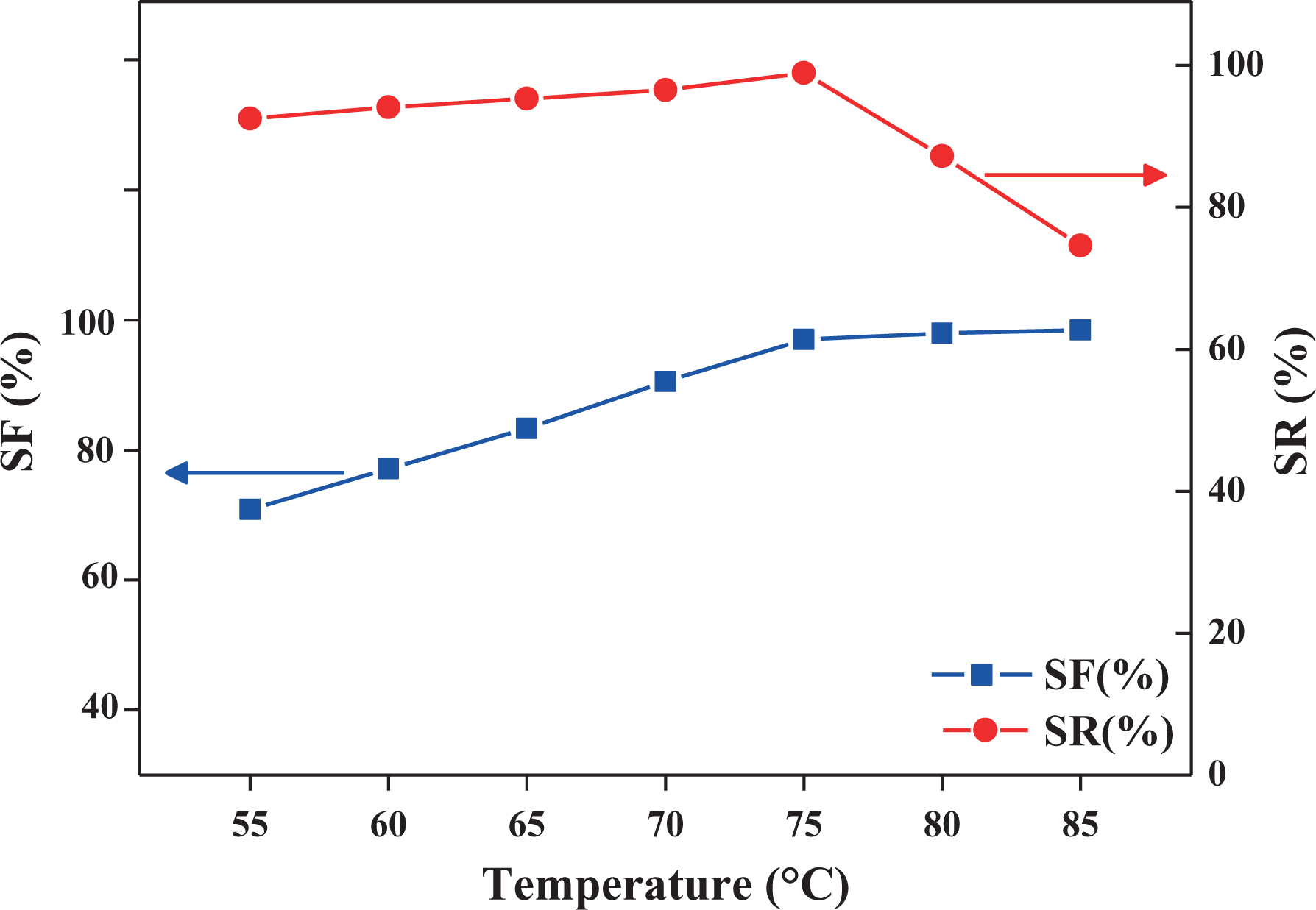
SF and SR ratios for E8N2 obtained at various Td values (Tr = 75°C).
Based on the above research, we deduced a schematic structure of the EVA/NBR TPV during deformation to demonstrate the SME mechanism while Td was set at various Td values, as shown in Figure 8.
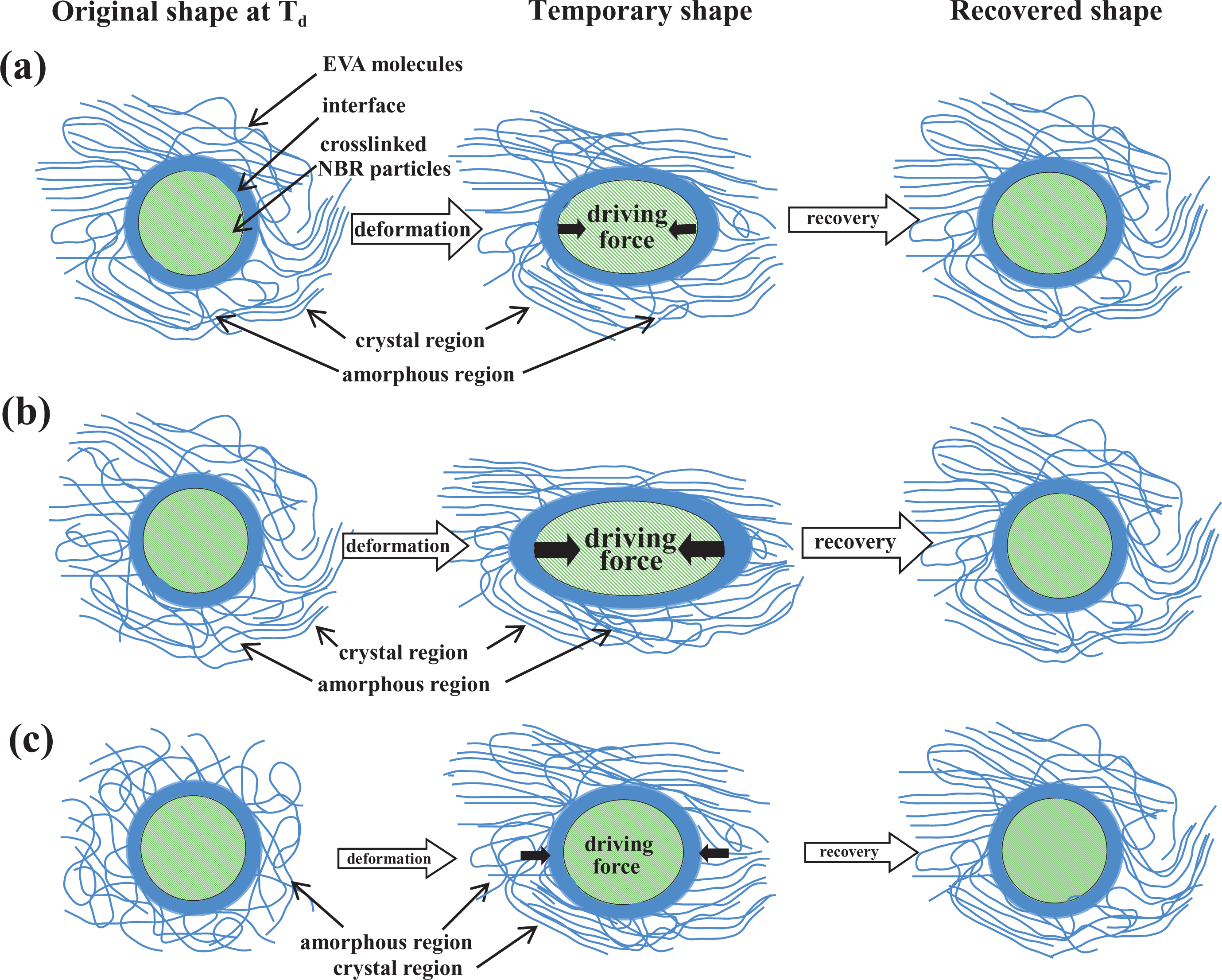
Schematic representation of the detailed structure of an EVA/NBR TPV during deformation while Td was set (a) below Tm, (b) near Tm, and (c) above Tm.
From Figure 8(a), we could understand that when the Td was significantly lower than the Tm of EVA, the segments in the amorphous region of the EVA could be deformed under the external force; however, the deformation could be recoiled partly upon removal of the applied force because the movement of segments was “frozen” by perfect crystals. Therefore, the temporary shape of the TPV could not be well fixed, resulting in low SF and SR ratios. From Figure 8(b), when the Td was close to the Tm of EVA, the TPV was softened due to the partial melting of the EVA crystal region, and the deformation of TPV could be realized easily under the external force; moreover, the dispersed NBR particles were deformed under the interface interaction. During the rapid cooling period, the deformed TPV could be well fixed through the interface, and the resilience force of NBR particles could be effectively stored, resulting in high SF and SR ratios. From Figure 8(c), when the Td exceeded the Tm of EVA, the melting of the EVA crystal region led to the large deformation under an external force and a high SF ratio; however, the EVA phase in the TPV lost most of its strength and could not apply effective force on deforming the NBR particles in this case, leading to the very weak resilience force stored in the deformed NBR particles and the low SR.
Figure 9 shows the correlation curve between the SR ratio, the time required to reach the maximum SR ratio, and Tr where the E8N2 was used as a sample. The shape-memory recovery was achieved in hot water. As shown in Figure 9, the SR ratio was increased gradually with the increasing Tr. When the Tr was above 75°C, the SR ratio exceeded 95% and tended to be steady. It was worth noting that the SR ratio of the EVA/NBR TPV was increased obviously especially when the Tr was close to the Tm of EVA. In fact, the orientated EVA matrix was easy to be disorientated under the heating condition. The disorientation of the EVA matrix, the elastic resilience force of the rubber phase as well as the interface interaction of TPV provided the momentum for the SR of the deformed TPV specimen. As a result, the best Tr of EVA/NBR TPV was dependent on the Tm of the reversible EVA phase seriously. It was found that SR time required to reach the maximum SR ratio was decreased gradually with the increasing Tr; furthermore, the declining trend was remarkable especially when the Tr was close to 75°C, which was attributed to a rapid SR of TPV driven by the melting and disorientation of the EVA crystal region as well as the instantaneous retracts of the NBR particles. SR time showed an opposite tendency because of the time–temperature equivalence principle 32 that the molecular motion was faster when the Tr was near the Tm, leading to the short SR time.
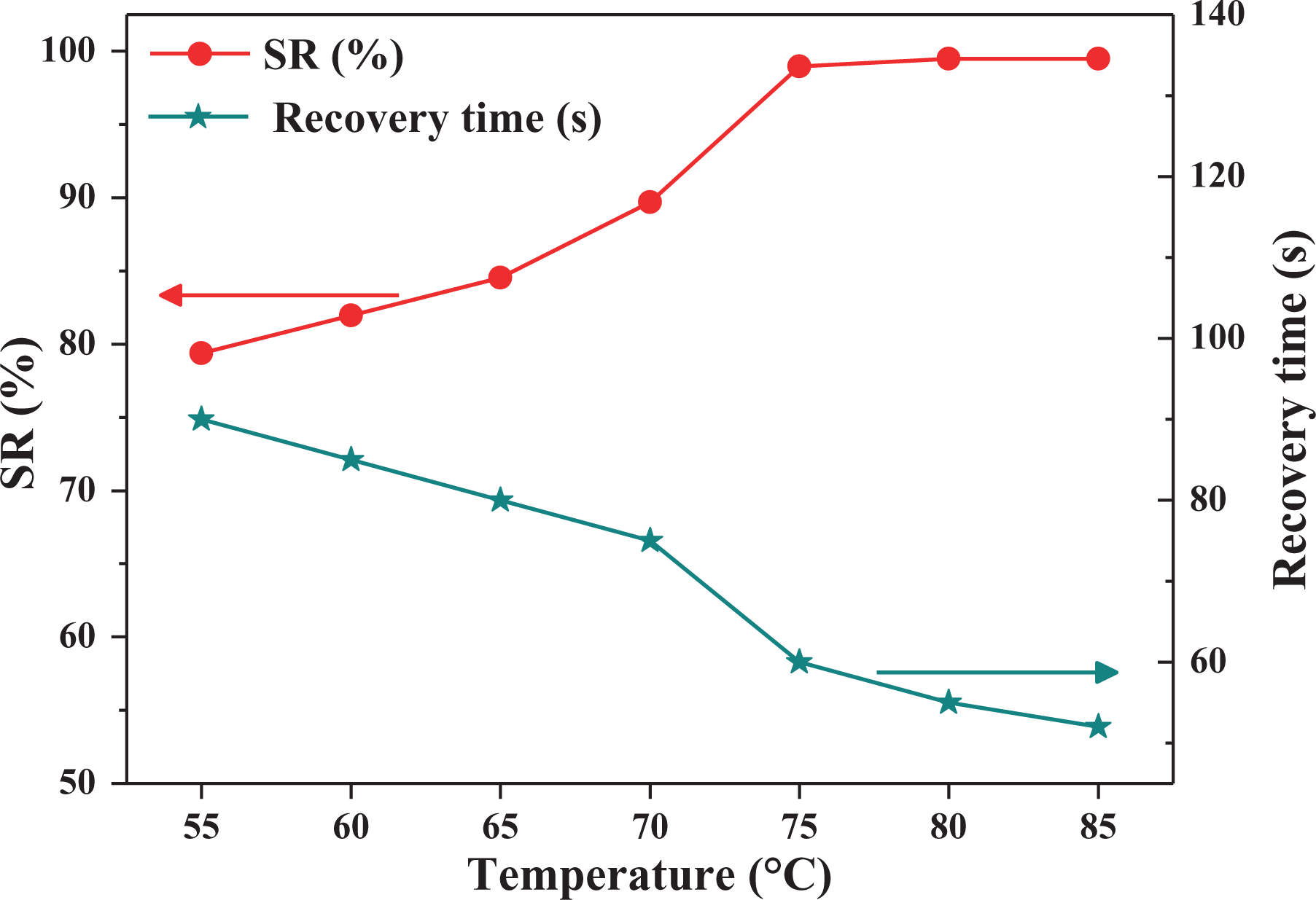
Correlation curve between SR ratios, the time required to reach the maximum SR ratio and Tr for E8N2.
In the present research, to assess the SR behavior of the TPV under the different heating atmosphere, the SR was carried out both in the hot water and in the heating chamber. Figure 10 shows the correlation curve between SR ratios and recovery time for E8N2 in the different recovery environments while both the Td and Tr were set at 75°C. According to Figure 10, it could be found that the SR ratio of the specimen in hot water was increased obviously with increasing the recovery time and reached the maximum value when the recovery time was 60 s. It should be noted that the specimen immersed in hot water could reach the maximum SR ratio more rapidly compared with the specimen in the hot chamber, which was attributed to rapid heat transfer of hot water than the heating chamber.
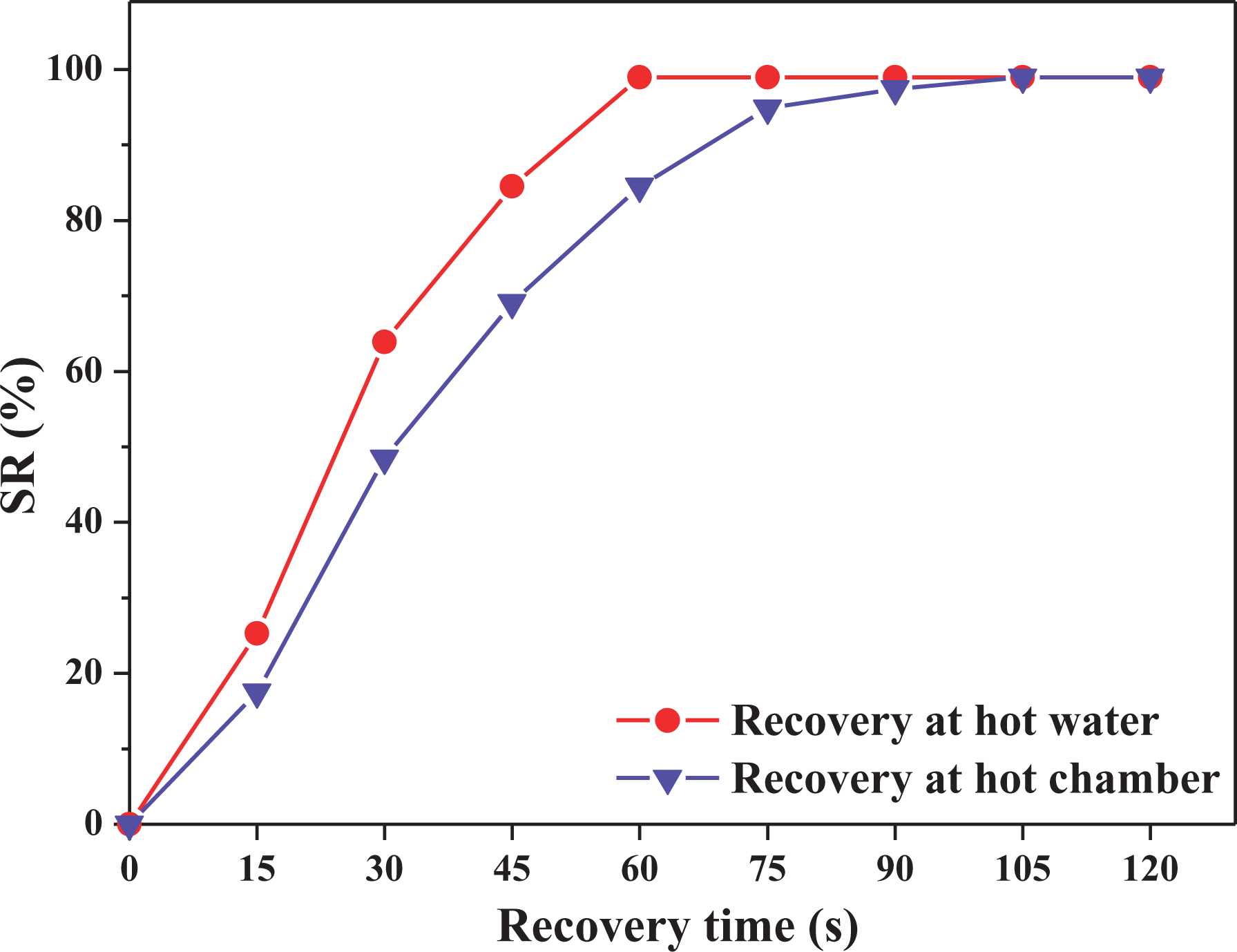
Correlation curve between SR ratios and recovery time for E8N2 in different recovery environments while both Td and Tr were set at 75°C.
Morphology and microstructure of the EVA/NBR TPV
The FE-SEM image of the etched surface of the E8N2 specimen is shown in Figure 11. The EVA matrix in the TPV surface was etched in order to provide a better insight into the phase morphology. From Figure 11, it could be seen that the vulcanized NBR rubber domains remained undissolved and adhered to the surface. The cross-linked NBR particles with irregular morphologies were dispersed evenly in the thermoplastic matrix with an average diameter of approximately 2–6 μm, which was benefit to the stress delivery during deformation of TPVs. In the EVA/NBR TPV, the dispersed NBR phase was acted as the reversible phase, while the EVA matrix was acted as the switching phase, which determined the Tsw for an HSMP.
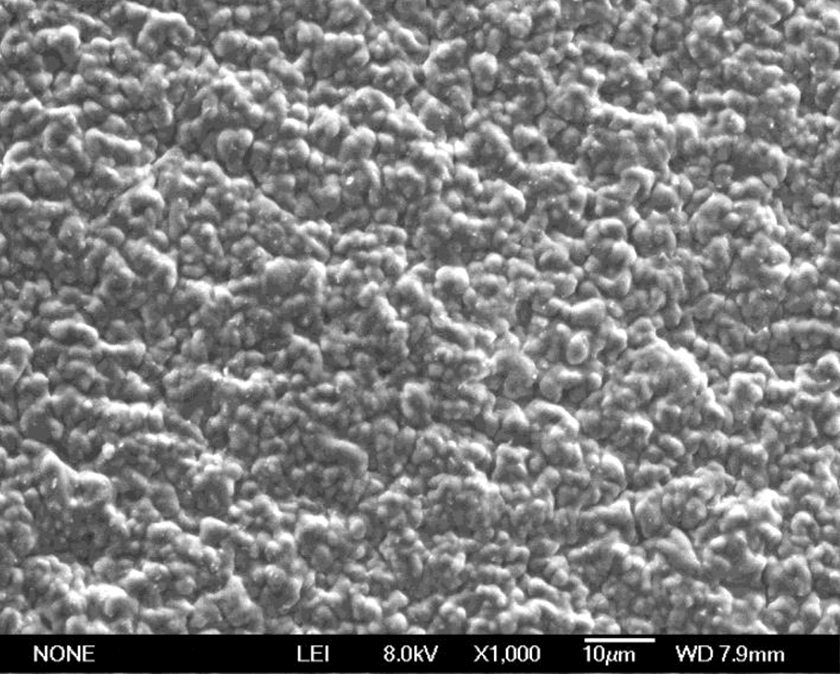
FE-SEM image of etched surface of E8N2.
To investigate the details of the microstructure upon deformation, the FE-SEM images of the tensile fractured surface and the longitudinal stretching surface of the E8N2 specimen are presented in Figure 12(a) and (b), respectively. It must be pointed out that the tensile speed was 50 mm min−1, which was quite slower than a common testing speed for vulcanizates. The slow tensile rate ensured that the stress transferred effectively through the interface and worked on the rubber particles. As shown in Figure 12(a), the tensile fractured surface of E8N2 consisted of numerous strip-like fibers; however, no rubber particles were observed on the fracture surface due to the firm adhering and coverage of the EVA matrix. Upon elongation, the thermoplastic layers around the NBR particles were subjected to plastic yielding; upon relaxation, they can fix the deformed NBR elastic rubber domains effectively and store the driving force for SR. Figure 12(b) shows the detailed microstructure of the distinct orientation texture on the longitudinal stretching surface. Numerous banding-like morphology microstructure oriented along the tensile direction can be observed clearly, which was related to the deformed EVA phase and the elongated NBR phase. During the stretching process, the plastic deformation of the EVA phase resulted from the stress field caused the deformation of NBR particles where the tensile stress was transmitted through the interface between the EVA matrix and dispersed NBR particles. Undoubtedly, this physical microstructure helps to exhibit the shape-memory behavior for the EVA/NBR TPV.
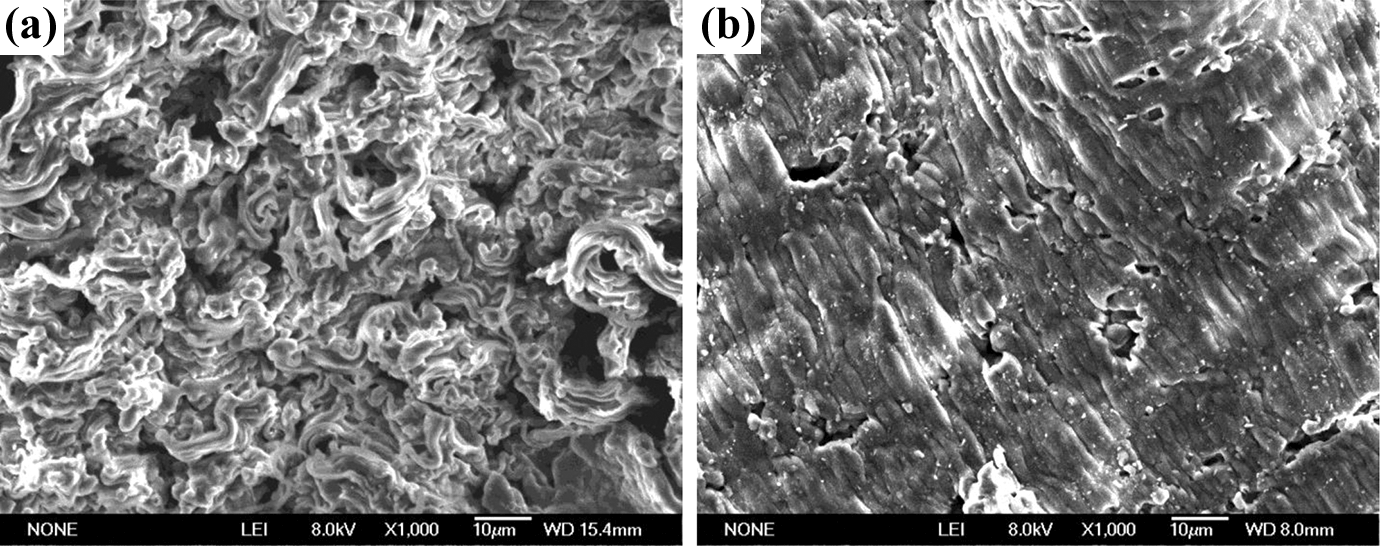
FE-SEM images of E8N2: (a) tensile-fractured surface; (b) longitudinal stretching surface.
Conclusions
This study presented a novel HSMP derived from the EVA/NBR TPV. The DMA results under temperature sweep mode showed that with the increasing EVA content in TPVs, the tan δ was decreased, while the storage modulus was increased, indicating that the higher EVA content would enhance the SF ability of the TPV effectively. According to the shape-memory results, when the Td was close to the Tm of the EVA phase, the EVA/NBR TPV specimen with a weight ratio of 80/20 could obtain a good SF ratio (>95%) and an excellent SR ratio (>95%) when the stretch ratio was 100%. The morphology observation showed that the cross-linked NBR particles with an average diameter of approximately 2–6 μm were dispersed evenly in the etched surface of EVA/NBR TPV; moreover, numerous banding-like microstructures oriented along the tensile direction can be observed obviously, which was related to the deformed EVA matrix and the elongated NBR particles. We hope that it may open up specific applications in intelligent devices.
Footnotes
Funding
The author(s) disclosed receipt of the following financial support for the research, authorship, and/or publication of this article: This work was supported by Shandong Provincial Natural Science Foundation, China (ZR2017MEM021) and Upgraded Project of Shandong Province for Guidance Ability of Graduate Tutors (SDYY17044).
