




Abstract
Meat inspection has the ultimate objective of declaring the meat and offal obtained from carcasses of slaughtered animals fit or unfit for human consumption. This safeguards the health of consumers by ensuring that the food coming from these establishments poses no risk to public health. Concomitantly, it contributes to animal disease surveillance. The Catalan Public Health Protection Agency (Generalitat de Catalunya) identified the need to provide its meat inspectors with a support structure to improve diagnostic capacity: the Slaughterhouse Support Network (SESC). The main goal of the SESC was to offer continuing education to meat inspectors to improve the diagnostic capacity for lesions observed in slaughterhouses. With this aim, a web-based application was designed that allowed meat inspectors to submit their inquiries, images of the lesions, and samples for laboratory analysis. This commentary reviews the cases from the first 6 years of SESC operation (2008–2013). The program not only provides continuing education to inspectors but also contributes to the collection of useful information on animal health and welfare. Therefore, SESC complements animal disease surveillance programs, such as those for tuberculosis, bovine cysticercosis, and porcine trichinellosis, and is a powerful tool for early detection of emerging animal diseases and zoonoses.
Keywords
Meat inspection, a task traditionally performed in slaughterhouses by veterinarians (sometimes assisted by meat inspection technicians), has the main objective of declaring the meat and offal obtained from carcasses of slaughtered animals fit or unfit for human consumption. Therefore, the safeguard of consumers’ health by ensuring that the food coming from these establishments poses no risk to public health is the ultimate goal. In addition, the diagnosis of lesions found during meat inspection might provide useful information regarding animal health and welfare issues that may have a relatively low relevance for public health but might be of great importance to farmers and veterinarians.
By mid-2000s, the Catalan Public Health Agency, belonging to the Health Department of the Catalan Government (Generalitat de Catalunya), identified the need to provide its meat inspectors with a support structure. In 2007, the agency commissioned to Centre de Recerca en Sanitat Animal (CReSA) the organization of a system to support the meat inspectors: the Slaughterhouse Support Network (servei de Suport a ESCorxadors [SESC]; http://www.cresa.cat/blogs/sesc/).
In this commentary, we intend to introduce this innovative system along with a brief analysis of the data gathered during its first 6 years of operation. The objective is to emphasize the relevant role veterinary pathology has in meat inspection and, consequently, in improving public health and animal disease surveillance. Other relevant aspects are the synergy that is created between the administration’s meat inspection services and both academic and research pathologists. Also, we think it is proof of the benefits of applying new information technologies to our field. Finally, the data presented on diagnoses are not intended to provide novel findings but rather to illustrate the challenges meat inspectors are faced with and how these are managed through the SESC program.
The main goal of the SESC program was to provide meat inspectors (official veterinarians of the Catalan Public Health Agency) with continuing education in their ability to diagnose lesions they might come across in slaughterhouses of Catalonia. With this aim, a web-based application was designed through which meat inspectors could submit their inquiries along with images of the lesions found and, if needed, samples to conduct laboratory analysis. The objective was to reach a final diagnosis of each case and send a final report to the inspector. It is important to note that condemnation of the carcass, a part of it, or any affected viscera is based on current legislation and the inspector’s criteria, not on the report received from the SESC. However, in some instances, the result of the report can influence or refine the inspector’s final decision. That would be the case, for example, of lesions compatible with Cysticercus bovis or with tuberculosis (TB). In many occasions, the query leads to a final diagnosis, thus supporting the inspectors’ decision and improving its quality and reliability. Since condemnation is not to be based on the SESC’s report, the time delay between receiving an inquiry and delivering the answer is not critical. However, as mentioned above, on some occasions, the resolution of the case is urgent. In these cases, the inspector can label the inquiry as urgent in the web application.
These inquiries, when received at the SESC, are forwarded to a number of veterinary pathologists and other animal health and welfare professionals of CReSA and the Universitat Autònoma de Barcelona (UAB) Veterinary Faculty. Occasionally, inquiries are also forwarded to international collaborators. With the answers obtained from the different experts, SESC’s veterinarians elaborate a response that is submitted to the consulting inspector with copy to the public health authorities. The experts include mainly pathologists but also parasitologists, microbiologists, virologists, immunologists, experts in animal welfare, meat science and food hygiene professionals, and animal anatomists.
The web-based application form includes fields completed by the inspector regarding the slaughterhouse of origin, information about the animal (or animals) affected, and a description of the lesions and organs involved. This information and the images of the lesions uploaded to the application form are used by the experts to elaborate a report with the most likely diagnosis and/or a list of possible differentials. In addition, the meat inspector has the possibility to include information on tissue samples sent to the SESC for laboratory analysis. SESC veterinarians process and distribute the samples to the most appropriate laboratories based on the experts’ assessment of each case. Ideally, samples are to be submitted within the first 24 hours and kept refrigerated. Alternatively, when the submission is not done immediately, it is recommended to split the sample in 2 parts: one half kept frozen and the other fixed in formalin.
First 6 Years of the SESC in Numbers
Context in Which the SESC Operates
The SESC gives coverage to all slaughterhouses of Catalonia. A total of 254 slaughter lines were active in this territory at the moment of writing this report, including 45 bovine lines, 76 ovine lines, 17 equine lines, 48 porcine lines, 44 poultry lines (9 of which cull anseriformes as well), and 24 lagomorph lines. Each slaughter line is covered by, at least, one official meat inspector.
Catalonia is the Spanish autonomous community with the largest numbers of animals slaughtered annually. Regarding the number of farms, poultry is the sector most represented in the region (n = 6814 farms), followed by the bovine (n = 6579) and porcine (n = 5983) sectors (data from 2012, obtained from the Agriculture Department website: http://www20.gencat.cat/portal/site/DAR). A significant amount of the livestock culled in Catalonia is imported from other Spanish autonomous communities and from other countries.
The percentage of carcasses that were fully or partially condemned each year in Catalonia is presented in Supplemental Table S1. A system, based on the current legislation, has been implemented to gather condemnation data. However, this database includes broad lesion categories and data only on specific relevant diseases such as zoonoses. For instance, one of the most frequently reported reasons for total or partial condemnation of carcasses, and indeed of viscera, was “inflammatory lesions,” indicating that the diagnosis of these cases either was not reported or had never been established. The scope of this commentary is not to analyze the condemnation data, nor is the objective of the SESC program to analyze every condemned carcass. However, a thorough systematic data gathering and a greater use of diagnostic tools might be valuable to establish meat inspection as an effective syndromic surveillance tool for animal diseases, including zoonoses.
Implementation of the SESC Between 2008 and 2013
From 2008 to 2013, a total of 975 cases were managed. The first year, only 60 cases were submitted since many inspectors were not still aware of the system. Then, in 2009, a peak of cases was registered, up to 279, but the following years, the number of consultations was stabilized around 150 cases per year (Suppl. Table S2). Approximately 12% of each year’s inquiries were purely telematic (ie, information sent only by computer), but the majority included submission of samples for laboratory analysis (Suppl. Table S2).
Bovine, porcine, and poultry together covered more than 85% of the inquiries (Suppl. Table S3). Pork and poultry are the 2 biggest production sectors in the region (Suppl. Tables S4 and S5, showing number of animals slaughtered per year and annual meat production from Catalan slaughterhouses). However, cattle are the species with the highest number of inquiries, even though it is only the third species in the meat production ranking (Suppl. Table S5). The explanation is straightforward since many of the submissions, as discussed later, are cases of suspected zoonoses, including bovine cysticercosis (BC), caused by Cysticercus bovis, and TB, caused by Mycobacterium tuberculosis complex (MTBC).
The proportion of cases that elicit inquiries to the support service (Suppl. Table S6) was very small compared with the number of condemned carcasses and would be smaller if data of viscera condemnation were considered. This is expected since the use of the SESC is voluntary for meat inspectors. Thus, cases are only submitted when the inspector has doubts regarding the final diagnosis. The rate of case submission was higher for large animals (ie, cattle and horse), probably because the carcass value is higher and the need of a solid reason for condemnation might have encouraged inspectors to submit more cases. Moreover, the occurrence of zoonoses such as bovine cysticercosis or TB in cattle would also increase the case submission rate in this species.
The diagnostic data presented hereon must be interpreted in the context of SESC operations discussed above and, thus, are not necessarily representative of the actual animal health epidemiological picture of Catalonia but are of interest to illustrate the value of the program with respect to surveillance and public health. Of particular relevance is the bias posed by the fact that only those cases that somehow generated diagnostic uncertainty to the inspector were submitted.
Cases From Bovine Slaughterhouses
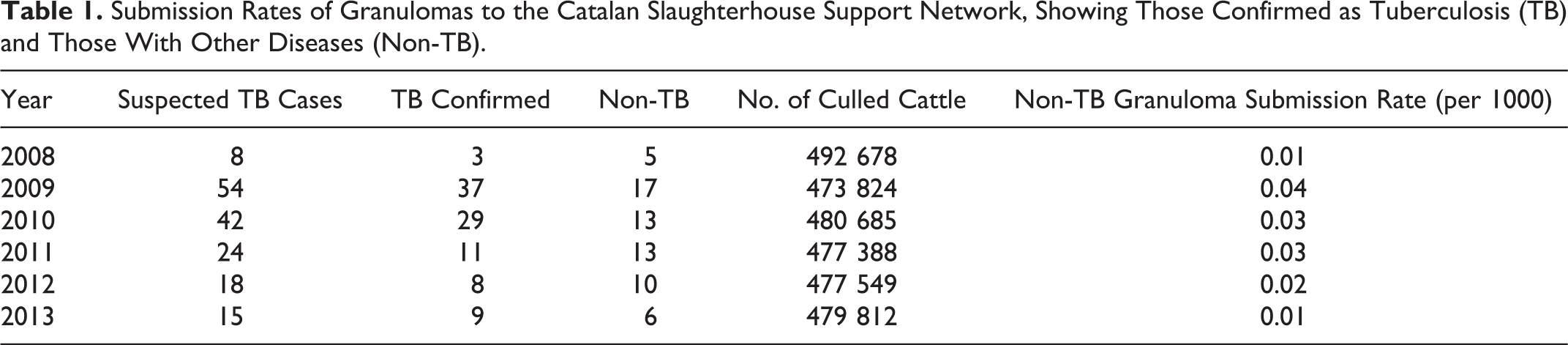
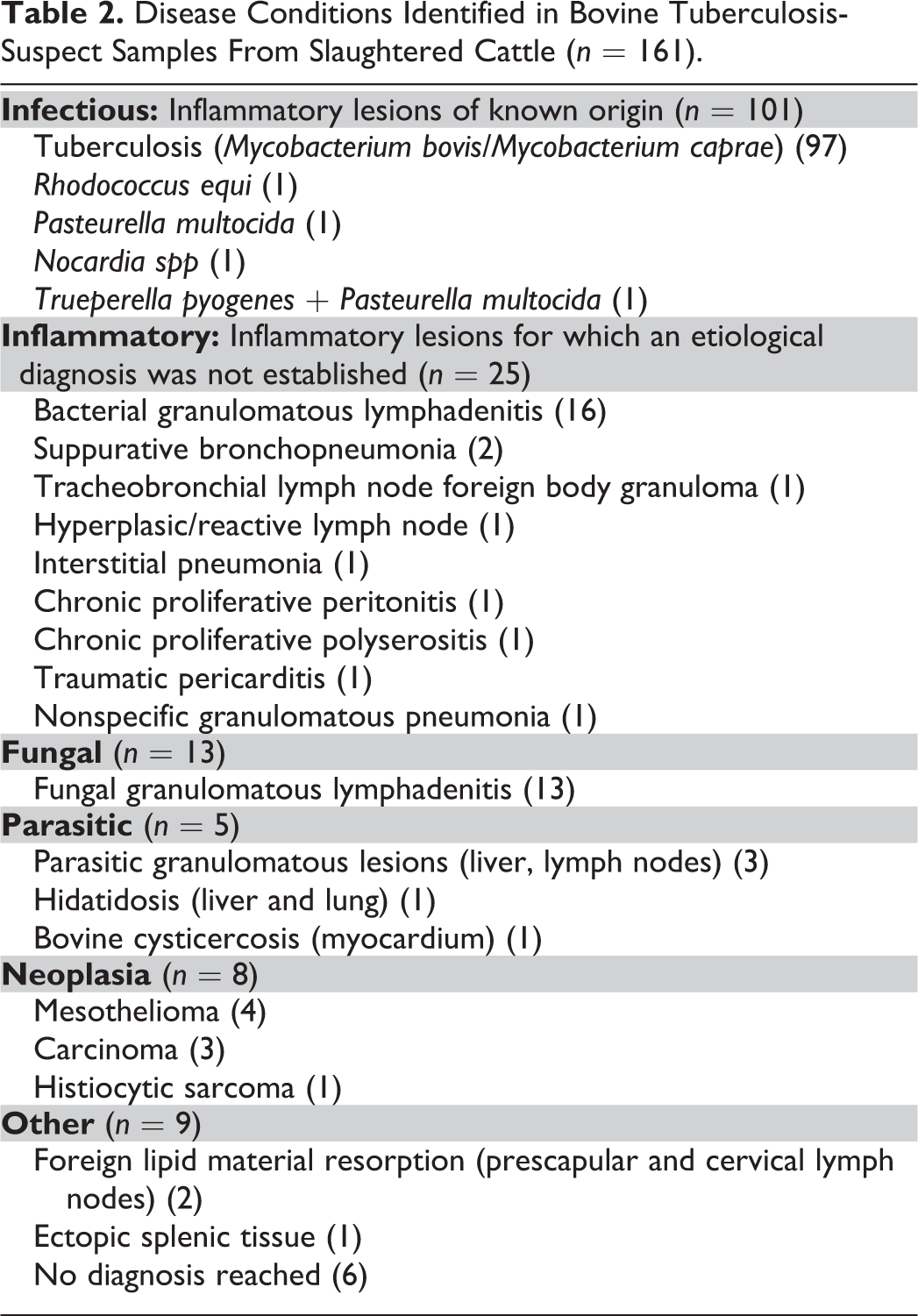
Regarding bovine (Bos taurus) inquiries, bovine TB was suspected in 161 of 537 (30%) cases. Of these, 97 of 161 (60%) were confirmed to be TB by means of pathological analysis, detection of MTBC by direct polymerase chain reaction (PCR), and/or isolation with confirmation by PCR identification of MTBC. Over the years, a substantial reduction of TB cases has been noticed in Catalonia (Fig. 1). This is in agreement with the decreasing herd prevalence of TB in the region, which decreased from 0.85% in 2008 to 0.04% in 2013. 18 Thus, the proportion of nonconfirmed TB-suspected cases should have increased comparatively, as indeed happened in 2010 and 2011. But, in absolute terms, the number of suspected but not confirmed TB cases also diminished. The non-TB granuloma submission rate per 1000 culled cattle is shown in Table 1. This decreasing rate could be explained by either a reduced awareness of meat inspectors or an increased experience in recognizing non-TB lesions, which were consequently not submitted for confirmation. At this time, when the prevalence curve has reached an asymptotic phase in the TB eradication program, passive surveillance of TB at the slaughterhouse is crucial to detect and control new outbreaks. 6,17 Thus, any granulomatous-like lesion found at slaughter should be tested to rule out new TB outbreaks (Figs. 2, 3). A summary of the differential diagnoses of suspected but not confirmed TB cases is shown in Table 2.
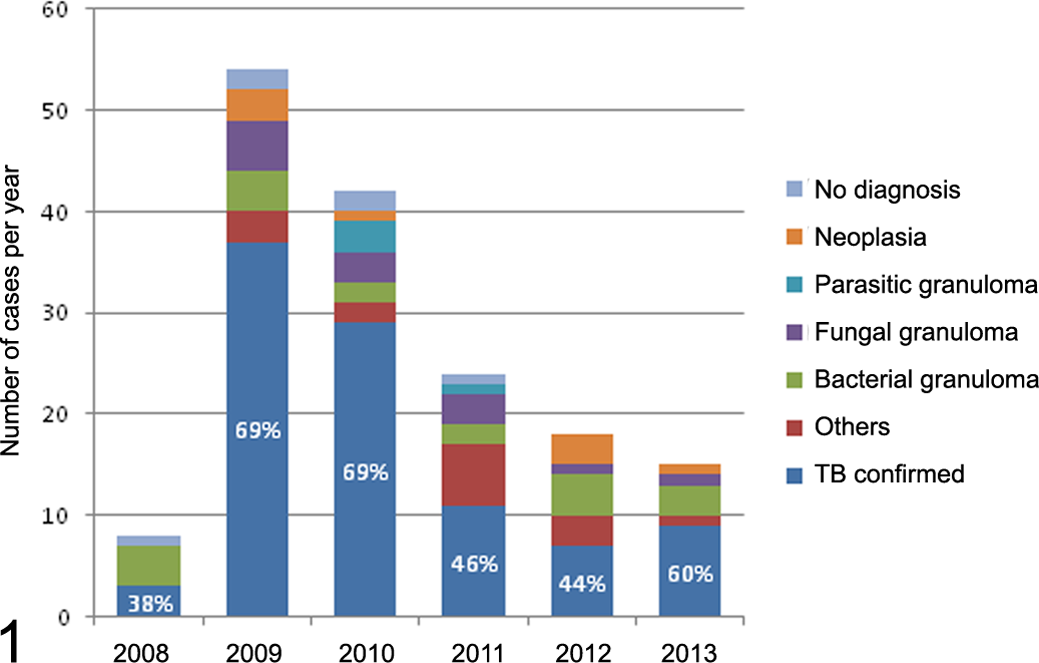
Number of tuberculosis (TB) suspects submitted per year. During 2013, no new indigenous outbreaks were detected through slaughterhouse surveillance in Catalonia. However, the number of TB diagnosed cases in imported veal calves increased compared with previous years.
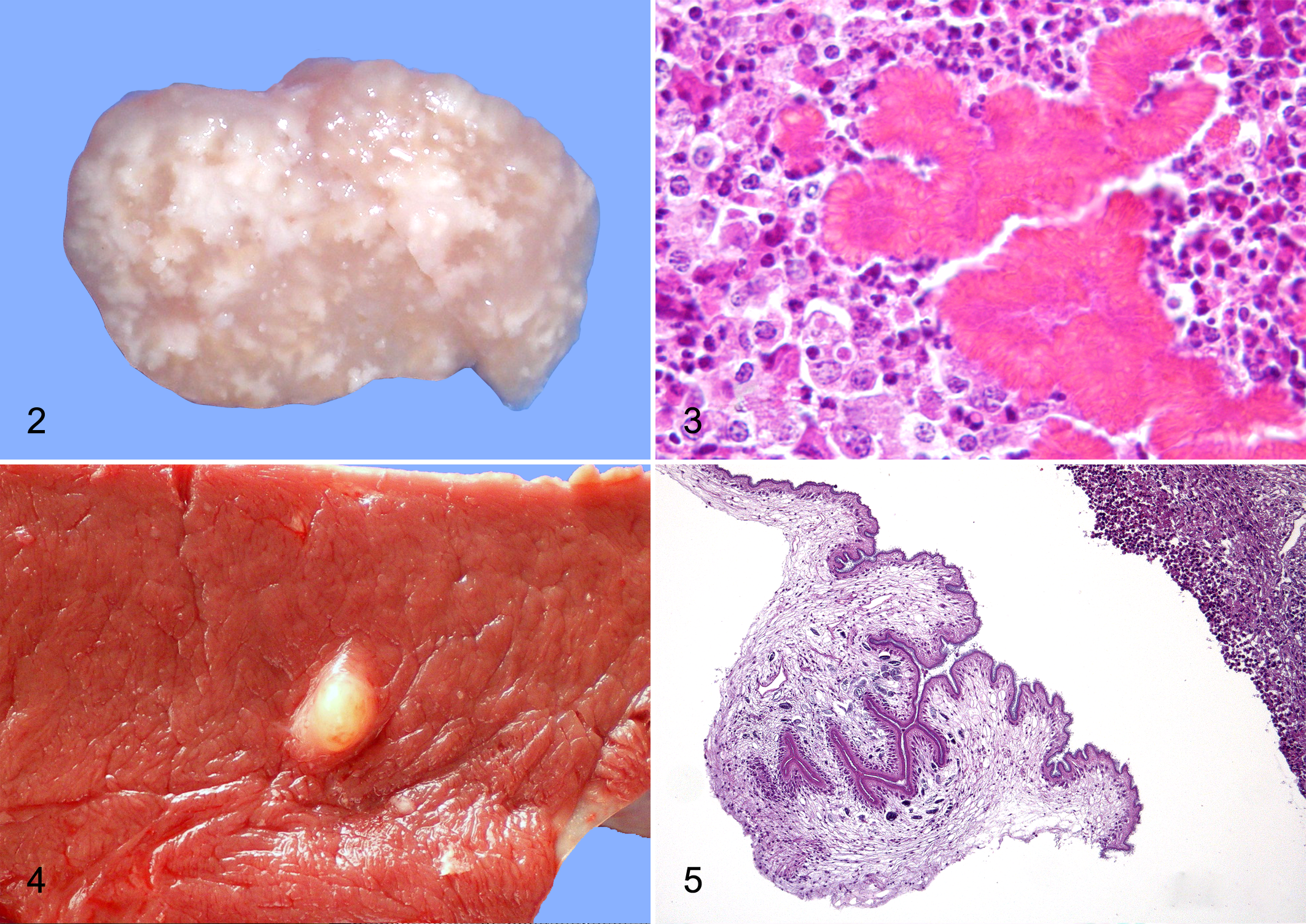
Bovine cases.
Submission Rates of Granulomas to the Catalan Slaughterhouse Support Network, Showing Those Confirmed as Tuberculosis (TB) and Those With Other Diseases (Non-TB).
Disease Conditions Identified in Bovine Tuberculosis-Suspect Samples From Slaughtered Cattle (n = 161).
Another 184 of 537 (34%) bovine cases were submitted to rule out another zoonosis, bovine cysticercosis (BC), caused by the larval stage of Taenia saginata (Figs. 4, 5). These submissions also included those inquiries where the inspectors wanted to differentiate BC and eosinophilic myositis caused by Sarcocystis spp. Although Sarcocystis spp cysts were not always observed in the latter, this diagnosis was made based on the eosinophil-rich inflammatory cell infiltrate. See Table 3 for additional differential diagnosis on suspected BC cases.
Disease Conditions Identified in Bovine Cysticercosis-Suspect Samples From Slaughtered Cattle (n = 184).
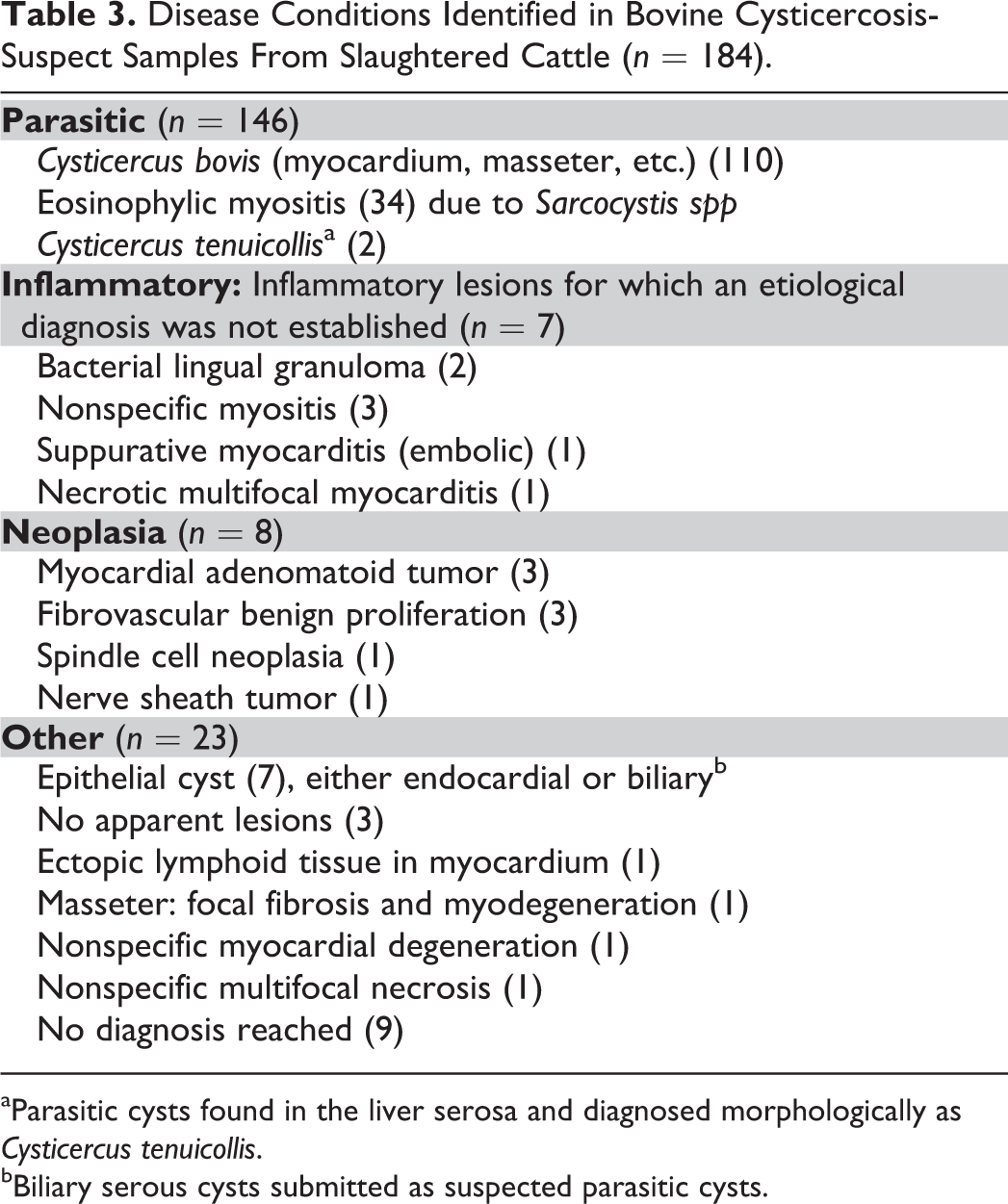
aParasitic cysts found in the liver serosa and diagnosed morphologically as Cysticercus tenuicollis.
bBiliary serous cysts submitted as suspected parasitic cysts.
Most suspected BC cases were submitted as muscle tissue samples, mainly from the myocardium, masseter muscles, and tongue, but some liver samples were also submitted under this presumptive diagnosis. Of these cases, 110 of 184 (60%) were confirmed to be lesions indicative of BC. As for the TB suspects, a decreasing trend in the numbers of BC-suspected cases submitted to the SESC (Fig. 6) has been noticed over the years. BC prevalence detected through meat inspection in Catalonia is as low as 0.02% (95% confidence interval [CI], 0.01–0.03), and this is an underestimation according to serological studies that calculated a prevalence of 1.1% (95% CI, 0.8–1.8). 3 The ability of meat inspection to detect BC is considered limited, 2 particularly in the current epidemiological context where low parasite numbers are expected. 8 Thus, the value of sectioning of target muscles, such as myocardium and masseters, to detect BC is debatable since it might increase meat contamination. 1,9 But until more sensitive (antemortem serological) methods are validated and implemented, meat inspection remains the only means for BC prevalence control and consumer protection. In fact, additional myocardial and other tissue cuts have been suggested to increase its effectiveness. 12
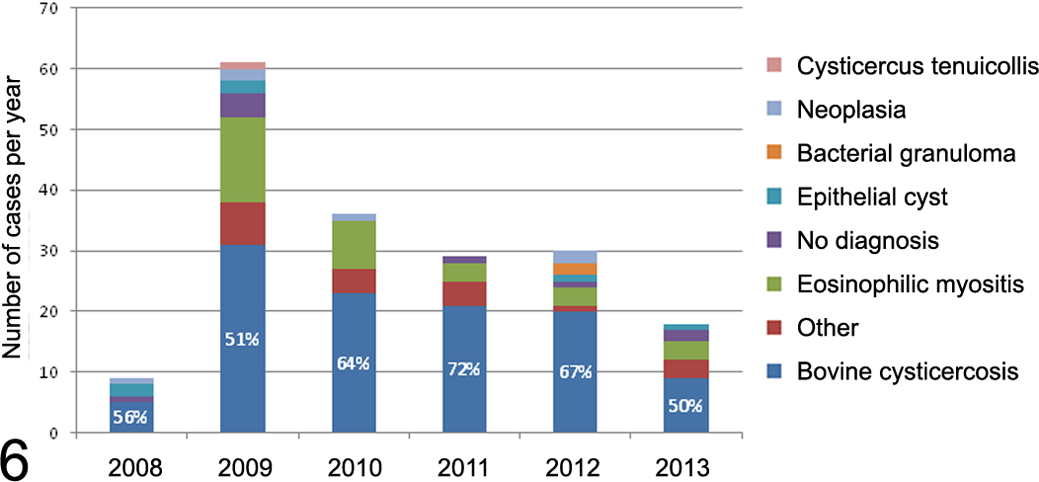
Number of bovine cysticercosis (BC) suspected cases submitted per year showing the trend of fewer cases of BC over time.
Supplemental Table S7 summarizes all inquiries from bovine carcasses, and examples are shown in Figures 2 to 5 and 7 to 10. For each inquiry, one single diagnosis was recorded in the table, even if multiple animals in the same inquiry had the same lesion. When a final etiologic diagnosis was not established, a short description of the lesion was given. In addition, 4 inquiries were submitted regarding lesions found in buffalo carcasses (Bubalus bubalis). Three had suspected TB lesions, which were not confirmed (they were nonspecific granulomatous lesions [n = 2] and foreign lipidic material resorption [n = 1]). A fourth case was a parasitic lesion compatible with hydatid cyst.
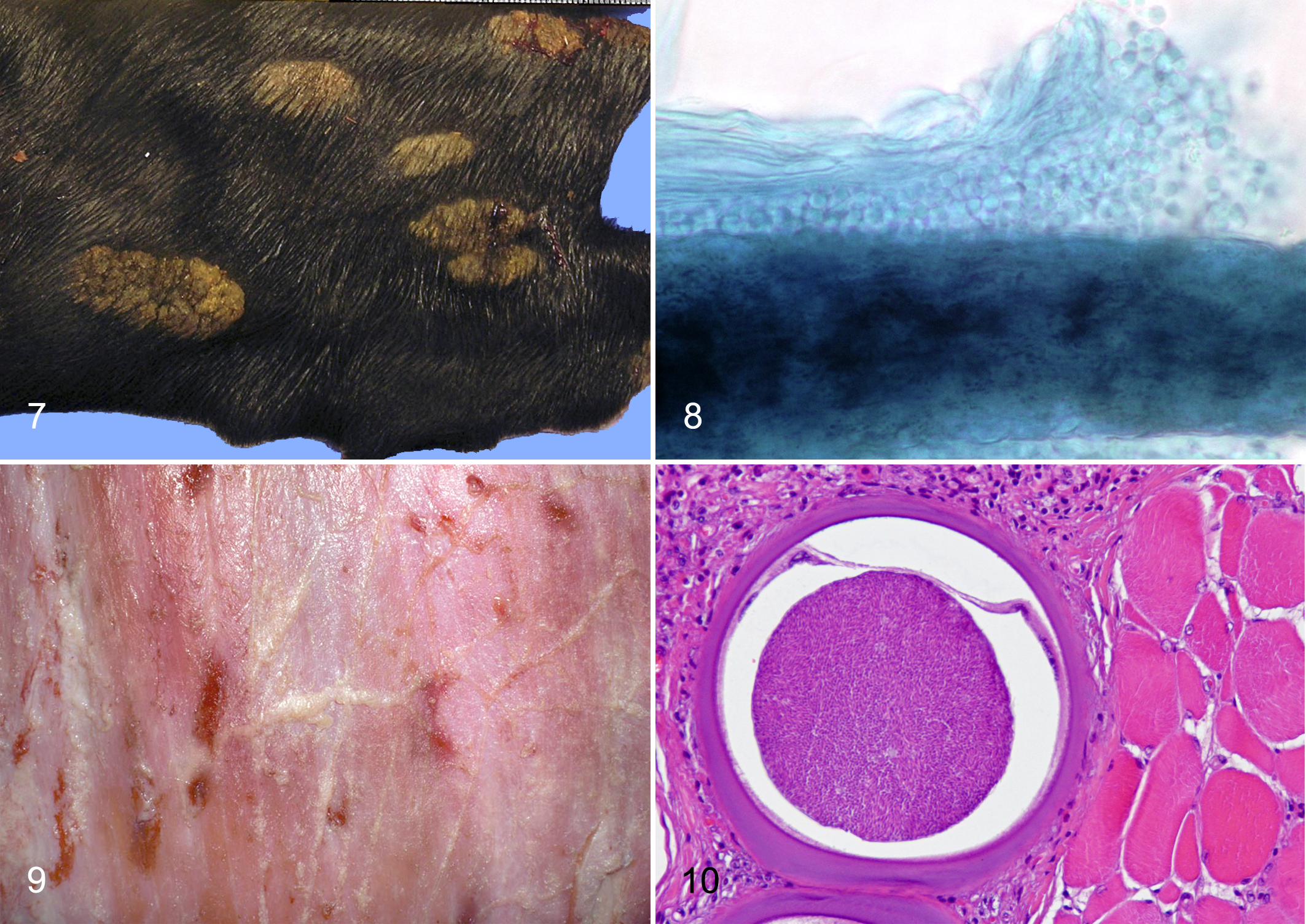
Bovine cases.
Cases From Porcine Slaughterhouses
Pig carcasses are processed without skinning, so skin alterations may be the cause of carcass condemnation, and comprised 47 of 181 (25%) of the porcine inquiries (Figs. 11–16, Table 4). However, the scalding process causes important artifacts that alter the histological appearance of the epidermis and superficial dermis, compromising the proper histopathological interpretation. On many occasions, only nonspecific lesions can be identified, such as vascular congestion and perivascular dermatitis with variable presence of eosinophils. These lesions, grossly identified as erythema, are often accompanied by blood reabsorption in lymph nodes, which might be generalized (Fig. 12). This situation poses a dilemma to the meat inspector since lymphadenopathy might be interpreted as a sign of generalized disease (which would require condemnation of the whole carcass). The causes of skin erythema in pig carcasses are multiple, including incorrect husbandry and/or stress, inappropriate exsanguination at slaughter, and generalized infectious disease, among others. Even though the first of these might not pose a risk for food safety, it needs to be studied on animal welfare grounds. The latter demands a careful inspection of the carcass to rule out other signs of sepsis (such as multiple petechiae) and might benefit from laboratory confirmation.
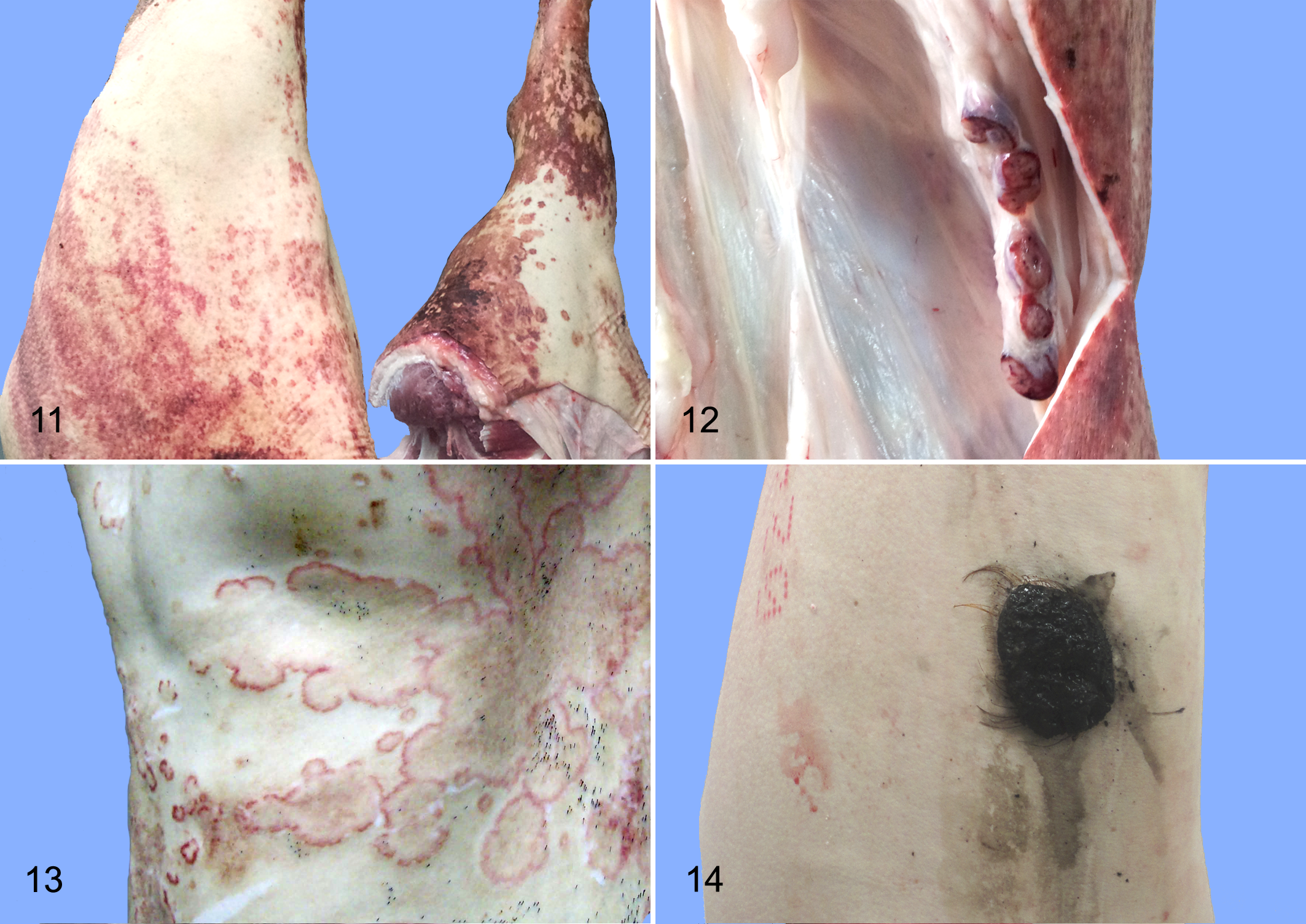
Porcine cases.
Prevalence of Skin Lesions in Slaughtered Pigs (n = 47).
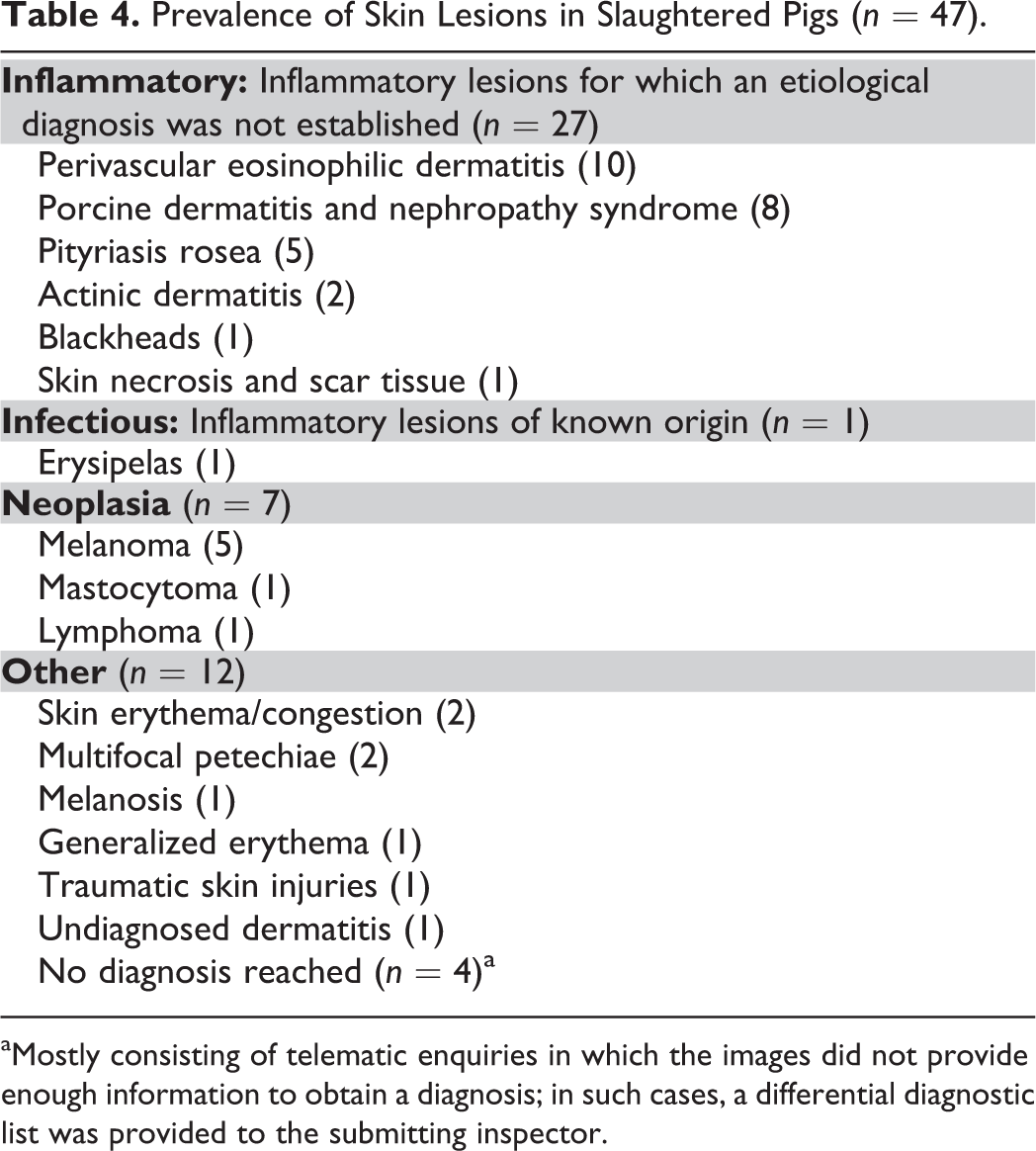
aMostly consisting of telematic enquiries in which the images did not provide enough information to obtain a diagnosis; in such cases, a differential diagnostic list was provided to the submitting inspector.
It is difficult for the life cycle of Taenia solium to be completed in current porcine management systems; however, autochthonous and imported human cases of Cysticercus cellullosae and taeniosis are still diagnosed in Europe. 30 During the reported period, only 2 parasitic muscle granulomas in pigs were submitted that had lesions compatible with C. cellullosae, but PCR ruled out the diagnosis. The implementation of the support network would allow early detection of this zoonosis if it reemerged in swine. Cysticercus tenuicollis, however, was not an unusual finding (n = 14). No cases of Trichinella spp were recorded in domestic pigs during this period (data obtained from the Catalan Public Health Agency). Since Trichinella spp diagnosis is performed at the slaughterhouse, no samples regarding this infestation were submitted.
Several cases of widespread granulomatous lesions were detected in pig carcasses from 5 different farms in late 2010 and early 2011. A final diagnosis of mycobacteriosis due to Mycobacterium avium subsp avium was attained. 23 Interestingly, pigs are highly susceptible to M. avium complex infections, displaying lesions indistinguishable from those caused by MTBC. 6 Therefore, a rapid diagnosis becomes crucial in terms of occupational hazards. In that case, the support network allowed for a rapid identification and management of the outbreak and an assessment of the associated public health and occupational risks.
A considerable number of neoplastic lesions were submitted during the study period. The most frequent were lymphoma (9/26) (Fig. 17), closely followed by melanoma (5/26) (Fig. 14). These figures are in accordance with the published literature, but nephroblastoma was diagnosed on only 1 occasion, although it is frequently reported in the literature. 11 Systematic analysis allowed the identification of 2 neoplasms that were not previously described in this species: a liposarcoma 7 and 2 cases of osteochondromatosis 4 ; in addition, a rare presentation of multiple cutaneous mast cell tumors was described. 19
Supplemental Table S8 summarizes all inquiries from porcine carcasses, and examples of lesions are shown in Figures 11 to 18.
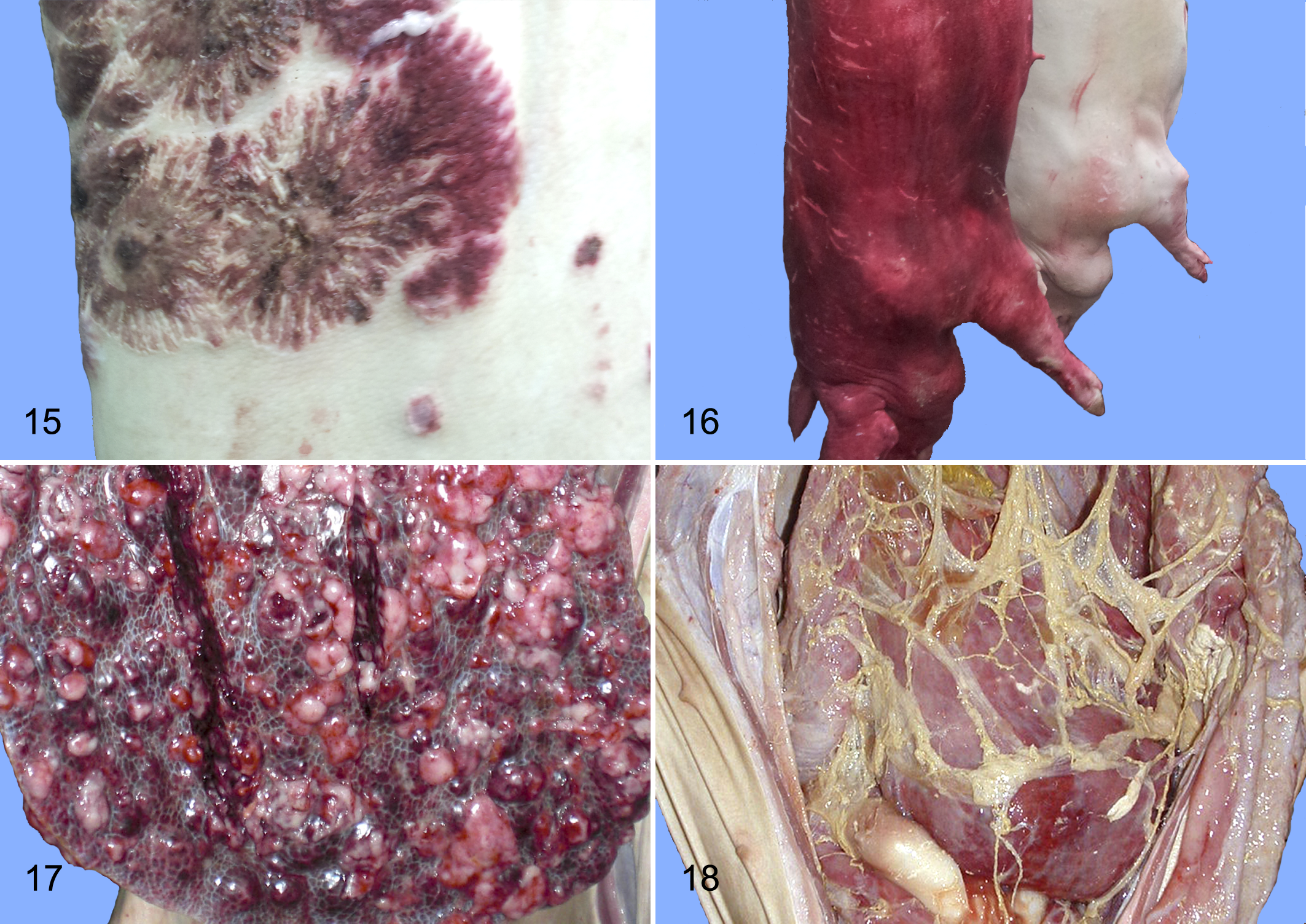
Porcine cases.
Cases From Small Ruminant Slaughterhouses
From the small ruminant cases (Suppl. Tables S9 and S10; Figs. 19–24), zoonoses affecting the skin such as orf (Fig. 19), scabies (Fig. 20), or ringworm (Figs. 21, 22) were diagnosed and particularly affected goat kids. It is noteworthy that 5 cases of granulomatous lesions compatible with TB were detected in adult goat carcasses. Indeed, caprine TB, either caused by M. caprae or M. bovis, is an emerging disease in a number of European countries, 5,24,26,27 and infected goats may be a source of infection for cattle. 21 Adult goats are rarely sent to the slaughterhouse (0.18% of goats slaughtered; 2011 data published by MAGRAMA), compared with goat kids, which are extensively consumed (Suppl. Table S4). Thus, given the small numbers of slaughtered animals and the rather slow development of TB lesions, the proportion of TB cases detected in this population should not be underestimated.
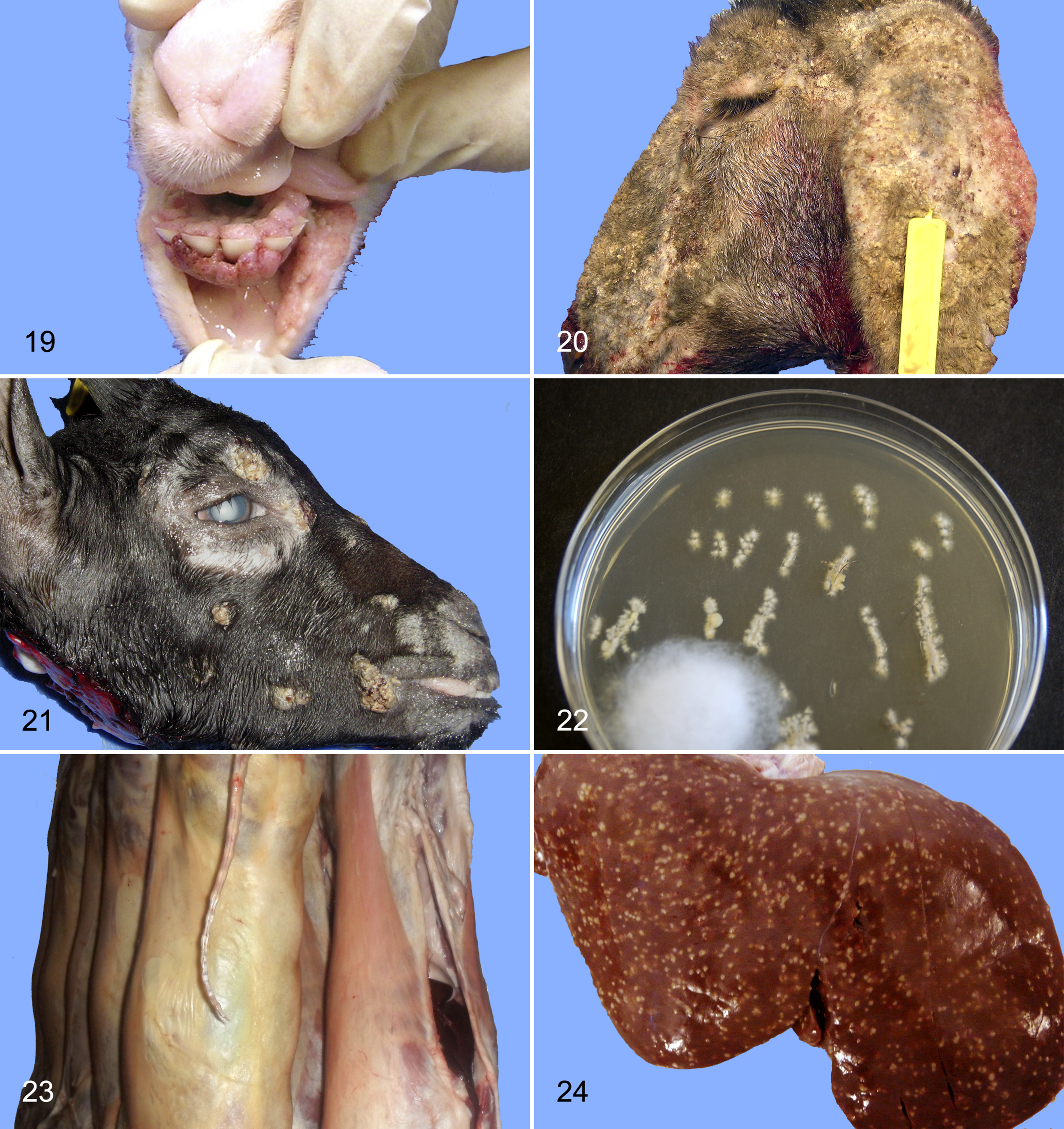
Small ruminant cases.
Cases From Poultry Slaughterhouses
Most inquiries originating from poultry slaughterhouses (Suppl. Table S11, Figs. 25–30) were of lesions compatible with Marek’s disease (MD) (Fig. 25). During the study period, 85 cases of MD were histopathologically confirmed mostly in organic or slow-growing chickens (n = 78) and less often in layers (n = 5) and breeders (n = 2). Among the differential diagnoses for MD, the most frequent was squamous cell carcinoma (n = 11). The emergence of the organic food market has broadened the range of lesions observed at slaughter. For instance, diseases such as visceral gout (Fig. 26) and fungal (Fig. 27) or viral dermatitis (Fig. 28) were found, which are rarely seen in intensively reared chickens.
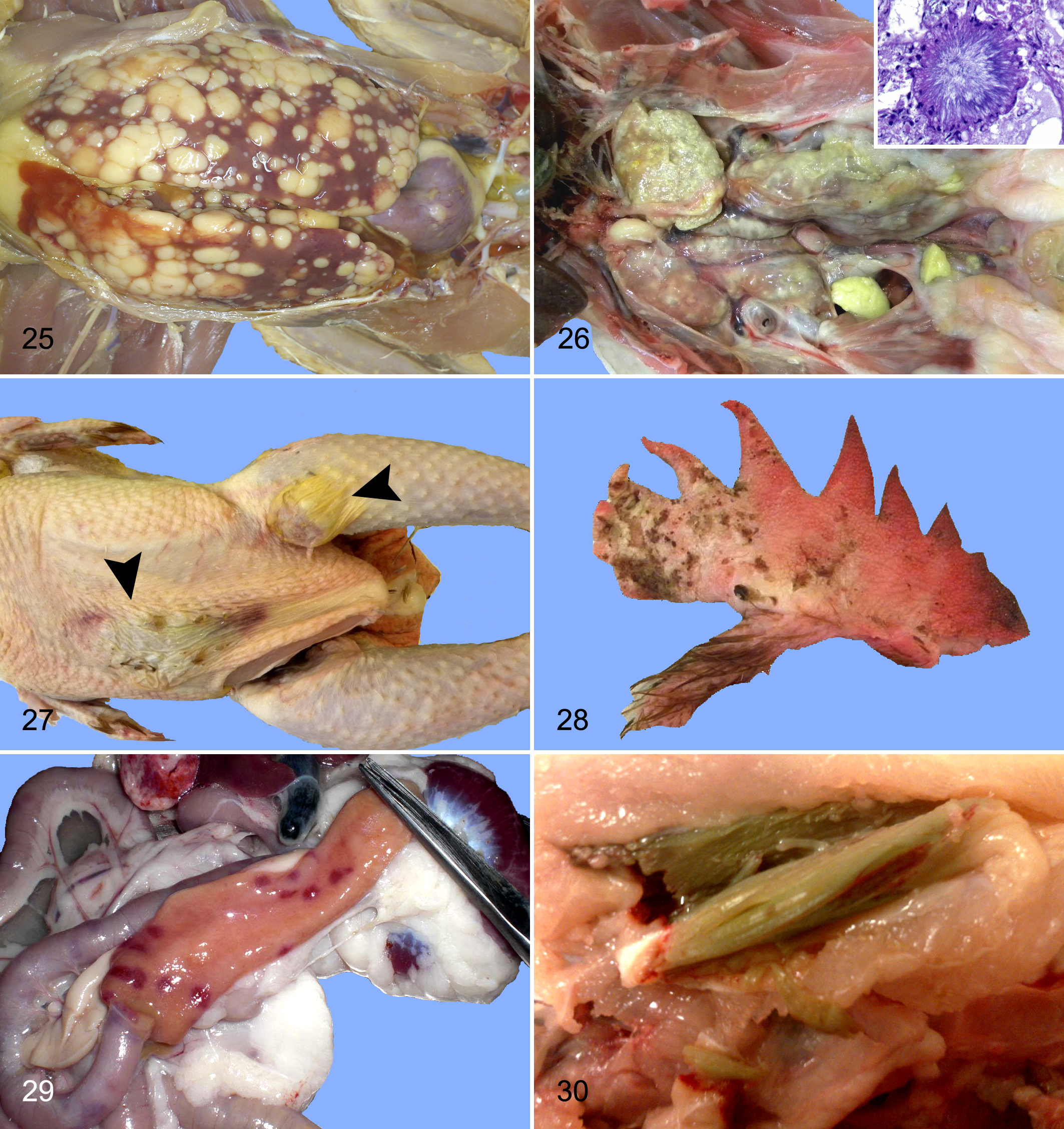
Poultry cases.
Cases From Rabbit and Horse Slaughterhouses
Supplemental Tables S12 and S13 summarize cases submitted from slaughterhouses culling rabbits and horses, respectively. Several rabbit carcasses were submitted with a conspicuous blue discoloration of the rear limb musculature (Fig. 31). As the time after slaughter progressed, the blue “ink-like” discoloration affected larger areas of the carcass. Microbiological analysis allowed identification of Pseudomonas fluorescens, a contaminating bacterium, as the cause of this change in color (Fig. 32). 13 About 50% of rabbit inquiries involved white liver lesions either of bacterial origin or caused by parasites such as coccidia, most likely Eimeria stiedae (Fig. 33) and Cysticercus pisiformis (Fig. 34). Inquiries from horse slaughterhouses were rather sporadic (Figs. 35, 36).
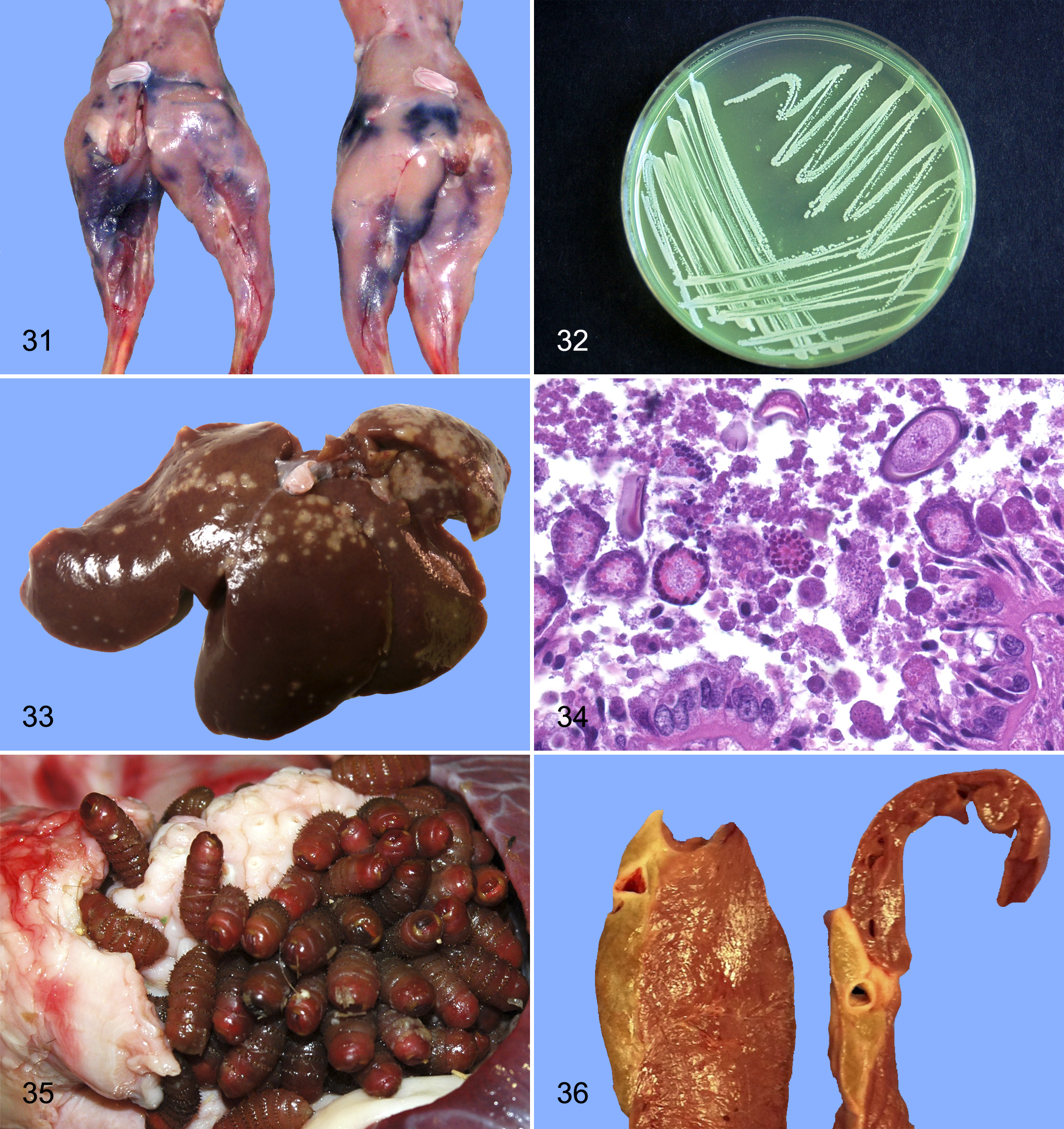
Rabbit cases.
Final Remarks
The purpose of this slaughterhouse support network is to provide meat inspectors with continuing education tools to enhance and complement their diagnostic skills. With this objective in mind, a selection of cases is regularly published in a trilingual (Catalan, English, Spanish) free-access blog (www.cresa.cat/blogs/sesc). All the participating inspectors can benefit from the different cases posted and discuss them. Updates are made through social media networks and a mailing list. Seminars are also organized to update inspectors on how to use the system and to discuss the cases.
A user satisfaction survey yielded a mean result over 9 on a scale from 0 to 10. However, several organizational aspects of the network could be improved to promote inspectors’ engagement. These include a homogeneous sample transportation service for all slaughterhouses and a user-friendly smartphone-based application to obtain images of the lesions and submit information. Another limitation of the system is the low diagnostic efficiency of those inquiries based only on images, sometimes due to the low quality of the submitted images, stressing the need to provide inspectors with appropriate image capture technologies.
The synergies obtained from the existence of this support network are multiple. Public health inspectors take advantage of the expertise, knowledge, and networks of scientists and academic staff. These, in turn, benefit from a source of updated information on the animal diseases appearing at slaughterhouses. Altogether, this system represents a valuable insight to direct research efforts toward the most relevant needs. And this, in turn, benefits the animal production sector. Also, it is a pioneering system with few precedents in other countries where sampling programs at slaughterhouse exist but are focused on specific surveillance programs, such as transmissible spongiform encephalopathies or TB. Of course, animal health laboratory networks exist, such as the California Animal Health & Food Safety Laboratory System in the United States or Animal and Plant Health Agency in the United Kingdom, among many others, which include pathological and laboratory investigation of disease outbreaks but lack the key focus at the slaughterhouse level.
The “one world, one health” concept, which has been a trending topic over the past decade, emphasizes the impact of animal diseases on public health. Slaughterhouses are a key control point in the food chain: veterinary pathology and postmortem meat inspection have unique ability to detect subclinical diseases. Data obtained from slaughterhouses can be used for syndromic surveillance purposes if geographical information is available. 10,28,29 An efficient meat inspection not only helps detect and control some food-borne diseases and zoonoses affecting consumers but also serves as sentinel for animal health and animal welfare issues. Collaboration between academia, administration, and industry is key to make the most out of the data generated by slaughterhouse surveillance. 15
Indeed, the SESC has proven to be a helpful tool to coordinate different administrative departments of the Catalan government (Public Health and Agriculture) in the sampling and laboratory diagnosis of animals that tested positive to the tuberculin skin test and to integrate this with the passive surveillance of TB based on inspection in the slaughterhouse. The improvement of surveillance and eradication programs for animal diseases requires holistic strategies. In this regard, slaughterhouse surveillance can effectively complement active surveillance measures and epidemiological investigations, such as those related to animal movements, shared pastures, and wildlife reservoirs. As such, bovine TB control programs in industrialized countries are mainly based on test and slaughter of positive reactors, complemented by slaughterhouse surveillance. 25 During 2009 to 2011, 38% of the new bovine TB outbreaks in Catalonia were detected through the slaughterhouse surveillance conducted by the SESC (unpublished data). The detection of bovine TB through meat inspection has been shown to be an important tool in the detection of infected herds and, therefore, should be emphasized. 16,17,22 Moreover, at the final stage of the bovine TB eradication program, there could be a transition from farm-level testing to slaughterhouse surveillance, and meat inspection may become the only surveillance component once the region has achieved the officially TB-free status. 1 In the future, inclusion of inspectors supervising game meat for human consumption could also provide coverage to some of the diseases affecting wildlife. As an example, TB is a significant issue in wild boar in Spain, where these are extensively consumed. 14,20
On the other hand, risk-based assessments of meat inspection procedures by food safety agencies recommend implementing visual-only inspection. 1 For instance, in cattle, Salmonella spp and pathogenic verocytotoxin-producing Escherichia coli have been identified among the higher priority biological hazards. The manipulations performed to carcasses during actual meat inspection procedures might enhance the spread of and cross-contamination with these food-borne bacteria. 1 However, this new approach might reduce the capacity to detect certain diseases, such as BC or TB.
In summary, the SESC provides not only continuing education to inspectors but also useful information regarding animal health and welfare. Therefore, it complements animal disease surveillance programs, such as bovine TB, and is a powerful tool to detect the (re)emergence of new or atypical animal diseases and zoonosis.
Footnotes
Acknowledgements
All cases were submitted and documented (gross photographs) by official meat inspectors of the Catalan Public Health Agency (ASPC) of the Health Department of the Generalitat de Catalunya. The authors acknowledge the excellent technical assistance of Blanca Pérez, Aida Neira of the UAB Veterinary Faculty’s Veterinary Pathology Diagnostic Service (SDPV), Carolina Gómez from the Veterinary Mycology group of the UAB, and Marta Valle, Mariano Moreno, Maite Martín, and Zoraida Cervera from CReSA. A special acknowledgement to Ruben Cordón and Òscar Grau from CReSA IT department for their proficient management of SESC’s website.

Declaration of Conflicting Interests
The author(s) declared no potential conflicts of interest with respect to the research, authorship, and/or publication of this article.
Funding
The author(s) received no financial support for the research, authorship, and/or publication of this article.
References
Supplementary Material
Please find the following supplemental material available below.
For Open Access articles published under a Creative Commons License, all supplemental material carries the same license as the article it is associated with.
For non-Open Access articles published, all supplemental material carries a non-exclusive license, and permission requests for re-use of supplemental material or any part of supplemental material shall be sent directly to the copyright owner as specified in the copyright notice associated with the article.
