



Abstract
Background:
As the number of students with learning disabilities (SwLD) entering higher education (HE) increases, a need arises to improve the services provided to them by understanding their experiences. This scoping review explores the extent and type of evidence on the experiences of SwLD in HE.
Method:
The review followed the six stages outlined by Arksey and O’Malley. PubMed, Science Direct, EBSCO, ProQuest, and APA PsycNet were searched for primary data, and studies published between January 2012 and July 2022 were included. The following information was extracted and collated from the included studies: author/s, year, location, objective/aim, study design, materials and methods, and major findings.
Results:
The search yielded 3729 titles and abstracts. Their screening resulted in 26 eligible articles. The review of these articles identified three major themes: (a) academic concerns, (b) psychosocial experiences, and (c) support systems and accommodations. The academic concerns included difficulties in areas such as reading, writing, and spelling. The studies on psychosocial experiences showed that SwLD experience stress, anxiety, and lower self-esteem. The studies on support systems and accommodations indicate that they get academic support, technological support, and extra time for examinations from educational institutions.
Conclusion:
The SwLD experiences academic and psychosocial challenges during higher studies. However, the existing support systems do not address these challenges, and there is a need for further research in this area.
Students with disabilities entering higher education (HE) are increasing; the most commonly reported disability among them is specific learning disabilities. 1 They are underserved and underprepared for the demands of HE. 2 The prevalence of learning disorders among children is 5–15%. 3 According to the National Longitudinal Transition Study II, only 41% of adults with learning disabilities obtain a postsecondary education degree, compared to a 52% completion rate for the general population. 4 This shows poor academic enrolment, completion of courses, and degree attainment among students with learning disabilities (SwLD) in HE.
For SwLD, the transition from school to HE institutions can be challenging. 5 Schools are often required to identify learning disabilities early and report them. 6 However, more procedural and documentation guidelines are needed for colleges and universities. 7 One study reported that in HE, the responsibility of reporting the learning disability lies with the student. 5 The stigma associated with the diagnosis of a learning disability prevents some students from disclosing their issues. 8 Besides these issues, institutions lack the knowledge, skills, and support systems to address their needs. Also, the stigma and these institutional factors impact the quality of teacher-student relationships, which becomes a barrier to effective learning. 9 Even though SwLD get enrolled in HE, they perform poorly in academics. 10 As a result, they may experience significant psychosocial challenges and have a higher risk of dropping out of college. 11 Moreover, the literature on adults with learning disabilities is limited. 12
One of the systematic reviews conducted a decade ago explored how the inclusion of students with dyslexia can be fostered in HE. 13 It included six studies out of 15 that were predominantly small qualitative studies from Western countries, with low to medium-level methodological rigour. 13 Furthermore, there is a need to understand the concerns and challenges of SwLD in HE to ensure quality education, which may lead to better academic and long-term personal outcomes. Hence, this review bridges the gap by exploring the available body of literature on the experiences of SwLD in HE, using the scoping review method of Arksey & O’Malley. 14
Methods
A scoping review was conducted on the articles published between January 2012 and June 2022, based on the scoping review methodological framework, 14 which includes the following stages: identifying the research question (stage 1), identifying the relevant studies (stage 2), selecting the studies (stage 3), charting the data (stage 4), and collating, summarizing, and reporting the results (stage 5). The review has been drafted in line with the Preferred Reporting Items for Systematic Reviews and Meta-Analysis (PRISMA) Extension for a scoping review. 15
Review Question
The question for this scoping review was, ‘What are the experiences of SwLD in HE?’
Identifying the Relevant Studies
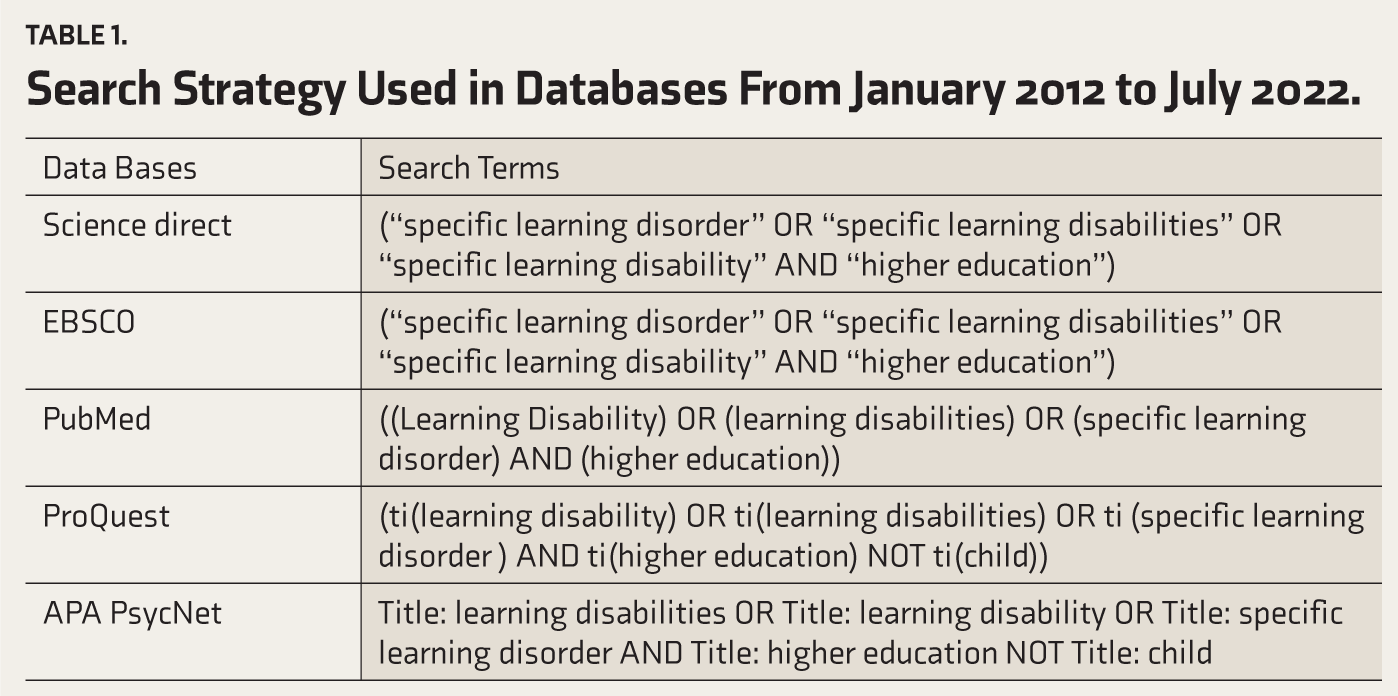
Based on the review question, the first and second authors built the search terms (Table 1). The first author primarily searched for the relevant titles and abstracts in Science Direct, PubMed, EBSCO, ProQuest, and APA PsycNet. Later, the second author independently verified the titles and abstracts in those databases using the same search terms, for consistency. The search was carried out between July and August 2022.
Search Strategy Used in Databases From January 2012 to July 2022.
Study Selection
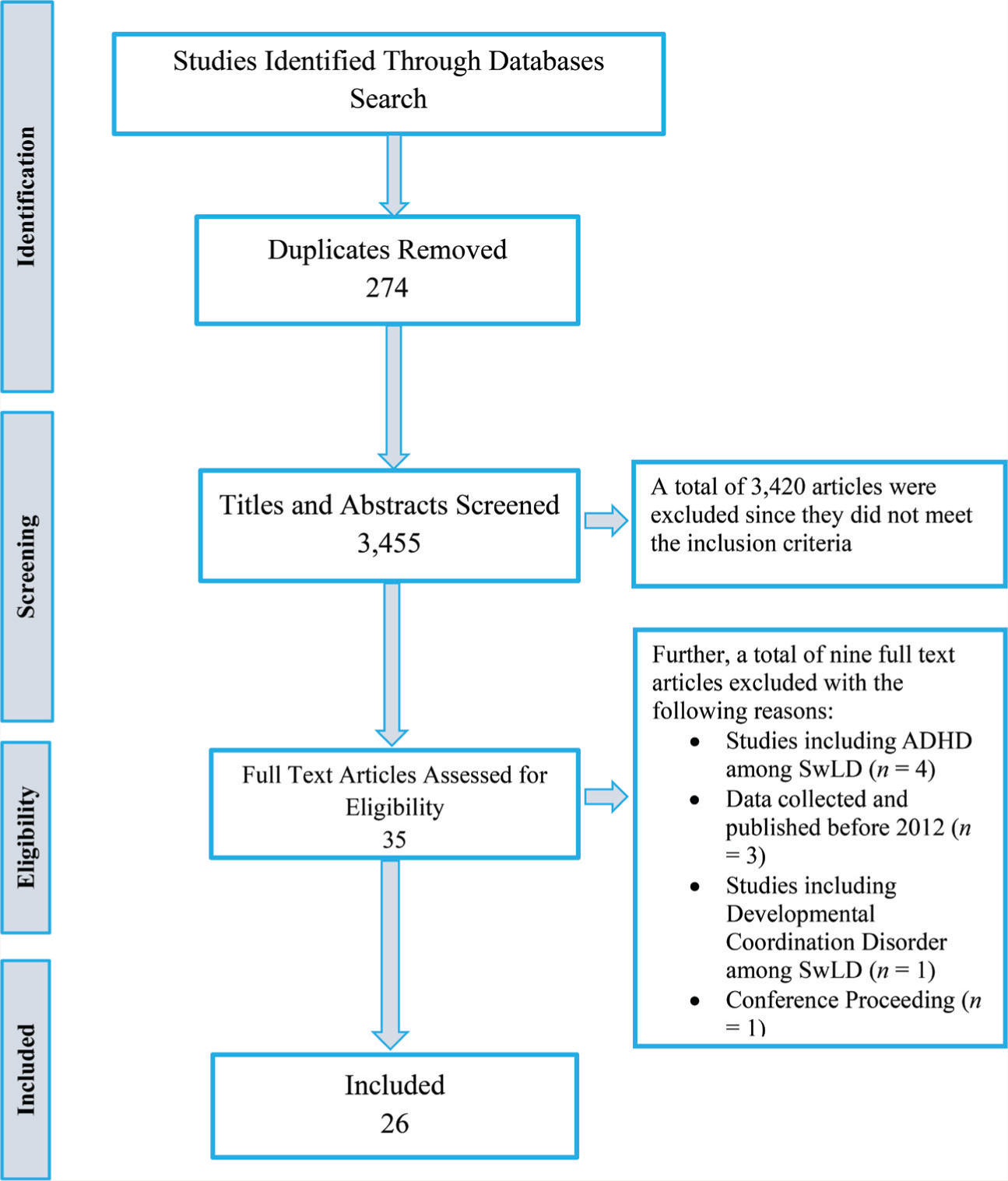
The selection of relevant studies is shown in the PRISMA flow chart (Figure 1). Study selection involved initial screening of titles, abstracts, and, subsequently, full text. The studies were included if published between January 2012 and June 2022; in English; full text is available; conducted among students with specific learning disabilities or disorders such as dyslexia, dysgraphia, or dyscalculia, and specifically explored experiences of SwLD in HE. In this context, HE refers to students enrolled in undergraduate and above-level courses. The exclusion criteria were studies focusing on children with specific learning disabilities, studies on adolescents or adults with specific learning disabilities who are not enrolled in undergraduate or postgraduate programs, studies on students in HE with specific learning disabilities who have comorbid conditions, or any other studies primarily unrelated to the experiences of SwLD in HE (Detailed description of the excluded articles are in supplementary file 1). The disagreements regarding inclusion were discussed between the authors and resolved.
Prisma Flow Chart of the Study Selection for the Review
Quality Appraisal
To evaluate the reporting quality of the selected studies, we used separate JBI Critical Appraisal Checklists for cross-sectional studies, 16 qualitative research, 17 and systematic reviews. 18 (Refer to supplementary files 2, 3, and 4 for further details).
Charting the Data
The full texts of the selected articles were read in detail. The charting process was guided by the review question. The following data were extracted from each study: authors, year, country, aim/objectives, study design, materials and methods, and major findings. They were organised thematically.
Results
The literature search yielded a total of 3,729 records. Two hundred seventy-four duplicate titles were removed, and the remaining 3,455 records were screened based on the selection criteria, of which 3,420 were excluded based on the selection criteria, and 35 underwent further screening. Eventually, 26 articles were included in the final review. Nine articles were excluded for the following reasons: (a) Four included Attention Deficit Hyperactivity Disorder among SwLD, (b) Three had data collected before 2012, (c) One included Developmental Coordination Disorder among SwLD, and (d) One was a Conference Proceeding (Figure 1). .
Characteristics of the Included Studies
Among the 26 articles reviewed, there were 13 cross-sectional comparative studies,19–31 four cross-sectional studies,32–34 four exploratory studies,35–39 two systematic reviews,13, 40 one grounded-theory qualitative study, 41 one discourse-based qualitative study 42 and one based on participatory action framework. 43
Most studies were conducted in European countries such as the United Kingdom,22, 41 Belgium,19, 20, 28 Sweden, 39 Denmark,25, 26 France, 31 Ireland, 42 and Italy. 23 Other studies were conducted in the USA,32–35 Australia,36, 38 Taiwan, 24 Israel,21, 27, 29, 30, 43 and Saudi Arabia. 37 Reviewers of the systematic review were located in the USA, 40 Italy, and the United Kingdom. 13
Major Themes
Our data synthesis generated mainly three themes: (a) Academic concerns, (b) Psychosocial experiences, and (c) Support Systems and accommodations (refer to supplementary file 5 for all the themes).
Academic Concerns
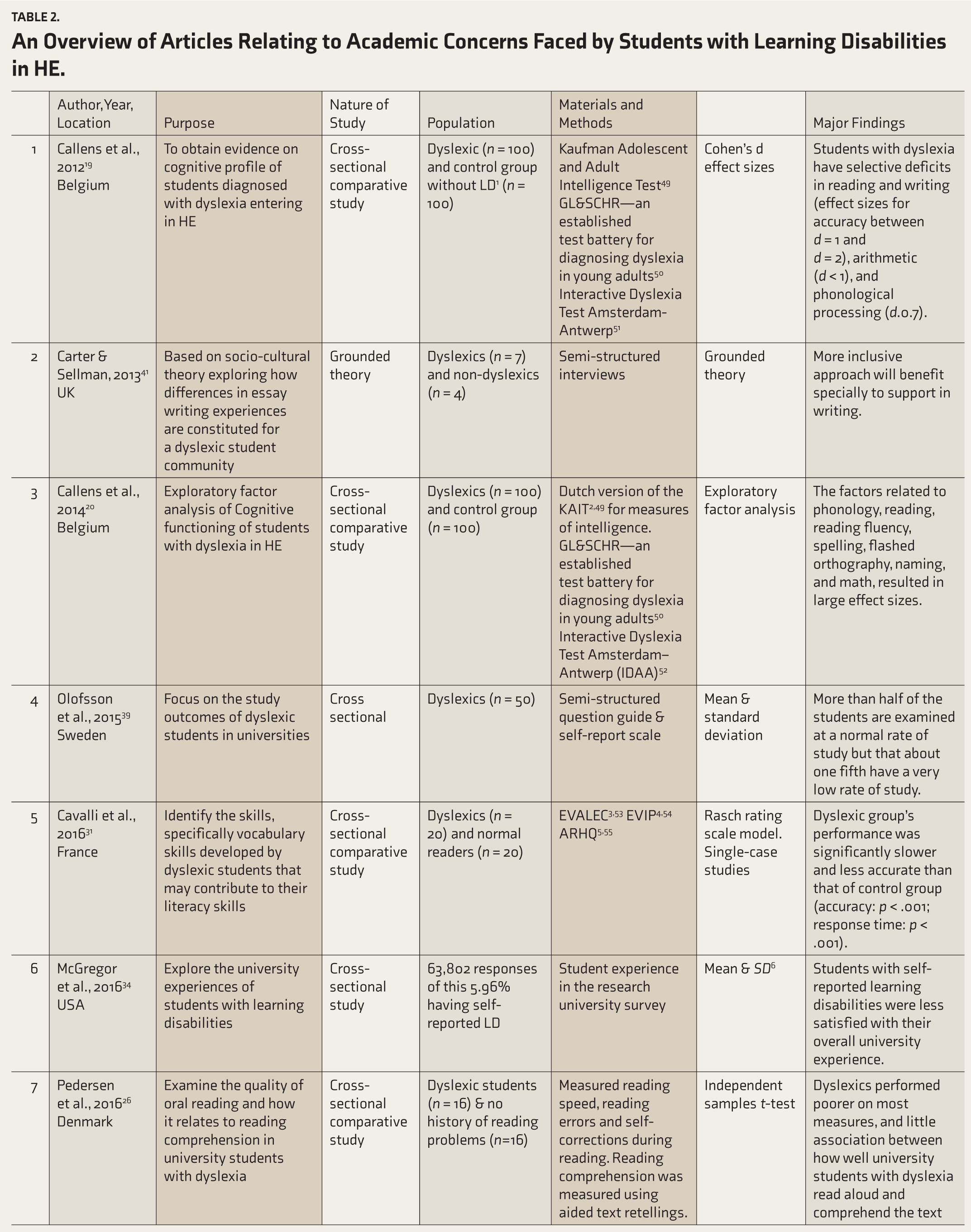
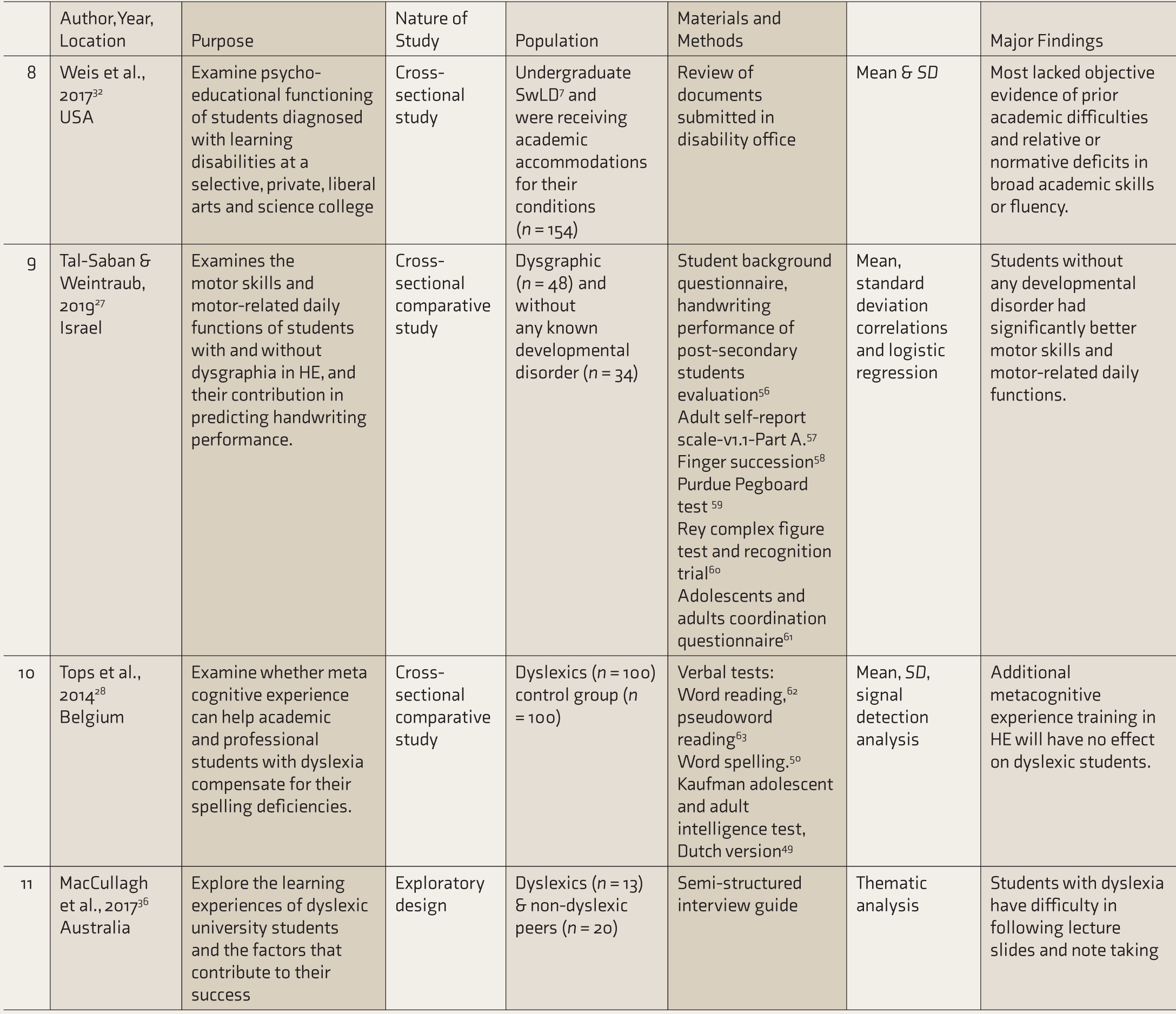
Eleven studies reported major academic concerns faced by SwLD (Table 2).19, 20, 26–28, 31, 32, 34, 36, 39, 41 The concerns 32 included selective deficits in writing,19, 27, 41 reading, arithmetic, and phonological processing 19 and problems in spelling, rapid naming, mental calculations, orthographical skills, comprehension, the meaning of words, reading a foreign language, written word recognition, and impairment in accuracy, speed, and efficiency.20, 26, 31 Except for spelling, the deficits were larger for speed-related than accuracy-related assessments. 19 SwLD needed help with assignments, taking notes, following lecture slides, reading text online, and using learning technologies and had more obstacles caused by the non-academic responsibilities.34, 36, 39 One of the studies compared the metacognitive competence between students with and without dyslexia. 28 They employed a word spelling task, a proofreading task, and signal detection analysis for this purpose. 28 Despite the fact that students with dyslexia made more errors in these tasks, there was no significant difference in terms of metacognitive competence between those with and without dyslexia. 28 This suggests that they are aware of the errors. 28
An Overview of Articles Relating to Academic Concerns Faced by Students with Learning Disabilities in HE.
Psychosocial Experiences
Eleven studies reported on the psychosocial experiences of SwLD in HE (Table 3).13, 21–25, 35, 36, 38, 42, 43 Of these, one explored the perceived academic self-efficacy and predictors of psychological well-being of university students in Italy and reported a positive psychosocial experience; for example, SwLD did not report significantly lower levels of self-efficacy compared to students without learning disabilities. 23 However, other studies reported negative psychosocial outcomes. The learning challenges affected learning-disabled students’ quality of life regarding stress, anxiety, self-esteem, time available for other activities, personal relationships, financial pressures,22, 38 and performance in academic programs. 25 Similarly, studies reported that they face significantly higher levels of worrying and denial, 22 poor academic self-concepts, and lower global self-worth compared to students without learning disabilities. 21 Furthermore, a systematic review reported that to avoid embarrassment or stigmatisation, SwLD in HE preferred to give up the opportunity to receive support and did not disclose their dyslexic identity. 13 A qualitative study with discourse-based design and narrative synthesis reported that students with dyslexia identified themselves as stupid, which was persistent for most students. 42
An Overview of Articles Relating to Psycho-social Experiences of Students with Learning Disabilities in HE.
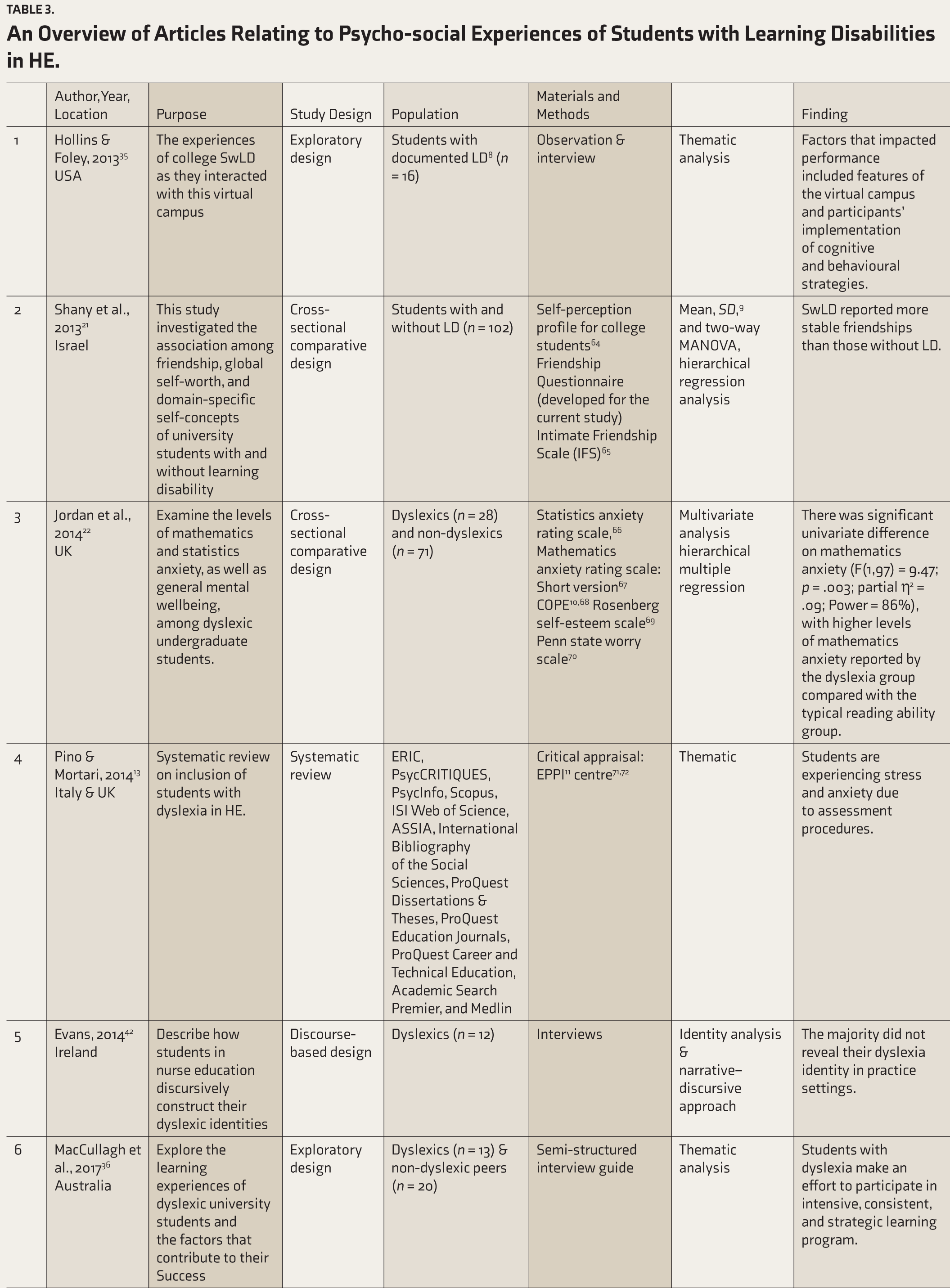
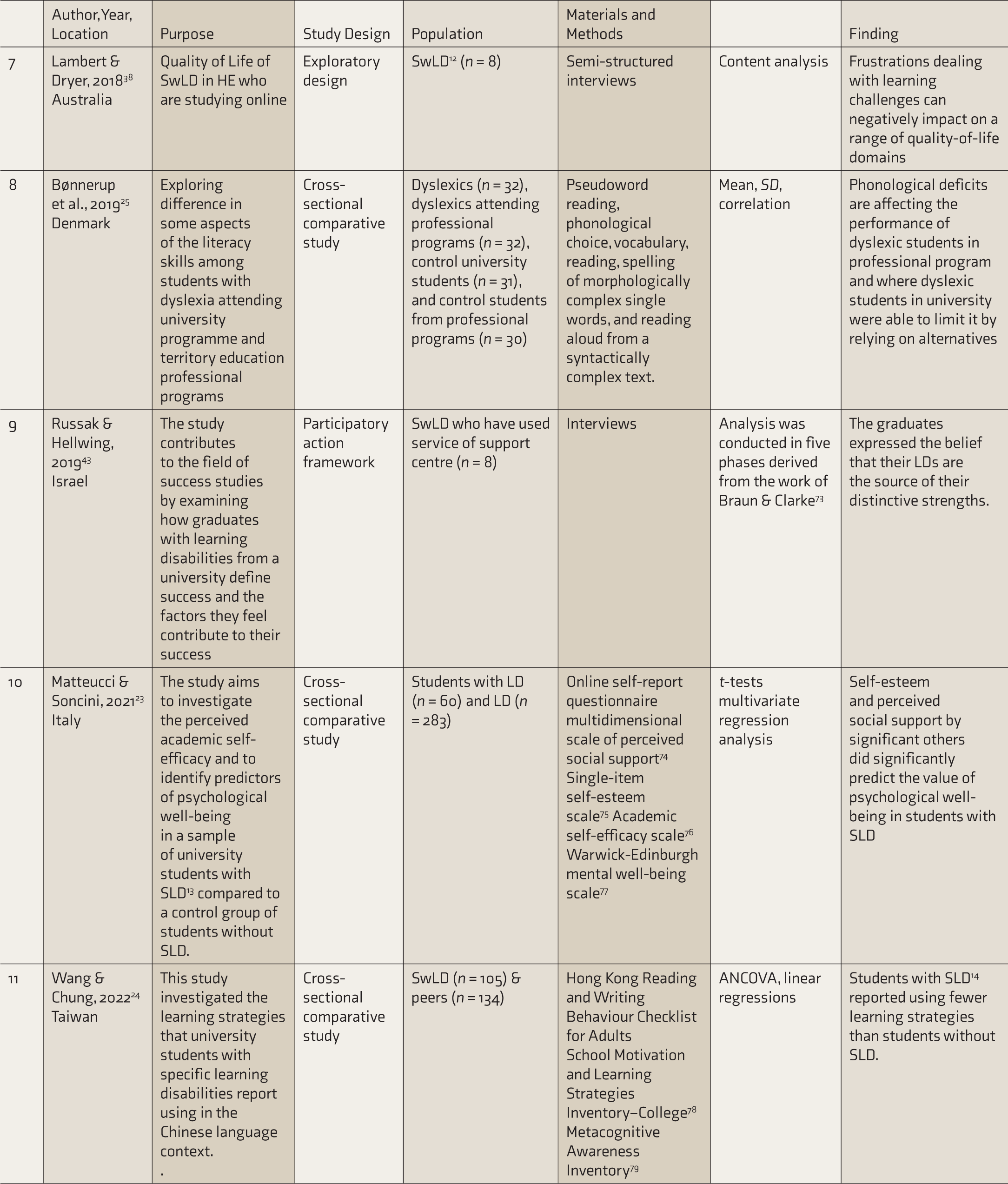
Under the psychosocial experiences theme, six studies reported the coping strategies SwLD used.13, 22, 24, 35, 36, 43 Students with dyslexia planned to seek instrumental and emotional support, use positive reinterpretation and suppress competing activities, 22 read selectively and strategically, and find videos online for their learning. 36 Similarly, a systematic review reported that they overcome their difficulties using study skills (e.g., identifying key points, underlining sentences, accessing materials in multiple formats, and using visual and oral techniques), compensatory strategies (e.g., collecting lecture notes, recording lectures, and downloading materials before the class), help from family and friends (e.g., in revising, editing, and writing), and meta-cognitive (e.g., self-organisation skills like time planning and essay plan diagrams) and meta affective (e.g., reducing distractions and creating comfort zone) skills. 13
Another study found that SwLDs use cognitive and behavioural strategies to overcome their challenges on the virtual campus. 35 One study examined the definition of success and the factors that promoted it among graduates with learning disabilities and reported the following factors: (a) setting goals and objectives, (b) persistence, (c) self-belief, (d) perceiving their learning disability as a driving force, (e) feeling driven, (f) proving to others, (g) using organisation strategies, (h) adjusting with the environment, and (i) networking. 43 However, SwLD employed fewer learning strategies than other students.22, 24
Support Systems and Accommodations
Nine studies highlighted the significant role of support systems and accommodations provided for SwLD (Table 4).13, 28–30, 32-34,37,40 A study to assess educational support requirements and affordances reported that postgraduate students, in comparison to undergraduate students, need more writing assistance. 37 Similarly, a study that examined the adequacy of entrance criteria to academic studies for SwLD in college reported that support services increase their chances of success in studies. 30 In another study, SwLD who got support from institutions reported lower procrastination levels than those who did not. 29
An Overview of Articles Relating to Support Systems and Accommodations for Students with Learning Disabilities in HE.
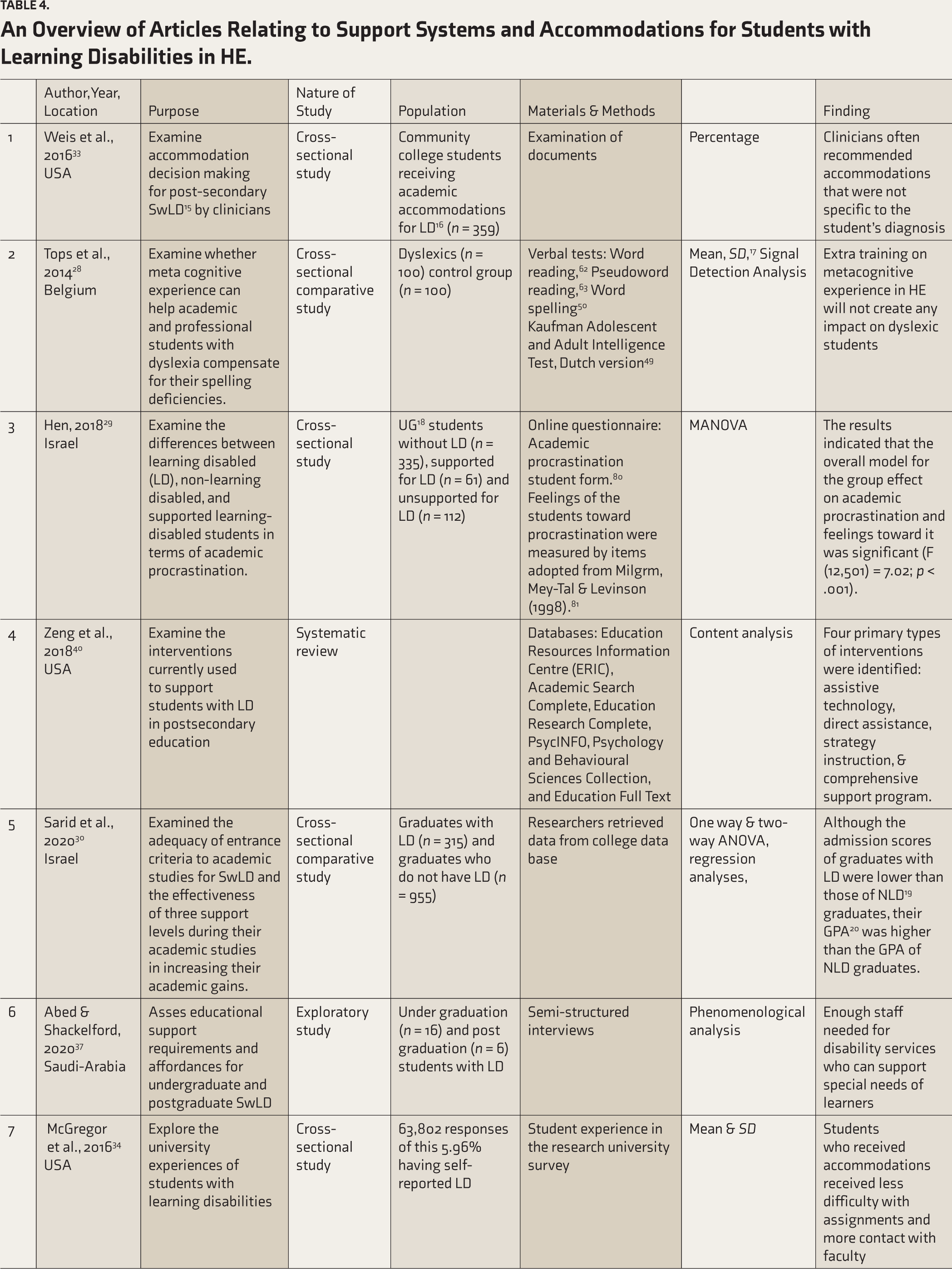
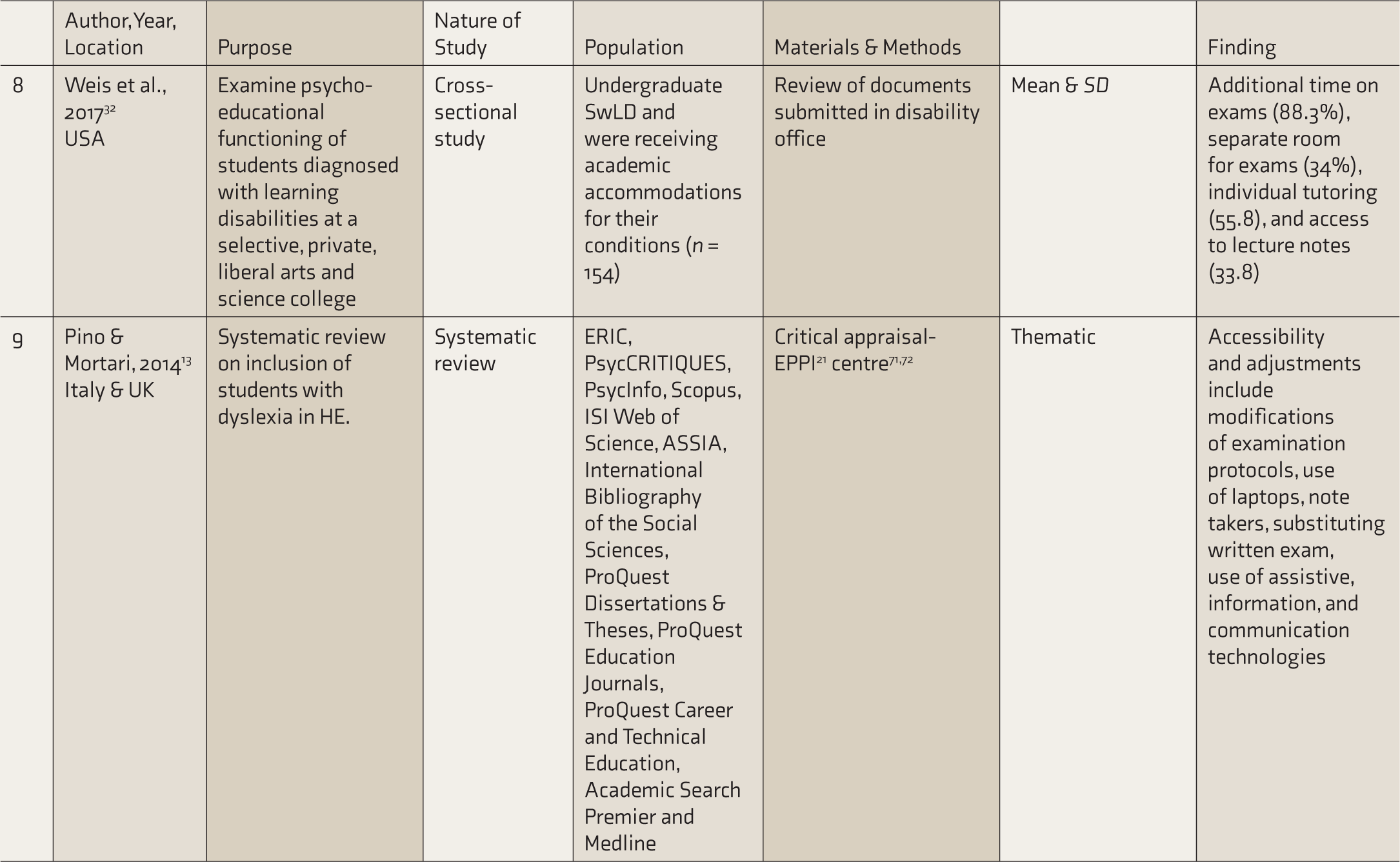
Another study stated that students with accommodations provided by the institutions reported less difficulty with assignments and more contact with faculty. 34 Furthermore, review studies reported on interventions and accommodations for SwLD in HE, such as (a) assistive technology (e.g., speech synthesis systems and voice recognition software), (b) direct assistance (e.g., trained peer tutor, intervention specialist, and individual tutoring), (c) teaching learning strategies (e.g., strategic content learning instruction, paired associates learning strategy, text-structure strategies, test-taking strategy, and structured writing strategy), and (d) comprehensive support program (e.g., individual, group, and multiple types of interventions based on needs).13, 40 Additionally, one of the studies explored what academic accommodations the clinicians recommend for SwLD when they get referrals and this study also assessed whether those recommendations were supported by the students’ data. 33 The clinicians recommended the following accommodations in HE for postsecondary SwLD: (a) additional time on exams, (b) allowing to use technology during exams, (c) modified and shortened assignments, (d) reader for students with reading difficulties, (e) curriculum waivers, (f) individual tutoring, and (g) access to lecture notes. 33 However, the students’ data did not support the clinician’s recommendations, because the findings indicate that clinicians often recommend accommodations to college students without evidence supporting their provision, which means that their recommendations correspond very little to the students’ learning disabilities and contexts. 33
Quality Appraisal Results
This review utilised the JBI critical appraisal checklist for cross-sectional quantitative studies, qualitative studies, and reviews. The appraisal revealed that, except for one study, 34 all 16 cross-sectional or cross-sectional comparative studies, exhibited a low risk of bias. These studies have received a six score out of eight. This is because all those studies did not report identification and strategies to control confounders, as they were unclearly reported.
In relation to the qualitative studies, over half of them did not clearly report obtaining ethical approval. However, their scores on a 10-point checklist ranged from 7 to 10 indicating a low risk of bias. As for the reviews, one review did not report 4 out of 11 checklist items indicating a moderate risk of bias. 40 On the other hand, another systematic review reported ten out of eleven on the checklist suggesting a very low risk of bias 13 (Refer to supplementary files 2, 3, and 4 for further details).
Discussion
To the best of our knowledge, this is the first scoping review to report the experiences of SwLD in HE. The review included 26 articles, and the consistent finding was that SwLDs experience several challenges while pursuing higher studies.
This review categorises the findings of the included studies into three broad themes: academic concerns, psychosocial experiences, support systems, and accommodations. The findings of this review give valuable insights into the academic concerns experienced by SwLD in HE.19, 20, 26, 27, 31, 32, 34, 39, 41 These difficulties affect their academic success.44, 45 So, to improve their academic performance, different types of interventions are needed, which can be provided either individually or in a group format. One study suggested teaching them strategies to learn, write, and take tests. 40
Additionally, this review’s results reveal that SwLD has a higher risk for psychosocial problems.13, 19–23, 25-27,31,32,34,38,39,41,42 Teachers and administrators should be sensitive to these problems. These findings are consistent with previously published studies conducted before this review’s time frame. They reported negative psychosocial experiences such as anxiety, 46 fear of invoking stigma, 47 and stress. 48 A few studies found that SwLD could manage their difficulties using positive coping strategies, although they experience academic and psychosocial issues.22, 24, 35, 36, 43 One study recommended positive reframing and thought challenging with individualised support, to improve the psychosocial experiences among SwLD. 22 However, there is a need to explore the effectiveness of these strategies in low-resource countries with more research.
Our findings justify the need for support systems for SwLD in HE besides their practical implications.28–30, 33, 37, 40 They also underline the importance of reducing the learning barriers by providing accommodations and multifaceted or comprehensive support programs. Additionally, the findings indicate that accommodations and support systems were associated with positive outcomes.29, 30, 34 Therefore, future research should focus on the effectiveness of possible accommodations in HE. Similarly, professionals and peers can be trained to provide emotional and academic support to help SwLD overcome their challenges.
Furthermore, most of the reviewed studies compared the experiences of SwLD with their non-learning-disabled peers.19–31, 36, 41 Several of these studies reported that SwLD (a) have difficulties in reading, writing, phonological processing, spelling, written word recognition, and handwriting, (b) are less satisfied, and (c) face lower academic self-concept and greater levels of worry, denial, frustration, and procrastination in comparison to students without any disabilities.19, 21, 22, 24–27, 29, 31, 34, 36, 41
Seven of the included studies were qualitative, and they reported on the experiences in essay writing 41 and virtual campus, 35 discourses on dyslexic identity, 42 learning practices, 36 support requirements, 37 quality of life, 38 and success factors. 43 However, these studies did not report qualitative rigor35, 41, 43 or ethics approval.35–38, 41-43
The quantitative studies reported on cognitive functioning,19, 20 study outcomes, 39 vocabulary skills, 31 university experience, 34 reading comprehension, 26 motor skills, 27 friendship predictors, 21 levels of mathematics anxiety, 22 literacy skills, 25 academic self-efficacy, 23 learning strategies, 24 meta-cognition, 28 academic procrastination, 29 accommodation decision making32, 33 and effectiveness of support services. 30 Most reported adequate information on the inclusion criteria and study subjects.19–23, 25-33,39 However, a few cross-sectional studies were small in terms of sample size.26, 31, 39 We found a need for more interventions in addressing the issues of SwLD in HE. Hence, there is a need for longitudinal research with large sample sizes and experimental design to fill the gaps in the existing literature.
The findings of some of the reviewed studies cannot be generalised or transferred, as they were conducted in individual institutions or universities.22, 23, 25–27, 29-32,36,38,41,43 Also, the current literature available is predominantly from European countries.19, 20, 22, 23, 25, 26, 28, 31, 39, 41, 42 Therefore, further research should happen in different cultural contexts around the globe.
While this review was carried out in accordance with the established scoping review methodology, it is important to acknowledge several limitations worth noting. The review included only published studies and did not consider grey literature, which may give valuable insights. Additionally, including solely English-language publications may restrict the breadth of knowledge obtained from non-English-speaking countries. Despite these limitations, this scoping review has enabled us to comprehensively examine the breadth of the literature, identify the knowledge gaps, and enhance our understanding of the experiences of SwLD in HE.
In conclusion, the review found that SwLDs have diverse experiences in HE. These include academic difficulties such as those in reading, writing, spelling, and phonological processing. They also experience psychosocial consequences such as stress, anxiety, and stigma while seeking help. Despite these, they could overcome their challenges using positive coping mechanisms. This review stresses the importance of support systems in the life of SwLD and emphasises the necessity for a more inclusive approach in HE institutions. Our findings suggest a need for more studies from the global south where there is high cultural diversity and highlight the need to formulate policies for including SwLD in mainstream education. Also, developing intervention research and testing them for their effectiveness with rigorous methods is the need of the hour.
Supplemental Material
Supplemental material for this editorial is available online.
Supplemental Material
Supplemental material for this editorial is available online.
Supplemental Material
Supplemental material for this editorial is available online.
Supplemental Material
Supplemental material for this editorial is available online.
Supplemental Material
Supplemental material for this editorial is available online.
Supplemental Material
Supplemental material for this editorial is available online.
Footnotes
Acknowledgements
This work is partially supported by the Indian Council of Social Science Research (ICSSR)-Short Term Fellowship-(RFD/Short-Term/2022-23/GEN/SW/19) to AK. We thank the Department of Sociology and Social Work, CHRIST (Deemed to be University) for their support during this review.
Author Contributions
Both authors participated in conceptualisation, study design, development of search terms, and literature search in the databases. The first author conducted the primary screening and selected the relevant articles. The second author verified the selected articles against the total number of titles and abstracts. The first author reviewed the articles, extracted the data, and assessed the quality. The second author reviewed the information extracted from the articles and evaluated the quality assessment conducted by the first author. The first author prepared the initial draft of the manuscript, and the second author provided critical comments and edits. Both authors approved the final manuscript.
Declaration of Conflicting Interests
The authors declared no potential conflicts of interest with respect to the research, authorship, and/or publication of this article.
Funding
The authors received no financial support for the research, authorship, and/or publication of this article.
References
Supplementary Material
Please find the following supplemental material available below.
For Open Access articles published under a Creative Commons License, all supplemental material carries the same license as the article it is associated with.
For non-Open Access articles published, all supplemental material carries a non-exclusive license, and permission requests for re-use of supplemental material or any part of supplemental material shall be sent directly to the copyright owner as specified in the copyright notice associated with the article.
