





Abstract
Introduction and Objective:
Robot-assisted laparoscopic partial nephrectomy (RALPN) offers benefits over traditional LPN with decreased warm ischemia times, blood loss, and operative times. 1,2 However, it can be a challenging operation with potential for bleeding, positive surgical margins, prolonged ischemia times, and urine leak. We selected four operative videos to illustrate specific problems resulting in significant bleeding and steps to overcome them during surgery.
Methods:
We combined examples of four separate intraoperative complications arising during RALPN into a video presentation to show both how the complications arose and what measures were taken to effectively respond and manage each of them safely and quickly.
Results:
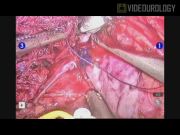
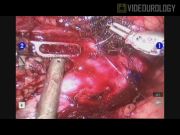
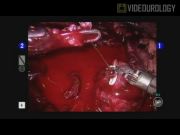
Excessive back bleeding on tumor excision, injury to the renal vein, excessive bleeding from a missed second renal artery, and injury to the inferior vena cava (IVC) are presented in this video. The back bleeding tumor was managed by placing a bulldog clamp on the renal vein, which allowed for adequate hemostasis for the remainder of the procedure. The renal vein injury was repaired robotically with 4-0 polyglactin suture with a LapraTy clip at its end. The bleeding from a missed second renal artery was initially attempted to be controlled with a bulldog clamp on the artery, but this failed to completely arrest the bleeding. Quickly finishing the excision and placing the deep layer of suture achieved hemostasis. The IVC repair was repaired robotically with a 4-0 polyglactin suture with LapraTy clip at its end. Additional bedside assistance was needed: a second patient side assistant scrubbed in, and direct control of the bleeding was achieved above and below the injury with two suction irrigators applying direct pressure while suturing was completed.
Conclusions:
RALPN is rapidly becoming the preferred modality in nephron sparing surgery (NSS) for small renal masses. Different circumstances can result in significant intraoperative hemorrhage. Being aware of the troubleshooting options for management is a key factor in quick diagnosis, reaction to the problem, and effective communication with the team in coordinating the response.
Runtime of video: 6 mins 48 secs
Keywords
Get full access to this article
View all access options for this article.