




Abstract
BACKGROUND:
The circadian rhythm (CR) is a 24-hour cyclic period that influences a wide array of physiological systems and performance sports. However, its specific effect on drop jump (DJ) scores have not been studied.
OBJECTIVE:
To investigate the effect of circadian rhythm on DJ performances.
METHODS:
Thirty-three healthy university students (men,
RESULTS:
The ODH values were similar between testing sessions for both genders (
CONCLUSION:
In men, the optimal time of day for DJ explosive training is the evening. Women may benefit from this type of training both during morning and evening sessions.
Keywords
Introduction
A stretch-shortening cycle (SSC) is described as a combination of muscle lengthening (eccentric) immediately followed by a shortening (concentric) contraction [1]. One of the common methods for measuring the SSC level is the drop jump (DJ). During a DJ, participants drop from a height and perform an explosive vertical jump following the landing. A short duration of ground contact time (GCT) and a higher jump performance is expected to determine the SSC level. This determination is carried out with the reactive strength index (RSI) [2] (flight time/contact time), which is an indicator of the optimal drop height (ODH) [3].
The monitoring of athletic performance has gained importance for practitioners, especially to prevent injuries among athletes [4, 5, 6]. The other purpose of such monitoring is to determine the optimal load of training for each athlete to reach higher performance [6]. The main goal of the present study was to determine the best monitoring time of day for SSC by using the DJ test. Many other athletic performance markers, such as anaerobic power or aerobic performances, are influenced by the time of day at testing, as described below.
The circadian rhythm (CR) is a 24-hour cyclic period that influences a wide array of physiological systems [7]. CR can be explained by several mechanisms such as environmental and internal changes in the biological clock. CR is also important in performance sports. It is stated that coaches should take into account the influence of the time of day and chronotype effects while planning training sessions [8]. Studies have taken different approaches to investigating how CR influences athletic performance [9]. The effect of diurnal variations on physical performance in various aerobic and anaerobic activities have been studied for some time. For example, in a study by Ryan et al. [10], it was stated that significant differences were seen in distances covered and high-speed running distances during Australian rules football matches. Another example is a study on anaerobic performance, which was investigated by using the 30 s Wingate test. The researchers stated that an acrophase was seen at 17:00–18:00 hours for Pmax and Ppeak [11]. These findings were similar to those of other researchers who used the 15s or 30 s Wingate test to study short-time anaerobic performance [9].
Limited studies have investigated the effect of CR on vertical jump performances [12, 13, 14]. One such study was performed by Lopez-Samanes et al. [15], who investigated the effect of CR on tennis performance. In that study, significant increases were obtained in countermovement jumps (CMJs) in the afternoon compared to morning. Studies showed that the peak power of CMJs is significantly affected by CR when compared with squat jumps [7]. In the study of Heischmann et al. [16], it was recommended to avoid morning training sessions for collegiate basketball players. That study supported the other studies above, investigating CMJs and power output during the cycle of a day whereby jump height (JH) and power outputs were low in the morning.
To our knowledge, studies to date have only investigated the effect of CR on the CMJ, which is an important test using the SSC, while the DJ and related parameters such as ODH, RSI [2], and GCT are becoming more important indicators of the SSC [17, 18, 19]. The RSI [2] is especially useful to determine the ODH [17, 20]. It has been stated that training using the ODH increases the efficiency of SSC, which affects athletic performance in various sports [17, 20]. However, no study has investigated the effects of CR on DJ parameters yet. Therefore, the purpose of this study was to investigate the effect of CR, in terms of morning vs. evening training sessions on various DJ-associated parameters.
Methods
Subjects
A total of 33 healthy university students (men,
Description of participants
Description of participants
Physiological parameters of participants
BTe
To determine the effect of CR on the DJ and its parameters, we used a cross-over design with two test sessions: before 10:00 as the morning session and after 15:00 as the evening session. Subjects were randomly assigned to either morning or evening sessions. Subjects performed DJs from drop heights between 20 cm and the height where RSI scores began to decrease, which is called the ODH. The DJ parameters of GCT, JH, and RSI were recorded for DJs at ODH. Resting heart rates and oral body temperatures were measured before each testing session.
Procedure
Subjects were randomly invited for two testing sessions during different time periods of the day. The morning session ended at 10:00 at the latest and the evening session did not start until 15:00. The resting period between sessions was at least one day. The procedure was explained and subjects were familiarized with the DJ protocol before the study.
Anthropometric measurements
Heights were measured by using a standard stadiometer (Holtain, UK). Measurements were taken from the floor to the top of the head while the subject was in the Frankfort plane. The participant’s head, shoulders, back, and buttocks were in contact with the stadiometer. Subjects stood shod during the measurements. Body mass was measured using an integrated digital platform scale with body composition analyzer (Tanita TBF-401A, USA). Body mass measurements were performed in both sessions.
Heart rate and temperature
Subjects were expected to be rested before each session. Therefore, they rested for 20 minutes in a sitting position. Resting heart rates were recorded at the end of the resting period. Heart rates were recorded using a heart rate monitor (POLAR S810, USA), while body temperatures were recorded orally using an OMRON MC-246 digital thermometer in the last five minutes of the resting period.
Drop jump test
The DJs were performed from jump boxes with heights between 20 and 60 cm. During these tests, subjects began by dropping from a box 20 cm in height. Heights were increased by 10 cm to 30 cm, and then each following jump height was increased by 5 cm. During DJs, subjects were instructed to step off the box, not jump off, and land with both legs on the jump platform without using their arms. They were also instructed to jump powerfully with the shortest contact time on the mat, without raising their legs, knees, or buttocks. Subjects jumped with a one-minute rest between each jump until the decrease of the RSI score. The JHs (cm), RSI scores (mm/ms), and GCTs (ms) scores were recorded using Smart Jump (Fusion, Australia).
Statistical analyses
The descriptive statistics of variations are shown in Table 1, including the means, standard deviations, minimums, and maximums of participants’ ages, weights, and heights and the heart rates and body temperatures for both testing sessions. The normal distribution was tested for all parameters using the Kolmogorov-Smirnov test (
Results
Only 31.3% of the participants (men: 23.5%; women: 37.5%) were training regularly (at least four days a week) in various sport disciplines (60% volleyball, 20% football, 10% general fitness, 10% Taekwondo). The other participants were not actively participating in any sports, although they had long histories of involvement. Training ages are shown in Table 1 with other descriptive variables including age and height for both genders. The comparison of physiological parameters in both testing sessions for both genders is shown in Table 2. For women, the resting body temperature in the evening session was significantly higher than in the morning session (
The differences of optimal drop height (ODH) between morning and evening sessions in both genders.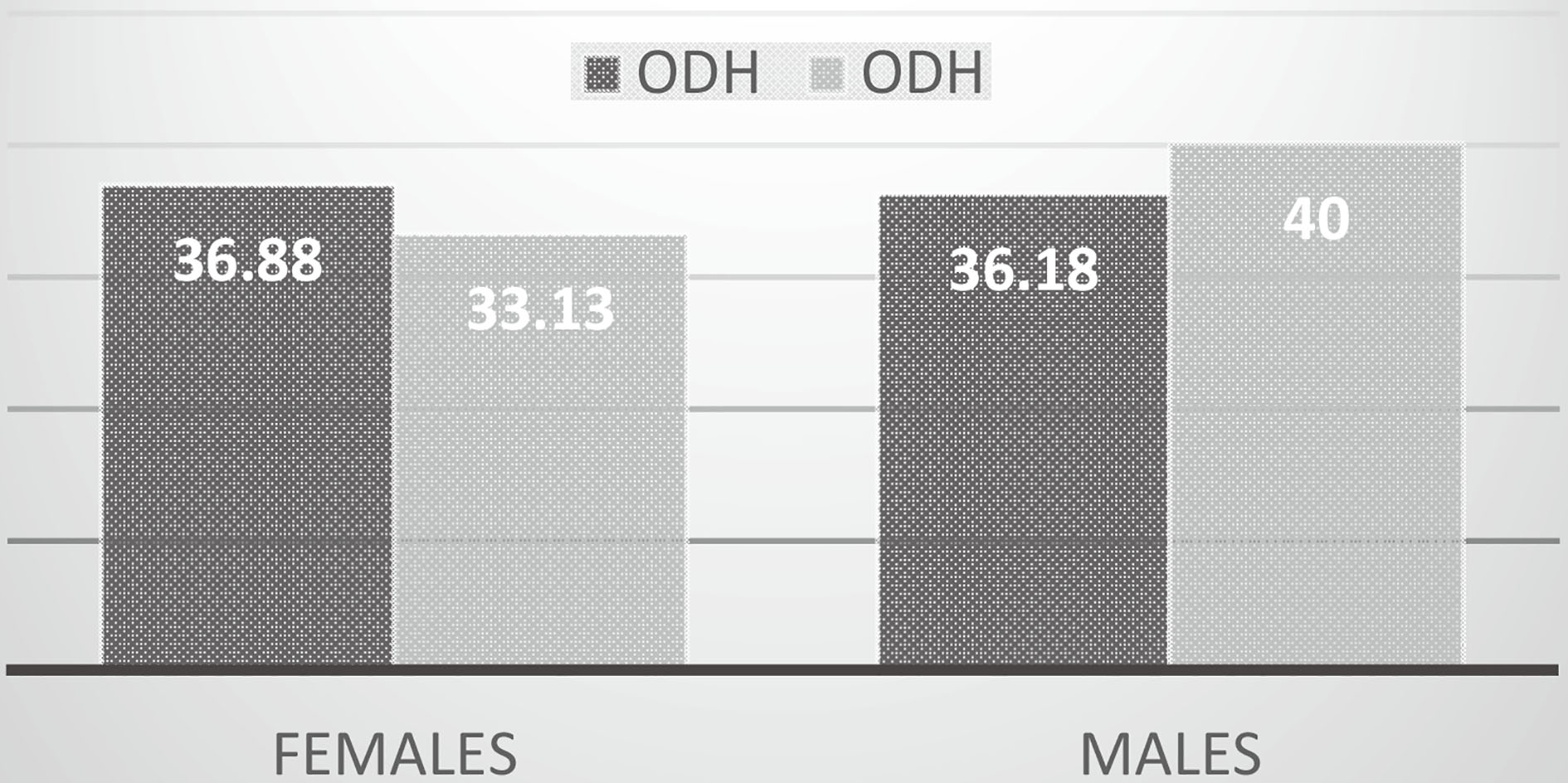
The differences of Jump heights (cm) between morning and evening sessions in both genders. 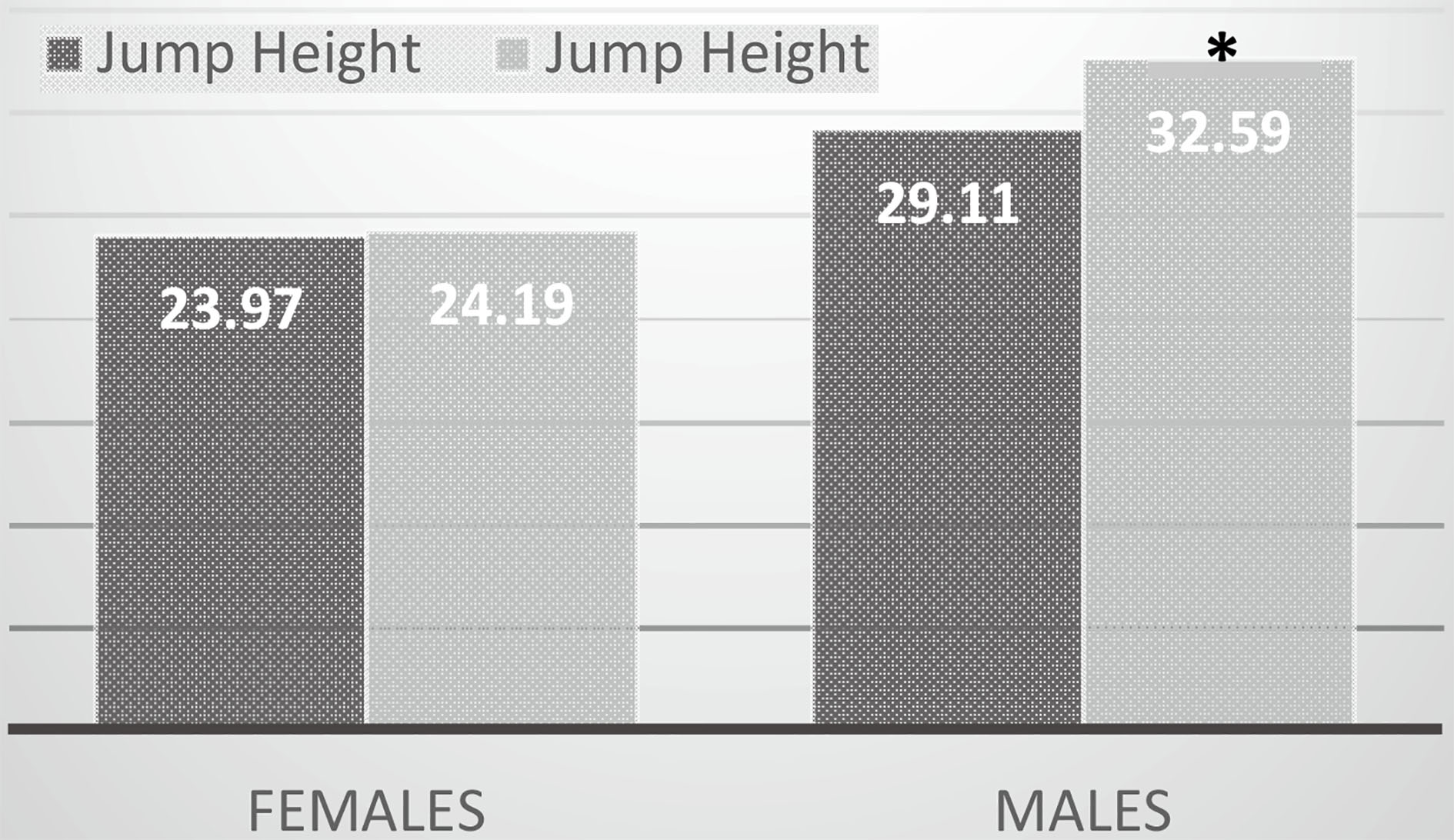
The changes of DJ parameters between the two sessions are shown in Figs 1–4. In Fig. 1, ODH differences are shown for both genders. According to our findings, ODH values increased in men; however, a decrease was seen women in the evening session (women: T
The differences of RSI between morning and evening sessions in both genders. 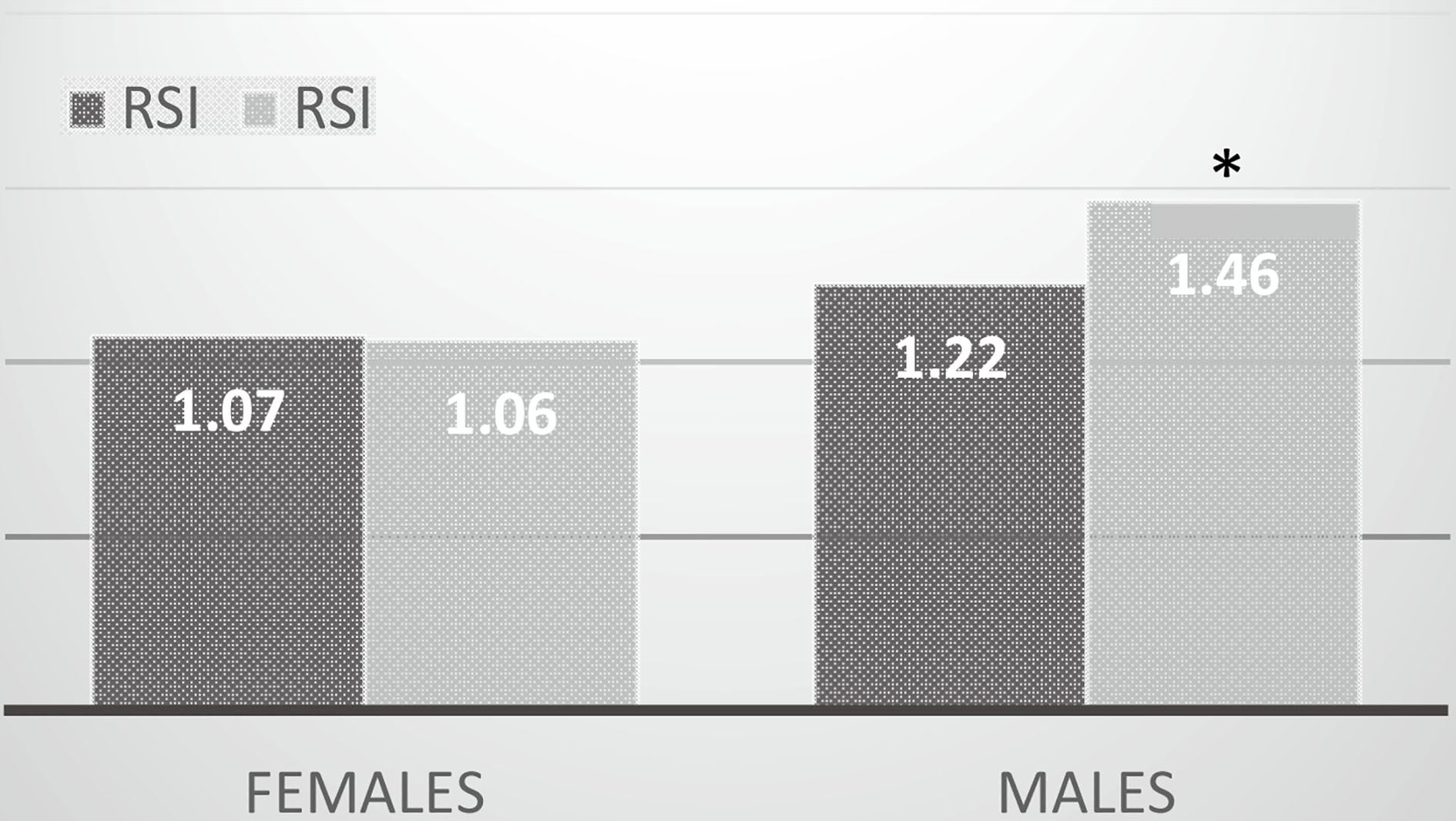
The differences of ground contact time (GCT) between morning and evening sessions in both genders. 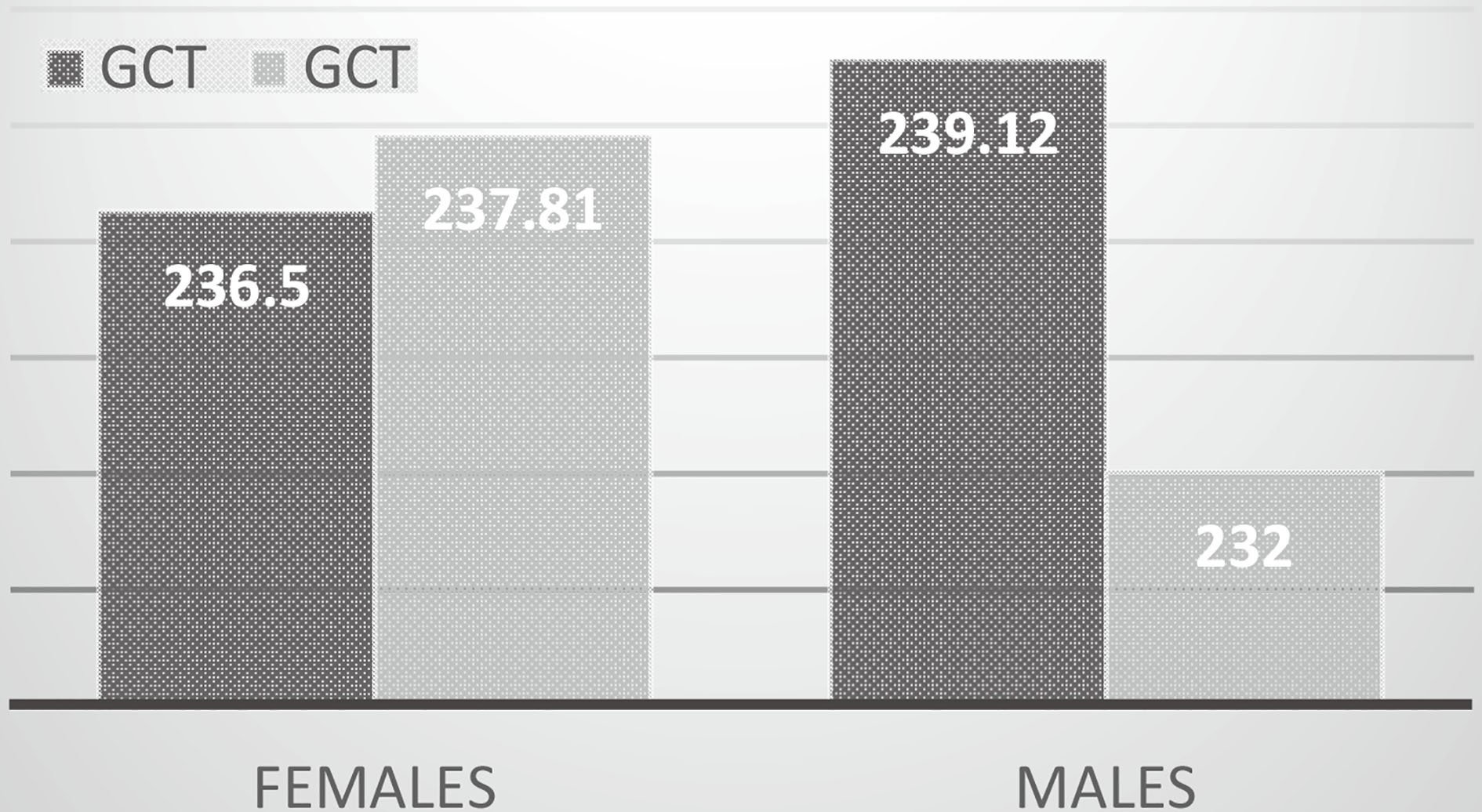
The primary question of this study related to possible diurnal differences in the DJ and its parameters between morning and evening sessions and between genders. The main finding of this study was the significant differences in DJ parameters in men between the testing sessions, which was not seen in women. This finding confirms our hypothesis, but only in men. Despite the significance, all parameters in this study were affected by CR. In particular, JHs increased in the evening session for both genders. This increase might be related to the increase in body temperature, which was significantly higher in the evening session in both genders (women:
It is well known that environmental and seasonal temperatures affect the body temperature [25]. However, the effect of environmental temperature on neuromuscular indicators like vertical jumps or sprinting is related to the duration of exercise. In the study of Dotan and Bar-Or [26], no effects of climate were seen on rectal temperature or Wingate anaerobic test performance. In the study of Racinais et al. [27], it was observed that skeletal muscle contractility was enhanced with time of day in a neutral climate (20.5
The other main finding of our study was the significant difference of JH and RSI in men in the evening session compared to the morning session (
Similar results for the CMJ were found by Taylor et al. [13]. In that study, it was suggested that monitoring CMJ performance would be more useful in the evening. Despite those results, Bernard et al. [14] found higher JHs from a multi-jump test in the afternoon than in the evening. The evening JHs were also higher than those in the morning, similar to other studies, some of which have been explained above. Di Cagno et al. [30] used a hopping test (flight time and GCT) and DJ (flight time) to interpret reactive strength. In only the hopping tests, flight times were significantly higher in the afternoon in both female gymnasts (ages between 12 and 13 years) and the control group.
To our knowledge, our study is the first to investigate the effect of CR on RSI and ODH in DJs. One of the interesting findings of our study was the non-significant differences of DJ parameters between testing sessions in women. In a study by Melhim [31], a significant effect of CR was found for peak power and mean power of the Wingate anaerobic test in female students (
Testosterone and cortisol concentrations have similar patterns during the daytime. Both hormones are at their highest levels in the morning. Despite the decrease of testosterone and cortisol throughout the day, it is stated that the ratio of testosterone and cortisol is important in evening resistance training. Evening time could be the best for protein accretion due to an increased testosterone and cortisol ratio and that increase in the testosterone/cortisol ratio is due to the constraining effect of cortisol on testosterone [34], which seems to be less in the evening [7].
Conclusion
Temperature monitoring of RSI in the DJ test is becoming more common to determine the optimal workload in plyometrics. The findings of our study show that there is no optimal monitoring time of day for women athletes. According to these findings, fewomen may train explosive power efficiently by using DJs in both the morning and evening, while evening is the optimal time of day for this objective in men. These findings may be useful for practitioners who are planning to develop and monitor JH, GCT, or RSI by using DJs in their training programs.
Footnotes
Conflict of interest
None to declare.