




Abstract
Background:
Midface rejuvenation procedures have increased in recent times, lower lid blepharoplasty is on a high rise. As the procedures have evolved over recent times, and it has become minimally invasive with hidden scars, with minimal to no complication rates, with high patient satisfaction rates.
Objective:
The study entails to formulate and assess the outcome of the lower lid blepharoplasty procedure done using the BIAS scale.
Methods:
It is a prospective study where the included patients were given the questionnaire 4 weeks before the surgery and 4 weeks after the surgery to assess the transformation through the procedure. A constant procedure was followed for all patients.
Results:
There was a high satisfaction rate experienced by the patients, which boosted their confidence and daily life. The transformation was highly appreciated by the relatives of the patient, and the transition into daily work and social life was extremely smooth.
Conclusions:
The BIAS scale is a well-formulated scale that includes the whole experience of the patient, objectively, from the pre-operative state to the post-operative outcome.
Keywords
Introduction
Blepharoplasty is the most sought-after procedure and the most common surgical procedure performed in 2024, with a whopping increase of 4.3%. Over the past few decades, the lower lid blepharoplasty procedure has evolved to become minimally invasive, with minimal to no complications with superior aesthetic results. In earlier days, and even today, multiple procedures are combined by surgeons to cater to different problems leading to blepharochalasis, baggy eyes, tear trough appearance, with excess or aged skin giving a sunken older appearance to the face.
In the present day, people are becoming more aware of their appearances. The concept of ageing has become sensitive, and people wish to reverse and modify the process. The present scenario, be it related to daily life, employment, family, the life has grown stressful. The job and social circles require you to be relevant and look fresh, youthful and presentable. It has become extremely important to hit the right chord with the optimum results and minimal surgical scars with minimal complications.
Outcomes and success of a surgical procedure are assessed by objective measurements like post-op photographs 1 or by observer-based ratings, such as the Vancouver Scar Scale2, 3 or, like with other measurement scales, the FACE-Q questionnaire.4–7
However, patient-reported outcome measurement, which determines the patient satisfaction rate and8, 9 the quality of life, is necessary for comprehensive assessments.8, 9 We formulated our own BIAS scale (BLEPHAROPLASTY IMPACT ASSESSMENT SCALE), which covers both pre- and post-operative assessment by the patient, assessing the impact it has on a patient’s life and how it has refined their lives.
Materials and Methods
A prospective study was performed on a group of 52 patients at C K Birla Hospital, Gurgaon, undergoing lower lid blepharoplasty with three minimal incisions. All the patients who came with complaints of tear trough deformity, wrinkling under the eye with puffy lower lid, tired-looking eyes requiring lower lid blepharoplasty were included in the study. All the patients were included in the study while adding certain patient-specific procedures, but our protocol for lower blepharoplasty remained the same. Patients with severe comorbidities, psychiatric illnesses and unwilling patients were excluded from the study.
Patients were given the BIAS questionnaire four weeks ahead of the surgery.
After pre-operative evaluation, patients were planned for surgery. Patients were induced under general anaesthesia, and topical anaesthesia was given, a corneal protector applied, and the lower lid retracted with a Desmarres retractor. Three minimal hole incisions were given at about 5 mm below the tarsal plate at the second vascular arcade. We took a retroseptal approach where the capsulopalpebral fascia was cut. On ballottement of the eye, fat pads were ejected. Fat pads were retracted, clamped, and infiltrated with local anaesthesia, and finally amputated with cautery. No sutures were given, and the incisions were left open to allow the egress of fluids. Liposuction of 20-30 ml of fat was done from the abdomen, flanks or thighs of the patient as per their wish. Microfat grafting was done in the SOOF and Deep medial cheek compartments. The patient stayed in the hospital overnight and was discharged the next day.
Another set of questionnaires from the BIAS questionnaire is given after four weeks postoperatively.
The questionnaire was analysed by SPSS software to study the assessment of the impact of lower lid blepharoplasty on patients’ lives, and the observations were tabulated.
Materials
Blepharoplasty Impact Assessment Scale
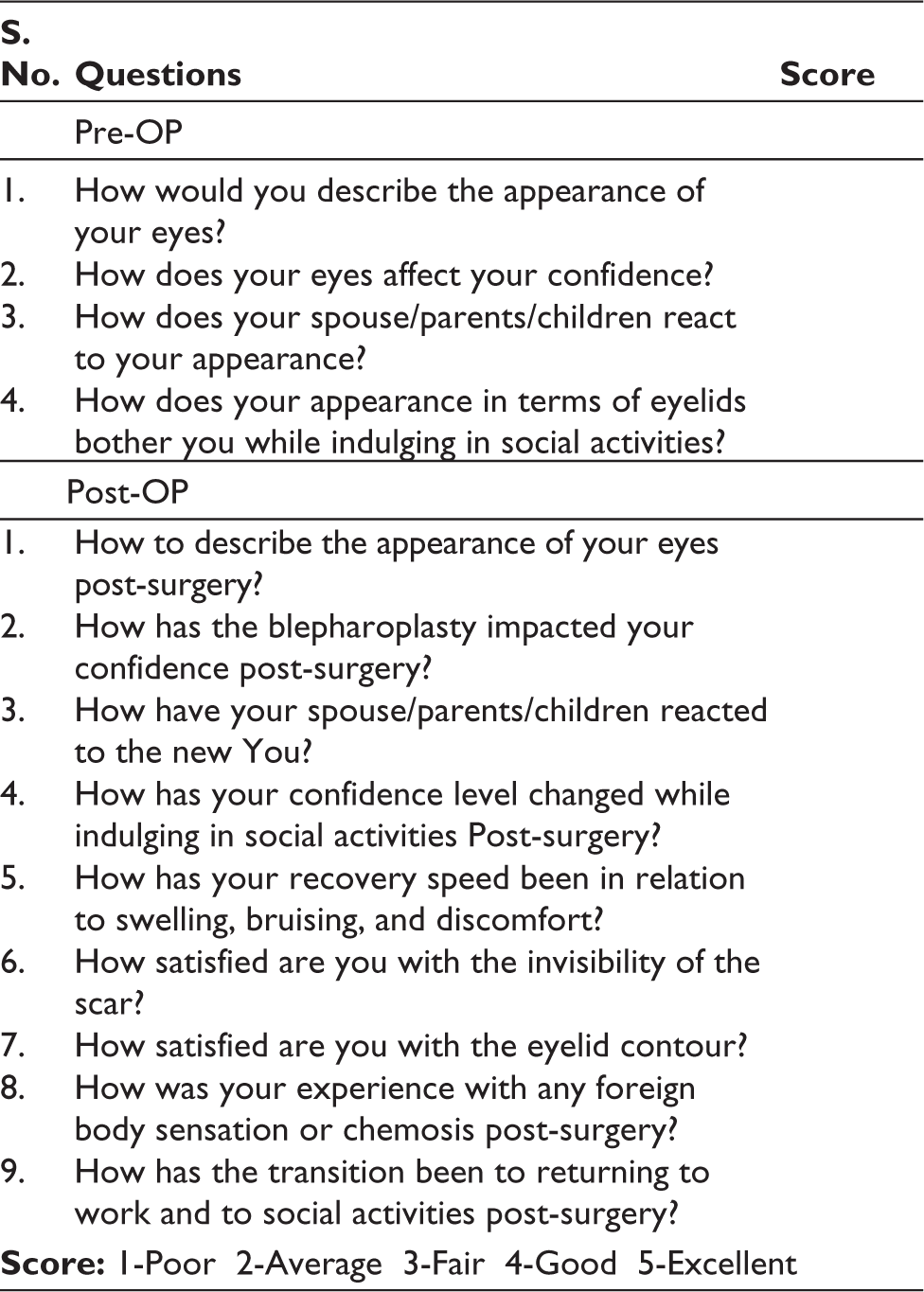
The 13 questions were rated from 1 being poor to 5 being excellent.
Result
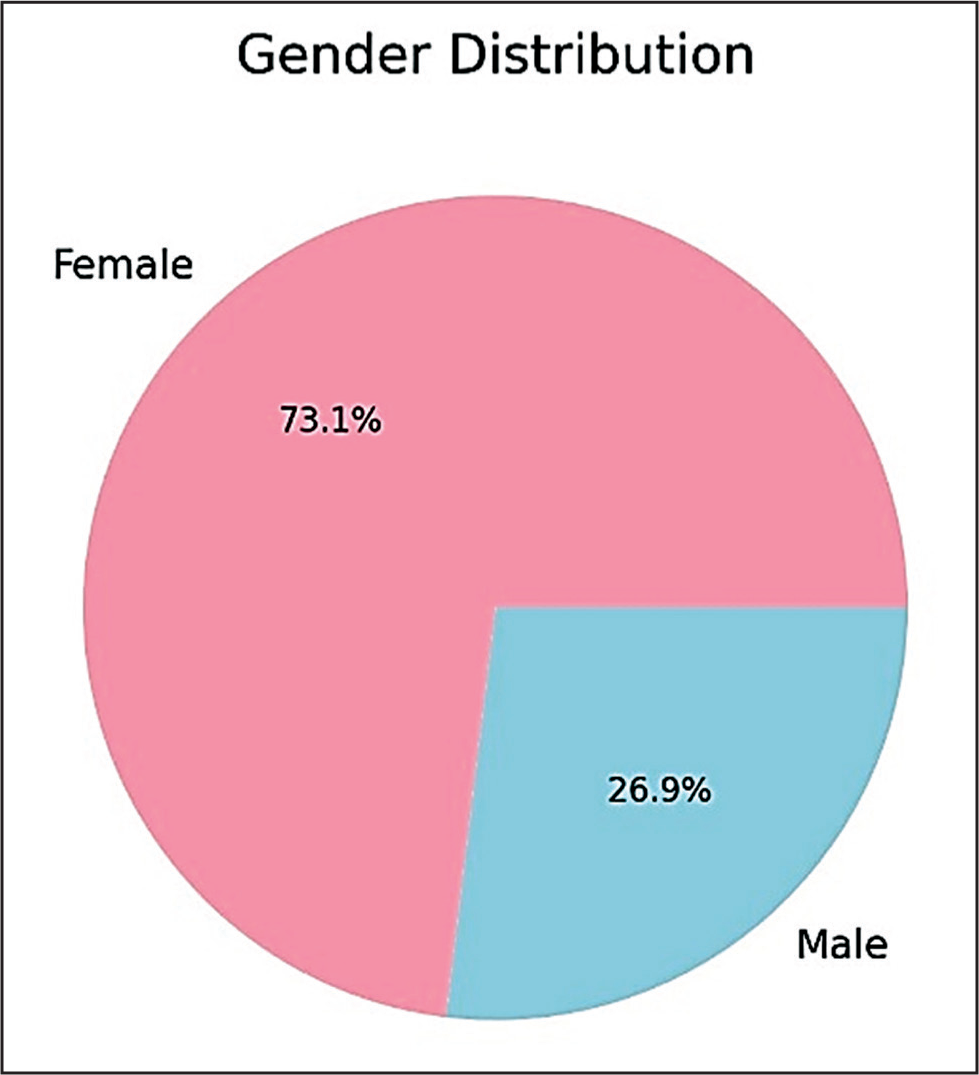
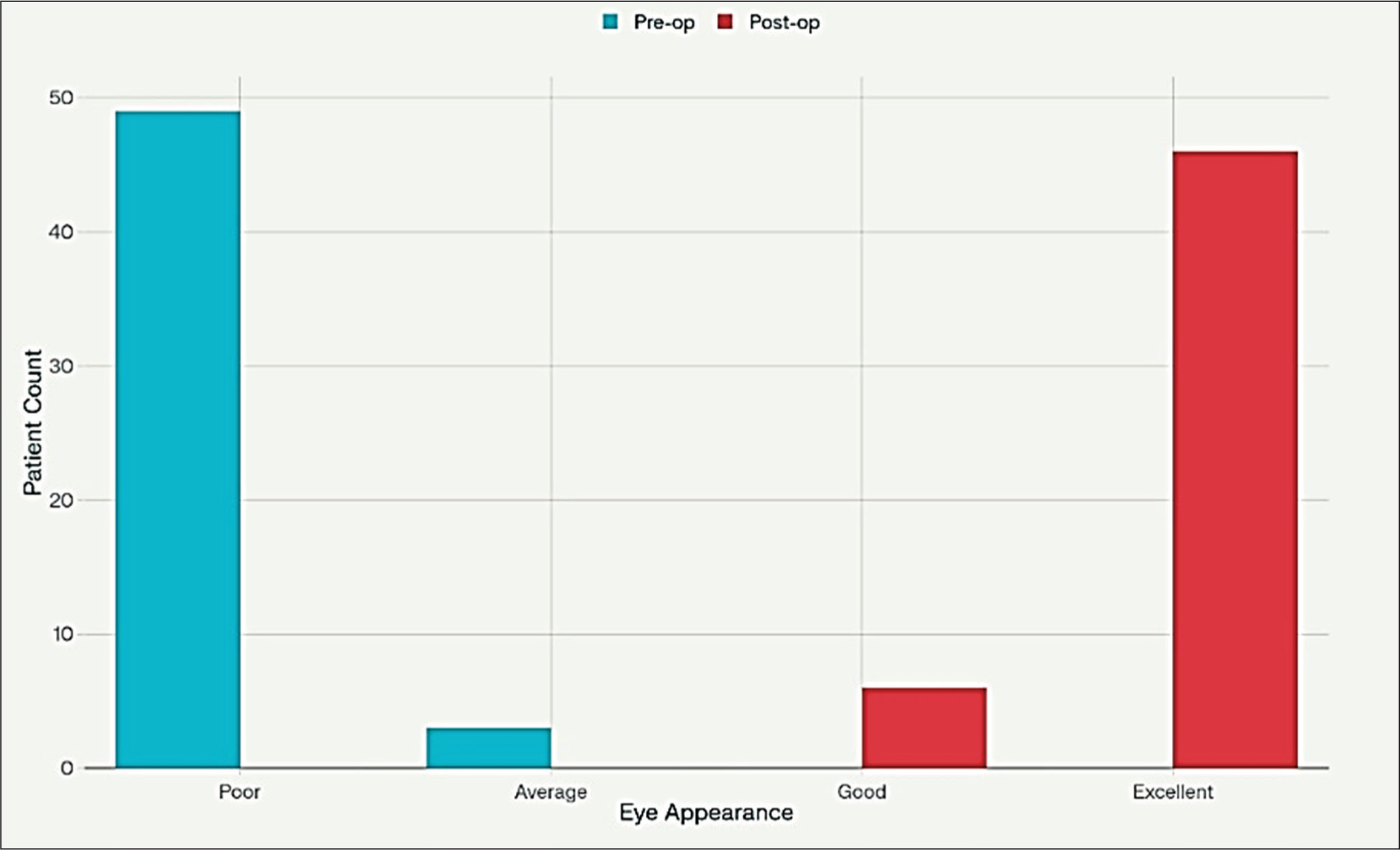
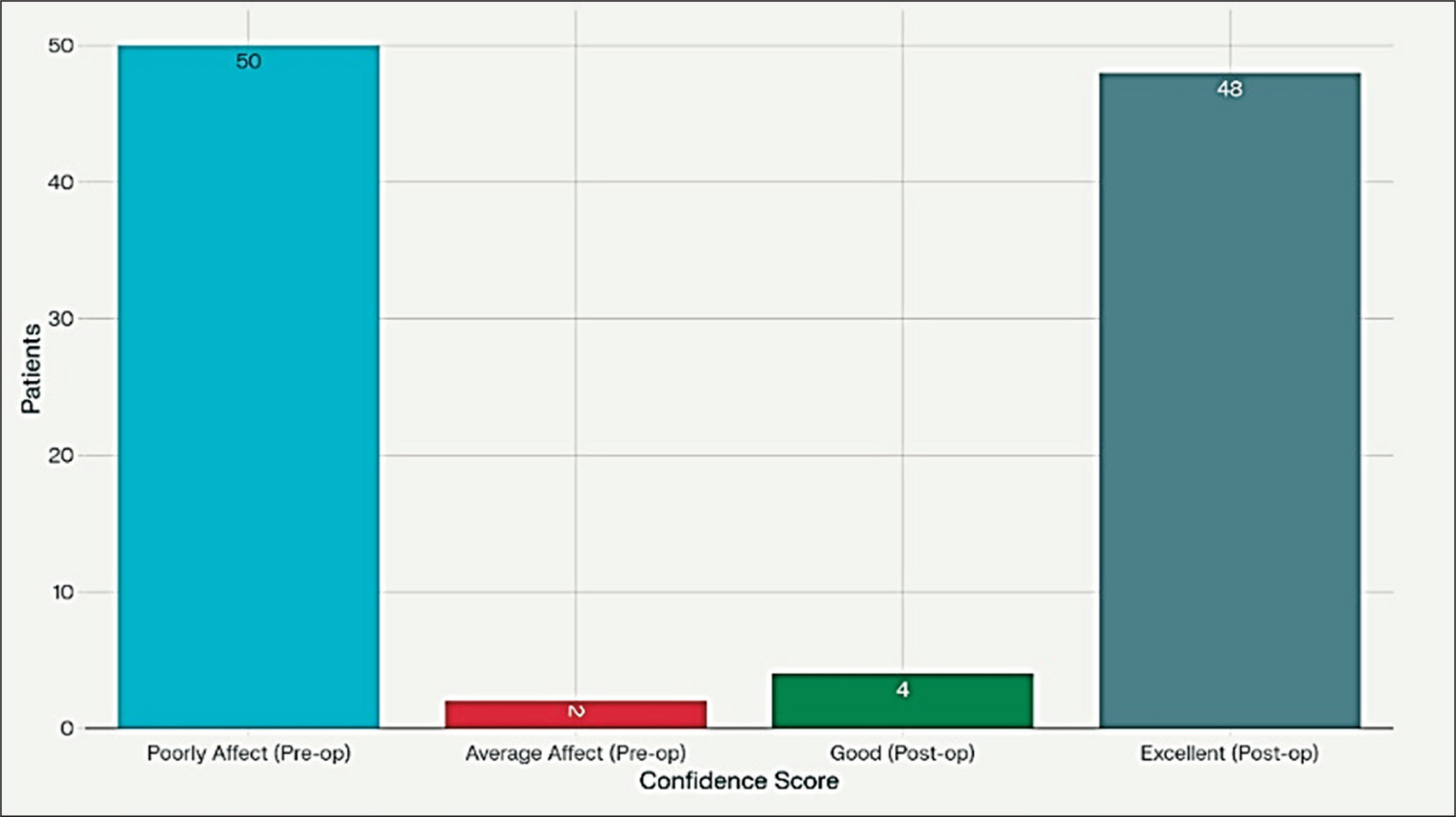
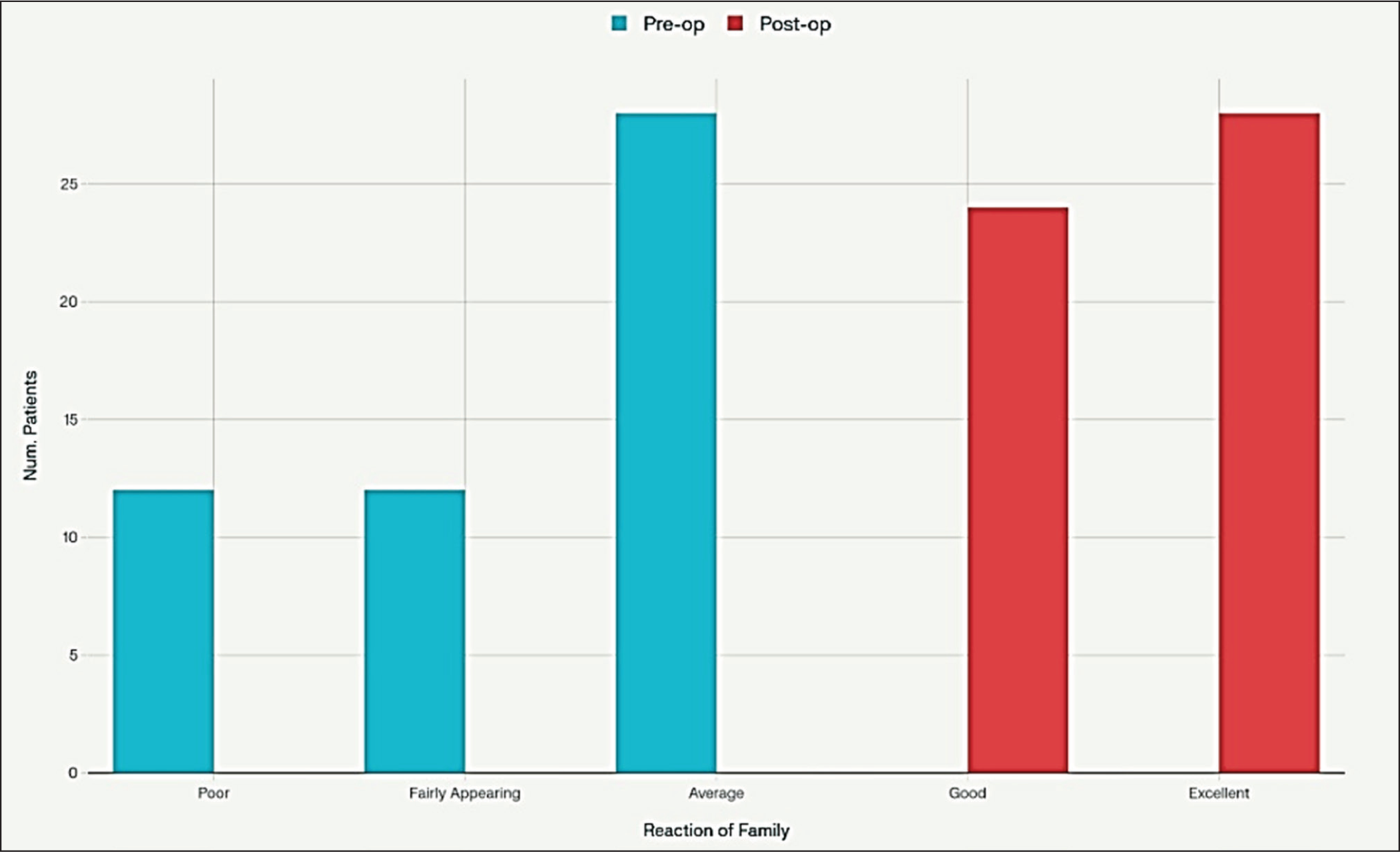
Of the 52 patients in the study, 38 were females, while 14 were males (Figure 1). In the pre-operative period, 49 patients complained about poor (1 point) appearance of the eyes, while three patients rated it average, at number 2 (Figure 2). Of the 52 patients, 50 complained that the appearance of their eyes was affecting their confidence (Figure 3). Twenty-eight patients said that their spouse/parents/children reacted, with an average reaction to their appearance; 12 quoted it as poor, while 12 expressed that the relatives found it fair (Figure 4). Of the 52 patients, the appearance of their eyes bothered 13 patients poorly, and 31 patients, on average, while indulging in social activities (Figure 5).
Representing the Gender Distribution in Our Case Study.
Comparative Representation of Pre- and Post-op Appearance of the Eyes to the Patients.
Comparative Representation of Pre- and Post-op Affect of the Appearance of the Eyes on the Patient’s Confidence.
Comparative Representation of Pre- and Post-op Reaction of the Spouse/Children/Parents to the Appearance of the Eyes.
Comparative Representation of Pre- and Post-op Confidence of the Patient in Indulging in Social Activities.
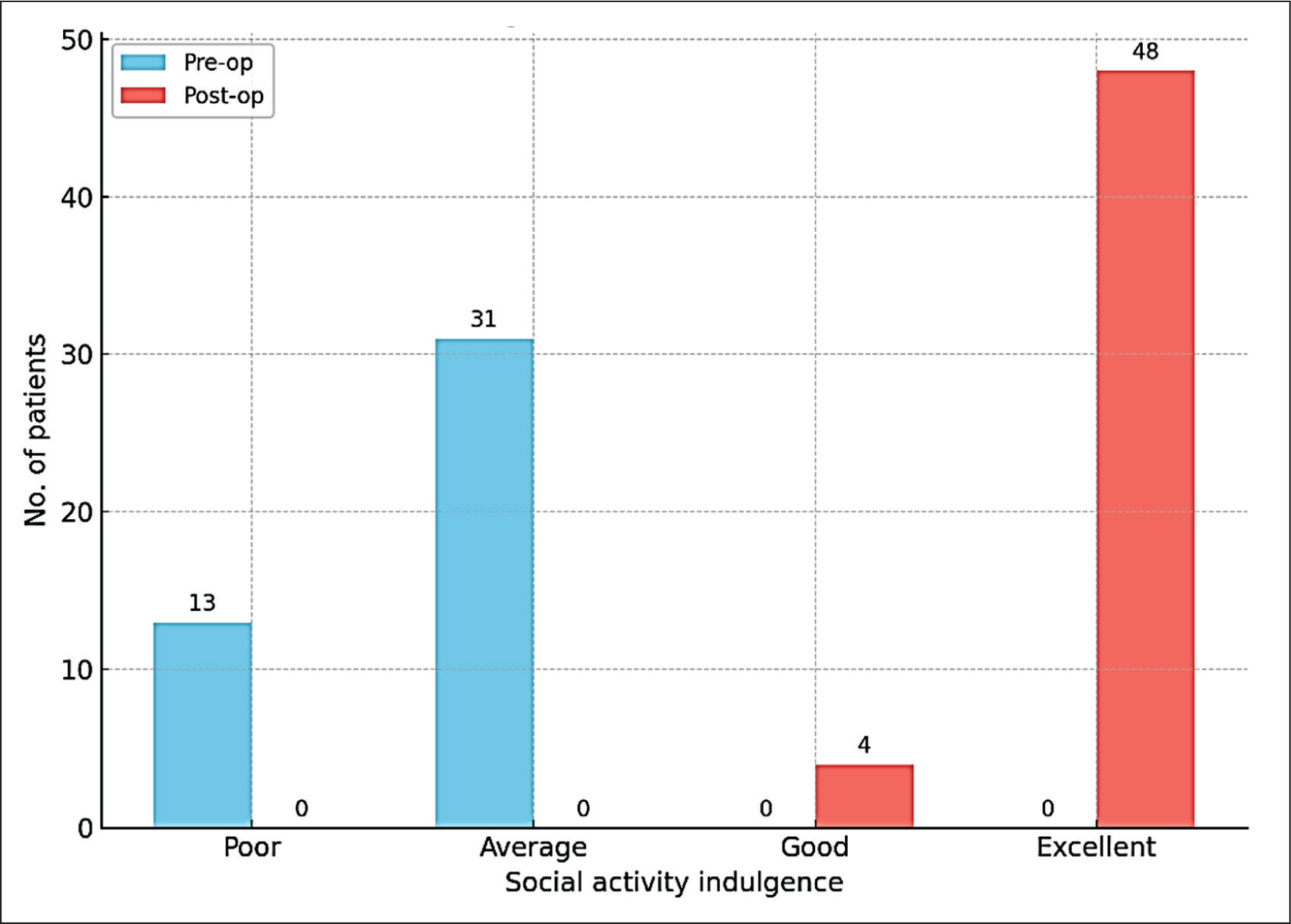
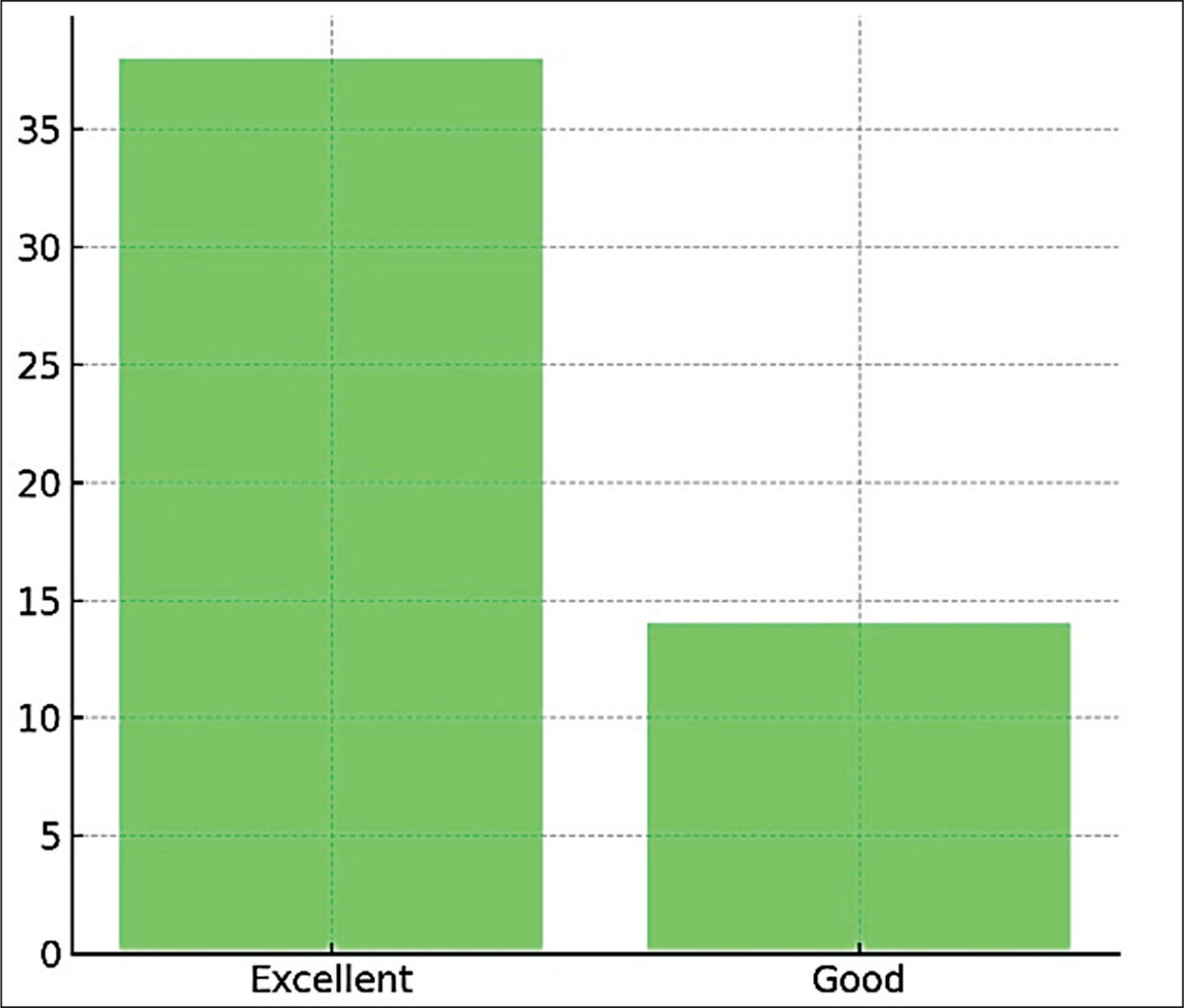
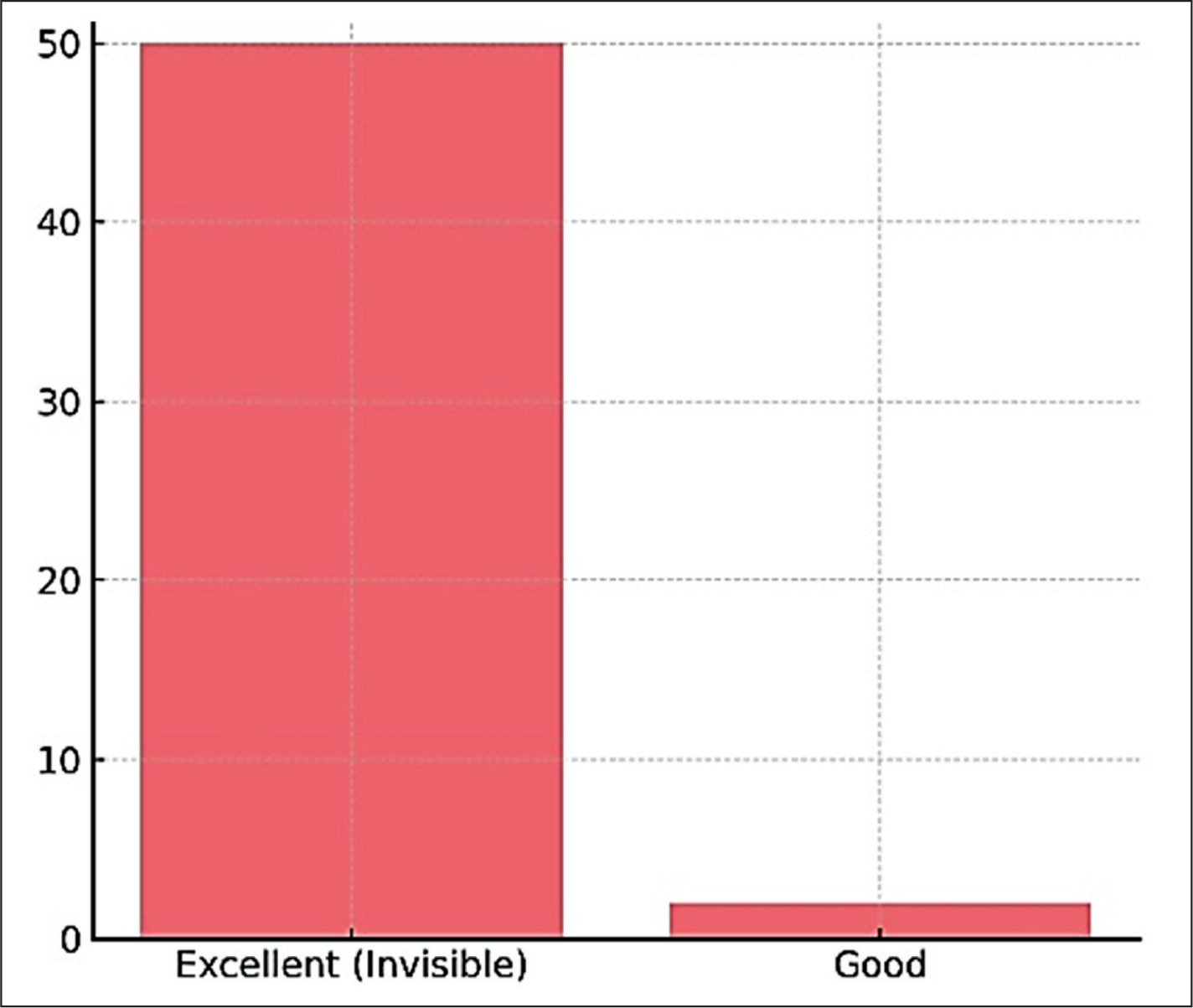
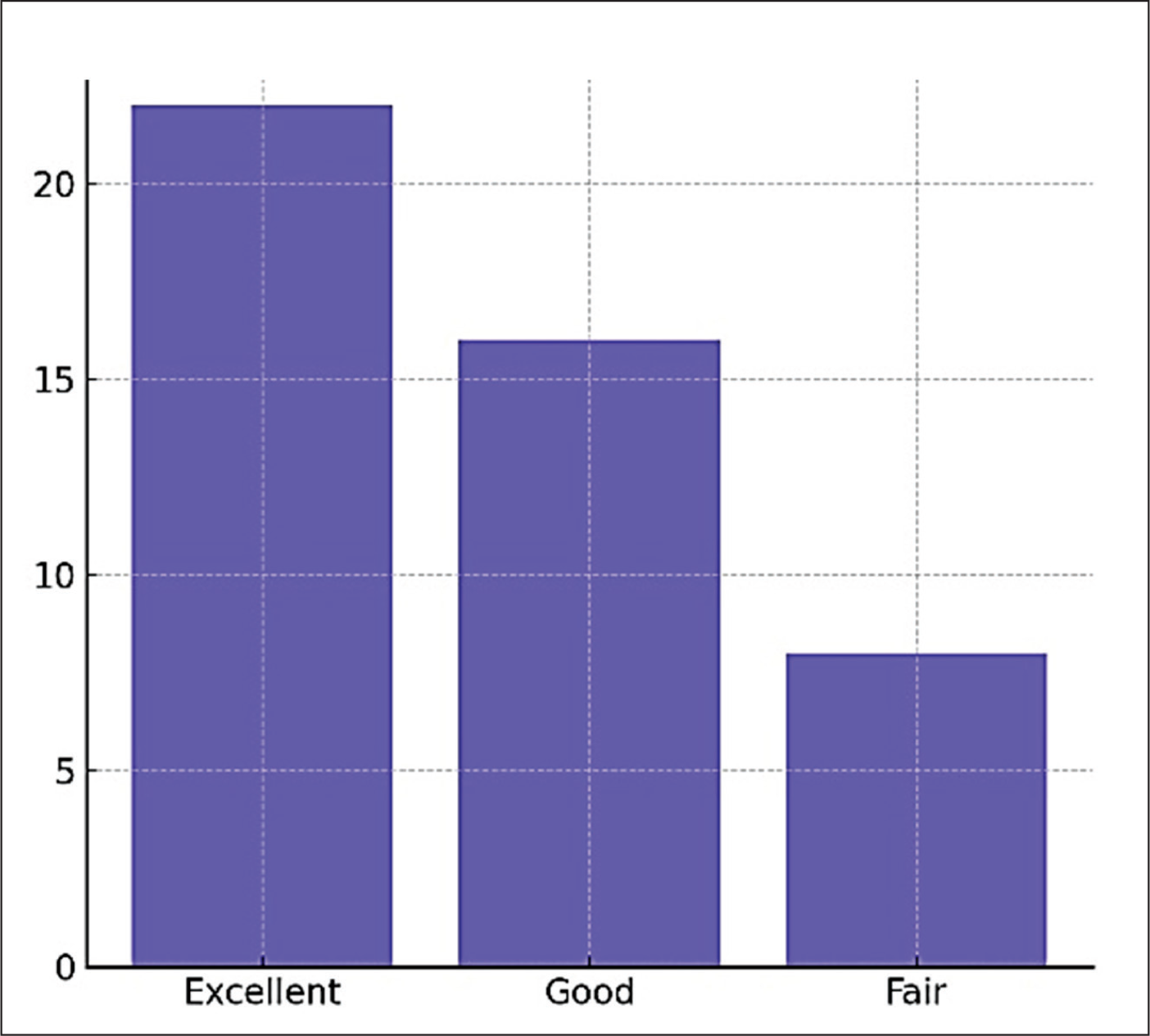
In post-operative period, after 4 weeks, the questionnaire was given to the patients, where 46 patients described the appearance of their eyes as excellent (five points) while six called it good (four points) (Figure 2). The lower lid blepharoplasty impacted the confidence of 48 patients, rating them at five, while four expressed it as good (Figure 3). Twenty-four patients rated the reaction of their spouse/parents/children as good, while 28 expressed the reaction to the new self as excellent, five points (Figure 4). Forty-eight patients expressed that the surgery gave an excellent boost to their confidence while indulging in social activities, while expressed it as good (Figure 5). Thirty-eight patients rated their recovery as excellent, while 14 rated it as good (Figure 6). With the invisibility of the scar, 50 reacted to it as excellent, while two rated it as good (Figure 7). Of the 52 patients, 40 were extremely satisfied with the contour of their eyelid, while 12 rated it as good. Six patients did not experience any foreign body sensation or chemosis, 16 rated their experience as good, while 30 gave a three-point rating, which they found fair. The transition of 22 patients has been excellent, 16 have been good, and 8 rated it as fairly good while returning to work and to social activities after surgery (Figure 8).
Representation of Post-op Recovery Experience.
Representation of Post-op Satisfaction on Scar Invisibility.
Representation of Post-op Recovery and Return to Work and Social Activities.
Discussions
Blepharoplasty has become one of the most sought-after aesthetic plastic surgery interventions, with patients coming with complaints of herniated orbital fat pads and tear trough deformities in the lower lid. Numerous techniques have been proposed with varied complication rates. 10
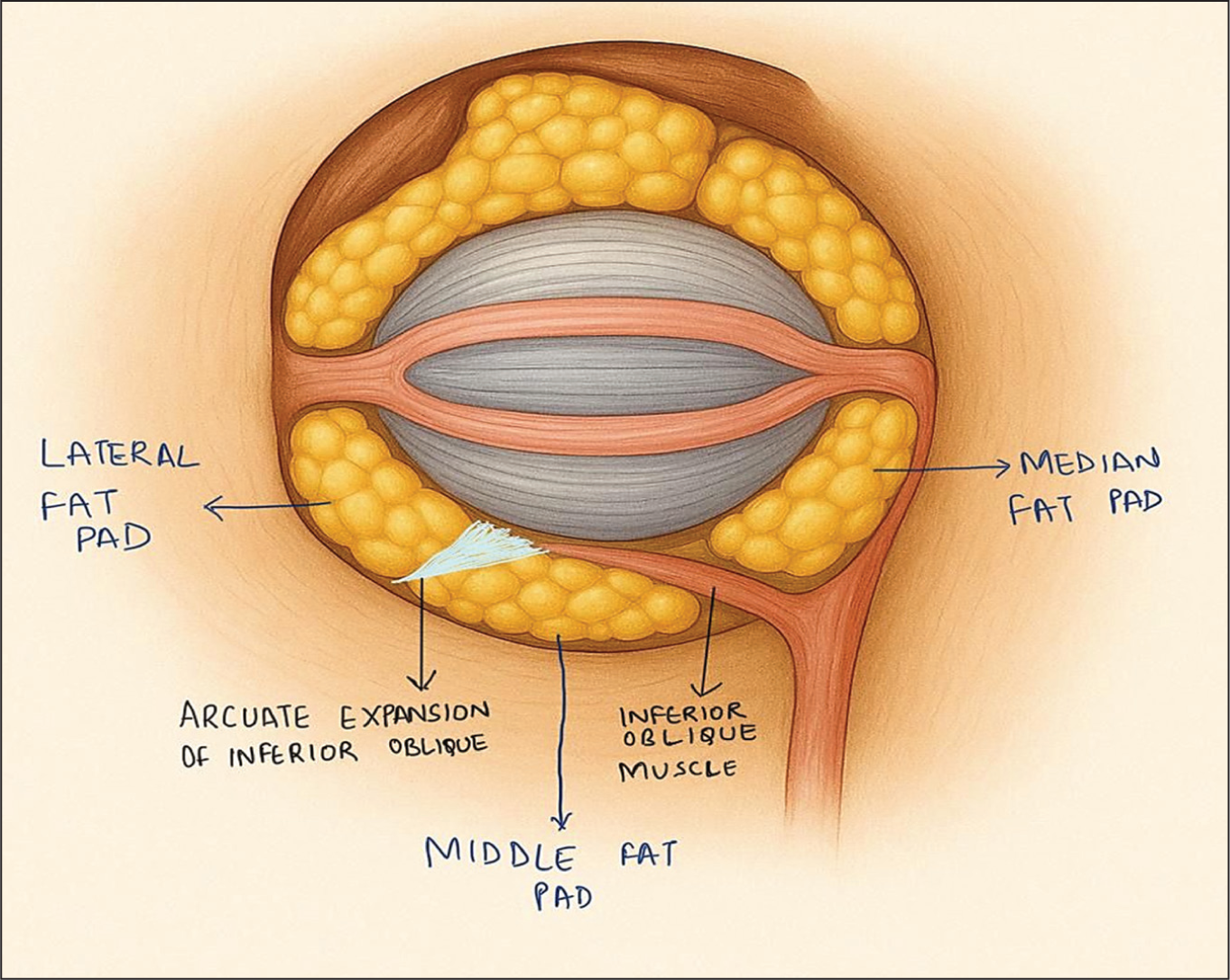
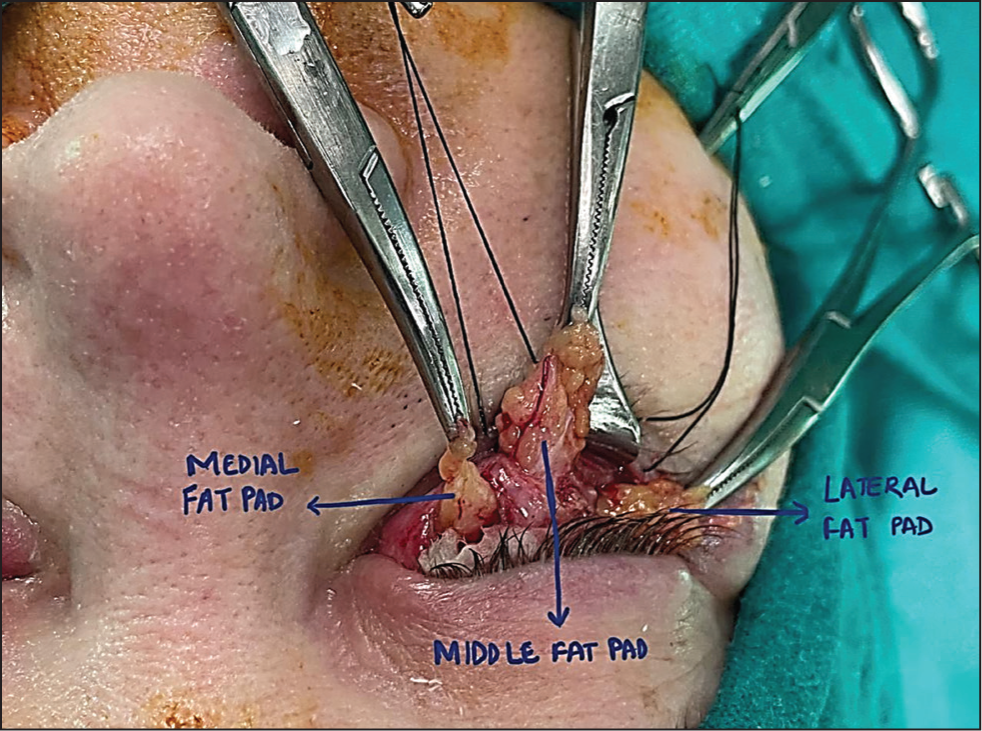
The goal of the lower lid blepharoplasty surgery is to restore the aesthetics of the midface region while correcting the affected eyelid. The technique that we follow to treat tear trough deformities, sunken tired eyes, includes three minimal incisions given retroseptally 11 via transconjunctival approach12, 13 without breaching the internal oblique muscle as well as the arcuate expansion of the inferior oblique muscle (Figure 9). 14 The retroseptal approach is preferred as it gives direct access to the fat pads, preserves the orbital septum, ultimately leading to decreased post-operative lid laxity or ectropion, and there is less trauma to orbicularis oculi, which supports the eyelid and the blinking action. It also minimises the post-operative scarring. The incisions are given at three different locations at the second vascular arcade, 5 mm from the tarsal plate, to remove the lateral, middle and medial fat pads. 15 This ensures the integrity of the inferior oblique muscle and its expansion, which leads to decreased complication rate of eyelid retraction (Figure 10). The fat pads are gently removed, ensuring proper haemostasis. The incisions are left open to allow for egress of the fluid, ultimately leading to earlier recovery.
Describes the Location of the Three Fat pads of The Lower Lid, Divided by the Inferior Oblique Muscle and Its Arcuate Expansion.
The Picture Represents the Expressed Fat Pads During the Surgery.
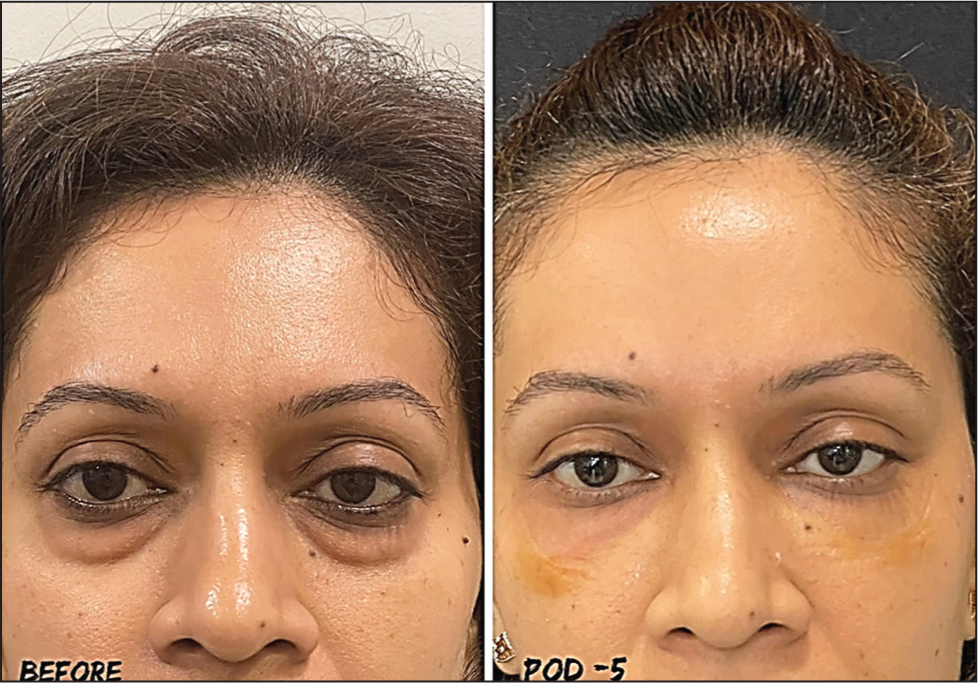
We do not practice repositioning the fat as the repositioning is limited to the existing fat pads, leading to a higher risk of irregularities, causing lumpiness and contour deformity. Rather, we go for fat grafting as transposing the fat involves orbicularis retaining ligament release, which again creates a permanent communication between the SOOF fat component and the lower eyelid. Fat grafting ensures restoration of the volume in the correct plane, leaving a natural and smooth transition between the lower eyelid and cheek. While it is also less invasive, it is customisable, precise, and leads to better long-term integration.Given that the Asian skin type has more scarring in comparison to the other skin types, our preferred method of hidden scars performs better in the Indian region. All of the 52 patients operated to date have been highly satisfied with the results, be it physical appearance to them, to their families or socially, the transformations have been enriching for them (Figures 11, 12 and 13).
The Patient’s Photographs were Taken Preoperatively, and One was Taken on Day 5. Slight Bruising Is Seen Under the Eyes, with Excellent Results for the Patient.
Results of Patient at 2 Weeks Post-op.
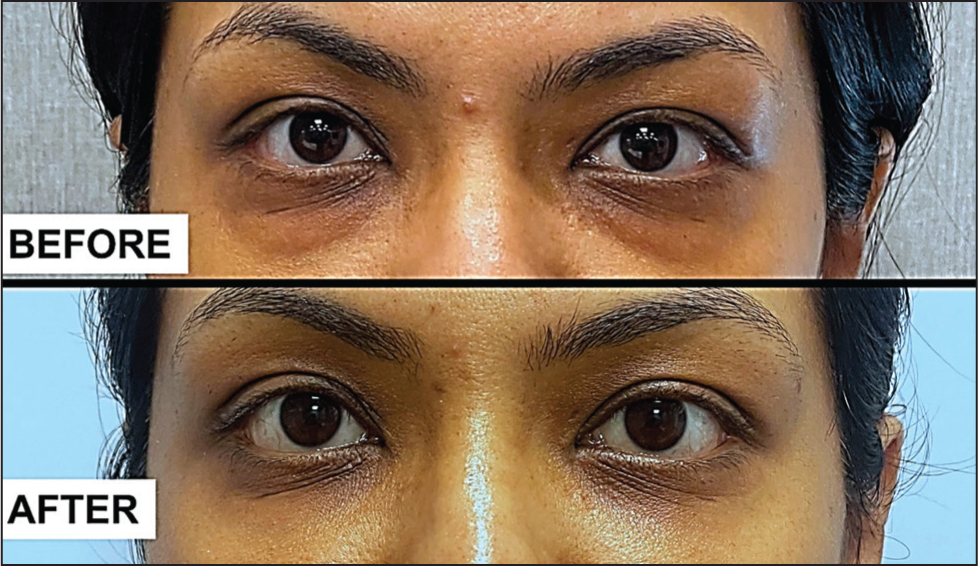
Post-op Results of the Patient at 8 Weeks.
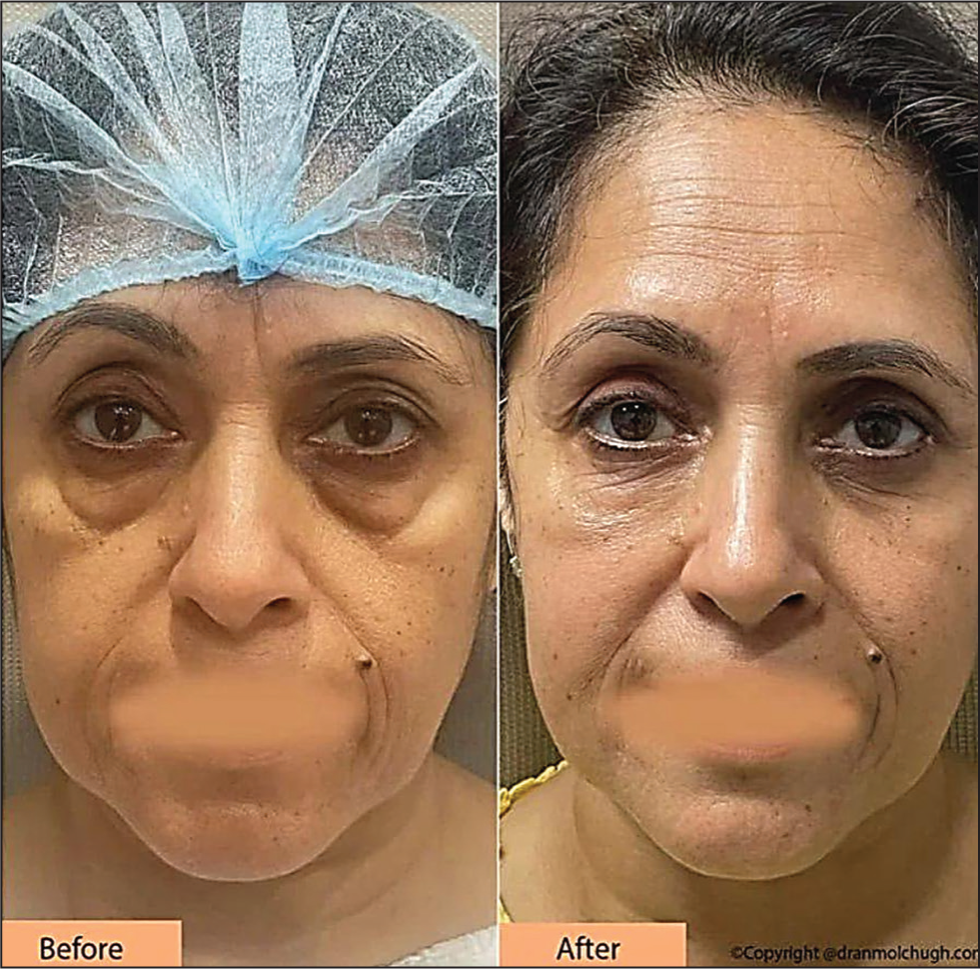
Conclusion
Lower lid blepharoplasty done with three minimal incisions is a powerful, aesthetically appealing procedure with minimal morbidity. Despite the technical finesse it requires, this procedure, done via transconjunctival approach retroseptally, has proven to be an aesthetically pleasing procedure for rejuvenation of the lower eyelids. The procedure has a high patient satisfaction rate with the least post-operative complications. The transformation after surgery has made the patients feel more inclusive socially as well as in their homes, while also making them feel like their younger selves. The immediate and promising results give the patients the boost in confidence to accept themselves and become true to their souls. The scale ensures the optimum measurement of pre-operative as well as the post-operative psychosocial and physical analysis, rendering clarity of the procedure done based on the patient’s experience. This scale is versatile and can be used with other techniques and procedures, as well as for upper lid surgeries.
Study Limitation
The study only includes the surgical approach done at our centre, which includes lower lid blepharoplasty by three minimal incisions. The BIAS scale can be applied to the other surgical methods, including the upper and lower lid blepharoplasty, which have not been included in the study.
Footnotes
Declaration of Conflicting Interests
The authors declared no potential conflicts of interest with respect to the research, authorship and/or publication of this article.
Funding
The authors received no financial support for the research, authorship and/or publication of this article.