



Abstract
The UK education system is failing to meet needs, leading to an attendance and school anxiety crisis. However, the system faults those disproportionately and most visibly struggling – namely Neurodivergent and SEND learners – as outliers instead of warning signs. Only through acknowledgement of systemic internal mechanisms can the complexity and scope of the education crisis be addressed. In this commentary, we explore school anxiety through the underlying systemic mechanisms within neuro-normativity, epistemic injustice, and consequent affordances, or opportunities for action. Specifically, we argue that the rigid adherence to neuro-normative academic standards inherently fosters a loss of inclusivity and poor teacher knowledge and attitudes. Student camouflaging, or behavioural changes aimed at minimising overt Neurodivergent characteristics, may, thus, arise to navigate neuro-normativity, exacerbating school anxiety. Ultimately, this piece advocates for a paradigm shift away from pathologizing a context-driven problem as inherent to neurodivergence and instead calls for recognising ‘school anxiety’, and other educational consequences, as signals of a deeper systemic issue.
Lay Abstract
Many Neurodivergent children experience high levels of anxiety related to school. While this is becoming more recognised, school anxiety is still often seen as a problem within the child – something to be fixed – rather than something that may be caused by school itself. Even when research identifies school-based causes, it often overlooks the wider systems and policies that shape these environments. Without that context, there is a risk of suggesting surface-level or even unhelpful solutions. In this commentary, we challenge the common view of school anxiety. We suggest that school systems – their rules, routines, and expectations – are based on narrow ideas of what is ‘normal’. These ideas often exclude Neurodivergent students, whose needs and ways of thinking are rarely reflected in how schools are designed. We also explore how strict academic standards, curriculum demands, and exams can limit teachers’ ability to be inclusive. These pressures shape what is seen as ‘valid’ knowledge and behaviour, which can feed into bullying and social exclusion. As a result, many students feel they need to hide who they are in order to fit in. This ‘camouflaging’ can add to anxiety and make school even more distressing. We offer a new way of thinking about school anxiety – not as a flaw in the child, but as a sign that the system itself needs to change. By listening to those most affected, we can better understand the causes of distress and build a more inclusive education system.
Keywords
Introduction
The United Kingdom (UK) education system is in crisis, with persistent absenteeism among learners without identified special educational needs and disability (SEND) rising from 0.45% to 1% between 2019/20 and 2023/24 (Gov.UK, 2024a). Certain groups, however, serve as ‘canaries in a coalmine’, signalling systemic failings in identifying and meeting needs. Between 2012 and 2022, there was a 91% increase in children identified as having SEND (Marsh, 2023). Parents are increasingly dissatisfied with identification and support, reflected in a 250% increase in SEND first-tier tribunals – legal disputes regarding educational provision – between 2015 and 2022 (Gov.UK, 2022; Marsh, 2023). Consequently, the rate of SEND learners persistently absent at least 50% of the time has risen from 3.5% to 6.2% between 2019/20 and 2023/24, with nearly 1 in 10 in some SEND groups persistently absent (Gov.UK, 2024a).
These figures reveal systemic reliance on SEND identification through Education, Health, and Care Plans (EHCPs) – akin to individualised education plans – rather than addressing underlying causes of issues like non-attendance. Consequentially, interventions become fragmented and reactive. Key components of the system – parents, education staff, local authorities, and legislators – operate as misaligned ‘cogs’, with the harshest impact occurring on the most vulnerable cog: children (Stanbridge, 2024). Instead of reform, the system shifts an essentialist burden onto Neurodivergent children with overt challenges. They are labelled as ‘outliers’, or with an ‘SEND’ or diagnosis, to justify intervention (Fisher, 2023). These reactive interventions often target behaviour, including forcing attendance through physically restraining children and withholding support when they do not attend (Bodycote, 2022). Such tactics are legitimised by policy, with parental fines for non-attendance increasing by 396% from 2009 to 2024 (Gov.UK, 2025; Mullally & Connolly, 2025).
Education and absenteeism crises are not unique to the UK. Similar patterns appear in the United States (U.S. Department of Education, 2025) and Australia (ACARA, 2024), alongside a global decline in academic performance (OECD, 2022). The consequences of a systemic crisis extend beyond absenteeism to poor self-esteem (Wilmot et al., 2023), social isolation (Ambrose et al., 2024), and even self-harm and suicidality (Fielding et al., 2025).
It is, therefore, unsurprising that Neurodivergent children are more likely to exhibit school distress and, consequently, anxiety – a future-oriented mood state associated with anticipation of upcoming negative events in school – which leads to academic underperformance and absenteeism (Adams et al., 2022; Adams, Young et al., 2019; Ambrose et al., 2021; Connolly et al., 2023; García-Fernández et al., 2008). Social, academic, and environmental factors make various school types and provisions more anxiety-evoking for Neurodivergent children than other contexts (Adams et al., 2020; Billington et al., 2024; Mullally et al., 2024). Neurodivergent children often experience exclusion, bullying, and negative attitudes within the school (Costley et al., 2021; Wadman et al., 2016), as well as inappropriate educational demands that foster fear of evaluation, low self-esteem, and learned helplessness (Novita, 2016; Ozsivadjian et al., 2012; Sorrenti et al., 2019). The school environment exacerbates anxiety through sensory distress, uncertainty, and information overload (Goodall, 2018; Keville et al., 2023; McDougal et al., 2020).
Akin to wider mental health research, such contributors are seldom conceptualised together as a wider constellation of a deeper systemic issue (Boyle, 2011). While policy and research can name and even replace specific issues, a fundamental shift in internal mechanisms is necessary for different outcomes (Stanbridge, 2024). If these internal mechanisms are neglected, so is complexity and scope, leading to superficial solutions and resistance in practice (Omodan, 2023; Williams-Brown & Jopling, 2021). We present the UK as a case study of systemic educational failure. We explore internal mechanisms as neuro-normative epistemic injustices which create the conditions for school anxiety. We bring together holistic insight grounded in diverse lived experiences, including Neurodivergent team members with experience as teachers, pupils, and parents of Neurodivergent children within the UK.
Neuro-Normative Epistemic Injustice and Neurodivergence
Neurodivergence is a complex and debated term (Chown et al., 2023; Dwyer, 2022). Broadly, neurodiversity embodies the neurocognitive variation present throughout the population, including differences in information processing and learning (Chapman, 2021; Shah et al., 2022). Neurodivergence is, therefore, partially a quantitative deviation from a Neurotypical ‘norm’ (Goldberg, 2023). These profiles may be subsequently labelled with a SEND or a neurodevelopmental condition, like Autism (Doyle, 2020). However, the identification of such profiles is also shaped by cultural value judgements regarding which neurocognitive traits and thresholds to select (Bueter, 2019; Legault et al., 2021). For example, while UK culture pathologises low eye contact, this is less common in Nigerian and Navajo cultures, and some indigenous cultures value neurodiversity without a labelling process (Bruno et al., 2025; Jaswal & Akhtar, 2019; Perepa, 2014).
Some traits may be more essentialist, such as a universal need for support (Anderson-Chavarria, 2022). While we assert an objective ontology to the neurocognitive traits of Neurodivergent individuals, the meanings assigned to them are culturally constructed (Botha, 2021). In the UK, neuro-normativity upholds certain neurocognitive functions – those labelled ‘Neurotypical’ – as superior and healthy (Catala et al., 2021; Legault et al., 2019), reinforcing rigid distinctions between ‘normal’ and ‘defective’ (Bodfield & Culshaw, 2023). Notably, the Department for Education's guidance for 0–5 years, Development Matters, presents a singular neuro-normative trajectory of ‘how children develop and learn’, disregarding alternative developmental paths as ‘falling behind’ (DfE, 2023).
Neuro-normativity shapes epistemic injustice, a systemic bias which prevents Neurodivergent individuals from full participation in knowledge construction and transmission (Legault et al., 2021). One form involves testimonial injustice, where the experiences and knowledge of Neurodivergent individuals are unjustly dismissed, including within research (Dinishak, 2021; Fricker, 2007). Consequentially, society lacks the concepts and language to value and understand non-neuro-normative contributions, known as hermeneutical injustice (Hacking, 2009; Scully, 2018). One example drawn from Neurodivergent lived experience – the double empathy problem – illustrates how mutual misunderstandings between Neurodivergent and neuro-normative communication styles are solely attributed to Neurodivergent social ‘deficits’ (Kourti, 2021; Milton, 2012; Milton et al., 2022). Neuro-normative epistemic injustice leads to misunderstandings by those who rely on neuro-normative conventions, such as eye contact and speech (Aube et al., 2021; Jaswal & Akhtar, 2019). As a result, difficulties in being understood exacerbate the pathologisation of Neurodivergence (Krueger & Maiese, 2018; Milton, 2014; see Figure 1).

The Process of Identification and School Anxiety Through an Asymmetry Between Neuro-Normative Affordances and Neurocognitive Abilities: Illustrated by Two Examples.
Difficulties accessing resources or affordances – opportunities for social, physical, and cultural action and interaction – often define SEND or diagnoses (Gov.UK, 2014; see Figure 1; Legault et al., 2019; Rietveld et al., 2018). Neuro-normative epistemic injustice has resulted in a landscape of affordances designed for, and more easily accessed by, Neurotypical individuals (Legault et al., 2024; Nešić, 2023). For example, classroom sensory environments tailored to neuro-normative processing misalign with many Neurodivergent children's sensory processing, fostering sensory overload and, thus, school anxiety (Humphrey & Lewis, 2008; Jones et al., 2020; see Figure 1). This misalignment reinforces perceived ‘deficits’ and the deviation from the sensory processing ‘norm’, compounding Neurodivergence and often leading to SEND identification (Nešić, 2023).
Epistemic injustice extends neuro-normative affordances across various layers of society, from policy and culture to individual experience (Bronfenbrenner, 1994). Within education, this includes the micro-level contributors to school anxiety and their underpinning systemic mechanisms, such as curriculum, pedagogy, and institutional attitudes (Connolly et al., 2023; Goldberg, 2023; Omodan, 2023). Epistemic injustice can also manifest within everyday transactional interactions, contributing to minority stress – a chronic burden experienced by marginalised groups due to stigma and discrimination – and school anxiety (Botha & Frost, 2018; Dunne, 2023). The interactionist model of disability concurs that Neurodivergent individuals require a different affordance landscape – one grounded in epistemic justice and decentralised neuro-normativity (Krueger & Maiese, 2018; Tøssebro, 2004).
Yet epistemic injustice in relation to neurodiversity remains under-researched, particularly regarding it impacts on neurocognitive development. Existing theories often carry their own neuro-normative biases – for example, the implicit assumption that only those who use reason and verbal language qualify as knowers (Catala, 2020). Most research also centres on Autistic populations, leaving significant gaps in understanding how other neurocognitive profiles are affected. This framework, therefore, remains nascent and demands further empirical, theoretical, and participatory development.
Navigating Neuro-Normative Affordances Within Education
Neuro-Normative Standards, Knowledge, and Attitudes
Only recently have researchers begun to question how the structures that shape mainstream thinking and behaviour – including schooling – disproportionately limit Neurodivergent individuals’ access to cognitive and psychological benefits (Krueger & Maiese, 2018 ). These limitations arise from a clash between the affordance landscape imposed by the education system and what Neurodivergent learners can meaningfully engage with (Nešić, 2023). This mismatch often results in disaffordances: barriers that block success in tasks could otherwise be achieved, including those that draw on unique strengths such as hyperfocus and attention to detail (Bury et al., 2020; Howell et al., 2022; Legault et al., 2021; Nešić, 2023).
A key example of a UK-embedded neuro-normative affordance is the academic standards agenda, which includes standardised curricula and assessments. While inclusive schools decentralise neuro-normativity to create access and reduce school anxiety (Goodall, 2019; Rodríguez & Sánchez, 2022), the standards agenda incentivises educators to raise standards based on neuro-normative rates of progression, abilities, and expression (Crane et al., 2023; Hutton & Cappellini, 2022). Consequently, national curricula and standardised assessments overlook alternative achievements and place disproportionately high demands on Neurodivergent learners (Poed & Fox, 2023; Williams-Brown et al., 2023; Wood & Happé, 2023). This elevated effort can be likened to providing colour-based tasks to children with non-typical colour vision, who require significantly more effort to achieve the same outcome (see Figure 2).
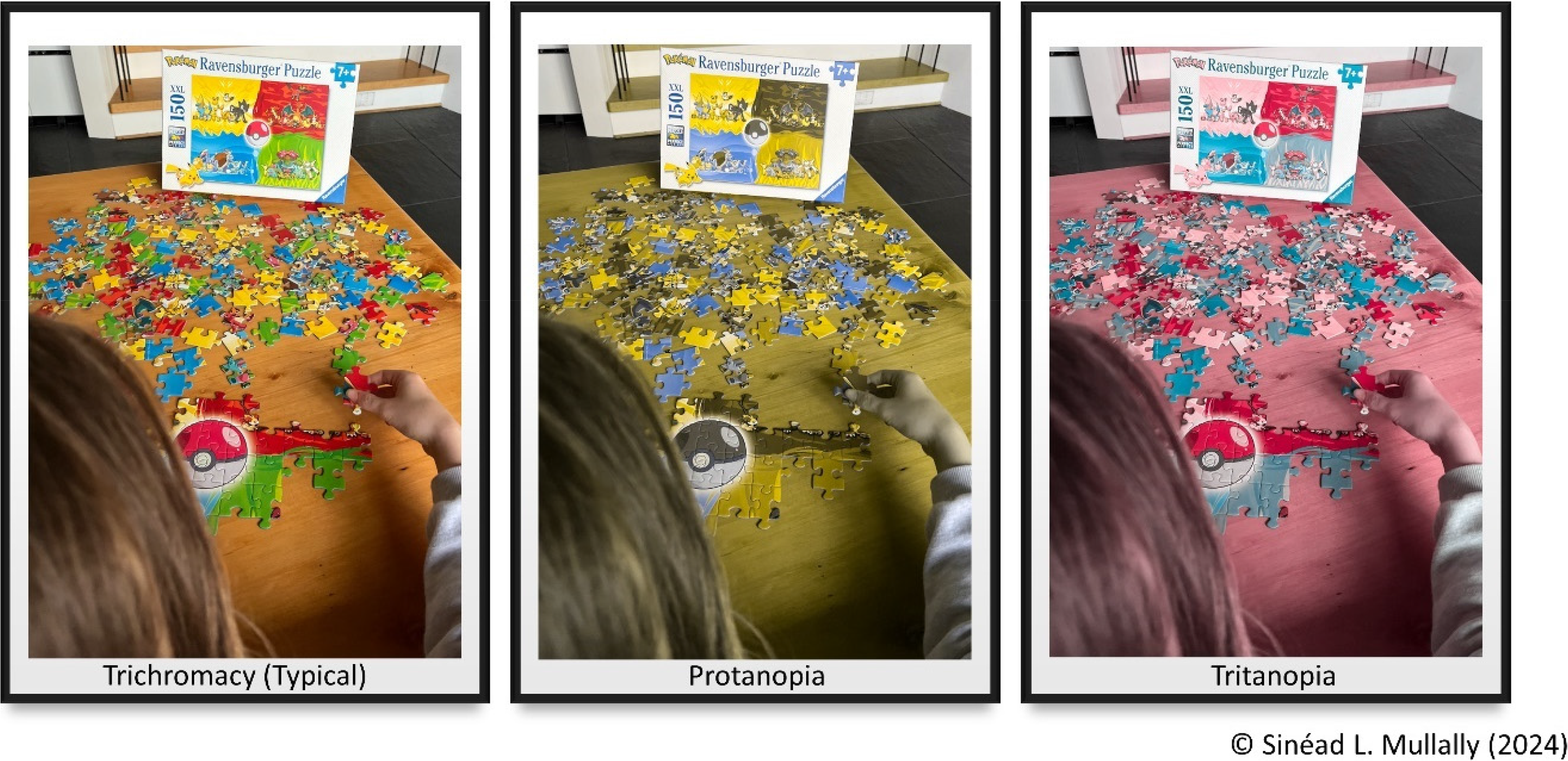
A Visual Representation of How Neuro-Normative Assumptions in Education Burden Neurodivergent Learners, Engendering Negative Peer Comparisons, Feelings of Inadequacy, Exhaustion, Disengagement, and Frustration.
Such a system restricts what, how and when children learn, corresponding to neuro-normative trajectories and making the flexibility necessary for inclusion practically impossible (Williams-Brown & Jopling, 2021). For example, standards surrounding letter-to-sound correspondence, or phonics, reduces educators’ flexibility in reading instruction (Gov.UK, 2024d). Many learners, particularly those with phonological difficulties, require flexibility in what, how and when they are taught to read, such as meaning-based approaches (Bowers, 2020; Spector, 2011). Children who cannot conform to neuro-normative standards, including within phonics development, are subsequently labelled as ‘SEND’ (Gov.UK, 2014). A non-neuro-normative curriculum would instead enable responsiveness to diverse needs through the incorporation of child voice (Zilli et al., 2020).
Compounding this problem is a high-stakes accountability culture which places immense pressure on educators to raise neuro-normative standards, reinforced through the Office for Standards in Education (Ofsted) school inspections (Williams-Brown & Hodkinson, 2020). Notably, Ofsted ratings publicly influence student intake, resources, and potential special measures for underperforming schools (Mortimore, 2023; Rolfe, 2019; Williams-Brown & Hodkinson, 2020). The intensity of this pressure – driven by inspections, grades, and data accountability – is greater than in other countries (Tian & Rautiainen, 2024; You, 2017). Poor Ofsted ratings have led to headteacher resignations and, sometimes, tragic outcomes, including suicides (Waters & Palmer, 2023 ). This culture creates increasing workloads and poor teacher wellbeing and retention, subsequently compounding educator prioritisation of Ofsted and pupil performance to avoid fears of ‘failing’ (Brady & Wilson, 2021; Education Support, 2022; Gov.UK, 2024b; Hutchings & Kazmi, 2015; Page, 2015; Ravet, 2018).
This agenda cultivates a pedagogy of adult-led teaching focused on evidencing standards, often at the expense of flexibility to meet individual needs (Goodall, 2018; Wyse & Torrance, 2009). Such pedagogy is reinforced by strict behaviour policies that disproportionately impact Neurodivergent children's capacity to conform and succeed (Fisher, 2023; Poed & Fox, 2023). Teachers often report significant pressure to ‘teach to the test’, sometimes even prioritising teaching those most likely to achieve neuro-normative standards (Crowson & Brandes, 2010; Williams-Brown & Jopling, 2021). Ultimately, this contributes to disproportionately higher exclusions of SEND children, pupil referral unit requests, and schools – particularly academies – declining to enrol SEND students, citing an inability to meet specialist needs (Lehane, 2017; Lilley, 2013; Norwich & Black, 2015). For example, challenges in meeting rigid standards have resulted in a doubling of SEND students disapplied from phonics assessments between 2011 and 2023 (Gov.UK, 2023).
This dissonance between standards and inclusion limits educators’ time, knowledge, and incentives to implement inclusivity and decentralise neuro-normativity (Boujut et al., 2017; Busby et al., 2012; Williams-Brown & Jopling, 2021). Within a neuro-normative standards-driven context, this dissonance is rational – successful inclusion can harm attainment metrics (Glazzard, 2014; Williams-Brown & Hodkinson, 2020). This context has tangible consequences: absenteeism spikes in secondary schools, a trend attributed, at least in part, to the intensified pressure to meet academic standards, which deprioritises time, resources, and support for Neurodivergent children (Goodall, 2018; Gov.UK, 2024a; Gray et al., 2023).
Exacerbating the issue, epistemic injustice has led many educators to display poor knowledge on neurodiversity, while the standards agenda disincentivises accessing inclusion training (Bodfield & Culshaw, 2023; Chideridou-Mandari et al., 2016; Cook & Ogden, 2022; Gómez-Marí et al., 2021; Paisley et al., 2023). Most concerningly, Neurodivergence can be seen as threatening resources from those who can achieve neuro-normative standards and, thus, can threaten teachers’ control, self-efficacy, and career progression (Boyle et al., 2020; Cappe et al., 2021; Chan et al., 2018; Crowson & Brandes, 2010). These threats foster negative attitudes towards neurodivergence, especially toward those least understood and included (Jury et al., 2021; Lu et al., 2020; Mulholland et al., 2015). Additionally, this system socialises Neurotypical children to adopt similarly exclusionary views, increasing bullying, social exclusion and, thus, school anxiety (Aubé et al., 2021; Penney, 2013; Sarwono et al., 2020), reinforced by Neurotypical parents who lack the knowledge to model inclusive attitudes (Wilson et al., 2025).
School distress, anxiety and non-attendance are by-products of a system predisposed to failure for certain children, creating negative self-identities through misaligned standards, inaccessible pedagogy, and poor knowledge and attitudes (Adams, MacDonald et al., 2019; Sorrenti et al., 2016; Sorrenti et al., 2019; Williams et al., 2019; Williams-Brown & Jopling, 2021). Without systemic reform, policy tweaks – including mandating support through EHCPS – do little to transform inclusion, which remains contingent on how well children meet neuro-normative standards (Crane et al., 2023; Williams-Brown & Jopling, 2021). Accordingly, many become subject to deficit-oriented monitoring and tokenistic interventions designed to ‘catch up’ to delayed norms (Done & Andrews, 2020). Subsequent labelling of children as ‘SEND’, or ‘other’, becomes a side effect of this rigid system, absolving schools’ responsibility through pathologizing difficulties as unique to a ‘minority’ (Fisher, 2024; Goodall, 2015; Hodkinson, 2012). These narrative faces increasing cognitive dissonance as the rates of SEND increase and such needs become less ‘specialist’ (Marsh, 2023).
In contrast, Finland's decentralised educational model – marked by teacher autonomy and minimal standardised testing and accountability pressures – integrates SEND support as part of inclusive policy, addressing needs early to avoid escalation and reactive labelling (Gilbert et al., 2016; Morgan, 2014; Müller & Hernandez, 2010; van Kessel et al., 2019). Unsurprisingly, this model has been associated with greater academic outcomes, systemic resilience, and educational equity (Hadjar & Uusitalo, 2016; OECD, 2022; Üstün & Eryilmaz, 2018).
Camouflaging – Intersectional Epistemic Injustice
Within a neuro-normative system, camouflaging – minimising differences from neuro-normative expectations (compensation), concealing traits (masking), and blending in despite discomfort (assimilation) – becomes a survival mechanism for many Neurodivergent learners (Hull et al., 2019; Leong & Graichen, 2024). Although conceptualisations of camouflaging require greater refinement within Neurodivergent research, it can be broadly understood as a discrepancy between internal neurocognitive experience and outward behaviour (Lai et al., 2021).
Crucially, camouflaging arises from the need to navigate unsafe or invalidating environments shaped by epistemic injustice, stigma, and minority stress (Ai et al., 2024; Atkinson et al., 2025; Botha & Frost, 2018). For Neurodivergent children, these efforts are intensified by the implicit and inconsistent nature of neuro-normative social expectations, typically revealed only through exclusion, correction, or bullying (Ai et al., 2022). Unsurprisingly, children camouflage less at home, where neuro-normative demands are often reduced (Mullally et al., 2024). In school, however, camouflaging demands significant effort to conform or risk punishment, judgement, and social isolation (Cage & Troxell-Whitman, 2019; Howe et al., 2023; Hull et al., 2017; Kidwell et al., 2023; Poed & Fox, 2023).
Concerningly, camouflaging is often encouraged through school-based interventions which promote neuro-normative conformity, such as social ‘skills’ training (Bottema-Beutel et al., 2017). Yet, it carries significant consequences for school anxiety, self-harm, and suicidality (Atkinson et al., 2025; Cassidy et al., 2018; Chapman et al., 2022). The pressure to maintain a neuro-normative persona leads to anxiety about being discovered (Kidwell et al., 2023). Camouflaging depletes psychological resources necessary to prevent exhaustion and anxiety, while also limiting access to self-regulation strategies that could otherwise reduce anxiety (Hull et al., 2017; Miller et al., 2021). Notably, camouflaging often leads educators to neglect hidden difficulties, resulting in missed diagnoses, unmet needs and, thus, school anxiety (Cook et al., 2018; Crane et al., 2023; Milner et al., 2024).
This ‘slipping through the net’ effect is particularly pertinent for Neurodivergent girls, with a nearly 2:1 disparity in SEND labels compared to boys (Daniel & Wang, 2023). Although camouflaging can emerge across genders, girls often do so more frequently to meet intersecting gender-normative expectations, including emotional sensitivity in relationships (Kreiser & White, 2014; Lai et al., 2016). Notably, identification disparities are greater for needs that are most easily camouflaged, including social, emotional, and mental health, compared to those more visible, including hearing loss (Daniel & Wang, 2023). These effects permeate adulthood, where prolonged camouflaging contributes to delayed diagnosis for many Neurodivergent women (Milner et al., 2024). Camouflaging is compounded by intersectional epistemic injustices, or to evade stigma tied to other marginalised identities, including among non-binary and transgender learners (McQuaid et al., 2022; White et al., 2024). Considering gender is, therefore, crucial to understanding school anxiety and related issues, like identification.
A model of neuro-normative epistemic injustice allows for a holistic exploration of compounding intersectional marginalisation. The education system is shaped by additional epistemic affordances and injustices, including a predominantly white, British, and middle-class curriculum (Omodan, 2023). These curricular biases are underpinned by deeper structural issues in the knowledge base on which education is built. Psychological and educational research remains disproportionately centred on participants from Western, Educated, Industrialised, Rich, and Democratic (WEIRD) societies (Krys et al., 2024). Consequently, Neurodivergence research has historically marginalised perspectives from non-Western societies (Bruno et al., 2025) and people of colour (Lovelace et al., 2021), compounding intersecting structural exclusion within education.
Applying an epistemic injustice lens allows for a more nuanced exploration of how intersecting marginalised identities deepen educational disadvantage, particularly through camouflaging and school anxiety (Botha & Gillespie-Lynch, 2022). For instance, intersectional invisibility can arise when individuals are not recognised as representative of either marginalised group, leaving their needs unacknowledged and unmet (Purdie-Vaughns & Eibach, 2008). This often creates a unique burden, such as navigating the tension between conflicting gendered and neuro-normative expectations (Tierney et al., 2016). Without explicit consideration of intersectionality, there is a risk of reproducing historical epistemic harms by flattening the diversity that exists within the umbrella of ‘neurodivergence’ (Botha & Gillespie-Lynch, 2022).
Conclusion – Implications
School anxiety and distress are pervasive and growing issues for many Neurodivergent children (Connolly et al., 2023), yet their systemic roots have been underexplored. Neuro-normative epistemic injustice pervades every aspect of neurodivergence, creating neuro-normative affordances, unmet needs, and school anxiety (Connolly et al., 2023; Legault et al., 2021). Addressing this requires epistemic justice – amplifying Neurodivergent voices in policy, research, and practice while acknowledging intersectionality (Nešić, 2023; Omodan, 2023; Russell & Wilkinson, 2023). This demands a collective openness to reimagining education beyond neuro-normative assumptions, constructed by those with lived experience. Epistemic justice may also help reframe non-attendance as systemic and anxiety-based, thus reducing child blame. In 2024, labour-led initiatives reflected this shift, including a ‘support-first’ approach to non-attendance (Fazackerley, 2024; Gov.UK, 2024c).
However, small policy tweaks alone are insufficient. In 2025, the same proposed initiatives will materialise in tighter home education regulations, adding bureaucratic burdens while continuing to overlook school distress as system-induced (UK Parliament, 2025). The problem lies less in the how to implement inclusivity – an area evidenced by international models like Finland and extensive lived experiences – but rather in the lack of political and institutional will to centre inclusion and decentralised neuro-normativity at its structural roots (Stanbridge, 2024). This resistance is upheld by a system which places immense pressure on meeting neuro-normative standards, restricting teacher knowledge and attitudes, and rendering camouflaging a survival response (Chapman et al., 2022; Gidlund, 2017; Williams-Brown & Jopling, 2021). Even as evidence grows for microsystem interventions that can meaningfully reduce school anxiety for Neurodivergent learners – such as trauma-informed, relational, and flexible curricula (Day, 2025; Zilli et al., 2020) – structural limitations significantly curtail agency to implement these approaches (Botha, 2021; Williams-Brown & Jopling, 2021).
Meaningful reform, therefore, requires a fundamental shift is required in how we value and conceptualise education, neurodiversity, and inclusivity – one that views struggling children not as pathological outliers, but as indicators of systemic dysfunction. This requires significant commitment and pressure placed from all stakeholders for system reform. Researchers play a crucial role in catalysing this reconceptualization, by challenging fragmented insights and acknowledging the intersectional network of neuro-normative epistemic injustice within the education system (Fricker, 2007; Omodan, 2023). Without attention to these systemic dynamics, research risks creating shallow or, even, harmful ‘evidence-based’ practices, such as behavioural interventions to non-attendance deemed as ‘refusal’ (Adams et al., 2022).
Only through this paradigm shift and coordinated pressure can we begin the reform of educational systems towards true inclusivity. While our focus has been on the UK, we urge international researchers to examine how neuro-normativity and systemic injustice shape school anxiety in their own contexts.
Footnotes
Acknowledgements
With thanks to the Neurodivergent individuals, parents, and teachers whose voices and feedback informed this commentary.

Funding
The authors received no financial support for the research, authorship, and/or publication of this article.
Declaration of Conflicting Interests
The authors declared no potential conflicts of interest with respect to the research, authorship, and/or publication of this article.