



Abstract
Over the past decade, the integration of ethnomathematics based technology has grown in mathematics education. This systematic review explores digital cultural-based media integration into mathematics education in Indonesia. A systematic review was conducted following PRISMA guidelines to gather research that meets the inclusion criteria. Articles from 2013 to 2023 were searched using Google Scholar. Screening yielded 23 relevant articles. Thematic analysis was used to categorize research patterns and data from the 23 articles. The analysis reveals a surge in articles from 2016 to 2023, peaking in 2022, underscoring a heightened interest in enhancing mathematics education with digital cultural media. However, a gap from 2013 to 2015 suggests a need for more research during that period. Geometry emerges as the dominant topic, with limited representation of numbers, indicating potential for expansion. High school and primary school students were the primary participants, highlighting the significance of integrating digital cultural media at both levels. Various instructional design models, such as ADDIE, Borg and Gall, and Four-D (4D) were employed. At the same time, evaluation methods ranged from questionnaires to performance tests, providing insights into digital resource efficacy and usability. Overall, the review underscores the potential of integrating digital cultural media in Indonesian mathematics education. By utilizing innovative pedagogical approaches and technology, educators can create engaging, culturally relevant learning experiences, fostering a deeper understanding and appreciation of mathematics among students.
Keywords
Introduction
Despite the importance attached to mathematics, most students fear and regard it as a difficult subject resulting in poor performance (Putri et al., 2023). The lack of cultural context (ethnomathematics) in the teaching and learning process is among some of the factors that influence students’ interest and performance in mathematics in Indonesia (Mania & Alam, 2021). Sutarto et al. (2022) reported that in Indonesia in some mathematics classes, there was insufficient innovation and did not make use of technology, learning was teacher-centered and textbook focused without any link to cultural context. Students had difficulty in understanding mathematics concepts in the textbooks (Sutarto et al., 2022), hence the teaching and learning of mathematics needs to be linked to the local culture.
In addition, in the era of the fourth industrial revolution (4IR) which is the world in which computer-informed communities are guided by overwhelmingly fast occurring disruptive innovative technologies (Luneta, 2022), students’ understanding and achievement may be improved through integrating various technologies in the teaching and learning of mathematics. The 4IR era is characterized by 3D printing, the Internet of Things, robotics, artificial intelligence (AI), virtual reality and cloud computing where the teaching and learning of mathematics is required to be creative and this can be facilitated through the use of Information and Communication Technology (ICT). ICT comprises the use of software and hardware for the rationale of gathering, processing, storing, presenting, and sharing of information mainly in digital forms. In response to the 4IR in Indonesia, of a major concern to mathematics education was integrating disruptive technology in education institutions as well as planned solutions for competency based education to meet the requirements of students (Gilbert & White, 2018). It was reported by D’Ambrosio (2008) that students need to be equipped with the various uses of technological tools so that they would be able to solve a wide range of contextualized problems and situations proposed in and outside the classroom.
Education, encompassing the teaching and learning of mathematics across different levels, is recognized as a process of cultural transfiguration, leading to societal and global cultural changes (Marzam et al., 2022). Ethnomathematics, an approach of teaching and learning that integrates mathematics and culture, plays a significant role in this transformative process (Rosa & Orey, 2011). Ethnomathematics aligns with the social constructivist theory, wherein learners construct mathematical understanding and knowledge based on their everyday experiences and exposure (Brandt & Chernoff, 2015). In addition, the ethnomathematics approach can be used to connect school mathematics and cultural mathematics activities and experiences (Arliani & Khabibah, 2022). Ethnomathematics is a culturally-based mathematical teaching and learning approach that grows and develops in local societies (Arliani & Khabibah, 2022). In this day and age, technology has become a component of learners’ daily lives to the point that researchers have found it fit to integrate digital cultural-based media and resources into the teaching and learning of mathematics (Ayuningsih et al., 2020). Various learning media types that combine technology, mathematics content and culture such as educational media, electronic books, or e-books and e-modules have been developed. Comic-based mathematics teaching and learning media with ethnomathematics is one example that amalgamates mathematics, culture, and technology (Nisa, 2019).
Various researchers have developed culture-based digital mathematics learning media and resources (Ayuningsih et al., 2020; Basir et al., 2020; Fitrianingsih et al., 2019). The integration of technology and culture into mathematics education is likely to enhance students’ motivation, interest, learning, and thinking skills, and foster love for culture and nationality (Richardo et al., 2023). This amalgamation is expected to optimize the learning process, motivating and encouraging learners through cultural activities. Visual-assisted mathematics tasks combined with culture and technology simplify abstract concepts, providing learners with visual experiences (Nurdiansyah et al., 2019). Some studies (Sudirman et al., 2020b) relate to augmented reality (AR) and ethnomathematics; for example, an android-based AR learning media with an ethnomathematical context was developed to aid prospective mathematics teachers in understanding geometry concepts.
Researchers and educators have been involved in innovating and developing technology-based teaching and learning media that are culture oriented (Richardo et al., 2023; Saputri & Wahyuni, 2024; Sudirman et al., 2020a). The development of ethnomathematics technology-based media requires a development model. Various types of media have different characteristics including the ethnomathematics technology-based media. Various models of technology-based development have been used in mathematics education, for example, ADDIE (Branch, 2009) and Borg and Gall model (Borg & Gall, 1983). The ADDIE model has been used to develop a large number of conventional e-learning contents (Morrison et al., 2011).
With such technological advancement in Indonesia including the integration of culture and technology into the teaching and learning of mathematics, the objective of this paper is to provide a systematic review of peer reviewed journal articles that focus on the development of digital cultural based media and resources in mathematics education in Indonesia from 2013 to 2023. This study is significant for the teaching of mathematics as it addresses the integration of culture and technology, two critical elements in modern education, particularly in the context of the 4IR. By reviewing the existing literature, the study seeks to highlight how digital cultural-based media can enhance mathematics education in Indonesia. This literature review is critical because it synthesizes existing research on the integration of digital culture-based media in mathematics education in Indonesia. By doing so, it not only highlights gaps in current research but also provides educators and policymakers with insights into best practices for incorporating cultural elements into digital learning environments. This is especially important in a country like Indonesia, where diverse cultural contexts can be leveraged to make mathematics more engaging and accessible to students. The study aims to answer specific research questions related to the instructional design models used, the participants involved, and the evaluation methodologies employed in this area of research. Specifically, the study is guided by the following research questions.
How do different developmental research models influence the effectiveness of digital cultural-based media in mathematics education? How does the distribution of participants across different educational levels influence the integration and effectiveness of digital cultural-based media in mathematics education? How do different evaluation instruments influence the usability of digital cultural-based media in enhancing mathematics teaching and learning outcomes?
Research on ethnomathematics in Indonesia
Globally, Indonesia is a country with many ethnic, cultural, and linguistic backgrounds that have vast potential for the development of ethnomathematics research. The multiplicity of Indonesian cultures prompts research activities on ethnomathematics in every ethnicity and culture in Indonesia. Indonesian cultures are known for producing works of art that are numerous in quantity and quality (Letivany, 2015). Indonesians who have a multiplicity of cultures must also have an array of mathematical implementations in their culture. The various cultural products and processes can be used during mathematics concept development in the classroom. Teachers and researchers have explored ethnomathematics in various cultures in Indonesia revealing that there are components of ethnomathematics in Indonesia that can be used to benefit the teaching and learning process of mathematics.
Numerous research has been carried out on ethnomathematics in Indonesia since 2013 (Hidayati & Prahmana, 2022). Since 2013 several articles on ethnomathematics focusing on different cultures in Indonesia have been developed and published in various journals both in Indonesia and globally. The ethnomathematics-related studies that have been carried out include implementation of ethnomathematics-based problem based learning (PBL) (Prihatiningtyas & Buyung, 2023), ethnomathematics-based teaching materials to improve mathematical literacy (Cahyono & Budiarto, 2020), ethnomathematics implementation in learning (Munthahana & Budiarto, 2020), including a study by Masrukha and Budiarto (2021) on ethnomathematics in the context of mathematical literacy.
A systematic review by Sopamena et al. (2022) on Indonesian culture revealed four ethnomathematics characteristics, firstly, the use of integer operations, number bases, modulo, patterns, residual theorem and unity, Kubik, determination of seasonal systems and determination of surface area in starting development activities. The second characteristic focused on the use of geometric transformation concepts in the construction of traditional houses and Batik motifs. The third characteristic focused on conducting games by exploring probabilities and arithmetic, ideas, and mathematical practices. The last characteristic was making use of the human body size as a measuring tool in starting a development activity and planting land.
Munthahana et al. (2023) reviewed ethnomathematics research in the context of numeracy literacy. The findings of numeracy literacy were found to vary in different studies. The findings showed that the ethnomathematics context in Indonesia can be determined through indicators of mathematics activities and social-cultural elements. Mathematical concepts identified include geometry, numbers, algebra, data, measurement and uncertainty. The authors argue that integrating ethnomathematics into the teaching and learning of mathematics can be an alternative to classroom learning to measure learners’ numeracy literacy abilities.
In another systematic review by Hidayati and Prahmana (2022) on ethnomathematics research in Indonesia from 2015 to 2020, the findings were categorized as ethnomathematics research subject, research methods and ethnomathematics research materials. Geometry was widely studied followed by numbers and operations and measurement. Qualitative ethnographic research methods were widely used and research was conducted mainly at the middle school level.
Lidinillah et al. (2022) explored the development of research on ethnomathematics based on Sundanese culture, including the integration of ethnomathematics into the school mathematics curriculum through a systematic literature review. The findings revealed that there were several kinds of research ethnomathematics focusing on integrating ethnomathematics into the mathematics curriculum and teaching using five model categories. The results also showed that problem based learning (PBL), contextual teaching learning (CTL) and realistic mathematics education (RME) were the most widely used teaching methods for learning Sundanese ethnomathematics. Most Sundanese ethnomathematics teaching uses a unique method that varies, using the context of traditional games, teaching media, and developing teaching material.
Using a systematic literature review, Nuryadi et al. (2021) determined the effectiveness of ethnomathematical-based subject specific pedagogy in learning mathematics. They examined 19 research articles that focused on study pedagogy and ethnomathematics with elements of syllabus, lesson plans, student worksheets, student teaching materials and effective assessments in mathematics teaching and learning. The findings showed that developing subject specific pedagogy with cultural components helps in developing students’ character as well as cultural insight including an improvement in students’ mathematical literacy, problem solving and critical thinking skills.
Iskandar et al. (2022) conducted a systematic review on geometric concepts connected to ethnomathematics in Indonesia. The findings showed that various cultures make use of the concept of geometry including regional dances, fabrics/weaving, traditional houses, batik motifs, regional specialties, temples and mosques. Teachers should use cultural examples that are all-encompassing for varied students from different cultural backgrounds. Learners need to be encouraged to look for links between the concepts of geometry and the cultural activities from their environment.
Research carried out by Supriyadi et al. (2022) on ethnomathematics in Sundanese culture using a review of the literature showed that integrating traditional practices and cultural context for example, the use of specialized teaching materials and religious symbols might improve students’ mathematical understanding and learning of mathematics concepts. The findings highlight the importance of cultural contexts in mathematics teaching and learning of mathematics, and the diversity of tools that might be used to explore and improve some of the cultural activities.
The above reviews focus on different cultural Indonesian groups and different studies on ethnomathematics, such as geometry concepts related to ethnomathematics (Iskandar et al., 2022), effectiveness of ethnomathematical-based subject specific pedagogy (Nuryadi et al., 2021), ethnomathematics characteristics in Indonesian culture (Sopamena et al., 2022). However, there has been no comprehensive study on systematic review of ethno based technology in the teaching and learning of mathematics in Indonesia. Therefore, the current study aims to conduct a systematic review of ethno based technology integration into the teaching and learning of mathematics in Indonesia, starting from 2013 to 2023, with the hope that the findings of this study would contribute to mathematics education.
The gap identified in the literature lies in the lack of a comprehensive study on the integration of technology with ethnomathematics in the teaching and learning of mathematics in Indonesia. While there has been significant research on various aspects of ethnomathematics, such as its characteristics, cultural relevance, and effectiveness in enhancing mathematical literacy, these studies have predominantly focused on individual cultural groups, specific mathematical concepts (e.g., geometry), or general pedagogical approaches.
The literature has successfully explored how ethnomathematics can be integrated into traditional teaching methods and how it connects with cultural practices. However, as Indonesia enters the era of the fourth industrial revolution (4IR), where technology plays an increasingly vital role in education, there is a crucial need to understand how digital tools and resources can be effectively merged with ethnomathematics to enhance the teaching and learning of mathematics. The existing studies have not yet fully addressed how technology can be leveraged to make ethnomathematics more accessible, engaging, and relevant to students in a rapidly evolving digital landscape.
By addressing this gap, the study aims to contribute to the field of mathematics education in Indonesia by providing insights into how digital cultural-based media and resources can be developed and utilized to improve student outcomes. This research could be a foundation for future studies and innovations that seek to create culturally relevant and technologically advanced educational tools, ultimately leading to more effective and engaging mathematics education. This systematic review is of critical contribution to both Indonesian and global mathematics education as it not only advances the understanding of how culture and technology can be integrated into teaching practices but also provides a foundation for future research and policy development aimed at improving mathematics education worldwide.
Methods
A systematic review comprises gathering a body of research according to prior inclusion criteria to answer particular research questions. A systematic search was carried out using the PRISMA specification recommended by Page et al. (2021) that allows transparent and complete reporting of systematic reviews.
Search procedure
Reviews focusing wholly on published journal articles meet a more reliable quality standard than reviews that consist of varied sources (Hallinger, 2013). Studies carried out in Indonesia and published in peer-reviewed journals between the years 2013 and 2023 were included in the search process. The decision to include publications from 2013 to 2023 in this systematic review was driven by the need to capture significant technological advancements, the evolution of ethnomathematics, and the impact of educational reforms in Indonesia during this period. This decade witnessed the rapid growth of digital tools that transformed teaching practices globally, making it crucial to examine how these innovations have influenced the integration of technology and culture in mathematics education. Additionally, the selected timeframe aligns with the Fourth Industrial Revolution, a period marked by the proliferation of advanced technologies, making it particularly relevant for exploring their application in Indonesian education. By focusing on this decade, the review ensures the inclusion of a robust body of recent research, reflecting the latest developments in educational theories, practices, and outcomes.
In this systematic review, journal articles were searched from Google Scholar (see Figure 1). Google Scholar database was used for the systematic review due to its broad and comprehensive search capabilities, which include peer-reviewed journal articles. Empirical evidence supports Google Scholar's effectiveness in locating specific scholarly literature and its widespread use among researchers (De Winter et al., 2014). Additionally, Google Scholar's user-friendly interface and extensive disciplinary reach make it an ideal tool for identifying relevant literature, providing a holistic view of available research and facilitating a more complete and accurate synthesis of the topic.
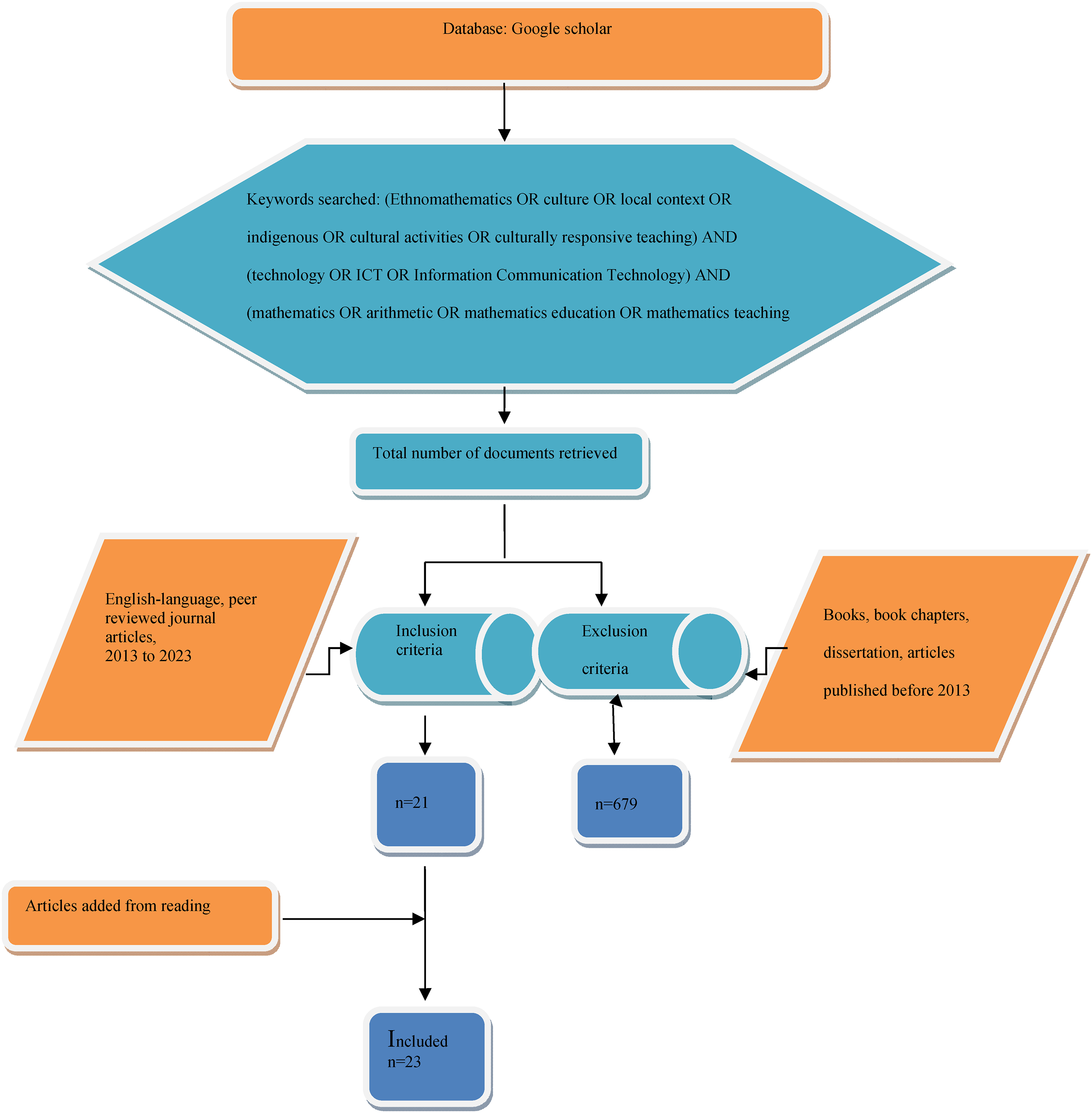
The PRISMA procedure.
The search function was used and input the keywords (Ethnomathematics OR culture OR local context OR indigenous OR cultural activities OR culturally responsive teaching) AND (technology OR ICT OR Information Communication Technology) AND (mathematics OR arithmetic OR mathematics education OR mathematics teaching and learning). The screening criteria excluded books, book chapters, systematic review articles and conference proceedings. Excluding books, book chapters, systematic review articles, and conference proceedings from the systematic review was crucial to maintaining the highest quality and reliability standards. Peer-reviewed journal articles are regarded as the gold standard in academic research due to their rigorous review process, which ensures the validity and credibility of findings. These articles are meticulously evaluated by experts, upholding high methodological and analytical standards that are essential for a robust systematic review. In contrast, books and book chapters often lack the same level of peer review that may provide a broader, less focused range of content, including theoretical or introductory material that may not be sufficiently detailed for a systematic review. Systematic review articles, while comprehensive, can overlap with the studies included in the current review and may not offer the most current insights if they are outdated. Conference proceedings typically present preliminary findings that may not have undergone rigorous peer review, potentially affecting their reliability. By concentrating on peer-reviewed journal articles, the review ensures a high level of credibility and accuracy, providing valuable insights based on the most thoroughly vetted and reliable research available.
The study focused on English-language journal articles to avoid difficult or uncertain translations. The initial search yielded 700 articles of which 23 focused on topics related to technology integration into ethnomathematics. After reading the 23 articles, three were discarded because they were conference papers. Examining the reference sections of the selected articles resulted in three additional articles; therefore, 23 articles met the criteria and were reviewed (see Figure 1). Articles were screened for technology integration in ethnomathematics, location, and date. For all studies that seemed to meet the inclusion criteria, or when a decision could not be reached based on the title or abstract, rescreening was done using full texts. Twenty three articles were included in this study.
Thematic analysis was carried out to categorize the themes connected to the research patterns in the study. Useful data was extracted from the 23 articles that were used to answer the research questions. The 23 articles used in this study were marked with an asterisk in the list of references.
Findings
After a careful application of the processes for selection as outlined in the methodology section 23 articles meet the selection criteria. The findings from the articles were classified into themes as follows; trend of publications, mathematics topics, participants, instructional design models used in the studies and evaluation instruments.
Trends of article publication
The findings of the study reveal a noteworthy trend in the publication of articles related to the integration of digital cultural-based media in mathematics education in Indonesia. Through the application of the PRISMA Methodology and careful adherence to inclusion and exclusion criteria, it was observed that the majority of selected articles were published between 2016 and 2023 (see Figure 2 for number of articles and publication year). Notably, the peak in research output occurred in 2022, indicating a significant increase in scholarly contributions during that year. Nugroho et al. (2021) demonstrate the significant role of technology in enhancing the quality of mathematics education, particularly in a contemporary era dominated by technological advancements. In an increasingly globalized world, technology plays a pivotal role not only in mathematics education but also in various other sectors (Nugroho et al., 2021). The surge in research output suggests a growing interest and recognition of the importance of integrating digital cultural-based media into mathematics education in Indonesia. It reflects a shift towards innovative pedagogical approaches that leverage technology and cultural context to enhance teaching and learning experiences in mathematics. The diverse range of topics explored in these articles, spanning from ethnomathematics to the use of digital tools in cultural contexts, underscores the multidimensionality of this emerging field.
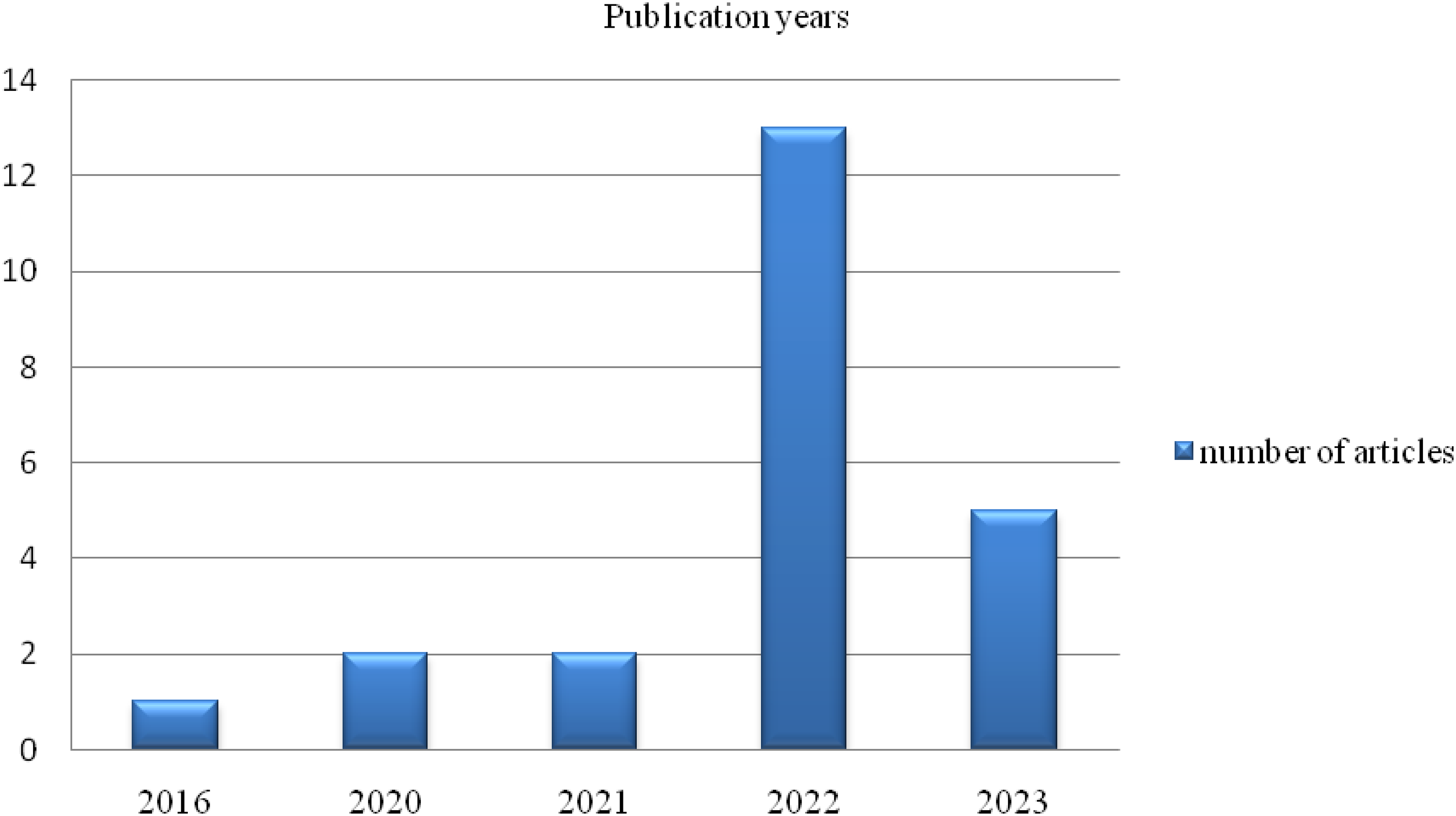
Trend of publications.
However, the absence of articles published between 2013 and 2015 reveals a notable gap in scholarly contributions during that period. While the reasons for this gap are not explicitly addressed in the study, it may reflect fluctuations in research priorities, funding availability, or other contextual factors influencing academic publishing. Nonetheless, this gap highlights the need for continued attention and investment in research efforts to ensure the sustained growth and development of the field. Despite this temporal gap, the overall trend suggests a promising trajectory for the integration of digital cultural-based media in mathematics education in Indonesia. The increasing number of publications over time indicates a maturing field with expanding knowledge and expertise. As researchers continue to explore new methodologies, technologies, and theoretical frameworks, the field is poised for further advancement and innovation.
The utilization of digital cultural-based media in mathematics education offers a versatile approach to teaching various mathematical topics. In this study, the integration of digital cultural-based media was explored across a range of mathematics topics; revealing insights into the distribution and prevalence of these integrations within different content areas (see Figure 3).
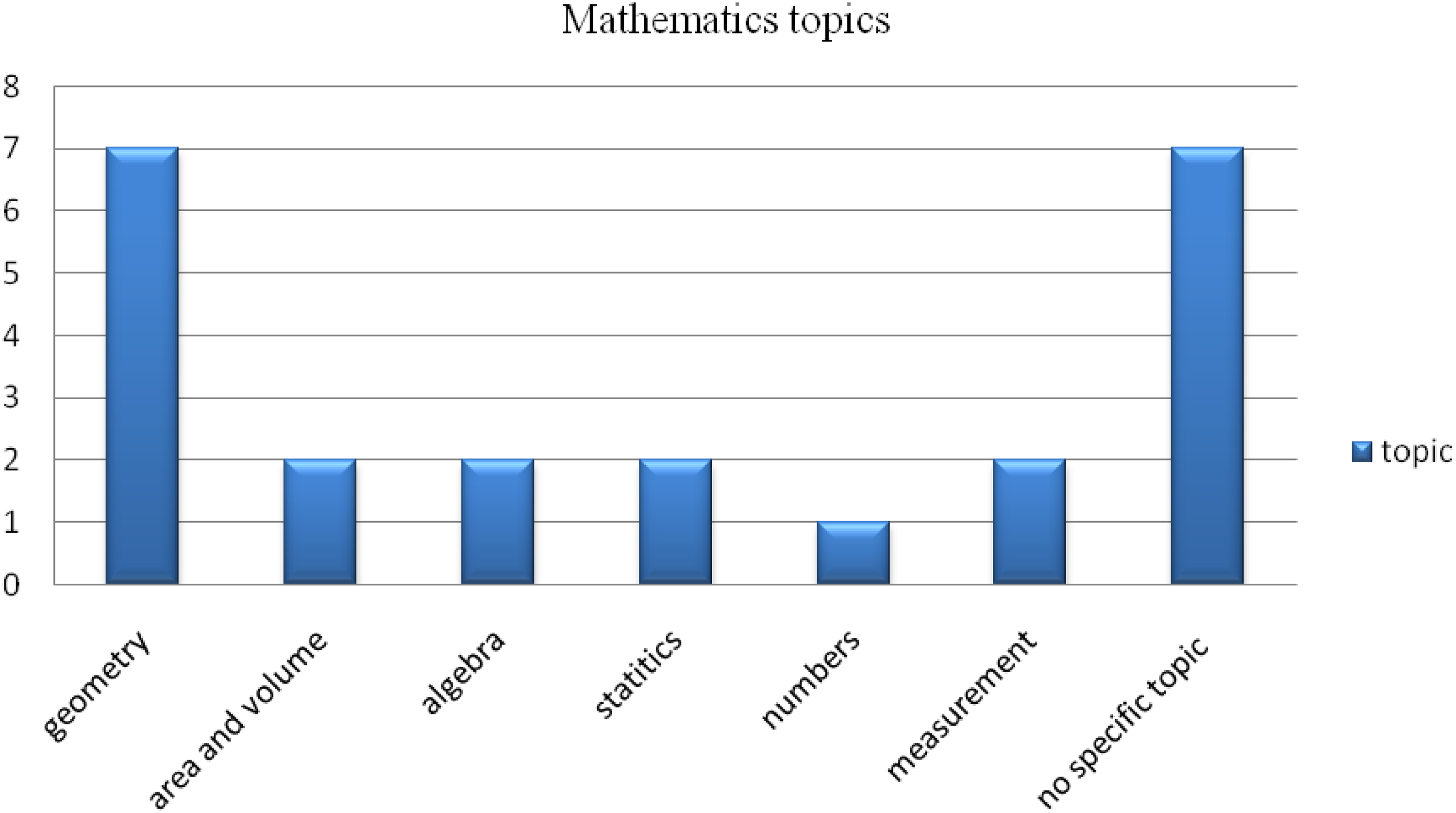
Mathematics topics.
One notable finding from the study is that a significant portion of the articles (32%) did not explicitly specify the mathematical topic addressed. Among the articles that did specify the mathematical topic, geometry emerged as the most prevalent, accounting for 27% of the total. This finding underscores the suitability of digital cultural-based media for enhancing geometric understanding and visualization. Through interactive simulations, virtual manipulative and cultural representations of geometric concepts, students can engage in immersive learning experiences that deepen their understanding of spatial relationships and geometric principles.
Furthermore, the study identified other mathematical topics covered in the integration of digital cultural-based media, including area and volume, algebra, statistics, and measurement, each comprising 9% of the total. This diversity of topics reflects the versatility of digital cultural-based media in supporting various mathematical concepts and skills. This is supported by Chikodzi (2022) who highlighted that varied cultures possess rich collections of artifacts that exemplify mathematical concepts. Whether through interactive games that reinforce algebraic concepts, culturally relevant data sets for statistical analysis, or virtual tools for measuring and comparing objects, digital cultural-based media offer innovative avenues for teaching and learning across the mathematics curriculum. However, it is noteworthy that the topic of numbers had the lowest representation, accounting for only 5% of the articles.
The distribution of participants across different educational levels provides valuable insights into the target audience of digital cultural-based media integration in mathematics education.
In this study, the majority of participants were high school students, constituting 59% of the total sample (see Figure 4). This finding underscores the relevance and potential impact of integrating digital cultural-based media in mathematics instruction at the secondary education level. High school students represent a critical demographic in mathematics education, as they are preparing for academic and career pathways that often require proficiency in mathematical concepts and skills. By engaging high school students with digital cultural-based media, educators can enhance their learning experiences, promote a deeper understanding of mathematical concepts, and foster critical thinking skills. Moreover, according to Tran and Castro Schepers (2023) integrating cultural elements into mathematics instruction can help make learning more relevant and meaningful for high school students, facilitating connections between abstract mathematical concepts and real-world contexts.
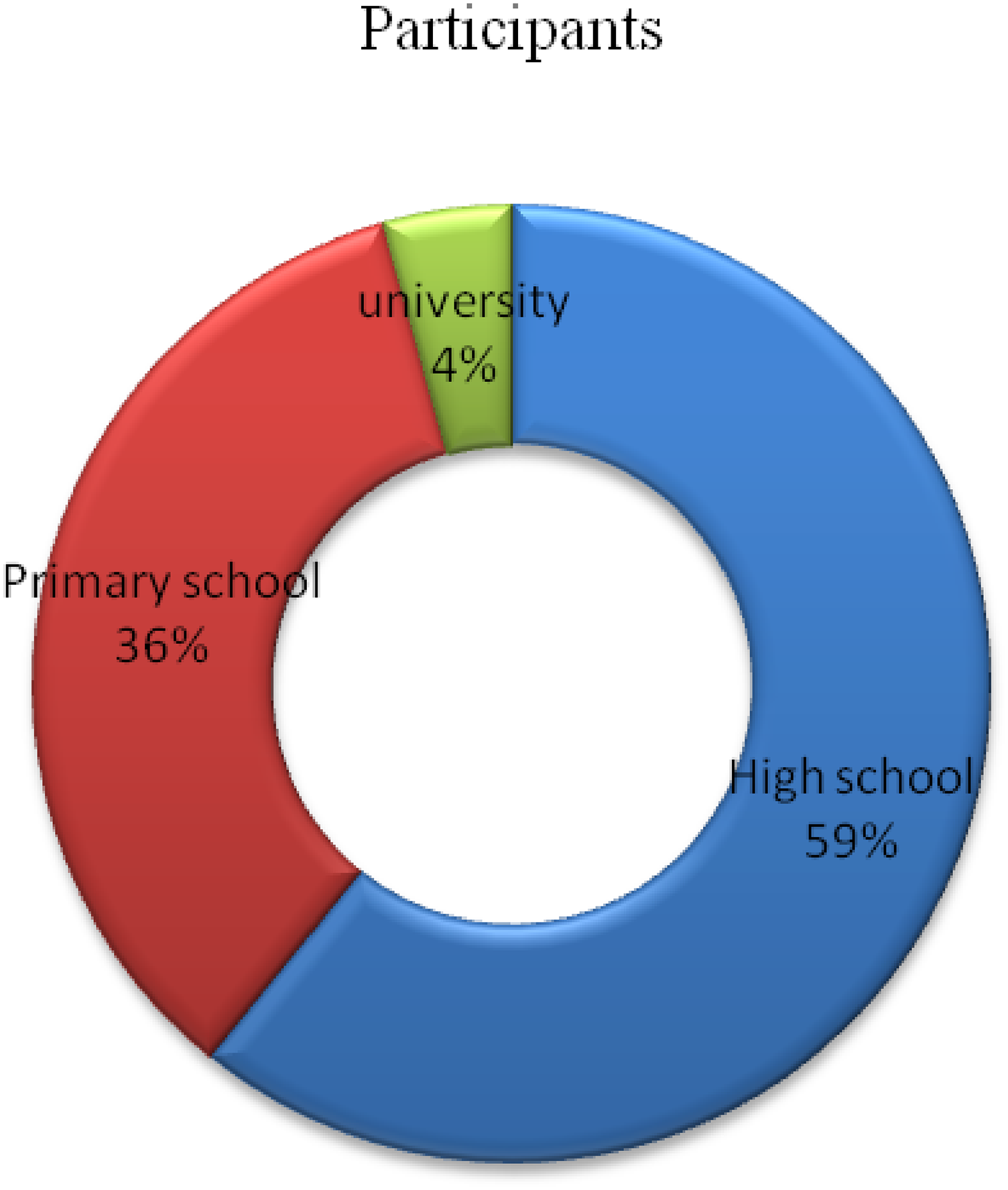
Participants in the study.
Following high school students, primary school students comprised 36% of the participants, indicating significant representation from the elementary level. This finding highlights the importance of introducing digital cultural-based media early in students’ mathematical education. Research suggests that early exposure to culturally relevant learning experiences can promote positive attitudes towards mathematics and lay a strong foundation for future learning (Rudyanto et al., 2018). The authors further indicated that by incorporating digital cultural-based media into elementary mathematics instruction, educators can create engaging and inclusive learning environments that cater to the diverse needs and backgrounds of young learners.
Conversely, university students accounted for only 5% of the total participants, reflecting a smaller proportion compared to students from primary and secondary education levels. While this finding may be attributed to various factors, including the focus of the study and the availability of participants, it also suggests opportunities for further exploration of digital cultural-based media integration in higher education settings. As university students continue their academic and professional journeys, they can benefit from innovative approaches to mathematics education that integrates digital technologies and cultural perspectives.
The varied distribution across educational levels emphasizes the need for age-appropriate, culturally relevant digital media in mathematics, with adaptations that address developmental stages and the distinct academic needs at each level. This approach not only supports engagement and effectiveness in learning but also helps build a culturally aware and mathematically proficient generation.
The distribution of participants across different educational levels significantly influences the integration and effectiveness of digital cultural-based media in mathematics education. This distribution affects how educational tools are designed, the complexity of content that is incorporated, and the strategies used to apply these resources effectively, all tailored to meet the unique developmental and learning needs of each student group.
The design of educational tools must align with the specific characteristics and needs of the target audience. For high school students, the integration of digital cultural-based media can include interactive applications and simulations that allow for exploration of complex mathematical concepts such as calculus or statistics in culturally relevant contexts. For instance, digital tools can utilize real-world data from local communities to teach statistical analysis, thus making the learning experience more engaging and relatable. The design might involve problem-based learning scenarios where students apply mathematical concepts to solve issues pertinent to their cultural environments, such as modeling population growth or analyzing economic trends.
In contrast, for primary school students, educational tools may need to focus on foundational concepts through simple, engaging interfaces that incorporate colorful visuals, animations, and games. The integration of culturally relevant stories or characters can help make abstract mathematical ideas more tangible. For example, using digital storytelling that integrates local folklore with basic arithmetic problems can provide a culturally rich context that helps young learners understand and enjoy mathematics. Thus, the integration of digital cultural-based media at different educational levels requires a careful balance of content complexity and cultural relevance, ensuring that tools are not only accessible but also meaningful to the learners’ backgrounds.
The level of complexity incorporated into educational resources varies significantly between educational levels. High school mathematics often involves more abstract reasoning and advanced topics, necessitating digital media that can present these complexities in an understandable way. This may involve providing visualizations or interactive elements that break down intricate concepts into manageable parts, allowing students to explore relationships between mathematical principles and cultural phenomena. For instance, using graphing software to explore functions that model environmental changes can connect students’ understanding of math with real-world issues they may encounter in their own communities.
On the other hand, primary school educational tools must simplify concepts while maintaining engagement. The complexity of content for younger learners needs to be appropriate to their cognitive development, focusing on foundational skills such as addition, subtraction, and basic geometry. Integrating culturally familiar contexts, such as using local animals or foods in math problems, can make these basic concepts more relatable and easier for young learners to grasp. The effectiveness of digital cultural-based media is enhanced when complexity aligns with students’ developmental stages, as it helps avoid overwhelming them while still promoting critical thinking and problem-solving skills.
The way digital cultural-based media resources are applied in educational settings also hinges on the distribution of participants. For high school students, effective application might involve collaborative projects where students work together using digital tools to research, analyze, and present findings on culturally relevant mathematical applications, such as budgeting for a community project or analyzing the impact of local agricultural practices on economy. This approach not only reinforces mathematical skills but also fosters teamwork and communication skills, preparing students for real-world scenarios.
In primary education, the application of digital cultural-based media often focuses on interactive and playful learning experiences that engage students and encourage exploration. For example, educational games that incorporate cultural themes can motivate students to practice their math skills in a fun and dynamic way. Effective application at this level often involves hands-on activities where children can manipulate digital tools to solve problems, which reinforces learning through active participation.
The integration and effectiveness of digital cultural-based media in mathematics education are profoundly shaped by the distribution of participants across educational levels. By thoughtfully considering the design of educational tools, the complexity of content, and the methods of application, educators can create more effective learning environments that meet the developmental and cultural needs of students. This tailored approach not only enhances mathematical understanding but also ensures that learning is relevant, engaging, and impactful across different educational contexts.
Developmental research and research and development are research methods applied in the development and testing of products that are implemented in the education sector. According to Sugiyono (2017) the research and development method is a research method that is used to design and produce a specific product and examine the effectiveness of the product, in this case, the product was either media or applications. The development research is a procedure used to develop and authenticate teaching and learning media, resources and applications. The findings from the development research were not only for developing teaching and learning media, resources and applications but also for finding knowledge or answers to practical problems. According to research Amali et al. (2019), several types of research models have been used as a reference in developmental research and research and development.
Five development models such as the ADDIE model, Four-D (4D) development model, Borg and Gall's development model, Sugiyono development model and Gravemeijer design research model were used in some of the 23 articles. Fitrianawati and Setiyawati (2021) used the Sugiyono development model (2013) which comprises ten research phases, however, the researchers focused on seven phases that are potential and problems, data collection, product design, design validation, design revision, product manufacture, and product revision. Nursyahidah and Albab (2021) used the Gravemeijer design research model developed by Gravemeijer and Cobb (2006) which has five traits comprising intervention character, process-orientedness, reflecting component, cyclical nature, and theory orientation (Prahmana, 2017). According to Gravemeijer and Cobb (2006), the design research comprises three phases which are preliminary design, design experiment, and retrospective analysis.
The use of the ADDIE model (Analysis, Design, Development, Implementation, and Evaluation) in educational research has become increasingly prevalent due to its systematic and practical approach to the development of teaching and learning media (Spatioti et al., 2022). In this systematic review, ten studies (45%) (Abdullah et al., 2022; Arliani & Khabibah, 2022; Hidayah et al., 2022; In’am et al., 2023; Nuryadi et al., 2022a, 2022b; Putri et al., 2023; Putri & Junaedi, 2022; Richardo et al., 2023; Suendarti et al., 2022) were identified that applied the ADDIE model to guide the integration of technology into ethnomathematics instruction (see Figure 5). The ADDIE model consists of five stages, analysis, design, development, implementation, and evaluation (Branch, 2009) as shown in Table 1. According to Spatioti et al. (2022) the ADDIE model is widely used in the development of teaching and learning media because of its several benefits such as operational, systematic, practical, and procedural stages.
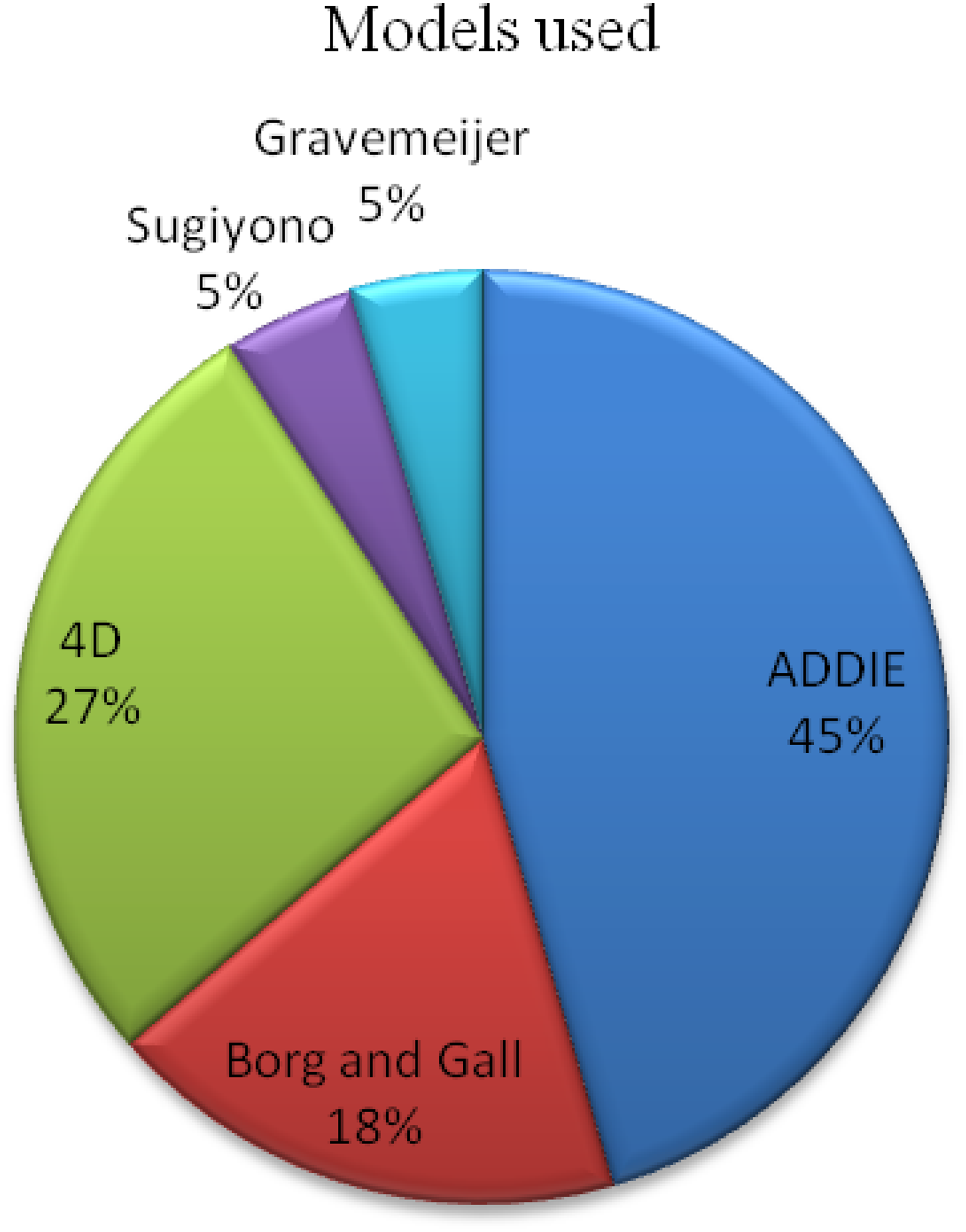
Models used in the study.
The ADDIE model.
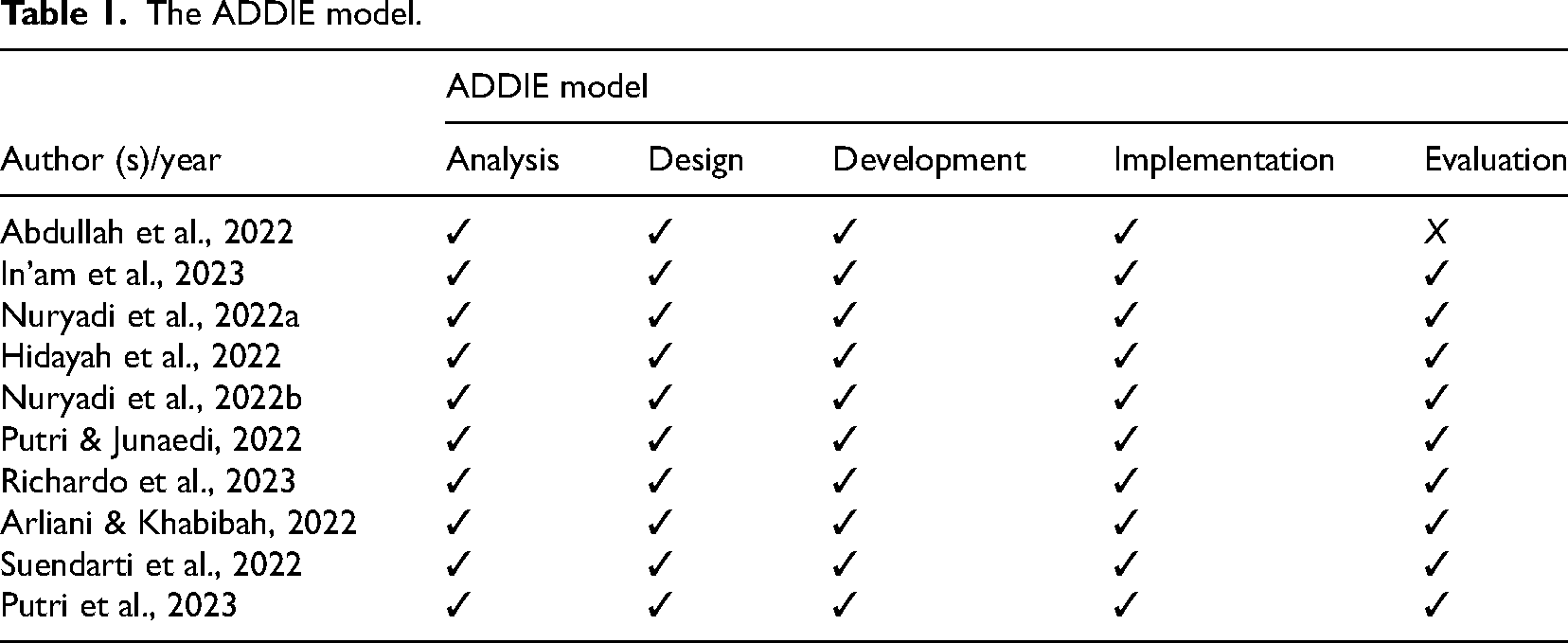
The analysis phase, which forms the foundation for all other stages of the ADDIE model, was a common feature in all ten studies reviewed. During this phase, researchers defined the problem, identified its source, and determined possible solutions. This critical initial step allowed researchers to gain a comprehensive understanding of the educational context, learner needs, and technological requirements necessary for the development of effective teaching and learning media.
In all the reviewed articles, research techniques such as needs analysis and task analysis were employed during the analysis phase to gather relevant data and inform subsequent design decisions. These techniques helped researchers identify specific learning objectives, target audience characteristics, and instructional strategies that guided the design and development of technology-integrated ethnomathematics resources.
Following the analysis phase, the design, development, and implementation stages were integral components of the ADDIE model across all ten studies. During the design phase, researchers translated the findings from the analysis phase into concrete instructional designs and prototypes of teaching and learning media. The subsequent development phase involved the creation and refinement of these prototypes, ensuring alignment with educational goals and learner needs.
Once developed, the teaching and learning media were implemented in educational settings, allowing researchers to assess their usability, effectiveness, and impact on teaching and learning outcomes. Finally, the evaluation stage, although utilized in most of the reviewed articles, was absent in the study by Abdullah et al. (2022). Evaluation is crucial for determining the success of the developed learning media and identifying areas for improvement.
The systematic application of the ADDIE model in the reviewed studies facilitated the development of technology-integrated ethnomathematics resources that were grounded in pedagogical principles and responsive to learner needs. By following a structured and iterative process, researchers were able to create effective educational interventions that have the potential to enhance mathematics learning experiences and promote cultural understanding among students.
Five articles made use of the Borg and Gall model (Bintoro et al., 2021; Buchori et al., 2016; Choirudin et al., 2020; Darmayanti et al., 2022a; Rohaeti et al., 2020) as shown in Table 2. The Gall and Borg model includes ten phases which are research and data collection, planning, product design development, initial field trial, main field trial, revision of operational product, field implementation testing, final product revision and deployment and implementation.
Borg and Gall model.
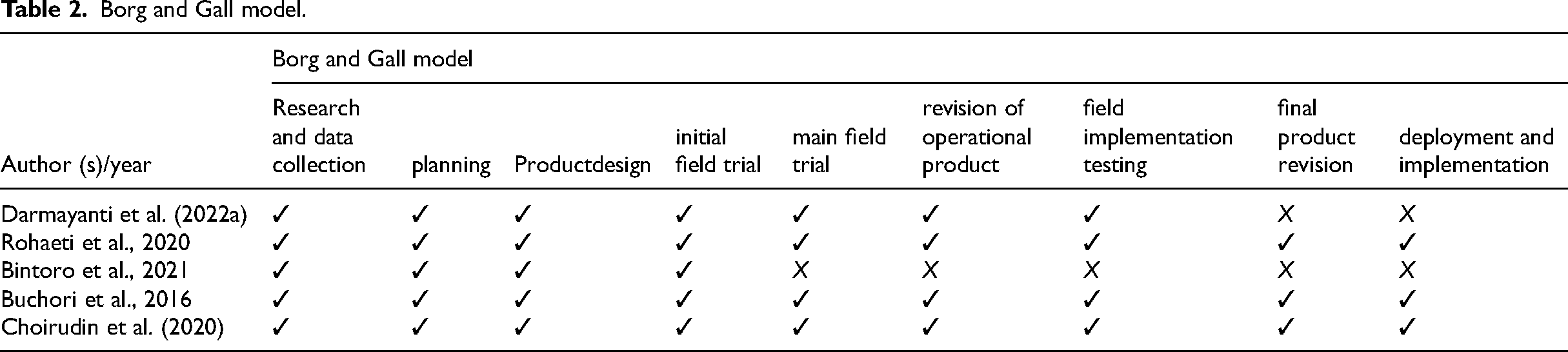
The utilization of the Borg and Gall model for research design and evaluation represents a systematic approach to investigating the effectiveness of educational interventions, including the integration of digital cultural-based media in mathematics education. In this study, four articles were identified as employing the Borg and Gall model to guide their research process. However, it is noteworthy that there were variations in the extent to which the stages of the model were implemented across these articles. Rohaeti et al. (2020), Choirudin et al. (2020) and Buchori et al. (2016) are notable examples of studies that followed all ten stages of the Borg and Gall model. By adhering to each stage, from problem identification to reporting of findings, these articles demonstrated a comprehensive and rigorous approach to research design and evaluation (Buchori et al., 2016; Rohaeti et al., 2020). This methodological rigour enhances the credibility and validity of the research findings, providing a strong foundation for assessing the impact of digital cultural-based media on mathematics teaching and learning.
In contrast, Bintoro et al. (2021) utilized only the first four stages of the Borg and Gall model in their study. While this limited implementation may have provided initial insights into the research problem and objectives, it may have also resulted in gaps in the research process, such as incomplete data collection or analysis (Bintoro et al., 2021). As a result, the findings of the study may be less robust or generalizable compared to studies that encompass all ten stages of the Borg and Gall model.
Similarly, Darmayanti et al. (2022a) utilized eight stages of the Borg and Gall model in their research. While this represents a more comprehensive approach compared to Bintoro et al. (2021), the omission of two stages may still have implications for the rigour and validity of the research findings (Darmayanti et al., 2022a). It is possible that the exclusion of certain stages may have limited the depth of data collection, analysis, or interpretation, potentially affecting the overall quality of the study.
The variations in the implementation of the Borg and Gall model across the five articles highlight the importance of methodological rigour and consistency in educational research (Buchori et al., 2016; Rohaeti et al., 2020). Studies that adhere to all ten stages of the model are better positioned to generate robust, reliable, and actionable findings that can inform practice and policy in mathematics education. However, it is essential for researchers to carefully consider the specific research context, objectives, and constraints when determining the appropriate level of adherence to the Borg and Gall model or any other research framework. By maintaining a balance between methodological rigor and practical considerations, researchers can maximize the validity and impact of their research endeavours.
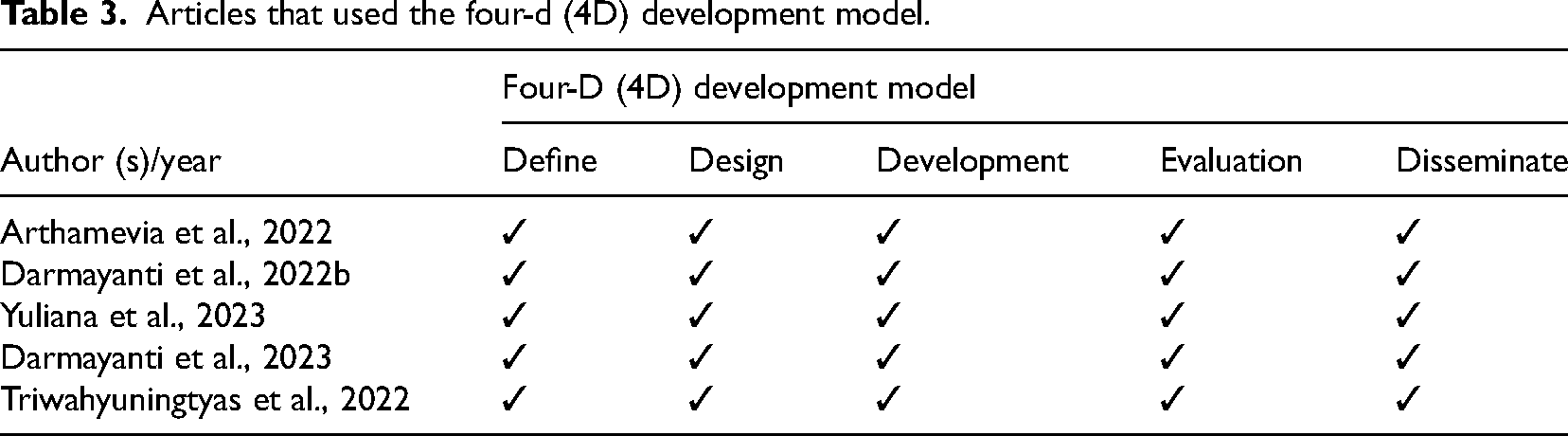
The Four-D (4D) development model was used to develop teaching and learning media by integrating technology into ethnomathematics (Arthamevia et al., 2022; Darmayanti et al., 2022b; Darmayanti et al., 2023; Triwahyuningtyas et al., 2022; Yuliana et al., 2023). According to Winarni (2018), the Four-D (4D) development model comprises four stages which are defining, designing, developing, and disseminating. However, in the reviewed articles evaluation was conducted after the development stage as shown in Table 3. All the stages of the 4D development model were incorporated in the five articles as well as the evaluation stage (see Table 3).
Articles that used the four-d (4D) development model.
The integration of technology into mathematics education, particularly within the realm of ethnomathematics, offers promising opportunities to enhance teaching and learning experiences. In the reviewed articles by Darmayanti et al. (2022b), Arthamevia et al. (2022), Yuliana et al. (2023), Darmayanti et al. (2023), and Triwahyuningtyas et al. (2022), the Four-D (4D) development model was employed to guide the development of teaching and learning media that integrate technology into ethnomathematics instruction. This model, according to Winarni (2018) consists of stages such as defining, designing, developing, and disseminating that provide a systematic framework for the creation and implementation of educational resources.
Each stage is essential for ensuring the effectiveness and usability of the teaching and learning media. However, in the reviewed articles, it was observed that evaluation was conducted after the development stage, which deviates slightly from the traditional sequence of the 4D model. Despite this deviation, all stages of the 4D development model were incorporated in the five articles, including the evaluation stage.
By following the 4D development model, the researchers were able to systematically define the objectives and scope of the teaching and learning media, design the instructional materials and technological features, develop the digital resources, and disseminate the final products to the target audience. This structured approach to development ensures that the educational resources are aligned with the intended learning outcomes, pedagogical principles, and technological requirements.
The incorporation of the evaluation stage after the development phase is significant as it allows researchers to assess the effectiveness, usability, and impact of the teaching and learning media in real-world educational settings. Evaluation serves as a critical step in the iterative process of instructional design, enabling researchers to gather feedback from stakeholders, identify strengths and weaknesses of the resources, and make necessary refinements or revisions.
The utilization of the 4D development model in the reviewed articles demonstrates a thoughtful and systematic approach to integrating technology into ethnomathematics instruction. By incorporating all stages of the 4D model, including evaluation, the researchers ensure that the resulting teaching and learning media are well-designed, pedagogically sound, and culturally relevant. This approach holds promise for enhancing mathematics education by leveraging technology to engage students, promote a deeper understanding of mathematical concepts, and foster appreciation for cultural diversity.
These models provide structured frameworks for integrating technological innovations with cultural elements in education. By incorporating ethnomathematics and using digital tools such as apps, augmented reality, or multimedia content, the development process ensures that both pedagogical goals and cultural relevance are maintained. Through these models, educators can design and implement teaching and learning resources that promote cultural understanding and mathematical literacy in a technology-enhanced environment.
The effectiveness of digital culture-based media in mathematics education is significantly influenced by the choice of developmental research models, with each model contributing unique processes that shape how well these educational interventions meet learning objectives. Instructional design models such as ADDIE, 4D, Borg and Gall, Sugiyono, and Gravemeijer have been employed in research, each emphasizing phases critical for developing and refining digital media in ways that enhance educational outcomes.
For instance, the ADDIE model's systematic stages (Analysis, Design, Development, Implementation, and Evaluation) facilitate thorough problem identification and solution testing, making it widely applicable in 45% of reviewed studies for designing effective technology-integrated ethnomathematics resources. In contrast, the 4D model, used in five studies, supports the iterative creation and evaluation of resources, focusing on defining, designing, developing, and disseminating instructional materials. This model's inclusion of an evaluation phase after development allowed researchers to measure usability and effectiveness directly in classroom settings, strengthening the practical impact of the resources developed.
Meanwhile, the Borg and Gall model, known for its comprehensive 10-phase structure, was used in several studies to achieve in-depth assessment and iterative revision of digital educational tools. Studies following all ten phases exhibited higher methodological rigor, resulting in findings more likely to be applicable in diverse educational contexts. The model's detailed evaluation stages, particularly in Rohaeti et al. (2020) and Buchori et al. (2016), contributed to creating credible, robust resources that meet learning and cultural relevance goals.
The Sugiyono and Gravemeijer models further emphasize iterative cycles of testing and refinement. Sugiyono's phased approach enabled a focus on product design, validation, and revision, while the Gravemeijer model's process-oriented and cyclical design encouraged reflection and adaptability, especially useful in dynamically assessing how cultural components integrate into the digital resources.
The developmental models used in digital culture-based media research enhance mathematics education by providing structured frameworks for evaluating effectiveness and cultural relevance. Their systematic, iterative approaches ensure that digital media are not only pedagogically aligned but also sensitive to students’ cultural contexts, thereby improving the overall impact on learning outcomes in mathematics education.
To contribute to international literature on pedagogical aspects and future research, it is essential to analyze how specific instructional design models, like ADDIE, 4D, and Borg and Gall, are implemented and adapted for digital culture-based mathematics education.
Each model's stages highlight distinct pedagogical strategies that could serve as reference points for creating culturally relevant resources in other contexts. For instance, the ADDIE model's systematic phases are practical for iterative feedback integration, while the Borg and Gall model's detailed, multi-stage approach supports rigorous validation of educational media through field trials, ensuring robustness. By documenting how these models are operationalized within the digital culture context in Indonesia, especially their analysis and evaluation phases, researchers can enhance understanding of adaptive frameworks that respect both local educational challenges and cultural intricacies.
Future research could explore cross-cultural adaptations of these frameworks in diverse settings, examining the impacts of various stages on educational outcomes. Comparative studies assessing the effectiveness of each model's phases—particularly in improving inclusivity and engagement in multicultural classrooms—would provide valuable insights. Researchers could further investigate how developmental research, combined with continuous evaluation, aligns digital tools with student needs in different cultural contexts. Such studies would not only broaden the international literature but also contribute practical guidelines for researchers and educators to design pedagogically sound, culturally inclusive, and technology-enhanced mathematics learning experiences worldwide.
Evaluation of digital cultural-based media and resources was conducted using a variety of methodologies, including tests, observations, interviews, and questionnaires. Questionnaires emerged as the most commonly used evaluation instrument, followed by pre-test and post-test assessments (see Figure 6). These evaluation methods provided valuable insights into the effectiveness and usability of digital cultural-based resources in enhancing mathematics teaching and learning.
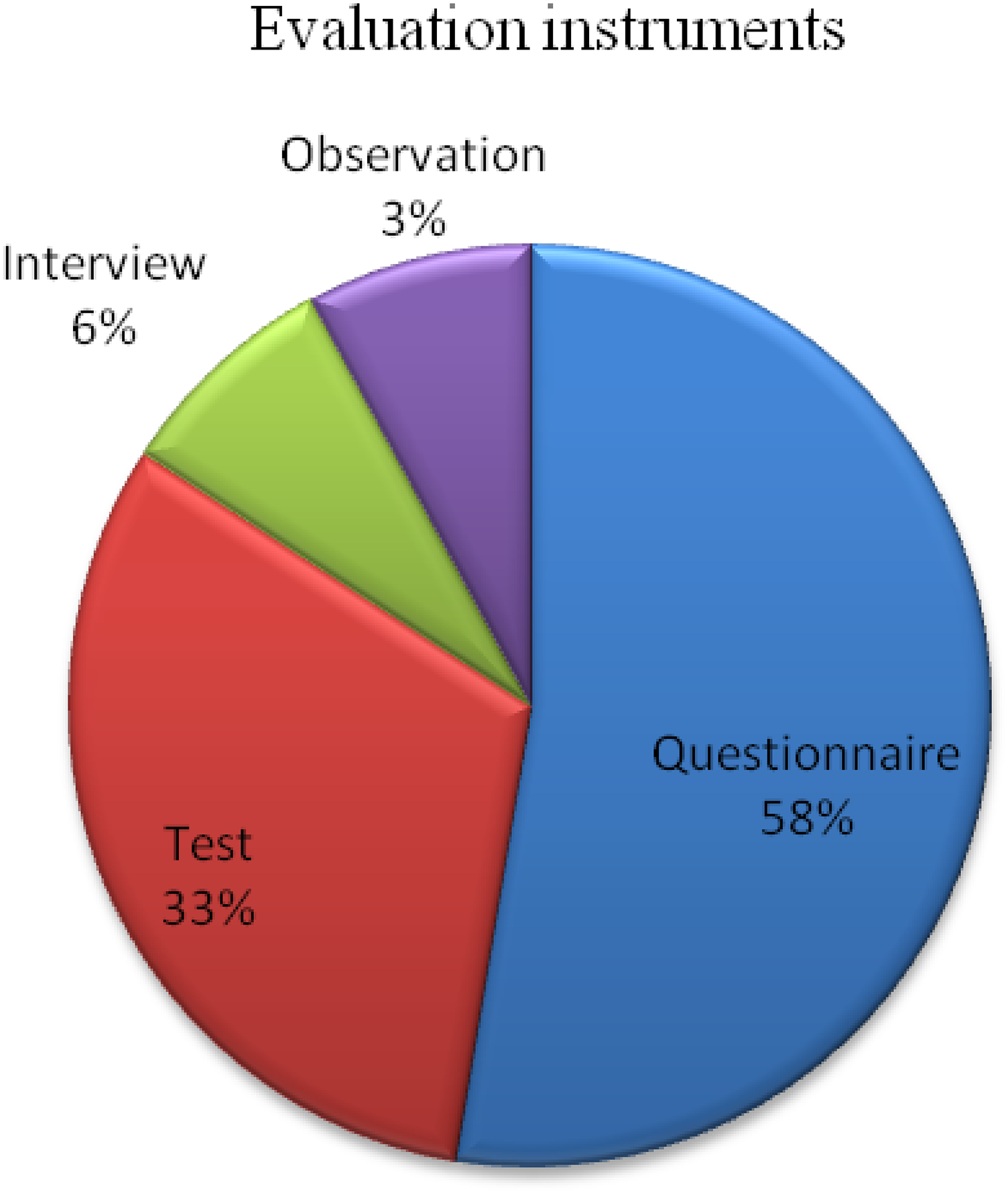
Evaluation instruments.
The evaluation of digital cultural-based media and resources within the context of mathematics education is crucial for assessing their effectiveness, usability, and impact on teaching and learning outcomes. In this study, a variety of evaluation methodologies were employed, including tests, observations, interviews, and questionnaires. This multi-faceted approach to evaluation allowed researchers to gather comprehensive data on the integration of digital cultural-based resources and their implications for mathematics education.
Among the evaluation methods used, questionnaires emerged as the most commonly employed instrument. Questionnaires provide a structured and systematic means of gathering feedback from participants, including students, teachers, and other stakeholders, regarding their experiences with digital cultural-based resources. By soliciting responses on factors such as usability, engagement, and perceived effectiveness, questionnaires offer valuable insights into the user experience and satisfaction levels associated with these resources. By assessing user satisfaction and identifying potential areas for improvement, questionnaires inform educators and developers about the strengths and weaknesses of digital cultural-based resources. This feedback can then be used to refine and enhance the usability of the tools, ultimately leading to improved mathematics teaching and learning outcomes.
Following questionnaires, pre-test and post-test assessments were utilized to evaluate the impact of digital cultural-based resources on students’ learning outcomes. Pre-test assessments serve as a baseline measure of students’ knowledge and skills prior to engaging with the digital resources, while post-test assessments measure changes in learning following exposure to the resources. By comparing pre-test and post-test scores, researchers can gauge the effectiveness of digital cultural-based media in improving students’ understanding of mathematical concepts and skills. A significant improvement in post-test scores indicates that the digital cultural-based media is effectively enhancing learning outcomes.
The evaluation methods focus on assessing the quality, functionality, and usability of digital tools and software platforms used in mathematics education. Performance tests may involve benchmarking software against established criteria or standards to determine its effectiveness in facilitating teaching and learning activities. Digital cultural-based resources must not only be engaging and culturally relevant but also reliable, user-friendly, and conducive to effective teaching and learning experiences.
The choice and application of different evaluation instruments profoundly influence the usability of digital cultural-based media in mathematics education. By providing multifaceted insights into user experiences, measuring learning outcomes, and assessing resource functionality, these evaluation methodologies enable educators and developers to refine digital tools, ensuring they are effective in enhancing teaching and learning outcomes in mathematics. This iterative process of evaluation and improvement ultimately leads to more engaging, relevant, and impactful educational experiences for students.
The study was a systematic review on the integration of digital cultural-based media in mathematics education in Indonesia. The systematic review of 23 selected articles on the integration of digital cultural-based media in mathematics education in Indonesia reveals significant trends and implications for both research and practice. The findings showed that between 2016 and 2023, there was a significant rise in scholarly contributions, peaking in 2022. This surge reflects a growing interest in utilizing technology to improve mathematics education, especially by incorporating digital cultural-based media. The findings are in line with Hidayati and Prahmana (2022) who noted an increase in ethnomathematics related research in Indonesia.
The study identifies a diverse range of mathematics topics covered in the integration of digital cultural-based media, with geometry being the most prevalent. Geometry is a branch of mathematics that is widely studied when it comes to the integration of ethnomathematics as revealed by some studies such as Iskandar et al. (2022) and Kyeremeh et al. (2023). The representation of numerical concepts is comparatively low. The finding is in line with Hidayati and Prahmana (2022) where they recorded the more cultural activities in geometry followed by numerical concepts. While such a finding may reflect the relative complexity of integrating cultural contexts into numerical concepts as noted by Sunzuma and Maharaj (2020), it also highlights an area for potential growth and exploration within the field. Future research could focus on developing digital resources and instructional strategies that effectively incorporate cultural elements into the teaching of arithmetic, numerical operations, and number sense, thereby broadening the scope of cultural integration in mathematics education.
The distribution of participants across different educational levels highlights the potential of digital cultural-based media to impact mathematics education at various stages of students’ academic trajectories. While high school and primary school students comprise the majority of participants, there is an opportunity to extend the implementation of these resources into higher education settings to support university students’ mathematical learning. By targeting diverse student populations and educational contexts, educators can maximize the effectiveness of digital cultural-based media integration in promoting mathematical learning and fostering cultural awareness. However, future research should continue to explore the unique needs and challenges associated with different educational levels to ensure the equitable implementation of digital cultural-based media in mathematics education.
The systematic application of instructional design models, including the ADDIE model, Borg and Gall model, and Four-D (4D) development model, underscores the importance of a structured and systematic approach to the development and evaluation of educational resources. By following established frameworks, researchers can ensure that the resulting resources are grounded in pedagogical principles, responsive to learner needs, and aligned with educational objectives. However, variations in the extent of model implementation across studies highlight the need for methodological rigour and consistency in educational research.
The variety of evaluation methodologies employed, including questionnaires, pre-test/post-test assessments, and performance tests for instructional technology systems, reflects the comprehensive approach to evaluating digital cultural-based media in mathematics education. These evaluation methods offer valuable insights into the effectiveness, usability, and impact of digital resources on teaching and learning outcomes. Rigorous evaluation processes are essential for identifying strengths, weaknesses, and areas for improvement, ultimately enhancing the quality and usability of digital tools in mathematics education.
The findings of this systematic review provide valuable insights into the trends, associated with the integration of digital cultural-based media in mathematics education. By addressing gaps in scholarly contributions, exploring diverse mathematical topics, engaging students across different educational levels, employing systematic instructional design models, and employing rigorous evaluation methodologies, researchers and practitioners can advance the field and enhance mathematics teaching and learning experiences in culturally relevant and meaningful ways.
Future research efforts should focus on exploring new methodologies, technologies, and theoretical frameworks while addressing gaps in research priorities and funding availability to further enhance mathematics education practices and foster cultural understanding among students in Indonesia and beyond. In addition, key areas for future research may include investigating the effectiveness of specific digital tools or cultural interventions, exploring the role of teacher professional development in facilitating integration efforts and examining the implications of cultural diversity on mathematical learning outcomes. By addressing these research gaps and building upon existing knowledge, scholars can contribute to the ongoing improvement of mathematics education practices in Indonesia and beyond.
Limitation of study
The research was constrained by its reliance on a single database, namely Google Scholar, as the primary source of literature. This limitation may have inadvertently excluded relevant studies and perspectives not indexed within the Google Scholar platform, potentially narrowing the scope and depth of the investigation. Furthermore, the study was geographically confined to the context of Indonesia, thereby restricting the generalizability of the findings to broader cultural, socio-economic, and geographical contexts. Variations in policies, practices, and societal norms across different countries could influence the results and limit the applicability of the research beyond the Indonesian context. Acknowledging these limitations is crucial for interpreting the findings accurately and for recognizing the need for future research to incorporate multiple databases and diverse geographical settings, thereby enhancing the robustness and validity of the conclusions drawn.
Footnotes
Contributorship
All authors have sufficiently contributed to the study and agreed with the results and conclusions.
Data sharing statement
Data supporting the findings and conclusions are available upon request from the corresponding author.
Declaration of conflicting interests
The authors declared no potential conflicts of interest with respect to the research, authorship, and/or publication of this article.
Ethical statement
This study does not require any ethical approval since it is based on existing literature.
Funding
The authors received no financial support for the research, authorship, and/or publication of this article.
Informed consent
This study does not require any ethical approval since it is based on existing literature.
