




Abstract
This study examines the critical issue of retaining ethnic minority teachers in London schools. As part of a broader ESRC research project, a survey was conducted to gather insights from teachers and headteachers on the barriers to retention. The findings indicate that the retention of ethnic minority teachers is a significant challenge facing schools, with disproportionate representation being a major concern. The research identified multiple factors contributing to teacher turnover, including workload, stress and illness, limited promotion prospects, lack of autonomy, low salary, difficult parents, numerous government initiatives, poor work-life balance, better career opportunities elsewhere, dissatisfaction with teaching, and Ofsted inspection pressure. In line with existing research, our study confirms that workload remains the dominant factor driving teachers’ decisions to leave the profession. Moreover, a significant proportion of Black teachers participating in the study identified racism and race-related discrimination as substantial barriers to career progression and retention. They also highlighted the need for improved leadership and support to promote equality and diversity in schools, suggesting that current efforts are inadequate. The London context is particularly noteworthy, as the region boasts the highest concentration of ethnic minority teachers and pupils in England, making it a crucial setting for understanding the complexities of teacher retention and diversity. The study’s findings have important implications for policy and practice in English education. Based on the survey evidence, several recommendations can be made to address the retention of the teaching workforce. These include reducing workload, decreasing working hours, and increasing job satisfaction rates, as well as improving diversity in school leadership and the teaching workforce. Policy changes are also necessary to mitigate stress in the workplace, recognise teachers’ contributions, and provide greater autonomy. By addressing these factors, schools and policymakers can work towards creating a more supportive and inclusive environment, which in turn can lead to improved teacher retention, a more diverse workforce, and a more effective and equitable education system for all students.
Introduction
Background to disproportionality in the teaching workforce
This research is investigating the retention and recruitment of ethnic minority teachers.
A growing body of research evidence suggests a long-standing concern about the mismatch between the teacher workforce and student populations (Demie, 2019; Tereshchenko et al., 2020). For example, while Black and minority ethnic (BAME) student numbers in England now stand at 31% (Adams, 2021; Demie, 2019), the majority of school leaders (93%), teachers and teaching assistants (86%), and other staff (87 %) are White British by ethnic background.
The international research evidence also shows that the ethnic gap between ethnic minority students and their teachers has become even more mismatched over time despite the increased number and proportion of minority teachers in schools (see Demie, 2019, 2023a, 2023b; Gorard et al., 2023; Demie and See. B.H, 2023; Ingersoll et al., 2020; Ingersoll et al., 2021; Villegas and Irvine, 2010). In the UK, there is also disproportionality between ethnic minorities and White British pupils.
Pioneering work by Miller and Callender (2018:183) on race and school leadership argued that there are: ‘Fewer BAME teachers are in leadership roles in education, and there are only 230 BAME leaders in over 24000 primary and secondary schools. They argued for the need for the teaching workforce to reflect the communities it serves, as schools have become more ethnically diverse in the UK’.
Diversity in the teaching workforce matters to address the low attainment of ethnic minority pupils and to create a more inclusive and diverse school community that reflects the wider society. The international evidence suggests that exposure to teachers from a similar race/ethnicity has the promising potential to help ethnic minority students attain greater educational success (e.g. Egalite et al., 2015; Gershenson et al., 2016; Villegas and Irvine, 2010). Minority ethnic school leaders and teachers bring different perspectives and life experiences, exposing our children to cultural diversity, which reflects the languages, cultures, and ethnic backgrounds of the local community and society at large.
Recent research also shows the lack of ethnic diversity within the teacher workforce at senior levels and reinforces the need to focus on differential outcomes associated with different combinations of social and economic background characteristics (Demie and See, 2023; House of Commons Education Committee, 2021). These studies concluded that teachers from black, Asian, White, and other ethnic backgrounds experienced racism, and the associated inequalities were at the forefront of their concerns.
Research evidence suggests that being taught by someone from the same ethnic group can have a positive impact on pupils’ social-emotional, attitudinal, academic, and behavioural outcomes, especially for pupils from black ethnic backgrounds (Dee, 2005; Gershenson et al., 2021; Villegas and Irvine, 2010). While the student population has become more diverse in recent years, there is an under-representation of all major ethnic minority groups, particularly among senior leaders and school governance volunteers (DfE, 2018; DfE, 2022). What is even more concerning is that more teachers are leaving the profession than schools can recruit. However, despite the need to tackle the issue, the government’s recent strategy on teacher retention and recruitment does not address diversity or retention (Burge et al., 2021; DfE, 2018).
Recent school workforce data for London also show a similar picture at the national level, that is highlighted above and suggests significant changes in the teacher and pupil demographics over the last decade in London. Figure 1 shows that the ethnic minority teaching workforce in London has increased steadily from 32.1% to 38.7%, an increase of 6.6 percentage points between 2010 and 2021. Trends in ethnic minority students and teaching workforce in London and England 2010-21. Source: DfE School Workforce census, 2010–2021; DfE, 2022. *From 2017 onwards, it became statutory for nursery schools to provide ethnicity data for children on the school census which was absent in previous years.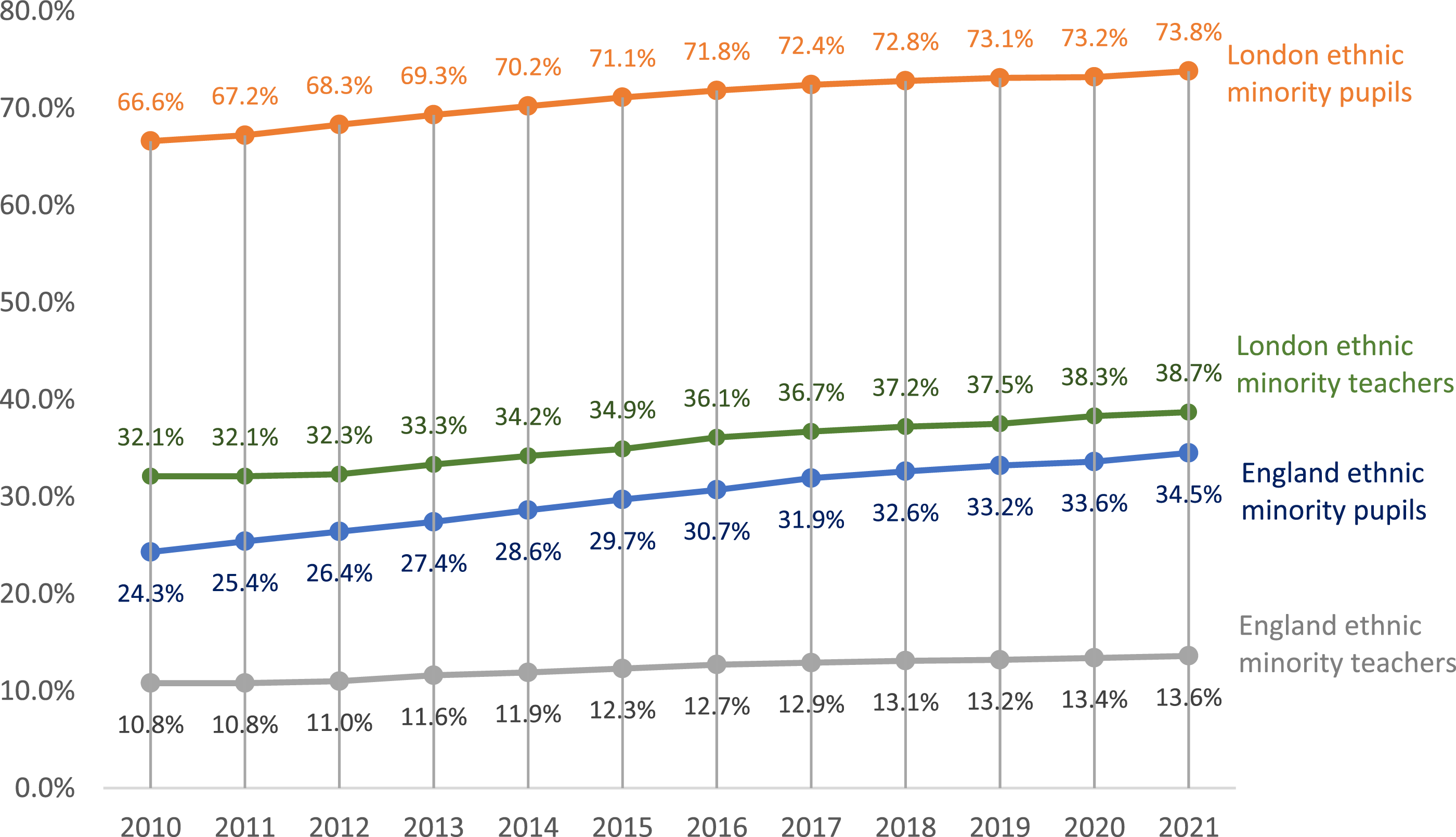
Although the number of ethnic minority teachers has increased, the number of ethnic minority students has increased at an even faster rate. Between 2010 and 2021, the ethnic minority student population grew from 66.6% in 2010 to 73.8% in 2021. The increase in the number of ethnic minority teachers has not kept pace with the growth in the ethnic minority pupil population (Demie and Hau, 2023).
The key messages from the data suggest that White Other (12.3%) and Asian teachers (12.0%) are the largest ethnic minorities in London’s teaching workforce. A further examination of the data also confirms the rise in ethnic minority teachers in London, is mainly driven by a notable increase of Asian teachers of four percentage points since 2010. To a lesser extent, but also rising are teachers identifying as black and also mixed ethnicity, both of which have grown by 1.5 percentage points since 2010.
Overall, White teachers remain the largest ethnic cohort of teachers working in London schools, but the proportion has fallen since 2010, mainly driven by a ten-percentage point drop in teachers who are White British (Figure 2). Ethnicity of ethnic minority teachers in London 2010–2021 by main ethnic group. Source: DfE School Workforce census, 2010–2021; DfE, 2022.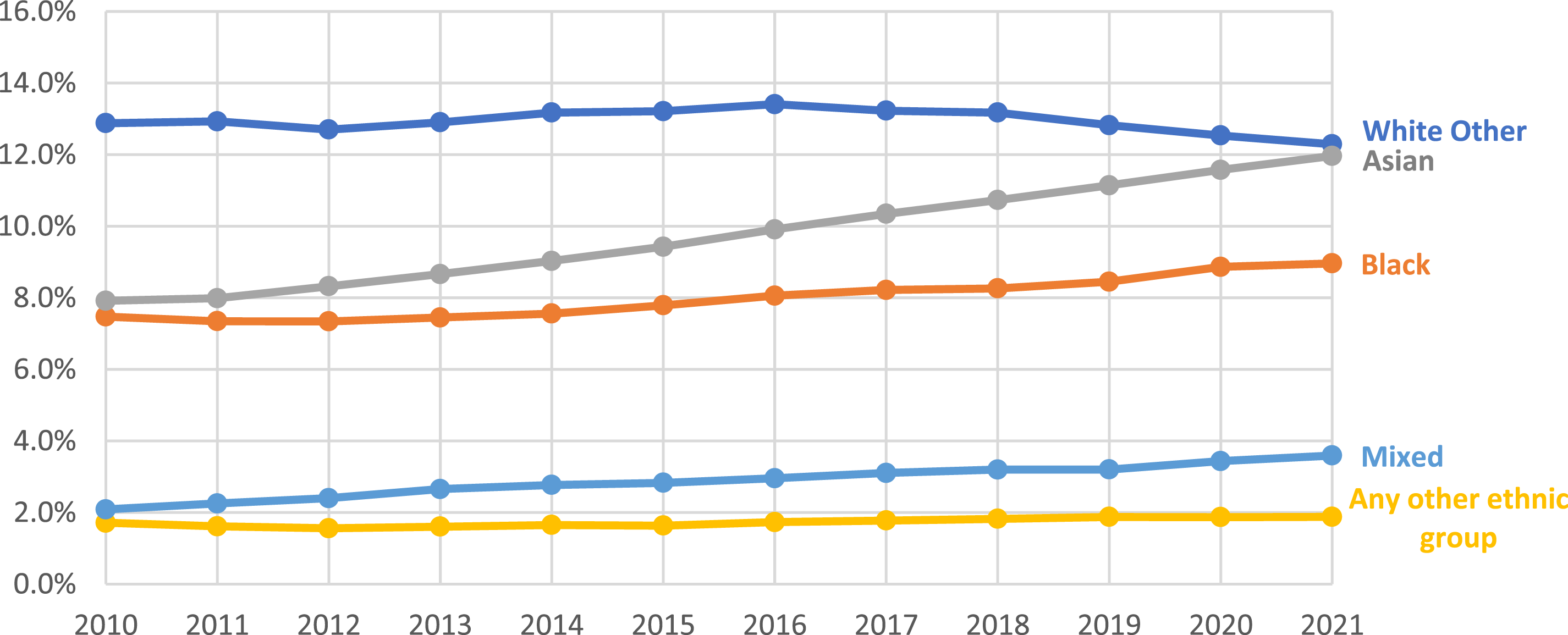
Barriers to teacher retention: Review of the literature
A longstanding problem in the teacher workforce in the UK and internationally is retaining teachers in schools. There is a continuing and substantial number of teachers who leave the profession. This issue is recognised by the UK government as an ongoing concern for England (see DfE, 2018, 2019, 2022) and a global challenge for schools. A growing literature has also documented the barriers to teacher retention. This review of the literature covers the reasons for teachers leaving schools.
For this article, teacher retention is defined as keeping teachers in the post and reducing teacher turnover.
Literature evidence on teachers’ retention and shortage
Many studies have explored ways to address leaks in the teacher supply pipeline. However, there are fewer studies that examine how teacher turnover affects students and what actions can be taken to mitigate this impact. For instance, the recent article by Hazel Bryan and Jane Price (2025) delves into the complex issue of teacher shortages in England, focussing on recruitment, retention, and the experiences of early career teachers. They discuss historical challenges, such as high attrition rates and ineffective incentives, and outline various government initiatives aimed at tackling these problems. These initiatives include financial incentives and targeted recruitment campaigns. The authors also highlight regional disparities, pointing out that rural areas often experience severe shortages, particularly in subjects such as mathematics and physics.
Additionally, they address the urgent need for a diverse teaching workforce, pointing out the significant shortage of Black and minority ethnic teachers and the underrepresentation of male teachers in primary education. Bryan and Price (2025) critique recent government strategies, including the Teacher Recruitment and Retention Strategy and the Early Career Framework (ECF), suggesting that while promising, they may not fully resolve systemic issues. They advocate for a comprehensive approach focussing on long-term investments in teacher well-being and professional development. Overall, the article identifies persistent challenges in teacher recruitment and retention, urging reforms to ensure a sustainable teaching workforce in England.
Menzies (2023) argued that teacher turnover is a significant and growing issue for schools in England. While various strategies to reduce turnover have been researched, fewer studies have examined its effects on students and staff or how to mitigate these impacts. Research indicates that high turnover negatively affects trust, institutional knowledge, and collaboration among staff. To address this issue, schools should focus on nurturing relationships, establishing routines, and fostering a supportive culture, as well as providing opportunities for informal professional development.
The author’s research distinguishes between teachers in the early stages of their careers, with five or fewer years of experience, and those experiencing long-term systematic departures. The author argues that decisions regarding teacher allocation can result in within-school churn, which disrupts continuity of care, especially for socio-economically disadvantaged and minority ethnic students. One potential solution is the strategy of ‘looping’, where teachers stay with the same group of students over multiple years, as this may help mitigate churn. Although additional research on looping is needed in England, teachers are generally receptive to the approach, provided it is backed by evidence. Nonetheless, balancing teachers’ influence over their allocations with their overall job satisfaction and retention remains challenging. One limitation of this research is its failure to address the barriers to the retention of ethnic minority teachers in English schools.
The paper by Taberner and MacQuarrie (2025) analyzes factors affecting the success of Early Career Teachers (ECTs) in England, amidst concerning attrition rates in the profession. Many teachers with 5 years of experience or less are leaving for other career paths, raising sustainability concerns for the teaching workforce as student numbers grow faster than the influx of new teachers (Bryan and Price, 2025; Menzies, 2023). The paper explores challenges faced by ECTs, including classroom management, administrative support, and professional development, aiming to understand why some teachers succeed while others struggle in a demanding educational landscape.
The study also provides compelling evidence that specific personality traits, such as conscientiousness, emotional stability, and agreeableness, play a significant role in predicting a wide range of performance and achievement outcomes throughout an individual’s life. This includes a critical emphasis on teacher effectiveness, particularly among early career teachers (ECTs). By analysing data on various personality dimensions, the study enhances our understanding of the dynamics that contribute to the success of ECTs with two or fewer years of experience. It reveals why some of these educators thrive, demonstrating resilience, adaptability, and passion for their work, while others may struggle and ultimately leave the profession prematurely, often due to stress, lack of support, or misalignment with their personal values. This insight is vital for developing targeted support systems that can help retain effective teachers and improve overall educational outcomes. The research found that the social self-esteem aspect of extraversion is vital for enhancing mental toughness among Early Career Teachers (ECTs). This suggests that traits related to social confidence can help protect against stressors such as heavy workloads and difficult student behaviour. By improving mental resilience, these qualities enable ECTs to better cope with the demands of teaching. Overall, the study highlights the importance of cultivating extraversion-related traits to help ECTs manage stress and succeed in challenging environments.
Tereshchenko et al.'s (2025) comprehensive research into the retention and recruitment of teachers offers a nuanced exploration of the multifaceted challenges and opportunities surrounding the recruitment and retention of minority ethnic teachers in England. Using interview data collected from 33 educators and school leaders of diverse ethnic backgrounds, the study investigates whether the racial barriers identified in prior research have shifted in light of the ongoing teacher shortages and the increasing initiatives aimed at enhancing diversity within the educational workforce. The findings indicate that ‘a majority of the participants did not encounter significant obstacles in securing classroom teaching roles, a trend attributed primarily to acute staff shortages, which often compel schools to broaden their recruitment efforts’ (p.1). Additionally, many educators noted that their schools’ diversity goals have positively influenced hiring practices. However, the study unveils several critical factors that distinctly affect recruitment, retention, and attrition among teachers. Key influences include increasing workloads, challenges with student behaviour, and intrinsic rewards of the profession, such as job satisfaction and a profound sense of purpose derived from positively impacting students’ lives.
Most concerning, the research highlights that systemic barriers to career advancement persist as a significant issue within the educational landscape. Experienced teachers, particularly those who identify as Black, report encountering incidents of racism and discrimination at rates significantly higher than their non-minority counterparts. This pervasive discrimination not only affects their professional experiences but also contributes to a sense of marginalisation and disengagement from their roles. Furthermore, the research delineates various opportunities for improvement related to school diversity, especially in leadership positions. Schools that actively promote diverse leadership teams are more likely to foster inclusive environments, which, in turn, can enhance the retention rates of minority ethnic teachers. The paper makes a compelling case for a comprehensive overhaul of structural elements within the educational system, advocating for recruitment efforts that are not only vigorous but also establish meaningful pathways for career progression. These pathways should support professional development initiatives and cultivate a genuinely inclusive atmosphere that values and uplifts all educators, thereby enriching the educational experience for students of all backgrounds.
Literature evidence on other factors influencing teachers to leave the profession
The workload is the greatest threat to retention and the crucial factor influencing teachers’ decisions to leave the profession (Gorard et al., 2021; Worth et al., 2018). The National Audit Office surveyed school leaders and found that they cited excessive workloads as the biggest barrier to retention (DfE, 2018). In England, the DfE’s (2019) Recruitment and Retention Strategy noted that workload is the primary reason for teachers resigning. The DfE report argued that ‘An unmanageable workload is the most consistently cited reason teachers give for leaving teaching by primary and secondary teachers, irrespective of their length of service. Teachers felt that the level of work a teaching role required was unsustainable; they had felt ‘overwhelmed’ by the amount of marking, planning, and data tracking expected’ (DfE, 2018:18).
Many teachers reported that workload levels negatively impacted their ability to maintain an appropriate work-life balance, stress levels, and general well-being and that this was the main contributing factor in their decision to leave the profession. The workload level was exacerbated by curriculum changes and new government policies that affect classroom practice. Hague and Elliot (2023) also noted that the passion for teaching was slowly wavering due to the pressures of workload and cutbacks in education: ‘The burnout rate is very high in schools now; members of staff leaving in droves…’ (African Indian teacher, male, secondary schools).
Many workload factors have been instrumental in teachers’ decisions to leave. These include marking and planning. Many primary and secondary teachers felt there was too much emphasis on marking, that the volume was too great, and there were ridiculous marking schemes (Hague and Elliot, 2023). Teachers also raised planning as part of the heavy workload. The teacher sees planning as a necessary part of the job but argues that the way it is managed in schools is extremely time-consuming and used for Ofsted accountability purposes and not helpful in improving teaching and learning.
Other research and survey evidence also confirm teachers in Britain are regularly working some of the longest hours in the world, primarily caused to the amount of work required (Kentish, 2016). The survey of 8173 people found that 81% of teachers considered leaving in the last 12 months due to workload pressures. Similar findings were found from the (LKMco, 2015) survey also cited workload as the most important reason for considering leaving.
Poor pupil behaviour has been highlighted as another key factor in teacher attrition in secondary school teachers’ surveys in England. Sixty-three percent (Williams, 2018) of respondents had considered leaving the teaching profession because of poor pupil behaviour, and 72% of the respondents knew teachers who had left for this reason. Some secondary teachers and primary teachers also described issues arising from poor pupil behaviour in the DfE (2018) research. The report argued that ‘Affected teachers had to deal with high levels of poor pupil behaviour and disruptive behaviour. These teachers felt they were spending an increasing amount of time dealing with poor behaviour, which was not always dealt with effectively by school leaders’. ‘Stress and ill health are reported to the DfE research as one factor that contributed to teachers leaving. The research shows that teachers suffered stress and health issues due to heavy workloads and a lack of support shown by their SLTs’. ‘Sleeping problems, panic attacks, and anxiety issues contributed to their decision to leave. They also reported issues with their physical health and their memory due to the stress they were experiencing at work’ (Teachers, DfE 2018).
School leadership policy and culture are also mentioned as key factors as barriers to retention. School culture can be understood to mean many things, but it can include things such as decision-making processes, management style, and the existence of support structures for teachers. A survey by LKMco (2015) found that of those who were considering leaving the teaching profession, 43% claimed the quality of leadership and management was a driver of this. The second-most cited response is behind excessive workloads.
There is now a general agreement that one of the key contributing factors to their decision to leave is ineffective school management and policies. The DfE-backed research (DfE, 2018) ineffective school leadership was cited by 40% of secondary school teachers as a main reason for leaving teaching. Teachers reported a perceived lack of support or trust from the Senior Leadership Team (SLT). Teachers felt that the SLT was unsympathetic towards workload issues. Teachers who were interviewed during the DfE research did not feel they were being trusted to do their job, and that levels of scrutiny into lessons and teaching styles were too high. Classroom observations were felt to be intrusive, and unconstructive and feedback could be demoralising.
Government policy is another factor affecting retention, and this was raised in the DfE (2018) research. Many teachers argued that the Government policy on Exams and data-driven ethos impacted their decision to leave the profession. It is Exams and a data-driven ethos. There is a concern by teachers in the research that the Government was placing more importance on data and results, rather than on pupils’ needs and learning.
Racism is another factor identified in NFER research (Worth et al., 2018) as affecting retention and enabling ethnic minority teachers to leave. There is now a body of survey-based and qualitative research that has investigated the reasons for lower retention rates among teachers from ethnic minority groups other than White. The findings consistently point to three main concerns: racial discrimination from staff, pupils, and parents; disillusionment with their ability to make a difference for pupils from ethnic minority backgrounds; and a lack of progression opportunities (Haque and Eliott, 2023; Tereshchenko et al., 2020, 2025).
With racial discrimination, Haque and Elliott 2017 found that compared to their colleagues from White ethnic backgrounds, teachers from ethnic minority backgrounds were more likely to report that they were not viewed as professionals and that their opinions were not valued by school management. Twice the proportion of teachers from ethnic minority backgrounds reported they had experienced discrimination in the workplace, and nearly two-thirds (64%) reported verbal abuse from pupils, compared to just over half (51%) of teachers from White backgrounds.
A recent study by researchers at the University of London (Tereshchenko et al., 2020) explored the reasons behind low rates of retention among teachers from ethnic minority backgrounds. This research found that teachers from ethnic minority backgrounds other than White were made to feel that they did not belong in teaching. Racism and associated inequalities were at the forefront of their thoughts about leaving the profession, and dealing with ‘microaggressions’ (such as colleagues questioning their views or making stereotypical assumptions about their backgrounds) was such a burden that it amounted to an additional workload. Teachers from ethnic minority backgrounds who are committed to making a difference for pupils from their communities can be demotivated by schools’ rejection of their culturally sensitive approaches to teaching (Tereshchenko et al., 2020) and lack of support from family and the wider community (Bush et al., 2006). They may also be demotivated by a lack of opportunities to progress to leadership roles (see Bush et al., 2006; Haque and Elliott, 2023; Mboyo, 2019; Miller, 2016; Tereshchenko et al., 2020).
The National Audit Office and National Foundation for Educational Research (NFER) surveys on teacher retention also reported burdensome workload, poor work-life balance, weak school leadership and management, accountability pressure, and excessive monitoring procedures as their primary reasons for leaving the profession (NAO, 2016; Worth et al., 2018).
The overall findings of the review of British literature suggest much of the research in the UK on retention was very generalised for all teachers and shows that the reasons for teachers to leave schools are influenced by factors such as workload, stress and illness, poor work-life balance, pupil behaviour, government policy and changes, school leadership policy and culture, Ofsted inspection pressure and accountabilities, and low salaries (see DfE 2018; NAO, 2016; Worth et al., 2018). There is little research that focuses on the barriers to retention and reasons for ethnic minority teachers to leave schools, but available small-scale evidence suggests that ethnic minority teachers report discrimination from staff, pupils, and parents, disillusionment with their ability to make a difference in pupils from ethnic minority backgrounds, and a lack of progression opportunities (e.g. Bush et al., 2006; Haque and Eliott, 2023; Mboyo, 2019; Miller, 2016; Tereshchenko et al., 2020,2025).
The paper is structured in three sections and takes a unique approach by highlighting the retention of ethnic minority teachers. The first section focuses on the survey methodology, followed by the second section on the factors that affect retention. The final section looks into the discussion, policy implications, and the limitations of the study.
The aim of the study
This research paper provides much-needed research evidence on the topic of disproportionality of minority ethnic teachers’ retention challenges to inform and shape the understanding and responses among policymakers and practitioners. Building on previous studies, three research questions were used to guide this study. • What does the trend data tell us about disproportionality in the teaching workforce in London by ethnic background? • What are the barriers to retention and the reasons for leaving teaching? • What are the implications for policy and practice?
In English education, there are increasingly glaring problems of regional variation in terms of retention and recruitment of ethnic minority teachers (see Gorard et al., 2025). We would argue that London is a good case study to study ethnic minorities in the teaching workforce and is therefore significant in different ways:
Firstly, it is a diverse and multicultural English region. Almost 72% of the school population is ethnic minorities compared to other regions in England (DfE, 2023). More importantly, the proportion of pupils in the city’s schools who are from black and minority ethnic backgrounds is more than double the England average.
Secondly, the survey evidence identifies the major factors that influence a teacher’s decision to leave or stay and will help to improve and inform policymakers and school practitioners about the current situation in schools to improve teaching and learning.
All regions’ responses are reported elsewhere, and there is evidence of significant variations in the needs of different regions in England. A full version can be seen in Gorard et al. (2025).
Methods
A survey was undertaken to collate the views of teachers and headteachers about the barriers to retention. We undertook a national survey of teachers in all England regions from mid-December 2023 to the beginning of February 2024. The survey considers all teachers, including White British, to be able to assess where the experiences of ethnic minority teachers are different from other groups. The survey questionnaire was developed by the research team and piloted successfully.
The survey asks the respondents to rate the level of importance on a ten-point scale covering a range of barriers from not at all important to very important. In addition, there were free-text open questions in the survey, inviting respondents to describe the barriers to retention that enabled teachers to leave.
Frequency of respondents by current role.

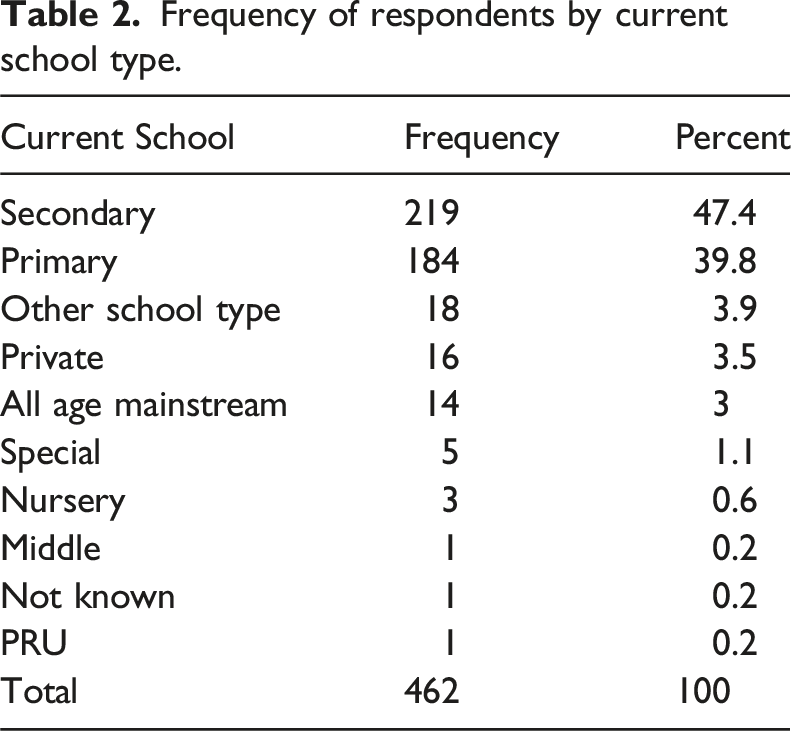
Frequency of respondents by current school type.
The research was carried out as part of an ESRC-funded research project investigating the retention and recruitment of ethnic minority teachers (see Gorard et al., 2025).
Analysis
In this study, we present the results of a survey carried out with 462 teachers from the London region, examining their views on why teachers enter the teaching profession and the possible reasons for leaving teaching. Simple frequency descriptive analyses were used to summarise the responses to the 10-point scale items, presenting the means in tabulated format or in a bar graph that we think clarifies the data better. Responses to open comments were analysed by themes. Major themes and subthemes were then identified. These facilitated the synthesis and the presentation of the findings.
This study also uses ethnic categories used in the School Workforce Census to collect and analyse the characteristics of the school teaching workforce. This includes as ethnic minorities any ethnic group that is ‘White Other (including Irish), Black (Black Caribbean, Black African, and Black Other), Asian (Indian, Bangladeshi, Pakistani, Chinese, and Asian Other), Mixed (White and Asian, White and Black Caribbean, White and Black African, Mixed Other) and Other (Any other ethnic group)’ (See DfE, 2021a).
Throughout this study, all ethnic groups that are not White British are considered ethnic minorities in the context of England.
Results
Participants
The descriptive figures show that we received 462 responses. Of these, about 52.6%% are ethnic minorities and 45.7% were White British. Unsurprisingly, the majority of respondents described themselves as ethnic minorities. Indian, Mixed, Bangladeshi, Black African, Black Caribbean, and White others were large in number. Several other categories are also small, and this must be borne in mind throughout. About 1.7% of the respondents had not stated their ethnic background and were grouped with those stated as other (see Figure 3). Frequency of responses by ethnic category.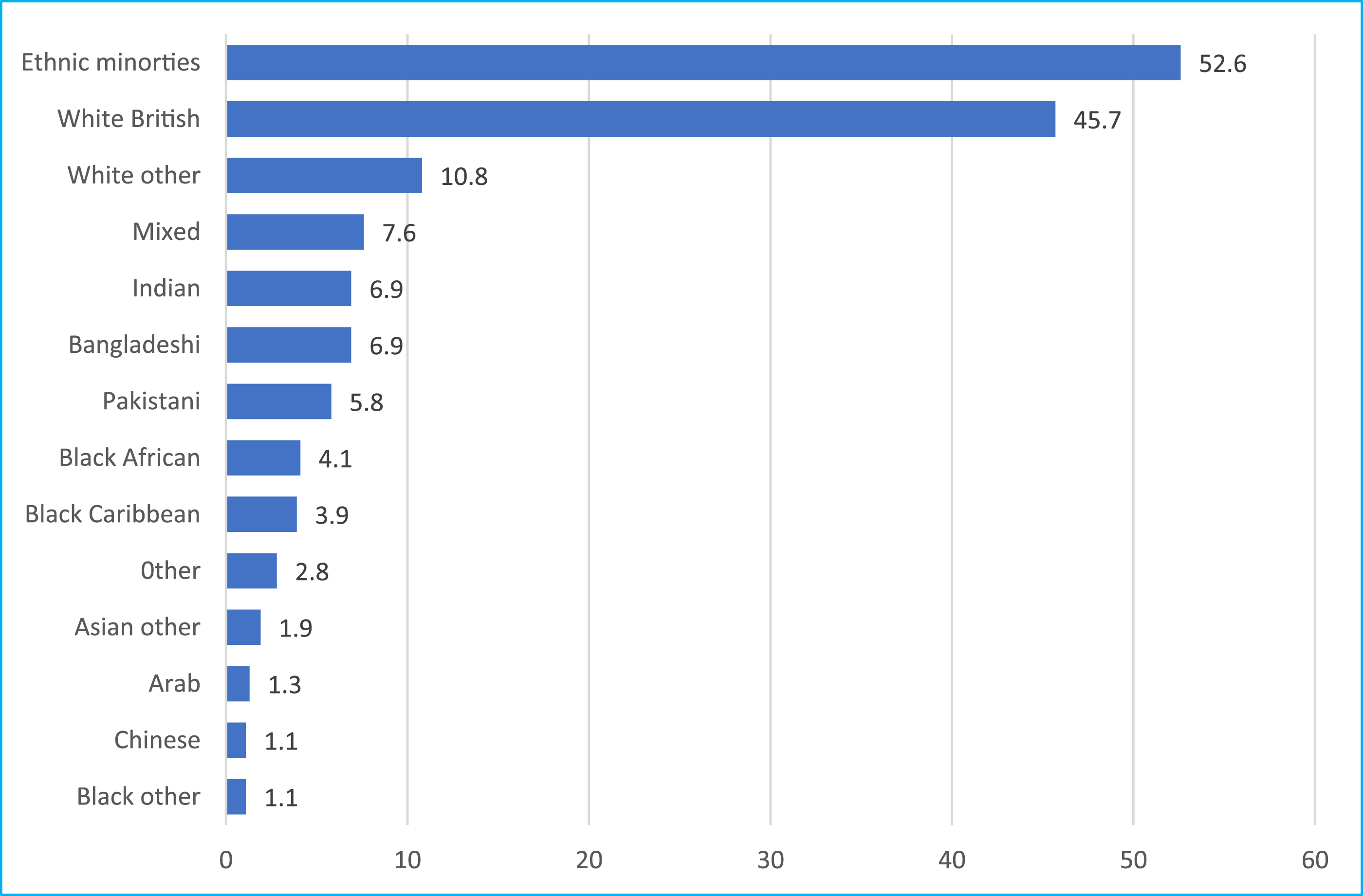
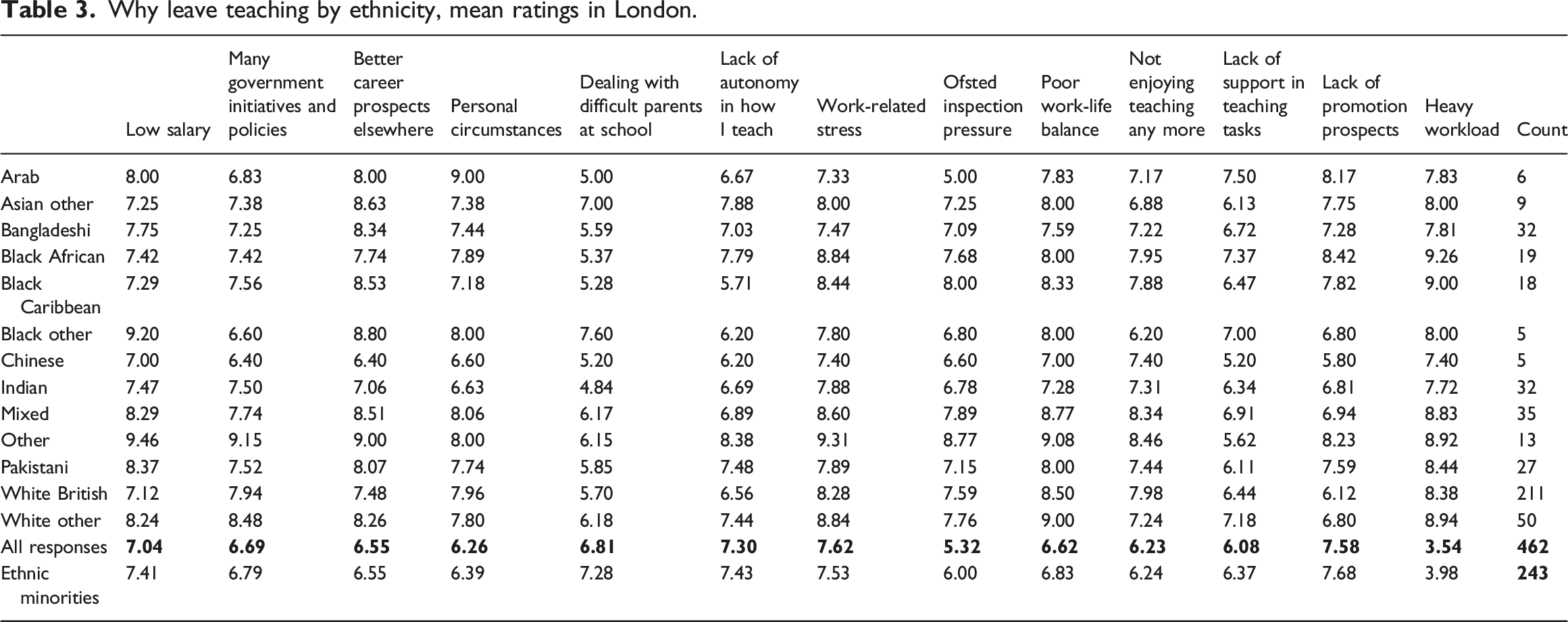
Why leave teaching by ethnicity, mean ratings in London.
Respondents came from all over London, and all school types were represented. Table shows that 47% of the respondents are from secondary schools and 40% from primary.
The length of service survey data shows most respondents have been involved in teaching for 16 years since they have been qualified. The data also shows that they have been in their current school (or role) for nearly 9 years and lived in the UK for more than 39 years.
Factors affecting retention of teachers and enabling them to leave: Survey results
This finding of the literature review related to barriers to retention has led us to develop some explanatory factors that we believe have contributed to the reasons why ethnic minority teachers leave schools and do not want to stay. This has also helped us identify several factors that need to be included in any further survey questionnaire. Building on the findings of the literature review, which identifies the barriers to retention, this section provides evidence from the survey of the factors responsible for teachers leaving schools.
To investigate barriers to retention, we asked headteachers and teachers to complete a survey. We wanted to establish whether issues covered in our literature reviews were also raised as key factors by the staff in the schools. The survey asked the respondents how much they felt each of the factors was important in encouraging them to leave, using a 10-point scale from 1 not at all important to 10 very important. This was then grouped further into ‘not at all important, slightly important, moderately important, important, and very important’. We also asked additional open-ended questions to describe the key factors that they felt have contributed to leaving teaching. Key findings are reported below:
What encourages teachers to leave teaching
Teacher retention is a key issue facing policymakers in England. Table 3 looks at the mean ratings of respondents concerning issues that would encourage them to leave teaching altogether by ethnic background. The main findings of the survey results are also given in Figures 4 and 5, showing the factors that contributed to the retention of teachers in London. There are some small differences for some ethnic groups. Many of the responses are similar across ethnic groups. The factors that respondents rated as reasons for leaving were workload (8.35), work-related stress (7.62), lack of promotion prospects (7.58), lack of autonomy (7.3), low salary (7.04), dealing with difficult parents (6.81), many government initiatives (6.69), poor work-life balance (6.62), and better career prospects elsewhere (6.55). Factors such as personal circumstances (6.26), just not enjoying teaching any more (6.23), lack of support in teaching tasks (6.08), and Ofsted inspection pressure (5.32), for example, appear to be much less relevant. Why leave teaching, mean ratings in London. Why leave teaching by ethnic minority and White British teachers in London, mean ratings.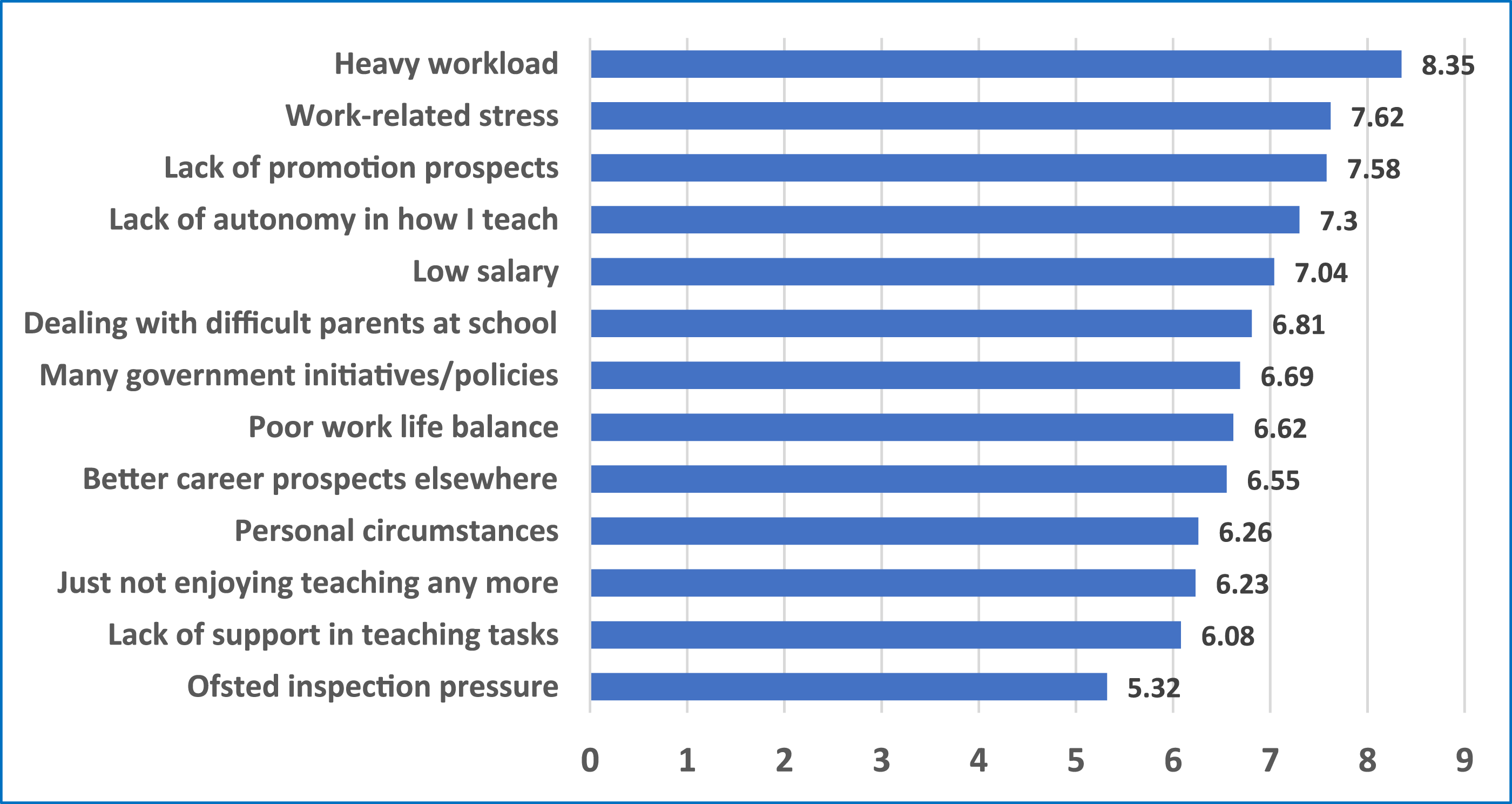
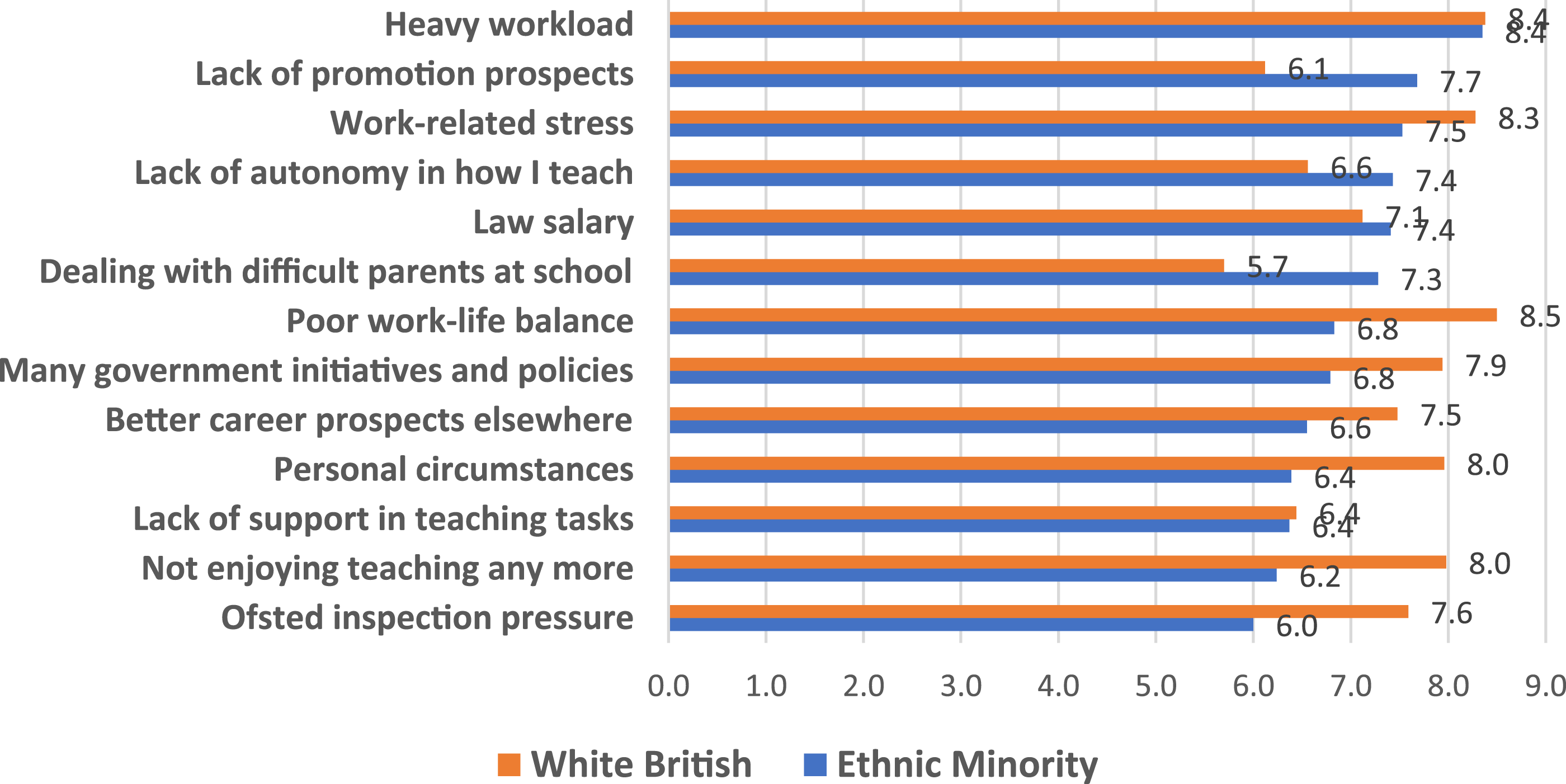
Figure 5 also shows that ethnic minorities often face significant challenges in the workplace, which can lead to decreased job satisfaction and a higher likelihood of leaving their jobs. Compared to their White British counterparts, ethnic minorities tend to identify excessive workload, limited career advancement opportunities, lack of autonomy and decision-making power, low salaries and unequal pay, and challenging interactions with parents, as a major concern factor for leaving.
The survey also asked respondents to comment on any other factors that are barriers to retention. There were many additional comments on several factors reported by respondents. Teachers and headteachers mentioned again workload as a critical factor for teachers leaving the school. Teachers commented that workload is the biggest barrier: ‘Workload and expectations are the biggest barriers - at no time do you work in any environment where you are expected to work as much (or more) unpaid and also be a babysitter, psychologist, psychiatrist etc’ (teacher, White British). ‘We're all overworked and underpaid, recruitment is shocking as new staff leave rapidly. Year on year, staff is expected to increase their workload as productivity has to remain at least the same but with few staff. There is a crisis in this country with teaching and I intend to leave the country ASAP’ (Teacher, White British). ‘Workload is too high resulting in stress and poor work-life balance. Too many pupils in classes and high levels of need with limited training or support’ (Teacher, Black other). ‘I cannot envisage myself being able to stay in teaching long term due to burnout. …I suffer from anxiety, largely as a result of emotional and physical burnout and can currently only manage this through medication. I am not looking for a higher salary, but schools that are funded to provide more holistic support to pupils which takes the burden from teacher workload e.g. mental health support for pupils, additional support staff, mentoring and behavioural services for pupils, mental health support for teachers, particularly SENCos and Safeguarding leads …- this can't occur from current school budgets’ (Teacher, White British).
The headteachers also commented that there is an extremely high workload in teaching work and this resulted in teachers leaving the profession. They argued that the lack of resources, lack of curriculum flexibility, OFSTED inspection, and the way that OFSTED grades schools for Quality of Education have contributed to workload and pressure on teachers. ‘Curriculum is a major issue and it stops teachers from having fun with their children a lot of the time, and has made young teachers into robotic presenters’ (Headteacher, White headteacher). ‘Lack of resources, extremely high workload, and ever-shifting goalposts and initiatives to meet. Unreachable standards and no time to meet them on a day-to-day basis. For new teachers, it can be relentless even in an outstanding school with well-behaved students’ (School leadership team, White British). ‘Workload, attitudes towards the teaching profession (they're lazy, whiny, short days - long holidays) i.e. The Daily Mail! it is destroying our profession and making us dog bodies to parents. The curriculum stops teachers from having fun with their children a lot of the time and has made young teachers into robotic presenters’ (School leadership Team, White British). ‘The fact that working outside of normal work hours is inescapable (e.g. at least a few hours at the weekend are necessary just to complete the basics)’ (Teachers, Arab). ‘It’s just too much work sometimes. I do over 90 hours a week’ (School leadership Team, White British).
The challenges of Ofsted and accountability as another major barrier that encourages teachers to leave. This again raised a barrier for retention by teachers, headteachers, and the School Management Team ‘The twin evils of Ofsted and league tables are doing immeasurable damage to the profession’ (Teacher, White British). ‘Red tape to jump through for Ofsted’ (Teacher, White British). ‘Ofsted expectations of the primary curriculum (i.e. schools create their own which is an enormous job on top of what is already an extremely complex job) places great stress on all of the workforce’ (Teacher, White British). ‘Although I still enjoy my teaching career, I am concerned that the pressures are too much. I constantly see amazing teachers leaving the profession due to workload. Something has got to change in the primary curriculum and the way that OFSTED grades schools for Quality of Education. Surely it is vital that we focus on supporting children in their reading, writing, and maths skills with a balance of the other areas of the curriculum. The pressure to get this balance across all subjects for all children is what is breaking teachers and driving them out of education’ (School Management Team, White British). ‘The severe lack of funding, the pressures of Ofsted and accountability, and a curriculum which does not fit the needs of our primary-aged children are some of the reasons for wanting to leave teaching. Lack of support services and increased requirements to support the complexity of special needs in one classroom is at times insurmountable’ (Teacher, White British). ‘Anxiety re: Ofsted’ (Headteacher, White British).
The lack of strong leadership and school policy, and culture was another barrier that was highlighted in the comments of the survey questionnaire. Teachers commented that one of the key contributing factors to their decision to leave is ineffective school management and policies, and the lack of support for teachers from the school leaders and the school leadership team (SLT). There is evidence from the comments that teachers experienced a lack of SLT support for issues they have raised including workload, pupil behaviour, and progression. What is worrying from the survey is that teachers did not feel they had access to other sources of advice and support. They also pointed out that classroom observations were also felt to be intrusive and unconstructive and feedback could be demoralising and there is bullying by SLT. In general, there are unrealistic expectations from leadership and a bullying culture in some schools. This adds pressure on teachers to leave. ‘By far, lack of strong leadership, robust policies in place to support teachers, and strong resources, are the main factors contributing to heavy workload and stress for teachers’(Teacher, Other: Arab). ‘The problem lies in actuality when the leadership team at all levels doesn't know what they are doing. If we have to point out errors to the SLT and MLT for every task we have been assigned to do, that is just added stress. Lack of consistency among teachers because behaviour policies are not robust, are too complicated or simply, are not working, is another factor contributing to stress’ (Teacher, Other: Arab). ‘Bullying from SLT’ (Teacher, White British). ‘Unrealistic expectations from leadership who do not have the same TT and yet have expectations of staff to deliver what they do with less time and experience’ (Teacher, Mixed ethnic group). ‘The cruelty and patronisation of other staff members, particularly those who are more experienced’ (Teacher, White British).
What’s even more alarming for ethnic minority teachers is the scarcity of diversity and inclusion in school leadership positions. The evidence from the following interview comments substantiates that ethnic minority staff often feel isolated due to the lack of diverse leadership roles, limited diverse role models, and inadequate mentorship opportunities in leadership. Notably, the Senior Leadership Team (SLT) in schools is predominantly composed of White British individuals, which can exacerbate feelings of exclusion among ethnic minority staff. ‘I have not had any Black senior leadership mentors — this is a letdown’ (Teacher, Black). ‘SLT tends to be White, British and mainly males, which is not good’ (Teacher, Indian); ‘The senior leadership is a hundred percent white’ (Teacher, Black African); ‘The STL is all White and very much English, middle management is the same, but then the actual teaching staff there is quite a wide diversity’ (Teacher, White Irish), ‘I'm the only one who is Asian, obviously, wears a scarf, looks slightly different, the only one that is not White’ (teacher, Asian) ‘The teaching body is diverse, not a lot of Blacks, but a lot of Asians […] the SLT is all White but kids are a beautiful mixture’ (Teacher, Black Caribbean).
There is also a lack of funding and resources to tackle workload and to provide more holistic support to mental health pupils and teachers, additional support staff, mentoring and behavioural services for pupils, and safeguarding. They argued this can’t occur from current school budgets. As one can see in the comments below, the respondents were critical of the current funding by the government and highlighted that funding has put huge strain and is becoming unmanageable. ‘Lack of money in London’ (Teacher, White British). ‘Lots of academies seem to be toxic places and have high staff turnover, funding by the government is a joke, and the amounts of severe special needs children in the mainstream without proper funding or adequate hours is a huge strain and becoming unmanageable’ (Mixed ethnic group, School leadership Team). ‘The severe lack of funding, the pressures of Ofsted and accountability, and a curriculum which does not fit the needs of our primary-aged children are some of the reasons for wanting to leave teaching. Lack of support services and increased requirements to support the complexity of special needs in one classroom are at times insurmountable’ (Teacher, White British). ‘Where leadership may want to/ try to offer support in work-life balance and special leave requests, they are limited by a lack of funding. Without it, they cannot see through supporting the staff or justifying decisions in paperwork’ (Teacher, Pakistani).
Poor pupil behaviour and the rudeness of parents have been highlighted as another factor in teacher retention. The comments of the respondents below suggest teachers were leaving the teaching profession because of increasingly poor pupil behaviour and the rudeness of parents. Teachers were spending an increasing amount of time dealing with poor behaviour which was not always dealt with effectively by school leaders. ‘Increasingly bad behaviour’ (Headteacher, White British). ‘Rudeness of parents’ (Teacher, White British). ‘I am concerned about the level of attacks teachers face post covid pandemic’ (School Management Group, White British).
The respondents also commented that there is a lack of respect and autonomy for teachers, as one of the reasons teachers are leaving ‘Lack of respect for teachers as professionals by the government, and also sometimes by SLT. Ofsted and its ever-changing benchmarks mean teachers and schools are constantly jumping through newly decorated hoops (Black African, School leadership team). ‘Teachers simply need the freedom to teach and take their time if need be. There’s sometimes too much over-planning and not enough room for staff to think, ‘They don’t get that (Indian, School leadership team). ‘It feels like the school doesn't want individual teachers anymore with personality and heart. They want a body wearing a hi-vis jacket that enacts their will exactly as they dictate because that's what they're paying for - as the person this is being done to, it is dehumanising and causes significant mental health issues’ (Teacher, Pakistani).
Racism and associated inequalities were at the forefront of teachers’ thinking about leaving the profession. There is now a body of research that shows the reasons for lower retention rates among teachers from ethnic minority groups other than White. The findings consistently point to racial discrimination from staff, pupils, and parents, and a lack of progression opportunities (Tereshchenko et al., 2020, 2025). This is also confirmed by the teacher’s respondent, who argued that: ‘Progression for young Black teachers is slow, expected to take many years before they can progress. Little to no flexibility in school for taking time to study further/CPD/ research, etc’ (teacher, Black). ‘I think as a person of colour, I have all the battles teachers face, plus racism & bias from stakeholders. The LA I work in lacks diversity, and I feel like an island’ (School leadership team, Black African). ‘I have not had any black senior leadership mentors, and I believe that this is a letdown to young black teachers’ (Black Caribbean, School leadership team). ‘Multi-Academy Trusts have grown and they do not necessarily keep a track on ethnic monitoring, but, worse still, many of them are led by White men and they will appoint people who look just like themselves. And for me, that is the biggest problem for us. We have not literally got a chance of getting through those White, dominant males who want to replicate the status quo with people who look like themselves’ (SLT, Black Caribbean). ‘It takes ethnic minorities a longer period to get to positions, and therefore by definition, they're more prone to attack or more prone to discrimination by age and race’ (SLT, Black Caribbean). ‘Incidents of racism and cultural misunderstanding in schools where leadership was not diverse were reportedly poorly handled, leaving minority ethnic teachers feeling unsupported’ (Teacher, Black African).
The comments and evidence presented above also reveal that the majority of Black teachers identify racism and race-related discrimination as significant obstacles to career progression and retention. Black teachers often face racism and discrimination from stakeholders, including the Senior Leadership Team (SLT), which is predominantly White British. In some cases, there is a complete absence of Black representation in senior leadership positions. Furthermore, the career advancement of young Black teachers is disproportionately slower compared to their White colleagues, making them more vulnerable to racial discrimination. The handling of racist incidents is also inadequate when leadership lacks diversity. Notably, the issue of racism in appointment processes is particularly pronounced in Multi-Academy Trusts, where leadership positions are often dominated by White men. This can lead to a lack of diversity in hiring, as equal opportunities in employment are not always prioritised. As a result, appointments tend to favour individuals who reflect the existing demographic, perpetuating a cycle of limited opportunities for candidates from diverse backgrounds to succeed in a system that is predominantly led by White males.
Other reasons given for leaving were also related to low salary and poor financial reward. The salaries are not competitive, and there is financial stress and demoralisation of staff. ‘Salaries are so low compared to private sector jobs. We have to pay an extortionate amount to go on holiday due to only being able to go during term time. I am spending my own money on resources for my classroom to create a better learning environment’ (Teacher, White British). ‘I still struggle to get by each month’ (Teacher, White British).
Discussion
The study of barriers to the retention of ethnic minority teachers in London has shown interesting evidence of the disproportionality and the reasons for teachers leaving the profession. Overall, a growing body of research in the review of literature suggests that one key factor that may contribute to parity is disproportionality in the teaching workforce. In London, there have been significant changes in the teacher and pupil demographics over the last decade, and the ethnic minority teaching workforce in London has increased steadily from 32.1% to 38.7%, an increase of 6.6 percentage points between 2010 and 2021. Although the number of ethnic minority teachers has increased, the number of ethnic minority students has increased at an even faster rate. Between 2010 and 2021, the ethnic minority student population grew from 66.6% in 2010 to 73.8% in 2021. The increase in the number of ethnic minority teachers has not kept pace with the growth in the ethnic minority pupil population. The empirical evidence clearly demonstrates that ethnic minority teachers in London were consistently under-represented over time, with a parity index, and there is a significant disproportionality in the teaching workforce between White British and ethnic minority teachers. However, this disproportionality is significantly higher because of the large number of ethnic minority students in London than anywhere else. This is a concern for equality and opportunity as it shows ethnic minorities have not been given equal rights at work, equal access to teaching jobs, and fairness during the recruitment and retention processes in London.
Other findings from the data suggest that London has a significantly higher proportion of teachers who are ethnic minorities compared to the other regions of England. There is a large disparity between the region with the highest proportion of ethnic minority teaching staff (Inner London) and the lowest (North East) of 40 percentage points. On further analysis, London schools have a four times higher proportion of ethnic minority teaching staff when compared to the rest of the country as a whole.
In line with previous studies, our study’s findings confirm that teacher retention is one of the driving contributors to the shortage of effective teachers in London. There are multiple reasons why an individual teacher might decide to leave their post. These include workload, stress and illness, pupil behaviour, government policy and changes, school leadership policy and culture, bullying, low salaries, racism, and poor working conditions (see Hague and Elliot (2023); Towers and Maguire (2017); Williams (2018); Smith and Ulvik (2017); Sims and Allen (2018); Towers and Maguire (2017); Worth et al. (2015), 2018; DfE (2018); Haque and Eliott (2023); Tereshchenko et al. (2020), 2025; Miller (2016); LKMco (2015)). The findings also suggest that the workload remains the most important factor influencing teachers’ decisions to leave the profession. The workload is extremely high as a result of lots of time needed to plan, mark, and organise lessons. There is also evidence of high levels of pressure and intrusiveness from senior leadership, with an emphasis on evidence and paper trails. The lack of funding is argued as the main reason for the higher workload and less support for pupils, which then results in poor behaviour and angry parents.
Ofsted pressure is also cited as one of the reasons for leaving. The evidence from the research shows that there is increasing presence of Ofsted, which continues to limit time spent with students and increases stress, anxiety, and time spent planning or organising lessons. Teachers reported that they are constantly being expected to provide data, paperwork, and evidence, which we have very tight deadlines for. This has not only created a heavy workload but also stress on teachers which encourages them to leave school.
Many teachers also raised several issues related to Government policy that had impacted their decision to leave the profession. Teachers felt that the Government was placing more importance on data and results, rather than on pupils’ needs and learning. They argued that there was too much focus on recording/inputting progress figures versus spending time teaching pupils, and too many tests and examinations. They also raised concerns about the curriculum changes. Teachers felt that the curriculum was not relevant to young people and their needs, did not reflect what is required in the real world, and lacked the opportunity for creativity.
As highlighted by Bradbury et al. (2022) and Tereshchenko et al. (2020), race and ethnic background are also crucial factors to consider in addressing discrimination. Our interview findings highlighted that Black teachers were particularly forthcoming in sharing their experiences of racial discrimination, the barriers they encountered in their teaching careers, and the restricted opportunities for professional growth and career progression. This resonates with the findings of the NUT survey conducted by Haque and Elliott (2023), which exposed significant disparities faced by Black Caribbean and Black African teachers. Furthermore, several ethnic minority teacher respondents in our study reported contemplating leaving their positions or encountering barriers to advancing to leadership roles. They attributed this to feeling isolated among their peers, particularly within the Academy Trust, where the lack of diversity in leadership is a pervasive issue. One respondent argued that ‘we have not literally got a chance of getting through those White, dominant males who want to replicate the status quo with people who look like themselves’ (SLT, Black Caribbean). This sense of isolation has led to concerns among some ethnic minority teachers, ultimately resulting in their decision to leave the profession.
Behaviour is reported as a big barrier, and this encourages teachers to leave. Teachers reported that it is worse when you are not supported in dealing with the behaviour effectively. Even worse is when parents justify/defend the behaviour.
The people who commented also reported that they had experienced bullying, and bullying is one of the factors that they are considering to leaving. Teachers described situations where they had felt bullying had occurred by members of the Senior Leadership Team (SLT) and by other teachers. Teachers experienced shouting, controlling behaviours, and heavy scrutiny by SLT. Other teachers described situations where they felt victimised or humiliated by SLT members in front of colleagues and pupils.
The evidence from the study also shows that low salary and high stakes/results are other reasons for considering leaving.
Conclusions
The study’s overarching conclusion is that London’s schools exhibit a stark ethnic disproportionality, with a widening disparity between the diverse student population and the predominantly White teacher workforce. A trend analysis of school census data reveals a persistent and significant racial-ethnic parity gap between the proportion of minority students and teachers in London and England’s schools. It’s notable that in England, a significant disparity exists between the demographic makeup of students and teachers. Approximately 38% of students identify as belonging to minority ethnic groups, whereas only around 15% of teachers share a similar ethnic background. This substantial gap highlights a pronounced student-teacher demographic mismatch, which may have implications for representation, role models, and the overall learning environment.
The evidence from the study also shows that retention of ethnic minority teachers is a major problem, and there are multiple reasons why teachers might decide to leave their posts. These include workload, pupil behaviour, government policy and changes, poor school leadership policy and culture, bullying by SLT, low salaries, racism/bias, poor working conditions, lack of flexibility in tackling the work-life balance in the school, lack of promotion opportunities and CPD, and lack of equal opportunities in recruitment and retention. This findings is supported by other previous British research that also echoed the issue is not one of recruitment but of retention (see Davies et al., 2021; DfE, 2018, 2019; Doherty, 2020; Haque and Eliott, 2023; NAO, 2016; Tereshchenko et al., 2020, 2025; Worth et al., 2018) and international empirical studies in the USA (Sutcher et al., 2016), Australia (Buchanan et al., 2018), Canada (Fantilli and McDougall (2009), Finland (Heikkinen et al., 2012), and Sweden.
Implications for policy and practice and recommendations
Retention of teachers is a growing challenge in England (DfE 2019). There is a concern that the Government interventions in England mainly concentrated on the recruitment of teachers into the state sector and not retention (Burge et al., 2021; Doherty, 2020; Gorard et al., 2025). More consideration must be given to the scale of teachers leaving by policymakers and school practitioners to tackle retention and bring more teachers into the profession. This finding also implies that policymakers need to consider strategies to increase the diversity of the teacher workforce to improve the academic attainment of ethnic minority students. We would argue that to foster a diverse and inclusive society, staff of ethnic minority heritage must be represented across our schools, regardless of the demography of the school population. Several recommendations can be made to tackle the retention of the teaching workforce: (1) Workload is the crucial factor influencing teachers’ decisions to leave the profession and the greatest threat to retention (DfE 2018; Gorard et al., 2025; Tereshenko et al., 2025). An unmanageable workload is the most consistently cited reason teachers give for leaving teaching. Constant changes to the curriculum, more time spent on assessment, and greater accountability through inspection cycles have steadily increased teachers’ workload pressures over the years. To address this, a reduction in workload is essential, which can help to reduce working hours, increase job satisfaction, and improve retention rates. (2) The risk of job-related burnout is high in the teaching workforce. As argued by Doherty (2020), ‘increased job demands, pupil behaviour, poor working conditions, work relationships, role conflict, ambiguity, lack of autonomy, poor school ethos, and lack of developmental opportunities lead to increased stress, and in turn burnout’. There is a need for policy-level change to address teacher burnout and support teacher well-being. To tackle burnout, schools can provide support and resources, opportunities for growth and development, a positive school culture, autonomy, and control, such as flexible scheduling and workload management and incentives for extra responsibilities. (3) Working conditions are a significant factor contributing to teacher attrition (Doherty, 2020; DfE, 2018). Ethnic minority teachers face limited opportunities for promotion, continuous professional development (CPD), and unequal access to recruitment and retention opportunities. Unsuitable colleagues and school leaders can create a toxic work environment, increasing stress levels and the likelihood of teachers leaving. In contrast, supportive working conditions can foster a positive and inclusive environment, promoting collaboration, innovation, and growth. Effective leadership, CPD opportunities, and guidance from experienced mentors can help reduce stress levels, increase job satisfaction, and improve overall well-being. Recognising and valuing teachers’ contributions can also motivate and engage them in their roles. To create supportive working conditions, schools can provide CPD opportunities and mentoring programmes, foster a culture of collaboration and respect, recognise and reward outstanding teaching, offer autonomy and a healthy work-life balance, and address inequality and discrimination in the workplace. (4) Race-related discrimination and bias is particularly raised by black teachers interviewed. Teachers tend to leave where there are issues with SLT that are not diverse and are more prone to discrimination. This highlights the need for educational institutions to prioritise diversity, equity, and inclusion at all levels, including leadership. Some possible factors that may contribute to this issue include a lack of representation and diversity in SLT, leading to a lack of understanding and empathy for the experiences of black teachers and students, inadequate policies and procedures for addressing and preventing racism and discrimination, and insufficient training and support for teachers and staff to recognise and address bias and discrimination. To address this issue, educational institutions could consider implementing diversity and inclusion training for all staff, including SLT, recruiting and retaining diverse staff, including black teachers and leaders, developing and implementing policies and procedures that explicitly address racism and discrimination and creating safe, supportive spaces for black teachers and students to share their experiences and concerns and encouraging open and honest dialogue about racism and discrimination, and taking action to address these issues.
Limitations of the study and future research agenda
This research provides simple, accessible data using descriptive statistics that help teachers, headteachers, policy makers, and school governors to understand the challenges of tackling barriers to retention of ethnic minority teachers. It is vital to acknowledge other weaknesses within the research framework. We accept that a research approach such as this is bound to have its critics, or more accurately, critical friends, as it will not meet academic ideals in terms of sampling and conventional research methodology and statistical analysis. This study is no exception, as it draws implications for policy and educational practice based on data collected from a limited set of schools in London. We used simple frequency descriptive analysis to provide an accessible summary to school practitioners.
The current study also presents several limitations that highlight the necessity for further investigation. The findings should be regarded as preliminary insights rather than definitive conclusions, as they stem from a small-scale survey involving a limited number of participants and employ a descriptive statistical approach. We emphasise that this should be perceived as emerging evidence requiring more comprehensive scrutiny.
To build on these initial findings, we recommend conducting a replication study with a significantly larger sample size and a longitudinal design. This will allow for a more in-depth exploration of the barriers contributing to the retention of ethnic minority teachers across various regions in the UK. We contend that increasing the volume of research focused on this topic is crucial for informing effective policy and practices aimed at enhancing teacher retention in schools. While we do not intend to generalise widely from our findings, the insights gathered can still yield significant benefits for schools across the education sector. The survey methodology employed in this research is presented using descriptive statistics in a manner that is more accessible than some alternative research methods, which often utilise complex statistical techniques. Thus, the findings are likely to resonate with a broad range of stakeholders, including teachers, headteachers, policymakers, and educational institutions.
In light of the preliminary nature of our findings, we propose several potential pathways for future research. Subsequent studies must adopt a longitudinal approach to examine how the barriers to retention evolve and to evaluate the effects of government policies on teacher retention within schools by ethnic background, gender, and school type. This crucial dimension was not sufficiently addressed in the current study. We believe that extending our research using a longitudinal framework could significantly deepen our understanding of the multifaceted challenges associated with retaining ethnic minority teachers in educational settings, both within London and in other regions across the UK.
Footnotes
Aknowlegement
This paper is based on a study funded by the UKRI ESRC (grant number ES/X00208X/1). The research investigates the recruitment and retention of ethnic minority teachers through surveys and interviews conducted in London. The author would like to express gratitude to the members of the research project: Professor Stephen Gorard, Beng Huat See, Nadia Siddiqui, Antonina Tereschenko, and Yiyang Gao. All extracts and quotations from the study are referenced and acknowledged as appropriate. However, the analysis, conclusion and views presented in this paper are solely those of the author and do not represent the opinions of the research project members.

Funding
The authors received no financial support for the research, authorship, and/or publication of this article.
Declaration of conflicting interests
The authors declared no potential conflicts of interest with respect to the research, authorship, and/or publication of this article.