



Abstract
Decolonising higher education (HE) remains critical to addressing racial inequalities and improving the experiences of racially minoritised students and staff. This study explores the use of LEGO® Serious Play® (LSP) as an innovative, participatory method for engaging with decolonisation in HE, particularly within the sciences. Guided by Critical Race Theory (CRT), the research centres the voices of racially minoritised participants, offering insight on emotional burdens, institutional barriers, and cultural exclusions. Conducted across three universities in Northern England, the study employed Interpretative Phenomenological Analysis (IPA) with 50 participants from various scientific disciplines: students, researchers, academics, and professional staff. Using LSP, participants built models representing lived experiences of racial equity, systemic challenges, and decolonisation. Six key themes emerged: Equity and Inclusion, Experiential Learning, Emotional Barriers, Community Building, Institutional Power Dynamics, and Pathways to Decolonisation. LSP enabled storytelling, empathy, and constructive dialogue, allowing participants to express complex emotions and imagine institutional change. Metaphors such as walls, ladders, and bridges symbolised barriers and opportunities in HE. LSP proves effective in fostering inclusive dialogue and co-creating strategies to support racially minoritised individuals in sciences. The study underscores the need for structural reform, culturally responsive teaching, and diverse leadership across HE institutions.
Keywords
Introduction
Decolonising HE has emerged as a significant area of focus across the global sector in recent years, as universities confront their colonial legacies and their ongoing impact on racially minoritised students and staff. Existing literature suggests that decolonising HE is essential for addressing systemic inequalities and creating more inclusive academic environments (Bhambra et al., 2018). The movement to decolonise the curriculum aims to challenge dominant narratives and incorporate historically marginalised perspectives (Andrews, 2013). Importantly, the emphasis extends beyond curricular content to include pedagogical approaches that are inclusive and reflective of the lived experiences of marginalised communities (Stein & De Oliveira Andreotti, 2017).
Decolonising science education presents both critical importance and unique challenges, given the historical dominance of Western scientific paradigms and the continued underrepresentation of racially minoritised groups in Science, Technology, Engineering, and Mathematics (STEM) disciplines (Held, 2023). Scholars have long argued that traditional scientific curricula often perpetuate colonial legacies by privileging Western knowledge systems while marginalising Indigenous and non-Western epistemologies (Smith, 2021). This not only narrows the range of perspectives in scientific inquiry but also contributes to the alienation of students from minority ethnic backgrounds.
While racial equity and inclusion focus on fair access and representation within existing institutional structures, decolonisation requires a more radical interrogation of the foundations of those structures. In the context of STEM, decolonisation involves challenging dominant Eurocentric knowledge systems, foregrounding Indigenous and Global South epistemologies, and dismantling the power dynamics that define who creates and validates knowledge. As such, decolonisation goes beyond improving access; it seeks to transform the curriculum, pedagogy, and institutional values at their core (Bhambra et al., 2018; Stein & De Oliveira Andreotti, 2017).
Recent studies have highlighted an urgent need to decolonise STEM fields. Mbembe (2016), for instance, argues that decolonising science requires a critical interrogation of the presumed universality of Western scientific methods and the inclusion of diverse knowledge systems. Likewise, Prescod-Weinstein (2020) calls for greater recognition of contributions by scientists from the Global South and a concerted effort to address the historical erasure of their work.
Theoretical framework: Critical race theory
This study is grounded in Critical Race Theory (CRT), a framework that examines the roles of race, racism, and power in shaping social structures and experiences (Delgado and Stefancic, 2000). Originating from Black feminist and civil rights movements, CRT seeks to expose and dismantle intersecting forms of oppression (Collins et al., 2021; Crenshaw, 1991). CRT posits that racism is not an isolated event but an ingrained aspect of social systems, including educational institutions, and provides a crucial lens for understanding how race, power, and systemic inequalities shape experiences in higher education.
Drawing on the work of Solórzano and Yosso (2002), this study is guided by five key tenets of CRT, which inform the research question, methodological design, and intended outcomes: (1) The centrality and intersectionality of racism (2) The challenge to dominant ideology (3) A commitment to social justice (4) The centrality of experiential knowledge (5) An interdisciplinary approach
CRT places particular emphasis on the experiential knowledge of marginalised groups, valuing their lived experiences as essential for challenging dominant ideologies and promoting social change. Within educational contexts, CRT has been described as ‘a framework or set of basic insights, perspectives, methods, and pedagogy that seeks to identify, analyse, and transform those structural and cultural aspects of education that maintain subordinate and dominant racial positions’ (Solórzano and Yosso, 2002: 25). More recently, CRT has been applied in the English HE context to facilitate critical conversations and reflections about racism and racial inequity (Brazant, 2023).
In line with CRT principles, this study challenges the view that race-related issues are solely the concern of people of colour. Instead, it seeks to expose and dismantle systems of white supremacy and privilege (Bhopal, 2023), adopting an explicitly anti-racist stance. It recognises that all members of the university community, including academics, students, and professional staff, have a shared responsibility in decolonising the university experience. White academics and students may be affected by the ‘fishbowl’ syndrome (Arday and Mirza, 2018; Hobson and Whigham, 2018), where subtle, often invisible structures facilitate their privileges without them realising it. Conversations about race can evoke discomfort and anxiety, often stemming from fears of being perceived as ‘racist’ (Hobson and Whigham, 2018). This discomfort is further compounded by the so-called ‘culture wars’, fuelled by sections of the media and government, which often trivialise decolonisation efforts as superficial or ideological ‘wokery’ (Akhtar and Watson, 2022).
This study also draws on broader literature around decolonising the academy (Arday and Mirza, 2018) and decolonising the curriculum, both of which aim to dismantle the enduring legacies of colonialism, slavery, and racial injustice embedded in academic disciplines and institutional structures. A decolonial approach calls for moving beyond a Eurocentric perspective to embrace undervalued and marginalised knowledge systems, teaching practices, and forms of assessment. Decolonising the university is not new (Mbembe, 2016), but following the murder of George Floyd in 2020, described as a ‘pandemic within a pandemic’ for Black people (Laurencin and Walker, 2020), global protests have highlighted structural racism and inequalities, prompting action as outlined in this study.
Institutional contexts and study rationale
This study was a collaboration between three United Kingdom (UK) based universities (two research-intensive and one post-1992) and responds to the urgent need to address racial inequalities within HE which are reflected in wider society in the UK, and many Western societies (Arday and Jones, 2022). By collecting data across science disciplines with differing epistemologies, the study aimed to capture a diverse range of perspectives and enhance the overall impact of its findings. Two of the institutions are members of the Russell Group, known for their prestigious medical schools and STEM programmes. The third, a post-1992 university, is recognised for its strong commitment to social mobility and its service to a largely regional student population. The study explored how academics and students from diverse scientific disciplines understand and conceptualise the process of decolonising science education. It sought to identify specific challenges and barriers to decolonisation in STEM fields and to generate actionable strategies to improve the experiences of staff and students from racially minoritised backgrounds. Notably, decolonisation efforts within STEM have historically faced resistance, partly due to the perception that science is inherently objective and neutral (Bhambra et al., 2018), and deeper systemic influences, including links to the military-industrial complex (Porter and Siddiqui, 2024).
While issues of race and inclusion exist across all disciplines, these concerns are particularly acute within STEM, where the legacy of colonial knowledge systems remains deeply embedded. The dominance of Eurocentric epistemologies, the underrepresentation of racially minoritised individuals in scientific leadership, and the framing of objectivity in ways that marginalise lived experience all make decolonisation within STEM uniquely urgent. This study responds to the lack of participatory methods that centre racially minoritised voices in science education by applying LEGO® Serious Play® (LSP) to elicit nuanced, embodied reflections on how equity and decolonisation can be advanced in STEM contexts (Bhopal, 2023; Solórzano and Yosso, 2002).
All three universities are located in Northern England, a region significantly affected by industrial decline (Telford, 2021; Telford and Lloyd, 2020) and where racial inequalities often intersect with socio-economic disadvantage, compounding the challenges faced by racially minoritised communities (Runnymede Trust, 2019). The participating institutions have acknowledged persistent racial disparities within their own contexts, such as lower satisfaction rates among students from racially minoritised backgrounds and an enduring awarding gap. In 2018, only 67.7% of ethnic minority students across UK higher education institutions (HEI) received a first or upper second-class degree, compared to 80.9% of white students. Over two-thirds of universities had an attainment gap greater than 10% (Universities UK & NUS, 2019).
While the project was regionally situated, its themes and challenges resonate on both national and global levels. This study further builds on the £2.5 million Pro North-East Project (https://www.pronortheast.org.uk) (ProNE, 2023), a collaboration between five universities in the region, which aims to improve access to academic careers for students of colour by focussing on four pillars: mental health, mentoring, development, and admissions. The novelty of the current study lies in its focus on collaborative and experiential learning across disciplines through the use of Lego Serious Play (LSP) (Kristiansen and Rasmussen, 2014) as an innovative methodology for engaging with complex issues of decolonisation in HE.
All three institutions have been awarded the Race Equality Charter (REC) Bronze Award by Advance HE (2025) in recognition of their ongoing efforts to address racial inequalities in HE. Through this project, we specifically aimed to address three key issues: Challenging the misconception that decolonising the curriculum is only relevant to international or racially minoritised students. Addressing the perception that decolonisation has no relevance to STEM disciplines. Confronting the ad-hoc nature of current decolonisation efforts and the lack of formal training or institutional support available to staff.
The primary aim of this cross-disciplinary racial equity study was to build upon and complement existing Equality, Diversity, and Inclusion (EDI) initiatives at our institutions such as amplifying diverse student voices in building an inclusive curriculum (Bateman, 2022; Strictly Education, 2024) and navigating the language of inclusion (Siddiqui, 2024). The use of LSP in this context aimed to provide participants with an opportunity to express their experiences and reflections in ways that transcend traditional forms of academic discourse, fostering a space for co-creating knowledge that was inclusive and participatory.
Methods
Study design
This study employed LSP as the primary data collection tool to explore participant experiences and perspectives on equity, inclusion, and systemic barriers faced by minoritised groups within higher education. LSP is a participatory methodology that incorporates elements of creativity, reflective thinking and play (Kristiansen and Rasmussen, 2014), enabling participants to construct three-dimensional models to symbolise their ideas, beliefs, and lived experiences.
LSP is particularly well-suited to this research context as it promotes active participation, ensuring that all participants are able to contribute equally and meaningfully to discussions. By using LEGO bricks, participants can externalise abstract concepts in a tangible, creative format, which is particularly effective for exploring complex issues such as decolonisation and racial equity. This method integrates qualitative research approaches (Saunders et al., 2009) to explore subjective experiences, social constructs, language, and meaning-making (Gangrade et al., 2023). Through the process of building models, participants can externalise their internal thought processes through the use of metaphors, which are then shared with others, fostering a shared understanding and empathy that is essential when discussing sensitive topics such as racial equity.
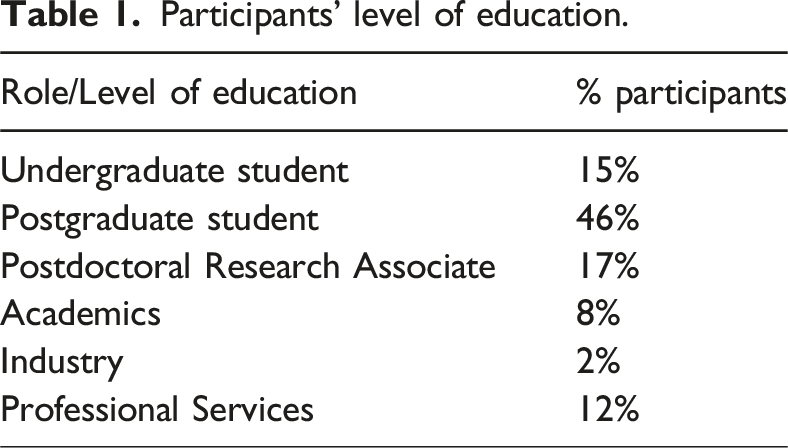
Participants
Participants’ level of education.
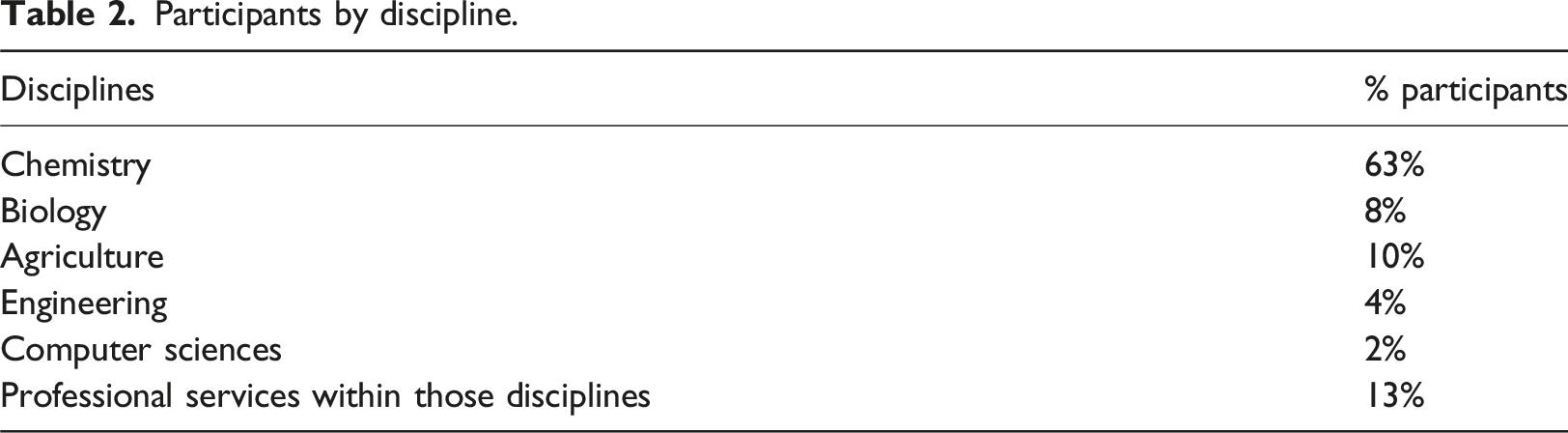
Participants by discipline.
Three North East Universities ethnic minority percentages at a glance.

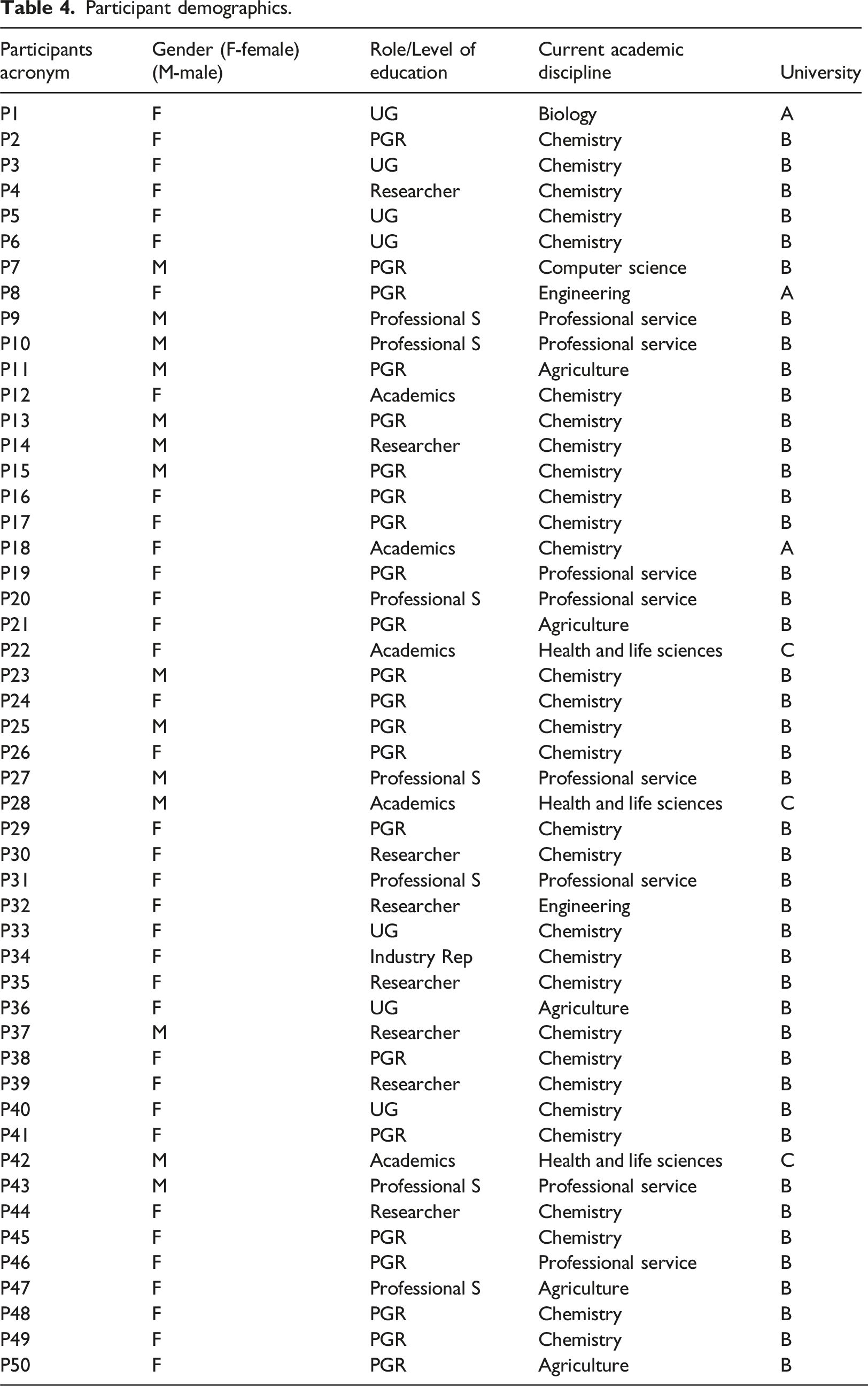
Participant demographics.
Procedure
In February 2024, all consenting participants took part in an interactive LSP (Kristiansen and Rasmussen, 2014) workshop designed to explore their understandings of ‘decolonising science’. The session was held at a HEI in Northern England as part of the International Union of Pure and Applied Chemistry (IUPAC) Global Women’s Breakfast 2024: Catalysing Diversity in Science. This event, organised to celebrate the International Day of Women and Girls in Science, was supported by the Equality, Diversity, and Inclusion Committee within University B and the same advertised on the University B website and shared by the other two Universities (A & B). The workshop began with a brief introduction by the session lead, who outlined the study’s aims, objectives, inclusion criteria, and procedures, along with the completion of the participant information sheet and consent form. The session then followed the four key stages of the LSP methodology: posing the question, construction, sharing, and reflection.
Each workshop followed a consistent structure using open-ended prompts designed to elicit participants’ experiences and reflections on race, identity, and decolonisation within STEM. Participants were invited to construct LEGO® models in response to each prompt, followed by a reflective explanation of their model to the group. Sessions were audio recorded with participants’ consent to ensure accurate data capture. To preserve anonymity, each participant was assigned a unique identifier (P1–P50), which is used throughout the findings. No identifying details were collected or disclosed, and demographic data were anonymised in line with ethical guidelines.
Participants were invited to reflect on two guiding questions: ‘What do you understand by decolonising the university experience?’ and ‘What do you see as your role in promoting racial equity?’ To ensure participants felt at ease to share personal and exclusive accounts, they were reassured that all data would be anonymised (British Educational Research Association (BERA), 2024) at every analysis and reporting stage and that there were no correct or incorrect answers. Participants then had time to build 3D LEGO models that represented their responses to the questions. After construction, participants shared the narratives behind their models in small groups of 6–8. There are series of small groups who once made their models. They all made their models in small groups, and the six groups reported back to the whole group (50 participants). The participants were given 2 minutes to construct the model and 1 minute each to tell the story behind the constructed models. Peers were encouraged to ask questions about the models rather than the individuals who built them. This approach promoted a non-judgmental, reflective dialogue around sensitive and often personal issues. All participants were assigned numerical pseudonyms to ensure anonymity and were free to withdraw from the study at any time. Ethical approval for this research was granted by the University C, ethics committee, Reference No- 2024-6507-5975.
Results
All verbal narratives were recorded by a digital recorder; a total of six recordings (1 per table with participants anonymised as P1–P50 with the participants numbered by their numbers per table) were transcribed verbatim and analysed using Interpretative Phenomenological Analysis (IPA) (Smith et al., 2009), a qualitative methodology grounded in the principles of double hermeneutics where both participants and researchers interpret experiences (Ajibade and Hayes, 2022).
The first author took the leading role in analysing participants’ reflections, intuitively delving into the data to uncover deeper meanings of how they made sense of their experiences and the models they created. The analysis involved coding the data to identify emerging themes, which were then interpreted in the context of the participants’ reflections on decolonisation and racial equity. To reduce bias, coding and interpretation were conducted by all five authors. In compliance with the universities’ data management policies, the research upheld ethical standards, ensuring informed consent, data anonymisation, and participants’ right to withdraw (British Educational Research Association (BERA), 2024). These safeguards ensured that the research process remained ethically sound and methodologically robust.
In the first data analysis phase (data familiarisation and writing notes), the transcripts were read multiple times by the first author with notes reflecting theme statements and their meanings placed within margins (Patton, 2015). The next stage involved the same authors independently annotating each interview transcript with their initial interpretations of the data. Once complete, direct quotes representing each theme were selected. The final stage involved developing written accounts from identified themes, which were reviewed and redrafted several times by both first and second authors. The second author also acted as a critical friend to the first author during the latter analysis stages by challenging initial data interpretations through critical feedback.
This study explored the experiences of ethnic minority staff and students in science disciplines using LSP to facilitate conversations about decolonisation and racial equity in UK higher education. The data generated through participatory LSP workshops revealed six key themes that highlight both the systemic barriers faced and the potential pathways to transformation. Key themes identified from the data include Equity and Inclusion in Education; Experiential Learning and Creative Expression
Theme 1: Equity and inclusion in education
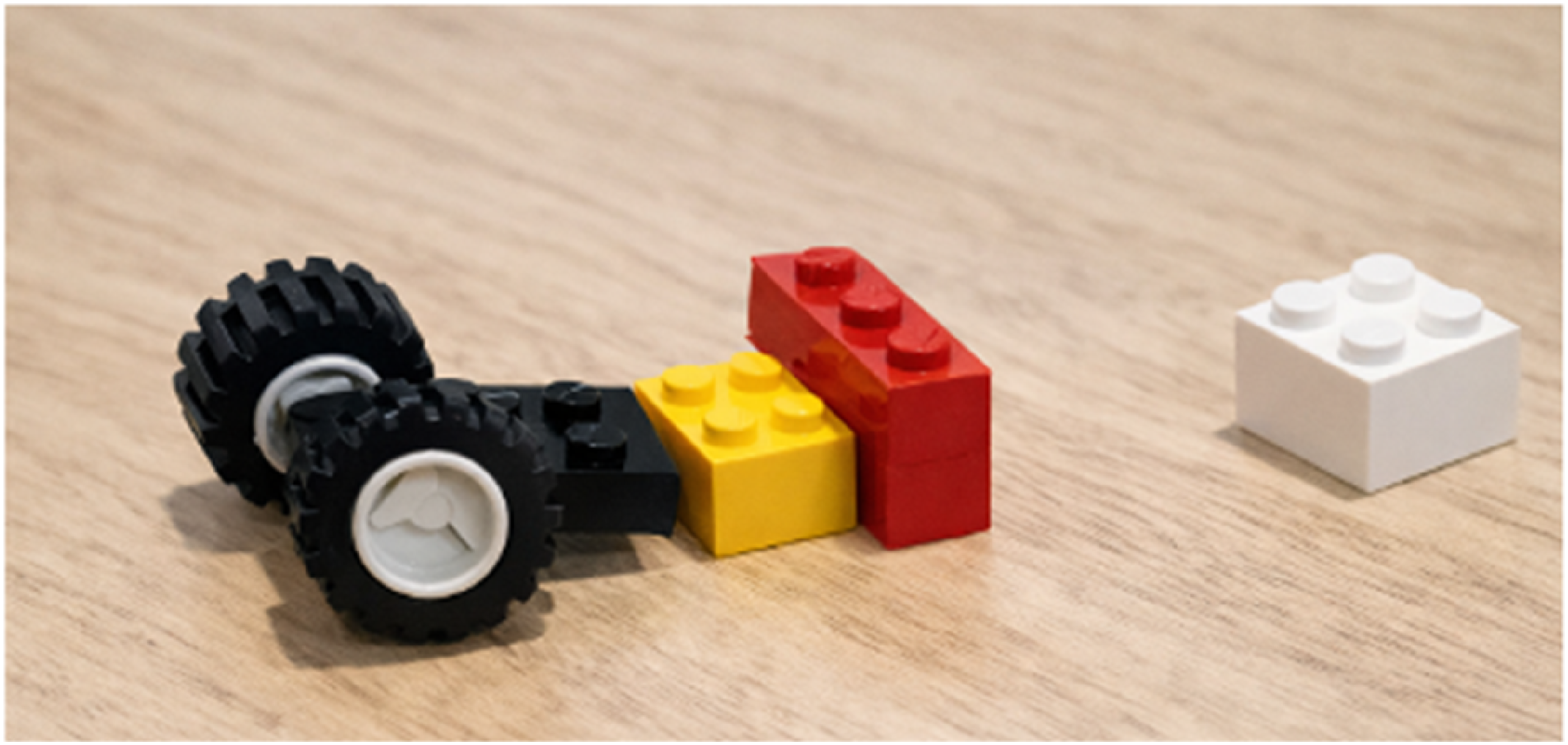
The participants’ reflected on the systemic inequities in access, support, and representation within academic environments. Through metaphorical LEGO® constructions such as unequal staircases, vehicles missing wheels, and obstructed paths, participants expressed the sense that HE structures are inherently prejudiced in favour of ethnic minority groups. These constructions revealed not just feelings of exclusion but a critical understanding of institutional failures to provide equal opportunities for all students, especially those from ethnic minority backgrounds, emphasising the need for systemic change to create a level playing field. Some participants highlighted generational responsibility, noting that failure to address these inequities now would mean passing them on to future students. Hence, there is a need for urgent need for structural reforms to achieve genuine inclusion. One participant described systemic challenges through the metaphor of a vehicle struggling to function properly:
Subtheme 1.1: Structural barriers and unequal pathways
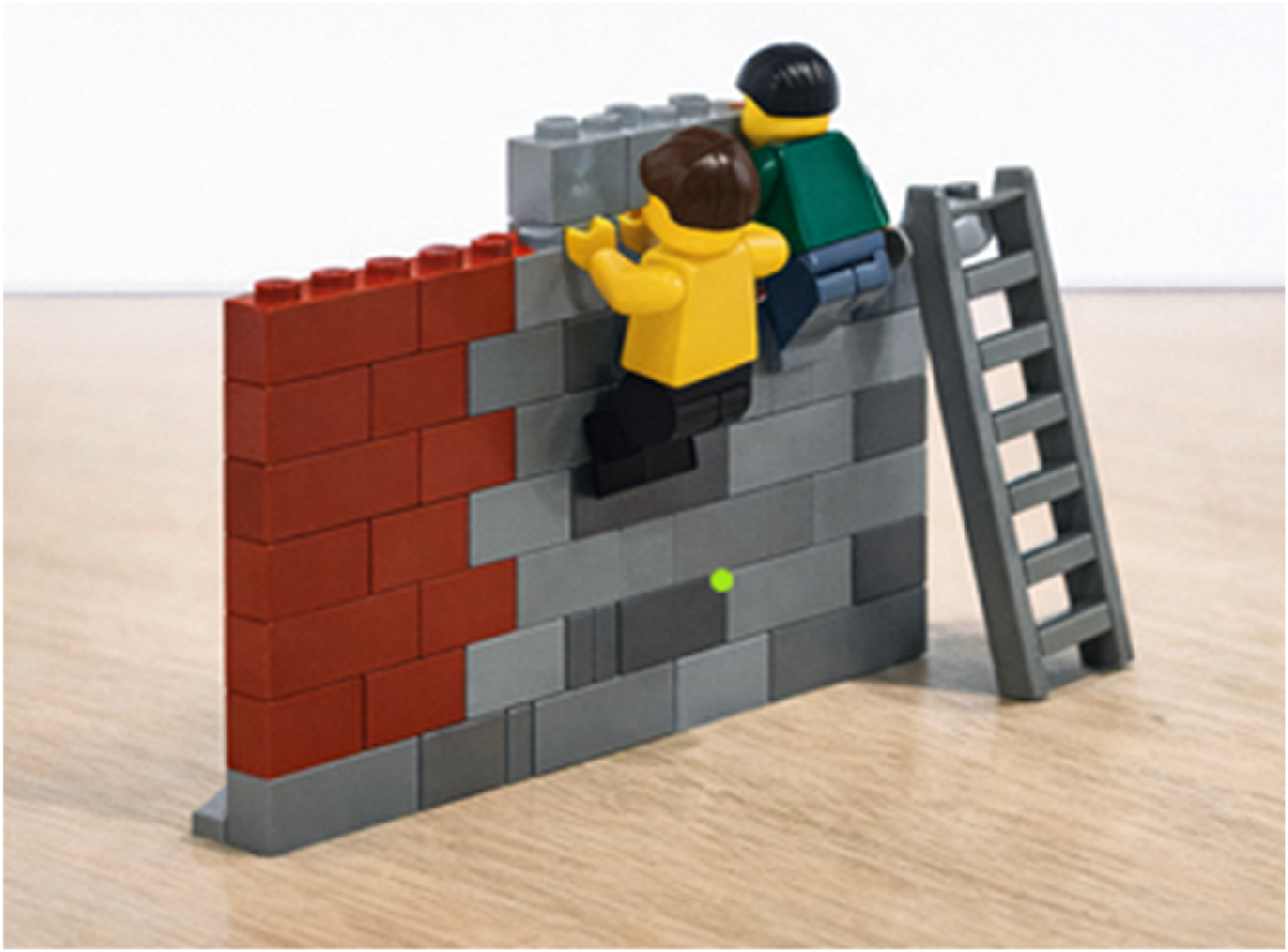
This explores how participants visualised structural inequality in academic progression through metaphors such as uneven staircases, obstructed vehicles, and walls. These constructions symbolised the unequal distribution of opportunities and institutional barriers that hinder the advancement of racially minoritised individuals. Participants highlighted how embedded privilege and lack of support systems disproportionately affect their academic journeys and perpetuate exclusion (Figure 1 Broken ladder, walls, and barriers. “Because the car is still stopping. Instead of the car having four wheels, the car has only two wheels. So, it’s trying to move, but it’s not moving really well as it should be. The red brick is obstructing the yellow one while the white brick is moving ahead of them all” (P5) (Figure 2 Car with two wheels. “The staircase steps are not the same. They are not equal. They’re sticking each of different steps, and we get it somewhere, but it’s not far. It should be the same for everyone” (P11)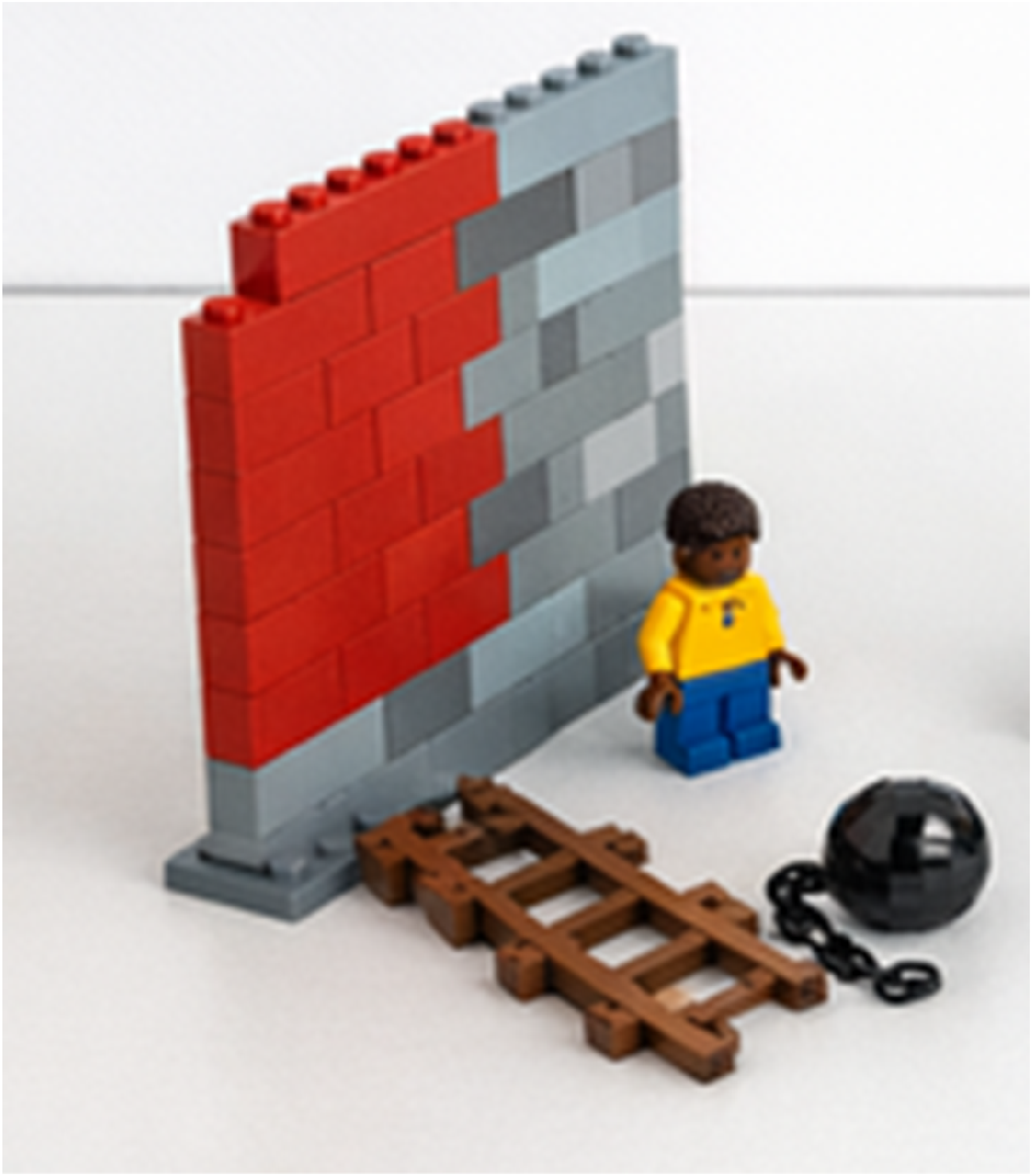
Subtheme 1.2: Visibility, representation, and generational responsibility
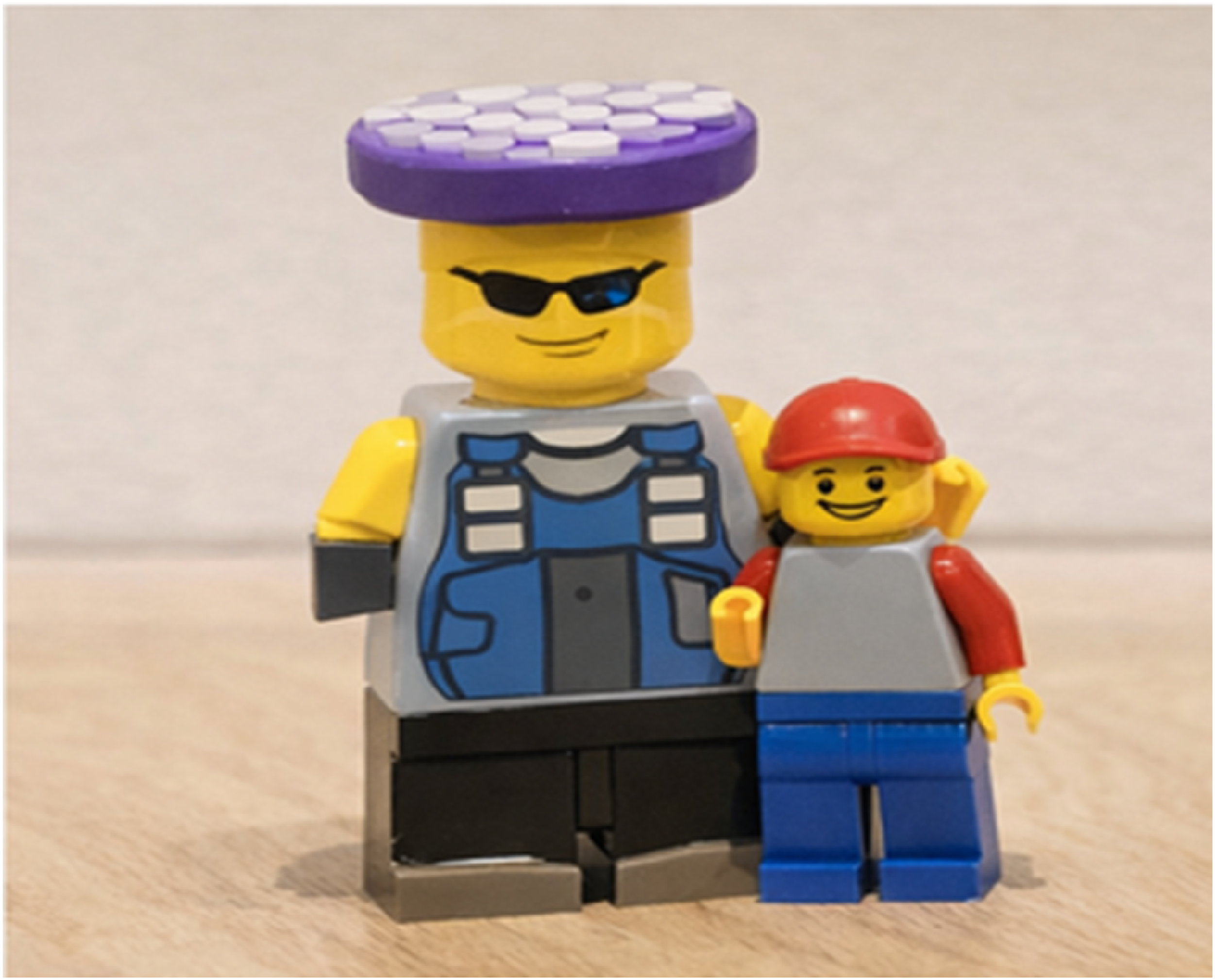
This addresses feelings of exclusion and marginalisation arising from underrepresentation in leadership and institutional spaces. Participants shared how this invisibility affects self-worth and belonging. They also spoke about the responsibility to change these dynamics for future generations, advocating for policy reforms and proactive inclusion. “It feels like there are invisible barriers that some people just don’t have to face. We’re all in the same system, but it’s like some of us have to climb walls while others get a clear path” (P3) “When I look around and don’t see people like me in leadership roles, it sends a message that this space isn’t really for us. It makes you feel like you’re always on the outside looking in” (P26) “If we don’t tackle these barriers now, the next group of students will face the same struggles. It’s not just about us. It’s about making sure no one else has to feel this way” (P5) “The structure I built had a lot of uneven bases, symbolising how I feel the system doesn’t provide equal support to everyone” (P7) (Figure 3 Structure with uneven bases. “So I've got this big LEGO man and a little LEGO man, she represents ‘Service’. She can actually help this little man also to be big, so they’re in the same height, and she can help others to find their way outside” (P4) (Figure 4 Service and support.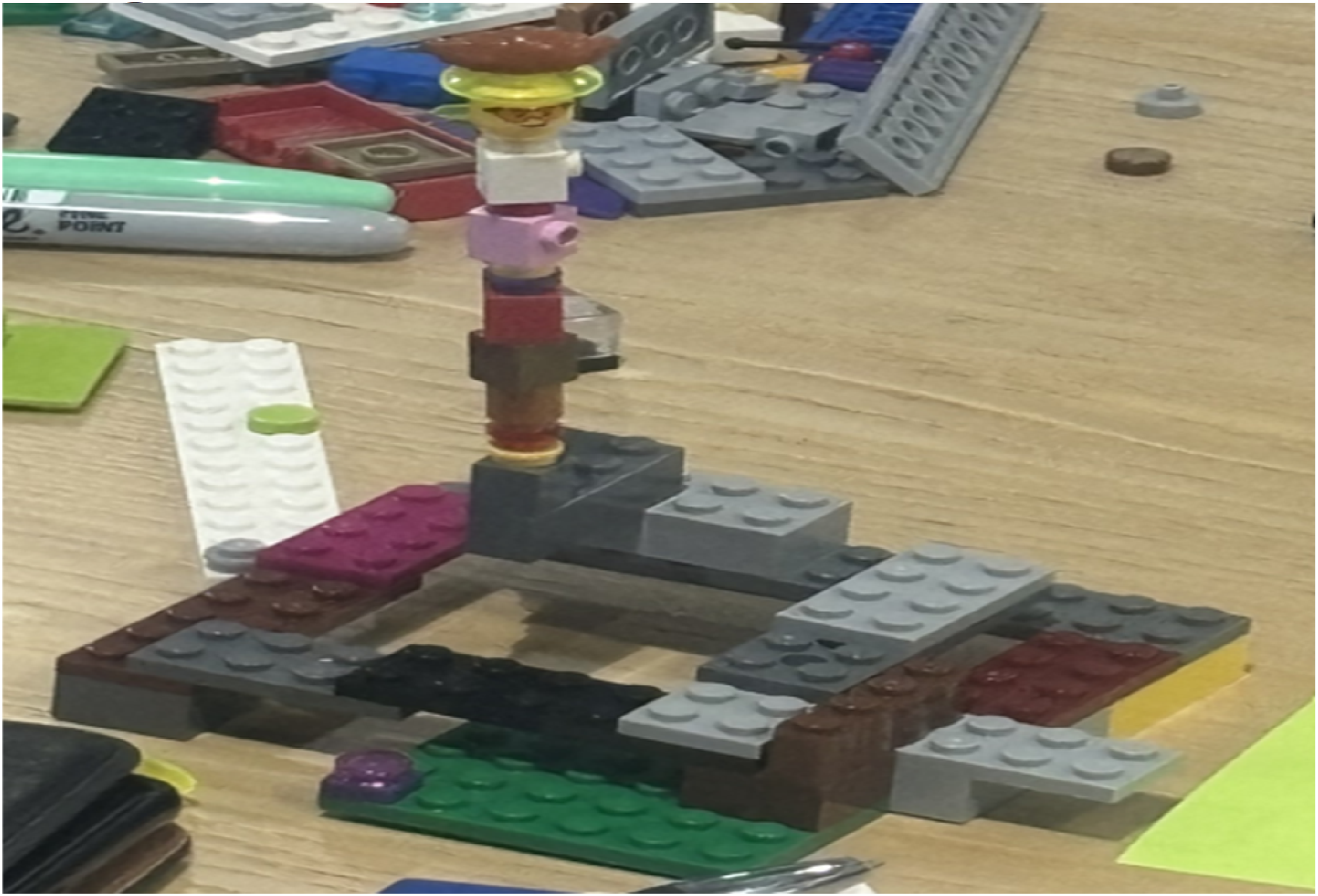
Theme 2: Experiential learning and creative expression
Participants found the LSP process liberating, with many describing it as a deeply emotional and thoughtful exercise. For some, ‘thinking with their fingers’ enabled them to access memories, emotions, and insights they had not previously verbalised. The act of creating physical representations of abstract experiences, such as feeling voiceless, burdened, or invisible allowed participants to communicate in more nuanced and expressive ways. LEGO® became a proxy language and helped participants to explore sensitive themes without the constraints of formal academic discourse. This method also democratised the storytelling space, thereby offering equal voice regardless of age, role, or academic seniority. One participant reflected on the power of using LSP to convey complex, often deeply personal, experiences:
Subtheme 2.1: Emotional expression through creative engagement
This highlights how the LSP method helped participants externalise deeply held emotions and experiences. Building models offered a non-verbal, intuitive outlet for exploring identity, struggle, and reflection. Many described the process as therapeutic and liberating, revealing hidden narratives they had never verbalised before. “It was like my hands were doing the thinking. I didn't have to overthink it, and suddenly I was building something that really represented how I felt. It made it easier to talk about my experience” (P2) “I didn’t realise how much I had bottled up until I started building. Each brick I added felt like a piece of my story that I hadn’t shared before. It was freeing” (P8)
Subtheme 2.2: Democratising the research space
Participants emphasised how the playful and hands-on nature of LSP levelled hierarchical boundaries. Everyone from undergraduates to academics could contribute equally. This participatory structure fostered open dialogue, reduced anxiety in discussing sensitive topics, and allowed for greater authenticity and collaboration. “When I used the LEGO® to build something, it just brings out everything in me. I forget that I was answering a research question and then the story comes. It’s not forced, I was just playing” (P32) “Sometimes words aren’t enough. Using my hands to create something physical made it easier to show what I meant. The bricks became my voice” (P4)
Theme 3: Personal experience and overcoming barriers
The narratives from this theme focused on emotional labour, isolation, and the persistent challenge of navigating academic spaces as a person from a minoritised background. Participants used powerful metaphors like carrying an invisible backpack, climbing walls, or being left outside looking through a window to describe their sense of being perpetually ‘othered’. These models highlighted the emotional exhaustion of constantly having to prove oneself and the lack of institutional mechanisms to recognise or alleviate that burden. Despite these challenges, many also illustrated acts of resistance and resilience, stating the importance of peer support and community networks in sustaining their academic journeys. The personal narratives shared by participants often involved overcoming barriers within the academic environment, particularly those related to intersectional identities (Crenshaw, 1991). One participant powerfully expressed this challenge, noting, ‘I feel like I have to prove that I belong’ (P7) (Figure 5). Looking through the window.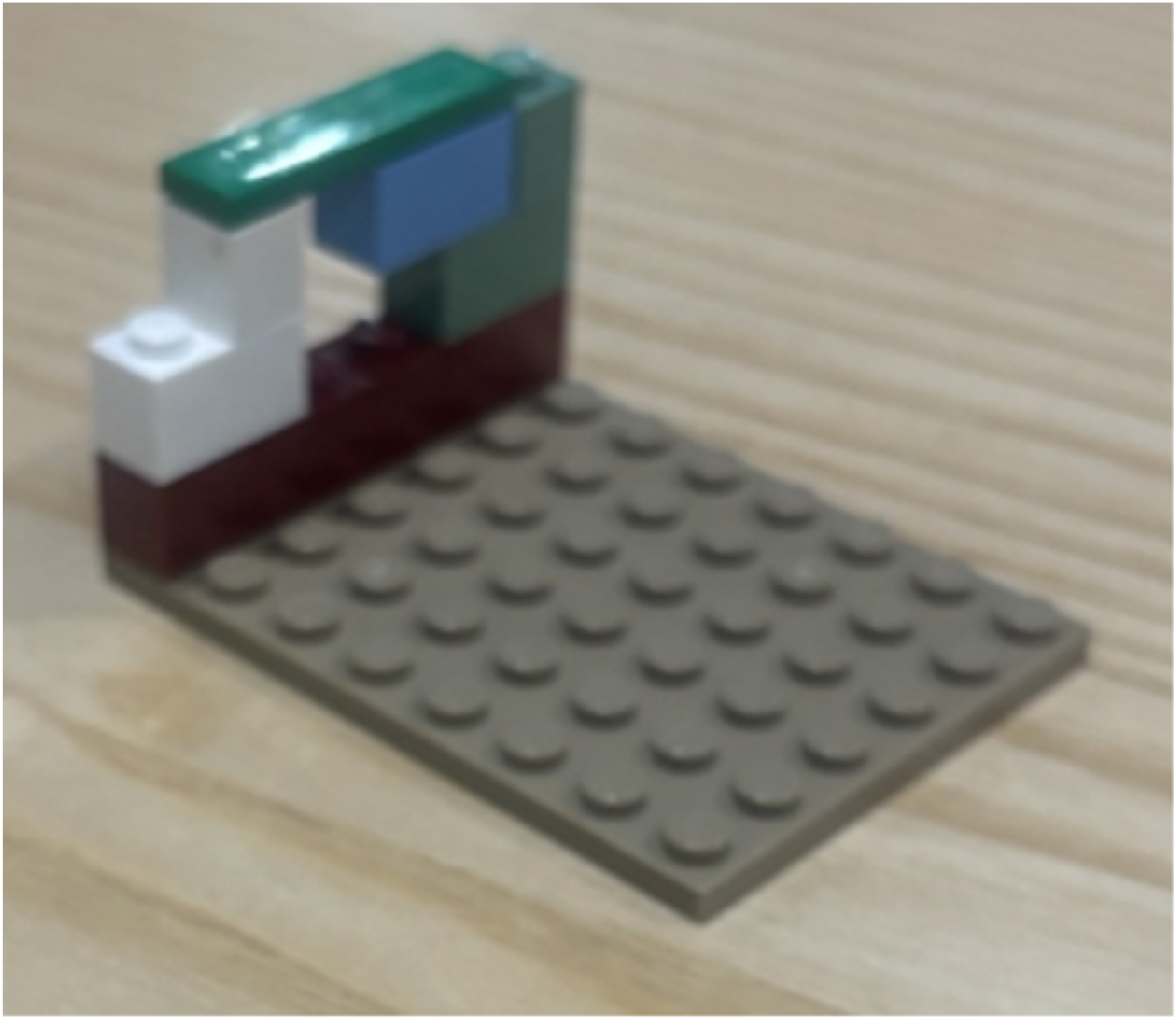
Subtheme 3.1: Navigating isolation and emotional labour
Participants described the psychological toll of existing as ‘the only one’ in academic spaces. The recurring need to prove belonging created a sense of invisibility and emotional exhaustion. Through metaphors such as climbing walls or carrying invisible backpacks, participants conveyed the ongoing burden of racialised academic experiences. “Every time I walk into a lecture hall, I feel like I have to prove that I belong. It’s exhausting, and it’s not something everyone has to think about. My model shows a wall that I have to climb every day, just to be seen” (P7) “It’s like carrying a heavy backpack that no one else can see. Every small barrier adds to the weight, and after a while, it becomes overwhelming. You just want to put it down, but you can’t” (P11) (Figure 6 Invisible burden: Carrying a heavy backpack.
Subtheme 3.2: Resistance, resilience, and peer solidarity
Despite adversity, many participants shared examples of personal strength and the critical role of community. Models depicting mutual support highlighted how racially minoritised individuals rely on each other to navigate systemic obstacles. These stories offer insight into the collective resilience that sustains individuals within often unwelcoming institutions. The quotes emphasise the stress of finding space to grow within an academic environment that does not always accommodate diverse backgrounds and needs. The notion of having to adapt to a structure that does not fit everyone equally was a recurring sentiment throughout the session, highlighting the systemic nature of the barriers faced by students from ethnic minority groups (Figure 7 Individuals rely on each other. “I think when I started, I just wanted to see how I think [about] the difference between my different backgrounds and how do you know it's not the place you have to grow? So to develop, you have to make the place the same thing for everybody. So we have this brick which signifies an opportunity to achieve it” (5) “I was the only one who looked like me in the room. It made me question whether I even belonged here. But building my model helped me see that my experience is valid, and it deserves space just like anyone else's.” (P9) “I built a model with two figures holding each other up because that’s what it feels like, you need someone to help you carry the weight. Without support, it’s almost impossible to keep going” (P15) (Figure 8 Scaling the wall. “So I see colonisation as the barrier, and that it’s my job as an educator, to find a hole through the wall to come up with a more global view in the artist’s view” (8)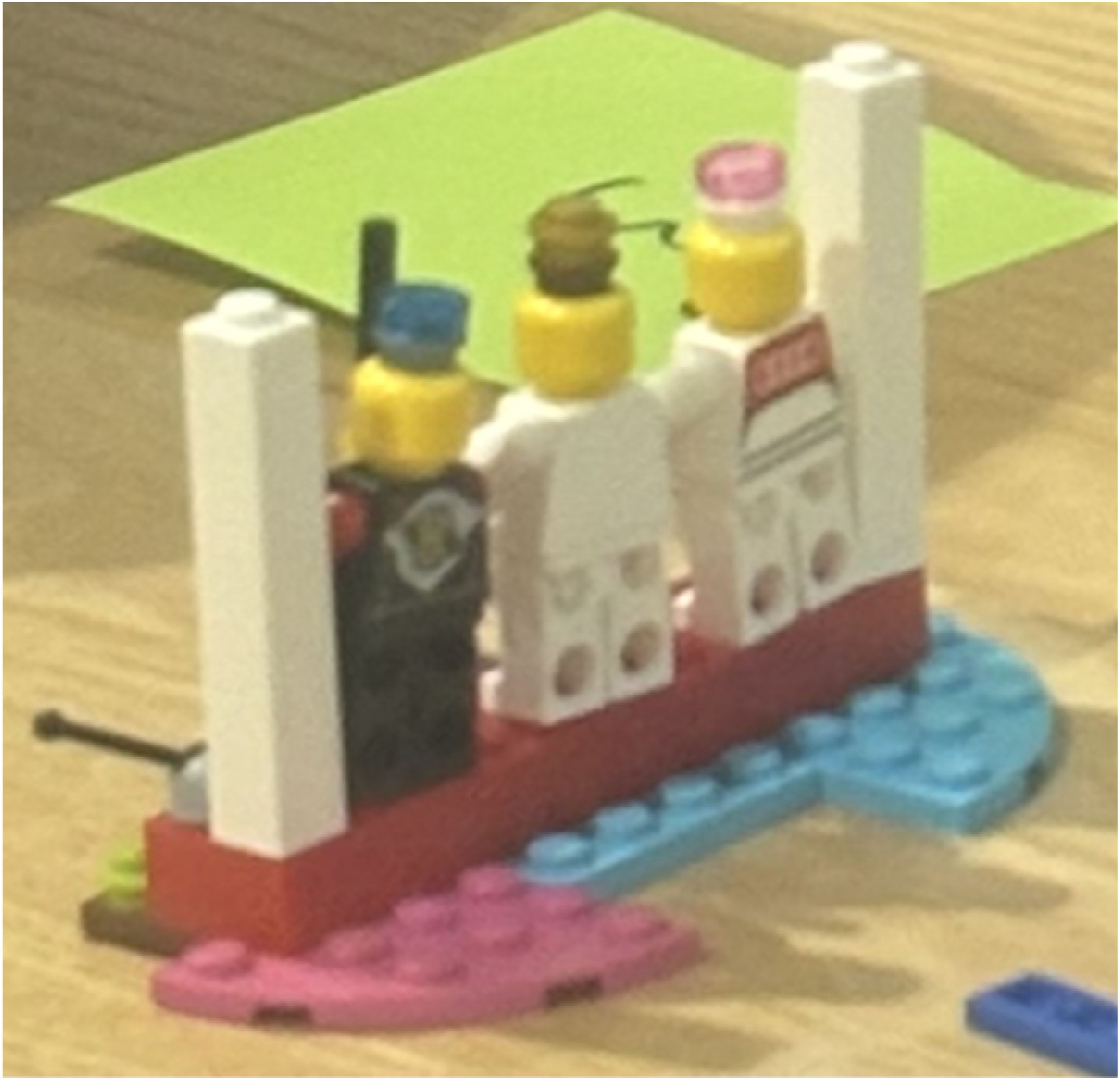

Theme 4: Community building and shared understanding
Through collective model sharing using LSP, this facilitates an environment where participants could uncover shared experiences and build solidarity. As participants discussed their models, many noted that seeing others’ perspectives helped validate their own experiences. This collective storytelling process led to a sense of connectedness and mutual understanding. The metaphor of ‘building a shared language’ emerged, reflecting how the physical act of model creation supported the development of common terms, concepts, and emotional resonance across diverse lived experiences. This theme stresses the value of community in the decolonisation process, illustrating how empathy and collective insight can become tools for transformative change. One participant reflected:
Subtheme 4.1: Creating a collective narrative
This captures the power of shared storytelling in building solidarity. Participants reflected on how constructing and discussing their models with others uncovered commonalities in experience. These moments of recognition reduced feelings of isolation and strengthened their sense of belonging and purpose within the group. “We put our models together and it started to make sense. It’s like we built a shared language around our experiences. Each brick means something different to us, but when we put them together, we understood the common struggles and goals we all have” (P20) “When we shared our models, I realised I wasn’t alone in my experience. Others had similar struggles, and it felt like we were all contributing to one big story. It helped me feel more connected” (P13)
Subtheme 4.2: Mutual empathy and dialogic learning
Participants discovered that hearing others’ perspectives deepened their understanding of structural inequity. The LSP process facilitated an emotional and intellectual connection across diverse experiences, laying the groundwork for shared advocacy and transformational change. “Seeing everyone’s models’ side by side made me realise how our experiences, though different, are part of the same bigger picture. It was powerful to see how we could piece them together to create something whole” (32) “Hearing others talk about their models made me feel less alone. It felt like we were all working through these issues together, and it gave me hope that we could make a difference if we keep supporting each other” (P7)
Theme 5: Institutional barriers and power dynamics
Participants illustrated structural inequalities to model institutional structures through metaphors like walls, barriers, blocked doors, and inaccessible boats that symbolised the embedded nature of exclusionary practices within academia. These models revealed how power operates in subtle but impactful ways. This is evidenced through lack of mentorship, unequal access to leadership roles, and curriculum content that fails to reflect diverse histories and perspectives. The theme also explored the perception of institutional inertia, where policies exist but are not enacted, or where systemic inequities are acknowledged but not actively dismantled. Participants voiced a strong desire for those in leadership to recognise their role in shaping equitable pathways and to be more proactive in supporting minoritised individuals. “Colonisation is the barrier, and it’s my job as an educator to find a hole through the wall to come up with a more global view. This model represented the structural barriers that prevent ethnic minority staff from advancing in their careers and called for a more inclusive, global perspective.” (P8) (Figure 9 Hole through the wall. “I’m in a close. It’s time to get on the boat. But because it’s far and we were going to be rushing to get on the boat, I thought it was maybe about helping people get on the boat” (P3) (Figure 10 Helping others getting on the boat.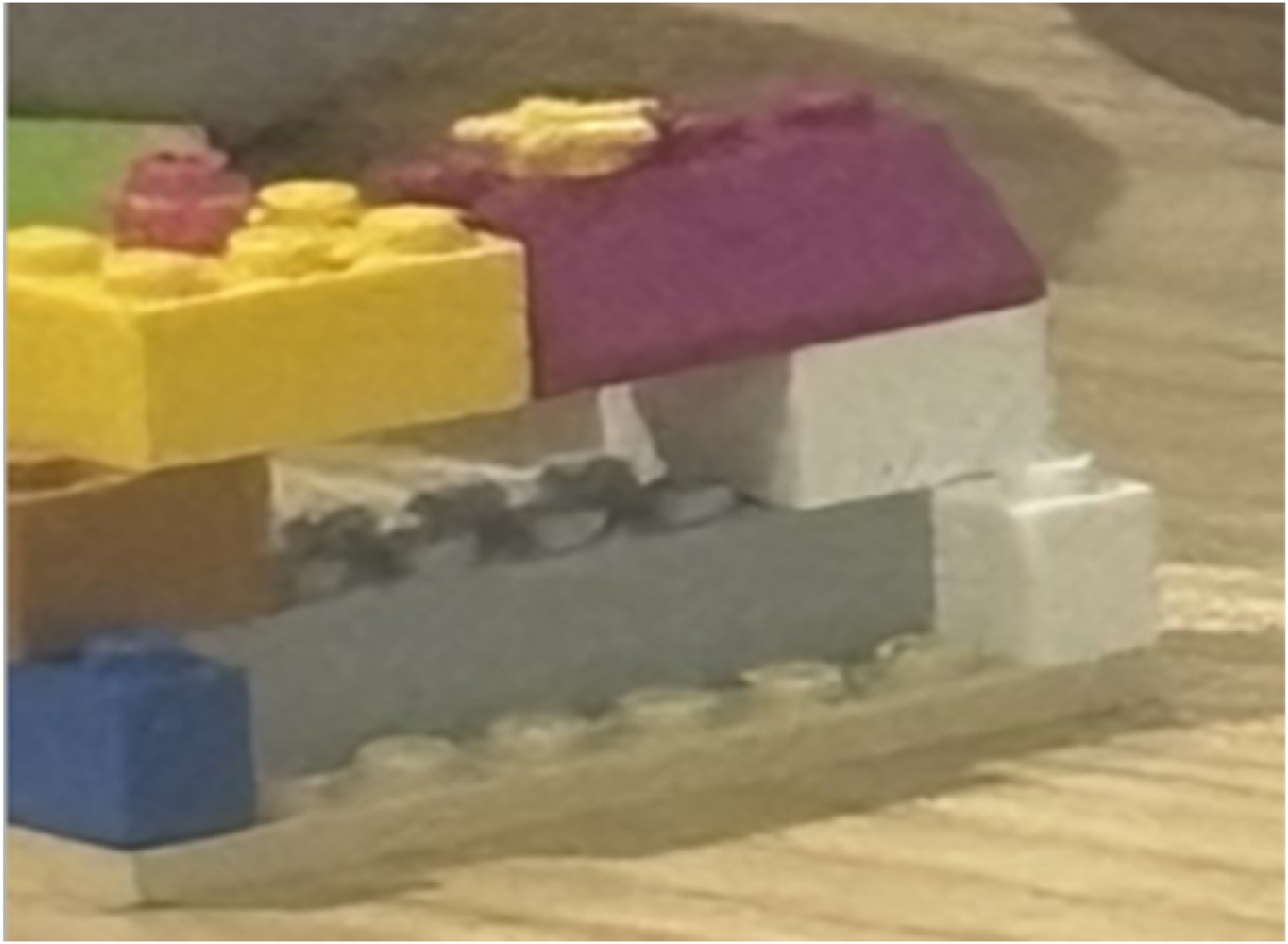
Subtheme 5.1: Identifying specific areas for improvement
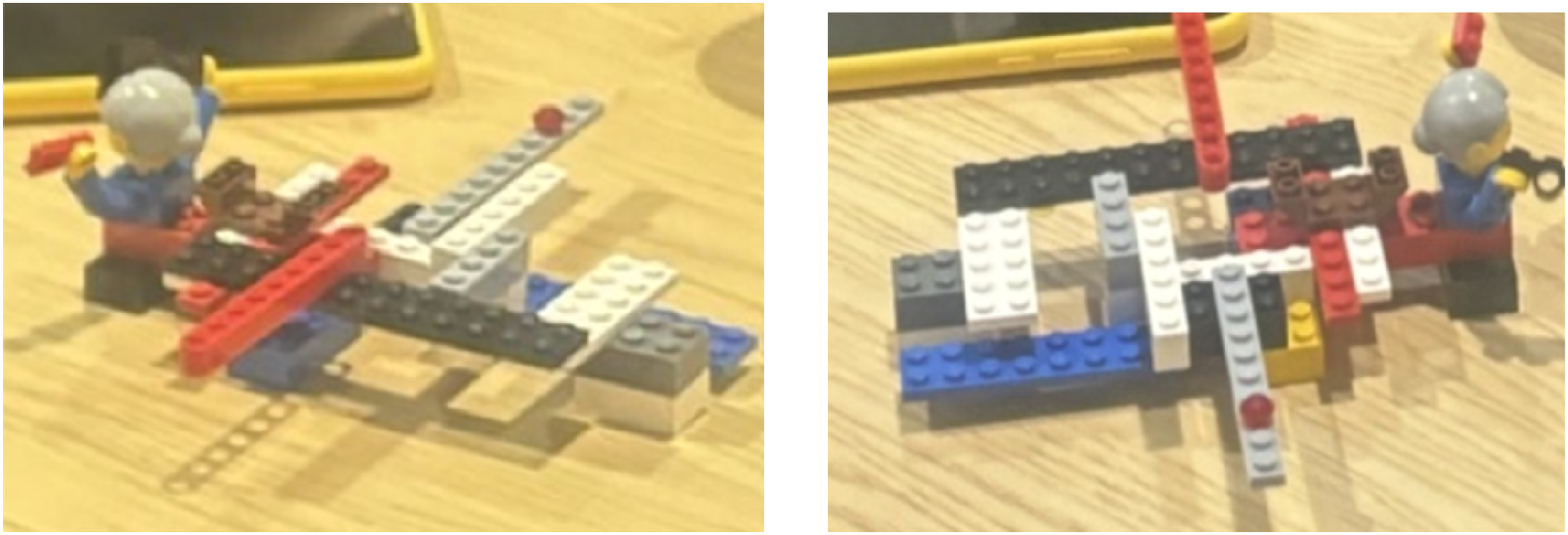
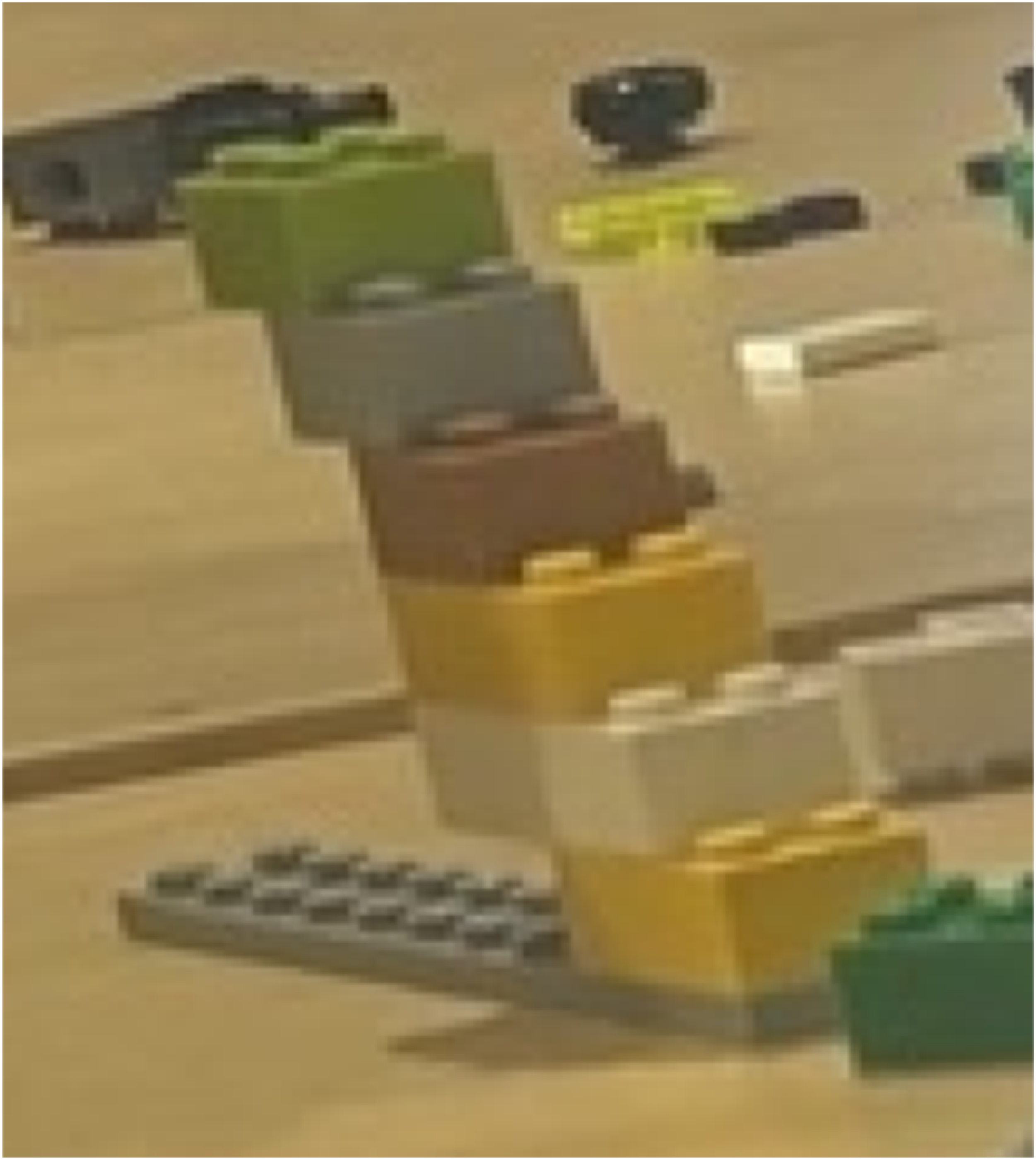
Through the construction and discussion of LEGO® models, participants pinpoint specific areas within the university experience that need decolonising efforts. Participants explored how their diverse backgrounds shaped their engagement with institutional structures and emphasised the importance of creating an environment where all individuals have the opportunity to contribute and thrive. The narratives also highlighted the challenges faced by ethnically minoritised individuals, particularly the lack of access to mentorship or guidance from more experienced peers, often those from white backgrounds, resulting in unequal opportunities for progression and inclusion. “My model showed a clear divide. It represents the lack of representation in our curriculum” (P3) “It reminds me a bit like stairs, supposed to represent the group or I just wanted to put other people on the same platform, not those themselves. It’s just the people who might be experienced, that’s what it’s describing. I think it’s quite much too difficult to think” (P2) (Figures 11 and 12 Getting to a Levelled ground. On the stairs looking for experienced people. ‘’This like a raised platform represents a sort of equal opportunity or an equal platform. And this raised piece is someone who’s a bit disadvantaged trying to reach that platform and this their shaped piece is sort of the skills or the resources that would allow them to reach that, but then it’s misplaced, they’re not in the right place” (P8) (Figure 13 Challenges of advancing.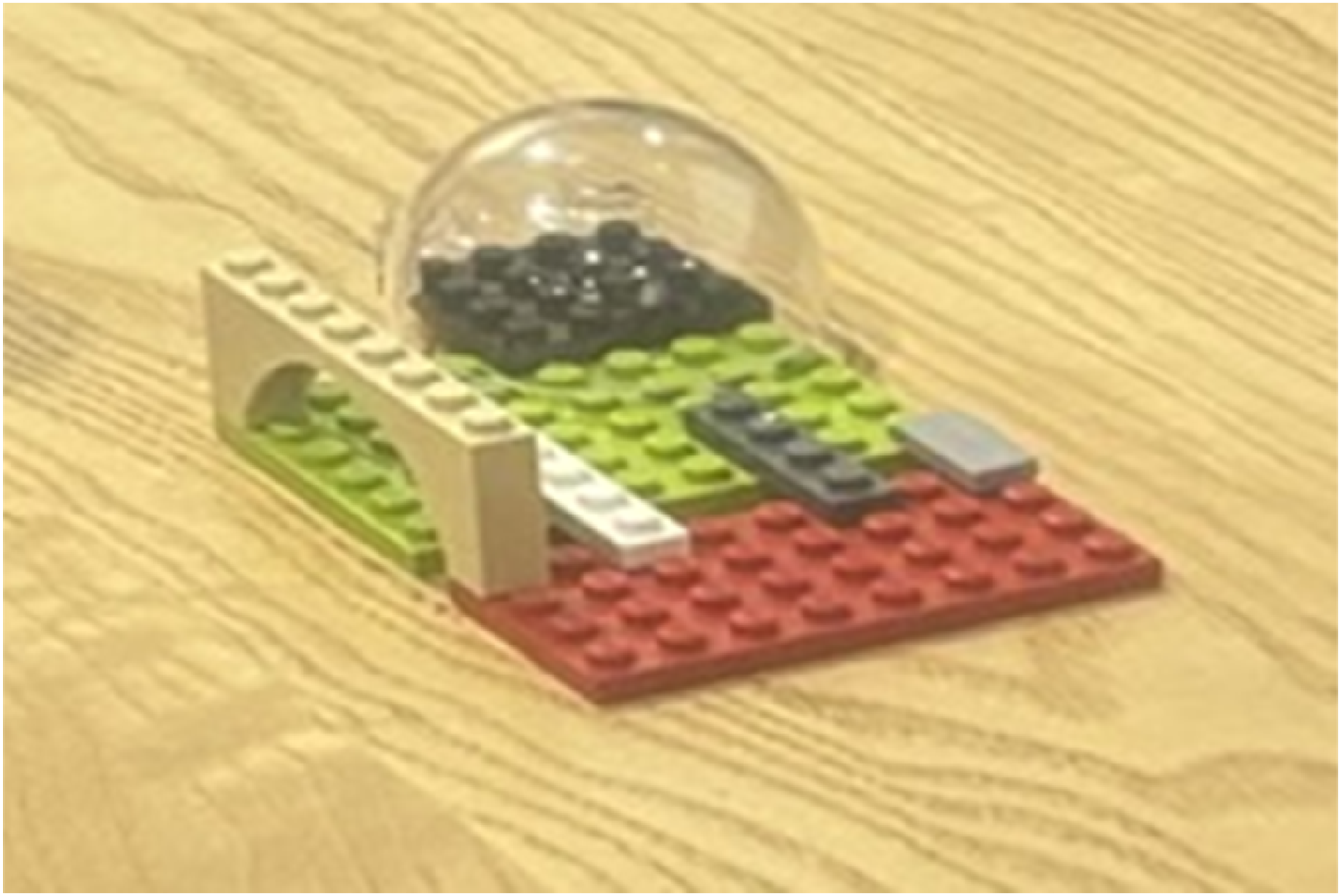
Subtheme 5.2: Creating a shared understanding and empathy
Participants engaged creatively and expressively with their personal university experiences, using LSP to externalise and reflect on their internal narratives in new ways. This process deepened their self-awareness and fostered shared understanding, which is an essential step toward advancing the decolonisation agenda. LSP helped participants from diverse backgrounds identify commonalities and differences in their experiences, contributing to a collective grasp of what decolonisation means within their context. The sessions also encouraged those from white backgrounds to recognise their privilege and extend equitable opportunities to ethnically minoritised peers. They said: “Building the model made me think about my journey in a different way.” “Seeing others’ models made me understand different perspectives and struggles” (P13) “When we shared our models, I saw some common themes. It was like we built a shared language around our experiences” (P20) “I think we should look at this from the university. Well, I think we should look at this from the space, like our privilege and how to be happy with the same opportunities as with you and whoever” (P5)
Theme 6: Pathways towards decolonisation
Despite the challenges outlined in previous themes, this section presents a more hopeful and solution-focussed outlook. Participants envisioned a more inclusive university environment, symbolised through models such as bridges, ladders, open doors, and ramps; metaphors for opportunity, access, and shared progress. They emphasised the importance of systemic reform, including the development of inclusive curricula, the enforcement of anti-racist policies, and the equitable allocation of resources. These constructions reflected not only individual aspirations but also shared visions for change. Participants called for institutions to move beyond tokenistic gestures and to adopt co-created, community-led strategies that acknowledge and address historical injustices. The focus was firmly placed on proactive and sustained action, rather than passive acknowledgement of inequality. “I built a bridge to represent the role in the gap to opportunities that’s there for people from ethnic minority backgrounds. It’s about finding the knowledge and resources to build that bridge so that we can all get across” (P9) (Figure 14 Bridging the gap of opportunities. “We need more open doors. I used a door in my model to show that opportunities shouldn’t be closed off to anyone. It’s about making sure everyone has a chance to walk through” (P19) “My model shows steps leading up to an open door. Each step represents a barrier we need to overcome, like funding, support, understanding. The door is open, but we have to make sure everyone can get there” (P19) “It’s like you can build on each other’s experiences, it’s like you have a window to a new world” (P8) “I’m in close. It’s time to get on the boat. Because it’s far and it’s more like, that we were going to be rushing on the boat and trying to get on the boat. I thought it was trying to maybe to help people get on the boat” (P12) “It’s not just about building the bridge; it’s about making sure the path to the bridge is clear. We need policies that actively remove the barriers, not just token efforts” (P20) “My model had a ladder with each run representing a different kind of support—financial aid, mentorship, emotional support. We can’t reach the top unless we have each of these steps in place, and everyone should have access to them.” (P7) (Figure 15 Seeking different kinds of support.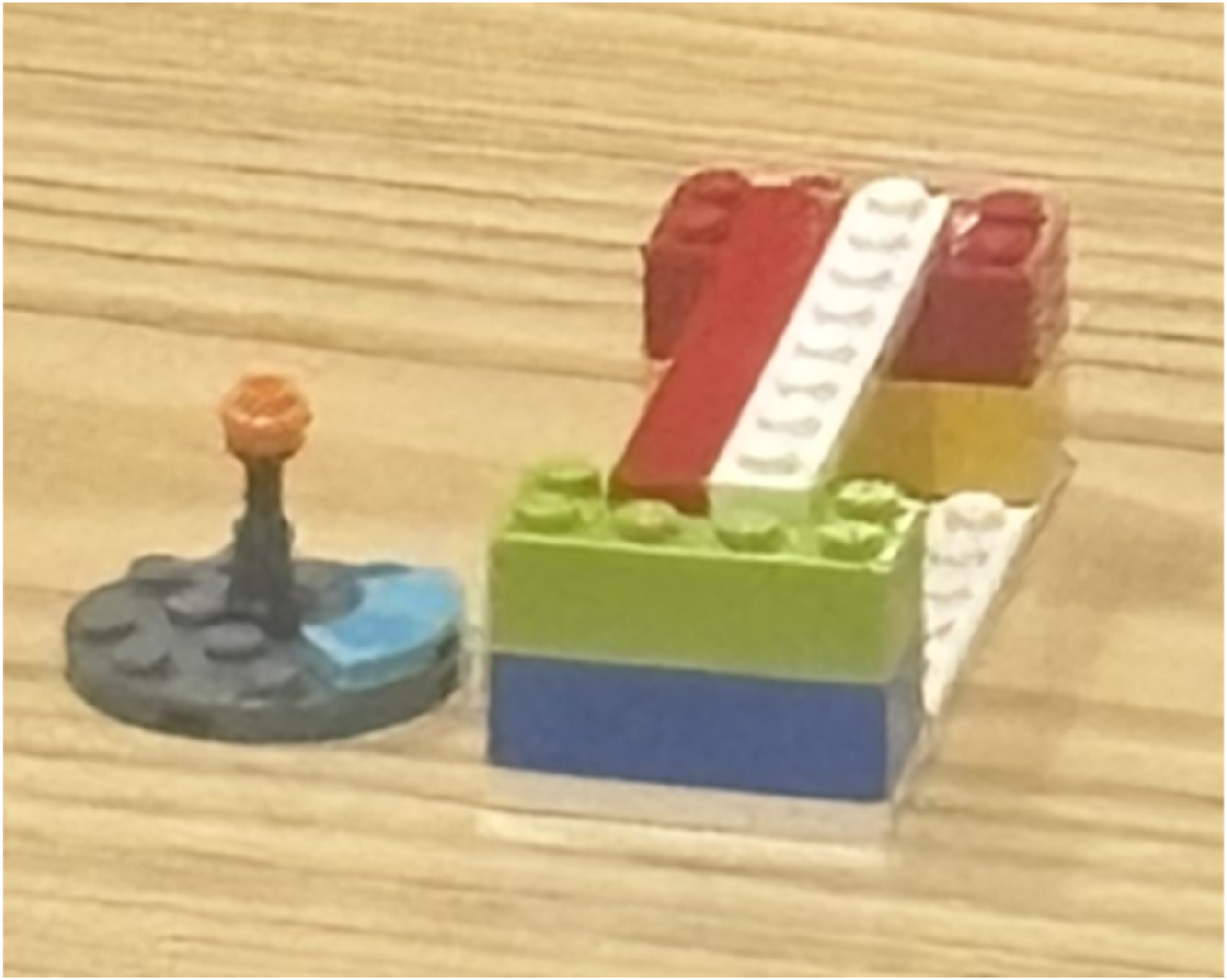
Subtheme 6.1: Advocating for inclusive changes and actionable insights for enhancing ethnic minority experiences
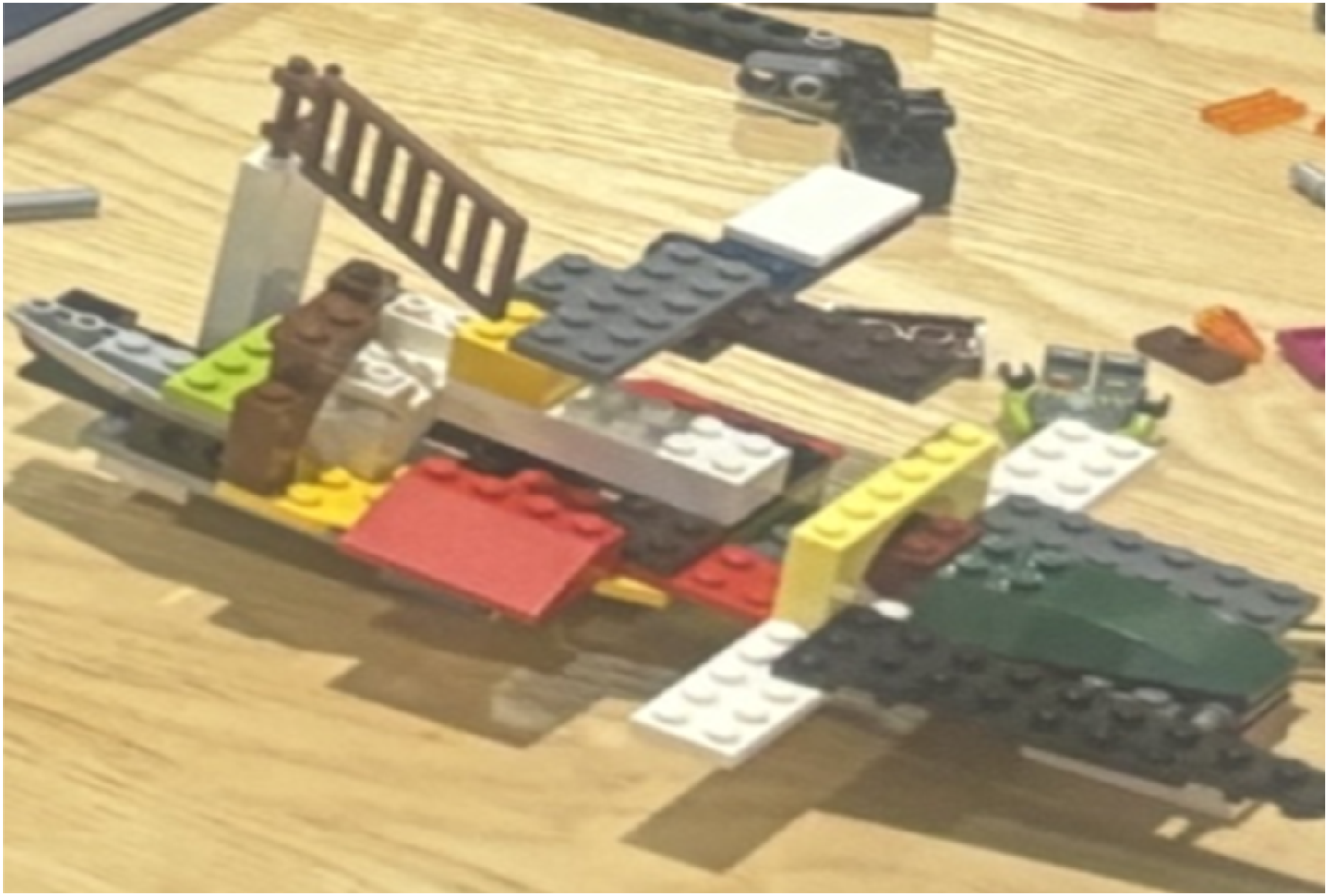
This subtheme represents a turning point in the workshop discussions, moving from recognition of inequalities to strategic, community-driven pathways forward. Through creative modelling, participants not only highlighted the challenges but also proposed reforms that promote equal access, foster inclusive leadership, and champion culturally responsive practices. This phase demonstrates how LSP facilitates action-oriented thinking and supports the co-construction of solutions to decolonisation in science education. “Looking at our models and thinking about what steps we can take to address these issues” (P32) “So this one is just like the general structure with the doors open and the doors are opportunities for each other and then a ramp is sort of work to build each other up. Again, the quality of the bridge and the grouping of different people together, and maybe bridging them to sort of overcome what was about to be in the way” (P10) “I have two leading groups. The left here represents people that they need to be close to. They don’t open their hearts and accept other kinds of beauty, like different personalities, different languages, different backgrounds. Whereas on the right side, I have more colours representing people who are more open to this progress, I would say. And what I'm trying to do here is, again, to build a bridge like everyone has said. But to do that is to form this group of people that are more to also make their way to build the bridge” (P12) “Sometimes we can all be in our little bubble and then shut ourselves off to what’s going on around us. So, it’s about trying to come out of the bubble and appreciate what we have, which might not be what everybody else has, and that’s similar things. So we’re trying to bridge the same level of gap. But for some, it’s a very big bridge to find, a very long journey. Whereas over time, we want that journey to be bridging the gap to the same point of access to be a lot shorter” (P13) (Figure 16 Windows to new world.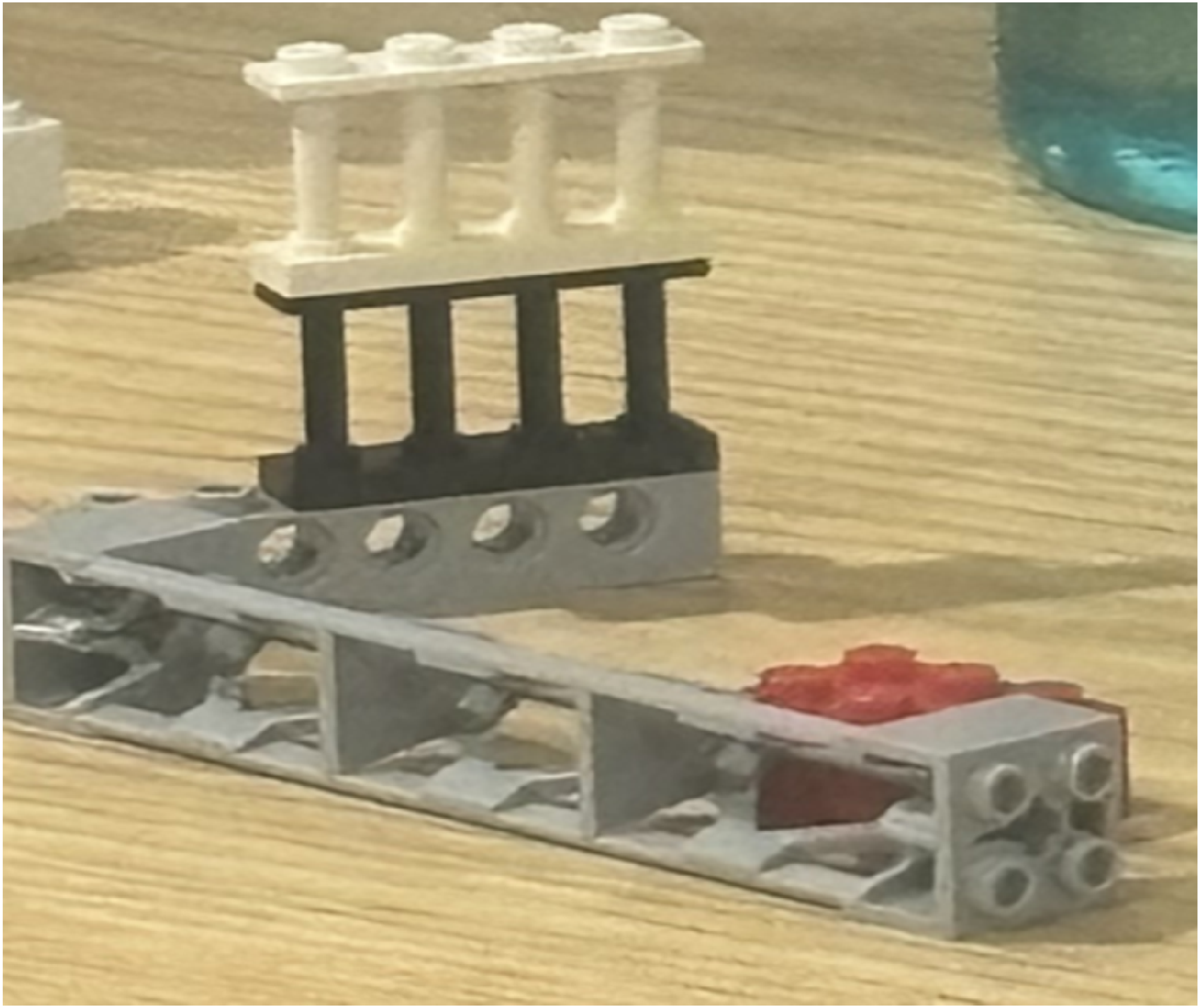
This metaphor of bridging gaps was a recurring theme, symbolising the need for resources, opportunities, and support structures to help ethnic minority students thrive in the university environment. Participants identified that these supports are essential for creating a truly inclusive and equitable academic experience (Figure 17). Road to supportive hands and opportunities.
While many participants reflected on interpersonal barriers or the need for fairness, their metaphors also reveal deeper critiques of the system itself, highlighting the need not just for inclusion within current structures, but transformation of those structures altogether. In this sense, their models do not merely reflect calls for equity, but for decolonisation.
Discussion
Although the themes identified in this study are applicable across higher education, their impact is especially visible in STEM fields, where knowledge hierarchies and disciplinary norms often reinforce exclusion. Participants’ reflections, particularly those referencing metaphorical ‘walls’, ‘ladders’, and ‘tools’, speak to the persistent barriers in science education spaces where racially minoritised students and staff are both hyper-visible and marginalised. This work contributes to the under-researched intersection between racial equity, decolonisation, and science education, offering a methodology and framework for future action in these disciplines.
This study provides insights into how the application of LSP can create dialogic and reflective spaces to highlight systemic inequities in the HE. Anchored in CRT, the findings reinforce the idea that racism is endemic to social institutions, including universities (Crenshaw, 1991; Delgado and Stefancic, 2000). By foregrounding the voices of racially minoritised students and staff, this study challenges dominant Eurocentric ideologies and provides counter-narratives that expose the deep-rooted structures maintaining white privilege in the academy (Bhopal, 2023; Solórzano and Yosso, 2002).
CRT’s principle of the centrality and intersectionality of racism is clearly illustrated in participants’ accounts, where race intersects with gender, class, and discipline to shape lived experiences in science education. Metaphors of barriers, walls, and unequal staircases symbolised structural and psychological hurdles faced by minority ethnic individuals. These models embody the cumulative weight of microaggressions, exclusion, and emotional labour, reflecting what Crenshaw (1991) describes as the ‘intersectional burden’ of navigating marginalised identities in hostile environments.
The challenge to dominant ideology, another CRT assumption, emerged through participants’ rejection of colour-blind meritocracy and the myth of neutrality in STEM disciplines (Held, 2023; Prescod-Weinstein, 2020). Participants highlighted how scientific knowledge is embedded within colonial power structures and called for a deconstruction of white empiricism. These discussions reject the idea that science is apolitical or culturally neutral and instead advocate for a pluralistic epistemology (Mbembe, 2016; Smith, 2021). A third principle, the centrality of experiential knowledge, was activated through LSP’s capacity to draw out personal, emotional, and reflective narratives. Through hands-on model-building, participants externalised their lived realities, creating a space where minoritised voices were not only heard but also visualised. This aligns with Solórzano and Yosso’s (2002) assertion that counter-stories are essential to revealing the racialised experiences that dominant discourse often erases.
The commitment to social justice was evident in the co-construction of models that envisioned concrete solutions, including bridges, ladders, and open doors, thus symbolising systemic changes participants wished to see. These hopeful metaphors are not abstract but embedded in calls for representation in leadership, inclusive curricula, and equitable access to academic resources. The data accentuated that progress cannot be achieved without actively dismantling white-centric norms and redistributing power and opportunity (Akhtar and Watson, 2022; Arday and Mirza, 2018).
Many participants described how the LSP process allowed them to explore emotions and insights they had not previously verbalised, often noting that ‘their hands were doing the thinking’ or that ‘the bricks became (their) voice’. These responses echo findings by James (2013), who argues that LSP enables a ‘three-dimensional’ form of learning that enhances personal reflection through tactile engagement. Similarly, Frick et al. (2013) highlight how LSP offers a bridge between emotion, narrative, and knowledge construction, particularly valuable when addressing complex and sensitive topics like race and identity. The physical act of model-building appeared to lower barriers to vulnerability and foster emotional expression, which participants identified as both cathartic and constructive. These affective dimensions align with LSP’s theoretical foundation in constructivist learning and its capacity to surface embodied knowledge through creative play.
Finally, the interdisciplinary nature of CRT was reflected in the diverse academic backgrounds of the participants, which spanned chemistry, biology, agriculture, engineering, and professional services. These varied perspectives enriched the discourse and challenged the disciplinary siloing that often isolates discussions on race in HE (Bhambra et al., 2018). This reinforces CRT’s utility in exploring structural racism not only in the humanities and social sciences but also within STEM. Additionally, this study contributes to recent CRT-informed scholarship that explores the discomfort white academics often experience in discussions of race and equity. As Hobson and Whigham (2018) note, whiteness often operates as an invisible norm that grants unearned advantage. Participants’ accounts of white colleagues ‘not opening their hearts’ or failing to recognise their privilege align with this perspective and highlight the necessity of racial literacy and critical self-reflection within predominantly white institutions (Arday and Jones, 2022).
This study demonstrates how creative methodologies like LSP can serve as pedagogical tools for critical reflection, allowing for the embodiment of abstract concepts and enhancing empathy among participants. By enabling the co-construction of meaning, the LSP process fostered community building and helped participants to recognise shared struggles. This resonates with Laurencin and Walker’s (2020) description of racism as a ‘pandemic within a pandemic’, highlighting how the collective trauma of exclusion and marginalisation requires collective healing and response. In line with CRT’s activist orientation, this research does not merely diagnose inequality but it advocates for transformational change. Participants proposed structural reforms, including inclusive leadership, curriculum decolonisation, equitable assessment strategies, and institutional accountability mechanisms. These proposals align with calls from existing literature urging universities to move beyond performative allyship and toward genuine institutional transformation (Bhopal, 2023; Brazant, 2023).
To our knowledge, this is among the first empirical studies in the UK to apply LEGO® Serious Play® as a participatory method for exploring decolonisation within STEM education. While LSP has been used in leadership, business, and learning development contexts, its application to racial equity and decolonial inquiry in science disciplines remains rare. This study contributes original insights by centring racially minoritised voices in constructing meaning around decolonisation through embodied, creative reflection.
Conclusion
This study demonstrates the value of LSP as a creative and participatory approach to examining racial equity and decolonisation in science education. By building physical models, participants conveyed personal experiences, uncovered systemic barriers, and collaboratively generated solutions. Metaphors such as bridges, walls, and ladders powerfully illustrated both the challenges faced and the visions for more equitable academic spaces. These narratives revealed not only persistent inequities in HE but also fostered empathy, collective understanding, and a shared commitment to change.
Rooted in CRT, the findings underscore that genuine decolonisation must involve structural transformation, not symbolic actions. Universities must prioritise inclusive leadership, diversify curricula, and embed culturally responsive practices into institutional culture. Although this research was UK-based, its implications extend globally. LSP emerges as a scalable and effective tool for fostering inclusive dialogue and advancing racial equity, especially in STEM fields where decolonisation is often marginalised. Therefore, the study offers a practical framework for integrating CRT into academic practice, encouraging institutions not only to confront their colonial roots but to take actionable steps toward dismantling systemic racism.
Ultimately, the study affirms that true decolonisation cannot be reduced to diversity metrics or access initiatives. It demands a reimagining of science education that centres multiple ways of knowing, challenges entrenched power structures, and builds new, inclusive foundations for knowledge production. LEGO® Serious Play® emerges here as a powerful tool not only for surfacing these insights but for co-creating visions of a decolonised academic future.
In response to the systemic inequities surfaced in this study, we recommend several concrete actions. Universities should embed co-creation practices into curriculum development, allowing students, particularly those from ethnically minoritised backgrounds, to shape content and pedagogical approaches. Leadership pipelines must also be expanded to ensure racially minoritised academics are supported into decision-making roles. Additionally, incorporating Critical Race Theory into STEM pedagogy can challenge dominant epistemologies and foster more inclusive approaches to knowledge production. These recommendations, grounded in participants’ reflections and metaphors, offer a pathway beyond symbolic reform, towards structural transformation that centres racial justice in science education.
Implications for practice in higher education
The findings of this study provide several implications for practice in HE: (1) Participatory Methodologies: HEIs should incorporate participatory methods such as LSP and experiential learning to foster dialogue around complex issues such as racial equity and decolonisation. By using such creative approaches, institutions can facilitate deeper reflection and engagement from students and staff. (2) Personalised Support: A one-size-fits-all approach is insufficient for addressing the needs of ethnic minority groups. HEIs should consider the specific needs of different communities and develop tailored support mechanisms, such as mentorship programs, culturally relevant curricula, emotional labour and the need for mental health and wellbeing support. (3) Collaborative Problem-Solving: HEIs should encourage collaborative problem-solving involving diverse stakeholders to address systemic inequalities. Creating spaces where students, staff, and leadership teams can come together and work in partnership to co-create solutions could prove key with driving meaningful change. (4) Representation in Leadership: HEIs must prioritise increasing the representation of ethnic minorities in leadership positions to create an inclusive environment where all students and staff feel they belong.
Further research
This study provides several avenues for further research: (1) Longitudinal Studies: Future research could explore the long-term impact of LSP interventions on participants’ experiences, perceptions of racial equity in higher education and evaluate the impact of initiatives designed to support racial equity. Understanding how these creative workshops influence attitudes and practices over time could provide valuable insights. (2) Comparative Analysis: Conducting comparative studies across different countries or institutional contexts could help understand how the themes identified in this study manifest in other cultural and educational settings. This would provide a more comprehensive picture of the barriers faced by ethnic minority students globally. (3) Disciplinary Focus: Further studies could investigate how decolonisation efforts vary across different disciplines, particularly in STEM fields, where the concept of decolonisation is often less understood. This would help tailor decolonisation strategies to the specific needs of each discipline.
Limitations
While this study provides valuable insights into the use of LSP for fostering dialogue on decolonisation and racial equity, some limitations are acknowledged: (1) Short-Term Engagement: The workshops were conducted as a one-time event, providing only a snapshot of participants’ experiences and reflections. The short-term nature of the engagement may have limited the depth of insights gained. This is because it was designed to pilot the method and highlight key issues for further study. (2) Self-Selection Bias: Participants volunteered to take part in the study, which may have introduced self-selection bias. (3) Complexity of Issues: The complexity of issues related to decolonisation and racial equity means that not all aspects could be fully explored within the scope of this LSP workshop. Some participants may have found it challenging to express deeply personal or systemic issues through the medium of LSP, which could have affected the completeness of the data.
Footnotes
Acknowledgements
Authors would like to thank the School of Natural and Environmental Sciences EDI committee at Newcastle University for sponsoring the Global Women’s Breakfast event, the Global Women’s Breakfast organising committee members who made it happen and all participants who volunteered to be part of our study without whom the event would have not been a success and the data would not exist.
Author contributions
All the authors contributed to all aspects of the manuscript.
Declaration of conflicting interests
The authors declared no potential conflicts of interest with respect to the research, authorship, and/or publication of this article.
Funding
The authors received no financial support for the research, authorship, and/or publication of this article.

Data Availability Statement
The data are saved on the university ‘OneDrive’ system and is available on demand.