




Abstract
Background
The high prevalence of work-related musculoskeletal disorders (WRMSDs) among nursing professionals has profoundly affected their quality of life, contributed to absenteeism, and incurred considerable medical cost burdens for the nurses. Caring for many patients, physical handling, demographic characteristics, and psychosocial factors are some of the many causes why nurses frequently report experiencing WRMSDs. The objectives of this study were to determine the prevalence of WRMSDs, the associated factors contributing to WRMSDs, and the risk management practices of WRMSDs among the registered nurses (RNs) in hospitals in Sarawak through risk assessment and control methods.
Method
This was an online cross-sectional study, reaching out to 364 RNs. Purposive sampling was used to recruit participants. The questionnaires were distributed via online private groups consisting of only RNs working in hospitals in Sarawak.
Findings
The prevalence of WRMSDs among the RNs was 95.1% (n = 194) and was associated with the shortage of RNs (p = 0.048; AOR = 0.190; CI = 0.037–0.984). Most of the RNs experienced lower back pain at 90.2% (n = 184). Risk assessment was focused only on patient manual handling (85.8%, n = 175) and equipment handling (85.8%, n = 175) competencies. The most common substitution method utilized by hospitals was to recruit healthcare assistants (64.3%, n = 148) while draw sheets (37.1%, n = 153) were regularly used as an engineering control strategy for bed-bound patients by the RNs and attending training on manual handling (48.5%, n = 99) was the main administrative control strategy in place for the RNs.
Conclusion
Recruiting nurses to meet an adequate RNs-to-patient care ratio is crucial. Management-led training for RNs on safe patient handling and mobility using assistive lifting devices technology could reduce the incidence of WRMSDs.
Keywords
Introduction
Work-related musculoskeletal disorders (WRMSDs) are painful conditions affecting musculoskeletal systems, affecting many work lines globally (Enobong et al., 2021; Jakovljević, 2024). Work-related musculoskeletal disorders can significantly affect the quality of life and lead to various issues such as high treatment costs, workplace injury compensation, absenteeism, depression, injuries that lead to temporary or permanent disability, and economic burden (Jakovljević, 2024; Mitseas et al., 2022; Sun et al., 2023; Tavakkol et al., 2020). While WRMSDs are common among healthcare workers, nurses are top of the list (Abdul et al., 2023; Enobong et al., 2021; Jakovljević, 2024; Meh et al., 2023). The high exposure to WRMSDs among nurses is directly linked to the nature of their job which is physically demanding (Enobong et al., 2021; Jakovljević, 2024; Krishnan et al., 2021). A narrative review study involving 150 works of literature has concluded that the prevalence of WRMSDs among nurses globally ranges from 60% to 98%, depending on the departments, hospitals, and countries where the nurses work (Jakovljević, 2024). Many studies mentioned that the lower back is the most affected region, followed by the shoulder and neck (Jakovljević, 2024; Krishnan et al., 2021; Mitseas et al., 2022; Rahman et al., 2021; Sun et al., 2023).
Factors such as patient transferring, statistic stress (e.g., long-standing, fixed body posture), manual material handling (e.g., pulling, pushing, lifting instruments, and patients), bending and twisting torso while performing procedures, awkward postures, prolonged standing, rapid repetitive movements, alongside demographic factors such as age, sex, and high BMI have been associated with WRMSDs among nurses (Enobong et al., 2021; Meh et al., 2023; Mitseas et al., 2022; Muona et al., 2022; Rahman et al., 2021; Tavakkol et al., 2020). Additionally, psychosocial factors such as high perceived workload, extended working hours, shift work, time pressure, lack of support, low job control, and other factors such as extra hospital beds, insufficient assistive devices, perceived short staffing, and insufficient bed spacing are also associated with WRMSDs (Mitseas et al., 2022; Sun et al., 2023).
Studies revealed that the introduction of assistive devices in combination with staff training designed by management and implementation of policies and procedures such as zero-lift policy or no-lift policy can help to reduce WRMSDs in the workplace (Enobong et al., 2021; Halim et al., 2023; Jakovljević, 2024; Tavakkol et al., 2020). The introduction of assistive devices (e.g., electric beds, sliding sheets, hoists) that could lift and reposition patients has yielded positive results in reducing musculoskeletal injuries (Enobong et al., 2021; Jakovljević, 2024). The use of a drawsheet, which is also known as a thick flat fabric sheet used on top of the bed mattress to protect the mattress that is commonly used by nurses to assist in moving patients, is not recommended. A study done in Finland reported that the peak force needed in boosting a patient was on average 38.1% lower compared to a draw sheet, and the impulse of force was reduced by an average of 40.6% (Muona et al., 2022). Staff training programs should include proper body posture, physical exercise to enhance flexibility, and a redesign of the work environment. Implementing specific policies and procedures on WRMSDs that include the mandatory use of specialized equipment, technical training on operating the equipment and maintenance (e.g., regular cleaning and battery charging) has significantly impacted the appropriate usage of the equipment and further reduced musculoskeletal injuries (Enobong et al., 2021; Jakovljević, 2024; Muona et al., 2022). Risk assessment on the other hand could identify potentially hazardous factors in the workplace. Observation by the expert could document the postures during work or when handling a patient, including the location, frequency, intensity, and duration (Jakovljević, 2024). One study suggested that if the prevalence of WRMSD remains high despite these interventions, the focus should be on providing sufficient time and support to ensure that nurses apply proper techniques when using assistive devices when handling patients (Enobong et al., 2021). Hence, that risk assessment should examine how the staff practically utilized the equipment on the ground and managed patient handling.
Significance of Study
To date, the prevalence of WRMSDs among nurses in Malaysia ranges from 73.1% to 97.3% (Amin et al., 2020; Krishnan et al., 2021; Perumal & Lukman, 2024; Rahman et al., 2021). Currently, Malaysia, just like the rest of the world is also experiencing a shortage of nurses, and Sarawak, the largest state in Malaysia, is also affected (Ministry of Health Malaysia, 2019; Francis et al., 2021; Ministry of Health Malaysia, 2022; Zabidi et al., 2024). A shortage of nurses leads to longer working hours, increased patient and material handling, and higher workload, which may result in WRMSDs (Bae, 2024; Mitseas et al., 2022). As of today, there is limited information and research related to WRMSDs among nurses in Sarawak hospitals. The last musculoskeletal study involving nurses in Sarawak was done in the years 2010 and 2016 (Chang et al., 2016; Wong et al., 2010). Given limited data on WRMSDs among nurses in Sarawak hospitals, an updated study on prevalence and associated factors is needed to determine the severity of the disorder and promote urgency in promoting preventive measures based on the findings. By identifying current risk management practices (risk assessment and risk control) of WRMSDs that are taking place in Sarawak hospitals, policymakers could develop more effective strategies to mitigate the disorders and improve the overall health and safety of nurses. Hence, the objectives of this study were: (a) to determine the prevalence of WRMSDs of registered nurses (RNs) in hospitals in Sarawak; (b) to determine the associated factors contributing to WRMSDs, comprising the sociodemographics, work activities, equipment, work organization, work environment, and external factors of RNs in hospitals in Sarawak; and (c) to determine risk management practices of WRMSDs among RNs in hospitals in Sarawak through risk assessment and control methods. The conceptual framework is found in Figure 1.

Conceptual framework of the study.
Methodology
Study Design, Research Setting, and Participants
A cross-sectional approach was utilized in this study to allow simultaneous data collection on the prevalence, associated factors, and risk management practices of WRMSDs among RNs in Sarawak. According to the Ministry of Economy Department of Statistics Malaysia (2022), the total population of Sarawak as of 2022 is 2.5 million (7.64%) (the total population in Malaysia is 32.7 million as of 2022). Sarawak's healthcare sector consists of both government and private institutions, and the state now has 23 government hospitals and 10 private hospitals (Kementerian Kesihatan Malaysia, 2022; Regional Corridor Development Authority, 2023). Participants in this study were RNs that have met the inclusion and exclusion criteria. Full-time RNs were chosen because they perform a lot of physical patient handling compared to RNs from outpatient clinics. Registered nurses from adult wards were selected because adult wards face greater physical demands than those in pediatric wards. In pediatric wards, parents are frequently present to assist their children in daily activities. Student nurses were excluded from this study because they do not possess practicing license yet. The RNs who had undergone surgery due to musculoskeletal injury or were on medication due to musculoskeletal disease were excluded to ensure that the study results accurately reflect the impact of variables being investigated, without being confounded by preexisting conditions that could skew the data or outcomes. The RNs from emergency and intensive care departments were also excluded from the study because the researcher aimed to minimize bias and enhance homogeneity. These departments require more physical labor-intensive inpatient care due to the seriousness of the patient's conditions, which could skew the results of this study.
Sampling Technique
Purposive sampling, which is a nonprobability sampling technique, was used for this study. The decision to use this technique was due to the main challenge of obtaining RNs’ email addresses from the human resource department in hospitals within Sarawak. Many attempts were made to contact the Human Resources Department of the hospitals through emails/telephone calls but were turned down as the main reason given was the Human Resources at the hospitals were concerned about disclosing their employees’ email addresses for research purposes due to the risk of violating the Personal Data Protection Act 2010. This sampling method allowed the researchers to access a more extensive pool of RNs since the data collection period for this project was 2.5 weeks which was from 5th to 24th May 2023.
Study Size
Based on published material, the prevalence of WRMSDs among nurses was reported as being 73.1% (Krishnan et al., 2021). Using the 95% confidence interval, a margin error of 5%, and an estimated prevalence of 73.1% for an unknown population size, 303 RNs were required for this study. Assuming an additional 20% attrition rate, the total number of nurses required in this study was 364. The sample size in this study was calculated using the following formula (Krishnan et al., 2021; Pourhoseingholi et al., 2013):
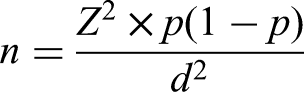
This calculation was used to guide the researchers to achieve at least a minimum number of participants.
Operational Definition
The operational definition denotes how variables were assessed or measured in the questionnaire and can be referred to in Table 1.
Operational Definition of Variables.

Research Instruments
A self-reporting online survey questionnaire in English was developed through an extensive literature review. The questionnaire had four sections. Section A consisted of eight items on the demographic profiles of participants. Section B consisted of 25 items on work activities, assistive devices, work organization, work environment, and external factors such as stretching exercises. Section C consisted of 17 items adapted from the Nordic Musculoskeletal Questionnaire that describe the self-perceived musculoskeletal pain or discomfort in the last 12 months. Section D consisted of 15 items to obtain information on self-reporting risk management practices by RNs related to risk assessment and risk control practices of WRMSDs.
Sections A, B, and D were validated by five occupational health medical officers and one occupational health nurse. The Scale Content Validity Index/Average (S-CVI/Ave) and Items-Level CVI (I-CVI) were calculated based on the content experts’ clarity, importance, and relevancy ratings and a minimum I-CVI of 0.78 for six content experts or more to be judged as having excellent content validity (Polit & Beck, 2006). In this study, the researchers amended items with I-CVI with a validity of less than 0.78 based on the feedback given by content experts. No content validity was done for Section C as the Nordic Musculoskeletal Questionnaire had been widely used in musculoskeletal prevalence studies among RNs in Malaysia and other parts of the world (Krishnan et al., 2021; López-Aragón et al., 2017).
A pilot test of the questionnaire was conducted on 30 RNs who met the inclusion and exclusion criteria of the study. The Kuder–Richardson Formula 20 value was 0.71 for Section B on work organization, assistive devices, work environment, and external factors, 0.74 for Section C on the prevalence of WRMSDs, and 0.71 for Section D on risk management practices, which were within moderate internal consistency (Cortina, 1993). The Cronbach alpha for Section B on work activities was 0.73 which is considered acceptable (Wu et al., 2020). These RNs were recruited via social media private groups in WhatsApp and Facebook Messenger consisting of only RNs. From the feedback, 96.9% of the RNs claimed the questionnaires were simple and easily understood. Meanwhile, 3.2% mentioned that some questions could better fit multiple-choice questions, but no specification as to which questions were mentioned.
Institutional Ethics Approval and Ethical Consideration
The data collection process was initiated after obtaining approval from the IMU Joint Committee on Research and Ethics. The study did not involve direct contact with hospital settings or organizations. Participants were informed about the purpose, confidentiality, benefits, and risks of the study. A statement indicating a willingness to voluntarily take part in this study was included and by clicking on it they were taken to the survey. No personal information, such as name and contact number, was collected to ensure anonymity.
Data Collection Procedure
The online survey was created using Google Forms and circulated via social media private groups in WhatsApp and Facebook Messenger comprised solely of RNs working in Sarawak hospitals. A request was added to encourage RNs who completed the survey to forward the QR code/access link to other RNs in their contacts who might meet the study's inclusion/exclusion criteria to increase the response rate. The researchers then received data input from the RNs through online notification.
Data Analysis
Data were analyzed using the IBM SPSS 28.0 software. The WRMSDs were the dependent variables. The associated factors of WRMSDs were the independent variables. Categorical data were presented with descriptive statistics in frequencies and percentages. The prevalence of WRMSDs was measured as the percentage of RNs reporting a history of self-perceived pain or discomfort with a pain score of 3 or more in any part of their body region within the last 12 months caused by a performance at work or the effect of the immediate working environment. Chi-square and multiple logistic regression were used to determine the associated factors of WRMSDs. The chi-square test helps to identify the goodness-of-fit of the multiple logistic regression model. The multiple logistic regression will provide the adjusted odd ratios that will quantify the strength and direction of the association between each dependent variable and WRMSDs. Significance was considered at p ≤ 0.05.
Results
A total of 204 (56.0%) out of 364 RNs agreed to participate in this study. The demographic profile of the participants is shown in Table 2.
Demographics of Participants (N = 204).

Note. BMI: ≤18.4 = underweight; 18.5–24.9 = normal; 25.0–30.0 = overweigh; and ≥31.0 = obese. Age: 18–35 = young adult; 36–50 = middle-aged adults; ≥51 = older adults.
*Mean value.
Demographic Profile
Most of the RNs work in multidisciplinary wards (38.7%, n = 79). The majority of the participants were female RNs (91.7%, n = 187). Young adults comprise most participants (73.0%, n = 149) (Kaba et al., 2017). In the BMI result, 45.1% (n = 92) were within normal body weight. Most RNs had 1–10 years of work experience (64.2%, n = 131).
Prevalence of WRMSD in the Last 12 Months
A high number of RNs (95.1%, n = 194) reported WRMSDs during the previous 12 months. The three most common regions affected were the lower back (90.2%, n = 184), neck (89.7%, n = 183), and shoulders (87.7%, n = 179). Results are reported in Table 3.
Prevalence of WRMSD in the Lasts 12 Months According to Body Region (N = 204).

Note. Presence of WRMSD = Having at least one trouble/discomfort/perceived pain in any of the body regions.
Associated Factors of WRMSDs
Following the chi-square test to identify the associated factors to WRMSD (Table 4), a multiple logistic regression was used to determine the predictors of WRMSD by removing confounders and using a p-value of 0.05 to determine significance. The variables with a significant p-value of 0.2 or less were entered and analyzed. The results output met the Omnibus Tests of Model Coefficients (with a significant p-value of <0.05) and Hosmer and Lemeshow Goodness of Fit test (with a significant p-value of >0.05). Only the perceived shortage of staff was found to be significant among the variables entered (p = 0.048; AOR = 0.190; CI = 0.037–0.984) (Table 5).
Chi-Square: Associated Factors with WRMSDs.

Fisher exact test.
*Significant p ≤ 0.05.
Multiple Logistic Regression: Associated Factors Correlate with the Outcome.

*Significant p ≤ 0.05.
Risk Management Practices of WRMSDs
Most RNs reported (65.7%, n = 134) being assessed on handling and equipment handling competency (85.8%, n = 175). As for substitution control measures, most RNs (64.3%, n = 148) reported that their workplace hires healthcare assistants to fill the staff shortages and uses media (57.6, n = 204) as the mode to recruit nurses. Over 70% of the RNs seemed to consistently care for six or more patients per shift. Using a draw sheet to assist with manual handling, remote-assisted beds, and slide sheets were the three top responses opted by the RNs for engineering control measures. Under administrative control, some nurses (48.5%, n = 99) had undergone manual handling training. Most RNs reported they had learned the anatomy of musculoskeletal (39.3%, n = 204), the basic principles of lifting (28.5%, n = 148), and the importance of exercise and rest (14.1%, n = 73). Results are reported in Table 6.
Risk Management Practices of WRMSD Based on Risk Assessment and Risk Control.

Discussion
The prevalence rate of WRMSDs among RNs, particularly in this study, was 95.1% (n = 194, 95% CI: 92.2–97.5). The magnitude of WRMSDs in this study is comparable to the prevalence of WRMSDs among RNs in Peninsular Malaysia (Amin et al., 2020; Krishnan et al., 2021) and East Malaysia Sabah (Perumal & Lukman, 2024). This is concerning because WRMSDs among RNs are one of the factors that cause an early exit from work and absenteeism (Krishnan et al., 2021). In this study, the three most common body regions affected were the lower back (90.2%, n = 184), shoulders (89.7%, n = 183), and neck (87.7%, n = 179). The result was found to be similar to various studies (Jakovljević, 2024; Krishnan et al., 2021; Mitseas et al., 2022; Rahman et al., 2021; Sun et al., 2023). The biometric constraints of the lower back are greater than those of other joints, hence, explaining why the lower back is mostly affected (Meh et al., 2023). Past limited studies conducted in Sarawak indicated low back pain among RNs was associated with age, longer service, poor postures, heavy lifting, frequent lift, and transfer (Chang et al., 2016; Wong et al., 2010).
Concerning the associated factors of WMRSDs, perceived lack of staffing was significantly associated with WRMSDs among RNs in this study. The demanding work hours and schedules resulting from lack of staffing can lead to frustration, resulting in mental and physical exhaustion. This, in turn, can lead to emotional distress, increase risk for WRMSDs, and affect their intention to remain in their profession. Inadequate staffing has also been associated with back injuries (Bae, 2024; Mitseas et al., 2022). The increasing demand for RNs correlates with the growing population in Malaysia and Sarawak (Francis et al., 2021; Ministry of Health Malaysia, 2019), along with the aging population. The elderly require healthcare services more than other age groups due to their higher susceptibility to noncommunicable diseases. The elderly also often have mobility issues, which leads to RNs needing to perform more patient handling that involves transferring, lifting, and mobilizing (Enobong et al., 2021; Krishnan et al., 2021). Furthermore, the rising number of critically ill patients among the elderly has led to an increase in daily procedures such as dressing changes, venipuncture, and routine care that require bending, twisting, and head-bowing posture (Sun et al., 2023).
Studies suggested that despite the recommendations to include patient handling and equipment competency assessment to be part of the risk assessment of WRMSDs, RNs in Sarawak hospitals claimed not all of them are formally assessed. Hence, hospitals in Sarawak should prioritize risk assessment to identify potential risk factors for WRMSDs in the wards. Neglecting this responsibility could result in overlooking possible hazards.
As part of engineering control strategy, a strategy that involves implementing physical changes to reduce risk, various works of the literature suggested that employers should invest in assistive devices motorized devices (e.g., hoist and fast ascending electric bed) and nonmotorized devices (e.g., sliding sheet) to mitigate WRMSDs in hospitals. The deployment of assistive devices should be guided by patient risk assessments and institutional needs (Enobong et al., 2021). Some of the RNs in this study still used drawsheets even though they had access to those assistive devices. It was reported in one study that the most common reason for healthcare workers not using these devices was that no mechanical aids were within reach, or the situation was so urgent that they lacked time to collect the devices. Hence, the availability of the devices within reach and the actual skills to use them could change the current culture (Muona et al., 2022). Hospitals in Sarawak should ban the use of draw sheets for lifting from now on and mandate the use of assistive devices when handling patients. Although motorized devices are highly effective in reducing WRMSDs, at a minimum, hospitals should ensure the availability of slide sheets and increase their accessibility during emergencies.
As part of the substitution strategy, RNs in this study claimed that healthcare assistant recruitment was the preferred method implemented by the hospitals to reduce RNs’ workload while waiting for more RNs to be recruited. The mode of recruitment includes peer referral and engaging the media. However, healthcare assistants cannot perform certain procedures that are typically reserved for RNs such as administering intravenous medications, cannulation, and complex dressing that requires bending and prolonged standing, intervention to hiring more RNs would still be the best choice. Over half of the RNs in this study took care of more than six patients (>70%) in all the work shifts, exceeding the recommended average number which, directly indicates a lack of nursing manpower(Zabidi et al., 2024).
Limitations and Recommendations for Future Research
The current study only utilized a quantitative approach to determine current risk management practices in hospitals in Sarawak. However, this method does not effectively capture the nurses’ actual experiences with the risk management practices of WRMSDS. Hence, future studies could adopt a mixed-method approach to gain deeper insights into the practical challenges faced by RNs in the current risk management practices. Apart from that, future research could also include RNs working in pediatric, intensive care, emergency, and neonatal wards. By incorporating a larger and more diverse group of RNs, hospitals in Sarawak could develop more effective and universally applicable risk management strategies for WRMSDs. Given time constraints in data collection, the author resorted to purposive sampling. This limits the generalizability of the findings which could be addressed by considering complementary sampling methods. This study also relies on self-reported data from the RNs. Further validation steps such as comparing self-reported data with hospital records could provide better consistency and reliability in future studies.
Conclusion
The shortage of RNs was associated with a high prevalence of WRMSDs among the RNs in this study. Due to RNs shortage, the existing RNs are facing high workloads and frequent patient and material handling. Addressing this shortage is crucial to reducing the incidence of WRMSDs. By increasing the number of RNs to meet the RN-to-patient ratio care, particularly in light of the aging population, hospitals across Sarawak can ensure more even work distribution, thereby reducing the burden of patient handling and mobility on the RNs. Risk assessment through management-led audits will ensure the personal responsibility of RNs toward self-care as well as prompt hospital management to develop policies to prevent WRMSDs. Ensuring the availability and good maintenance of assistive devices could boost their usage. Furthermore, management-led staff training should be made mandatory to reduce the risk of WRMSDs among RNs.
Supplemental Material
sj-docx-1-son-10.1177_23779608251335546 - Supplemental material for Prevalence, Associated Factors, and Risk Management Practices of Work-Related Musculoskeletal Disorders Among Registered Nurses in Hospitals in Sarawak, Malaysia
Supplemental material, sj-docx-1-son-10.1177_23779608251335546 for Prevalence, Associated Factors, and Risk Management Practices of Work-Related Musculoskeletal Disorders Among Registered Nurses in Hospitals in Sarawak, Malaysia by Sonia Anak Nicholas Felix and Wei Fern Siew in SAGE Open Nursing
Supplemental Material
sj-pdf-2-son-10.1177_23779608251335546 - Supplemental material for Prevalence, Associated Factors, and Risk Management Practices of Work-Related Musculoskeletal Disorders Among Registered Nurses in Hospitals in Sarawak, Malaysia
Supplemental material, sj-pdf-2-son-10.1177_23779608251335546 for Prevalence, Associated Factors, and Risk Management Practices of Work-Related Musculoskeletal Disorders Among Registered Nurses in Hospitals in Sarawak, Malaysia by Sonia Anak Nicholas Felix and Wei Fern Siew in SAGE Open Nursing
Footnotes
Acknowledgments
The authors would like to extend their gratitude to the IMU University Joint Committee on Research and Ethics (IMU-JC) for the ethical approval (IRB No: 4.8/JCM-256/2022) and to the study participants for their willingness to participate in this study.
Authors’ Contributions
Sonia Anak Nicholas Felix: designing the study, acquiring and analysing the data, and drafting the manuscript. Wei Fern Siew: manuscript review and manuscript editing.
Declaration of Conflicting Interests
The author(s) declared no potential conflicts of interest with respect to the research, authorship, and/or publication of this article.
Ethical Consideration (IRB No: 4.8/JCM-256/2022)
The study received ethics approval from the IMU Joint Committee on Research and Ethics (IMU-JC) with the university's internal grant [Project ID: MSPH I-2022(09)]. Since the study did not involve direct contact with hospital settings or organizations, it did not require approval from the Malaysia National Medical Research Register (NNMR). Online consent was obtained directly from the participants.
Funding
The author(s) disclosed receipt of the following financial support for the research, authorship, and/or publication of this article: This study was funded by IMU University Malaysia internal grant [Project ID: MSPH I-2022(09)].

Supplemental Material
Supplemental material for this article is available online.
References
Supplementary Material
Please find the following supplemental material available below.
For Open Access articles published under a Creative Commons License, all supplemental material carries the same license as the article it is associated with.
For non-Open Access articles published, all supplemental material carries a non-exclusive license, and permission requests for re-use of supplemental material or any part of supplemental material shall be sent directly to the copyright owner as specified in the copyright notice associated with the article.
