



Abstract
Decentralization has become a central theme in debates on economic growth, governance effectiveness, and sustainable development. This study undertakes a bibliometric analysis of 1,322 articles published between 2005 and 2024, retrieved from the Web of Science (WoS) and Scopus databases. Using VOSviewer and Bibliometrix (R-package), the analysis maps research productivity, collaboration networks, and thematic clusters. The results reveal two dominant clusters: fiscal decentralization and its socio-economic and environmental impacts and determinants of decentralization and economic growth. High-ranked journals such as Sustainability and Environmental Science and Pollution Research emerge as leading outlets, while the most productive countries include the China and United States. The findings highlight underexplored areas such as decentralization’s role in renewable energy transitions and green finance. Framed within fiscal federalism and endogenous growth theory, this study contributes by identifying emerging trends, regional gaps, and policy implications for designing decentralization strategies that foster inclusive and sustainable economic growth. However, as a bibliometric study, it is limited in capturing case-specific or contextual details, which could be addressed in future qualitative or mixed-method research.
Plain Language Summary
This study examines how decentralization—giving local governments more power—affects economic growth and sustainability. By analyzing 1,322 research articles from 2005–2024, it identifies two main topics: the impacts of fiscal decentralization and the factors driving economic growth. China and the U.S. lead in research, while top journals include Sustainability. The study also points out gaps, such as decentralization’s role in renewable energy and green finance, and offers insights for policies that promote inclusive and sustainable growth.
Keywords
Introduction
Decentralization, which shifts decision-making power from central to local governments, has become crucial for economic growth, particularly amid globalization and technological transformation (Ricart-Huguet & Sellars, 2023). This governance model is recognized for improving administrative efficiency, facilitating resource allocation, and enhancing the delivery of public services. Decentralization strengthens local institutions, fosters accountability, and enables tailored policy solutions that address region-specific challenges (Rodríguez-Pose & Muštra, 2022). However, its effects on economic growth are shaped by diverse socioeconomic, political, and institutional contexts.
The relationship between decentralization and economic outcomes can be understood through several theoretical perspectives. Fiscal federalism theory highlights how decentralization enhances efficiency by aligning public goods provision with local preferences and improving resource allocation (Oates, 1999). Endogenous growth theory underscores the role of decentralization in stimulating innovation, R&D investment, and productivity growth, particularly through localized knowledge spillovers and competition (Romer, 1994). Institutional theory emphasizes governance quality, accountability, and responsiveness, suggesting that the benefits of decentralization depend on the strength of institutional frameworks (North, 1990). Together, these perspectives provide a robust foundation for analyzing how decentralization contributes to long-term economic performance. In developed countries, decentralization often emphasizes efficiency, innovation, and fiscal discipline, whereas in developing contexts it is more closely associated with reducing regional disparities, expanding service delivery, and strengthening institutional capacity
Despite a growing body of research, significant gaps remain. Much of the existing literature focuses on case studies or country-specific analyses (Song et al., 2022), limiting broader generalization. Few studies have systematically explored regional and global patterns in decentralization research, especially in relation to emerging themes such as sustainability and digital governance. The absence of a comprehensive bibliometric approach restricts the ability to identify evolving trajectories, key contributors, and knowledge gaps. Addressing this limitation, the present study applies bibliometric analysis to provide a global and interdisciplinary mapping of decentralization and economic growth research.
Unlike previous bibliometric reviews that have largely concentrated on fiscal decentralization or single-country analyses, this study provides the first comprehensive global mapping of decentralization and economic growth research from 2005 to 2024 using both WoS and Scopus databases. By employing bibliometric tools such as VOSviewer and Bibliometrix, the study identifies emerging research clusters, including fiscal decentralization and its socio-economic and environmental impacts and determinants of decentralization and economic growth. This multidimensional approach not only captures the evolving trajectory of the field but also highlights underexplored themes, regional gaps, and theoretical linkages with fiscal federalism, endogenous growth, and institutional theory. In doing so, the study offers novel insights for scholars and actionable implications for policymakers seeking to align decentralization strategies with inclusive and sustainable development goals. Specific research questions (RQs) to be addressed include:
1) How has the annual publication trend on decentralization and economic growth evolved from 2005 to 2024?
2) Which journals and countries are most actively publishing research on decentralization and economic growth?
3) Which are the most cited articles in the field of decentralization and economic growth?
4) What key themes are emerging in the literature on decentralization and economic growth?
5) What are the main co-citation clusters and intellectual foundations shaping decentralization–growth research?
This study investigates the diverse and evolving academic discussion regarding decentralization and its impact on economic growth through bibliometric analysis. While decentralization has traditionally been viewed as a means to improve resource allocation and governance, its impact on economic performance remains complex and unpredictable situation-specific. The literature showcases differing theoretical perspectives and empirical results, emphasizing inconsistencies in how decentralization relates to economic growth. This study addresses the need for a systematic examination of local and global research trends, key authors, and vital topics in the field. It enhances our knowledge of how decentralization can effectively foster inclusive and sustainable economic growth by integrating existing knowledge and highlighting areas needing further research.
The remainder of the study is structured as follows: Section “Literature Review” presents the literature review. Section “Research Methodology” follows with the research methodology, outlining the steps taken to conduct this investigation, from paper retrieval to data analysis. Section “Results and Discussion” provides the results, presenting pertinent findings in alignment with the study objectives outlined in Section “Introduction.” Section “Discussion and Conclusions” discusses the study's findings and presents the conclusions. Finally, Section “Implications and Limitations” concludes the study with its implications and limitations.
Literature Review
The relationship between decentralization and economic growth has long been a subject of academic and policy debate, with scholars emphasizing its potential to enhance governance effectiveness, promote equitable development, and foster localized solutions to socioeconomic challenges. Decentralization, broadly understood as the transfer of authority, responsibility, and resources from central governments to subnational levels, is expected to improve policy responsiveness and resource allocation, thereby contributing to economic performance (Atisa et al., 2021; Rodríguez-Pose & Muštra, 2022). According to the decentralization hypothesis, local governments are better positioned to identify regional needs and customize development strategies, resulting in more efficient economic outcomes (Xin & Qian, 2022).
Empirical studies, however, present mixed evidence on the decentralization–growth nexus. On one hand, decentralization is found to stimulate interjurisdictional competition, enhance accountability, and encourage innovation, ultimately improving regional economic performance (Gong et al., 2021). On the other hand, the benefits are not automatic and often depend on institutional quality, fiscal capacity, and governance structures. Weak institutional frameworks may undermine accountability, foster corruption, and exacerbate regional inequalities (Rodríguez-Pose & Muštra, 2022). Thus, institutional quality emerges as a decisive mediating factor in determining whether decentralization drives inclusive growth or deepens disparities.
Infrastructure development has been a consistent theme in this literature, with several studies highlighting how decentralized systems enable targeted investments that improve connectivity, productivity, and regional competitiveness (Ibekwe et al., 2024; Leng et al., 2023). Moreover, decentralization influences the efficiency of service delivery, particularly in health, education, and public administration, thereby contributing indirectly to human capital formation and long-term growth (Song et al., 2025; Tselios, 2023). Fiscal decentralization, in particular, is viewed as a critical dimension, since subnational governments’ autonomy in revenue generation and expenditure decisions directly affects their ability to address developmental priorities (Gariba et al., 2024).
Beyond traditional growth metrics, scholars are increasingly exploring how decentralization interacts with contemporary global challenges such as environmental sustainability, technological transformation, and social equity. Recent research links decentralized governance with green financing (Feng et al., 2022), renewable energy adoption (Sun et al., 2023), and carbon emission reduction (Che et al., 2023), suggesting that local governments may play a crucial role in advancing climate goals. Similarly, the digital era has reshaped decentralization dynamics, with digital infrastructure and e-governance tools enhancing transparency, efficiency, and citizen participation in decision-making (Kassen, 2025). These innovations point toward a new research frontier where decentralization is examined not only in terms of fiscal and administrative dimensions but also its role in driving technological modernization and sustainable development.
Despite these advances, important gaps remain. First, while numerous studies analyze fiscal and administrative decentralization, limited attention has been given to the interaction between decentralization and technological innovation, particularly in developing countries. Second, the role of decentralization in reducing income inequality and promoting regional equity remains contested, with some studies reporting positive effects (Tselios, 2023), while others highlight widening disparities under weak institutional settings (Rodríguez-Pose & Muštra, 2022). Finally, the integration of decentralization with environmental governance is still underexplored, especially regarding how local autonomy contributes to renewable energy utilization, climate resilience, and low-carbon transitions.
Existing research generally finds that decentralization can promote infrastructure development and enhance service delivery by enabling local governments to target investments more effectively (Ibekwe et al., 2024; Leng et al., 2023). However, the evidence is far from uniform. In contexts with strong institutional frameworks, decentralization tends to reduce regional disparities and foster inclusive growth (Rodríguez-Pose & Muštra, 2022). By contrast, in low-capacity or weakly governed environments, decentralization can lead to elite capture, reduced accountability, and worsening inequality (Song et al., 2025; Tselios, 2023). This mixed evidence highlights a critical tension: while fiscal federalism theory emphasizes efficiency gains from aligning resources with local needs, institutional theory reminds us that governance quality is decisive in determining whether these gains are realized or undermined.
This study contributes to the literature by offering a comprehensive bibliometric analysis of decentralization and economic growth using data from both the WoS and Scopus databases. Unlike earlier works that mainly emphasize fiscal or institutional dimensions, this research highlights emerging themes such as technological innovation, environmental sustainability, and regional disparities. By integrating these perspectives, the study provides a multidimensional understanding of decentralization’s role in shaping sustainable economic development.
Research Methodology
Collecting and Selecting Relevant Research Studies
Figure 1 displays a Preferred Reporting Items for Systematic Reviews and Meta-Analyses (PRISMA) flowchart that outlines the systematic approach used to select the articles for this study. It visually represents the steps involved in identification, screening, eligibility assessment, and inclusion to select articles based on established criteria (Asif & Fazel, 2024a).

PRISMA flowchart.
Best Approaches for Choosing Bibliometric Methods in Research
Bibliometric analysis is a widely recognized and reliable method for systematically evaluating large bodies of scientific literature (Asif & Fazel, 2024a). It provides an objective means of mapping research productivity, co-authorship, co-citation patterns, and thematic evolution, thereby revealing the intellectual structure and emerging directions of a field (Donthu et al., 2021). This makes bibliometrics particularly appropriate for the study of decentralization and economic growth, where research is dispersed across disciplines such as economics, political science, and public administration, and where there is a need to identify clusters, gaps, and global patterns.
Exploring the Tools Available
In this study, we employ VOSviewer (Eck & Waltman, 2009) for visualizing citation networks, Bibliometrix and its web interface Biblioshiny (Aria & Cuccurullo, 2017) for descriptive and network analyses, and Microsoft Excel for data cleaning, formatting, and tabulation (Del Gesso et al., 2024). The combination of these tools ensures both methodological rigor and transparency, allowing for the identification of productive authors, influential journals, emerging research clusters, and regional contributions in a systematic and replicable manner (Asif et al., 2024).
Enhancing Database Selections
This study compiled all relevant publications from the well-known academic databases Scopus and WoS (Asif & Fazel, 2024b). The goal of this data collection was to establish a complete dataset that showcases the most recent research findings in our field. Most bibliometric analyses rely on the same data source (Mongeon & Paul-Hus, 2016). Here are the reasons for choosing WoS: 1) It ranks among the largest databases, featuring top-tier research across diverse academic areas from 1900 to today, ensuring the quality of indexed materials (Rey-Martí et al., 2016); 2) It serves as the main reference source for practitioners conducting literature reviews (Mazzi et al., 2016). However, Scopus presents several benefits, including 1) the largest repository of peer-reviewed literature; 2) reducing the chances of papers being overlooked in searches; 3) easy accessibility; 4) tools for data visualization and analysis; 5) support for multiple file formats for sample downloads; and 6) a diverse range of data (Abad-Segura et al., 2020; Asif & Fazel, 2024a).
Revealing Essential Terminology
This study explored the relationship between economic growth and decentralization through a systematic review of scholarly literature. We carried out our search utilizing both Scopus and WOS to guarantee comprehensive coverage of relevant academic papers. This study focuses on the latest developments in this emerging field, including publications from 2005 to 2024. The period 2005 to 2024 was selected to capture contemporary developments in decentralization research amid globalization and technological transformation. This timeline ensures the study reflects the most relevant trends and scholarly contributions in the field. We employed precisely crafted search terms, like (“Fiscal Decentralization” OR “Decentralized Governance” OR “Decentralized Decision-Making” OR “Local Governance” OR “Intergovernmental Fiscal Relations” OR “Decentralization Reform”) AND (“Economic Growth” OR “Economic Development” OR “Regional Economic Development” OR “Economic Performance” OR “Regional Disparities” OR “Urban Development”) to locate that were relevant to the subject of our study.
Data Screening and Inclusion Criteria
The bibliometric analysis is based on 1,050 articles from the WoS and 785 articles from the Scopus database, covering the years 2005 to 2024. The first searches returned 1,297 and 1,053 documents, respectively, which were filtered based on inclusion and exclusion criteria. We excluded non-research documents, including book chapters, conference papers, editorial materials, and articles written in non-English languages (see Figure 1). This comprehensive screening process guaranteed the selection of high-quality, English-language, peer-reviewed articles, resulting in a final dataset of 1,835 articles for an in-depth bibliometric analysis.
Data Integration and Deduplication Process
We collected 1,050 articles in plain text format from the WoS and 785 articles in CSV format from Scopus. The two datasets were combined, and any duplicates were eliminated using RStudio. Initially, the merged dataset included 1,835 articles from both WoS and Scopus. After removing 506 duplicates, the final dataset consisted of 1,329 articles, which were kept for bibliometric analysis.
Analytical Strategies
This study employs bibliometric analysis to assess the relationship between decentralization and economic growth. Using Biblioshiny, we examine annual publication trends from 2005 to 2024 to identify patterns in scholarly output. The tool is also employed to pinpoint the journals and countries that are the most active contributors to this area of research. To gain a deeper understanding of the evolving academic discourse surrounding decentralization and economic growth, VOSviewer is used to chart key emerging themes in the literature and spotlight the most cited articles, thereby shedding light on important works in the field.
Results and Discussion
Background Analysis of Relevant Papers
Annual Publications
Figure 2 illustrates the publication trend from 2005 to 2024, showing a steady increase in scholarly interest in decentralization and the expansion of economics. Fewer than 25 articles were published annually in the early years (2005–2009). However, a noticeable increase began in 2010, culminating in 99 publications by 2019. From 2020 onward, this upward trend persists, peaking at 174 articles in 2022. The overall trend indicates a rise in academic interest in this field, highlighting its increasing importance in ongoing research and policy debates, even with a slight decline in 2023 (165 articles) and 2024 (153 articles).

Annual publications on decentralization and economic growth.
An analysis of publications from 2005 to 2024 uncovers several prominent themes about decentralization and economic growth. Major subjects encompass the effects of fiscal decentralization on economic expansion (Bucci et al., 2024; Jin & Zou, 2005), which explores the impact of financial authority distribution on national and regional economies' performance. A common theme also focuses on regional disparities and equity challenges (Mai et al., 2024), emphasizing the unequal distribution of benefits and opportunities in decentralized governance systems. Factors such as institutional arrangements and differences in revenue-expenditure assignments significantly impact the efficiency and effectiveness of decentralized systems. (Mohanty et al., 2024). Moreover, the tensions between traditional land tenure systems and official urban land use planning are examined within governance frameworks, especially in urbanizing areas. (Lee et al., 2024). Finally, research into the challenges of economic development and the re-positioning of secondary capital cities highlights the complexities involved in promoting growth in smaller urban centers (Kaufmann et al., 2016). These issues collectively illustrate the intricate nature of decentralization and its effects on sustainable economic development.
Major Journals Publishing Decentralization and Economic Growth Research
Figure 3 illustrates the role of 15 prominent journals that published 291 out of the 1,322 analyzed articles on decentralization and economic growth, representing a substantial share of the research output. Sustainability features 58 articles, highlighting its interdisciplinary approach to environmental and governance dimensions of decentralization. Environmental Science and Pollution Research include 46 articles highlighting decentralized systems policies’ environmental impacts. Journals such as Regional Studies (19), Journal of Environmental Management (18), and International Journal of Environmental Research and Public Health (17) underscore the importance of institutional, environmental, and public health dimensions. Economic perspectives are prominently represented by Economic Modelling (15) and World Development (13), showcasing the exploration of fiscal and economic impacts. The cluster of articles in select journals underscores the essential function these sources serve in promoting academic discussions on decentralization and its diverse effects.
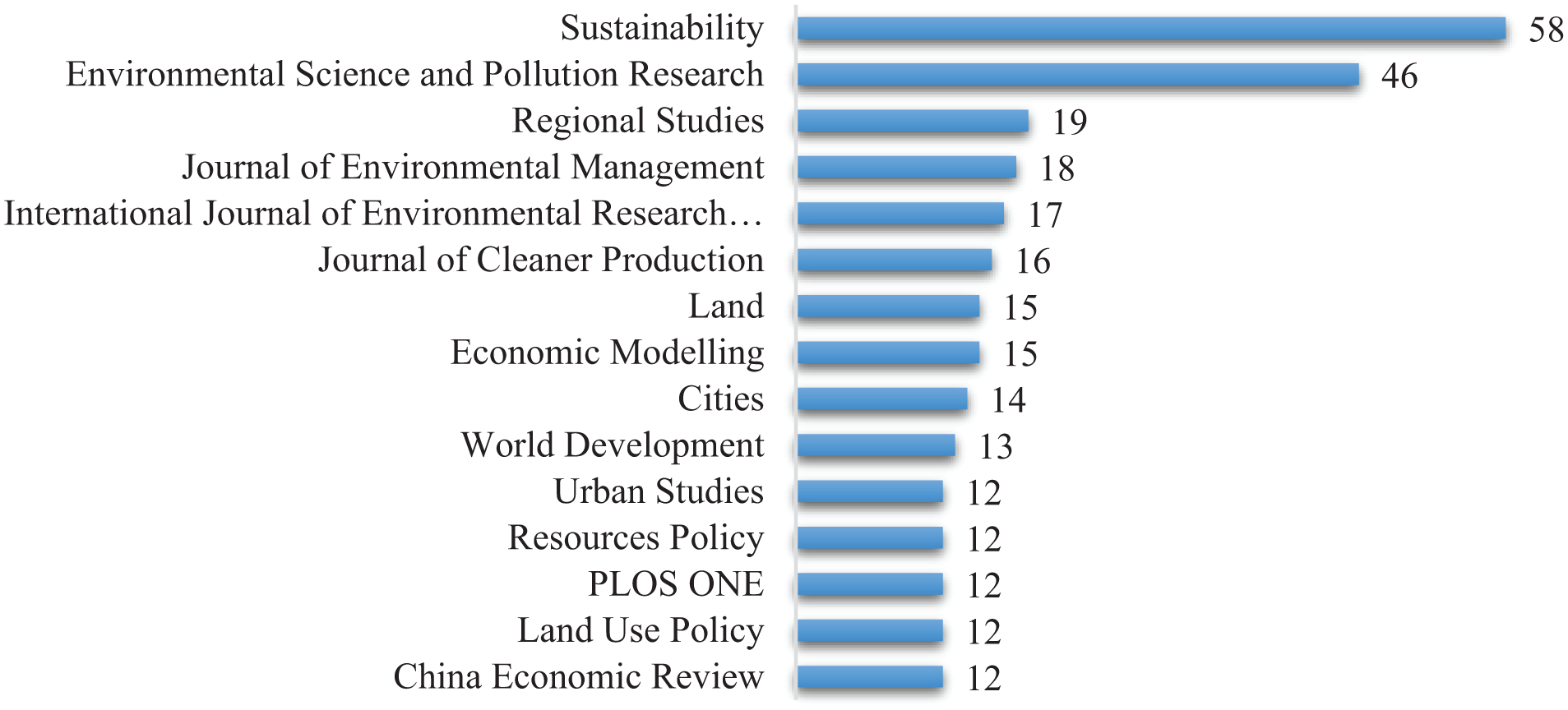
Major journals publishing decentralization and economic growth papers.
Active countries on Decentralization and Economic Growth Research
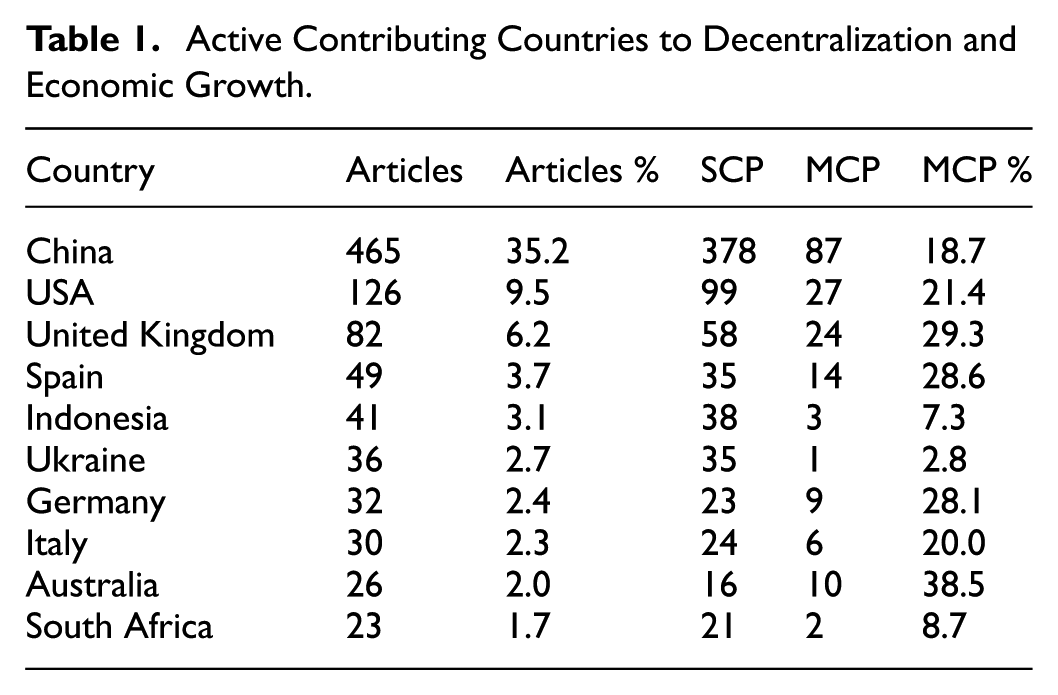
Table 1 shows how much each nation contributes to the study of decentralization and economic growth. China stands out as the largest contributor, publishing 465 articles, which account for 35.2% of the total. China leads the field, with 378 publications classified as SCP and 87 as MCP, the latter making up 18.7% of the total (see Figure 4). The US ranks second with 126 articles (9.5%), showing increased international collaboration with 27 MCPs (21.4%). Spain contributes significantly with 49 articles, while the United Kingdom has 82 articles, showcasing their involvement in international research networks with MCP percentages of 28.6% and 29.3%, respectively.
Active Contributing Countries to Decentralization and Economic Growth.
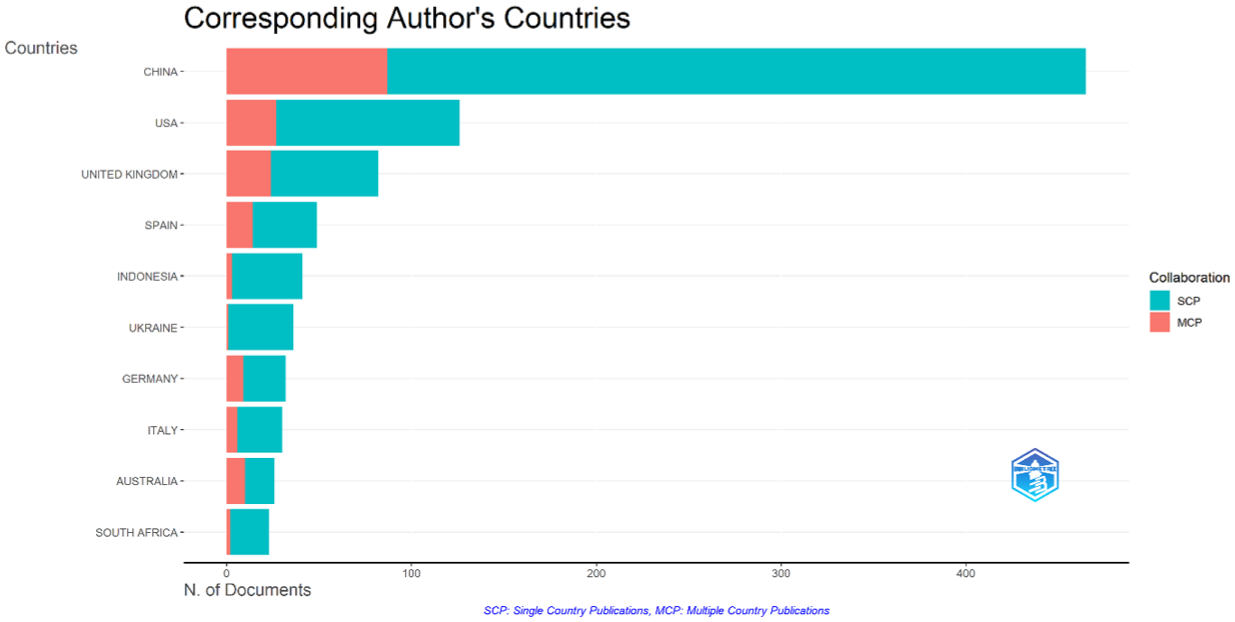
Active contributing countries to decentralization and economic growth.
Countries exhibiting different levels of global collaboration yet producing fewer articles include Germany (32), Italy (30), Indonesia (41), and Ukraine (36). For instance, Italy (20% MCP) and Germany (28.1% MCP) demonstrate strong collaboration efforts, while Indonesia and Ukraine show minimal collaboration with MCPs, at 2.8% and 7.3%, respectively. Australia has the highest percentage of MCPs (38.5%) among the 26 papers, indicating its preference for collaborative research. This suggests that while China and the USA excel in volume, European and other nations play a vital role in promoting decentralization research through cooperation, thereby enriching the global dialogue.
Most Cited Articles in the Field of Decentralization and Economic Growth
Table 2 lists the most cited papers in the decentralization and economic growth sector, emphasizing significant findings and hot research subjects. The study by Xu (2011), looks at the core institutions that underpin China’s development and reforms, highlighting how decentralization has shaped China's economic path. Specifically examining the distinctive “Chinese style” and its influence on economic governance, Jin et al. (2005), examined regional decentralization and fiscal incentives within the framework of federalism.
Most Cited Articles.

The institutional collective action framework, introduced by Feiock (2013) is essential to comprehending the dynamics of governance and group decision-making in decentralized systems. Using a cross-country analysis that connects decentralization policies to equality and regional economic performance, Rodríguez-Pose and Ezcurra (2010), examined whether decentralization affects regional disparities. Similarly, Cai and Treisman (2006), explore whether China's economic miracle was a result of government decentralization. They provide insightful information about the relationship between decentralization and rapid economic growth.
Khan et al. (2021), examined the relationships between decentralization, institutional quality, and environmental sustainability by examining the relationship between fiscal decentralization, CO2 emissions, institutions, and human capital. Wu et al. (2020), highlight the environmental effects of decentralized governance by concentrating on environmental decentralization, local government rivalry, and regional green growth, especially in China. Cheng et al. (2021) explored the relationship between fiscal decentralization and technical innovation, demonstrating how both impact sustainable growth in the fourth industrial revolution.
Finally, Song et al. (2018), evaluate how fiscal decentralization affects green total factor productivity, and connect decentralization to both economic and environmental efficiency. Tufail et al. (2021) examined whether fiscal decentralization and natural resources can lower carbon emissions, with an emphasis on industrialized nations and their environmental policies. When taken as a whole, these articles show how decentralization affects institutional frameworks, regional inequities, economic growth, and environmental sustainability.
Relevant Themes on Decentralization and Economic Growth
Fiscal Decentralization and Its Socio-Economic and Environmental Impacts
Decentralization involves transferring financial authority and responsibility from national governments to regional or local authorities. This enables them to effectively manage resources and make decisions tailored to the specific needs of their communities (Khambule, 2021). This approach yields significant socioeconomic effects, including enhanced public service delivery, stimulated economic growth, and increased government transparency and accountability (Atisa et al., 2021; Miranda-Lescano et al., 2023). Fiscal decentralization can alleviate regional imbalances and promote participative decision-making by giving local governments the authority to allocate resources more effectively (Hu et al., 2023). However, elements like institutional capability, fair resource allocation, and efficient governance frameworks frequently determine its effectiveness.
Regional income convergence: Regional income convergence explores how fiscal decentralization, through enabling local governments to implement tailored economic policies, could reduce income disparities between regions (Wenjuan & Zhao, 2023). Decentralized fiscal systems foster equitable resource allocation and drive local development by addressing regional-specific issues. As a result, this supports a balanced growth path across all areas. However, the effectiveness of these initiatives relies on local governments' administrative capabilities and resource availability for success (Shin & Jhee, 2021). Regional convergence may be hindered by variations in governance quality and unequal resource distribution. Thus, to ensure that decentralization effectively decreases regional income gaps, strong collaboration between federal and local governments is crucial (Pietrovito et al., 2023).
Economic growth and environmental impact: Decentralization influences environmental sustainability and can drive economic growth. With local knowledge and focus on specific ecological challenges, empowered local governments can develop policies that achieve a balance between environmental protection and economic development (Ren et al., 2023). For instance, they can finance waste management programs, renewable energy ventures, and sustainable infrastructure. However, decentralized systems may lead to short-term economic strategies that prioritize growth over environmental concerns (Yang et al., 2021). Effective regulations and incentives promoting sustainable behaviors are essential for prevention. To ensure the sustainability of fiscal decentralization in the long term, local economic objectives must align with broader environmental goals.
Technological innovation and fiscal decentralization: Advancements in technology play a crucial role in enhancing the effectiveness and efficiency of fiscal decentralization (Zeraibi et al., 2024). For instance, digital tools like blockchain and artificial intelligence can boost transparency, streamline financial processes, and strengthen the revenue collection systems of local governments (Adelekan et al., 2024; Kassen, 2022). Technology enhances data-driven decision-making, leading to more targeted and efficient resource allocation (Mokogwu et al., 2024). Subsequently, fiscal decentralization allows local governments to experiment with innovative solutions tailored to their specific needs. However, variations in technological capability and access across regions could hinder development. This underscores the importance of investing in training and digital infrastructure to fully leverage the benefits of fiscal decentralization (Gariba et al., 2024).
Municipality efficiency: Decentralization enhances municipal efficiency by empowering local governments with greater control over resource allocation and public service delivery (Atisa et al., 2021). With better access to local information, communities can prioritize their budgets for infrastructure, healthcare, and education. Furthermore, decentralization fosters competition among municipalities, encouraging creativity and enhancing productivity (Wang et al., 2023). However, efficiency improvements depend on local officials' skill in resource management and their commitment to avoiding corruption. A conducive policy framework, robust accountability measures, and adequate training are essential to ensure that fiscal decentralization leads to significant improvements in municipal efficiency (Boufounou et al., 2024).
Rural-urban inequality: Decentralization can reduce the gap between rural and urban regions by empowering local governments to allocate resources based on their specific economic and demographic conditions (Pan et al., 2022). Decentralized funding can bridge the divide between urban and rural communities, enhancing access to infrastructure, healthcare, and education while supporting rural development initiatives. However, if fiscal systems lack fairness, wealthier metropolitan areas may receive an unequal share of resources, worsening inequality (Umair et al., 2024). Central governments must implement equalization methods and prioritize underserved rural areas in decentralization programs to address this issue. A balanced approach to fiscal decentralization can foster equitable growth and reduce disparities (Hung & Thanh, 2022).
Determinants of Decentralization and Economic Growth
Decentralization and economic growth are interconnected ideas that influence how nations develop. It entails transferring authority and financial responsibilities to local governments, serving as a crucial tool for enhancing governance, optimizing resource distribution, and promoting regional development. Economic growth is shaped by multiple factors, including:
R&D expenditure: Investing in R&D is crucial for encouraging innovation and driving economic growth, as it enhances productivity and supports technological advancements (Sarpong et al., 2023). Businesses and governments can develop new goods, improve current processes, and gain a competitive edge in international markets by investing in research and development (Anand et al., 2021). It also aids in creating knowledge, which has a positive knock-on effect across the economy. Nations that allocate substantial resources to R&D often experience quicker economic expansion and demonstrate greater resilience to technological shifts (Roca et al., 2021). As the world increasingly focuses on innovation, prioritizing R&D investment becomes essential for nurturing sustainable growth and maintaining long-term competitiveness.
Digital infrastructure index: The digital infrastructure index assesses a nation's ability to support and leverage digital technologies (Silva et al., 2022). It considers factors such as data centers, internet penetration, broadband connectivity, and access to advanced technologies like cloud computing and 5G networks (Guo et al., 2022). A strong digital infrastructure index enables individuals and businesses to adopt creative solutions, driving economic growth and boosting productivity. Furthermore, it facilitates digital inclusion, fostering equal development opportunities and narrowing the divide between rural and urban areas (Goel & Vishnoi, 2022). As economies increasingly rely on digitalization, a strong digital infrastructure is crucial in enhancing competitiveness and fostering long-term economic growth.
Carbon emissions reduction: Reducing carbon emissions is a purposeful effort to decrease greenhouse gases, particularly carbon dioxide, to mitigate climate change (Min et al., 2022). Implementing renewable energy, enhancing energy efficiency, transitioning to low-carbon technologies, and enforcing regulations like carbon pricing and emission limits can all facilitate this goal. Besides preventing environmental degradation, lowering carbon emissions fosters sustainable economic development by encouraging green technology innovation and creating new market opportunities (Ahmad et al., 2023; Qamruzzaman & Karim, 2024). Furthermore, it enhances air quality, benefits public health, and reinforces global efforts like the Paris Agreement, which emphasizes the importance of a united approach toward a sustainable future (Adanma & Ogunbiyi, 2024).
Renewable energy use: Renewable energy consumption refers to harnessing energy from naturally replenishing sources such as solar, wind, hydropower, and geothermal (Strielkowski et al., 2021). This practice is crucial for decreasing reliance on fossil fuels, mitigating greenhouse gas emissions, and advancing a sustainable energy system. Renewable energy fosters resilience and sustained economic growth by reducing environmental impact and enhancing energy independence (Hassan et al., 2024). Additionally, advances in renewable technologies have driven down energy production costs while creating new industries and job opportunities (Ram et al., 2022). As a result, utilizing renewable energy has become a key focus for governments and businesses worldwide to meet climate goals and ensure a sustainable energy future.
Service delivery efficiency: Service delivery efficiency refers to the ability of both public and private organizations to provide high-quality services to residents and clients promptly and cost-effectively (Mutongerwa et al., 2024). It plays a crucial role in enhancing public satisfaction, fostering institutional trust, and ensuring optimal resource utilization. Achieving efficient service delivery often requires streamlined processes, innovative technologies, and effective management practices (Kulal et al., 2024). By boosting efficiency, organizations can reduce bureaucratic delays, enhance policy implementation, and support inclusive development in governance and economic growth. As digital transformation advances, leveraging technology is increasingly essential for achieving service delivery efficiency (Martínez-Peláez et al., 2023).
Income disparity index: The income disparity index emphasizes the gap between high- and low-income groups by measuring income inequality in a community. This index reveals wealth distribution and access to opportunities, serving as a vital indicator of social injustice and economic disparity (De Soysa & Vadlamannati, 2023). A significant income gap can hinder economic growth by limiting social mobility, reducing consumer purchasing power, and escalating social tensions (Ali & Asfaw, 2023). Conversely, addressing income inequality through inclusive economic strategies, equitable resource distribution, and progressive regulations can foster sustainable development (Hariram et al., 2023). For policymakers aiming to create a just and balanced economic landscape, the index is invaluable.
Infrastructure development: Infrastructure development, encompassing the enhancement of digital and physical assets such as energy grids, public utilities, transportation systems, and communication networks, is crucial for economic growth and societal progress (Argyroudis et al., 2022). Robust infrastructure fosters business activity and attracts investment by enabling efficient resource allocation, reducing transaction costs, and enhancing connectivity (Allioui & Mourdi, 2023). Furthermore, it elevates living standards by ensuring access to essential services such as electricity, clean water, and education (Kaiser & Barstow, 2022). Making targeted investments in infrastructure that align with sustainability goals can significantly boost long-term economic resilience and inclusivity.
Co-citation Analysis and Intellectual Foundations
Co-citation analysis is a bibliometric technique used to identify and map the intellectual structure of a research field. It is based on the principle that when two documents are cited together in subsequent works, they are likely to share thematic or conceptual similarities (Donthu et al., 2021). By measuring the frequency with which pairs of articles, authors, or journals are co-cited, this method highlights the underlying connections among publications and helps researchers trace the development of ideas across time (Del Gesso et al., 2024).
Figure 5 highlights the foundational role of fiscal federalism theory, which explains how decentralized fiscal arrangements can improve efficiency and accountability by allocating resources closer to local needs (Oates, 1999). The co-citation patterns reveal that this theory serves as the primary conceptual anchor in decentralization–growth research, providing the rationale for why decentralization may enhance governance and economic performance. A major theme centers on the classical debate regarding the relationship between fiscal decentralization and economic growth. Highly cited works in this cluster emphasize both positive outcomes, such as improved service delivery and innovation, and mixed evidence where decentralization has not always translated into economic gains (Davoodi & Zou, 1998; Martinez-Vazquez & McNab, 2003). This reflects an ongoing scholarly effort to understand the contextual conditions under which decentralization fosters growth.

Network visualization of co-citation analysis.
Iimi (2005) revisits earlier assumptions by incorporating new perspectives and empirical evidence. The co-cited studies challenge traditional linear relationships, instead highlighting context-dependence shaped by political institutions, administrative capacity, and regional disparities. The re-examination underscores that decentralization’s impact is neither uniform nor automatic, but contingent upon broader institutional and socio-economic settings. Several co-cited works focus on methodological contributions, particularly on how to measure fiscal decentralization accurately and assess its economic impact (Lin & Liu, 2000; Thornton, 2007). These studies highlight issues of data validity, comparability, and methodological rigor, showing that inconsistencies in measurement often lead to divergent findings. This theme demonstrates the importance of robust metrics in advancing credible decentralization research.
Discussion and Conclusions
This bibliometric study advances the understanding of decentralization and economic growth by moving beyond fragmented evidence and providing a longitudinal, data-driven synthesis of the field from 2005 to 2024. Unlike earlier reviews that focused primarily on fiscal outcomes or case-based comparisons, our analysis highlights broader intellectual and thematic trajectories, showing how research priorities have shifted over time.
The temporal analysis demonstrates that decentralization scholarship has expanded steadily, with a sharp acceleration after 2010. This trend reflects growing recognition of decentralization as a mechanism not only for fiscal management but also for addressing pressing challenges in governance, sustainability, and technological adaptation. Our findings extend prior studies by documenting how these newer dimensions, particularly environmental sustainability, digital governance, and technological innovation, have become central only in the last decade, suggesting a paradigmatic broadening of the field.
The mapping of core journals and influential contributions underscores the interdisciplinary nature of decentralization research. Economics, political science, public administration, and environmental management journals now converge on common questions: how fiscal and institutional decentralization interacts with issues such as carbon emissions, renewable energy adoption, and service delivery efficiency. This integrative pattern is a unique contribution of our analysis, offering a clearer picture of how the field has evolved into a multidisciplinary dialogue rather than remaining siloed in fiscal federalism debates.
The country-level analysis reveals important contextual asymmetries. While China dominates in volume and focus on fiscal-environmental linkages, Organisation for Economic Co-operation and Development (OECD) countries often emphasize institutional design, accountability, and efficiency. Developing economies in Africa, Asia, and Latin America highlight inequality, rural–urban divides, and governance capacity. These contrasts suggest that decentralization’s outcomes are highly context-dependent, a nuance not fully captured in earlier global reviews.
Co-citation analysis highlights a transition in the intellectual foundations. Early landmark studies established the fiscal decentralization–growth nexus, but recent influential work ties decentralization to environmental performance, digital infrastructure, and innovation capacity. This indicates that the research frontier is moving toward integrating sustainability and technology into decentralization debates, an evolution overlooked in earlier reviews.
This study provides a comprehensive bibliometric mapping of decentralization and economic growth research from 2005 to 2024, revealing evolving trends, emerging themes, and influential contributors. Our bibliometric analysis extends prior studies by (i) systematically tracing how decentralization research has diversified beyond fiscal growth into sustainability and digital governance, (ii) documenting global and regional divergences in research focus, and (iii) identifying the intellectual foundations driving this shift. These contributions advance theoretical understanding by confirming fiscal federalism’s predictions on allocative efficiency, demonstrating endogenous growth theory’s relevance through innovation and R&D-driven growth, and highlighting institutional theory’s emphasis on governance quality as a key mediator.
From a policy perspective, the results suggest that governments should strengthen local institutional capacity, invest in digital infrastructure, promote renewable energy adoption, and design decentralization frameworks that reduce regional disparities while enhancing service delivery efficiency. For future research, the study identifies underexplored areas such as the interplay between decentralization, digital governance, green finance, and climate adaptation, calling for more integrative and comparative analyses across different national and institutional contexts. By synthesizing existing knowledge and highlighting new directions, this work provides both theoretical clarity and actionable insights for scholars and policymakers confronting climate change, technological transformation, and governance challenges.
Implications and Limitations
Theoretical Implications
This study advances theoretical understanding of decentralization as a multidimensional process shaping economic growth. By integrating bibliometric analysis with thematic exploration, it provides a framework for examining how decentralization influences outcomes such as renewable energy adoption, service delivery efficiency, and technology integration.
The findings highlight the importance of contextual factors, political systems, institutional quality, and socioeconomic inequality, in shaping decentralization’s impact. These results reinforce existing perspectives such as market-preserving federalism (Qian & Weingast, 1996) and (Frère & Védrine, 2024), while also extending them to contemporary issues. Emerging themes, digital infrastructure, environmental sustainability, and equity, suggest that traditional theories must evolve to capture the interplay between governance, innovation, and sustainable development.
By linking classical governance theories with modern paradigms, the study underscores the need for multidisciplinary approaches that combine economic, environmental, and institutional perspectives. It also confirms institutional quality as a critical mediator, showing that effective governance is essential for realizing the potential benefits of decentralization (see Figure 6).

Conceptual framework on decentralization and economic growth.
Practical Implications
The findings of this study provide several policy-relevant insights. First, governments should design decentralization policies that balance fiscal autonomy with strong institutional oversight, ensuring accountability and equitable resource distribution. Second, investment in digital infrastructure and the adoption of e-governance tools are essential to improve service delivery, transparency, and inclusivity, particularly in underserved regions. Third, policymakers should integrate decentralization strategies with sustainability goals by promoting renewable energy use, encouraging R&D, and adopting green financing mechanisms to support low-carbon development. Fourth, reducing regional income disparities requires targeted social policies, progressive fiscal measures, and infrastructure projects that enhance connectivity between urban and rural areas. Finally, institutional reforms that strengthen transparency, accountability, and citizen participation are critical to maximizing the growth and equity benefits of decentralization. Collectively, these policy directions align decentralization with sustainable economic development and provide actionable pathways for both national and regional governments.
Limitations and Future Research Directions
Despite providing insightful information about the relationship among decentralization, economic growth, and institutional quality, this study has a number of limitations that open up new avenues for investigation. First, the use of bibliometric analysis restricts the capacity to explore case-specific and contextual details that can be better captured by qualitative or mixed-method techniques. To offer more detailed insights, future research might carry out comprehensive case studies or comparative analysis of nations with different decentralization systems. Second, this analysis ignores the temporal or regional differences in the impacts of decentralization in favor of concentrating primarily on broad patterns. To further understand the effects of decentralization changes on economic growth, future research should look at particular regional settings or the long-term effects of these reforms.
Third, even if the suggested study model is thorough, it ignores the possible mediating or moderating impacts of additional variables like political stability, cultural elements, or shocks to the world economy. These dimensions could be used in future studies to provide a stronger framework. Furthermore, this study may have overlooked other important aspects of decentralization, such as social equality, environmental sustainability, or governance quality, by focussing solely on economic development as the outcome variable. Future research could broaden the focus to examine these results and evaluate the wider effects of decentralization initiatives.
Finally, the growing importance of sustainability and technology in governance necessitates that future studies examine new topics like role of blockchain in decentralization, digital twins, and artificial intelligence. Similarly, incorporating the implications of carbon neutrality objectives and renewable energy transitions into the decentralization discussion might offer a forward-looking viewpoint. The understanding of the complex effects of decentralization on institutional and economic outcomes will be significantly enhanced by addressing these constraints and investigating these avenues.
Footnotes
Acknowledgements
All authors contributed equally and acknowledged this work.

Author Contributions
All authors contributed equally.
Funding
The authors received no financial support for the research, authorship, and/or publication of this article.
Declaration of Conflicting Interests
The authors declared no potential conflicts of interest with respect to the research, authorship, and/or publication of this article.
Data Availability Statement
Data is available and can be provided on request.