



Abstract
This study addresses the critical need for a systematic framework to integrate Ideological and Political (I&P) education into junior middle school Physical Education and Health curricula, aiming to cultivate socially responsible citizens aligned with socialist core values. The research employs a mixed-methods approach. This includes a literature review, qualitative analysis using NVivo 12.0, Delphi expert validation, hierarchical analysis for indicator weighting, and student self-assessment questionnaires. Through this process, a comprehensive three-tiered index system was constructed. The framework comprises 3 first-level indicators (Sports Moral Education, Ideological Education, Political Education), 9 second-level indicators (e.g., Sportsmanship, Three Views Education, Patriotism Education), and 43 third-level indicators (e.g., Perseverance, Socialist Core Values, Idealistic Beliefs). Hierarchical analysis revealed Sports Moral Education as the highest-weighted dimension (0.4126), underscoring its centrality in holistic student development. Results identified strengths in embedding Sportsmanship and Sports Ethics but exposed significant gaps in Political Education and Three Views Education, with student self-assessments lagging behind expert expectations. The index system enables structured evaluation of I&P integration efficacy, informing targeted curriculum enhancements. Practical applications include redesigning interdisciplinary pedagogical activities, strengthening teacher training, and developing multifaceted assessment tools that measure civic-mindedness alongside physical competencies. This research provides educators and policymakers with an evidence-based blueprint to systematically advance I&P objectives within physical education, ultimately fostering students’ civic responsibility and alignment with national educational goals.
Plain Language Summary
What did we do? This study tackled a simple but important question: How can we make sure that sports classes in junior high schools do more than just teach children how to play games? We wanted to find a way to systematically include lessons on good character, correct ideologies, and civic duty. While many agree this is important, there hasn’t been a clear, practical tool to guide teachers. To solve this, we built a comprehensive new framework, or a detailed checklist, that identifies all the key values that can be taught in physical education. How did we do it? We used a mixed-method approach to ensure our checklist was both thorough and reliable. First, we reviewed a large amount of existing research. Then, we used specialized software to analyze and categorize the most important values mentioned. After that, we consulted a panel of 17 experts in education to refine our list over two rounds of discussions. Finally, we used a mathematical process to rank the importance of each value and tested our checklist with 60 students to see if it matched their real classroom experiences. What did we find? Our research produced a final checklist with 43 specific values grouped into three main areas: Sports Morals (like perseverance and teamwork), Ideology (like having a positive worldview), and Politics (like patriotism). The most important area was "Sports Moral Education," which includes traits like never giving up and playing fairly. While students reported learning sportsmanship well, we found gaps in their understanding of broader political and ideological concepts. What does this mean? This checklist provides teachers and school leaders with a clear, evidence-based tool. It helps them design sports lessons that actively build character and civic responsibility. Using this framework, schools can ensure their physical education programs contribute fully to developing well-rounded students who are prepared to be active and responsible members of their communities.
Keywords
Introduction
Physical education holds a pivotal role in the educational framework, playing a vital part in fostering the comprehensive development of students (Baena-Morales & González-Víllora, 2023; Ismail et al., 2024; Lundvall & Fröberg, 2023). Recent years have witnessed an increasing focus on infusing I&P facets into physical education curricula, recognizing its pivotal role in nurturing individuals who embody socialist core values. The concept of “I&P education in curriculum” entails the intentional and seamless integration of such elements across academic disciplines, including physical education. This approach moves beyond simply adding I&P content; it requires the organic integration of these elements into all teaching and learning processes (T. Li et al., 2024; Ruan & Yang, 2024; C. Zhao & Yu, 2024). Its primary goal is to holistically develop students by cultivating socialist core values and instilling a profound sense of social responsibility (Lin, 2024; Meng et al., 2024). The index system, on the other hand, acts as a comprehensive framework comprising indicators or elements that collectively epitomize (T. Li & Wang, 2023; Lv & Chiang, 2024; Z.-Y. Wang & Chiang, 2024) the I&P dimensions of the physical education and health curriculum. This system functions as a valuable tool for systematically evaluating and assessing the efficacy of integrating these elements within the curriculum, offering a structured approach to enhancing the I&P aspects of physical education (Gao et al., 2024; Wu et al., 2024; Q. Zhu & Yuan, 2023). The integration of I&P education into the physical education curriculum is fundamentally an application of values and character education theory, which asserts that the development of ethical and civic virtues should be an intentional and systematic part of the educational process. This study seeks to operationalize this theory by moving beyond theoretical advocacy to provide a structured, measurable framework for its implementation.
Existing studies have studied the importance of I&P education in physical education (IPEPE) curricula (X.-K. Chen & Yu, 2022; J. Liu et al., 2024; Maher et al., 2025). For instance, W. Li & Hu (2023) highlighted physical education’s role in shaping value orientations and cultivating students’ morality and physical fitness. They argued that a scientific application of I&P elements can enhance students’ overall quality and aid in establishing a correct socialist core value system. Jiang et al. (2024) advocated overcoming the limitations of being “light on ideology and heavy on technology” in physical education courses by promoting the integration of I&P elements throughout the teaching process. The author suggested that platforms like teacher-student interactions, sports games, and classroom summaries can be utilized to infuse I&P elements into the physical education curriculum. Kirk & Tinning ( 2006) further explored the value implications, goals, and implementation paths of infusing I&P education in public physical education programs at the university level. They highlighted how such integration can contribute to realizing the vision of a strong sports nation, enhancing school education, and strengthening measures for educating individuals. Zong et al. (2022) stressed the significance of instilling good fitness habits in students and integrating I&P elements across all facets of physical education teaching. The authors emphasized the active guidance needed from teachers to enhance students’ critical thinking abilities and seamlessly incorporate I&P education into the teaching and learning processes. Therefore, a review of the extant literature reveals that significant scholarly attention has been devoted to various subfields within the humanities (L. Chen et al., 2023; Fei & Li, 2025; B. Li et al., 2021; Y.-K. Li et al., 2025; X. Wang et al., 2018). Accordingly, researchers have utilized diverse analytical and statistical methodologies to advance their respective research objectives (Cai & Zhang, 2025; Dai et al., 2024; Y. Li et al., 2025; Y. Liu et al., 2024; H. Zhang et al., 2025). While the extant literature successfully establishes the why of integrating I&P education into physical education, a critical synthesis reveals a pronounced gap concerning the how. Specifically, there is a scarcity of empirically validated, systematic frameworks that move beyond theoretical advocacy to provide educators with a structured tool for implementation, measurement, and evaluation. Existing studies often possess a conceptual or qualitative strength in identifying key themes but a methodological weakness in offering a quantifiable and prioritized index system (Huang et al., 2025; Lyu et al., 2025; Yin et al., 2026). This study directly addresses this gap by constructing a comprehensive, weighted index system through a rigorous mixed-methods approach, thereby providing a missing link between I&P education policy and its practical, assessable application in junior middle school physical education and health curricula.
The primary aim of this study is to construct a comprehensive index system capturing essential I&P elements within junior middle school physical education and health curricula. To achieve this objective, the study employs a mixed-methods approach, combining qualitative and quantitative research techniques. The initial phase involves an extensive literature review to uncover existing research and theoretical foundations related to the integration of I&P elements in physical education. This stage encompasses the analysis of relevant scholarly articles, dissertations, and official documents, enabling the research team to gain a comprehensive understanding of the field’s current state and identify key indicators and elements for consideration in the index system. The subsequent phase utilizes a qualitative research approach, specifically the Nvivo 12.0 software, to conduct a top-down and bottom-up analysis of the literature. This process enables researchers to systematically identify and organize the various nodes and categories constituting the I&P elements within the physical education curriculum. Building upon the qualitative findings, the study employs the Delphi method in the third phase to engage a panel of expert consultants. Through structured questionnaires and iterative feedback sessions, we collaborated with the expert panel to refine and validate the emerging index system, ensuring its comprehensiveness, relevance, and feasibility. The fourth phase applies hierarchical analysis to determine the relative weights and importance of the indicators within the index system. This quantitative approach prioritizes the various elements and offers a clear understanding of their significance in the overall framework. The final phase employs a questionnaire survey method to evaluate the alignment between the constructed index system and the actual experiences of junior middle school students. By collecting and analyzing self-assessment data from students, the researchers can further validate the index system and identify areas for targeted improvement in integrating I&P elements within the physical education curriculum. While the specific indicators of this index system are designed to align with the national educational goals and socialist core values of China, the methodological framework, encompassing a systematic, mixed-methods approach to identifying, validating, and weighting value-based educational elements is grounded in universal principles of curriculum development and character education. Consequently, this study offers a transferable blueprint for educators and researchers in other international contexts seeking to systematically integrate their own specific civic, moral, or ideological dimensions into physical education or other subject-area curricula. Therefore, this comprehensive study on constructing an index system for integrating I&P elements in junior middle school physical education and health curricula fills a significant research gap and holds substantial practical implications. By providing a robust and multifaceted framework, this study empowers educators, curriculum designers, and policymakers to enhance the I&P dimensions of physical education, ultimately contributing to the holistic development and civic engagement of future generations.
Research Methods
The research methodology employed in this study is designed to ensure a comprehensive and systematic construction of the Index System of I&P Elements of Junior Middle School Physical Education and Health Curriculum. A mixed-methods approach was adopted, combining both qualitative and quantitative research techniques to achieve a robust and multifaceted framework (Romero-Sánchez et al., 2024; Zanke et al., 2024). The following subsections provide a detailed explanation of each method used in the study.
Literature Method
The literature method serves as the foundational step in this research, providing a theoretical basis and contextual understanding of the integration of I&P elements into physical education curricula (He, 2024; W. Zhao & Zhang, 2024). To ensure a thorough review, the research team conducted an extensive search using keywords such as “I&P Education in Curriculum,”“Sports Curriculum Ideology and Politics,” and “Secondary School Sports Ideology and Politics.” These keywords were selected to capture a wide range of scholarly articles, master’s and doctoral dissertations, official documents, and policy notices related to the topic. The literature review process involved several stages. First, the team collected and screened relevant materials from academic databases such as CNKI (China National Knowledge Infrastructure), Google Scholar, and university libraries. The initial search yielded over 200 documents, which were then filtered based on relevance, publication date, and academic rigor. After screening, 50 high-quality documents were selected for in-depth analysis. The analysis of these documents was conducted systematically. Each document was read and annotated to identify key themes, concepts, and indicators related to I&P elements in physical education. The research team employed a thematic analysis approach, categorizing the findings into broader themes such as “Political Education,”“Ideological Education,” and “Moral Education.” This process allowed the team to identify gaps in the existing literature and establish a theoretical foundation for the subsequent phases of the research. The literature method not only provided a comprehensive understanding of the current state of research but also helped in identifying the key indicators that would later form the basis of the index system. By synthesizing the findings from various sources, the research team was able to develop a preliminary list of indicators, which was further refined in the subsequent stages of the study.
Qualitative Research Method
The qualitative research method was employed to delve deeper into the identified themes and indicators (Ayele et al., 2025; Candra Susanto et al., 2024; Inayat et al., 2024), ensuring a nuanced understanding of the I&P elements in junior middle school physical education. The research team utilized NVivo 12.0, a widely recognized software for qualitative data analysis, to conduct a systematic analysis of the literature. The qualitative analysis followed a two-pronged approach: top-down and bottom-up (grounded theory). In the top-down approach, the team began with predefined categories based on the literature review, such as “Political Education,”“Ideological Education,” and “Sports Moral Education.” These categories were then broken down into subcategories and nodes, which were further refined through iterative coding. In the bottom-up approach, the team employed grounded theory techniques to allow new themes and indicators to emerge from the data. This involved open coding, where the text was broken down into discrete concepts and labeled with codes. For example, phrases such as “patriotism,”“collectivism,” and “socialist core values” were coded and grouped into broader categories. This process ensured that the index system was not only theoretically grounded but also reflective of the practical realities of physical education in junior middle schools. The qualitative research method also involved the use of word cloud visualization to identify the most frequently occurring terms and concepts in the literature. This visualization helped the research team to prioritize key indicators and ensure that the index system was comprehensive and representative of the most critical elements. The final output of this phase was a detailed list of nodes and categories, which served as the basis for the subsequent Delphi method and hierarchical analysis.
Delphi Method
The Delphi method was employed to validate and refine the preliminary list of indicators identified through the literature review and qualitative analysis. This method is particularly suited for research that requires expert consensus, as it allows for iterative feedback and refinement of ideas (Domino et al., 2025; M. Wang et al., 2024; Y. Zhu et al., 2024). In this study, a panel of 17 experts was selected based on their expertise in physical education, curriculum design, and I&P education. This sample size is consistent with established methodological guidelines for Delphi studies, which prioritize depth of expertise and the achievement of consensus over large sample sizes. The Delphi process consisted of two rounds of expert consultation. In the first round, the experts were provided with a detailed questionnaire that included the preliminary list of indicators, organized into three levels: first-level (e.g., Political Education, Ideological Education, Sports Moral Education), second-level (e.g., Patriotism Education, Legal Education, Sportsmanship), and third-level indicators (e.g., Family and National Sentiment, Obeying the Law, Perseverance). The experts were asked to evaluate the suitability, importance, and feasibility of each indicator and provide suggestions for modifications. The feedback from the first round was analyzed using statistical methods, including the calculation of mean scores, standard deviations, and coefficients of variation. Indicators that received a high level of consensus (coefficient of variation < .3) were retained, while those with lower consensus were either modified or removed. For example, the third-level indicator “Be Kind and Friendly to Neighbors” was removed due to its low mean score and high coefficient of variation. In the second round of consultation, the revised list of indicators was presented to the same panel of experts. This round focused on finalizing the indicators and determining their relative importance. The experts were also asked to provide additional feedback on the structure and organization of the index system. The results of the second round were analyzed using SPSS software, and the final list of indicators was established based on the experts’ consensus. The Delphi method not only ensured the validity and reliability of the index system but also provided a platform for interdisciplinary collaboration, as the experts brought diverse perspectives to the table. This iterative process of feedback and refinement was critical in developing a robust and practical index system that could be successfully implemented in junior middle school physical education curricula. To ensure the validity and authority of the consensus, a panel of 17 experts was meticulously selected based on stringent criteria, including a minimum of 10 years of professional experience in physical education, curriculum design, or I&P education, and a senior role in their respective fields. The demographic and professional profile of the expert panel is summarized in Table 1, demonstrating a diverse and highly qualified group capable of providing authoritative judgments.
Demographic and Professional Profile of the Expert Panel (N = 17).

Hierarchical Analysis
Hierarchical analysis was used to determine the relative weights and importance of the indicators within the index system. This method is particularly useful for complex decision-making processes, as it allows for the prioritization of indicators based on their contribution to the overall objective (Z. Li et al., 2024; Y. Zhang & Shang, 2024). In this study, hierarchical analysis was conducted using yaanp software, which facilitated the construction of a hierarchical model and the calculation of indicator weights. The hierarchical model consisted of three levels: first-level indicators (Political Education, Ideological Education, Sports Moral Education), second-level indicators (e.g., Patriotism Education, Legal Education, Sportsmanship), and third-level indicators (e.g., Family and National Sentiment, Obeying the Law, Perseverance). The research team constructed a pairwise comparison matrix for each level, where experts were asked to compare the importance of each indicator relative to the others. The comparisons were made using a scale of 1 to 9, with 1 indicating equal importance and 9 indicating extreme importance. The results of the pairwise comparisons were analyzed to calculate the weights of each indicator. For example, the first-level indicator “Sports Moral Education” was found to have the highest weight (0.4126), indicating its critical role in the index system. Similarly, the second-level indicator “Sportsmanship” under “Sports Moral Education” had a weight of 0.4126, making it the most important second-level indicator. The weights of the third-level indicators were calculated using the percentage weight method, which involved dividing the mean score of each indicator by the total mean score of all indicators within the same category.
Questionnaire Survey Method
The questionnaire survey method was employed to validate the constructed index system and assess its alignment with the actual experiences of junior middle school students. A self-assessment questionnaire was designed based on the finalized list of indicators, and it was distributed to 60 junior middle school students in Nanchang City. The questionnaire included items related to all three levels of the index system, and students were asked to rate their experiences and perceptions on a five-point Likert scale. The data collected from the questionnaire were analyzed using SPSS software. The results were then compared with the expert data to identify any discrepancies or areas for improvement. For example, the students’ self-assessment scores for “Political Education” were lower than the experts’ expectations, indicating a need for greater emphasis on this aspect in the curriculum. The questionnaire survey method provided valuable insights into the practical implementation of the index system. It highlighted areas where students felt that the integration of I&P elements was lacking, such as “Patriotism Education” and “Three Views Education.” These findings were used to refine the index system and provide targeted recommendations for curriculum designers and educators. The reliability and internal consistency of the self-assessment questionnaire were rigorously assessed before analyzing the results. As presented in Table 2, both Cronbach’s α and McDonald’s ω were calculated for the overall scale and its subscales, confirming the instrument’s excellent reliability and the robustness of the collected student perception data.
Reliability Statistics and Descriptive Summary for the Student Self-Assessment Questionnaire (N = 60).

Mathematical and Statistical Method
The mathematical and statistical method was used to process and analyze the data collected from the expert consultations and student questionnaires. This method involved the use of SPSS 24.0 software to calculate descriptive statistics, such as mean values, standard deviations, and coefficients of variation. These statistics were used to assess the consistency and reliability of the indicators and to determine their relative importance within the index system. In addition to descriptive statistics, the research team employed hierarchical analysis to calculate the weights of the indicators. This involved the use of Yaanp software to construct pairwise comparison matrices and perform consistency tests. The results of these analyses were used to rank the indicators and prioritize those with the highest weights. The mathematical and statistical method also involved the use of inferential statistics to compare the results of the student self-assessment questionnaire with the expert data. These analyses enhanced the understanding of the disparities between theoretical frameworks and practical application, subsequently informing the final recommendations for curriculum enhancement. Consequently, the research methodologies utilized in this study were meticulously chosen to facilitate a thorough and systematic development of the index system. By integrating both qualitative and quantitative approaches, the research team established a robust framework that can efficiently guide the incorporation of innovation and practice elements within junior middle school physical education curricula.
This study is guided by an Input-Process-Output (IPO) systems model. The theoretical and conceptual inputs, derived from the literature on values education and curriculum integration, are systematically processed through the mixed-methods approach detailed herein. The output is a validated and weighted index system, which serves as a practical tool for implementing and evaluating the integration of I&P education.
Results and Discussion
This section presents the findings of the study, structured into subsections that align with the research objectives and methodological steps. The results are discussed in detail, with a focus on the construction, validation, and practical implications of the Index System of I&P elements in Junior Middle School Physical Education and Health Curriculum. The discussion is supported by tables, figures, and statistical analyses, providing a comprehensive understanding of the research outcomes.
Construction of the Index System: A Qualitative Approach
The construction of the index system began with a qualitative analysis of the literature, using open coding, spindle coding, and selective coding to identify and categorize the I&P elements relevant to junior middle school physical education and health curricula. This process ensured a systematic and rigorous identification of key indicators.
Open Coding: Identifying Core Elements
The open coding process involved a detailed analysis of 50 high-quality literature sources, selected based on their relevance to the integration of I&P elements in physical education. The research team conducted a word cloud visualization (Figure 1) to identify the most frequently occurring terms and concepts, which served as the foundation for the coding process. Figure 1 illustrates the most prominent terms in the literature, such as “patriotism,”“collectivism,”“sports moral education,” and “socialist core values.” These terms reflect the central themes of IPEPE.

Word cloud visualization of literature on sports curriculum ideology.
The open coding process yielded 42 tertiary nodes, which were categorized into broader themes such as “Political Education,”“Ideological Education,” and “Sports Moral Education.” For example, terms like “patriotism,”“national spirit,” and “cultural confidence” were grouped under “Political Education,” while “teamwork,”“fair play,” and “perseverance” were categorized under “Sports Moral Education.” This step ensured that the initial list of indicators was comprehensive and grounded in the existing literature.
Spindle Coding: Structuring the Indicator Framework
The 42 tertiary nodes identified during open coding were further refined through spindle coding, which involved grouping related concepts into intermediate categories. This process resulted in 10 secondary nodes, which served as the intermediate level of the index system. These secondary nodes were categorized under three primary themes: “Political Education,”“Ideological Education,” and “Sports Moral Education.”Figure 2 presents a visual representation of the coding reference points, highlighting the frequency and importance of each secondary node. For instance, “Collectivism Education” and “Sportsmanship” emerged as highly significant themes, with numerous references in the literature.

Comparison diagram by coding reference points.
The spindle coding process ensured that the index system was logically structured and reflected the hierarchical relationships between the indicators. For example, under “Sports Moral Education,” the secondary node “Sportsmanship” included tertiary indicators such as “perseverance,”“tenacious struggle,” and “cooperation.” This hierarchical structure provided a clear framework for the subsequent stages of the research.
Selective Coding: Finalizing the Index System
The selective coding process involved consulting 17 experts to validate and refine the preliminary list of indicators. The experts were asked to evaluate the relevance, importance, and feasibility of each indicator, providing feedback that was used to finalize the index system. This iterative process ensured that the index system was both comprehensive and practical. Table 3 presents the final coding results, organized into three levels of indicators. The table highlights the frequency of references to each indicator in the literature, providing a quantitative basis for their inclusion in the index system.
Coding Results of the I&P Elements Indicator System in Junior Middle School Physical Education and Health Curriculum.

The selective coding process resulted in a robust and multifaceted index system, comprising 3 first-level indicators, 10 second-level indicators, and 42 third-level indicators. This system provides a comprehensive framework for integrating I&P elements into junior middle school physical education and health curricula.
Establishment of the Indicator System: Modification and Refinement Based on the Delphi Method
The Delphi method was employed to refine and validate the preliminary index system of I&P elements in junior middle school physical education and health curricula. This method is particularly effective for achieving expert consensus through iterative rounds of consultation, ensuring the reliability and validity of the constructed index system. The process involved two rounds of expert consultation, during which the initial indicators were evaluated, modified, and finalized based on expert feedback. This section provides a detailed account of the Delphi method’s application, including the results of each round of consultation, the modifications made to the indicators, and the final establishment of the index system.
Results of the First Round of Expert Consultation
The first round of expert consultation aimed to evaluate the suitability, importance, and feasibility of the primary, secondary, and tertiary indicators proposed in the preliminary index system. A total of 18 questionnaires were distributed to experts in the fields of physical education, curriculum design, and I&P education, with 17 valid responses received, yielding a response rate of 94.4%. The experts were asked to assess the relevance and appropriateness of each indicator and provide suggestions for modifications or additions.
Evaluation of First-Level Indicators
The first-level indicators including Political Education, Ideological Education, and Sports Moral Education were evaluated by the experts to determine their appropriateness as overarching categories for the index system. The results revealed a high level of consensus among the experts, with 94.1% supporting “Political Education,” 94.1% supporting “Ideological Education,” and 100% supporting “Sports Moral Education” as first-level indicators. The high approval rates (all above 90%) indicated that the classification of the first-level indicators was appropriate and required no modifications. These three categories were thus retained as the foundational pillars of the index system.
Evaluation of Second-Level Indicators
The second-level indicators, which serve as subcategories under the first-level indicators, were also evaluated for their relevance and importance. Out of the 10 proposed second-level indicators, 8 received approval rates exceeding 90%. Notably, “Patriotism Education” and “Sportsmanship” achieved unanimous support (100% approval). However, two indicators—“National Tradition Education” and “Correct Three Views,” received lower approval rates (71% and 88%, respectively). For “National Tradition Education,” 5 experts suggested its removal, arguing that its content overlapped with other indicators such as “Patriotism Education” and “Chinese Excellent Traditional Culture.” Similarly, for “Correct Three Views,” some experts recommended renaming it to “Three Views Education” to better align with the terminology used in I&P education. Based on this feedback, “National Tradition Education” was removed, and “Correct Three Views” was renamed “Three Views Education.” The remaining second-level indicators were retained without modification, resulting in a total of 9 second-level indicators. It is important to note that “Three Views Education” refers to the cultivation of a correct Worldview, Outlook on Life, and Values. This is a central concept in Chinese ideological education, aiming to guide students in forming a Marxist-based perspective on the world, the purpose of life, and judgment of right and wrong.
Evaluation of Third-Level Indicators
The third-level indicators, which represent the most granular elements of the index system, were subjected to rigorous evaluation. Out of the 42 proposed tertiary indicators, 29 received approval rates exceeding 90% and were retained without modification. However, 13 indicators with approval rates below 90% were flagged for revision or removal. Additionally, experts suggested adding several new tertiary indicators to enhance the comprehensiveness of the index system. For example, under “Patriotism Education,” three experts recommended adding “National Spirit” as a tertiary indicator to emphasize the importance of fostering a sense of national identity among students. Under “Legal Education,” two experts proposed adding “Integrity Education” and “Awareness of the Rule of Law” to address gaps in the existing indicators. Similarly, under “Collectivism Education,” four experts suggested removing “Collective Honor” due to its conceptual overlap with “Collectivist Spirit,” while two experts recommended reclassifying “Cooperate in Solidarity” under “Collectivism Education” to better reflect its thematic alignment. In the “Mental Health Education” category, five experts recommended removing “Enjoyment of Fun” as it was deemed too vague and not directly related to I&P education. They also suggested renaming “Sound Personality” to “Sound Personality Shaping” to better capture the developmental aspect of this indicator. Additionally, three experts proposed adding new indicators such as “Aesthetic Ability,”“Stress Management,”“Refining Will,” and “Self-Acceptance” to address the psychological and emotional dimensions of I&P education. Under “Chinese Excellent Traditional Culture,” three experts noted that “Strive to Make Progress” overlapped with “Being Active and Enterprising” and recommended retaining the latter. They also suggested renaming “Reform and Innovation” to “Replace the Old with the New” and “Mutual Help” to “Emphasize Trust and Harmony” to better reflect the values of traditional Chinese culture. Furthermore, based on the report of the 20th National Congress, two experts proposed adding “Great Virtue Supports All Things” and “Be Kind and Friendly to Neighbors” as new indicators to incorporate contemporary ideological themes. In the “Sportsmanship” category, five experts recommended removing “Fortitudinous” due to its redundancy with “Perseverance” and “Hard Work.” They also suggested consolidating “Hard Work” and “Undaunted by Hardship” into a single indicator to avoid repetition. After careful consideration, “Hard Work” was retained, while “Undaunted by Hardship” was removed. Following the first round of expert consultation, the preliminary index system was revised to include 3 first-level indicators, 9 second-level indicators, and 46 third-level indicators. The revised system is presented in Table 4.
Preliminary Formulation of the I&P Elements Indicator System in Junior Middle School Physical Education and Health Curriculum.

Results of the Second Round of Expert Consultation
In the subsequent expert consultation, the focus was on enhancing the updated index framework and establishing the significance of individual indicators. A set of 17 surveys were circulated, all of which were filled out and sent back, resulting in a full response rate. The collected data were processed through SPSS software to determine the average ratings, deviations, and variation coefficients for each indicator. These statistical measures were used to assess the degree of consensus among experts and the significance of the various indicators.
Analysis of the Consultation Results of the First-Level Indicators
The first-level indicators including Political Education, Ideological Education, and Sports Moral Education were evaluated based on their mean scores and coefficients of variation. Figure 3 shows the mean scores for all three first-level indicators exceeded 4.0, with “Sports Moral Education” achieving the highest score (4.82), followed by “Ideological Education” (4.71) and “Political Education” (4.42). This ranking reflects the experts’ view that moral development is the most critical aspect of IPEPE, followed by I&P education. The low coefficients of variation (all below 0.2) further confirm the robustness of these indicators and their suitability for inclusion in the index system.

Bar chart showing statistical results of counseling for first-level indicators, the mean values of three first-level indicators (Political Education, Ideological Education, and Sports Moral Education) along with their associated variability (error bars). The values are 4.42, 4.71, and 4.82, respectively, that Sports Moral Education having the highest variability.
Analysis of the Consultation Results of the Second-Level Indicators
The second-level indicators, which serve as subcategories under the first-level indicators, were evaluated based on their mean scores, standard deviations, and coefficients of variation. These statistical measures were used to assess the degree of consensus among experts and the relative importance of the indicators. The results, showed in Figure 4, reveal a high level of agreement among the experts, with coefficients of variation ranging from 0.0492 to 0.1303. A coefficient of variation below 0.3 indicates a high level of consensus, confirming the validity and reliability of the second-level indicators.

Heat map visually displaying statistical results of experts’ screening of secondary indicators.
Based on information of Figure 4, the mean scores for all nine second-level indicators exceeded 4.0, indicating their high importance in the index system. Notably, “Patriotism Education,”“Three Views Education,” and “Sportsmanship” achieved the highest mean scores (4.94), reflecting their critical role in the I&P education framework. These indicators were consistently rated as highly important by the experts, with minimal disagreement (coefficients of variation below 0.1).
The indicator “Chinese Excellent Traditional Culture” had a slightly lower mean score (4.65) and a higher coefficient of variation (0.1303), suggesting that while it is still considered important, there is some variability in expert opinions regarding its significance. This variability may stem from differing perspectives on how traditional cultural values should be integrated into modern physical education curricula. However, the overall consensus remains strong, as the coefficient of variation is still below the acceptable threshold of 0.3. The results confirm that the second-level indicators are well-structured and representative of the key dimensions of I&P education in junior middle school physical education. The high mean scores and low coefficients of variation for indicators such as “Patriotism Education,”“Three Views Education,” and “Sportsmanship” highlight their centrality to the index system.
Analysis of the Consultation Results of the Third-Level Indicators
The third-level indicators, which represent the most granular elements of the index system, were evaluated to determine their relevance, importance, and feasibility. According to the data in Figure 5, it is clear that the mean scores for 43 of the 46 third-level indicators exceeded 4.0, indicating their high importance in the index system. Notably, “Idealistic Beliefs,”“Cooperate in Solidarity,” and “Socialist Core Values” achieved the highest mean scores (4.94), reflecting their critical role in the I&P education framework. These indicators were consistently rated as highly important by the experts, with minimal disagreement (coefficients of variation below 0.1). However, three indicators “Be Kind and Friendly to Neighbors,”“Bold and Decisive,” and “Pursuing Excellence” had mean scores below 4.0 and higher coefficients of variation (above 0.16). These results suggest that these indicators are less critical to the index system and may not align as closely with the core objectives of IPEPE. Consequently, these indicators were removed from the final index system.

The bar chart showing a variety of third-level indicators such as Idealistic Beliefs, Cooperate in Solidarity, Self-Esteem and Self-Confidence. On the x-axis, it shows how participants scored on each one, using the average (mean) along with the range of variation (standard deviation).
Establishment of the Civic and Political Element Indicator System of Junior Middle School Physical Education and Health Curriculum
Following extensive expert consultations and thorough analysis, the definitive index system has been formalized. This system includes 3 primary indicators, 9 secondary indicators, and 43 tertiary indicators, detailed in Table 5. The hierarchical structure of the index system ensures a comprehensive and systematic approach to integrating I&P elements into junior middle school physical education and health curricula.
Index System of I&P Elements of Junior Middle School Physical Education and Health Curriculum.

The final index system provides a robust framework for integrating I&P elements into junior middle school physical education. It emphasizes the importance of sports moral education, ideological education, and political education, with a focus on fostering values such as patriotism, collectivism, and sportsmanship. The system also highlights the need for a balanced approach that integrates traditional cultural values with modern educational objectives.
Setting of Indicator Weights: A Hierarchical Analysis Approach
The hierarchical analysis method offers a systematic approach to organizing and evaluating intricate decisions, drawing from mathematics and psychology. It proves especially valuable in assessing the importance of various criteria within decision-making contexts. In this study, hierarchical analysis was employed to establish the weight relationships among the indicators in the Index System of I&P Elements of Junior Middle School Physical Education and Health Curriculum. This section provides a detailed explanation of the hierarchical analysis process, including the establishment of the hierarchical structure model, the calculation of indicator weights, and the determination of weights for third-level indicators using the percentage weight method.
Establishing the Hierarchical Structure Model of Indicators
The hierarchical structure model is the foundation of the hierarchical analysis method. It organizes the indicators into a multi-level structure, with the first-level indicators at the top, followed by the second-level and third-level indicators. This structure allows for a systematic comparison of the relative importance of each indicator within its level and across levels. In this study, the hierarchical structure model was constructed using yaanp software, which facilitated the creation of a pairwise comparison matrix for each level of indicators. The model consists of three first-level indicators: “Political Education,”“Ideological Education,” and “Sports Moral Education.” These first-level indicators are further divided into nine second-level indicators, such as “Patriotism Education,”“Three Views Education,” and “Sportsmanship.” The third-level indicators, which are the most granular, include specific elements such as “Perseverance,”“Socialist Core Values,” and “Idealistic Beliefs.” The hierarchical structure model is visually represented in Figure 6. This model serves as the basis for the pairwise comparisons and weight calculations that follow.

Hierarchical model of the index system of I&P elements of junior middle school physical education and health curriculum.
Calculation and Analysis of Indicator Weights
The calculation of indicator weights involves a series of steps, including the construction of pairwise comparison matrices, the calculation of weights using the yaanp software, and the validation of the consistency of the judgment matrices. This section provides a detailed explanation of these steps, along with the results of the weight calculations for the first-level and second-level indicators.
Results of the Weights of Primary and Secondary Indicators
The software called yaanp was utilized to compute the weight relationships between the primary and secondary indicators. Through this software, weight values for each indicator were automatically produced along with consistency ratios for the matrices, serving as a means to confirm the coherence of the judgment matrices.
As shown in Table 6, the first-level indicator “Sports Moral Education” has the largest weight value (0.4126), indicating that it is the most important component of the Index System of I&P Elements of Junior Middle School Physical Education and Health Curriculum. This is followed by “Ideological Education” (0.3275) and “Political Education” (0.2599). The consistency index for all three first-level indicators is less than 0.1, which confirms that the judgment matrices are consistent and meet the construction standards of the indicator system.
First-Level Indicator Weights and Consistency Results.
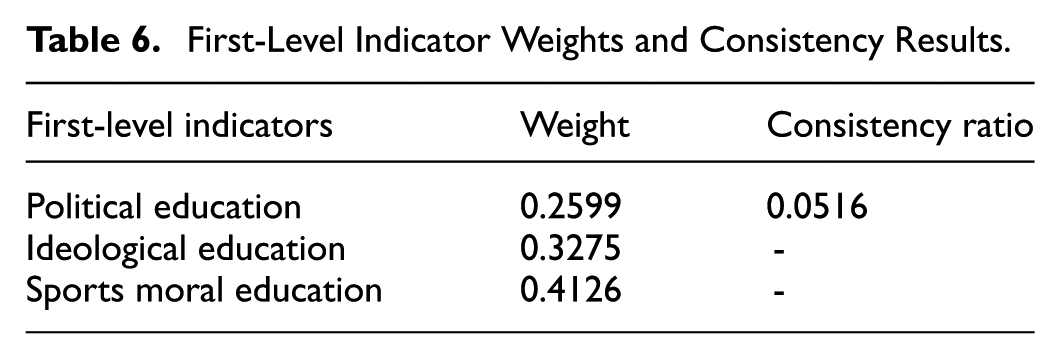
Table 7 presents the weights and consistency results for the second-level indicators. Under the first-level indicator “Political Education,”“Patriotism Education” has the highest weight (0.5499), followed by “Legal Education” (0.2403) and “Collectivism Education” (0.2098). Similarly, under “Ideological Education,”“Three Views Education” has the highest weight (0.5396), followed by “Mental Health Education” (0.2969) and “Chinese Excellent Traditional Culture” (0.1635). Under “Sports Moral Education,”“Sportsmanship” has the highest weight (0.4126), followed by “Sports Ethics” (0.3275) and “Sports Character” (0.2599). The consistency indices for all second-level indicators are less than 0.1, indicating a high level of agreement among the experts and confirming the validity of the secondary indicators. The results highlight the importance of “Patriotism Education,”“Three Views Education,” and “Sportsmanship” as key components of the index system.
Weights and Consistency Results of Secondary Indicators.

Determining the Weights of the Three-Level Indicators by Percentage Weight Method
Given the extensive number of third-level indicators (totaling 43), the full hierarchical analysis method was considered less feasible. Conducting pairwise comparisons for all 43 indicators would have placed an unreasonable cognitive burden on the expert panel, potentially leading to respondent fatigue and unreliable results. In its place, the percentage weight method was utilized. This technique derives the weight of each third-level indicator by dividing its average score by the total of all average scores of third-level indicators falling under the same second-level category.
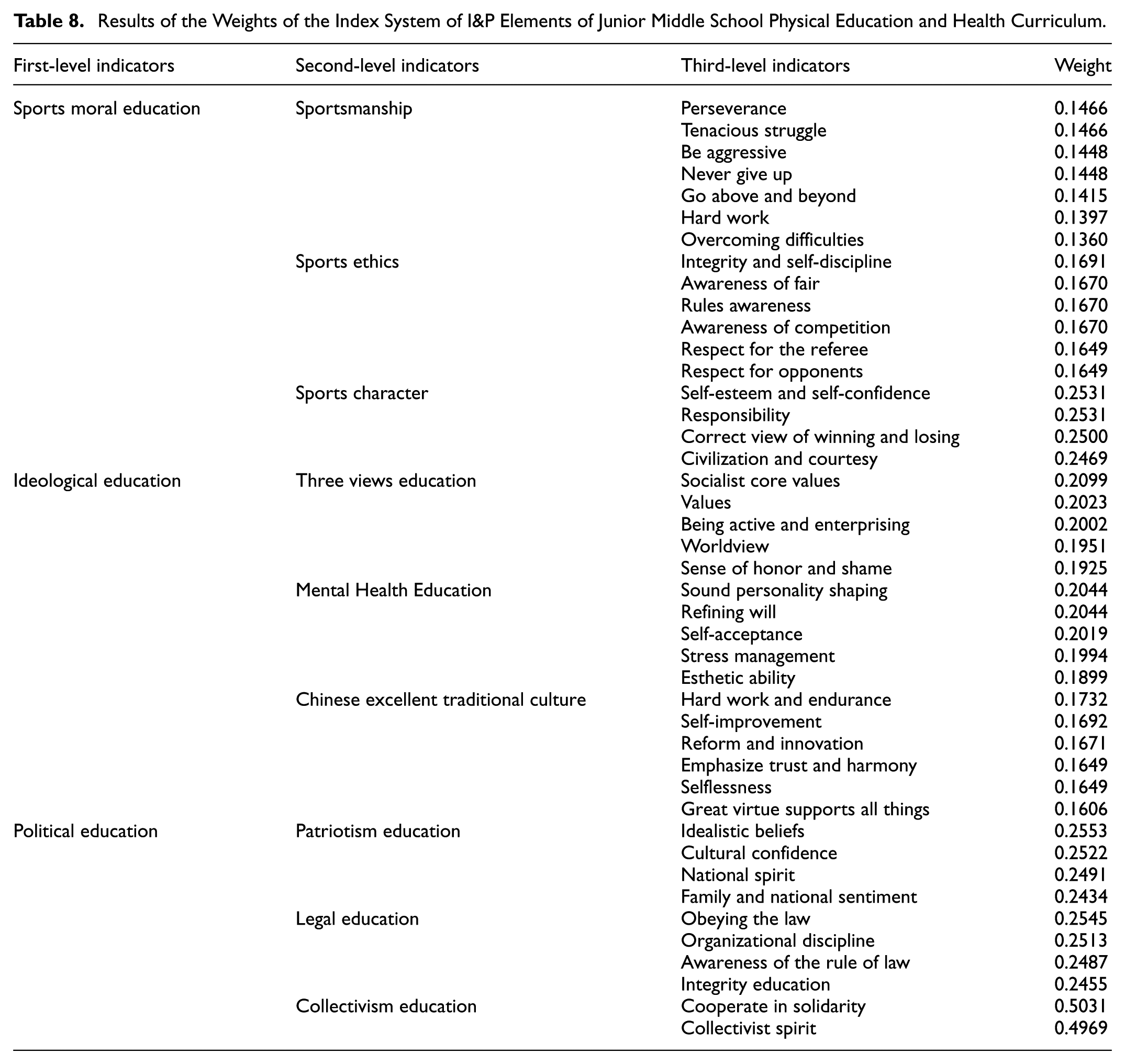
Table 8 presents the weights of the third-level indicators, calculated using the percentage weight method. The weights are sorted in descending order, with the most important indicators listed first. For example, under “Sportsmanship,”“Perseverance” and “Tenacious Struggle” have the highest weights (0.1466), followed by “Be Aggressive” (0.1448) and “Never Give Up” (0.1448). Under “Sports Ethics,”“Integrity and Self-discipline” has the highest weight (0.1691), followed by “Awareness of Fair” (0.1670) and “Rules Awareness” (0.1670). Under “Sports Character,”“Self-esteem and Self-confidence” and “Responsibility” have the highest weights (0.2531), followed by “Correct View of Winning and Losing” (0.2500) and “Civilization and Courtesy” (0.2469). The results of the percentage weight method provide a clear ranking of the third-level indicators, highlighting the most critical elements for the integration of I&P education in junior middle school physical education. These weights will guide educators and curriculum designers in prioritizing the most important aspects of the curriculum, ensuring that the I&P elements are adequately integrated into the teaching and learning process. Figure 7 shows the hierarchical weighting approach used to determine the relative importance of the various indicators in the curriculum index system.
Results of the Weights of the Index System of I&P Elements of Junior Middle School Physical Education and Health Curriculum.
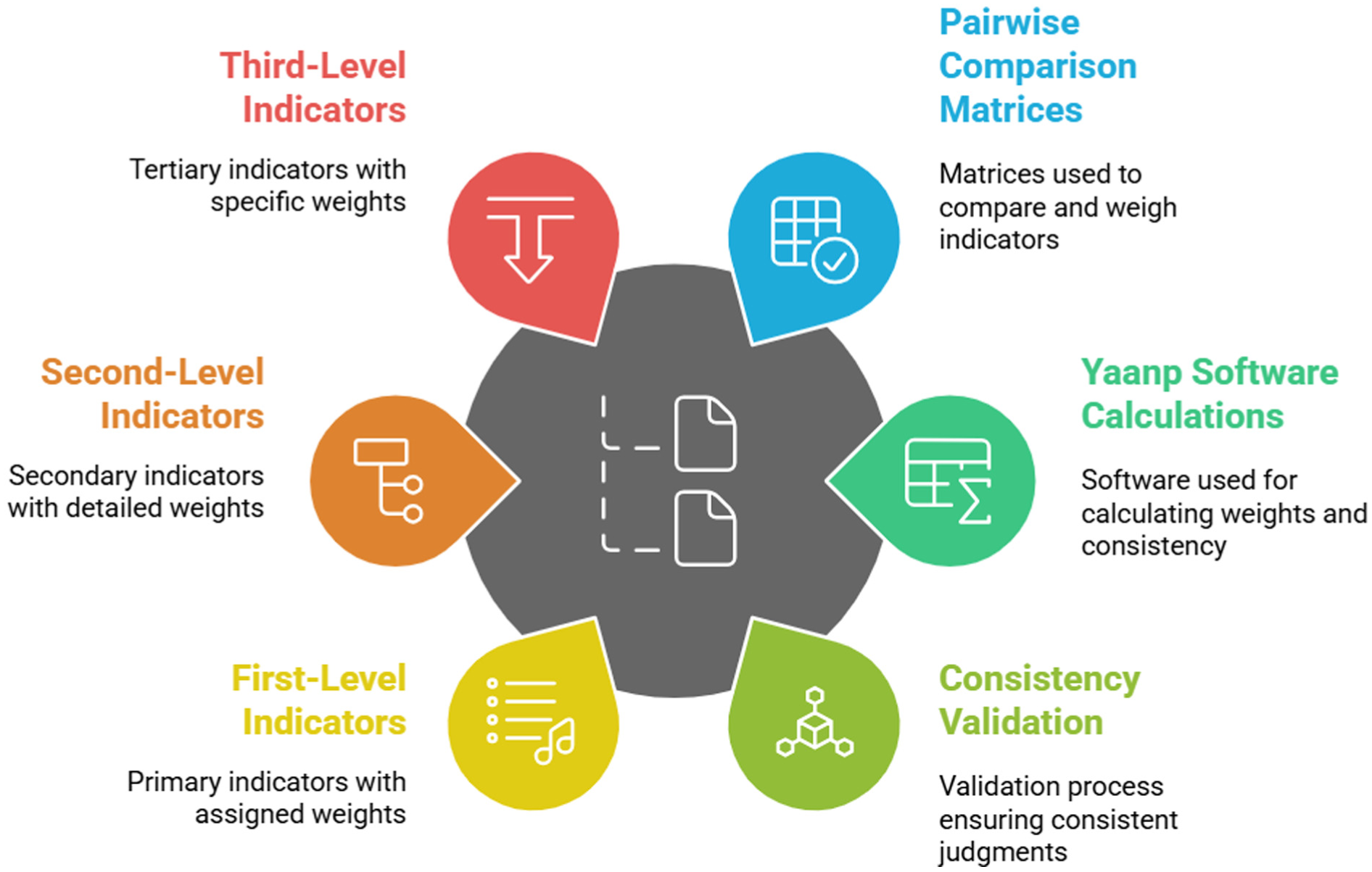
Hierarchical weighting approach for curriculum index development.
Measurement of the Indicator System: Analysis of the Results of the Student Self-Assessment Questionnaire
The student self-assessment questionnaire was designed to validate the constructed index system and assess its alignment with the actual experiences of junior middle school students. This section presents the findings of the questionnaire, focusing on the students’ perceptions of the integration of I&P elements in their physical education and health curriculum. The results are analyzed across three tiers: primary indicators, secondary indicators, and tertiary indicators. This scrutiny offers valuable perspectives on the efficacy of the existing curriculum in promoting I&P education and identifies avenues for enhancement.
Findings and Analysis of the First-Level Indicators of Students’ Self-Assessment Questionnaire
The first-level indicators, Political Education, Ideological Education, and Sports Moral Education, were evaluated based on students’ self-assessment scores. Table 9 presents the statistical results of the first-level indicators, including the mean scores, standard deviations, and coefficients of variation.
Statistical Results of the First-Level Indicators of the Student Self-Assessment Questionnaire.

The results indicate that students perceive “Sports Moral Education” and “Ideological Education” as relatively well-integrated into their physical education curriculum, with mean scores of 4.03 and 4.22, respectively. However, “Political Education” received a lower mean score of 4.32, suggesting that the integration of political elements, such as patriotism and nationalism, is less pronounced in the current curriculum. The coefficient of variation for “Political Education” (0.1833) is also higher than that of the other two indicators, indicating greater variability in students’ perceptions of this aspect. The relatively low score for “Political Education” highlights a gap in the curriculum’s ability to comprehensively instill political values and national identity among students.
Survey Results and Analysis of the Second-Level Indicators of the Students’ Self-Assessment Questionnaire
The second-level indicators, which serve as subcategories under the first-level indicators, were also evaluated based on students’ self-assessment scores. Table 10 presents the statistical results of the second-level indicators, including the mean scores, standard deviations, and coefficients of variation.
Statistical Results of the Second-Level Indicators of Students’ Self-Assessment Questionnaire.

The results reveal that students perceive “Sportsmanship” and “Sports Ethics” as the most prominent aspects of their physical education curriculum, with mean scores of 4.28 and 4.23, respectively. These findings suggest that students are more likely to internalize values such as fair play, teamwork, and respect for rules through their participation in physical education activities. However, “Three Views Education” and “Patriotism Education” received lower mean scores of 3.88 and 3.98, respectively, indicating that these aspects are less successfully integrated into the curriculum. The relatively low scores for “Three Views Education” and “Patriotism Education” highlight a need for greater emphasis on these aspects. For example, teachers could incorporate discussions on socialist core values and national identity into their lessons. The importance of collective effort could also be reinforced. Additionally, activities that promote a sense of national pride, such as sports competitions that celebrate national achievements, could be integrated into the curriculum to enhance students’ understanding of patriotism and collectivism. Figure 8 shows the mean scores of the second-level indicators from the student self-assessment questionnaire, providing insights into the students’ perceptions of the integration of I&P elements in their physical education and health curriculum.

Evaluation of mean scores of educational indicators from student self-assessment.
The results show that indicators related to “Sportsmanship” and “Sports Ethics” received the highest mean scores, suggesting that these aspects are efficiently integrated into the curriculum.
Findings and Analysis of the Third-Level Indicators of the Students’ Self-Assessment Questionnaire
The third-level indicators, which represent the most granular elements of the index system, were evaluated based on students’ self-assessment scores. Table 11 presents the statistical results of the third-level indicators, including the mean scores, standard deviations, and coefficients of variation.
Statistical Results of the Third-Level Indicators of Students’ Self-Assessment Questionnaire.
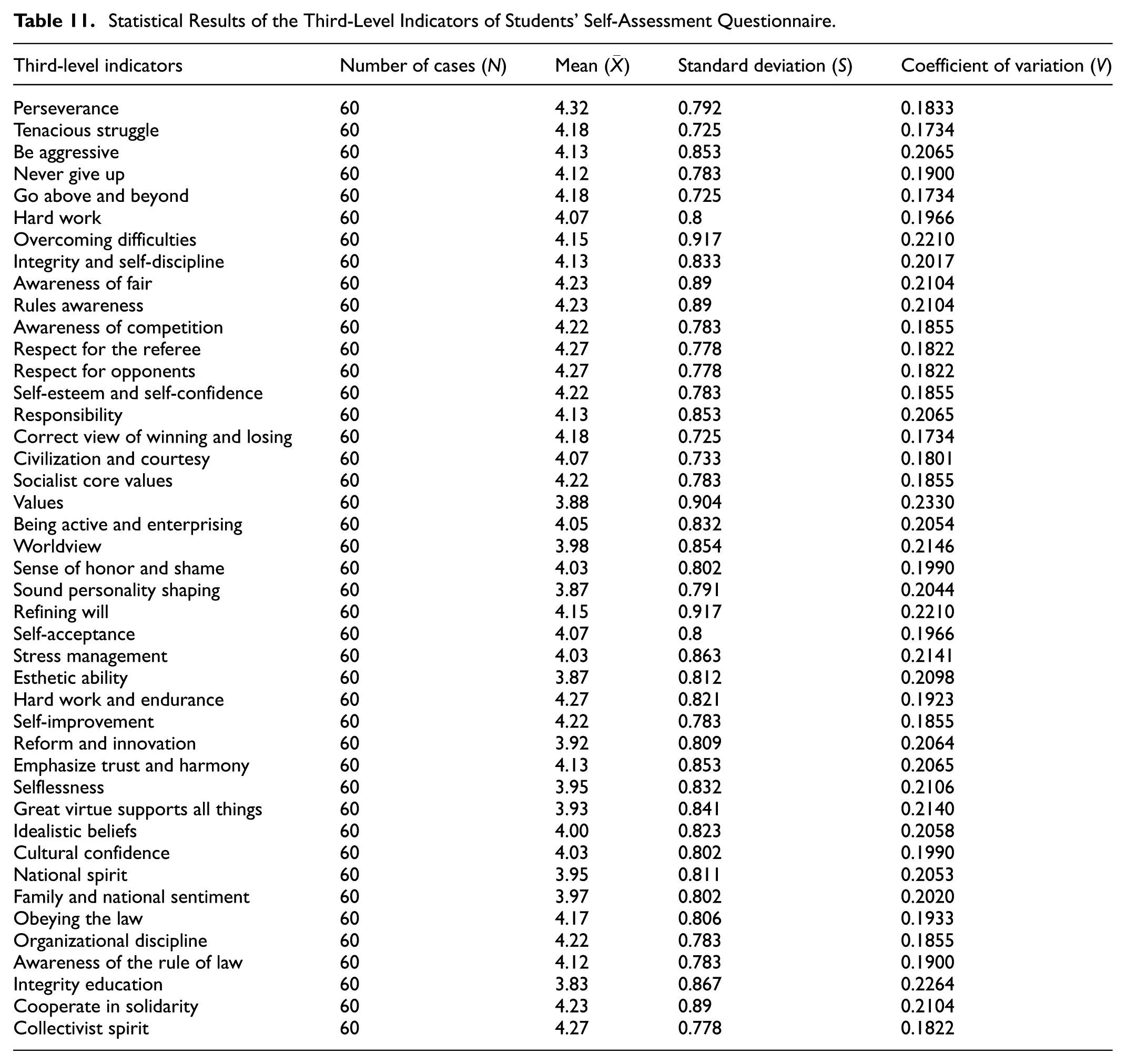
The results reveal that 10 out of the 43 third-level indicators received mean scores below 4.0, indicating areas where the curriculum needs improvement. Notably, “Integrity Education,”“Sense of Honor and Shame,”“Aesthetic Ability,” and “Sound Personality Shaping” received the lowest scores, with mean values of 3.83, 4.03, 3.87, and 3.87, respectively. These findings suggest that students perceive these aspects as less adequately integrated into their physical education curriculum. The low scores for “Integrity Education” and “Sound Personality Shaping” highlight the need for curriculum designers and educators to place greater emphasis on these aspects. For example, teachers could incorporate activities that promote integrity, such as discussions on ethical behavior in sports, and activities that foster sound personality development, such as reflective journaling and self-assessment exercises. Additionally, the low scores for “Aesthetic Ability” suggest that the curriculum could benefit from the inclusion of activities that promote esthetic appreciation, such as dance and artistic gymnastics. The comparison between students’ self-assessment results and experts’ expectations reveals significant gaps in four indicators: “Values,”“Sound Personality Shaping,”“Idealistic Beliefs,” and “National Spirit.” These gaps indicate that the current curriculum is not comprehensively addressing these aspects, and there is a need for targeted interventions to enhance students’ understanding and internalization of these values. For example, teachers could incorporate discussions on socialist core values, national identity, and the importance of collective effort into their lessons.
Conclusion
This section synthesizes the findings of the study, provides a comprehensive discussion of the implications, and offers actionable suggestions for educators, curriculum designers, and policymakers. Additionally, it highlights the limitations of the study and proposes directions for future research. The conclusions and suggestions are grounded in the results of the constructed index system, the hierarchical analysis of indicator weights, and the student self-assessment questionnaire.
Comprehensive Conclusions: Key Findings and Theoretical Contributions
The study successfully constructed an Index System of I&P elements for the Junior Middle School Physical Education and Health Curriculum, comprising three first-level indicators (“Sports Moral Education,”“Ideological Education,” and “Political Education”), nine second-level indicators (e.g., “Sportsmanship,”“Three Views Education,” and “Patriotism Education”), and 43 third-level indicators (e.g., “Perseverance,”“Socialist Core Values,” and “Idealistic Beliefs”). The hierarchical analysis revealed that “Sports Moral Education” was assigned the highest weight (0.4126), a finding that advances theoretical debates in character education and curriculum integration. This weighting suggests a hierarchical and synergistic relationship between the three dimensions, where Sports Moral Education serves as the foundational layer. The immediate, experiential virtues cultivated through physical activity, including perseverance, fair play, and teamwork provide the behavioral and ethical substrate that makes the absorption of more abstract ideological concepts (e.g., collectivist spirit) and political values (e.g., national pride) more tangible and meaningful. In this model, moral development is not separate from ideological and political education; rather, it is the primary pathway through which these broader educational goals are effectively realized within the physical education context. This result underscores the primacy of moral and ethical development cultivated through sports. It suggests that internalizing core character virtues like perseverance, fair play, and teamwork provides a critical foundation for building broader ideological and political understanding. Consequently, this empirically-derived weighting provides a strong argument for curriculum designs that prioritize the organic development of sportsmanship and moral character as the most effective pathway to achieving holistic I&P educational objectives.
Practical Implications: Recommendations for Curriculum Design and Implementation
Drawing from the findings, the subsequent suggestions are put forth to elevate the inclusion of I&P elements in the physical education curriculum of junior middle schools:
Emphasize Sports Moral Education in Curriculum Design: Given the high weight of “Sports Moral Education” in the index system, curriculum designers should prioritize activities that foster values such as perseverance, teamwork, and responsibility. For example, team sports and cooperative games can be designed to emphasize collective effort and mutual support, while reflective exercises can encourage students to internalize these values.
Strengthen Political Education Through Engaging Activities: The relatively low scores for “Political Education” indicate a need for more engaging and meaningful activities that promote patriotism and national identity. Teachers can incorporate flag-raising ceremonies, discussions on national heroes, and sports competitions that celebrate national achievements. These activities should be designed to resonate with students’ interests and experiences, making I&P education more relatable and impactful.
Integrate Ideological Education Across Disciplines: The integration of ideological elements, such as socialist core values and correct worldviews, should not be limited to physical education. Interdisciplinary approaches, such as linking physical activities with history, social studies, and literature, can provide a more cohesive learning experience. For instance, a unit on “Patriotism and National Pride” could include historical narratives, literary works, and physical activities that collectively reinforce the theme.
To translate these findings into a manageable and effective implementation plan, a phased strategy guided by the hierarchical weights of the indicators is recommended. This approach ensures that the most critical elements are prioritized first, creating a strong foundation for subsequent integration.
Phase 1: Foundation Building (Focus on High-Weight Sports Moral Indicators): Initial efforts should concentrate on the top-weighted third-level indicators within the “Sports Moral Education” dimension, which holds the highest overall priority (Weight = 0.4126). Specifically, educators should design activities that explicitly target “Perseverance” (Weight = 0.1466) and “Tenacious Struggle” (Weight = 0.1466), for instance, through progressive overload training regimens and reflective debriefs that connect physical endurance to personal resilience. Simultaneously, reinforcing “Rules Awareness” (Weight = 0.1670) and “Integrity and Self-discipline” (Weight = 0.1691) in every game and activity establishes a strong ethical framework.
Phase 2: Curricular Integration (Linking Moral Virtues to Ideological & Political Concepts): Building on the established moral foundation, this phase integrates high-weight indicators from “Ideological” and “Political” education. The empirical gaps identified in student self-assessments, such as in “Socialist Core Values” (Weight = 0.2099) and “Patriotism Education,” should be addressed here. This can be achieved by creating explicit connections; for example, linking the moral virtue of “Cooperate in Solidarity” (Weight = 0.5031) to the political concept of “Collectivist Spirit,” or designing history-linked modules that explore how “Tenacious Struggle” in sports mirrors national development, thereby strengthening “Cultural Confidence” and “National Spirit.”
Phase 3: Systematization and Holistic Evaluation: The final phase involves using the complete index system for comprehensive curriculum audit, advanced teacher training, and the development of sophisticated assessment tools that move beyond self-reporting to observe behavioral outcomes and value internalization across all dimensions.
The phased strategy is predicated on the understanding that the three dimensions interact synergistically. The foundational moral virtues (Phase 1) are not ends in themselves but are the essential preconditions for effective ideological and political learning. The curriculum balance, therefore, is achieved not through equal time allocation but through strategic sequencing: first establishing a strong ethos of sportsmanship and moral reasoning, and then explicitly bridging these lived experiences to broader ideological constructs and national values (Phase 2). This ensures that political and ideological education emerges organically from the students’ own moral experiences in sports, preventing it from being perceived as a disconnected adjunct to the physical curriculum.
Beyond its immediate application in the Chinese context, this study holds significant international relevance. The constructed index system demonstrates a replicable methodology for operationalizing the often-abstract goal of “values education” within a specific curriculum. The high prioritization of “Sports Moral Education” through our hierarchical analysis, for instance, resonates with global educational efforts to cultivate character and ethics through sports. Researchers and policymakers in other countries can adapt this mixed-methods approach, substituting the first-level indicators and their constituents with locally relevant values (e.g., democratic citizenship, global competence, or community resilience) to develop their own evidence-based frameworks for curriculum integration and assessment.
Addressing Limitations and Future Research Directions
This study provides a novel contribution to the field by developing the first comprehensive, empirically validated, and weighted index system for integrating I&P elements into junior middle school PEH curricula, and by employing a robust mixed-methods approach to not only construct this framework but also identify critical gaps between expert validation and student perception. While this study offers valuable insights and a robust framework for integrating I&P elements into physical education, it does have limitations. Firstly, this study was deliberately designed and validated within a specific socio-cultural and educational context (Nanchang City, China), with an expert panel and indicators tailored to the national I&P education policy framework. This specific contextual grounding is an inherent characteristic of the study. Therefore, while the methodological framework is universally transferable, the direct application of the specific indicator system and its findings to other regions or educational systems with different value priorities would require careful cultural adaptation and re-validation. The study’s primary contribution in an international context is thus its methodological model, rather than its prescriptive list of indicators. Secondly, the study relied heavily on expert consultations and student self-assessments, which may introduce biases. For example, students’ self-assessment scores may not fully reflect their actual understanding or internalization of I&P values. Future studies could incorporate observational methods and longitudinal designs to provide a more comprehensive evaluation of the curriculum’s effectiveness. Thirdly, the study focused on junior middle school students, leaving out other educational levels such as primary and senior high schools. Consequently, while the index system provides a validated and weighted framework for its intended context, its direct application to other regions or educational stages requires careful cultural and pedagogical adaptation and further empirical validation. Future research could broaden its scope to encompass these levels, offering a more holistic comprehension of I&P education across the educational spectrum. Furthermore, the student self-assessment data were collected from a relatively small sample (N = 60) in a specific geographic and cultural context (Nanchang City, China). While these data provide valuable initial validation and practical insights, this sample size and context limit the statistical generalizability of the student perception findings to other regions or broader educational systems. The primary strength of the student survey in this study is its utility for internal validation and identifying potential gaps for curriculum improvement within a defined context, rather than for making broad population inferences. Finally, the reliance on student self-assessment data introduces the potential for perceptual bias; future studies would benefit from incorporating triangulated data sources, such as direct observation and teacher evaluations, to objectively measure behavioral outcomes.
Concluding Remarks: The Path Forward for IPEPE
The integration of I&P elements into physical education represents a transformative approach to education, one that goes beyond physical fitness to foster holistic student development. This study provides a comprehensive framework for achieving this integration, offering practical tools and strategies for educators, curriculum designers, and policymakers. By prioritizing sports moral education, strengthening political education, and adopting interdisciplinary approaches, schools can create a more meaningful and impactful learning experience for students. However, the successful implementation of this approach requires ongoing efforts, including teacher training, curriculum innovation, and comprehensive assessment methods. Addressing the limitations of this study and exploring new research directions will further enhance our understanding of IPEPE, ultimately contributing to the development of socially responsible and engaged citizens. Therefore, this study evaluates the importance of IPEPE and provides a robust framework for its integration.
Footnotes

Ethical Considerations
This study was conducted in accordance with the ethical guidelines of the School of Physical Education and Health, Jiangxi Science and Technology Normal University, and received formal ethical approval (Approval No.: P22025371). The research design, involving expert consultations and student self-assessment questionnaires, presented minimal risk of harm to participants. All procedures were non-invasive and strictly confined to data collection via surveys, with no physical or psychological interventions. The potential benefits of this research, providing an evidence-based framework to enhance holistic student development and civic education through physical education were judged to outweigh these minimal risks, as the findings contribute valuable insights for curriculum design and educational policy. Informed consent was obtained from all participants involved in the study. For the panel of experts, written informed consent was secured prior to their participation in the Delphi process. For the junior middle school students, written informed consent was obtained from both the students themselves and their parents or legal guardians after the study’s purpose, procedures, and the confidentiality of their responses were fully explained. The anonymity of all participants was ensured throughout data collection, analysis, and reporting.
Funding
The authors disclosed receipt of the following financial support for the research, authorship, and/or publication of this article: This study was supported by the 2023 Annual Project of the “14th Five-Year Plan” for Educational Science in Jiangxi Province, titled “Research on the Innovation of Higher Vocational Education in Colleges and Universities Based on Digital Elements - Practice and Exploration of Physical Education” (Project Approval Number: 23YB143).
Declaration of Conflicting Interests
The authors declared no potential conflicts of interest with respect to the research, authorship, and/or publication of this article.
Data Availability Statement
All data generated or analyzed during this study are presented in the text of this article, including tables and figures.