



Abstract
The aim of this research is to examine the views of Science and Art Education Center teachers on the social effects of science education. This study aims to analyze the social role of science education in detail by examining the multidimensional effects of digitalization on humanity and culture from sociological and pedagogical perspectives. In the study, the social effects of science education in the process of digital transformation are discussed in the context of Sociotechnical Systems Theory, the Scientific Literacy Framework, and Social Constructionism Theory. In this context, the effects of digital transformation on students, teachers, and society through science education were evaluated from a qualitative perspective. This study is a qualitative research designed with a phenomenological approach that aims to examine the views of Science and Art Center teachers on the social effects of science education in the digital transformation process. A semi-structured interview form was used as the data collection tool. The analysis process of the study was carried out within the framework of Sociotechnical Systems Theory, the Scientific Literacy Framework, and Social Constructionism Theory. QSR NVivo-11 software was used to analyze the data. The data obtained were analyzed using the content analysis method. The findings show that science education makes significant contributions to developing individuals’ worldviews, sensitizing them to social problems, and integrating them with cultural values in the digital age. However, some pedagogical and cultural challenges faced by science education in the digital transformation process were also identified. In line with the results of the research, it is suggested that curricula, teacher training programs, and digital content should be restructured to increase the potential of science education to produce social benefits.
Keywords
Introduction
The digital age has brought both positive and negative impacts on humanity and culture. In this context, science education plays a crucial role by providing technical skills, fostering critical thinking, and promoting ethical responsibility. Addressing the digital divide is essential not only for sustainability but also for enhancing scientific literacy (Anderson, 2008; Bulut Aşık, 2022; OECD, 2021; Özer & Suna, 2020; Vural, 2008). Digital technologies are transforming education systems, a change that became particularly evident during the COVID-19 pandemic. These technologies facilitate access to scientific knowledge and highlight the social dimension of scientific literacy, helping learners understand the broader societal implications of science (Bybee, 1997; Ertmer & Ottenbreit-Leftwich, 2010; Gömükpınar, 2022; Liu & Lederman, 2007; Sadler, 2004; Selwyn, 2012; Turan & Atila, 2021). By integrating technology with pedagogical practices, science education can equip individuals with higher-order skills such as critical thinking, problem-solving, and ethical awareness.
Digital science education practices that accommodate students’ individual learning pathways further enhance its social impact. Such practices have the potential to transform worldviews, increase sensitivity to social issues, and foster a holistic appreciation of cultural values (Jho et al., 2014; Liu, 2013). Science and Art Centers serve as notable examples of institutions where these effects can be observed by providing differentiated teaching environments that nurture individual talents and support diverse learning experiences (Bağcı Ayrancı & Mete, 2017).
This study aims to evaluate the social effects of digitalization in science education by drawing on teachers’ experiences and observations. In doing so, it contributes to a comprehensive understanding of the technological, pedagogical, cultural, and social dimensions of science education in the digital era.
In the digital age, education is not limited to the use of technical tools; it is transformed through individuals’ interactions with their social relationships, cultural values, and identities. In this context, science education is examined in the study using Sociotechnical Systems Theory. This theory allows for analyzing the social effects of digital transformation in education by emphasizing that technological systems should be evaluated alongside social structures. Accordingly, the study draws inferences about the social and cultural effects of science education by applying the perspectives of teachers working in Science and Art Centers (Trist & Emery, 2015). In addition, the potential of science education to enhance individuals’ skills, such as knowledge-based decision-making, critical thinking, and digital ethics, is explained within the framework of Scientific Literacy (Bybee, 1997; Norris & Phillips, 2003).
The analysis of participants’ experiences is grounded in Social Constructionism Theory (Schwandt, 1994; Vygotsky, 1979), which posits that individuals construct knowledge and meaning through social interaction. These three theoretical frameworks enable a holistic assessment of the pedagogical, cultural, and social impacts of science education in the digital transformation process. Within this framework, the primary focus of the study is the social impacts of science education during digital transformation. Social impact refers to the societal benefits of addressing social problems, defined as “the totality of effects that enhance the quality of life for individuals and society by contributing to social welfare, equity, and sustainability” (Topgül & Beytaş, 2022).
Digital transformation itself is understood as “a radical and fundamental shift that differs significantly from the changes experienced during the post-industrial revolutions of Industry 2.0 and Industry 3.0” (Sezen & Şenaras, 2022). Furthermore, cultural values are conceptualized as “values transmitted through education that support both an individual’s integration into society and their engagement with culture through critical thinking” (UNESCO, 2001). These three core concepts, social benefit, digital transformation, and cultural values, constitute the conceptual foundation of the study.
The Effects of the Digital Age on Human and Culture
The digital age has significantly influenced human behavior, communication patterns, and cultural structures, leading to reduced face-to-face interaction and increased feelings of loneliness (Kaya, 2021; Marwick & Boyd, 2014; Turkle, 2011). Approximately 60% of Generation Z relies on digital channels for daily communication, contributing to the formation of a global culture through intercultural interactions on platforms such as Netflix, Spotify, and YouTube (Ökten, 2025; Sarı & Sancaklı, 2020).
The digital divide refers to inequalities in access to information, shaped by socio-economic, geographical, educational, and demographic factors. Currently, 37% of the world’s population lacks internet access, resulting in educational inequalities and knowledge gaps. Differences in access exist between rural and urban areas, while content and language barriers disproportionately disadvantage older adults and individuals with lower educational attainment (Assadi, 2024; Çevik & Toplu, 2024; İnam, 2020; Kayış, 2021; Van Dijk, 2020). Moreover, artificial intelligence has the potential to reinforce social inequalities by making digital literacy an increasingly essential skill (Buckingham, 2007; O’Neil, 2017).
Digital transformation is a far-reaching process driven by technological advancements that reshape social, economic, and cultural structures. E-commerce platforms have transformed shopping habits, communication patterns, and access to information. Simultaneously, digital platforms offer opportunities to preserve and disseminate local cultures (Demirkaya & Koyuncu, 2021; Giddens, 1991; Jenkins, 2006; Sevilmiş, 2024). Social media and virtual communities empower individuals to reshape their cultural identities, particularly among young people. Digital technologies play a critical role in preserving cultural heritage while integrating traditional values with global popular culture (Castells, 2010).
Social Impacts of Science Education
A 2019 study by Stanford University found that 80% of students struggle to distinguish fake news. Science education is therefore crucial for developing critical thinking, problem-solving, and digital literacy. It helps combat misinformation and contributes to a more rational and informed society (Karali, 2012; Süslü, 2022; Wineburg & McGrew, 2019).
Digital literacy involves understanding, analyzing, and synthesizing information using digital technologies. It includes critical thinking, evaluating sources, and adhering to digital ethics (Eshet-Alkalai, 2004; Gilster, 1997). In today’s environment of widespread disinformation and the demands of digital citizenship, digital literacy, including information literacy—is essential. It encompasses accessing, evaluating, and using information effectively, practicing ethical behavior online, protecting personal data, and being aware of risks such as cyberbullying (ALA, 2000; Kurbanoğlu & Akkoyunlu, 2002; Wineburg & McGrew, 2019). Digital literacy is also critical for ensuring equal opportunities in education and business, enabling individuals to act consciously and productively (Ceran, 2021; Durmuş, 2024; Ribble, 2015).
The innovative perspective in science education emphasizes creative solutions for social progress, encompassing sustainable development in economic, social, and cultural domains (Abbak, 2025; Atesgüneş, 2016; Yunus & Yusus, 2007). Education plays a pivotal role in social transformation, with STEM education driving innovation, productivity, and employment. Individuals equipped with STEM skills are more resilient to technological advancements. Investments in STEM education in Turkey, for example, have been shown to reduce unemployment rates and increase GDP over the long term (Gray, 2016; OECD, 2021; World Economic Forum, 2020). The United Nations Sustainable Development Goals (SDG 4) highlight the importance of science education in raising global awareness of critical issues such as climate change, resource depletion, and environmental pollution. The International Union for Conservation of Nature (IUCN) emphasizes a comprehensive approach that integrates environmental, economic, and social aspects.
Equality in education is a global priority under the United Nations’ Sustainable Development Goals, yet 258 million children and youth remain out of school, particularly girls, refugees, and those in rural areas. International cooperation is essential to address these inequalities (Çoşkun, 2024; GPE, 2022; Kaynak et al., 2023). Organizations such as the World Bank and the Global Partnership for Education support education infrastructure in developing countries, while UNICEF and ITU work to expand access to distance education. Policy-level assessments, such as PISA, help countries implement educational reforms and strengthen intercultural cooperation (Esendemir, 2024; UNICEF, 2021).
Turkey has made significant efforts to ensure equal educational opportunities, collaborating with UNICEF and the European Union to support Syrian refugee children and contributing to school construction projects in Africa and Asia (Aydemir, 2024; MoNE, 2023). Global cooperation, including the work of organizations, governments, and technological collaborations, is essential to achieving these goals. Strategies include increasing internet access in rural areas, developing scientific literacy programs, adding courses on data analytics and artificial intelligence ethics, and promoting cultural diversity on digital platforms (Öztürk, 2020; Şener, 2024).
Purpose and Problem Statement of the Study
In the 21st century, technological developments, intellectual and knowledge competencies, cultural norms, social structures, and biological characteristics have significantly influenced human behavior (Castells, 2010). In this context, science education has emerged as a fundamental driver of social transformation, extending beyond the mere transfer of technical knowledge. This research aims to analyze the social role of science education in detail by examining the multidimensional effects of digitalization on humanity and culture from sociological and pedagogical perspectives. The study examines the social effects of science education in the process of digital transformation through the lens of Sociotechnical Systems Theory (Trist et al., 1960), the Scientific Literacy Framework (Bybee, 1997; Norris & Phillips, 2003), and Social Constructionism Theory (Vygotsky, 1979). These theoretical frameworks provide the basis for explaining the role of technological tools in education and the development of individuals’ social responsibility, cultural values, and scientific thinking skills. In line with this purpose, the problem statement of the study is as follows:
What are the views of Science and Art Center teachers on the social effects of science education in the process of digital transformation?
Sub Problems:
What are the social impacts of science education on students, teachers and society during the digital transformation process?
How does science education shape students’ worldview in the digital transformation process?
How does science education contribute to the solution of social problems in the digital transformation process?
What opportunities does science education provide in the digital age in terms of humanity and cultural values?
What are the main challenges in integrating science education with cultural heritage during digitalization?
What educational content, approaches, or practices are needed for science education to better contribute to solving social problems in the digital transformation process?
Method
Research Model
This study adopted a qualitative research designed using a phenomenological approach, aiming to examine in depth the views of teachers working in Science and Art Centers on the social effects of science education during the digital transformation process. Qualitative research seeks to reveal individuals’ experiences, thoughts, and meaning-making processes (Yıldırım & Şimşek, 2022). In educational research, it is frequently employed to explore phenomena, understand life experiences related to these phenomena, and evaluate outcomes and variables. For this purpose, qualitative studies engage participants to obtain detailed insights into their experiences (Creswell, 2017). The analysis in this study was conducted within the framework of Sociotechnical Systems Theory, the Scientific Literacy Framework, and Social Constructionism Theory. This theoretical foundation enabled a more in-depth and multifaceted analysis of the study’s findings. Specifically, the study evaluated the social effects of science education on students, teachers, and society during the digital transformation process, based on teachers’ observations and experiences.
Participants
The study group of this research consists of 22 in-service teachers working in different geographical regions of Turkey during the second semester of the 2024 to 2025 academic year. Participants were determined using the maximum diversity sampling method, which involves selecting individuals to reflect diversity and reveal different perspectives on the research topic (Patton, 2014). Participants were selected from all branches in Science and Art Centers, including Science (Physics, Chemistry, Biology), Mathematics, Classroom Teaching, Computer Science, Technology and Design, Social Studies (History, Geography, Social Sciences), Turkish, Foreign Languages, and Philosophy, to ensure diversity in professional seniority (0–5 years, 6–10 years, 11–15 years, 16–20 years, over 20 years) and gender. The study aimed to evaluate the social effects of science education in the digital transformation process by examining teachers’ opinions across various branches. Among the 22 participants, representation was higher from the Science and Classroom Teaching branches. Most participants hold postgraduate degrees, while six have undergraduate qualifications. Professional experience ranged from 0 to 5 years to over 20 years, with the largest group being teachers with 16 to 20 years of experience. The majority of participants are female (15 teachers), while the proportion of male teachers is lower (7 teachers). Most participants use digital technologies in daily life and professional practices, with many engaging with these tools multiple times per week. About half of the participants received science education training during university. Participation in technology-related in-service courses or professional development seminars was mixed: some teachers attended such trainings, while others did not. Prominent characteristics of the participants include:
Experienced Teachers: Teachers with 16 to 20 years of experience and above evaluated the effects of digital transformation on education from a long-term perspective.
Technology Savvy Teachers: Especially teachers from Science and Computer Science branches provided detailed observations on the role of digital tools in education.
Participants with a Critical Perspective: Some teachers expressed concerns about the impact of digitalization on students’ creativity and cultural values, highlighting the diverse dimensions of science education in the digital transformation process.
Qualitative data analysis methods were used to analyze participants’ views. The study was limited to 22 Science and Art Center teachers working in different regions of Turkey during the spring semester of the 2024 to 2025 academic year. This sample size limits the generalizability of the findings and the ability to examine the long-term effects of digital transformation. Additionally, only teachers’ opinions were collected, so the results are based on participants’ subjective experiences and perceptions. Another limitation is that differences in digital infrastructure, sociocultural context, and regional economic conditions may influence teachers’ perceptions of the digital transformation process.
Participants were informed about the purpose, process, and their rights in the study. Their questions were answered, and written consent was obtained prior to participation.
Data Collection Tool
A semi-structured interview form was used as the data collection tool for this study. The form was developed based on a review of the literature and consultation with expert opinions. Initially, it consisted of nine questions. After a pilot application and the necessary adjustments, the final interview form included a demographic section (branch, gender, professional seniority, education, and in-service training) and six main questions. The interview form was designed to allow teachers to express their perceptions and experiences regarding the social effects of science education during the digital transformation process in depth. The questions addressed themes such as the effects of digitalization on students, teachers, and society; the relationship of science education with cultural heritage and social problems; scientific thinking; and value transfer. The questions in the interview form are as follows:
How do you evaluate the social effects of science education on students, teachers, and society during this process? Can you provide examples from events you have observed?
What do you think about the role of science education in shaping students’ worldviews during this process? If you have observed changes in students’ worldviews, can you explain with examples?
Does science education contribute to the solution of social problems during this process? If so, what are these contributions? Can you provide examples?
What opportunities does science education offer in the digital age in terms of humanity and cultural values? Can you provide examples?
What are the main challenges you face in integrating science education with cultural heritage during the digitalization process? Can you provide examples?
What kinds of educational content, approaches, or practices are needed for science education to better contribute to solving social problems in this process? What are your suggestions?
Data Collection Process
The study involved one-on-one semi-structured interviews with participants during the spring semester of the 2024 to 2025 academic year, conducted in May. Interviews were conducted both face-to-face and online, with audio recordings obtained with participants’ consent. Each interview was transcribed into written text immediately after completion to prepare the data for analysis and ensure an in-depth understanding of participants’ responses.
Data Analysis
QSR NVivo-11 software was used to analyze the data collected in the study. Data were analyzed using the content analysis method, which involves organizing data under themes based on similarities and differences to create a meaningful structure. The primary purpose of content analysis is to conceptualize the data obtained from interviews, and to determine and interpret relationships between these concepts (Büyüköztürk et al., 2020; Miles & Huberman, 1994; Yıldırım & Şimşek, 2022). Additionally, this method enables the identification of implicit messages that are not easily recognizable in the text (Neuman, 2017). In this study, the coding process was conducted in four stages: (a) reading the raw data, (b) identifying and coding categories, (c) transforming codes into themes, (d) identifying and reporting the relationships between themes. After the necessary adjustments, the findings were presented in the findings section using frequency (f) values, with participants coded as Teacher 1, Teacher 2, etc. (T1, T2, T3 … T22).
Reliability and Transferability
Various strategies were applied to ensure the reliability and transferability of this study. Participant verification (member checking) was conducted by sending interview summaries back to participants to confirm the accuracy of their responses (Lincoln & Guba, 1985). To ensure reliability (consistency) in the data analysis process, coding was performed independently by two researchers, and inter-coder agreement was calculated. According to the formula suggested by Miles and Huberman (1994), the inter-coder agreement was 91%, well above the generally accepted threshold of 70% in qualitative research, supporting the reliability of the study. To enhance validity (credibility), participant verification was again employed. Interview summaries were returned to participants, and the accuracy of their statements was confirmed, ensuring that the data were presented without distortion and that the interpretations were reliable (Yıldırım & Şimşek, 2022). For transferability, maximum diversity sampling was used (Patton, 2014). Interviews were conducted with Science and Art Center teachers representing diverse branches, genders, lengths of professional experience, and geographical regions. In accordance with the principles of auditability and confirmability, the entire data collection process was documented in detail. This included interview questions, transcription of audio recordings, coding procedures, and thematic analysis steps. The analysis was conducted using NVivo-11 software, ensuring traceability in data management and analysis (Büyüköztürk et al., 2020; Neuman, 2017). Additionally, the data were presented using direct quotations, providing a systematic, transparent, and auditable approach that further enhanced the credibility of the findings.
Ethical Principles
Throughout the research process, the principles of confidentiality, voluntariness, and informed consent were strictly adhered to. Participants took part voluntarily and were informed of their right to withdraw from the study at any time. Interview data were kept confidential, and participant identities were anonymized using codes (T1, T2, T3, etc.) in all reports. The data were used exclusively for research purposes and were not shared with third parties, ensuring the privacy and security of participants and minimizing potential risks. The potential benefits of this study, including providing a theoretical and practical foundation for future interdisciplinary and long-term research, outweigh any potential risks to participants.
Findings
In this section, the findings based on teachers’ views related to the research problem and sub-problems are presented. The results are organized according to key themes and prominent categories. The qualitative data are not only described but also analyzed within the theoretical frameworks underpinning the study: Sociotechnical Systems Theory, the Scientific Literacy Framework, and Social Constructivism Theory.
The Impact of Digital Science Education on Students and Society
The Social Impacts of Science Education
As shown in Figure 1, Science and Art Center teachers responded to the first research question by indicating that the integration of digital technologies into science education had a positive impact on both students and teachers. They noted that students’ interest in scientific subjects increased, access to scientific knowledge became easier through digital tools, and students’ curiosity was reinforced.

Social impacts of science education on students, teachers and society in the digital transformation process.
These findings are closely aligned with the Scientific Literacy Framework. They suggest that students are developing the ability to approach problems encountered in daily life from a scientific perspective, contributing to their growth as more conscious and informed individuals. Moreover, students’ development of skills such as data analysis, environmental awareness, and sensitivity to social issues reflects the characteristics of a scientifically literate individual. For example, teachers stated:
“In studies integrated with technology in a changing world, we observe that students’ desire and motivation increase, and their success levels rise based on the feedback we receive. As Bilsem teachers, we use many applications in addition to Web 2.0 tools and teach these applications to our students.”
“…As adults and students, we feel proud and honored, especially in our country, when scientific studies are featured in the news or when successes are achieved. …After Alper Gezeravcı’s space experience, the idea of becoming an astronaut became more achievable for my students. While taking him as a role model, they began to dream about it.”
“Students who study science education and closely follow technological developments observe society from a broader perspective and, at the same time, offer ideas for more creative projects. …I observed at the 4006 science fair that my Year 5 student, who received this education, was quite knowledgeable about digital tools, web3 tools and artificial intelligence applications, while the high school students who visited the project had heard about these tools for the first time in their lives.”
“In the digital transformation process, science education facilitates access to information for students, increasing their curiosity and desire to research, enabling teachers to diversify their teaching methods, and spreading scientific literacy in society…” According to the findings, it can be stated that science education facilitates access to information and teaching during the digital transformation process for students, teachers, and society.
Digital Inequality
Some teachers noted that digital transformation is occurring rapidly, and adapting to this process can be challenging for educators.
“Digital transformation has made science education more accessible and interactive, increasing students’ interest and improving teachers’ methods. …However, problems such as digital inequality have also emerged.” This response highlights the social benefits of digital transformation while drawing attention to the issue of digital inequality.
“…students can access work and scientific knowledge that would otherwise be impossible for them to see, thanks to digital tools. He emphasized that this situation provides a scientific opportunity for equality.” The same teacher emphasized that scientific knowledge facilitates learning, makes difficult and complex topics more concrete, increases interest, and helps students develop.
He stated that in the digital transformation process, science education promotes scientific thinking in society, but at the same time creates a digital divide within and between societies and increases social injustice. This finding is particularly important in terms of highlighting both the positive and negative aspects of science education on society and students during the digitalization process.
According to T19’s response, “In the digital transformation process, science education facilitates access to information for students, increasing their curiosity and desire to explore, enabling teachers to diversify their teaching methods, and spreading scientific literacy in society. For example, a student living in a rural area may become interested in space exploration by watching live broadcasts published by NASA via the internet and develop an interest in space research, or teachers offering a more experiential teaching approach using interactive whiteboards and virtual laboratories, concretize the effects of this process. Furthermore, the active participation of parents in their children’s education process through digital platforms that support scientific thinking in society is another social impact of this transformation.” This response underscores the significance of digital transformation in fostering development among students, teachers, and society, offering concrete examples of its educational and social impact.
Social Inequality
Some participants also highlighted the negative aspects of digitalization.
“Because digital transformation is happening so quickly, teachers are constantly having to chase after technology. This makes them feel inadequate. Students are very much in control of the situation… But they are growing up lacking skills. Their creativity is being stifled.”
“…Digital Fatigue and Attention Problems: constantly being in front of a screen brings problems such as distraction, difficulty concentrating, and mental fatigue. …Professional Loneliness and Burnout: During the distance learning period, the lack of face-to-face communication with students has lowered teachers’ motivation and caused them to experience social isolation.” The same teacher stated the following at the societal level: “The increased visibility of science education in digital media is enhancing the culture of scientific thinking and critical inquiry in society… However, it is difficult to say that all segments of society are benefiting equally from this transformation. Deep inequalities in education have arisen for students without access to digital devices and the internet. This situation also creates differences in science literacy.”
Based on participants’ views, it can be concluded that while science education has promoted scientific thinking in society during the digital transformation process, it has simultaneously contributed to a digital divide within and between communities, thereby increasing social inequalities.
Development of Students’ Worldview
Globalization and Universal Awareness
As shown in Figure 2, teachers’ responses to the second research question indicate that the digital transformation process has enhanced students’ questioning, analytical, and critical thinking skills in science education. With easier access to scientific data, students develop diverse perspectives not only within the scope of their lessons but also in their daily lives, demonstrating more conscious approaches to events and phenomena in society. Some teachers noted, with examples, that students have become more selective in accessing accurate information, developing scientific thinking habits, and conducting more in-depth and enjoyable research using digital tools. However, they also indicated that the ease of access to information through digital technologies can lead to a tendency toward intellectual laziness and a reduced initiative in generating original ideas, as illustrated in the examples provided by participants.
“For example, one of my students who learned about artificial intelligence went beyond being just a user and started developing their own projects and learned to look at technology with a critical eye.”
“…Science education in a digital environment offers students the opportunity to compare and analyze different perspectives… Topics such as the formation of the universe, climate change, and biological diversity, supported by scientific data and visual aids, inspire awe and a sense of responsibility in students. For example, content such as NASA’s images of Earth from space can increase young people’s awareness of “global citizenship”.”
“…thanks to digital tools, students can follow scientific studies from different cultures, analyze real-time data on environmental and universal issues, and thus learn to evaluate the world from a more holistic perspective.”
“Science education plays an important role in shaping students’ worldviews by equipping them with critical thinking, questioning, and data-driven decision-making skills. … One of my students who participated in online science workshops learned about the environmental impacts of plastic use and launched a “zero waste” campaign at school.”
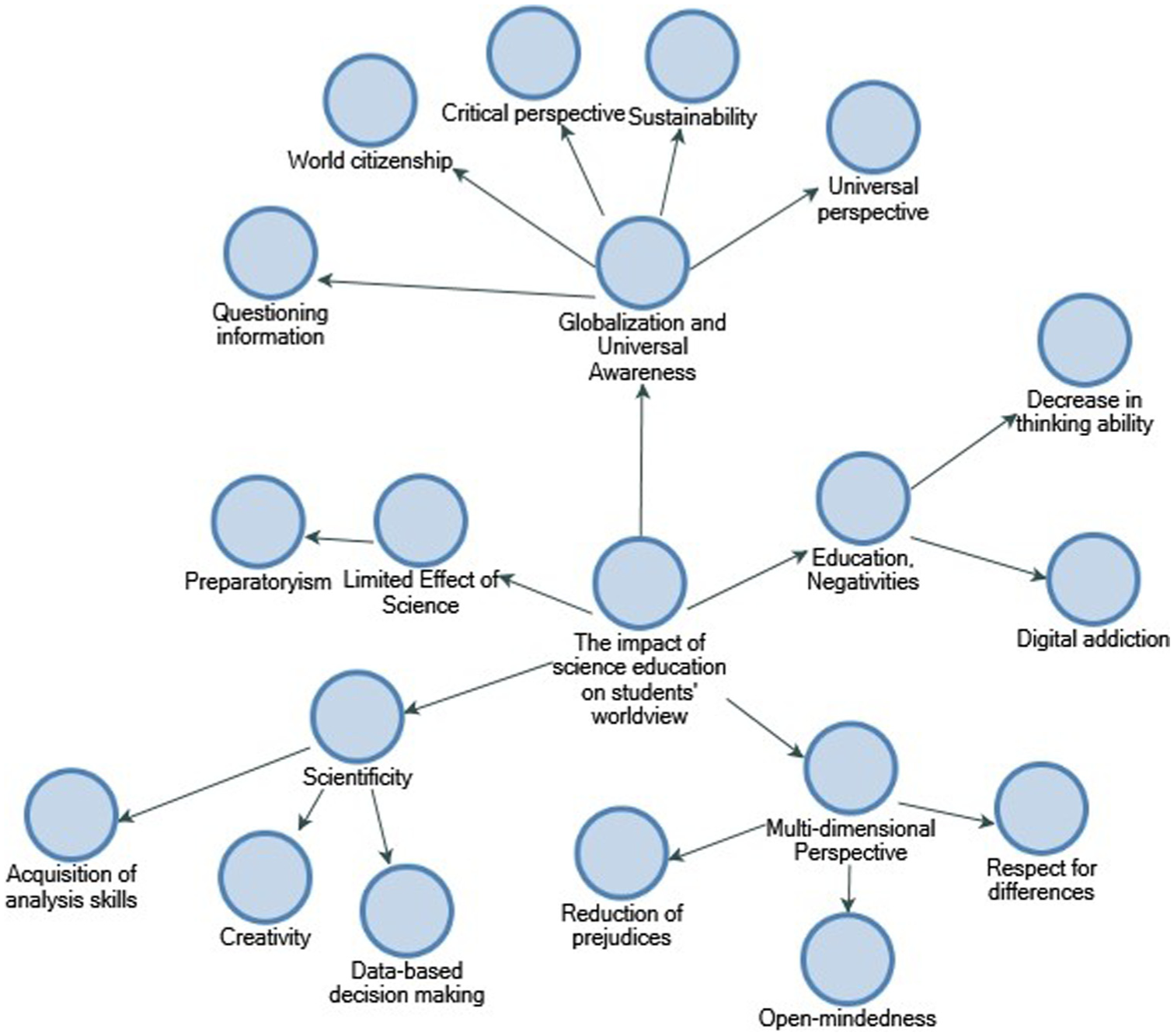
The role of science education in shaping students’ worldview in the digital transformation process.
Positive Contributions of Science Education
Participants highlighted that students developed scientific thinking habits, became more selective in evaluating information, and began conducting in-depth research using digital tools. Teachers also emphasized the broadening of students’ horizons and an increase in their curiosity.
“Students’ curiosity about the process of the world’s existence from its inception to the present day is equivalent to opening the doors to science; science education is a journey that broadens the student’s horizons and drives creativity.”
“…After science education, my students began to examine their surroundings with a more critical eye and started to notice the sociological and technological problems around them. Noticing these problems helped them in the process of searching for their own solutions. They found innovative ideas and made plans for implementation and reaching solutions.”
“…Yes, they began to pay more attention to village life because when they saw that advanced agricultural tools were being used with drones, the idea emerged that the village environment was beautiful and feasible.”
These responses can be interpreted through the lens of Social Constructionism Theory, which emphasizes that science education involves students actively constructing knowledge and that learning is inseparable from its social context. The findings are also aligned with the Scientific Literacy Framework, highlighting how science education fosters critical thinking, problem-solving, and socially informed scientific understanding.
The Downsides of Education
Some teachers noted that while digital technologies provide many conveniences, they may also increase students’ tendency toward intellectual passivity and reduce creativity.
“…if we look at it negatively, we see that students’ thinking skills are declining, and problems are beginning to arise in terms of generating ideas. It is as if our students’ brains are taking a digital bath, which reduces their brain activity.”
“Students are very adept at the situation. They get all their work done very quickly in the digital world. However, they are growing up lacking skills. Their creativity is fading.”
Solutions to Social Problems Through Science Education
As seen in Figure 3, teachers emphasized that science education provides significant opportunities for students to develop diverse perspectives in addressing social problems during the digitalization process. They noted that students are becoming more conscious of issues such as environmental sustainability, health, and energy efficiency, and are increasingly able to apply scientific knowledge to solve these problems. Some teachers highlighted positive changes in students’ behaviors, including improvements in recycling practices, increased awareness of carbon footprints, and a greater overall environmental consciousness. However, they stressed that for these gains to be sustainable, education must be practical, project-based, and address current, real-world issues. The majority of participants underscored the importance of science education in generating solutions to social problems, citing examples such as STEM projects, environmental initiatives, and data literacy programs. These findings are directly aligned with the Scientific Literacy Framework, as they illustrate that students are not only acquiring knowledge but also applying it to develop solutions, which demonstrates the highest levels of scientific literacy.
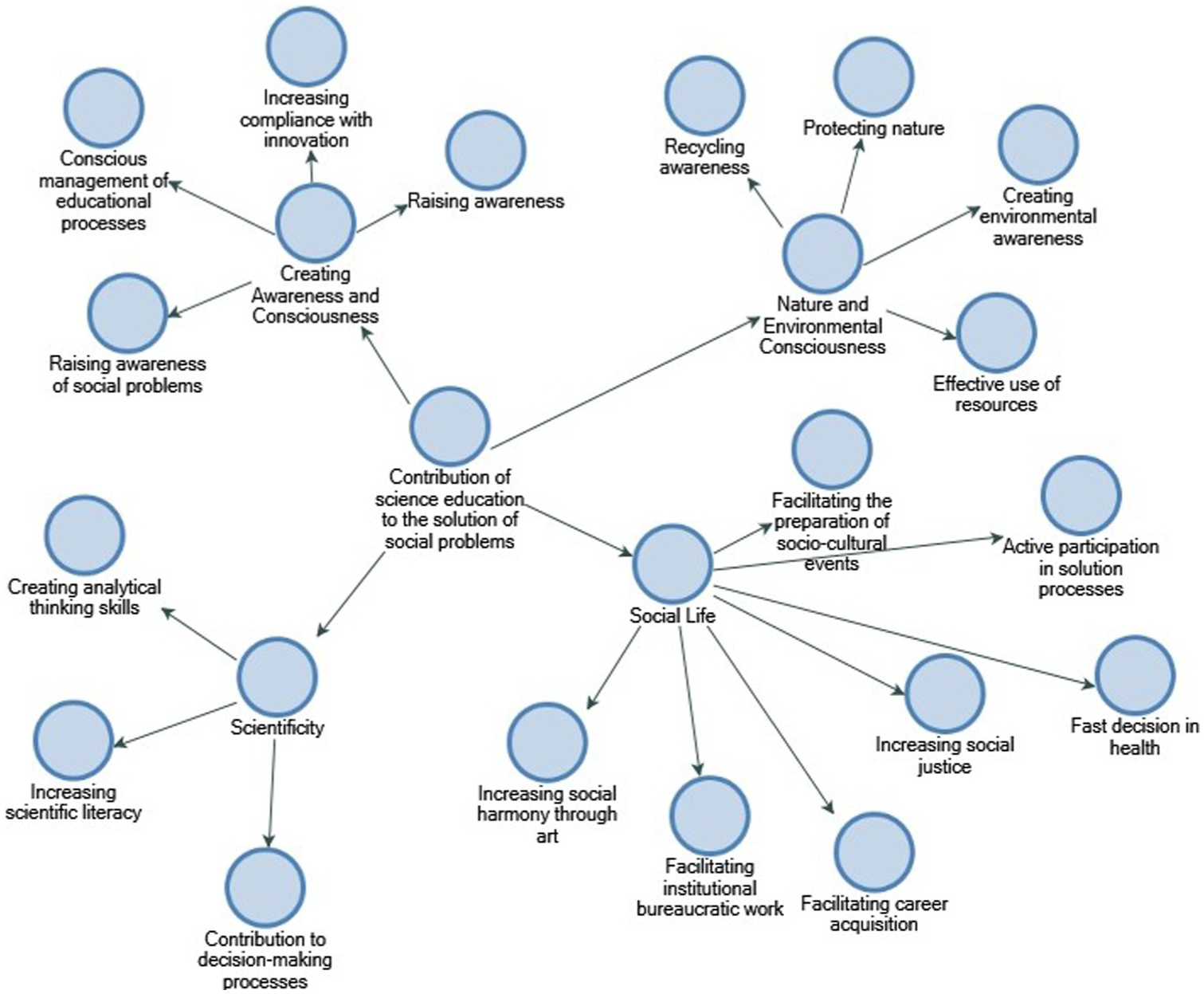
Contribution of science education to the solution of social problems in the digital transformation process.
Based on the findings, teachers’ responses can be categorized as follows:
Creating Awareness and Consciousness
“…thanks to digital tools, students can follow scientific studies from different cultures, analyze real-time data on environmental and global issues, and thus learn to evaluate the world from a more holistic perspective. For example, one of my students, who previously showed no interest in climate change, noticed the connection between carbon emissions and rising temperatures after examining NASA satellite data. He then launched an awareness campaign at school on this issue, changing his own worldview and setting an example for those around him.”
“Students develop projects in areas such as climate change, energy efficiency, and health technologies using digital tools, thereby gaining the ability to both analyze problems and propose solutions. For example, a group of my students developed a system that measures air quality using digital sensors as part of a TÜBİTAK project, drawing attention to air pollution around the school and supporting the municipality’s tree-planting efforts. Such applications make the social impact of science visible and encourage young people to become active citizens.”
This question raises awareness and increases scientific literacy, develops scientific approaches to environmental and social issues, draws attention to social inequalities and ethical principles, and gives the following example: “During the COVID-19 pandemic, thanks to digital science education and publicly available scientific content, a large segment of society became aware of issues such as the virus’s rate of spread, vaccine technologies, and hygiene measures. This awareness facilitated social solidarity and the fight against the pandemic.”
Social Life and Environmental Awareness
Teachers emphasized that science education is effective in developing environmental awareness and contributing to social life.
“Content directly related to social issues should be used in science lessons. For example: The topic of “photosynthesis” can be addressed not only as a biological process but also in relation to the city’s air quality… Solution-oriented STEM projects should be carried out, and science education should be presented to students not only as natural sciences but also as intertwined with social sciences. Such as “Helping Street Animals with Science”.”
“They try to understand social events with scientific facts, such as earthquakes, their causes and consequences…”
“…Students are no longer content with theoretical knowledge alone; they can collect data using digital tools and analyze it, thereby developing scientifically based solutions to problems in their environment. For example, a group of my students measured pollution in a local riverbed using sensors, analyzed the data digitally, and presented a report to the local council, which led to the initiation of a clean-up operation.”
Scientific Literacy and Social Contribution
Participants stated that science education develops students’ scientific literacy, critical thinking and questioning culture, sensitivity to nature, and perspectives on the universal order, distancing them from preconceptions, and expressed the following:
“Science education in digital transformation requires practical projects and solution-oriented content aimed at solving social problems. For example, students’ critical thinking and problem-solving skills can be supported by developing STEM projects on environmental issues or energy efficiency.”
“It is expected to contribute to solving social problems, but I do not think it is at the desired level,” and added the following, expressing the gap in the digitalization process in society: “It is a fact that in our country, there are many individuals who act according to superstitious beliefs and cannot break away from tradition through social transmission. But there are also suitable opportunities for individuals who want to change and think… With the work done by the state, municipalities, schools, and civil society organizations (technology, coding, drama, etc. education, vocational training courses, art education, trips and organizations, certificate programs, etc.), change and awareness in society are inevitable…”
“…We are in the age of technology. It’s as if there are no individuals without a smartphone. First of all, reliable, educational messages can be sent to the public through an established website or platform… short messages, short educational content, and then content that serves the target can be presented.”
“Considering that children also have YouTube channels or social media accounts, rules such as copyright, plagiarism, and citing the source of information should also be taught to them. If necessary, this should become a public service announcement.”
Cultural Heritage and Digital Science Education
As seen in Figure 4, in the digitalization process, science education plays a crucial role not only in imparting technical knowledge to students but also in transmitting cultural values. Teachers working at Science and Art Centers reported that it is possible to establish a link between the past and the future, recognize the scientific approaches of different cultures, and integrate this knowledge with students’ own values. They also noted that digital tools can be particularly effective in preserving and transmitting scientific heritage. However, teachers highlighted some challenges in this process, including material shortages, limited cultural content, and students’ difficulty in reflecting on their own identities, issues considered fundamental in this field. These findings can be interpreted through both the Sociotechnical Systems Theory and the Scientific Literacy Framework.
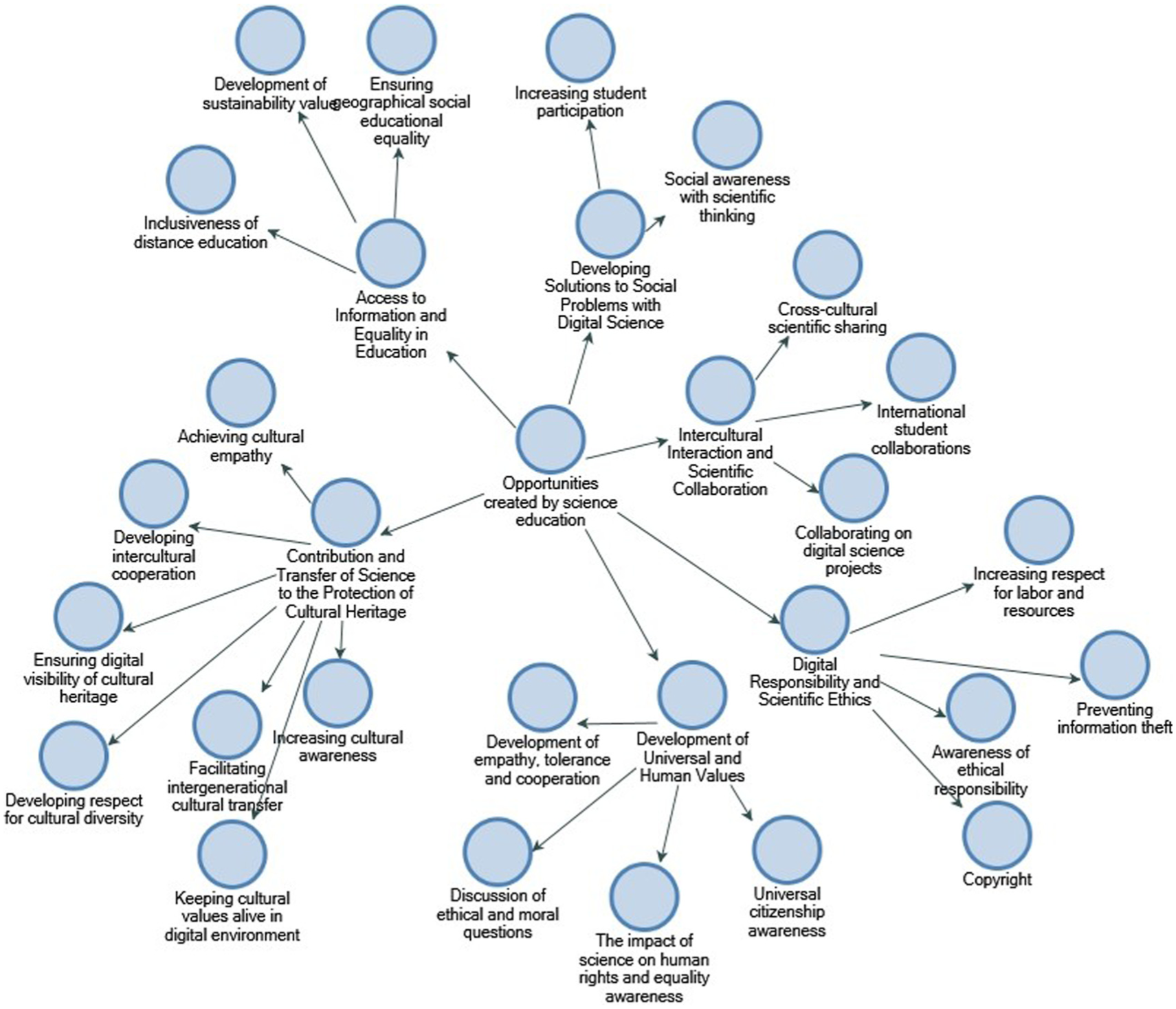
Opportunities offered by science education in the digital age in terms of humanity and cultural values.
Digital tools play a strategic role in integrating cultural heritage with scientific content, but effective implementation requires the development of teachers’ digital literacy. Simultaneously, students’ process of making sense of scientific content in relation to cultural values can be understood through the lens of Social Constructivism, which emphasizes knowledge construction within social contexts.
Opportunities Created by Science Education
According to T2, “It can offer various opportunities in terms of establishing a link between past and future generations. For example, students can see how the fundamentals of science have been applied from the past to the present using digital tools and can offer innovative solutions.”
“…For example, my students who participated in an international coding project both developed their programming skills and learned to collaborate and empathize by getting to know different cultures.”
stated that it provides educational opportunities in the transmission of values and culture and in making daily life easier, using the following statements.
“We are gaining knowledge about the whole world. We shop easily on the internet. We shop without wasting time.”
“Cultural riches that cannot be visited or seen can be seen in the digital environment.”
“Culturally, it provides opportunities such as cooperation and instills values of accuracy and honesty in people.”
“I believe it facilitates the dissemination of science education in terms of cultural transmission; cultural transmission between countries and within countries can be supported by science education.”
“Cultural values passed down from generation to generation that are in danger of being forgotten can be prevented from being forgotten by transferring them to digital platforms.”
Digital Responsibility and Scientific Ethics
It has been suggested that, in the digital age, science education can be approached from a broader perspective that emphasizes humanity and cultural values.
“The publication of scientific knowledge in the digital sphere reduces information theft. It makes it easier to distinguish between those who produce information and those who steal it. In cases of information theft, plagiarism, copyright issues, or when advertising and collaborations are indicated, individuals are forced to fill in the gaps in their knowledge in this area. This ensures respect for labor and the attribution of information sources. … For example, the use of cultural heritage in an advertisement for a watch serves two purposes: advertising and cultural awareness.”
Preservation of Cultural Values and Global Citizenship
In the digital age, science education can be approached from a broader perspective that emphasizes humanity and cultural values. T17 stated: “Yes, … Here are some of these contributions: Thanks to digital tools, science education can also reach individuals with geographical, economic, or social disadvantages. Through distance learning platforms, students living in rural areas can access quality science education.”
“Digital science education makes it easier for students to recognize and understand problems not only in their own countries but around the world. This supports the development of values such as empathy, solidarity, and global citizenship. For example, scientific topics that concern all of humanity, such as global warming, pandemics, and the depletion of clean water sources, extend beyond the classroom thanks to digital educational materials. …In the digital age, science education teaches us to seek answers not only to the question “how is it done?”, but also to ethical questions such as “should we do it?,”“for whom?,” and “at what cost?.” A class discussing the ethical dimensions of CRISPR technology learns that science must be constrained by human values. …Digital science projects enable students from different countries to work together. This enhances cultural understanding and collaboration skills.”
“For example, in an environment-themed eTwinning project carried out with students from different countries under Erasmus+, students learned to analyze scientific data and developed cultural empathy by understanding different societies’ perspectives on nature. This process demonstrates that science is not just knowledge, but an understanding shaped by shared human values.”
Challenges Encountered
Participants also noted that this process presented certain challenges. In particular, a lack of materials, limited cultural content, and students’ difficulty in reflecting on their own identities were seen as fundamental problems in this area.
“…the digitization process resulted in students not embracing their own identities and past and not being at peace with their own culture…”
“…the lack of materials and opportunities hinders the implementation of new ideas and causes a loss of motivation…”
“Digitalization is harming our children and our culture. To put it simply, children no longer play traditional games. During holidays, young people have started going on holiday.”
“In the process of digitalization, while it does not offer the same experience as living cultural values first-hand or going to see them in person… I believe that our prejudices as educators are the biggest problem in this regard.”
: “First of all, there is a problem of training sufficient and qualified personnel and/or accessing such personnel. In particular, there is a significant difference between English and Turkish sources in terms of presenting student information in an appropriate and engaging manner…”
“…one of the fundamental challenges is the decline in students’ interest in local and traditional knowledge in the face of the appeal of digital content…”
Key Challenges in Efforts to Integrate Digital Science Education With Cultural Heritage
As shown in Figure 5, various challenges arise in efforts to integrate science education with cultural heritage during the digitalization process. It is evident that successful integration of science education with cultural heritage requires adequate infrastructure, pedagogical guidance, and cultural sensitivity. These findings can be interpreted through multiple theoretical perspectives: Sociotechnical Systems Theory, which emphasizes the interaction between technology and human systems; the Scientific Literacy Framework, which highlights the development of scientifically informed individuals; and Social Constructionism, which provides insights into how students integrate and interpret scientific content. Based on participants’ responses, it is clear that teachers require support to effectively address these challenges.

Key challenges you face in your efforts to integrate science education with cultural heritage in the digitalization process.
Cultural Identity and Loss of Values
T2 emphasized the threat of losing cultural heritage and values, stating that the digitalization process resulted in students not embracing their own identity and past, and not being at peace with their own culture.
“Digitalization is harming our children and our culture. To put it simply, children no longer play traditional games. During holidays, young people have started going on vacation.”
Application Limitations and Lack of Materials
Based on participants’ responses, it can be concluded that teachers require support in integrating science education with cultural heritage. T2 highlighted the threat of losing cultural heritage and values, noting that the digitalization process has led some students to disconnect from their own identity and past, preventing them from fully engaging with their culture. T5 added that a lack of materials and opportunities hinders the implementation of new ideas, which can result in decreased motivation. Similarly, T20 stated:
“… one of the fundamental challenges is the decline in students’ interest in local and traditional knowledge in the face of the appeal of digital content. We also encounter the problem of scientific approaches specific to local cultures, and our historical scientific heritage being overshadowed. For example, students struggle to recognize scientists from their own civilisation because interactive material on digital platforms about figures such as Al-Jazari, Ibn Sina, or Ali Qushji is quite limited. This makes it difficult for students to establish a connection between their own cultural context and science…”
Lack of an Interdisciplinary Approach
“The curriculum implemented in schools is generally intensive and exam-focused. When El-Biruni or Ulugh Beg’s observations are to be discussed, these topics are usually left to the “history” lesson… Elements such as the static calculations used in Mimar Sinan’s structures or Akşemseddin’s views on microorganisms in medicine cannot be evaluated by students as “scientific” as well as “historical” when not presented in a scientific context.”
Teacher Competencies and Resistances
“In the digitalization process, although it does not give the same flavor as experiencing cultural values first-hand or going to see them in person, when the limitations of not being able to do so are considered, it still leads to satisfactory results. I think the biggest problem is our prejudices as educators on this subject. Unless we need to, we cannot integrate new generation technology unless we are forced to.”
“First of all, there is a problem of training sufficient and qualified personnel and/or accessing such personnel. There is a significant difference between English and Turkish sources, particularly in the presentation of student information in appropriate and engaging content.”
Social and Cultural Resistance
“Particularly in the eastern part of the country, the incompatibility of traditions with science reduces trust in science. For example, viewing organ transplants or donations as sinful can undermine research on these organs.”
Challenges Turned into Opportunities
“When combining science education with cultural heritage, it is challenging for students to relate technology only to modern knowledge. However, as we discovered ways to preserve this heritage using digital tools, perspectives on cultural heritage changed.”
Educational Contents, Approaches, Implementation Suggestions Regarding Contribution to the Solution of Social Problems Through Science Education
According to participants, digitalization has transformed teachers’ roles, assigning them new responsibilities such as content manager, guide, and digital resource developer. This shift aligns with Sociotechnical Systems Theory, which emphasizes the mutual interaction between technology and human systems. As shown in Figure 6, teachers reported that increased training is necessary to effectively implement science education during the digital transformation process.

Educational contents, approaches, and recommendations regarding the contribution of science education to the solution of social problems in the digital transformation process.
Technology-Supported Learning
Participants emphasized that educational content should be designed to encourage the exchange of ideas, the sharing of experiences, the structuring of physical learning environments, and the development of solutions to current problems. They also highlighted that approaches focusing on practical and interactive activities contribute more effectively to students’ learning processes. Moreover, teachers generally agreed that science education, when supported by digital tools and integrated with cultural elements, can foster both individual and social development.
For example, T18 expressed the following views on this subject: “… Solution-focused STEM projects should be carried out, and science education should be presented to students not only as natural sciences but also intertwined with social sciences.
“Helping Street Animals with Science” is one such example. Students should be taught digital ethics, data security, and social responsibility along with scientific knowledge. Digital platforms for “Change with Science,” where students create their own podcasts, videos, and blogs, and adaptable workshops such as virtual reality (VR) climate simulations or disaster simulations. Environmental planning activities are not carried out in game-based applications such as Minecraft Education.”
Solution-Oriented Content for Social Issues
“Science education in digital transformation requires practical projects and solution-oriented content aimed at solving social issues. For example, STEM projects on environmental issues or energy efficiency can be developed to support students’ critical thinking and problem-solving skills.”
“No matter how rich the content of education is, it will be insufficient in solving social problems. For science education to be effective, people’s socio-economic levels must first be improved.”
“Content directly related to social issues should be used in science lessons. For example, the topic of “photosynthesis” can be addressed not only as a biological process but also in relation to the city’s air quality. Students should be guided to question and analyze not only the characteristics but also the information.”
Regarding the educational content necessary for science education to contribute to solving social problems, T20 and T22 used similar expressions, stating the following: “…there is a need for interdisciplinary content, learning therapies, and applications enriched with local data. Integrated projects of geography, science, and technology courses should be developed to develop solutions for widespread environmental problems and established in a digital environment with open data platforms.” T22 also stated the following: “Applied programs should be developed where students can work on real-world problems such as the environment, health and energy, and use digital skills such as artificial intelligence, data analysis and coding… Teacher training, collaboration with local institutions, and the development of open digital resources are of great importance in supporting this process.”
Digital Ethics and Awareness
“We are in the age of technology. It seems like everyone has a smartphone. First, information should be disseminated that reliable, educational messages will be sent to the public via a website or platform that has been set up. On the platform that is established, short messages and short educational content can be presented first, followed by content that serves the target audience.”
Emphasizing the need to raise awareness about ethical violations in technology use through educational programs, T13 states: “Personal interests, ambitions, and materialism should not take precedence in the technological environment. Considering that children also have YouTube channels or social media accounts, rules such as copyright, plagiarism, and citing the source of information should be taught to them. If necessary, this should become a public service announcement. Content that must be viewed could be produced when opening email accounts or other accounts.”
“Along with scientific knowledge, digital ethics, data security, and social responsibility should also be taught to students.”
As seen in Table 1, the most frequently emphasized themes, based on teachers’ opinions, are presented in the table. According to the table, the prominent themes regarding the social effects of science education on students, teachers, and society include digital inequality and social injustice, contributions to solving social problems, contributions to the preservation and transfer of cultural heritage, and benefits to cultural development.
Frequency Table of Participant Views.

Discussion
The findings of this study extend beyond a mere description of teachers’ views by providing insights that allow for theoretical interpretation. The effects of science education on individuals and society were analyzed through multiple lenses: the interaction between digital technologies and social structures, as framed by Sociotechnical Systems Theory; the development of scientific thinking and ethical behavior, as emphasized by the Scientific Literacy Framework; and the construction of knowledge within individuals’ meaning-making processes, as explained by Social Constructionism Theory. This integrative framework offers a robust explanatory and interpretive foundation for understanding the findings based on teachers’ observations.
The findings of this study reveal the multidimensional effects of integrating digitalization into science education. From the perspective of the Scientific Literacy Approach, teachers reported that digital tools make science education more accessible, interactive, and engaging, increasing students’ active participation in scientific processes and enhancing their abilities to think critically, analyze data, and generate solutions to social problems. In particular, virtual laboratories, simulations, and augmented reality applications were reported to be effective in concretizing abstract scientific concepts (Jho et al., 2014; Liu, 2013).
Ayvacı and Yurt (2016) noted that while science education develops students’ scientific process skills, educators and parents should also pay attention to how children develop perceptions of the nature of science and form positive attitudes toward it. Furthermore, numerous studies indicate that conscious and well-structured science education has a significant effect on students’ scientific thinking skills (Ayvacı & Özbek, 2014). The literature also supports the finding that science education positively influences student achievement and deepens learning (Airey & Linder, 2009; Akkuş et al., 2007). In addition, science education has been shown to contribute to the development of argumentation skills and linguistic competence (Choi, 2008; Demirbağ, 2011).
Within the framework of Social Constructionism Theory, one of the most significant findings of this study is the role of digital science education in shaping students’ worldviews. The findings indicate that science education in the digital age has a multidimensional impact. Participants reported that science education is effective in developing students’ worldviews, raising awareness of social problems, and fostering solution-oriented thinking skills. These results align with the literature, which emphasizes that science education in the digital age should encompass ethical, cultural, and social dimensions beyond the mere transfer of technical knowledge (Jho et al., 2014; Lederman, 2013; Öztürk & Korkut, 2023). Furthermore, multiple studies highlight that science education can influence students’ philosophy of life, and that such changes occur progressively throughout the learning process (Abd-El-Khalick & Akerson, 2004; Akerson et al., 2006; Morrison et al., 2009).
Participants indicated that digital resources provide students with opportunities to access scientific studies from different cultures, fostering global citizenship awareness. For example, satellite images published by NASA and participation in international science projects have been observed to cultivate a universal perspective in students (Castells, 2010; Marwick & Boyd, 2014). However, teachers also emphasized deficiencies in protecting local cultural values and transmitting scientific heritage through these digital means. One of the most critical challenges of digital transformation in science education is the digital divide. Teachers reported that insufficient technological infrastructure and inequalities in internet access, particularly in rural areas, undermine equal educational opportunities (Assadi, 2024; Van Dijk, 2020). As highlighted in UNESCO’s 2001 report, a substantial portion of the world’s population lacks access to digital education. Additionally, inadequate digital pedagogical skills among teachers and difficulties in adapting to rapidly evolving technologies were identified as prominent challenges (Ertmer & Ottenbreit-Leftwich, 2010). Although generalization is limited, Şahin et al. (2020) found that teachers working in Science and Art Centers have limited awareness of new applications and perceive their digital competence, including ICT skills, as insufficient. This aligns with the findings of the current study, which indicate that teachers require support, particularly in science education and content creation, during the digitalization process. Furthermore, issues such as digital ethics, copyright, and data security should be addressed and incorporated into the education system (Buckingham, 2007; Ribble, 2015).
The study revealed that teachers face challenges in finding digital content related to cultural values. The literature emphasizes that one of the primary functions of the education system is to “raise individuals who have adopted fundamental values” (Çepni, 2020). Furthermore, numerous studies highlight the importance of incorporating digital ethics and scientific responsibility training into the curriculum (Ribble, 2015; Wineburg & McGrew, 2019). The literature also underscores the significance of science education and teacher training in effectively teaching the nature of science (Leblebicioğlu et al., 2012). Regarding the contribution of science education to addressing social problems, teachers emphasized the value of project-based learning supported by digital tools. Student projects on global issues, such as climate change, environmental pollution, and energy efficiency, were reported to enhance social awareness. However, the study also highlighted challenges in integrating these projects into the curriculum, as well as difficulties in assessment and evaluation processes.
When evaluated through the lens of Sociotechnical Systems Theory, this study highlights the impact of science education on students’ and society’s access to innovation and their development of an innovative mindset within the digitalization process. Digital tools that facilitate access to scientific knowledge were reported to stimulate students’ curiosity and enhance their scientific thinking skills. Soylu (2011) noted that “the new vision of the country is to create a system based on innovation in the field of science and technology,” which supports the findings of this study. Numerous studies also emphasize both the importance and the challenges of science education in providing future access to digital technologies (Mourtzis, 2018). Teachers in this study also reported significant challenges in integrating cultural heritage into digital science education. These findings suggest that achieving sociotechnical relevance requires not only the integration of technology but also pedagogical support for human systems. The underrepresentation of traditional scientific knowledge in digital environments limits students’ ability to connect science with their cultural roots (Jenkins, 2006; Sevilmiş, 2024).
Consistent with previous research, this study underscores the need to balance social values with digital innovation, advocating for educational programs and content developed through a holistic approach (Çepni, 2020). In an era of rapid digitalization, it is essential to equip individuals with skills to access, organize, evaluate, present, and communicate information. Importantly, these skills must be developed not only in students but also in teachers who guide them (Kahyaoğlu, 2011; Şahin et al., 2020). In addition, a major challenge in the digitalization of science education in Turkey is that teachers often do not fully understand the theory underlying the subject or theme being digitally transformed, which limits their ability to address practical problems. This issue is crucial for preserving cultural values in digital science education and for understanding its philosophical foundations (Çepni, 2020). Moreover, Abd-El-Khalick et al. (1998) emphasize that successful science education depends on a strong focus on classroom practices.
The research underscores the importance of interdisciplinary cooperation in the development of science education. It suggests that cultivating individuals who can both produce and utilize technology across various fields contributes to the advancement of society as a whole (Akyüz etal., 2014). The study provides valuable insights into the social effects of science education in the digital age, highlighting both its potential and the challenges in areas such as ensuring equal opportunities, preserving cultural heritage, and addressing social problems.
Conclusion
This study examined the social and cultural dimensions of digitalization in science education, focusing on the perspectives of teachers from the Science and Art Center. The findings suggest that factors such as educational background, including undergraduate and postgraduate studies, influence teachers’ views on science education. Experienced teachers, particularly those from the Science and Computer Science branches, demonstrated a stronger understanding of the role of digital tools in education. Teachers emphasized both the challenges and benefits of digital transformation. They highlighted the digital divide and the need to address infrastructure deficiencies, while also noting the positive effects of digitalization on students and society, including enhanced critical thinking, creativity, motivation, and ease of access to scientific knowledge. According to the Scientific Literacy Framework, science education can produce social benefits when students are nurtured as data-informed problem solvers, critical thinkers, and effective communicators.
Among the themes emerging from teachers’ perspectives, the most prominent was “digital inequality and social injustice.” Given that social inequities are more pronounced in developing countries, it is unsurprising that teachers emphasized this issue. Evaluated within the scope of Sociotechnical Systems Theory, this finding highlights the need to consider technological developments in conjunction with social systems. Teachers in Turkey often begin their professional careers in remote villages and towns, which allows them to directly observe the impact of infrastructure deficiencies on education. Their awareness of these challenges underscores the limitations of digital transformation in ensuring equal educational opportunities.
Teachers who shared their perspectives on the role of science education in shaping students’ worldviews reported, with examples, that science education fosters open-mindedness, reduces prejudice, encourages a multidimensional perspective that respects differences, and promotes sustainable and universal awareness. These responses indicated that students’ environmental awareness increases and their ability to propose digital solutions to local problems improves. As shown in Figure 2, the theme of globalization and universal awareness is prominent in teachers’ responses. This finding aligns with Social Constructionism Theory, which posits that individuals construct knowledge through social interaction.
In addition to these positive effects, teachers also highlighted potential negative consequences of science education in the digital transformation process, such as digital addiction, decreased readiness, and declining critical thinking skills. The increased use of social media was also noted as a tool for exploring different cultures, which enhanced teachers’ global awareness and emphasized the relevance of globalization in education.
The research highlights the frequent contributions of science education to addressing social problems, emphasizing its role in facilitating daily life, raising awareness, and enhancing environmental and nature consciousness. It also highlights the importance of preserving cultural heritage and fostering social sensitivity, responsibility, critical thinking, ethical awareness, and cultural understanding in the digital age.
Science education in the digital age provides opportunities for intercultural interaction, scientific collaboration, the development of human values, and fostering digital responsibility. However, challenges such as digital inequality, inadequate infrastructure, insufficient teacher training, and limited awareness of digital ethics remain significant barriers. Therefore, sociotechnical integration must be designed to be more equitable and inclusive.
Finally, this study, based on the perspectives of Science and Art Center teachers, makes an original contribution to the literature by examining the social and cultural dimensions of science education in the digital age. It offers a holistic assessment of science education, digital transformation, and the interplay of cultural values, providing both theoretical and practical foundations for future applied, interdisciplinary, and long-term research in this field.
Suggestions
Based on the study’s findings, it is recommended that digital science content be developed to reflect local cultural heritage and that technological infrastructure be enhanced in disadvantaged regions to ensure equitable access to educational opportunities. In this context, interactive digital materials and augmented reality applications featuring historical figures such as Ibn Sina, Al-Jazari, and Ali Qushji could be created to support culturally enriched science education.
New studies should investigate the relationship between science education, values, and future visioning within the context of digitalization.
To support teachers in adapting to the digital transformation process, it is recommended to strengthen their training in digital pedagogy and the integration of cultural content. Additionally, students should be actively engaged in intercultural scientific projects to enhance global awareness and collaborative learning skills.
Based on the study’s findings, it is recommended that interdisciplinary, project-based learning approaches be promoted. STEM/STEAM projects that focus on addressing social issues should be actively encouraged to enhance students’ problem-solving skills and foster their social responsibility.
Despite the limitations of this study’s process evaluation, future research should investigate the long-term social impacts of digital science education and conduct practical studies on the digitization of cultural heritage.
Digital ethics, data security, and citizenship themes should be addressed in science education.
Given the limitations of this study, longitudinal, large-scale research should be conducted to examine the long-term social and cultural impacts of science education on individuals and society during the digitalization process.
Furthermore, despite the limitations of this study, which focuses on subjective experiences through qualitative data, future quantitative and mixed-method research could complement these findings and provide a more comprehensive understanding across teachers, students, and parents.
Footnotes

Funding
The author received no financial support for the research, authorship, and/or publication of this article.
Declaration of Conflicting Interests
The authors declared no potential conflicts of interest with respect to the research, authorship, and/or publication of this article.
Data Availability Statement
The data that support the findings of this study are not publicly available due to privacy or ethical restrictions but can be obtained from the corresponding author upon reasonable request.