




Abstract
The rapid advancement of digital technologies has transformed educational practices, driving substantial research into technology-enhanced learning (TEL). This study presents a bibliometric analysis of 1,826 articles published between 2000 and 2023 in the Web of Science database, using VOSviewer and the bibliometrix R-package to explore the field’s structural evolution and key trends. Results indicate significant growth in TEL research after 2007, with the USA emerging as a leading contributor in terms of scientific output and influence. The analysis highlights four major thematic areas and reveals emergent global trends, including the increasing focus on artificial intelligence, augmented reality, gamification, technology-enhanced language learning, and educational responses to COVID-19. Post-2020, the field has shifted toward user-centered themes, integration of advanced technologies like virtual reality and social networks, and STEM education. Notably, technology-enhanced language learning has seen substantial momentum from 2020 to 2023. This study underscores a prevailing emphasis on integrating technology with educational practices, while psychology-based perspectives remain underexplored. The findings offer valuable insights into current and future research directions, serving as a resource for scholars and practitioners in this dynamic field.
Plain Language Summary
This study looks at how digital technology is changing education. By analyzing 1,826 research articles published between 2000 and 2023, we provide an overview of the main trends and developments in technology-enhanced learning. Using tools like VOSviewer and the bibliometrix R-package, we identified key themes and innovations in this field. We found that research on technology-enhanced learning has grown rapidly, especially after 2007, with the USA leading in contributions and citations. Our analysis revealed four main research clusters: technology-enhanced learning processes, educational pedagogy and instructional methods, assessment and effectiveness, and experimental studies on the impact of technology-enhanced learning. Emerging trends in this field include the use of artificial intelligence, augmented reality, gamification, and technology-enhanced language learning. The COVID-19 pandemic also brought new focus areas such as user-centric themes, classroom dynamics, and advanced technologies like virtual reality and social networks. From 2020 to 2023, there has been significant interest in technology-enhanced language learning. Overall, the research highlights a strong connection between education and technology, suggesting new directions for future studies. This work is valuable for scholars, educators, and anyone interested in the evolving role of technology in education.
Introduction
Technology-enhanced learning (TEL) now underpins mainstream pedagogy across all sectors, integrating artificial-intelligence tutors, immersive virtual-reality labs, learning-management systems, and mobile apps (Bayne, 2015; Bergdahl et al., 2020). These tools expand access, personalize feedback, and support multimodal engagement—from adaptive language drills to VR-based STEM simulations (Walker et al., 2018; B. Zhang et al., 2023). The abrupt pivot to remote teaching during COVID-19 further normalized large-scale use of platforms such as Zoom and AI-driven analytics, underscoring TEL’s capacity for flexible, resilient provision (Tawafak et al., 2021). Yet the field’s intellectual contours remain under-charted. Existing reviews typically isolate one technology or context, yielding a fragmented picture of how TEL knowledge is produced and diffused. A systematic bibliometric study can reveal the discipline’s structure—key themes, influential authors, collaborative networks, and emergent research fronts—by analyzing publication, citation, and co-authorship patterns (Ellegaard & Wallin, 2015). Accordingly, this study maps TEL scholarship published between 2000 and 2023. Our objectives are to (i) delineate its conceptual clusters, (ii) identify landmark works and leading contributors, and (iii) trace temporal shifts that signal future directions. The findings aim to inform researchers, practitioners, and policymakers alike, offering an evidence-based foundation for shaping the next generation of digitally mediated education.
Literature Review
Digital Technology in Education
TEL denotes the systematic use of digital tools to extend and transform teaching and learning across all educational levels (Yu, 2022). Its scope spans higher education, K–12, and discipline-specific domains such as STEM and the humanities (Awidi & Paynter, 2024; Mystakidis & Christopoulos, 2022; Sung et al., 2015; Zain, 2020).
TEL has progressed through three broad phases:
Phase 1 – computer-assisted instruction (1960s–1980s): mainframe and micro-computer programs delivered drill-and-practice routines, chiefly to automate rote learning (Walker et al., 2016).
Phase 2 – web-based learning (1990s–2000s): the advent of the Internet and learning-management systems (LMSs) enabled constructivist, resource-rich environments that shifted emphasis from teacher-centered transmission to learner-centered interaction (De Medio et al., 2020).
Phase 3 – data-driven personalization (2010s–present): mobile devices, cloud services, and AI underpin e-learning, blended, and adaptive models that tailor pacing, sequence, and support to individual learners (Al-Alwani, 2016; Garrison & Kanuka, 2004; Wang et al., 2023).
The current frontier couples real-time analytics with collaborative and inquiry-based pedagogies, promoting learner autonomy and knowledge co-construction (Pietarinen et al., 2021). This trajectory reflects not merely technological diffusion but a paradigmatic shift in how learning is organized, assessed, and scaled (Blayone et al., 2017).
Existing Review on TEL
A growing body of secondary studies has mapped TEL through three main lenses: (i) tool-specific affordances, (ii) learner psychology and pedagogy, and (iii) disciplinary or contextual applications. Table 1 summarizes the 15 most cited reviews; key patterns are synthesized below.
Top 15 Cited Review Articles on TEL.
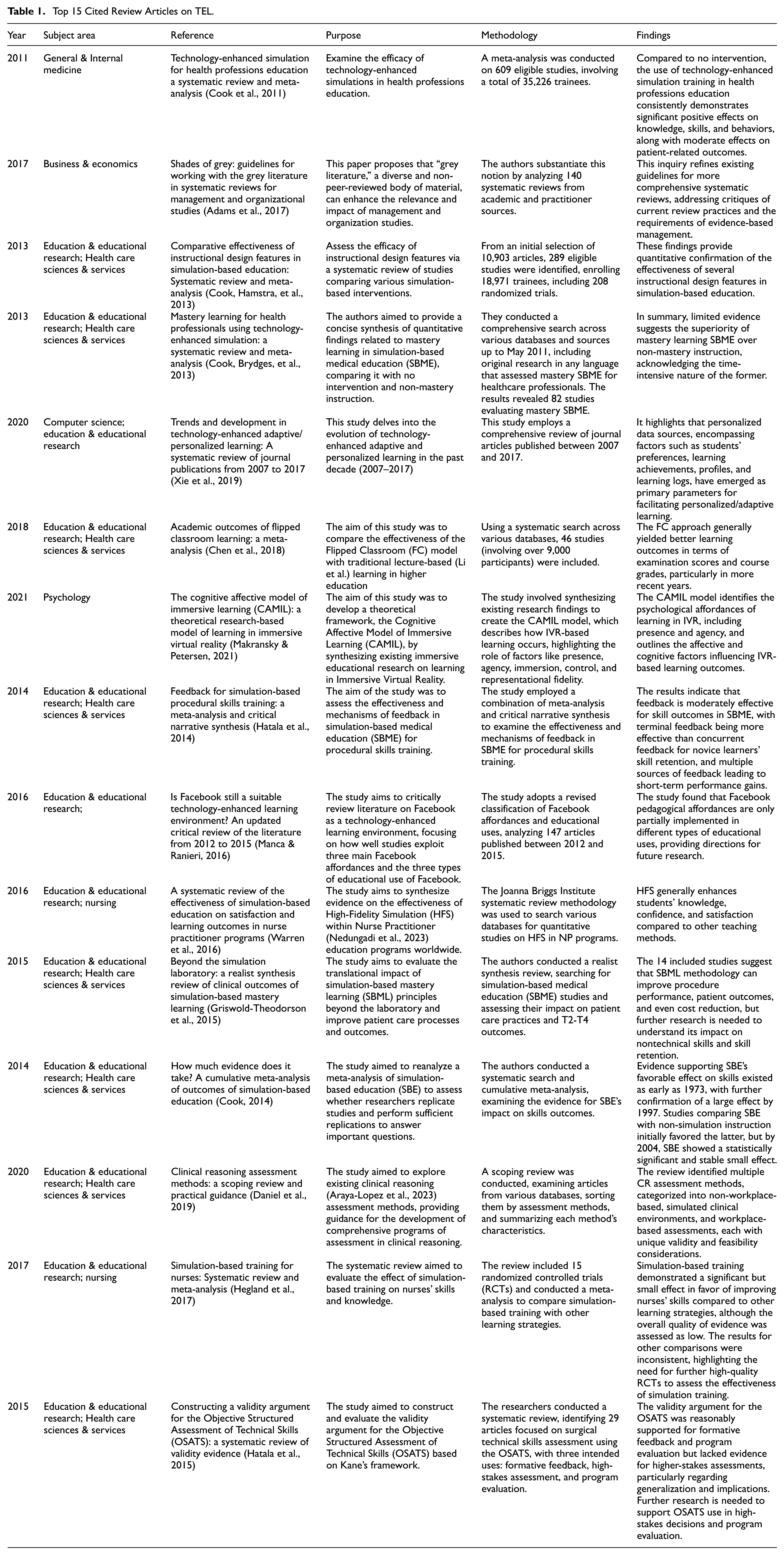
Tool-specific affordances. Reviews of coaching systems (Cushion & Townsend, 2019), peer-feedback platforms (Papadopoulos et al., 2017), personalized-learning engines (Xie et al., 2019) and immersive AR/VR environments (Lampropoulos et al., 2022) converge on two findings: robust short-term gains but scant longitudinal evidence, and a skew towards conventional desktop devices, with emerging hardware (wearables, smartphones) under-examined.
Learner psychology and pedagogy. Meta-analyses centered on reflection (Kori et al., 2014), self-regulated learning (Urbina et al., 2021) and cognitive load in AR (Buchner et al., 2022) confirm TEL’s potential to foster autonomy and reduce extraneous processing. Yet most studies rely on Zimmerman’s SRL model and single-theory designs, limiting theoretical pluralism.
Disciplinary and contextual foci. Reviews in language education (Liu et al., 2023), orthodontics (Arqub et al., 2023), chemistry (Wu et al., 2021) and higher education broadly (Shen & Ho, 2020) reveal uneven adoption: STEM fields dominate, while the arts, humanities and vocational domains remain under-represented. Cross-disciplinary analyses (Fominykh et al., 2022) further note minimal engagement from computer science and information-systems research communities—an absence that may slow technically sophisticated innovation.
Research Questions
Despite the extensive body of review literature on TEL, several gaps remain. Many studies focus on specific aspects of TEL, such as simulation-based education or the use of social media platforms, while other areas, such as adaptive learning systems, mobile learning, and the integration of wearable technologies, have received comparatively less attention (Dayo et al., 2024). Additionally, while the short-term benefits of TEL, such as increased engagement and immediate learning gains, are well-documented, questions remain regarding its sustainability over extended periods and its ability to be scaled across diverse educational contexts (Armstrong, 2019). While the short-term benefits of TEL, such as increased engagement and immediate learning gains, are well-documented, questions remain regarding its sustainability over extended periods and its ability to be scaled across diverse educational contexts. For instance, scalability poses challenges related to infrastructure, teacher training, and equitable access, while long-term impact requires understanding how TEL influences learners’ outcomes and motivation over time (Kurvinen et al., 2020; Tal et al., 2020).
Given the rapid expansion of TEL research, a bibliometric study is essential to map the intellectual landscape comprehensively. Bibliometric analysis offers a quantitative approach to understanding the dynamics of knowledge production and dissemination in TEL. It can identify influential works, key authors, and major thematic trends, providing a more detailed and holistic picture than traditional review methodologies. By leveraging bibliometric techniques, this study aims to fill the gaps in existing literature and offer valuable insights into the evolution and impact of TEL research by answering the following key research questions:
The Study
Rationale for Employing Bibliometrics
The rationale for using bibliometric methods in this study stems from the need to systematically examine the extensive and rapidly expanding body of literature in the field of TEL. Bibliometric analysis provides a robust set of quantitative tools to evaluate research trends, patterns, and impacts, aligning directly with the study’s goals of mapping the intellectual landscape of TEL over the past two decades. Specifically, bibliometrics enables the identification of key research themes, influential publications, and prominent authors, offering insights into the thematic evolution of the field. Identifying key research themes helps track the progression of TEL research over time, shedding light on emerging areas and the factors driving shifts in focus. Similarly, pinpointing influential publications reveals foundational studies and their long-term impact, highlighting how these works have shaped subsequent research directions and practical applications in TEL (Supian & Ismail, 2022).
This method supports the study’s objective of understanding the factors driving TEL’s development by analyzing citation patterns and co-authorship networks. These analyses reveal collaborative dynamics and highlight connections across subfields, providing a structured overview of the research landscape (van Eck & Waltman, 2010). Moreover, bibliometric techniques allow for the visualization of data through thematic maps and citation networks, making it easier to identify emerging trends and the relationships between different topics within TEL. The capacity to assess the long-term influence of specific publications and authors further underscores bibliometrics’ value in understanding how pivotal studies have shaped the field and guided future research.
Selection of Research Tools: VOSviewer and R
In this study, we employed VOSviewer and R, two powerful tools specifically suited to achieving the goals of this bibliometric analysis. VOSviewer was chosen for its robust functionality in creating and visualizing bibliometric networks, which align with the study’s objective of mapping thematic clusters and identifying relationships within TEL research (van Eck & Waltman, 2010). The bibliometric networks particularly relevant to this study include co-authorship networks, co-citation networks, and co-word networks. Co-authorship networks reveal patterns of collaboration among authors, institutions, and countries, offering insights into the global nature and collaborative dynamics of TEL research. Co-citation networks identify frequently cited pairs of articles or authors, highlighting foundational studies and intellectual connections within the field. Co-word networks map keyword co-occurrences, enabling the identification of research themes and trends in TEL. Together, these analyses provide a comprehensive view of the relationships between researchers, publications, and themes, supporting our goal of mapping the intellectual landscape of TEL research.
R, an open-source programming language and environment, was selected for its extensive libraries and packages tailored for bibliometric analysis, specifically the Bibliometrix R package (Aria & Cuccurullo, 2017). This package provides comprehensive tools for quantitative research in bibliometrics and scientometrics, allowing for the detailed analysis of publication data, citation metrics, and thematic evolution. The flexibility and extensibility of R enable the customization of analyses and the integration of various data sources, ensuring a thorough and nuanced understanding of the TEL literature.
The combination of VOSviewer and R leverages the strengths of both tools, providing a comprehensive approach to bibliometric analysis. VOSviewer’s visualizations complement the detailed statistical analyses performed in R, offering a balanced view that highlights both quantitative metrics and qualitative insights. This dual approach ensures that our analysis is both rigorous and illustrative, capturing the multifaceted nature of TEL research.
Research Protocol
This study employs a systematic and rigorous research protocol to conduct a comprehensive bibliometric analysis of TEL literature (Donthu et al., 2021). The protocol is designed to ensure the robustness, reproducibility, and clarity of the research process, encompassing data collection, analysis, and interpretation (Figure 1).

Research protocol.
The initial step of our research protocol involves the explicit definition of the aims and scope of our bibliometric study. By clearly defining the research questions and objectives, this step ensures that our analysis is focused and directly aligned with the study’s goals.
Following the definition of aims and scope, the subsequent step revolves around the selection of appropriate bibliometric techniques. These techniques were chosen to enable the identification of publication trends, influential authors, key thematic areas, and emerging technologies in TEL.
The third step in our protocol involved selecting the Web of Science (WoS) database as the primary source for bibliometric data. WoS was chosen due to its extensive coverage of high-quality scholarly publications, providing a reliable and robust dataset for our analysis. A meticulous keyword search, conducted on October 12, 2023, employed the keyword “technology-enhanced learning” within the “All fields” section of the database, yielding 1,826 documents covering the publication range from 2000 to 2023. We limited the corpus to English-language, peer-reviewed journal articles, conference papers and reviews indexed in WoS. WoS was selected because (i) it applies stringent curation standards that reduce false positives, (ii) its descriptive fields are highly normalized, facilitating reliable bibliometric mapping. Nevertheless, this decision excludes (a) regional or non-English TEL research—especially studies published in Chinese, Spanish and Portuguese, which are more visible in Scopus and Google Scholar—and (b) grey or practitioner literature that Google Scholar indexes but WoS does not. The likely effect is a modest under-representation of work emerging from Latin-American, East-Asian and Eastern-European contexts and of design-oriented computer-science proceedings.
Upon data collection, we transition to the analysis phase. Inclusion criteria were applied to ensure the quality and relevance of the data. Only peer-reviewed articles, reviews, and conference papers published in English were included. This selection ensures a high level of consistency while acknowledging the potential limitation of excluding non-English research contributions. The extracted bibliometric data included publication titles, authors, affiliations, keywords, abstracts, citation counts, and references, forming a comprehensive dataset for analysis.
The data analysis phase utilized key bibliometric indicators such as publication counts, citation metrics, h-index, and collaboration measures to assess research output and impact. Network analysis, conducted using VOSviewer, included co-authorship, co-citation, and co-word analyses to identify relationships between authors, institutions, and research themes. Thematic clusters were determined through co-word analysis, revealing interconnected areas of research that collectively represent the key dimensions of TEL. Trend analysis, performed with the Bibliometrix R package, examined the evolution of research themes and keywords over time. This analysis provided insights into shifting focuses and emerging trends in TEL research.
The results from network and thematic analyses were visualized using VOSviewer and R, providing clear and interpretable maps and graphs that illustrate complex relationships and trends within the literature. To contextualize our findings, we compared the results with existing literature, validating our observations and providing a deeper understanding of the identified trends and patterns.
Finally, we derived key implications and formulated recommendations for future research and practice in TEL, focusing on the integration of advanced technologies, the development of user-centric pedagogies, and the importance of global collaboration in advancing TEL research.
Results
Performance Analysis
General Overview of Digital TEL Research
To address RQ1, we conducted an in-depth analytical review of the included studies. Table 2 presents a comprehensive dataset on digital TEL spanning a 24-year period. The notable annual growth rate of 21.12% and an average document age of 6.21 years emphasize the field’s rapid expansion and the novelty of research in this area.
Overview of the Set of Documents (Source: Biblioshiny, Based on WoS Data).
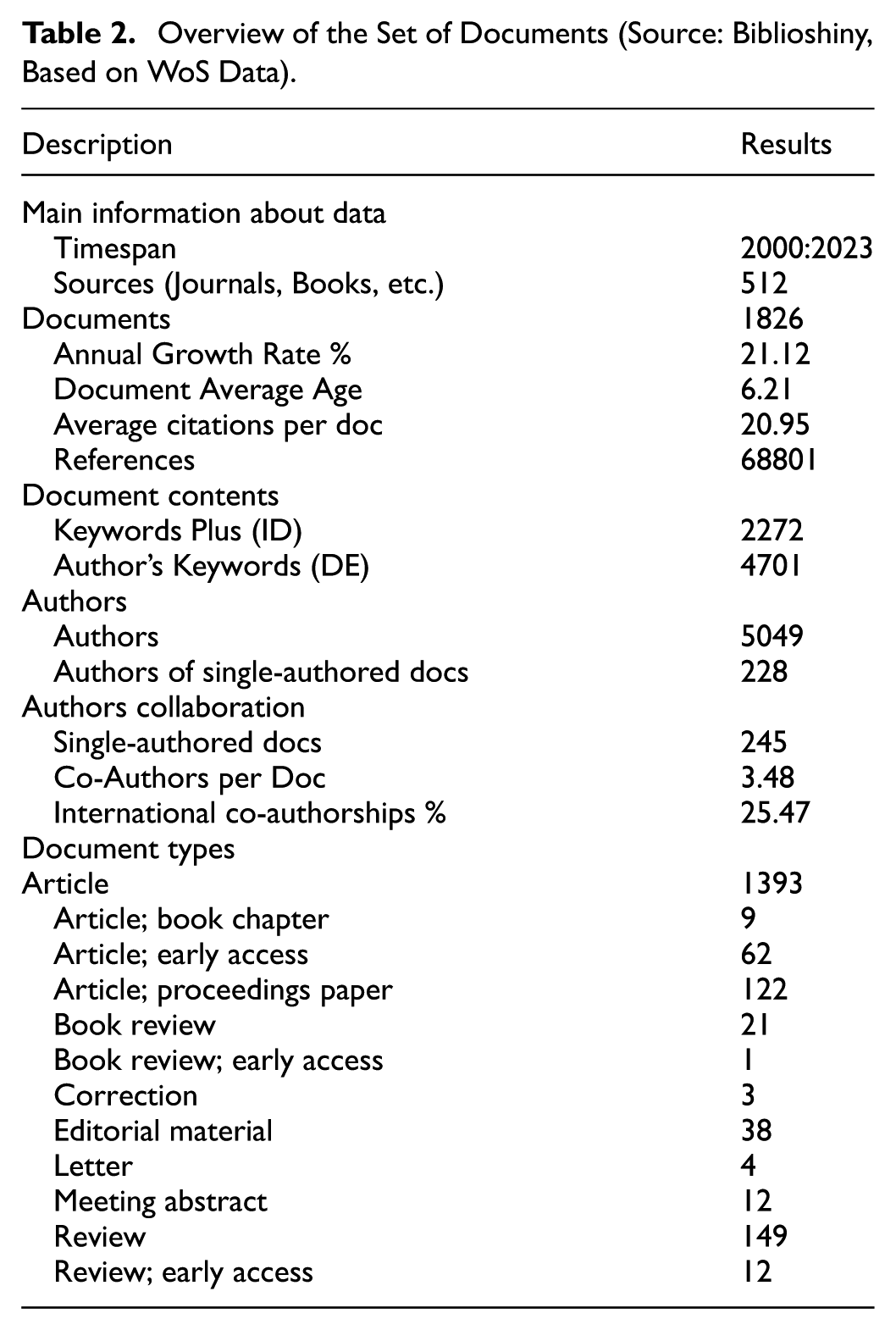
Regarding authorship, the majority of publications result from collaborative efforts, with an average of three authors per paper, indicating a moderate level of researcher collaboration. Moreover, TEL research attracts a diverse array of scholars from various countries, as evidenced by a significant level of international collaboration, which stands at 25.47%. This global dimension highlights the international relevance and significance of research in this field.
Trends in Total Publications
To provide deeper insights into RQ1, we have charted the developmental trajectory of annual scientific output related to pertinent studies (see Figure 2). Broadly, this trajectory can be delineated into two distinct periods: 2000 to 2007 and 2008 to 2023. During the initial period, the rate of study production exhibited relatively gradual growth. However, beginning in 2008, the annual publication rate consistently escalated, experiencing a substantial increase.
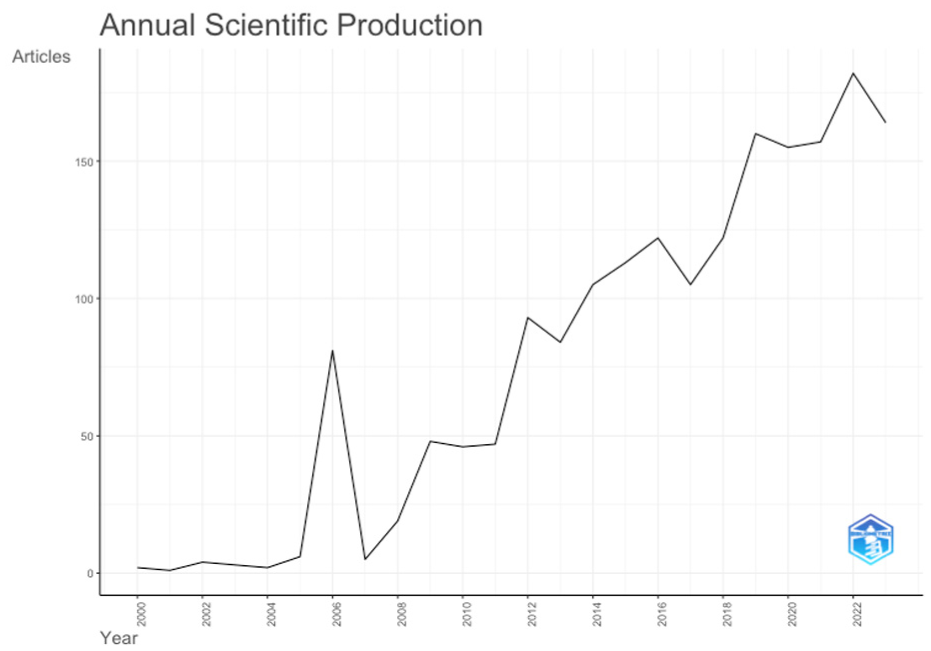
Evolution of annual scientific output in the field of TEL (2000 to 2023).
Distribution of Research Areas
To address the second research question, we conducted an analysis to examine the distribution of research areas (Figure 3). Education and educational research dominate the field, accounting for 50% of the publications, followed by computer science with 18%. Psychology and engineering each contribute 6%, while health care sciences and linguistics account for 5% each. Environmental sciences/ecology and science/technology topics make up 3% each, and nursing and surgery represent the smallest proportions, at 2% each. This distribution underscores the interdisciplinary nature of digital TEL, with a strong emphasis on education and technology. Regarding the predominant Web of Science (WoS) categories in digital TEL research (Figure 4), education and educational research lead the categories, encompassing 46% of the publications, followed by education scientific disciplines at 13%. Computer science-related fields, including interdisciplinary applications (8%), theory and methods (7%), and artificial intelligence (6%), collectively represent a significant portion of the research. Other notable categories include health care sciences and linguistics, each at 5%, and psychology multidisciplinary and environmental sciences at 4% and 3%, respectively. These results reflect the strong focus on education while highlighting the contributions of interdisciplinary approaches, particularly within computer science, to the field of TEL.
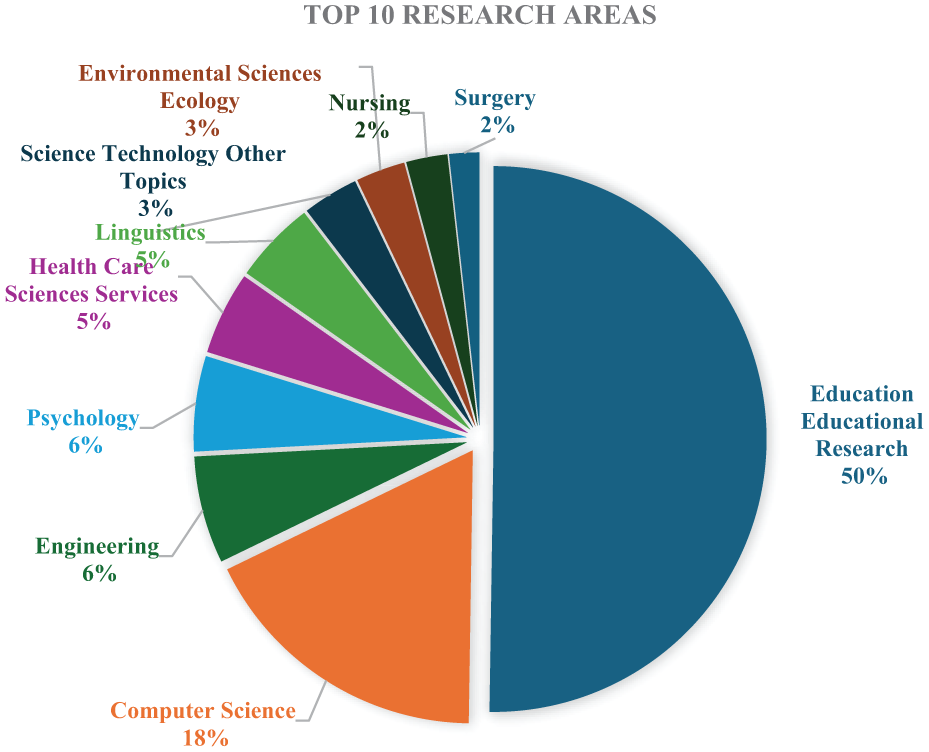
Prominent research areas in digital TEL.
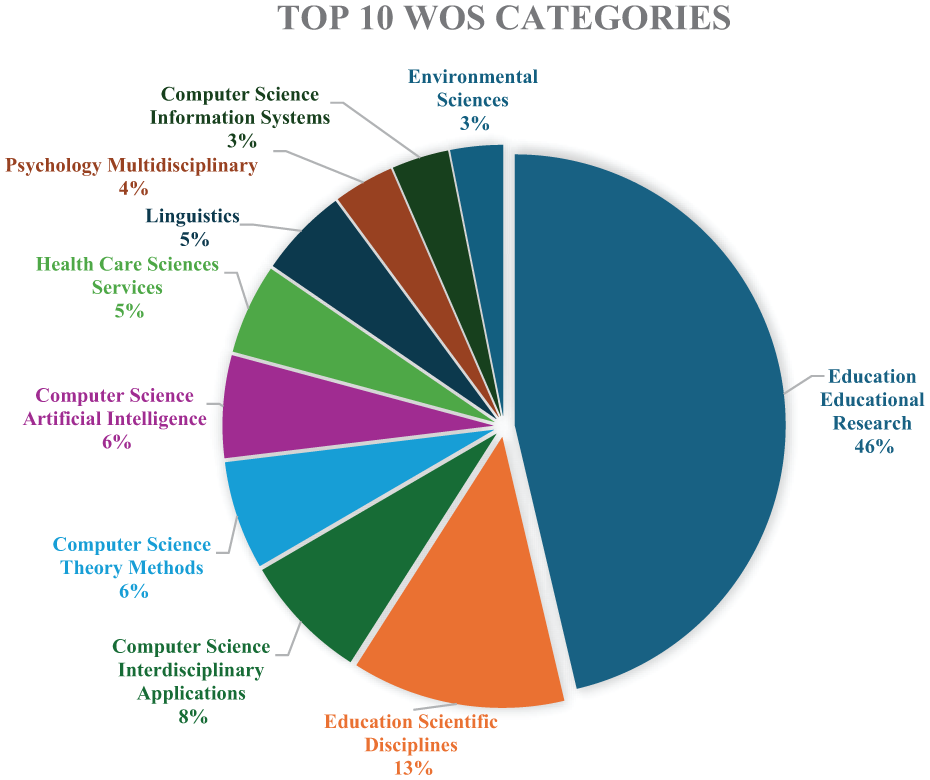
Predominant web of science categories for digital TEL research.
Key Authors, Citations, and Research Impact
To address the third research question, we performed an analysis to assess the key authors, citation patterns, and overall research impact within the field. Based on data extracted from WoS, a total of 5,049 authors have contributed to at least one publication within the subject area under investigation, while 228 papers have been solely authored. Table 3 provides an overview of the 11 most prolific authors, each with over 10 publications in the field of digital TEL. These scholars consistently produce influential papers that significantly enhance the understanding of both academic and practical aspects of the field. Figure 5 illustrates the publication trends of these authors over time, revealing that, in recent years, Zou D and Zhang R have been particularly prolific.
Most Prolific Authors.


Author publication trends over time.
Furthermore, Figure 6 presents the top 10 authors based on their local impact, as measured by the h-index. The h-index is a bibliometric metric that reflects both the productivity and citation impact of an author’s work. A high h-index indicates that an author has a substantial number of publications that are frequently cited, signifying sustained influence and relevance in their field. In the context of TEL research, authors with a high h-index, such as Cook DA and Hwang GJ, are recognized for their contributions to advancing knowledge and shaping research directions within specific domains of TEL. This metric highlights their ability to produce impactful work that resonates with both academic and professional audiences, underscoring their role as key players in the field.

Authors’ local impact by H index.
Global and Institutional Knowledge Distribution
To gain deeper insights into the third research question, we analyzed the global and institutional distribution of knowledge. Our analysis identified a total of 1,907 distinct affiliations among authors in the published works, highlighting the diverse array of research entities involved in this subject. This diversity underscores the multifaceted nature of scholarly engagement in the field of digital TEL. Figure 7 provides a visual representation of the primary research entities, illustrating their contributions in terms of the number of published articles. Figure 8 examines the evolution of article production by these entities over the study period.

Principal research entities by publication count.

Research entities’ publication trends.
Particularly striking is the notable surge in production observed in recent years, with significant contributions from the National Taiwan University of Science and Technology and the Education University of Hong Kong. These institutions are prolific in TEL research due to their strong focus on integrating advanced technologies such as AI, VR, and gamification into education. Additionally, their emphasis on designing innovative pedagogical approaches and evaluating the effectiveness of TEL tools has likely positioned them as leaders in this field. Both institutions actively collaborate with international researchers and have access to well-established funding programs and resources, which further facilitates their high research output. The prominence of these institutions underscores the importance of institutional support, technological focus, and global collaboration in driving TEL research forward.
Co-Authorship and Institutional Collaboration
Co-authorship analysis offers a window on the social structure of scholarship by revealing who actually produces knowledge together and how densely those relationships are woven. Using VOSviewer (full-counting option, threshold = ≥ 7 publications), we identified 23 prolific authors; only 21 of them were connected to at least one peer (Figure 9). The map decomposes into five small components; no giant component emerges, underscoring the field’s fragmentation.
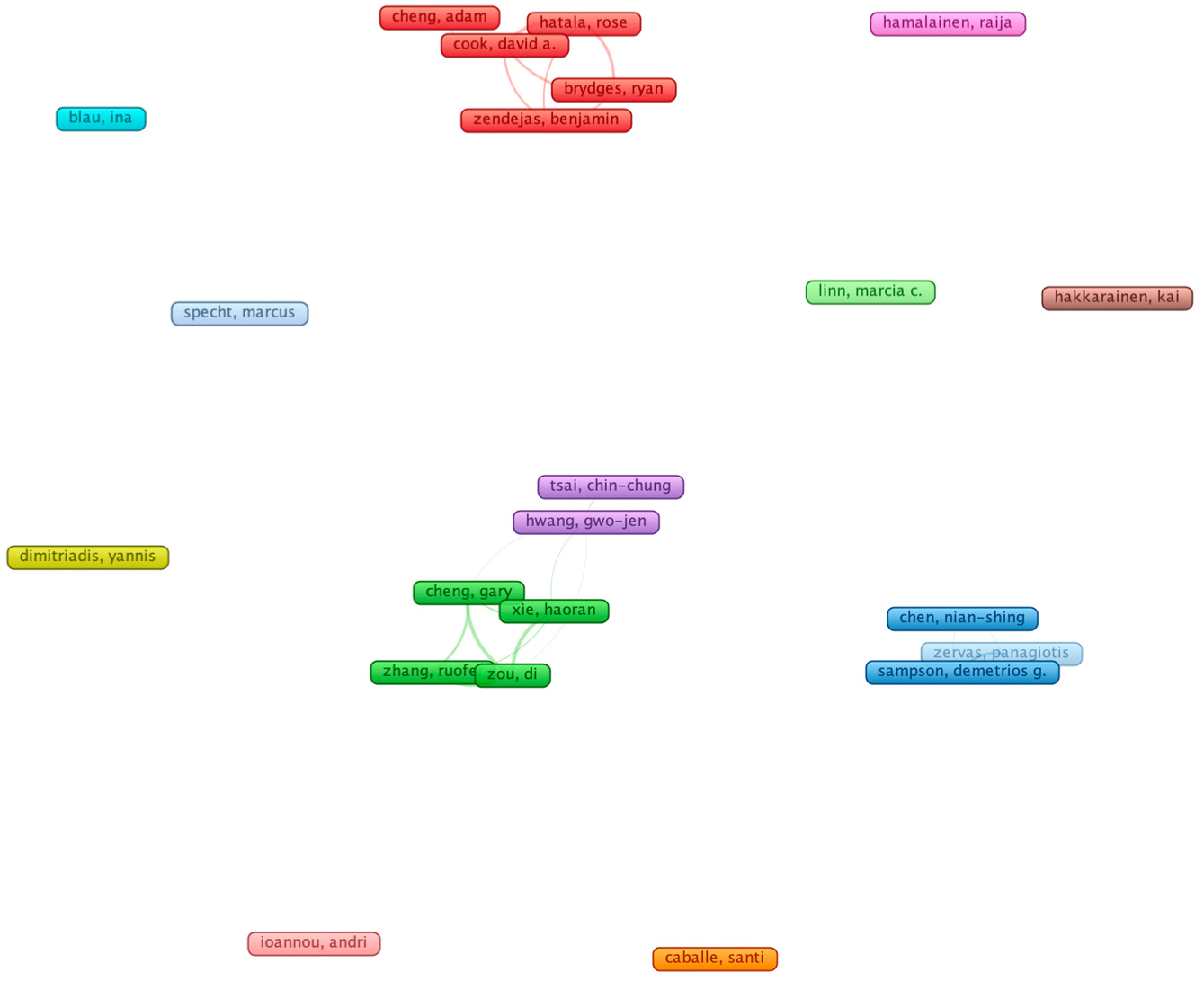
Co-authorship analysis among authors.
At the institutional level (Figure 10), the network begins to coalesce: 46 universities form 8 regional clusters. National Taiwan University of Science and Technology functions as a keystone, linking East-Asian partners to European nodes such as KU Leuven. In contrast, North-American institutions form a densely knit sub-cluster that collaborates far more within the region than with Southern partners, revealing a center–periphery structure.
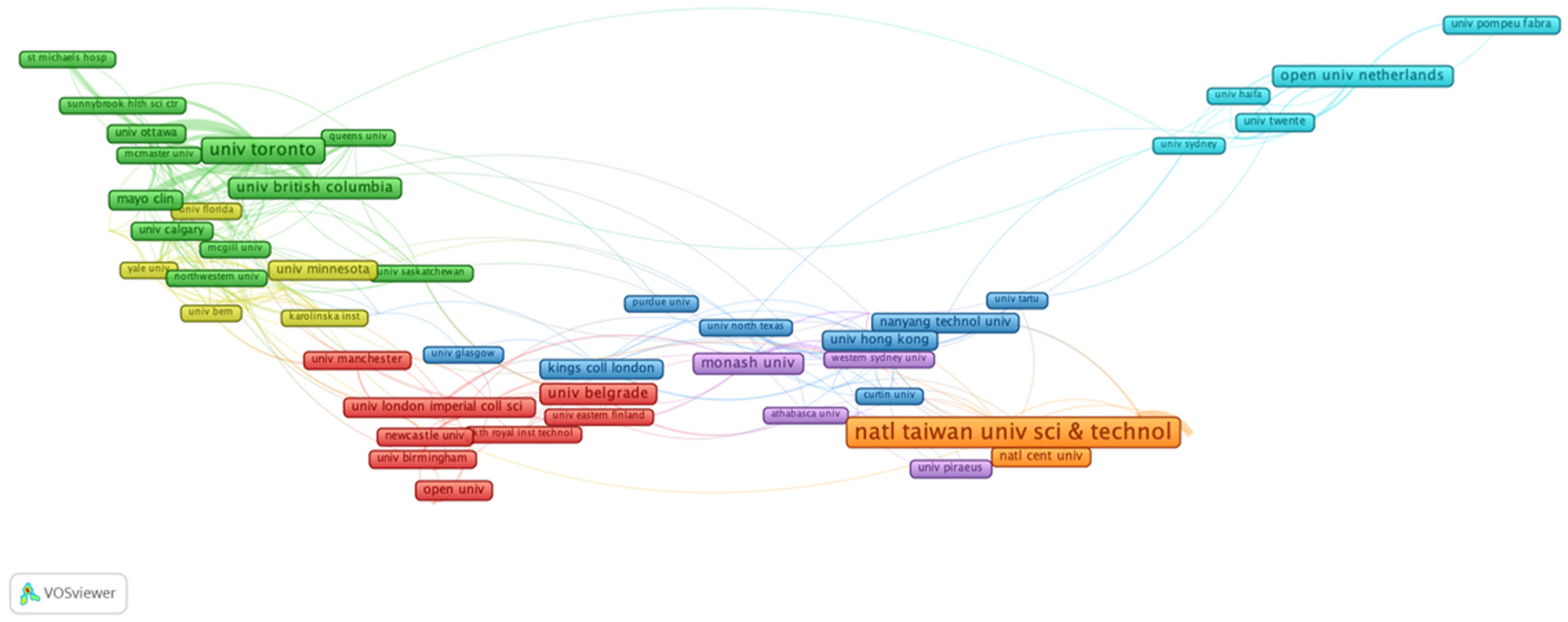
Co-authorship analysis among research entities.
The country-level map (Figure 11) further exposes power asymmetries. The USA and England occupy dominant hub positions. Emerging economies—India, South Africa—appear on the periphery, connected largely through North-South dyads rather than South-South ties. This pattern mirrors broader research-capacity disparities and risks reinforcing epistemic dependence of the Global South on Northern agendas.
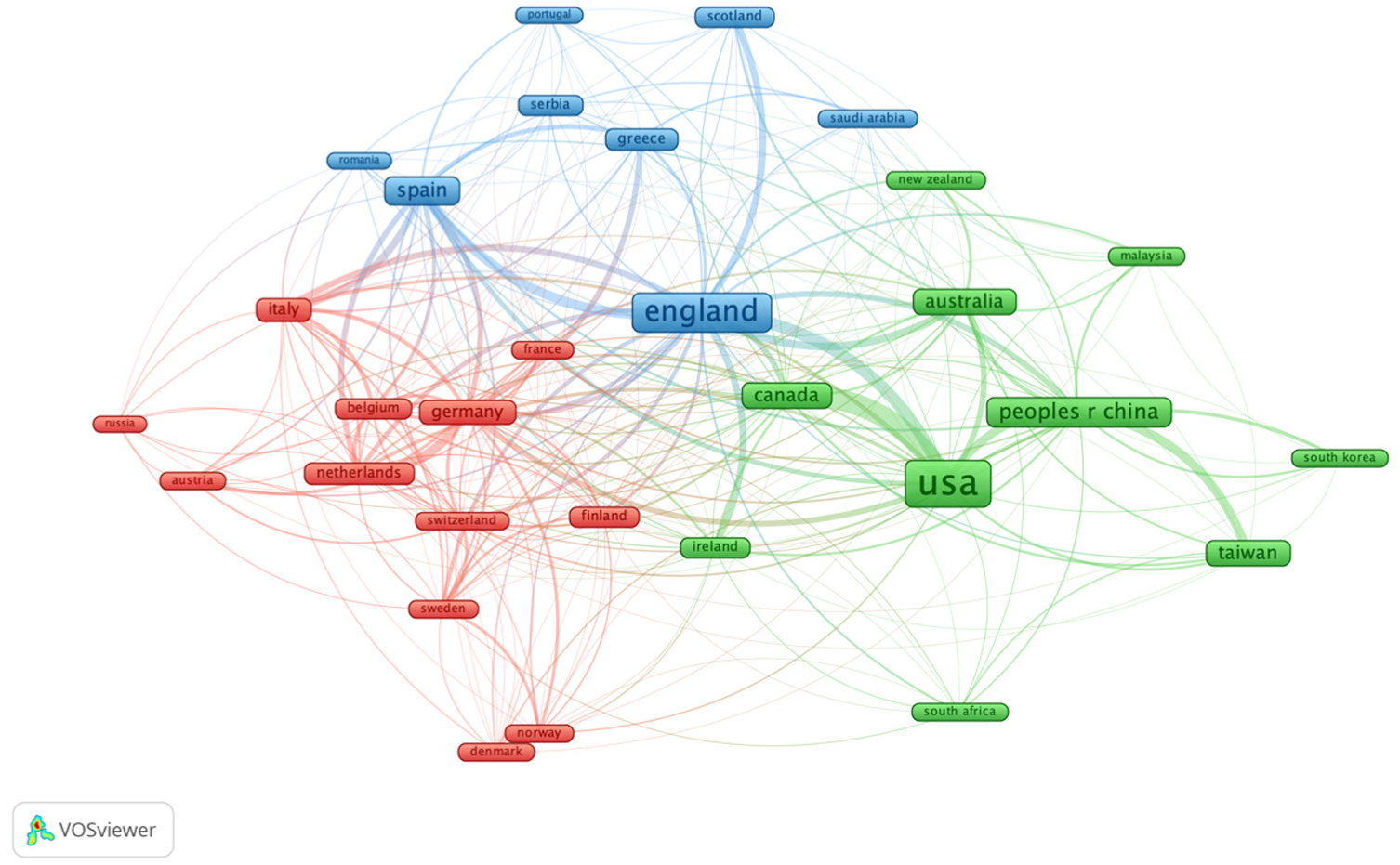
Co-authorship analysis among countries.
The pronounced fragmentation among individual authors, juxtaposed with regional clustering at institutional and national scales, suggests that geo-cultural proximity remains a primary driver of collaboration in TEL. The dominance of high-income hubs (USA, UK, Canada, and Taiwan) means that research priorities—such as simulation in medical education or AI-driven mobile learning—are disproportionately shaped by contexts with robust digital infrastructure. Strengthening South-South and tri-continental partnerships—for example, via targeted funding calls or UNESCO South-South fellowship schemes—would diversify methodological approaches and foreground under-represented learning environments, thereby mitigating current power imbalances in the TEL knowledge base.
Science Mapping
Citation Analysis
To provide a more comprehensive answer to RQ3, we conducted a detailed citation analysis. Our investigation analyzed 1,826 articles within the realm of TEL, sourced from a diverse pool of 512 academic outlets. Figure 12 provides an overview of the top 10 sources, ranked by the volume of articles they have contributed to this domain. Among these, a substantial 512 articles, representing 23.04% of the total output, were published in these top sources. The Proceedings of Innovative Approaches for Learning and Knowledge Sharing and Computers & Education emerged as the most prolific sources, each contributing a significant 78 papers.
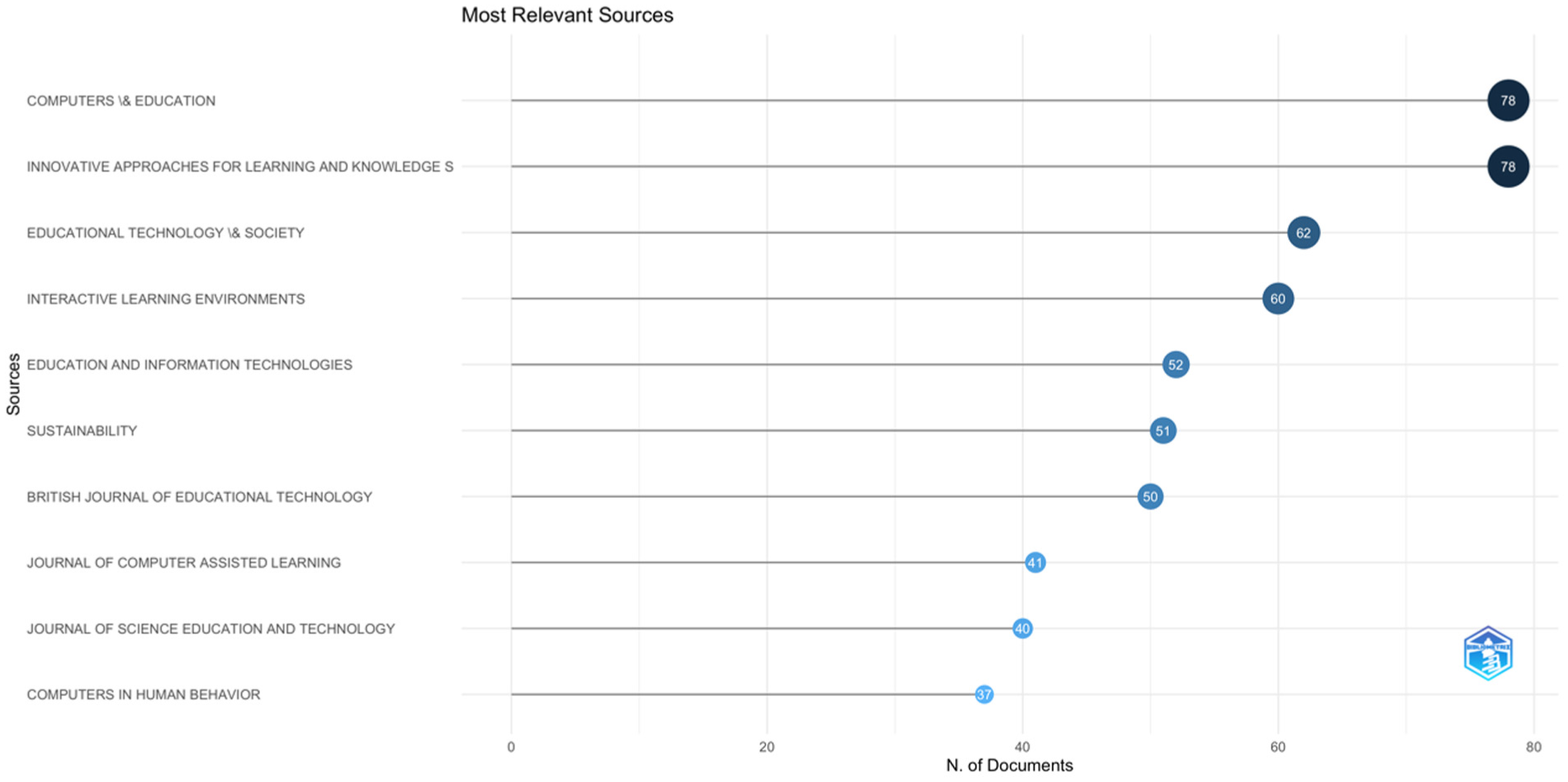
Most relevant sources.
Figure 13 examines citation sources, revealing that research in TEL is predominantly referenced in sources such as Computers & Education, Innovative Approaches for Learning and Knowledge Sharing, Proceedings, Educational Technology & Society, Interactive Learning Environments, and Education and Information Technologies. Figure 14 illustrates the evolution of these sources’ production over time, providing insights into their popularity and influence within the academic community. Notably, the figure highlights the emergence of many sources publishing TEL articles between 2007 and 2010, all of which have shown an upward trend in research output. Figure 15 explores the local impact of sources using the H-index, which measures both the quantity and quality of publications and their citations. Notably, Computers & Education is identified as the most influential source within the field, followed by Educational Technology & Society and the British Journal of Educational Technology.

Citation sources.
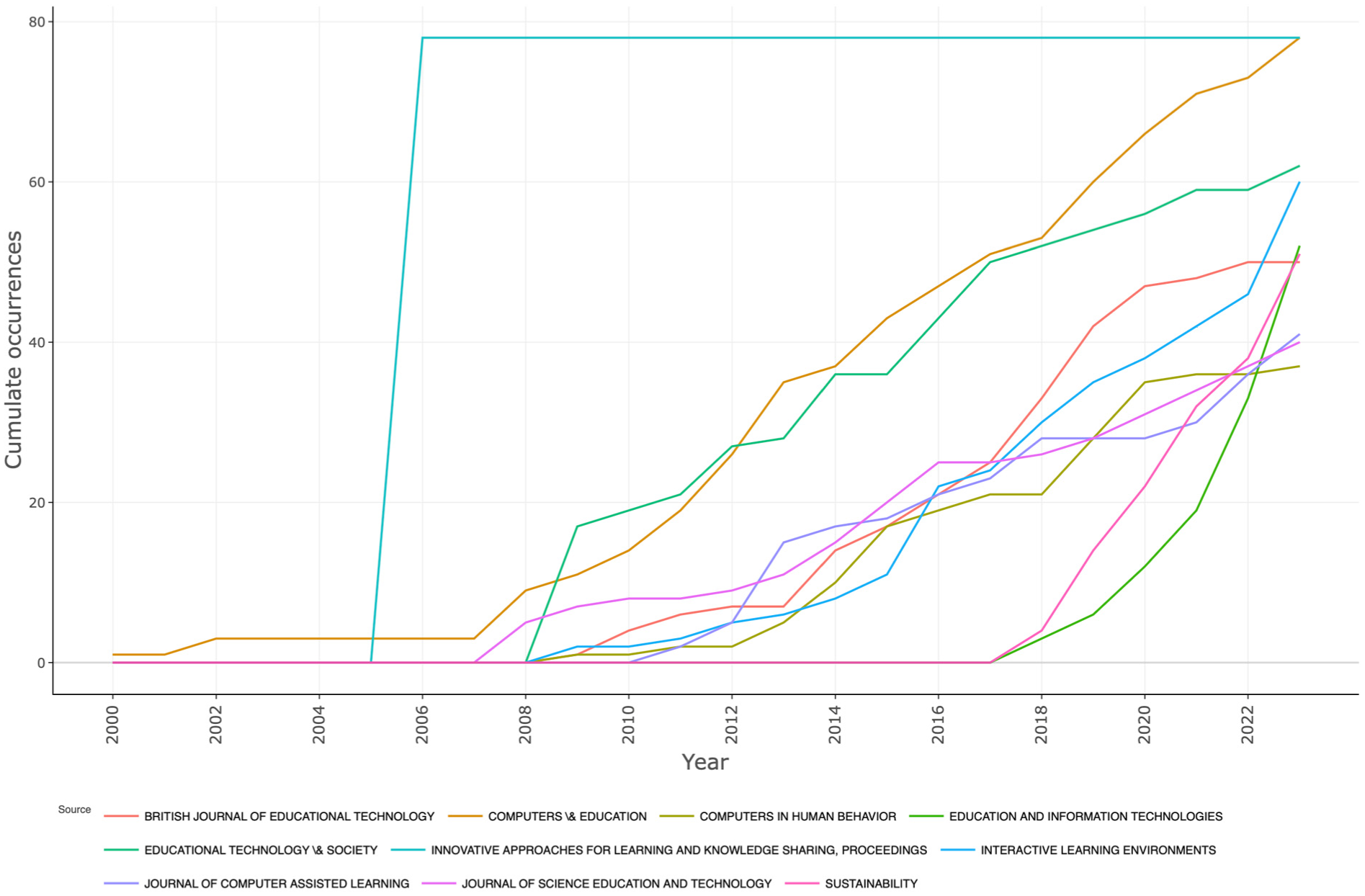
Temporal evolution of the top 10 sources.
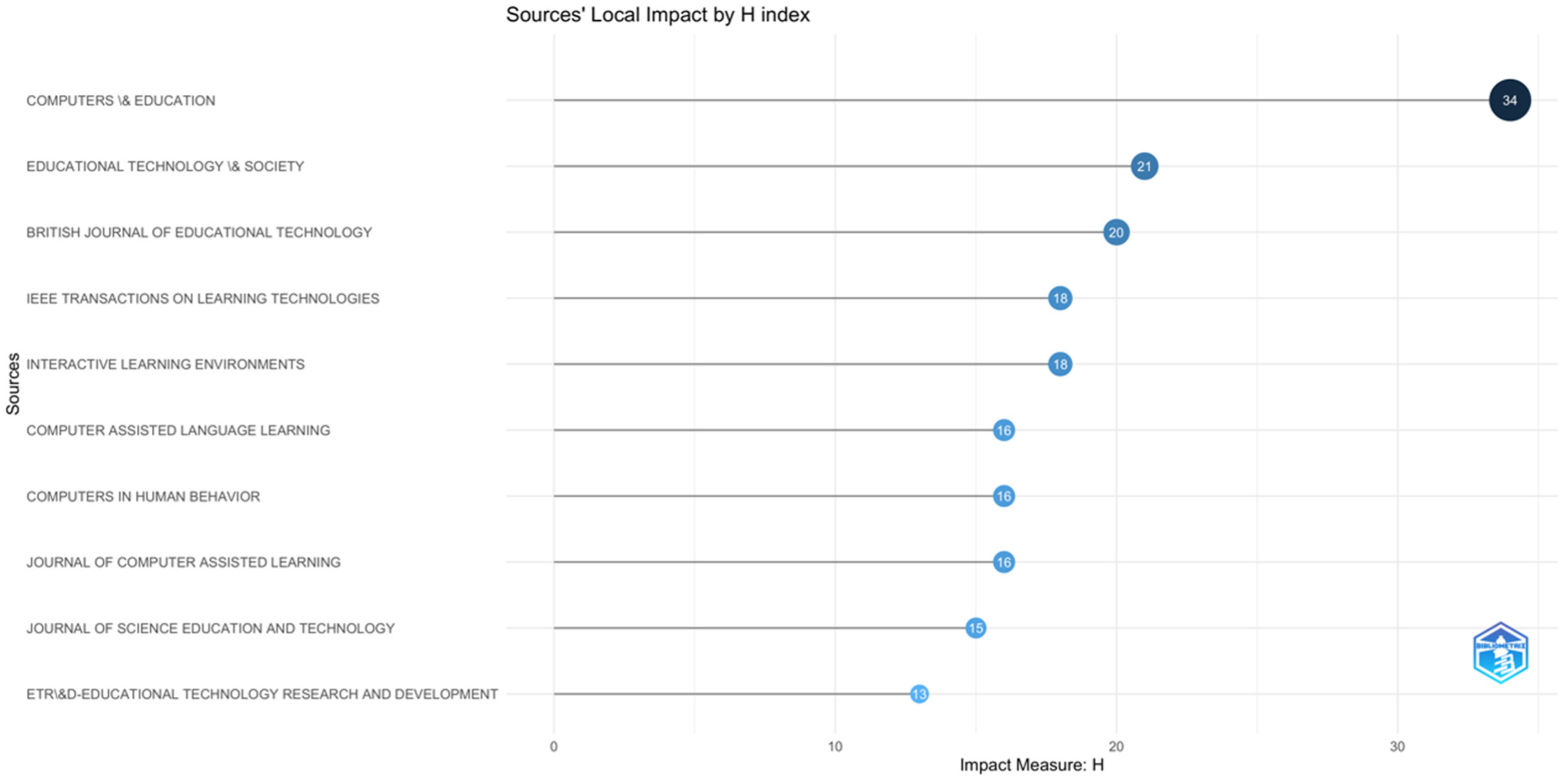
Sources’ local impact by H index.
The top 30 publications with the highest citations within our dataset are presented in Figure 16 and Table 4. Collectively, these publications have garnered 8,912 citations since 2000, with an average citation rate of 297 per document. A significant portion of these citations can be attributed to the work titled “Technology-enhanced simulation for health professions education: A systematic review and meta-analysis” (Cook et al., 2011), which explores the use of simulation in health professions education. This study consistently demonstrated substantial positive effects on knowledge, skills, behavior, and patient-related outcomes compared to no intervention.
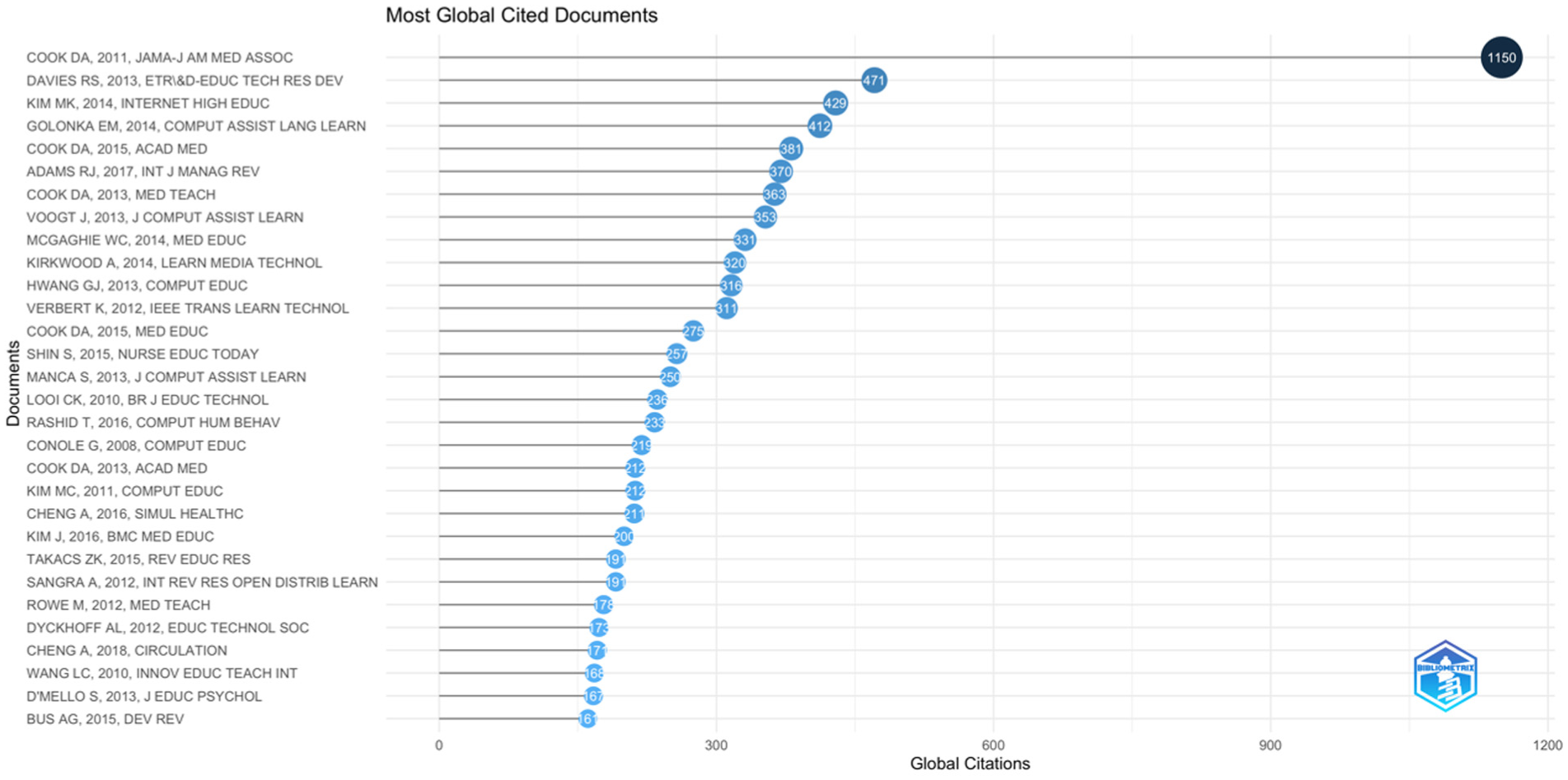
The most global citated documents.
The 30 Most Cited Scholarly Documents.

Highly cited papers in TEL research have significantly influenced both theory and practice. Cook et al. (2011) demonstrated the effectiveness of technology-enhanced simulation in improving knowledge and skills, leading to its widespread adoption in professional training programs. Davies et al. (2013) advanced the flipped classroom model, showcasing how technology enables personalized learning and active engagement, which has reshaped instructional strategies. Kim et al. (2014) further emphasized the benefits of flipped learning in fostering collaboration and deeper learning outcomes, informing the design of student-centered educational frameworks. Collectively, these studies have driven pedagogical innovation, catalyzed the adoption of learner-focused approaches, and established foundational practices in TEL, highlighting the critical role of high-impact research in shaping the field.
Conceptual Structure: Co-Word Analysis
Co-word analysis aims to construct a semantic network from terms derived from keywords, titles, or abstracts within a bibliographic collection. This approach facilitates the visualization and clustering of these terms through a network based on word co-occurrence. In addressing RQ2, Figure 17 presents a graphical representation of the network map generated using VOSviewer, employing co-occurrence as the analytical method. The methodology involves full counting, treating all keywords as units of analysis, and applying a minimum threshold of 60 occurrences per keyword.

Conceptual structure: Co-word analysis.
The results categorize keywords into four distinct clusters, visually distinguished by color: red, green, blue, and yellow. This categorization includes 75 unique keywords interconnected by 2,773 links, with a cumulative link strength of 60,746. Notably, the most frequently occurring terms are “study” (994 instances) and “student” (872 instances), followed by “teacher” (378 instances), “technology-enhanced learning” (374 instances), and “skill” (372 instances). The substantive content analysis for these clusters is presented in Table 5.
Most Frequent Keywords and Their Clusters.

Cluster 1, represented by the color red, focuses on research themes related to “technology-enhanced learning,”“context,”“system,” and “learning process.” This cluster underscores TEL processes, systems, and challenges within various contexts, reflecting a strong interest in technological integration in learning processes, including its effects and challenges. Cluster 2, denoted by the color green, encompasses keywords centered on educational pedagogy and instructional methods. Key terms within this cluster include “teacher,”“course,”“pedagogy,” and “classroom.” This cluster highlights the transformative potential of digital technology in enhancing traditional pedagogical paradigms through the integration of electronic resources, software applications, and virtual learning environments. Cluster 3, depicted in blue, features keywords related to the assessment and effectiveness of TEL. This cluster focuses on learning outcomes, including skills and abilities in TEL environments, and involves assessing learning outcomes under various conditions and technological tools. Cluster 4, comprising keywords such as “study,”“motivation,”“participants,”“survey,” and “effect,” suggests a research area centered on the experimental study of technology in the context of knowledge acquisition and instructional design, emphasizing empirical research in technology-integrated learning environments.
To address RQ4, Figure 18 offers an overlay visualization of co-occurrence keywords created with VOSviewer, employing full counting and a lower minimum threshold of 10 occurrences per keyword to illustrate emerging trends.

Co-occurrence keywords: Overlay visualization.
Keywords such as “artificial intelligence,”“augmented reality,”“technology-enhanced language learning,”“gamification,”“self-efficacy,”“COVID-19,” and “perception” have gained increasing prominence in recent research, particularly after 2020. Conversely, keywords associated with “web,”“internet,”“pedagogical issues,” and “teaching/learning strategies” were more prevalent before 2015 but have seen a decline in recent publications. A similar trend is observable in the thematic evolution of authors’ keywords and trending topics using the bibliometrix R-package, as depicted in Figures 19 and 20. From 2000 to 2015, there was a distinct focus on cooperative/collaborative learning, distance learning, simulation, and scaffolding. From 2016 to 2019, topics such as machine learning, flipped classrooms, ICT, game-based learning, engineering classrooms, and teamwork gained traction. With the onset of the COVID-19 pandemic at the end of 2019, research focus shifted towards user-centric themes and classroom dynamics, particularly emphasizing the integration of advanced technologies like VR. New topics emerged related to social networks, inquiry-based learning, and STEM education. Notably, the focus on medical education was predominant in earlier years, shifting towards engineering education between 2016 and 2019, and towards technology-enhanced language learning from 2020 to 2023.

Thematic evolution over time.

Emerging research themes from 2000 to 2023.
Overlay coloring indicates that artificial intelligence, augmented reality, technology-enhanced language learning, gamification, self-efficacy, COVID-19, and perception surge only after 2020. In contrast, lexical items like web, internet, pedagogical issues and teaching/learning strategies dominate pre-2010 work but contract sharply thereafter, mirroring the field’s move from infrastructure set-up to data-driven personalization.
The post-2018 rise of self-efficacy, inclusion, and adaptive scaffolding keywords within the pedagogy cluster signals mounting concern for equitable access. Studies increasingly evaluate AI chatbots’ ability to tailor feedback for multilingual and neuro-diverse learners. A discrete spike in policy-analysis articles during 2020-2023 coincides with emergency remote-teaching mandates and national AI roadmaps. Researchers interrogate tensions between rapid ed-tech deployment and unresolved issues of algorithmic bias and data sovereignty, particularly in low-income contexts.
Discussion
Implications
RQ1: How has the publication trend in TEL evolved over the past two decades, and what technological, academic, and societal factors have contributed to significant shifts in research output?
The analysis of publication trends in TEL over the past two decades reveals a dynamic and rapidly evolving field. The trajectory of research output can be divided into two distinct periods: the initial phase from 2000 to 2007, characterized by gradual growth, and the subsequent phase from 2008 onwards, marked by a significant and consistent increase in publications. This pivotal growth coincides with several global and regional factors. For instance, the proliferation of Web 2.0 technologies, such as blogs, wikis, and social media platforms, provided new avenues for educational innovation (Kumar & Nanda, 2024). Additionally, the 2008 global financial crisis prompted investments in digital solutions for education, as institutions sought cost-effective and scalable learning tools. The rapid advancement of mobile and cloud-based technologies also played a role, enabling more accessible and flexible learning environments, as highlighted by Crompton and Burke (2020).
The increasing recognition of TEL’s potential in addressing diverse educational challenges has further fueled research momentum. This aligns with our findings, which demonstrate a surge in research output accompanied by the rise of themes such as AI, AR, and gamification. Compared to prior literature, our study extends these insights by providing a granular view of publication trends and their connection to technological and pedagogical milestones. For example, while Crompton and Burke (2020) emphasize the transformative role of mobile technologies, our study situates this within a broader ecosystem of emerging TEL technologies.
The evolving publication trends in TEL underscore the importance of cross-disciplinary collaboration and global participation in advancing the field. The rise in international collaborations observed in our analysis suggests that TEL research thrives on shared knowledge and diverse perspectives, further accelerating innovation and dissemination. The increasing prevalence of emerging technologies such as AI, AR, and gamification highlights a need for proactive adaptation within educational ecosystems. Teacher training programs should be reimagined to include comprehensive modules on these advanced technologies, equipping educators with the skills to effectively integrate them into their teaching practices. For instance, future training initiatives could focus on designing AI-enhanced lesson plans, leveraging AR for interactive classroom experiences, and incorporating gamified elements to foster student engagement. Policymakers and education leaders should also prioritize the development of infrastructure and resources to support these technologies, ensuring that educators are prepared to address the shifting demands of modern education.
RQ2: What are the predominant research themes and clusters (groups of interconnected topics identified through bibliometric analysis) in TEL, and how do they interrelate?
The co-word analysis reveals a rich tapestry of interrelated research themes within the field of TEL. The analysis identified four distinct thematic clusters, each representing a critical area of focus. These clusters illustrate the multifaceted nature of TEL research, encompassing various aspects of educational technology and its implementation in diverse educational contexts. The four identified clusters—centered on TEL processes, educational pedagogy and instructional methods, assessment and effectiveness, and experimental studies—underscore the breadth of TEL research.
These clusters reflect a comprehensive approach to exploring how digital technologies can enhance learning experiences and outcomes. Cluster 1, focused on TEL processes and systems, emphasizes the integration of technology in learning environments and the various contexts in which it operates. This cluster addresses the challenges and benefits of incorporating digital tools into educational settings, highlighting the importance of context-specific studies. Cluster 2, which centers on educational pedagogy and instructional methods, reflects the transformative potential of digital technologies in enhancing traditional pedagogical approaches. This cluster’s emphasis on terms such as “teacher,”“course,” and “classroom” indicates a strong focus on how technology can support and enhance instructional design and delivery. Cluster 3, related to the assessment and effectiveness of TEL, highlights the critical need for evaluating the impact of technological interventions on learning outcomes. This cluster includes research on the effectiveness of various TEL tools and methods in improving student performance, engagement, and retention. Cluster 4, focusing on experimental studies, underscores the importance of empirical research in understanding the influence of technology on learning. This cluster’s keywords, such as “study,”“motivation,” and “participants,” suggest a robust interest in investigating the cognitive and behavioral effects of TEL through controlled experiments and surveys. The findings align with existing literature that emphasizes the diverse nature of TEL research (Sasota et al., 2021; Valtonen et al., 2017; Yu, 2022).
The identification of these predominant research themes and their interrelations has several implications for the field of TEL. Firstly, it underscores the need for a holistic approach to TEL research that considers the interplay between different thematic areas. Researchers should continue to explore how technological tools can be effectively integrated into various educational contexts, considering both pedagogical strategies and assessment methods. The strong focus on empirical studies highlights the importance of evidence-based research in advancing TEL. By rigorously evaluating the impact of technology on learning outcomes, researchers can provide valuable insights that inform educational practice and policy. Moreover, the interrelation between themes suggests that advancements in one area of TEL can have ripple effects across other areas. For instance, improvements in instructional methods facilitated by technology can enhance overall learning processes and outcomes, while robust assessment practices can provide feedback that drives further innovation in TEL.
RQ3: What are the most influential publications and authors in TEL, as measured by citation counts and bibliometric indicators (e.g., h-index), and what impact have they had on the field’s development in terms of shaping future research directions and practical applications?
The analysis of the most influential publications and authors in TEL highlights key contributions that have significantly shaped the field. These influential works and scholars have provided foundational knowledge, advanced theoretical frameworks, and introduced innovative methodologies that continue to drive research and practice in TEL. The leading authors in TEL, determined by publication volume and h-index, have consistently contributed high-quality research that has shaped the discourse and development of the field. Their work spans various aspects of TEL, from theoretical explorations to empirical studies, reflecting a comprehensive approach to understanding and enhancing technology’s role in education. The importance of influential publications and authors in shaping TEL is supported by the broader literature. For instance, the work of Hattie and Timperley (2007) on feedback and its impact on learning has been widely cited and integrated into TEL research, emphasizing the role of formative assessment in technology-enhanced environments. Similarly, Mayer and Moreno (2003) research on multimedia learning principles has informed the design and evaluation of TEL tools and resources, illustrating the lasting influence of seminal works. These works exemplify how foundational studies inform both theoretical frameworks and practical applications.
Compared to earlier bibliometric reviews, our study emphasizes the ongoing impact of these seminal works in shaping current trends, such as gamification and personalized learning. The influence of these authors extends beyond academic circles, shaping institutional policies and technological innovations in education. This highlights the importance of sustained investment in high-quality research to address emerging challenges and opportunities in TEL.
Contemporary researchers can build on these seminal works by integrating newer methodologies and technologies into their studies. For example, machine learning and data analytics could be used to assess the real-time impact of TEL interventions, providing granular insights into learner behaviors and outcomes (Amarasinghe et al., 2024; Yang et al., 2021). Moreover, integrating cross-disciplinary approaches, such as combining educational psychology with AI-driven analytics, could further enrich the understanding of TEL’s impact (Ellis et al., 2017).
RQ4: How have emerging technologies (e.g., AI, AR) influenced recent trends and future directions in TEL research?
The integration of emerging technologies such as AI and AR has significantly influenced recent trends and future directions in TEL research. These advanced technologies are transforming educational practices, driving new research themes, and opening up innovative avenues for enhancing learning experiences. The analysis reveals a growing prominence of keywords related to AI, AR, and other advanced technologies in recent TEL publications. This trend indicates an increasing interest in exploring how these technologies can be leveraged to improve educational outcomes. The surge in publications post-2020, particularly those focusing on AI, AR, gamification, and self-efficacy, underscores the critical role of these technologies in shaping the future of TEL. The prominence of AI in TEL research reflects its potential to personalize and adapt learning experiences to meet individual learner needs. AI-driven tools and systems, such as intelligent tutoring systems and adaptive learning platforms, are being developed to provide tailored feedback, assess learner performance in real-time, and create customized learning paths. These innovations enhance student engagement, improve learning efficiency, and support diverse learning styles. AR, on the other hand, is revolutionizing the way educational content is delivered by creating immersive and interactive learning environments. AR applications in education allow students to visualize complex concepts, interact with virtual objects, and participate in simulations that enhance understanding and retention. The increasing research focus on AR highlights its potential to make learning more engaging and effective, particularly in subjects that benefit from visual and hands-on learning experiences.
The impact of these technologies is also reflected in the shift towards more user-centric research themes. Studies are increasingly exploring how AI and AR can support learner motivation, engagement, and self-efficacy. This user-centric approach emphasizes the importance of designing TEL interventions that not only enhance cognitive outcomes but also address affective and behavioral aspects of learning. The influence of emerging technologies on TEL is supported by a growing body of literature. For instance, Zawacki-Richter et al. (2019) discuss the transformative potential of AI in education, highlighting its ability to support personalized learning and provide scalable solutions to educational challenges. Similarly, Pellas et al. (2019) reviews the applications of AR in education, demonstrating its effectiveness in improving learning outcomes across various subjects. The integration of emerging technologies into TEL has several important implications. Firstly, it underscores the need for ongoing research and development to harness the full potential of AI and AR in education. As these technologies continue to evolve, they offer opportunities to create more personalized, engaging, and effective learning experiences. The shift towards user-centric research themes highlights the importance of designing TEL interventions that address the holistic needs of learners. Educators and researchers should consider cognitive, affective, and behavioral dimensions when developing and implementing TEL tools and strategies. Furthermore, the growing interest in AI and AR suggests that educational institutions and policymakers should invest in the necessary infrastructure, training, and support to effectively integrate these technologies into teaching and learning practices. This investment will be crucial in ensuring that the benefits of emerging technologies are accessible to all learners and that they contribute to reducing educational inequities.
However, the adoption of AI and AR in educational settings is not without challenges. Ethical considerations, such as data privacy and algorithmic bias, must be carefully addressed to ensure equitable access and usage. For instance, AI systems should be designed with transparency to prevent unintentional biases that could disadvantage specific groups of learners. Additionally, the high costs and infrastructure demands of AR technology may create accessibility barriers, particularly in under-resourced educational settings. Future research should focus on developing scalable and cost-effective solutions for implementing these technologies while addressing these ethical and accessibility concerns. Educators and policymakers should also collaborate to establish clear guidelines and frameworks that govern the ethical use of AI and AR in education (Nguyen et al., 2023).
RQ5: What are the specific pedagogical methods and instructional strategies commonly explored in TEL studies?
The research highlights several predominant pedagogical methods and instructional strategies within TEL, including flipped classrooms, blended learning, personalized learning, gamification, and collaborative learning. Each of these methods leverages technology to create more dynamic and effective learning environments. Flipped classrooms reverses the traditional learning model by delivering instructional content, often online, outside of the classroom. Classroom time is then dedicated to interactive activities, such as discussions, problem-solving, and hands-on projects. The analysis shows a significant interest in flipped classrooms, reflecting their effectiveness in promoting active learning and higher-order thinking skills. Blended learning combines traditional face-to-face instruction with online learning components. This method offers flexibility and can cater to different learning styles, making education more accessible. The integration of digital content and tools in a blended learning environment supports personalized learning experiences and can enhance student engagement and motivation. Personalized learning strategies use technology to tailor educational experiences to individual learner needs. Adaptive learning platforms and intelligent tutoring systems are examples of tools that provide customized feedback and adjust the pace and complexity of content based on student performance.
The analysis underscores the growing adoption of personalized learning in TEL research, highlighting its potential to improve learning outcomes by addressing individual differences. Gamification incorporates game elements, such as points, badges, and leaderboards, into educational activities to increase motivation and engagement. This strategy leverages the motivational aspects of games to create a more engaging learning experience. Research in this area shows positive effects on student motivation, participation, and learning outcomes. Collaborative learning strategies use technology to facilitate group work and peer interactions. Online forums, collaborative documents, and virtual meeting tools enable students to work together, share ideas, and learn from each other. The analysis indicates a strong focus on collaborative learning in TEL, emphasizing its role in developing critical thinking, communication, and teamwork skills. The prominence of these pedagogical methods in TEL is supported by extensive literature. For instance, the benefits of flipped classrooms are well-documented in studies by Umam et al. (2019), who highlight their effectiveness in fostering active learning. Henríquez and Hilliger (2024) discusses the advantages of blended learning, emphasizing its ability to combine the best aspects of traditional and online education. Additionally, Shemshack and Spector (2021) explore personalized learning environments, noting their potential to enhance student engagement and achievement. The exploration of these specific pedagogical methods and instructional strategies in TEL has several implications for educational practice and research. Firstly, it highlights the importance of integrating technology to support diverse learning needs and preferences. Educators should consider adopting these strategies to create more flexible and responsive learning environments. The effectiveness of these methods also underscores the need for professional development and training for educators to effectively implement and manage TEL experiences. As technology continues to evolve, staying current with new tools and pedagogical approaches will be essential for maximizing their impact on education. Furthermore, the focus on active and collaborative learning strategies suggests a shift towards more student-centered approaches in education. This shift aligns with the broader educational goals of fostering critical thinking, creativity, and lifelong learning skills.
Limitation
Relying solely on WoS and on English-language publications introduces both linguistic and disciplinary biases. Consequently, our thematic maps may overweight Anglo-American perspectives and research strands that preferentially target journal dissemination. Future research could address these limitations by incorporating multiple databases, such as Scopus or Google Scholar, to capture a broader range of publications and perspectives. Expanding keyword strategies and employing complementary methodologies would further enhance the robustness of analyses and provide a more holistic view of the TEL research landscape.
Conclusion
This bibliometric analysis of TEL research over the past two decades provides valuable insights into the field’s evolution, current state, and future directions. The findings highlight significant trends, key thematic areas, influential publications and authors, and the impact of emerging technologies on educational practices. The study reveals a substantial increase in TEL research output, particularly after 2007, driven by technological advancements and major academic events. This growth underscores the dynamic and rapidly evolving nature of TEL.
The analysis identifies four key thematic clusters: TEL processes, educational pedagogy, assessment and effectiveness, and experimental studies. These interconnected themes reflect the comprehensive scope of TEL research and its application across various educational contexts. The analysis highlights the significant contributions of influential publications and authors, such as Cook DA and Hwang GJ, whose work has advanced the understanding and application of TEL. Their research provides foundational knowledge and innovative methodologies that continue to shape the field.
Emerging technologies like AI and AR are playing a crucial role in TEL, driving new research themes and enhancing learning experiences. These technologies offer opportunities for personalized learning, immersive environments, and user-centric approaches. In the coming years, TEL research is likely to further explore the intersection of AI with adaptive learning systems, emphasizing the development of intelligent tutors and data-driven interventions. Similarly, augmented and VR may gain prominence in vocational training, STEM education, and language learning, given their potential for immersive and experiential learning environments. To implement these technologies more widely, educators should focus on professional development programs that equip teachers with the necessary technical skills and pedagogical strategies. Institutions should also invest in infrastructure, such as reliable internet access and AR-compatible devices, to ensure the successful adoption of these technologies in diverse learning environments.
Commonly explored pedagogical methods in TEL include flipped classrooms, blended learning, personalized learning, gamification, and collaborative learning. These strategies leverage technology to create engaging and effective learning environments, reflecting a shift towards student-centered educational approaches. Practical steps for scaling these methods include designing evidence-based instructional materials, incorporating adaptive learning systems, and fostering collaborative teacher communities to share best practices and refine TEL interventions. In the near future, research may focus on combining these strategies with AI-driven tools to provide more nuanced personalization and enhance learner engagement. Additionally, gamification and collaborative learning could become integral to fostering 21st-century skills like critical thinking, communication, and problem-solving.
At the policy level, governments and educational organizations should prioritize funding for ed-tech initiatives to support the integration of digital tools in classrooms. This could involve incentives for schools to adopt TEL technologies, collaboration between academia and industry to develop innovative solutions, and the creation of regulatory frameworks to address ethical and accessibility concerns. Policymakers should also anticipate the challenges associated with rapid technological evolution, such as digital inequity, data privacy issues, and teacher readiness, ensuring that TEL advancements remain inclusive and sustainable. Such policies would ensure equitable access to TEL technologies and maximize their potential to improve educational outcomes.
Footnotes

Author Contributions
Xiu-Yi Wu: Conceptualization; Data curation; Formal analysis; Funding acquisition; Methodology; Project administration; Resources; Validation; Visualization; Writing—original draft; Writing—review and editing. Jia-Bin Chen: Data curation; Formal analysis; Visualization; Writing—review and editing.
Funding
The authors disclosed receipt of the following financial support for the research, authorship, and/or publication of this article: This work was supported by the Guangdong Education Science Planning Project 2024 [Project No. 2024GXJK775].
Declaration of Conflicting Interests
The authors declared no potential conflicts of interest with respect to the research, authorship, and/or publication of this article.
Data Availability Statement
The datasets generated during and/or analyzed during the current study are available from the corresponding author on reasonable request.
Ethical Considerations
This article is a systematic review of previously published work; no new human data were collected. Ethics approval was not required.
Consent to Participate
Consent to participate was not required.