




Abstract
This study investigates how the physical attributes of vessels used for serving tea modulate the flavor perception of oolong and green tea, focusing on the interplay of taste, aroma, and tactile sensations influenced by container design. A controlled tasting experiment with 150 participants evaluated oolong and green tea served in differently shaped vessels, ranging from traditional Chinese teacups to contemporary designs. Participants assessed aroma intensity, sweetness, astringency, and overall enjoyment. The shape of the vessel significantly affected the perceived intensity of aroma and the balance of flavor notes. Vessels with wider openings enhanced aroma release, while those with narrower spouts altered the perception of bitterness or sweetness. The study’s findings are specific to the context of tea consumption and may not be directly applicable to other beverages. The implications suggest that the design of tea vessels could be a key differentiator in the market, with potential impacts on consumer experience and satisfaction. Tea establishments should consider the design of their teacups and teapots to optimize the flavor experience for consumers. Understanding how vessel shape influences flavor perception can help tea manufacturers and teahouse owners create a more immersive and enjoyable tea experience. This study contributes to sensory science by demonstrating the importance of vessel shape in tea consumption. It opens avenues for further investigation into the role of cultural factors and individual preferences in shaping the tea-drinking experience, extending beyond the culinary domain to influence market strategies.
Keywords
Introduction
Background
Tea, a beverage steeped in history and tradition, has been a cornerstone of social interactions, medicinal practices, and cultural rituals across various civilizations. The Camellia sinensis plant, the source of all true teas, has been cultivated for centuries, with its leaves undergoing different processes to create the spectrum of tea varieties enjoyed today (Z. B. Zhang, Xiong, et al., 2023). From the revered Chinese tea ceremonies to the British tradition of afternoon tea, the consumption of tea is more than a simple drink; it is an art form and a cultural expression (Benn, 2015). The intricate dance of flavors in tea is a result of the interplay between terroir, oxidation levels, and processing techniques. Green tea, often pan-fired or steamed to halt oxidation, retains the fresh, herbal notes of the leaf, while oolong tea, partially oxidized, offers a blend of green and black tea characteristics, with flavors ranging from floral to creamy, depending on the degree of oxidation and roasting (Wang et al., 2010). These nuances are what make the sensory experience of tea so rich and varied (Wu et al., 2020). The cultural significance of tea is not only reflected in the diversity of tea types but also in the vessels from which it is served. In China, the gaiwan, a lidded bowl is used to brew and sip tea, allowing for the appreciation of the tea’s aroma and flavor (Witherspoon et al., 2023). In Japan, the chawan, a bowl used in the tea ceremony, is chosen for its shape that facilitates the appreciation of matcha’s rich texture and flavor (Sivanesan et al., 2021). These vessels are not merely functional; they are symbolic, representing the harmony and mindfulness inherent in the tea-drinking experience (Sigley, 2015).
The ritualistic aspect of tea preparation and service is deeply rooted in cultural practices. For example, the Japanese tea ceremony, or “chanoyu,” emphasizes the importance of harmony, respect, purity, and tranquility (Varley & Isao, 1990). The choice of tea utensils, including the tea bowl, is considered an integral part of the ceremony, reflecting the host’s care and attention to detail (Ali et al., 2013). Similarly, in the Middle East, the sharing of tea from a “samovar” is a symbol of hospitality and community, with the act of pouring tea from height believed to enhance its aroma (Yu & Zhang, 2022). The sensory experience of tea is thus inseparable from its cultural context. The aroma, taste, and even the sight of tea in a particular vessel can evoke feelings of nostalgia, tranquility, or sophistication (Ho et al., 2015). As such, understanding the influence of vessel shape on the perception of tea’s flavor is not just about the scientific analysis of sensory attributes; it is about appreciating the deep cultural connections that tea shares with people around the world.
The journey from the tea leaf to the cup involves a complex array of chemical transformations that result in a final product with a unique sensory profile. The perception of these sensory attributes is not merely a passive reception but an active process influenced by a multitude of factors, including the shape of the vessel from which the tea is consumed. A burgeoning body of research in the field of sensory science has begun to unravel the intricate relationship between the physical properties of food and drink containers and the perception of their contents. For instance, the research (Hummel et al., 2003; Spence & Wan, 2015) has consistently demonstrated that the shape, size, color, and material of a container can significantly alter the sensory experience of the consumer. For instance, the curvature of a wine glass can impact the intensity of the aroma, thereby influencing the overall tasting experience (Delwiche & Pelchat, 2002; Wan et al., 2015). In the context of beverages, the role of the container is particularly pronounced. The shape of a container can affect the release of volatile compounds, which are crucial for the aroma and flavor of the beverage. A study (Smith, 1971) highlighted that the shape of a container could influence the perceived intensity of various taste attributes. This finding underscores the potential for vessel shape to modulate the perception of tea flavors, given the complex aromatic compounds present in tea. The tactile and visual aspects of the container also contribute to the overall sensory experience. Piqueras-Fiszman and Spence (2012b) found that the weight of a container could influence the perception of the quality and taste of a beverage. Heavier containers were associated with higher quality perceptions, suggesting that the tactile feedback from the vessel could shape the consumer’s expectations and experience. Moreover, the psychological impact of the container’s design cannot be overlooked. The congruency between the expected and actual experience, as shaped by the container, can affect the overall liking and acceptance of a beverage (Cardello & Schutz, 1996). For tea, which is often associated with specific cultural practices and expectations, the design of the vessel could either enhance or detract from the perceived authenticity and enjoyment of the tea experience. Despite the growing evidence for the influence of container characteristics on sensory perception, the application of this knowledge to tea, particularly in relation to vessel shape, remains limited. While studies have explored the impact of packaging on consumer expectations (Spence, 2016; Underwood & Klein, 2002), the direct sensory effects of different vessel shapes on the perception of tea’s nuanced flavors have not been extensively investigated.
Research Gap
The research gap concerning the influence of vessel shape on the sensory perception of tea is multifaceted, encompassing psychological, physiological, and cultural dimensions. While there is a growing body of work on the impact of visual and tactile cues on sensory expectations, the specific application to tea and its associated vessels remains largely unexplored.
Psychological Dimensions: The psychological dimension of sensory perception suggests that the shape of a vessel could prime the consumer’s mind to expect certain flavors or qualities in the tea. For example, research by the work of Wang (2013) and Dolic et al. (2022) on the impact of packaging design on consumer perceptions of quality could be extended to consider vessel shape as a similar visual cue.
Physiological Aspects: Physiological aspects of sensory perception, such as individual differences in taste sensitivity, may also mediate the influence of vessel shape on tea flavor perception. The work of Newcomb et al. (2010) on odor sensitivity sets a precedent for investigating how individual differences in chemosensory perception might interact with the physical shape of vessels.
Cultural Influences: Cultural influences on sensory perception highlight the need to consider the role of traditional tea vessels in shaping expectations and experiences. The anthropological work of Gao and Li (2023) on the cultural significance of tea rituals provides a foundation for understanding how cultural practices might influence sensory expectations related to vessel shape.
Vessel Material and Brewing Dynamics: The material of the vessel and its impact on brewing dynamics is another area that requires further investigation. For instance, the thermal properties of different materials could affect the steeping process and, consequently, the extraction of flavor compounds from the tea leaves, as suggested by the work of Cao et al. (2021) on brewing temperature.
Consumer Behavior and Preference: Understanding consumer behavior and preference formation in relation to vessel shape is crucial for the tea industry. Research of Cardello and Schutz (1996) on consumer expectations and food acceptability, which showed that consumer preferences extend beyond mere sensory liking to include perceptions of a product’s appropriateness for specific contexts, could be applied to explore how vessel shape might influence consumer preferences for tea.
Design Innovation and Sensory Experience: The intersection of design innovation and sensory experience is an emerging field of study, with implications for how new vessel designs could enhance the sensory profile of tea. The work of Spence and Wan (2015) on the role of the glass in the perception of wine aroma and taste provides a framework for considering similar effects in tea.
Market Differentiation: From a market perspective, the ability to differentiate products through vessel design could be a key competitive advantage. Existing research highlights that consumer preferences for beverage vessels are closely tied to how design features (e.g., shape, color) signal or enhance sensory qualities. For instance, the research of Piqueras-Fiszman and Spence (2012a) on the influence of colored glasses on the perception of mineral water could inspire similar investigations into how vessel shape affects tea perception.
Statement of the Problem
The sensory experience of tea is a critical component of its enjoyment and cultural significance, yet the impact of vessel shape on this experience remains largely unexplored. This oversight is particularly notable given the extensive research on the influence of packaging and presentation on sensory perception in other food and beverage sectors. The empirical evidence linking vessel shape to sensory attributes such as aroma, taste, and mouthfeel is sparse, especially when compared to the well-documented effects on wine perception (Cliff, 2001; Hummel et al., 2003). This is problematic because tea, like wine, has a complex chemical composition that can be influenced by the brewing environment, including the vessel in which it is steeped or served. The cultural and ritualistic aspects of tea consumption suggest that vessel shape may play a more significant role in sensory perception than currently recognized. For example, the use of specific teapot shapes in Chinese Gongfu brewing is thought to enhance the aroma and flavor of oolong teas (d’Abbs, 2019), but there is a lack of scientific research to support these claims. Consumer expectations are shaped by various factors, including the visual cues provided by the vessel shape (Cardello and Schutz, 1996; Poslon et al., 2021). To note that the visual cues from vessel shape include geometric features that signal sensory expectations. The problem is that without a clear understanding of how vessel shape influences these expectations for tea, the industry cannot effectively tailor the sensory experience to meet consumer preferences. Brewing techniques are intimately connected to the sensory outcomes of tea. The problem is that the current body of knowledge does not consider how different vessel shapes might alter these techniques and the subsequent flavor profiles. This is an area ripe for exploration, especially given the variety of tea brewing methods worldwide. The lack of research on vessel shape and tea perception presents a missed opportunity for innovation in the tea market. As the market for specialty teas grows, understanding how vessel shape can enhance or detract from the sensory experience could provide a competitive edge for tea producers and retailers (Spence & Wan, 2015).
The present study aims to: (1) examine how vessel shape influences key sensory attributes of oolong and green tea, including aroma intensity, sweetness, bitterness, astringency, aftertaste, and overall acceptability; (2) determine whether vessel shape primes specific sensory expectations that alter perceived tea quality; (3) explore the role of cultural familiarity in shaping preferences for traditional versus contemporary vessel designs; and (4) derive practical implications for teaware design and tea service to enhance consumer experiences. By addressing these objectives, the study seeks to advance understanding of how vessel shape modulates multisensory tea perception, bridging sensory science and cultural practice.
Literature Review
The literature review for a study on the influence of vessel shape on the flavor of oolong and green tea synthesizes a broad range of research from sensory science, consumer behavior, cultural studies, and material science.
Sensory Experience and Tea Vessel Design
The cultural significance of tea drinking is deeply rooted in the Asian tea culture, where the design of tea vessels is influenced by seasonal changes, reflecting an associative learning process of sensory stimulation, recognition, and memory (Yu & Zhang, 2022). This connection between culture and sensory experience is pivotal in shaping the tea-drinking ritual. The physical design of tea vessels, as discussed by the National Palace Museum (Tsaih et al., 2014), plays a crucial role in the sensory attributes of tea, including its aroma and taste. The classification of teacup design based on the mouth and interior cup belly is essential for understanding how these elements contribute to the overall sensory experience of tea (X. Zhao, Yu, et al., 2024; Y. Zhao, Yan, et al., 2024). Moreover, the modern challenges faced in tea vessel design call for the development of a digital sensory evaluation system (Hui, 2012). This system should integrate traditional sensory reviews with physical and chemical sensory indices, paving the way for innovative approaches in tea vessel design (Bordewijk & Schifferstein, 2019). The study of Su et al. (2024) brings to light the importance of understanding the sensory properties of tea by characterizing its quality components using molecular sensory-related techniques. The research about the significance of color, aroma, and taste in the tea experience, offers insights into how these attributes can be accentuated through vessel design (Yan, 2005). The role of multi-sensory experiences in material exhibitions can be applied to the presentation and appreciation of tea vessels (Sentop Dumen, 2022). Their exhibition model, based on human-exhibit interaction and multi-sensory experience, suggests new ways to engage with and understand the sensory aspects of tea vessels (Yang and Cai, 2024). Lastly, the principles of sensory marketing, as applied in luxury retail with emotional attachment and brand loyalty, can be adapted to the context of tea vessel design (Shahid et al., 2022). This research can provide strategies for enhancing the sensory experience with tea vessels, drawing from the success of luxury brands in creating immersive and memorable experiences for consumers.
Multisensory Integration in Tea Perception
Multisensory integration, a fundamental cognitive process, refers to the brain’s remarkable ability to amalgamate diverse sensory inputs, such as visual cues from vessel shape, olfactory signals from tea aroma, and gustatory information from taste, into a unified and coherent perceptual experience (Spence, 2020; Spence & Wan, 2015). In the context of tea consumption, this integration process is of utmost significance. For instance, the visual symmetry of a traditional gaiwan, with its harmonious proportions and elegant design, may subconsciously prime consumers’ expectations of delicate floral aromas. This, in turn, can significantly amplify the perceived sweetness when the tea is sipped (Wang et al., 2010). Such findings align well with a growing body of research showing that congruent sensory cues tend to enhance flavor intensity (Spence, 2016).
Recent studies have further explored the intricate mechanisms of multisensory integration in tea perception. For instance, Spence (2024) reviewed that while the effects of drinking vessels on beverages such as wine had been well-studied, research focusing on tea remained limited. The study noted that emerging studies at the time showed that the material properties of vessels and consumers’ semantic associations with them influenced both the sensory and hedonic experiences of tea, with a specific focus on the contemporary service of hot tea in the West. Li, Qi, et al. (2020) carried out two studies to examine how teaware, via visual cues, interacts with multisensory perception in shaping consumers’ tea experiences. In Study 1, 100 Chinese and 100 US participants rated feelings, taste expectations, and willingness-to-pay for green teas (Chinese and British brands) presented in different tea sets, with visual input from teaware potentially integrating with taste anticipations. Study 2 had 65 Chinese participants evaluate tea photos with price labels. Their results revealed teaware influenced Chinese participants’ ratings of bitterness, astringency, and pleasantness-reflecting multisensory integration of visual and taste-related perceptions-while US participants showed no such effects. The research underscores teaware’s visual role in multisensory tea perception and related subjective evaluations. Yu et al. (2025) conducted a comprehensive review on the umami taste of tea. It covered umami substances, their interaction mechanisms with T1R1/T1R3 receptors, and physiological measurement prospects. They highlighted that tea umami perception involves multisensory integration via orthonasal, retronasal, and gustatory pathways, and discussed the potential of neuroimaging and electrophysiological (EEG) methods in decoding this process. The review also emphasized the role of multi-sensory synergy in enhancing tea umami, contributing to a deeper understanding of sensory integration in tea perception.
Cultural Congruence and Sensory Schemas
A comprehensive review of recent cross-cultural studies reveals that culture significantly influences consumers’ sensory perception and food choices (Jeong & Lee, 2021). Cultural familiarity with food products is a key driver in the purchase and consumption process, reducing uncertainty associated with a product and ensuring that consumers’ expectations align with the actual product characteristics (Djekic et al., 2021). The degree of familiarity can influence the differentiation and perception of foods, with reasons for liking or disliking certain foods differing across cultures (Q. Zhang, Elsweiler, & Trattner, 2023). Moreover, cultural expectations regarding certain food products can also shape sensory preferences. For instance, the study of Thomson et al. (2017) demonstrated that demographic factors was associated with the perceived healthiness of beverages. The study (Hernández Ruiz de Eguilaz et al., 2018) highlights the role of unconscious hedonics, where priming effects can influence food choice and perception without conscious intent. The study (Campinho et al., 2023) on the effects of music on food choice demonstrated that same dessert was perceived differently when participants were exposed to different auditory stimuli. In addition, it also verified that crossmodal music-taste correspondences with the sour taste were stronger and showed a significant effect. Sweet music, by contrast, did not increase the sweet taste of the dessert. In general, understanding cross-cultural differences is crucial for global food and beverage marketing, product development, and sensory evaluation. It is essential to consider cultural aspects, such as familiarity with food products and cultural expectations, to predict and maximize consumer preferences worldwide.
Cultural congruence theory posits that sensory experiences are filtered through cultural schemas, where familiar stimuli (e.g., traditional tea vessels) activate positive associations and align expectations with actual perceptions (Delwiche & Pelchat, 2002). For instance, Asian consumers tend to prefer traditional tea vessels, while Western consumers show more acceptance of modern designs. This preference difference can be explained by cultural congruence theory, which posits that sensory experiences are filtered through culturally specific schemas—mental frameworks formed by long-term exposure to cultural practices (Jeong & Lee, 2021). Familiar stimuli, such as traditional tea vessels, activate positive associative networks, aligning sensory expectations with actual perceptions and enhancing overall experience.
Vessel Characteristics and Their Sensory Impacts
Tea Vessel Material and Sensory Attributes
The study (Gao & Li, 2023) explored the differences in tea material culture between China and Britain, highlighting how each country has developed its unique approach to tea, from selection of tea leaves to the use of tea sets and refreshments, which directly impacts the sensory attributes of tea. A study investigated how different tea utensils affect the sensory and chemical quality of various teas (Guo et al., 2024). The research found that tin tea utensils are suitable for brewing green and white tea due to their higher amino acid content, enhancing the freshness of the taste. Porcelain tea sets were found to be more beneficial for brewing black tea, improving the sweetness and body of the tea. Another study examines the thermal analysis of heat emitted from hot tea in mugs made from different materials, such as glass, plastic, porcelain, and stainless steel (Suleman & Gas, 2024). The research suggests that the material of the tea vessel can influence the sensory experience of tea, with potential implications for the efficiency of heat retention and the consequent impact on tea flavor.
Correlation Between Tea Vessel Shape and Flavor Perception
The study (Yang et al., 2019) investigated the influence of teacup shape on the cognitive perception of tea. The research suggests that the design of tea vessels could significantly affect the taste and aroma of the tea, highlighting the importance of aesthetic and practical design in enhancing the tea-drinking experience. The research also takes into account the historical evolution of tea vessels in Chinese culture, noting that the design of tea utensils has evolved from the Tang to the Ming Dynasty, reflecting changes in tea preparation methods and cultural practices. This historical context provides a foundation for understanding the significance of teacup design in shaping the sensory experience of tea. The study mentions cross-cultural research (Van Doorn et al., 2017), which analyzed factors affecting the taste of coffee in China, Colombia, and the United Kingdom. Findings suggest that visual information, such as the size and height of the coffee cup, is quite relevant to consumers’ expectations. This implies that similar visual cues in teacup design could influence the perception of tea. The research integrates the concept of practical aesthetics which values the combination of functionality and beauty (Yang et al., 2019). The study suggests that teacup design should not only be visually appealing but also enhance the practical experience of tea drinking, contributing to sustainable design and behavior.
Collectively, these findings highlight that vessel characteristics-material, shape, and their interplay-exert a multifaceted influence on tea sensory perception. Material properties like heat retention (Suleman & Gas, 2024) and chemical interaction (Guo et al., 2024) alter flavor compounds, while shape affects aroma release (Delwiche & Pelchat, 2002), taste bud interaction (Smith, 1971), and even crossmodal cues like sound (Motoki et al., 2022). This integrated framework supports our investigation into how specific vessel characteristics modulate consumers’ sensory experiences of tea.
Hypotheses
Based on the theoretical framework of multisensory integration (Spence, 2016), cultural congruence in sensory perception (Jeong & Lee, 2021), and prior research on vessel characteristics (Spence & Wan, 2015), the following hypotheses were derived:
Aroma Intensity Hypothesis (Hypothesis 1): Vessels with wider openings (e.g., traditional Chinese teapots) will enhance perceived aroma intensity compared to vessels with narrower openings or enclosed designs (e.g., paper cups). This hypothesis is rooted in multisensory integration theory, which emphasizes the synergistic role of olfactory inputs in shaping holistic sensory experiences (Spence, 2016). Specifically, wider openings facilitate the release of volatile aromatic compounds (Dell et al., 2002), amplifying olfactory signals that integrate with visual cues (vessel shape) to strengthen perceived aroma-a mechanism supported by studies showing crossmodal interactions between visual vessel features and olfactory perception.
Flavor Balance Hypothesis (Hypothesis 2): Vessels with narrower spouts (e.g., Western teacups) will alter the perception of sweetness and bitterness, specifically increasing perceived sweetness and reducing bitterness compared to wider- spouted vessels. This aligns with research on vessel geometry, which demonstrates that spout width modulates how liquid interacts with taste receptors on the tongue (Smith, 1971). From a multisensory perspective, this physical interaction (gustatory input) combines with visual cues (spout design) to shape flavor balance, as observed in studies linking vessel shape to taste perception in beverages.
Cultural Congruence Hypothesis (Hypothesis 3): Traditional Chinese vessels (e.g., gaiwan-style teapots) will receive higher ratings for overall acceptability and preference compared to Western or modern vessels (e.g., glass mugs, paper cups), particularly among participants from Asian cultural backgrounds. This hypothesis is underpinned by cultural congruence theory, which posits that culturally familiar stimuli activate positive sensory schemas (Jeong & Lee, 2021). Empirical support comes from cross-cultural studies showing that traditional vessels strengthen alignment between sensory expectations and actual experiences, enhancing hedonic responses in culturally matched participants.
Methodology
Participants
The study recruited a total of 150 participants, aged between 22 and 48 years, ensuring a diverse demographic representation in terms of gender, age, and cultural background. The sample size was determined using a priori power analysis to detect medium-sized effects with adequate statistical power (Cohen, 1969; Dell et al., 2002). Participants were required to have normal olfactory and gustatory function, as assessed by standardized sensory tests, including “Sniffin’ Sticks” (Rumeau et al., 2016) for olfactory function and “Taste Strips” (Landis et al., 2009) for gustatory function. To note that normal olfactory and gustatory is defined as scores of ≥10/16 on the “Sniffin’ Sticks” test. Exclusion criteria included smoking habits, consumption of medications known to affect taste or smell, and any self-reported health conditions that may impact sensory perception.
Testing Environment
All sensory evaluations were conducted in a controlled laboratory setting designed to minimize external influences on sensory perception. The environment was well-lit, quiet, and free from any distracting odors. Temperature and humidity were maintained at comfortable levels to ensure consistent conditions for all participants.
Stimuli
The stimuli consisted of two types of tea: a representative oolong tea and a green tea, both commercially available and commonly consumed. Each tea was prepared using standardized brewing protocols to ensure consistency. The teas were served in four different vessel shapes, selected based on their cultural significance and variation in design. These included a traditional Chinese teapot and teacup, a contemporary Western teacup, a glass mug, and a paper cup, ensuring a range of materials and shapes.
Procedure
The procedure followed a within-subjects design, with each participant evaluating both types of tea served in each of the four vessel shapes. The order of presentation was randomized to control for order effects. Participants were asked to rinse their mouths with water between each evaluation to cleanse their palate. For each trial, participants were be presented with a tea sample and were asked to rate its aroma, taste, mouthfeel, and overall enjoyment using a standardized rating scale.
Sensory Evaluation
For each tea sample, participants evaluated the following sensory attributes: aroma intensity, flavor complexity, sweetness, bitterness, astringency, and aftertaste. They rated the overall acceptability and preference for each tea served in the different vessels. Aroma was be evaluated both before and after tasting to capture its impact on the overall flavor perception. Flavor complexity was assessed by asking participants to identify and rate the presence of different flavor notes (floral, fruity, vegetal).
Aftertaste was defined as the persistence of flavor sensations in the mouth after swallowing. “Prolonged aftertaste” refers to sensations lasting ≥ 60 seconds, while “short aftertaste” refers to sensations dissipating within 30 seconds. Participants rated aftertaste duration using a 10-point scale (1 = very short, 10 = very long).
Data Collection
Data were collected on the intensity of aroma, sweetness, bitterness, astringency, and overall flavor of the tea. Additionally, participants were asked to provide overall preference ratings and to indicate any associations or expectations that the vessel shape may have influenced.
Data Analysis
Data analysis was involve both descriptive statistics and inferential testing. Repeated measures ANOVA (Wooditch et al., 2021) were used to determine the main effects of vessel shape and tea type, as well as any interaction effects between these factors. Post-hoc tests with Bonferroni correction (Haynes, 2013) were applied to identify specific differences between vessel shapes for each tea type. Correlational analyses (Yh, 2003) were used to explore the relationship between participant characteristics (age, gender, cultural background) and sensory ratings. The level of significance was set at p < .05 for all tests.
Prior to analyses, the following assumptions were tested:
Normality: Shapiro-Wilk tests were conducted for each dependent variable across all groups. Values of p > .05 indicated that data were normally distributed.
Sphericity: For within-subjects factors (vessel shape), Mauchly’s test of sphericity was applied. Where sphericity was violated (p < .05), Greenhouse-Geisser corrections were used to adjust degrees of freedom.
Homogeneity of variance: Levene’s test was used to verify equal variance across between-subjects groups. Non- significant results (p > .05) confirmed homogeneity.
Effect Sizes: In addition, effect sizes for significant ANOVA results were calculated using partial eta-squared (
Results
Participant Demographics
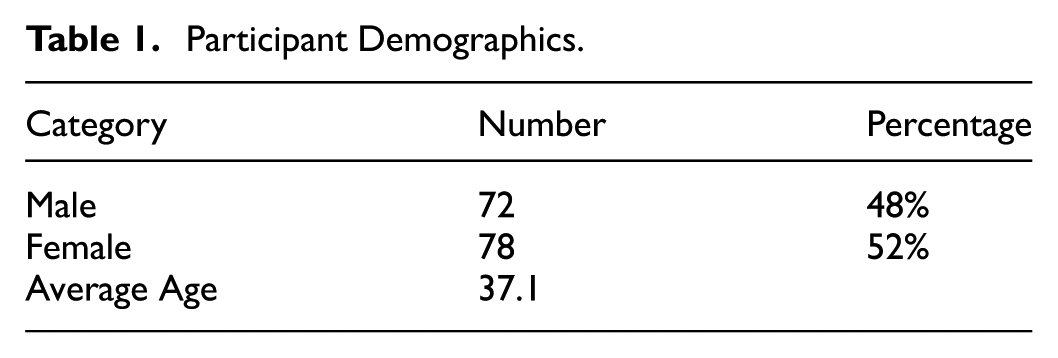
The study sample consisted of 150 participants, with an average age of 37.1 years (SD = 3.8). The gender distribution was nearly equal, with 48% male and 52% female, as shown in Table 1. The ethnic diversity included 90% Asian, 4% Caucasian, 2% African, and 4% from other backgrounds. All of the participants were recruited from urban areas in eastern China.
Participant Demographics.
Olfactory and Gustatory Function
All participants demonstrated normal olfactory and gustatory function based on the “Sniffin’ Sticks” and “Taste Strips” tests. The average olfactory score was 13.5 out of 16, and the gustatory score was 12.8 out of 16, indicating a highly sensitive group for sensory evaluation.
Tea Perception by Vessel Shape
As shown in Table. 2, the average ratings for aroma, taste, and overall flavor are presented. The traditional Chinese teapot and teacup yielded the highest mean aroma rating (M = 8.5, SD = 1.2 on a 10-point scale) compared to the contemporary Western teacup (M = 6.9, SD = 1.5), glass mug (M = 6.1, SD = 1.6), and paper cup (M = 4.3, SD = 1.7), with a small effect size (
Sensory Ratings for Tea Perception by Vessel Shape (SD denotes standard deviation.)

Flavor Attribute Ratings
The flavor attribute ratings by vessel shape are provided in Figure 1. The traditional Chinese teapot and teacup yielded the highest mean flavor attribute rating (M = 8.3, SD = 1.4 on a 10-point scale) compared to the contemporary Western teacup (M = 7.0, SD = 1.5), glass mug (M = 6.3, SD = 1.6), and paper cup (M = 4.7, SD = 1.9), with a medium effect size (

Overall flavor ratings by vessel shape.
Aroma Intensity
Post-hoc tests with Bonferroni correction showed that the traditional Chinese vessel had significantly higher aroma intensity ratings (M = 8.5) compared to the paper cup (M = 4.3, p < .05), glass mug (M = 6.1, p < .05), and Western teacup (M = 6.9, p < .05) with a medium effect size (

Aroma intensity by vessel shape.
Sweetness and Bitterness
Sweetness was rated highest for the contemporary Western teacup (M = 7.1) and lowest for the paper cup (M = 4.2), with a small effect size (

Sweetness and bitterness ratings by vessel shape.
Astringency and Aftertaste
Astringency was rated highest for the glass mug (M = 5.8) and lowest for the traditional Chinese vessel (M = 3.2). Aftertaste duration was rated longest for the traditional Chinese vessel (M = 7.4) and shortest for the paper cup (M = 3.9), with a small effect size (
Overall Acceptability and Preference
Overall acceptability and preference were highest for tea served in the traditional Chinese vessel and lowest for the paper cup. Participants reported that the vessel shape influenced their expectations and overall enjoyment of the tea. The traditional Chinese vessel had the highest overall acceptability (M = 8.6) and preference (M = 8.5), while the paper cup had the lowest scores (M = 3.8 and M = 3.7, respectively).
Analysis of Cultural Moderation
A significant interaction between cultural background and vessel shape emerged for overall acceptability (F(3, 396) = 4.26, p < .01, (
For overall acceptability: Asian participants rated traditional Chinese vessels significantly higher (M = 8.6, SD = 1.1) than non-Asian participants (M = 7.2, SD = 1.3, p < .01). No such cultural difference was observed for paper cups (Asian: M = 3.8, SD = 1.0; non-Asian: M = 4.1, SD = 1.2, p = .45).
For aroma intensity: Asian participants perceived stronger aroma in traditional Chinese vessels (M = 8.5, SD = 1.2) compared to non-Asian participants (M = 7.6, SD = 1.4, p < .05), but no cultural differences were found for other vessel types (all p > .05).
No significant interactions were observed for sweetness or bitterness perception (both p > .05), suggesting these taste modalities are less susceptible to cultural moderation.
Correlational Analysis
Correlational analysis revealed a positive relationship between aroma intensity and overall acceptability (r = .74, p < .05), indicating that higher perceived aroma intensity was associated with greater overall acceptability of the tea.
ANOVA Analysis
In addition, Repeated measures ANOVA revealed significant main effects for vessel shape (F(3, 396) = 1.33, p < .05,
Assumption Checks
Normality: Shapiro-Wilk tests indicated that all sensory variables were normally distributed (all p > .05). Sphericity: Mauchly’s test showed no violation of sphericity for the within-subjects factor (vessel shape; W = 0.98, p = .12), confirming the validity of uncorrected degrees of freedom. Homogeneity of variance: Levene’s test indicated equal variance across tea type groups (p = .21).
Discussion
Hypothesis Validation and Theoretical Interpretation
Impact of Vessel Shape on Aroma Intensity
The most pronounced finding of this study is the significant impact of vessel shape on the perceived aroma intensity of tea. Specifically, the traditional Chinese teapot and teacup arrangement provided the most intense aroma experience, as evidenced by higher mean ratings compared to other vessels. This outcome aligns with the existing literature, which suggests that the shape of a container can influence the release of volatile organic compounds, a key component of the aroma experience (Spence & Wan, 2015). The superior performance of the Chinese teapot may be attributed to its design, which could facilitate an optimal interaction between the tea leaves and hot water, enhancing the extraction of aromatic compounds. Additionally, the shape of the spout and the body of the teapot might contribute to a better preservation and delivery of the tea’s aroma to the drinker (Liao et al., 2017a). The cultural significance of the Chinese teapot in the context of tea ceremonies might also play a role in shaping sensory expectations (Hao et al., 2020). Participants may associate this traditional vessel with high-quality tea experiences, which could elevate their perception of aroma intensity through a top-down processing effect (Leigh Gibson, 2006). The material of the vessel can also influence the perception of aroma. For instance, porcelain and clay are commonly used in traditional Chinese teapots and have been reported to have minimal impact on the chemical composition of tea, allowing the true aroma of the leaves to be appreciated (Liao et al., 2017b). In contrast, other materials like glass or paper might not offer the same level of aroma preservation, potentially leading to lower intensity ratings. The findings underscore the importance of considering vessel shape and material in the design of teaware, with implications for both sensory science and the tea industry. By understanding how different vessel shapes can alter the aroma experience, manufacturers can create vessels that enhance the sensory pro le of various types of tea.
Variation in Flavor Attributes
The observed variation in flavor attributes such as sweetness and bitterness across different vessel shapes provides intriguing insights into the multisensory experience of tea consumption. The Western teacup’s higher sweetness rating may be related to its design, which could subtly alter the perceived sweetness by the tea at a temperature that enhances the perception of certain taste compounds (Bartoshuk, 2000). Conversely, the lower sweetness rating in the paper cup might be due to the material’s influence on the cooling rate of the tea, which could reduce the perception of sweetness (Talavera et al., 2007). The variation in bitterness ratings could be attributed to the interaction between the tea’s chemical composition and the vessel’s material. For instance, research has shown that certain materials can adsorb bitter compounds found in tea, such as catechins, leading to a reduction in perceived bitterness (Xin et al., 2023). The glass mug’s moderate bitterness rating might be due to its neutral material properties, neither enhancing nor reducing the bitterness. Astringency, a complex tactile sensation caused by the interaction of tannins in tea with salivary proteins, was perceived most intensely in the glass mug. This could be due to the glass’s lack of reactivity, allowing the full expression of astringent compounds (Gawel, 1998). In contrast, the traditional Chinese teapot’s lower astringency rating might be linked to the porous nature of the clay, which could slightly alter these compounds (Poswal et al., 2019). The aftertaste duration, influenced by the lingering presence of flavor compounds in the mouth, was rated longest for the traditional Chinese vessel. This could be due to the design of the vessel, which may enhance the perception of a prolonged flavor experience (Spence & Wan, 2015). The shorter aftertaste in the paper cup could be related to its material and shape, which might not retain flavor compounds effectively (Chen et al., 2024; Zhang et al., 2020). Understanding the impact of vessel shape on flavor attributes is crucial for tea service professionals and product developers. By selecting vessels that complement the desired flavor profile of the tea, purveyors can enhance the overall sensory experience for consumers.
Overall Acceptability and Preference
The traditional Chinese teapot and teacup received the highest ratings for overall acceptability and preference, which can be attributed to a combination of sensory attributes and cultural connotations. The superior aroma intensity, balanced flavor pro le, and prolonged aftertaste likely contributed to the positive perception of the tea served in these vessels. This aligns with the literature suggesting that aroma plays a critical role in the overall acceptability of food and beverages (Lawless & Heymann, 1998). Research has consistently shown that the integration of sensory attributes, such as taste, aroma, and mouthfeel, significantly affects the overall liking of a product (Ruiz-Capillas & Herrero, 2021). In the context of this study, the traditional Chinese vessel’s ability to enhance these attributes may have led to its higher acceptability and preference ratings.
The cultural significance of the Chinese teapot in tea ceremonies and rituals might have influenced participants’ expectations and subsequent evaluations of the tea (Piqueras-Fiszman & Spence, 2012b). The congruence between the cultural context and the vessel shape could have resulted in a more authentic and enjoyable tea experience, as suggested by studies on the role of cultural factors in food perception (Gandon et al., 2021). The design and material of the vessel can also impact the overall acceptability and preference. For example, the tactile experience of holding a well-crafted teapot might enhance the perceived quality of the tea (Mueller & Szolnoki, 2010; Skaczkowski et al., 2016). Additionally, the material’s ability to retain heat and flavor compounds could influence the acceptability of the tea over time (Spence & Wan, 2015). The findings have important implications for the marketing of tea and the design of teaware. By understanding the link between vessel shape and consumer preference, companies can create products that offer a more satisfying tea experience. This could involve the development of vessels that are not only aesthetically pleasing but also functional in enhancing the sensory attributes of tea.
Cultural and Extrinsic Cues
The influence of cultural and extrinsic cues on the perception of tea served in different vessels is a significant aspect of this study. The traditional Chinese teapot, with its roots in centuries-old tea culture, may evoke a sense of tradition and authenticity that enhances the sensory experience (Peng-bi, 2014). This aligns with research suggesting that cultural context can significantly affect food and beverage perception (Lizcano-Prada et al., 2024). Consumer expectations, shaped by cultural knowledge and extrinsic cues such as vessel shape, can influence the perception of taste and aroma (Piqueras-Fiszman & Spence, 2012a). The congruence between the expected and actual sensory experience can lead to increased acceptability and preference (Cardello & Schutz, 1996; Fondberg et al., 2018; Li, Zeng, & Zhou, 2020). The cultural familiarity of the Chinese teapot may have contributed to its higher ratings in overall acceptability and preference. Research has shown that consumers tend to prefer products that are congruent with their cultural expectations (Chiu et al., 2024). The design of the teapot and the ritual of pouring from it might have created a more immersive and enjoyable tea-drinking experience. Extrinsic cues such as vessel weight and material have been shown to influence consumer perceptions of product quality and price (Piqueras-Fiszman & Spence, 2012b; Stylidis et al., 2019; Zeithaml, 1988). Although this study did not directly assess price perception, it is plausible that the heavier and more substantial feel of the Chinese teapot contributed to its higher preference ratings. Understanding the impact of cultural and extrinsic cues is crucial for marketing and product design strategies in the tea industry. By leveraging the cultural significance of traditional vessels and considering the extrinsic cues they provide, companies can create products that resonate with consumers on a deeper level.
In addition, Asian participants, whose cultural traditions are deeply tied to traditional tea vessels, likely drew on culturally ingrained associations between these vessels and “high-quality tea” amplifying their perceived aroma and overall enjoyment. Notably, cultural moderation was specific to traditional Chinese vessels and did not extend to modern vessels (e.g., paper cups), which lack strong cultural symbolism. This suggests that cultural effects on sensory perception are context-dependent, tied to the symbolic meaning of the object rather than a general cultural bias. The absence of cultural moderation for sweetness and bitterness perception is also informative. It implies that while cultural background influences hedonic evaluations (acceptability, preference) and aroma (closely linked to cultural ritual in tea consumption), basic taste modalities may be more universally perceived—consistent with research suggesting core taste perceptions are less culturally malleable.
Limitations
A notable limitation of this study is the cultural composition of the sample, with 90% of participants being of Asian descent. While this reflects the study’s focus on traditional Chinese tea vessels and their cultural significance, it may limit the generalizability of our findings. Tea perception and preference can vary significantly across cultures (Hui, 2012). Tea-drinking habits in Western countries often favor Western-style teacups or mugs, while Middle Eastern or South Asian cultures may have distinct tea utensils and consumption practices. These cultural differences may influence individuals’ evaluations of tea aroma, flavor, and overall experience. Therefore, the results of this study should be generalized to other cultural contexts with caution, and future research is needed to validate these findings in more culturally diverse samples.
In addition, this study did not explicitly examine the interaction between cultural background and vessel type. For instance, Asian participants may exhibit higher preference and sensitivity to traditional Chinese tea vessels, while individuals from other cultural groups may evaluate Western or modern containers differently. Such culture-vessel interactions could moderate the observed effects and impact the generalizability of our results. Future research should employ cross-cultural comparative designs to systematically investigate how various cultural groups perceive and interact with different types of tea vessels.
Another limitation of the current study is the conflation of vessel shape and material. The traditional Chinese teapots (ceramic), Western teacups (porcelain), glass mugs, and paper cups differed not only in shape but also in material properties, which may independently influence sensory perception through thermal retention or tactile feedback. Future research should employ vessels of identical material (e.g., standardized ceramic or glass) with manipulated shapes to isolate the unique effects of shape on tea flavor perception.
Conclusion
The study conclusively demonstrates that the shape of the vessel significantly influences the aroma intensity, flavor profile, and overall acceptability of tea. Specifically, traditional Chinese teapots with wider openings yielded the highest aroma intensity ratings (M = 8.5, SD = 1.2) compared to Western teacups (M = 6.9, SD = 1.5), glass mugs (M = 6.1, SD = 1.6), and paper cups (M = 4.3, SD = 1.7). This arrangement was particularly effective in enhancing sensory attributes, suggesting that cultural practices and vessel design have a synergistic effect on the tea-drinking experience. Aroma intensity emerged as a pivotal sensory attribute linked to overall acceptability (correlation r = .74, p < .05), aligning with broader sensory science research that emphasizes the primacy of olfaction in food and beverage enjoyment. The results underscore the importance of vessel design in optimizing aroma release and preservation. The study also highlights the role of cultural congruence: traditional Chinese vessels received the highest overall acceptability (M = 8.6) and preference (M = 8.5) ratings, particularly among Asian participants, with significant cultural moderation observed for acceptability (F(3,396) = 4.26, p < .01) and aroma intensity (F(3,396) = 3.81, p < .05). This indicates that cultural familiarity and sensory cues from the vessel can work in tandem to enhance the tea experience. Additionally, narrower-spouted Western teacups increased perceived sweetness (M = 7.1) compared to other vessels, partially supporting the role of geometry in flavor balance.
The findings offer actionable insights for the tea industry, particularly in the design of teaware and the creation of tea-serving experiences. By understanding how vessel shape influences sensory perception, industry professionals can make informed decisions to elevate consumer enjoyment. Beyond tea, these findings can extend to hospitality, packaging, and education, fostering cross-industry innovation and contributing to the broader appreciation of tea culture.
While this study provides a robust foundation, future research can explore variables such as vessel material, contextual influences, and individual sensory differences. In conclusion, vessel shape is a critical factor in tea perception, affecting aroma, taste, and overall enjoyment. Integrating these findings into practice will enhance consumer experiences and advance understanding of multisensory integration in food and beverage consumption.
Footnotes
Acknowledgements
We appreciate the works of the Editors and Reviewers.

Ethical Considerations
This study was approved by the Ethics Committee of Shandong Management University and the Approval Number is 202407001. Written informed consent was obtained from all participants.
Author Contributions
Conceptualization: J. L.; Data curation: J. L. ; Formal analysis: W. W and J. L.; Investigation: W. W and J. L.; Methodology: J. L.; Project administration: J. L.; Supervision: J. L.; Validation: W. W., Y. L., and J. L.; Visualization: W.W. and Y. L.; Writing – original draft: W. W., Y. L., and J. L.; Writing – Review & Editing: W. W., Y. L., and J. L.
Funding
The authors received no financial support for the research, authorship, and/or publication of this article.
Declaration of Conflicting Interests
The authors declared no potential conflicts of interest with respect to the research, authorship, and/or publication of this article.
Data Availability Statement
The dataset used in this study could be provided by the corresponding author upon reasonable request.