



Abstract
The issue of ecological degradation is evolving, presenting new challenges for both human existence and the ecosystem amid rising economic growth. Artificial intelligence (AI), as a transformative technological innovation, brings both opportunities and risks for environmental sustainability. This paper presents empirical evidence regarding the environmental costs and benefits of AI by analyzing its asymmetric impact on carbon emissions in the United States from the first quarter of 1996 to the fourth quarter of 2020. We employ a unique methodology that integrates nonlinear autoregressive distributed lag (NARDL), wavelet time coherence (WTC), and Quantile on Quantile Kernel-Based Regularized Least Squares (QQKRLS) to investigate the influence of AI, energy policy uncertainty (EP), green growth (GG), and regulatory quality (RQ) on achieving carbon neutrality. The research indicates that artificial intelligence (AI) exerts a dual influence on the environment. On one hand, innovations driven by AI enhance energy efficiency and reduce emissions; on the other hand, their high computational requirements and resource consumption contribute to an increase in carbon emissions. Significantly, the adverse effects of AI surpass its positive contributions, leading to a net increase in emissions without effective regulatory oversight. Nevertheless, RQ and GG are crucial in mitigating the negative environmental effects of AI, as regulatory measures can effectively counteract detrimental impacts and enhance positive outcomes. The robustness of these findings is supported by strong correlations identified through WTC and QQKRLS analyses. These results underscore the necessity for proactive regulatory frameworks that aim to optimize the environmental benefits of AI while minimizing its negative externalities, ensuring alignment with the US decarbonization strategy.
Keywords
Introduction
The quest for improving the standard of living of the average citizen in every economy is one of the major pushing factors for economic expansion in terms of the aggregate volume of production sustained over a long period tagged economic growth. As national governments individually pursue this significant macroeconomic goal, attainment is often associated with a newly emerging obstacle calling for urgent attention. Specifically, every increment in economic growth is associated with a potential deterioration of the ecosystem, thus posing a tradeoff between economic growth and environmental degradation as a persistent puzzle yet to find a lasting solution in the last four decades or more (Hou et al., 2024). Resolving this twin macroeconomic problem has motivated the search for new ways of approaching production activities with increasing interest in technology believed to offer the solution. While several economic theories argue for the engagement of technology as a prerequisite for achieving efficiency and sustainability in production expansion, its roles in sanitizing the natural environment are attracting the center of empirical debates. Consequently, every breakthrough in technology is often accepted massively due to the perceived resolution of the economic growth-environment conflicts. The current era, especially in the last two decades, is witnessing unprecedented progress in the realm of technology with increasing breakthroughs and awareness of artificial intelligence (AI; Ukoba et al., 2024).
The main aim of AI is to reduce the necessity for human involvement in tasks that can ultimately be executed by AI systems. Illustrative examples of these tasks include spellchecking, inventory management, and various manual activities that can now be accomplished through technological assistance. Beyond the possibility of productivity, AI offers the ease of achieving complex tasks with minimal human effort. It is imperative to state that AI stands as one of the foremost technologies of the 21st century, driving significant progress across various sectors, including technology and industry (Chen & Jin, 2023). Its impact has profoundly transformed technological innovation, manufacturing processes, operational practices, and even aspects of social life. It should, however, be noted that while AI is celebrated for its transformative capabilities, there exists a pressing concern regarding its environmental consequences that often go unnoticed (Kanungo, 2023). The development, maintenance, and disposal of AI technologies contribute substantially to carbon emissions. It is therefore vital that a one-cap-fits-all approach should be adopted by eulogizing the potential benefits of AI without inquiring into the costs, especially regarding the escalating global warming which has become the most challenging problem of the present era.
The environmental implications of artificial intelligence are inherently intricate, encompassing both positive and negative aspects. AI-based solutions contribute to achieving carbon neutrality by enhancing energy efficiency, facilitating smart grid technologies, and reducing emissions from industrial activities (Feng et al., 2025; Zhou et al., 2024). Conversely, the development and implementation of AI require significant computational resources, leading to elevated energy consumption and increased carbon emissions (Chen & Jin, 2023; Ukoba et al., 2024). These opposing effects indicate that the environmental impact of AI is not uniform; its benefits do not consistently surpass its drawbacks, and the overall influence is contingent upon how AI is integrated into specific industries. This study aims to rigorously analyze these disparities and offer a more nuanced understanding of AI’s role in promoting environmental sustainability.
A significant innovation of this research is its incorporation of artificial intelligence alongside other essential environmental and policy-related elements, such as Energy Policy Uncertainty (EP), Green Growth (GG), and Regulatory Quality (RQ), to evaluate their combined effects on achieving carbon neutrality. Although previous studies have explored the environmental implications of economic policy uncertainty, the impact of energy policy uncertainty has not been thoroughly investigated as a factor influencing environmental sustainability. It is pertinent to state that variations in energy policies, including erratic regulatory changes and unreliable incentives for renewable energy, contribute to market instability, hindering progress toward decarbonization (Chowdary et al., 2025). Consequently, this study highlights EP as a vital element affecting carbon emissions, offering fresh perspectives on the importance of policy consistency for environmental results.
Furthermore, it should be stated that green Growth (GG) has emerged as a globally acknowledged sustainable economic strategy (Lin & Ullah, 2024; Zahra & Fatima, 2024); however, the relationship between AI and its influence on environmental results is still not thoroughly examined. Numerous economies, such as the United States, are making significant investments in green technologies. Nevertheless, the role of AI-driven automation and industrial progress can either bolster or impede these initiatives. Consequently, this research explores the interplay between AI and GG about carbon neutrality, assessing whether AI facilitates or obstructs the goals of green growth. Additionally, this study explores regulatory quality (RQ) as a moderating factor in the relationship between artificial intelligence (AI) and environmental outcomes. This becomes pertinent given the fact that inadequate regulatory frameworks may lead to unmanaged environmental externalities despite the capacity of AI innovations to enhance sustainability efforts. Conversely, robust regulatory policies can amplify the positive environmental impacts of AI while mitigating its negative effects (Adedoyin et al., 2020; Afolabi, 2023). The empirical evidence presented in this study underscores the importance of RQ in evaluating the pros and cons of AI within the context of decarbonization policy.
Leveraging the preceding narratives, this study offers a comprehensive understanding of the environmental impacts of AI, EP, GG, and RQ in the United States to advance policy recommendations on the best practices that will enhance carbon neutrality in the U.S.> and other developed economies. The consideration of the US among many other nations is premeditated on several reasons of which four are apparent. First, with the ongoing attractiveness of the AI market globally, the United States is projected to maintain its position as the largest market globally, reaching US$50.16 billion in 2024 (Statista, 2024). Hence, assessing this indicator at this point in the US will provide leading and highly useful information in understanding AI. Second, the US often ranks behind China as the second largest contributor to global greenhouse gas (GHG) emissions, especially from the angle of carbon emissions.
Third, as a top economy globally with challenging issues of ecological deterioration, understanding how the US works around the goals of expanding the aggregate economy and decoupling carbon emissions is crucial for navigating toward sustainable development. Fourth, the US is undoubtedly playing a great role in global decisions that set the direction for global economies and channel the course toward carbon neutrality. Specifically, the US has a national plan to pursue carbon neutrality by 2035, for the entire economy to reach net-zero emissions by 2050, and to reduce carbon emissions by 50% to 52% compared to 2005 levels by the year 2030. This national target has resulted in 22 states, including Washington, DC, employing policies that promote clean power production, and American University achieved its carbon neutrality in 2018, 8 years after setting the targets in 2010.
Following the stated objectives, the contributions of this study to the extant studies can be advanced from five perspectives. Firstly, the discussion surrounding the impact of artificial intelligence on the environment is still in its early stages, with most existing research primarily focusing on qualitative assessments, literature reviews, or experimental studies. While some investigations have suggested that AI could either worsen or mitigate environmental damage, there is currently a lack of empirical evidence to substantiate these assertions. This research represents one of the initial efforts to provide a quantitative, econometric analysis of AI’s influence on the environment in the United States. By employing a data-driven approach, we move beyond theoretical discussions to empirically demonstrate AI’s dual impact—showing that it can both increase and reduce carbon emissions. This fresh perspective equips researchers and policymakers with concrete data regarding AI’s role in achieving carbon neutrality, enabling them to make more informed decisions regarding regulatory measures.
Second, Energy policy uncertainty (EP), initially introduced by Dang et al. (2023), offers an innovative approach to quantifying uncertainty by considering fluctuations in energy prices, changes in policies, and technological advancements (Chen & Jin, 2023). Its key advantage lies in integrating both economic and energy uncertainties into a unified index, rendering it a valuable instrument for assessing the impact of energy-related challenges on business decisions and broader macroeconomic conditions, particularly within the fossil fuel-reliant U.S. economy. That notwithstanding, EP remains a relatively underexplored area within economic and environmental studies. Besides, the choice of EP is further motivated by the indicator’s capability of resolving the variations and inconsistencies in energy sector policies that significantly influence the adoption of clean energy, the transition from fossil fuels, and corporate investments in sustainability initiatives. Hence, this research addresses a critical gap in the literature by integrating EP into our analytical framework, thereby enhancing our understanding of the policy-related factors that affect environmental sustainability. By incorporating EP, we reveal that unpredictability in energy policy can impede efforts toward achieving carbon neutrality, a factor that has been largely neglected in previous studies. This insight is particularly valuable for policymakers who seek to establish stable, long-term energy policies that promote sustainability. Third, our study offers a valuable contribution by introducing regulatory quality (RQ) as a moderating variable in the connection between artificial intelligence (AI) and carbon neutrality. While previous research often focuses on the direct effects of AI on emissions, it typically overlooks the influence of governance and regulations on this dynamic. By examining both the direct and interactive impacts of RQ, we present a more comprehensive understanding of how effective regulation can alleviate the adverse externalities associated with AI.
Fourth, the study contributes methodologically by assessing the asymmetric effects of AI on carbon emissions utilizing a sophisticated econometric approach known as NARDL. This technique facilitates the simultaneous estimation of both long-run and short-run impacts by decomposing the independent variable into total cumulative positive and negative changes. Furthermore, the research employs the wavelet coherence (WTC) method to conduct a causal analysis. A significant advantage of this method is its ability to investigate characteristics in the time-frequency domain, thereby illustrating the short-term relationships between AI and carbon emissions across various time horizons, including short, medium, and long-term. Additionally, this research employs a groundbreaking Quantile on Quantile Kernel Kernel-regularized Least Squares (QQKRLS) estimator. This advanced technique facilitates a deeper comprehension of the relationships under examination, offering insights across different quantiles and improving the robustness of the research findings.
The subsequent sections of the paper are organized as follows: Section “Literature Review” scrutinizes the existing related studies. The third section elaborates on the methodology, while the fourth section presents and discusses the empirical outcomes, and the concluding section reflects on the empirical findings, offering practicable recommendations and highlighting the areas of exploration for future research, thereby completing the paper.
Literature Review
There are burgeoning strands of empirical research going on with a view to unveiling the most important factors that are capable of halting the incessantly devastating effects of carbon emissions on the ecosystem. This section focuses primarily on the related studies and secondarily highlights the pertinence of other related significant variables. Consequently, two subsections are adopted to compartmentalize the reviews as follows: (i) artificial intelligence/energy-policy uncertainty on environmental sustainability and (ii) green growth/regulatory quality on environmental sustainability.
Artificial Intelligence/Energy-Policy Uncertainty on Environmental Sustainability
The current state of environmental literature is at the premature phase of empirical effects of artificial intelligence and energy policy uncertainty on environmental sustainability measures. As such, there exists a scanty set of empirical studies on this subject matter, thereby making the consideration of studies in this subsection very few. These studies are assessed in the subsequent paragraphs. Feng et al. (2025) evaluate the connection between AI adoption and corporate earnings (CEs) of Chinese A-share listed companies from 2009 to 2021. The findings from panel fixed-effects regression analysis indicate that the implementation of AI has a detrimental effect on CEs, a conclusion that remains robust even when considering potential endogeneity issues. Heterogeneity analyses reveal that the negative impact of AI on CEs is more pronounced in non-polluting, non-high-tech, and capital-intensive sectors. Furthermore, AI adoption tends to suppress CEs more effectively in regions with stringent environmental regulations or within non-state-owned enterprises. Mechanism analysis suggests that the increase in CEs can be attributed to both the rebound effect from enhanced efficiency and the rise in research and development (R&D) investments and expenditures resulting from scale expansion. Zhou et al. (2024) examine the correlation between the implementation of industrial robots and regional pollution emissions, utilizing panel data from Chinese provinces from 2010 to 2019. Findings indicate that the presence of industrial robots significantly reduces the intensity of pollution emissions across various provinces in China. Mechanism analysis reveals that industrial robots achieve this reduction by enhancing energy efficiency and fostering the development of pollution mitigation technologies. Olawade et al. (2024) adopt a comprehensive review of studies that investigate the interplay between artificial intelligence (AI) and the objective of achieving net-zero emissions, underscoring AI’s capacity to foster sustainable development and address climate change challenges. The review delves into various aspects of AI applications aimed at reaching net-zero targets, innovations, and solutions driven by AI. It highlights associated challenges and ethical considerations, opportunities for collaboration and partnerships, educational initiatives, and capacity enhancement. Similarly, the role of policy and regulatory support, funding, and investment. The principal findings reveal that AI can significantly enhance energy system optimization, refine climate modeling and forecasting, and promote sustainability across diverse sectors to facilitate effective emissions tracking and monitoring. Xie et al. (2024) examine the impact of the Energy-related Uncertainty Index (EUI) on corporate investment among non-financial listed companies in China utilizing a dataset comprising 2,487 firms and 22,346 firm-year observations from 2007 to 2022. Findings reveal that a 1% rise in the EUI is associated with a 0.045% reduction in overall corporate investment. Notably, this impact is more pronounced in the energy sector, where a 1% increase in EUI leads to a 0.057% decrease in investment. In contrast, non-energy-related firms exhibit a more muted response, with a 1% increase in EUI resulting in a 0.026% decline in investment.
Furthermore, Luqman et al. (2024) examine how businesses leverage artificial intelligence (AI) to attain carbon neutrality (CN), a topic that has received less focus compared to conventional, non-digital methods. Through qualitative insights gathered from organizations engaged in CN initiatives, the authors highlight four essential elements of AI implementation: emission management, navigating strategic trade-offs (including funding, data, and social considerations), addressing organizational obstacles, and enhancing the efficiency of business models. The study concludes with a convergence-divergence model that outlines both the enablers and challenges associated with utilizing AI for cognitive networking. It offers a comprehensive overview of AI’s potential contribution to helping companies achieve their net-zero emission targets (Salman et al., 2024). This study examines the impact of AI, the Paris Agreement (PA), and geopolitical risk (GPR) on carbon neutrality in G20 countries between 1990 and 2022. Using a parametric Malmquist index and a fixed-effect panel stochastic frontier model, as well as Driscoll-Kraay standard errors, the study concludes that technological advancement, particularly in industrialized countries, has generated carbon neutrality benefits. AI alone has a beneficial but negligible effect, however, its relationship with PA is considerable. Energy transition also improves carbon neutrality, but its impact is detrimental when paired with GPR. Wang et al. (2025) investigate the connection between artificial intelligence (AI) and green innovation across 51 countries from 2000 to 2019. By employing fixed effects, mediated effects, and spatial Durbin models, the study reveals a significant positive impact of AI on green innovation. This effect is particularly pronounced in developed nations, indicating variations in financial systems and technology utilization. Additionally, the industrial structure and human capital have been identified as key mediating factors that facilitate AI’s role in advancing green innovation. The spatial analysis further illustrates that the influence of AI transcends national boundaries, emphasizing the global spillover effects on green innovation. (Chen & Jin, 2023) explore the relationship between artificial intelligence (AI) and carbon emissions by employing a fixed-effects regression model focused on Chinese A-share listed industrial companies from 2012 to 2021. The analysis considers the regulatory framework through the lens of innovation effects and highlights the significance of AI technology applications within enterprises to reduce carbon emissions. The results indicate that the implementation of AI technology in businesses positively influences the reduction of carbon emissions. Specifically, corporate green innovation enhances the impact of AI on carbon emission reduction, while green management innovation, green product innovation, and green technological innovation serve as moderating factors.
According to Liang et al. (2022), the production process within the manufacturing industry is being defined as a network system for the first time, integrating the phases of AI technology development, AI implementation, and AI enhancement. Subsequently, an interactive three-stage network DEA model is developed using ratio data to evaluate China’s manufacturing sector from 2016 to 2019. The results reveal that although most regions demonstrate inadequate performance in AI technology development and AI enhancement, a significant number excel in the AI application phase. Additionally, the overall efficiency metrics for the majority of regions show an upward trend, even though the trends in sub-efficiency values for each region differ throughout the sample period.
Green Growth/Regulatory Quality on Environmental Sustainability
The growing complexities surrounding the possibilities of achieving more growth without escalating GHG emissions have compelled policymakers to search for a growth system that expands without harming the ecosystem. In recent years, green growth (GG) has been noted as a viable path to achieving sustainable development. Consequently, research is emerging to analyze the empirical regularity of GG in the field of environmental literature. For instance, Aydin et al. (2025) examine the influence of pro-environmental policies on sustainable development in China over the period from 1990 to 2019. Utilizing sophisticated Fourier-based econometric methods, it evaluates the effects of command-and-control environmental regulations (CCER), low-carbon energy initiatives, and green economic growth. The results indicate that each of these elements makes a substantial and beneficial impact on sustainable development, highlighting the effectiveness of China’s regulatory measures and renewable energy strategies in advancing environmental improvements. Osman et al. (2025) examine the connection between financial development, natural resources, and the utilization of renewable energy in Sub-Saharan Africa over the period from 2000 to 2020. Employing panel-corrected standard errors (PCSE), as well as fixed and random effects models, alongside panel-fixed quantile regression, the findings indicate that both natural resources and financial development adversely affect the adoption of renewable energy. Nevertheless, their interaction tends to mitigate this negative effect, with financial development reducing the detrimental influence of natural resources and fostering the use of renewable energy. Lin and Ullah (2024) assess how Pakistan’s CO2 emissions respond to energy depletion, green growth, grants for technical collaboration, and labor force participation in a time series data from 1990 to 2020. The study employs dynamic ARDL algorithms, the STIRPAT framework, and the Granger causality approach and explores robustness through Kernel-based regularized least squares (KRLS). The findings show that while green growth is gradually allaying ecological damages are mostly noticed from the effects of energy depletion. Zahra and Fatima (2024) investigate the role of green growth in achieving China’s carbon neutrality objectives, focusing on its relationship with the Environmental Kuznets Curve (EKC), the effects of hydroenergy production, and the nonlinear effects of energy diversification, covering the period from 1990 to 2020. Utilizing the Moment Quantile Regression method, it finds that a distinct U-shaped relationship is evident between green growth and carbon emission. Secondly, the relationship between energy diversification and carbon emissions is characterized by an inverse U-shape. Lastly, the increase in carbon emissions is attributed to the expansion of hydroelectric power generation.
Similarly, Amir et al. (2024) evaluate the influence of environmental technology, financial development, and energy consumption on the ecological footprint and green growth in the 10 countries with the most significant environmental impact from 1990 to 2019. Utilizing a panel causality approach, the results indicate that environmental innovation, renewable energy, and green growth contribute positively to environmental sustainability. Conversely, financial expansion and reliance on nonrenewable energy have detrimental effects on environmental outcomes and hinder green growth. The research identifies a bidirectional relationship among environmental innovation, energy consumption (both renewable and non-renewable), ecological footprint, and green growth, while financial development exhibits a unidirectional causality to both the ecological footprint and green growth. Adedoyin et al. (2020) incorporates the influence of various factors, such as regulatory quality, while exploring the relationship between economic growth, pollutant emissions, and coal rent. The study utilizes annual frequency data from 1990 to 2014, relying on Pooled Mean Group with Dynamic Autoregressive Distributed Lag (PMG-ARDL). The empirical findings indicate that coal rents exert a significant yet negative effect on CO2 emissions in the BRICS nations, in contrast to the effects of coal consumption. Additionally, regulations concerning coal rents, specifically in the form of carbon damage fees, have a significant yet positive impact on CO2 emissions, which is contrary to initial expectations.
Expanding the review on regulatory quality, Ahakwa and Tackie (2024) employ the Environmental Kuznets Curve (EKC) framework alongside the dynamic ARDL simulation technique to examine the interplay between natural resource consumption and ecological quality in Ghana from 1990 to 2019. The results reveal that while natural resource utilization enhances ecological quality in the short term, it ultimately leads to degradation in the long term. Environmental regulations are effective in mitigating ecological damage; however, the impact of green human capital is mixed, initially causing harm before yielding benefits. The analysis supports a U-shaped relationship in the short term, which evolves into an inverted U-shape over the long term, thereby reinforcing the EKC hypothesis for Ghana. Afolabi (2023) examines the moderating influence of regulatory quality on the relationship between natural resource rent and environmental quality in 20 resource-dependent economies and 21 non-resource-dependent economies in Sub-Saharan Africa, covering the period from 1996 to 2018. The study employs the pooled mean group (PMG), and cross-sectional augmented autoregressive distributed lag (CS-ARDL) estimators are employed. The findings reveal that natural resource rent adversely affects environmental quality, particularly in countries that are heavily reliant on their natural resources. Furthermore, regulatory quality emerges as a significant moderating factor that mitigates the negative environmental consequences associated with natural resource rent. Oteng-Abayie et al. (2022) estimate the relationship between environmental sustainability (ES), natural resources (NR), and the quality of environmental regulation (ERQ). The study encompasses 28 nations in sub-Saharan Africa (SSA) from 2005 to 2017. The analysis depends on system-GMM estimation techniques to evaluate the stated model. Results indicate that in SSA, superior environmental regulations are associated with enhanced environmental sustainability. Furthermore, finding that natural resources serve to complement the quality of environmental regulations, which in turn diminishes environmental sustainability in the region. Consequently, it is concluded that the quality of environmental regulation in SSA does not facilitate the role of natural resources in advancing environmental sustainability. Khan et al. (2022) employ panel data analysis to examine the impact of trade openness, innovation, and institutional quality on environmental sustainability across 176 countries. Utilizing Ordinary Least Squares (OLS), fixed effects, and the Generalized Method of Moments (GMM), the findings indicate that trade openness, the use of renewable energy, and foreign direct investment (FDI) contribute to a reduction in carbon emissions. While institutional quality significantly enhances environmental outcomes, its effect is somewhat constrained. Initially, innovation leads to an increase in emissions; however, as innovation levels rise, emissions begin to decline, suggesting a nonlinear relationship. The methodology, which incorporates data from recent years concerning global environmental changes, supports both the Environmental Kuznets Curve and the Pollution Halo hypotheses.
Literature Gaps
The collective appraisal of the extant studies reveals some lacunas worthy of mentioning. First, current studies examining the environmental effects of artificial intelligence primarily rely on descriptive analyses and fixed-effects models. This approach restricts their ability to effectively identify the nonlinear and asymmetric impacts of AI on carbon emissions. For instance, Zhou et al. (2024) and Chen and Jin (2023) explore the influence of AI but do not incorporate advanced econometric methods such as NARDL and QQKRLS, which our research utilizes to reveal AI’s dual role in both increasing and decreasing carbon emissions. Likewise, Olawade et al. (2024) provide a review-based evaluation of AI’s potential to achieve net-zero emissions; however, they lack empirical evidence regarding the positive and negative effects of AI, a gap we aim to fill through quantitative analysis. Additionally, while Xie et al. (2024) examine the uncertainty surrounding energy policy, their focus is on business investment rather than its implications for carbon neutrality.
Additionally, prior research has examined green development and regulatory quality separately, neglecting their interplay with artificial intelligence (AI). Works by Lin and Ullah (2024) and Zahra and Fatima (2024) highlight the critical role of green growth in reducing carbon emissions, yet they overlook the impact of AI. Our study addresses this oversight by exploring the synergy between AI and green growth in enhancing sustainability. Moreover, while regulatory quality has been analyzed in resource-dependent economies, as indicated by Afolabi (2023) and Oteng-Abayie et al. (2022), its role in mitigating the environmental effects of AI remains unexplored. Our research aims to determine how strong regulatory frameworks can enhance the environmental benefits of AI while minimizing its risks, thereby offering a relevant policy framework for AI governance in major economies like the United States.
Data and Methodology
Data
The current study employs annual time series data spanning from 1996Q1 to 2020Q4 to investigate the asymmetric impacts of artificial intelligence, energy policy uncertainty, green growth, and regulatory quality on carbon neutrality in the US. The variables of interest are collected from three reliable sources comprising World Development Indicators (WDI, 2024), World Governance Indicators (2023), Organization of Economic Cooperation and Development (OECD, 2023), and Dang et al. (2023). The dependent variable, carbon emissions is sourced from WDI database while the independent variables, such as artificial intelligence and green growth, are collected from OECD database. More so, energy policy uncertainty and sourced from Dang et al. (2023), whereas regulatory quality is collected from WGI database. Details of the variables are provided in Table 1.
Details of the Study’s Variables.

Theoretical Foundation and Hypotheses
The economic intuitions linking artificial intelligence, energy policy uncertainty, green growth, and regulatory quality to carbon neutrality are carefully exposited in four subsections as thus; (i) artificial intelligence and carbon neutrality; (ii) energy policy uncertainty and carbon neutrality; (iii) green growth and carbon neutrality; and (iv) regulatory quality and carbon neutrality.
Artificial Intelligence and Carbon Neutrality
The advancement in technology innovation and digital transformation has brought about significant changes in the global ecosystem. Artificial intelligence, which constitutes one of the emerging breakthroughs in technology, has received divergent views on its roles in driving changes in ecological quality nationally, regionally, and internationally. In the current study, the theoretical arguments expositing the direction of effects between artificial intelligence and carbon neutrality can be argued from two angles. There is a strand of opinions that suggests that artificial intelligence drives carbon neutrality by significantly reducing carbon emissions, while others argue that artificial intelligence escalates carbon emissions. From the former perspective, it is argued that artificial intelligence can increase energy efficiency and reduce waste (Li, 2023). Focusing on the latter effects, there is explicit evidence alluding to the negative impacts of artificial intelligence in varying aspects such as escalating carbon footprint, promoting electronic waste, and leading to continuous depletion of natural resources (Kanungo, 2023). Following the varying positive and negative effects of artificial intelligence, the following hypotheses are eminent;
Artificial intelligence drives carbon neutrality by reducing carbon emission surges (−ve)
Artificial intelligence hinders carbon neutrality by exacerbating carbon emission surge (+ve)
Energy Policy Uncertainty and Carbon Neutrality
The energy sector is one of the most volatile sectors of the world economy. This fragile nature has made the sector experience a series of significant variations and instability driven by various factors such as market dynamics, regulatory shifts, and geopolitical occurrences (Xie et al., 2024). The prevalent volatility affecting the energy markets in terms of prices, dynamics of the energy mix, and technological involvement may further escalate the negative externalities from the market due to the predominance of fossil fuels. The stability needed to restore confidence and precision can mostly be achieved through consistent and sturdy policies which have been observed to be unpredictable over the recent decades (B. Yang et al., 2024). Policy uncertainty on energy products will reduce the moderation of the heavy reliance on fossil fuels thereby causing disequilibrium in the energy mix with a significant shift to nonrenewable energy due to the cheap and minimal risks nature of the energy products. To achieve the various global recommendations and targets on the transition to 100% renewable energy, policies to implement the treaties and blueprints must be stable, predictable, and implementable. In the absence of certainty, the global energy market remains vulnerable toward fossil fuel consumption which is notably identified as a substantial driver of greenhouse gas emissions. Consequently, uncertainty in energy-related policy will significantly hinder the attainment of carbon neutrality. Consequently, one fundamental hypothesis is imminent as follows;
Energy Policy Uncertainty hinders carbon neutrality by escalating carbon emission surge (+ve)
Green Growth and Carbon Neutrality
The undesirability of the ecological complications associated with economic growth in the past few decades underscores the primacy of seeking environmentally friendly growth otherwise tagged green growth. The global acceptance and direction of policy measures toward growing economic growth hinge on the fact that green growth has been observed to be an effective means of mitigating ecological degradation (Sandberg et al., 2019). Besides, empirical evidence posits that green growth provides pathways toward the attainment of environmentally sustainable economic advancement (Ben Amara & Qiao, 2023). It therefore implies that advancements in green growth in a particular economy will commensurate with an increasing level of carbon neutrality through a significant decline in carbon emissions. Subsequently, the following a priori holds in the green growth-carbon neutrality nexus:
Green growth drives carbon neutrality by mitigating carbon emission surge (−ve)
Regulatory Quality and Carbon Neutrality
The unrelenting surge in global greenhouse gas emissions can often be linked to market failure arising because polluters are not held accountable for the negative implications of their actions. This phenomenon does occur prevalently in an economy with weak regulatory quality that is not strong enough to moderate the activities of polluting firms and individual households. Hence, studies have identified regulatory quality as a viable source of driving environmental sustainability through the moderating roles it plays in enforcing environmental protection laws (Addai et al., 2023; Afolabi, 2023). Consequently, an inverse nexus can be anticipated as thus:
Regulatory quality drives carbon neutrality by mitigating carbon emission surge (−ve)
Empirical Model and Estimation Techniques
The present study employs conventional and advanced empirical procedures to channel the cause of arriving at reliable and substantial policy ingenuities toward supporting the US drive for carbon neutrality. At first, the collated data on the selected variables are subjected to preliminary analysis comprising descriptive statistics, normality tests, and correlation analysis. Thereafter, the real-time behavior of each variable is visualized and the economic intuition surrounding them is domesticated in the context of the US. Additionally, the models specified are tested to ascertain their fitness and suitability through stationarity tests, nonlinearity tests, and cointegration tests. The confirmation of long-run and asymmetric effects leads to the evaluation of the long-run and short-run relationship between the selected explanatory and dependent variables based on nonlinear ARDL (NARDL), fully modified ordinary least squares (FMOLS), dynamic OLS (DOLS), and canonical cointegrating regression (CCR). The causality nexus among the variables is evaluated using wavelet time coherence (WTC) and quantile-on-quantile Kernel-Based Regularized Least Squares (QQKRLS). The emanating findings lead to conclusions, empirical recommendations, and limitations. Figure 1 exposits the procedures at a glance while the subsequent subsections provide details explanations.

Flow chart of estimation procedures.
NARDL Technique
Following the stated theoretical basis and the emanating hypotheses in the preceding subsections, the model gauging the asymmetric impacts of artificial intelligence on carbon neutrality while controlling for the effects of energy policy uncertainty, green growth, and regulatory quality can be stated thus;

The estimable form of the Equation 1 can be stated thus:

where, in Equation 2, CN signifies carbon neutrality, AI represents artificial intelligence, EP denotes energy policy uncertainty, GG implies green growth, and RQ signifies regulatory quality. The error term and time of the observation are denoted by

It is important to note that Equation 3 assumes homogenous effects of artificial intelligence on carbon neutrality which can either be positive or negative. The heterogeneity of both positive and negative effects is ignored thus limiting the empirical relevance of the model. To expand the scope, we estimate the asymmetric effects by decomposing the impacts of artificial intelligence into positive


To incorporate the two disintegrated effects into Equation 3 for the expression of the asymmetric effects, we follow (Shin et al., 2014) and arrive at obtaining a nonlinear ARDL (NARDL) as follows:

Given that
To test the existence of the long-run asymmetric impact of artificial intelligence in Equation 6, this study relies on the Wald test which posits the non-existence of asymmetric effect for the null hypothesis given as

where ECT detects deviations from equilibrium due to short-term disturbance and establishes the pace at which such deviations must be addressed to bring about long-term equilibrium. The variables are converted to log form before examining them in the stated model.
Wavelet Coherence
This research extends the frontier of knowledge on the subject matter by employing wavelet coherence to fortify the nexus and reciprocal effects of each of the exogenous variables; artificial intelligence (AI), energy policy uncertainty (EP), green growth (GG), and regulatory quality (RQ) on carbon neutrality (CN) within the time-frequency domain. In comparison to conventional analytical tools in the time-frequency domain, wavelet coherence presents several advantages. For instance, wavelet coherence possesses high resolution and resistance to noise thereby facilitating the concurrent analysis of the interdependence of two data sequences across both time and frequency dimensions. Moreover, wavelet coherence provides insights into the significant levels of correlation as well as the local phase relationships of the time sequences within the time-frequency domain. Besides, the application of the smoothing technique on the scale does not confine the wavelet coherence spectra obtained through wavelet coherence technique to a specific frequency point, thereby facilitating the extraction of correlation information across a broader frequency spectrum.
Following the aforementioned novelties of wavelet coherence technique, the localized dependencies within both the time and frequency domains, identified within the selected indicators are analyzed through the application of the wavelet coherence technique. As a prelude to wavelet coherence estimator, we begin by specifying the cross-wavelet between two series x(t) and y(t) thus:

where
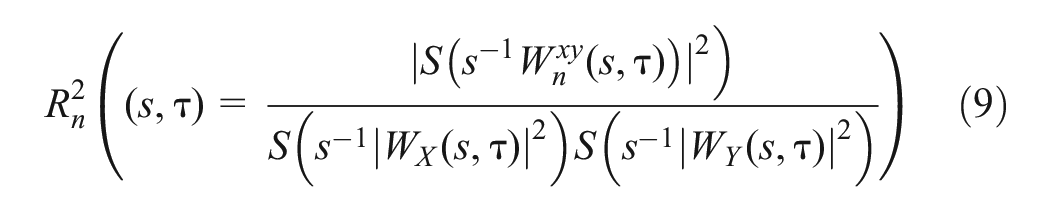
Given that
Quantile-on-Quantile Kernel-Based Regularized Least Squares (QQKRLS)
Another key point of contributions of the current study worthy of lauding is its utilization of QQKRLS developed by Adebayo et al. (2024). This estimator is an improvement on the novel KRLS initiated by Hainmueller and Hazlett (2014). There are at least three areas of advancements that QQKRLS made on the conventional KRLS. First, QQKRLS effectively captures intricate and non-linear interactions among variables, which traditional linear models such as KRLS may overlook. Secondly, it incorporates a regularization technique to mitigate overfitting, thereby enhancing its adaptability to new data and improving predictive accuracy, especially in scenarios involving non-normal data distributions or non-linear relationships. Lastly, QQKRLS showcases remarkable versatility across diverse data types and fields, including finance, economics, and machine learning. Its ability to estimate various quantiles provides a comprehensive understanding of conditional quantiles and data variability that KRLS may fail to achieve.
Following Adebayo et al. (2024), the QQKRLS estimating the effects of a predictor variable (X) on a predicted variable (Y), can be stated thus:

Given that
Results and Discussion
Preliminary Analyses
The current study conducts several checks on certain important features of the dataset collected for evaluating the stated hypotheses. These checks include; descriptive statistics, normality tests, and correlation matrix. First, the descriptive statistics are evaluated and presented in Table 2. The feedback shows that the average value of carbon neutrality is 17.70. The mean value of artificial intelligence reads 684.22 suggesting high rate of patent on artificial intelligence in the US. While green growth depicts a low mean value suggesting an early stage of adoption in the US, energy policy with average value of 106.74 suggests high level of uncertainty in stabilizing the forces influencing energy sources. The mean value of regulatory quality with positive value of 1.49 projects some appreciable level of government policy measures and enforcement. Among the series, carbon emissions and regulatory quality are skewed to the left going by the negative skewness whereas other series exhibit positive skewness. The kurtosis test unveils that carbon emissions and regulatory quality are both platykurtic because owing to their kurtosis values lying below 3 suggest that the two have lighter tails than a normal distribution. In addition, the Jarque-Bera test findings unequivocally show that none of the series meet the requirements for a normal distribution, supporting the appropriateness of employing a nonlinear model in this study.
Summary Statistics and Normality Analysis.

Table 3 reveals the stated models are free from multicollinearity as suggested by the moderate and low correlation among the explanatory indicators and the values of variance inflation factor that range between 1.22 and 1.49.
Correlation Matrix.

Stylized Facts on Trend Analysis of the Selected Variables
The need to enhance a comprehensive understanding through contextual analysis of the selected variables, this section employs stylized facts to achieve the purpose. Providing context for the underlying problem of inquiry is essential. To achieve this objective, the present study opts to utilize stylized facts, which are considered an effective means of streamlining various analyses. In support of this assertion, Ibrahim and Ajide (2022) posit that stylized facts serve as generalized simplifications that capture the overall essence, albeit not always in intricate detail. They further elucidate that stylized facts represent one of the most significant, yet often overlooked, empirical evaluation techniques within the field of economics. Figure 2a to e employed to detail some revealing situational reports on the selected variables.

(a) Carbon neutrality, (b) artificial intelligence, (c) energy policy uncertainty, (d) green growth, and (e) regulatory quality.
Starting with carbon neutrality, a progressive trend in decarbonization is evident going by the demeaning level of carbon emissions in Figure 2a over the study period. This is not surprising because the US has been working significantly toward promoting greenhouse gas reduction policy initiatives from three main categories: carbon pricing, performance standards, and technology subsidies (Newell, 2023). Notably, the various efforts to reduce carbon emissions in the US have yielded significant due to the noticeable aggregate reduction in greenhouse gas emissions by 3% between 1990 and 2022. Each of the components of greenhouse gas emissions equally reduced substantially as thus; carbon emissions (2%), methane (19%), and nitrous oxide emissions (19%) (US EPA, 2024).
The trend in artificial intelligence shows progressive upward movement over the study periods in Figure 2b. Reports on artificial intelligence suggest the market is expanding rapidly and has a promising future of better performance. According to Grand View Research (2024), projections indicate that the artificial intelligence sector in the US was valued at USD 42.0 billion in 2023, with an anticipated compound annual growth rate (CAGR) of 25.6% from 2024 to 2030. The future of artificial intelligence sector is expected to attain a valuation of US$50.16 billion by the year 2024 and by 2030, the market is forecasted to expand to US$223.70 billion, reflecting a compound annual growth rate (CAGR) of 28.30% (Statista, 2024).
The level of uncertainty in energy-related policies is represented in Figure 2c with the trend showcasing instability in the trend over the study period. The unsteady nature of the trend further suggests the existence of policy measures that are related to energy sources remain unpredictable in the US. A cursory look into the existing regulations, reports on energy mix, and subsidies in the US energy sector further buttress this uncertainty. For instance, despite the obvious evidence suggesting that fossil fuels contribute the most to carbon emission surge with approximately 99% in the power and industrial sectors (Energy Information Administration [EIA], 2023), the bulk of energy consumption and production in the US tilts more toward them at the expense of renewable energy. A recent report reveals that in 2023, the United States generated approximately 4,178 billion kWh, equivalent to 4.18 trillion kWh, from utility-scale electricity generation facilities. This energy production was predominantly derived from fossil fuels, which accounted for roughly 60% of the total output, including natural gas, coal, petroleum, and other gases. However, nuclear energy contributed approximately 19%, while renewable energy sources represented about 21% of the overall energy production (EIA, 2024).
The progress on green growth coupled with certain hindrances are presented in Figure 2d with rising and declining slopes. The trend suggests that there are some substantial commitments channeled toward promoting great growth. There are several apparent efforts that the US economy is taking toward promoting green growth. According to available statistics, between 2005 and 2019, the US economy experienced a 25% increase, accompanied by a 19.1% reduction in energy intensity (H. Yang et al., 2021). The drive to promote green growth in the US economy is positively driving solar and wind energy markets through significant reductions in their prices by 89% and 70% respectively (Ullah et al., 2023). The green growth plan in the US covers areas such as inclusive governance, green fiscal and monetary policy, carbon pricing, green sectoral policy, clean energy policy, and green jobs (Green Economy Coalition, 2024).
Regulator quality exhibits some moments of ups and downs with the latter having the highest frequency as presented in Figure 2e. Regulatory quality has undergone series of reformation and fortification in the last four decades in the US with the latest call by the Biden administration for further enforcement to achieve the goal of sustainable development (Revesz, 2023). The Office of Information and Regulatory Affairs (OIRA) categorically highlights the effectiveness and efficiency of the regulatory system as the viable tool for the sanity of water and air and water, strengthening transportation toward the green objective, ensuring consumer protection, and pursuing a resilient economy (Revesz, 2023).
Pre-Evaluation Tests
Before employing the selected variables for the hypotheses testing, it is important to perform some preliminary tests to ascertain how fit the indicators are for the proposed analyses. More fundamentally, ascertaining if these indicators are spurious or not is not negligible. Hence, the stationarity tests become inevitable. In performing the stationarity, considering the possibility of nonlinearity is equally of high paramount. This is because the preliminary analysis suggests some traits of nonlinearity in the datasets as captured by the abnormality tests performed through skewness, kurtosis, and Jarque-Bera in Table 2. Hence, we consider the conventional stationarity tests comprising Augmented Dickey-Fuller (ADF) and Phillips-Perron (PP) tests. The Brock, Dechert, and Scheinkman (BDS) test is employed to check the nonlinearity nature of the series while the Zivot-Andrews (ZA) test is adopted to account for the potentiality of structural breaks in the datasets.
The findings on the ADF and PP unit root tests which suggest the stationarity of the quarterly logarithmic series at I(0) and I(1) orders are presented in Table 5. The results of the BDS analysis indicate that the time series parameters display nonlinear characteristics. The values obtained for each variable exceed the “dimensional critical values” established by the BDS, indicating the presence of nonlinearity among the variables. Additionally, the results imply that there may be unexplored nonlinear interactions among the variables, which could be further examined using advanced modeling techniques. Similarly, the existence of breaks across the series is identified with the ZA unit root test. The preliminary analysis and tests show that the quarterly logarithmic data series for the US are nonlinear, unstable, and not normally distributed. It is clear from these data qualities that nonlinear approaches are further required to get the best out of this current inquiry (Table 4).
Stationarity Tests Results.
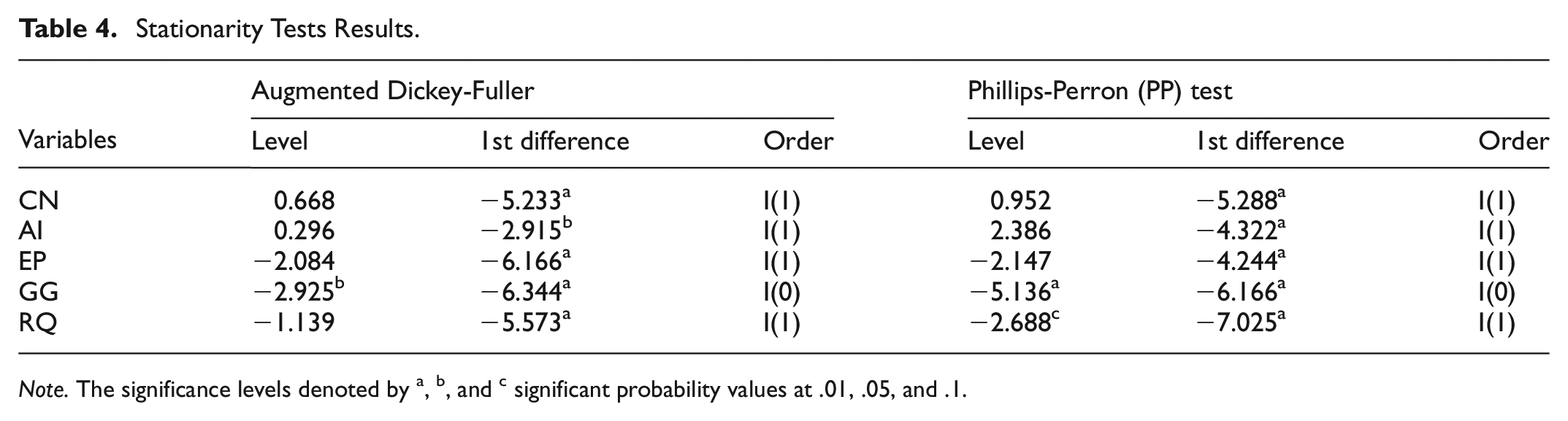
Note. The significance levels denoted by a, b, and c significant probability values at .01, .05, and .1.
Stationarity Tests Based on Nonlinearity and Structural Breaks.
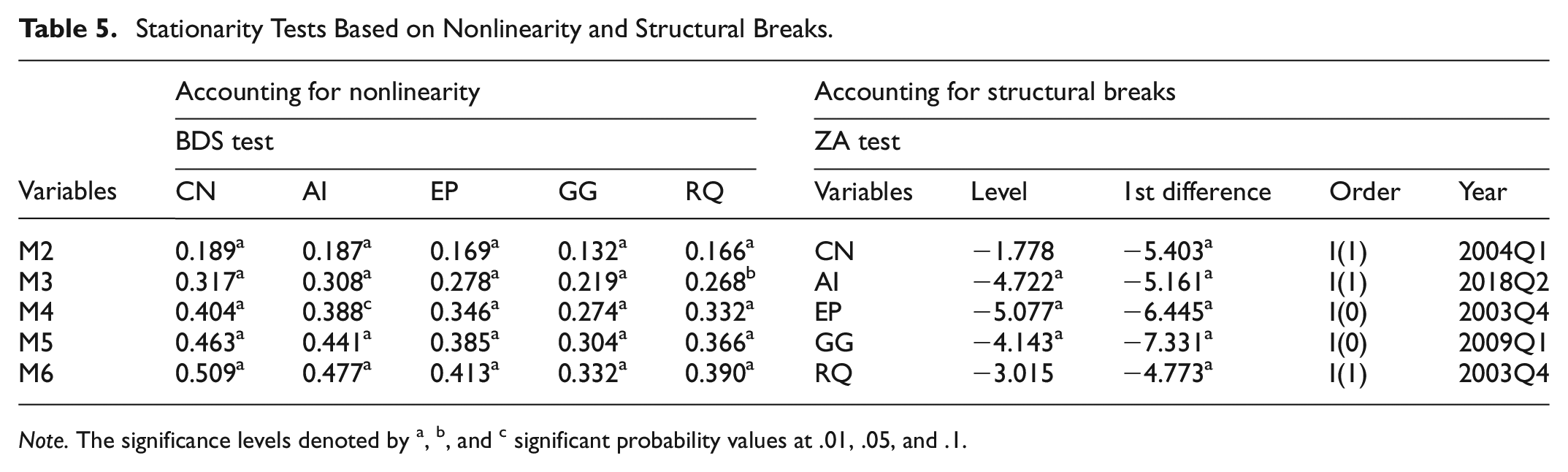
Note. The significance levels denoted by a, b, and c significant probability values at .01, .05, and .1.
Cointegration Test
Upon verifying the stability of the data, this research examines the potential for cointegration among relevant time series. The cointegration test elucidates the presence of a long-term equilibrium, indicating that the sequences gradually converge over time. At first, the bound test which serves the purpose of estimating long-run cointegration relationships is adopted and the results are presented in Table 6. The F-statistic of 4.419 exceeds both the upper and lower critical values at the 5% significance level, thereby affirming that the findings presented in Table 6 substantiate the long-term relationships among the variables. However, it is important to note that cointegration tests that rely exclusively on previously conventional bound tests may lack the robustness required to account for structural breakpoint biases. To enhance the reliability of the long-run results, we performed a second cointegration test utilizing Gregory Hansen’s methodology, as illustrated in Table 7, which is resilient against structural breakpoints. Specifically, the absolute values of this statistic surpass the critical values at the 5% significance level. Consequently, we deduce that the test indicates a strong presence of cointegration.
NARDL Bound Test Result.

Feedback of Gregory-Hansen Test for Cointegration.

Note. The null hypothesis posits no cointegration exists.
Longrun and Short-Run Estimates Without Regulatory Intervention
The results of the findings explicating the functional effects of artificial intelligence (AI), energy policy uncertainty (EP), green growth (GG), and regulatory quality (RG) on carbon neutrality (CN) are presented in Table 8 for the long run and short run. This study provides an early advancement on the AI-CN nexus by estimating the two positive and negative shocks of artificial intelligence on carbon neutrality in the US. The long-run estimates on the effects of AI on CN reveal the positive and negative coefficients are −0.0011 and 0.0196 respectively. By implication, the positive shocks from AI are associated with negative asymmetrical relationship with CN suggesting that a 1% rise in AI corresponds with 0.11% reduction in carbon emissions thereby enhancing the carbon neutrality drive in the US. Conversely, negative shocks from AI are linked to positive asymmetric nexus with carbon emissions implying that a 1% rise in AI escalates carbon emissions by 19.6%. The two reported findings seem counterintuitive especially considering the negative shocks. Plausibly, the results unveil the true nature of the emanating effects of AI on carbon emissions.
NARDL Estimates in the Absence of Regulatory Intervention.

Note. The significance levels denoted by a, b, and c significant probability values at .01, .05, and .1. W
LR
and WSR signify the long and short-run symmetry evaluated based on Wald test.
The short-run estimates expose that the positive shocks from AI are associated with negative effects on carbon emissions specifically with statistically significant coefficient value of −.0076 suggesting that a percent rise in AI leads to a substantial decline in carbon emissions by 0.76%. The negative shocks from AI are linked to positive impacts with statistically significant coefficient value of .0124 implying that a percentage increase in AI corresponds with 1.24% rise in carbon emissions. A fundamental point of departure is evident from the reported long and short-run effects of AI on carbon neutrality in the US economy. Firstly, it is apparent that the escalating effects of AI on carbon emissions surpass the moderating effects thus indicating that AI contributes more to carbon emissions than it reduces the emissions. Specifically, the magnitudinal difference between AI positive shocks (0.0131) and AI negative shocks (0.0196) provides deficit values of 0.0065 suggesting that the positive shocks are not strong enough to offset the negative shocks due to the unresolved 0.65% escalating effects on carbon emissions. Similarly, the short-run magnitudinal difference suggests a deficit of 0.048 suggesting there remain 4.8% unresolved escalating effects of AI on carbon emissions.
What economic intuition can clarify the double-edge effects of AI on carbon emissions as evident in the reported findings? Specifically, the positive shocks of AI which promote carbon neutrality can be argued from at least three perspectives. First, AI has the potential and the ability to enhance energy efficiency and reduce waste (Li, 2023). For example, machine learning algorithms can optimize energy consumption in real time by analyzing data from smart grids, thereby decreasing dependence on fossil fuel-based energy sources (Santhi et al., 2023; Ukoba et al., 2024). This optimization can lead to a reduction in greenhouse gas emissions, thereby mitigating the effects of climate change in the US. Second, AI has the potential to develop and apply sustainable practices across various sectors, including transportation, forestry, and agriculture (Mana et al., 2024; Talaviya et al., 2020). For example, precision agriculture can enable farmers in the US to minimize the use of pesticides and fertilizers, leading to enhanced crop yields and reduced environmental pollution. Similarly, AI-enhanced forestry management can ensure the sustainable maintenance of forests in the US while minimizing adverse impacts on surrounding ecosystems. In the realm of transportation, AI can facilitate route optimization and fuel efficiency, contributing to lower emissions and improved air quality (Ercan et al., 2022; Iyer, 2021). The optimization of routes can help minimize the share of transport contribution to the aggregate carbon emissions in the US. Third, the development of innovative, eco-friendly materials represents another avenue through which artificial intelligence can positively impact the US environment. AI can facilitate the design of new materials that possess specific attributes, such as reduced weight or enhanced strength, suitable for various sectors, including aerospace and construction.
The negative shocks which commensurate with the escalating effects of carbon emissions are not hard to argue because there is explicit evidence alluding to the negative impacts of artificial intelligence in varying aspects such as escalating carbon footprint, promoting electronic waste, and leading to continuous depletion of natural resources (Kanungo, 2023). Specifically, there has been persistent concern about the exacerbating nature of AI on carbon emissions due to the voluminous amount of energy required for the training and operation of AI algorithms. Training an AI model often necessitates substantial computational power, which in turn requires considerable energy resources (Olawade et al., 2024). This energy is frequently derived from fossil fuels, contributing to increased greenhouse gas emissions. Besides, AI-driven automation could lead to excessive expenditure and increased consumption in industries.
The findings in Table 8 suggest that energy policy uncertainty (EP) escalates carbon emissions thereby inhibiting the drive toward carbon neutrality in the US. In specific terms, the coefficient values of .0072 and .0364 are statistically significant as evident for the long and short run respectively. This implies that the lack of policy precision and stability in coordinating the energy mix of the US economy toward environmentally friendly angle continues to make the ecosystem vulnerable to rising carbon emissions. Despite the great commitment of the US government to carbon neutrality which is commendable, the uncertainty trailing the country’s transition to 100% renewable energy will continue to jeopardize the assiduous efforts of the government. For instance, the US ranks next to China in terms of global contribution to carbon emissions and equally remains the biggest consumer of coal especially in the generation of power. Until the regime of President Joe Biden, the US decisively pulled out of the Paris agreement to phase out coal which is a signal of instability for investors regarding the direction of the country when it comes to green revolution. It is important to note the short-term effects of EP are higher than the long-term effects. The economic intuition that can be deduced from that outcome hinges on the ground that, with time, the existing uncertainty can be resolved to a greater extent thus suggesting a decreasing trend in the escalating effects of EP on carbon emissions. The direct nexus between EP and carbon emissions agrees with the findings of Bose et al. (2024) which reveal that carbon emissions increase with policy uncertainty.
The moderating impacts of green growth (GG) on carbon emissions are only evident in the long run with a strength of −0.1896 implying that a percentage rise in GG mitigates carbon emissions by 18.86%. The long-term effects of green growth on carbon emissions in the US economy are plausible because empirical evidence has affirmed that long-term policy measures on economic growth and development are essential for fostering green growth (Hao et al., 2021). Similarly, Dong et al. (2022) find similar mitigating effects of green growth on carbon emissions in China thus submitting that the economy could mitigate the greenhouse effect by accelerating the transition to greener practices.
Regulatory quality significantly mitigates carbon emissions in the US for both long and short terms with the coefficients reading −0.4676 and −0.1706 indicating that a percent improvement in the quality of regulations in the US will commensurate a 46.8% and 17.1% decline in carbon emissions for the long and short run respectively. This finding agrees with the submission of Afolabi (2023) that a significant factor in reducing the adverse environmental effects of natural resource rent is the quality of regulation. The implementation of environmentally sustainable policies and the enhancement of regulatory frameworks will contribute to ensuring environmental sustainability.
Correcting the disequilibrium caused in the short run must satisfy two criteria for evaluation: it must be both statistically significant and negative. While the ECT exhibits a negative nature, its strength has been determined to be .171, which is statistically significant at the 1% significance level, thereby meeting the necessary supporting requirements for the ECT. The findings from the diagnostic tests, presented in the lower panel of Table 8, indicate that the residuals of the estimated nonlinear model successfully meet the criteria of each test. Besides, the Wald test confirms the existence of the asymmetric effects over both short and long durations. This suggests that considerations of nonlinearity and asymmetry are essential when analyzing the interplay between carbon emissions and artificial intelligence in the US. The summary of the various empirical results is graphically in Figure 3.
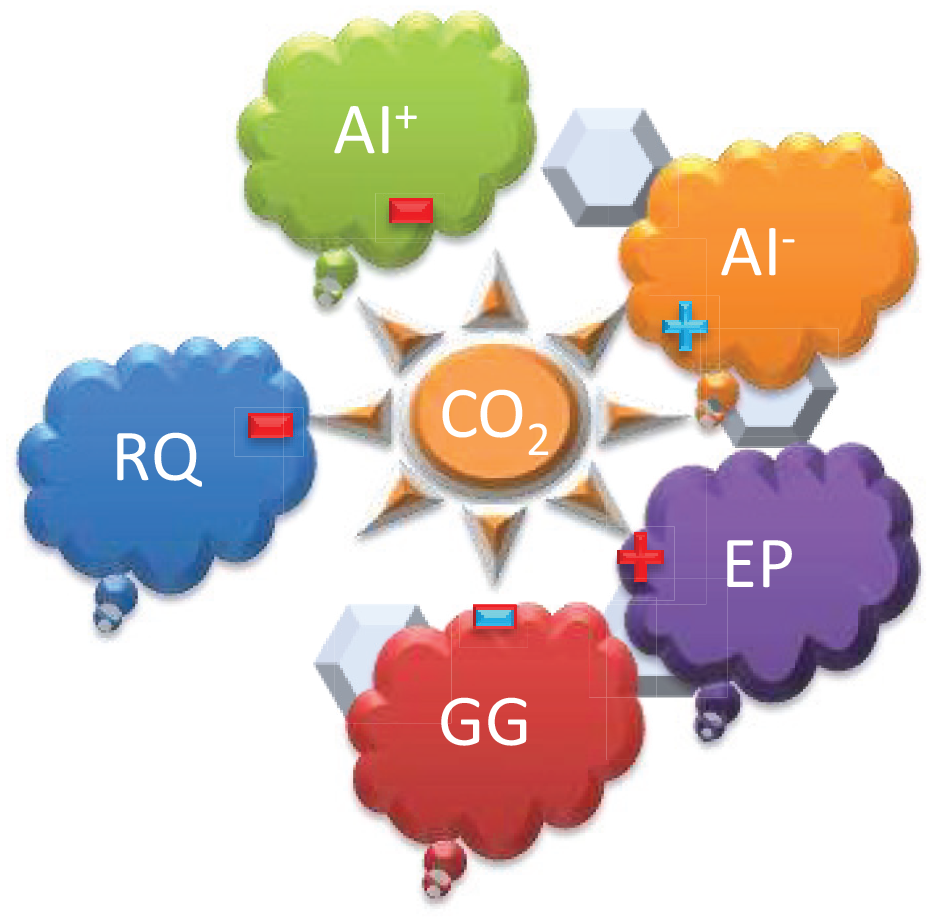
Graphical presentation of the empirical outcomes.
Robustness Analyses: Long-Run Estimators
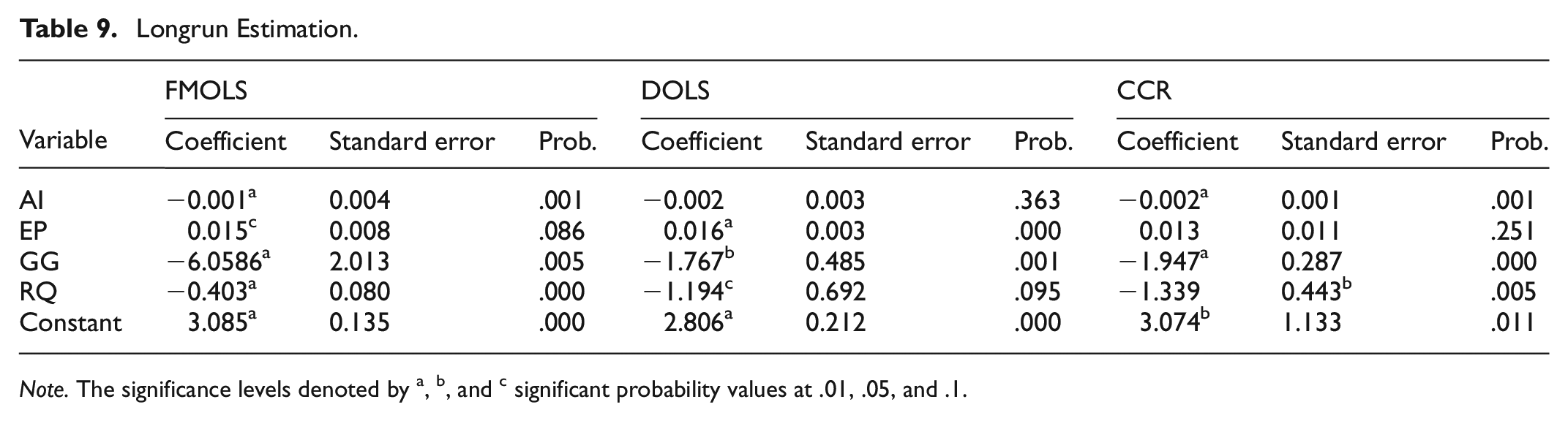
The robustness analysis focuses on the employment of fully modified ordinary least square OLS (FMOLS), dynamic OLS (DOLS), and canonical cointegrating regression (CCR) to specifically evaluate how the selected variables interact with carbon emissions in the long-term nexus. The choice of these estimators is based on their efficacy and reliability in addressing some econometric issues. For instance, FMOLS technique addresses the endogeneity present among variables, yielding reliable estimates. In contrast, DOLS does not require the assumption of data homogeneity, which offers certain advantages. Moreover, the CCR method allows for the estimation of the cointegrating relationship within a framework that accommodates non-linearity and heterogeneity (Fu et al., 2024). According to the reported nexuses in Table 9, all the variables provide reasonable support for the robustness and validity of the long-term estimates of the NARDL model (Tables 8 and 9) discussed in the preceding section. Specifically, artificial intelligence supports mitigating long-term impacts on carbon emissions, the impacts on green growth and regulatory quality remain resilient and sturdy in driving carbon neutrality in the US. Conversely, energy policy uncertainty increases carbon emission surge in the long run.
Longrun Estimation.
Note. The significance levels denoted by a, b, and c significant probability values at .01, .05, and .1.
Furthermore, this research employs cumulative sum (CUSUM) and cumulative sum of squares (CUSUMSQ) methodologies to assess the model’s stability. The blue line depicted in Figure 4 indicates that it remains within the 5% critical threshold, thus confirming the stability of the model coefficients.

Stability graphs.
Causality Nexus Based on Wavelet Coherence
This research employed the wavelet time coherence (WTC) methodology to investigate the possibilities of causal relationship between carbon neutrality (CN) and each of the explanatory variables entailing artificial intelligence, energy policy uncertainty, green growth, and regulatory quality across various periods and frequencies. Describing the apparent features of the WTC, the term “cone of influence,” or COI, refers to the area that is significant around the wavelet coherence. The black border indicates the simulation-related relevance level. The intervals 0 to 4, 4 to 8, and 8 to 32 in Figure 5a to d are categorized as short, medium, and long-term, respectively. While the vertical axis shows frequency, the horizontal axis shows time (Ibrahim et al., 2024). Higher numbers on the scale correlate to lower frequencies. Where the two-time series depicting co-variation in the time-frequency domain is shown by the wavelet coherence. Warmer regions—like red—show areas of strong connection, whilst colder regions—like blue—show a lesser level of dependency between the series. The time and frequency intervals where the series exhibits no dependency are reflected in the colder regions that fall outside the important areas.
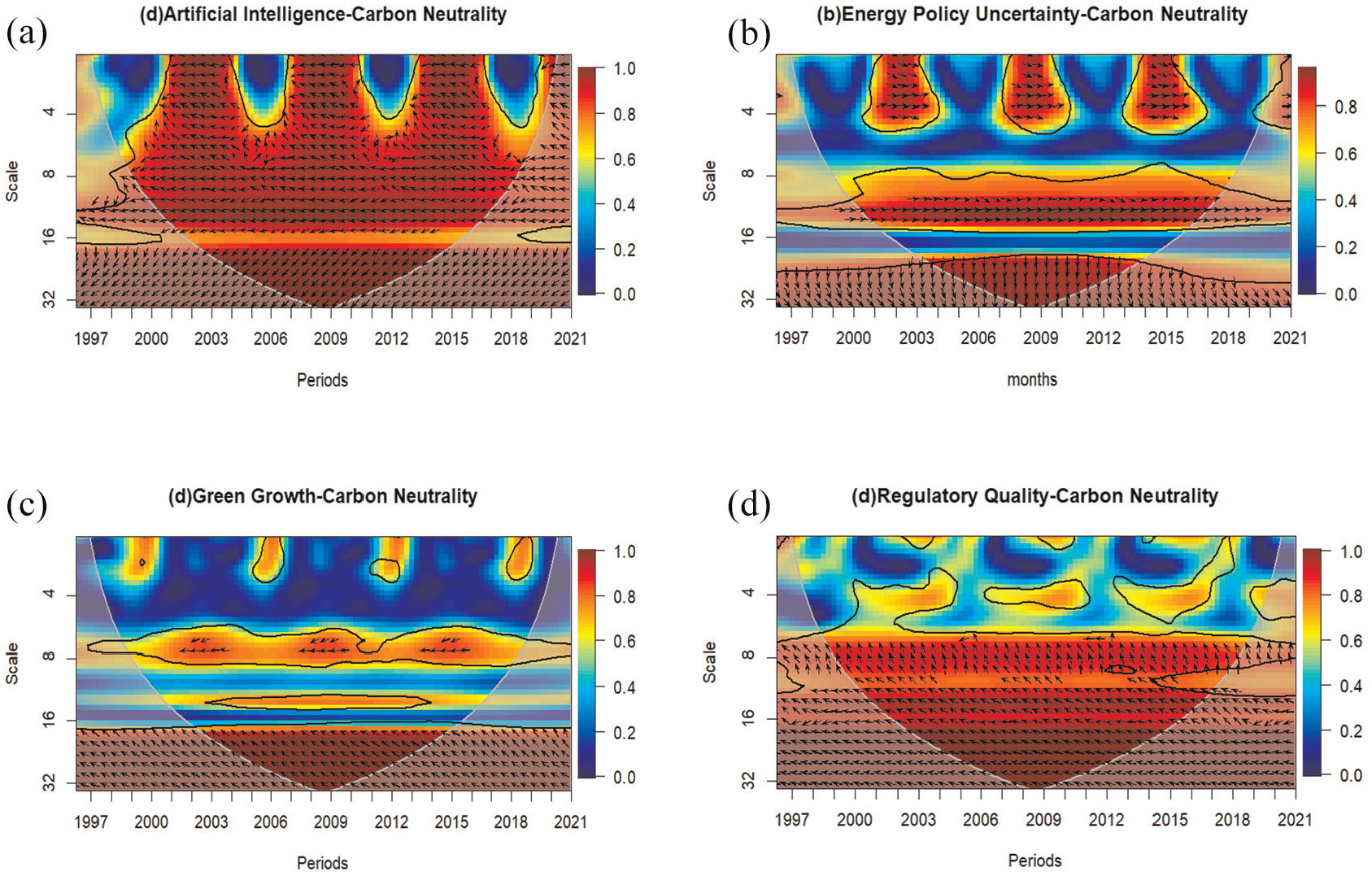
Wavelet coherence results: (a) artificial intelligence-carbon neutrality, (b) energy policy uncertainty-carbon neutrality, (c) green growth-carbon neutrality, and (d) regulatory quality-carbon neutrality.
When the two series are in phase, it suggests they are moving in the same direction, whereas anti-phase indicates movement in opposite directions. Arrows directed right-down or left-up imply that the first variable is leading, while arrows directed right-up or left-down indicate that the second variable is leading (Ibrahim et al., 2024).
The wavelet time coherence between carbon neutrality and artificial intelligence from 1996Q to 2020Q4 is presented in Figure 5a. Most of the arrows point to the left on a scale of 0 to 32, suggesting the existence of anti-phase between the variables. Specifically, this inverse direction is more evident in the short term on a scale of 0 to 4 with strong statistically mitigating significance of artificial intelligence on carbon emissions. The medium-term and long-term connections depict some traits of moderate frequency in the reported mitigating impacts. The long-term connection is precise in the direction of effects which could be implied as the neutralization of the surging carbon emissions through the moderating effects of artificial intelligence on carbon emissions. A careful look at the short-term region unveils some in-phase relationships due to a few arrows pointing to the right. The extent of causality reflects some traits of double-edge nexus between the two variables which buttress the reported asymmetric effects. For instance, across time frequency from 1995 to 2020, the arrows are upward to the left meaning that artificial intelligence exhibits dominance on carbon emissions indicating that the progress in the artificial intelligence market could explain certain decline or rise in carbon emissions. Looking at the time-frequency from 16 to 32, the arrows are left-down with few arrows that are right-up thereby establishing the leading influence of carbon emissions. All in all, it can be inferred that the long-term association of artificial intelligence will neutralize carbon emissions which is in tandem with the reported mitigating positive shocks in NARDL estimates for both short and long run. The FMOLS, DOLS, and CCR results are equally supported by this outcome.
The wavelet time coherence between energy policy uncertainty and carbon emissions ranging from 1995 to 2020 is displayed in Figure 5b. As evident from the result, energy policy uncertainty exerts leading impacts on carbon neutrality (carbon emissions) in the short, medium, and long-term. The in-phase movement noticeable toward the right side of the scale implies the potential effects of the stable nature of policy to exacerbate the surging carbon emissions. This is plausible going by the fact that there is a substantial replication of similar outcomes reported by the NARDL short and long-run estimates. This reflects the nature of policy uncertainty in the energy sector of the US.
The time-frequency nexus between green growth and carbon emissions is presented in Figure 5c for the period under study. The significant causal effects of green growth on carbon emissions are evident within the medium term with some obstructions leading to the long term. This suggests that the leading effects of green growth on carbon emissions are effective in the long term. Consequently, we can infer that green growth is only effective in neutralizing the US economy from escalating carbon emissions in the long run. This corroborates the reported NARDL estimates and the robustness of long-run outcomes based on FMOLS, DOLS, and CCR methods. The wavelet time coherence between regulatory quality and carbon emissions ranging from 1995 to 2020 is displayed in Figure 5d. As evident from the result, regulatory quality exerts leading impacts on carbon neutrality (carbon emissions) in the medium and long-term. The anti-phase movement noticeable toward the left side of the scale implies that regulatory quality mitigates carbon emissions thereby driving toward decarbonization in the US.
QQKLS Based Quantile Regressions
The results illustrated in Figure 6a to d investigate the influence of artificial intelligence, energy policy uncertainty, green growth, and regulatory quality on carbon emissions. The figures display the average pointwise marginal effect coefficients as color bars, where green indicates positive coefficients and red signifies negative coefficients. Statistical significance is denoted by ***, **, and * at the 1%, 5%, and 10% levels, respectively. The levels of nexus are categorized into three comprising; lower quantiles (0.05–0.35), middle quantiles (0.40–0.60), and higher quantiles (0.65–0.95). These categories reveal the degree of exogenous impacts on the endogenous variables and equally depict the short-term, medium-term, and long-term relationships.

Quantile on Quantile estimates: (a) impact of AI on CO2, (b) impact of EP on CO2, (c) impact of GG on CO2, and (d) impact of RQ on CO2.
The result displayed in Figure 6a unveils the nexus between artificial intelligence and carbon emissions. The analysis indicates that artificial intelligence predominantly exerts a negative effect on carbon emissions with the strength of this relationship exhibiting increasing returns to scale. This is particularly evident considering the fact that there exists strong inverse relationship between the two variables at higher quantiles. At lower quantiles, there was no significant nexus until the middle quantiles and these effects increase in correspondence to the rising quantiles. Another point that can be derived from this relationship is the fact that lower level of artificial intelligence is not substantial enough to drive carbon neutrality. Besides, the non-significant nature of artificial intelligence at the lower quantiles implies that artificial intelligence exhibits long-term effects on carbon emissions which is in line with the NARDL, FMOLS, DOLS, CCR, and WTC estimates.
The outcomes of the energy policy uncertainty showcase high degrees of positive nexus with carbon emissions in Figure 6b. This is suggesting that the uncertainty about the direction of energy mix in the US contributes significantly to the surging carbon emissions. It is interesting to state that at lower quantiles, the degree of influence is very weak implying that lower degrees of uncertainty in the energy sector will enhance substantial level of trust and stability in the sector thereby reducing the share of energy contributions to carbon emissions in the US. However, with higher quantiles, the uncertainty is more thus escalating the surge in carbon emissions. It can thus be inferred that long-term functional effects are functional between energy policy uncertainty and carbon emissions. This is consistent with the previously reported findings.
In Figure 6c, green growth exerts strong and negatively significant effects on carbon emissions from the later part of the lower quantiles (.30) to the higher quantiles. The rate of significance is stronger at higher quantiles thus implying that green growth significantly sanitizes the US ecosystem. In Figure 6d, regulatory quality inversely correlates with carbon emissions across the lower to higher quantiles. The overall findings of the QQKRLS suggest and support the robustness of the NARDL, FMOL, DOLS, CCR, and WTC outcomes.
Conclusions, Policy Recommendations, and Limitations
Conclusions
The current era is facing significant environmental challenges resulting from human-driven activities, which are adversely affecting both the quality of life and the health of ecosystems. As one of the leading contributors to greenhouse gas (GHG) emissions, the United States, along with China, remains a central figure in discussions surrounding climate change and the pursuit of carbon neutrality. This research critically assesses the likelihood of the United States achieving its carbon neutrality goal by 2050, particularly in light of the rise of Artificial Intelligence (AI) as a transformative technological influence. It specifically investigates whether AI serves to increase or decrease carbon emissions while also considering the impact of regulatory quality and the relationship between energy policy uncertainty (EP) and green growth (GG) using quarterly data spanning from the first quarter of 1996 to the fourth quarter of 2020. In line with established scientific research protocols, this study conducts thorough preliminary evaluations, including ADF, PP, BDS, and ZA stationarity tests, to ensure the data’s reliability before implementing cointegration techniques such as the bound test and Gregory-Hansen test. The presence of nonlinearity in the dataset, as revealed by these tests, prompts the adoption of the Nonlinear Autoregressive Distributed Lag (NARDL) model, in conjunction with Fully Modified Ordinary Least Squares (FMOLS), Dynamic Ordinary Least Squares (DOLS), and Canonical Cointegrating Regression (CCR) to confirm robustness. Furthermore, the Wavelet Time Coherence (WTC) method is utilized to investigate causal relationships, while the Quantile-on-Quantile Kernel-Based Regularized Least Squares (QQKRLS) estimation evaluates the distributional effects of significant explanatory variables on carbon emissions.
The empirical results offer compelling insights. Firstly, the NARDL analysis confirms the asymmetric effects of artificial intelligence on carbon emissions, revealing a dual influence—AI advancements can either exacerbate or reduce carbon emissions, contingent upon the type of technological shocks. Secondly, uncertainty in energy policy significantly elevates carbon emissions, highlighting the detrimental effects of inconsistencies within regulatory systems. Nevertheless, the quality of regulations and initiatives aimed at promoting green growth are essential factors that effectively address the environmental challenges posed by AI. FMOLS, DOLS, and CCR provide additional support for the reliability of the NARDL long-run estimations, ensuring the soundness of the policy implications drawn from them. Moreover, the QQKRLS findings indicate that the distributional effects of the variables differ across quantiles, while the WTC analysis uncovers dynamic causal relationships.
Policy Recommendations
The reported findings unveil some key areas of importance that policy makers, practitioners, government, and private sectors must look into to ensure the best of artificial intelligence and other variables are explored to the advantage of the country in delivering its decarbonization targets.
Sustaining the Positive Effects of AI While Mitigating Its Negative Shocks: The reported positive and negative shocks from artificial intelligence on carbon neutrality suggest the existence of mixed environmental outcomes. This points to the fact that the U.S. government should lay more emphasis on AI applications that enhance sustainable development, improve energy efficiency, and reduce emissions. Besides, regulatory measures are necessary to address market failures stemming from profit-oriented AI applications that overlook sustainability. Specifically, the government should increase funding for AI-based clean energy initiatives through the Advanced Research Projects Agency-Energy (ARPA-E). More so, the government should implement tax incentives and financial support for businesses that utilize AI to enhance renewable energy production and minimize carbon footprints. On the other hand, the government should restrict AI in high-carbon sectors by establishing carbon pricing strategies aimed at AI applications that contribute to carbon-intensive practices. Lastly, the AI for Earth Program, initiated by Microsoft, backs AI-focused sustainability projects. Hence, strengthening federal partnerships with such programs can expedite the integration of environmentally friendly AI solutions.
Addressing Uncertainty in Energy Policy for a Sustainable Renewable Energy Future: The empirical analyses unveil that the growing unpredictability of energy policy poses significant challenges for future investments in renewable energy. Consequently, achieving a fully renewable energy system will thus require stable and actionable policy frameworks. To ensure a stable future of energy policy, the U.S. government should create a strategic plan akin to California’s Carbon Neutrality by 2045 initiative to offer clear guidance for investors. More so, increasing tax incentives through the Investment Tax Credit (ITC) and Production Tax Credit (PTC) to boost the competitiveness of renewable sources would prove highly effective. Since reducing risks in renewable energy markets has become inevitable, the government should consciously work to promote investments in energy storage solutions, such as advanced battery systems and AI-driven grid management, to ensure a reliable renewable energy supply. Additionally, it is suggested that the National Renewable Energy Laboratory (NREL) which is already dedicated to research and development in clean energy should be supported through increased funding and partnership with AI experts. This will enhance energy forecasting and contribute to greater policy stability.
Enhancing Green Growth as a Strategy for Decarbonization: Empirical evidence from the study reveals that green growth is crucial for mitigating carbon emissions, making it a key element in the pursuit of carbon neutrality. Consequently, the government needs to promote collaboration between the public and private sectors, focusing on artificial intelligence, renewable energy, and sustainable practices. Additionally, investments in green research and development (R&D) and energy efficiency are vital for successful decarbonization efforts. Therefore, the government should enact policies that strengthen green bank programs, which provide low-interest loans to businesses dedicated to sustainable production. Furthermore, the government ought to encourage greater involvement in the Regional Greenhouse Gas Initiative (RGGI) to foster market-driven emission reductions. Finally, the existing Federal Sustainability Plan, which aims for net-zero emissions by 2050 as endorsed by the U.S. government, should be expanded to include the private sector to accelerate green growth.
Enhancing Regulatory Quality to Attain Carbon Neutrality: This study has been able to empirically justify that the quality of regulations is a well-established factor contributing to both economic and environmental stability in the United States. Hence, maintaining consistency and reliability in regulations becomes highly essential, particularly in light of recent political changes. It is imperative to bolster AI regulations to mitigate its adverse environmental effects. To achieve this, the U.S. government should implement policies that will mandate that AI-driven sectors adhere to federal carbon neutrality standards, incorporating these requirements into the Clean Air Act. Besides, the government should systematically develop and empower the Environmental Protection Agency (EPA) and the Federal Energy Regulatory Commission (FERC) to effectively implement climate-related AI regulations. Considering the existing Inflation Reduction Act (IRA) of 2022 which allocates resources for climate-related initiatives, expanding its application to include AI-driven regulatory compliance frameworks can enhance enforcement efforts.
Limitations
The analyses of the environmental impacts of artificial intelligence in the present study are limited to carbon emissions which is just a component of GHG emissions. Components such as methane, nitrous oxide, and PM 2.5 air pollution are not covered. More so, ecological footprint is not assessed in this study despite the need to extend the applicability of artificial intelligence in moderating their surge. The consideration of regulatory quality provides a clear view of how policy intervention can promote carbon neutrality agenda in the US. However, assessing how the interplay of other policies such as political stability, rule of law, government effectiveness, and environmental policy stringency will provide a broader view of policy intervention for the US economy and other developed nations. Moreover, the consideration of the US in a time series data could be expanded to panel study with the consideration of the key intergovernmental organizations such as G7, E7, N-11, and G20. Future studies can explore these highlighted research opportunities.
Footnotes
Acknowledgements
The authors acknowledge the funding of this project from the Deanship of Scientific Research, Vice Presidency for Graduate Studies and Scientific Research, King Faisal University, Saudi Arabia (Grant No. KFU252881)

Ethical Considerations
This article does not contain any studies with human participants performed by any of the authors.
Funding
The author(s) received no financial support for the research, authorship, and/or publication of this article.
Declaration of Conflicting Interests
The author(s) declared no potential conflicts of interest with respect to the research, authorship, and/or publication of this article.
Data Availability Statement
Data will be made available upon request.