



Abstract
This article employs semi-structured interviews with 42 Chinese women to examine discursive strategies adopted in their participation in the online protest against patronymy, and investigate possible approaches to a feminist political agenda within contemporary Chinese contexts. Three main strategies are discovered and discussed to shed light on the unequal gender power structure that is manifest in the discursive resistant activism: linking patronymy to women’s loss of rights in private and public spheres; defining patronymy as a symptom of effort-reward imbalance rather than a mere gender issue; and framing activism against patronymy as a gender war between women and men. This paper aims to identify the value of these strategies and probe the potential social and political implications of digital Chinese feminism by politicizing what was once seemingly only a personal issue. It also explores the potential advantages and setbacks of these online discourses.
Introduction
With the rapid development of social media in China in recent years, Chinese feminist discourse online has become far more visible, evoking various public discussions and controversies on gender issues. In May 2020, Ms. Papi, a Chinese online celebrity, became the target of criticism from a group of Chinese netizens, for letting her newborn baby adopt its father’s surname. Children taking their fathers’ surname is an entrenched norm in China, even though they can adopt either their father’s or mother’s surname according to the law (Qi, 2018). Under this circumstance, Ms. Papi’s choice of giving up the right to let her offspring follow her own surname was considered by many as a surrendering gesture to patriarchy, not only helping reinforce the legitimacy of patronymy, but also negating her previous public image as an independent woman who breaks the traditional Chinese marriage model in which men act as the main breadwinners of the family (Zhai & Gao, 2010).
The debate almost immediately swept the Internet, evoking both the protest against patronymy under the hashtag #SurnameWar/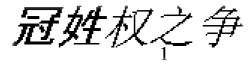 as well as controversies over this online protest.
1
On the one hand, for many people, female social media users bashing patronymy could be perceived as a practice of digital feminism aiming to break the patriarchal norm; while on the other hand, there are others, men and women, who insist that surnaming one’s children is primarily a matter of personal choice that has little to do with gender oppression and thus believe the online debate about it meaningless and ridiculous (see China Youth Daily, 2020). The defense of individual freedom and autonomy to exercise choice has long been an integral part of the feminist political agenda. However, the values that people, especially women have, such as the right to make any choice based upon their desires, ignore the fact that individuals are inevitably embedded in the external social structures (Ferguson, 2010).
as well as controversies over this online protest.
1
On the one hand, for many people, female social media users bashing patronymy could be perceived as a practice of digital feminism aiming to break the patriarchal norm; while on the other hand, there are others, men and women, who insist that surnaming one’s children is primarily a matter of personal choice that has little to do with gender oppression and thus believe the online debate about it meaningless and ridiculous (see China Youth Daily, 2020). The defense of individual freedom and autonomy to exercise choice has long been an integral part of the feminist political agenda. However, the values that people, especially women have, such as the right to make any choice based upon their desires, ignore the fact that individuals are inevitably embedded in the external social structures (Ferguson, 2010).
The popular perception that defines surnaming as a personal matter assumes that men and women enjoy equal rights and social/familial statuses. However, this perception not only turns a blind eye to the oppressive nature of the gender structure in society, but also disavows women from recognizing their rights that are yet to be materialized. As such, this study argues that the online protest against patronymy within the Chinese context is not merely a socio-cultural war between men and women, but also a potential approach to redrawing the boundary between private and public lives. The latter agenda is advanced by unmasking how a seemingly personal choice in popular beliefs has been influenced by and could, in turn, strengthen gender power structures at large. This is in all respects a significant principle of feminist practices within the digital media ecology (Hou, 2020).
In recent years, how Chinese women use social media to resist gender bias, rape culture, gender-based violence and misogyny in everyday life has attracted wide and intensive scholarly attention (Zeng, 2020). However, there’s limited inquiries into Chinese women’s discursive resistance against patronymy—an arguably obvious patriarchal construct, disguised as a natural, private, self-evident choice. As Foucault (1980) suggests, discourse reflects, sustains and constitutes power, and meanwhile offers the potential to deconstruct existing power structures. This article aims to take China’s “online surname war” as an intensive case to explore how Chinese female opponents of patronymy take advantage of digital media to deploy certain strategies to disenchant “private choice” in public discourse. Instead of merely focusing on the analysis of the online discourses around the case, this research will also contextualize such analysis in regard to the politico-cultural conditions of contemporary Chinese society, to discuss why and how such a discursive battleground might enlighten us on the unique route of Chinese feminist politics.
Patronymy, Patriarchal Norms, and the Complex Gender Dynamics in Contemporary China
It has been well-documented how discussions about patronymy represent gender relations/norms within specific contexts (e.g., Dodge & Suter, 2008; Lebell, 1988). In China, it is widely recognized that the legitimacy of patronymy is predicated on the practicability of the son-preferring culture sustained by overreaching Confucianist ethics. According to Confucianist norms, only the male offspring can inherit the surname, the bloodline, and the property of the family, which further cultivates the idea in people’s common sense in contemporary China that the male offspring is superior to the female (Tang et al., 2010; Zhai & Gao, 2010). In addition to enshrining the significance of producing male offspring to carry on the family line, this cultural gender value also acts as a prominent force resulting in disadvantages for girls in both private and public areas as the role of women is largely reduced to the reproduction of sons within the system (Leung, 2003). Thus, the strong son preference is closely associated with the low status of females in China (Qi, 2018). It is therefore reasonable for many Chinese people that naming a child after his/her father is never a matter of free choice, but a largely subconscious practice that reflects and cements the legally and culturally pro-male gender power structure. As some scholars have concluded, patronymy is one strong pillar of the patriarchy, since its rule of naming normalizes and reproduces the common sense that males are superior to females by ensuring that only the male’s last name can be passed on (Dodge & Suter, 2008; Lebell, 1988).
The communist revolution, economic reform and the implementation of the One-Child Policy (1979–2015) in China have led to changes in both the traditional gender power structure and people’s perception of it (Leung, 2003). In 1949, the founding of the People’s Republic of China opened up a new historical era for women’s liberation and gender equality. Chinese women were encouraged to participate in revolutionary activities and social construction, and deemed to be able to “hold up half the sky” (W. Zheng, 2005). During that period, the indispensable role of Chinese women in socialist production and women’s rights to the freedom of marriage and equal employment were at least guaranteed on paper by a series of laws and national policies (Meng & Huang, 2017). However, rather than having its own name, women’s liberation has long been considered “a subordinate but integral part” of the Chinese revolution at large in the state discourse (Leader, 1973). The Chinese party-state intervenes and even leads the women’s rights movement through its “women’s work” organs, which faces scholarly critique for confusing gender erasure with gender equality (M. H. Yang, 1999), highlighting women’s duty while ignoring the needs raised by women themselves (Ji et al., 2017), and treating women as state property (Evans, 2002). During the ensuing Cultural Revolution (1966–1976), there was yet another famous slogan that proposed “Women can do whatever men can do,” which encouraged Chinese women to work “like men” (Jin et al., 2006). However, the state’s usage of women in a “masculine” way not merely highlighted men’s dominance in social production but also facilitated the reproduction of the gender norm that women should bear the burden of “breaking the tradition” in order to get equal rights (W. Zheng, 2003). In this respect, the communist PRC actually took advantage of rather than resolved China’s thousand-year-long gender problems.
Since the inception of its economic reform in the 1980s, China has experienced radical changes in its social structure. On the one hand, the rise of the market required a more skilled and educated labor force, for which women are too large a demography to be disposed of (Meng & Huang, 2017); on the other hand, the dramatic social change led to the resurrection of Confucianism and its gender culture that encourages women to stay at home and perform the roles of wives and mothers (e.g., Billioud & Thoraval, 2009). It seems that the state has an ambivalent attitude toward Chinese women and does not show a genuine concern for their lives (Fincher, 2018). The discourse of “returning home” can even be found in the state-run Chinese newspapers through which the government has also emphasized Chinese women’s advancement in social development (Ji et al., 2017; Wallis, 2006). There thus occurred a paradoxical situation in which Chinese women stepped into the public sphere to some degree whilst Chinese men never went into family life. Under this circumstance, Chinese women have to be subjected to unpaid family care responsibilities to fulfill the expected gender role and meanwhile do the paid work to fulfill the task of the state (Cook & Dong, 2011), which leads to them having to bear double and sometimes contradictory burdens.
The ambivalent attitude of the state toward women is also reflected in a derogatory label that is broadly spread via Chinese mass media and social media and never faces censorship or blocking, that is “left-over women/ ” (Fincher, 2016). The term is normally used to describe well-educated working women living in big cities who are not yet married by their late 20s (Ji, 2015), blatantly indicating that Chinese women are supposed to prioritize finding a spouse at a marriageable age over all other life causes of theirs in order to maintain their social status (J. Liu, 2004). This gendered pressure not only creates anxiety among Chinese women but also helps legitimate and reproduce the existing structure of gender inequality, as the emphasis on the necessity for women to get married early would inevitably limit their opportunities for personal development, which is, in turn, reinforcing women’s inferior position in both private and public areas (Fincher, 2016). Thus, post-reform women who were supposed to exemplify women’s empowerment end up being the common target of the state-backed gender power structure (Ji et al., 2017; Li, 2021).
The discourse of “left-over women” tends to blame the late marriage of elite single women on their personalities, such as being too bossy and too picky (Fincher, 2016; Ji, 2015), and goes hand in hand with the discourse of “women rise, men decline,” a topic extensively discussed back in the early 1980s yet still influential today. This commonly heard discourse reveals some men’s fear over the rising socioeconomic status of women as if it will inevitably lead to men’s loss of power (Zhang, 2011). However, it seems that this discourse turns a blind eye to the fact that within the current gender regime, men and women never receive equal support from the family and/or society.
Besides, no matter how lively China’s market feminism may appear, its empowerment of Chinese women is quite precarious. Firstly, although more working fields and opportunities have opened up to women alongside social development, the “male-as-superior” gender discrimination in the workplace has nevertheless increased along with the return of traditional values (Attané, 2012; L. Chang, 1999). This kind of discrimination, combined with the unequal housework sharing, has resulted in the situation wherein Chinese women receive much less family support and social recognition in the labor market compared to men, which then affects women’s employment opportunities as well as career development, and further influences their status and bargaining power within the family sphere (Ji et al., 2017). Secondly, with the state’s call for women to act as social labor for their liberation, mainly skilled or educated working-age women dwelling in cities benefit (Wallis, 2006; W. Zheng, 2003), whilst most Chinese women born and living in rural areas remained marginalized (Sargeson, 2006), their rights to education and careers largely invisible. Moreover, since China started to embrace capitalist globalization, women’s development faces the deployment of the market in which gaining power and freedom is closely connected with consumption (Y. Chen, 2011). From this premise, feminism with the development of a socialist market economy has reinforced rather than challenged the structural gender inequality through interplaying with other social factors.
The social consequences of both the state and market feminisms reflect that it is actually the state that has the ultimate power to draw the boundary between “the public” and “the private” for women. Briefly, the public was identical with demands of the nation-state whose norms and orders were predetermined by male elites, while women’s rights were dissolved into the private/domestic sphere which is marked as the site of women’s individual responsibilities (Chia et al., 1994; Ji et al., 2017; Wu et al., 2021). The imposition of the One-Child Policy aiming to curb the growth rates of the population in 1979, as well as the top-down abolition of the Policy (2015) to address the aging crisis, are vivid examples of the potency of such power. The One-Child Policy ostensibly improved the lives and social status of Chinese women by reducing women’s burdens of fertility, increasing their chances of developing a career, and allowing the only girl to get all resources and investment from her parents (Fong, 2002). However, those girls in urban areas gained rights solely as a result of being the only offspring of the family (Tsui & Rich, 2002), rather than being seen as deserving of equal rights with men as individuals. The One-Child Policy was abolished in 2015 as the state needed more reserve labor, and now Chinese women are encouraged to have three children according to the renewed family planning policy which was established in May 2021 (Tatum, 2021). It can be summarized that the personal freedom of Chinese women in life choices that continue to be made under conditions of control and oppression is open to debate.
The Rise of Digital Feminism in China
Weibo, Online Censorship, and Digitally Mediated Feminist Activisms
The development of digital media and its role in challenging patriarchal norms in contemporary China has attracted wide scholarly attention. Generally, researchers believe that digital media has not only provided platforms for women to speak out about their experiences as victims of sexism and gender-based violence/assaults, but also engaged them in both online and offline countercultural movements with regard to gender issues (e.g., Baer, 2016; Keller et al., 2018). In China, it is widely recognized that Weibo, a leading social media platform whose features resemble those of Twitter, is the hotbed for the rise of Chinese digital feminism in its capacity to empower individuals to share their life stories and opinions to an open public without being pre-censored by state authorities (Han & Lee, 2019; Hou, 2020). Weibo is therefore deemed as the major cultivator of grassroots activism with great techno-cultural potential (Gleiss, 2015).
Researchers of feminist studies have noticed the role Weibo plays in politicizing women’s personal encounters and endowing them with historical sensibilities via provoking public discussions and pushing institutional reforms. It is thus possible for various digital feminist activisms—except for those that directly challenge the authority of the state—to take place on Weibo. One such activism is the “Anti-Domestic Violence with Nude Photos” campaign (2012), in which young Chinese feminists used Weibo to advocate the enactment of the anti-domestic violence law (Han & Lee, 2019), and the campaign for introducing sex offender registrations (2017) (Q. Chen, 2020). In early 2018, the global #MeToo movement spread to China, inspiring Chinese women to share their experiences as victims of sexual harassment, mainly through Weibo due to its configurations of public visibility. The Chinese version of the #MeToo movement is now considered a milestone in the development of Chinese digital feminism for its success in mobilizing new forms of networking for public activisms, and raising large-scale social awareness about sexual harassment through provoking public discussions (Hou, 2020; Zeng, 2020).
However, besides empowering women with new tools for expression and activisms, digital media affords larger-scale dissemination of patriarchal and misogynic discourses as well (Yin & Sun, 2021). Remarkably, in recent years, defamation campaigns against feminism on Chinese social media have been common, with considerably abusive terms, such as “feminist bitch” or “hillbilly feminism,” becoming popular (Yin, 2022). As the stigmatization of feminism on Chinese social media is still rampant, feminists and women who express or support feminist ideas are dealing with a more and more hostile media environment. In addition, researchers have pointed out that while digital media amplifies the voice of well-educated women living in cities where using the internet is a common skill, the voices of women residing in rural areas are strikingly marginalized, if not totally muted (e.g., Svensson, 2016). Thus, it is reasonable to conclude that the rise of digital media both challenges and helps reproduce the prevailing power structures in society.
Given the authoritarian nature of the regime of China, digital feminist discourses and activisms have always been under the surveillance of the state (Zeng, 2020), which means that the outcome of such online practices is largely predicated on the practitioners’ understanding of the state’s intention and capacity to negotiate with it. For most of the time, China’s draconian online censorship leads to the elimination of most posts with explicit criticism of state policies and specific person(s) with an official background, such as government officials who are accused of sexual harassment. Such contexts cause not only certain drawbacks to the progress of Chinese digital feminism (Han & Lee, 2019), but also a situation where the scholarship on Chinese online feminist practices mainly focuses on examining feminist agency, new networking or strategies adopted by young women, while lacks explorations of digital activisms from the perspective of the “personal,”“public,” or “political” (Hou, 2020).
In addition, as a result of the development of socioeconomic status and the awakening of feminist consciousness of Chinese women in the new era, anti-marriage and anti-fertility claims become increasingly prominent on Chinese social media, especially when the new law which stipulated a 30-days “cooling-off” period before divorce (2020) and the three children policy (2021) were disclosed to the public (Huang, 2023b; Yu et al., 2024). This kind of feminist debate that is seemingly concentrated in the private sphere urges Chinese scholars to pay attention to the potential problems it may cause, such as shifting public focus from structural oppression to individuals’ actions and still being stuck in the system of global neoliberalism (C. Yang & Zhou, 2023). However, those debates demonstrate that to some degree, some Chinese women realized that their lives in the private sphere have been conditioned by many factors outside of it and thus need to be discussed in public. Their efforts and strategies of politicizing their personal experiences with all forms of patriarchy, including media, public discourse, and nation-state (Baer, 2016; Keller et al., 2018) are therefore worth in-depth inquiry within contemporary Chinese contexts.
Chinese scholars have also noted that the significance of online activisms in China lies not so much in exerting direct impacts on social policies or the state authority as in forging a new sensibility toward power (G. Yang, 2009). Many Chinese female netizens who want to participate in online feminist activisms choose to use cultural products, such as innovating emojis or creating new feminist discourse to resist or negotiate with the state-backed gender power structure (Zeng, 2020). In this way, we frame women’s resistance against patronymy in this study as discursive strategies of digital media use to address gender inequality and enhance public sensibility toward patriarchal gender norms in daily life. This article is thus of great theoretical relevance in (1) how digital feminist activisms should explore and employ opposite strategies to adjust to China’s politico-societal contexts; (2) how the politicization of an issue that has long been deemed personal happens in some Chinese women’s daily use of Weibo; and (3) how we may understand online discourses surrounding “personal” issues through comprehensive analyses from a digital feminist perspective.
Hashtag Activisms and Discursive Resistance During the Post #MeToo Period
The global #MeToo movement has not only put the issue of sexual harassment under the spotlight in front of the Chinese public but also introduced a new mode of discursive resistance—hashtag activisms—into Chinese women’s digital media usage through increasing the visibility of women’s personal issues/responsibilities to cause public concerns. Hashtag feminist activisms can be understood as a form of feminist activism that unfolds through hashtags on social media platforms (Clark, 2016). The discursive power of hashtag feminism is vital in demonstrating individual stories and promoting collective expressions, while its politics is widely believed to rely on online narrative/interactions and does not necessarily escalate into offline protest (e.g., Baer, 2016; Clark, 2016).
The special traits of hashtag feminism, such as its independence from permits of formal institutions and low-cost-ness of participation, make such a mode of activism a significant approach for Chinese women to practice feminist politics in a context where social activisms either lack systematic support or have always been under strict state surveillance (Clark, 2016). As such, although the Chinese #MeToo movement faces censorship, stigmatization, and blocking (Rose Luqiu & Liao, 2021), Chinese digital feminists of the post #MeToo era have kept the hashtag mode and used it to challenge sexual violence, misogyny, and the mainstream patriarchal culture that sustains them. For example, in January 2020, during the early outbreak of the COVID-19 pandemic in China, the hashtag campaign #SeeingFemaleLabors/ was immediately coined on Weibo to protest against the marginalization of female medical professionals in state media coverage. The hashtag campaign was then extended to the popular appeal for the elimination of gender discrimination in the labor market, calling for concerns about women’s labor security and recognition of women’s labor contributions (Feng, 2020). It is worth mentioning that according to one of the creators of this online campaign, “the tag is used as a relay baton, so who starts the campaign does not matter, while what matters is who can make it influential” (Feng, 2020). Such a viewpoint resonates with this research in its emphasis on the decentralized leading forces of hashtag activisms that offer every woman opportunities to participate (see Clark, 2016; Yin & Sun, 2021).
The feminism scholarship has also examined the role of digital media in the Chinese #MeToo movement whose hypervisibility mainly stems from elite hashtag users who have disclosed their identities to allege the defense (e.g., Rose Luqiu & Liao, 2021), as well as in the later #SeeingFemaleLabors campaign whose political significance was fueled through linking the discursive activism to protest against the structural gender discrimination in the Chinese labor market (Feng, 2020). Nevertheless, how do women leverage social media and hashtags to problematize a patriarchal custom that is deeply entrenched in their daily lives? How do they challenge the belief that (women’s) personal/familial issues have nothing to do with and should not be brought into the public sphere? There is not yet a qualitative study investigating digital feminist discourses regarding these questions. As such, this study aims to address such topics by drawing on analyses of how some Chinese women use social media to strip off the seemingly natural camouflage of patronymy and problematize it as structural oppression.
Methods
This research takes a two-pronged methodology including both in-depth interviews and a thematic analysis. Interviewees of the research were recruited on Weibo during September and October 2020, when the online protest against patronymy had already passed its peak. Since this research intended to explore women’s discursive resistance against patronymy, we only recruited female Weibo users who showed explicit supportive attitudes toward online discursive activisms. Based on the observation of discussions under the hashtag #SurnameWar/ , we sent invitations through private messages to over 70 female opponents of patronymy who had actively participated in online activisms since May 2020. 34 users responded, among which 27 agreed to the interview while 7 rejected it. Then, the 27 respondents were asked to recommend other Weibo users who had openly voiced their opposition on patronymy through comments or reposting. We then contacted those potential interviewees directly and recruited another 15 respondents for the research. Thus, a total number of 42 respondents was confirmed, from which the article managed to collect first-hand qualitative data for analysis. Each respondent were adequately informed about the study and gave consent.
All respondents were born in urban areas of mainland China and most of them currently resided in big Chinese cities, with only six exceptions who were in Hong Kong, the UK, the US, and France respectively for postgraduate degrees or work. All respondents were between the age of 20 and 38. It is also noteworthy that a majority of the respondents had college degrees, with only three young women still pursuing bachelor’s degrees. All interviewees in this study had been adept Weibo users for at least 2 years. The respondents included both married and unmarried women, and one woman who was expecting a baby. It is also worth clarifying that even though very few respondents described themselves as feminists, based on our observation, all interviewees possessed a feminist stance in the online protest against patronymy. Four respondents explicitly denied such a label.
All 42 interviews were conducted from October 2020 to March 2021. Due to inconveniences caused by the COVID-19 pandemic, only 27 interviews were conducted face-to-face while the other 15 through WeChat or Zoom video chats. The duration of each interview varies significantly, with the longest lasting more than 120 min and the shortest around 40 min. All the interviews were semi-structured with field notes, where we asked our respondents both pre-listed questions and questions that emerged during our interactions (Bryman, 2012). The prepared topics for the interviewees concern: (1) their general ideas about patronymy; (2) their life experiences of being women/girls with their father’s surname; (3) their motivations for sharing opinions during online activisms; (4) the support and challenges they encountered online; (5) if/how the online surname discussion had influenced their life choices/ideologies; and (6) their evaluations on their own voices and other online feminist discourses against patronymy in contemporary China. All interviews were conducted in Mandarin and then transcribed in Chinese. Quotes used in this article were translated into English by the authors.
The method of thematic analysis was then used to distil discursive strategies employed by our respondents to protest against patronymy and the patriarchal norm that reproduces and sustains it. Thematic analysis refers to an empirically-driven analysis approach for identifying, analyzing and reporting themes from qualitative data (Bryman, 2012). Each theme is supposed to describe and present the researcher’s observation and interpret the data based on research questions (Boyatzis, 1998). Since the purpose of the research is to discover and discuss feminist sensibilities/politics induced or cultivated in the online protest against patronymy, it is thus reasonable to demonstrate such processes through logically-defined themes.
Data analysis of this study was also guided by an important principle of grounded theory which highlights that all is data (Glaser & Holton, 2007). Briefly, grounded theory allows theoretical ideas to emerge from data and be systematically analyzed during the whole research process (Bryman, 2012). During grounded theory-based qualitative research, the researcher’s own opinions, the respondents’ personal information, as well as the respondents’ narratives of their life stories should all and equally be deemed and processed as data (Glaser & Holton, 2007). Thus, with regard to this study, we as researchers consider our own genders and life experiences as integrated parts of the data, a brief introduction to which could be found below.
The first author of this article identifies herself as a woman, as well as a feminist sociological researcher who has actively participated in online feminist practices on Chinese social media in recent years. She brings into this study her knowledge about and experiences of difficulties that most women encounter and some feminists raise concerns about in nowadays China. Researchers can be treated as insiders when they conduct studies with a community or identity groups of which they are also members (Kerstetter, 2012). As such, the first author unapologetically realizes that in this study she is an insider capable of gaining a comprehensive understanding of respondents’ motivations and practices in this online protest against patronymy. The second author, on the other hand, identifies himself as male, a critical media studies scholar, as well as a social activist with strong feminist sensitivities who has been devoted to the promotion of digital feminism within the Chinese cultural background. These experiences and knowledge enable the second author to function both as the designer of the research based on his advantaged working experience, as well as an outsider who helps both authors maintain objectivity and a necessary critical distance. The two authors were both engaged in the process of transcribing and analyzing data.
In this study, the whole process of thematic analysis includes five main steps. Firstly, researchers familiarize themselves with the data (Bryman, 2012). In this step, the two authors work together to read and reread the transcriptions of the interviews. All transcripts are summarized to highlight the important points in the respondents’ narrative. Secondly, researchers generate initial codes (Braun & Clarke, 2006), in which the two authors chose to organize and code data manually through an open coding system. During this process, each code was written and managed using the “comments” function in Microsoft Word based on each summarized transcript, which allows each code and the area of text relating to it to be noted and checked on the same page. To ensure the accuracy of the preliminary coding process, the potential code items are independently extracted by the two authors and cross-checked. The two authors also endeavor to give full and equal attention to each data item to correctly capture the points of the responses from the interviewees and then co-determined codes. Thirdly, researchers think about developing themes (Braun & Clarke, 2006), where the two authors consider the connections between different codes throughout the whole coding process. When all the relevant data have been coded and checked, the codes are collected on a single document and then combined into initial candidate themes on a thematic map. The two authors work together to explore themes by employing inductive coding. After the process, three main themes which help answer the research questions emerge. Fourthly, researchers review and check the reliability and applicability of the themes that have emerged from the data (Bryman, 2012), where the two authors inspect the three themes and reread through transcripts several times to ensure there is enough evidence for each theme to stand and not too much overlap between themes (Braun & Clarke, 2006). And finally, we are ready to present our findings in the article.
Findings
Linking Patronymy to Women’s Loss of Rights in Private and Public Spheres
The most noteworthy discursive strategy employed by our respondents to dispose of patronymy in the debate is to negate the “surnaming as a private/family choice” claim and link the seemingly natural custom to a broader structure that articulates the low status of women in both family and public spheres. Such de-depoliticization intention clearly demonstrates a shared feminist political agenda among our respondents. For example, Xiaoyi, a PhD student at a U. K. university, tells us in the interview: According to the law, we can take either our father’s or mother’s surname. However, look around, how many children do you know who take their mother’s surname? The fact suggests that we women lose the right to retain our surname to the next generation. So, infant girls are abandoned or even killed because they are not welcome in a family; young girls are not encouraged to “waste” family resources to get an education because they need to sacrifice for their brothers; women are deemed as water that has been poured out by her natal family when they get married and consequently lose the right of inheritance…I have posted a lot about the surname debate because I believe that the issue is closely associated with women’s living statuses.
Such criticism of patronymy is quite common among interviewees, who generally consider the surname choice as much more a symptom of women’s inferiority rather than just a facade of imperfect life. Lulu, a young woman who works in Shanghai as an interpreter, shares with us her opinion about Zhang Guimei, a high school principal who has devoted her whole life to the education of girls living in rural areas, for which she received a China’s Inspirational Role Models Award. Zhang once indicated in an interview that one of the reasons why girls from rural areas of China have much less education than boys is that, for most parents, investing in the education of daughters will eventually benefit another family since daughters are destined to “marry out” and reproduce for their husbands’ surnames. Lulu tells us a story of her own: When I received a good offer for a master’s degree at a U. K. university, my grandma and my uncle tried to convince my father to talk me out of it, since for them it was worthless to invest too much in a girl. However, earlier, my uncle sold his apartment to pay the tuition fee for my cousin, his son, to get an education in Singapore. My father, who shares the same family name with them also made some contributions. In some sense, I’m lucky because I am the only kid of my parents…But imagine what those girls living in rural regions and having male siblings could face.
Lulu’s opinion resonates Rai’s (1992) research that discloses that investing in a daughter’s education is seen as “watering another man’s garden” by many Chinese people. In her case, even a seemingly privileged city girl who is also the only child of a middle-class family needs to fight for her right to receive an education, so long as the patronymic surnaming practices that justify son preferences still prevail. Views of Xiaoyi and Lulu expose the socio-economic roles of the patronymic surnaming practices: securing the intergenerational transfer of the wealth, financial power and cultural capital of the family between men with the same surname (Lebell, 1988).
The discourse of “equal rights to education” is adopted by a number of women we interviewed as a countermeasure to dismiss the taken-for-granted legitimacy of patronymy. A self-identified feminist, Xiaobei admits that she intentionally related patronymy to the deeply-rooted culture of son/male preference and difficulties that girls may face in accessing opportunities for education during her participation in the online protest against patronymy. Through such a discourse, Xiaobei and many other respondents point out that the legitimacy of some patriarchal values in China is largely built upon reiterations of what only men “can” do, within and without family.
Some interviewees blame patronymy, combined with the One-Child Policy (1979–2015), for (indirectly) causing the disordered gender ratio in contemporary China. Such discourses speak to existing literatures on the negative influence of the One-Child Policy: combined with the culture of son-preference cultivated by patronymy and the limited family resources in rural/undeveloped regions, the Policy leads to sex-selection abortion, female infanticide and the abandonment of baby girls (Hong, 1987). Put succinctly, in linking patronymy to women’s loss of rights in life, to education or of inheritance, our respondents acknowledge that patronymy is primarily a powerful discursive practice that helps maintain women’s inferior position in seemingly private and everyday lives.
Defining Patronymy as a Symptom of Effort-Reward Imbalance Rather Than a Mere Gender Issue
For many interviewees, it is far from fair that they have to sacrifice years, and normally career opportunities, bearing and raising children for the family with next to no say in naming them. Cici, a PhD candidate residing in Beijing, uses an analogy to vividly express her opinion relating to the surnaming decision in the interview: You collaborated with a classmate to do research. You did the literature review, the data collection and analysis as well as most of the revision work of the draft, while your classmate just offered some rough ideas now and then. However, when the article was finally published, you just realized, guess what, the journal ruled that your classmate gets to be the sole first author. How do you feel? Aren’t you pissed off?
Based on such an analogy, Cici equates the right of surnaming to the recognition of the first author of a journal—one that’s supposed to properly reward participants’ contributions/efforts. For Cici and some other respondents, in China, anything that is deemed undoubtedly unfair in the workplace has a counterpart in married life that is mostly considered “acceptable” or even natural by many. As a result, these young women choose to use analogies/metaphors to define the nature of patronymy beyond the marriage/family domain and compare it to the unfairness in socio-economic life, both on their Weibo posts and during the interviews.
An interviewee, Zhuzhu, who caught our attention for her criticism of China Women’s News, the mouthpiece of the All-China Women’s Federation, shares with us her observation of some new marriage customs: Nowadays, many single-child parents choose to live with their original families instead of forming new nuclear families so as to ease the burden of childcare and carry on the family lines for both sides. This type of marriage arrangement is now quite popular in rural areas in East China, and is dubbed “marriage on two sides” (“ ”). Since the abolishment of the One-Child Policy in 2015, a couple who follows such a prototype tends to raise two children, with one adopting the father’s surname and the other adopting the mother’s surname. I think this is really interesting.
Zhuzhu complains about the unfairness in this marriage mode: “Do the husband and the wife give birth to their baby respectively? No! So I invest ¥98 (Chinese Yuan) for a thing, while you pay only ¥2, now you dare say that we own the thing half-and-half? Is that what people call equality? Are you kidding me?” As empirical evidence suggests that nowadays the work of childcare is still seen as mainly a woman’s duty in China, whether they possess paid jobs outside of family or not (Guo, 2019), most of our respondents, including Cici and Zhuzhu, claim that it is reasonable that women should be merited with the right to let children take their mothers’ surnames.
Some respondents go even further. such as Tongtong, a 26-year-old school teacher in Shenzhen, who indicates that we should not see giving a mother the right to name her kids as a necessary consequence of empowering women in the specific “liangtouhun” mode, where the mother is the only offspring of her parents and expected to carry on the family lineage. Tongtong suggests that this new mode strengthens the family culture based on patriarchal kinship rather than breaking it. Her opinion resonates with the study of Qi (2018) who argues that in China, the practice of mother-rather-than-father surnaming of offspring is not always associated with the mother’s personal right or self-concept like the practice in Western countries—in most cases, it is just a way to preserve the family line of the mother’s father, especially when the man has only one daughter. Hence, for quite a few respondents, the ultimate goal of fighting for metronymy is to “disrupt men’s privilege caused by patronymy” and “make patronymic surnaming code meaningless.” According to these respondents, only when metronymy becomes a new family custom, no one can use the excuse of “continuing the family name” to treat girls and boys unequally.
Similarly to the first strategy our respondents employed, these answers also uncover the link between patronymy and the loss of women’s rights. This is either highlighted in the sacrifices women make in terms of childbearing and childrearing or by illuminating that the endeavor of women in metronymy is merely a strategy to disrupt the patriarchal kinship system rather than a way of offering women the ascendency that men currently hold. Linking patronymy to the loss of women’s rights in life, education or of inheritance (the first discursive strategy) mainly intends to expose how far the patronymic surnaming code persists to shape Chinese girls’ life status. Redefining patronymy, then, as a symptom of effort-reward imbalance, is, from a socio-economic perspective, a strategy employed by our respondents to further rationalize their appeal for the rights of women/mothers to pass on their surnames to the next generation.
Framing the Activism Against Patronymy as a Gender War Between Women and Men
The third strategy we conclude from interviews reflects a generally hostile attitude toward Chinese men who benefit from patronymy. By framing the activism as a gender war between Chinese women and Chinese men, some respondents have embodied the abstract concept of patronymy into something they can grasp, work on, and personally resist.
Shanshan, one of the creators of the hashtag #ChineseMenSuck/ on Weibo during this online activism, is a young woman who has just received a bachelor’s degree in marketing at a Hong Kong university. It is worth mentioning here that the hashtag #ChineseMenSuck was used by quiet a few female opponents of patronymy during the activism. Shanshan straightforwardly claims: “This is a good time to fight back against men……Chinese men suck and they are the worst enemy of Chinese women”. She explains her rationale for such assertion during the interview: “Why would Chinese men go so far to defend their exclusive right of surnaming? Because it is a perfect excuse for their hooliganism to loot family resources and capital that should belong to women. So just drop the fantasy that men will join our coalition, as all men benefit from taking away our rights. It is a war, and Chinese men are our worst enemy. If we do not want any further losses, we need to speak up now……and I say this hoping to wake up Chinese women.”
Shanshan is one of the seven interviewees who self-identified as feminists. This discourse that posits men as the enemy in the surname debate is also employed by the other six interviewees. Through such discourse, Shanshan and some other respondents deliver three messages: (1) the patrilineal surnaming custom has always been a powerful tool in oppressing women; (2) it is impossible and meaningless to engage men in feminist activisms such as advocating metronymy, as Chinese men collude with patronymy to maintain their superiority; (3) if women keep silent in this topic online and take no action resisting patronymy, the living condition of women will only get worse. In addition to suggesting women’s social inferiority has been caused by men, their standpoints also emphasize the importance of the interconnection between women’s participation in digital media activism and the improvement of their living conditions. This echoes what Baer (2016), proposes that by raising public consciousness, the development of social media has the potential to enable the personal voice to achieve social progress.
Practically, some respondents think it is vital to outvoice men in the online surname debate to win the war, as Jiajia, a staff member of a state-owned enterprise in Hangzhou, says: “This is essentially a battle between men and women, not a conversation. Today, when facing conflicts of interest, the group with the louder voice is more likely to win. We need to speak out online for us now.” Jiajia’s statements identify how powerful discourses could be in the digital era. Foucault (1980) argues that discourse is able to break the current power structure and constitute new power as well. Therefore, women should first speak out louder to be heard by and to be engaged in the mainstream culture (Jackson, 2018), then women’s discourse could have the chance to become legitimated knowledge which can be learned by the public as common sense and custom (Bourdieu, 1989).
Some respondents go beyond the debate to denounce the current (heterosexual) marriage system, with claims such as “the easiest way for a man to loot a woman is to marry her,”“never marry a man then you’ll keep your rights,” and “let us (women) just give birth to babies without marriage to make all men die without descendants.” For respondents who stand by these claims, the patrilineal surnaming practices are parasitic in the current marriage system. As such, liberating women from (heterosexual) marriage would destroy patronymy once and for all. Such discourse, according to Wu and Dong (2019), shows that opposing marriage is one of the main themes of present Chinese feminism. It is worth noting that in our research all respondents who aim to steer women away from marriage are unmarried.
Kim, a PhD student in France who is expecting a baby, is the only interviewee in this research who is going to make an imminent surnaming choice. Kim tells us that, not only will the baby follow her surname, but also her French husband will add her surname to his birth name as a new hyphenated name. For her, “……the main reason why we have to have this stupid debate is that, unlike western women, Chinese women did not ask for enough rights in the past, which has spoiled Chinese men and made them shocked and offended at this time.” Kim also suggests that the lack of feminist movements in China is one of the key factors that led to the strong backlash against women’s fight for metronymy, as Chinese men have become accustomed to women’s silence and amiability. Kim is not the only interviewee who shows an intention to criticize some Chinese women for being silent, and she adds in the interview that alongside women’s voices becoming louder and women demanding more things, Chinese men will get used to it one day. It is a hopeful sentiment that feminist movements/activisms may be normalized and tolerated by the state if Chinese women can keep their voices heard and their appeals visible with the help of the internet.
Certainly, using Kim’s discourse here is not suggesting that French/Western men are better than Chinese men or that the situation where women forfeit their surname in marriage/next generation only exists in China. Rather, the case shows that the real situation is far more complex than a simplistic Western-men-versus-Chinese-men or a Western-feminism-versus-Chinese-feminism framework can capture. In this study, Kim’s statement not only emphasizes the role digital media plays in networking and empowering women today (Baer, 2016; Keller et al., 2018), but also exemplifies the differences between the Chinese and Western development paths of feminism. Briefly, women’s liberation and the emancipation of women, as well as the promotion of the social status of women have never been regarded as purely gender issues by China’s Party-state, but have rather been assigned an auxiliary role in the overall social revolution and social development of the Chinese nation (W. Zheng, 2005). This is why Chinese feminists lack the necessary experiences of mass protest movements that are essential in putting feminist thoughts into practice in modern history (J. Zheng, 2020).
Discussion and Conclusion
Through semi-structured, in-depth interviews with 42 respondents, this article makes inquiries into the discursive strategies employed by some Chinese women in their participation in the online protest against patronymy, and explores possible approaches to a feminist political agenda within the Chinese context. Three main strategies are discovered and discussed to shed light on the unequal gender power structure that is manifest in the online surname debate. They are: linking patronymy to women’s loss of rights in private and public spheres and defining patronymy as a symptom of effort-reward imbalance rather than a mere gender issue, as well as framing the surname debate as a gender war between women and men.
Through contextualization of such findings, firstly, this article has aimed to enrich and extend the implications of digital feminism within the Chinese context and explore how digital media affords such discussion by “publicizing and politicizing” seemingly personal/family matters in daily lives. The development of digital media platforms in recent years has created new conduits for Chinese women, especially those of a feminist orientation, to participate in speak-out movements based on their personal experiences and thus politicize these experiences with all forms of oppression, including the patriarchal norms and the state surveillance (Li, 2021). At present, the rise of feminist discourses on Chinese social media is mostly piqued by the outbreaking of tragic social events relating to gender-based violence and crime; therefore, a noticeable exception with no obvious tragedy being concerned, Chinese women’s public expression of feminist sensation in the online protest against patronymy presents unique empirical values for its reference to mundane, domestic and “personal” living conditions. As such, this research reveals the brutal reality within which: (1) women’s inferiority is sustained, not only through direct oppressional activities such as sexual assaults and workplace harassments, but also by the ignorance of many about the political insinuations of their well-defined “personal” choices, which echoes the situation throughout Chinese history that the state-backed gender discourse always has the authority to determine “public” and “private” for women (Ji et al., 2017); (2) unless subverting the pro-male gender power structure as well as all the customs which help sustain the system, women’s inferiority in both private and public areas will sustain, even though they have higher social or economic status than before which are partly the “accidental” legacy of the unique one-child policy (Wang & Zhang, 2022). To clarify, problematizing personal experiences and responsibilities in this online protest against patronymy does not imply jettisoning the criticism of the macro-structures; quite on the contrary, by framing it as a “war” or “fight” rather than a mere “conversation” or “appeal,” hashtag activists explicitly acknowledge that personal choices/experiences are solidly embedded in and reproduced by the socio-cultural structure and propose that to shatter the discursive power of patronymy calls for comprehensive challenges against patriarchal as its root. In this respect, Chinese women’s online resistance against patronymy is thus situated within a broader ecology of diverse feminist discourses weaponed by social media to resist myriad cultural norms in all walks of life.
Secondly, although it is not yet ripe to conclude that the burgeoning online discursive activisms with a feminist agenda have made concrete progress in materializing a fair gender culture, they nevertheless have manifested the great potential of digital media in transforming feminist ideas into something more substantial. Digital media, based on its various technological affordances, enables higher visibility of discussions about gender issues from female perspectives, which provokes connections between like-minded women as well as more online feminist practices (Jackson, 2018; Keller et al., 2018). Scholars have noted that Chinese elite-led feminist discourses in #MeToo tend to use abstract ideas (such as patriarchal) which could discourage ordinary women, especially rural women and less-educated women in online feminist deliberation (see Yin & Sun, 2021). As is evident in this research, Chinese women in this online movement started to leverage digital media to problematize a custom that is familiar to Chinese people and relate it with various real-life gender issues each woman could confront in life. From this premise, if the Chinese #MeToo movement can be perceived as a collective activity that intends to provide “therapy through empathy” for female victims of sexual assaults/harassment (J. Chang & Jin, 2018), the practice of the #SurnameWar campaign may be considered as “enlightening through anger” Chinese women to raise awareness of the ubiquitous patriarchal oppression as well as a baby step for Chinese digital feminist movements toward translating feminist ideas into a language that takes root in the lived experiences of ordinary people. Besides, as our findings suggest, protesting against the custom of patronymy could provoke reflections on the structural inequality in marriage/fertility and problematize the state-endorsed Confucianist values while avoiding oversimplified discussions which merely regard rejecting marriage/fertility as feminism. The narrowing feminist agenda on marriage/fertility which may result in antagonism between women and blurring the focus of the feminist movement is widely believed to limit the development of Chinese digital feminism (Huang, 2023b; Wang & Chang, 2023). The surname war is, therefore, an integral part of a great gender war evident in its participants’ persevering efforts in relating the topic to the big picture and their explicit intention in cultivating public sensibility toward structural oppression.
Thirdly, although the hashtag #SurnameWar was currently circulated mainly within a small circle of young women in resisting patriarchy based on our findings, this article nevertheless reveals the cornucopia of tactics used by and the various life experiences of its members. For some women, it is practical, or at least promising, to encourage some Chinese men to empathize with women’s daily living situations to form a sort of coalition of both genders in the name of the pursuit of gender equality. Their online practices help construct one strand of a so-called “digital feminism with Chinese characteristics,” which manages to maintain a gentle yet resolute resistant gesture toward patriarchy without regarding men as the main adversary (Z. Liu & Dahling, 2016). However, for some other respondents, it is impossible for men to truly approve of feminist politics due to the fact that they are the ones with vested interests predicated on the patrilineal surnaming custom. Therefore, the reasonable thing for feminists to do is to stay away from men as well as from any patriarchal institution that is related to men’s superiority, such as marriage and fertility. We have witnessed that these different tactics come from women residing in China and the overseas Chinese diaspora. This not only reflects the complexity and the force of the ongoing gender antagonism in China, but also indicates that overseas Chinese women pay close attention to gender issues and relevant movements in China through digital media, which is reflected in the Chinese #MeToo movement (Sun, 2020). It appears that in this study, digital media also serves to create a public space for like-minded Chinese women who either stay in or away from their homeland to advance a homegrown movement through agile ways, which calls for extensive empirical inquiries.
Fourthly, this article discloses certain drawbacks of Chinese digital feminism. We find that the online protest against patronymy fails in leading to in-depth thoughts about political intervention. Even though the Chinese Marriage Law’s guarantee for equal rights of both parents in naming their children is largely nominal, no respondents in this research mentioned their expectations for the intervention of state discourse, such as advocating metronymy even for increasing fertility rate. Although being cautious when speaking out about things like institutional intervention or state discourse might be a subconscious behavioral pattern taking shape in the face of the punitive speech regulation in China, it still is a discouraging fact that might be worth in-depth inquiry. It seems that these Chinese women, who cultivate their feminist sensibilities in the digital era, well recognize the connections between women’s “personal” issues and the overarching patriarchal power structure and are determined to strive for the rights that the Chinese revolution has promised but is yet to deliver as well. However, they tend to adopt discursive strategies that highlight women’s individual resistance rather than collective efforts that aim to substantially alter the macrostructure. In addition, the fact that some of our interviewees intentionally reject being labeled as feminists actually embodies the co-existence of opportunities and challenges for social media to become a space for the development of Chinese digital feminism. On the one hand, with the empowerment of social media, women do not have to identify with any social group to be part of a protest, speaking up whenever and wherever they like has become a natural right. While on the other hand, refusing to identify themselves as feminists nevertheless strengthens the media environment in which the term feminist continues to be an inglorious label that may be used to stigmatize and demonize feminist politics on social media by both misogynists and patriarchy defenders (Huang, 2023a; Li, 2021). The role digital media plays in the practice of Chinese feminist politics calls for more comprehensive inquiries.
There are limitations to this exploratory study. Although the target group of this research does not specifically exclude young mothers who have just had the experience of surnaming their children, there are no such women among our interviewees. It is worth mentioning here that during the stage of experimental study of this research, we once tried to explore how Chinese women of various ages and lifestyles respond to patronymy online. However, all the women who have child(ren) we contacted through a snowball sampling method (at the experimental stage) refused our requests for an interview. It appears that the rising visibility of feminist discourses on Chinese social media, especially those taking a radical stance against not only specific institutions but also patriarchy at large, have to some extent rubbed off the collective subconsciousness of escapism adopted by many Chinese women, especially those already in heterosexual marriage or having children. Are they in a post-feminist stage or a conformist position and what does this tell us about the nature of Chinese feminism? Answers are needed. Since the demography of its interviewees is limited to mainly well-educated urban women, this research hasn’t addressed some scholars’ critique that the visibility of voices in Chinese online feminist activisms is not equally distributed (e.g., Yin & Sun, 2021; Zeng, 2020). Future studies could consider enlarging the research scope by involving more female users of more types of social media platforms to better illustrate the political nuances and cultural complexities of Chinese digital feminism.
Footnotes
Acknowledgements
The authors would like to thank all participants for sharing their stories.
Declaration of Conflicting Interests
The author(s) declared no potential conflicts of interest with respect to the research, authorship, and/or publication of this article.
Funding
The author(s) received no financial support for the research, authorship, and/or publication of this article.
Ethical Concerns
The study was approved by the School of Media and Communication, Shenzhen University (Year: 2020). This research did not involve participants who were particularly vulnerable. Each participant was adequately informed about the study and gave consent.
Data Availability Statement
Data sharing not applicable to this article as no datasets were generated or analyzed during the current study.
