




Abstract
To best understand foreign language learning, the present study proposes and tests a conceptual model of confidence in speaking English by examining the path effects of three variables. These three variables are parental psychological control, self-esteem, and language class risk taking. Data were collected from 394 Taiwanese undergraduate students. Structural Equation Modeling (SEM) technique was adopted to examine the path effect in the research model. The results confirmed four significant path effects: (1) parental psychological control negatively predicts self-esteem; (2) self-esteem positively predicts language class risk taking; (3) language class risk taking positively predicts confidence in speaking English; (4) self-esteem positively predicts confidence in speaking English. A mediator was also identified in this model. Language class risk taking was found to mediate the relationship between self-esteem and confidence in speaking English. This study might provide one of the very first empirical findings in the exploration of the relationships among these variables. The findings could help applied psychology researchers understand university EFL learners’ parental psychological control, self-esteem, language class risk taking, and confidence in speaking English in psychological, educational and linguistic contexts.
Plain language summary
This study focuses on why some people feel confident when speaking a foreign language, like English, while others don’t. Previous research mostly used confidence to predict language learning success but didn’t explore other factors that might explain why some English learners feel more confident than others. The study aims to fill this gap by looking at four key factors: parental psychological control, self-esteem, language class risk-taking, and confidence in speaking English. It uses a university English as a Foreign Language (EFL) setting to gather data and understand how these factors are connected. The findings of this study are as follows: Parental psychological control has a negative impact on self-esteem. Self-esteem positively predicts confidence in speaking English. People with high self-esteem are more willing to take risks in language classes, like trying new things or making mistakes. Language class risk-taking predicts confidence in speaking English. Those who take risks in class tend to be more confident when speaking English. Additionally, the study shows that language class risk-taking plays a mediating role between self-esteem and confidence in speaking English. In other words, self-esteem indirectly affects confidence through risk-taking in the language class. These findings have implications for understanding how these factors influence English language learners. However, there are some limitations, such as the study’s sample being limited to Taiwanese university students, which may not fully represent all language learners. Despite the limitations, this study provides valuable insights into building confidence in speaking English and may be helpful for educators and learners.
Keywords
Introduction
Many people consider learning English a necessity to create opportunities in various fields, especially in the global marketplace. Speaking English confidently has become a significant goal to achieve as it is considered a measure of language mastery (Al-Mahrooqi, 2012). Therefore, research that investigates factors affecting English speaking confidence is needed. Al-Hebaish (2012) stated that confidence is a crucial personal factor that influences learners’ English speaking performance. Similarly, Gürler (2015) argued that confidence plays a significant role in initiating language learning actions, particularly in speaking, as it helps start conversations. Moreover, Gürler (2015) highlighted that confidence is a key factor in overcoming communication challenges and boosting learners’ willingness to communicate in the target language context. Research has also shown that confidence positively relates to language proficiency and achievement (Tridinanti, 2018). Learners who have higher confidence levels are more likely to engage in communicative activities and make more attempts at using the language.
Confidence in speaking a second or foreign language can be affected by both affective and cognitive factors of human behavior (Ellis, 2015). Most studies on the subject have used confidence as a predictor to account for language learning results or achievement. Relatively less attention is given to variables that could possibly explain EFL (English as a foreign language) learners’ confidence in speaking English. Considering that speaking confidently is a significant goal in EFL learning, the present study proposes and tests a conceptual model to examine the effect of previously neglected variables. This study is also a response to the call made by Gardner (2019), who recommended and encouraged new variables to be included and tested to better understand foreign language learning. This study draws on findings from prior research and establishes a conceptual model involving three potential variables that could directly or indirectly affect English speaking confidence. These three variables investigated are parental psychological control, self-esteem, and language class risk-taking.
Literature Review
In this section, the researcher reviewed prior literature to lay the groundwork for the ensuing investigation. The four key constructs that constituted this study were explored and reviewed.
Confidence in Speaking English
Confidence has been defined as “the judgments and evaluations about one’s own value and worth” (Park & Lee, 2005, p. 197). Derived from this definition, confidence in speaking English can be viewed as learners’ appraisal of their own speaking capability and proficiency to express themselves in English. A major objective of EFL learning is to master the vital skill of speaking confidently. Clément et al. (1994) suggested that confidence is one of the major factors that account for success or failure of language learning. Speaking ability is the core of utilizing a foreign language (Van Den Branden et al., 2009). The goal of most language learners is to be able to speak confidently to a variety of individuals, including strangers, in the target language (Luoma, 2004). Therefore, the ability to speak confidently should be considered of primary importance for students and language teachers (Turner, 2010).
Y. Zhang (2010) noted that speaking confidence is an essential component of effective communication. Wu et al. (2011) reported that EFL learners’ learning outcomes improved when their confidence increased. Therefore, speaking confidently plays a major role in the language learning process (Osboe et al., 2007). Why some learners gain this confidence while others do not has been unresolved in the applied psychology and linguistics research. Thus, the objective of the present study is to gain insight into this area by examining three previously less studied factors and examining their direct and indirect effects on English speaking confidence.
Parental Psychological Control
Parental psychological control has a profound effect on the growth and development of young people (Barber, 1996). It involves multi-faceted methods and techniques of controlling the behavior of young people. According to Barber (1996), in addition to having an effect on an individual’s development, parental psychological control intrudes or inhibits young people because it is often manipulative and exploitative. Some negative forms of parental psychological control can include intense criticism, guilt induction, and excessive control that lead to possessiveness (Barber, 1996). Other facets of psychological control often include love withdrawal and overprotectiveness (Barber, 1996).
Soenens and Vansteenkiste (2010) reported that parental psychological control is aimed at forcing young people to align their character to the parents’ expectations. The excessive control coerces them to change their thoughts, feelings and habits in accordance with the demands of their parents. Grolnick and Pomerantz (2009) indicated that the pressure to conform to parental expectations inhibited young people from being able to function in a self-determined, volitional, and autonomous manner; young people are often focused on gaining the approval of their parents for fear of losing their love and affection. This could lower their self-esteem and result in an inferiority complex (Soenens & Vansteenkiste, 2010).
Studies conducted in Israel by Assor and his colleagues (Assor et al., 2004; Assor & Tal, 2012) indicated that Israeli youth experiencing parental psychological control exhibited shame after failure. Baumrind et al. (2010) reported that parental psychological control is often detrimental and could predict poor self-efficacy and internalized problems in young people. In extreme cases, it has been reported that South Korean and Belgian youths exhibited depression following parental psychological control (Soenens et al., 2012). In addition, numerous researchers (e.g., Barber et al., 1994; Bean et al., 2003) also reported that parental psychological control was negatively related to academic achievement. In the present study, the author seeks to determine if parental psychological control has an effect on EFL learners’ self-esteem.
Self-esteem
Self-esteem has been described as the extent to which people appreciates and values themselves (Coopersmith, 1981). In other words, self-esteem determines to what degree people view their self-acceptance and self-worth (Orth & Robins, 2014). Mecca et al. (1989) said that self-esteem is a major variable that could help to explain human behavior. In general, people who value themselves highly have high self-esteem. Evidence (Wang & Wang, 2016) has showed that these individuals are more creative than those with low self-esteem. They are also less likely to experience anxiety (Wray & Stone, 2005), more likely to experience happiness (L. Zhang, 2005), and use more effective learning strategies (Watkins, 2000) than their counterparts with low self-esteem. According to Stringer and Heath (2008), individuals with high self-esteem are likely to perform better academically at school.
Several researchers have reported that self-esteem can play a crucial role in language acquisition. Koosha et al. (2011) investigated intermediate university EFL learners and reported that self-esteem significantly influenced their verbal proficiency. Similarly, using ESL students at Michigan University as a sample, Heyde (1977) discovered a significant relationship between speaking skills and self-esteem. Likewise, Legenhausen (2011) reported that language learners could improve their grammar if their self-esteem was enhanced. These previous studies appeared to suggest the importance of self-esteem in language learning. In the present study, the author seeks to determine if self-esteem can affect EFL learners’ risk taking in language class and confidence in speaking English.
Risk Taking
Risk taking is a situation in which one faces a dilemma of choices that offer uncertain outcomes, presenting a chance of an undesirable outcome or even failure (Beebe, 1983). The situation tests the individual’s ability to elect for a new, untried option; the impasse presents an opportunity to use one’s creativity and intellect despite possible embarrassment. It is a vital opportunity for personal development. Moreover, it plays a major role in helping one learn a new language (Horwitz, 2001).
Previous literature demonstrates that language risk taking is positively associated with successful language acquisition. For example, Cervantes (2013) argued that a tendency to take risks is related to successful second language learning because a risk-taker is not afraid to make mistakes when interacting with other people in the target language. Skehan (1989) suggested that proficiency in a language could be boosted significantly via consistent participation in a class. This reflects in taking risks in class to ask questions, provide answers, participate in discussions, and volunteer in lesson activities.
Hypothesis Development
This study seeks to unravel the dynamics that could directly or indirectly influence language learners’ confidence in their English-speaking abilities. In this section, the author explored relevant theories in psychology and education and findings from prior research to form theoretical underpinnings and establish research hypotheses within a conceptual framework.
Parental Psychological Control and Self-Esteem
Attachment theory (Bowlby, 1973) and self-determination theory (Ryan & Deci, 2020) are used in the present study as theoretical underpinning to investigate the relationship between parental psychological control and self-esteem in this study. Attachment theory posits that young people use parents as their attachment figure when they are in distress as well as a secure haven during their development (Waters & Cummings, 2000). Likewise, a key component of self-determination theory is that if basic psychological needs of experiencing relatedness, competence, and autonomy are fulfilled, individuals can realize their potential for growth (Ryan & Deci, 2020). Both theories suggest that for young people to function healthily, parents should exhibit autonomy-supportive behaviors (Whipple et al., 2009). Therefore, when parents use manipulative and intrusive tactics to control their children’s thoughts, emotions, and behaviors, it can undermine their development and cause adverse outcomes later in life (Scharf & Goldner, 2018).
Self-esteem has been found to be significantly and negatively related to parental psychological control when multiple family forms were examined (Plunkett et al., 2007). Soenens et al. (2005) discovered that parental psychological control was the most significant factor contributing to low self-esteem in a sample of Dutch-speaking late teenagers in Belgium. Several researchers (Kernis et al., 2000; Wouters et al., 2013) also found that young people who reported to have psychologically controlling parents exhibited low self-esteem and unstable traits. They seemed more easily affected by an internal issue or an external event. It is suspected that parental psychological control tactics can create a sense of emotional insecurity and undermine young people’s autonomy and self-efficacy, which are important to the development of self-esteem (Givertz & Segrin, 2014). Young people who experience high levels of psychological control may have a diminished sense of self-worth and lower self-confidence later in life (Nanda et al., 2012; Soenens et al., 2012). Therefore, the present study hypothesizes that parental psychological control could negatively predict self-esteem.
Self-Esteem and Self-Confidence
Self-esteem refers to a person’s overall evaluation of themselves, while self-confidence refers to a belief in ability to perform a specific task or achieve a particular goal. Research has shown that individuals with high levels of self-esteem tend to have higher levels of self-confidence as well (Orth et al., 2008). This may be because individuals with high self-esteem have a positive view of themselves, which can lead them to believe that they are capable of achieving their goals. On the other hand, individuals with low self-esteem often doubt their abilities and therefore lack self-confidence (Koivula et al., 2002). A study conducted by Robins and Trzesniewski (2005) found that self-esteem present in adolescence predicted self-confidence levels in adulthood. This suggests that individuals who develop high levels of self-esteem early in life may be more likely to maintain their self-confidence levels over time. Therefore, the present study hypothesizes that self-esteem could positively predict confidence in speaking English.
Self-Esteem and Risk Taking
Self-esteem is a significant psychological construct that plays a vital role in shaping an individual’s behavior and attitudes. Research has shown that individuals with high levels of self-esteem are more likely to engage in risk-taking behaviors than those with low levels of self-esteem (Sekścińska & Rudzinska-Wojciechowska, 2022). This may be because individuals with high self-esteem hold a positive view of themselves and are confident in their abilities, which can lead them to be more willing to take risks (Sekścińska et al., 2021). Moreover, high self-esteem can also lead to a greater willingness to take risks because it can act as a buffer against negative consequences. Individuals with high self-esteem are more likely to believe that they can handle the negative consequences of risk-taking and therefore may be more willing to take risks (Baumeister et al., 2003). This belief in their ability to cope with negative outcomes can also enhance self-esteem, creating a positive feedback loop that encourages further risk-taking behaviors.
In an educational setting, Brown (1994) observed a quiet student in class and suggested that the silent student was unwilling to look foolish when an error is made. Brown (1994) continued to suggest that self-esteem may be closely associated with risk-taking behaviors. Learners with high self-esteem were not daunted by taking risks, even if the risks they take may possibly make them a target of ridicule (Brown, 1994). Risk-taking students quickly become active students. They tend to perform better than the reserved ones in a language classroom because they continue to learn from experience, which teaches them something new every time they fail, and they use this experience to calculate the next risk they take (Brown, 1994). Hence, the present study hypothesizes that self-esteem could positively predict language class risk taking.
Risk Taking and Self-Confidence
Risk-taking may be related to an individual’s self-confidence; when individuals step outside of their comfort zones and take risks, they often experience a sense of achievement if the result turns out to be successful, which can lead to a greater belief in their abilities. Several studies have demonstrated the positive relationship between risk-taking and self-confidence. For example, Blais and Weber (2006) demonstrated that individuals who were willing to take risks reported higher levels of self-confidence. Schaefer et al. (2022) studied cadets at the U.S. Military Academy and found that high-risk-taking cadets were seen by instructors and peers as confident. This could be because, by taking risks, individuals can gain new experiences, develop new skills, and expand their potential. This growth can lead to a greater sense of self-awareness and self-efficacy, which are important components of self-confidence. Hence, this study hypothesizes that language class risk taking could positively predict confidence in speaking English.
Risk Taking as a Possible Mediator Between Self-Esteem and Self-Confidence
The above-mentioned literature has documented that self-esteem can affect risk taking, and risk taking can have an effect on self-confidence. Concurrently, research also suggests that self-esteem may also have a direct effect on self-confidence. Based on previous evidence, the present study hypothesizes that language class risk taking can mediate the relationship between self-esteem and confidence in speaking English.
In summary, considering the insufficiency of information available from previous research connecting the above-mentioned variables, a study to reveal their relevant path effects is required. Therefore, the author conceptualized a construct (See Figure 1) consisting of four variables aiming to determine their path effects. Five hypotheses were formed.

Proposed research model with standardized path coefficients (*p < .001).
Methodology
EFL learners’ confidence in speaking English can be determined by a range of individual variables. This study intends to examine a linear conceptual model that is based on the above-mentioned hypotheses (refer to Figure 1). The present study utilizes a cross-sectional design within a university EFL setting to provide quantifiable evidence on these four variables. Consequently, the present study seeks to remedy a gap in the literature by examining the path effects of these variables.
Participants and Procedure
The convenience sampling technique was used. Participants comprised 394 university students (194 male and 200 female) from scheduled EFL classes at a university in Taiwan. They were undergraduate students of various majors. Their ages ranged from 17 to 24 years old, with the average age 18.82 years old (SD = 0.95).
An introductory script about this research project and an explanation of the survey process were read to the participants before they were asked to participate in the survey voluntarily. An informed consent form was distributed to the students informing them of the objectives of the study and inviting their participation. The data were collected by using an online Google form. Participants were shown the form’s QR code; the consenting participants then used their smartphone to scan the code and answer the survey. The survey data were collected anonymously, and participants could withdraw from the survey at any time. It took approximately 15 min to complete the survey. This study strictly abided by the guidelines of the university’s ethics committee.
The research process flowchart (See Figure 2) outlines the steps in conducting the current study.
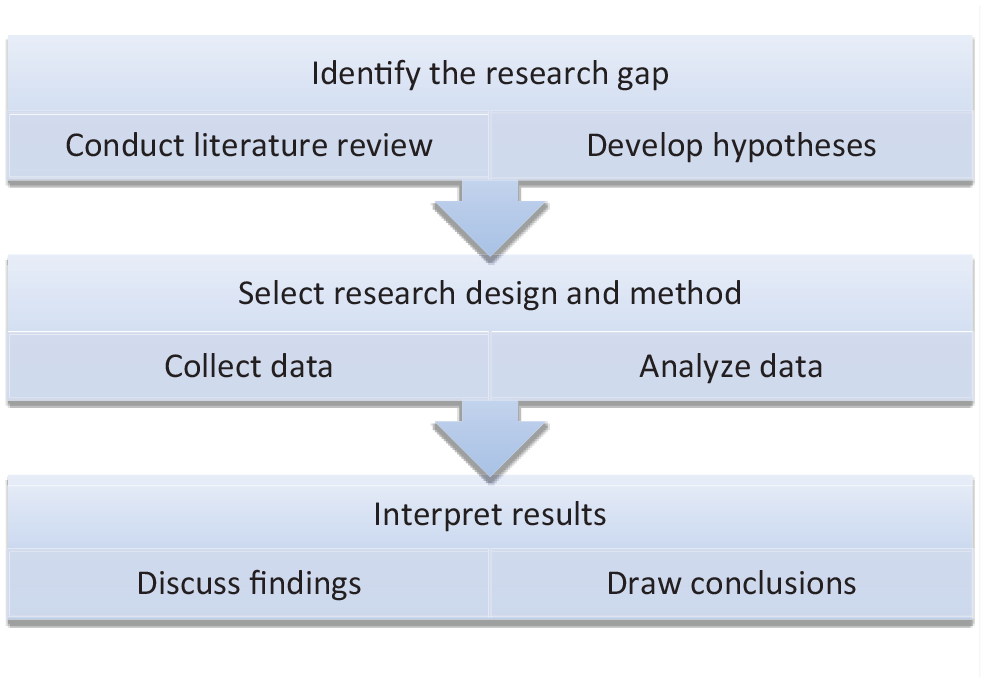
Research process flowchart.
Measures
Parental psychological control was assessed by using the Psychological Control – Disrespect Scale (See the Appendix) developed by Barber et al. (2012). This instrument has 8 items using a 3-point Likert scale (1 = Not like her/him, 2 = Somewhat like her/him, 3 = A lot like her/him). A higher score indicates a higher degree of parental psychological control. One sample item is: “My parents are people who ridicule me or put me down (e.g., saying I am stupid, useless, etc.).” This construct has been reported to have Cronbach’s alpha values ranging from .83 to .90 (Barber et al., 2012).
The 10-item Rosenberg Self-Esteem Scale (See the Appendix) (RSES; Rosenberg, 1965) was used to measure the participants’ self-esteem. Five items were positively worded; the other five items were negatively worded. The negatively worded items were reversely scored. This questionnaire used a 4-point Likert scale (1 = strongly disagree to 4 = strongly agree). A higher score means higher self-esteem. One sample item is: “I am able to do things as well as most other people.” This scale has been reported to have a reliability coefficient ranging from .77 to .91 (Hunter et al., 2015; Rosenberg, 1965).
The Language Class Risk-taking Scale (LCR) (See the Appendix) designed by Ely (1986) was used to assess the extent that students take risks using English in an EFL class. The word “Spanish” in the original scale was replaced with “English” for this study. This instrument has 6 items using a 5-point Likert scale (1 = strongly agree to 5 = strongly disagree). A higher score indicates a higher level of risk-taking behaviors in a language class. One sample item is: “I don’t like trying out a difficult sentence in class.” This instrument has been reported to possess an acceptable internal consistency (Cronbach’s α = .65; Ely, 1986).
To measure the students’ confidence in speaking English, Griffee’s (1997) Confidence in Speaking English Questionnaire (See the Appendix) was administered. This questionnaire consists of 12 items on a 5-point Likert scale ranging from 1 (strongly disagree) to 5 (strongly agree). A higher score indicates a higher level of perceived confidence in speaking English. A sample item is “I can show an English speaking visitor around the campus and answer questions.” This scale has been reported to possess high reliability values from .70 to .94 in various universities and colleges using Cronbach’s alpha, as well as a satisfactory content validity (Griffee, 1997).
Data Analysis
Hair et al. (1998) suggested that all latent variables should be validated using Confirmatory Factor Analysis (CFA) before testing a structural model. Collected data was analyzed by using the AMOS 21 statistical software to conduct a confirmatory factor analysis (CFA) and structural equation modeling (SEM). The validity and reliability of the adapted measurements were analyzed using CFA. The conceptual research model was tested using SEM. SEM was used to analyze the data because it allows the researcher to capture complex relationships among variables, including direct and indirect effects, mediating effects, latent variables, and measurement errors. This enables a more comprehensive understanding of how variables relate to each other.
Results
In this section, statistical results of the measurement model were presented first, followed by the results of the conceptual research model and hypotheses tests.
Measurement Model
The overall reliability of the measurement scale is acceptable. As shown in Table 1, the factor loadings for 32 items are above the recommended values of 0.4 (Stevens, 2012). Factor loadings for four items of the Language Class Risk-taking Scale (RT1, RT4, RT5, and RT6) are, however, below the recommended cut-off score. The Cronbach’s Alphas are very good for Parental Psychological Control scale (α = .895), Self-esteem scale (α = .867), and also very good for Confidence in Speaking English (α = .943) scale. The internal consistency of the Language Class Risk Taking scale (α = .594) is not as high as the other scales. However, as the Cronbach’s α coefficient is usually low for very short scales (less than 10 items), the average inter-item correlation was used as the more appropriate measure of the reliability of the Language Class Risk Taking scale (DeVellis, 2016). The average inter-item correlation of the Language Class Risk-taking scale (r = .199) is very close to the recommended range of values between r = .20 to r = .40 (Briggs & Cheek, 1986). That is why all the items of this scale were kept.
Results of the Confirmatory Factor Analysis.

p < .01.
Additionally, the correlation coefficients between the factors are much lower than .7 (Table 2). As suggested by Tabachnick and Fidell (2007), there is no concern with multicollinearity.
Descriptive Analysis and Correlation Coefficients Amongst the Measured Variables.

p < .01.
The results of the confirmatory factor analysis show satisfactory fit indices of the measurement model (Table 3): ratio of χ2 to the degrees of freedom (χ2/df = 3.293), comparative fit index (CFI = 0.826), incremental fit index (IFI = 0.827), Tucker-Lewis index (TLI = 0.814), and root mean square error of approximation (RMSEA = 0.076). All the fit indices are very close to or within the values recommended by Bentler (1990), Bentler and Bonett (1980), and Hoelter (1983).
Fit Indices of the Measurement and Structural Models.

Note. χ2/df = ratio of chi-square to the degrees of freedom; CFI = comparative fit index; IFI = incremental fit index; TLI = Tucker– Lewis index; RMSEA = root mean square error of approximation.
Conceptual Research Model and Hypotheses Tests
The results of structural equation modeling show the following fit indices (Table 3): comparative fit index (CFI = 1.000), and incremental fit index (IFI = 1.000). The Tucker-Lewis index (TLI) has not been calculated, nor has the root mean square error of approximation (RMSEA). Ratio of χ2 to the degrees of freedom (χ2/df) has also not been calculated as both χ2 and df values are equal to 0. Such fit indices suggest a saturated research model, which means that this model would fit well with any data.
As shown in Figure 1, there are four significant path coefficients. They are: Parental psychological control negatively predicts self-esteem (β = −.180, S.E. = 0.059, C.R. = −3.622, p < .001), which confirms Hypothesis 1. Self-esteem positively predicts confidence in speaking English (β = .212, S.E. = 0.072, C.R. = 4.356, p < .001), which confirms Hypothesis 2. Self-esteem is also a positive predictor of language class risk taking (β = .277, S.E. = 0.048, C.R. = 5.638, p < .001), confirming Hypothesis 3. Language class risk taking positively predicts confidence in speaking English (β = .304, S.E. = 0.072, C.R. = 6.336, p < .001), which confirms Hypothesis 4.
Therefore, the hypothesis that parental psychological control negatively predicts self-esteem is supported. In addition, the hypothesis that self-esteem positively predicts confidence in speaking English is supported. Furthermore, the hypothesis that self-esteem positively predicts language class risk taking is supported, too. Finally, the hypothesis that language class risk taking positively predicts confidence in speaking English is supported.
To test the mediating role of language class risk taking, the bias-corrected bootstrap method with 10.000 samples at 95% confidence intervals was used. The results show that the indirect effect of self-esteem on confidence in speaking English through language class risk taking is significant (Table 4). Hence, there is a mediating effect of language class risk taking on the relationship between self-esteem and confidence in speaking English.
Results of the Mediation Analysis..

Note. SE = self-esteem; RT = language class risk taking; CS = confidence in speaking English.
p < .001. Effects are standardized.
Discussion
This study investigated the path effect of variables in the research model as well as tested the mediating role of language class risk taking in the relationship between self-esteem and confidence in speaking English. The results show that parental psychological control has a significant negative effect on self-esteem. This finding corresponds with results obtained by prior researchers. For instance, Bean et al. (2003) investigated both US African-American and European-American adolescents and discovered that a high level of parental psychological control was associated with low self-esteem. Similar results were also reported in Dutch teenagers (Finkenauer et al., 2005), in Iranian Americans (Frank et al., 2010), in late-adolescent girls in Hong Kong (Stewart et al., 1998), and in late-adolescents in Belgium (Soenens et al., 2005). These findings suggest that young people who perceive their parents as psychologically manipulative, controlling, restrictive, or intrusive are subject to low self-esteem and may feel unloved or unworthy. It is possible that such parenting styles could take a toll on youth and could be conceived by them as a violation of their self-worth or self-efficacy, both of which are important components of self-esteem (Barber et al., 2012).
The present study is also one of the first to discover parental psychological control has significant negative effects on the self-esteem of young adults. While most previous studies involved children or teenagers as their subjects, this study’s sample comprised university students. The results of the current study suggest that the impact of parental psychological control could last longer than previously realized. While the prevalence of parental psychological control might decrease as children grow older, the results suggest that its effects can persist into adulthood. The experiences and relationships of a person’s formative years can continue to influence their psychological well-being, such as self-esteem, even after they’ve entered university. In addition, there is a likelihood that individuals suppress or internalize the damage caused by psychologically manipulative parents and carry the damage well into young adulthood, which in turn affects some aspects of their life, such as self-esteem. The finding is particularly meaningful as Taiwanese culture places a strong emphasis on family values, respect for authority, and interdependence. Parental influence and control can be particularly pronounced due to these cultural values, making it essential to understand how these dynamics may impact individuals’ development, including their self-esteem.
The results also show that self-esteem significantly and positively predicted confidence in speaking English. Learners with high self-esteem are likely to recognize their own abilities and may be more satisfied with their efforts; therefore they possess more confidence when speaking a foreign language. Self-esteem has been conceptualized as an essential component of intrinsic self-confidence (Gürler, 2015). As self-esteem comprises more perception than reality (Baumeister et al., 2003), learners who are convinced they are capable of handling the target language, regardless of whether they are really competent at the target language, they naturally demonstrate more confidence in speaking it in a language classroom.
The results of the present study also show that self-esteem significantly predicts language class risk taking. Considering that students who possess high self-esteem are more willing to take risks in a language class, it can be inferred that self-esteem may render EFL learners not afraid to try new things or make mistakes. Because of their high self-esteem, they are less likely to be daunted by the possibility of being ridiculed if they make errors in a language class. Given the results of the study, it can be said that learners with high self-esteem could be more active and likely to make progress in class, and they may perceive that taking a certain amount of risk is necessary to achieve their desired goals. Therefore, they are less hesitant about taking risks.
The results of this study also demonstrate that taking risks in a language class can predict confidence in speaking English. This indicates that confidence in speaking English is influenced by what learners perceive and do in class, which reflects the influence of risk taking. In other words, risk-taking students may participate more and speak more in class, and as a result, their confidence in speaking English is boosted. This is particularly true in an EFL classroom where attempting to use the target language (English) results in increased language proficiency, which in turn improves confidence in speaking English. This speaks to the role of risk taking being an integral part of the process to build up confidence in speaking English.
It is worth noting that within the field of EFL learning, risk takers are more inclined to engage in interactions with other students, to use new linguistic elements which are perceived to be difficult or complex without being bothered by trivial errors, and to get involved in functional practice (Ely, 1986; Skehan, 1989). Therefore, it may be reasonable to say that risk-taking students will gradually build up their English speaking confidence through their continual attempts of trial and errors. The accumulative effect of learning from mistakes and turning them into new experiences may teach them something important for them to calculate future risks they may take.
The present study also discovers a significant mediating role of risk taking in the relationship between self-esteem and confidence in speaking English. EFL learners’ self-esteem shapes their actions in the process of English learning, and the actions or risks they take in turn shape how confident they become in speaking English. Namely, self-esteem has an indirect effect on students’ confidence in speaking English through taking risks in a language classroom. This result might be one of the first empirical findings in the exploration of the relationships among these variables. This finding is valuable in that it is a further step into examining the mediating effect of risk taking on the relationship between self-esteem and confidence in speaking English. The results suggest that learners with higher perceptions of self-esteem can be more willing to take risks in class, which in turn boosts their confidence in speaking English.
Conclusion
The present study’s findings provide implications and contributions that deserve attention. First, this study reveals the path effects of the variables, which could help applied psychology researchers understand the connections between university EFL learners’ parental psychological control, self-esteem, language class risk taking, and confidence in speaking English in psychological, educational and linguistic contexts. As information regarding these variables appears to be rather scarce, this study aims to bridge the gap by testing a conceptual model built upon these four variables. Second, prior researchers may have overlooked the potential meditation effect of language class risk taking and as a consequence have made a direct conceptual leap from self-esteem to youth outcomes. The present study shows that examining potential mediators, such as risk taking, while investigating the relationships between self-esteem and youth outcomes may be more imperative than previously realized. Third, in consideration of the results, EFL teachers can discuss the direct and indirect effects of these variables with students to help them understand what effects these variables may have on their English speaking confidence.
This study’s results should be interpreted with a few potential limitations. First, alternative models including the variables adopted in this research can be proposed. However, based on the empirical findings and theories of previous studies, it was considered necessary to particularly investigate the path model in which a priori has been specified. Second, while it is commonly accepted that the path analysis approach adopted in this study is designed for testing causality among variables, the cross-sectional nature of this study may make it less definitive in evaluating causal relations. Therefore, an experimental research design or repeated measurements over a period of time are recommended for future researchers to reach a more definitive conclusion. Third, the sample of this study was collected from undergraduate students of a private university in Taiwan. Future researchers could expand the sampling frame by encompassing primary, secondary, or postgraduate students and public institutions. This could allow for the comparison of students of various levels as well as different institutions. There may be different results. For example, primary school students may perceive the influence of their parents to a greater degree, which may alter the effects of parental psychological control and the subsequent results of the model. Finally, as this study was conducted solely on a sample of Taiwanese undergraduate learners from a private university, the findings of this study should be treated with caution when generalized to other learners.
In summary, this study offers several valuable insights and advances our understanding of the dynamics that underlie individuals’ confidence in speaking English. By proposing and empirically testing a conceptual model that integrates parental psychological control, self-esteem, language class risk taking, and confidence in speaking English, the research sheds light on multiple pathways through which these factors interact and impact language learners’ confidence in speaking English. It is the researcher’s hope that this study contributes to a more comprehensive framework for promoting linguistic confidence and proficiency in English language learners.
Footnotes
Appendix
Acknowledgements
The author would like to express his gratitude to the participants for the opportunity to collect the data, as well as to anonymous reviewers and editors for their constructive comments.
Declaration of Conflicting Interests
The author declared no potential conflicts of interest with respect to the research, authorship, and/or publication of this article.
Funding
The author received no financial support for the research, authorship, and/or publication of this article.
Ethics Statement
All the activities carried out in the current study complied with the ethical standards established for research with human participants. Informed consents were filled out by all the participants.

Data Availability Statement
All data collected is available from the corresponding author upon reasonable request.