




Abstract
The purpose of this article is to present a framework that could be used to achieve the objective of sustainable rural development in a community which is characterized by high numbers of smallholders, landless peasants, and unskilled or semi-skilled labor ultimately leading to low productivity and high rates of poverty. The study presents a design inspired by “Saemaul Undong” (New Village Movement) of South Korea. The proposed model is based on proposing a four-tier approach for the working of the village-level cooperatives which will be self-reliant through a network connection to the national and international markets. Existing studies and surveys in Punjab province of Pakistan have established that rural areas are often lacking essential facilities that affect the abilities of these areas to retain skilled manpower thus leading to resource drain and negatively impacting the agricultural productivity. The proposed Village-City Model, “VCM,” was designed to strengthen the local infrastructure and built interest-based cooperatives to develop an environment which can sustain the benefits of higher productivity and translate these into better livelihoods. It is proposed that farmer-centered cooperatives with appropriate institutional arrangements could result in developing village-based cities where skilled manpower can exert to in better resource use efficiency, access to market coupled with rural finance schemes to enhance resource base and access to technology. The cooperatives experience is considered as a bitter experience in Pakistan. However, the analysis of failures of cooperatives in Pakistan revealed many bottlenecks which have been addressed through indigenization of Saemaul Undong.
Keywords
Introduction
Economic growth and development have remained the top agenda in the growth itinerary of the countries. To achieve a sustainable pace of growth and equitable distribution of resources, policy makers in respective economies try to tailor their growth and development strategies according to their resource endowments and potential strengths. For the countries like Pakistan, the agriculture sector grips great significance for the economic development. This sector has dominated the country’s economy since independence. Policy divergence, from agriculture to other sectors of the economy, to consider them as the engine of growth, could not bring about the desired results in the past (rapid industrialization of the sixties and New Growth Framework in 2007). In reality, rapid industrialization was also based on the resources and inputs from the agriculture sector (Muhammad & Hye, 2011).
Agriculture with 20.9% share in gross domestic product (GDP; Government of Pakistan, 2015) is important for the economy. However, its forward and backward linkages with other sectors of the economy and dependence of the majority of the rural and urban population on agriculture, for maintaining their livelihoods, make agriculture as of prime importance. Moreover, the agriculture sector has the largest share of the foreign exchange earnings. More than 75% of the foreign exchange earned by the economy comes from the exports of food and textile products. In the year 2010-2011, the textile sector solely contributed 61.8%, and food sector shared 18.1% in foreign exchange earnings (Faridi, 2012). Last but not least, it is responsible for feeding the 200-million population of the country, making agriculture as a lifeline for the economy of the country.
Agriculture as an Agent of Promoting National Cohesion
Economic development is influenced by the equitable and optimal distribution of the available resources so that the economy could grow on a sustainable basis. Knowing that agriculture sector not only nurtures the economy of Pakistan itself but also provides the basis for the growth of other sectors of the economy, ensuring distribution of the resource among various regions thus promoting national cohesion of the country.
An almost similar contribution of agriculture in all provinces of Pakistan suggests that agriculture is the only sector whose growth can bring upon equally distributed benefits across the country. If we look at the share of agriculture sector in the provincial GDP, it contributes around 25% in Punjab economy, around 22% in Khyber Pakhtunkhwa (KPK) and Sindh, and 31% in Baluchistan economy (International Center for Agricultural Research in the Dry Areas, 2012).
The household engagement in the agriculture sector is also vital. In all provinces of Pakistan, more than half of the households primarily depend on agriculture for their livelihood. In the case of Punjab, 64% of rural households have direct engagement with the agriculture sector. In KPK the figure touches the 81% mark while 77% of rural households have a dependence on agriculture in Baluchistan. In Sindh, only 52% of rural households have agriculture dependence. Less share from Sindh is mainly because of its household’s engagement in the services sector as shown in Figure 1 (Pakistan Bureau of Statistics [PBS], 2007).
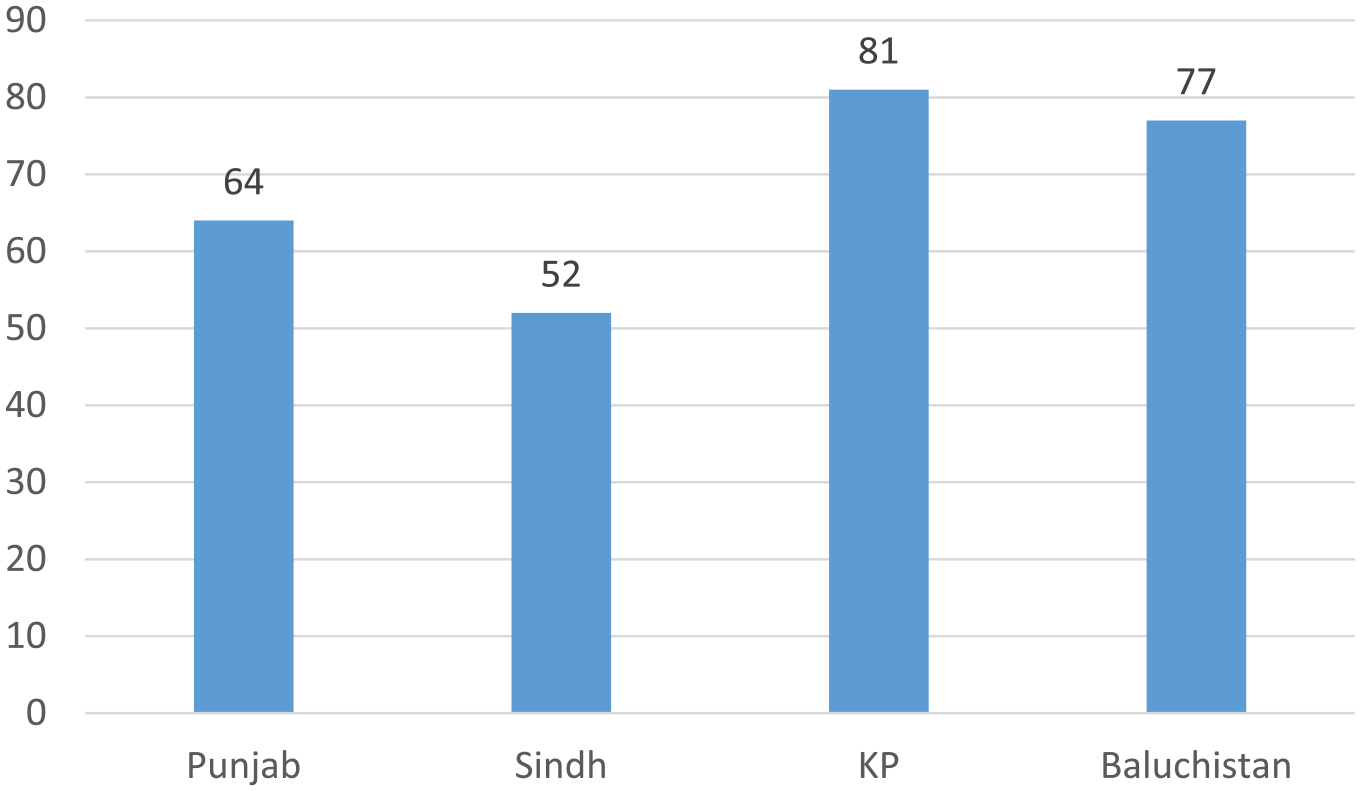
Rural households dependent on agriculture.
On the other hand, the almost same pattern is observed in the case of provincial labor force engagement in agriculture activities as shown in Figure 2. Sixty-six percent labor force from Punjab, 82% from KPK, 74% from Baluchistan, and 53% from the Sindh province have a direct or indirect dependence on agriculture sector (PBS, 2014).

Rural labor force dependent on agriculture.
On scientific grounds, the agriculture sector has also proved itself as the agent of economic development and national cohesion especially in the third world countries like Pakistan. A study by Department for International Development (DFID) shared that agriculture productivity played a pivotal role in economic development. Overall, global experience confirms that the prosperity of agriculture aids in decreasing the number of absolute poor proportionately and vice versa (DFID, 2005).
Few other studies also explored a significant relationship between the agriculture sector and income inequality, especially in India and Pakistan. These studies suggested an elevated income level for deprived sections from agriculture thus helping the reduction of income inequality (Saboor, Hussain, Javed, & Hussain, 2004; Vatta, Garg, & Sidhu, 2008). Similar findings came from the World Bank (2008) where it was revealed that the increase in agriculture income helped in reducing poverty.
Present State of Agriculture Sector in Pakistan
If we review the growth rate of the agriculture sector of the economy along with its absolute share in GDP, we can observe that pace of the growth is not consistent and its share in GDP is also declining as is evident from Tables 1 and 2.
Agriculture Growth Rate.

Source. Various economic surveys of Pakistan.
Note. GDP = gross domestic product.
Agriculture Share in GDP in the Last 3 Years.

Source. Various economic surveys of Pakistan.
Note. GDP = gross domestic product.
Before we can propose any solution to come up with the objective of sustainable agricultural development, it is necessary to figure out the causes of dwindling performance of the agriculture sector. If we review extensive literature available on the issue, one can summarize the causes as follows:
Low level of resource productivity
Resource base degradation (land, water, human capital, infrastructure, etc.)
Threats related to climate change and adaptation
Sociopolitical hurdles and biases (dwindling land holdings, migration)
Urban-biased policies (government spending, investment climate, rural–urban terms of trade)
Inefficient markets
Resource Productivity
Resources of production include not only physical resources but also the management factors, technology, and production environment. It has been observed that, unfortunately, overall resource productivity levels are low in Pakistan when compared with the rest of the world. Pakistan is the sixth most populous country while at number 17 in the case of total agricultural land. But if we compare the total cereal production, Pakistan ranks on number 18th in the world which shows that to ensure food security it has to increase overall agricultural productivity (Central Intelligence Agency, 2015).
In the case of water productivity, Pakistan lacks behind regional countries. A recent study also reported average low-water-productivity in 1.73 kg/m3 and 1.6 kg/m3 in Punjab and Pakistan as compared to 1.75 kg/m3 and 2.16 kg/m3 in India and China (Latif, Shakir, & Rashid, 2013). Overall, resource productivity is lower in Pakistan because we lack efficient resource management practices due to less education and training while our farmers cannot use resource conservation technologies (RCTs) owing to financial and technical constraints.
Physical Resource Degradation
One of the greatest threats to our agriculture is the overall resource base degradation especially if we talk about land and water. Land degradation is one of the biggest issues faced by our agriculture sector. Water logging and salinity have negative impacts on agriculture development and growth. Both these problems arose due to poor irrigation management practices. According to a recent study by International Center for Agricultural Research in the Dry Areas (ICARDA), water logging and salinity affect around 16-million hectares of cultivable land while wind erosion has affected 5-million hectares of land. Similarly, deforestation has impacted 11-million hectares of land. Deforestation has now started affecting the land degradation in the river basin especially in Sindh and Punjab provinces of Pakistan (ICARDA, 2012).
On the other hand, the storage capacity of water in the country is only for 30 days; the country is way behind in comparison to the water storage capacity of other agricultural countries (Government of Pakistan, 2015). India has a storage capacity of 200 days while in the case of Egypt it is 1,000 days (Shaikh & Tunio, 2014). The low storage capacity not only makes Pakistan vulnerable in water security aspects but also it is evident that less water is available for farming practices. The erratic rainfall pattern in the country and on-farm management issues are also hindering the water use efficiently.
Overall rural infrastructure, especially the storage structures, service centers, and other essential structures, is also on the verge of deterioration. Traditional structures built to store the grains are inefficient in maintaining the seed vigor (Shah, Rehman, Kausar, & Hussain, 2002) while the rural economy suffers a financial loss of around US$320 million, due to the postharvest losses in fruits (Ibrahim & Anwar, 2005).
These facts lead to prioritizing the development of efficient storage facilities for catering perishable food commodities right from the farm gate. Storage facilities also have significance in achieving the export targets. According to a committee constituted by the then Prime Minister of Pakistan in 2010, the current storage facilities available in the country cover only 30% of the food commodities (“Problems of Grain Storage,” 2010).
Human Resource Degradation
A major dilemma with human resources in rural Pakistan is the inability of the rural areas to attract and sustain skilled human resources. As a result, labor productivity is very low. In fact, Pakistan has the lowest labor productivity rate that is 0.2 in the region. According to a study, China is at the top, with a rate of 6.8, India has 2.2, and Bangladesh has a rate of 1.4 labor productivity (Zaheer, 2013). Another dilemma is that rural areas are not attracting the skilled manpower especially the highly educated class of researchers, medical practitioners, engineers, and so on.
There are several reasons behind low labor productivity which includes the following:
Little incentives and inadequate initiatives for skilled workforce
The gap between academia, research, and extension
Poor service structure and facilities
An artificial gap of knowledge created due to fewer data and information sharing among different groups of scientists
Inadequate capacity building and learning opportunities in rural areas
Socioeconomic Resource Degradation
An increasing number of rural poor means that agriculture sector is not fulfilling the financial needs of the farmers. There is also a widening disparity in the income distribution especially in rural areas. It has also been observed that due to the over deteriorated conditions, private investments in the rural areas are also declining thus returns to factors of production are getting lower, therefore deteriorating rural–urban terms of trade. A recent study revealed that terms of trade had worsened further in favor of urban areas in the last decade (Rashid, 2013).
Owing to the adverse and deteriorated living conditions coupled with low level of education and political exploitation, work aspirations in the rural workforce have declined due to faded mind-set. The Figure 3 depicts the adverse work aspirations in rural workforce in Punjab. It is derived from a survey conducted under Punjab Economic Opportunity Program (PEOP), which found that rural labor force is more willing to change its job as compared to the urban workers showing the higher level of dissatisfaction with the existing work circumstances. Rural workforce (both male and female) was more dissatisfied with its working environment so imparting adverse work aspirations on rural labor force especially in Punjab which is having the largest labor force size in Pakistan (PEOP, 2014). These work aspirations can further be translated into the negative productivity impacts which are very visible in agriculture sector of Pakistan.

Adverse work aspirations.
Climate Change and Agriculture
It is now widely accepted reality that global climate change is affecting all forms of life (Aydinalp & Cresser, 2008). The climate of Pakistan is also changing, and the prime victim of this is the agriculture sector due to its direct dependence on various parameters of climate including temperature, rainfall, wind, air, and so on. Different studies in Pakistan and neighboring countries (Baig et al., 2014; The Agricultural Model Intercomparison and Improvement Project, 2015) have suggested a more rapid change in climatic parameters up to the year 2050 and indicated a negative impact on farmer livelihood in rural areas of Pakistan (Baig et al., 2014). Under these changing scenarios, adaptation to climate change is the only viable option left for the farmers in these countries. To improve the adaptation capacity of the farmers, education, training, access to the finances and information sources along with climate-based research, and access to technology are necessary prerequisites.
Marketing Constraints
The importance of efficient marketing in incentivizing the producers is of prime importance. Our agriculture is characterized by a large number of small land owners (around 85%) who do not have enough marketable surplus; therefore, they have to rely heavily on marketing intermediaries. The role of the marketing intermediaries is also criticized by many stakeholders. Marketing has strong linkages with finance. The Food and Agriculture Organization of the United Nations (FAO), in a recent study, has also highlighted that bumper crop had always proved to be the negative factor for the poor farmers of Pakistan. They have immense pressure to dispose of the large produce on lower rates—even lower than the government set prices (FAO, 2004). Same is the case in horticultural products including mangoes, oranges, and so on. The supply chain is another issue that hinders the development of agriculture sector. There are no improvements in the supply chain mechanism in the country. There is no significant improvement in marketing facilities and performance of marketing intermediaries if compared at larger extent (United States Agency for International Development, 2009).
Another challenge that small landholders have to face is their meager capacity to absorb the price shocks. An important determinant of these shocks is price and trade controls exercised by the government agencies due to which Pakistani market on an average has experienced 30% lower prices as compared to world parity prices. These distortions also led to an annual loss of almost US$1.7 billion on average during 2001-2008 (Salam, 2009). Any adverse shock can put them very easily under the poverty trap. There is an urgent need to improve the risk-bearing capacity of the farmers along with the efficient market channels to reduce product waste during the process of marketing.
Gaps and Solutions
Gaps Identification
To devise a strategy, to ensure the agricultural development, identification of the critical gaps is necessary which needed to be addressed to overcome the issues in sustainable agricultural development.
Following are few of the important gaps that needed to be addressed.
Productivity gaps
Data tell us that the national average of all major crops is around 50% less than the world’s leading averages. Figure 4 (as presented by Iqbal & Ahmad, 2005) can explain the productivity gaps in greater detail.

Productivity gaps.
Quality gaps
Quality is an area which has not been addressed adequately in our development agenda especially in the agriculture sector. Poor quality standards and control are creating considerable losses to the agriculture sector especially in targeting international markets. In 2013, 48% of confiscated consignments to the European Union (all food items) were contaminated. Pakistan stands at 82 of 125 countries regarding quality food products (OXFAM, 2015).
The quality of the agricultural produce especially the food is an area which needs the attention of the governments and the local community. Government of Punjab under its recent initiatives has started a program for implementing Good Agricultural Practices (GAP) standards at different progressive mango and citrus farms under EMFP 1 program. There have been few efforts to introduce standardization and implementation of international quality standards in the dairy sector. However, now it is high time to introduce and implement quality standards not only at processing and storage levels but also at the farm level (for international and national markets) with a proper supply chain management and value addition so that farmers can get benefits of the quality standards.
Investment gaps
Pakistan’s Agricultural Orientation Index (AOI) is 0.4 whereas, according to FAO, for an agrarian economy it should be greater than 1. (Many developed countries have an AOI >5 such as Switzerland, etc.) This shows that agriculture has to be focused as a priority in government spending and private investments. Presently, Out of 76 low- and middle-income countries, Pakistan stands at number 21 regarding government investments in agriculture (FAO, 2015). In Pakistan, most of the farmers depend on private and informal sources of finance (Elahi, Abid, Zhang, ul Haq, & Sahito, 2018).
Technology and management gaps
Agriculture output can be increased primarily by increasing the input use in the production or by increasing the productivity of the same inputs used (through management and technology). In Pakistan, the first option of higher use of inputs has almost reached its potential, and there is very little room for improvement, so the viable option left is to increase the total factor productivity (TFP; Ali, Mushtaq, Ashfaq, & Abedullah, 2008).
However, the available data on TFP for Pakistan’s agriculture show unsatisfactory state of affairs as far as TFP is concerned. Data reveal that TFP in various decades has experienced wide fluctuation touching to its minimum in recent decades. The decline in TFP refers to the fact that management skills and resource availability entrepreneurs and farmers are on decline thus creating a serious threat for the agricultural productivity levels in Pakistan (CABI, 2012; Kemal, Din, & Qadir, 2002).
Table 3 is depicting a serious threat for the Pakistan’s production sector as changes in TFP reveal that agricultural policies remained ineffective in mobilizing the resources in the agriculture sector. The variations are too high that shows not only the technological slackness in the agriculture sector but also the management issues are also persistent. At the regional level, TFP index average (1961-2001) of Pakistan (1.86) is less than South Asia (2.03) and Asia (2.21) (CABI, 2012).
Average Annual Growth of TFP in Agriculture Sector of Pakistan.

Source. CABI (2012).
Note. TFP = total factor productivity.Skill gaps.
To improve the productivity of the labor, education, training, and capacity development play important roles in any economy. Pakistan economy is unfortunately characterized by low levels of labor productivity as compared to other economies of the world. The problem is even more aggravated when we compare the productivity of rural labor. Sectoral comparison of the labor productivity of Pakistan shows that Pakistan is having the lowest rural labor productivity in the region.
Solution to Address the Gaps/Objective of the Study
The focus of this discourse is to build and propose a rural development model centered around the rural economy of Pakistan which can address the issues discussed above. The motivation for proposing a new rural development model have stemmed from the Vision 2025. For this reason, we look toward the Government of Pakistan’s (n.d.) newly launched Vision 2025 as a guiding principle.
Another objective of this article is to learn and tailor the new development model by learning from the world. So, our proposed model is incorporating the successful global models of rural development, mostly based on cooperative experience and learnings from South Korean rural and community development model. To overcome the structural and cultural diversity and environmental differences, this model also suggests doable indigenizing practices to adapt to local conditions.
Guiding principles from Vision 2025
The Government of Pakistan has recently launched its Vision 2025 with set goals and targets. The vision encapsulates all the main sectors of the economy. It is based on seven pillars and 25 goals. Vision 2025 addresses issues which are essential for transformations required to develop from a deeply unsatisfactory social and economic situation. Agriculture sector has been given due importance in the vision from many aspects including rural investments; land, labor, and capital productivity enhancements; water storage capacity for irrigation; innovation in farming; promoting agricultural exports; increase in research and development spending through investing in agriculture universities and loan availability to the rural farmers, and so on. Moreover, efficient service delivery and support mechanism for the farmers through timely access to good quality inputs and finances will also be ensured through the Rural Business Hubs (RBHs).
For the current study, this vision will be pivotal in sketching a viable agriculture development model for Pakistan. The proposed model will ensure that its components adhere to the government agenda especially the concept of cluster approach and RBH has been made central to the new approach. Other important points in the vision regarding the agriculture sector are as follows:
Increase in public investment in agriculture sector. Target is set to raise the level of investment by 10% of the total public sector development expenditure at both the federal and provincial level.
Rationalized and farmer-friendly program for wheat procurement in the country.
For timely dissemination of information in remote areas, multiple media channels such as provincial extension services, print, and electronic media and expert advisory services through telephone help lines will be provided to the farmers.
Timely and quality supply of vital input resources such as seed, fertilizer, and pesticides will be provided through efficient markets.
To modernize agriculture sector, a Rural Economy Endowment Fund will be created.
International success stories and South Korean experience
Literature regarding agriculture sector development in middle-income countries like Poland and Turkey (International Fund for Agricultural Development, 2015), underdeveloped countries such as Ethiopia (Abebaw & Haile, 2013; Fowler & Voisar, 2014), and developed countries like South Korea and European countries (Korean International Cooperation Agency [KOICA], 2015; Organisation for Economic Co-Operation and Development, 2006; Yang, 2013) have shown the importance of cooperatives in accelerating the rural development. In countries like Indonesia, farmer cooperation resulted in improving the ability of the communities to adopt innovative solutions in different food processes (Najib & Kiminami, 2011). Review of international experience of cooperatives also shed light on the success of cooperatives especially the service cooperatives in various parts of the world including the Central Asian states of Tajikistan, Kyrgyzstan, and others (Lerman, 2013; Mather, De Ville, Gessner, & Adams, 2004). The success of the cooperatives in food processing, value addition, and linking farmers to markets can also be traced in the Philippines, for example, a case of cashew nut marketing in the province of Palawan (Asia-Pacific Association of Agricultural Research Institutions, 2008). Likewise, isolated success stories in India and Bangladesh can also be quoted where cooperatives have major contribution in improving the socioeconomic livelihood of the member farmers (Bakshi, 2008; FAO, 2012) or linking farmers to market in India through Dairy Producer Cooperatives in India. But all these case studies could not provide a stage for achieving sustainable rural development.
In Pakistan, the experience of rural cooperatives can be termed as a non-successful one because those cooperatives could not sustain their growth and performance over a considerable time. Many studies have been conducted to evaluate the performance of farmer cooperatives time and again, and these have come up with common findings of dysfunctionality after some time of inception owing to the attribution of failure to achieve cooperation to the alienation of most cooperators (Chaddad & Cook, 2004; Khan, 2008). The failure of the Pakistani experience put many questions on the design of the cooperative model. The Pakistani experience also provided impetus to researchers, academia, and field practitioners to come up with a recipe that can not only address the potential issues of the existing design but also speed up the rural development process on a sustainable basis. Another experience of participatory management was experienced in irrigation sector in Punjab, Pakistan, where farmer organizations were formed to manage the irrigation system at secondary and tertiary levels. These organizations also could not be successfully operated over a longer period as discussed in Baig (2009) and Raza, Ashfaq, and Baig (2009). It was pointed out that poor coordination among institutions and lack of interest were among the main reasons for sustainability issues of farmer organizations.
To overcome the problems of low farmer participation in the cooperative tasks, ownership issues, and leadership deficiencies to run the cooperative development model successfully, policy makers and researcher have been looking for the indigenization of successful global examples to adopt in local conditions. The Korean model of the rural development (The New Village Movement program or Saemaul Undong [SMU]) has shown wonderful results and transformation of the economy. It took only less than 10 years to South Korea to transform its rural economy from primitive one to the modern one that generates better livelihoods for the farmers; it has recently become an inspiring development model for many developing countries in regard to poverty alleviation, especially for rural development (Doucette and Müller 2016; Yang, 2017).
Cooperatives have played a significant role in the prosperity and development of agriculture in South Korea. These have provided the farmers with the incentives to gain maximum from agriculture sector. The Korean model (SMU) was a village-based rural development program which was based on the spirit of diligence, self-help, and cooperation among farmers who composed 60% of the population of Korea at that time, much like Pakistan today (Jong-hwan, 2016). Absolute poverty figures of rural Korea in the sixties also depicted a deteriorated set of conditions among the two as it ranged around 41% in Korea in 1965 (Park, 2009). Similarly, the landholding and livelihood conditions in the villages of Korea were even more critical than those of Pakistani villages today. The majority of the farmers were small and lived in marginal conditions (Park, 2009). The turning point in the development journey of the two countries was the end of the decade of 1960. At that time, agriculture was the mainstay of both economies (with a contribution of 45% and 46% in Pakistan’s and Korea’s GDP respectively). Shahbaz, Luqman, and Cho (2014) have comprehensively compared the course of the rural development of the two economies and have analyzed that it was the participation of small farmer in the development process which proved as a game changer for the Korean agriculture sector.
Figure 5 shows that in a short period of 7 years, 97% of the total were turned into self-reliant villages in South Korea.

Village transformation under Saemuel Undong in Korea.
The Korean agriculture development experience is based on a four-step model which starts by changing the mind-set of the communities through the local leadership. The concept of creating local leadership to have a strong impact is the core of the SMU movement.
The New Village Movement model (SMU) initializes from the “Mind-Set” change as depicted in Figure 6. It is the phase where an individual farmer becomes the pioneer by encouraging his farming society or neighbor farmers. The second phase is the one in which “Lifestyle” changes. It includes the change in the way of thinking or more precisely the readiness or willingness to accept the change. The good change is the one in which farmers adapt to improve the way of doing things. They are ready to accept the application of new technology and farming practices.
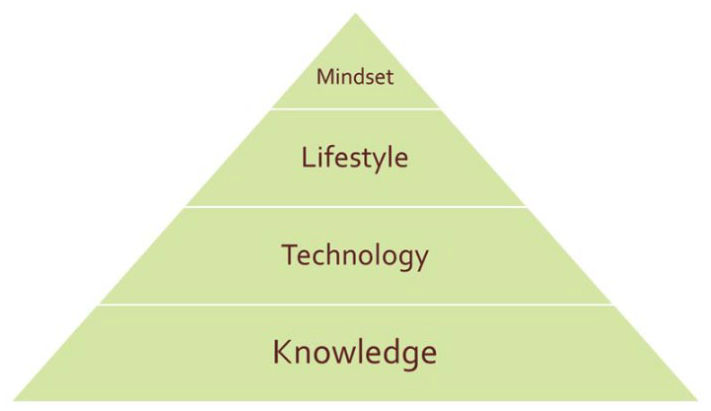
Four-tier transformation in Korean agriculture sector.
The third important step is “Technology.” It is the step where many developing countries fail to comply. Korean model has emphasized on this step more, and it allows the farmer to use new and innovative but simple and local technology instead of importing and applying expensive and sophisticated technology at the beginning. Local technology is developed and provided to the farmers so that they can afford it and apply it to their farms easily. The last step is the “Knowledge.” In this step, it is a must for the farmers to have known that they would transform from one stage to a better one. This can be accomplished through visiting model farms or successful cases in the agriculture sector. This step can aid in the enhancement of the knowledge of farmers in the way of doing things. Capacity building and training are also part of the knowledge step.
KOICA (2015) has recently portrayed the SMU more as an integrative community development model which starts from sector-integrative program followed by a selection of appropriate technology to promote value-chain development. The new design, mostly designed for Global SMU movement, is based on the community willingness, participation, and monitoring coupled with incentives. Village-level development through need-based training, capacity development, and participation of the private sector are also an integral part of the new strategy.
Summarizing from the Korean agriculture experience, it can be deduced that change of mind-set was pivotal for the transformation of agriculture in Korea. The four-step model was applied extensively in that movement starting from mind-set change to work in the organization (community and social organization). Development projects were sketched with the engagement of both public and private actors. Creative marketing strategies were developed and utilized. Educating the farmer along with the provision of latest information increased the productivity of farming labor. Human resource management and infrastructure development also played its part in Korean agriculture development (Justin, 2014).
The success of any rural cooperative model depends on the extent of the cultural lag between the developed and least developed areas and how the cooperative leaders can play their role with the help of the stat to work with the subsistence communities for bridging the gaps (Wagoner, Jensen, & Oldmeadow, 2012). The rural–urban lag, especially regarding human resource development and capacity retention in the rural areas which are evident in Pakistan (as discussed earlier), was also very evident in South Korea. The lag was visible in the rural areas owing to disparities in development between cities and rural villages.
Proposed Framework
Under the guiding principles of the Vision 2025 and building upon the South Korean experience of SMU, an integrated village development model based on village clusters (as detailed below) is believed to ensure the pace of the growth on sustainable basis and will have a more equitable distribution of income and resources across the regions and farmer classes. However, the wisdom of replicating the development models also emphasizes the fact that despite the tremendous successes of these experiences, Korean rural policies, in their application, need to be adjusted to the local situations (Jang & Yunjung, 2016). Indigenization of the SMU approach will take place in the system through the formation of village clusters, integrating into cooperative districts termed as Farming Business Districts (FBDs).
Village-City Model (VCM) (Shehr Numa Deehat, SND) is centered on a village-city community (VC) which will serve as the basic functional unit in the proposed model. The basic unit of the proposed VCM model will be a village as Maul in SMU model (Park, 2009). The villages having similar characteristics will be clustered depending upon the active participation of the community. The VCM is based on the active participation of the village community. Under the guiding principles and policy support from the government, intervening AGENCY 2 will mobilize the local community in the light of the information gathered through baseline surveys. AGENCY will work with local change agents for community mobilization to organize and mobilize the village community. VCM (Rural Business Hub) will comprise a cluster of villages having common production patterns and similar socioeconomic profiles.
Village community will chalk out the need-based development agenda with mutual consultation and will highlight the development priorities from their indigenized development agenda. Village committee will develop and organize various action committees to develop different projects and setting up their goals with the help of the AGENCY. These projects will then be finalized, and approval will be granted by the village committee. In all these steps, including the evaluation and feedback from the change agents, AGENCY will remain involved with the community.
Initially, the AGENCY will also play a role in decision making. However, with the passage of time and capacity building of the local communities, the decision making will be the sole responsibility of the local community. Local change agents will continuously work with the communities so that the level of motivation among the community will remain high. Local leaders will also be involved in the process of evaluation and feedback. Such type of arrangements has been reported successful in the literature in many countries, particularly in Asia (Butterfoss, 2006; Korten, 1980; World Bank, 2000).
VCM (Rural Business Hub)
Cluster-based VCM will be a commercial entity that will run on a cooperative basis. The primary function and components of the model are shown in Figure 7 with detailed business activities, and working of the VCM has been discussed in Figure 8. These business models will not only take care of the production activities but also take care of marketing activities, infrastructure improvement, and maintenance, services provision as well as the provision of finances to carry on these activities. All these activities will be carried out by VCM through the farmer cooperatives working under the umbrella of VCM community. Detailed working of the overall model with individual cooperative modules is shown in Figure 9. Global experience reveals that farmer cooperatives can bring about positive change in the income level and socioeconomic status of their members. However, all these success stories have few common success determinants including motivation, dedication, and involvement of cooperative members and strong institutional support. A general VCM will be comprised of five farmer cooperatives as discussed above. These five cooperatives will work under the direct supervision of the VCM committee along with the AGENCY. These cooperatives will operate on commercial basis allowing fundamental cooperation on few principles among each other. Agency, Tier 2 cooperative body, and government departments will provide technical and institutional assistance and training to the working cooperatives.
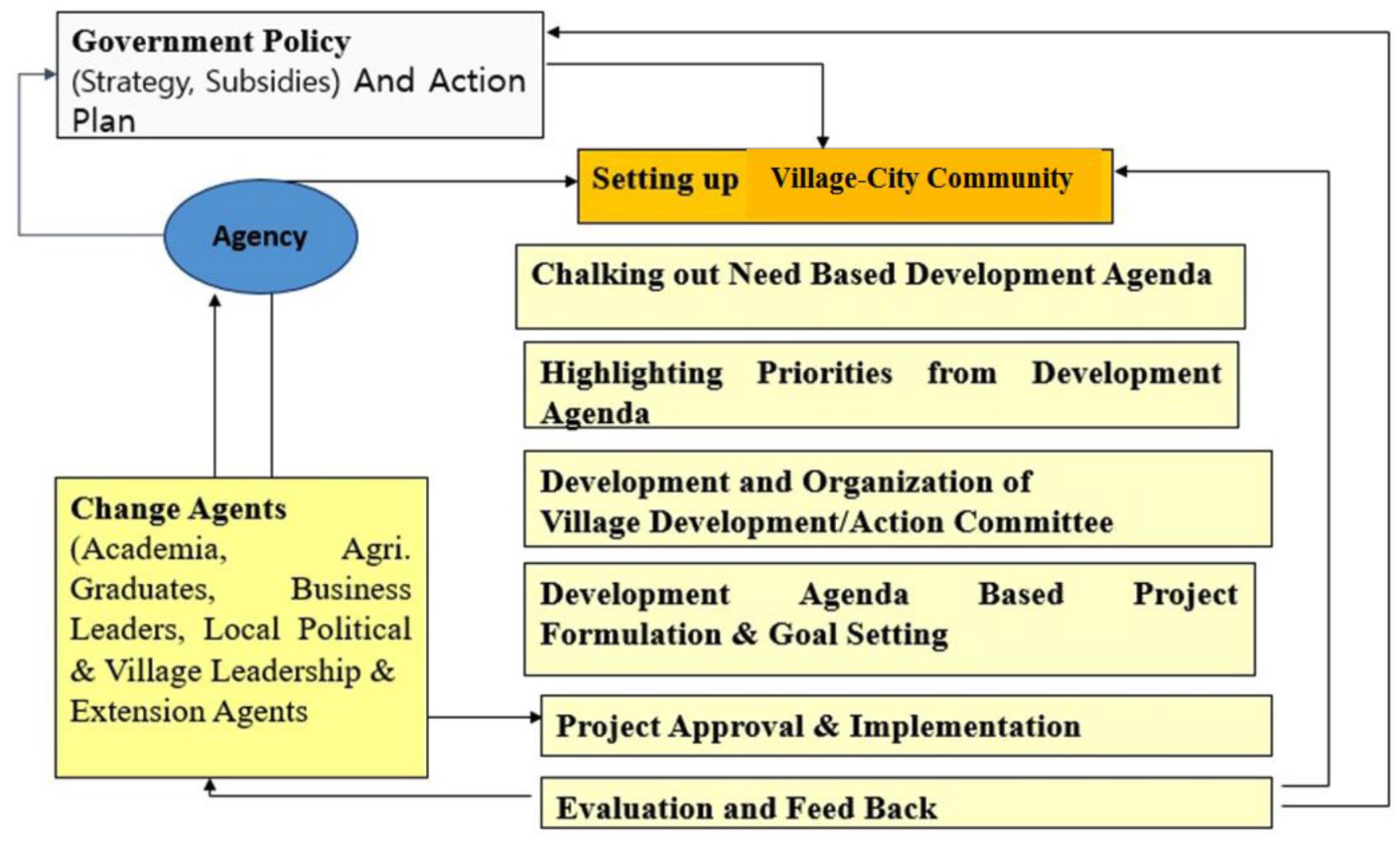
Proposed approach for agriculture development (based on South Korean experience).
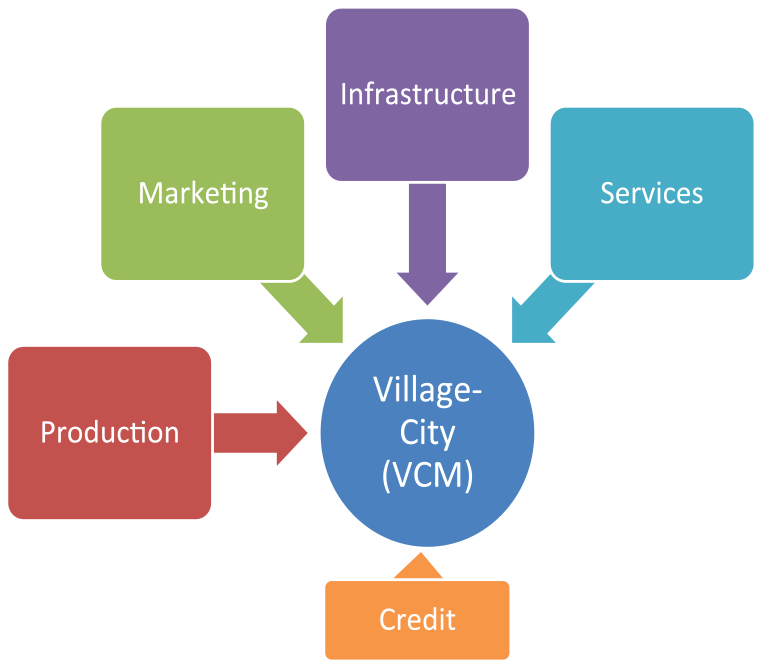
Village-City Model (Rural Business Hub).

Detailed working model.
These cooperatives will be run by the village committee where farmer through their committees will run the business. For their day-to-day affairs, these cooperatives will be autonomous in making administrative and financial decisions.
Three-tier model of farmer cooperatives
RBH will be the part of Tier 1 of the new business model along with Rural Business District. The tier structure of the proposed model is shown in Figure 10. Functions and modalities of the five farmer cooperatives have been discussed below. FBD will be responsible for tailoring the business plan, and it will also be responsible for arranging international contacts and facilitating the RBH in international transactions. A performance audit of the member RBHs will also be the responsibility of the FBD. The second tier will be comprised at the regional level. Regional Hub (RH) will be responsible for making regional policies and coordination of the FBDs with different government institutions and monitoring of the AGENCY activities. It will be also responsible for the training, capacity building of the lower tier, and initiate research-based activities. It will also coordinate with different funding agencies. The third tier will be the National Council (NC) which will be responsible for the policy-level support and legal coverage of the overall structure.

Three-tier system.
Production cooperatives (PCs)
Functions and advantages of the PCs are as follows:
Collective decisions and better access to information (land use pattern and cropping intensity). RBH through these PCs will plan about the land use patterns and cropping intensities in consultation with FBDs to better manage their resources and have greater market control
Collective purchase of inputs (economies of scale): These PCs will decide about the collective purchase of inputs especially seed, fertilizer, pesticide, and equipment so to enjoy economies of scale
Collective sale of output (bargaining power)
These PCs will undergo sale agreements with marketing cooperatives and will enjoy the bargaining power while selling in local and international markets
Risk sharing (more resources and access to market): Through collective actions, pooling of resources, enhanced contacts with extension and research and access to financial resources, the members can share the risks and have better access to markets.
Spot and contract sales: Through their contacts with marketing cooperatives, they will be able to have a point or contract sales thus ensuring a better return for their products
Better resource use efficiency (technology, extension, and capacity building): Member farmers will have better access to technology and will be exposed to capacity building opportunities thus improving resource use efficiency. The coop members will also be provided necessary training in producing quality food while farms will get enrolled for the application of GAP standards to produce quality food. Working and the linkages discussed in this section are summarized in Figure 11.
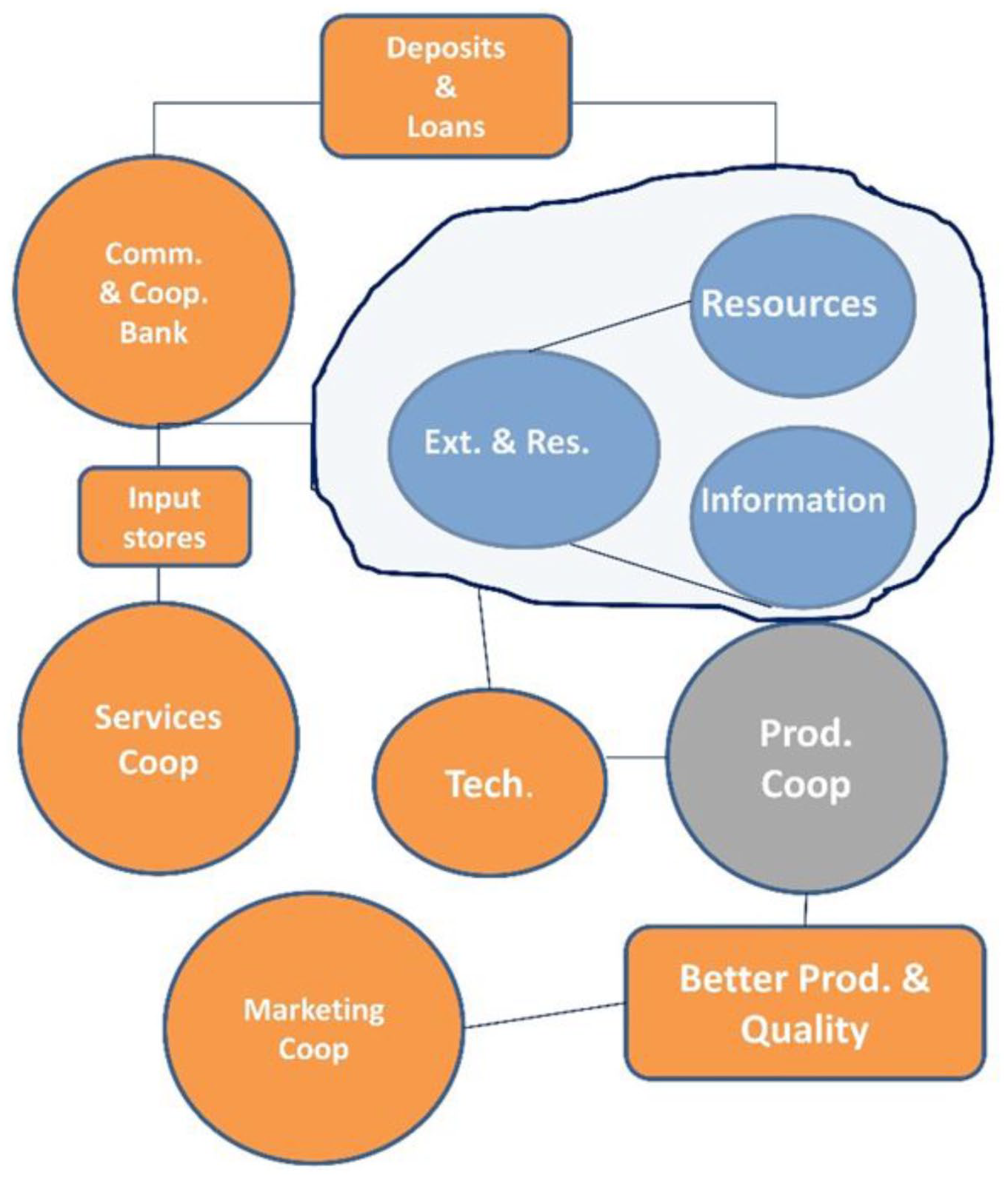
Production cooperatives (PCs).
Marketing cooperative
Second cooperative of the RBH will perform all necessary operations relevant to spot and forward sales, storage, value addition, and trade. These types of marketing cooperatives have been successfully working in different parts of the world including many African and Asian countries (Mather et al., 2004; Poole & Donovan, 2014). The current advisory services regarding marketing particularly from government-sector organizations need to be improved in terms of their access and outreach (Elahi et al., 2018). So by the smooth function of marketing coops, the rural community can get the appropriate margins and can get rid of the monopoly of middlemen in a marketing system which is characterized by a large number of small sellers who are selling similar products. Marketing cooperatives will reduce the marketing margins earned by the middlemen by gaining a collective bargaining power and better access to marketing services including storage, processing, and branding. Different functions of marketing coops (Figure 12) will be as follows:
Marketing coop will get a defined share of the production of Production Coop on a predetermined price and quantity basis (future sales).
Marketing coops will also involve in spot and contract sales not only in local markets but also in international markets (through FBD). FBDs will establish its links in the national and international markets with the help of apex agencies. FBD will also arrange training for the member cooperative for adapting to new quality standards including grading and packing.
To ensure a stable price and to add the “time and space utility” to their products, these coops will use the storage facilities available in these RBHs. These storage facilities will be provided by the services coop on a commercial basis to them. Processing facilities, as determined by the village committee for the cluster, will also be available to these coops through services coops.
Processing/standardization will ensure to added value and quality to the products. These cooperatives will also be able to go into the international markets using the expertise and help of FBDs. International agreements will be facilitated through FBDs. To ensure the quality and to adopt appropriate marketing and branding strategies, these coops can undergo partnership with private entrepreneurs or companies. Partnership with these business entrepreneurs can be ensured by going into the short-run as well as long-run agreements. These agreements will be facilitated through FBD to ensure the economies of scale for a private business organization. A general supply chain adopted by marketing cooperatives is shown in Figure 13.
Marketing coops will also work on creating brand loyalties focusing “Made in Pakistan” recognizable on the global level.
Marketing coops will also communicate the consumer feedback to producer coops regarding the demand signals, quality management, and emerging trends in the market.
To ensure the sustainability of the marketing coops, these will be protected through a mechanism for maintaining a minimum supply level and sharing of the profit.
Cooperative bank (or local commercial bank) will facilitate the coop through the provision of financial services. Coops will deposit their savings and sale proceeds to these banks.
The accounts will be audited by an external auditor managed by FBD. Several experiences from across the world had witnessed a more efficient marketing channel when farmers were involved in the system through their respective nodes. One such example is quoted by Kyomugisha, Mugisha, and Sebatta (2017) in the case of Uganda.
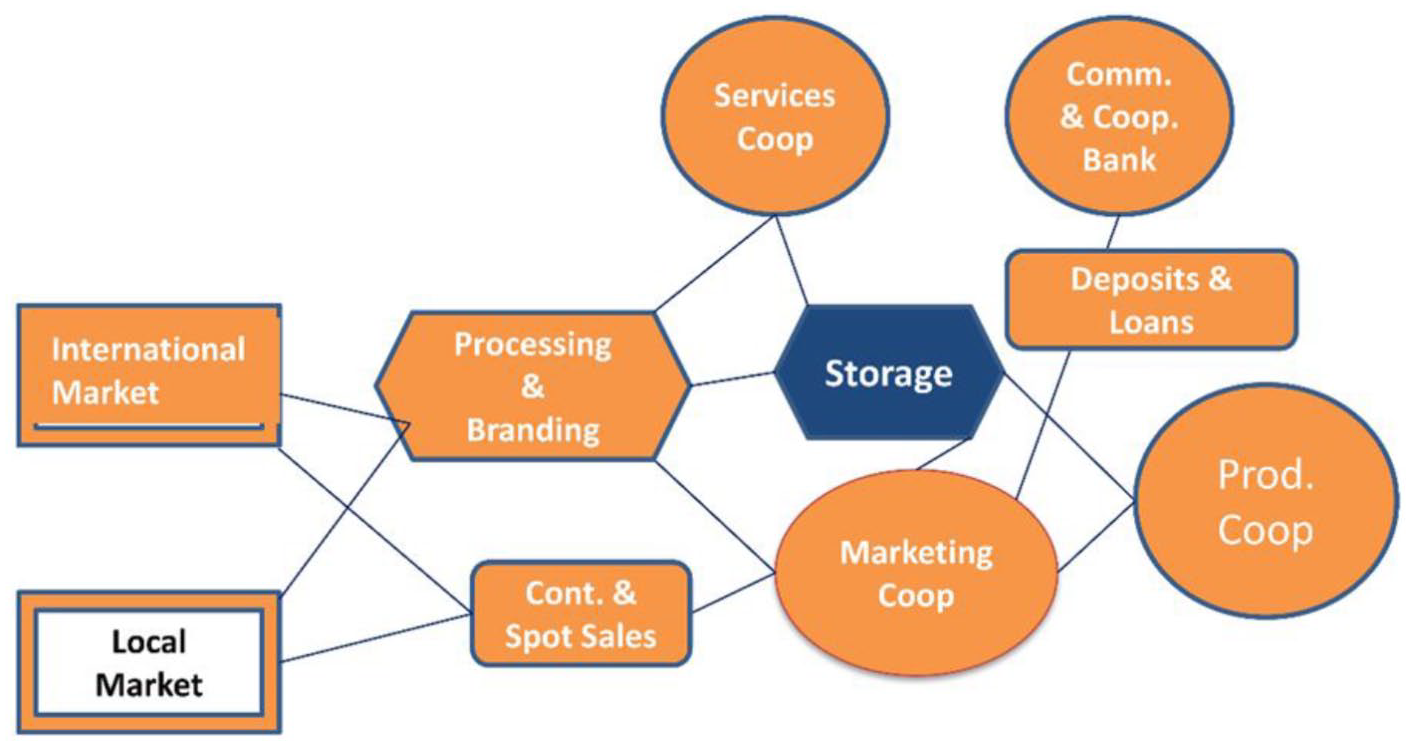
Marketing cooperatives (MCs).
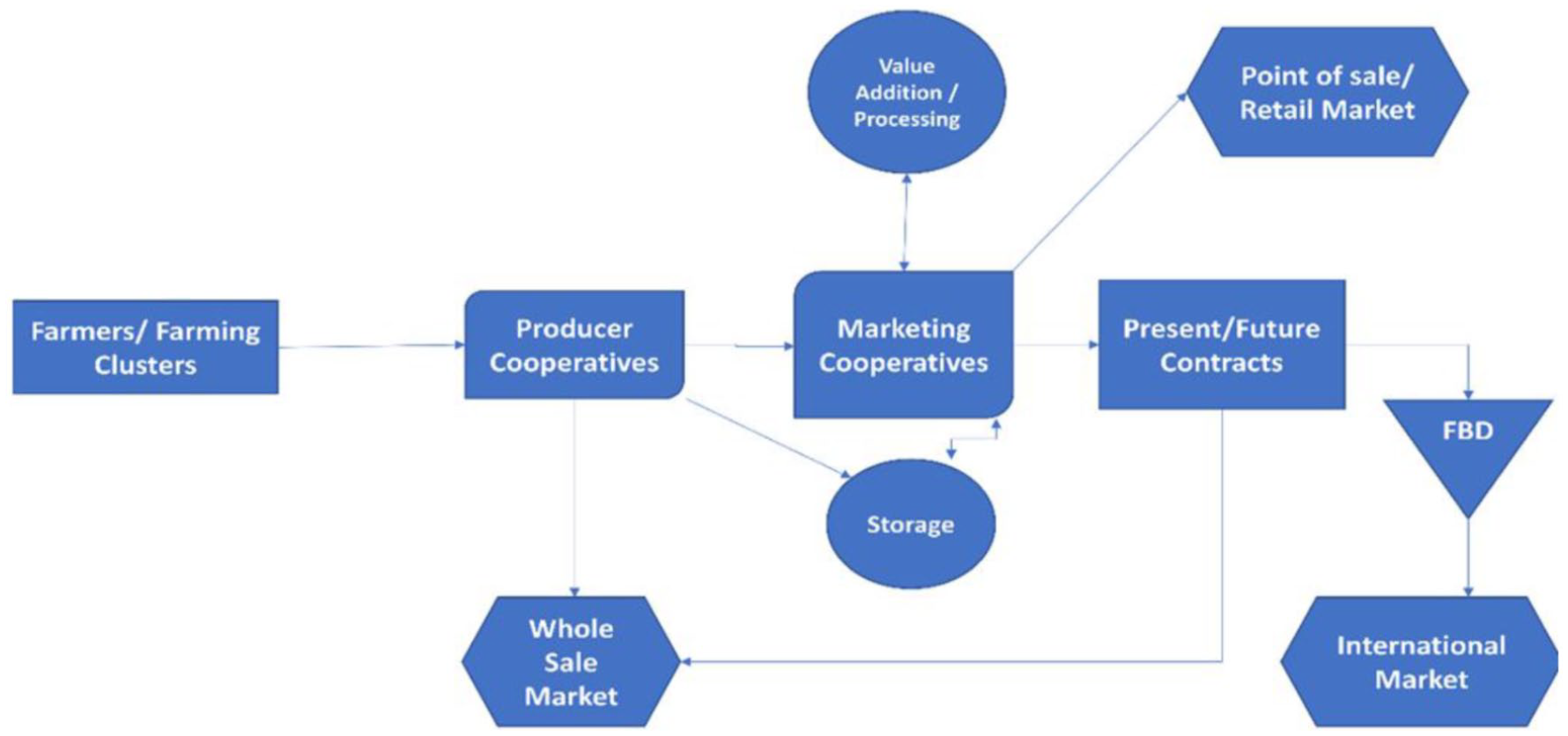
Cooperative-based supply chain.
Commercial and cooperative bank
These cooperative banks will follow the basic principles of Agriculture Credit Unions and will act as “the powerhouse” of our proposed VCM in the targeted area.
These cooperative banks will primarily get their working capital from the government and any commercial bank under arrangements from the government. They will then also act as a business entity accepting deposit from their clients and extending loans.
These coop banks will follow all working instructions from the regulatory bodies. However, their primary function will be to serve the VCM.
These banks will take measures to promote savings among the farmers, members of the cooperatives, and their other clients.
This cooperative will also aid in resource generation, and functioning of information, extension, and research services. Figure 14 summarizes the working of the Commercial and cooperative bank in the system.

Commercial and cooperative bank.
Services cooperatives
These will provide essential services to the VCM as shown in Figure 15.
These will cover the following areas:
a. They will establish input sale centers especially for members of the producer coops. Services coops will provide quality input to these coops at a competitive price. Coop will run this business on a commercial scale by taking advantage of economies of scale. b. These will provide the marketing and producer coops with the facility of storage houses. Services coops will run these storage facilities on a commercial basis. c. To facilitate the value addition and managing the supply chain, services coops will provide processing facilities in the area. The decision and technical expertise in establishing and running these services will be provided by the AGENCY and higher tier bodies. d. These coops will also run education, health, and entertainment faculties in the area. Purpose of these facilities is to make the area attractive for the skilled manpower and members of the coops.
These will directly facilitate the marketing and production coops. Review of the global experience across the developing countries revealed that absence of essential services at village centers especially the value addition and essential civic amenities would result in failure of many otherwise successful interventions (Katie, Calum, & Gómez, 2014).
Services cooperative can charge to the service users for its services to other coops and members of these coops.
Will work under the supervisory control of village committee.

Services cooperatives (SCs).
Infrastructure cooperatives (ICs)
IC will work to help to enable the environment in the VCM and for facilitating the working of the other cooperatives, especially the PC and services cooperative (Figure 16). Few important characteristics of these cooperatives are as follows:
These will receive the initial grant from the government (might be from Rural Economy Endowment Fund or funding from donors) and a loan from commercial and cooperative banks.
The government will also provide technical assistance to these coops.
IC will provide the basic facilities of water availability, sanitation, and provision of basic infrastructure facilities to the community. These services will create enabling an environment in the VCM.
Infrastructure coop will charge a reasonable fee from other coops on some agreed upon basis. These funds will be utilized to finance nondevelopment expenditures of the coop.
O & M (Operation and Maintaince) of the completed projects and old schemes will be the responsibility of this cooperative.
Coop will be reporting to VMC regarding its performance and project development status.
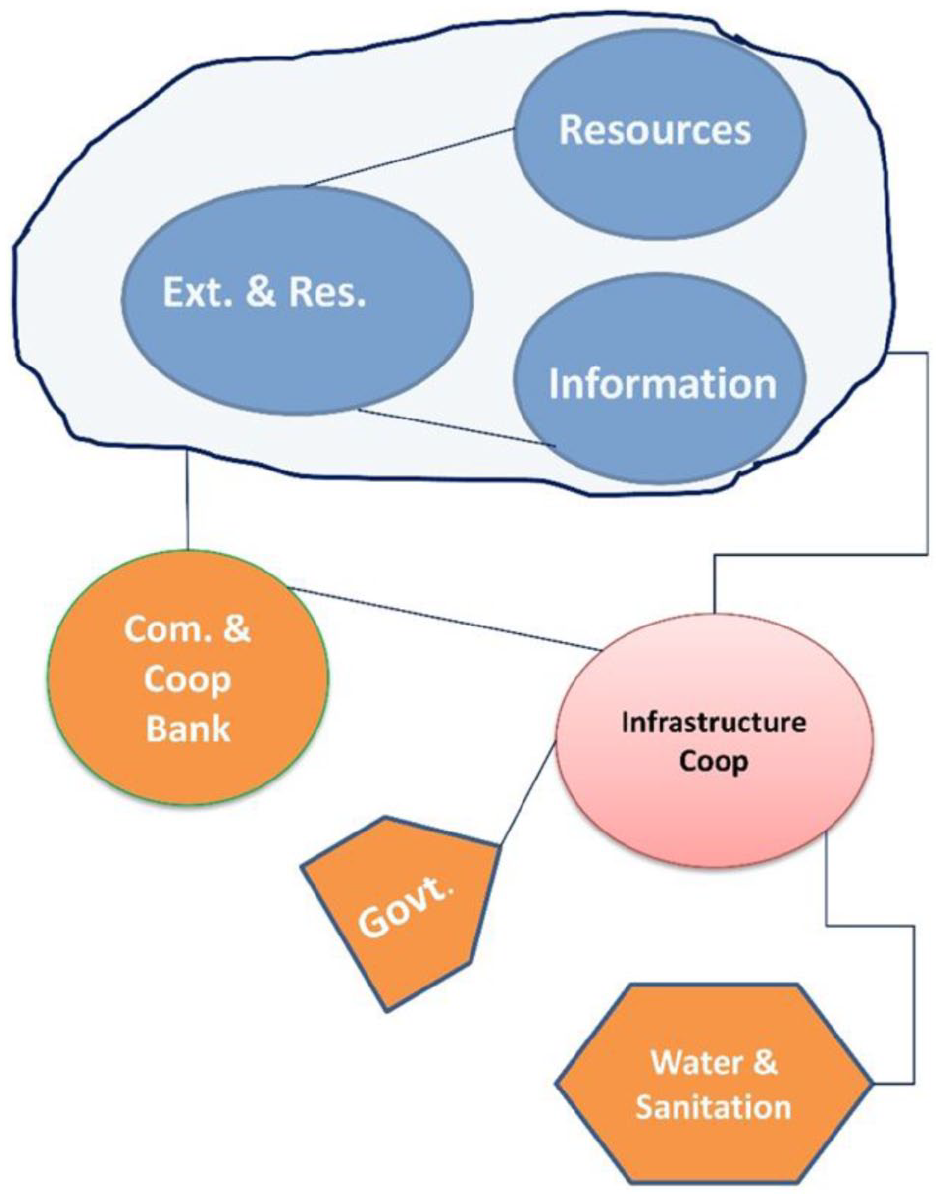
Infrastructure cooperatives (ICs).
Conclusion
An efficient, productive, and sustainable agriculture sector is a prerequisite for economic development and national cohesion of a country like Pakistan. Facts on the ground very well support the argument that agro-led growth is the key to alleviate poverty and better livelihoods for the majority of the population in a developing country where the majority of the population is living in rural areas. Pakistan’s agriculture sector is facing many challenges and exposed to a few potential threats; it needs a paradigm shift in its approach to addressing the challenges and tackling of threats. The vision of present government in this regard is clear through the announcement of Kissan package in 2015 and the strategies and policies for agriculture sector provided in Vision 2025. Use of cluster base village development approach through participatory management can prove as a game changer for the agriculture sector in Pakistan. Global experience revealed many success stories in cooperative farming including South Asia, but the South Korean experience was an exception where tremendous success was achieved in a very short span of time. Proposed VCM has great inspiration from SMU and Global SMU movements. However, the Korean experience has been acclimatized keeping in view the local context and adding flavor to this model through indigenous wisdom. VCM has been proposed with local adjustments of the international experiences of different developing and developed countries to suit the domestic environment and socioeconomic conditions. Now, need of the time is to test the new approach with strong institutional support involving international experience (specifical expertise from South Korea) in selected priority regions. Besides strong institutional support, political will is required to motivate and activate the local communities by changing the mind-set through strong local leadership.
Recommendations
Although the proposed model can work very well in all regions and agricultural enterprises across the country, however, based upon the characteristics of the farming community and development priorities, for the pilot project, following areas and avenues can be considered on a priority basis:
Production regions across the country especially the specialized production areas of horticultural crops, rain-fed area of Punjab, Baluchistan, KPK, and coastal areas of Sindh (huge potential for vertical as well as horizontal expansion). Deserts provide an excellent avenue for protected agriculture (Gobi Desert, China; Sinai Desert, Egypt).
Production and value-addition practices designed to cater the need of international markets especially in the context of CPEC and a large flux of international labor force coming into Pakistan (e.g., fisheries, sea-food production, processing, and quality assurance).
Introduction of modern high-tech production techniques especially the hydroponics and use of RCTs in the production process.
Application and training of GAP to farmers to exploit the potential of international markets (quality and standards).
New enterprises like olive, coconut farming, livestock rearing, infrastructure development, social service provision, and marketing services are some potential avenues to start with (area-based need assessment).
Footnotes
Declaration of Conflicting Interests
The author(s) declared no potential conflicts of interest with respect to the research, authorship, and/or publication of this article.
Funding
The author(s) received no financial support for the research, authorship, and/or publication of this article.
