




Abstract
Purpose
Social-emotional ability is an important human basis for the sustainable development of society. At present, researchers are focusing on the improvement of primary and secondary school students’ social-emotional ability. This study explores the current situation of college students’ social-emotional ability.
Design/Approach/Methods
Based on the existing questionnaires on social-emotional ability in primary and secondary schools, we examined the universality of social-emotional ability along with the unique development of college students and developed a questionnaire on social-emotional ability for college students. Research was conducted on students in 31 provinces, municipalities, and autonomous regions (excluding Hong Kong SAR, Macao SAR, and Chinese Taiwan) in China, and 4,720 valid questionnaires were obtained.
Findings
It was found that the college students’ social emotions are at the upper-middle level, showing a “rising wave, positive” state, but their tenacity needs to be further improved. Education level, gender, type of university, origin, family affiliation, and teacher–student relationships significantly affect college students’ social-emotional ability.
Originality/Value
This study contributed a social-emotional questionnaire designed for Chinese local discourse, and identified the current social-emotional ability of college students in China.
Introduction
The recent UNESCO publication Education for the Sustainable Development Goals proposes that all students must acquire the knowledge and skills needed to promote sustainable development (UNESCO, 2017). The social-emotional ability of college students is an important sustainable development ability as well as core content of self-regulated learning. It is the human basis of the sustainable development of society. It influences our way of thinking and thus can connect individuals with society. Social-emotional ability and its subordinate dimensions play an important intermediary role in the growth and development of students. Generally, social-emotional ability and behavior are based on the development of emotional intelligence (O’Connor et al., 2019). Therefore, rationality and emotional ability are clearly differentiated. Rationality emphasizes wisdom, logic, and meaning. Emotional ability focuses on feeling, empathy, and experience. Rationality and emotional capacity are often seen as opposing forces, but they can also complement and enhance each other. It can be said that in different stages of life, the needs and expressions of emotional ability are different. Older adults may become rational and wise because of life experience, whereas college students, as a vibrant young group, need more emotional expression. The development of social intelligence and social-emotional learning continuously influences the lives of individual college students (Harris et al., 2022). College students are “actors” who will reshape the social order and promote the sustainable development of society. However, current research on social-emotional ability focuses on primary and secondary schools (Jones et al., 2017), with very little attention given to college students. College students are at a key point in individual socialization, at the “crossroads” between colleges and society. Their emotions are strong and rich but unstable, easy to generate but relatively fragile. Therefore, it is necessary to strengthen the research on college students’ social emotions.
This study provides three contributions. First, it focuses on the social emotions of college students, which, to some extent, compensates for the lack of college students as participants in the existing research. Second, based on the existing questionnaires on social-emotional ability in primary and secondary schools, a more fine-tuned questionnaire was designed to measure college students’ social-emotional ability, providing a reference for later research. Third, questionnaires were distributed to different colleges and universities nationwide, and 4,720 valid questionnaires were collected, reflecting current college students’ social emotions to a certain extent and facilitating accurate policy implementation.
Social emotion and social-emotional ability
Owing to the focus on the modernization represented by reason, scholars once ignored research on emotion. In the middle of the 20th century, the discussion of whether emotion is innate or learned in the psychology field focused attention on emotion-related research. Psychologists ascribing to the cognitive school and acquisition theory believe that emotion is stimulated and influenced by the outside world, which also provides a premise and basis for the subsequent study of emotion. At present, the interpretation of the concept of emotion can be roughly divided into three types. The first is constructivism. Shott (1979) believed that emotion is constructed by society, and social norms and cultural rules play an important role. The second is reaction and experience theories. American psychologist Drever believed that emotion is a complex state brought about by changes in various parts of the body (Stolman, 1986). Combining the two perspectives of physiology and consciousness, Hewitt (1991) believed that emotion is related to the feeling of the body and that they are physiological responses to situations. Therefore emotion is a psychological phenomenon that reflects the relationship between the needs of the object and the subject in the form of self-experience. It is a subjective experience generated through interaction with the outside world, with greater stability and depth. The third type is behavioral theory. For example, Alexander (2000) believed that emotion is not an internal state of individuals but an open and directly observable behavior. As a process and experience of emotional socialization, a social emotion is considered a type of personalized psychological experience and psychological feeling produced by social members in the process of engaging in social activities and forming social relations.
Social-emotional ability is the externalization of social emotions. It is a series of core abilities related to individual adaptation and social development mastered and applied by individuals based on the interaction between personal feelings and social relations in the process of socialization. Mayer et al. (2000) believed that social emotion is the extension of emotional intelligence and that social-emotional ability is the ability of individuals to recognize and express their own emotions, adjust or promote their own thinking through emotions, analyze and understand their own emotions, and reasonably adjust their own emotions and those of others. Lattke et al. (2022) believed that implementing a social and emotional learning (SEL) approach in school requires monitoring certain skills, such as grit, sense of belonging, self-management, social awareness, and self-efficacy.
The social-emotional ability of college students is the manifestation of their individual physical and psychological characteristics under the influence of the institutional framework and cultural atmosphere, and reflects the internal attitude and value orientation of contemporary college students (Gao et al., 2022). Under the influence of the trend of “whole person education,” the focus of school education has gradually changed from the one-way improvement of students’ cognitive ability to the two-way development of emotion and cognition (Fan, 2019). Much relevant research has been carried out, and social practices have been implemented, such as the SEL developed in the United States, which comprises six courses, including promoting selective thinking strategies, caring for school groups, efficient conflict resolution, creative conflict resolution and developing strong children, and comprehensively improving the five core skills of primary and secondary school students, namely, self-cognition, self-management, social cognition, interpersonal communication, and making responsible decisions. Studies have proven that the social problems of local students are greatly reduced and interpersonal and emotional skills are significantly improved via the learning that occurs through social-emotional ability projects (Greenberg et al., 2003). In recent years, the Ministry of Education and Skills in the United Kingdom has also promoted the improvement of the social-emotional ability of students, teachers, and parents through the promotion of the Social Emotion and Aspects of Learning (SEAL) project.
Influencing factors of social-emotional ability
There have been two different voices in the research on the influencing factors of social-emotional ability: self-determinism and environmental determinism. The former is self-orientation, for example, genetic determinism and physiological determinism, which propose that people's social emotions are determined internally. The latter is external orientation, such as environmental determinism and social determinism.
Genetic determinists believe that the emotional development of human beings is consistent with the process of biological evolution; with an increase in age, emotions gradually mature. Physiological determinists believe that emotion is a subjective experience caused by physiological changes such as pulse, blood circulation, and respiration. It is an expression of behavior in the body and brain in response to environmental signals. Physiological determinists and genetic determinists both regard the inborn biological factors as the root of influencing emotion, which comes from the human's inner self, while environmental and social determinists believe that emotion is acquired. Environmental determinists simplify emotional phenomena into the S–R (stimulus–response) model and hold that emotional behavior is the combination of various somatic reactions used by organisms to adapt to environmental stimuli. On this basis, social determinists believe that society is the main source of emotion. Emotion is controlled by social, political, economic, and cultural factors. It is believed that the formation of social emotion is a process of socialization. Therefore, people's social emotions are greatly correlated with their families and organizations (Guo, 2008).
People are aware of the important role of social-emotional ability. Community members in the United States tend to create positive and healthy learning environments and school–family communities to promote students’ social-emotional ability (Michael et al., 2007). In addition, more attention should be paid to the education and guidance of schools in the community to create a safe, equal, and free learning atmosphere. Australia also creates an all-around, multi-level positive environment for the society, community, family, school, and individual (Shi & Li, 2013). Through a survey of 972 primary and secondary school students in Sanjiang Dong Autonomous County, Guangxi Zhuang Autonomous Region, Yang et al. (2019) found that there were significant differences in the social-emotional abilities of primary and secondary school students in the Dong minority areas in terms of ethnic groups, gender, grade, experience being left behind, family geographical location, and other variables.
Questionnaire design and localization process
Questionnaires are documents containing questions and other types of items that are designed to collect information suitable for analysis (Babbie, 1990). In social science research, the questionnaire can overcome time and space constraints, can facilitate quantitative research, has incomparable advantages in terms of saving manpower, time, and funds, and can effectively reflect the situation of the participants (Jörissen et al., 2015). There is little research on the methodology and theory of questionnaire design—only a small number of articles discuss the questionnaire design from the perspective of methodology (Lietz, 2010). However, there are many discussions on improving the design principles and techniques of the questionnaire, for example, by minimizing the difficulty of the questionnaire, preventing respondent mistakes, formulating questions so that respondents like them, and increasing reliability and validity (Tomioka et al., 2011). The principles of clarity, oneness, neutrality, simplicity, reliability, indirectness, exclusivity, sensitivity, integrity, and standardization are relevant to the process of questionnaire setting. However, some studies also point out that the current questionnaire design lacks both theoretical guidance and a logical framework (Gendall, 1998).
The design of the questionnaire needs to be based on practice and on the specific situation in the field, which, in this case, is a series of interactions with interviewees based on the research questions. Questionnaire design generally starts with defining the information needed for the study, followed by determining the type of survey and question, writing questions, and constructing the questionnaire. A prediction test is then conducted, and the questionnaire is finally completed (Taherdoost, 2022). This is not a simple linear process. It is a process of mutual connection and promotion. At present, scales related to social-emotional ability are mainly focused on primary and secondary schools and more commonly used in the United States, the United Kingdom, and Australia, which provides a rich foundation for this study. Thus, we can explore the universality of social-emotional abilities and develop an indicator system suitable for college students, taking into account the special characteristics of their development. In addition, we can factor in China's local conditions and cultural traditions, further localizing the questionnaire.
Defining designed objectives and clarifying core concepts
Emotion is a psychological phenomenon. It is the inner stability experience of attitudes toward objective things and a reflection of the relationship between objective and subjective needs. The social-emotional ability questionnaire for college students focuses on two goals. First, it is expected to clarify the current situation of college students’ social emotions. The second goal is to find the factors that affect college students’ social-emotional ability from their own external environment and other perspectives. Therefore, based on the current research, we believe that social-emotional ability is the ability to recognize and manage emotions developed by individuals in the complex situation of growth and development, to control their own emotions, to set and achieve positive life goals, to show care for others and the world, to establish good interpersonal relationships with others, and to make responsible decisions.
Designing indicator framework
Although at present there is no questionnaire and project design specifically for college students’ social-emotional ability in the world, the framework for social-emotional ability in primary and secondary schools can also provide us with sufficient reference. Therefore, there are two priorities at this stage, the first of which is to fully distinguish the social-emotional ability framework and influencing factors, identify indicators suitable for the Chinese context, and build an indicator system. The second priority is to design a systematic and characteristic social-emotional ability questionnaire based on the uniqueness of college students, especially considering their psychological and physiological differences from primary and secondary school students.
We reviewed the relationship dimensions and core indicators of social-emotional ability enhancement projects in the United States, the United Kingdom, Australia, and China. Although the relationship dimensions of indicators constructed are different, there is still consistency in the selection of specific core indicators. The American Collaborative for Academic, Social, and Emotional Learning (CASEL) Project constructs the relationship between self and society, which mainly includes five groups of core abilities: self-consciousness, self-management, social consciousness, interpersonal skills, and responsible decision-making. The British Social and Emotional Aspects of Learning (SEAL) Project attaches importance to personal skills and encourages the promotion of students, schools, and families by jointly improving the environment and moral outlook. The conceptual framework mainly includes the cultivation and learning of five skills: self-awareness, managing emotions, motivation, empathy, and social skills. The Australian Social and Emotional Wellbeing (SEWB) Project identifies seven dimensions: social-emotional health, resilience, positive social orientation, positive work orientation, positive school indicators, positive family indicators, and positive community indicators (Table 1).
Relationship dimensions and core indicators of social-emotional ability projects.
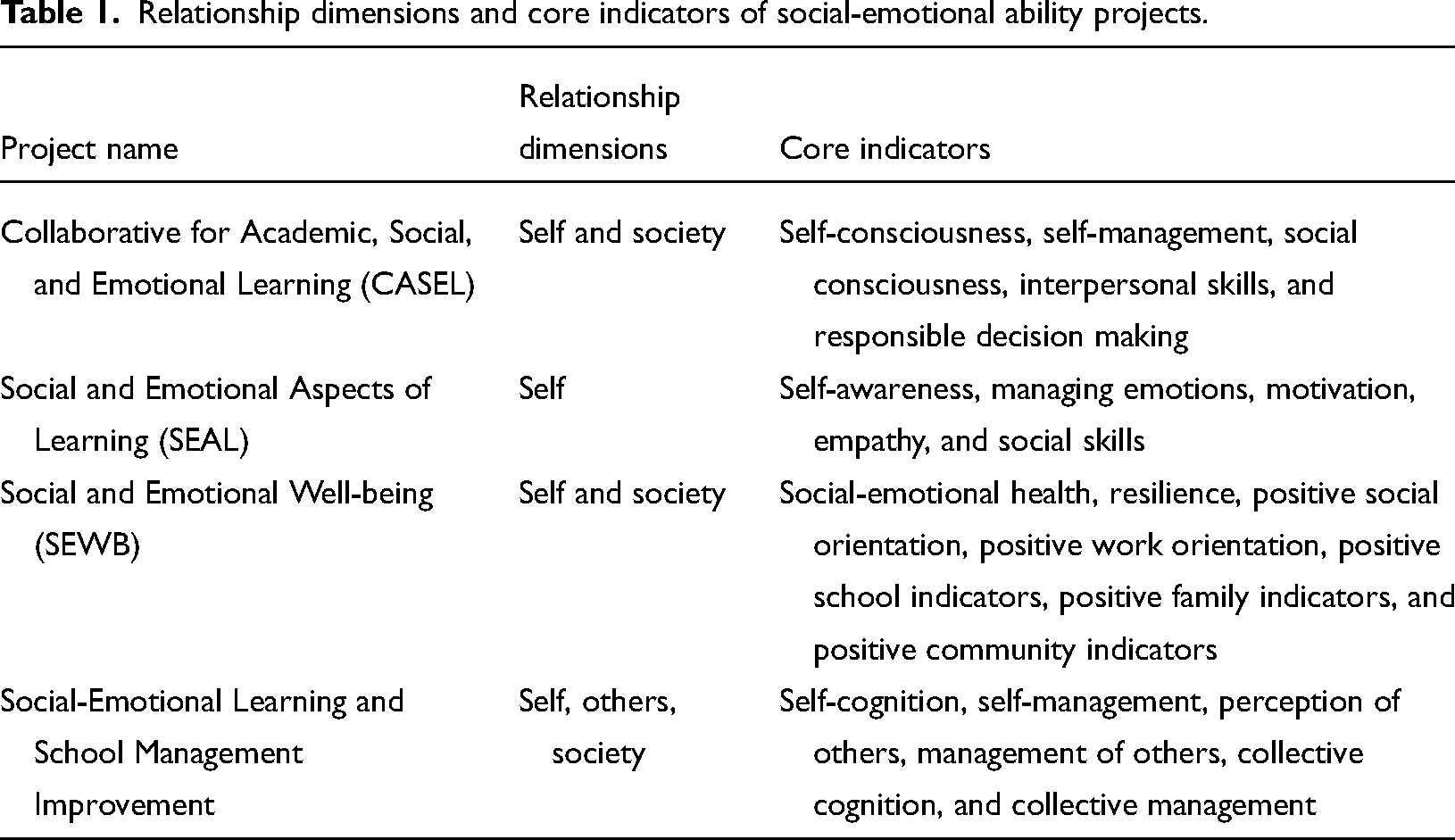
The conceptual framework of social-emotional ability in China is based on learning from foreign social-emotional research, coupling traditional Chinese culture and values, transforming the binary opposition between individuals and society into three dimensions—self, others, and society—and building a social-emotional conceptual framework with Chinese traditional cultural characteristics. Mao and Guo (2018) proposed development goals for students to understand and manage themselves, others, and collective relations from three dimensions: attitude, knowledge, and ability development. Based on the overall study of social emotion learning, Wu (2018) proposed that “social emotion learning” is a special component of the curriculum system.
By comparing the conceptual indicator frameworks of social-emotional competence at home and abroad, we chose the most common indicators of self-awareness, self-management, and self-efficacy both domestically and internationally. Moreover, in the context of localization, researchers pay more attention to the relationship between individuals and others, as well as society. “Relationship” is an objective existence established based on blood, geographical, and business relationships. The closeness and distance of relationships have a “differential pattern” influence. In this context, every college student must deal with relationships with themselves, others, and society. Therefore, the classification of social-emotional ability in this study is based on three dimensions. However, among these three dimensions, the relationship with oneself is the foundation, and all social and emotional abilities are developed based on the improvement of self-management and self-awareness. Thus, more indicators are set for the relationship with oneself. In addition, social awareness, as an important indicator, includes an individual's cognition, attitude, and values in regard to others and society. Therefore, college students’ interactions with others and society are also important aspects that we take into consideration. Compared with primary and secondary school students, college students have three special characteristics. First, college students have greater and clearer self-awareness, so indicators can focus more on their feelings. Second, college students are more involved in the field of higher education, and their interaction with their families is relatively weakened, while their interaction with higher education and society is significantly enhanced. Therefore, the scenarios involved in the questionnaire should be as relevant to higher education as possible. Third, college students have gone through more stages of their life journey and are at the “crossroads” of life, requiring resilience and a better growth mindset. Therefore, this core indicator is added.
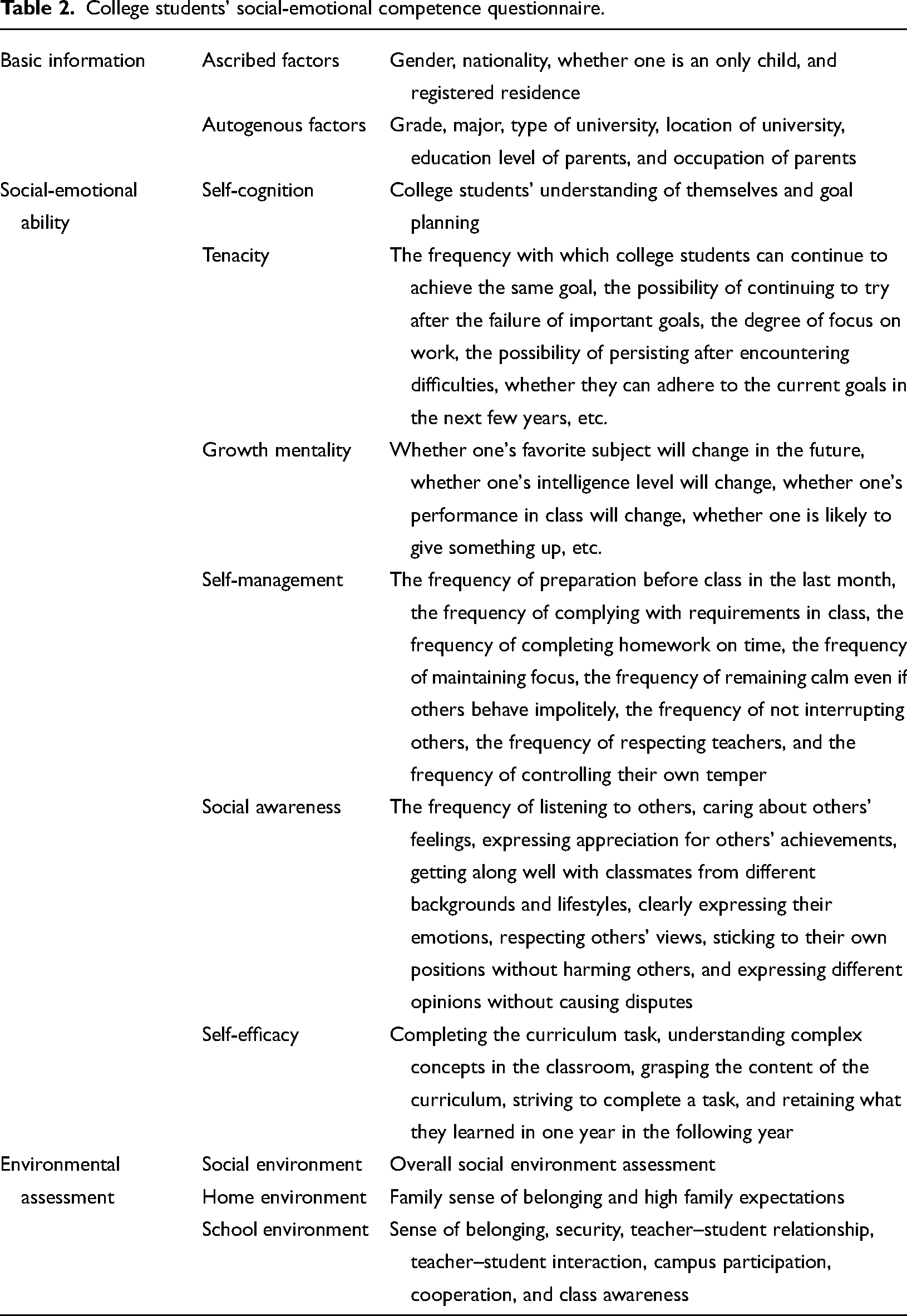
The questionnaire operationalizes college students’ social-emotional ability into six specific dimensions: self-cognition, tenacity, growth mentality, self-management, social awareness, and self-efficacy. The indicators of influencing factors focus on two aspects: the individual and the external environment. The questionnaire is divided into three parts (Table 2).
College students’ social-emotional competence questionnaire.
Questionnaire test and evaluation
In this stage, we combined trial surveys and in-depth interviews, conducted a pre-survey in selected universities by randomly sampling the designed questionnaire, and randomly selected interviewees for in-depth interviews. Trial surveys determine the potential effectiveness of the questionnaire when it is being developed (Reynolds et al., 1993). The trial survey should be conducted among the final target population. Therefore, a domestic university was selected. The survey was conducted among college students of different grades. Typical samples were selected for in-depth interviews in different grades. First, each question of the questionnaire was asked to observe whether the respondents’ understanding of each question was consistent with that of the researchers. Second, the respondents were asked about their feelings regarding the topic at any time, to improve and supplement the questionnaire. The final trial survey sample size was approximately 200, and approximately 20 college students across all grades were interviewed in depth. After multiple revisions, the final draft was finalized and distributed to 31 provinces, municipalities, and autonomous regions (excluding Hong Kong SAR, Macao SAR, and Chinese Taiwan) in China. During the process of distributing the questionnaire, informed consent was obtained from each participant.
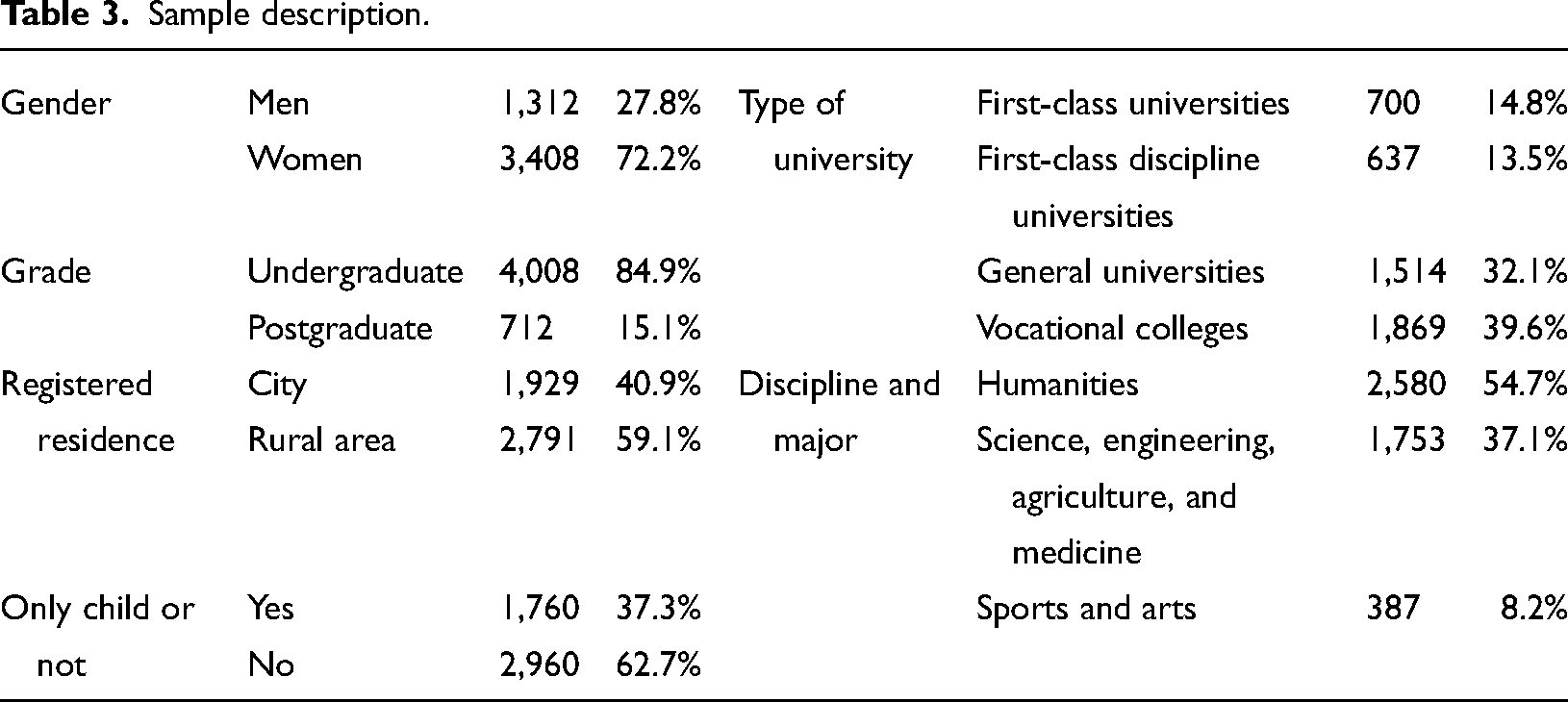
The survey questionnaire adopted a combination of online and offline methods, targeting undergraduate and graduate students in universities across the country. A total of 5,000 questionnaires were distributed. After excluding invalid responses such as those showing illogical confusion, randomly filled options, and short response times, 4,720 valid questionnaires were collected. The validity of the questionnaire was 94.4%. This survey covered universities in 31 provinces, municipalities, and autonomous regions across the country (excluding Hong Kong SAR, Macao SAR, and Chinese Taiwan) and included undergraduate, graduate, and doctoral groups. The subject categories included humanities and social sciences, science, engineering, agriculture, medicine, sports, and arts. It covered “Double First-Class” universities, ordinary universities, and vocational colleges, and the sample selection was representative (Table 3).
Sample description.
Preliminary analysis of the questionnaire data revealed that the sum of squared rotation (extraction) loadings of the six factors in the social sentiment measurement framework for college students was 58.2%, indicating that the framework has explanatory power for social emotions. On this basis, we used principal component analysis to revise the theoretical measurement framework and found that six common factors were still extracted under the revised framework without deleting any previous scores, indicating that the six dimensions proposed in the questionnaire are reasonable. As shown in Figure 1, the factors extracted in this study included factors with eigenvalues greater than 1.
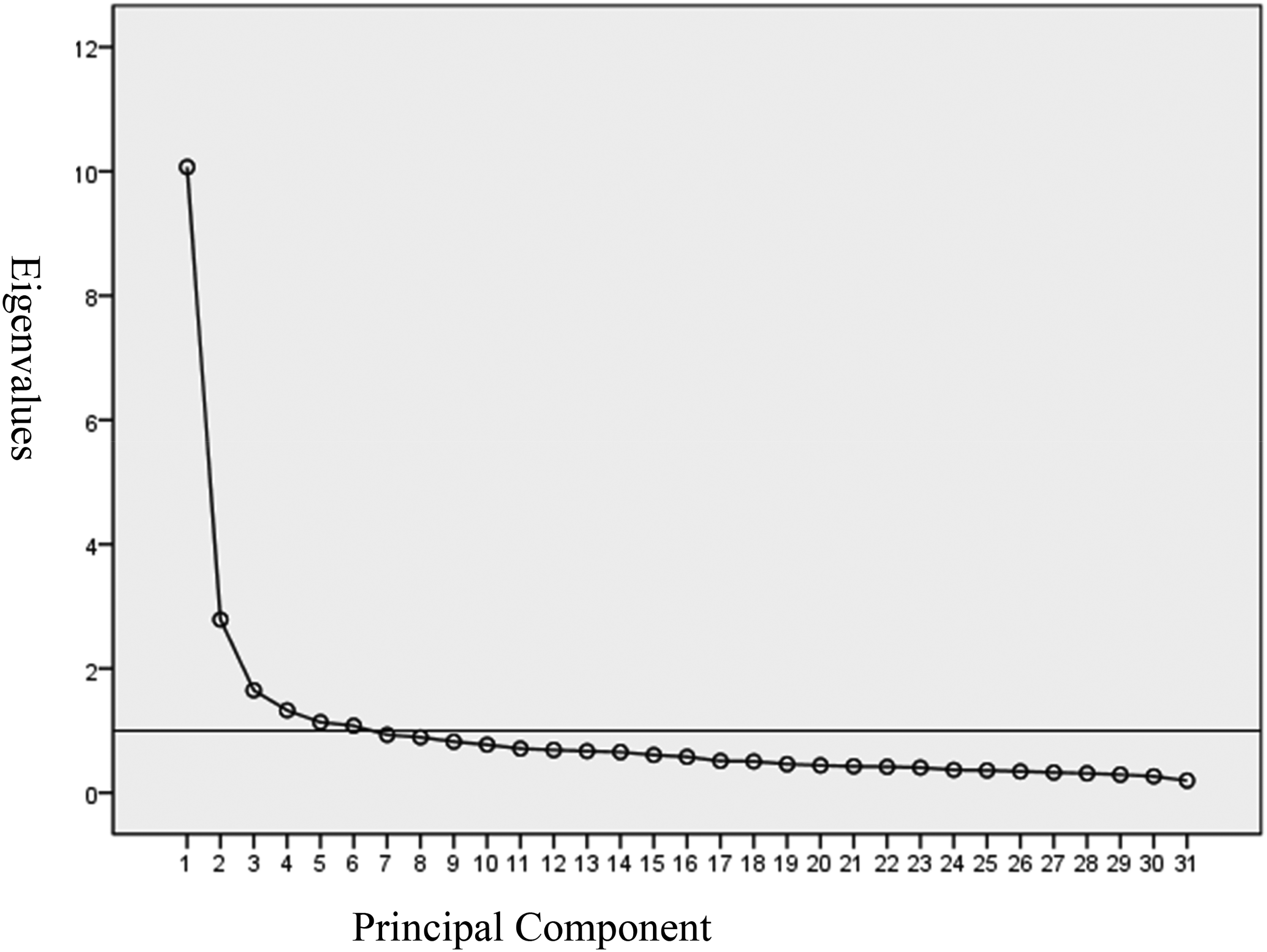
Factor analysis gravel plot.
The reliability test results of the questionnaire (Table 4) show that the Cronbach's alpha coefficient of the 31 questions in the questionnaire is 0.910, indicating high reliability. The validity of the questionnaire was tested using the Kaiser-Meyer-Olkin (KMO) test and Bartlett's sphere test (Table 5). The KMO value was found to be 0.950, which met the testing criteria. The significance P-value of Bartlett's sphere test was 0.000, which also met the assessment standards. Therefore, further analysis can be conducted based on the questionnaire results.
Reliability test results of the questionnaire.

KMO and Bartlett tests of the questionnaire.

An analysis of the current situation of college students’ social-emotional ability
The survey covered “Double First-Class” universities, ordinary universities, and higher vocational colleges. Disciplines included humanities, social sciences, science, industry, agriculture, medicine, sports, and arts. The sample selection is representative. By calculating the average value of each dimension of college students’ social-emotional ability and the average value of the overall social-emotional ability, we can describe the social-emotional ability of college students in the context of the development of the current era.
College students’ social-emotional ability is above average, but tenacity needs to be improved
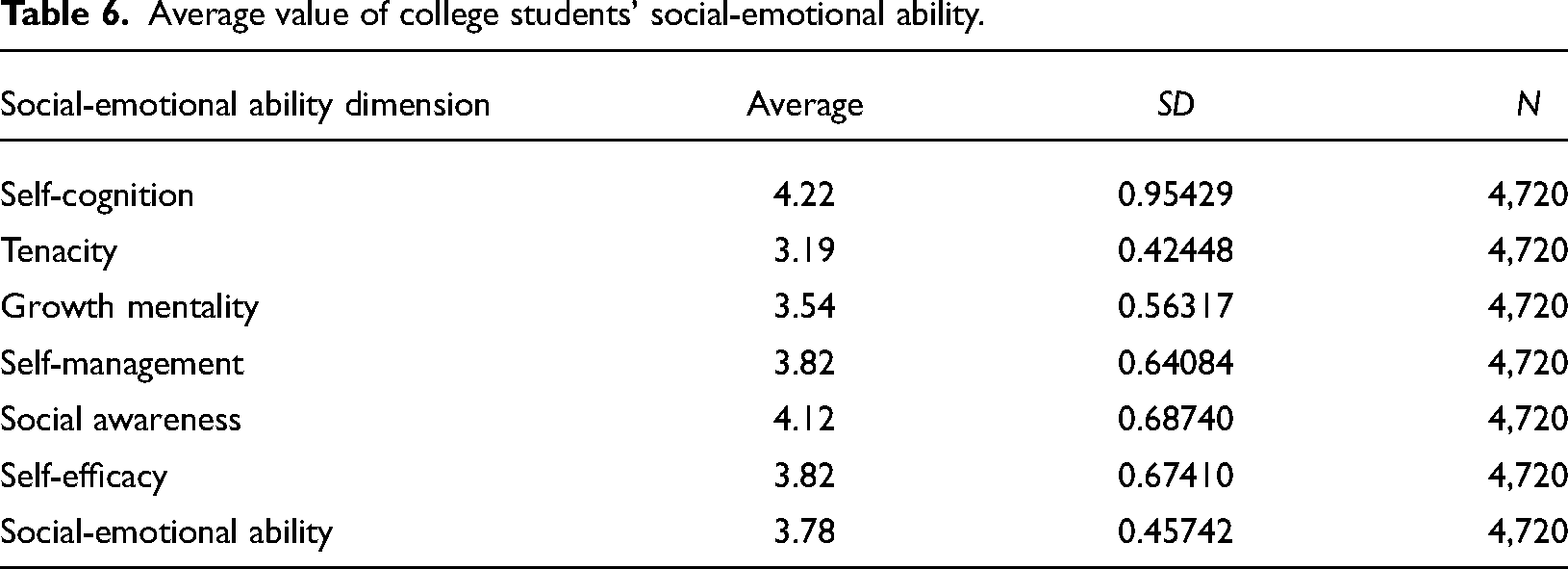
The average value of the social-emotional ability of the participants is 3.78 (Table 6), which is above average considering a range of 1–5 points. Therefore, the current social-emotional ability of college students is above average, showing a “rising wave, positive” state. The self-cognitive ability and social awareness of college students have the highest scores: 4.22 and 4.12, respectively. Self-management ability and self-efficacy are 3.82, which is also relatively high. Growth mentality and tenacity exhibit low scores; the value for growth mentality is 3.54 points, which is lower than the average level of social emotion. The lowest score was that of toughness, at only 3.19. The data show that college students have strong personal cognition, social awareness, and self-cognitive ability. However, owing to age and their level of physical and mental development, college students still lack vision and experience, and their growth mentality is not mature. In particular, there is significant room for improvement in terms of toughness.
Average value of college students’ social-emotional ability.
The correlation analysis of the dimensions of social-emotional ability shows that there are significant positive correlations among the dimensions of college students’ social-emotional ability (Table 7). Considering tenacity, the higher the tenacity of college students, the higher their self-awareness, growth mentality, self-management awareness, social awareness, and self-efficacy. This shows that there is a positive and spiral logic among the dimensions of college students’ social-emotional ability. There is a basis for a virtuous circle. This not only provides a way of thinking to explain the various dimensions of college students’ social-emotional ability but is also a breakthrough in terms of improving their ability. Further, this can explain the “polarization phenomenon of college students’ social-emotional ability,” that is, the overall performance of college students with strong social-emotional ability will improve, while the overall performance of college students with poor social-emotional ability will decline, resulting in the “Matthew effect” among college students. At present, the operation and change of college students’ social-emotional ability is a “black box.” Improving the dimensions of college students’ social-emotional ability that are easily affected, such as self-management ability, gradually radiates to other corresponding abilities, thus improving college students’ social-emotional ability.
Correlation analysis of college students’ social-emotional ability.
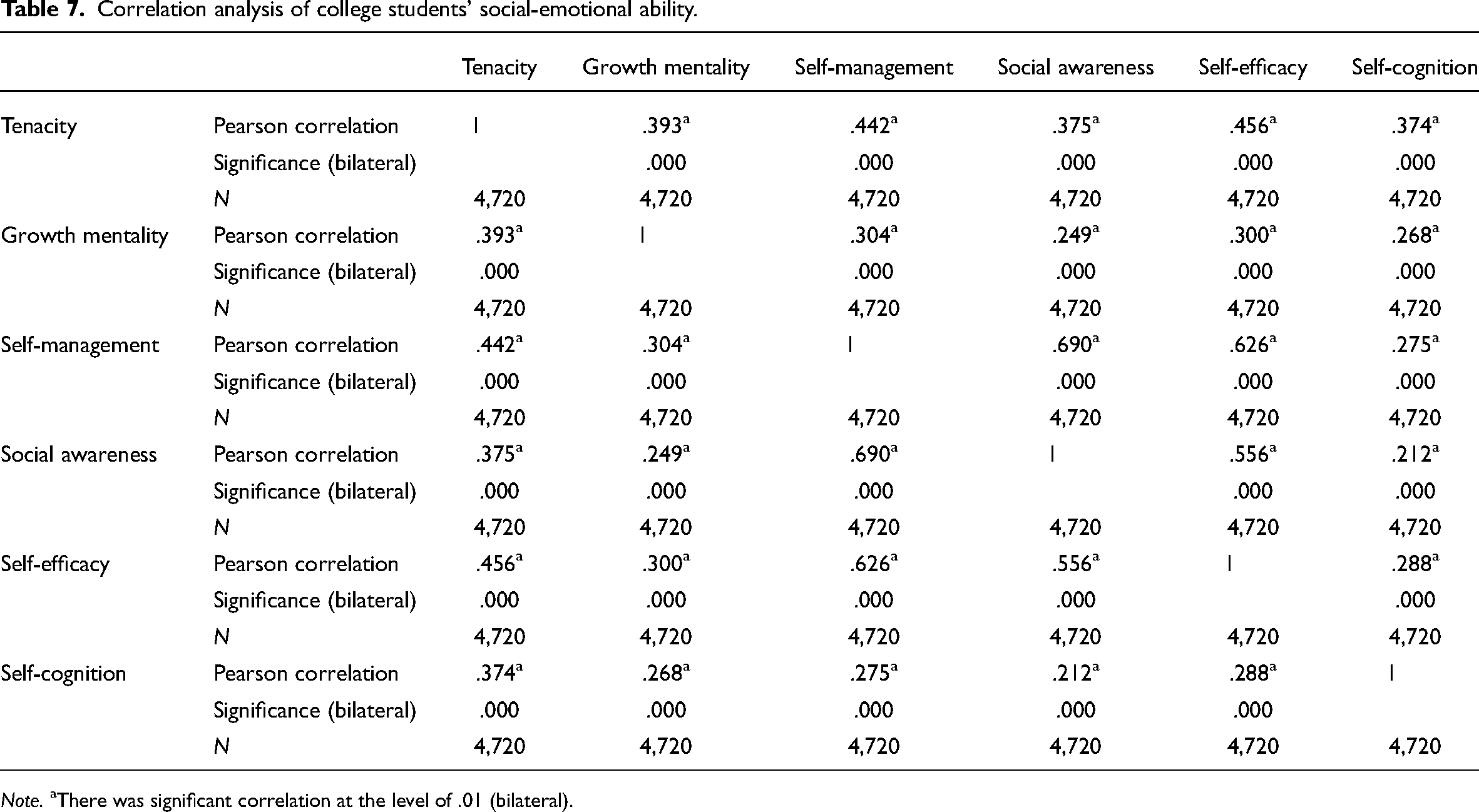
Note. aThere was significant correlation at the level of .01 (bilateral).
Differences in social-emotional abilities among different types of college students
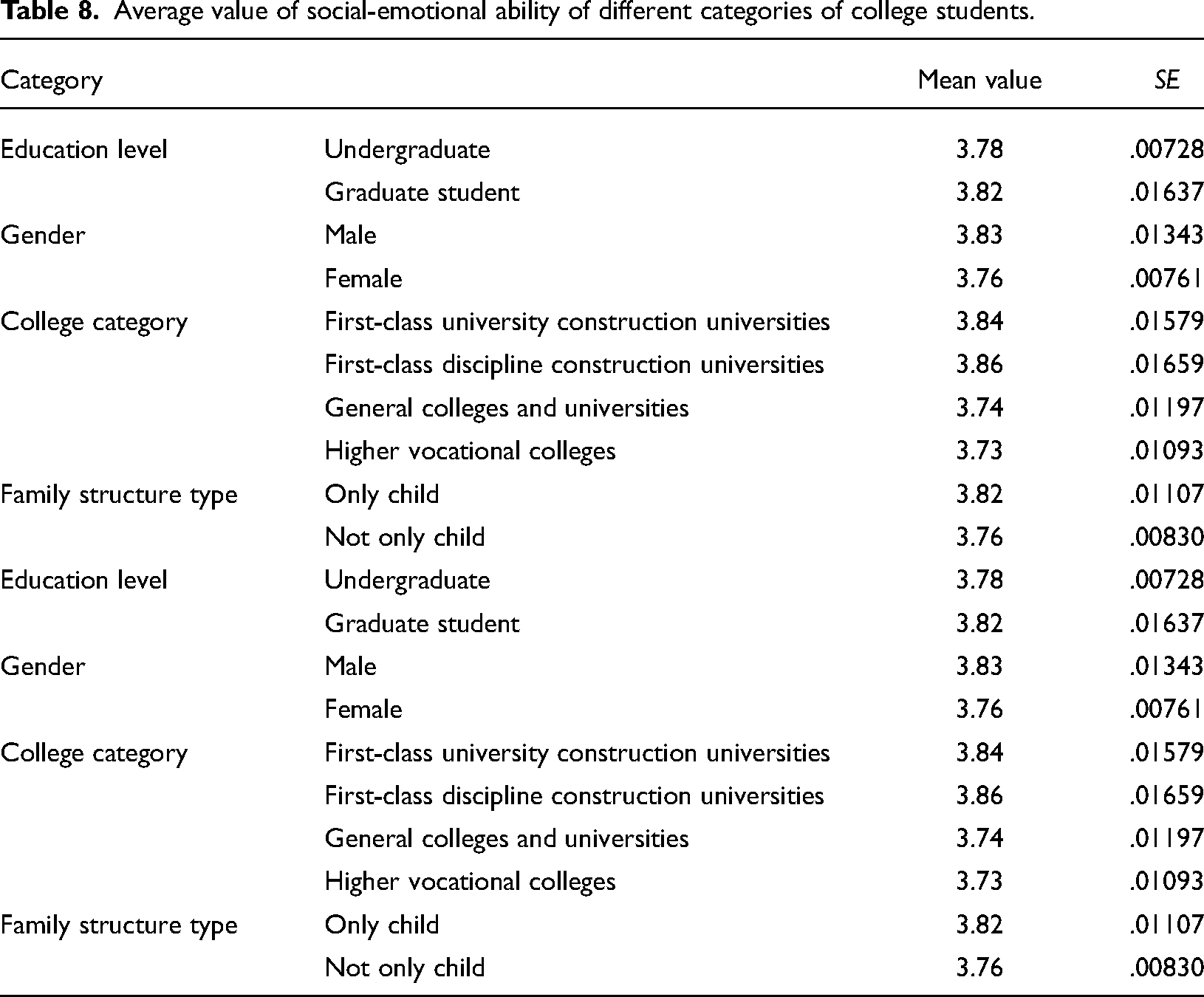
The social-emotional ability of college students is affected by multiple factors. There are differences in aspects such as education level, gender, and college category. The survey data show that college students with different education levels have different social-emotional ability levels (Table 8). Compared with undergraduates, postgraduates have stronger social-emotional ability. The social-emotional ability of male and female students is also significantly different, with that of male students being higher. According to the category of colleges and universities, “Double First-Class” universities’ students have higher social-emotional ability levels, followed by ordinary universities; the lowest is observed in students of vocational colleges and universities. Moreover, the social-emotional ability of only children is higher than that of children with siblings.
Average value of social-emotional ability of different categories of college students.
Students of different grades show significant differences in social emotions, showing a rising trend of fluctuations. Social-emotional ability is higher during the stages of freshman year, first year of graduate school, and third year of graduate school. In the undergraduate stage, the social emotion of freshmen is significantly higher than that of other stages, for example, 0.11 points higher than that of students in their third year. The highest social-emotional ability appeared during the third year of graduate school and the doctoral period, followed by the freshman and the first year of graduate school. The lowest appeared in the third year of undergraduate study. Due to higher social-emotional ability among university students in their freshman and senior years, and the lowest in their junior year, the overall trend shows a “U” shape.
In the “entrance” and “exit” stages of college education, college students have higher social emotions, while in the middle stage, social emotion is relatively low.
Student origin differences affect college students’ social-emotional ability
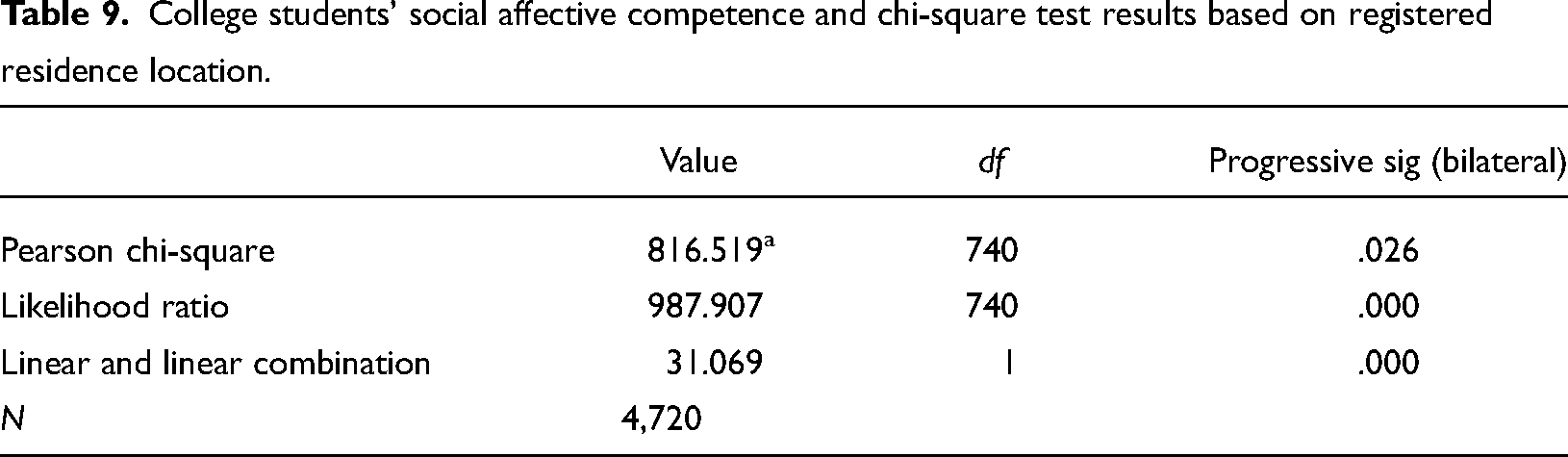
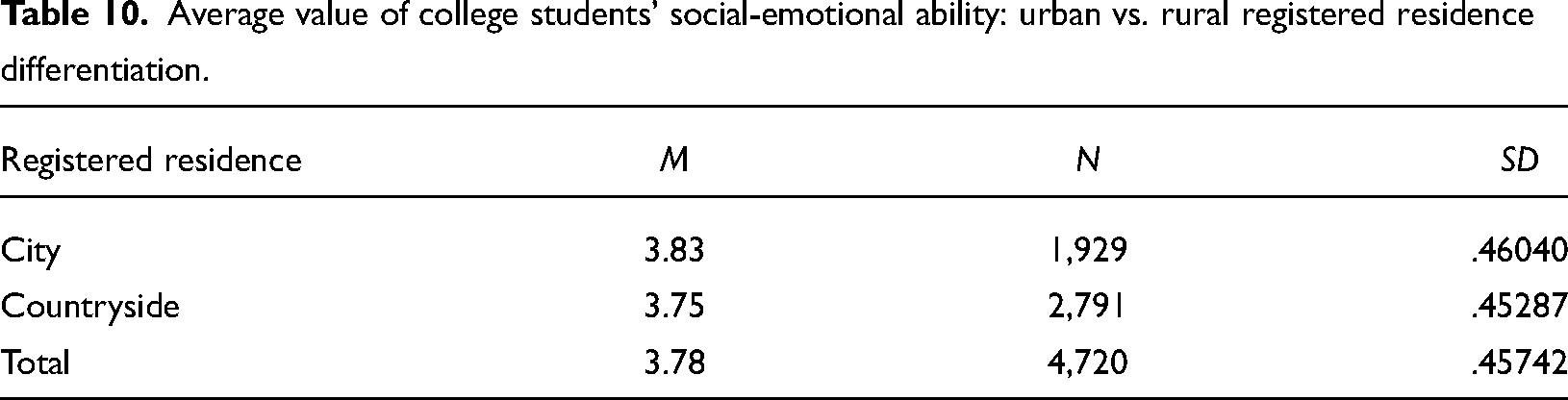
According to the anthropological classification, this study analyzes the influence of college students’ antecedents and self-induced factors on their social-emotional ability. The chi-square test (Tables 9 and 10) shows that only the college students’ registered residence has a significant impact on their social-emotional ability (P-value is 0.026, less than 0.05), which shows the difference between rural and urban areas. The average social-emotional ability of college students whose registered residence is in the city is 3.83, while that of college students whose registered residence is in the countryside is 3.75. The overall score of the social-emotional ability of college students whose registered residence is in the city is higher.
College students’ social affective competence and chi-square test results based on registered residence location.
Average value of college students’ social-emotional ability: urban vs. rural registered residence differentiation.
Further analysis found that the location of registered residence was significantly related to self-cognition, growth mentality, self-management, social awareness, and self-efficacy. Students with an urban registered residence, compared with those with a rural registered residence, showed significant differences in the dimensions of social-emotional ability. However, the correlation between tenacity and registered residence location is not significant and is thus less affected by registered residence (Table 11).
Average value of each dimension of college students’ social-emotional ability in terms of urban and rural registered residence.
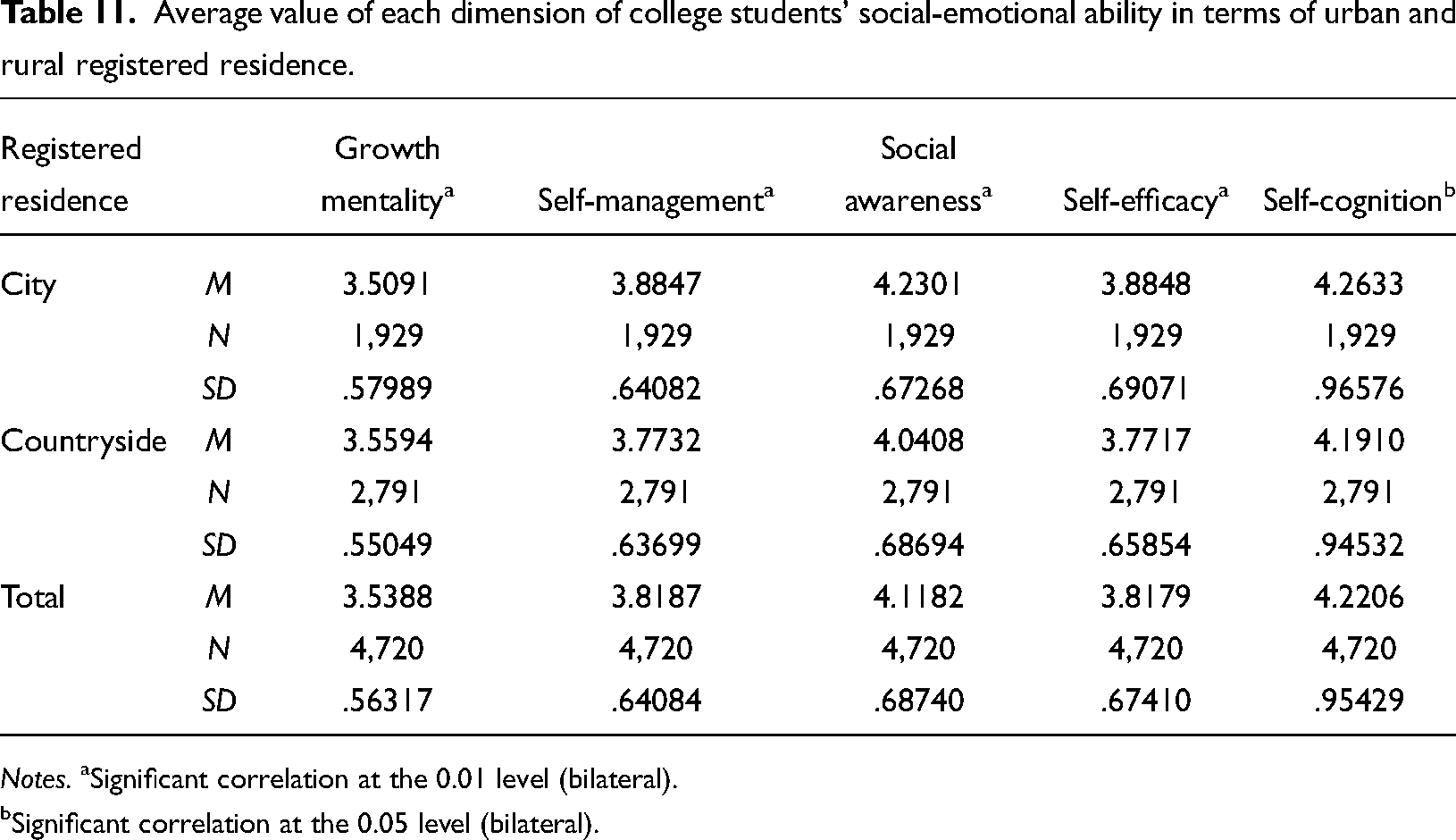
Notes. aSignificant correlation at the 0.01 level (bilateral).
Significant correlation at the 0.05 level (bilateral).
College students with registered residences in rural areas have a higher average growth mentality. College students with registered residences in the city show higher self-awareness, stronger self-management ability, stronger social awareness, and stronger self-efficacy. Thus, differences in where college students’ registered residence is located influence college students’ social emotions.
Family belonging and family expectations affect college students’ social-emotional ability
The family factors that influence children are mainly considered to be parents’ occupation and education level. However, this study's survey results show that the occupation and education level of the parents of surveyed college students do not significantly correlate with the students’ social-emotional ability, and only affect certain dimensions of it. This shows, to some extent, that the economic status of the family is not the main factor affecting the development of college students’ social-emotional ability. Further analysis found that college students’ sense of family belonging and their family's expectations affect their social-emotional ability.
College students’ sense of family belonging is positively related to their social-emotional ability; the higher a college student's sense of family belonging is, the higher their social-emotional ability (Table 12). Moreover, the effect size of family belonging and college students’ social-emotional ability is 0.138, which is large and further proves this factor's strong significance (Table 13).
Correlation between family belonging and college students’ social-emotional ability.
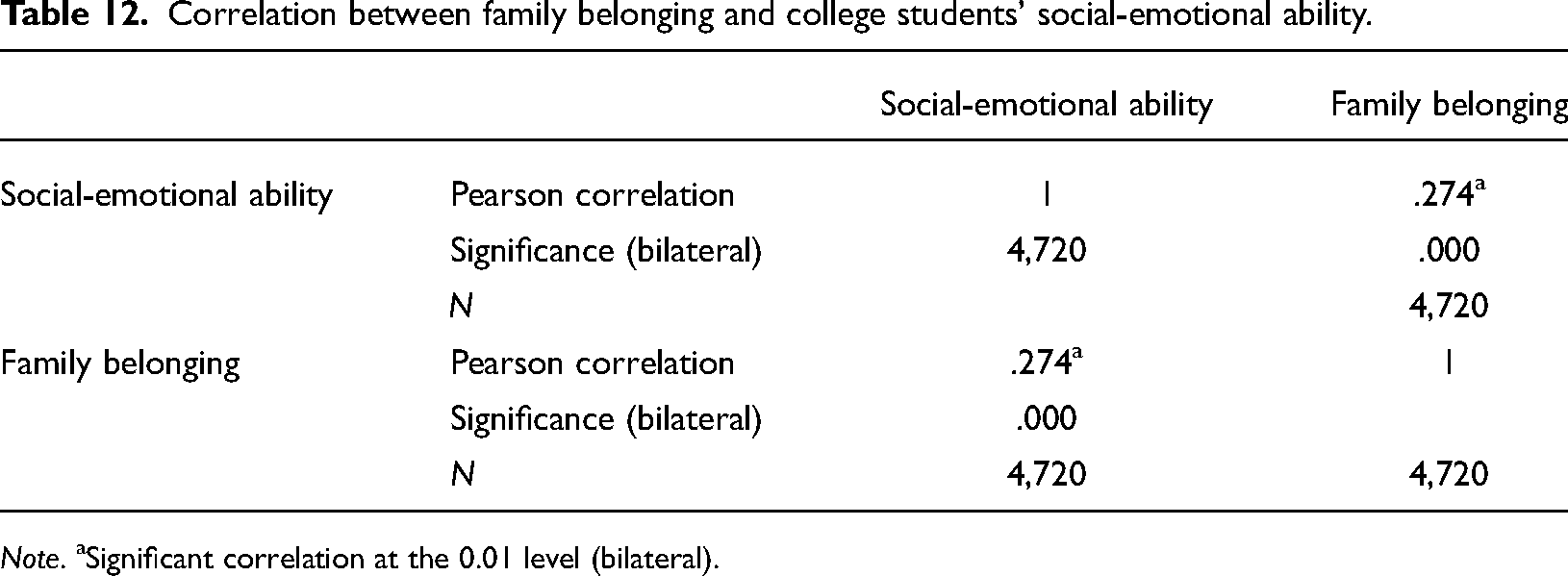
Note. aSignificant correlation at the 0.01 level (bilateral).
Tests of between-subjects effects.
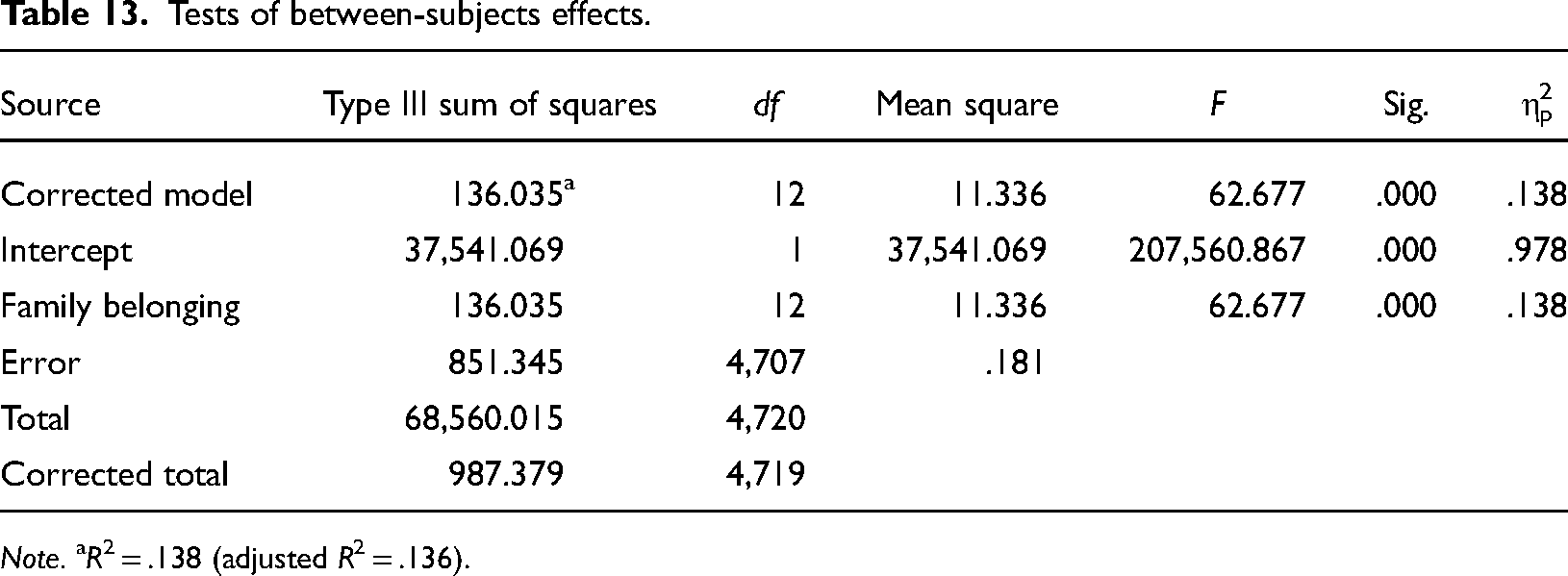
Note. aR2 = .138 (adjusted R2 = .136).
Similarly, family expectations also show a positive correlation with college students’ social-emotional ability. The higher the family's expectations, the higher college students’ social-emotional ability (Table 14). Moreover, the effect size of family expectations and college students’ social-emotional ability is 0.134, which is large and further proves this factor's strong significance (Table 15).
Correlation between family expectations and college students’ social-emotional ability.
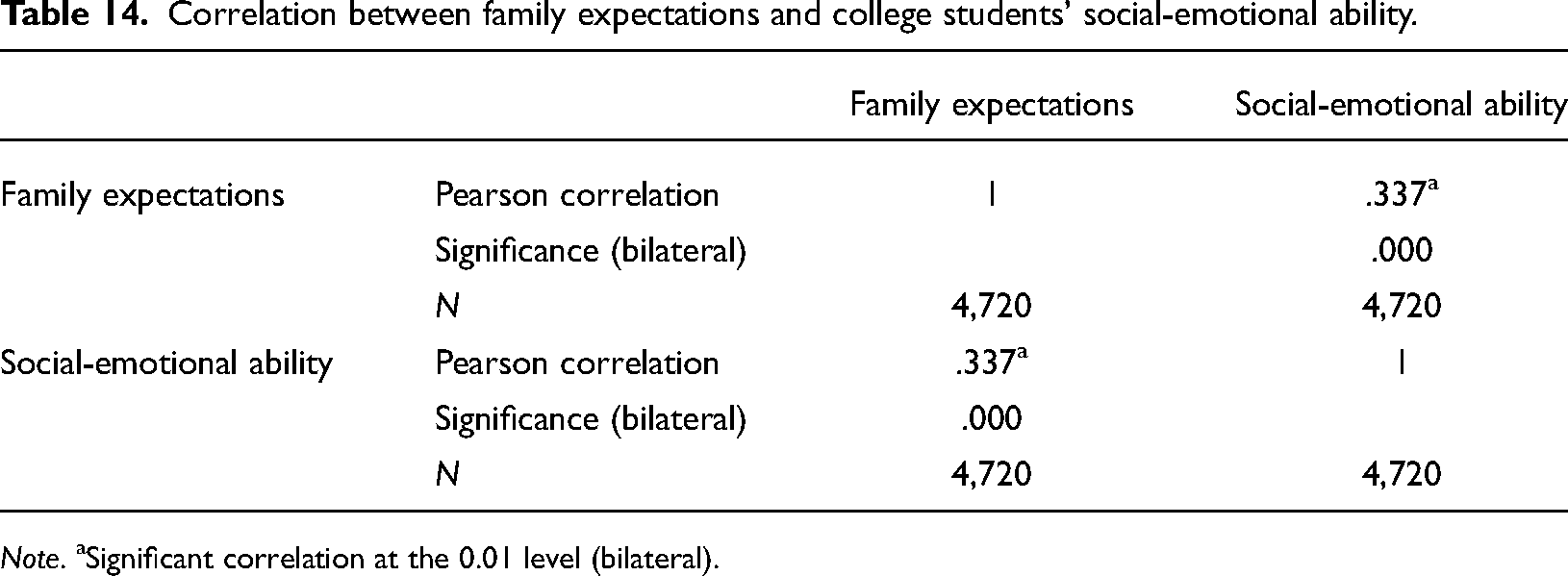
Note. aSignificant correlation at the 0.01 level (bilateral).
Tests of between-subjects effects.
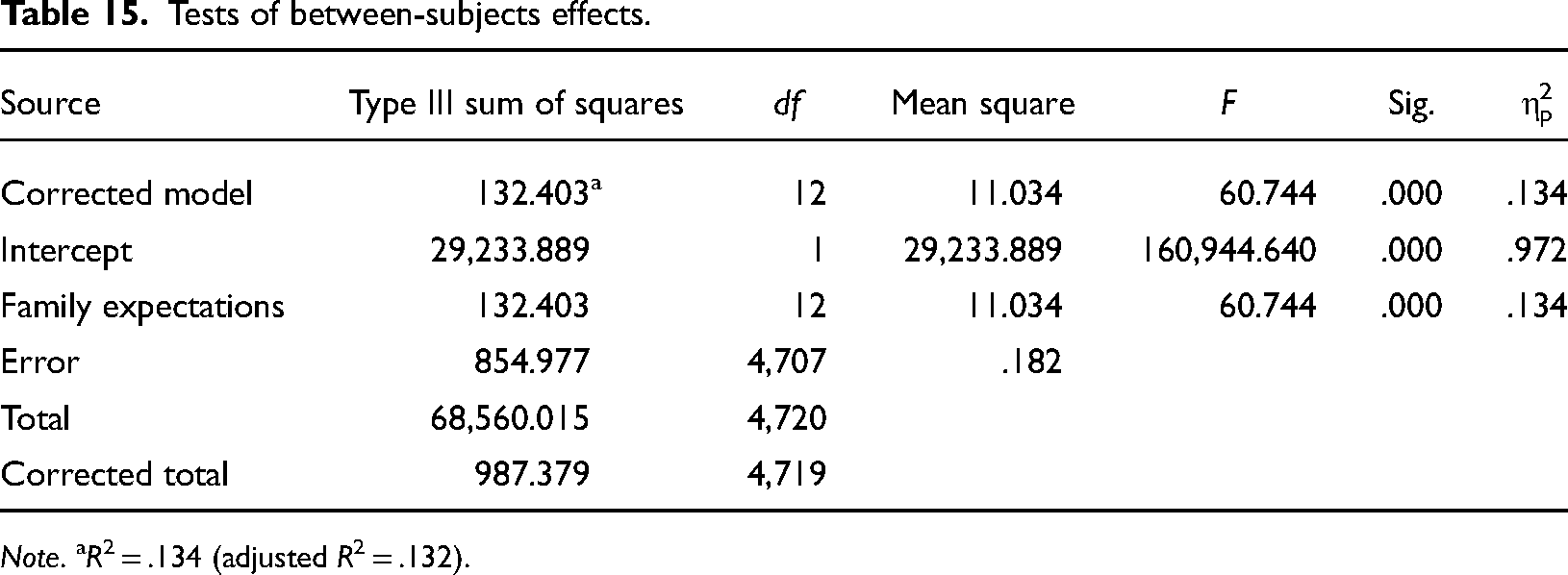
Note. aR2 = .134 (adjusted R2 = .132).
Teacher–student relationships and expectations affect college students’ social-emotional ability
College students spend most of their time on campus; therefore, the impact of their school on their social-emotional ability is considerable. In addition to the objective impact of the external environment, college students’ teacher–student relationships and campus participation also profoundly affect their social-emotional ability. The survey results from this study show that the relationship between teachers and students has a significant correlation with college students’ social-emotional ability (Table 16). Moreover, the effect size of teacher–student relationship and college students’ social-emotional ability is 0.322, which is large and further proves this factor's strong significance (Table 17).
Correlation between teacher–student relationships and college students’ social-emotional ability.
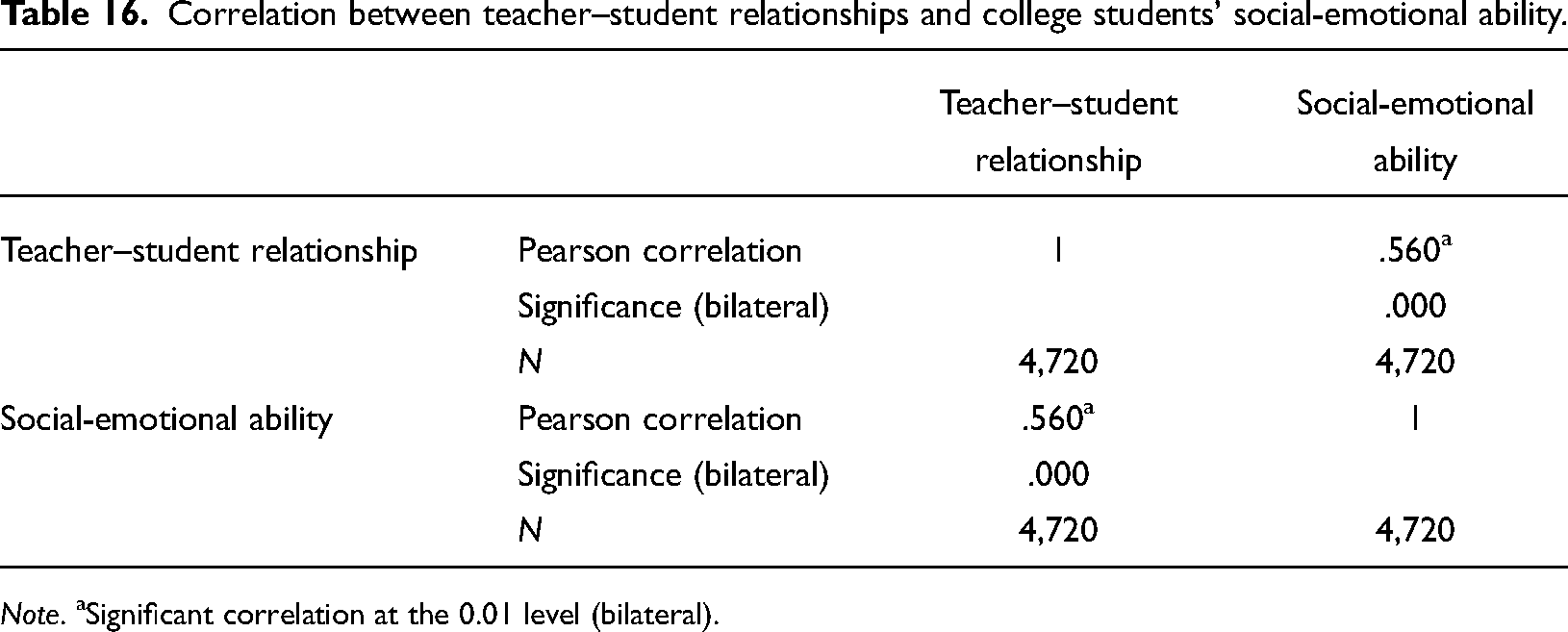
Note. aSignificant correlation at the 0.01 level (bilateral).
Tests of between-subjects effects.
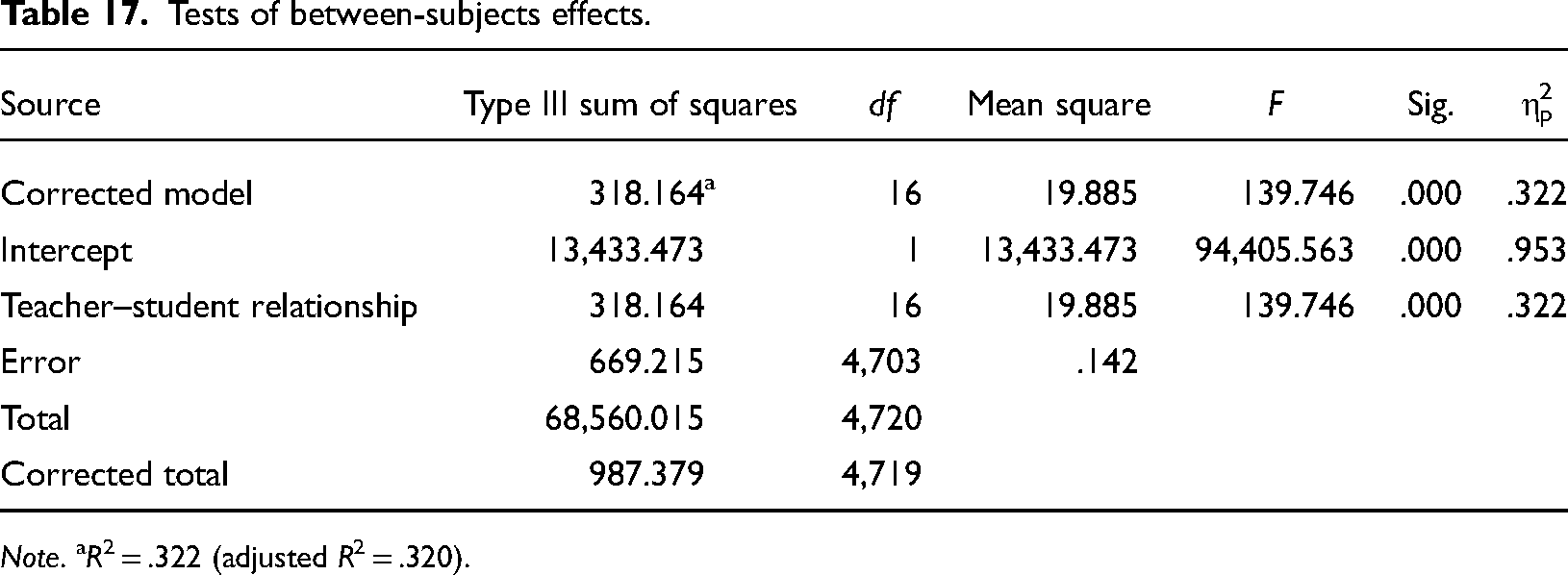
Note. aR2 = .322 (adjusted R2 = .320).
The better the relationship between teachers and students is, the higher the social-emotional ability of college students. The high expectations of college students by their teachers are also significant for the social-emotional ability of college students; the higher the school expectations, the higher the social-emotional ability of college students (Table 18). Furthermore, the effect size of expectations of schools and college students’ social-emotional ability is 0.155, which is large and further proves this factor's strong significance (Table 19).
Correlation between the expectations of schools and the social-emotional ability of college students.
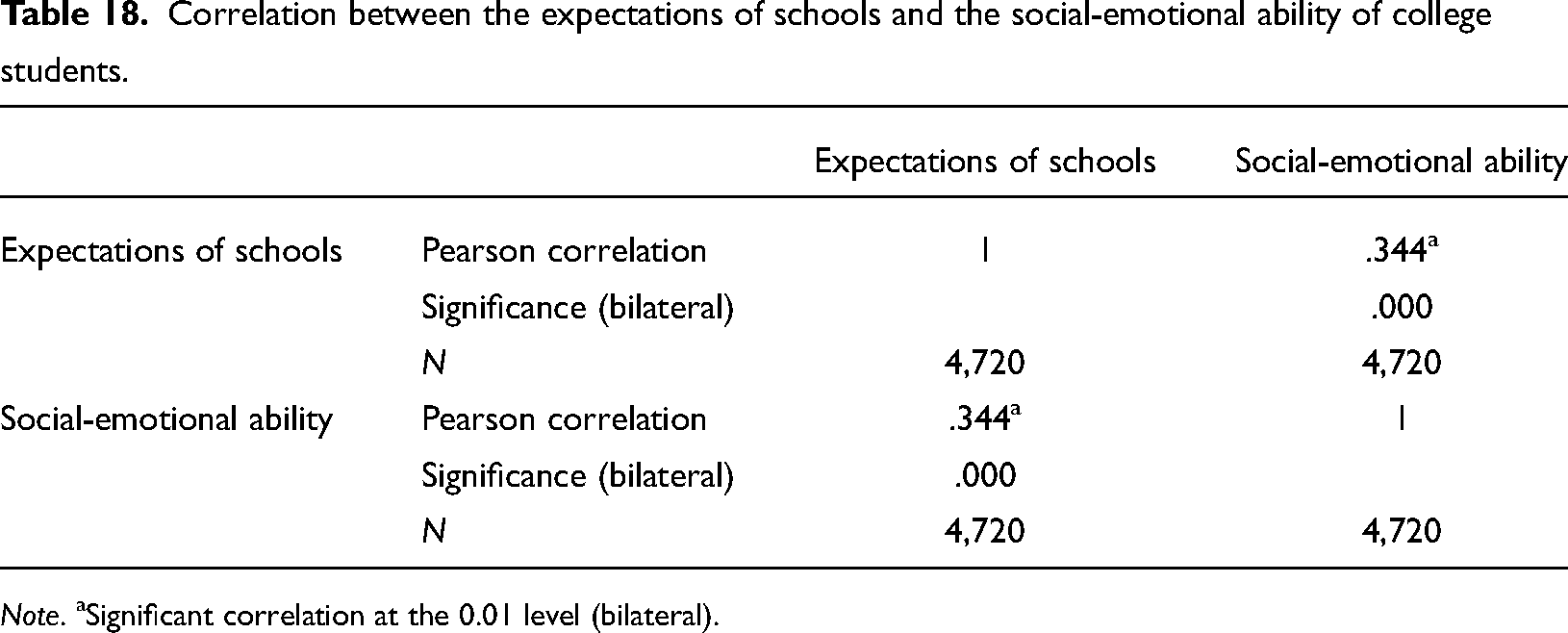
Note. aSignificant correlation at the 0.01 level (bilateral).
Tests of between-subjects effects.
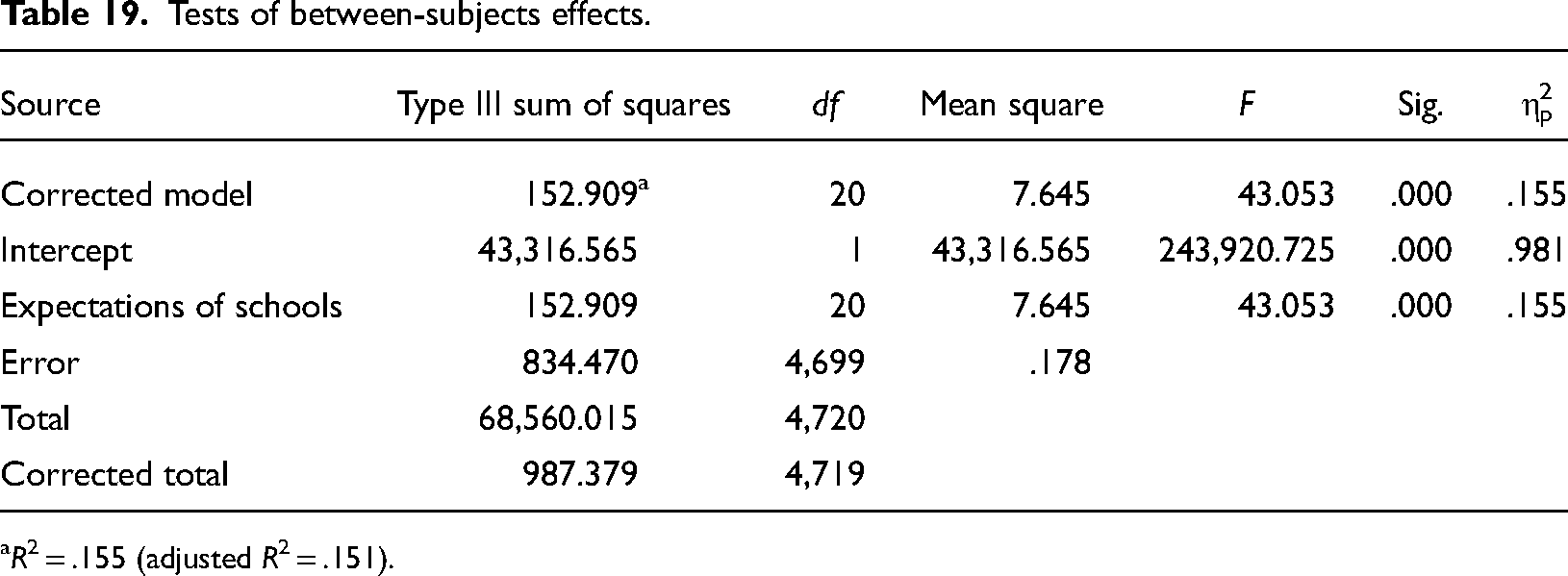
R2 = .155 (adjusted R2 = .151).
Discussion
The social-emotional ability of college students is closely related to their career history. They have different social-emotional abilities throughout their lifecycle, which is consistent with the research conducted by Harris et al. (2022). College students at different stages face different tasks and experience different focus events, which will have a significant impact on their social emotions. This questionnaire survey proves that social factors have a more significant impact on social emotions, which verifies the research conducted by Nielsen et al. (2019). After college entrance examinations, college students generally improved in terms of their social-emotional ability, including tenacity, self-management, growth mentality, and self-efficacy. It is clear that the main function of the college entrance examination is to select talent, but such selection is accompanied by the improvement of college students’ overall emotional ability, which proves the unity of emotional education and “intellectual education.” Emotional education and intellectual education are not in opposition and can promote each other. During the sophomore year, college students’ social emotions were at a “low ebb.” This was because they had stopped the “high-pressure” studying required for the college entrance examination, entered a free university, were faced with new environments, experienced new learning modes and social customs, and needed a short “adaptation period.” If the transition is successful, the junior and senior stages can be exceptional. If the transition is not successful, a series of problems can occur. Wang (2022) proved the emergence of a “sophomore low tide,” which is reflected in the negative characteristics of many freshmen, such as weak self-discipline and laziness. This study provides another explanation from the perspective of social emotion. The fourth stage of college and the third stage of graduate school are the “export” of colleges and universities in general. Regardless of whether one chooses to become employed, pursue higher education, live abroad, or take a civil service examination, a plan in advance is required. Planning requires a clear understanding of oneself, strong self-management, and enhanced social awareness.
Social-emotional ability is influenced by physiology and environment, which can, to some extent, respond to the commonly discussed self-determination and environmental determinism in current theories. Social-emotional ability is not determined by a single factor but is shaped by the dual influence of genetics, physiology, and external environment, and the influence of external environment is greater. This is consistent with the research conducted by Guo (2008). From a gender perspective, male college students have higher social and emotional ability, but there is no significant difference between the two. Therefore, genetic and physiological characteristics such as gender have limited impact on social and emotional ability. The environment plays a more crucial role in shaping them. In other words, social and emotional ability are constructed, which is consistent with the research conducted by Hochchild and Schott (Shott, 1979). Social emotions are the process and experience of individual socialization, and the personalized psychological experiences and feelings generated by social members in engaging in social activities and forming social relationships are a special social psychological phenomenon and process. This is consistent with Shi and Li's (2013) research, in which individuals need to adapt to the environment, take on social responsibilities, and gradually develop essential emotions and skills to complete social work while also being influenced by many factors such as family, community, society, and universities. The sense of belonging in the family, the teacher–student relationship in university education, and the overall social environment have a subtle impact on the formation of social-emotional ability among college students.
Among the scores related to social-emotional ability, the score for self-cognition ability is the highest. Self-cognition is an important dimension of social emotion that reflects the unique socialization of individuals in the material world (Proshansky, 1978). It is also an important life stage and process that young college students must experience. Every organization, group, and individual needs at least a preliminary answer to the question “Who am I?” to effectively interact with other entities over the long term. Part of the power of identity comes from the ability to integrate and generate structures that simultaneously convey uniqueness and unity (Albert et al., 2000). If self-identity is not built smoothly, a self-identity crisis will occur, leading to negative consequences such as a decreased sense of self-worth, weakened work motivation, and a loss of goals (Callagher et al., 2021). Even pressure and trauma may threaten the existence, maintenance, or development of a person's identity (Kira, 2019). The results of the survey show that the self-identity of college students in China is currently good.
However, it is worth noting that college students generally face the problem of low tenacity, with an average score of only 3.19, which differs from other indicators of social-emotional ability. Sheard's (2009) research shows that there is a highly significant positive correlation between college students’ tenacity and academic success. Hardiness was proposed by psychology PhD Suzanne C. Kobasa in 1979 (Kobasa, 1979). It was first associated with diseases, exploring the mediating role of resilience in buffering stress on diseases, and revealing the positive impact of resilience in preventing occupational stress in the work environment. However, with the development of the economy and society, the mental health problems of college students and the increasing suicide rate have drawn more attention to students’ resilience. Research has found that individual college students also realize that they lack resilience compared with their parents, are more likely to give up when facing setbacks, and are more likely to lose motivation in the face of pressure, challenges, and difficulties. This is consistent with current research. Psychologists Maddi and Khoshaba (1994) proposed that resilience is a universal measure of mental health among college students, while Kim et al. (2007) analyzed the coping styles of college students in G city and concluded that forming a resilient personality can serve as an important nursing intervention to help college students cope with stress. Therefore, improving the resilience of college students is extremely important. In our study, we found strong correlations among various indicators of social-emotional ability. The improvement of one type of ability will also lead to the improvement of others, which may provide inspiration for the improvement of college students’ resilience. Resilience is not unique to a particular individual but a common potential. The main environment for study and life for current college students is universities. Therefore, it is necessary to enhance resilience, increase prosocial connections, and cultivate good interpersonal relationships among college students, especially in relation to classmates and mentors. At the time of enrollment, some new student adaptation training can be conducted to help college students connect with their resources in the university environment, build a diverse network of relationships, and improve their resilience.
From the perspective of influencing factors of college students’ social emotions, the differentiation between urban and rural registered residences is a key factor affecting college students’ social-emotional ability. American researchers have also paid attention to this factor. Although the United States has no urban and rural registered residence system with characteristics similar to China's, the social emotions of rural children and adolescents are also a topic of interest. This indicates that, in terms of the differences in the social-emotional ability of urban and rural college students, we should consider not only the institutional factor of registered residence but also the hidden economic development level, cultural traditions, and so on. The general solution to this problem in American research is to attach importance to the role of school psychologists, administrators, social workers, teachers, and parents (Meyers et al., 2015). This is also consistent with the conclusions related to family belonging and teacher–student relationships in this study. It is necessary to further strengthen the collaborative mechanism of joint education among family, society, and the university.
Conclusion
Social-emotional ability is the key to the sustainable development of college students and society. A great deal of successful research has been carried out focusing on the improvement of social-emotional ability in primary and secondary schools, but attention to the social-emotional ability of college students is lacking. To reflect the social-emotional ability of Chinese college students, this study used a social-emotional questionnaire designed for primary and secondary school students as a reference and developed a questionnaire on social-emotional ability for college students. Based on this new questionnaire, we obtained 4,720 samples from different colleges and universities across the country, measured the current situation and influencing factors of college students’ social emotions, and found that their social emotions are at the upper-middle level, reflecting a “rising wave, positive” state; however, their tenacity needs to be further improved. Education level, gender, type of university, origin, family affiliation, and teacher–student relationship significantly affect college students’ social-emotional ability.
To a certain extent, this study fills the gap related to the social-emotional ability of college students in existing studies and can provide a reference for college management and student development. In specific practice, first, emphasis should be placed on cultivating the resilience of college students. Resilience is an ability that every individual possesses, with varying strengths and weaknesses, resulting in varying effects on individuals. Moreover, resilience is a dynamic process of interaction between college students and the environment; thus, human resilience can be constructed and developed. Therefore, in the field of higher education, it is recommended to incorporate the formation of a resilient personality into the system of mental health education. Further recommendations include consciously enhancing the resilience of college students, consciously carrying out setback education, gradually helping college students establish the correct outlook on setbacks and values, and viewing difficulties and challenges correctly.
Second, more attention should be paid to the role of the environment. Construction is an important path for the generation of social-emotional ability among college students. Family, the university, and the social environment have an enormous influence on shaping the social-emotional ability of college students. Therefore, it is necessary to strengthen the coordination of family, school, and society, establish good connections, and create a positive and healthy environment suitable for the development and growth of young college students.
Third, emphasis should be placed on providing reasonable guidance to college students at different stages. For example, in the first year of college, new students should be well trained to adapt to their enrollment. In the second and third years of college, more attention should be paid to value guidance and connection, students’ “inertia” mentality should be avoided, and number of courses and guidance for career planning should be increased. Employment guidance should be provided in the fourth year of college. A limitation of this study is that it was only carried out considering certain provinces and cities in China. International comparative research could be conducted on the basis of a comparison of universities worldwide.
Footnotes
Contributorship
Questionnaire design, questionnaire distribution and collection, data analysis, and article writing were all completed through collaboration between Yingshuang Gao and Tao Wang. Both authors have read and agreed to the published version of the manuscript.
Declaration of conflicting interests
The authors declared no potential conflicts of interest with respect to the research, authorship, and/or publication of this article.
Ethical statement
The Ethics Committee of the University of Chinese Academy of Social Sciences approved the research design and research protocols. During the process of distributing the questionnaire, informed consents ware obtained from each participant.
Funding
The authors disclosed receipt of the following financial support for the research, authorship, and/or publication of this article: This research was funded by the major project “Investigation and Research on the Social-Emotional Ability of College Students” at the University of Chinese Academy of Social Sciences.
