




Abstract
The purpose of this research study is to investigate the effect of the 5E-learning model supported with WebQuest media on the achievement and satisfaction of students. Therefore, two groups of students were compared in an experimental research design model. The experimental group was exposed to the 5E-learning model supported with WebQuest media; the control group was exposed to only the 5E-learning model in the classroom. The study was carried out with 104 students at a K12 school in Turkey, in the 2010–2011 spring semester. Of 104 students, 52 were randomly assigned to the experimental and control groups, respectively. The data were collected through an achievement test and a scale. The findings indicated that the 5E-learning model supported with WebQuest media promotes students’ learning and the instruction provided through this environment satisfies students, particularly the female ones. It is suggested that, considering the significant difference between the groups of students in terms of their achievement and the positive effect of WebQuest on students’ learning, WebQuest may be embedded into teaching. High satisfaction levels of the students with the WebQuest intervention is expected to contribute to students’ motivation, which also positively affects their learning.
Introduction
There is perpetual change and improvement in the field of education following changes in technology and the ways people learn and access information. In recent years, new methods and techniques have flourished in education that enable individuals of the modern world to construct knowledge and apply it in different situations instead of simple memorization. The fundamental approach for today’s instructional models is that learners should be active and interactive in the learning process, and that their higher-order thinking skills (analysis, synthesis and evaluation skills) (March, 2008) be improved. They should construct knowledge while learning, not memorize or simply acquire it; however, construction of knowledge differs from simple acquisition of information. Learners are required to synthesize knowledge, assimilate and/or assign new meanings to it; not merely expected to transfer information directly as it is (Yıldırım and Şimşek, 1993). Similarly, Dede (2004) describes learners of this generation as the individuals who are actively constructing knowledge compared with those passively assimilating information. Recent learning methods encourage learners to construct knowledge upon previous knowledge; to take responsibility for their learning by analyzing, solving problems, generating ideas and researching information (through collecting, summarizing and synthesizing); to criticize or evaluate information as individuals or team members; and to share knowledge. Thus, individuals’ higher-order thinking skills are improved. It is stated that, in the constructive way of learning, whenever a learner meets a new piece of information, in order to re-state it, he or she forms new rules over previous ones (Brooks and Brooks, 1993). Today, it is expected that an instructional approach should help individuals discover case-based solutions for problems, and encourage them to state their ideas in various cases and situations. The knowledge is seen as the result of accurate internalization and (re)construction of information (cognitive constructivism); as a viable model of experience (radical constructivism); or the result of social interaction (social constructivism) (Doolittle, 1999).
A constantly increasing volume of information has turned the Internet into a giant virtual library. Besides being the foremost communication technology people use for learning and sharing information, the Internet is a great support to teaching/learning. It makes learning more effective by enabling learners to access a great amount of multimedia-enriched information (including video, audio, animation and simulation), information and instructional content. Internet-based content might either be used as the main or as a supplementary material for teaching. However, the great amount of content on the Internet must be managed in order to prevent misconceptions and ineffectiveness in the organization of information. It has been suggested that organization of information and learners’ guidance on the Internet are vital for secure Internet use (Clark, 2000). Effective and organized information in the form of instructional content must be chosen by the instructors or field experts, since otherwise it might cause loss of time for students (Faichney, 2002).
There is a need for Internet-based searching and studying methods that meet learners’ interest and requirements while surfing the Internet, and these should promote more enjoyable and effective learning. Furthermore, the methods should allow a student-centered, discovery and inquiry-based, autonomous and interactive way of learning. One of the methods meeting these expectations is WebQuest. Developed by Dodge (1995), it is a student-centered activity which directs students to do research in order to gather information about a subject from the Internet (Dodge, 1997). In a WebQuest, learners are actively involved in an activity, situation or real-life issue (Halat and Jakubowski, 2001). It changes passive acquisition of information into a more constructed way of learning, since learners access and discover a piece of new knowledge, interpret it and build this new knowledge upon previous understanding (March, 2003). Summerville (2000) defines it as an alternative approach to acquiring information by doing research with an instructor’s guidance, since it helps learners to access an organized piece of information on the Internet (Patterson and Pipkin, 2001). Because the information sources and links are provided by the instructor through a WebQuest study, students save time in searching for the right piece of information (Weeks, 2005). Zlatkovska (2010) stated that WebQuests engage students in real-life problems in working groups to achieve learning objectives and make use of their previous knowledge to construct new knowledge. This, however, requires an effectively organized WebQuest task in which the teacher works as a facilitator to provide a scaffold for his students. Some other benefits of WebQuest to learning are that it:
develops students’ cognitive and academic skills more than any other Internet-based research activity (Vidoni and Maddux, 2002), improves students’ critical thinking skills, since learners distinguish unrelated and useful information (Perkins and McKnight, 2005), facilitates students’ access to information and increases their motivation (Şen and Neufeld, 2009), has a positive effect on the development of problem-solving skills (Abu-Elwan, 2007), augments higher-order thinking skills and enriches teaching by allowing students to reach different sources through the Internet; allows collaborative study and develops students’ research and inquiry skills (Ikpeze and Boyd, 2007), enhances students’ academic success and improves logical thinking skills (Çığrık, 2009), encourages student-centered and discovery-based learning; supports cooperative working by teachers’ scaffolding (Godwin-Jones, 2004), has a positive effect on learning a foreign language, particularly in speaking skills and in the acquisition of vocabulary (Laborda, 2009), provides language-learning scenarios that may be easily embedded into a WebQuest (Godwin-Jones, 2004).
There are studies in the literature documenting the positive affect of WebQuest on students’ achievement. In their studies, Kurtuluş and Kılıç (2009) concluded that a WebQuest-based cooperative learning method increases the level of student achievement in a math course. Similarly, Şahin (2010) reported that students respond positively to the use of WebQuest in the process of teaching.
In other research studies, different constructs and measures were investigated including WebQuest’s effects on: academic achievement (Akçay, 2009; Börekçi, 2010; Cruz and Carvalho, 2008; Çığrık, 2009; Kılıç, 2007; Memişoğlu, 2005; Smith and Robinson, 2003); motivation (Ikpeze and Boyd, 2007; Şen and Neufeld, 2009); writing performance in a foreign language (Chuo, 2004); critical thinking skills (Perkins and McKnight, 2005); problem-solving skills (Abu-Elwan, 2007); logical thinking skills (Çığrık, 2009); satisfaction (Gaskill et al., 2006; Köse, 2007; Kurtuluş et al., 2006; Tabanlı, 2008); completion of tasks (Milson, 2002); and gender (Şahin, 2010). In a recent trend and content analysis investigating studies between 2005 and 2012, Alias et al. (2013) reported that WebQuest benefited students academically.
In another approach, the 5E-learning model, developed by Roger Bybee (2000), helps with the conceptualization and construction of knowledge by internalizing it, and promotes thinking, questioning, discovering and experiencing. The model, based on the constructivist approach, assumes that an individual does not start learning with an empty mind: any new piece of knowledge triggers what is inside one’s mind, and individuals construct new knowledge on prior knowledge (Özsevgeç et al., 2006; Saka, 2006). Learners seek and access information, analyze, revise and use it to solve daily life problems (Gültekin et al., 2007).
In each phase of the 5E-learning model, a learner is actively involved in the learning process, which promotes conceptualization of his own concepts (Ergin et al., 2007). In a study which investigates the effect of the 5E-learning model on students’ achievement and attitude, Ziyafet (2008) found that the model is effective particularly in the acquisition of higher-order thinking skills. Similarly, in her study, Deren (2008) reported that multimedia-supported instruction based on the 5E-learning model has a positive influence on the achievement of students and on their attitudes towards science and technology.
To recap, all studies referenced above indicate that WebQuest and the 5E-learning model have a positive effect on individuals’ learning, motivation, achievement, construction of knowledge, attitudes toward a course, satisfaction, and in the improvement of higher-order thinking skills. In the current experimental study, both groups of students were exposed to instruction based on the 5E-learning model, but the experimental group was exposed to it through WebQuest media. This makes the current study different from the previous ones, since it aims to measure the effect of media (WebQuest) on learning. It focused on the effect of media rather than the method on learning, since the 5E-learning model was the common method implemented in both groups. According to Clark (1994), media are only vehicles that deliver instruction; they do not influence a learner’s achievement, learning or motivation. On the other hand, Kozma (1994) insists that “media influence learning.” The debate between Clark and Kozma about the media–method effect has continued for years. To the authors of the present study, without a method, instruction could not be effective; therefore, both groups were exposed to the same method, since the aim was to measure the effect of media. Besides being media, WebQuest provides learners with some features of a constructive learning environment such as collaborative work (social learning), investigation and discovery (construction of knowledge), which distinguishes WebQuest from other technology-based media. This experimental research study aimed to answer the following questions:
Is there a significant difference in the achievement scores for the experimental group (5E-learning model supported with WebQuest Media intervention) and control group (5E-learning model supported instruction) students before and after the interventions? Are the students in the experimental group satisfied with the 5E-learning model-supported WebQuest intervention? Are there any differences in students’ satisfaction levels by students’ gender, year and level of computer use in the experimental group?
Method
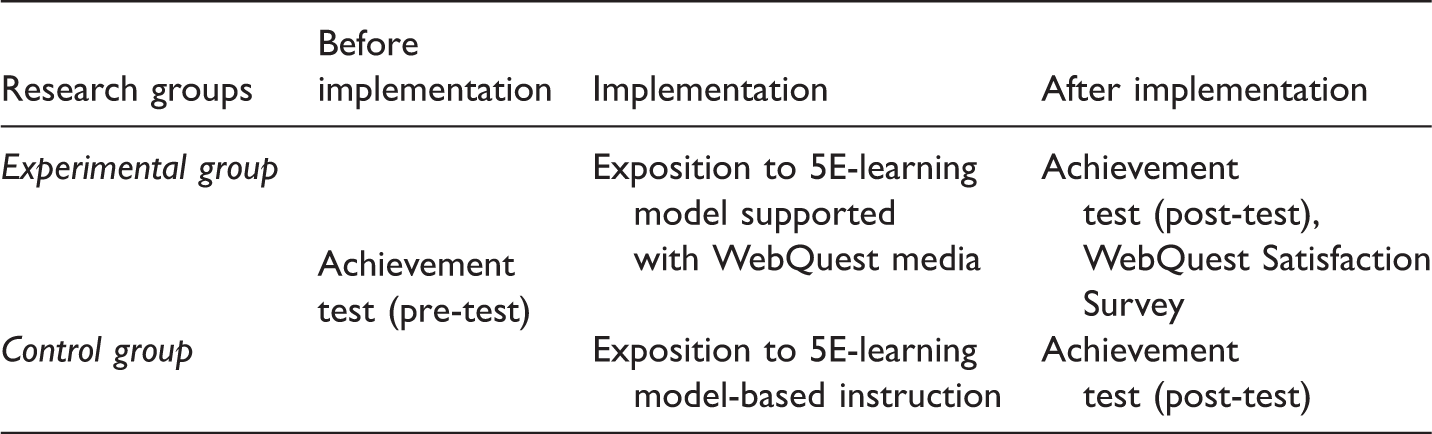
This study aimed to merge the positive effects of WebQuest and the 5E-learning model in one implementation; therefore, a 5-E learning model-based course was designed and WebQuest was used as a media for the release of this model-based instruction. Two groups of students were compared in an experimental design model:
the experimental group was exposed to the 5E-learning model supported with WebQuest media; the control group was exposed to only a 5E-learning model course in a traditional way.
The participants
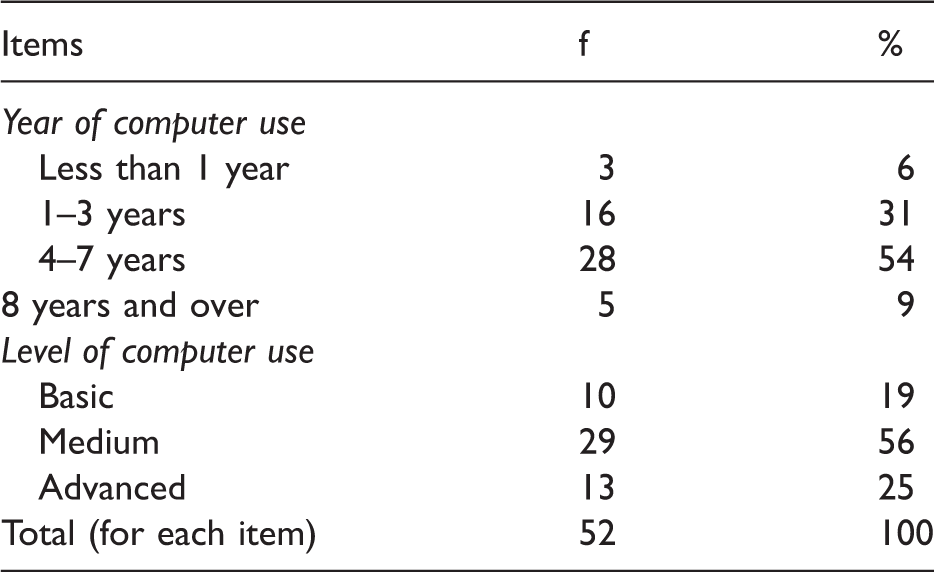
The year and level of computer use for the experimental group participants.
The instruments
The first of the data collection instruments was an achievement test, which measured students’ achievement in both groups before and after the implementation. The test was implemented as a pre and post-test to both groups. To assess students’ satisfaction and perceptions regarding WebQuest intervention, a scale titled “Student Evaluation of WebQuests,” developed by Burchum et al. (2007), was adapted and used.
The achievement test
The achievement test was developed by the researchers and it was implemented as a pre-test to both groups prior to the 2-week implementation. It measured students’ prior knowledge regarding the subject of instruction. After the implementation, the same test was applied again as a post-test in order to determine the level of change in students’ learning.
While preparing the achievement test, the content of the “Information and Communication Technologies” course book approved by the Ministry of National Education was used, and the learning objectives of the course were taken into consideration. The test items were prepared to meet the objectives of the course. As suggested by Bloom (1956), the items were written to investigate students’ intellectual skills of knowledge, comprehension, application and analysis. Additional supplementary resources were also utilized during the preparation of the test. The test included 40 questions. In order to assure validity, the opinions of three field experts were solicited. After the examination of the experts, the test was pilot tested with 30, 10th grade students who had previously taken the course “Computer Networks and Security.” The Cronbach’s alpha value of the test was found to be 0.79, which was satisfactory.
The demographics survey
A demographic survey was used to collect some information about the participants such as gender, year and level of computer use, level of interest in computers, and frequency of daily Internet use.
WebQuest satisfaction scale
In order to measure the satisfaction of students in the experimental group, the scale developed by Burchum et al. (2007) was adapted and used. The scale was a Likert scale with four choices: “not at all”, “a little”, “adequate” and “a great deal,” and had 11 items between the values 1–4. The minimum score that would be achieved from the scale was 11, and the maximum was 44. The factor analysis of the items ranged between 0.624 and 0.852. One factor explained 61.73% of the variation. Cronbach’s alpha was found to be 0.80.
Implementation
Data collection procedure.
Implementation for the control group (5E-learning model supported instruction group)
The 5E-learning model was implemented to the control group in the classroom without any web intervention. The following phases were followed in its implementation: Engage: In order to draw attention of the students, they were asked questions such as “Is there an exchange of information between computers connected to a network? If so, how?” The students were asked to write their answers into their notebooks and presented some images in order to check their awareness and prior knowledge. Explore: Some key concepts were given to the students in groups, and they were expected to discuss them. At this phase, teachers observed students’ interaction with each other and later listened to them and helped them one by one while they were explaining those concepts. Explain: In this phase, explanations were made regarding the answers given by the students in groups. In addition, the concepts “network layout, network components, LAN, WAN, the Internet and security issues” were explained to students. This is the phase in which students are observed to be passive at most. For this reason, students were encouraged to make explanations and exchange their ideas with each other in the current implementation to prevent a decrease in students’ attention and motivation. Elaborate: In this phase, the students were asked to work individually to internalize the information previously gained. They were expected to conceptualize and construct knowledge, transfer it to new situations and relate it to existing ones. The students should feel themselves active in the learning process. Evaluate: In this phase, students’ learning gains and acquired concepts were evaluated in a discussion. The post-achievement test was implemented immediately after the discussion.
Implementation for the experimental group (5E-learning model supported with WebQuest media group)
Corresponding phases for 5E-learning Model and Webquest intervention.
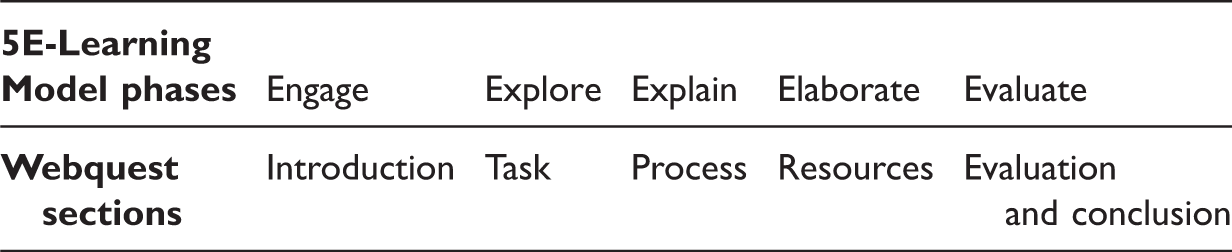
Some screenshots and information concerning the phases of the 5E-learning model-supported WebQuest environment are given below:
WebQuest home page: The activities in this section were presented in a scenario which was expected to attract students’ attention. Therefore, as an introduction, an appealing web page, enriched with animations and pictures, was presented to students in order to attract and motivate them.
Engage page (introduction): The course started with an attractive intro; later, various questions triggering curiosity were presented to students (Figure 1). The aim of this phase was to garner different views of students and to examine what they know about the subject.
Engage page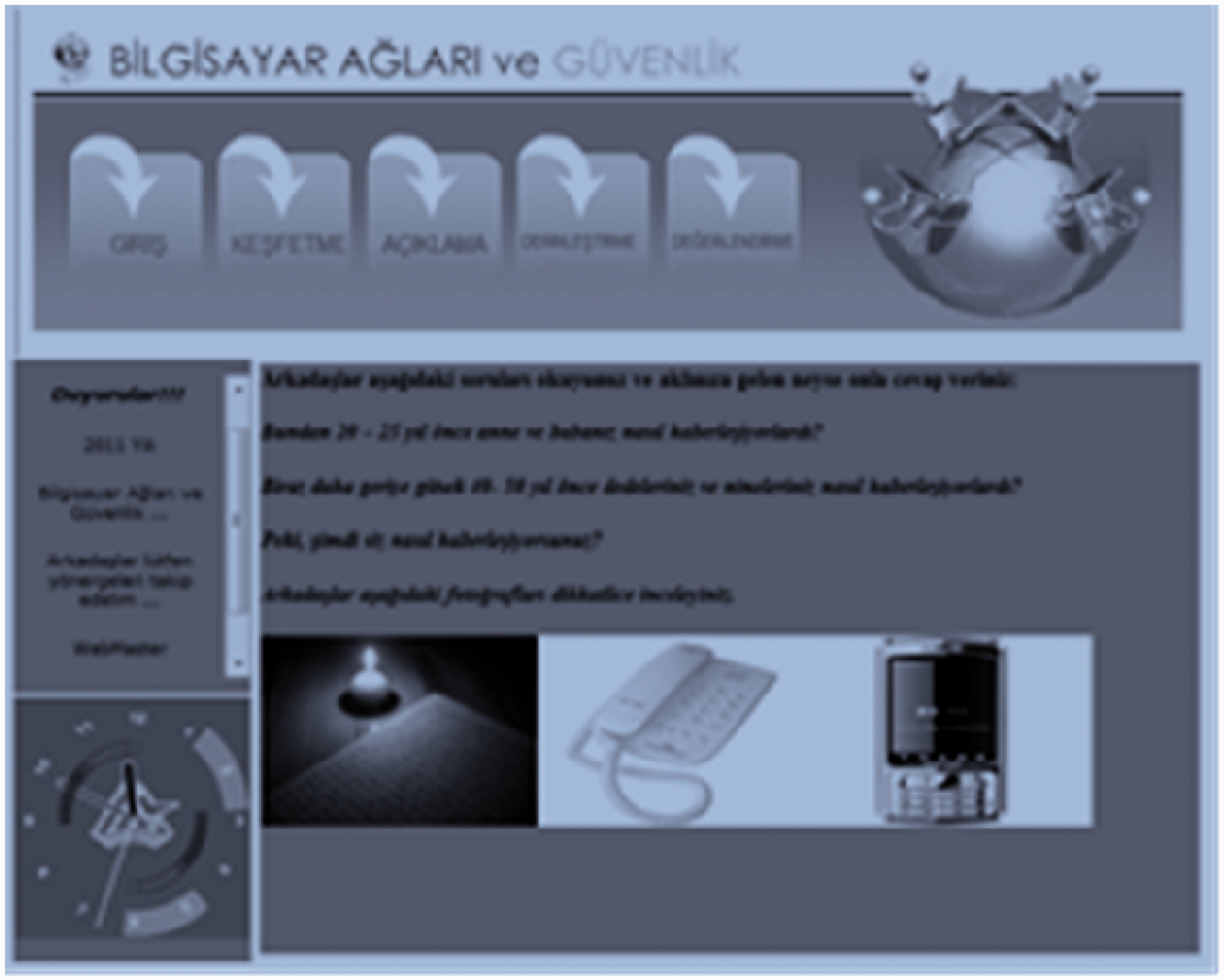
Explore page (task): In this phase, the students were given some tasks to do in groups which were expected to keep their interest on the subject. They were asked to answer the questions on the web page and expected to generate and discover new ideas related to those questions (Figure 2).
Explore page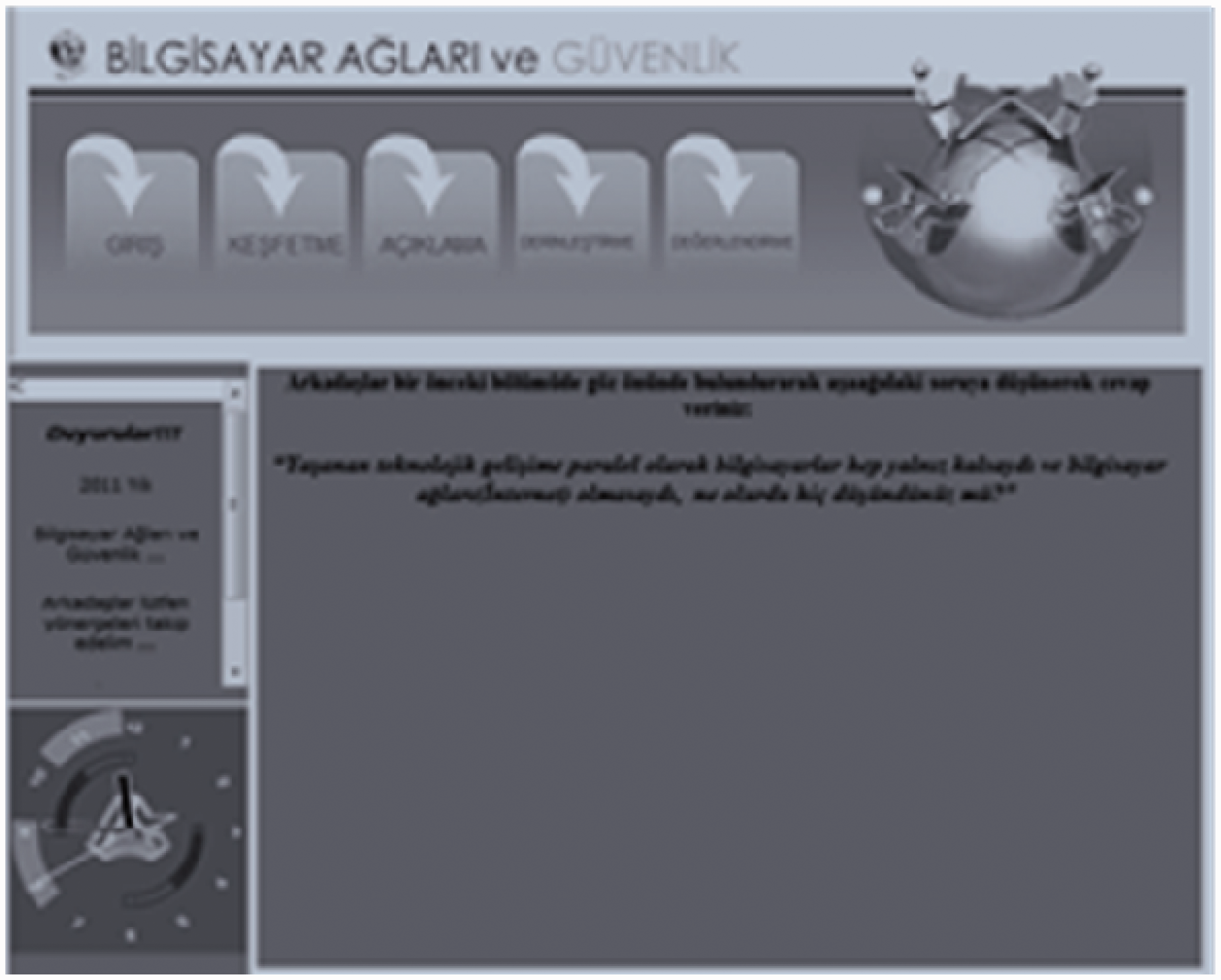
Explain page (process): According to Chandler (2003), the explain page should be designed in a way to make students use time most efficiently, which helps them to manage the process. Therefore, the new concepts “network layout,” “network components,” “LAN,” “WAN” and “the Internet and security issues” were briefly explained on the web page with clear instructions. The instructor’s explanations were expected to help students gain a deeper understanding. Examples regarding their daily use were given as suggested by Newby (2004). Chatel and Nodell (2002) stated that extra information sources should be provided in this phase; therefore, some supplementary documents were also released on the web page (Figure 3).
Explain page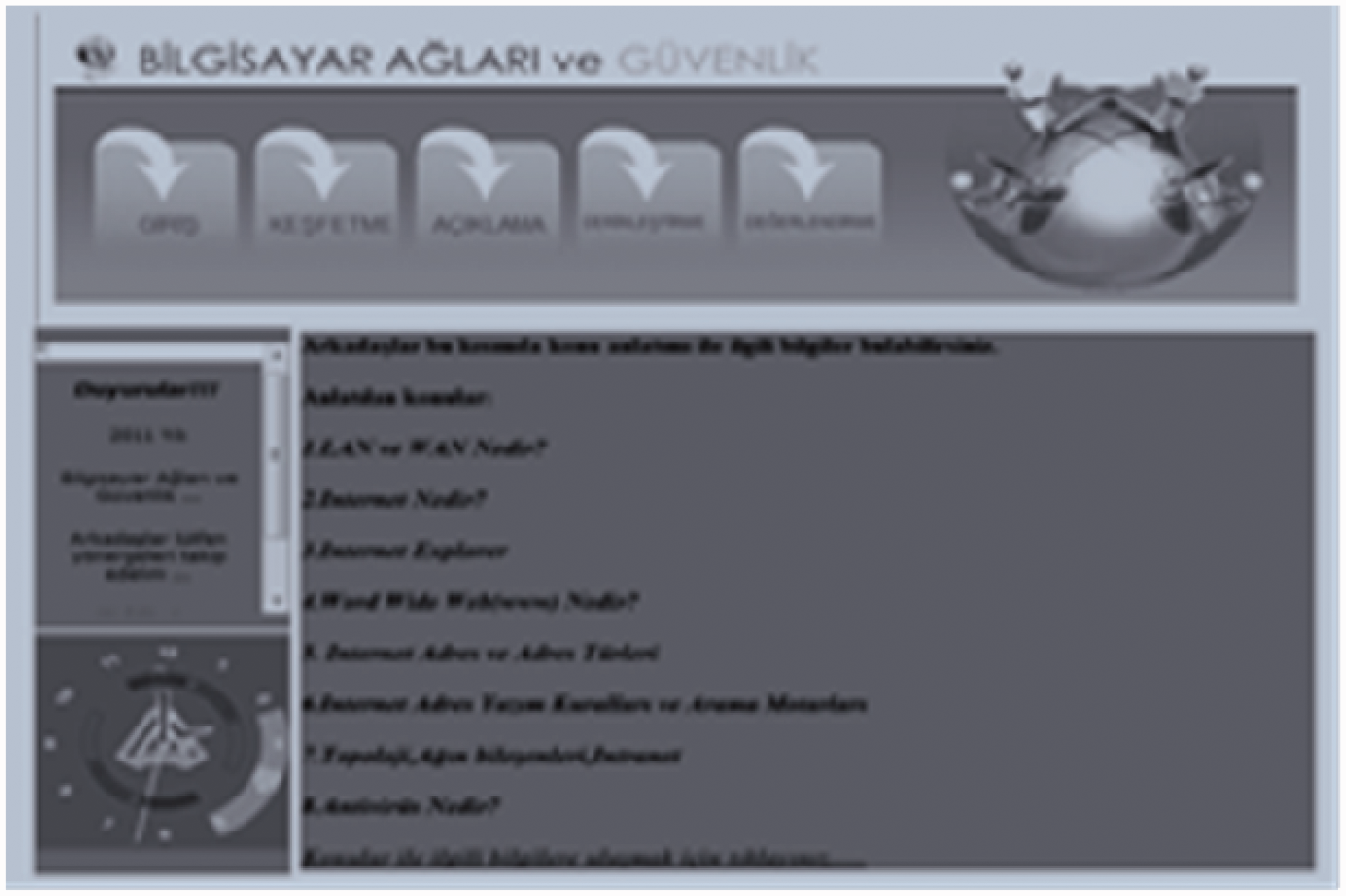
In this phase a follow-up discussion session could be implemented (Moseley and Kay, 2002).
Elaborate page (resources): In this phase, links to resources related to the subject were presented to the students (Figure 4). The literature suggests that instructors should examine all the websites given in a WebQuest prior to its release to students (Yoder, 1999) to prevent students’ aimless browsing and disorientation in the virtual environment. This phase enabled students to re-question reliability of the concepts they previously learned or helped them clarify them. Thus, it was expected that the schemas gain solidity in students’ minds and that they conceptualize what they learn.
Elaborate Page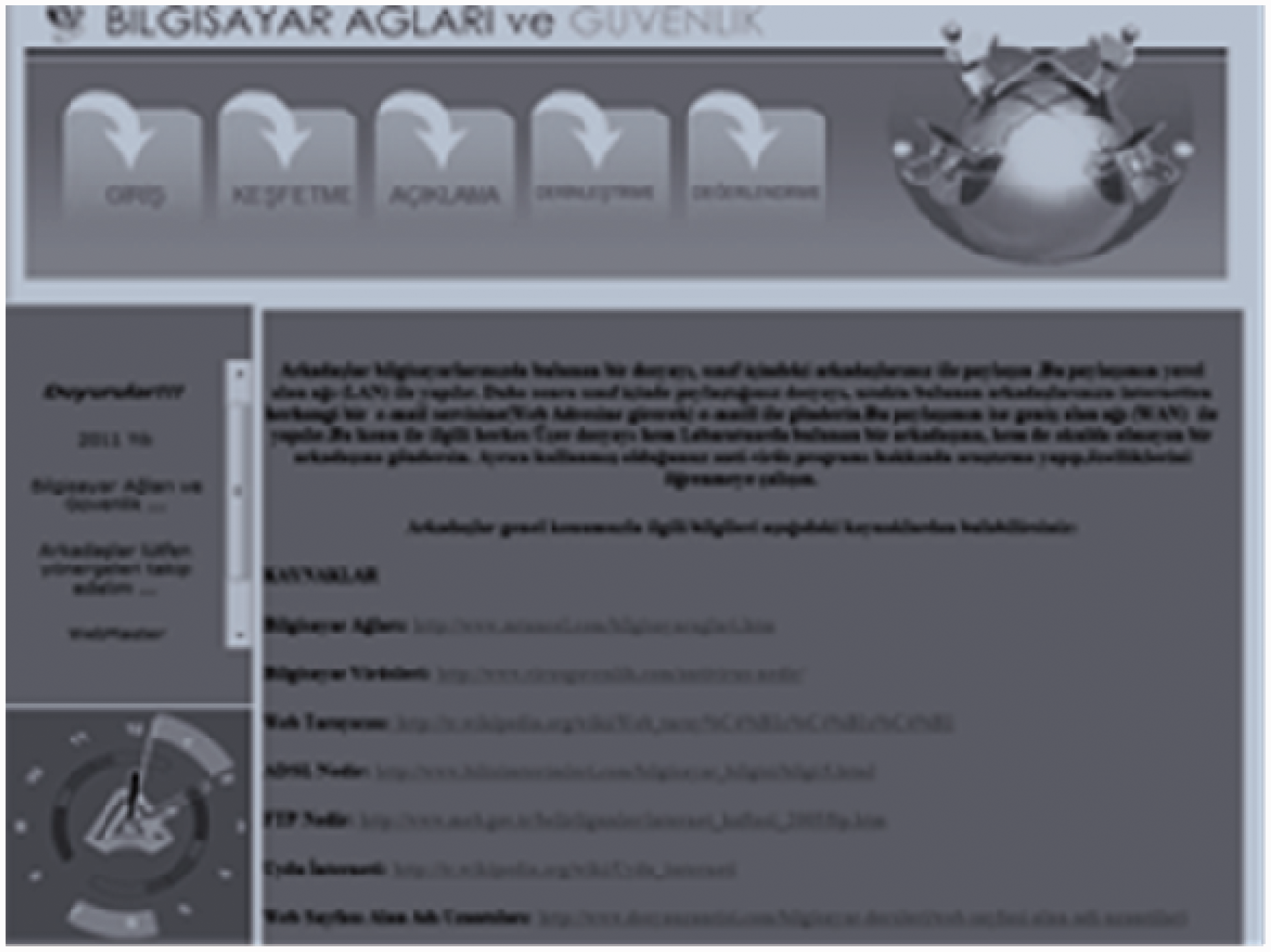
Evaluate (evaluation & conclusion): In this phase, the students reviewed what they learned and how they would use it in their daily lives. In addition, the WebQuest Satisfaction Scale and the post-test were implemented (Figure 5).
Evaluate page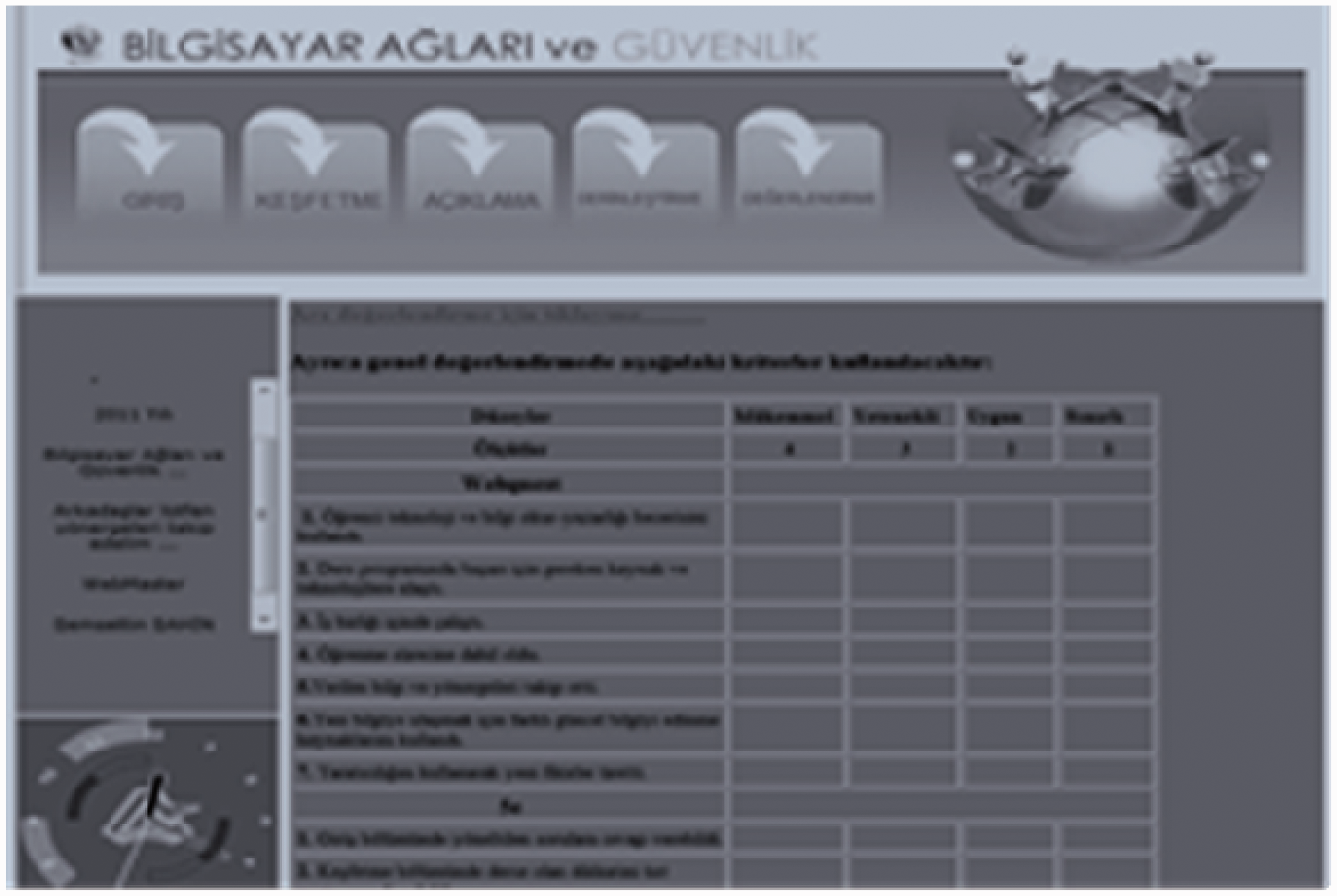
Data analysis and results
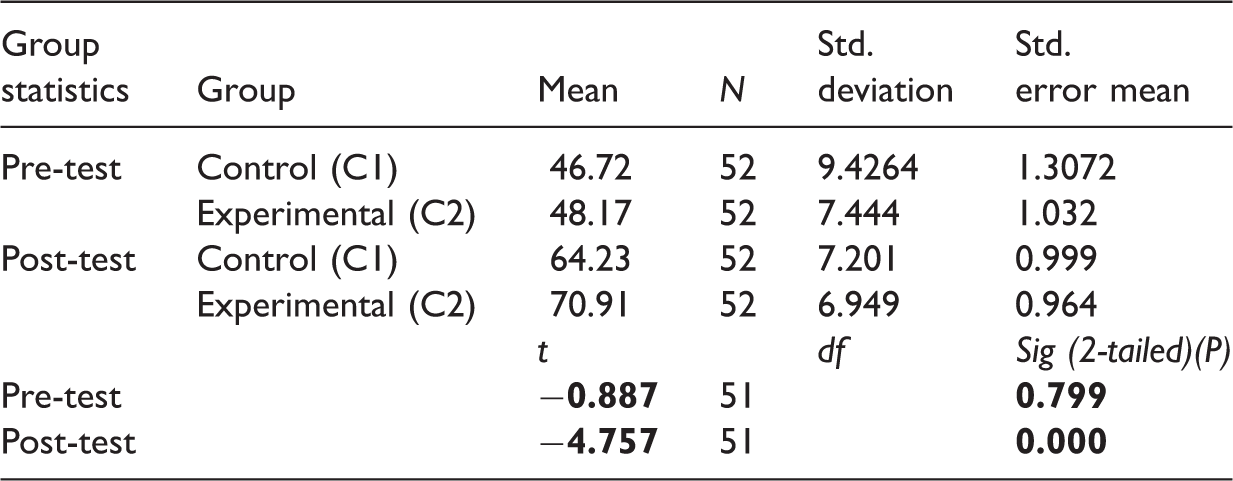
In the data analysis, frequency, standard deviation and means were measured. In order to measure the difference between the control (C1) and experimental (C2) groups, t-tests were carried out. In the experimental group, the differences in the satisfaction levels regarding students’ gender, year and level of computer use, the level of interest in computers and frequency of daily Internet use were additionally analyzed.
Results of paired-samples t-test on change scores of Control Group (C1) and Experimental Group (C2)
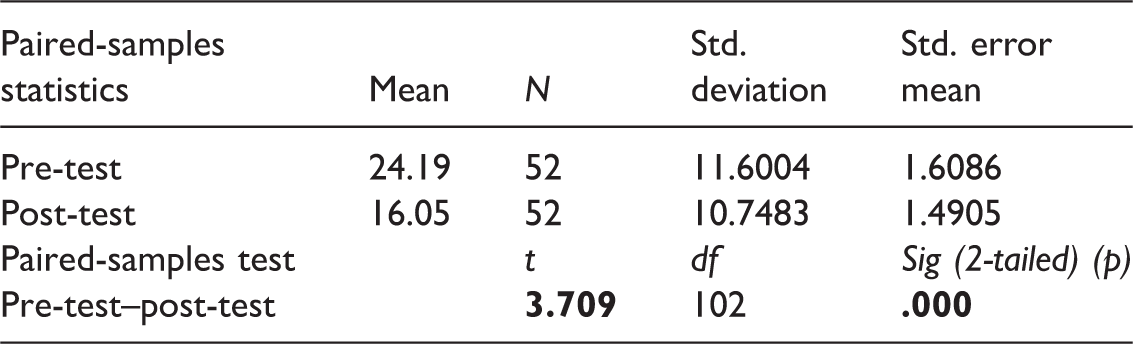
Comparison of pre- and post-test scores of the Control Group (C1) and Experimental Group (C2).
Scores of satisfaction towards Webquest intervention.

Satisfaction levels of students in the experimental group regarding gender
Satisfaction levels of students in experimental group regarding gender

Whether there was a difference among the satisfaction levels of students in the experimental group (C2) regarding their experience with computers was also investigated. The findings indicated that students’ satisfaction levels did not indicate any significant difference with regards to year of computer use (less than 1 year, 1–3 years, 4–7 years and more than 8 years) F(3,48) = 0.556, p = 0.65 (p > 0.05) and level of computer use (basic, medium, advanced) F(2,49) = 0.107, p = 0.89 (p > 0.05). The effect of some other variables on the satisfaction of experimental group students was additionally measured, including the level of interest in computers [F(2,49) = 0.389, p = 0.68. (p > 0.05)] and frequency of daily Internet use [F(2,49) = 0.405, p = 0.67. (p > 0.05)]; however, none of these analyses indicated a statistically significant difference.
Discussion and conclusion
This study primarily investigated the effect of WebQuest media intervention on students’ learning. The results indicated that there was a significant difference in the post-test scores of the students taught by the 5E-learning model supported with WebQuest media intervention group in terms of achievement. According to the findings, the WebQuest environment supported by the 5E-learning model increased students’ learning. This result is similar to the findings of a few studies indicating the positive effect of WebQuest on students’ achievement (Akçay, 2009; Börekçi, 2010; Çığrık, 2009; Kılıç, 2007; Memişoğlu, 2005; Smith and Robinson, 2003) and motivation (Ikpeze and Boyd, 2007; Neufeld, 2009).
The results indicated that the students were satisfied with being exposed to the WebQuest environment. This result is supported with the findings of the studies implemented by Tabanlı (2008) and Yang (2014). In his study of elementary school students, Tabanlı (2008) found that students had positive perceptions of the use of WebQuest activities in the teaching process. Similarly, Gaskill et al. (2006) found that WebQuest made learning and teaching more enjoyable for students and teachers, and Kurtuluş et al. (2006) stated that WebQuest implementation in a math lesson satisfied the students and instructors. In his study, Köse (2007) found in his study that students liked both the WebQuest activity and the projects dynamically generated with the help of it.
Moreover, students’ satisfaction in WebQuest intervention was found to change with regards to their gender in the present study. Female students were found to be much more satisfied with the environment compared with male ones. As reported by Zheng et al. (2005), gender in technology use has been a constant cause of concern, and there is a gender bias in computer-related learning studies. Although computer use is not seen as a “feminine thing,” more recent studies indicate no difference (Forcier and Descy, 2005) or female superiority (Bain et al., 1999) in computer literacy and its implementation. In another study, Ali (2014) reported that female students had more positive perceptions about use of Internet in their education than did males. The current study supported this argument with the finding that female users were more satisfied and successful in technology-based learning environments like WebQuest.
In the study, high satisfaction levels of the students with the WebQuest intervention was assumed to contribute to students’ motivation, which in turn would affect their learning. Considering the significant difference between the groups of students in terms of achievement and the positive effect of WebQuest on learning, WebQuest may be used effectively in or embedded into teaching.
The WebQuest environment could be used for in-class discussions, doing research studies, and projects and both for individual and team work, since the use of WebQuest in teaching enables students to examine a subject from different viewpoints, and to investigate, share and discuss it, which improves higher-order skills (such as inquiry and critical thinking skills). This is a requirement for effective learning and retention of learnt items. As stated by Sanford et al. (2010), a WebQuest, as a constructivist, inquiry-oriented strategy, encouraging students to analyze and use complex information. Hassanien (2006) stated that WebQuest includes tasks such as diagnosis, consensus-building, and persuasion. Webquest was defined both as an inquiry-based pedagogical tool and learning strategy that enhances team spirit, use of higher-level thinking, and collaboration skills (Aina and Sofowora, 2013).
Besides WebQuest media, the literature suggests that the 5E-learning model contributes to students’ learning and satisfaction. In their study investigating the effectiveness of supplementary materials on student achievement by using the 5E-learning model, Açışlı et al. (2011) found that the experimental group had a higher average in the post-test mean scores than the control group taught by traditional methods (t 58 = 5.06; p = 0.00 < 0.05). Similarly, in their experimental study Ulaş et al. (2012) reported that worksheets adopting 5E learning cycle model augmented students’ success and interest in the lesson. They noted that the worksheets, aimed at teaching of adjectives, were given in a planned and integrated order. In their quasi-experimental design study investigating students’ understanding of the gas concept, Yadigaroglu and Demircioglu (2012) found a significant difference in favor of the experimental group taught by the activities based on the 5E model. The same finding was reported by Balci et al. (2006) in their quasi-experimental design study for teaching the concepts “photosynthesis and respiration in plants,” and in the study by Yalçın and Bayrakçeken (2010) for students’ learning about “acids-bases.” The study of Tuna and Kaçar (2013) supported the same findings regarding the positive effect of the 5E-learning model on the academic achievement of students.
In any learning environment, students should be given opportunities to discover the new and to check their previous knowledge, both vital for knowledge construction. New generation students are already very familiar with the digital world due to their abundant exposure to the Internet and its technologies; therefore, technology-based educational interventions like WebQuest might be used to enhance their learning, satisfaction and motivation. Instructors should learn digital skills and try to increase their self-confidence with digital media by using these technologies both in their business and daily lives (Guzzetti and Stokrocki, 2013).
To generalize the findings of the present study would be hard since the student characteristics, educational environment, instructional content and design might not fit in other environments and represent other WebQuest media interventions. Moreover, “the novelty effect” may have occurred in the implementation of the study. The experimental group students were exposed to WebQuest intervention in a computer lab while the control group students were instructed in their classes. The environment and their interest in this new technology might have also affected the results for the experimental group students.
This study might be repeated with a different group and with an extended variety and number of participants, such as adults, higher education students and for different courses. It is considered that such studies about the effectiveness of the WebQuest environment might produce different results. The implementation of different methods, such as problem-based learning, project-based learning and other collaborative learning methods in a WebQuest environment might reveal different outcomes from the viewpoint of students’ interaction, effectiveness of learning and retention, sense of classroom community, motivation and satisfaction of students.
Footnotes
Declaration of Conflicting Interests
The author(s) declared no potential conflicts of interest with respect to the research, authorship, and/or publication of this article.
Funding
The author(s) received no financial support for the research, authorship, and/or publication of this article.