



Abstract
This study examines basketball coaches’ perceptions and current views on performance, player development, and training load monitoring in highly trained male youth academy basketball players. Through semi-structured interviews with nine coaches, we explore their philosophies on player performance, key indicators of success, and the integration of training load monitoring into their coaching practices. Reflexive thematic analysis identified 37 lower-order themes and 14 higher-order themes, which were categorized into four dimensions: Holistic Preparation, Physical and Athletic Performance, Measurement of Physical Output, and Integration of Data. Coaches emphasized psychological, skill-based, and physical aspects of player development, particularly lateral quickness, explosive movements, and coachability. While some coaches value data-informed approaches to optimize training and mitigate injury risk, others remain skeptical about its practical impact. By investigating how coaches perceive and apply performance monitoring, this study provides insights into bridging subjective coaching expertise with objective data analysis. The findings offer practical applications for sport scientists and coaching staff seeking to enhance developmental pathways for highly trained youth basketball players.
Introduction
In the past decade, basketball's global popularity, viewership and participation have grown significantly, particularly outside of the USA. 1 This rise coincides with the development of full-time youth academies, aimed at national and international talent identification and providing pathways for development. 2 With player development as the focus, coaches at such academics dedicate substantial time to technical skill and tactical training. 3 Understanding these coaches’ views, priorities and methods is key for performance support staff at the academies in order to inform and better support a performance system through training load monitoring, program design and recovery. 4 Specifically, training load monitoring is a critical part of sports science provision in basketball talent development pathways5,6 to support detailed and targeted planning and modification of training exposure. 7 However, for this process to be effective it must align with the coaches’ overarching priorities for the training environment to ensure relevancy and buy-in 8 and concurrently address athlete health and physical development outcomes. 8 To date, there is no evidence of how basketball coaches perceive and implement training load monitoring to guide player development, despite such knowledge being useful to guide future use of training load monitoring in youth basketball.
Coaches’ perceptions of training load monitoring are likely shaped by their broader philosophies on performance enhancement and player development. 9 While research in basketball is limited, these perceptions have been explored in other sports. For example, it has been reported that elite soccer (football) coaches believe monitoring training loads improves performance and reduces injury, though many rely on personal subjectivity. 8 Comparatively, elite volleyball coaches often resist data-informed decision making due to ingrained cultural habits, 10 while elite endurance sport coaches surveyed by researchers have reported that current scientific evidence doesn’t meet their specific needs or standards. 11 Though these studies offer insights into coaching practices in other sports, they appear too environment- and sport-specific, and as such offer limited translation to basketball academies. Consulting basketball coaches is key to integrating training load monitoring in youth academies. This research would guide training design and player development, addressing the current lack of data in these settings. 12 Future studies are vital to enhance development pathways, which have historically prioritized competition over structured training.5,6
Elite youth basketball is typified by various modalities of training and atypical competition schedules, 13 which is even more pronounced in a full-time academy environment that offers structured long-term athletic and skill development alongside academic commitments. 2 Given the relative infancy of load monitoring practices in basketball, 14 key stakeholders such as coaches should be consulted to incorporate their expertise and experience to ensure greater buy-in for these practices. 15 Provision of data and information that is relevant to coaches’ objectives, along with communication between performance support staff and coaches should be essential for integrating scientific research into everyday coaching practices to ensure buy-in. 16 Coaches’ perceptions of performance and the training process they implement likely influence how academy performance support staff analyze training schedules and plans to optimize technical and tactical development while maintaining athlete health and wellbeing. Although training load monitoring is considered valuable by performance and medical staff in youth basketball,5,6 and despite the hesitation of some practitioners seen in other sports, there is currently no research that actively engages coaches to help shape and implement a comprehensive load monitoring program.
Taken collectively, the current literature outlines the need to collaborate with coaching staffs on the conceptualization of sport science systems 12 in youth basketball. Therefore, this study sought to describe the philosophy on basketball performance and training design of basketball coaches at elite academies, as well as such coaches’ perceptions of training load monitoring and technology in youth basketball. Subsequently, this study aims to uncover perceived key performance indicators in youth basketball as identified by such coaches along with proposed methods on how they do, or would like to, monitor them.
Methods
Participants
A convenience sample of nine coaches 17 (Technical Director & Head Coach, n = 3, basketball coaching experience = 20.0 ± 11.3 years, age = 51.0 ± 9.5 years; Assistant/Player Development Coach, n = 6, basketball coaching experience = 8.2 ± 1.5 years, age = 39.8 ± 3.9 years) working within an international network (Australia, Africa and Mexico) of highly-trained youth basketball academies were invited to participate in this study. No coaches declined to participate, though there was no penalty for not engaging or coercion to participate. The academies provide a full-time residential basketball development program for athletes, alongside their academic commitments. Athletes are typically within the program for 2–3 years, and are often considered some of the top youth basketball players from their respective countries.
Coaching staff, are supported by a range of colleagues covering academics, operations, physical performance, medical and mental performance. Academy graduates have been recruited to Division 1 National Collegiate Athletic Association (NCAA) schools and professional teams (e.g., Australia's National Basketball League, G-League, NBA). All coaches were certified by the World Association of Basketball Coaches (WABC) with varying years of coaching experience at youth, collegiate, professional and international levels of basketball. All coaches provided written informed consent prior to participation, with ethical approval for the study obtained from the University Human Research Ethics Committee (ETH22-7619).
Data collection
All participants undertook a one-on-one, semi-structured interview in person with the lead researcher (JL) with a digital audio recording of the session obtained (Otter.AI, California, USA). The interviews took place in a venue of the respondent's choice while the respondent's team competed in a US-based tournament in July 2022. All interviews were conducted in English. During the interview, participants provided their playing and coaching experience in basketball. Interviews were 30–60 min in duration (mean 40 ± 9.5 min) and consisted of open-ended questions. The conversational nature of the approach allowed variation in the ordering of questions depending on responses, while ensuring consistency and completion of all elements as well as follow up of both verbal and non-verbal responses. Questions focused initially on the coach's philosophy of individual and team performance in basketball, highlighting key indicators of performance and potential positional nuances. Follow up questions focused on physical and psychological characteristics that contribute to basketball performance and how technology and the monitoring of training may assist coaches in developing youth athletes. Participants were also asked about strategies used to plan, prescribe, and assess training, and how technology may assist that process.
A team of researchers with extensive sport science, academic and sports management experience discussed and approved the interview framework before any interviews took place (interview template provided in Supplementary File 1). The interviewing researcher (JL) also maintained a diary to record ideas, questions, and observations from each interview to support the authors’ analysis. All interview recordings were transcribed verbatim 18 following the interview, with small grammatical changes made to enhance the flow of the transcript. Such structure has been previously utilized for interviews within high-performance sporting environments.2,19,20
Data analysis
A reflexive thematic analysis was conducted following Braun and Clarke's six-stage process 21 (Figure 1, adapted from Braun and Clarke, 2006). To do so, the authors completed an initial familiarization stage of reading the data and noting ideas for themes. The authors then identified codes across the entire data set, which later developed into dimensional themes. Themes were then reviewed and defined in context with the overall aim of the study. The first author completed this process, while a second author acted as a “critical friend”22,23 to discuss a sample of generated codes, challenge any bias and ensure reflexivity in the process. Specifically, the “critical friend” provided an external perspective to review the themes for inconsistencies, alternatives or overlooked patterns while continuing to refine the themes and encourage reflexivity.22,23 This process ensured codes and extracts followed a coherent pattern. This process resulted in several higher-order constructs being established along with sub-themes among each construct. Finally, the authors constructed a thematic network, and subsequently named and defined each theme (Figures 2–5). Themes were not determined based on frequency alone but were identified for their analytic significance in relation to the research question. 21 While common themes were identified across the full cohort, there was variation in how individual coaches described and prioritized specific qualities, reflecting differences in role, experience, and personal philosophy. These differences were accommodated within the thematic structure, consistent with a reflexive thematic analysis approach that values both shared patterns and individual nuance. 21 Terms commonly used by coaches were defined inductively based on each participant's phrasing and context. While some variation in interpretation existed across coaches, these terms were thematically coded to reflect their intended meaning. Consistency and clarity were ensured through collaborative theme refinement and discussion. 21 The output reflects the dataset, the theoretical assumptions of the analysis and the analytical skills of the researchers.
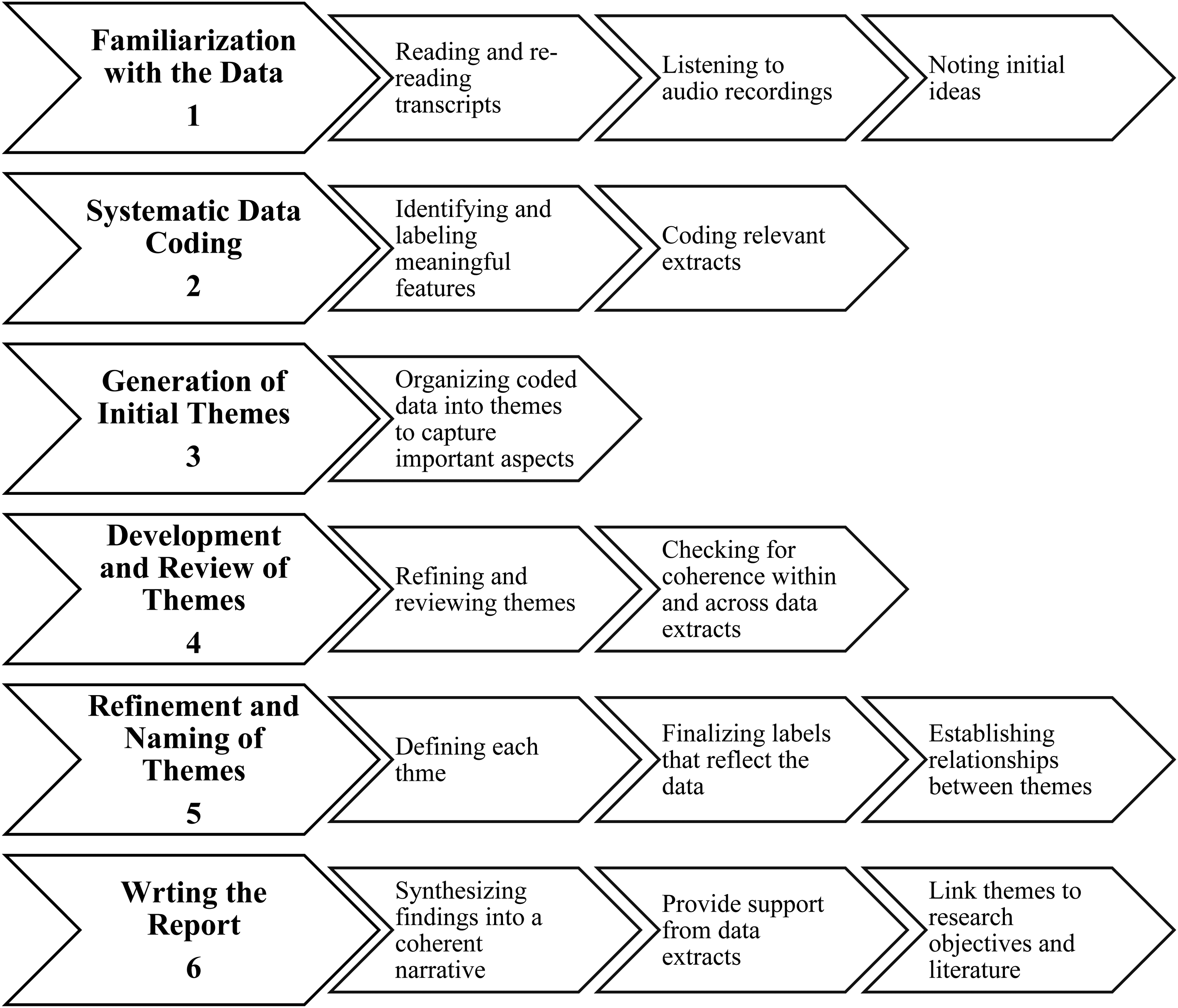
The six stages of analysis, adapted from Braun and Clarke, 2006.
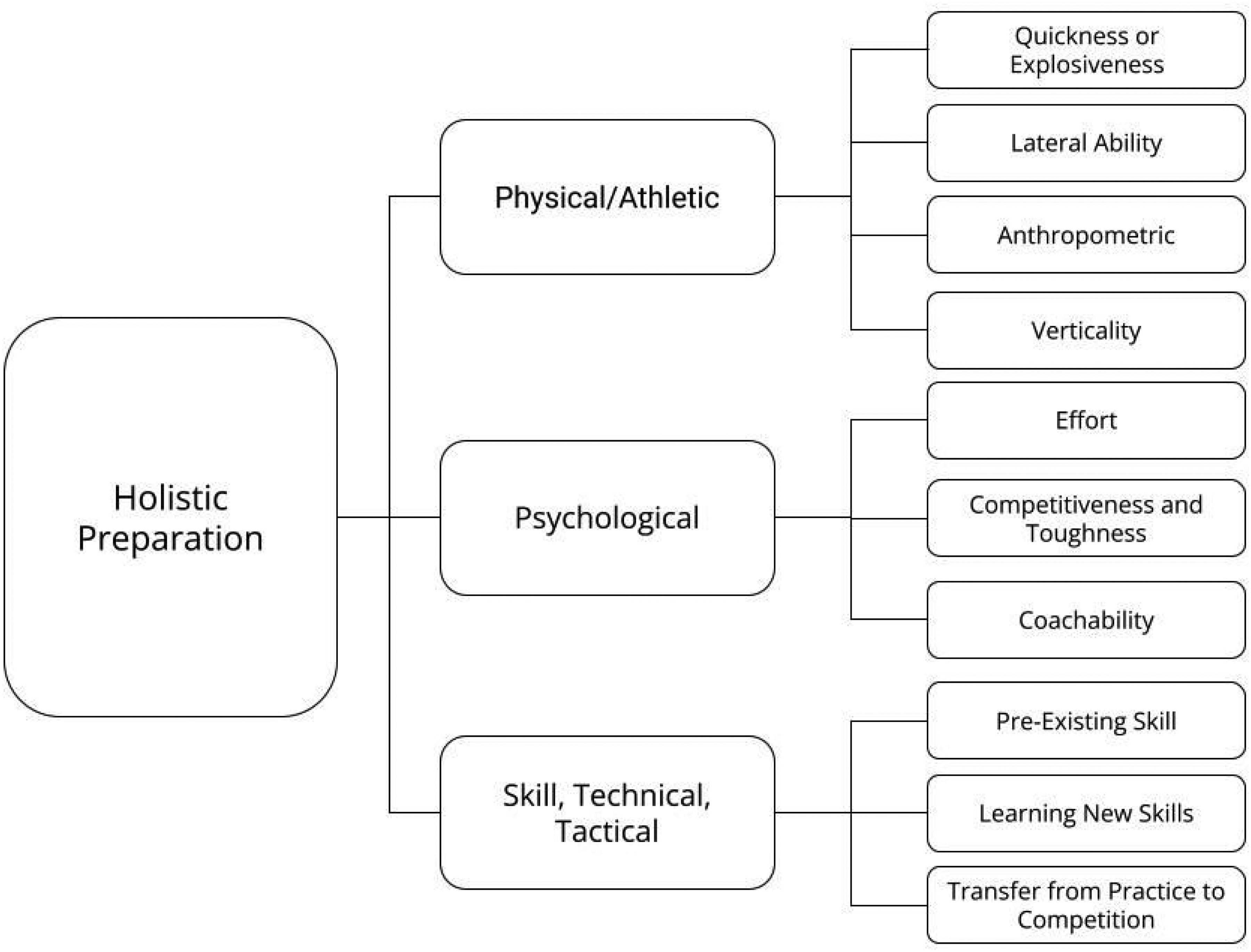
Thematic map of holistic performance in basketball.
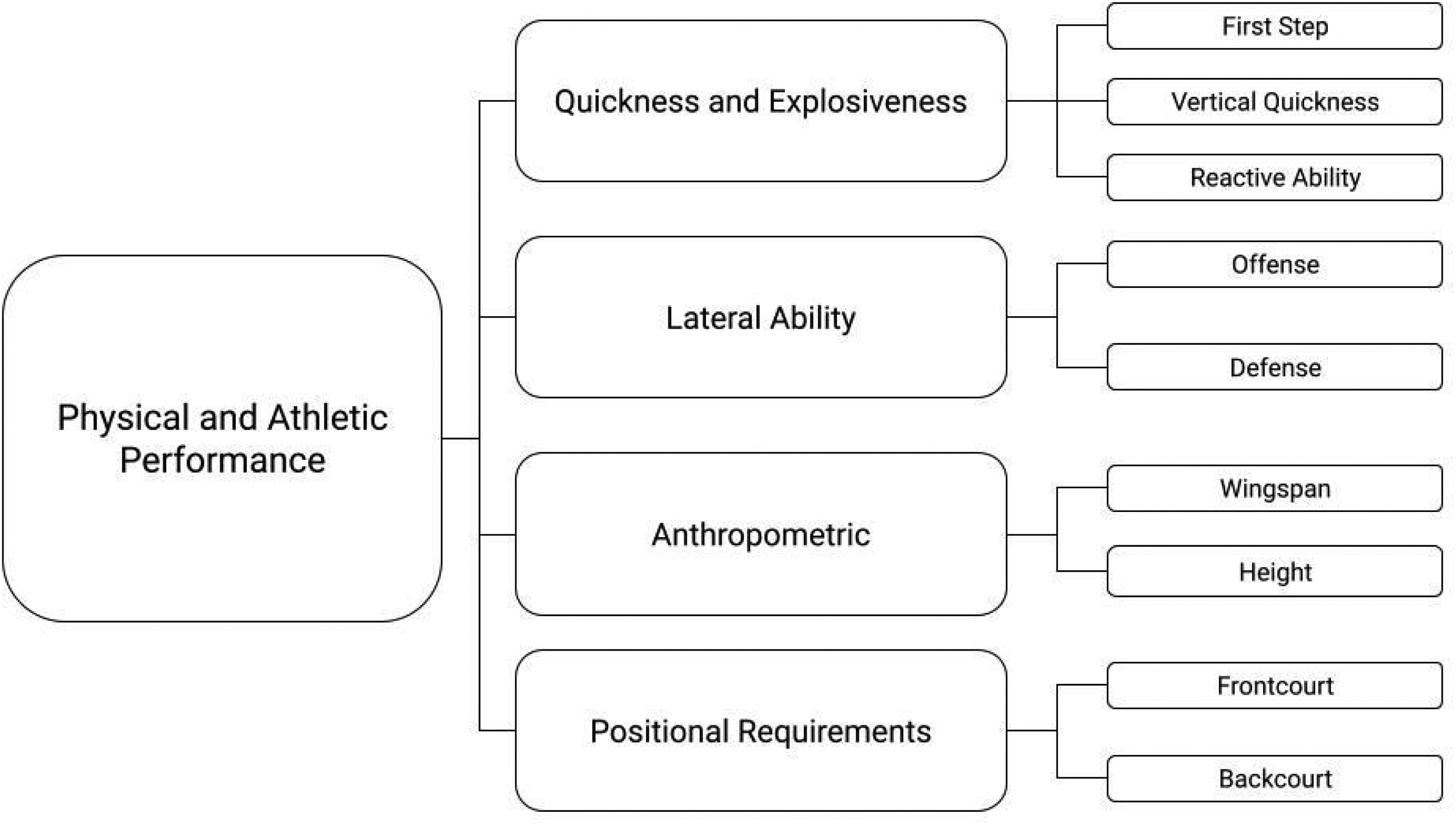
Thematic map of physical and athletic performance in basketball.
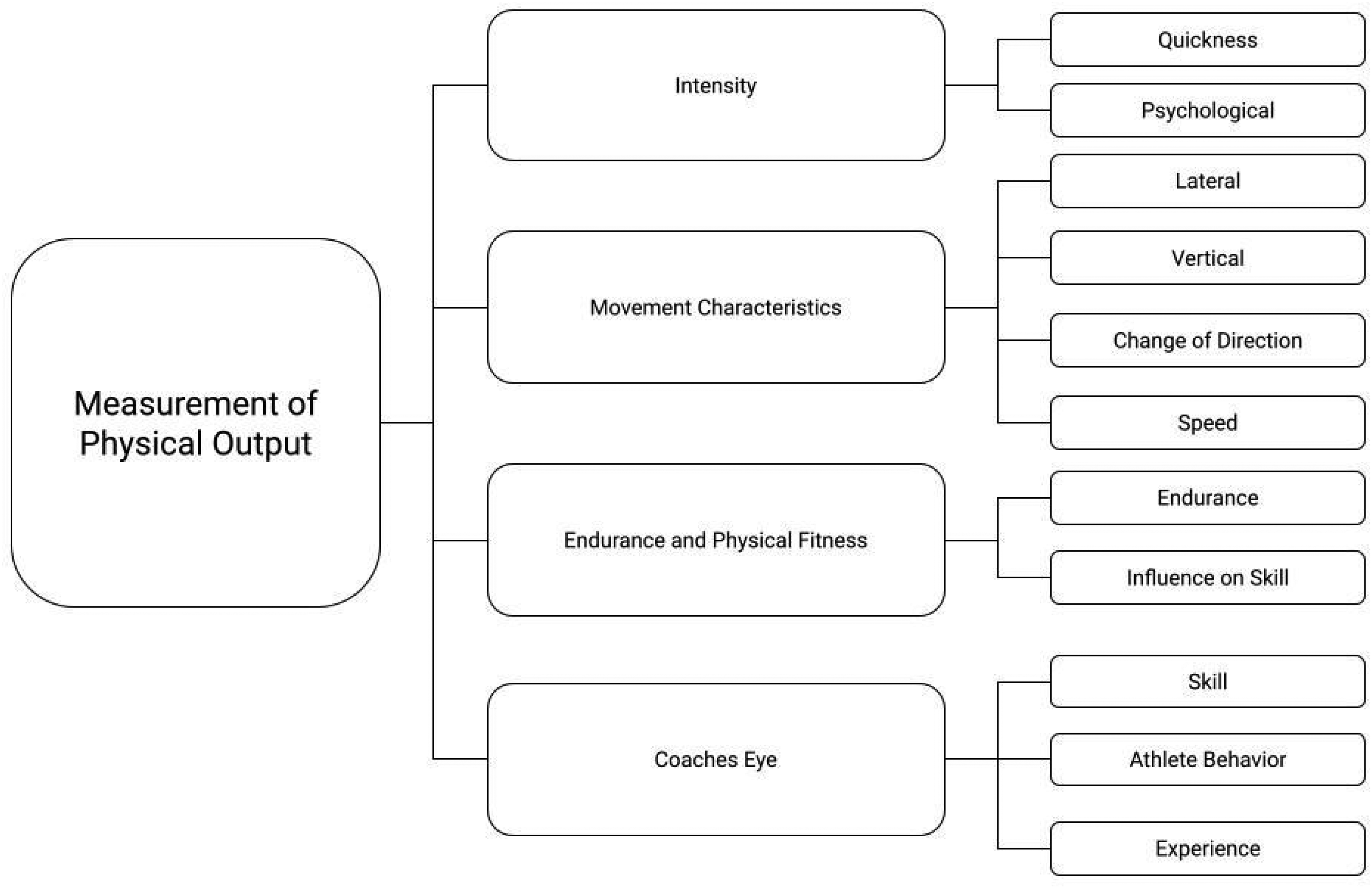
Thematic map of the measurement of physical output in basketball.
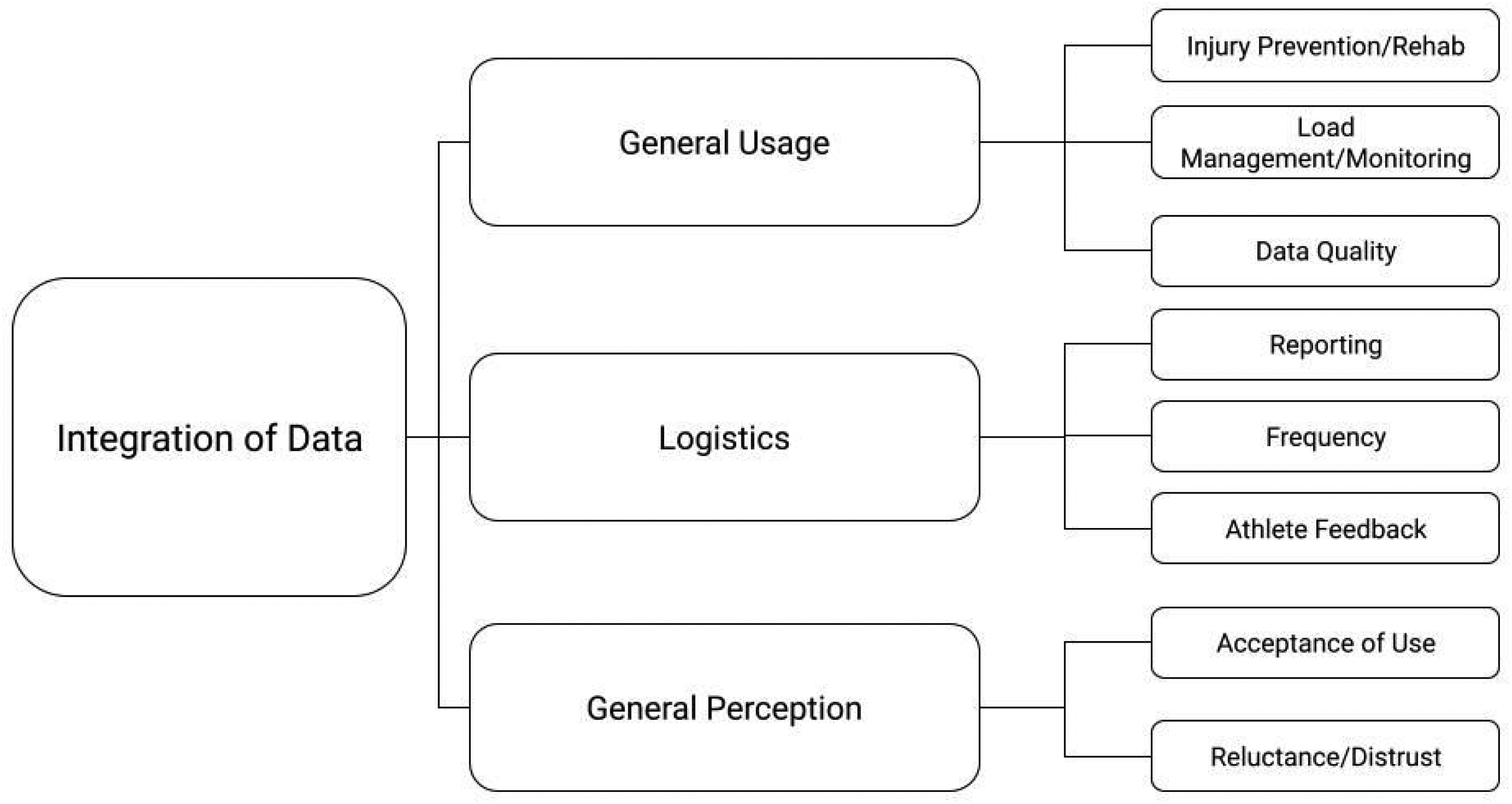
Thematic map of the Integration of Data in youth basketball academies.
Results
Following thematic analysis of the data, a total of 37 lower-order themes, fourteen higher-order themes and four-dimensional themes were developed. The four dimensions included 1) Holistic Preparation, 2) Physical and Athletic Performance, 3) Measurement of Physical Output and 4) Integration of Data (see Figures 2–5). Codes were added to the direct quotes to indicate attribution (coaching role and participant number), where HC refers to Head Coach and AC refers to Assistant Coach.
Within Holistic Preparation, coaches highlighted components of psychological, technical, tactical and physical performance as important, and which may also allude to the developmental progress in youth programs. For the Physical and Athletic Performance of basketball players, coaches described several capacity-based (e.g., speed, explosiveness and endurance), movement-based (e.g., change of direction) and anthropometric-based (e.g., height and wingspan) factors that they deemed important, both at the individual and positional level. With respect to the Measurement of Physical Output, coaches identified some key physical metrics they used during practice to assess the performance of their team. Finally, regarding the Integration of Data into their programs, the coaches discussed their perceptions of utilizing technology and associated data to help inform their decision-making and planning process.
The following sections explore how the coaches’ perceptions and philosophies shape each of the four dimensions. Some of the higher- and lower-order themes have been discussed together to highlight their co-existence. The discussion of some of these themes together provides a greater understanding and importance of all themes within a youth basketball and specifically an academy setting.
Holistic preparation
The coaches’ perceptions of performance in basketball highlighted three higher-order themes by which they assess their athletes. Despite the noted importance of skill-based assessment and physical and athletic components, all coaches discussed how crucial psychological performance was for their athletes, with one coach stating: “I think the physical characteristic is second to the mental” (HC1).
Physical and athletic factors
The coaches noted key physical and athletic factors they believe contribute to performance in basketball, whereby four sub-themes emerged. Of particular importance, the coaches discussed an athletes’ quickness or explosiveness as an indicator of performance in basketball. A specific aspect of this highlighted by the coaches was lateral ability as a measure of offensive and defensive performance.
The coaches identified both trainable and non-modifiable components of basketball performance; anthropometric factors such as “length” (i.e., height and wingspan) and the concept of “verticality” (referring not only to jump height, but also “how quickly they can get off of the floor, often in repetition” (AC2)) were both deemed important for basketball.
Psychological performance
Three sub-themes emerged within this theme, including the concept of effort. Though seemingly highly subjective in nature, the coaches described this using the term “how hard” an athlete is playing or working. Similarly, coaches posed the question “how hard are they willing to work?” (AC1) in association with performance.
This sub-theme is linked to a second sub-theme of toughness. Here, the coaches suggested that an athlete's performance and development may be reliant on whether “they love the game” (HC3) and “can push themselves” (HC1). When discussing the concept of “toughness,” one coach stated that “physical toughness or mental toughness, in the end it's all the same…” (HC1). This accentuates the interplay between psychological and physical aspects of performance in basketball.
The third sub-theme discussed is coachability. Collectively, the coaches defined this as “the ability to understand and learn how to put it into play” (AC1) along with having the ability to “reflect and ask the right questions” (AC1). The coaches stated that athletes with a high level of coachability are “those kids who are hungry to learn, … to get better” (HC2).
Skill, technical and tactical ability
Intuitively, skill was noted as the other key factor of performance in basketball. Three sub-themes were identified within this theme: Pre-existing Skill, the Ability to Learn New Skills, and the Transfer of Skill from Practice to Competition. Particularly important to coaches was not skill execution in isolation, but “how well they perform their skill, under pressure or at an elite level” (AC1). Regarding pre-existing skill, athletes were expected to have a certain baseline of fundamental skills: “have the ability to shoot the ball, finishing with both sides of the body” (AC3) and an underlying “ability to execute fine motor skills” (AC2).
The ability to learn new skills overlaps with the previously mentioned coachability sub-theme of psychological performance. Coaches valued “how quickly they learn” (AC2) in addition to the general ability of players to pick up new skills. The coaches suggest that this ability to learn and pick up new skills aligns with the overarching goal of developing players, with one coach suggesting that if a player is given enough knowledge and skill “to face any type of basketball situation, that's skill development” (AC3). Coaches specifically look at how an athlete transfers technical and tactical skills from practice to competition. This is deemed critical in “getting players to be able to move up levels and be successful in adjusting…” (HC1).
Physical and athletic performance
Quickness and explosiveness
A common term in sport, explosiveness was described by the coaches as “fast twitch” (AC3) and “the ability to react, the ability to change direction … vertical or laterally” (AC1). Coaches noted that the first step of an athlete is a critical part of physical performance, and that a high level of quickness or explosiveness can compensate for anthropometric deficiencies. Collectively, coaches believe that this ability is transcendent of the level of sport, whereby “at the next level, you see even no matter their size, they have to be fast twitch” (AC2).
Lateral ability
A youth basketball player's ability to move laterally (i.e., side-to-side) was of high importance to the coaches interviewed in this study. While the coaches explained that lateral ability is important on offense to beat a defensive player (i.e., dribbling or cutting without the ball), the coaches also noted that strong lateral ability on defense is critical. With the increasing isolated nature of basketball offense, 24 players are often required to individually defend an opposing player. The coaches stated that the best players can “stay in front of a guy… move their feet quickly” (AC4). When combined with anthropometric factors like height and wingspan, this was conceptualized as the ability to “take up space” (AC2). When discussing how lateral movements fit into the game of basketball, the coaches stated that “you go up and down, maybe for 3–4 s or a fast break, but as soon as there's a half court set, you’re moving laterally most of the time” (AC3).
Anthropometric factors
The coaches further noted the importance of some anthropometric measures in youth basketball. Most notably, the coaches discussed wingspan and height as performance indicators. The coaches focused on players who possess both factors, which allow such players to take up more space on defense. Regarding talent identification and player development, the coaches suggested that “players that have a higher ceiling…are longer, are taller, are stronger” (AC1). The coaches also noted that “length helps to account for quickness deficiencies” (AC2). The importance of these characteristics, according to the coaches, is not limited to the academy level. As one coach stated, “length is being sought after by the best in the business” (AC2).
Positional requirements
In relation to physical and athletic aspects of basketball performance, the coaches also discussed how playing positions may require specific traits or capacities. The coaches suggested that performance at all positions requires, to some extent, the characteristics mentioned above. However, they also stated that frontcourt players specifically “need to be tall” (AC5) and that “verticality is becoming something very important… your ability to jump in the air…” (AC4). For backcourt players, the coaches believed that the more advantages a guard can have, the better, stating “it's good to have a long guard… who can jump and run” (AC3), specifically “have to be able to go fast” (HC3).
Measurement of physical output
Intensity
Among this cohort, intensity was referred to as “how hard an athlete is working” (HC2, HC3, AC2, AC3, AC5), and often used to collectively describe one's speed or quickness. When discussing intensity, the coaches didn’t cite whether their perceptions were based on given instances during drills or from practice collectively, though one coach did speak to intensity's relevance to specific drills, stating that “intensity tells you who's sitting out of drills too much” (AC2). As previously mentioned, from the coaches’ perspective, the concept of intensity of exercise relates to the psychological concept of effort, with coaches looking to use intensity-related metrics to answer the question “how do I know when they’re giving 100%” (HC3).
Movement characteristics
Of importance to the coaches was the monitoring or description of basketball-specific movement patterns. Most notably, the coaches indicated lateral and vertical quickness, the speed and angle of a change of direction, general speed capacity and the ability to change speed as characteristics of interest. These characteristics, collectively, help the coaches assess basketball-specific performance (e.g., as one coach put it, “how quickly do they get from help to rotation” (AC2) while on defense). Speaking to lateral quickness, one coach stated, “laterals are a really important part… how do you measure that… how does it transfer to competition from practice?” (AC1), while another noted that “…better lateral times… are going to be a better performer in a defensive containment drill” (AC3).
Endurance and physical fitness
In addition to the above physical attributes and characteristics, the coaches discussed other aspects including endurance, fatigability and the influence of the physical components on skill execution. When monitoring training, the coaches often want to know “the threshold for physical fatigue becoming mental” (HC1), as it would help athletes avoid cognitive and technical mistakes. Further, one coach stated they would like to know “what the player has in the tank.… Then I can manage that in a game situation” (HC2). Relatedly, another coach stated that “endurance for me is the key… how long a player can go 80%” (AC4).
The coach's eye
The coach's eye is the sub-theme of coach perception of performance as a commonly used method of monitoring training. The interviews highlighted a heavy reliance on the coaches’ perception, feel and experience for planning, modification and review of training practices. Regarding the planning of training, one coach stated that “a lot will come from experience…understanding that any [drill] longer than 10–15 min, you’re going to lose the player” (AC2). Another key point within this sub-theme was modifying training based on technical outcome, where coaches are required to “decide to cut a drill or session short to avoid building bad habits or push through…play under fatigue” (HC1).
Integration of data
General usage of training monitoring data
The coaches identified several current use cases of training monitoring data gathered within their academy environment. For example, the coaches perceived training data as an aid to injury prevention and rehab. In addition, the coaches noted that such data help with week-to-week planning of training, with one coach stating, “our weekly schedule has changed purely on how our workloads are going” (AC1). The coaches also showed interest in expanding the use of such data to inform substitutions during competition, although the coaches acknowledged that they may require additional education before they are able to fully utilize training load monitoring data.
Logistics
The cohort identified the importance of the logistics associated with obtaining and reporting data to ensure the effective application of such data within the coaches’ training environment. While the coaches preferred reporting data to players at the individual level, the majority of such coaches also noted a preference in the combination of formal team meetings and informal conversations to convey the information. Indeed, one coach stated that “a weekly chat needs to be had…the week in basketball is a long time… flightpath conversations are equally as important” (AC1). Some coaches suggested that, in addition to a static report, an interactive report for those who want to explore the data further in their own time is beneficial. Regarding content, the coaches highlighted their desire for group- or team-based reporting, with individual athletes emphasized on a case-by-case basis. For example, one coach stated a use case of an individual report could include “reinforcing to the athletes that you’re actually not working as hard as you thought” (AC2). Similarly, the coaches had a desire for live or instant feedback during training. The coaches suggested that the formal reporting of training load data twice a week, as well as during a training session, was adequate for their needs.
General perception of technology and monitoring in basketball
The coaches reported two sub-themes for this theme, with some coaches being excited and passionate about the incorporation of technology and data-informed decision-making in their environment, while others stated that certain coaches may be reluctant to use it. For instance, the coaches who expressed support stated that “the eye-test is part of it… data is also another” (AC3), that “science is there to help you… it goes hand in hand with experience” (HC3) and “(the data) certainly usually backs up what you see as a coach” (HC1). Meanwhile, the coaches who expressed reluctance said that “old school coaches, when we see a gadget… they’re going to make the athletes soft” (AC5) and “it took me over 20 years to become a credible coach. How do I switch to a mode where this brand-new information is credible?” (AC6).
These quotes highlight what may be seen as an ideal high-performance training environment that blends the art and science of coaching, (i.e., “… athlete centered, coach driven, scientifically and administratively supported” (HC1). As one coach put it, “any data that can come to any coach, doesn’t matter if you’re youth, college or professional. Every coach is a coach. So, our job is to be knowledgeable. The more knowledge you have, it helps you to make better decisions” (HC3).
Discussion
To the authors’ knowledge, this study is the first to explore coaches’ perceptions of performance, development and training load monitoring in youth basketball. The findings indicate that this sample of youth basketball coaches perceive performance as a multi-dimensional construct, with psychological, physical, technical and tactical components all contributing to success on the court. Most pertinently, the coaches surveyed emphasized the role of psychological performance, often considering it of greater importance than physical characteristics. However, the interviews also revealed that physical and athletic performance is crucial for success in basketball, with particular importance placed upon ‘explosive’ movement capabilities. The analysis unveiled the complex interplay between objective measurement and subjective perception when monitoring training. Collectively, this study has provided a critical insight into how some basketball coaches may assess performance in a developmental environment and their perceptions of training load monitoring, which in turn provides key insights for performance practitioners to leverage when delivering sport science services to enhance developmental training of youth basketball players.
Regarding specific physical capacities and athletic ability, the coaches interviewed emphasized lateral movement ability for both defensive and offensive requirements. Lateral movement, particularly shuffling, accounts for 31% of a game's total movement, highlighting its importance in maintaining defensive position, reacting to offensive plays and creating space during offensive transitions.25,26 Such movement is not only about quickness but also about sustained agility, allowing players to cover expansive court areas. 27 The coaches also stressed the importance of speed and power in relation to anthropometric factors such as height and wingspan. According to these coaches, players who can combine these physical attributes with lateral speed have an enhanced ability to defend multiple positions and contest shots.28,29
Nonetheless, there is often a trade-off between these physical attributes and overall speed, necessitating individualized training programs that balance on-court drills with strength training tailored to a player's body composition. 30 Typically, faster and more agile players are more effective at both ends of the court, especially during high-intensity scenarios. 31 As such, quantifying the volume and intensity of lateral movements in training could provide coaches with valuable insights into player workloads and performance. The integration of movement tracking into training load monitoring may provide coaches additional information that can be used to modify drills to meet specific game demands. Monitoring these metrics at the individual level may also allow coaches and performance staff to fine-tune player development, further enhancing both lateral quickness and overall ability to manage the physical demands of basketball.
The interconnection between the key performance indicators of basketball is critical, suggesting that holistic development is fundamental to player progression. 32 For instance, the most frequent psychological trait mentioned by the coaches interviewed for this study was effort (i.e., how hard players are willing to work to succeed). This may be related to on-court training and thus to physical workload, with the quantification of ‘intensity’ conceivably being a proxy measure. Relative measures of workload (e.g., load per minute) are typically used to quantify intensity in basketball, 33 and may be valuable measures to educate coaches to help monitor training execution and performance. Nevertheless, the results of this study suggest that elite youth basketball coaches have a desire to quantify the intangibles of basketball, and thus further education may be required to define what measurement ability and precision exists. Youth basketball athletes are expected to have strong foundational/fundamental skills, though coaches believe mastery of these skills are honed under competitive conditions. As such, a means of planning, executing and reviewing these scenarios in the form of training load monitoring is likely beneficial for youth basketball coaches. Previous literature highlights the varying physical demands imposed by small-sided games and modified drills (e.g., court size and number of players). 34
Acceleration and deceleration ability, including lateral and vertical change of direction, was identified by the coaches interviewed as a discriminator of athlete performance. These movement characteristics are directly linked to basketball-specific tasks, including defensive rotations and navigating offensive schemes. Sport-specific agility and movement measurements are complex, 35 and the coaches echoed this with concerns of how to accurately quantify such measurements in basketball. Acceleration and deceleration ability are often assessed by subjective means, 36 thus limiting the precision of movement analysis. Interestingly, the results of this study report that elite youth basketball coaches still heavily rely on the coach's eye for evaluation of training and performance. Combining their experience, intuition and observation, coaches often make key decisions about training loads, drill duration and technical corrections without assistance or guidance from technology. 8 Such methods are deeply rooted in coaching culture, 37 and means of integrating modern data-informed decision-making protocols with experiential knowledge in basketball remains to be reported in the literature. This may be due to the relative infancy of valid and reliable technology in basketball, 14 or as reported in this paper the hesitancy of some coaches to use these protocols in their environment. While this study reports that some coaches were excited by and accepting of data-informed approaches to support their program, others were skeptical of technology and questioned its legitimacy, suggesting it may undermine their experience and credibility. As such, sports scientists likely need to prioritize not only the selection of valid and reliable technologies and statistical approaches in basketball, but also engagement with coaching staff to ensure that data is used as a complement of their experience and judgement rather than as a substitute.
In addition to informing their own responsibilities, the coaches interviewed suggested that specific training load data may directly help their athletes’ development by providing feedback on specific metrics that are aligned with the athletes’ individual development goals. For example, live feedback during drills to encourage increased high-intensity efforts on defense quantified by change of direction or sprint metrics may assist the coaches in enforcing these habits with their athletes. 38 Previous research indicates that augmented feedback is likely to improve the performance and learning of gross motor and sport-specific skills. 39 The coaches interviewed also have sought guidance from physical performance data during competition to inform substitution selection and timing. While such substitutions are based more on avoiding cognitive and technical declines due to fatigue rather than on load management, training load data could act as augmented, in-game feedback for coaches.
This study provides novel insights into elite youth basketball coaches’ perceptions of performance and training load monitoring, though the study is not without limitations. The thoughts of the coaches in the study are their own and based on their individual experiences, such that some answers reflect their unique environments. For that reason, and in conjunction with a small sample size the results may not be generalizable to all coaches or basketball training environments, or even all youth coaches or youth basketball training environments. In addition, it is difficult to develop a consensus definition on performance in sport due to its subjective nature and differing perspectives/priorities between domains; for instance, strength and conditioning coaches may bias towards performance in the physical domain when assessing basketball performance. Future research may look to expand this exploration by interviewing coaches from a variety of collegiate and professional basketball environments while also expanding upon this network of youth coaches, and engaging practitioners from varying performance domains such as strength and conditioning. It should be noted that pre-existing physical capacities and capabilities are likely strongly considered in the selection process for academies, thus development of psychological ability may seem like a priority for coaches to address. Future research should also explore athletes’ perspectives of performance and development, as well as the degree of alignment between coach and athlete perceptions, to better understand the synergy required for effective holistic development.
Conclusion
Elite youth basketball coaches assess performance through a multidimensional lens, valuing psychological attributes such as effort and coachability alongside physical qualities like lateral quickness and explosiveness. While some coaches embrace data-informed approaches to guide training and injury prevention, others remain skeptical about its practical impact, emphasizing the importance of coaching intuition. The integration of training load monitoring varies, influenced by logistical constraints and differing levels of engagement with technology. These findings highlight the need for contextualized, actionable data that aligns with coaching philosophies and developmental priorities. Future research should explore strategies to enhance coach engagement with monitoring tools, ensuring they complement rather than replace traditional coaching expertise. By bridging subjective observation with objective performance data, sport scientists and coaches can work together to refine training methodologies, ultimately improving player development and decision-making in elite youth basketball.
Supplemental Material
sj-pdf-1-spo-10.1177_17479541251342023 - Supplemental material for Revisiting the playbook: Coaches’ opinions and current views of performance, development and load monitoring in highly-trained male youth basketball players
Supplemental material, sj-pdf-1-spo-10.1177_17479541251342023 for Revisiting the playbook: Coaches’ opinions and current views of performance, development and load monitoring in highly-trained male youth basketball players by Jonathon R Lever, Andrew Murray, Jonathan D Bartlett, Isabela Aurellado, Rob Duffield, and Hugh HK Fullagar in International Journal of Sports Science & Coaching
Footnotes
Declaration of conflicting interests
The authors declared no potential conflicts of interest with respect to the research, authorship, and/or publication of this article.
Funding
The authors received no financial support for the research, authorship, and/or publication of this article.
ORCID iDs

Supplemental material
Supplemental material for this article is available online.
References
Supplementary Material
Please find the following supplemental material available below.
For Open Access articles published under a Creative Commons License, all supplemental material carries the same license as the article it is associated with.
For non-Open Access articles published, all supplemental material carries a non-exclusive license, and permission requests for re-use of supplemental material or any part of supplemental material shall be sent directly to the copyright owner as specified in the copyright notice associated with the article.
