




Abstract
Athletes undertaking large training volumes are often exposed to periods of low energy availability (LEA) and consequently are at risk of developing Relative Energy Deficiency in Sport (REDs). Swim coaches play a key role in moderating this risk in developing swimmers. This study aimed to evaluate swimming coaches’ perceptions of LEA/REDs education intervention developed using the Public Health Nutrition Bicycle Framework and underpinned by the professional tools of problem analysis, system mapping and training development. Data was collected in two phases: 1) an immediate post-workshop evaluation survey (process evaluation), and 2) a delayed (6 weeks) post workshop informal roundtable (impact/outcome evaluation). The process evaluation was conducted inductively using three questions (a mix of categorical and open-ended questions). The impact/outcome evaluation was deductive, with the Capability, Opportunity and Motivation Model of Behaviour Change (COM-B) used to evaluate coaches’ likelihood of implementing new learnings after attending the workshop. Twenty-one coaches attended the workshop, and fourteen completed the post workshop survey. The process evaluation findings indicated that coaches found numerous aspects of the workshop valuable, including the case study approach, resources for consolidation of learning and discussions around the challenges they may experience when managing athletes at risk. The impact/outcome evaluation identified eleven facilitatory and four inhibitory themes based on the COM-B model. Coaches reported an enhanced understanding and knowledge of REDs but lacked the physical and psychological capability to apply new knowledge and/or desired behaviours in practice. The integration of applied frameworks and research and development specialists in coach education may be important when addressing sensitive and complex topics in sport to support the effective dissemination of knowledge into applied contexts. This requires effective partnerships between researchers, national sporting organisations and experts in design and development to strengthen the integrity and applicability of future coach education initiatives.
Introduction
Athletes undertaking large training volumes, such as swimmers are often exposed to periods of low energy availability (LEA) and consequently are at risk of developing Relative Energy Deficiency in Sport (REDs).1–7 Swim coaches play an important role in moderating the risk of REDs in developing swimmers through their coaching practice and behaviours.8,9 Swim coaches are responsible for setting training loads, which influence the energy requirements for an athlete. 10 In addition, swim coaches are well-placed to identify changes in an athlete's health and performance, which may indicate signs and symptoms of LEA.2–7 Swim coaches are also responsible for facilitating the daily training environment (DTE) and establishing the local ‘culture’, through language and coaching interactions, which further underpins their role in moderating or amplifying LEA exposure/REDs risks for athletes.11,12 Research suggests that coaches may lack sufficient knowledge and/or employ inappropriate behaviours, attitudes/beliefs towards LEA/REDs. 1 Recognising the integral role swim coaches can play in moderating LEA exposure for athletes, there is a need for education and professional development on this issue. Presently, very little coach education is provided on REDs by national sporting organisations (NSOs) in Australia, to support athletes involved in high volume training. 11
Historically, coach education has been directive, autocratic and prescriptive, with a focus on ‘what to coach’ rather than ‘how to coach’ in contextual and applied settings. 3 While technical knowledge is undoubtedly important, coach education has not always been successful at addressing the complexities of the coaching environment and coaching process (e.g., language and contextualisation of new evidence/research into the coaching environment, practical application of how-to coach, not just what to coach).1,4–8 This becomes particularly important when the subject matter falls outside the technocratic grounds of sports coaching, such as athlete health and wellbeing. The successful development and delivery of coach education on sensitive and/or nuanced topics by National Sporting Organisations may assist to prevent serious harms to athlete health and wellbeing.
REDs is a clinically diagnosed, multifactorial syndrome characterised by the accumulation of impaired physiological and/or psychological functioning. 2 Addressing REDs ‘upstream’ determinants (e.g., eating behaviours, body image concerns) requires education approaches that support sustainable behaviour change. 13 The Public Health Nutrition Framework (PHNF) (Figure 1) has traditionally been used for designing and implementing large scale public health education initiatives to create interventions, facilitate change and evaluate outcomes. 14 The framework involves stepwise and systematic processes to inform and guide strategic decision making and to enhance the quality of intervention development, implementation and evaluation. Recognising that many of the determinants of REDs are “community” mediated issues in sport, employing the PHNF could serve as an innovative approach to guide targeted education/intervention development on this topic. Evaluating the use of the PHNF to guide an intervention directed towards a key stakeholder of REDs development in swimming (e.g., coaches) could assist future attempts by the National Sporting Organisation to deliver REDs prevention programs at scale.
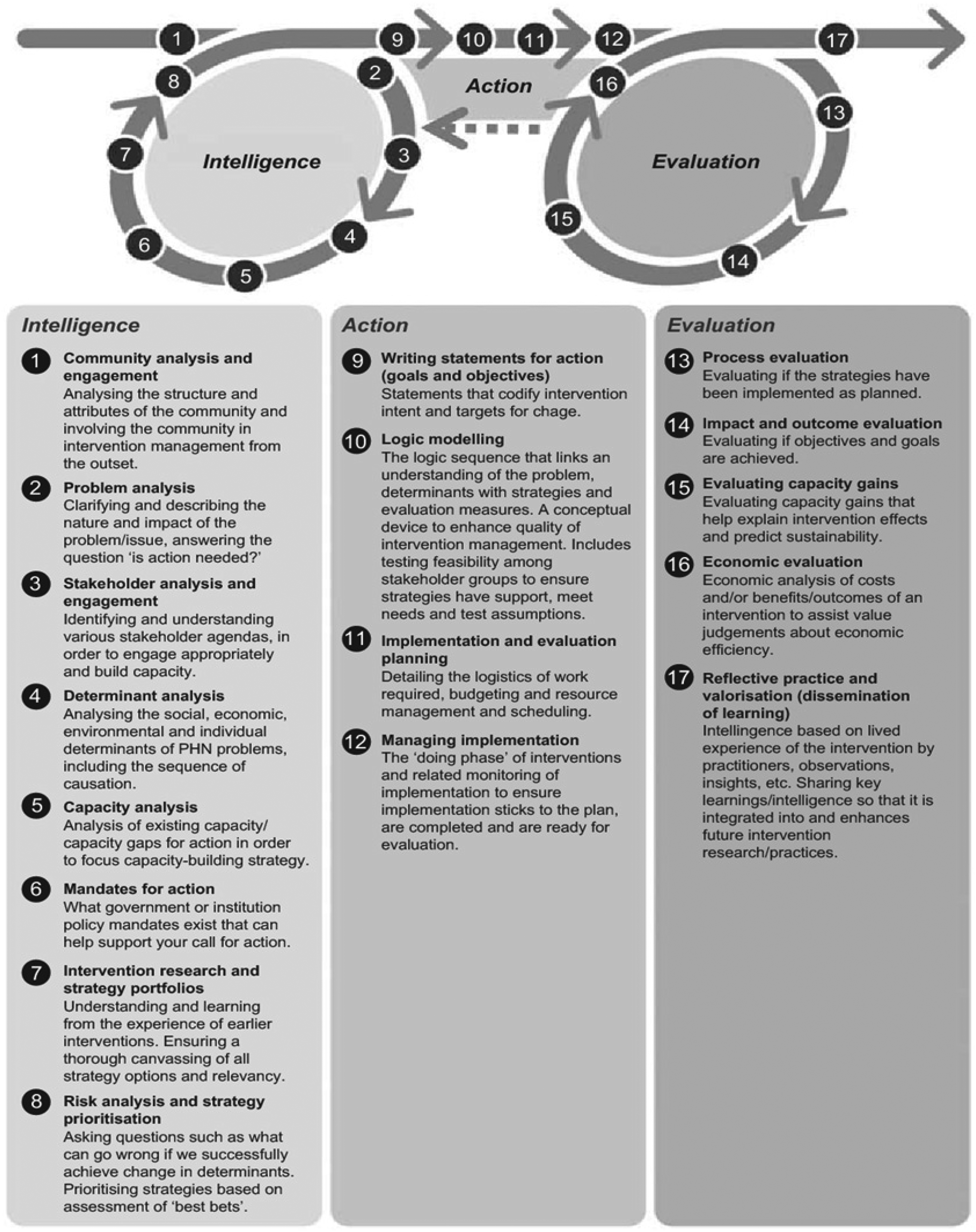
The public health nutrition framework. 14
This study aimed to evaluate and understand swim coaches’ perceptions of an LEA/REDs coach education workshop, developed for training and practice improvement, underpinned by the PHNF. Determining the impact of the intervention has the potential to lead to downstream benefits for coaches and swimmers who may be at risk of developing REDs. Furthermore, it may also serve as a benchmark for future delivery of coach education on complex and sensitive topics in sport.
Methods
This study was developed as a collaboration between Griffith University and Swimming Australia (SA) and was approved by the Griffith University Human Research Ethics Committee (GU Ref No: 2021/547). The project working group was established, which included two senior academic staff and a PhD candidate from Griffith university (JH), the general manager of performance support from SA and the lead dietitian from SA (AD). A research and development (R&D) consultant was also employed to, advise, facilitate, build capabilities and provide expertise in the design and development process. The R&D specialist guided the developers of the intervention through a detailed and progressive tool development process. This process was designed to optimise the intervention effectiveness at addressing knowledge transfer to drive coach behavioural modifications. The R&D was not involved in the evaluation of the project.
Study participants and recruitment
A purposeful sampling approach was employed to identify coaches within SA pathways. Through a system mapping and analysis of the SA NSO, SA staff on the project team were able to identify the targeted end user (athlete) group for the intervention as swimmers categorised at Talent level 1–3 along the foundations, talent, elite and mastery (FTEM) pathway, having achieved age group medal success and therefore a key transition point in their swimming career. The target audience (coaches of these swimmers) were then identified as the best leverage point for the PHNF education intervention. The identified coaches recruited for the intervention must have also met the following criteria: a) SA accredited coach; b) currently coaching SA development/pathways swimmers; c) coaching in Queensland, Australia; d) coaching in a club and/or school setting. Coaches received an email invitation, which also included a brochure outlining the aims, objectives, learning outcomes and logistics of the workshop. Consent to participate was inferred via email with coaches confirming their attendance through an online sign-up platform (i.e., Eventbrite).
Education intervention
An adapted version of PHNF underpinned the design, development, implementation and evaluation of this pilot study in the sporting context (see Figure 1). Within the context of this study, the PHNF was selected for two reasons; 1) LEA/REDs are associated with dietary and physical activity habits, often influenced by language and training environment experiences, and considered a global issue in the sporting population, 2) the study aimed to develop a health-related intervention to facilitate behaviour change among coaches to moderate the risks of LEA/REDs. The framework consists of 17 steps, split up into three distinct phases: intelligence, action and evaluation, which inform workforce development and practice in the area of intervention management. 14 Processes undertaken to address the intelligence phase of the model were completed using the online collaborative platform Miro (Realtime Board Inc), with all members of the working group having access to the software and actively participating in weekly workshops. Outside of this, two members of the working group (i.e., the lead dietitian from SA and the PhD candidate from Griffith University) and the R&D specialist dedicated extra time to work on activities and tasks required to complete each step and build professional capabilities for each phase of the PHNF. This work was presented back weekly to the other members of the working group for discussion and agreement.
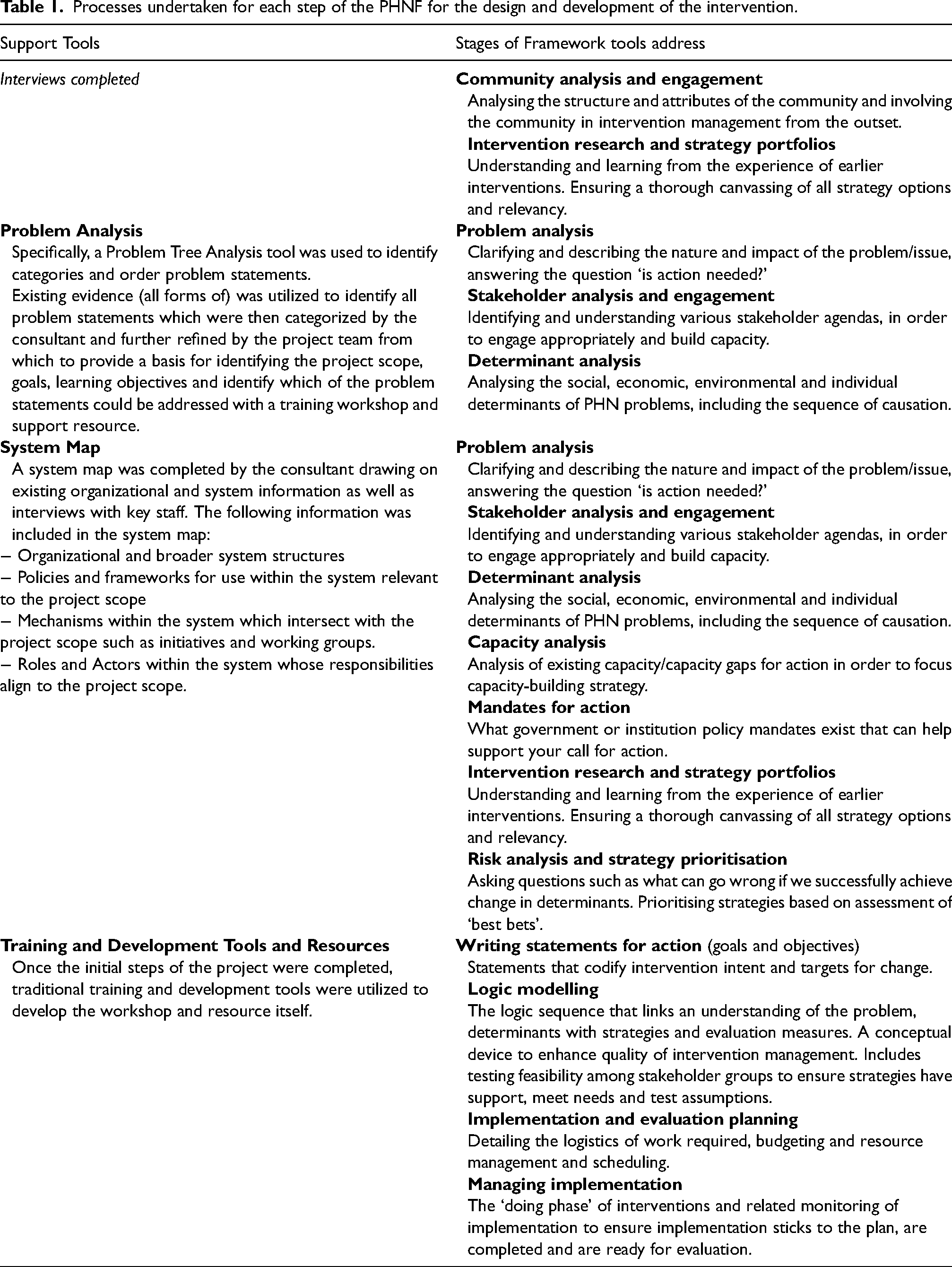
Whilst the PHNF bi-cycle model provides a stepwise approach to facilitate practice improvement to assist with workforce development, 14 the model itself provides limited guidance and specifically tools and resources to undertake each step of the model. To address this limitation and to ensure each step was completed in detail the project team engaged the services of the R&D consultant to support with the utilization of the framework through using existing tools found in development, research and development and training and resource development practice. Outlined in Table 1 processes undertaken for each step of the PHNF for the design and development of the intervention.
Processes undertaken for each step of the PHNF for the design and development of the intervention.
Problem statement intervention objectives
The identified problem statement for this project was; ‘Swimmers are in an environment where they are/could be at an increased risk of developing serious and detrimental health issues’. From here, the working group engaged in a number of online activities to develop learning objectives and key learning points (Table 2) which would guide the structure, design and development of the coach education intervention in the format of a workshop with accompanying resources.
Learning objectives that informed the design and development of the workshop.
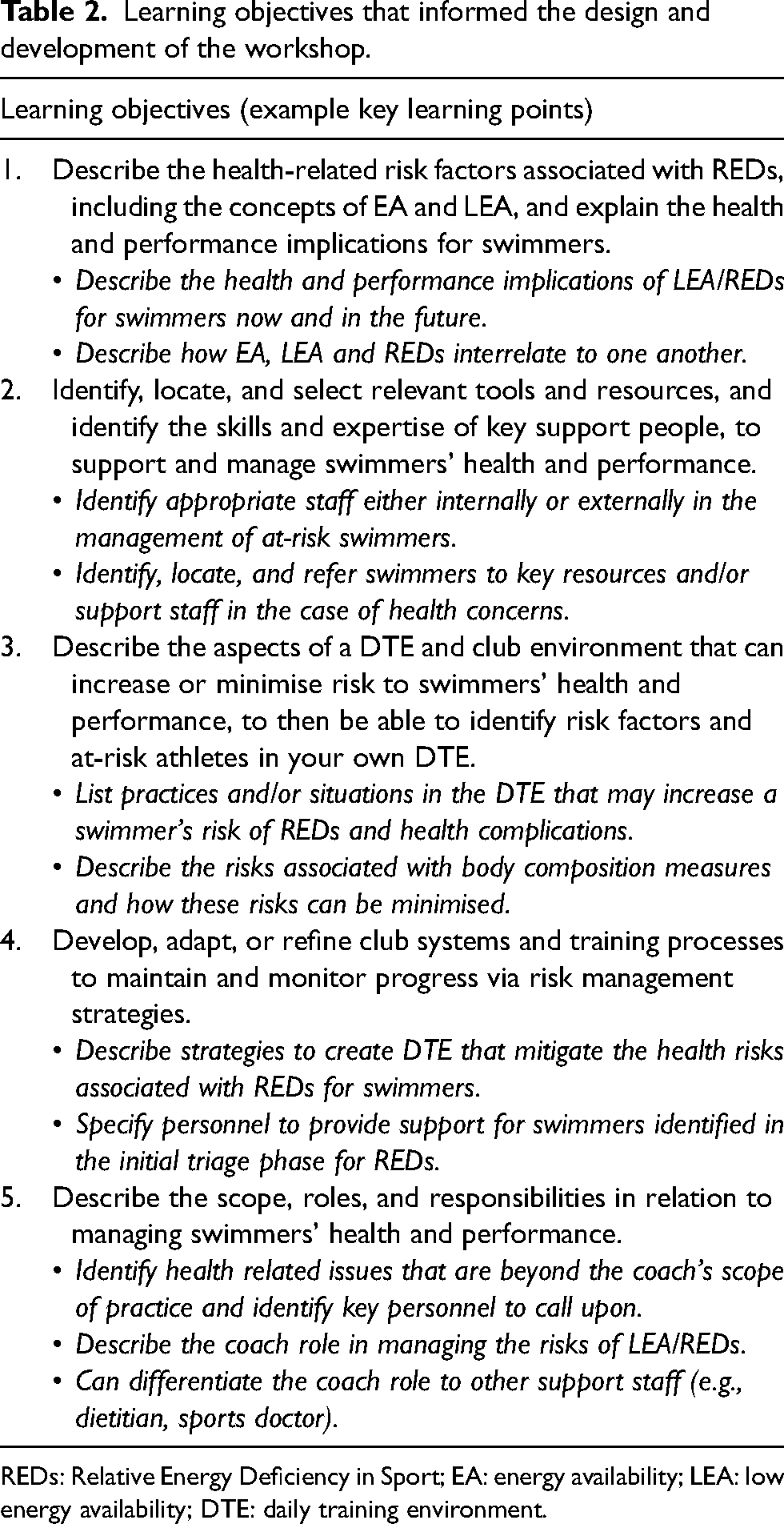
REDs: Relative Energy Deficiency in Sport; EA: energy availability; LEA: low energy availability; DTE: daily training environment.
Implementation
The workshop was delivered in person and facilitated by two members of the working group (JH & AD). The workshop duration was five hours, with each section including a brief theory component followed by practical activities (e.g., case studies and scenario-based activities). Coaches were arranged on tables in predetermined groups, so that they remained with other coaches from their club setting, to allow participants to contextualise the activities to their own club set up/DTE. To accompany the workshop, coach resources were also developed in the format of an A4 booklet to supplement the workshop content and serve as reference material post workshop. The resources aimed to effectively translate LEA research to coaches, considering knowledge, language, behaviours and their application to the sporting context. Coaches were encouraged to refer to their resource booklets at various times during the workshop to facilitate their learning.
The coach workshop was titled ‘What can you do; creating environments to mitigate the risks of REDs and optimise health, performance, and the physical development of swimmers.’ The workshop comprised of four main sections, including an introductory overview of the topic area, a definition of REDs, supporting the energy requirements of swimmers, and optimising the DTE considering beliefs, language, and behaviours around physique issues. To begin the workshop, the coaches watched a video that was developed to help establish a contextual understanding of the history and evolution of LEA/REDs. Content for the video was sourced by examining the literature and key historical moments in time relevant to the topic area (i.e., male dominated environments, social contexts, body ideals throughout history, coach education culture, assumptions/narratives, health concerns in sport, environmental challenges). The video not only aimed to help coaches understand how sporting environments have contributed to poor athlete health outcomes, but to also show them that there is an understanding of the complex role the coach has in managing these issues. The script for the video was developed by members of the project team using pivotal moments in sporting history, relevant research and global trends regarding the perceived ideal ‘athletic physique’. Once all members of the project team agreed on the script a professional videographer was hired to produce the video.
Evaluation
This evaluation aimed to understand coaches’ perceptions of the educational intervention and explore the likelihood of behaviour change from attending the workshop. This was measured through process and impact evaluation outcomes.
Data collection
Data was collected in two phases: 1) immediate online post-workshop evaluation survey (process evaluation); and 2) delayed (6 weeks) post workshop informal roundtable (impact/outcome evaluation). Coaches were informed that participation in data collection was optional, and any data disseminated outside of the roundtable would be de-identified.
Phase 1 data collection – survey
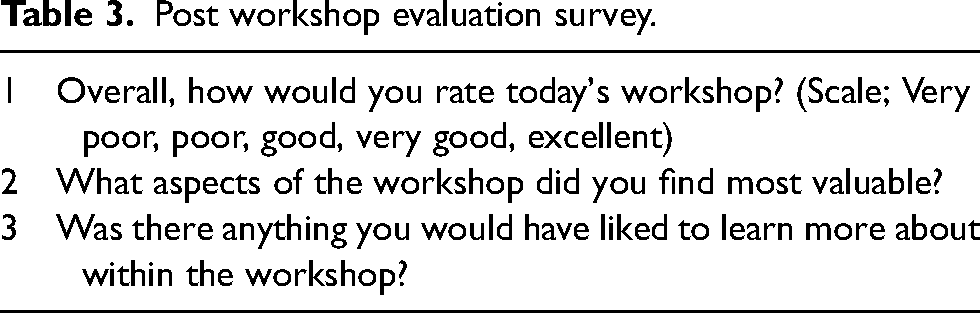
Phase 1 of data collection was conducted inductively using a three-question survey. One categorical and two open ended questions were asked relating to process outcomes of the workshop (see Table 3). Coaches were invited to complete the online evaluation survey immediately following the workshop.
Post workshop evaluation survey.
Phase 2 data collection
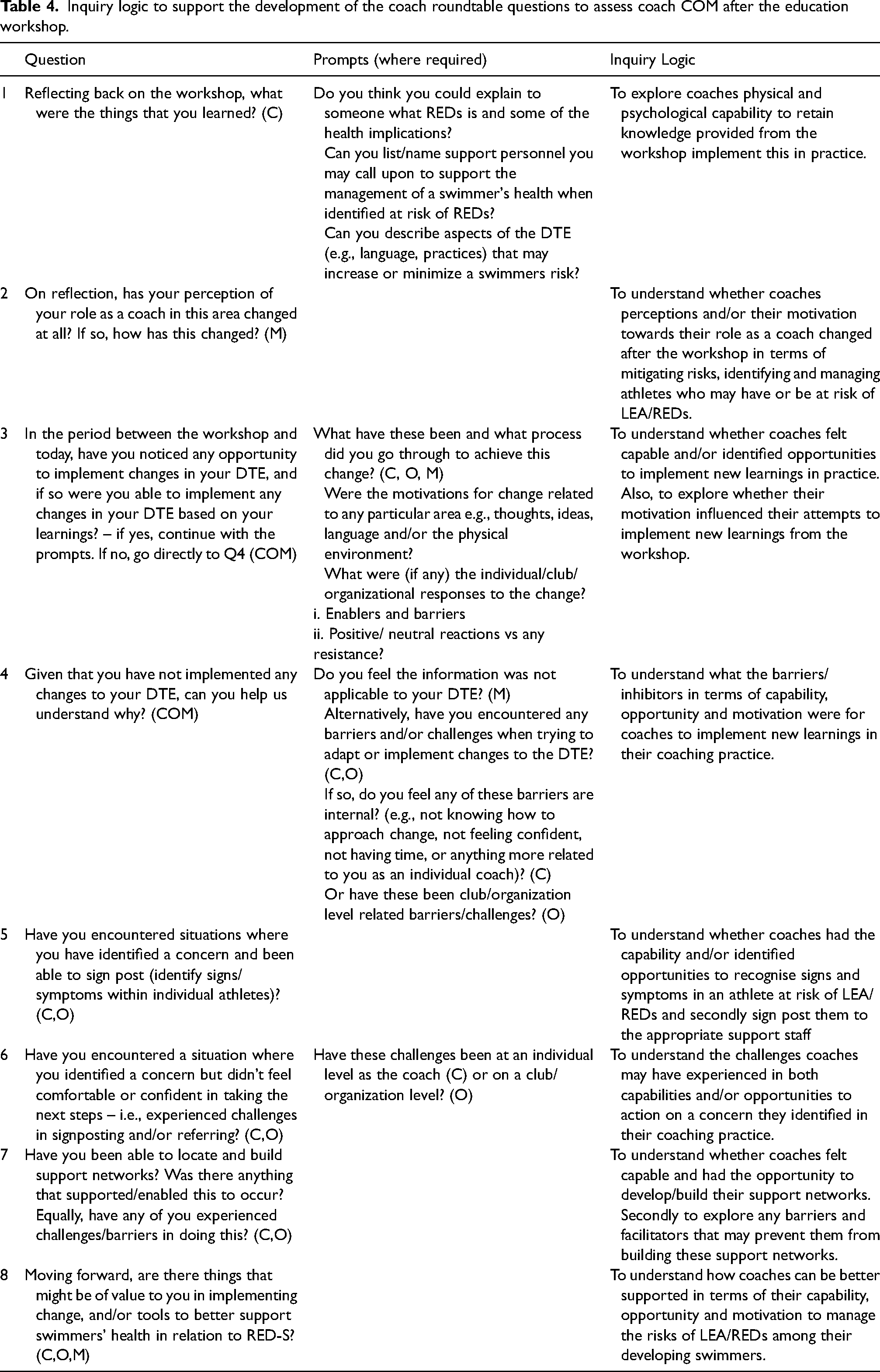
Phase two of data collection involved impact and outcome evaluation. The COM-B model assessing capability, opportunity and motivation was used to assess indicators of behaviour change and implementation of learnings and skills in coaches’ practice after attending the educational workshop. The roundtable questions were underpinned by an inquiry logic and were developed to capture relevant data relating to coaches’ capability, opportunity and motivation (see Table 4). Questions were verified by all five investigators to reach agreement. Two roundtable discussions were conducted virtually (via Microsoft Teams), facilitated by two investigators (JH & AD). Each roundtable lasted 120 min and was audio recorded with consent.
Inquiry logic to support the development of the coach roundtable questions to assess coach COM after the education workshop.
Data analysis
Phase 1
The survey responses were analysed by one investigator (JH). For quantitative data (Question 1), descriptive analysis was conducted and for qualitative data (Questions 2 & 3), inductive thematic content analysis was undertaken,15,16 with coach responses considered on an individual (not by coaching location) level. Thematic content analysis was initiated by response code generation using the NVivo qualitative data analysis software (QSR International Pty Ltd, Version 12). These codes were then organised into major themes. To ensure accuracy and consistency, all five investigators engaged in post-analysis discussions and verification of codes and themes to reach agreement on the interpretation of results.
Phase 2
One investigator (JH) transcribed the two roundtable discussions verbatim and two researchers conducted data analysis independently (JH, AD). Thematic content analysis was used to assess the transcript and generate codes using the NVivo qualitative data analysis software (QSR International Pty Ltd, Version 12). To avoid bias these codes were generated on a semantic level, analysing explicit content of the data to ensure that analysis was being driven by the data itself and not by the views of the researcher. 15 A decision tree matrix (Figure 2) was employed for deductive analysis of data. The matrix which was used by two researchers (JH, AD) to assess consistency and useability. Generated codes were organised into major themes under domains of the COM-B model of behaviour change (physical and psychological capability, social and physical opportunity, reflective and automatic motivation),17,18 using constructs from the Theoretical Domains Framework (TDF). 19 The TDF offers a framework that draws from various psychological theories to systematically understand behaviour change determinants. 19 Employing the TDF helps to identify factors that influence individuals capabilities, opportunities and motivations related to specific behaviour intention. 19 At each stage of the data analysis, discussions with all members of the working group occurred to ensure consistency of the approach. Post analysis discussion for verification of themes and codes occurred with all investigators to establish agreement regarding interpretation of results.
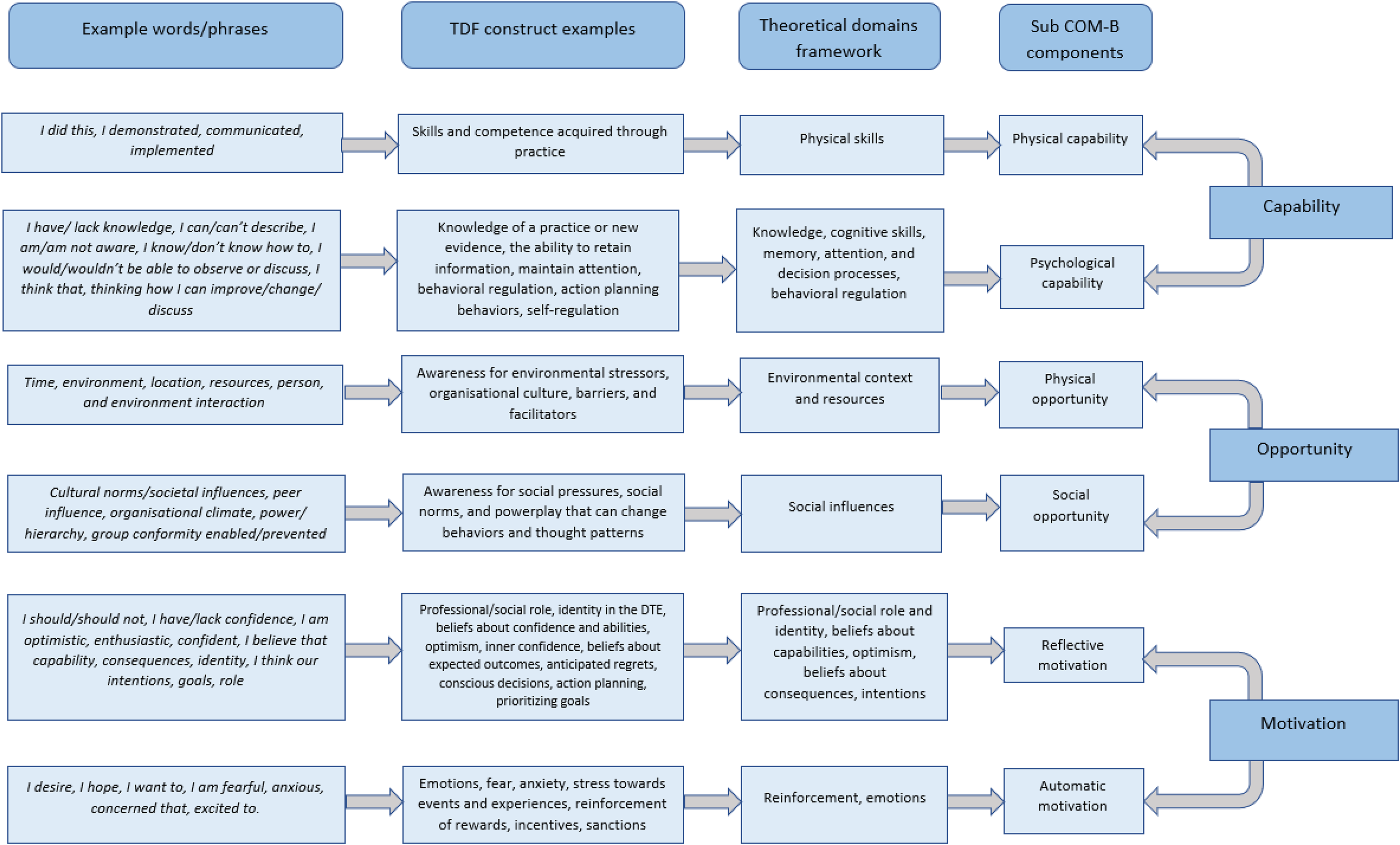
The decision tree matrix used for deductive analysis and the generation of codes and themes.
Results
Participant characteristics
A total of 21 (18 male, 3 female) Queensland coaches working with development swimmers attended the educational workshop. Coaches’ ages ranged from 32 to 70 years (average age of 40), with coaching experience spanning from 7 to 43 years (average of 16 years coaching experience).
Phase 1- survey results
Fourteen coaches participated in the post workshop survey, with more than half (57%) rating the workshop excellent and the remaining participants (43%) rating it as very good/good. Few of the coaches provided written responses to the qualitative questions. All direct quotes/text responses provided are presented in Tables 5 and 6. Findings from the process evaluation results indicate that coaches found numerous aspects of the workshop valuable, including 1) addressing appropriate language and intervention processes, 2) using case study/scenario approaches to identify signs and symptoms of LEA/REDs, 3) coach resources for consolidation of learning, 4) discussions regarding potential challenges coaches may experience in managing athletes at risk and 5) definitions of key concepts (e.g., LEA, REDs).
Reported valuable attributes from the workshop.
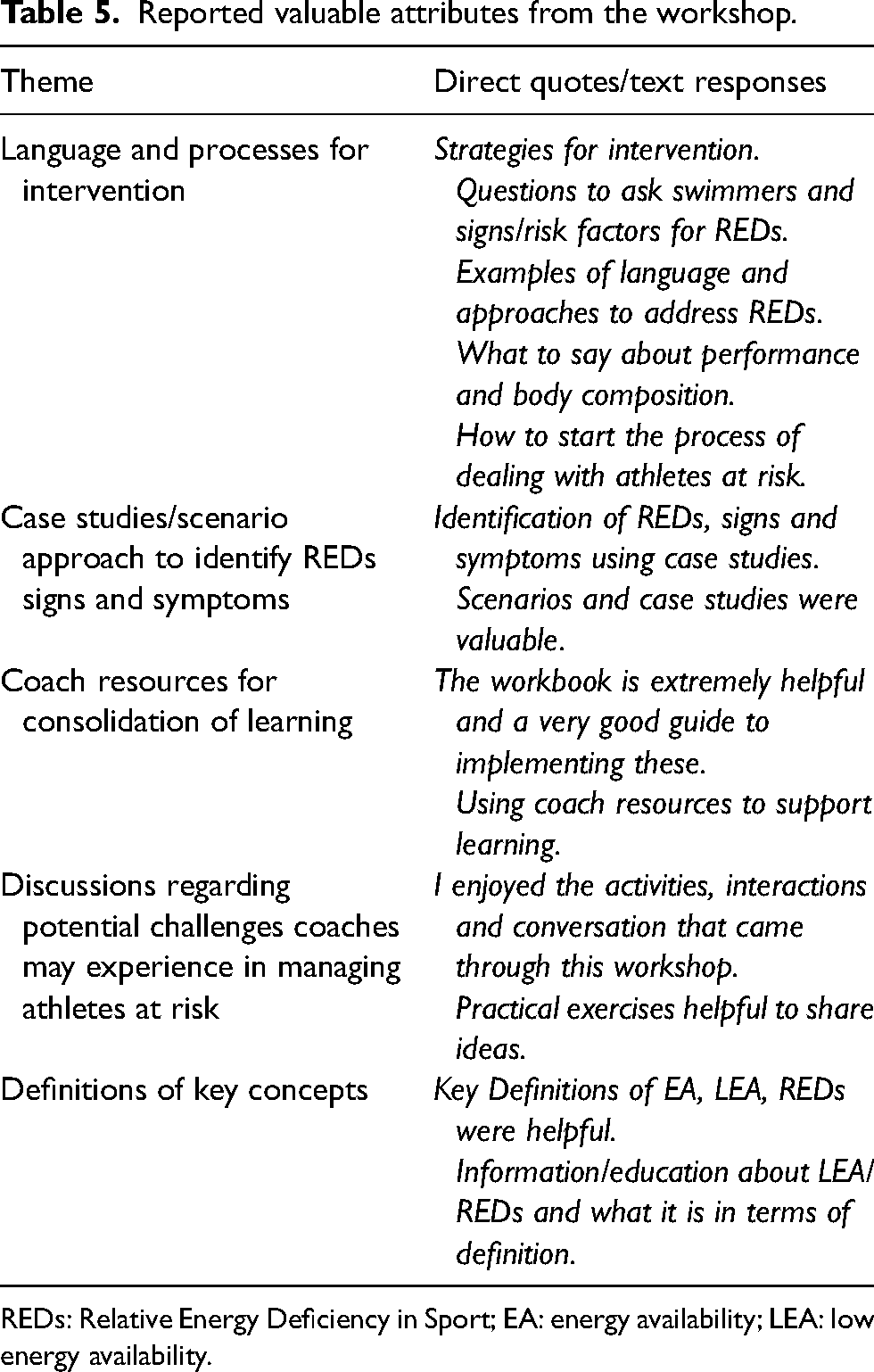
REDs: Relative Energy Deficiency in Sport; EA: energy availability; LEA: low energy availability.
Considerations for additional workshop content.
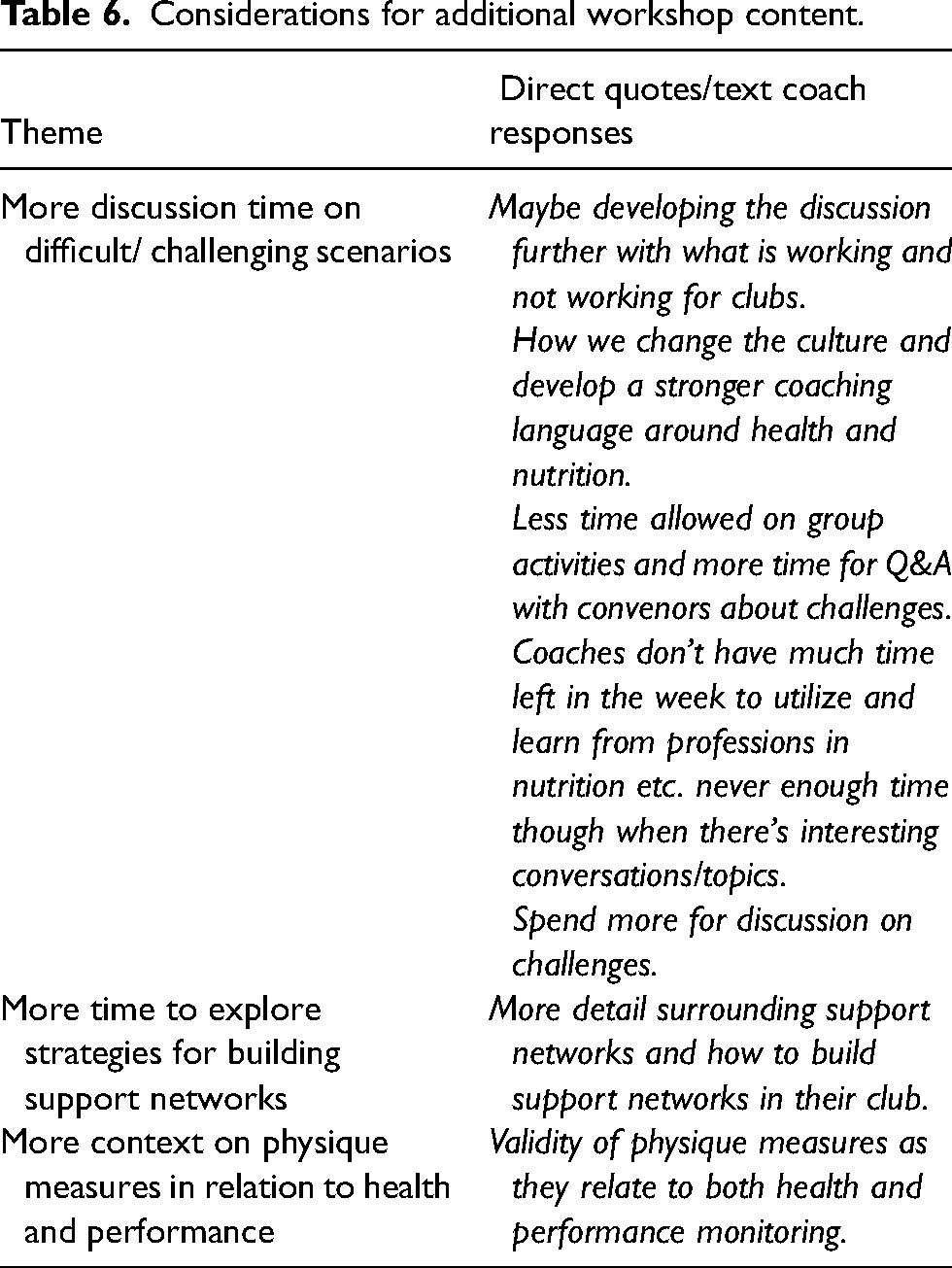
Seven coaches provided suggestions of what they would value more of in the worksop, including 1) additional discussion time dedicated to challenging scenarios, 2) more time to explore strategies for building support networks, 3) further context on physique measures in relation to health and performance.
Phase 2 – roundtable results
Eight coaches participated in the roundtable discussions. The main outcomes from the roundtables are presented in Figure 3 and a full table of results including quotes from coaches are provided in a supplementary file (Table S3). Any quotes extracted from the roundtable discussions remain deidentified to maintain confidentiality. Fifteen themes derived from the TDF that integrated within all elements of the COM-B model were identified. Eleven of these themes were positive/facilitatory and four were negative/inhibitory factors for the implementation of new learnings and behaviours in practice.
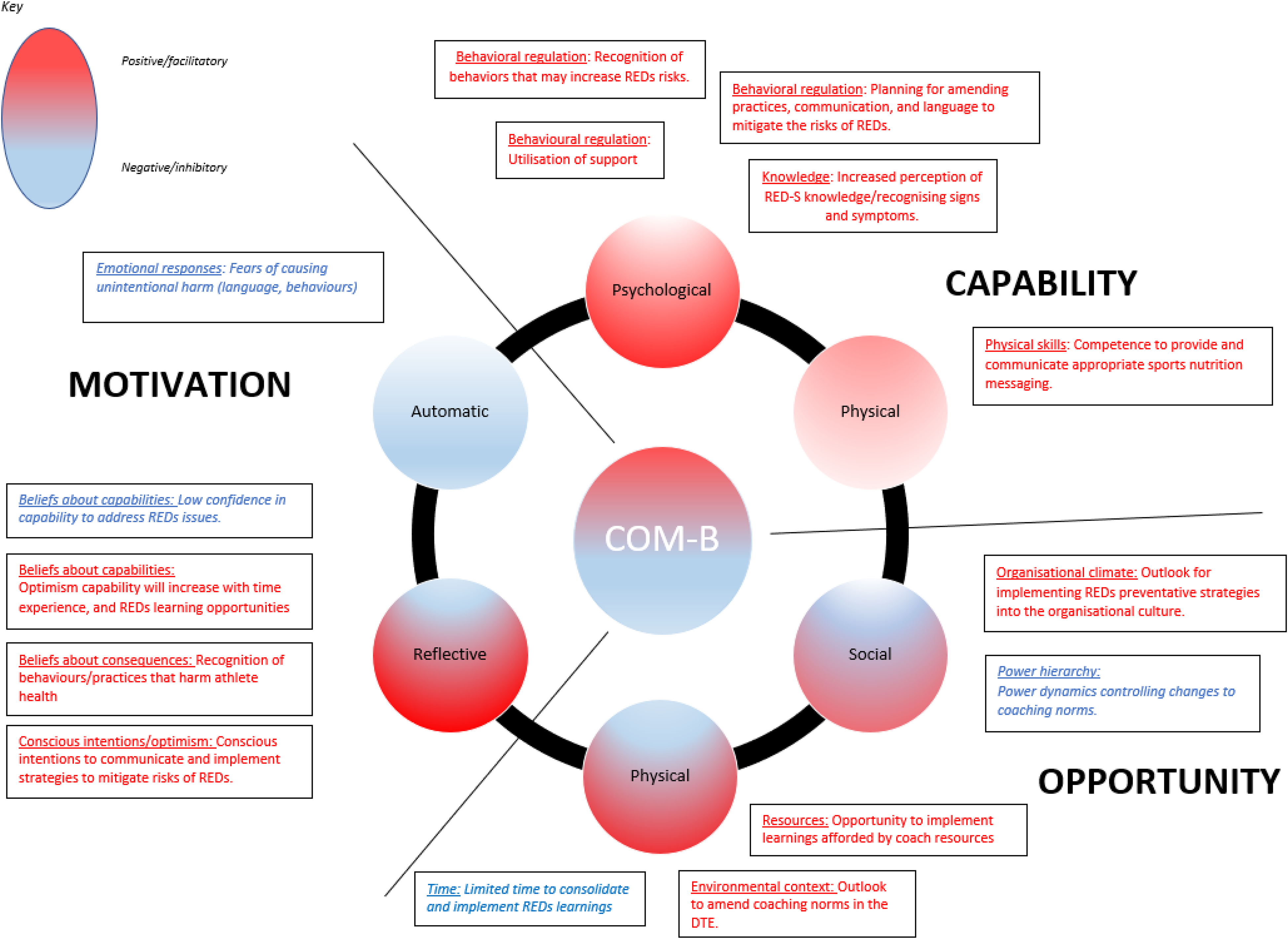
COM-B classification of participant themes (11 positive/facilitatory, 4 negative/inhibitory) to implement behaviours collected 6 weeks post coach workshop.
Psychological and physical capability
Coaches reported increased perceptions of LEA/REDs knowledge, heightened awareness of health implications and improved ability to recognise signs and symptoms. Greater knowledge, so like injuries and things like that, not just energy availability but the actual long-term effects – P1 I could not diagnose REDs, but just point out the flaws or the implications of it – P2
Improvements to coaches’ psychological capabilities were demonstrated through behavioural regulation in three areas: planning to increase utilisation of support networks, recognition of behaviours that may increase risks of LEA/REDs, planning to amend language and practices to mitigate risks of LEA/REDs. We need to work towards finding that language, so it’s not a non-topic that coaches talk about. It becomes an open topic that we can talk with athletes about, using the right language, directing people in the right direction, and having good support networks around us and our athletes – P3 Thinking about how I can influence energy expenditure and then how I can introduce some comments in and around their intake versus their expenditure?… without ever diving into the concept of body shape – P4
There was limited evidence of change to coaches’ physical capability to implement new learnings from the workshop, with only one coach reporting changes to their provision of simple nutrition messaging to their athletes. I said to them that when they get back to school in a week, you do need to make sure you are fuelling and eating properly and getting enough rest and recovery – P5
Social and physical opportunity
No coaches indicated an increase in social opportunities after the workshop. Participants identified the prevailing organisational climate and power dynamics within their environment as a barrier to implementing new knowledge/behaviours relating to LEA/REDs. Intervention comes through our head coach. I can control my squad, but what we wish to deliver for the program that comes from him. So, if you were implementing this type of feedback in a whole club organisational level, it must come through top down – P1
While physical opportunities were limited, the resources enabled coaches to engage with swimmers in the DTE and share valuable insights with swimmers and colleagues. Additionally, coaches expressed intentions to modify the prevailing ‘coaching norms’ in the DTE with some coaches initiating conversations with organisational staff to consider future changes in this regard. We had the coach resources on pool deck, so we had QAS staff that came in or students and it was often getting picked up and browsed through, so I think it’s good to have handy – P3 We looked at it more broadly from the program rather than just diving into the specifics and trying to make changes straight away. So, we met with a couple of teachers within the school and started talking about REDs and how we can use it as a part of our sports program… it’s future planning rather than immediate reactions – P6
Barriers to physical opportunities included limited time available to consolidate and implement learnings obtained from the workshop. They’ve got to lead other lives as well or their teaching all day long, and they’re doing the coaching… and often don’t have the time to actually do things either, so the more resources you can provide that would be really good – P8
Reflective and automatic motivation
In terms of reflective motivation, coaches indicated conscious intentions to communicate strategies to mitigate the risks of LEA/REDs. Putting into place with the other coaches that if they’re seeing a kid tired, it's not bad to give them a day off or to go ask them how they are?… hopefully, we can start initiating things delivered from the workshop – P1 Yeah, we’ve just got to spend some time trying to keep our eye out for it. I guess not go looking for it. But just be ready and be ready to act – P4
Coaches also reflected on past behaviours, which they recognised may cause harm to their athletes. We have used scales too but long term, what’s the effect? I really appreciate that side of things, because otherwise we would have just kept tipping the scale and what is the long-term impact? – P8 Long term we can have a better athlete because that’s probably what I’m looking at…I’ve got X who is only 16 years old and is a good athlete. I need them swimming fast at 27. If I push too hard now, what’s the implication? – P3
A barrier for coaches was a low level of confidence in their current ability to address LEA/REDs concerns in practice. Furthermore, the challenges of distinguishing between normal training related fatigue and potential issues relating to LEA/REDs were reported. As a coach, you’ve got to be able to try and separate or tease out whether it is just training, we’re training hard, we must really tread the line there. You got to ask the right questions…Or is it something a little bit more serious? I think that’s probably the hardest thing to do, and that’s when it comes down to the language and the line of questioning that you have in that relationship. – P7 I still probably wouldn’t broach it; I don’t feel confident…I still try and palm that to our support staff a little bit more – P5
Some coaches expressed optimism that their confidence and capabilities would grow over time, with experience and more frequent exposure to LEA/REDs learning opportunities. I think it’s just about integrating it into our culture more that we deliver on pool deck. I think that’s just going to come with a little bit of time and confidence – P6 I think we’re heading in the right direction, and I think the information’s good, and we can only get better with more information – P2
Regarding automatic motivation, coaches expressed fear and uncertainty regarding the appropriate language and/or behaviours to employ, as they were concerned about inadvertently causing harm to athlete health and/or damaging their reputation. Go back and talk to other professionals before you try and have a crack at it. Like you got one shot to get it right because as soon as you open your mouth about anything like that, you can cause a lot of a lot of drama – P1 I think I could 100% say with confidence that it is a discussion that we just don’t have anymore because it is too touchy, certainly skin folds and body composition measurements – P5
Discussion
This study took a transdisciplinary team approach (i.e., academics, NSO staff and R&D) combined with a comprehensive research and development strategy to develop, implement and evaluate a LEA/REDs coach education intervention. The aim of this investigation was to perform a process and impact evaluation on coaches’ perceptions of the workshop and whether attendance influenced their ability to implement strategies from the workshop into their coaching practice. The findings indicated that one education workshop resulted in functional improvements in coaches’ ability to moderate the risks of LEA/REDs among developing swimmers
The process evaluation indicated that coaches were receptive to the workshop content and found the facilitation and delivery methods valuable to their learning. Coaches emphasised the practical components of the workshop and the value of informal contextual discussions, aligning with previous research on coaches’ preferred learning methods and effective coaching pedagogy.20,21 The workshop development involved engagement with key stakeholders, which facilitated meaningful dialogue and exchange of experiences among coaches, with further knowledge and guidance offered by subject matter experts. The workshop drew on elements of a human centric approach, developed from a supportive rather than judgemental lens, recognising the complexities and challenges coaches experience in addressing this topic. The open dialogue and comfort coaches demonstrated in sharing challenges they experience, demonstrated the importance of delivering from a supportive perspective. This human centric approach has previously shown to have positive outcomes more broadly in health-related fields, ensuring solutions fit the needs of the target group. 22 Elements of co-design and human centric approaches may form a critical component of future education on sensitive issues in sport.20,21,23
The impact/outcome evaluation identified themes across all elements of the COM-B model. The findings suggest that coaches functionally improved in terms of their ability to moderate the risks of REDs among developing swimmers. Coaches reported improvements to their psychological capabilities and reflective motivations. These findings align with prior research that established an association between these two components of the COM-B model, serving as earlier indicators of behaviour change. 24 This is likely attributed to the cognitive processes and reflective thinking involved in these components. 24 The workshop specifically required coaches to take part in practical activities, which enabled them to engage in cognitive processes, reflect on past practices and reasoning regarding targeted behaviours.
The findings indicated minimal initial changes to coaches’ automatic motivation, which could be expected considering automatic responses to new topics of education may require a longer, more integrated learning and development period.25,26 Similarly, coaches demonstrated little change to their physical capability to implement learnings in practice. The evaluation process occurred just six weeks after delivery of a single workshop, which may have been insufficient time and/or exposure to the topic for coaches to establish automatic responses in applying new knowledge and behaviours.26,27 Furthermore, the education intervention occurred before any systemic changes across the NSO, which meant there was less environmental and system capability to change their behaviours. How and when coaches develop the confidence to implement learnings and develop automatic responses in applying learnings is beyond the evaluation undertaken for this study. However, it reinforces the importance of coaches receiving repeated exposure and sequential delivery of educational interventions.28,29 Further exploration of how education can facilitate automaticity in coaching behaviours is required.
Another important barrier identified in terms of social opportunity, was the prevailing organisational culture and power dynamics within the coaching environment. These barriers exist beyond the control of the intervention. However, during the workshop development stage, the working group discussed bringing ‘whole coaching teams’ to the workshop (e.g., club staff, support staff as well as coaches). Due to conflicting schedules and availability of coaches, this was not possible. The findings suggest that interventions targeting knowledge, language, and behaviours concerning REDs in sports could benefit from the presence of complete coaching teams to address power dynamics and indirectly improve coaches’ confidence in implementing new learnings.
Considerations
This study represents a case study approach in swimming to encourage behaviour change through coach education. The findings, while encouraging, highlight the challenges of developing behaviour change strategies. The approach taken offers a fresh perspective to coach education, moving away from traditional approaches, which focus on the technicalities of coaching but also address the people development requirements of coaching.20,21,30 This study represents one of the first in sport to use the PHNF for behaviour change education, as well as combine practitioner (NSO staff), academic and professional knowledge (R&D) to provide expertise, knowledge and experience, ensuring the creation of a sustainable and efficacious intervention for an NSO. The approach aimed to draw on elements of successful coaching pedagogy, including contextual learning, experiential activities and opportunities for critical reflection on practices/behaviours.20,21,31–33 Incorporating these components in future education initiatives may be critically important when addressing complex and sensitive issues such as LEA/REDs.
While some encouraging outcomes were reported from this intervention, as expected the changes were small but meaningful. Indeed, this could have been reflective of a small sample size and/or a short interval period between implementation and evaluation. The evaluation timeframe of six weeks may have been inadequate to facilitate positive changes in all aspects of the COM-B model. For example, coaches may not have had sufficient time to establish automatic responses to applying new knowledge and behaviours. Furthermore, the study collected cross-sectional data from a select group of swimming coaches, which may limit understanding of the implications of this approach to education across other sports and stakeholder groups. Finally, the NSO system level change is something that would be rolled out over time, and that may not align with the outcomes reported from a one-off education workshop. Future studies should investigate the impact of repeated exposure and sequential delivery of educational interventions on the elements of the COM-B that exhibited minimal changes in this study (e.g., automatic motivation, physical capability). Extending the data collection over a longer period would also offer valuable insights into the long-term impact of this approach to coach education. Additionally, addressing impact on system change to support environmental and physical opportunity within the NSO is something that needs to be considered for future interventions.
Another important consideration was that SA demonstrated a willingness within their NSO to address this topic, understand how their coaches are behaving and develop strategies to improve this. This was driven by an NSO desire to make meaningful change to their coaching environment and recognising that to do this, addressing the process and delivery of coach education is critically important. Furthermore, SA recognised that alongside this intervention they would need formal guidelines/policy documents to support systemic changes throughout the NSO. The workload is demanding, and it requires a significant time commitment from NSO staff. It also requires an element of trust that there is a better way to address coach education to make meaningful changes to behaviours, culture and language across the system, positively influencing coaching practice.
A final consideration was the duration of the workshop, which was designed for five hours’ duration. This required a substantial time commitment from coaches and may have influenced attendance rates. The length of the workshop also had the potential to contribute to mental fatigue and affect retainment of new learnings. Coaches who attended the workshop demonstrated they are interested in learning how they can develop their skills and expertise to manage this concern in sport and there were requests more time for discussion in the workshop. Future research should consider exploring whether a shorter workshop is more appealing to coaches, with some extra external (‘outside’ of workshop) guidance and coach development activities to further develop their capabilities and confidence. Such an approach would need to carefully consider how to maintain the same delivery outcomes in a shorter workshop without compromising important components of the workshop.
Conclusion
This study presents one of the first attempts to develop a LEA/REDs coach education intervention focusing on language and environmental considerations. Coaches were receptive to the intervention and acknowledged the value of practical tasks and informal discussions included in the workshop. One education workshop resulted in functional improvements in coaches’ ability to moderate the risks of LEA/REDs among developing swimmers. Drawing on coaching pedagogy, the integration of a transdisciplinary team approach (i.e., academics, NSO staff and R&D) combined with a comprehensive research and development strategy for coach education may be important when addressing sensitive and complex topics in sport. Future studies should consider repeated exposure and sequential delivery of educational interventions to investigate the sustained impact on the implementation of new learnings and behaviours by coaches in practice.
Supplemental Material
sj-docx-1-spo-10.1177_17479541241304053 - Supplemental material for Evaluating the impact of a coach educational intervention on relative energy deficiency in sport: A pilot study
Supplemental material, sj-docx-1-spo-10.1177_17479541241304053 for Evaluating the impact of a coach educational intervention on relative energy deficiency in sport: A pilot study by Jennifer Hamer, Ben Desbrow, Chris Irwin, Greg Shaw, Ali Disher and Helen Alexiou in International Journal of Sports Science & Coaching
Footnotes
Declaration of conflicting interests
The authors declared no potential conflicts of interest with respect to the research, authorship, and/or publication of this article.
Funding
The authors received no financial support for the research, authorship, and/or publication of this article.

Supplemental material
Supplemental material for this article is available online.
References
Supplementary Material
Please find the following supplemental material available below.
For Open Access articles published under a Creative Commons License, all supplemental material carries the same license as the article it is associated with.
For non-Open Access articles published, all supplemental material carries a non-exclusive license, and permission requests for re-use of supplemental material or any part of supplemental material shall be sent directly to the copyright owner as specified in the copyright notice associated with the article.
