



Abstract
Introduction
The promotion of healthy lifestyle behaviors among college students is a significant interest for public health, especially in Mississippi where 1 in 4 individuals have inadequate access to food supply. A study at a major Mississippi university found that 45% of their students reported food insecurity. More recently, research has highlighted a higher risk of unhealthy lifestyle habits among college students in the Southeastern US.
Methods
This study utilized a descriptive quantitative study design to survey first-year college students (n = 196) enrolled at a University in Southern Mississippi. The relationship between lifestyle and health among first-year college students was measured using the Fantastic Lifestyle Checklist. Data were analyzed utilizing bivariate analysis to determine significant correlations.
Results
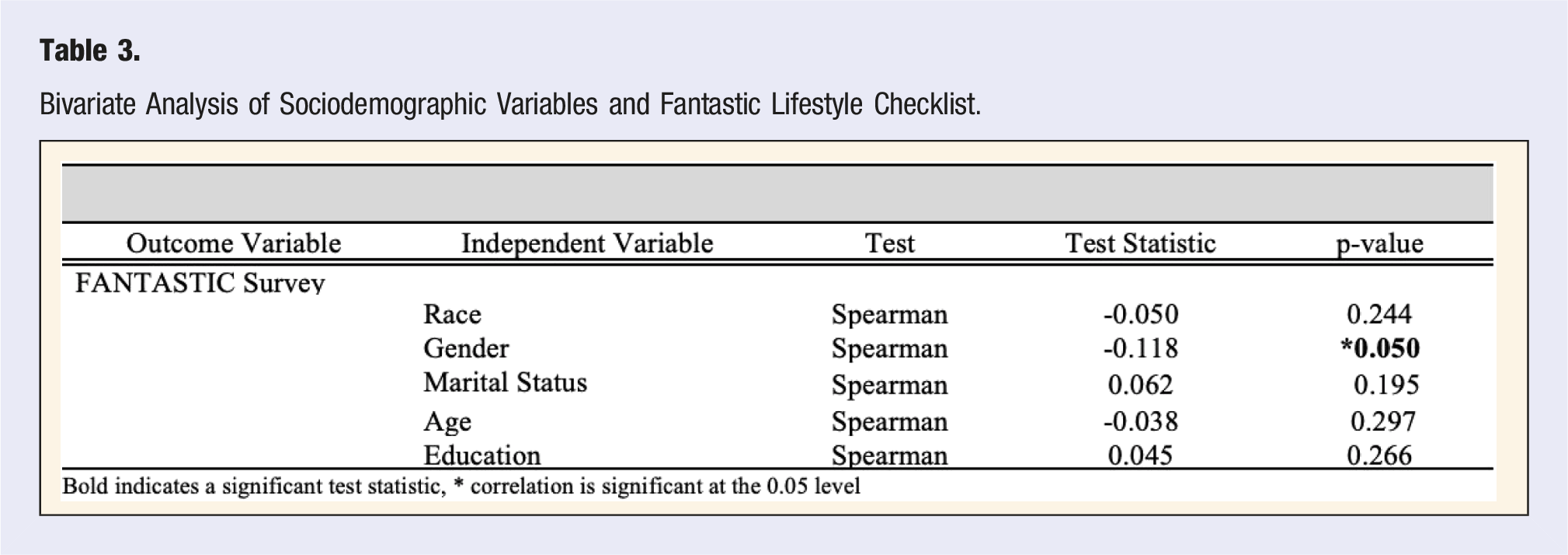
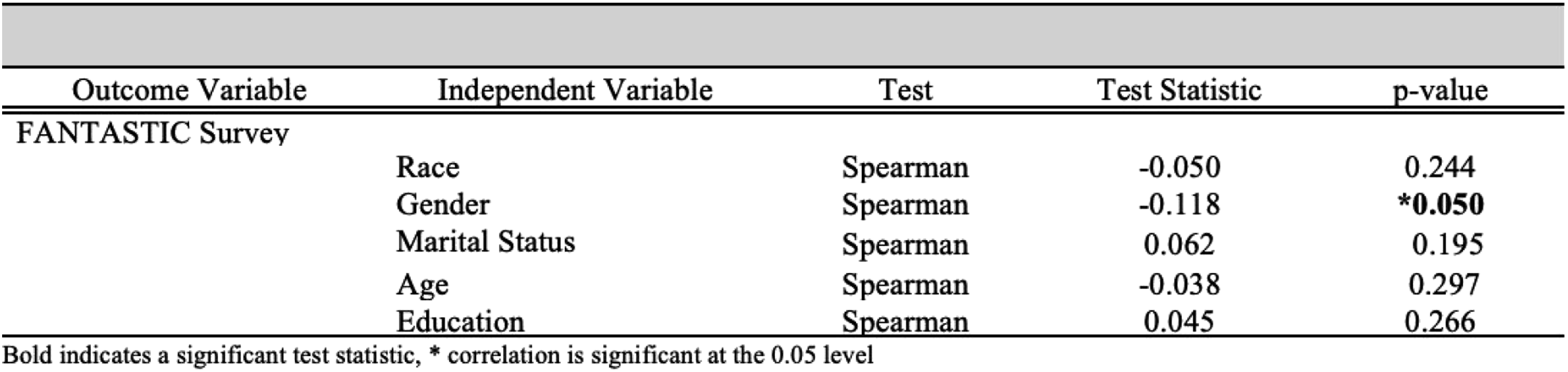
Only 19% of the students reported eating a balanced diet regularly, while 54% reported being active less than twice a week. Although 91% of the students perceived themselves as having an overall healthy lifestyle, 79% reported feelings of sadness or depression. The Fantastic Lifestyle Checklist correlated significantly (P < .05) with gender out of all demographic variables.
Conclusions
Interventions promoting healthy lifestyle behaviors should be encouraged among first-year college students who are vulnerable to contributing factors that can increase health risks. Interventions such as evaluation of risks, health promotion resources, and health promotion behavior awareness should be brought to bear in an effort to improve healthy lifestyle habits among students.
“The first-year college students participating in the study also scored lower in categories addressing diet and healthy weight.”
Introduction
The promotion of health behaviors among Mississippians continues to be a public health challenge. Mississippi has consistently ranked highest nationwide for unhealthy lifestyle statistics including diabetes and cardiovascular disease. 1 Recent research has highlighted a higher risk of unhealthy lifestyle habits among college students in the Southeastern US. 2 “In the state of Mississippi, the rate of food insecurity is above the national average rate at 15.9%, placing Mississippi second in the nation for its rate of food insecurity.”2(para 2) Challenges regarding nutrition and mental health among college students are topics of interest nationwide, but there is limited research. 3 Traditional first-year college students are very vulnerable to health risks, as they transition to adulthood and experience an impressionable period where they are most susceptible to developing unhealthy habits. Traditional first-year college students are emerging adults, typically between the ages of 18 and 23, and experience challenges that accompany adjusting to a new environment. 3 Contributing factors such as lack of knowledge and lack of experience regarding health promotion resources and the healthcare system can lead to unhealthy practices among college students that negatively impact lifestyle habits into adulthood. 4
Healthy Lifestyle Behaviors
A healthy lifestyle can be achieved by embracing habits that include eating healthy, participating in physical activity, having adequate sleep, and reducing stress. 1 The Dietary Guidelines for Americans 2020-2025 lists several factors that determine healthy eating habits among college-aged individuals. 5 The guidelines recommend healthy dietary patterns that incorporate nutrient-dense foods and daily caloric consumption of 1800 calories to 2400 calories per day with males requiring more calories than females. 6 Participating in physical activities with a minimum of 150 minutes of moderate-intensity exertion per week is recommended by the Center for Disease Control and Prevention 1 to achieve a healthy lifestyle. Moderate physical activity among college students should include exercise intensity that is equivalent to activities such as riding a bike, walking at a fast pace, participating in water aerobics, or cutting grass with a push-mower. 1 Having adequate rest and following a healthy sleep routine can reduce stress among college students. College students are recommended to sleep between 7 and 9 hours a night. 7 “In a survey of college students, one-quarter of the study population experienced insomnia, which was significantly associated with mental conditions, specifically attention deficit hyperactivity disorder (ADHD) and depression.”8(p2) Research has noted an increase in mental health issues among college students which can lead to various types of physical health problems. 9 Incorporating healthy habits within daily activities among college students can decrease risk factors for disease and mental health issues.
Impressionability of First-Year College Students
This study was guided by the Impressionable Years Hypothesis that noted individuals transitioning into early adulthood are easily influenced and are highly susceptible to behavior and attitude change. 10 The Impressionable Years Hypotheses were applied to the study with the implication that attitudes and thinking among first-year college students are significantly impacted by the socializing influences that they experience as well as other factors during such a vulnerable period in their lives. Krosnick and Alwin 10 found that attitude change and thinking among young adults were also influenced by differences in economic, social, and political conditions. Traditional first-year college students are entering into early adulthood surrounded by social and physical factors that can highly impact health behaviors. Social factors that can negatively impact college students’ health behaviors can be attributed to social media and media advertisements. Research has highlighted that excessive use of social media or problematic social media among college students can lead to mental health issues and decreased academic performance. 11 Problematic social media use is characterized by a heavy screen-based lifestyle with addiction-like symptoms, which can negatively impact a student’s well-being. 11 Problematic social media among college students also exposes them to celebrity endorsement influence on food consumption behavior. 12 A study by Calvo-Porral et al 12 explored the influence of celebrity endorsement of fast food on consumers’ purchasing behavior. The study found that the majority of the participants aged 19-25 were significantly influenced by celebrity endorsement, which was most likely due to “people at the age might be more easily affected by surroundings instead of making decisions totally on their own.”12(p631) The study results indicated that participants were more willing to buy celebrity-endorsed fast food, which can lead to risks of unhealthy lifestyle habits.
Research Objectives
The objectives of this study aimed to explore and contribute to developing knowledge regarding the relationship between lifestyle and health among first-year college students. The objectives of this study also aimed to compare the perceptions of lifestyle habits vs actual lifestyle habits among first-year college students. The study objectives are as follows: 1. Exploring the lifestyle and health habits among first-year college students 2. Investigating the relationship between lifestyle habits and demographics among first-year college students. 3. Comparing perceptions of lifestyle habits vs actual lifestyle habits among first-year college students.
Methods
Setting and Sample
The research was conducted utilizing a quantitative descriptive method design study to investigate the relationship between lifestyle and health among first-year college students enrolled at a University in Southern Mississippi. This study was reviewed and approved by The study was reviewed and approved by The University of Southern Mississippi Institutional Review Board IRB-22-1045. Researchers conducted the study from September 2022 to December 2022. Guidelines from the STrengthening the Reporting of OBservational Studies in Epidemi-ology (STROBE) were utilized to report the study to enhance rigor by transparently presenting the study results. 13 The study participants were a convenience sample of first-year college students enrolled at a University in Southern Mississippi during the Fall semester of 2022. The inclusion criteria for the study required participants to be 18 years of age or older and classified as freshmen. For recruitment efforts, the university’s Registrar’s Office was contacted to obtain a Listserv. The Registrar’s Office provided a listserv of active freshman students which was used to distribute a recruitment announcement and a link to the online survey. The Qualtrics platform, an online data collection software, was utilized to distribute an online survey consisting of demographic questions and items from the Fantastic Lifestyle Checklist. The demographics survey was created and included questions regarding race, gender, marital status, age, and education. All of the participants completed informed consent, indicating their willingness to participate, and were informed that all responses were confidential. The average time for completion of the survey was approximately 5 minutes. All of the participants were informed of the option to withdraw from the study at any time. Self-report responses were required from participants from the demographic questions, while Likert-type scale responses were required from the Fantastic Lifestyle Checklist items.
Survey Tool
This study utilized the Fantastic Lifestyle Checklist to assess healthy lifestyle behaviors and perceptions of healthy lifestyle behaviors among first-year college students. The Fantastic Lifestyle Checklist has been described as an essential tool by numerous health organizations to aid participants in gaining insight and understanding of lifestyle behaviors which can pinpoint behavior modifications needed to reach optimum health. 14 The checklist defines criteria for a balanced diet, alcohol intake, and safe sex. The checklist refers to a balanced diet that is guided by Canada’s Food Guide and includes the recommended servings per day of different food groups for adult men and women. The recommendations for each food group are as follows: 6-8 servings per day for grain products; 7-10 servings per day for vegetables and fruit; 2-3 servings per day for milk products; and 2-3 servings per day for meat and alternatives. The checklist also addresses health behaviors such as alcohol intake and safe sex. The Fantastic Lifestyle Checklist defines 1 drink of alcohol to equate to 1 bottle of beer, 1 glass of wine, or 1 shot of spirits. When addressing safe sex, The Fantastic Lifestyle Checklist defines safe sex as the use of methods of preventing infection or conception. Higher scores on the Fantastic Lifestyle Checklist represent healthier lifestyle behaviors. Practicing healthy lifestyle habits can improve health risks among first-year college students.
A review of the literature was conducted to investigate the appropriate measurement tools to approach lifestyle and health among individuals. Numerous research studies were found to use the Fantastic Lifestyle Checklist as a valid tool to measure lifestyle and health. The Fantastic Lifestyle Checklist was determined to be a reliable instrument within the quantitative study. The Fantastic Lifestyle Questionnaire was developed by Wilson and Ciliska 15 to initially aid healthcare providers working in disease prevention to assess their patients’ lifestyles. 15 The 25-item tool includes Likert-type scale questions that address 9 domains that make up the acronym FANTASTIC. Some questions in the checklist address perceptions of behaviors, while others ask about specific behaviors. The letter F represents domain 1 which addresses family and friends. The letter A represents domain 2 which addresses Activity. The letter N represents domain 3 which addresses Nutrition. The letter T represents domain 4 which addresses tobacco and toxins. The letter A represents domain 5 which addresses Alcohol intake. The letter S represents domain 6 which addresses sleep, seatbelts, stress, and safe sex. The letter T represents domain 7 which addresses the type of behavior. The letter I represents domain 8 which addresses insight. The last letter C represents domain 9 which addresses career. The results assess behaviors during the preceding month and the results determine the association between lifestyle and health. 16 The resulting scores range from 0-100 and represent perceptions of their lifestyles with the following indications; scores 0-34 indicate “needs improvement”; scores 35-54 indicate “fair”; scores 55-69 indicate “good”; scores 70-84 indicates “very good”; and scores 85-100 indicates “excellent.” Information regarding demographics among first-year college students and questions from the Fantastic Lifestyle Checklist aided in addressing the research objectives previously stated.
Statistical Analysis
Quantitative data from the surveys were collected utilizing Qualtrics, a data organizing software. After determining that 34 of those response sets were incomplete, or participants did not meet the study criteria, 196 responses were imported into Statistical Package for the Social Sciences (SPSS) version 27, a statistical analyzing software. The survey response rate was 85% with the distribution of the survey resulting in 230 responses and 196 fully completed responses. Frequencies, means, and percentage distributions of demographic data and the Fantastic Lifestyle Checklist data were determined utilizing descriptive statistical analyses. Bivariate analysis was utilized to analyze possible relationships between all demographic data and the Fantastic Lifestyle Checklist. Any statistically significant variables were identified with a P-value <.05.
Research Objectives Results
Objective 1. Exploring the Lifestyle and Health Habits Among First-Year College Students
Descriptive Statistics.
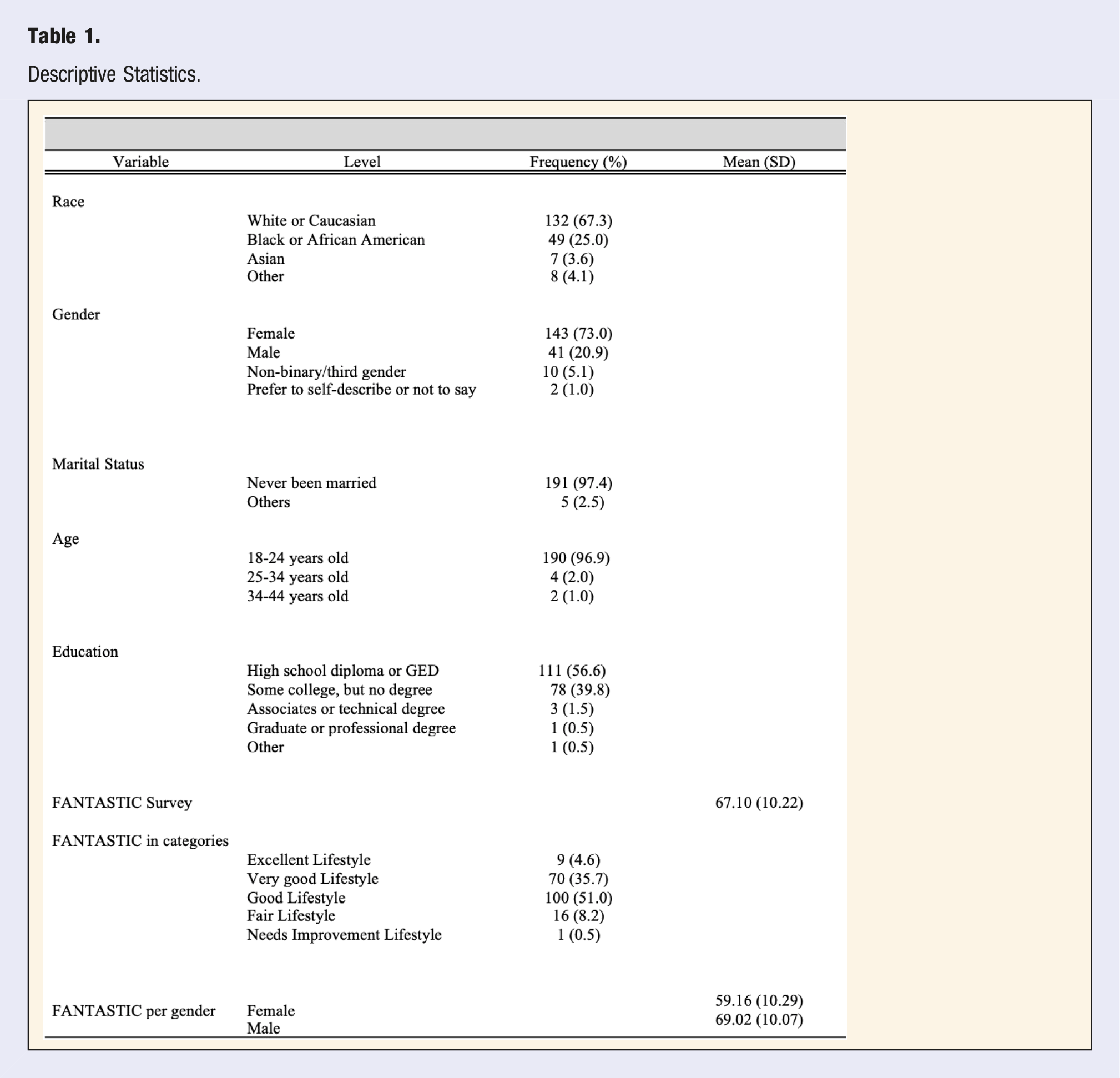
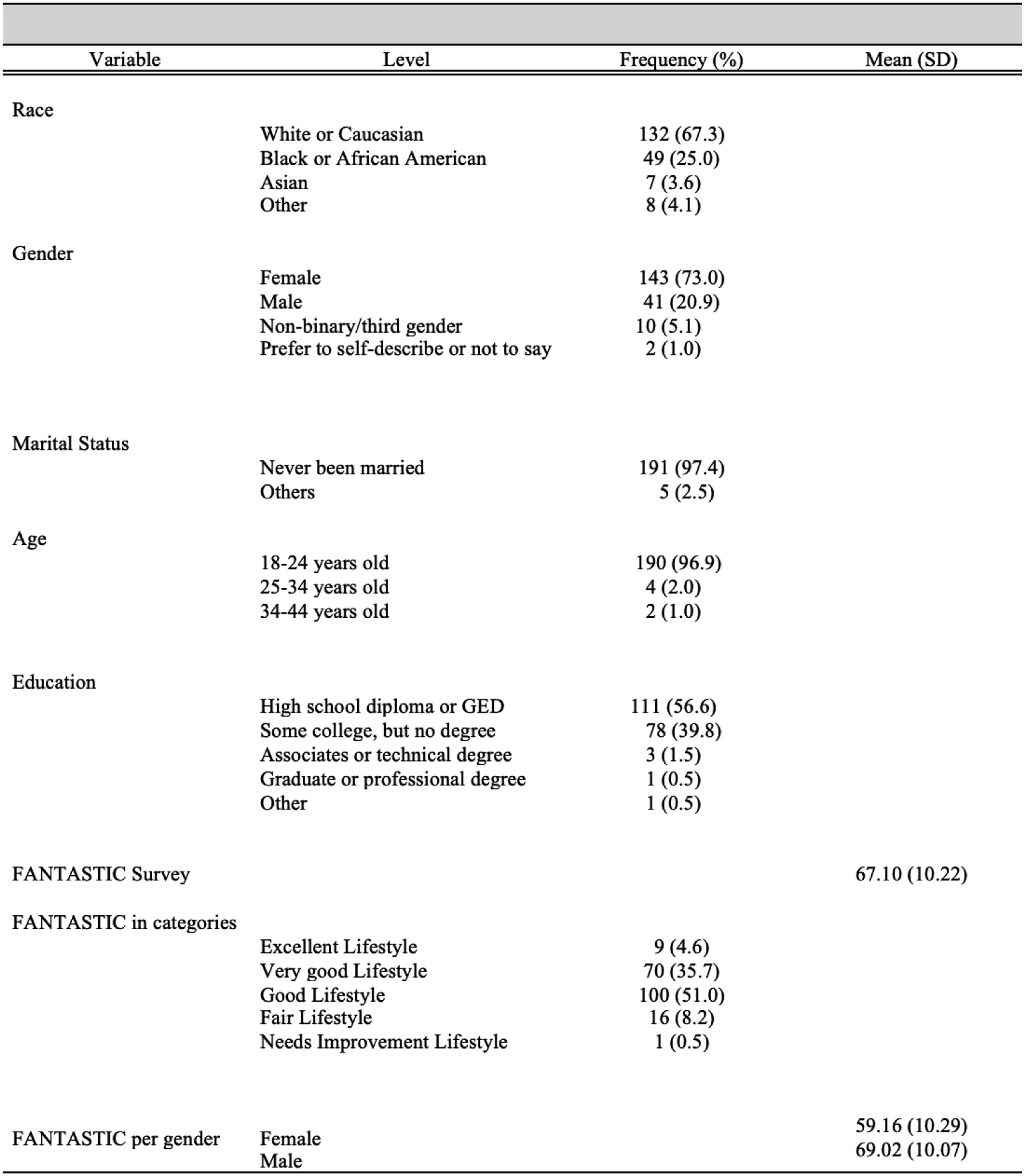
Descriptive statistical analysis was conducted on the Fantastic Lifestyle Checklist and the resulting scores determined that participants perceived their overall lifestyle as good with a mean score of 67.10 (SD = 10.22). Results indicated that 4.6% (n = 9) of the students perceived their overall lifestyle as excellent; 35.7% (n = 70) of the students perceived their overall lifestyle as very good; 51% (n = 100) of the students perceived their overall lifestyle as good; 8.2% (n = 16) of the students perceived their overall lifestyle as fair; and only 1 (.5%) student perceived their overall lifestyle as needing improvement. The overall lifestyle score for both male and female students indicated a perception of a good lifestyle with the males’ overall score of 69 and the female’s overall score of 59. Objective 2. Investigating the relationship between lifestyle habits and demographics among first-year college students. Objective 3. Comparing perceptions of lifestyle habits vs actual lifestyle habits among first-year college students.
Description of Mean Values, Standard Deviation, and Cronbach’s Alpha of Fantastic Lifestyle Checklist Domains.
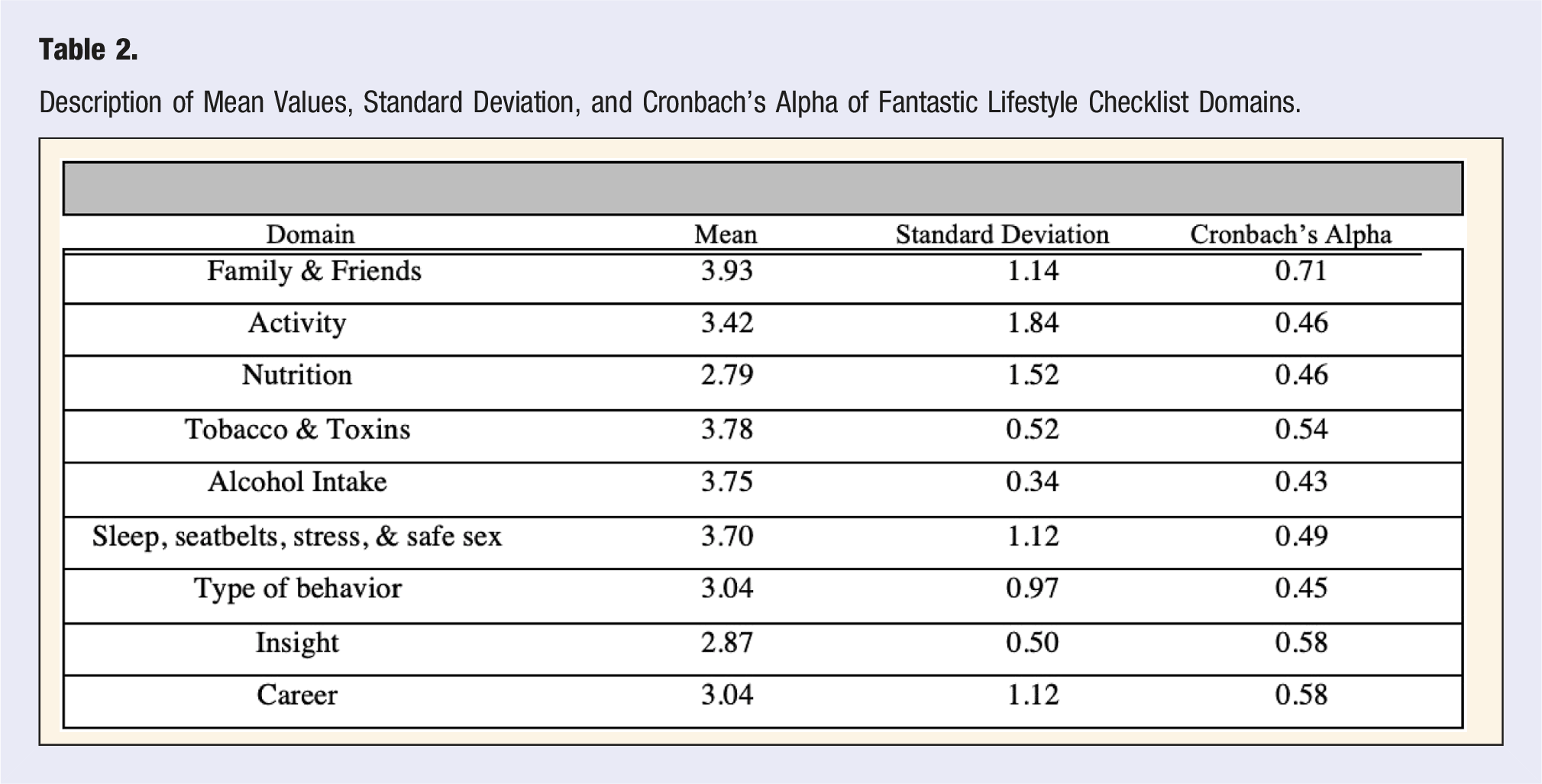
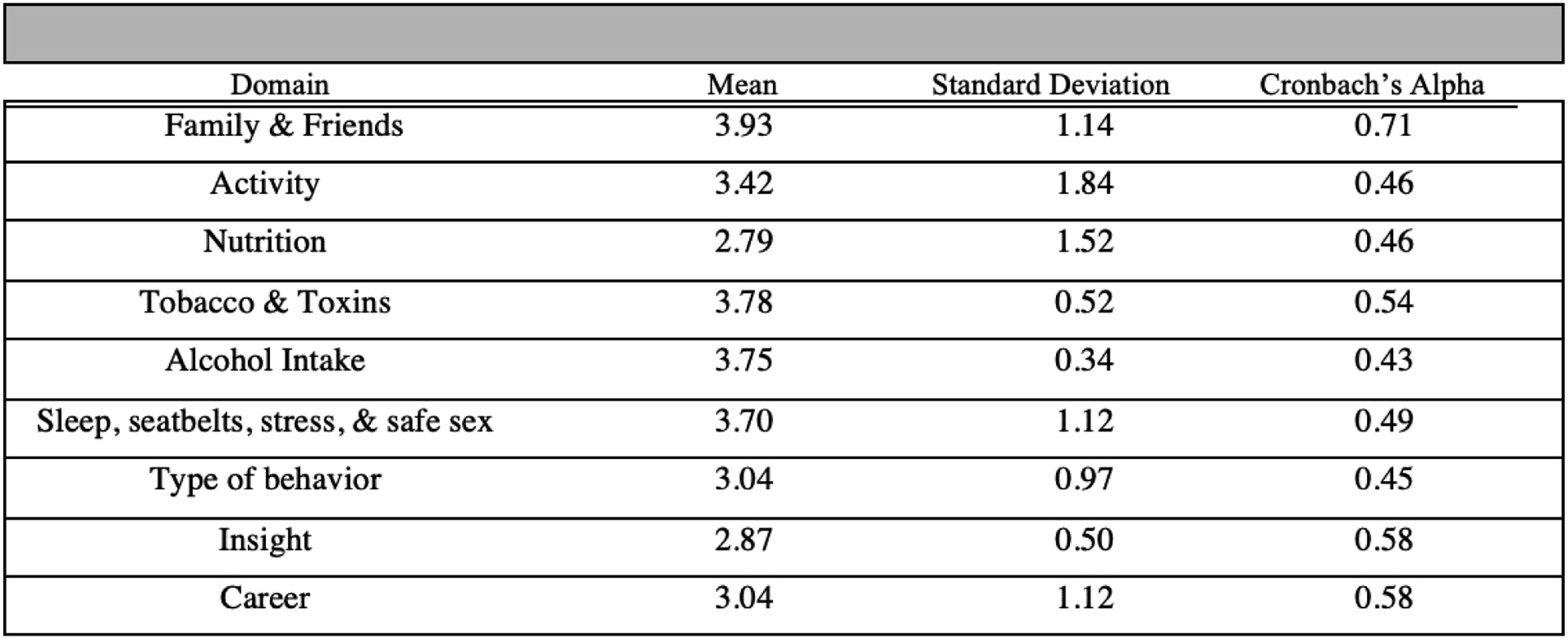
Bivariate Analysis of Sociodemographic Variables and Fantastic Lifestyle Checklist.
Discussion
The findings within this study contribute to the growing research that explores health and lifestyle among first-year college students. “Mississippi ranks last, or close to last, in almost every leading health outcome nationwide,” 17 highlighting the importance of promoting healthy lifestyle behaviors among first-year college students attending Mississippi universities or colleges. Mississippi has consistently ranked among the highest in the Nation for individuals living with multiple chronic conditions (34.2% of the population), including diabetes and cardiovascular disease. Mississippi has the lowest life expectancy across all states at just 71.9 years as compared to the national average life expectancy of 76.3 years and the highest expectancy of 80.7 years. 1 According to the latest Census, nearly 20% of Mississippians live in poverty and 15% live with food insecurity. 17 Issues in mental well-being can also be found among Mississippians with approximately 42.7% of adults in Mississippi reported symptoms of anxiety and depression. 18
With this study’s results regarding the insight questions of 79% of the participants reporting feeling sad or depressed, mental health is an important factor to consider, as it may play an important role in influencing lifestyle behaviors, especially among first-year college students. “Clinically significant mental health symptoms are common and persistent among first-year university students and have a negative impact on academic performance and well-being.” 19 First-year college students are especially prone to depression and anxiety due to entering a developmental stage characterized by independence, new environments, and separation. Current research highlights the need for interventions targeting mental well-being, lifestyle behaviors, coping, and social support among college students. 19 Although 91% of the students perceived themselves as having an overall healthy lifestyle, 79% of the students reported feelings of sadness or depression. Liu et al. 20 highlighted four contributing factors of depression among college students: Lifestyle, personality/psychological state, student experience, and biological factors.
With this study’s results regarding nutrition, participants in the study reported unhealthy eating habits and often ate excess sugar, salt, animal fats, or junk food. The first-year college students participating in the study also scored lower in categories addressing diet and healthy weight. There were only 21% of the study population that indicated they eat a balanced diet fairly often or almost always and only 17% try to avoid eating excess sugar, salt, animal fats, or junk food. This study’s results support that several factors including, financial issues that accompany the lifestyle of first-year college students, lack of healthy food options on campus, and lack of awareness of resources available on campus, can negatively affect lifestyle behaviors. McCoy et al 21 highlight the increased susceptibility of first-year college students to food insecurities due to financial burdens as they transition from high school to college and adjust to the financial demands of college life.
In addition to financial challenges, participants can also face challenges of limitations to healthy food options. An article from the CDC stated that “healthy foods are consistently more expensive (35%-95%), which demonstrate a lack of access to health food and offer a possible explanation for the poor health outcomes often associated with residents in Mississippi.”22(p4) Most healthier food options are more expensive, which leads to college students opting out for the cheaper food options, which are usually the less healthy options.
23
In a study by Abraham et al,
24
researchers examined college students’ eating habits and knowledge of nutritional requirements of health in the US. The study listed various barriers to preventing healthy lifestyle behaviors such as: • College students choose foods according to convenience and price rather than nutritional value. • Changes in social environments leading to intake of alcohol use, stress, and sleep disturbance. • Limited access to gym supplies and healthier food options.
Lack of awareness of available campus resources also contributes to unhealthy lifestyle behaviors among first-year college students. In a study by Peterson et al. 25 that explored food insecurities among 481 college students, a lack of knowledge regarding access to resources was found among 56% of the participants. Numerous students in the study (35%) reported that they had no knowledge of the campus pantry or about an active Hunger Program offered by the university. Hunger programs can vary among different colleges and universities, but most programs may include community partnerships where local organizations donate food or meal swipe donations where students can donate any extra meals, they may have left from their pre-purchased meal plans. 25
Bivariate analysis indicated a negative relationship at
The negative correlation between the Fantastic Healthy Lifestyle checklist and the female gender could be attributed to male students completing more physical activity when compared to female students. When responding to questions regarding activity, the male students reported an average activity of at least 30 minutes per day at least for times per week. The female students reported an average activity of at least 30 minutes per day at least 1-2 times per week. In a study by Portela-Pino, et. al 29 female participants reported sedentary activities while male participants reported more physical activities in general. Males participated in physical activity more often and for longer durations than females, as well as reported higher satisfaction with their activity levels. 28
Implications for Future Practice
The study results highlight the need for further exploration of food insecurity issues among college students in Mississippi. Kennedy 23 investigated the contributing factors to the rising number of students affected by food insecurities at Mississippi State University (MSU). Factors such as financial restrictions, lack of culturally diverse foods, and lack of knowledge contribute to the food security issues at MSU. The lack of available resources for food to sustain a healthy lifestyle can negatively affect nutrition among the study participants. Food insecurity issues among college students are widely under-recognized and under-addressed. 15 According to the USDA, “food security issues include a reduced quality, variety, or desirability of a diet with little or no indication of reduced food intake or multiple indications of disrupted eating patterns and reduced food intake.” 6
Considerations for universities and colleges in Mississippi to prioritize the evaluation of the severity of food insecurity, physical needs, and psychological needs among their students, may help to prevent food insecurity issues. Evaluation is the first step towards developing plans to address challenges regarding nutritional and physical needs among the students. Administrators within higher education can utilize financial aid records and other pertinent data to identify those students who are most at risk for food insecurity. 26 Universities and colleges can also support access to food for students with financial restrictions or availability limitations among college students by implementing interventions such as food pantries that usually provide food access through food donations. Food pantries can address food insecurities among students by bridging the gap between availability and nutritious food. 21 It is recommended that policymakers consider collaborating with food assistance programs and counseling services to increase awareness among the students of available resources. Administrators within higher education can decrease the negative stigma surrounding food assistance by incorporating initiatives during interactions with advisors, student counselors, or financial aid applications to assist students with enrollment. 30 Promotion of healthy lifestyle behaviors, including proper sleep, diet, and exercise can improve risks for depression among college students. 20
Limitations
There were various limitations noted within the study. Limitations were noted in the assumption that responses to the online survey questions were answered honestly and to the best of the participants’ abilities while utilizing their current level of knowledge. The level of knowledge and perceptions of the definition of healthy lifestyle behaviors also contributed to the limitations of the study. Definitions of healthy lifestyle behaviors vary among the study participants, which could pose a limitation to the accuracy of the results. Limitations were also noted in the disproportionate gender ratio of the study population. The study was limited to first-year college students attending a single university. The population in the study included a female-to-male ratio of 2:1, which could skew study responses and results that are based on gender responses. Future research might include a qualitative approach that could provide a more in-depth understanding of exploring health and lifestyle among first-year college students. Limitations of the study were also noted in the use of only 1 measurement tool to identify contributing factors of unhealthy behaviors. Further exploration of other contributing factors for unhealthy lifestyle behaviors among college students and the use of other measurement tools could add to the study. A study by Gao et al 31 explored factors regarding “background of religion, health condition, and social-economic status in first-year college students.” These factors along with the exploration of other various contributing factors should be considered to expand understanding of this study.
Conclusion
Unhealthy lifestyle behaviors and barriers to healthy lifestyle behaviors among first-year college students can have detrimental effects on student outcomes including mental well-being and academic performance issues. Raskind et al 32 explored the effects of unhealthy lifestyle behaviors and barriers to healthy lifestyle behaviors on psychosocial health and academic performance among university students attending college in the state of Georgia. The study conclusion indicated adverse effects on students’ mental well-being, social health, emotional health, and spiritual health as a result of food insecurity.
Further research is needed to explore the improvement of lifestyle habits among first-year college students. The study findings contribute to the recent research findings of issues regarding negative lifestyle behaviors among college students and the increasing need to acknowledge and address the issues in the US. Although most universities offer resources such as campus-based food pantries, workout facilities, and financial assistance programs, these efforts are not enough to support the complex needs of students. Although food assistance programs in the US such as Supplemental Nutrition Assistance Program (SNAP) are available to students, some students may not be eligible for the program. 30 Administrators within higher education can advocate expanding student eligibility within assistance programs by collaborating with foundations and corporations that believe in improving food insecurity. “These foundations and corporations advocate for systematic change at the campus, state, and federal levels.”33(para3) Campaigning for policymakers to consider making it a priority to target those students at greatest risk for negative lifestyle behaviors, may initiate efforts to provide the much-needed support among these students. Interventions such as evaluation of risks, health promotion, health promotion resources, and behavior awareness are steps to be implemented that impact and influence healthy lifestyle habits among students. Providing students with the tools, knowledge, and resources to promote healthy lifestyle behaviors among first-year college students is beneficial to student success and can help combat the adverse effects of negative lifestyle behaviors.
Footnotes
Author Contributions
HH conceived the study and determined the methodology. HH collected the data. MW analyzed the data. HH wrote the original draft. MW took the lead in writing and organizing the manuscript. All authors contributed to the writing and reviewed the final manuscript before submitting it for publication. HH contributed 60%. MW contributed 40%.
Declaration of Conflicting Interests
The author(s) declared no potential conflicts of interest with respect to the research, authorship, and/or publication of this article.
Funding
The author(s) received no financial support for the research, authorship, and/or publication of this article.
Ethical Statement

Data Availability Statement
The data that support the findings of this study are not openly available due to reasons of sensitivity and are available from the corresponding author upon reasonable request. Data are located in controlled access data storage.