




Abstract
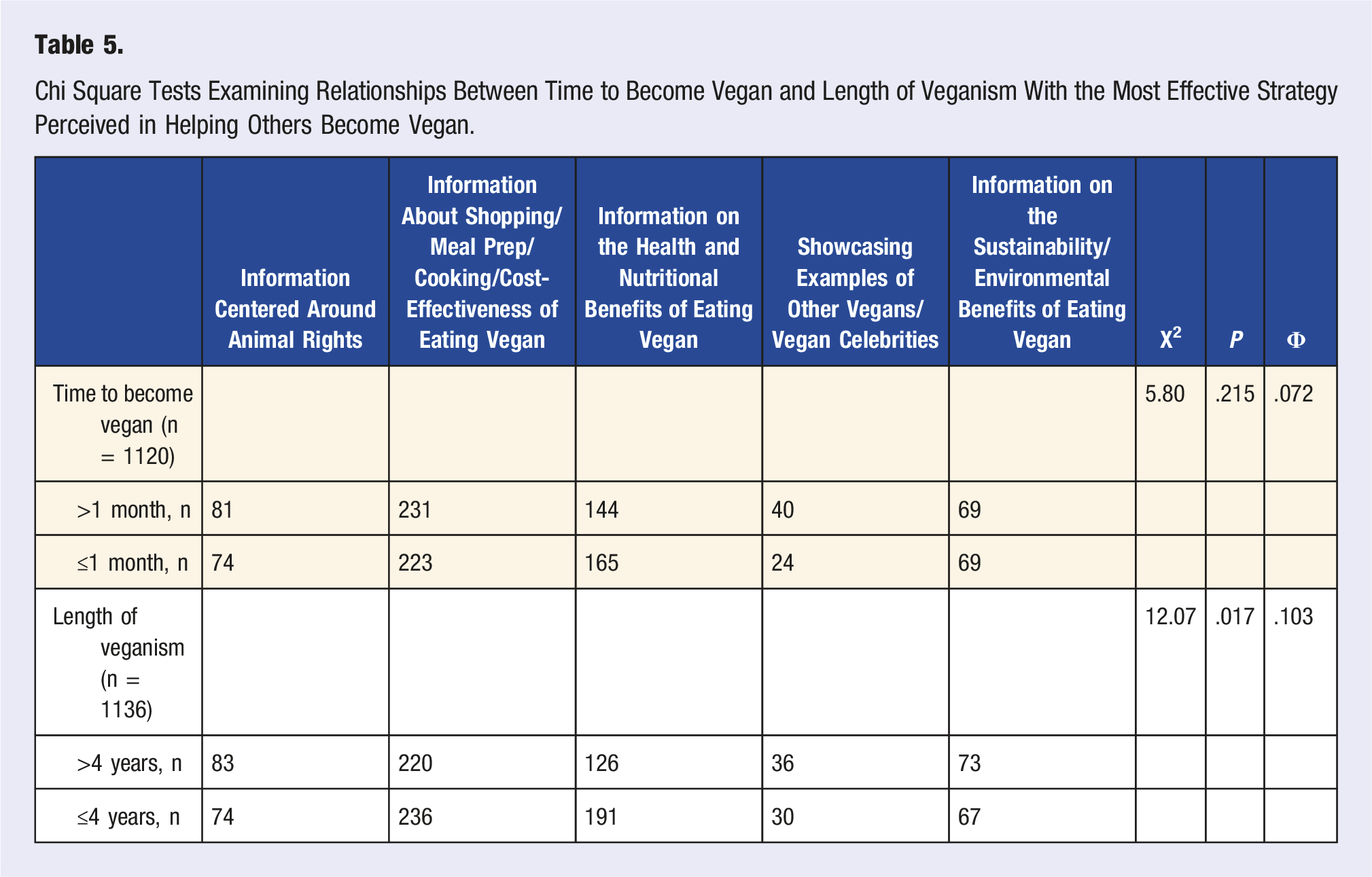
Research has demonstrated the health benefits of shifting from an animal product diet to a plant-based diet. However, social beliefs may be barriers to eating plant-based. Thus, we determined facilitators and barriers to transitioning to plant-based consumption. U.S. adults consuming an exclusively plant-based (i.e., vegan) diet (n = 1,141, 86% female, 81% non-Hispanic White) were recruited from 38 vegan Facebook groups and surveyed from December 2020 through January 2021. Results from chi square analyses indicated significant relationships between length of veganism and main motivator for becoming vegan (χ2 = 37.07, P < .001), most effective facilitator in helping flexitarians to fully become vegan (χ2 = 17.35, P = .001), most effective strategy in helping others become vegan (χ2 = 12.07, P = .017), and main barrier to becoming vegan (χ2 = 23.80, P < .001). There were significant relationships between time to become vegan and perceived main facilitator for the recent increase in transitioning to veganism (χ2 = 16.81, P = .019), and main barrier to becoming vegan (χ2 = 24.34, P < .001). Future interventions can use these results to address facilitators and barriers and create a toolkit for transitioning to plant-based consumption and improving dietary behaviors in the United States.
“Advocating for veganism through climatic-focused arguments may be compelling for quickly embracing dietary change.”
Introduction
Approximately 60% of U.S. adults have a chronic disease including coronary heart disease, type 2 diabetes, and cancer, with poor diet contributing as a lifestyle factor for these conditions. 1 Energy-dense diets high in animal fat are the primary source of saturated fat in the typical U.S. diet, contributing to the rise in chronic disease. 2 According to year 2010 U.S. Department of Agriculture, Economic Research Service Loss-Adjusted Food Availability Data, 29% of calories in the Standard American Diet (SAD) come from animal products (i.e., meat, poultry, fish, dairy, eggs, and added animal-based fats), whereas only 8% of calories come from fruits and vegetables. 3 In fact, data from the 2019 Behavioral Risk Factor Surveillance System indicate only 12.3% of U.S. adults meet fruit recommendations, and even less (10%) meet vegetable recommendations. 4 Recent research has demonstrated the health benefits of shifting from SAD to increased consumption of plants. In particular, it has been recommended that individuals with diabetes, cardiovascular disease, and cancer, or those at risk for these diseases, can benefit from adopting a vegan diet. 5 For example, data from a recent umbrella review that analyzed results from 17 meta-analyses and systematic reviews of observational and clinical studies showed that among individuals with diabetes, a vegan diet was effective at reducing body weight, BMI, and waist circumference and improving glycemic control. 5
In addition to negative health implications, the SAD’s reliance on animal products has negative environmental ramifications. Using a Life Cycle Assessment to measure the environmental impact of specific dietary patterns, Italian researchers reported that a diet comprising high levels of animal products had the highest environmental production impact compared to a vegan diet that had the lowest. 6 Specifically, beef, cheese, milk, and fish carried the highest impacts from water usage, air pollution, and land use. The impacts of animal agriculture have global implications as well, with researchers reporting that in 2015, livestock used roughly 3,900 million ha of land, which is about 80% of all agricultural land combined. 7 The reach and scale of these systems go beyond the land occupation and costs associated with production. For example, in 2010, beef accounted for only 4% of the weight of the retail-level U.S. food supply; however, it contributed to 36% percent of the greenhouse gas (GHG) emissions from wasted food. 8 The production of animal products not only requires increased energy needs, but also increases energy usage at the end of the product’s life cycle.
U.S. consumers appear to accept meat and dairy substitutes either in lieu of, or in addition to, meat and dairy products. This is evidenced by growing sales of meat and dairy substitutes over the past decade, with data from 2018 to 2020 showing a 39% sales increase from $4.9 billion USD to $7.0 billion USD. Within just the plant-based meat market, sales increased 64% between 2018 and 2020, rising from $811 million to $1.4 billion. 9 In addition to the economic impact of plant-based substitutes, a recent systematic review that evaluated 91 studies assessing consumer acceptance of alternative proteins indicated that pulses (e.g., edible seeds of plants from the legume family) and plant-based meat alternatives, as compared to insects or cultured (i.e., lab-created) meat, were most accepted by consumers. 10 Among the studies evaluated, the main facilitators for consumption of protein alternatives were identified as taste, health, meat disgust, familiarity, food neophobia (from foods such as cultured meat), attitudes, and social norms.
Research has explored how social beliefs and positive attachment to meat and animal products can be a strong barrier in preventing U.S. consumers from eating more plants. 11 Novel strategies are needed for shifting consumers from primarily animal product-centric to plant-based diets. To understand the multi-layered nature of this topic, we surveyed U.S. consumers who follow an exclusively plant-based (i.e., vegan) diet to determine the following: (1) motivators for becoming vegan, (2) perceived barriers to becoming vegan, (3) identification and transition to veganism, and (4) participants’ opinions on eliciting widespread adoption of a vegan diet.
Methods
Participants
Participants (n = 1,141) were recruited from 38 different vegan Facebook community groups. Facebook groups labeled with a specific city or state, with either “vegan” or “plant-based” were recruited for participation (e.g., Vegan Orlando or Vegans of Chicago, etc.). The majority of the Facebook groups were private and the authors joined the groups only to share recruitment flyers for the survey. Members of the vegan community pages were able to share the survey link. Inclusion criteria were being aged 18 years or older, living in the United States, and self-identified vegan for at least 1 month, and able to read/write in English. Between December 2020 and January 2021, survey data were collected via the Qualtrics data platform. Participants did not receive an incentive for their participation. The study (Project #1658795-2) received Institutional Research Board approval through Northern Arizona University.
Survey Development
Prior research conducted by Rosenfeld 12 and Sutliffe 13 were drawn upon to develop the 27-item survey. Development of survey questions occurred through exploration of novel phenomena and trends to gauge their relevance to motivation identity and behavior change, including flexitarianism, the introduction of novel food products, and attitudes. Survey questions were also informed through conducting key informant interviews with a total of 30 plant-based food developers and marketing experts, political economists, and social psychologists to gain deeper insight for item creation. Interviews were conducted 5 months prior to survey development, with all interviewees representing different companies. These stakeholder interviews yielded information including facilitators for consumer consumption, barriers to vegan eating, perceived facilitators of change to consuming a vegan diet, and general insights regarding current trends within the food industry and the plant-based sector. A pilot version of the survey was distributed to 15 vegan individuals who did not participate in the current study. These individuals were recruited from 15 different geographic regions in the United States, 8 individuals identified as male and 7 identified as female. Four of the individuals were over 55 years of age, 7 were aged 25-55 years, and 4 were aged 18-25 years. All were recruited via Facebook or LinkedIn where demographic information was available to the public. Pilot data were collected 3 months before the final survey was distributed. Seven questions were adjusted based upon pilot responses. Among the changes made, 4 questions were added to address plant-based alternatives and views on flexitarianism, a plant-based diet that allows for occasional incorporation of meat (i.e., reduced-meat diet).
Survey Measures
The 27-item survey assessed main motivators for becoming vegan, their personal barriers to veganism, factors that resulted in confidence in labeling oneself as vegan, and factors that influenced their transition to veganism. The survey also asked participants their opinions on (1) meat and dairy alternatives, (2) the societal components that could elicit change for individuals to adopt a vegan diet, and (3) the main strategy needed to create a majority of U.S. consumers who identify as vegan. Sociodemographic questions included sex, age group, ethnicity, level of education completed, income, geographical region, and population density. Survey questions and response options are provided in Supplemental Table 1.
Participants indicated the length of time eating a vegan diet. Just over half of participants indicated they were vegan between 1 month to 4 years (n = 598, 52.5%). Thus, responses were dichotomized to “>4 years” and “≤4 years.” Participants indicated the length of time it took for them to transition to a vegan diet. Approximately half of participants indicated it took up to 1 month to become vegan (n = 555, 49.5%). Thus, responses were dichotomized to “>1 month” and “≤1 month.”
Motivators for Veganism
Main motivator for becoming vegan, opinions on the main facilitator for helping flexitarians become vegan, most effective strategy in helping all others (i.e., omnivores) become vegan, and opinion on the main facilitator for the recent increase in individuals transitioning to veganism were assessed. The most effective strategy perceived for helping all others to become vegan was assessed. Their opinion on the main facilitator for the recent increase in individuals transitioning to veganism was assessed.
Barriers to Veganism
Perceived barriers preventing others from being vegan were assessed with response options such as “lack of proper nutritional information” and “preference for animal products.”
Identification and Transitioning to Veganism
Participants indicated the factors that resulted in confidence in labeling oneself as vegan. Factors that influenced their transition to veganism were also assessed.
Opinions
Participants’ views on plant-based meat/dairy alternatives in relation to veganism were assessed. Participants were also asked about what they perceived as the most pivotal societal component to help people become vegan. In addition, participants indicated their opinion on the strategy needed for creating a majority of U.S. consumers who identified as vegan.
Survey data were analyzed using IBM SPSS Statistics for Windows, Version 27.0 (Chicago, IL). Descriptive statistics, including frequencies, percentages, and means with standard deviations were calculated. Chi square analyses were used to determine associations among categorical variables. Expected counts refer to the projected frequencies in each cell if there is no association between the variables. A P-value of .05 was considered significant. Post-hoc tests were used to determine cell values that were significant based upon the exact approach under the Bonferroni correction. Those that were significant under the Holm-Bonferroni correction are noted in the tables. 14
Results
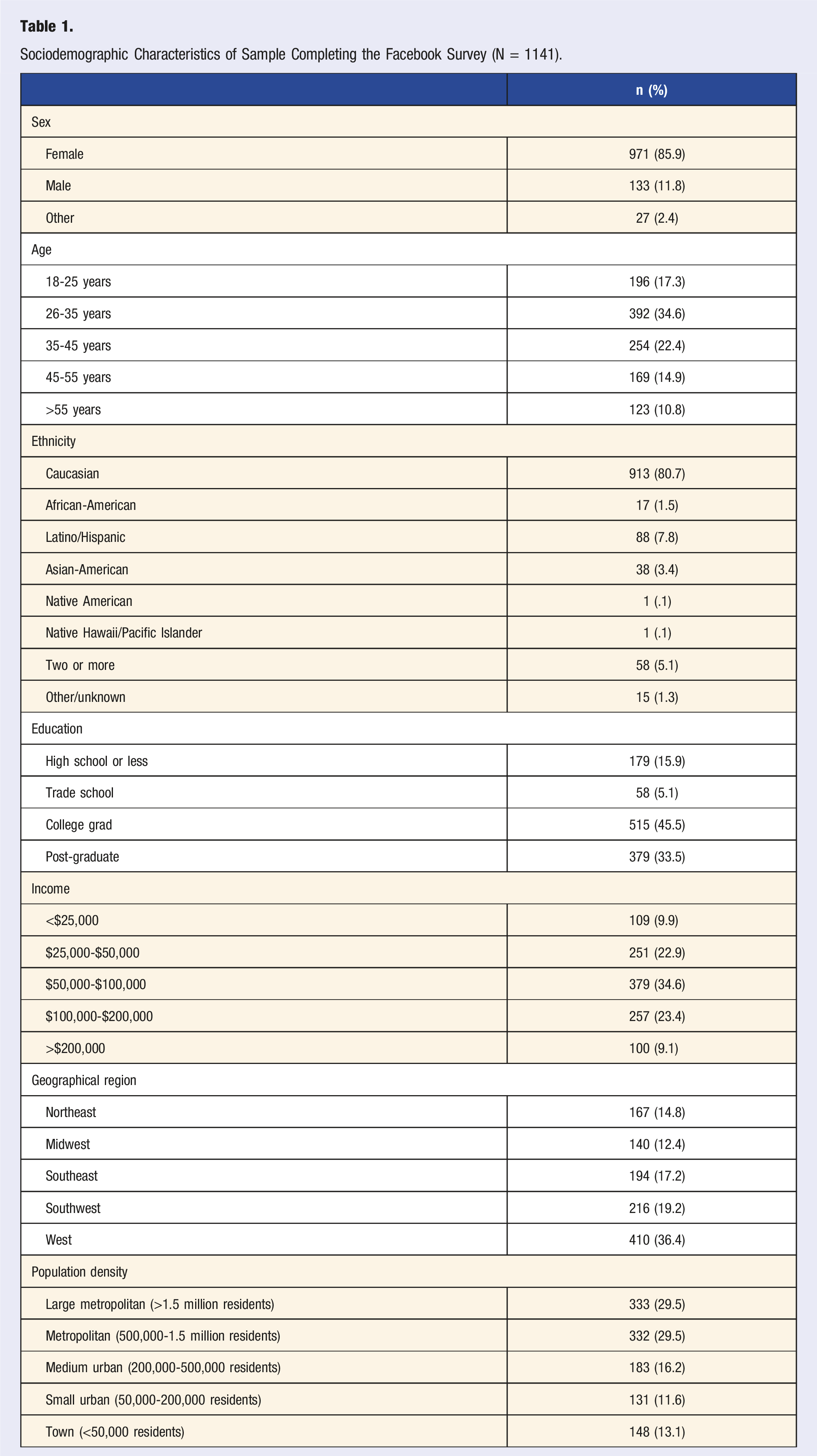
Sociodemographic Characteristics of Sample Completing the Facebook Survey (N = 1141).
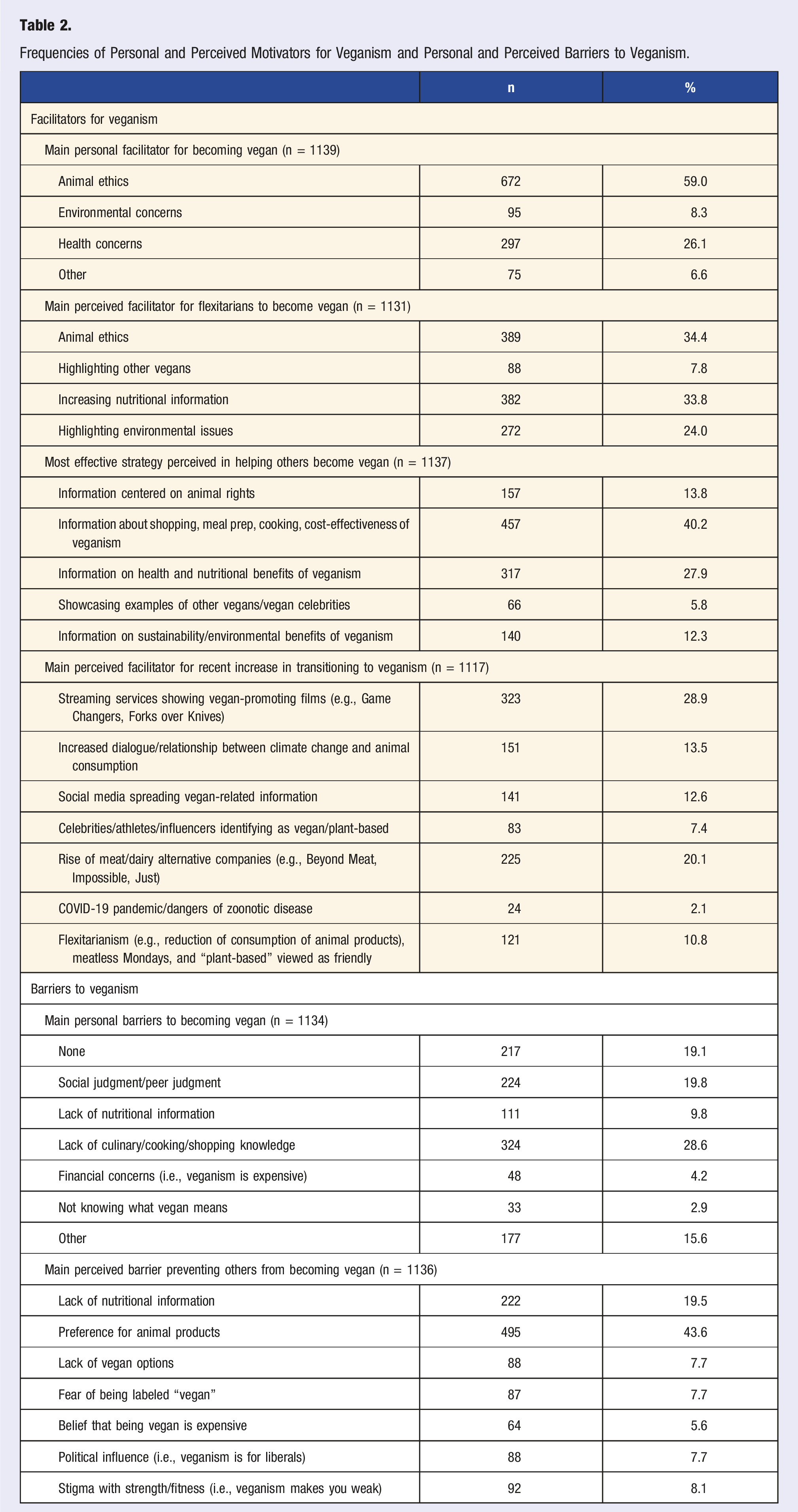
Frequencies of Personal and Perceived Motivators for Veganism and Personal and Perceived Barriers to Veganism.
Frequencies of Personal Identification and Transitioning to Veganism and Opinions on Societal Needs for Veganism to Flourish in the United States.
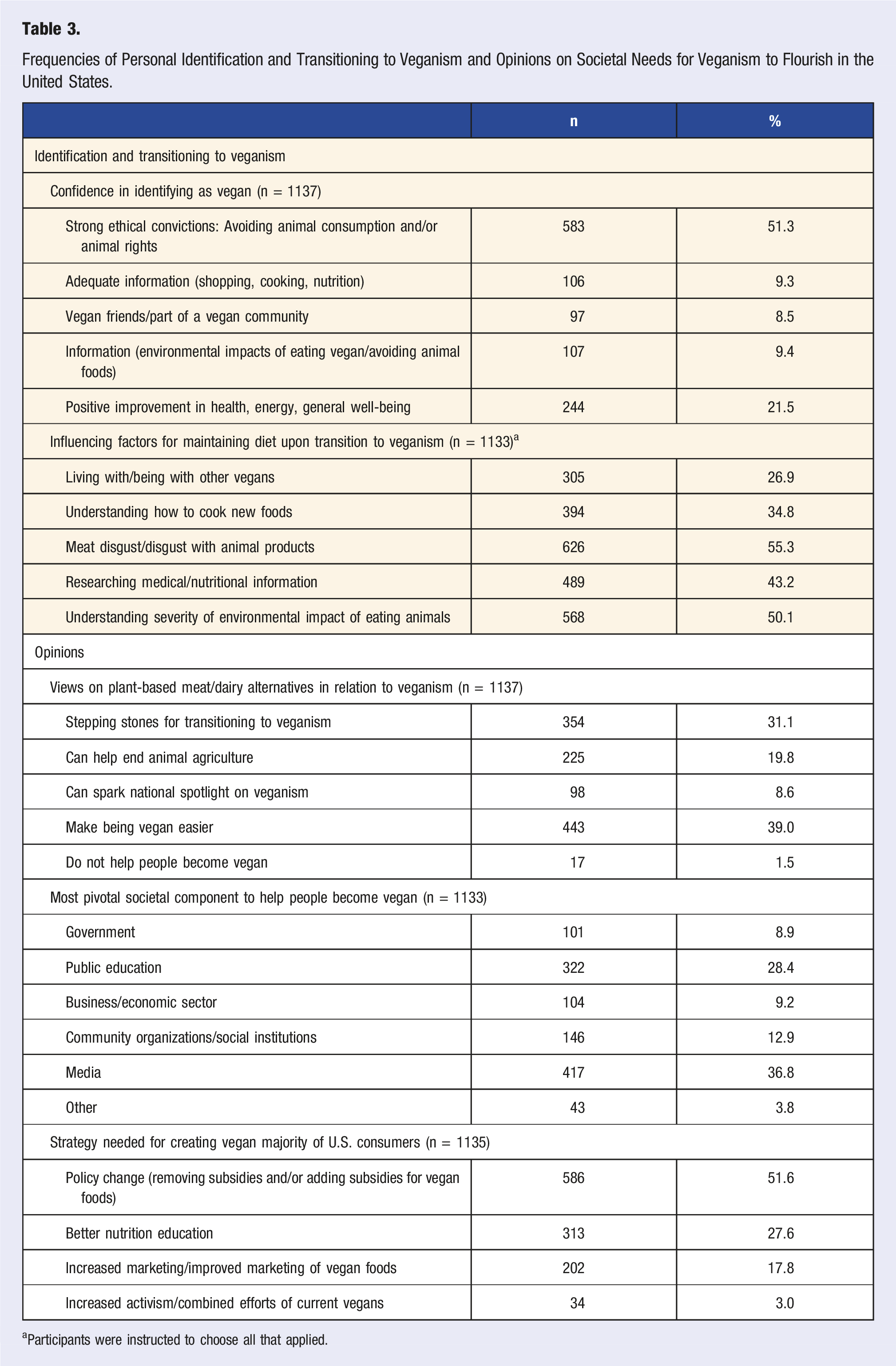
aParticipants were instructed to choose all that applied.
Chi Square Tests Examining the Relationship Between Time to Become Vegan and Length of Veganism With Main Motivator for Becoming Vegan and What Would be Most Effective Facilitator Perceived in Helping Flexitarians to Fully Become Vegan.
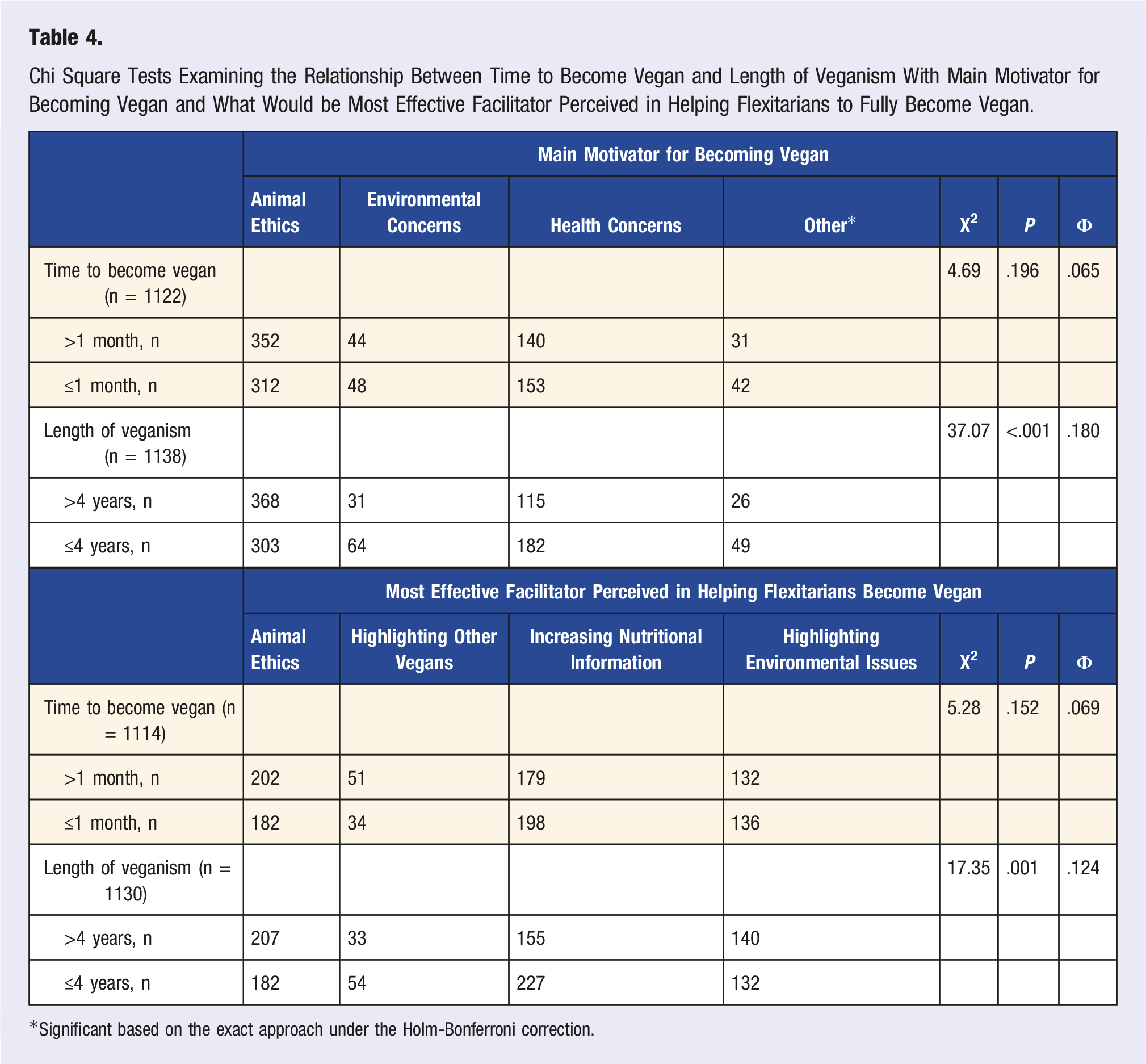
*Significant based on the exact approach under the Holm-Bonferroni correction.
Chi Square Tests Examining Relationships Between Time to Become Vegan and Length of Veganism With the Most Effective Strategy Perceived in Helping Others Become Vegan.
Chi Square Tests Examining Relationships Between Time to Become Vegan and Length of Veganism With the Perceived Main Facilitator for the Recent Increase in Transitioning to Veganism.
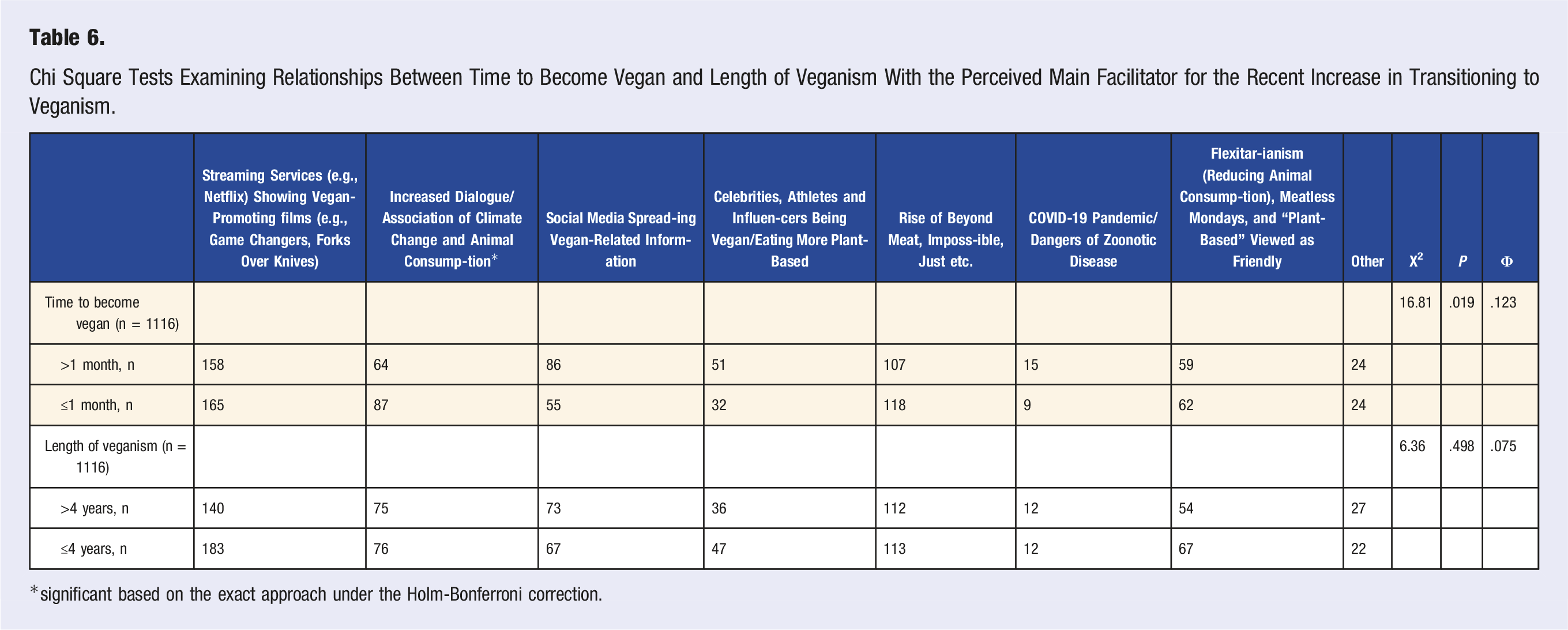
*significant based on the exact approach under the Holm-Bonferroni correction.
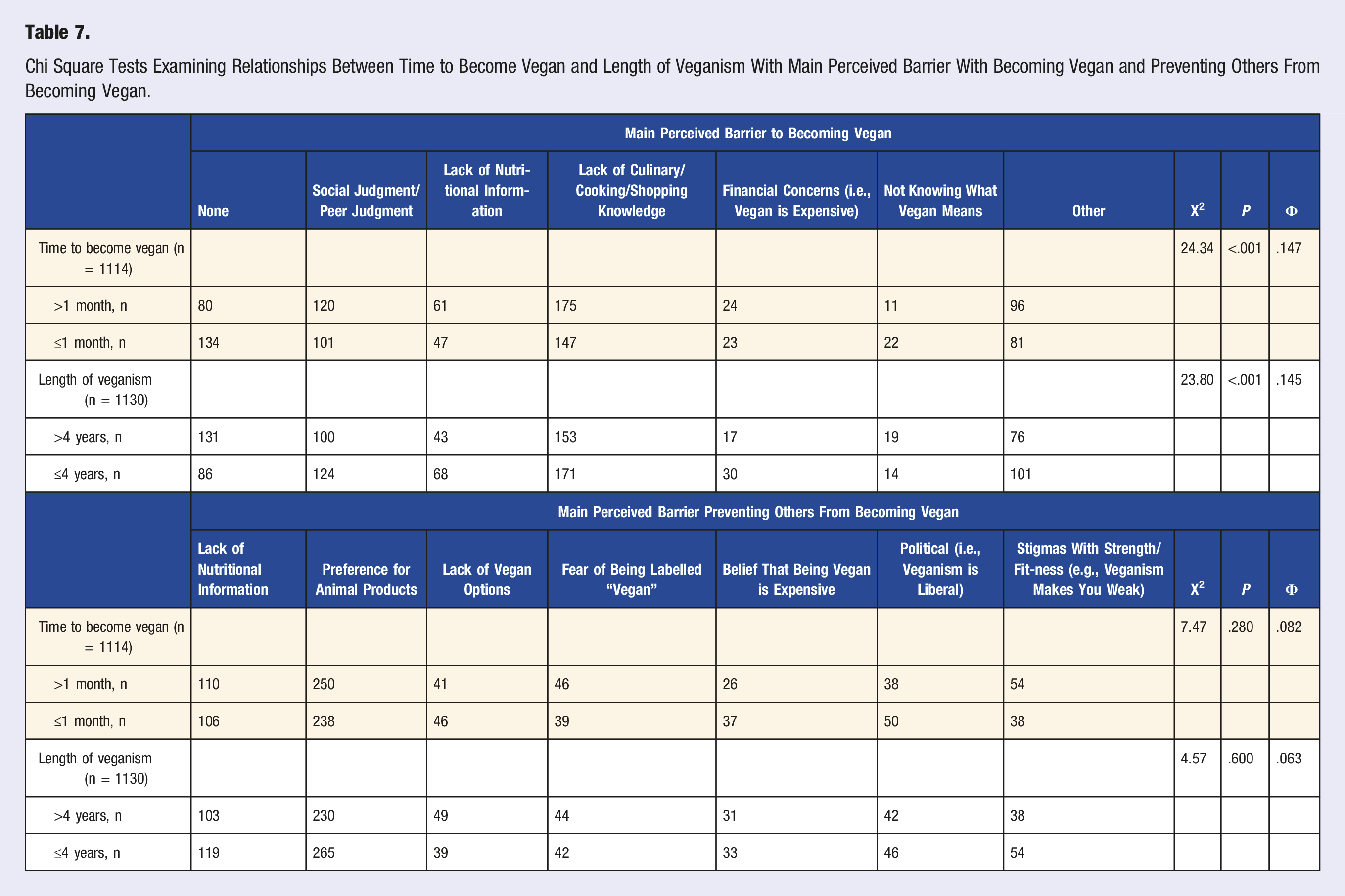
Chi Square Tests Examining Relationships Between Time to Become Vegan and Length of Veganism With Main Perceived Barrier With Becoming Vegan and Preventing Others From Becoming Vegan.
Discussion
The current study sought to examine the motivators for becoming vegan, barriers to veganism, identification and transitioning to veganism, and participants’ opinions on eliciting widespread adoption of a vegan diet. Animal ethics and information on shopping, cooking, meal preparation and cost-effectiveness of veganism were identified as facilitators for becoming vegan while preference for animal products was identified as a barrier to becoming vegan. Animal rights and meat disgust were salient reasons for identifying as vegan and maintaining the diet. Plant-based alternatives to meat and dairy were viewed as beneficial for those transitioning to veganism while policy subsidies and the media’s portrayal of veganism were identified as societal components that need to be highlighted in order to motivate U.S. consumers to become vegan. Results from the chi square analyses indicated significant relationships between length of veganism and main motivator for becoming vegan, most effective facilitator in helping flexitarians to fully become vegan, most effective strategy in helping others become vegan, and main barrier to becoming vegan. There was also a significant relationship between time to become vegan and perceived main facilitator for the recent increase in transitioning to veganism, along with main barrier to becoming vegan.
Among those who identified as being vegan >4 years, endorsement of animal ethics as the main facilitator to become vegan was greater than expected, while observed counts for environmental and health concerns were endorsed less than expected. The opposite was seen among those who identified as vegan ≤4 years, with animal ethics endorsed less than expected and environmental and health concerns endorsed more than expected. These findings support results from a study conducted among 508 Austrians, with 127 identified as vegan and the majority (68.5%) indicating that animal-related motives were responsible for the dietary change made to adopt veganism. When separating the vegan sample into early adopters (>6 years vegan, n = 38) and late adopters (≤6 years vegan, n = 46), 13.3% of late adopters (i.e., those who were vegan for less time than early adopters) indicated environment-related motives, whereas 0% of early adopters chose environment. Distaste of meat was indicated by 23.7% of early adopters, and only 4.4% of late adopters. Animal-related motives, health, and “other” reasons were more evenly distributed between the 2 groups. 15 The results from the current study may be a reflection of the historical evolution of veganism in today’s society. The ethical treatment of animals was a cited concern of individuals adopting a vegan diet well before evidence that supports improved health outcomes among those consuming plant-based diets or the environmental effects of greenhouse gas emissions from animal husbandry were documented. 16 While those who identify as vegan ≤4 years also endorse animal ethics as a main motivator for veganism, the role that health and climate change play on consumer decisions may be more salient among those who recently transitioned to the diet. 17
The endorsements for one’s own motivation to become vegan were similar to responses for perceived facilitators for flexitarians to become vegan and strategies that could be used for all others to become vegan. The endorsement of animal ethics as the main perceived facilitator for helping flexitarians become vegan was higher than expected for those vegan >4 years, whereas nutritional information was higher than expected for those vegan ≤4 years. Information on the health and nutritional benefits of eating vegan were lower than expected for those vegan >4 years, and higher for those vegan ≤4 years. These results align with previous research conducted among 2 groups (one group of vegetarians and one group of flexitarians) that showed for every unit increase in animal concerns, the odds of being in the vegetarian group (vs flexitarian group) increased by over 105%, while for each unit increase in health motivations, the odds of being in the vegetarian group decreased by 39%. 18 These results reflect that flexitarians may be motivated to reduce meat consumption due to health concerns compared to those who identify as vegetarian, who may be motivated more by animal ethics. Additional research that examined the results from multiple studies supports the current study’s results. A recent narrative review of 23 studies that examined the motivators and inhibitors of replacing meat with meat alternatives in developed countries found that 5 studies identified health as a determining factor for consuming meat alternatives, with participants perceiving non-meat alternatives as healthy substitutes. Providing information on health aspects of consuming meat alternatives and increasing knowledge of sources of meat alternatives were identified in multiple studies as potential motivators for consuming vegetarian and/or vegan options. 19
Among those who transitioned to veganism in ≤1 month, observed counts for dialogue/association of climate change and animal consumption as the reason for the recent increase in more people transitioning to veganism were higher than expected. For those who took >1 month to become vegan, observed counts for increased dialogue/association of climate change and animal consumption were lower. A survey conducted among 853 German vegans identified reports on factory farming and climate protection as the most endorsed motivators for becoming vegan. 20 Advocating for veganism through climatic-focused arguments may be compelling for quickly embracing dietary change. The recent rise in awareness and acknowledgment of the effects of animal agriculture on the health of the planet, combined with the previously cited animal rights and health concerns may be the final tipping point for those who transition to veganism. 21
For those who transitioned to veganism in ≤1 month, observed counts were higher for no barriers and observed counts were lower for those >1 month to transition. The practical elements of engaging with the behavior of vegan eating including having immediate access to a variety of vegan foods, “transition” recipes for cooking reduced-meat or vegan meals, and time for preparing home-cooked meals may already be in place among those who quickly adopt a vegan diet. 22 For those who took longer to adopt veganism, they may have faced more barriers with judgment from family, friends, and peers along with lack of culinary/cooking/shopping knowledge. 23 Among those who were vegan >4 years observed counts were higher for no barriers identified, while for those vegan ≤4 years counts were lower for those indicating no barriers. Maintaining veganism for a longer period of time may minimize the barriers faced during their initial transition, or participants may fail to recall those barriers. It is also possible that the barriers that they faced were not indicated in the questionnaire and thus they chose “none.” The barrier most identified by participants was lack of culinary/cooking/shopping knowledge. This finding is supported by results from a recent comprehensive review that identified barriers to adopting a vegan diet including complications with meal preparation and limited availability of vegan-friendly options in restaurants. 24 Due to the current greater availability of a variety of vegan-friendly alternatives in grocery stores (e.g., Just Egg, Beyond Meat) and in restaurants (e.g., Impossible Whopper™ at Burger King, KFC’s Beyond Fried Chicken), those who recently transitioned to a vegan diet may find that practical applications of veganism such as recipe knowledge are not as immediate to successful adoption.
Among the participants surveyed, streaming of documentary films that promote plant-based diets and the sharing of information via social media have served as important facilitators in increasing awareness of the health and environmental impacts of veganism. Furthermore, social media and the highlighting of celebrities on these platforms have the potential to unpack the practicality of plant-based eating and provide diverse representations of what it means to be vegan beyond simply being an animal rights activist. Doyle 25 indicates that social media makes celebrities more accessible than ever before and can bring authenticity to the vegan experience by providing a closer look at their everyday life. This positive approach to veganism can help dispel the stigmas of veganism being a restrictive dietary pattern while displaying the fulfilling life it can provide. Other research stresses the importance of celebrities being authentic in their activism and presentation because they can often be met with skepticism. 26 Whether it is Formula One racing champion Lewis Hamilton opening vegan burger chains, 27 socialite and influencer Kim Kardashian promoting her transition to veganism to her 313 million followers on Instagram and signing on as the chief taste consultant for Beyond Meat, Inc., 28 or Bill Gates’ multi-million dollar investments in plant-based meat companies, 29 the collective impact of these business ventures is substantial. While the impact on transitioning more consumers to veganism is yet to be determined, the awareness of this potential shift in behavior among consumers is growing, with the possibility of redefining social norms.
The current study has numerous strengths including the large sample size of the vegan population in the United States was surveyed. With only 3% of the U.S. population identifying as vegan, 30 few studies have yielded as much data from this U.S. minority group. Furthermore, few studies have examined this population specifically or studied it with the multifaceted nature that the online questionnaire provided, which reduces interviewer bias and social desirability bias. 31 While all vegans might not be on social media or members of each social media group who responded to the survey, the ability to capitalize on social media for recruitment was another strength of the study. However, surveying individuals on a social media platform does preclude individuals who do not use this mode of communication from participating, resulting in selection bias. In addition to these strengths, the current study also has limitations. For example, this study did not fully examine the complete breakdown of each participant's diet or the specific actions within the transition process; yet, understanding this population’s transition could vastly aid those battling chronic illness or provide support for governments seeking to utilize plant-based eating as a form of climate change mitigation. Another limitation of this analysis is the exclusive focus on vegan consumers, the vast majority (79%) with a college degree or higher. It may have been more impactful to survey more vegans from varied educational backgrounds and non-vegan consumers; however, surveying non-vegan consumers would not have garnered the insights to what leads to adherence of adopting veganism.
Conclusions
Animal ethics and health concerns were endorsed as personal motivators and perceived facilitators for others to become vegan. Possessing practical skills such as shopping, meal prep, and cooking were identified as a perceived facilitator, while lack of such skills was a perceived barrier. Streaming services and the recent rise in popularity of plant-based food corporations were also endorsed as perceived facilitators for others to become vegan.
Animal ethics are a salient motivator for becoming vegan and maintaining the diet; yet, the lack of culinary and cooking knowledge and inadequate shopping skills was a key barrier. The practical elements of veganism (cooking/shopping) and understanding nutrition were identified as perceived facilitators for people who consume animals. This is an important implication for marketing and interventions when compared with the previous research. The inability to cook vegan-friendly foods and lack of nutritional information on veganism are prominent barriers; yet, these have a role in long-term adherence to plant-based eating behavior. An important consideration emerges with how food producers, educational organizations, and health interventionists can implement these findings to inform on future health interventions and marketing of meat-alternative products without leading to additional barriers.
Ultimately, it will take more than new plant-based meat alternatives, environmental concerns, or a vegan minority of consumers to shift dietary behavior in the United States. This transition will require coordination across civil society, governments, health and environmental organizations, and businesses. 32 Further research can support the creation of a more just, sustainable, and healthy food system.
Supplemental Material
Supplemental Material - Facilitators and Barriers for Adopting a Plant-Based Diet: Results From a Pilot Study Among Vegans in the United States
Supplemental Material for Facilitators and Barriers for Adopting a Plant-Based Diet: Results From a Pilot Study Among Vegans in the United States by Nanette V. Lopez, Eric Sirvinskas, and Jay T. Sutliffe in American Journal of Lifestyle Medicine.
Footnotes
Acknowledgments
The authors would like to thank the participants who responded to the survey.
Author Contributions
ES and JTS designed the study. NVL conducted the data analysis. ES and NVL drafted the initial manuscript. ES, JTS, and NVL reviewed the final draft and approved of the submission.
Declaration of Conflicting Interests
The author(s) declared no potential conflicts of interest with respect to the research, authorship, and/or publication of this article.
Funding
The author(s) received no financial support for the research, authorship, and/or publication of this article.
Data Availability Statement
 provided by corresponding author upon request.
33
provided by corresponding author upon request.
33
Supplemental Material
Supplemental material for this article is available online.
References
Supplementary Material
Please find the following supplemental material available below.
For Open Access articles published under a Creative Commons License, all supplemental material carries the same license as the article it is associated with.
For non-Open Access articles published, all supplemental material carries a non-exclusive license, and permission requests for re-use of supplemental material or any part of supplemental material shall be sent directly to the copyright owner as specified in the copyright notice associated with the article.
