



Abstract
Teaching game development may come at odds with long-standing university structures due to industrial and cross- and multidisciplinary art-design-engineering aspects. This systematic literature review outlines standard practices for teaching game development in higher education. It shows two decades of increasing demand for established methods, with research that does not primarily focus on student motivation and engagement remaining sparse; out of 1076 records screened, 108 publications were included. Findings strongly indicate that project-based learning (PBL) structures with student groups creating game prototypes are effective. Many publications provide rich analysis of shorter courses or interventions. However, well-documented shortcomings in individual assessment and support in PBL structures are rarely addressed. Recommendations for higher education practice include curriculum restructuring with longer educational timeframes, clear progression paths, and robust measurement frameworks to address common challenges to student collaborative dynamics and enable missing fundamental skill development in computational thinking and theory-driven artistic approaches.
Keywords
Introduction
Higher education game development courses in consistent education programs are currently rising (Hiltunen et al., 2024; Mikami et al., 2010; Swain, 2009; Yun et al., 2016). Game development is fundamentally cross- and multidisciplinary, combining multiple representations across artistic and software engineering fields (Engström et al., 2018; Wolz et al., 2007). Further, like most development, game development is tightly knit with industry demands, competitive trade secrets, tacit knowledge, and opaque organizational culture (Mikami et al., 2010; Wang & Nordmark, 2015).
Both the multidisciplinary and industrial aspects may come into conflict with long-standing university structures and pose challenges for which students’ skills should be prioritized in the targeted curriculum (Engström et al., 2018; McGill, 2010; Navarro & Van Der Hoek, 2007). For higher education teachers tasked with structuring and managing effective educational practices in game development, the lack of well-established methods to address such challenges is a problem (Berg Marklund et al., 2019; Palmquist et al., 2024; Wang & Nordmark, 2015).
Game development is similar to software engineering. However, in software engineering, many resources exist for designing higher education curriculum courses (Aleem et al., 2016; Mercat, 2022; Musil et al., 2010). For example, student-centered active learning methods, where student groups create game prototypes, are commonly used to bridge disciplinary gaps in skills training and prepare students for realistic job market demands in a social setting (Hernández-de-Menéndez et al., 2019; Mikami et al., 2010; Munkvold, 2017). Many of these teaching practices may not be empirically validated for game development.
The industry's practiced skills are hard to target, as there is an increasing trend among larger gaming companies to adopt internal organizational models with game-specific engines, tools, and middleware (Berg Marklund et al., 2019; McGill, 2010; Wang & Nordmark, 2015). Game development is also distinct from software engineering, with a greater emphasis on artistic factors for evaluating product enjoyability (Aleem et al., 2016; Murphy-Hill et al., 2014; Ramadan & Widyani, 2013). While these factors have contributed to a surge in game design research in the social sciences, such research is often of limited usefulness in addressing cross-disciplinary group-based learning that supports aspiring game developers in their endeavors to collaborate as engineers and artists in a deadline-oriented industry with production timelines (O'Hagan & O'Connor, 2015; Wyeth et al., 2018).
This systematic literature review aims to outline standard practices for teaching game development in higher education by analyzing literature that may discuss active and collaborative learning methods directed at group-based industry-oriented game prototype production in their studies.
Teaching Multidisciplinary Job-Related Tasks in Higher Education
Teaching strategies that put the active student in the center originate in engineering and are used as a rationale to improve student retention, motivation, and engagement in courses (Mercat, 2022). Many higher education institutions have integrated active learning and its theoretical rationale (Hernández-de-Menéndez et al., 2019). Active learning methods also arose from an intention to raise students’ higher-order thinking skills, typical of higher education, such as analysis, synthesis, and evaluation, through the engagement in job-related activities and exploration of their attitudes (Bonwell & Eison, 1991). Moving away from traditional methodologies, such as massive amphitheaters, toward problem-solving group activities relevant to professional contexts can provide knowledge aligned with real-world problems (Hernández-de-Menéndez et al., 2019; Mercat, 2022). Active learning methods for teaching, also called problem- and project-based learning (PBL), focus on real-world problems and cross-disciplinary knowledge; these methods frequently involve group activities such as building a prototype, making them popular in teaching game development (Mikami et al., 2010; Munkvold, 2017; Ollila et al., 2008; Yun et al., 2016).
For instance, in higher education game development courses using PBL, the teacher supervises by acting as a product owner and guides student groups that act out role specializations of a game company, such as art director, team leader, game designer, programmer, and sound designer (Wang & Nordmark, 2015; Wolz et al., 2007). In these instances, common teaching practices in software engineering also aim to reflect industry working methods, in which so-called agile methods such as Scrum divide projects into several time-sensitive frames (Berg Marklund et al., 2019; Hodgson & Briand, 2013; Wang & Nordmark, 2015).
However, there are differences between game development and software development that mainly stem from the greater number of disciplines involved (Aleem et al., 2016). In contrast to software engineering, many disciplines that take a central role are artistic and humanistic, with less functionalistic focus and more subjective usability criteria, such as what is considered fun or not (Ramadan & Widyani, 2013; Wang & Nordmark, 2015). Universities have struggled to adapt to industry demands, as new approaches that may be required are risky to implement without well-established evidence-based methods and require additional resources and working hours for restructuring curricula (Berg Marklund et al., 2019; Navarro & Van Der Hoek, 2007). Alongside this, the industry has developed its own internal teaching and production methods, where opaque systems are further exacerbated by unique quirks of studios and increasingly game-specific engines, tools, and middleware (Berg Marklund et al., 2019; Mikami et al., 2010; Toftedahl & Engström, 2019; Wang & Nordmark, 2015). The situation is especially challenging in terms of synthesizing outcomes, creating research-informed advice for educators, and defining clear objectives in curricula that prepare students for industry (Wyeth et al., 2018).
Game Development Is a Social Challenge Rather Than a Technological One
Game development processes commonly involve social management challenges rather than solely technology problems, to a greater extent than software engineering (O'Hagan & O'Connor, 2015). Given the extensive multidisciplinary teamwork required to finalize a working product, generic social skills are often needed, and game development education is frequently specified to nurture both the humanistic artistic side, e.g., media designers, and software developers (McGill, 2010). However, with specialization emphasis, many students struggle to see value in generic skills such as communication, project management, and reflective practice (Wyeth et al., 2018). Group work may quickly become demoralizing and challenging despite a common relatable passion for making games, effective learning methods, and motivational, engaging design (Munkvold, 2017; Zagal, 2008). Game development is also strongly affected by mismatched real-world constraints with more structured software development (Engström et al., 2018). One illustrative example of this mismatch in higher education scenarios lies in academic timelines that are not deadline-oriented in a way comparable to production timelines seen in industry (Swain, 2009).
The interplay between aesthetic desires and technical constraints provides a central and constant tension between artists and engineers (Murphy-Hill et al., 2014; Musil et al., 2010). Another central tension lies in university hires being stereotyped as acting entitled, unlike seasoned developers who commonly did not attend college and have little knowledge of how universities operate (Swain, 2009). These tensions are sometimes reinforced by an emphasis on software engineering teaching methods, and many researchers have investigated how agile, active learning methods align with formal industry practice (Berg Marklund et al., 2019; Hodgson & Briand, 2013; Wang & Nordmark, 2015). Nevertheless, they may theoretically combine educative effects from active learning methods for behaviors associated with peer learning, self-regulated learning, and lifelong learning, thus appropriate for preparing students for success in a globalized economy (Stefanou et al., 2012).
University and Game Industry Collaboration
While game development education faces many challenges, such as cross-disciplinary, group-based learning, industry demand for academic collaboration remains high for hiring talented students and identifying commercial ideas (Swain, 2009; Wolz et al., 2007; Yun et al., 2016). The group-based prototypes used for various assessments have, in the past, also served as marketable products for the local gaming industry, with studios that further engage in programs through part-time guest lecturers from the industry (Mikami et al., 2010; Yun et al., 2016). The active and collaborative learning methods are theoretically justified by the strong emphasis on preparing students to solve society-relevant problems (Dahl, 2018). Delivering a fully functional and fun game prototype without software engineering and artistic production collaboration is impossible (Engström et al., 2018). Similar collaborations with industry sponsors, support, and adaptation have had massive success in other fields, such as medicine, biotechnology, and the creative film industry (Swain, 2009). However, many necessary parts of such an equation in higher education are currently missing.
As necessary parts of the game development empirical research base are currently lacking, and considering the limited consensus on the exact requirements for game development (Berg Marklund et al., 2019), establishing best higher education practices for teaching game development may be impossible without outlining standard education practices for curriculum planning processes, rather than relying on computer science alone (McGill, 2010).
Therefore, this systematic literature review aims to outline standard practices for teaching game development in higher education. Three research questions guide this aim:
Method
This systematic review follows the recommended steps outlined in the PRISMA-P model for screening papers. It aligns with a common systematic review emphasis on the comprehensive synthesis of research evidence and adheres to general guidelines (Sutton et al., 2019). Finally, a qualitative inductive analysis outlining research trends (Thomas, 2006) was related to the empirical evidence synthesis according to the aim and research questions. A comprehensive selection process was made possible due to the low number of search results: for example, no artificial intelligence was used in the production of this article.
Search Terms
The scope of this article relates to three parts: the first relates to higher education research of teaching game development, the second encompasses the relation between teaching practices and industry demands, and the third refers to potential instances of group-based game prototype production. The scope assumes well-established concerns of the topic. It does not focus on common framings that use game development for something else, such as primarily to raise student motivation and engagement merely as a vehicle for active learning for other courses, or emphasizing similarities to software engineering with listings of methods such as Scrum.
This scope corresponds to the first two of three categories of previous work outlining teaching game development in higher education, as Stephenson et al. (2016, p. 136) proposed: “1. Game development classes where the end goal is to create a complete game. 2. Game programming classes that look at a variety of topics related to game development while also being applicable to other domains. Such courses generally do not require building a complete game.” While the scope remains aligned with these categories, the third category (“3. Traditional courses that integrate games into their curriculum as assignments or examples.”) is excluded, and the first two are stricter in their requirements to align directly with the game development industry.
Scopus was chosen as, according to Visser et al. (2021), it includes article results at a substantially higher level than other popular search engines, thus assumed to include the most relevant results of educational research. Search terms in the Scopus database for title, abstract, and keywords were, after careful experimentation for appropriate words, executed as follows: (“game development” OR “game product*” OR “game project*” OR “game prototype” OR “game lab” OR “game creation”) AND (“higher education” OR universi* OR course* OR program OR curriculu*). The search was executed again in early 2026 to fully account for 2025.
For as comprehensive a systematic review process as possible, no exclusion tools in Scopus were used (e.g., publication year, etc.), given the low amount of publications reported in the literature, combined with consistent social management challenges related to the topic (Berg Marklund et al., 2019; O'Hagan & O'Connor, 2015; Wang & Nordmark, 2015). In other words, changing technology was not assumed to make insights irrelevant. Instead, we used an inclusion criterion that full-text had to be accessible and identified records without full-text before abstract and title screening for early exclusion. The entire screening process described below has been evaluated among the authors of this paper, with 99% interrater reliability.
The inclusion criteria for paper selection broadly follow the aim outlined below:
The first of the inclusion criteria requires records to directly discuss teaching practices of game development in higher education by clearly including university-based context (e.g., not solely addressing game development teaching indirectly, such as using gamified, game-based, or game development structures for other purposes than teaching game development at university). The second of the inclusion criteria requires records to directly relate game development media creation industry demands with higher education teaching practices of game development (e.g., not solely addressing game development teaching indirectly with separate issues such as in-depth software development, distinct UI/UX exploration of modules, or conceptual and art-related game design aspects to raise student motivation and engagement). The third of the inclusion criteria requires records to be accessible in full text.
Notably, several exclusions fit the game development aspects but were intended for primary school children, thus being excluded from the first criterion. Other notable exclusions include using game development solely as an educational means for other distinctly targeted curriculum areas, often to raise student motivation and engagement, thus being excluded by the second criterion. Out of 1,641 results, 1 was retracted, 99 were duplicates or conference papers replaced with journal versions. A total of 1076 had accessible full texts and were not paper collections. These documents were screened and excluded for the following reasons: no direct higher education context (n = 423), no direct game development teaching (n = 545). The final inclusion count was 108. See Figure 1 for the PRISMA flowchart detailing the selection process.
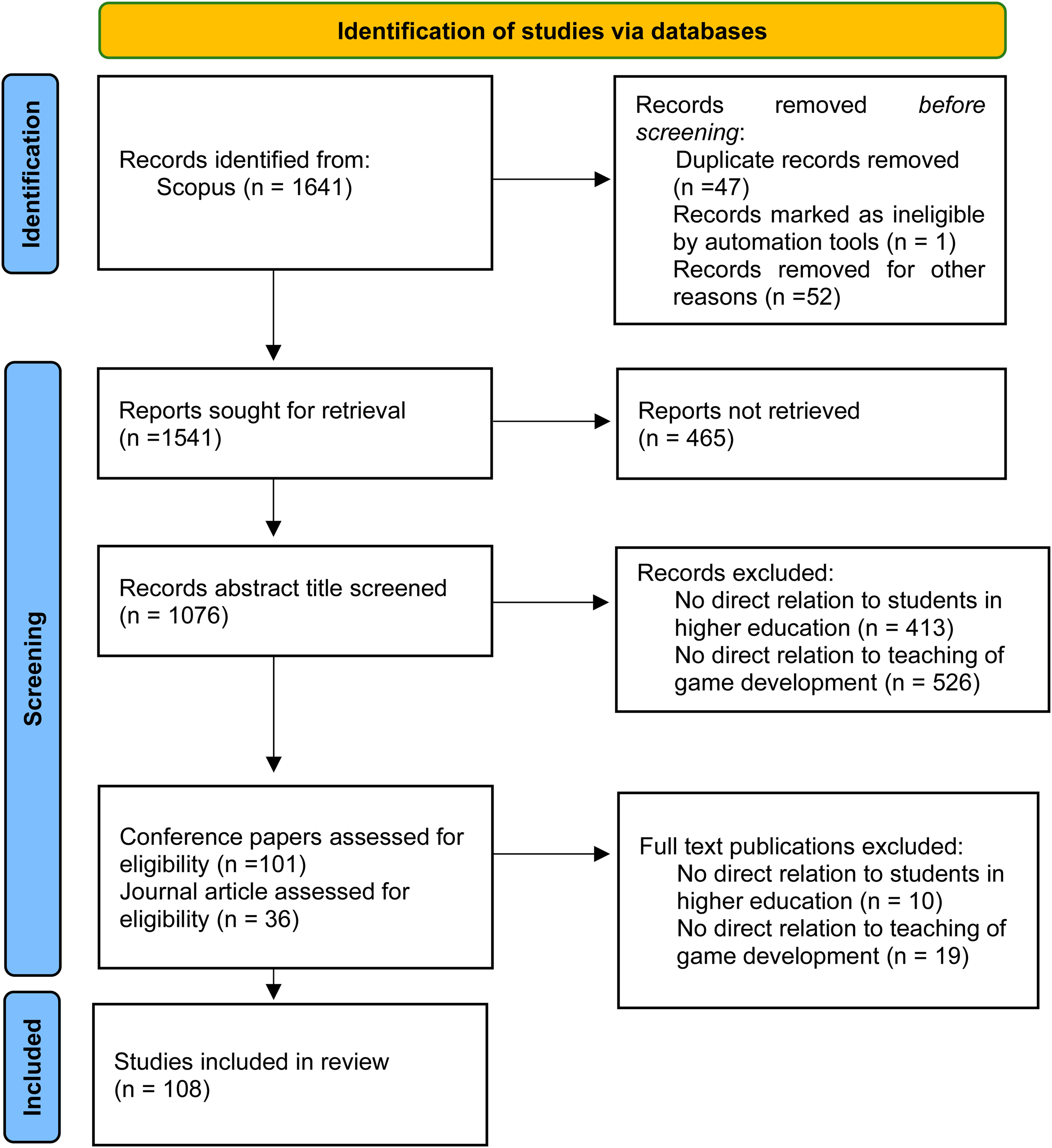
PRISMA flowchart.
Findings
The inclusion country distribution comprised 30 countries, with the USA (37.9%) the most represented, followed by the UK (10.1%), Canada (8.3%), and Finland (3.7%). It should be noted that research collaboration between countries is not displayed, as only the first author's affiliation is considered. Therefore, in cases like Sato et al. (2020), only Japan is counted, despite the article's research collaboration with Sweden (see Figure 2 and Appendix A in the supplementary materials).
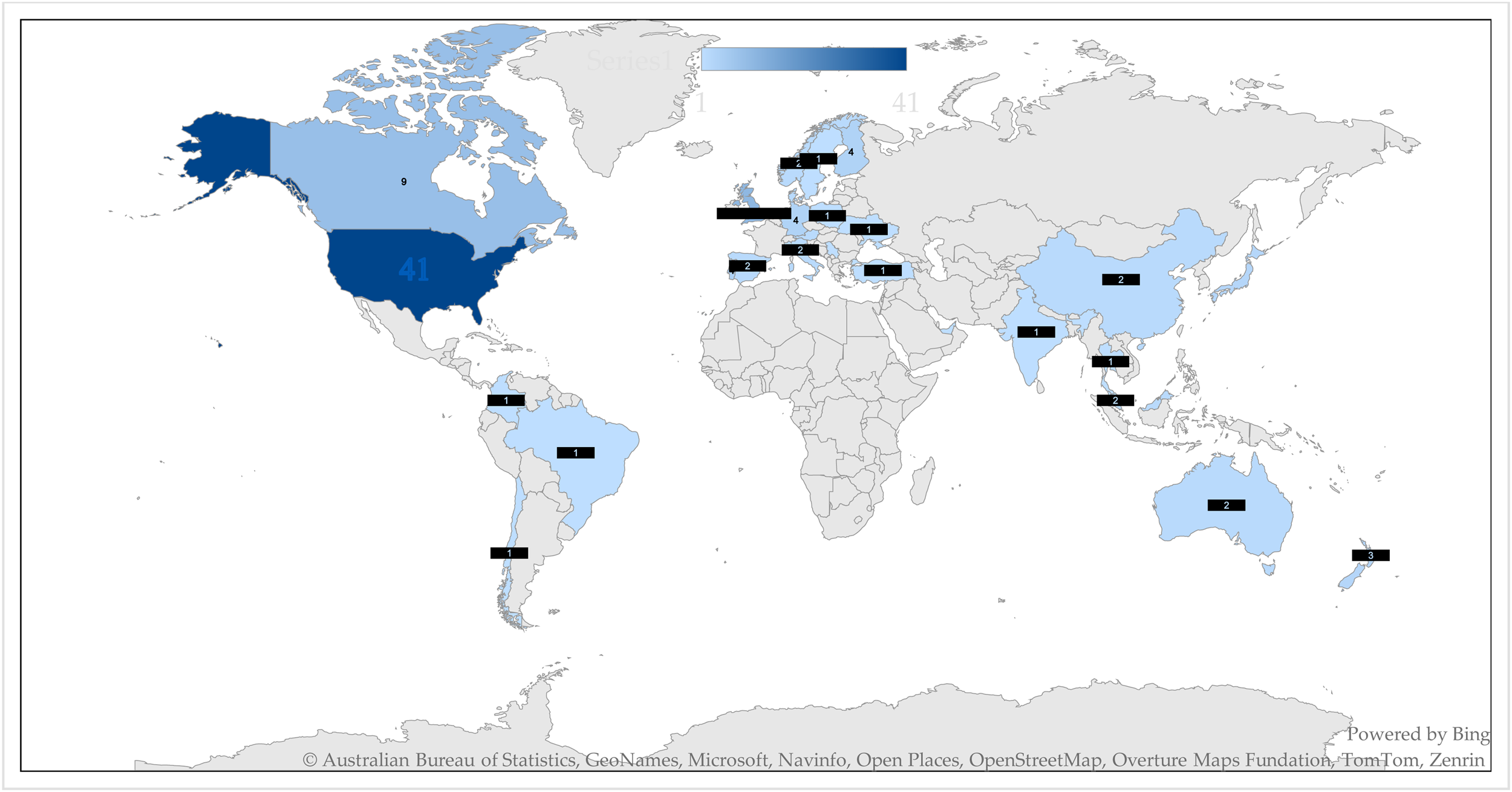
Country frequency world map illustration according to the first author's country.
The distribution of publications included showed conference proceedings papers (75.9%) and journal articles (24.1%). Inclusions predominantly originated from conference publications, suggesting an emphasis on minor investigations, work-in-progress projects, and explorative studies within the game teaching research community rather than an established domain consisting of agreed-upon frameworks and longitudinal and explanatory studies. The distribution of the prominent publishers in the reviewed research highlights who drives the discourse, with an overwhelming frequency of ACM and IEEE conference publications (see Figure 3).
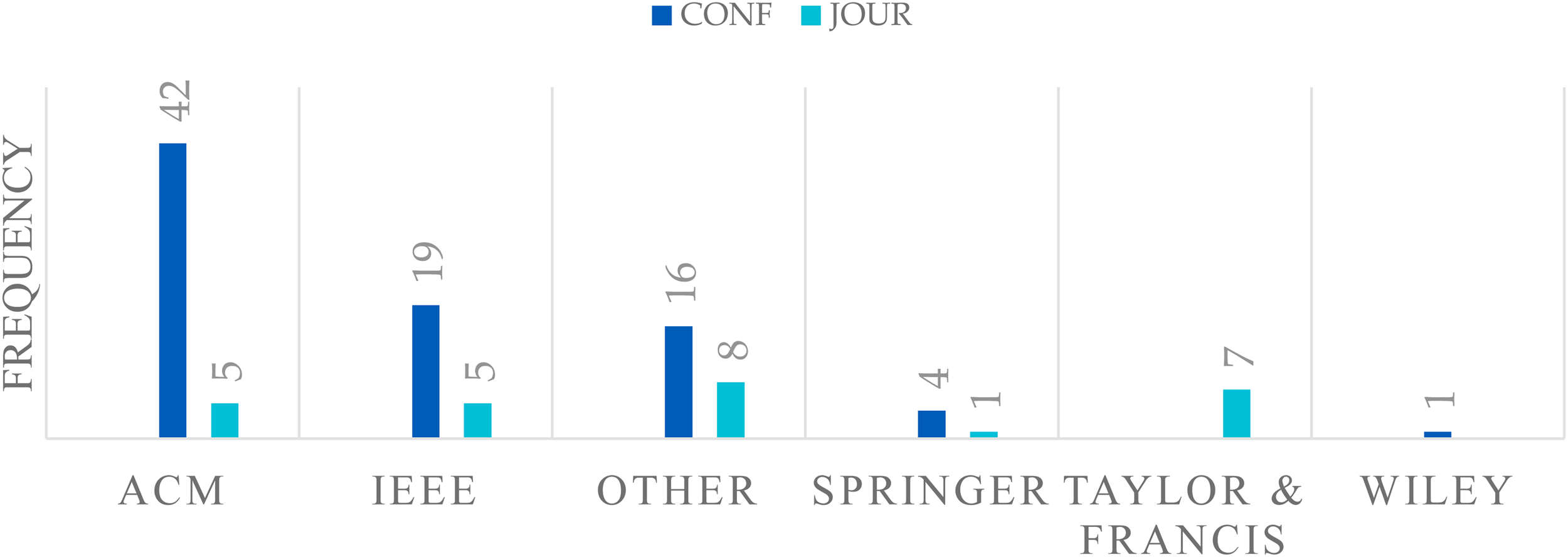
Publication frequency across prominent or other publishers.
Several general categories emerged from the findings that address the research questions of this review. The first one concerns the evidence base that the included publications contribute to. Most articles summarize various structures of specific game development courses at the university where the authors work, and admission numbers are often used as proof of concept. However, there are key differences in how this is done, which will be described below. Looking further at descriptive statistics, publication years 2007–2009 had the most publications, with declines occurring in 2010–2012 and 2021–2023 (see Figure 4).
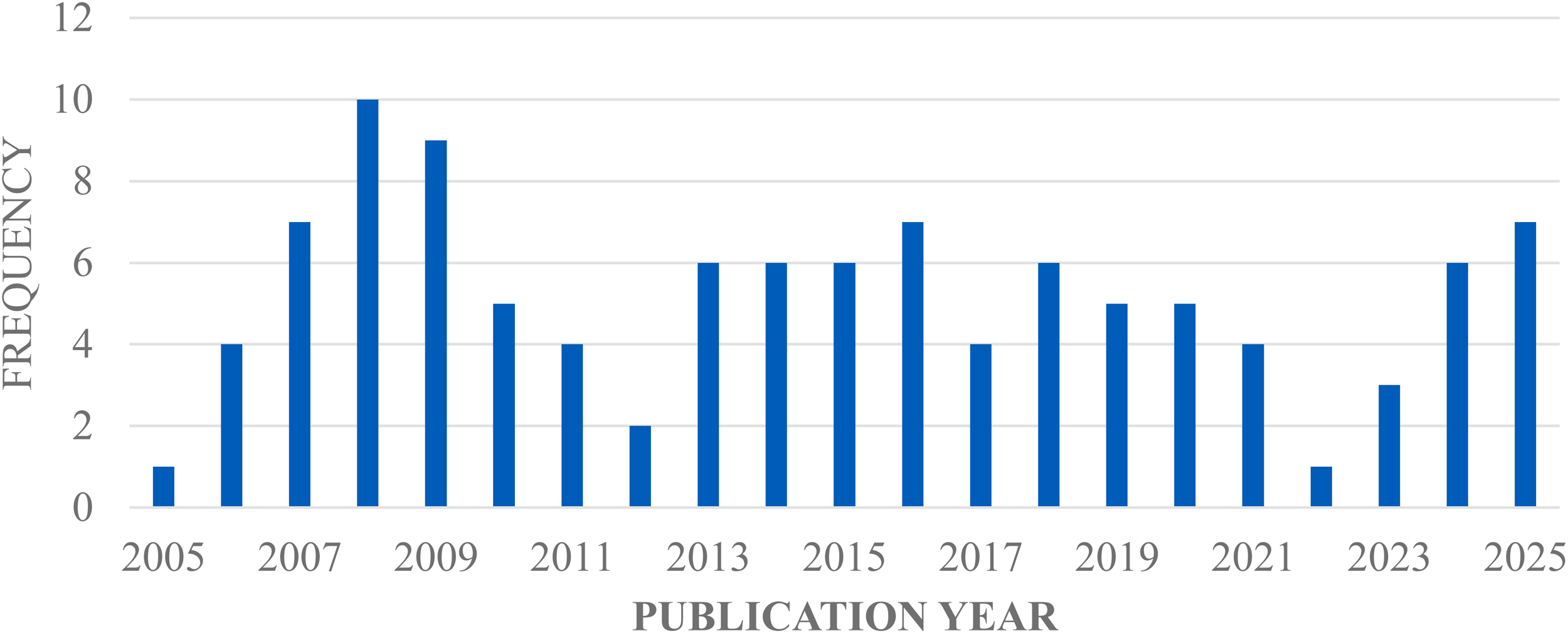
Publication year frequency.
According to the published decade, the trends do not stop at frequency. Several trends can be seen in the various decades.
Trends According to the Published Decade
The articles from 2005 to 2010 consistently focus on the challenges of implementing a game development curriculum that is less prevalent in later decades. Such challenges include navigating the “limitation imposed by the Bologna principles” (Rodrigues et al., 2010, p. 82) and student expectations for introducing “popular culture and media experiences within their coursework.” Here, there are more descriptions of new course implementations that are shorter or testing, often combined with other available course structures as a foundation.
Publications during this time also include detailed outlines of specific tools or programming languages, such as extensive discussions on game engines (e.g., Kardan, 2006) or designer software tools for art. This illustrates various ways university staff put their efforts into navigating “layers and layers of university approvals” (Kessler et al., 2009, p. 537) with concrete course plans. During this era, the International Game Developers Association had a curriculum framework that was often cited, which also might have contributed to the higher frequency of publications during this decade. This curriculum framework, or the association, has not been noted in the following decades, and the framework seems unavailable, or at least hard to access, nowadays.
In 2011–2020, more established courses were described rather than limited interventions. Some of these course's span over multiple years (e.g., Fachada & Códices, 2020; Kenwright, 2016; Mikami et al., 2015; Ruch, 2019). While two other inclusions also describe years-long projects and curriculum courses (e.g., Ip & Capey, 2008; McGoldrick, 2008), publications during this decade, on average, described courses with longer timeframes, further not specified solely as experimental interventions. As described previously, the publications of this decade did not specify detailed information about software recommendations as in the previous decade. As evidenced by the low number of inclusions for the current decade, 2021–2025, no clear trend distinct from the earlier decades was found, except for a notable theme of teaching with artificial intelligence that was commonly discussed in 2025, such as curriculum integration with chatbots (e.g., Anand & Long, 2025).
Contribution to Empirical Evidence
Compared to other courses in higher education, game development is in its infancy. Therefore, course descriptions are to be considered valuable evidence, as funding and planning do not occur in a vacuum. Further, they testify to the benefits of implementing game development courses in academia. The majority of publications mention benefits to motivation, engagement, and increased enrollment in the departments, and almost always more time spent by the students in participation rate and completion compared to similar courses in software engineering or art design. That being said, many publications describe shorter courses; thus, more longitudinal approaches with explanatory studies are necessary for establishing agreed-upon frameworks. See Figure 5 for an outline of occurrences of the inclusions, where a course was described, and the specified course length.
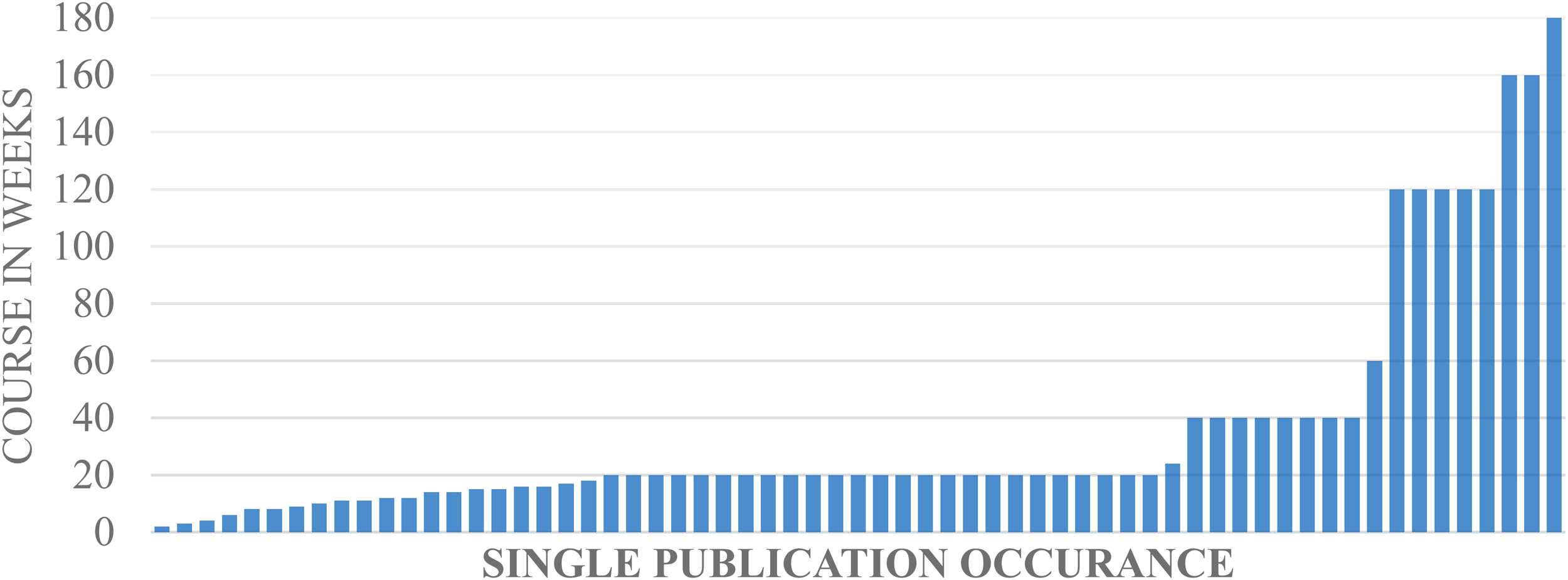
Course length in weeks, where a semester is standardized as 20 weeks, and a year is standardized as 40 weeks.
Many publications with course descriptions also included other analyzed data types, and other publications without specific course descriptions conducted studies on game development courses. See Figure 6 for data used as analysis in the included publications (please note that one publication can have several data sources).
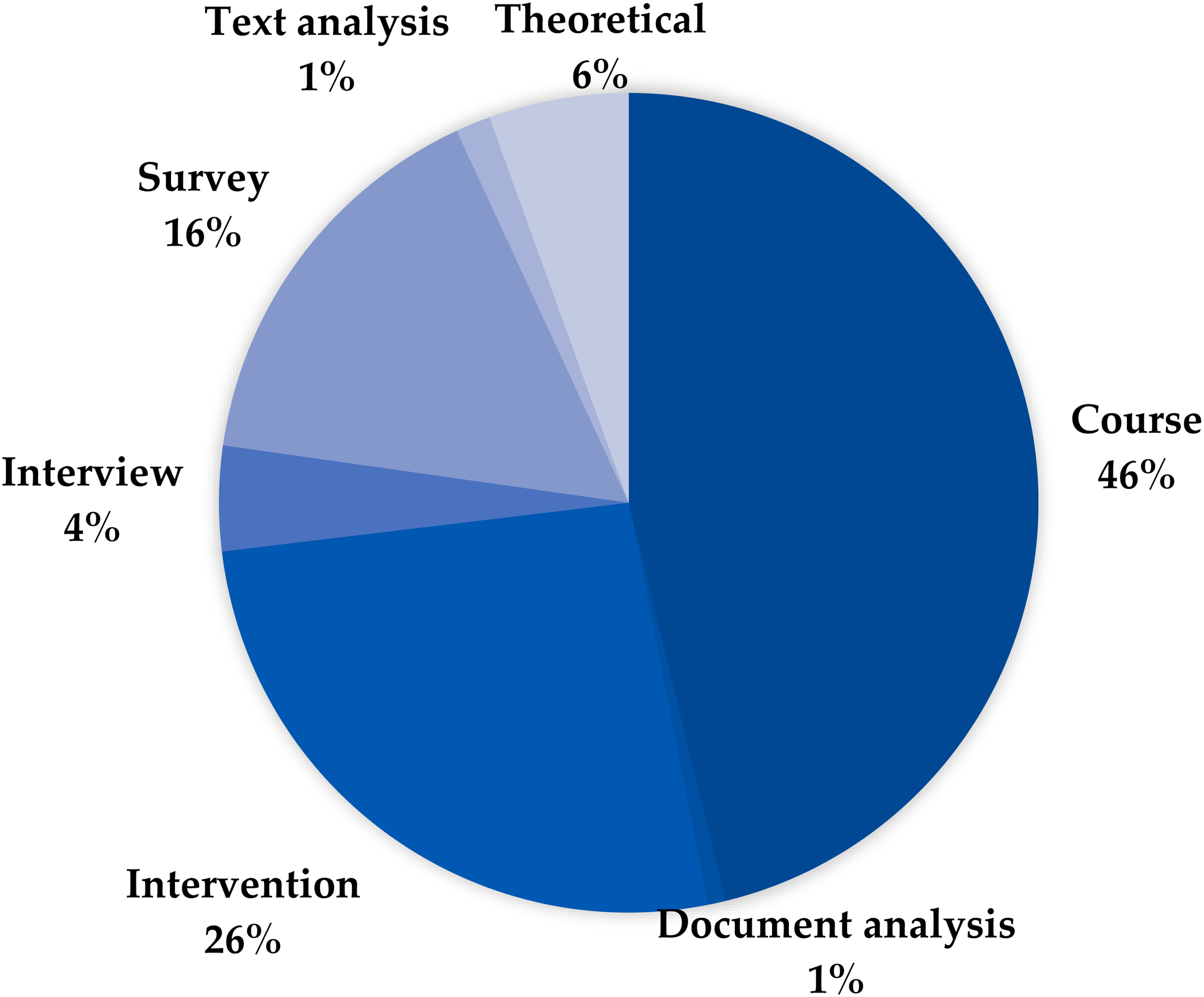
Evidence used in the publications.
To reiterate the point above, descriptions of short courses and interventions are valuable data at this stage, but other data types, especially longitudinal observations of learning outcomes, are lacking. Further, more studies of interviews with industry leaders are necessary (e.g., Restrepo & Figueroa, 2015; Zagal, 2020) to guide the precise design of game development curricula to industry demands. Such studies are easier said than done, considering the multidisciplinary and group-based learning approaches that game development curricula depend on.
Industry Relevance: Skills and Assessment for Group-Based Learning
Consistent throughout all publications is the theme of addressing the challenges of assessment and determining what skills are essential for game development to be industry-ready. To this end, a broad range of overarching conditions may provide a clearer picture for educators and students, for example, Pledger and Chen (2014) stress the importance of preparing students early to work in team environments with multidisciplinary challenges. Students are often surprised by the extent to which collaborative dynamics pose challenges in game development (Phelps et al., 2021). James and Headleand (2024) suggest varying tutor disciplines to address similar challenges and strongly advice against a one-size-fits-all approach. Pokidina et al. (2023) emphasize community strengthening and broader institutional development, with their 10-year regional work in Oulu as an example. A similar emphasis on institutional support is also found in Zagal (2020), which focuses on strengthening industry relations with communities.
The central aspect of group-based learning may present educators with challenges regarding assessment, not only due to the difficulties of tracking what particular students in groups do (Mitchell et al., 2021), but also because of the added multidisciplinary aspect. Settle et al. (2008) propose properly combining individual and group assignments to uphold more traditional assessment structures. Some course descriptors include detailed grading structures with percentage-based assignment types in evaluation (e.g., Kuhl et al., 2014). Strategies of peer-assessment between students were observed in a number of inclusions (e.g., Estey et al., 2009; Mitchell et al., 2021; Palomo-Duarte et al., 2012) but were not identified as a substantive trend regarding final assessment structures. These approaches may serve as suggestions of how to, at least in part, solve the curricular assessment challenges posed by group-based learning practices.
However, while traditional structures adapted to group-based learning exist, generally, the emphasis on industry relevance drives the majority of the publications to a standpoint similar to Ruch (2019, p. 3): “At its core, the concept was exceedingly simple: toss out ‘assignments’ and instead implement realistic, creative media deliverables as assessment items.” Such an approach with disregard to traditional assessment structures in higher education courses is argued as necessary given the many complexities teaching game development involves, and further emphasizes the importance of employability after finished courses, a theme also seen in many other publications of this review such as Kessler et al. (2009), Rai et al. (2005), Restrepo and Figueroa (2015), and Roden and Le Grand (2013), to name a few. This complexity may also involve adding prerequisites of skills or time-based university experience for attending the courses, such as “not permitting freshmen and sophomores […] to ensure that our courses do not get demoted to elementary programming courses” (Yun et al., 2016, p. 571). The general challenge in addressing employable skills for game development thus lies in a holistic focus on industry collaboration and partnership, as emphasized by Kenwright (2016).
Game Prototype Production in Higher Education Courses
One way to emphasize the industry relevance outlined above is to include game prototype production, often introduced as the final “capstone” project or intervention in higher education courses such as game labs. Of the 108 publications included in this review, 50% discussed such projects. The theme was consistent throughout the publication years. See Figure 7 for the publication year of the articles with game prototype production.

Publication year inclusions with themes relating to game prototype production in higher education courses or interventions.
The consistent publication-year trend is also noticeable in the content of these inclusions, which show similar patterns. For example, game prototype production is seen as a way for higher education courses and interventions to bridge discipline boundaries (Cassel et al., 2009; Sloan et al., 2014; Sturtevant et al., 2008; Zhao et al., 2024). Game prototype production is an appropriate way to concretize the necessary skills for employability in game development, such as group-based learning (Maxim, 2006; Ruch, 2019; Yun et al., 2016). Such experience also prepares students for an industry-ready portfolio (Hooper et al., 2024). Game prototype production is a fitting time for industry visits and competitions for both sides to reap the rewards of new talent and opportunities to realize creative and original ideas for the market (Mikami et al., 2015; Stephenson et al., 2016; Sturtevant et al., 2008). While there are plentiful benefits to game prototype production, it may also serve as the first introduction for students to experience the demanding and stressful management issues of game development (Wolz & Pulimood, 2007).
Regarding project management issues of game prototype production in higher education courses, most publications reporting on such projects in courses with 20 weeks or fewer recommended a longer timeframe (e.g., Kletenik & Sturm, 2018; Pledger & Chen, 2014; Volk, 2008). For example, the complex requirements students face may make their projects difficult to plan and coordinate effectively (Maxim & Ridgway, 2007). While most publications reported increased engagement game development courses, group-based learning-related collaborative issues are also noted as an established demotivating factor (Munkvold, 2017). As a result, students may “feel the crunch” (Volk, 2008, p. 195), an apparent downside that may be alleviated by restrictions and a more transparent course structure, rather than letting students run rampant with overambitious identification in short-term projects. Beyond extending the duration of courses on game prototype production in higher education, other support systems, such as institutional development, are beneficial, as previously discussed (Pokidina et al., 2023; Zagal, 2020). Such development may also include broader strategies to overcome regional and cross-generational boundaries (Corral et al., 2015; Engström et al., 2019; Pokidina et al., 2023).
Other Findings
Consistent with reports of software changes and publication year trends, earlier decades focused more on specific software and programming languages. However, C++ has been mentioned as relevant in numerous publications over the decades (e.g., Fachada & Códices, 2020; Yun et al., 2016; Zyda et al., 2007). Similarly, the phenomenon of snowballing functions requiring good ideation and design beforehand, so as not to overwhelm the developer, has been noted over the decades, thus emphasizing the value of students encountering tasks related to game design documents and preparedness for group-based learning (Card et al., 2021; Diefenbach, 2011). One note on the empirical evidence in this research field is the severe lack of traditional, research-based approaches that focus solely on student learning outcomes. Regarding the observed lack of research-based approaches, the low number of inclusions featuring in-depth discussions of curriculum design and student peer-assessment strategies is surprising, given the optimal fit for group-based learning.
Discussion
Suppose we accept the premise that PBL is the foremost pedagogical approach to teaching game development in higher education, as indicated in the literature (e.g., Munkvold, 2017; Wang & Nordmark, 2015; Wolz et al., 2007). In that case, we must critically assess its implementation and limitations. The authors of this article remain unconvinced that adopting PBL is inherently superior to alternative instructional methods for teaching game development skills. Rather than demonstrating a clear pedagogical advantage, the reviewed literature suggests that research in this area remains relatively nascent. Many of the studies examined rely on PBL as a default instructional framework without sufficiently engaging with its well-documented limitations in higher education. These limitations include challenges related to interdisciplinary collaboration, substantial variation in students’ capacity for self-directed learning, and the difficulty of ensuring the systematic acquisition of complex foundational skills that are often required in technically demanding domains such as game development. Further, clear challenges were reported to be associated with properly introducing the complex subject of game development into university structures (Kessler et al., 2009; Rodrigues et al., 2010). To address this, some authors have suggested more studies of interviews with industry leaders to guide curricular design (e.g., Restrepo & Figueroa, 2015; Zagal, 2020). Based on the findings in this review, such a course of action would be appropriate to address knowledge gaps regarding effective, structured mechanisms for teaching game design in a higher education context.
One major concern regarding higher education and its university structures is the assessment of interdisciplinary collaboration. Game development inherently integrates multiple disciplines, including art, design, and engineering (Engström et al., 2018; Wolz et al., 2007). The studies in this review present approaches in various ways to address such collaboration, most notably through the game prototype production, which we agree is heavily indicated as an effective tool for teaching game development in higher education (e.g., Cassel et al., 2009; Sloan et al., 2014; Sturtevant et al., 2008). However, many studies using this approach often fail to examine how effectively students navigate the cross-disciplinary demands, possibly due to overreliance on PBL's theoretical rationale. As reported by researchers such as Ruch (2019), part of the approach may at times require a disregard for traditional assessment structures. Without structured mechanisms for evaluating collaboration, there is a risk that group work disproportionately rewards dominant voices or penalizes quieter but equally competent contributors (Palmquist et al., 2024). Moreover, as argued by Settle et al. (2008), PBL in teaching game development fosters collaborative problem-solving, but without supplemental individual assignments, it lacks explicit frameworks for assessing how well students develop communication, negotiation, and group-based problem-solving skills. Such skills are required in professional game development (Murphy-Hill et al., 2014; Musil et al., 2010). Further concerns relate to teachers’ ability to ensure that all students receive the support necessary to develop industry-relevant skills, with detrimental implications for the scalability of PBL teaching in game development.
PBL may also struggle to provide sufficient scaffolding for foundational skills that require structured progressions, such as programming logic, color theory, and solving open-ended, systematically complex problems. Game development demands expertise in technical, artistic, and conceptual problem-solving, yet these domains involve distinct cognitive challenges that PBL's open-ended approach may not always support effectively (Berg Marklund et al., 2019; Hodgson & Briand, 2013; Wang & Nordmark, 2015). Two key components that PBL may lack and thus be crucial for inclusion in teaching game development are outlined below.
Programming logic is fundamental to game development, particularly in areas such as non-playable character behavior, physics simulations, and gameplay mechanics. However, programming proficiency is cumulative and requires structured reinforcement and iterative practice (Yun et al., 2016). PBL's reliance on self-directed inquiry can leave students without a clear progression, making it difficult to develop the computational thinking skills necessary for industry-ready proficiency. This also relates to theory-driven approaches for understanding artistic aesthetics, such as color theory for visual design. Wicked design problems are central to game development, e.g., problems that are open-ended, relating to systematic complexity, and resistant to clear solutions (Steinhall et al., 2024). These include challenges such as designing emergent gameplay, balancing difficulty across diverse player types, or developing adaptive narratives. While PBL provides opportunities to engage with such problems, its effectiveness depends heavily on structured reflection and mentorship (Mikami et al., 2010). Without appropriate scaffolding, students may struggle to develop systemic thinking, iteration strategies, and interdisciplinary coordination required to tackle wicked problems successfully.
Recommendations
With more refined instructional methods, group-based game prototype production seems, according to the scientific literature, to be a clear and obvious way forward for establishing structured mechanisms for teaching game development in higher education. What further seems established is that short courses of 20 weeks or less may make it difficult to properly introduce students to game prototype production if they are not adequately prepared for such a course in a related context. While this would be a clear indication to avoid agile methods such as Scrum, these methods may still be appropriate as an introduction to group-based learning, provided students are prepared (Fernández-Vara & Tan, 2008; Pledger & Chen, 2014). Such preparedness could include experience that bridges the divide between art-based disciplines and engineering or a greater emphasis on game design thinking in PBL structures (Decker et al., 2015; Estey et al., 2009; Fernandes et al., 2018; Hogue et al., 2011). However, as noted in the Discussion, such PBL structures should not disregard traditional assessment structures in higher education. Thus, in addition to the group-based learning, we recommend incorporating individual student assessment and progressive scaffolding for the foremost foundational through clearly defined, structured learning trajectories. Such definitions also could distinguish between inter- and cross-disciplinary skill progressions.
Building further on potential recommendations for curricular assessment structures, our review did not observe a substantive trend in the included articles for peer-assessment strategies between students, other than a select few publications discussing the theme, such as Estey et al. (2009), Mitchell et al. (2021), and Palomo-Duarte et al. (2012). However, such strategies have obvious benefits for group-based learning, and the general use of peer-assessment strategies is widespread in higher education nowadays. As such, this would point to an apparent gap in the body of published literature in indexed journals and conference proceedings. Such a gap may not reflect the day-to-day teaching practices of games scholars and educators, and may extend beyond peer-assessment strategies to effective, novel ways of teaching in general.
It is likely that there are independently developed untested approaches to teaching game development worldwide that are not shared beyond their home institutions. We therefore recommend that educators more systematically collect and share data on their pedagogical practices and disseminate examples of course designs and instructional strategies through openly accessible online platforms. Greater collaboration across institutions is also encouraged, particularly through initiatives that seek to synthesize experiences and foster innovation in curricular design and development. Such efforts to enhance data collection and increase the visibility of curricular practices would not only support educators in refining their teaching approaches but also strengthen the methodological rigor of the scientific literature. By making contemporary teaching methods more transparent and empirically scrutinized through diverse research methodologies, the field would gain a more robust and up-to-date evidence base for the development of game education.
Regarding the theme of course length, an alternative for shorter courses is to focus on ideation, design, and well-planned, thought-through professional career development. Ideation is highly valuable in the industry as they grow (Mikami et al., 2010, 2015). Ideally, this focus on ideation and game design documents would be in the context of close collaboration with regional institutions to establish industry connections for inexperienced students. This would enable graduate students to immediately work on their own game idea at a company and start a career on the foundation of a complex idea established in a university course, with historical and technical resources. This would strengthen the benefits of thinking about game curriculum holistically, as recommended by Kenwright (2016). This would also save students the risk of reinventing the wheel. It is important, however, that the emphasis on ideation is directed towards a development process focused on students’ own planning of careers, with supplemental work expected through further work in the industry. The practice of solely imagining clever game concepts and handing them to others to develop is inappropriate for student encouragement, as it simply does not exist except for very few individuals who own companies.
While this alternative recommendation of ideation is preferable to a crunch-heavy short course, longer time frames for prototype development seem most suitable for establishing a proper knowledge- and skill foundation for aspiring game developers, regardless of position or role. Extended time frames would provide an adequate ideation period to avoid common pitfalls in this complex work.
Further Research
In addition to a focus on group-based game prototype production that is emphasized in this article and recommended in the literature (e.g., Mikami et al., 2010; Munkvold, 2017; Ollila et al., 2008; Yun et al., 2016), forthcoming studies and initiatives on teaching practices of game development in higher education will benefit by more robust measurement frameworks and triangulated methodologies to assess student skill development across all domains related to game development—art, design, and engineering. Instead of relying primarily on self-reported motivation or teacher-assigned grades, research should incorporate direct assessments of knowledge and skill acquisition, hands-on project outcomes, and portfolio artifacts that reflect students’ readiness for professional game development. Notably, the research field on teaching game development also needs more studies analyzing peer-assessment strategies among students in the context of curricular design development. Such extended assessment would be appropriate where students’ work is evaluated against predefined, holistic competency standards; industry-aligned skill matrices that map students’ progress to key professional competencies; and competency-based evaluation frameworks that assess students’ progression in transforming taught knowledge into applied skills. A holistic approach may provide generic skills applicable to adjacent fields in a complex industry where skill requirements are increasing.
Supplemental Material
sj-docx-1-gac-10.1177_15554120261442965 - Supplemental material for Teaching Game Development at Universities: A Systematic Literature Review of Educational Practices for Multidisciplinary Industrial Demands
Supplemental material, sj-docx-1-gac-10.1177_15554120261442965 for Teaching Game Development at Universities: A Systematic Literature Review of Educational Practices for Multidisciplinary Industrial Demands by Fabian Gunnars and Adam Palmquist in Games and Culture
Footnotes

Funding
The authors received no financial support for the research, authorship, and/or publication of this article.
Declaration of Conflicting Interests
The authors declared no potential conflicts of interest with respect to the research, authorship, and/or publication of this article.
Data Availability
Selected spreadsheet datasets are available at request.
Supplemental Material
Supplemental material for this article is available online.
Author Biographies
References
Supplementary Material
Please find the following supplemental material available below.
For Open Access articles published under a Creative Commons License, all supplemental material carries the same license as the article it is associated with.
For non-Open Access articles published, all supplemental material carries a non-exclusive license, and permission requests for re-use of supplemental material or any part of supplemental material shall be sent directly to the copyright owner as specified in the copyright notice associated with the article.
