



Abstract
People often provide caregiving to other family members across the life course. “Sandwiched” caregiving, or caring for a child and aging parent at the same time, is a common form of combining care duties. However, adults share more years of life with many different family members due to population level demographic shifts in life expectancy and family formation. This shift means that multigenerational care, or providing for two or more different generations of family members simultaneously, may better reflect the reality of caregiving for contemporary cohorts of adults. Although there is strong public backing for providing supports to caregivers, current policies are often limited.
Keywords
The term the “sandwich generation” was created in the 1980s to describe Baby Boomers, or the large generation of adults born after World War II, who were caring for younger generations (i.e., children under 18) and older generations (i.e., aging parents) simultaneously. The idea was that the middle generation of caregivers were “sandwiched” in between care duties for children and their aging parents.
This kind of care became more common because of major demographic changes in the timing of family events and the life course. Most importantly, older adults were living longer, meaning that Baby Boomers were more likely to have a living parent for more years of their own life compared to previous generations of adults. At the same time, Baby Boomers were also becoming parents themselves. Taken together then, an adult was likely to have young children who needed childcare at the same time that an aging parent also needed help, therefore “sandwiching” this generation between care duties.
Because women are generally more likely to provide care to family members than men across the life course (though this may be changing), early estimates focused on the size of population of women who were sandwiched. One report estimated that 9% of women ages 45-56-years-old in 1999 comprised the sandwiched generation.
Populations have continued to change, creating potentially more years of overlapping care duties. On average, adults today are slightly older than their parents were when they have children. Even just from 2000 to 2014, the average age of a mother giving birth for the first time rose from 24.9 to 26.3 years old. On the later end of the life course, parents are living longer and continue to share more years of their lives with their adult children. In 1950, an adult could expect to live, on average, until they were about 68.2; by 2017, life expectancy rose to 78.6 years old.
Because “sandwiched” caregiving continues to be common, some folks have even altered the term to further emphasize the pressures of caring for different generations of family members simultaneously. For instance, one article uses the “panini sandwich” generation to emphasize the “white-hot heat” of the pressure of caring for young children and older parents. The care needs of a child and the care needs of aging parents can be quite different from one another, adding to the squeeze caregivers feel compared to caregiving for only child or only older adults.
As populations have continued to change, it has created more potential years of overlapping care duties for adults.
Pixabay
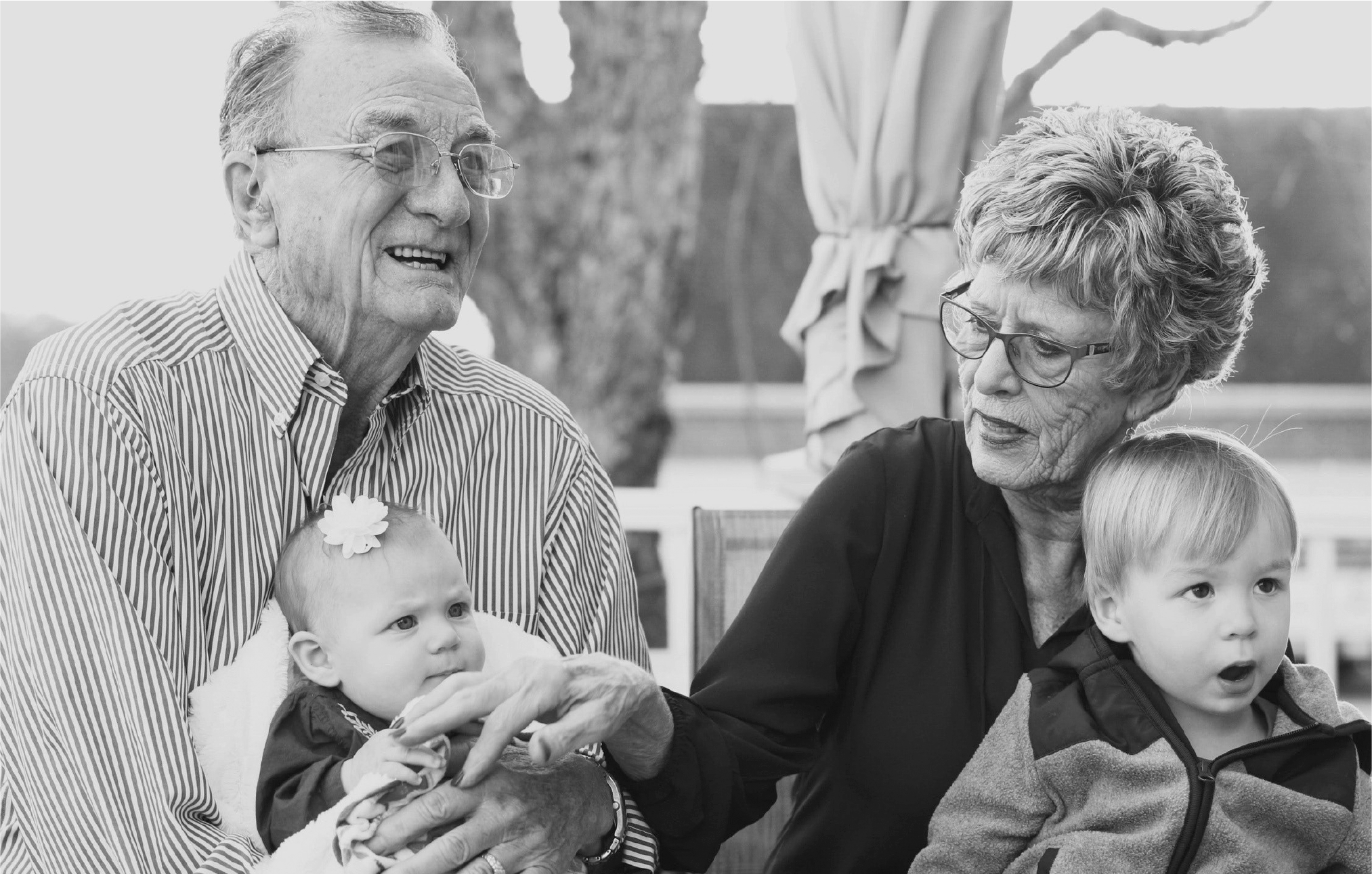
The term the “sandwich generation” was created in the 1980s to describe Baby Boomers, or the large generation of adults born after World War II.
“Baby Boomers” by Peter Schuler via Flickr
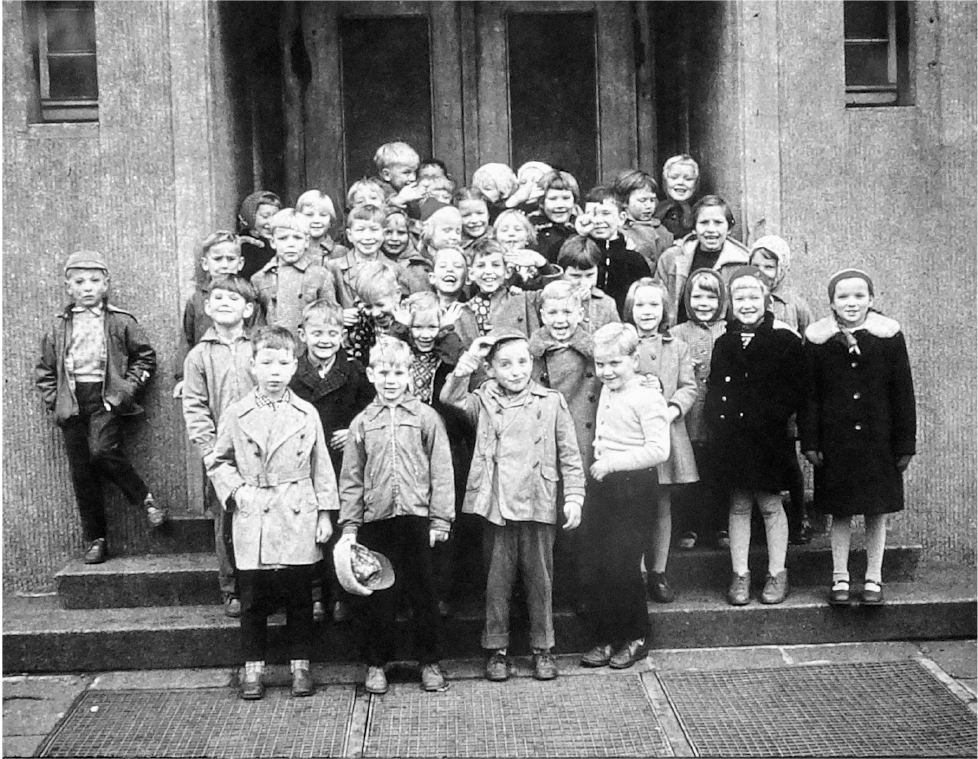
Who Else Might We Care For?
Currently, in both the academic literature and popular press, caregiving is often understood in silos, that is: care for children vs. care for adults. Although sandwiched caregiving accounts for combining care, caregiving for different types of adults is seen as separate. For instance, spousal or partner caregiving is often viewed as a distinct form of caregiving from other forms like eldercare or caring for an adult child with disabilities. This separation could be due the fact that different forms of care require different tasks and potentially cause different outcomes for the caregiver depending on the type. For instance, spousal caregivers often experience worse psychological and financial distress compared to adult children caring for their aging parents.
Yet, it is important to understand the experience of combining different forms of care at once as longer years of shared life means that other family members or other close relations (e.g. friends) beyond just children and parents may also need care at some point. In addition to caring for aging parents and children, people may also provide care for partners and spouses, siblings of all types (i.e., biological, step, adopted, in-law), grandchildren or great-grandchildren, friends, and other chosen family members and voluntary kin.
Populations have continued to change, creating potentially more years of overlapping care duties
Recent reports on sandwiched caregivers have reflected the changing care landscape by expanding the definition of sandwiched care to include caring for a child and any adult, including a spouse.
Vlada Karpovich via Pexels
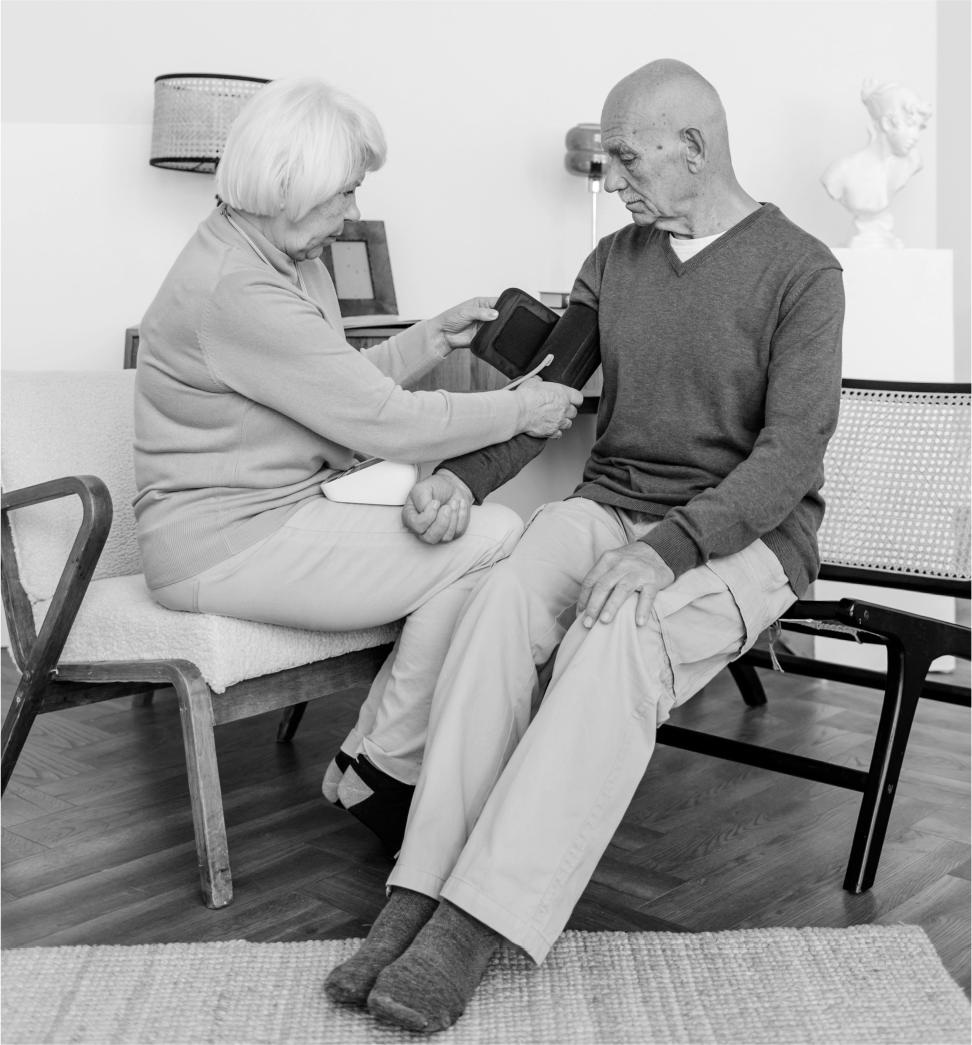
Recent reports on sandwiched caregivers have reflected the changing care landscape by expanding the definition of sandwiched care to include caring for a child and any adult (not just aging parents). When taking into consideration caring for children under 18 and any other type of adult (e.g. a spouse, a disabled adult child, an aging parent), recent estimates from Pew show that 12% of American adults provided care for two or more people in the last year. A recent National Alliance for Caregiving report estimates that 11 million Americans are providing care for a child and an adult at the same time and that today’s sandwiched caregivers are “more ethnically diverse, younger, and newer to caregiving” than previous cohorts of sandwiched caregivers.
However, because caregiving can happen in many ways and for many different types of people, the care “sandwich” of today may include more combinations beyond just caring for an adult and a child. For instance, caregivers may be providing care 1) downward to generations younger than them (e.g. children, grandchildren), 2) upward to generations older than them (e.g. parents, grandparents), or 3) horizontally for other people about their age (e.g. partner, sibling, friends). This means that a person could be caring for someone younger and older than them (i.e., the traditional definition of sandwiched care) but also they could be caring for two different generations of adults (e.g. their sibling and their parent, or their partner and their grandparent). By moving from a definition of “sandwiched” care to one that considers multiple generations, or multigenerational care, rates of care are higher for many adults over the life course.
The care needs of a child and the care needs of aging parents can be quite different from one another, adding to the squeeze caregivers feel compared to caregiving for only child or only older adults.
Askar Asbayev via Pexels
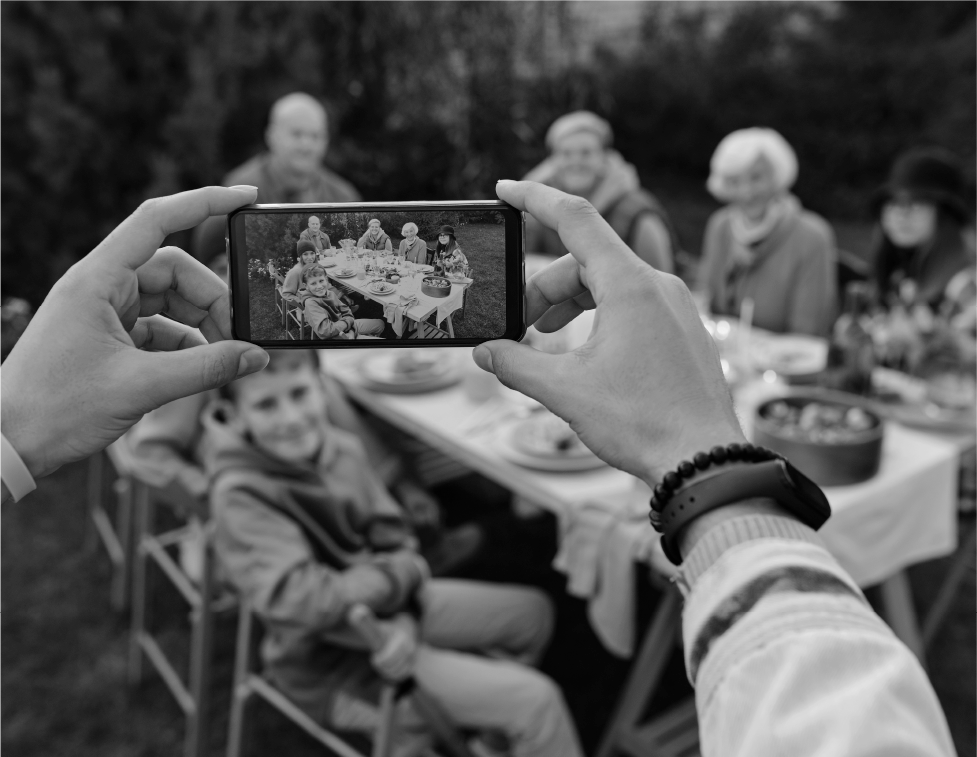
Supports for the “Invisible Work” of Caregiving
Part of the difficulty in tracking caregivers is that caregiving is often hidden or, as sociologists term it, “invisible work,” in that it is not valued like paid work usually is. In order to illustrate the value of caregiving to society, many researchers work to estimate the value of the care provided if that care was to be valued the way we do employment or other products. In a study that estimated the value of the non-monetary contributions being made by sandwiched caregivers (defined in the study as caring for any child and any adult simultaneously), the value annual value rang in at $691 billion per year, or roughly 4.3% of the US Gross Domestic Product in 2012.
Even though care is often hidden, it has many consequences for the care receiver as well as the caregiver including affecting mental and physical health, as well as ability to work and care for oneself to name a few. In an interview with People magazine Jim Gaffigan, a comedian who is also a father and provided care for his wife who had a brain tumor, noted: “Being a caregiver is a great honor but it’s also an incredibly stressful, ongoing experience.” Sandwiched and multigenerational care may be particularly influential for the caregiver’s outcomes because it is most common during early and middle adulthood, when an adult is also balancing their own aging, health, and financial well-being. For instance, the average sandwiched caregiver today is estimated to be about 41 years old.
Caregivers often rely on informal supports, though efforts to increase supports at the national level are emerging. At the federal level, many programs are targeted toward one type of care. For instance, the National Family Caregiver Support Program (NFCSP) provides grants to states and territories to fund various supports that help family and informal caregivers care for older adults in their homes for as long as possible. Care advocates are pushing for more supports for caregivers that range from federal policies to workplace policies. Caregivers who work may have access to other supports and policies, though the access is often uneven and variable. In a 2020 national study of caregivers in the United States, 58% said they have access to paid sick leave days, 53% have access to unpaid family leave, and 39% have access to paid family leave. Sandwiched caregivers frequently lack workplace benefits that may help them with their care responsibilities.
Surveys of public opinion show strong backing for supporting caregivers. One study in the United States shows that a majority (70%) of Americans support tax credits for caregivers, and nearly 60% support unpaid leave for caregivers. Among caregivers themselves, 68% feel that an income tax credit would be helpful, while 54% support a partially paid leave from work among those who are employed. There is more work to be done for supporting caregivers, especially as the “squeeze” of caregiving changes and more adults may be caring for multiple family members at a time.
Takeaways
Recent estimates show that more than 10% of American adults are sandwiched caregivers when defined as caring for a child and an adult simultaneously. However, different multigen-erational combinations of care duties may emerge because of continually changing demographic patterns of life expectancy and family formation. Family caregivers contribute a valuable resource to society at large, though the work is often quite “invisible.” Many people support policies that may help caregivers with their family care responsibilities, and new supports and policies are emerging.
Footnotes
Acknowledgements
This work was supported by the National Institute on Aging of the National Institutes of Health (T32AG000221). The views expressed are those of the author alone and do not represent those of their employers or the funding agencies.