



Abstract
An individual's happiness is closely related to their family life as the family is the institution in which they spend most of their life. Capitalizing on data from the 2018 China Family Panel Studies, this study investigates the relationship between family economic standing (measured by household income and homeownership) and family processes (measured by marital status and childlessness), as well as children's characteristics (measured by gender composition of children and adult children's educational attainment and marital status), and happiness of Chinese adults. We take a life-course perspective and examine how such relationships vary across different life stages. We find that factors like household income and homeownership are positively related to happiness for people in general; that married adults are happier than those who are unmarried; childlessness results in decreased individual happiness in old age; adult children's educational attainment, measured by college degree (three-year and four-year) and above, improves parents’ happiness; while children's unmarried status makes parents less happy. These significant relationships also change across the life span.
Keywords
Introduction
It is almost a self-evident truth that happiness constitutes the ultimate goal in life for most people. From ancient society to the contemporary world, understanding happiness and its correlates remains of enduring interest to philosophers and social scientists. Ever since Easterlin’s (1974) seminal work, research on the relationship between a wide array of social factors and happiness has boomed in recent decades.
Despite the possibility that one's happiness is highly dependent on hereditary characteristics such as personality traits (Headey, 2006, 2008; Lykken, 1999; Lykken and Tellegen, 1996), the conditions that one lives in do carry important implications for how one feels about life (Cantril, 1965; Clark et al., 2018; Easterlin, 2021). In fact, around a half-century ago, when people from 14 countries with different cultural and socioeconomic characteristics were asked to name the factors that constitute the best possible life, around 75% of them mentioned material circumstances (the most often cited), and around 50% mentioned a happy family life such as good relationships with other family members (the second most often cited) (Cantril, 1965). These results highlight the importance of family to one's happiness regardless of one's cultural and socioeconomic background.
Both family economic well-being and non-economic characteristics can impact one's happiness. Economic resources, commonly measured by income and wealth, are important to individuals’ happiness because they provide family resources to meet basic needs, achieve desires (Ball and Chernova, 2008; Diener et al., 1993; Easterlin, 2001, 2003; Killingsworth, 2021; Sacks et al., 2012; Stevenson and Wolfers, 2013), and eventually determine quality of life. Previous studies have consistently shown that both income and wealth are positively related to one's happiness (Cheng et al., 2020; Ferrer-i-Carbonell, 2005; Fong et al., 2021; Hsieh, 2011; Huang et al., 2016).
Non-economic family characteristics, including marital and intergenerational relationships, constitute primary sources of social integration for individuals and protect one from negative feelings of meaningless and normlessness (Durkheim, 2005). For example, it has been observed that married people in general enjoy better subjective well-being than their unmarried counterparts (Grover and Helliwell, 2019; Lee and Ono, 2012; Stack and Eshleman, 1998), and such difference is interpreted as the result of the financial security and emotional support provided by marriage (Bian et al., 2015; Stack and Eshleman, 1998; Waite and Gallagher, 2001). Parenthood and children's own characteristics, such as gender and children's social attainment, may also improve adult parents’ subjective well-being (Chen and Tong, 2021; Gao and Qu, 2019; Ma, 2019; Shi, 2016; Smith et al., 2018). Nonetheless, family life does not always bring a premium to happiness. Parenthood, for example, is sometimes associated with challenges such as financial burdens and sleep disturbance, and thus puts parents at risk of psychological problems (Nelson et al., 2014).
When investigating the relationship between happiness and family, it is important to account for the potential variation by age. The life-course perspective suggests that an individual's needs and desires, as well as prominent family characteristics and life events, change throughout life, with implications for happiness. One example is marriage. Singlehood may not have a bearing on happiness for young adults, but is likely to cause anxiety and stress for those who are close to or beyond the socially expected ages for getting married (Chen and Tong, 2021; Ji, 2015). Parenthood serves as another example. The positive impact of having a child on happiness may be more significant during children's early years, when parenting a baby creates more joy and social attachment (Nomaguchi, 2012; Pollmann-Schult, 2014) than during adolescent years, when intergenerational dissonance emerges (Nomaguchi, 2012; Nomaguchi and Milkie, 2020).
In contrast to the voluminous happiness research on Western countries, much less work has been done on China. Even less research has directly investigated the relationship between the family and individuals’ happiness; when it does, the analysis is often restricted to either a regional sample or a sample of specific age groups without accounting for the differences over the life course (e.g. Chen and Tong, 2021; Chyi and Mao, 2012; Fong et al., 2021; Gao and Qu, 2019; Huang et al., 2016; Pei and Pillai, 1999; Qian and Qian, 2015; Shi, 2016). Overall, we still lack a general understanding of Chinese people's happiness, its relationship with multiple family characteristics, and the potential age variation in this regard. Arguably, this issue is an important one given China's profound cultural and institutional distinctiveness from Western countries. Answers to these questions not only complete our understanding of happiness and its social correlates, but also provide insights into its potential variation according to social and cultural contexts.
The main purpose of this study is to draw an up-to-date picture of happiness among Chinese adults. Capitalizing on data from the most recent 2018 wave of China Family Panel Studies (CFPS), we systematically investigate the relationship between important aspects of family life and individuals’ happiness in China, and how such a relationship varies across different age groups. To preserve space, we restrict our focal measurements on family life to the aspects that have been shown to be of consistent significance to individuals’ happiness in previous studies and those of sociocultural prominence in the context of China. Specifically, we focused on three dimensions: family economic standing, important family processes, and children's characteristics. Despite its descriptive approach, this article contributes to the persistent interest in happiness and its social correlates by providing one of the first examples of nationally representative documentation of China in this regard.
Data and methods
Data
We use data from the 2018 wave of the CFPS. The CFPS is a nationally representative survey which covers 25 provinces in the Chinese mainland and collects comprehensive data at multiple levels (community, family, and individual) and across multiple domains (Xie and Hu, 2014). It is a longitudinal survey which launched in 2010 and is repeated every two years by the Institute of Social Science Survey (ISSS) of Peking University. There have been five waves of data up to now. This current study uses data from the latest wave in 2018. We restrict our analytical sample to the 29,612 adults (i.e. individuals at ages of 18 and above in 2018) who have a non-missing self-reported happiness score (our key dependent variable), and use multiple imputation methods to impute all the missing values on all of the covariates, other than province.
Measurements
Happiness
The focal dependent variable of our study is an individual's self-rated happiness. In the 2018 CFPS survey, the question “Are you happy?” was administered. Respondents were asked to answer this question by rating their response on a scale of 0 to 10, where a higher score indicates being happier.
Family economic standing
We use two measurements to capture family economic standing: household income and homeownership. In CFPS 2018, respondents were asked about their annual household income. In our analysis, we use the log transformation of the annual net household income per capita as the income measurement. Homeownership, an important indicator of family wealth, is a binary variable. It equals 0 if the family does not own any house/apartment, and equals 1 if the family owns any property. 1
Family processes
We consider two important family processes. The first is marriage, which is measured by marital status. Marital status is a binary variable with 1 referring to married and 0 referring to unmarried. 2 The second variable regards parenthood and is measured in terms of having or not having children. This is also a binary variable, with 1 referring to the respondent not having any living child and 0 referring to having at least one living child.
Children's characteristics
We have three measurements of children's characteristics. The first is the gender composition of children, which is a categorical variable with three subcategories: all sons, all daughters, mixed-gender children. The second is children's college degree attainment status. Given the prestige of college education in China and the fact that most parents expect their children to complete college despite competitiveness and selectiveness, we constructed a binary variable to measure whether the respondents have any adult children (aged 25 and above) whose educational attainment is above junior college degree level. The third variable is adult children's marital status. This is also a dichotomous variable: equaling 1 if the respondents have any children who are above age 25 and remain unmarried, and 0 indicating otherwise. 3 We chose the cut-off value of age 25 because it is about the median age 4 for a Chinese individual to get married.
Other control variables
We also control for an extensive set of social demographic characteristics of the respondents in our analysis. These variables include: age, gender (0 = female, 1 = male), type of hukou (household registration) (0 = non-agricultural hukou, 1 = agricultural hukou), employment status (0 = not employed, 1 = employed), years of schooling, self-rated physical health (0 = fair or poor, 1 = good, very good or excellent), and type of current residential area (rural = 0, urban = 1). Table 1 shows descriptive statistics of our analytic sample.
Descriptive statistics (n = 29,612).
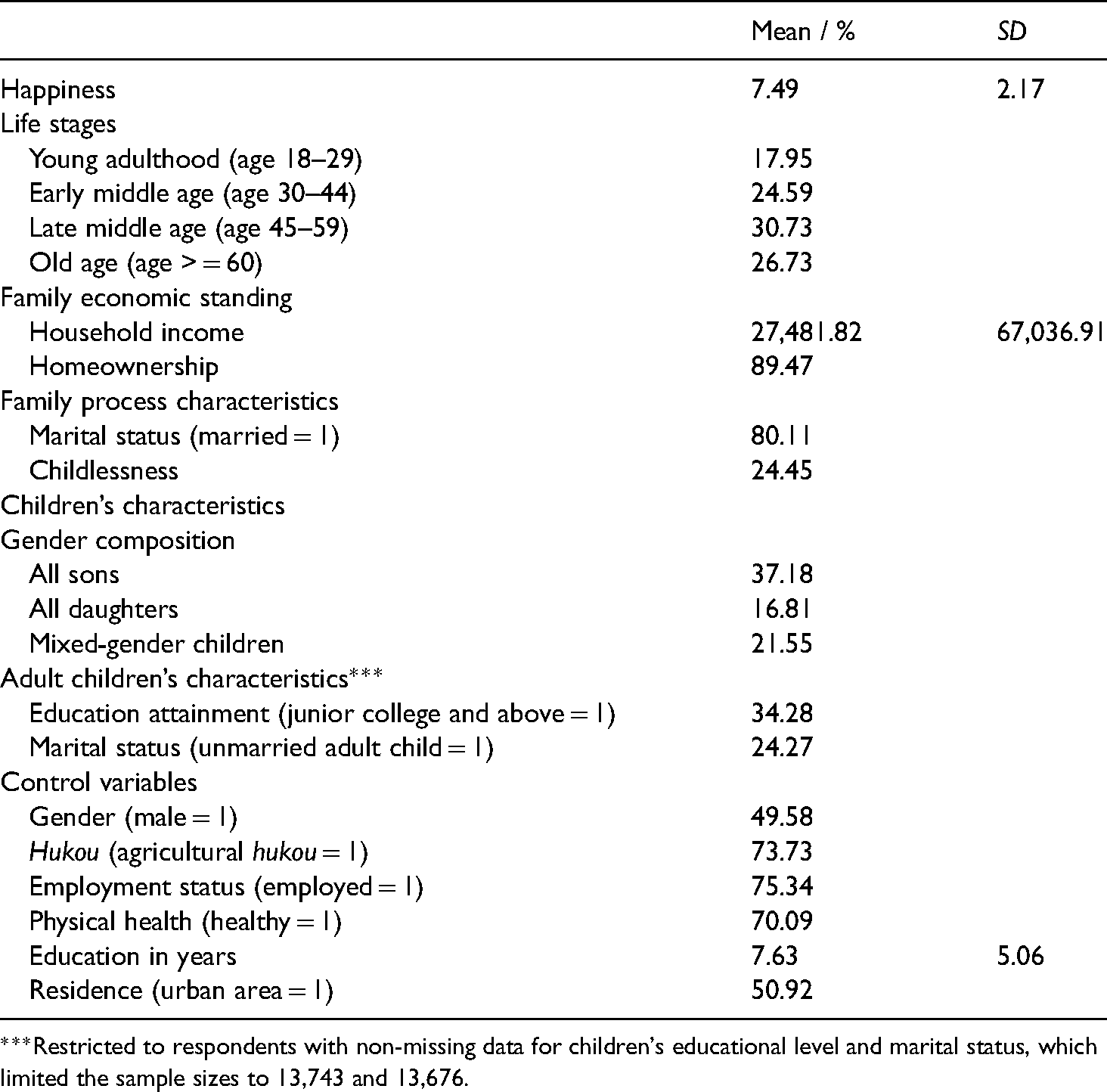
***Restricted to respondents with non-missing data for children's educational level and marital status, which limited the sample sizes to 13,743 and 13,676.
Analytical strategy
Our analysis starts by examining the relationship between age and self-reported happiness. After that, we use multiple linear regression models to examine relationships between family life factors and happiness. Given the significant regional variation in China (Xie and Hannum, 1996; Xie and Zhou, 2014), we control for province-fixed effects in our analysis. To detect any of the potential life-course variations, we stratify our regression analysis by four age groups: 18–29, 30–44, 45–59, and 60 and above. These four age groups are specified roughly based on the distinct periods in an individual's life course: young adulthood, early middle age, late middle age, and old age.
The regression model is specified as follows:
Results
Life course and happiness
One's level of happiness changes over the life course. In many countries, the relationship between age and subjective well-being is commonly recognized as a “U” shape, with middle-aged people being the least happy (Blanchflower, 2021; Graham and Pozuelo, 2017). To assess this pattern in contemporary China, we first analyze the average happiness score by age. Figure 1 presents the descriptive results, in which each dot represents the average score of adults’ happiness for a particular age. A curve is fitted to better show the trend of happiness over life. Consistent with findings from other countries, the relationship between happiness and age also assumes a U shape in China. Specifically, younger people (aged 18–29) and elderly people (aged 60 and above) are happier than those in their middle age (ages 30–59). People aged 40–50 report the lowest happiness score among all Chinese adults.
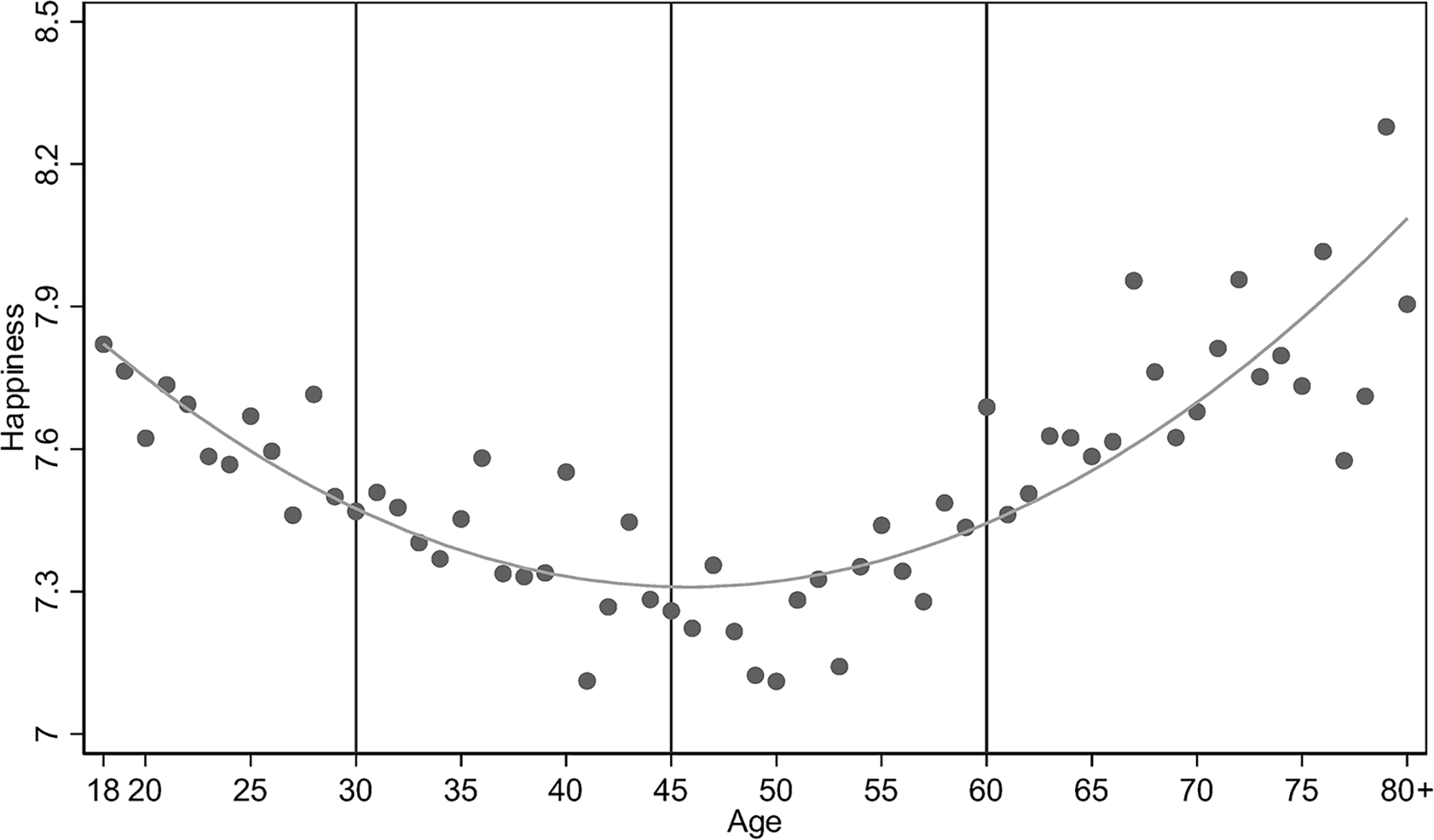
Age and self-reported happiness score.
Income, homeownership, and happiness in China
Family economic standing is influential on one's happiness to the extent that it largely determines one's level of living. Most previous studies have found a positive relationship between income and happiness, in both absolute (Ball and Chernova, 2008; Hsieh, 2011; Kahneman and Deaton, 2010; Killingsworth, 2021; Sacks et al., 2012) and relative terms (Asadullah et al., 2018; Ball and Chernova, 2008; Easterlin, 1974; Ferrer-i-Carbonell, 2005; Huang et al., 2016; Oshio et al., 2011), suggesting the significance of money to a happy life. Such a positive relationship is not hard to understand. Being more affluent not only allows people to meet their basic needs, but also provides family resources to improve the quality of material life through consumption and investment in, for example, leisure activities, material goods, services, and so on (Diener et al., 1993; Veenhoven, 1991). Income is also a significant indicator of one's social status and relative standing in society. Thus, people with higher relative income are likely to feel better, as they are on the upper rung of the income ladder (Easterlin, 1974).
Figure 2 shows the results from the age-group stratified regression analysis on the relationship between household income and happiness. Each column shows the coefficient estimates of household income and its corresponding 95% confidence interval for the specific age group indicated at the top of the figure. Overall, household income is positively associated with happiness for most individuals in our sample, and its importance to happiness seems to grow over the life span. While income is not significantly associated with happiness among young adults (ages 18–29), the association becomes significantly positive for middle- and old-aged adults. The magnitude of such a relationship also increases with age. Specifically, a 10% increase in household income is associated with 0.2 point increase in a person’s happiness score among those above 45, about twice the size of that among those in early middle age (ages 30–44).
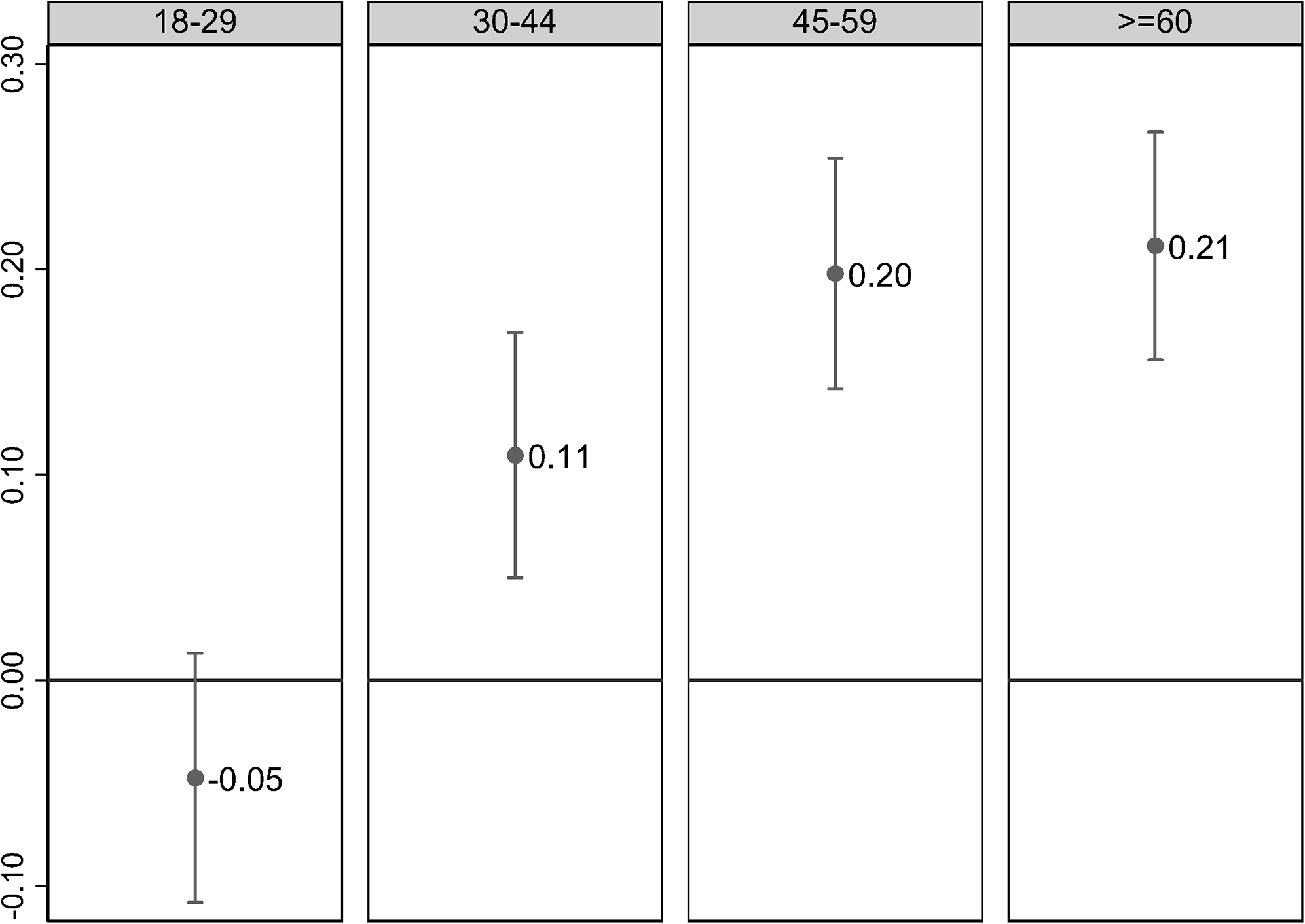
Household income and happiness in different life stages.
Our second focal measurement of family economic well-being is homeownership, which is an important indicator and primary source of family wealth (Xie and Jin, 2015), and can influence people's subjective well-being for both economic and social-psychological reasons. Psychologically, homeownership enhances people's sense of security, control, and independence over their living environment — a deep and natural desire for all humans (Dupuis and Thorns, 1996; Knight et al., 2009; Lindblad and Quercia, 2015; Zavisca and Gerber, 2016). Economically, housing not only reflects family living standards and financial well-being (Killewald et al., 2017; Zavisca and Gerber, 2016), but is also the basis for family accesses to key institutional resources such as education and healthcare (Gibson et al., 2011; Li, 2016; Shaw, 2004).
Housing is also likely to affect Chinese people's happiness because of the sociocultural values attached to it. For example, in China and other Asian countries, homeownership is viewed as a symbol of social status, stability, and responsibility, a way of meeting family obligations (Chen et al., 2019; Couper and Brindley, 1975; Hu, 2013), and a prerequisite for marriage (Yu and Xie, 2015), childrearing, and other family processes integral to a happy life. It is thus plausible that homeownership contributes to a higher level of happiness in China, just as suggested by previous studies on urban Chinese residents (Cheng et al., 2016; Hu, 2013; Huang and Clark, 2002).
Figure 3 plots regression coefficients of homeownership by life stages. Like that of income, the association between homeownership and happiness also differs across the four age groups; in contrast to income, though, it seems to decrease with age. Specifically, young homeowners (ages 18–29) are significantly happier than their counterparts who do not own any property, by 0.29 point. A weaker positive relationship between homeownership and happiness is observed among adults in their middle age (ages 30–59): for people aged 30–44 and 45–59, homeowners are happier by 0.14 (marginally significant) and 0.23 point, respectively. For elderly people, the correlation between homeownership and happiness is not significant.
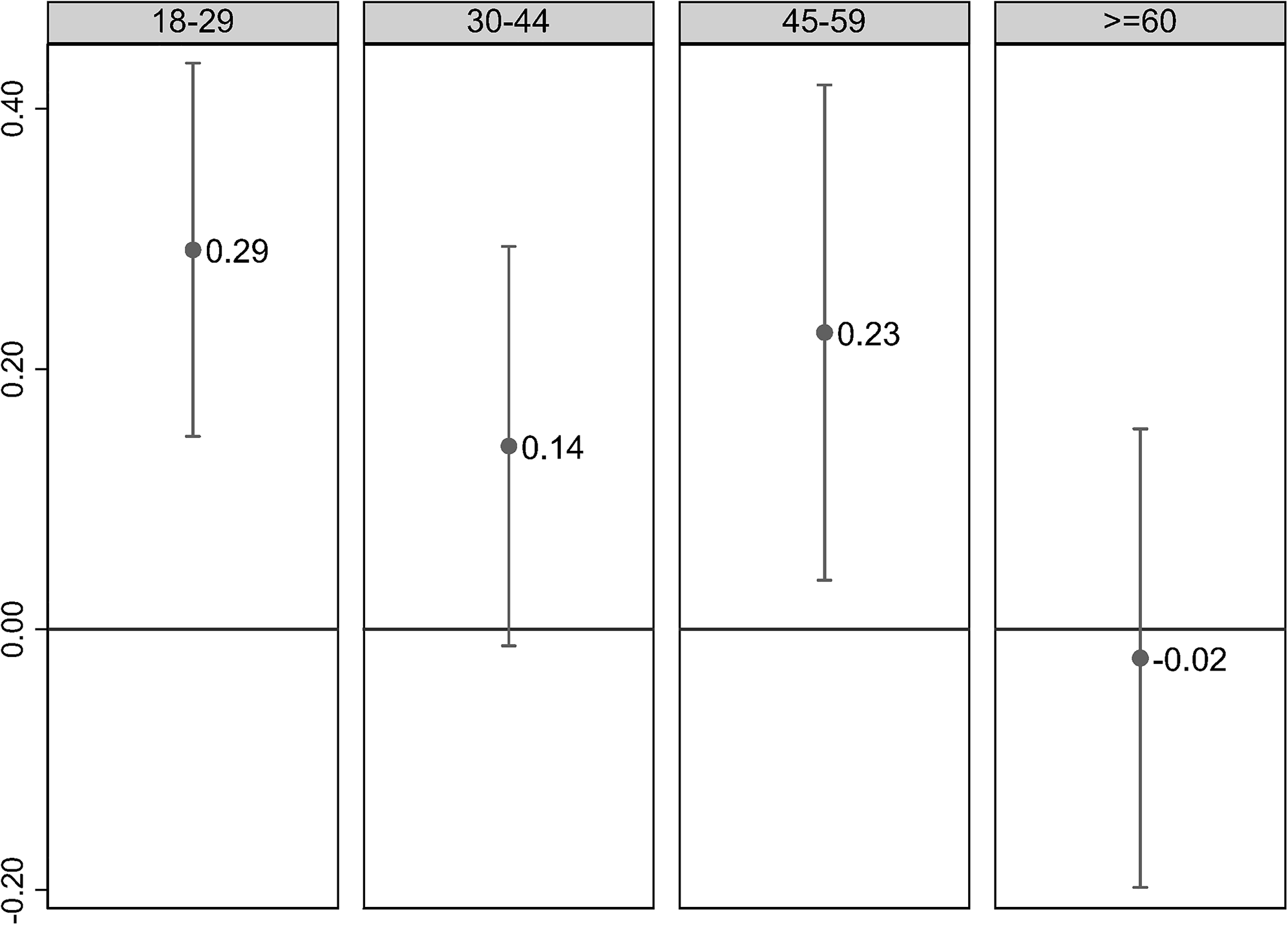
Homeownership and happiness in different life stages.
Marriage, parenthood, and happiness
Previous studies have shown that married adults in general feel happier than their single counterparts (Bian et al., 2015; Connidis and Mcmullin, 1993; Easterlin, 2003; Grover and Helliwell, 2019; Hori and Kamo, 2018; Horwitz et al., 1996; Koropeckyj-Cox, 2002; Lee and Ono, 2012; Stack and Eshleman, 1998; Vanassche et al., 2013; Waite and Gallagher, 2001; Zimmermann and Easterlin, 2006). It is argued that this positive relationship is largely due to married people being more likely to have stronger social integration and emotional support, and better financial security (Bian et al., 2015; Stack and Eshleman, 1998; Waite and Gallagher, 2001). In China, marriage can also be a significant predictor of an adult's happiness for sociocultural reasons. Living in a society dominated by Confucian culture, Chinese people traditionally view marriage as a milestone marking one's full independence, and it is a general social expectation for adults to get married by around age 25–30. As administrative data shows, most Chinese adults will get married, and the lifelong non-marriage rate in China is much lower than in Western countries (Yu and Xie, 2021). Thus, singlehood, especially for those remaining single beyond socially expected ages, is likely to be seen as abnormal by the rubric of Chinese culture and social norms, thus taking a toll on a single individual's mental well-being (Gui, 2020; Ji, 2015).
Figure 4 shows how marital status is related to happiness among Chinese adults. Consistent with previous findings, there is a significantly positive relationship between marriage and happiness for adults across all age groups. In terms of the magnitude of the relationship, it increases with age, reaches a peak in early middle age (ages 30–44), and then decreases. As is shown by the figure, the reported happiness scores of married people are higher by 0.72 point among young adults (ages 18–29), 1.38 point among early-middle-aged adults (ages 30–44), 1.15 point in late-middle-aged adults (ages 45–59) and 0.43 point among old-aged adults (ages 60 and above). One of the possible explanations for the largest premium of marriage on happiness being observed for people in their middle age is that middle-aged adults generally face challenges from responsibilities such as raising young children and caring for elderly parents, both of which could be stressful. Marriage is likely to help relieve these pressures by enabling one to share the financial and psychological burdens with one's partner, thus benefitting one's subjective well-being.
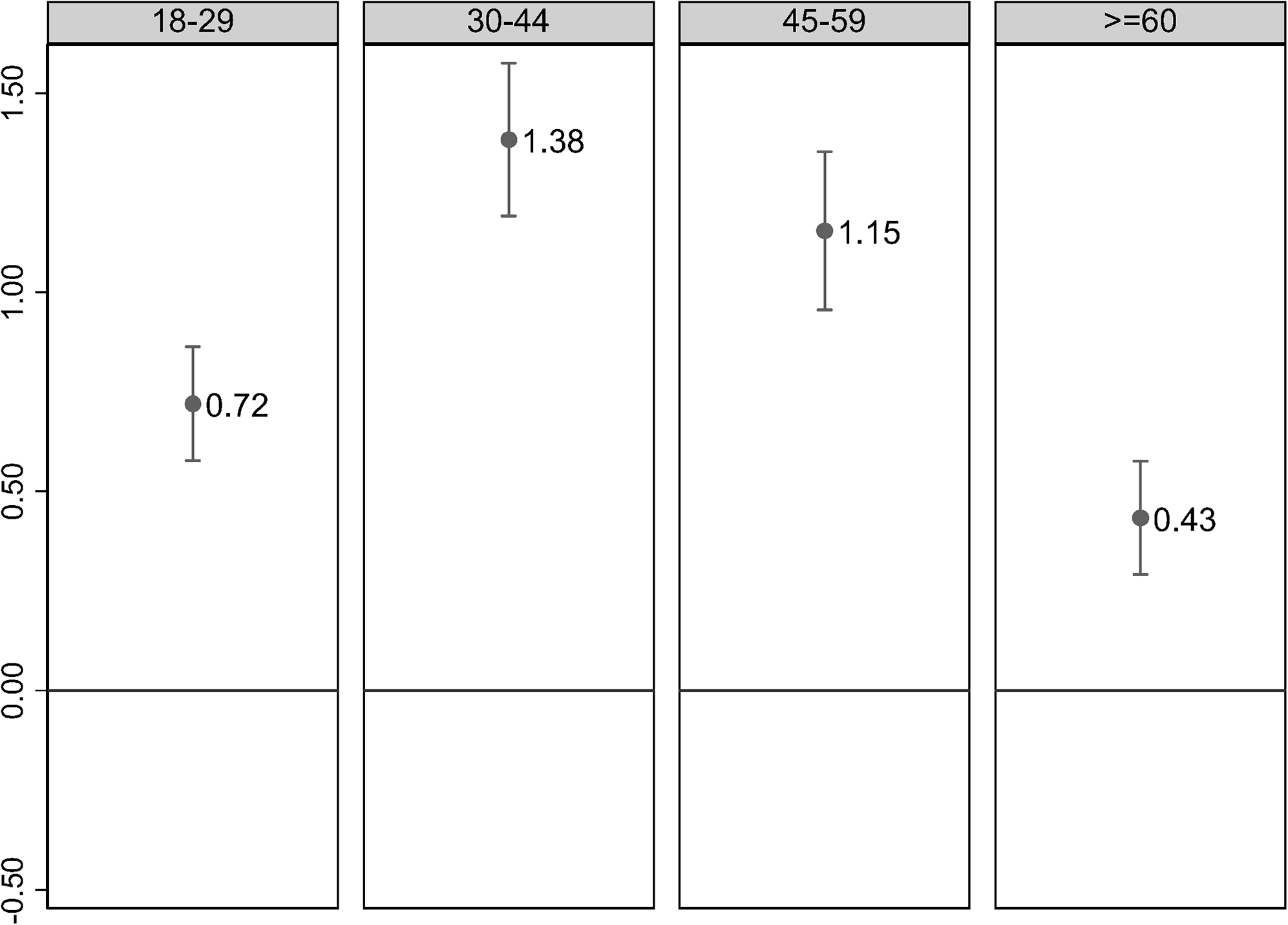
Marital status and happiness in different life stages.
Parenthood constitutes another essential component of Chinese people's family life. Generally speaking, having children may contribute to one's happiness to the extent that parenting a child involves a lot of fun and can build up close parent–child relationships that are beneficial to emotional wellness (Fawcett, 1988; Hoffman et al., 1978). Elderly parents can also get financial and emotional support from children, which ensures their well-being and life quality (Grundy and Murphy, 2018; Yuan et al., 2021).
Traditional culture in China suggests a positive relationship between parenthood and happiness. According to Confucian values regarding the family, childbearing is highly encouraged and even required, and is regarded as a part and parcel of a good life. It is also viewed as one's family responsibility to fulfill because it is a primary way to carry on the family line (Ma et al., 2019; Zhang and Liu, 2007). Childlessness is thus a sign of failing in one's filial piety to one's parents and ancestors, thus having no children can be the cause of great social pressure. Nevertheless, as ample evidence suggests, problems associated with parenthood, such as economic burdens, time strain, and depletion of physical and emotional energy, are all likely to threaten parents’ happiness (Evenson and Simon, 2005; Hansen, 2012; McLanahan and Adams, 1987; Pollmann-Schult, 2014).
Figure 5 shows the regression results from our analysis on the relationship between childlessness and adults’ happiness. It suggests that old-aged adults (60 and above) who have children are generally happier than those who are childless, by 0.19 point. For other life stages, though, there is no significant difference in happiness between those who have children and those who do not. Our results corroborate the arguments of previous studies that parenthood is an enterprise that costs a lot at a young age and whose gains are primarily realized in old age (Nelson et al., 2014).
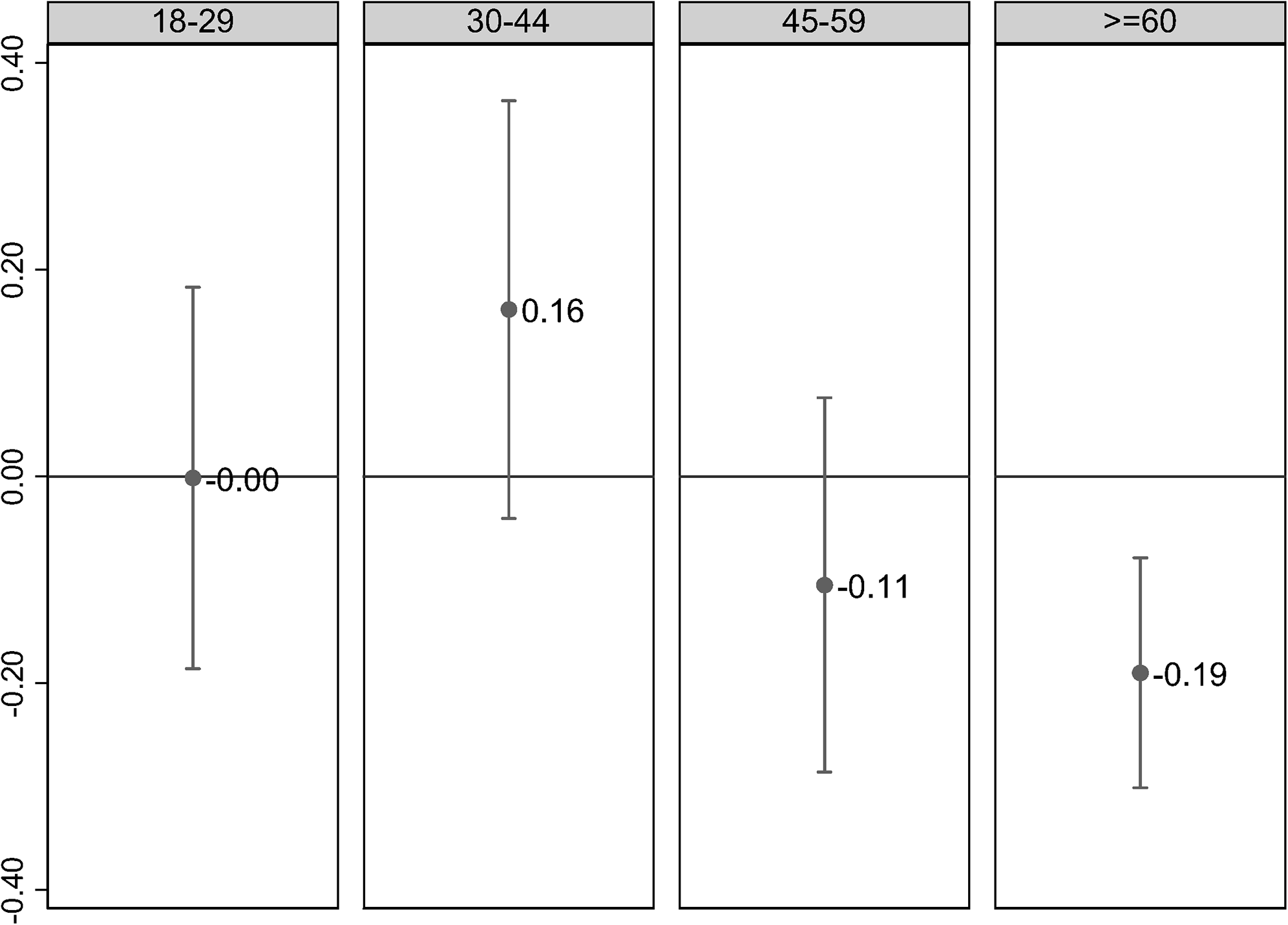
Childlessness and happiness in different life stages.
Children's characteristics and happiness
Given the strong intergenerational linkages, children's own characteristics, both demographic and socioeconomic, can influence parents’ evaluation of life well-being. Such “upward influence” not only exists during early childhood, when children are fully dependent on their parents, but will last throughout the life course, as the lives of children and parents are always intertwined (Elder et al., 2003). The potential effect of children on parents is likely to be more prominent in China given its long history of familism and persistent intergenerational solidarity (Yang and Li, 2009). In this paper, we consider the relationship between parents’ happiness and three characteristics of their children: children's gender composition, adult children's marital status, and adult children's educational attainment.
Despite the fact that in Western countries, children's gender matters little to their parents’ well-being (Margolis and Myrskyla, 2016; Negraia et al., 2021), it is likely to bear significant implications for Chinese parents’ happiness for both cultural and economic reasons. In traditional Chinese culture, sons are preferred to daughters. This preference can be dated back to ancestral worship in the years 200–300 BCE (Lee and Wang, 1999), further strengthened by the subsequent development of the patrilineal familial system of the imperial state (Bray, 1997). Its roots are in traditional beliefs and views about gender differences in family roles and responsibilities. In general, the Chinese viewed a son as the carrier of the family name and thus of the family line, while a daughter, after her marriage, would become part of her husband's family. After parents became old, it was sons who were the supposed primary care givers and who were expected to take care of their elderly parents until their death. Sons were also afforded higher economic value, mainly due to the male's traditional role as the major breadwinner, and the fact that sons were more helpful and productive in activities such as farming — the primary livelihood in traditional Chinese society.
However, the traditional son preference does not necessarily translate into better subjective well-being for parents with sons in contemporary China, especially given the many profound social changes that the country has undergone. As a matter of fact, in today's China, many elderly parents, especially in urban areas, live with their daughters rather than their sons (Logan and Bian, 1999; Xie and Zhu, 2009; Zhang, 2004). Compared with sons, daughters are more helpful in providing assistance and care to elderly parents (Hu, 2017; Xie and Zhu, 2009; Xu, 2015; Zeng et al., 2016) and thus contribute more than sons to parents’ better evaluation of life and subjective well-being (Smith et al., 2018). In addition, because of a son's role as the carrier of the family line, Chinese parents are supposed to help sons to succeed in the marriage market. This often means financial preparedness, which, in most cases, requires parents to raise savings and purchase their son a home (Wei and Zhang, 2011, 2016; Wei et al., 2017). These financial burdens associated with having a son can be detrimental to parents’ subjective well-being (Lu et al., 2017).
Figure 6 displays the estimated coefficients of gender composition of children across the four subgroups of adults. We use parents whose children are all sons as the reference group and compare this group with parents whose children are all daughters or are of mixed gender. As shown in the figure, parents who have only daughters report a slightly higher happiness score than those who have only sons. However, these differences are statistically insignificant, indicating that gender composition of children is largely unrelated to parents’ happiness.
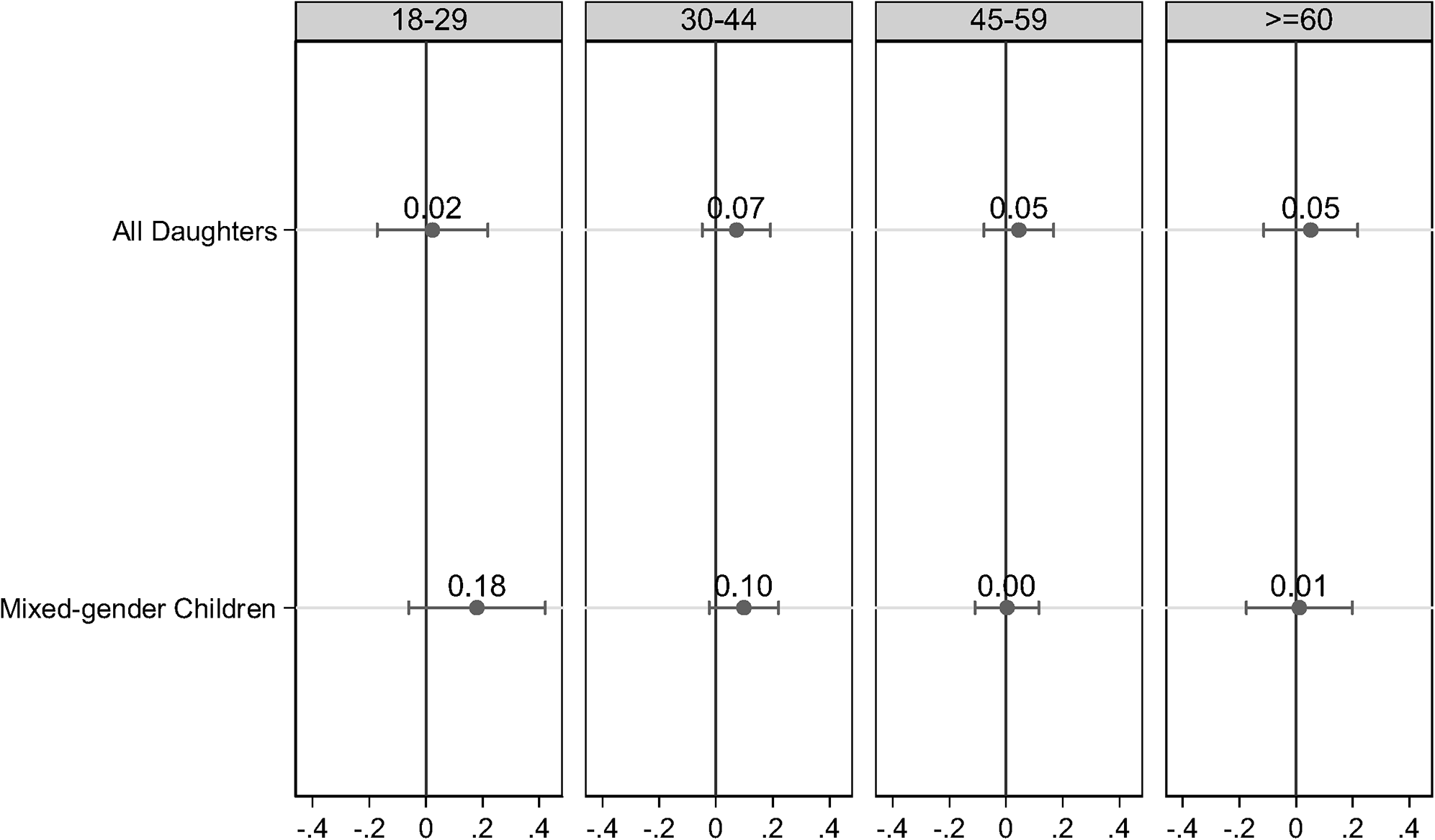
Gender composition of children and happiness in different life stages.
As parents in general tend to view children as an extension of themselves and use their children's social outcomes as a basis on which to judge their own parenting performance, children's accomplishments constitute an important source of pride and sense of achievement to parents, and provide a testimony to their successes as a parent (Levitzki, 2009; Ryff et al., 1994). Therefore, parents with children achieving socially desired outcomes are likely to feel happier than those with less successful children. Adult children's social achievements also impact parents’ happiness and mental wellness via tangible pathways, as successful children are more likely to be capable of providing financial support and care for their parents (Fingerman et al., 2012; Pillemer and Suitor, 2006).
Given its cultural and economic prominence in China, it is plausible that Chinese parents’ happiness is associated with their adult children's educational attainment and marital status. To begin with, education carries important social and cultural value in China. It is an important indicator of social status and the most important way to achieve upward social mobility. Receiving a good education, such as obtaining a college degree or higher, is a highly desirable social outcome, and one that most Chinese parents, regardless of their social background, expect their children to achieve (Liu and Xie, 2015; Liu et al., 2020; Lyu et al., 2019). According to Confucian culture, parents are held accountable for their children's educational achievement; as such, Chinese parents are highly involved in children's academic career and are motivated to invest intensively in their children's education (Li and Xie, 2020; Liu and Xie, 2015, 2016; Liu et al., 2020; Zhang and Xie, 2016). According to a recent online survey, most people believe that parents’ opinions are very important to education issues (Figure 7). Therefore, adult children's educational attainment will be a source of satisfaction to their parents and will be perceived as the “payoff” to parents’ investment. As educational attainment is also a predictor of one's socioeconomic status, parents with more highly educated children are likely to receive better financial support and physical care, both of which can improve their subjective well-being (Ma, 2019; Pei et al., 2020; Shi, 2016).
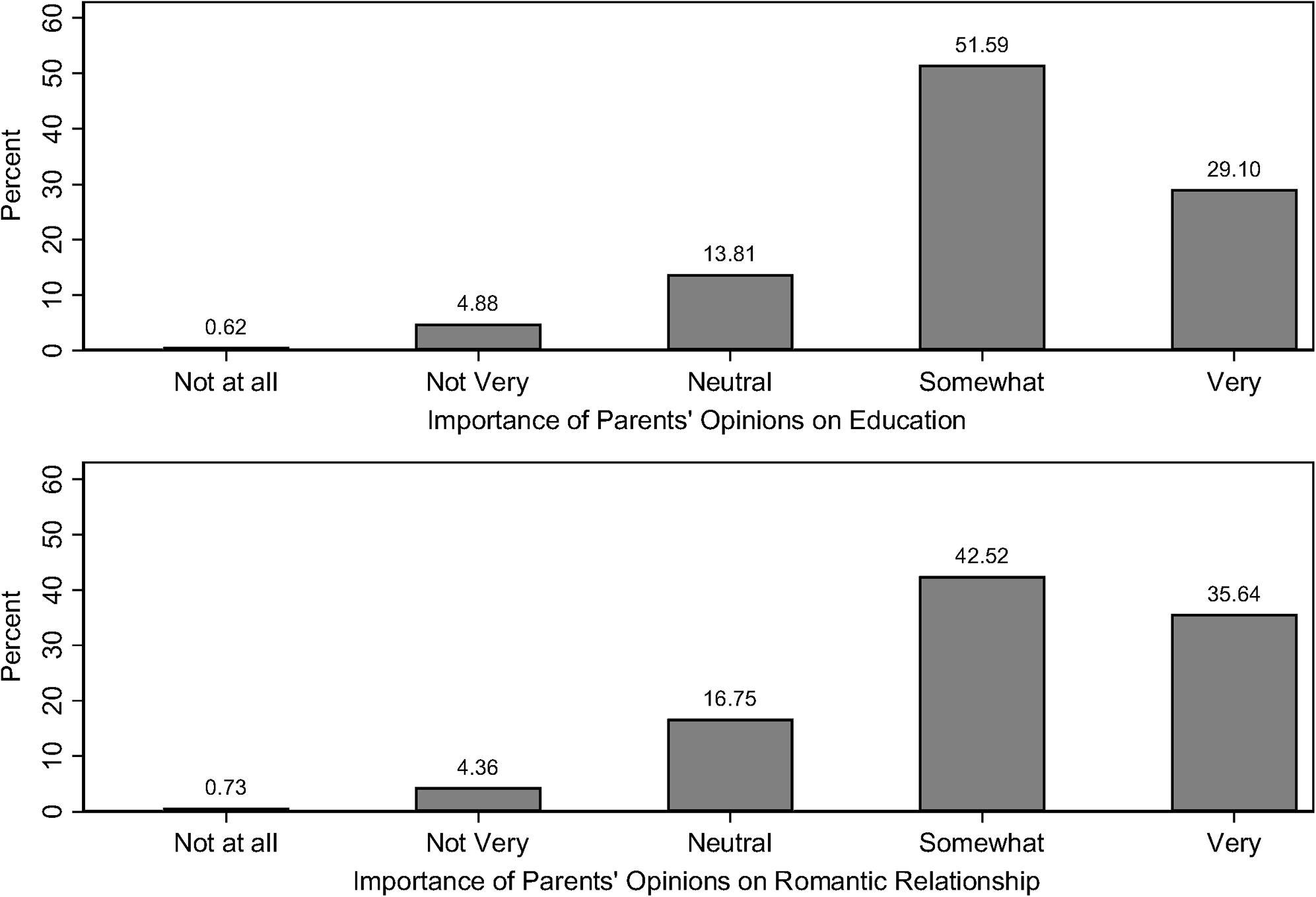
Importance of parents' opinions on children's education and romantic relationship (n = 8192).
Figure 8 describes the associations between children's attainment of a college degree and parents’ happiness. We focus on adults at the age of 50 and above. 6 As depicted in Figure 8, the association is positive for parents aged 55–59 as well as those aged 60–64, and nearly zero for others; and the positive relationship is only significant for parents aged 55–59. Among parents in this age group, those whose children have attained a college degree or higher are much happier than those whose children have not attained this level of education, by 0.24 point.
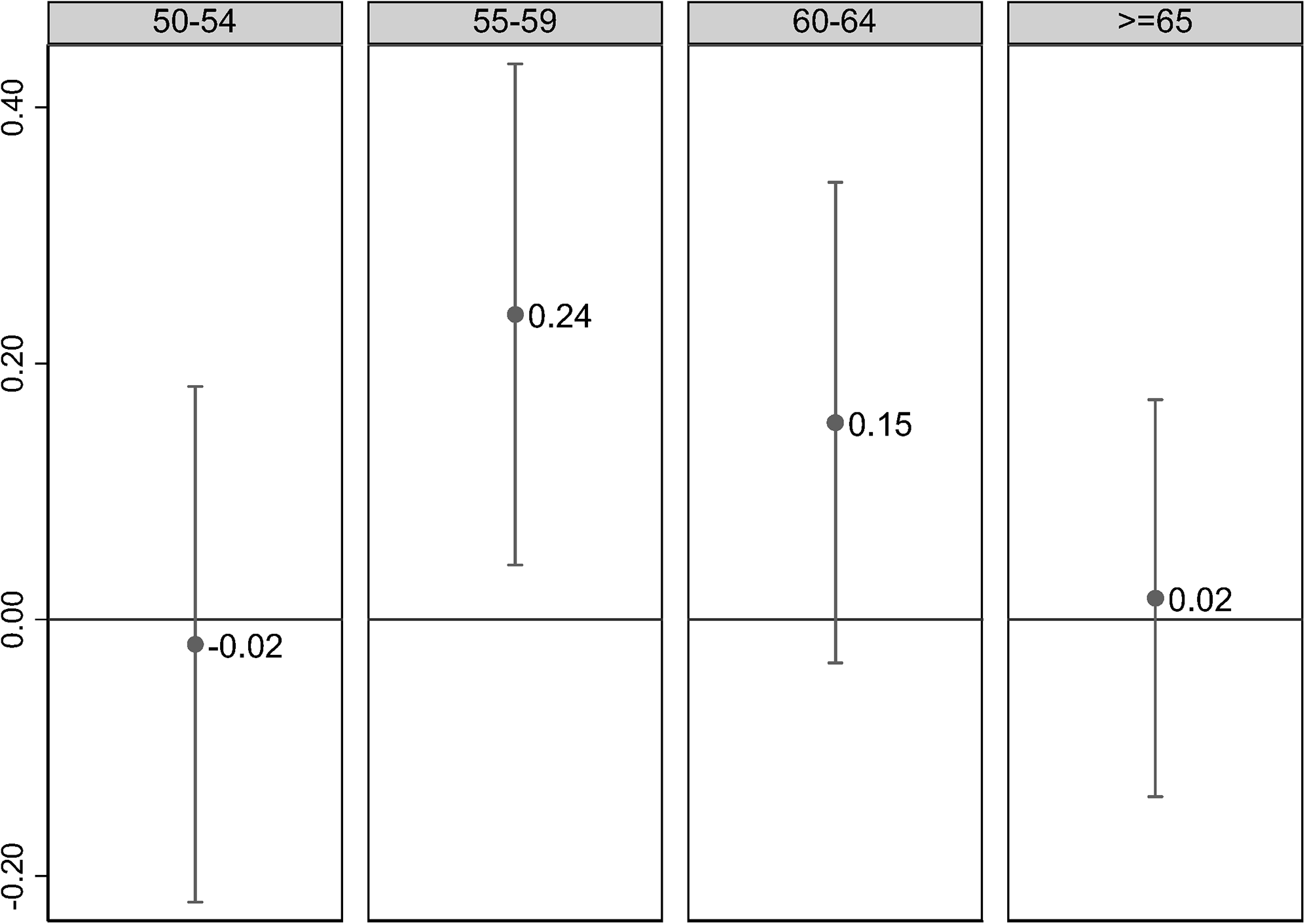
Educational attainment of adult children and happiness in different age groups.
As previously mentioned, in Confucian culture marriage is viewed as a developmental milestone marking one's full independence, part and parcel of a successful life and essential to the succession of family lineage. Most Chinese parents feel responsible for their children's marriage (Wei et al., 2008) and are active participants in their children's marriage formation process (see Figure 7). They tend to take adult children's singlehood, especially that beyond socially expected ages, as an indicator of their failings as parents (Ji, 2015), and are threatened by the social pressure from immediate social networks of relatives, friends, and neighbors (Gui, 2020; Wei et al., 2008). All of these can be sources of anxiety and stress that are detrimental to parents’ subjective well-being. Adult children's unmarried status can also lead to intergenerational dissonance and reduction in parents’ satisfaction with their intergenerational relationship with their children (Bengtson et al., 1995; Fincher, 2016; To, 2013), and thus give rise to parents’ psychological distress (Chen and Tong, 2021).
Figure 9 shows that having an unmarried adult child is negatively related to parental happiness, though the magnitude varies across parents’ age groups. To be more specific, among all these age groups, children's marital status matters most to the happiness of parents aged 60–64 and least to those aged 50–54. As is shown in Figure 9, parents having unmarried children feel less happy by 0.48 point at ages 60–64; by 0.32 and 0.29 point, respectively, for parents at ages 55–59 and 65 and above; and by 0.17 point at ages 50–54. As per the above discussion, Chinese parents regard their children's marriage as an important life event in their own lives and those of their children, thus they may experience anxiety and stress if their children remain single beyond the socially expected age of marriage.
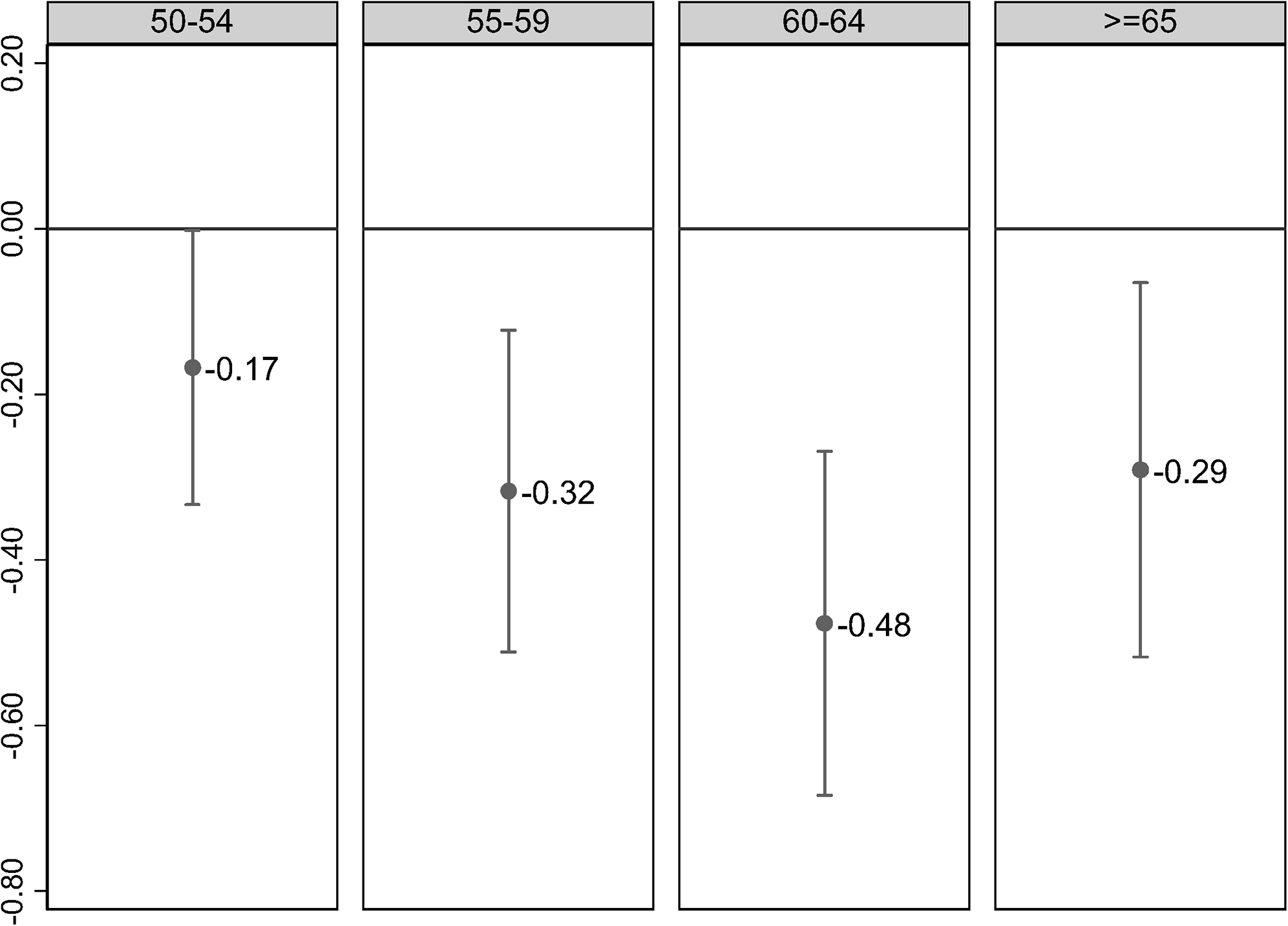
Children's unmarried status and happiness by age group.
Discussion and conclusion
Happiness and its social correlates constitute one of the questions of lasting interest to scholars, policymakers, and the public. Recent decades have witnessed a boom in the field of happiness research, and both theoretical considerations and empirical findings suggest the importance of family to individuals’ happiness (Easterlin, 2006; Joseph, 1976; Lu and Lin, 1998). In contrast to the voluminous happiness research on Western countries, the general conditions of Chinese people's happiness and its social determinants remain under-studied. Considering the strong familism in Confucian culture, both economic and non-economic family characteristics are likely to assume an irreplaceable role in shaping how happy one feels. Using data from the latest wave of the CFPS, a national representative longitudinal study on Chinese families, this study draws a descriptive picture of the relationship between happiness and the family in contemporary China, and documents how such a relationship changes across the life span.
Our results suggest that the family bears important implications for Chinese people's happiness, and such implications vary over the life span. For example, consistent with findings from previous studies (Diener et al., 1993; Ferrer-i-Carbonell, 2005; Gardner and Oswald, 2007; Kahneman and Deaton, 2010; Killingsworth, 2021), we find a significantly positive relationship between happiness and household income among middle- and old-aged adults, but not for those under the age of 30. Moreover, income seems to become more important to happiness as people grow older and it is most influential for the happiness of elderly people (aged 60 and above). Homeownership, an indicator of family wealth, also seems to be positively related to happiness in China. In contrast to income's growing significance with age, the positive relationship between homeownership and happiness diminishes across the life span, as it is significant among the young and middle-aged adults but not among the elderly.
When it comes to family processes, we found that marriage does have a positive relationship with happiness among all Chinese adults regardless of their age, with the strongest observed effect among middle-aged adults. Having children or not, in general, does not have a significant relationship with one's happiness, except with regard to the elderly, where a negative relationship is observed between childlessness and happiness.
Lastly, we found some evidence that Chinese parents’ happiness depends on their children's characteristics, especially their social outcomes. In general, having college-educated children indicates a higher happiness score, though such a positive relationship is only significant among parents in the age group of 55–59. Having an unmarried adult child is significantly associated with a lower happiness score for all parents above the age of 50. However, we do not find any significant relationship between children's gender composition and parents’ happiness.
Our study contributes to the current literature by providing a basic understanding of the social correlates of Chinese people's happiness from the perspective of family and life course. Though our findings reveal basic patterns in the relationship between family and happiness across the life span in China, several limitations remain for future studies to address. For example, we only provide a descriptive account, without being able to identify the potential causal relationship between different factors and happiness. Also, as we only use one wave of data, we cannot distinguish the sources of the observed varying relationship across age groups. Namely, we cannot decide whether the age-varying pattern is due to differences in age, cohort, or period.
Supplemental Material
sj-docx-1-chs-10.1177_2057150X211045484 - Supplemental material for Family life and Chinese adults’ happiness across the life span
Supplemental material, sj-docx-1-chs-10.1177_2057150X211045484 for Family life and Chinese adults’ happiness across the life span by Jiashu Xu and Airan Liu in Chinese Journal of Sociology
Footnotes
Declaration of conflicting interests
The authors declared no potential conflicts of interest with respect to the research, authorship and/or publication of this article.
Funding
The authors received no financial support for the research, authorship and/or publication of this article.

Supplemental material
Supplemental material for this article is available online.
Notes
References
Supplementary Material
Please find the following supplemental material available below.
For Open Access articles published under a Creative Commons License, all supplemental material carries the same license as the article it is associated with.
For non-Open Access articles published, all supplemental material carries a non-exclusive license, and permission requests for re-use of supplemental material or any part of supplemental material shall be sent directly to the copyright owner as specified in the copyright notice associated with the article.
