Abstract
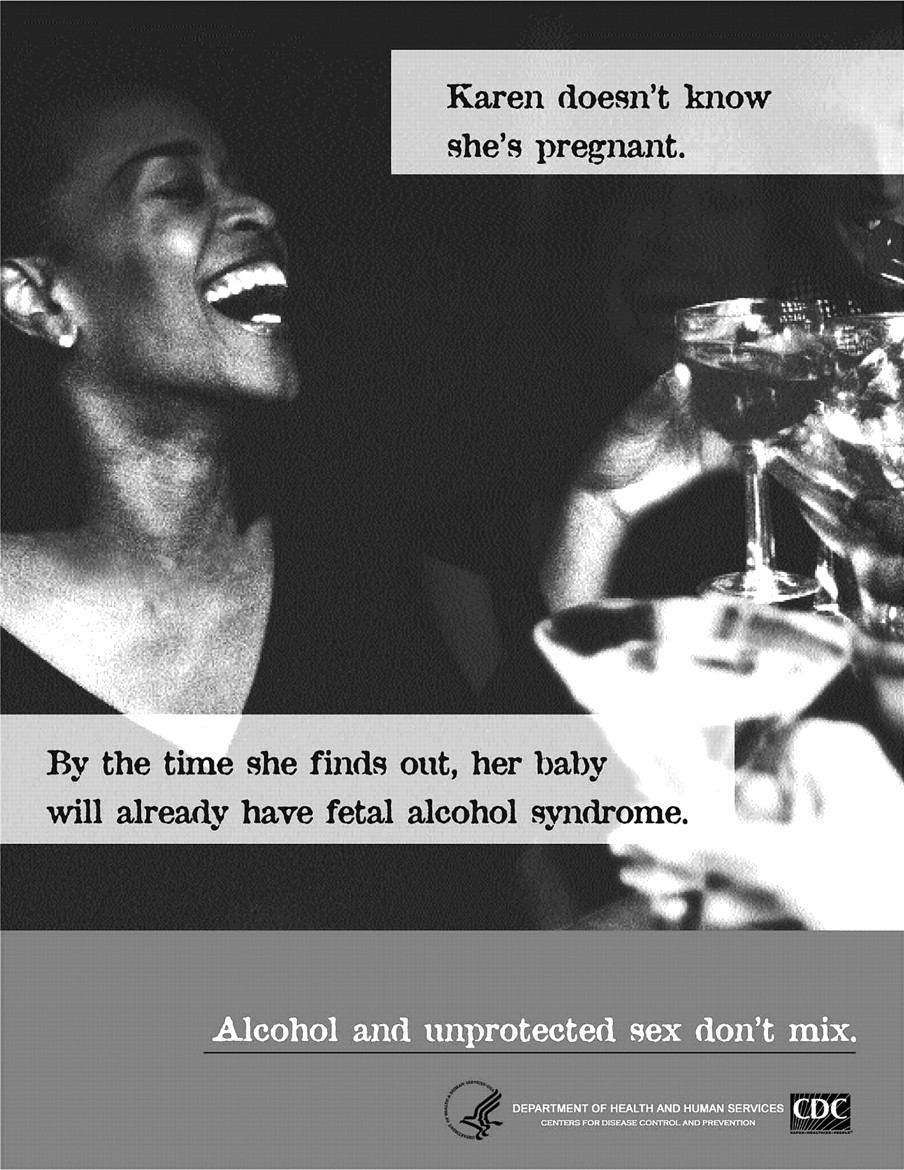
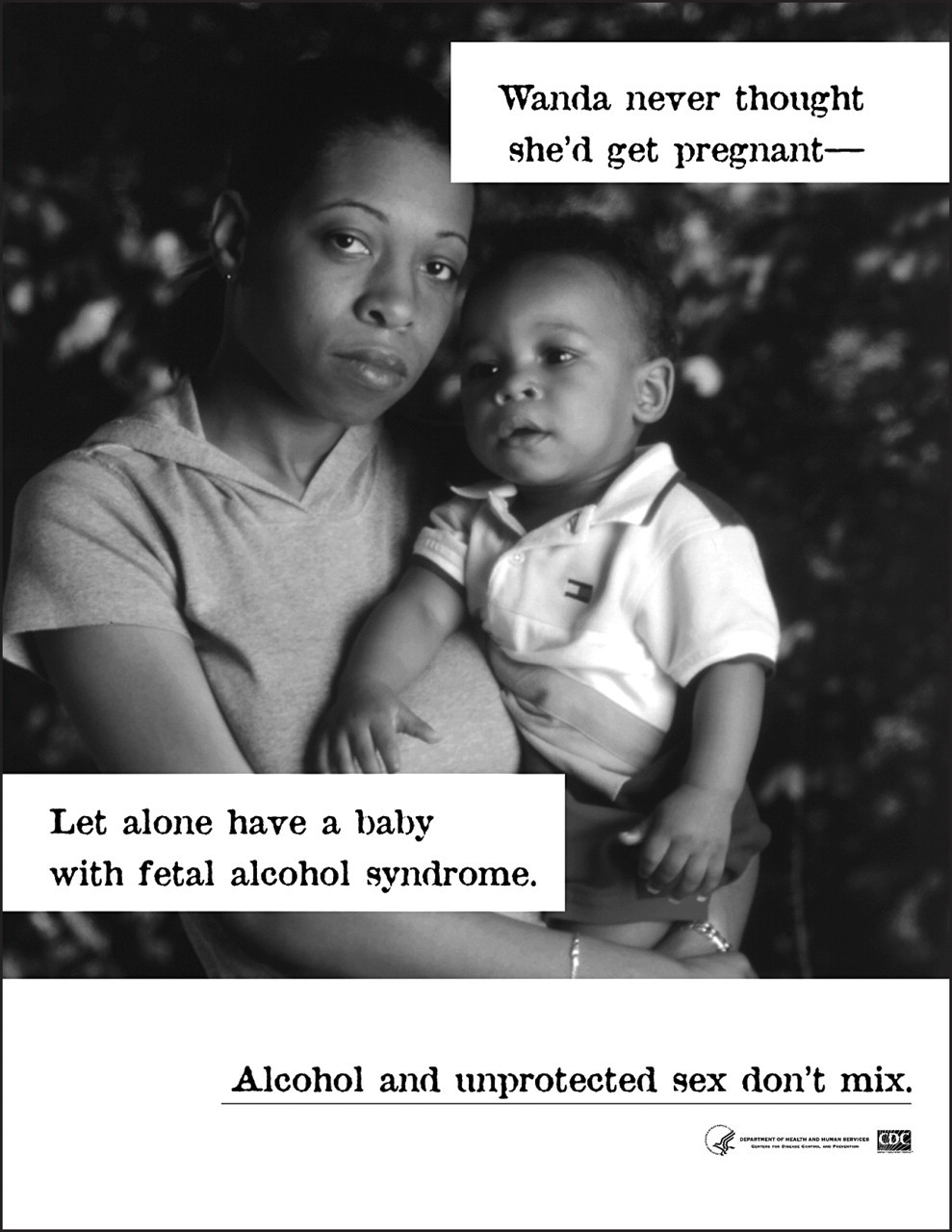
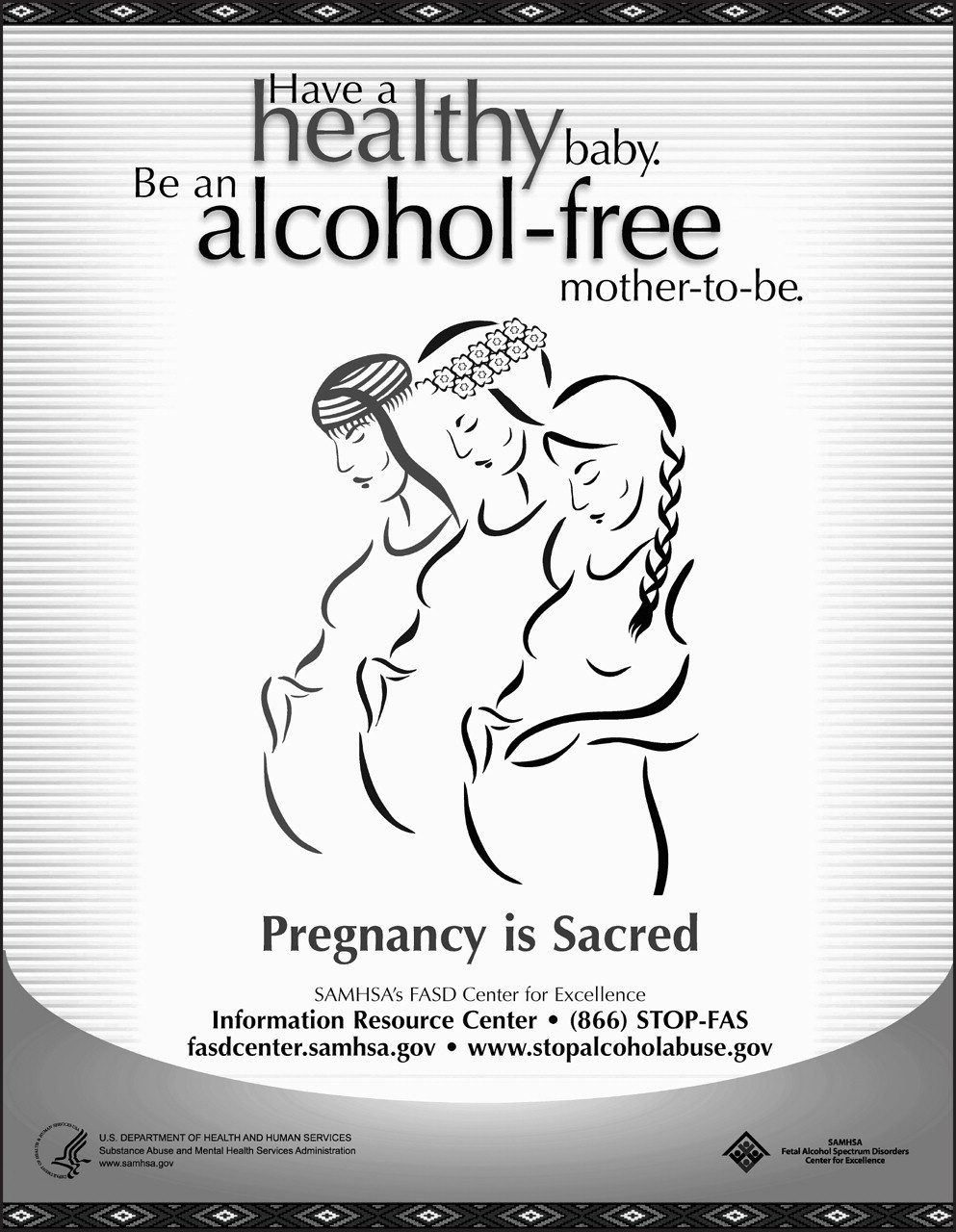
Drinking during pregnancy is not a good predictor of fetal alcohol disorders. Yet, public health campaigns urge women to stay alcohol-free before, during, and after pregnancy, and burden mothers with the responsibility of delivering a healthy child.
Keywords
Fetal Alcohol Spectrum Disorders (FASD) are a group of problems that include mental retardation, growth problems, abnormal facial features, and other birth defects. These disorders are known to affect some children whose mothers drink alcohol during pregnancy. Accordingly, the Surgeon General of the United States, the American College of Obstetricians and Gynecologists, and the American Academy of Pediatrics all recommend complete abstinence from alcohol for women who are pregnant or trying to get pregnant. Many, like the Surgeon General, also suggest that all “…women of child-bearing age should consult their physician and take steps to reduce the possibility of prenatal alcohol exposure,” even if they are not trying to get pregnant. Currently, then the strategy to reduce FASD is to discourage women from drinking alcohol for, perhaps, their entire reproductive lives.
The strategy here is to discourage women from drinking for, perhaps, their entire reproductive lives.
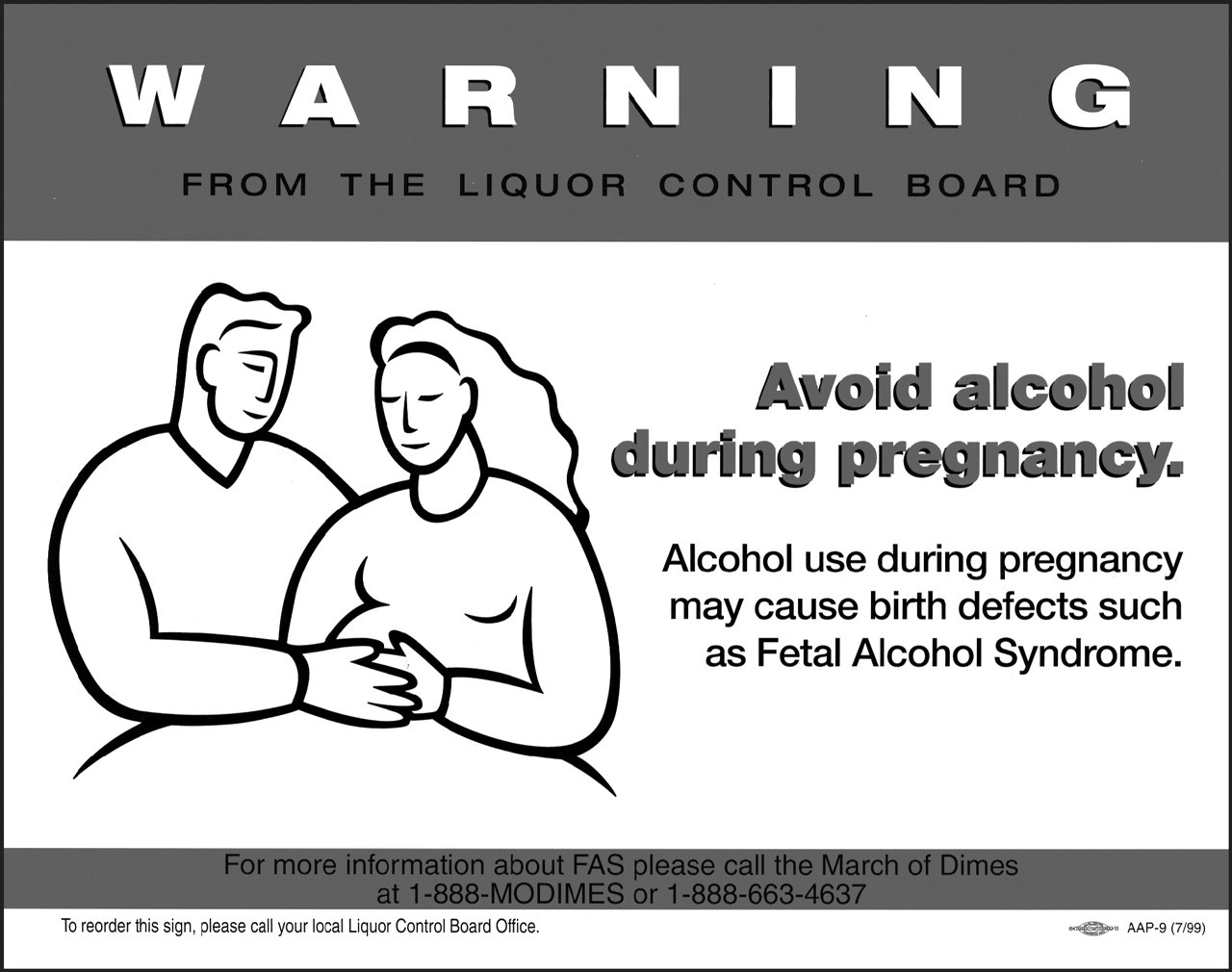
In this vein, federal legislation on the books since 1988 has required labels on all alcoholic beverages warning against drinking while pregnant. Twenty-three states also require that drinking establishments post warnings on their premises.
Despite these dictates, medical research on the incidence of FASD and its relationship to the consumption of alcohol by pregnant women doesn't seem to recommend this level of vigilance. In her book, Conceiving Risk, Bearing Responsibility: Fetal Alcohol Syndrome and the Diagnosis of Moral Disorder, sociologist Elizabeth Armstrong reports that, while many studies have shown that drinking alcohol during pregnancy is related to FASD, only about five percent of women who drink heavily while pregnant give birth to babies who are later diagnosed. Further, 52 percent of French women, 55 percent of British women, and 63 percent of Irish women consume alcohol when they're pregnant. Most of these women drink only lightly or moderately and large-scale studies show that consuming one or two alcoholic drinks once or twice a week after the first trimester, and certainly the occasional celebratory glass of wine, does not harm a fetus in any measurable way.
So, imbibing during pregnancy may put a child at risk of FASD, but it by no means causes the set of disorders. So what causes FASD? It turns out that, in addition to alcohol consumption during gestation, the disorders are related to a whole host of environmental factors. Armstrong shows that FASD diagnosis is “highly correlated with [maternal] smoking, poverty, malnutrition, high parity [i.e., having lots of children], and advanced maternal age” as well as drinking. Women who are socially disadvantaged, then, are at greater risk of giving birth to a child with FASD. There also appears to be a genetic component. Some fetuses may be more vulnerable than others due to the different ways that their bodies break down ethanol. In fact, sometimes one fraternal twin is diagnosed with FASD, but the other twin, who shared the same uterine environment, is not.
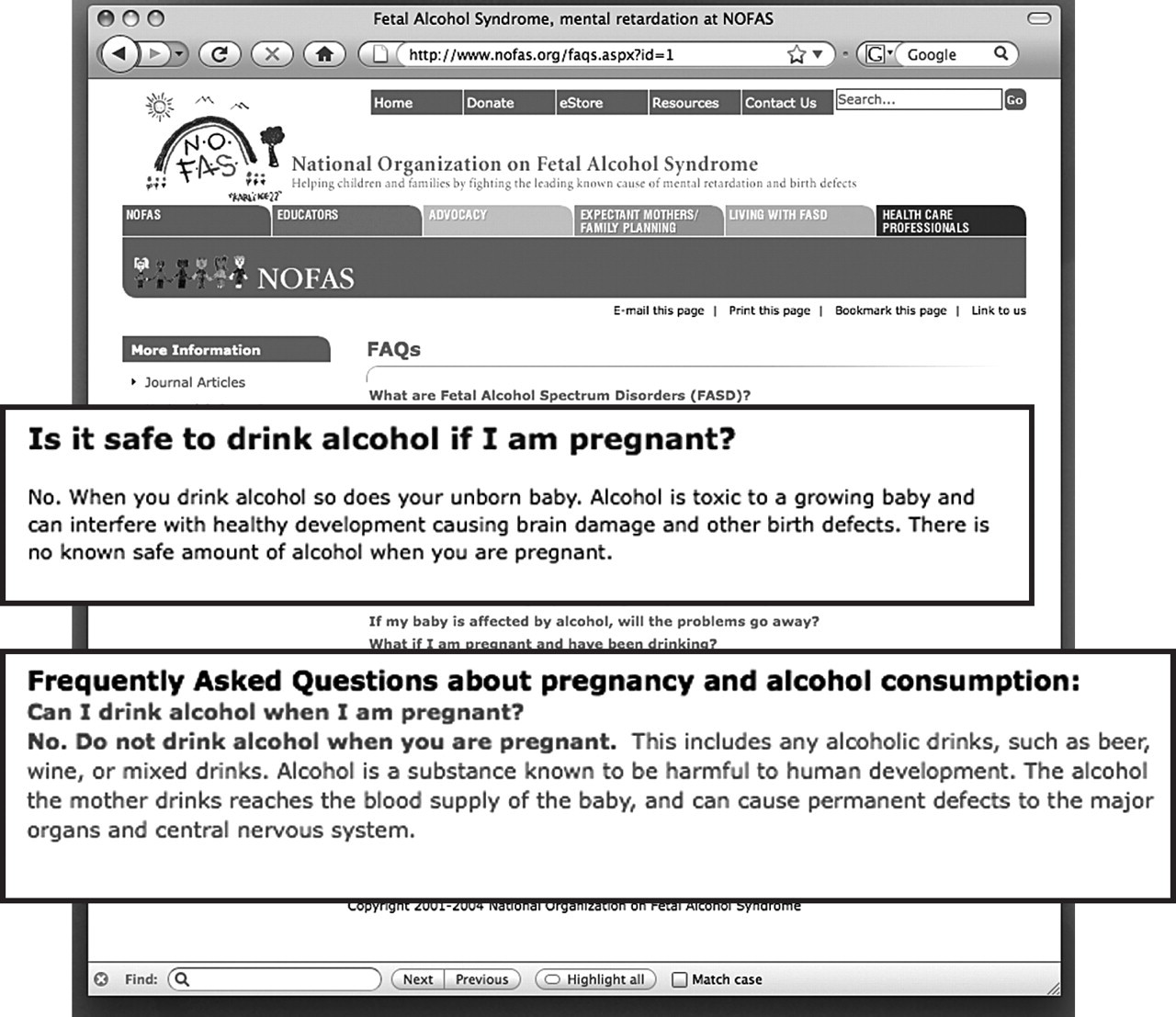
All of this is to say that drinking during pregnancy does not appear to be a sufficient cause of FASD, even if it is a necessary one by definition. That is, drinking during pregnancy does not, by itself, tell us much about whether a woman will give birth to a child who will be diagnosed with FASD.
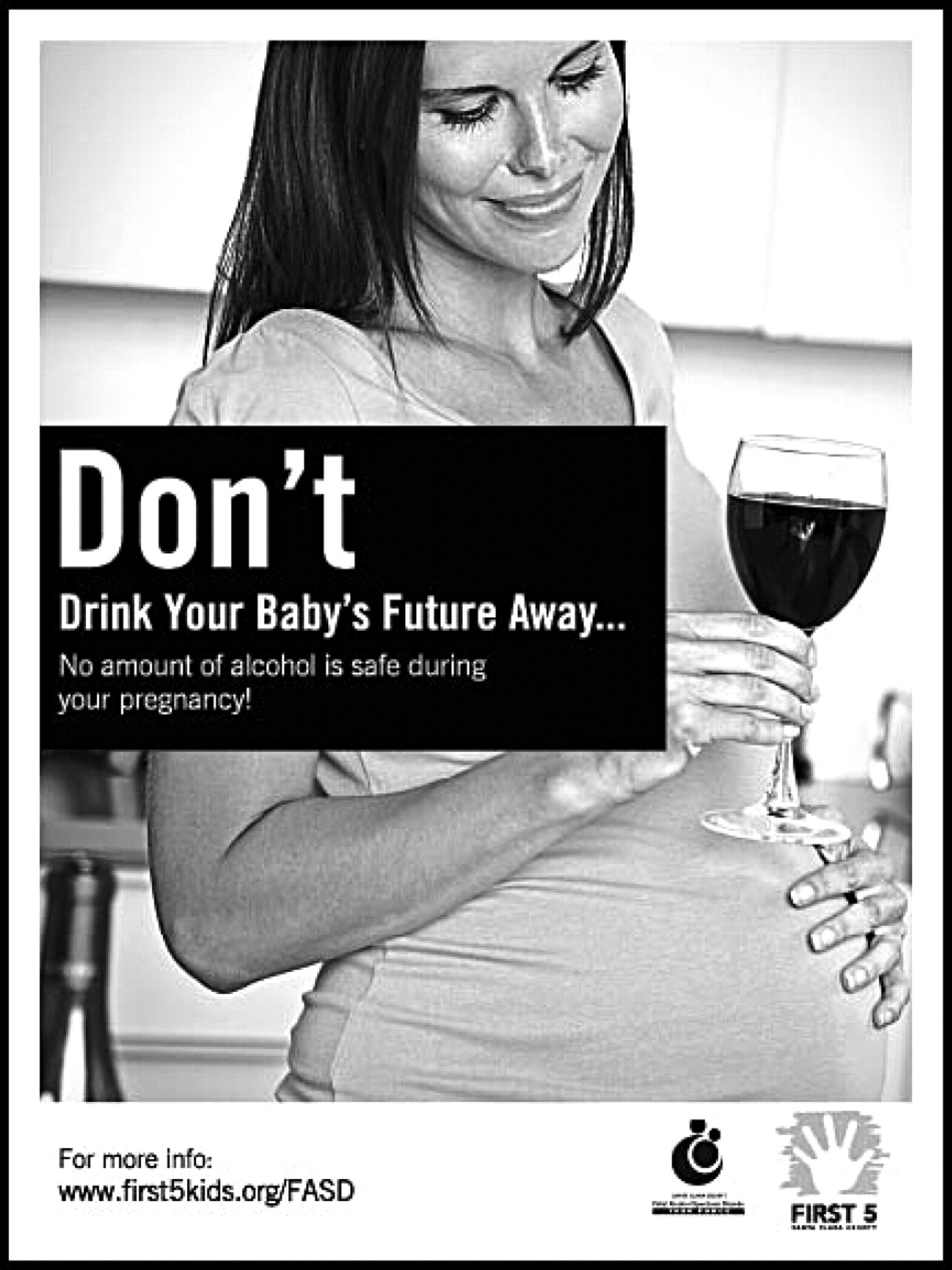
Regardless of the rather weak link between light to moderate alcohol consumption and FASD, however, almost all public health campaigns—whether sponsored by states, social movement organizations, public health institutes, or the associations of alcohol purveyors—tell pregnant women to completely abstain from alcohol before, during, and immediately after pregnancy. In addition to official recommendations and required signage, anecdotal evidence from bartenders and pregnant women suggests that friends, family members, and even strangers are more than willing to step in as the “pregnancy police.”
Armstrong argues that public health campaigns that instruct women to abstain from alcohol altogether are not only not medically indicated, they're problematic on three additional fronts. First, instead of empowering women to make informed decisions about the risks and benefits of drinking while pregnant, they treat women like a threat to fetuses that must be controlled. Women who drink while pregnant face stigma, even if they drink very little, and when children are diagnosed with FASD, the blame is placed squarely on the mother, even though we know that other factors likely play a role. Second, these campaigns are largely ineffective. Only the heaviest drinking women put their fetuses at risk, but, due largely to addiction, they are the least likely to respond to the no-drinking campaign. Finally, because FASD is correlated with social deprivation, not just the choices of individual women, these campaigns leave all of the other problems that correlate with the appearance of FASD—poverty, malnutrition, and other risk factors—unaddressed. One can't help but think there must be more effective ways to reduce the incidence of FASD than sowing fear and shame, offering women medically inaccurate information, and then blaming them if they are unable to provide a pristine uterine and extra-uterine environment.