



Abstract
Subtle or overt, popular imagery and language serve as daily reminders of our nationality, a sentiment that can be easily politicized.
Keywords
Sociologists use the concept of nationalism to describe a sense of patriotism that goes beyond love of country, extending to a belief in the superiority of one’s own nation and a willingness to harm other countries in its service. A nationalist, then, might endorse reducing aid to countries that don’t cooperate with their own country’s perceived economic interests, even if that means exacerbating suffering elsewhere; colonizing occupied lands on the assumption that his or her own country is entitled to expansion; or engaging in violence against countries or groups that are seen as a threat to the way of life in his or her country. Nationalists, then, privilege their own country’s prosperity over broader issues of fairness, global cooperation, and protecting the well-being of citizens of all nations.
Nationalism requires us to believe in a series of fictions regarding the naturalness of the nation. A system of nations has emerged because of specific historical events and political philosophies, but that system didn’t always exist, and some groups still resist efforts of unification through nationalization, preserving or creating other collectivities. Still, to most of us it feels natural and inevitable that we are citizens of a specific nation.
In order to feel nationalism, we also need to identify with our nation. Like the Lee Greenwood song “God Bless the USA” proclaims, many citizens are proud to be Americans. Any perceived threat to our “homeland” may feel like a threat to us personally.
Finally, nationalism requires that we embrace an “imagined community.” Political scientist Benedict Anderson coined this phrase to describe what many fellow citizens feel for one another. In Imagined Communities: Reflections on the Origin and Spread of Nationalism, he wrote, “It is imagined because the members of even the smallest nation will never know most of their fellow-members, meet them, or even hear of them, yet in the minds of each lives the image of their communion… it is imagined as a community, because, regardless of the actual inequality and exploitation that may prevail in each, the nation is always conceived as a deep, horizontal comradeship.” This is to say, while we likely have little in common with many of our fellow citizens, may have more in common with people in other countries and, in any case, will never even meet the vast majority of our fellow citizens, the fact of our common national identity may make us feel kinship.


So, if the nation is not a natural and inevitable way of organizing people, personal identities aren’t inherently or automatically tied to political boundaries, and the connection we feel to our fellow citizens is at least partially imagined, how do these senses of national statehood, identity, and connection arise?
Certainly part of the answer involves the passion and pain of economic struggle, social change, and war; a shared historical memory offers a narrative that cements national identity. The answer may also hinge on celebrations such as, in the U.S., the Fourth of July and Thanksgiving. These holidays mark and reify the origins of the nation. In addition to these more obvious answers, however, there are numerous, subtle, and seemingly inconsequential reminders of national belonging and pride that we encounter daily and weekly.


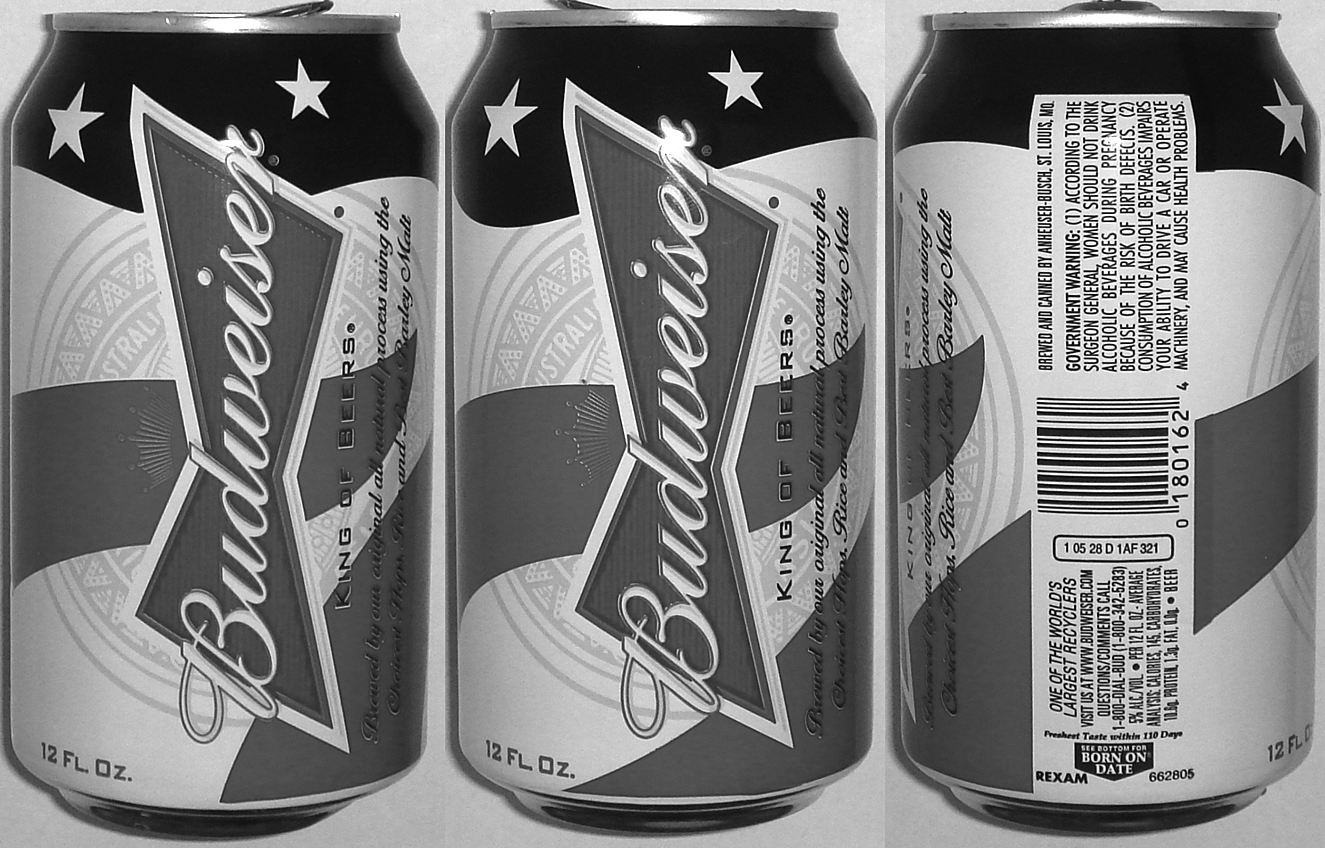
Most children in the U.S., for example, pledge allegiance to the flag each morning in elementary school. American flags adorn our public buildings, hang casually in many front yards, and decorate everything from car bumpers to coffee mugs. The flag and other symbols of the nation are also incorporated into logos and products. The National Football League, for instance, uses the flag’s colors and symbols in its logo, while American Airlines appropriates the colors and our national bird, the bald eagle. We can hardly go a day without the gentle symbolic reminders that we are in a specific nation that others celebrate and embrace.
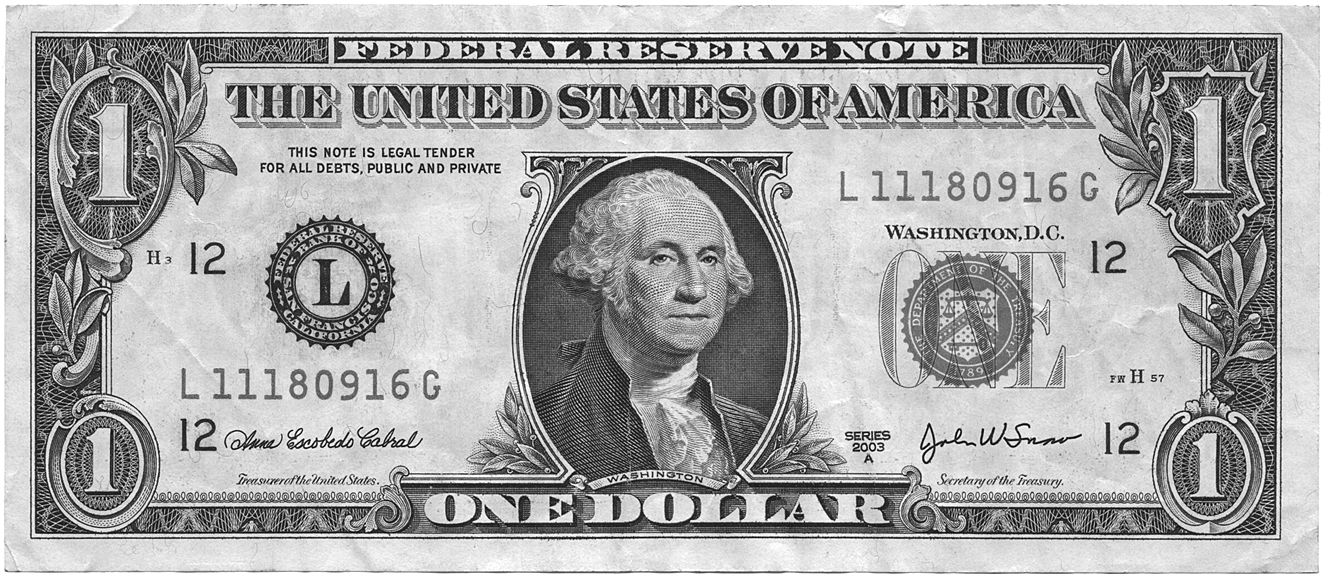
The importance of the nation is also constantly underlined with language. Our money and postage stamps proclaim in bold lettering that we are in “The United States of America,” and news outlets, such as U.S. News and World Report, nicely divide the world into us and everyone else. Likewise, television shows such as Good Morning America and American Idol and corporations like Bank of America and American Eagle Outfitters “honor” the nation and hope to gain consumer loyalty by aligning themselves with a sense of national identity.
Meanwhile, national and global competitions—everything from the World Cup to the Olympics—ask us to identify with and root for our national team. It would seem odd for an American to root for another country (or for a citizen of another country to root for the U.S.). Global competitions—from the World Beard and Mustache Championship to the Miss World competition—are extensions of a nation-based political system; it feels natural, as if there could be no other way to organize large-scale events.
In other words, we are surrounded by language, symbols, and objects that remind us that we belong to and should be proud of our nation. To describe this phenomenon, social psychologist Michael Billig coined the term “banal nationalism.” In his book of the same name, he helps us see the many ways in which nationalism is “mundane,” “routine,” and “unnoticed,” and thus quietly reproduced by all of us in our daily lives.
Despite this banality, Billig argues, the effects of naturalizing a system of nation-states, developing an identity tied to our nationhood, and seeing citizens of other countries as somehow not “us” are sometimes far from benign. The fact that we organize our thinking and loyalties in terms of nationhood is not necessarily bad in itself, but it is the basis for, and can be used to whip up, harmful forms of nationalism. “Banal nationalism,” Billig warns, “can be mobilized and turned into frenzied nationalism.” The difference may hinge on a sense of nationhood internalized over a lifetime. Banal nationalism, then, isn’t “nationalism-lite,” it’s the very foundation upon which more problematic nationalisms are built.