




Abstract
Technical textiles are one of the fastest emergent sectors of textile industries worldwide. Medical textiles and healthcare textiles are the most important development areas within technical textiles. A rapid advancement in the health care and hygiene sector together with an increase in health consciousness has made medical textiles an important field. In order to protect people against harmful pathogens, an antimicrobial textile has been developed and as a result, finishes began to evolve in recent years. A critical problem regarding healthcare and hygiene products chemical based synthetic antimicrobial finishes or coatings for infection control. To provide the potential solution and to avoid such critical problem, seaweeds may be used. Seaweeds are plant-like organisms that commonly live attached to rocks in the coastal areas. Seaweeds of brown, green and red colour contain major pigments such as chlorophyll, carotenoids, phycobiliproteins, beta carotene and lutein; these are used for the extraction of natural dyes in textiles. Marine macroalgae (seaweeds) is rich in bioactive compounds that could potentially be exploited as functional ingredients with potential medicinal, health care or pharmaceutical activities for both human and animal health applications. The present review discusses the research potential of different bioactive compounds and its salient features that are mainly responsible for the antioxidant and antimicrobial properties present in seaweeds and their applications in the area of medical textiles.
Keywords
Introduction
Medical textiles are persistently growing areas in global market due to widespread usage not only in hospitals, hygiene and healthcare sectors, but also in other fields such as home textiles and hotels, where hygiene is required [1,2]. The market for functional textiles is steadily increasing due to the increased interest among people in personal health and hygiene products and a decrease in disposable time. On most of the occasions, natural fibres such as cotton, silk, lyocell and other regenerated fibres are used to make the medical textiles. Due to the limitations of natural fibres in medical textiles, synthetic fibers were used for durable applications in the medical industry. Recently, the most widely used synthetic fibers in medical textiles are polyester, viscose, polyamides and polypropylene. They are enormously improving and their blends are used for developing new products [3].
In recent years, safeguarding the wearer from bacteria is more important for antimicrobial finished textiles [4]. Most of the textiles provide a platform for growing microorganisms. Indeed, some finishes help to increase the growth of microbes [5,6]. A hospital contains an immense amount of textiles with the added threat of high volumes of traffic. Many researchers have concentrated on developing special finishes for hospital use, because of continuous flow of people. Infectious diseases from people in hospital affect the surrounding environment which leads to cross transmission of diseases and other health issues for both patients and employees. Protective wear was currently used in medical textiles such as gloves, masks, and gowns are insufficient for wearer to protect against air-borne pathogens and blood-borne viruses [7]. Most of the textiles are used as a medium to transfer the microorganisms from person to person. The fabric structures and amount of bioactive groups incorporated on textile materials will influence the antibacterial properties [8]. Many antimicrobial finishes given to textiles were used to avoid fibre degradation of the fabric and to improve the antimicrobial efficacy of the finishes [5].
Synthetic antimicrobial agents such as cadmium, silver, copper, and mercury hold a large portion of the market for antimicrobial textiles. All effective antimicrobial agents contain heavy metal complex compounds used for antimicrobial finishes. Such finishes treated with textile materials became more durable after repeated laundering. Metal compounds act as inhibitors for the growth of microorganisms in textiles [5,6]. In recent years, several natural-based antimicrobial agents for better durability and non toxic are used in the textiles. One of such natural antimicrobial finishes is derived from chitosan. This finish is more effective against both Gram-positive and Gram-negative bacteria and it does not irritate human skin because of the non-toxic substances. It is easily renewable, biodegradable and biocompatible. Likewise, seaweeds are rich in bioactive compounds, antioxidant, and antimicrobial properties and also it does not irritate skin, biodegradable and biocompatible [4,9].
Seaweeds are a good source of natural antimicrobial finishes mainly due to the bioactive compounds and tocopherols. In most of the brown algae α, β, and γ-tocopherol are present, while green and red algae contain only α-tocopherol [10]. Seaweed extracts have been used for the isolation of major bioactive compounds such as polysaccharides, lipids, proteins, carotenoids, vitamins, sterols, enzymes, antibiotics and many other functional compounds. Sulfated polysaccharides are one of the anticoagulant compounds present in marine algae and occur in the form of sulfated fructose and sulfated galactans [11]. Some algal species trigger anticoagulant activity through protein or glycoprotein like compounds [12] which binds to the serine protease, an inhibitor of antithrombin, producing a complex structure, which accelerates the proteolysis of the enzyme responsible for coagulation. The preparation of heparin and sulfated glycosaminoglycans from natural sources is expensive and therefore an alternative was made to isolate-sulfated polysaccharides from seaweeds which could be a potent anticoagulant substance [12].
The brown algae harvested from the earth marine are rich in sulfated polysaccharides. Sulfated polysaccharides were used in large pharmacological applications. The major antioxidants compounds identified in most of the seaweeds are carotenoids, phenolics, alkaloids and organosulphur compounds [13]. Further research in the area has primarily focused on polyphenol compounds, fucoidan and carotenoids and indicates that seaweeds were used as antioxidants [14]. Seaweed extracts are particularly rich in polyphenols, fucoidan and carotenoids and have proved to exhibited major antioxidant activity in a number of research studies used in the area of medical textiles. The antioxidant compounds in seaweeds vary depending on the thallus colour of the species. The most common antioxidant pigments in both red and green algae are α-carotene, β-carotene, lutein and zeaxanthin, while brown seaweed contains β-carotene and fucoxanthin. Fucoidan a cell wall component with potent antioxidant activity is exclusively found in brown seaweeds. Seaweeds are excellent source of nutrition and biochemical compound and also act as protective mechanism for various microorganisms. The major antimicrobial compounds identified in seaweeds are alkaloids, terpenes, terpenoids, agar–agar, algin and phloro tannin and their uses in various industries and medical textiles are also discussed in this article.
Application of textiles in medical field
The scope of technical textiles and fibrous materials is widespread in the medical and healthcare sectors and includes gauze or bandage materials to scaffolds for tissue culturing, simple wipe, large variety of prostheses for permanent body implants, and composite structures used for bone replacement. Its frequent growth in both healthcare and hygienic sectors provides a need for research to develop innovations for the growth of medical textiles.
Textile materials finish with antimicrobial agents is usually made with special care for medical applications. Some of the examples of medical textiles in recent years are wound dressings, surgeons wear, bandages, artificial kidney, sanitary towels, sutures, artificial ligaments, vascular grafts, artificial joints, eye contact lenses and artificial cornea, etc.
The classification of medical textiles applied in different areas consists of implantable materials for tissue engineering, non-implantable materials for wound dressings, hygiene products, healthcare products (surgical gowns), as well as support and therapeutic technologies. Medical field has a large scope for research and development of high-value products such as wound dressings, bandages, vascular drafts, sutures, sanitary products, scaffolds for tissue engineering, functional bed linens, and gowns [15].
Application of seaweeds in medical textiles
The cross-linking cations such as Al3+, Ca2+, Cu2+ and Zn2+ with alginate dressings were commonly well-suited with currently used anti-microbial agents for better wound management. Future research based on natural antimicrobial agents such as seaweeds for eco-friendly textile application is gaining worldwide interest. The active bioactive compounds are found in seaweed extracts are used for making biodegradable natural products in the field of healthcare textiles. The most popular medicinal values of seaweeds extracted from seaweeds are mainly depend on bioactive compounds such as agar, carrageenan and alginate and it is used as food for human beings, film for wound dressing, feed stock for animals, gelling substances for ice creams, resource of various chemicals and fertilizers for plants. In the recent years, seaweeds are gaining importance to protect environment from pollution and remove toxic chemicals from the waste water for the biological research and tissue engineering in biomedical purposes. The most widely used seaweed products in our daily lives are toothpastes, soaps, shampoos, cosmetics, milk, ice creams, and air fresheners. Agar acts as a gelling substance and it is most widely used in paper industry, culture media for antibacterial activity, packaging material, photography, leather industry, dairy industry, cosmetics industry and pharmaceutical industry. Carrageenan acts as a thickening and stabilizing agent and it is most widely used in the manufacture of sausages, chocolates, ice creams, juice concentrates, marmalade, and sardine sauces in food industries. It is also used in the modern non-food items like beer, air fresheners, textiles, toothpastes, hair shampoos, tissues, culture media, fungicides, bactericides, etc. Alginate finds its applications in frozen foods, pastry fillings, frozen desserts, syrups, bakery icings, dry mixes, wound dressing and medical textiles [16].
Role of bioactive compounds present in seaweeds for medical textiles
The presence of different types of bioactive compounds in seaweeds helps to develop various functional properties such as antioxidant, antimicrobial, anti-inflammatory, anticoagulant, anti-tumour and biodegradable properties in the textile materials used in the medical industry. The different types of polysaccharides present in seaweeds are responsible for functional properties and their chemical structure relates to the corresponding taxonomic classification of algae and their cell structure [11,17]. Sulfated polysaccharides inhibit the growth of many bacterial species as well as viruses. Sulfated polysaccharides can act as prebiotics and exert growth promoting and health improving effects [12]. Many of them are soluble dietary fibres which have positive effect on digestive track of animals (i.e. alginic acid). The soluble polysaccharides derived from seaweeds are more effective and non-toxic antioxidants [18,19]. The contents of polysaccharides varied depend on climatic conditions. The total level of bioactive compounds present in seaweeds is up to 76% of dry weight [20]. Among many different algal polysaccharides, the most important bioactive compounds are sulfated galactans, fucoidan, laminarin and alginates [17].
Sulfated galactans
In recent years, the increase in the demand of medical textiles is to protect against microbes, chemicals, pesticides, UV light, and pollutants. The fabric is finished with various functional finishes such as self cleaning, flame retardant, water proof, soil release, insect repellent and antimicrobial agents to protect human beings from the chemicals, infection, UV light and biological agents. Such functional properties obtained from seaweeds are mainly due to the sulfated galactans.
Sulfated galactans in textiles acts as a functional finishing with responsive surface modifying system for sufficient durability. It can be used as a natural gelling agent for surface modifying systems; after applying to the textile materials, these must exhibit their responsive functional properties without affecting the intrinsic properties of the original textile materials. Sulfated galactans are found both in the intercellular matrix and in the cell wall of seaweeds. Galactan is a macromolecule containing disaccharide-based repeating units: [3-β-D-Galp-1] and either [4-α-Galp-1] or 3, 6-anhydro-α-Galp-1]. Depending on the optical configuration of the second unit, agarans (D) and carrageenans (L) are distinguished. The substituents present in the main chain of galactans are sulfate side chains which is shown in the Figure 1.
Chemical structure of sulfated galactans.
These groups can be irregularly distributed through the macromolecule [17]. Galactans have strong antioxidant and antibacterial activities and it also has anti-tumour and anti-viral properties used for medical applications.
Laminarin
The textile industry has continued to search for environmental friendly and biodegradable reagents for antimicrobial finish. Such natural-based antimicrobial agent present in seaweeds was mainly due to laminarian compounds. Laminarin is one of the major polysaccharides found in brown algae than red and green algae. It has a chemical structure consisting of β-(1, 3)-linked glucose in the main chain and random β-(1, 6)-linked side-chains [21]. The content of laminarin in seaweeds is about 10% of dry weight, but seasonally it can reach up to 32% of the total mass of seaweeds [20]. The functional properties of laminarin in textile substrate are to inhibit the growth of bacteria and fungi and act as a free radical scavenging activity to prevent the damages of fibroblast cells in the human skin.
Laminarin is a dietary fibre and can act as a probiotic and also it has antiviral and antibacterial properties [21]. Antioxidative properties of laminarin depend on its molecular weight and the chemical structure is shown in Figure 2 [18].
Chemical structure of laminarin.
Alginates
Wound dressing in medical textiles is classified as absorbent and non-absorbent materials. Wound healing depends on types of fibres used, type of functional finishes given and suitable dressing materials. Dressing can be varied depending upon the type of wounds and wound management. Nowadays, the wound healing and antimicrobial finish properties obtained from medicinal herb extracts are used to achieve eco-friendly textile fabrics and it is more important for the medical textiles. Such wound healing properties are particularly present in the brown seaweed compared to other seaweeds mainly because of the alginates compounds.
The success of alginate fibres in the area of wound healing products has increased drastically and globally in the field of medical textiles. The alginates dressings are successful in recent years due to its haemostatic nature, highly absorbent, and suitable for full thickness wounds. They provide comfort to the wearer and promote gelatin and moist healing properties. It has some limitations that they always need a secondary dressing and not suitable for dry wounds. Alginates present in brown seaweeds constitute up to 47% of dry biomass [20]. Alginates can be found both in acidic and salt forms. The acid form, known as alginic acid, is a polymer consisting of three types namely hexuronic acid monomers linked by 1–4 bonds, β-D-mannuronic acid and α-L-guluronic acid is shown in Figure 3 [22].
Chemical structures of alginates (a) β-D-mannuronic acid. (b) α-L-guluronic acid.
Alginates act as thickening, stabilizing and general colloidal agents and are used in various industrial applications [23]; they also have strong antibacterial and anti-inflammatory properties.
Fucans and oligo-fucans
In recent years, the hygienic products developed from textile materials with functional properties over conventional materials play an important role design for the elderly and bed sore patients to prevent health deterioration and to avoid skin damages to the human skin. Such hygienic properties present in seaweeds were mainly due to Fucans and Oligo-Fucans compounds. The main purpose of using fucans in medical textiles is to increase the elasticity of skin tissues and reduce the fine lines and wrinkles present in the human skin and also act as prevailing antioxidants activities. Fucans are one of the main components of brown seaweeds and its cell walls indicate 5 to 20% of the algal dry weight [23,24]. They are the branches of sulphated polysaccharides present in the central backbone of a disaccharide unit of fucose sulphated in C2 linked to fucose residues sulphated in C2 and C4 positions in most of the brown seaweeds [25]. In contrast, some types of seaweed fucans are formed by fucose sulphated in C4 linked to fucose residues sulphated in C2 and C4 positions which is shown in Figure 4 [26].
Chemical structure of fucan.
Alternatively, oligo-fucans with average molecular weights were attained by the enzyme digestion of fucans and higher molecular weights were acquired by the free radical depolymerisation of fucans [27].
Proteins
The application of textile materials in medical field for wound care and preventing chronic wounds such as bandages and wound dressings is most frequently used nowadays, because they are inexpensive and reusable. The important properties of medical textiles are extensibility, strength, flexibility, air permeability and bio-compatibility. The purpose of protein based textile materials in medical field is to aid the body in repairing damaged tissues. The human body requires higher levels of protein during the wound healing process to cure wounds. Seaweeds have wound healing properties as a source of protein ingredients with high nutritional quality. Seaweed proteins are rich in amino acids especially glycine, alanine, arginine, proline, glutamic, and aspartic acids. Protein concentration ranges from 5% to 47% of dry weight. Usually, the content of proteins in brown and green seaweeds is less than 5% and red seaweed seems to be a good source of protein because its value reaches 47% [12,25]. The functional properties of proteins in seaweeds used in medical textiles have functional properties such as elasticity, hydrophobicity, and comfortness for clothing, wound dressings, surgical sutures, body armor, and filters. The important bioactive proteins that can be extracted from macroalgae are lectins, which bind with carbohydrates and participate in many biological processes like intercellular communication. Such bioactive proteins also have antibacterial, antiviral or anti-inflammatory activities [26].
Polyunsaturated fatty acids
The functional properties of polymeric materials in different forms had important interest in a number of biomedical applications. Such biomedical properties present in seaweeds were mainly due to the presence of polyunsaturated fatty acids (PUFAs). Seaweeds are the good resource of unsaturated fatty acids, dietary fibre and high nutrients. It has special features such as high moisture absorption and allergic-free which helps seaweeds to be used in the textile industry. It can be used in the form of composite materials for the manufacture of car door panels, plant pots and retaining mats. Recently, some research has been carried out to extract the seaweed fibres and make them suitable for the biomedical industry [25]. Phospholipids and glycolipids are the main classes of lipids found in the seaweeds. When the environmental temperature decreases, seaweeds can accumulate PUFAs. The species that live in cold regions contain more polyunsaturated fatty acids than species living in higher temperatures [20].
Long chain polyunsaturated fatty acids (LC-PUFAs) are very important for human health maintenance and they are synthesized only by seaweeds [27]. These lipids consist of atleast 20 carbon atoms with two double bonds. When the first double bond is located in the third carbon atom, the lipid molecule is referred as omega-3 (n-3 LC-PUFA). Further research studies showed that n-3 LC-PUFA constituted 10.38 % of total fatty acids found in green seaweeds is shown in Figure 5.
Chemical structure of omega-3-polyunsaturated fatty acid.
Application of antioxidant compounds present in seaweeds for medical textiles
The current growth in medical textiles with self-healing property was achieved by finishing with chemical and natural products incorporated with protection against infections and degenerative diseases to human beings making them to take the functional role of tissue engineering. The predominant antioxidants substances present in seaweeds are categorized into polyphenols, flavonoids, vitamins, mycosporine-like amino acids (MAA), and fucoidan which are extracted from microalgae for commercial purposes in the medical and pharmaceutical applications.
Polyphenols
Bio-functionalization of textile materials is carried out mainly with natural bioactive agents. The salient features of natural bioactive agents are non-toxic, skin and eco-friendly. Such functional properties of seaweed were attained due to the presence of polyphenols. The cellulose-based polyphenols films were prepared on textile materials and that will have a contact with the human tissues and body fluids when it is used in wound healing and tissue engineering.
Polyphenols are produced by most plants, including seaweeds [28]. Polyphenols consist of phenolic acids, flavonoids, isoflavones, cinnamic acid, benzoic acid, quercetin and lignin [29,30]. Polyphenols can be classified into different groups based on the number of phenol rings that are bound together by three carbon atoms to form an oxygenated heterocycle (ring C). Polyphenols are highly structured molecules consisting of multiple phenol groups. Seaweeds are considered as a superior source of polyphenols in comparison to the terrestrial plants because seaweed polyphenols are multiple-ringed (up to eight) derived from phloroglucinol units (1, 3, 5-trihydroxybenzene) [10]. Polyphenols are strong antioxidants [31]. Seaweeds produce these compounds to protect them from the external conditions such as stress and herbivores [32]. Reactive oxygen species, generated in organisms as an integral part of metabolism, are highly reactive and can cause cellular dysfunction and cytotoxicity [33]. Polyphenols can donate hydrogen to free radicals and produce non-reactive radicals [34].
Polyphenols and phlorotannins (multiringed phloroglucinol-based tannins) are exclusively found in brown algae which are shown in Figure 6.
Chemical structures of phlorotannins and polyphenols.
The other phenolic substances such as bromophenol are present in all classes of seaweeds. The polyphenol compounds are highly responsible for the colour of the seaweeds [35]. Yoshie-Stark et al [36]. found that the flavonoids are more in hesperidins and caffeic acid are found mostly in red species, while catechol, rutin and quercitrin are found in most green, red and brown seaweeds. Red seaweeds have significantly more polyphenols than other seaweeds [29,37].
Polyphenols act as important antioxidant agents for inhibiting the free radicals and protecting them from oxidative stress. Additionally, phlorotannins act as herbivore deterrent and structural integrity of algal cell walls in its reproduction was mainly due to nutrient reducing properties [38]. Further research studies have found that phlorotannin levels increase with increases in grazing by herbivores which reduces subsequent grazing in seaweeds [39,40]. The role of phlorotannins is to act as anti-herbivore agents [41,42]. Other studies have suggested that phlorotannins can be used to deter herbivores by certain species of seaweeds [43]. Polyphenols may also act as anti-fouling agents and prevent the microorganisms such as algae, bacteria, fungi and colonization of seaweed by invertebrates, which reduce the productivity of the host seaweeds [44,45].
Flavonoids
The UV protective properties of textile fabrics are influenced by the quality of fabric and conditions of wear. In the current scenario, the UV protective clothing can afford excellent protection against the hazards of sunlight. Such UV blocking properties are obtained in seaweeds due to the presence of flavonoids. Flavonoids are yellow colour compounds with UV protection ability that usually have antibacterial and anti-inflammatory properties. It has the ability to form complexes with protein molecules as well as with bacterial membranes which is mainly responsible for the antibacterial properties. Flavonoids are present in all parts of the plants with different chemical compounds in its functional group with most extensively distributed phenolic compounds. Flavonoids consist of three carbon link (C6–C3–C6) structure in their backbone which renders them as hydrogen and electron donors. Flavonoids act as free radical scavengers that can protect humans against cancer, retard cell aging process and cardiovascular diseases [46].
The antioxidant property of the flavonoids is mainly due to the arrangement pattern of the carbon ring (C) and hydroxyl substitution of the A- and B- rings in its structure [47,48]. According to the carbon ring structure, flavonoids can be classified into five major subgroups namely flavanols, flavones, flavanonols, flavanones and flavanols [49,50] which is shown in Figure 7.
Chemical structure of flavanol.
Fucoidans
Nowadays the uses of biomaterials in tissue engineering are to grow the steam cells and replace the missing tissues. Such biomaterials are used as scaffolds that are eventually degraded to grasp the stem cells and leaving the natural tissue in its affected place. Seaweeds are rich in biomaterials due to the presence of fucoidans compounds. Fucoidan are rich in brown seaweeds and its role is to attach the functional methacrylic groups in the chain backbone and act as potential for the damages of cells and photo-cross-linkable under visible light to attain biodegradable structures for tissue engineering. Fucoidans are a group of fucose-rich, sulfated polysaccharides, with α-linked L-fucose residues in its backbone. Chemically, fucoidans come under the family of fucose-containing-sulfated polysaccharides (FCSPs).
FCSPs comprise different types of fucose-rich polysaccharide structures, including sulfated fucogalacturonans found in brown species. Fucoidans generally consist of a backbone of α(1→3)-L-fucopyranose residues or of alternating α(1→3) and α(1→4)-linked L-fucopyranosyls, and side branches containing fucopyranoses or other glycosyl units, e.g. glucuronic acid which is shown in Figure 8.
Chemical structure of fucoidan.
Fucoidan polysaccharides exhibit a strong antioxidant activity and other biological activities, including anti-tumour, anti-inflammatory, anti-viral and anti-coagulant effects. The bioactivities of fucoidans are mainly due to the structural arrangements, monosaccharide composition, sulfate content, position of sulfate ester groups, and molecular weight [51].
Vitamins
Textile materials used in the medical textiles can be incorporated with bioactive substances having nutritional compounds such as Vitamin A, C and E. Collagen was synthesized using vitamin C and other organic components of intracellular matrix of tissues. Vitamin C helps to improve the immune system of human body during infection.Vitamin C is a water soluble vitamin. When it comes in contact with skin, it absorbs moisture and also promotes good health to humans. The vitamin C in the garments helps natural hydration and reduces skin dryness. The vitamin fabrics have functional properties like good draping appearance and provide better ultraviolet protection factor to block out the harmful UV rays from the sun and human skin [52].
Seaweeds are rich in both fat soluble and water soluble vitamins. The tocopherol, is a water soluble vitamins, presents in seaweeds are mainly colour dependant. Three types of tocopherols namely α-, β-, and γ-tocopherols are present in seaweeds. All three types of tocopherols are present in brown algae and only α-tocopherol is present in red and green seaweeds. Vitamin E content is not related to the colour, but it has strong antioxidant and anti-inflammatory properties present in seaweeds which is shown in Figure 9 [53,54].
Chemical structures of three tocopherols (a) α- tocopherols (b) β- tocopherols (c) γ-tocopherols.
MAA
Textile materials incorporated with UV protection properties are important for the medical textiles. The strong UV protection characteristics and antioxidant activity present in seaweeds is mainly due to the secondary metabolites such as mycosporine-like amino acids. Mycosporine-like amino acids are mostly found in red and brown algae, but it in limited numbers in green algae which is shown in Figure 10 [55].
Chemical structure of mycosporine-like amino acid.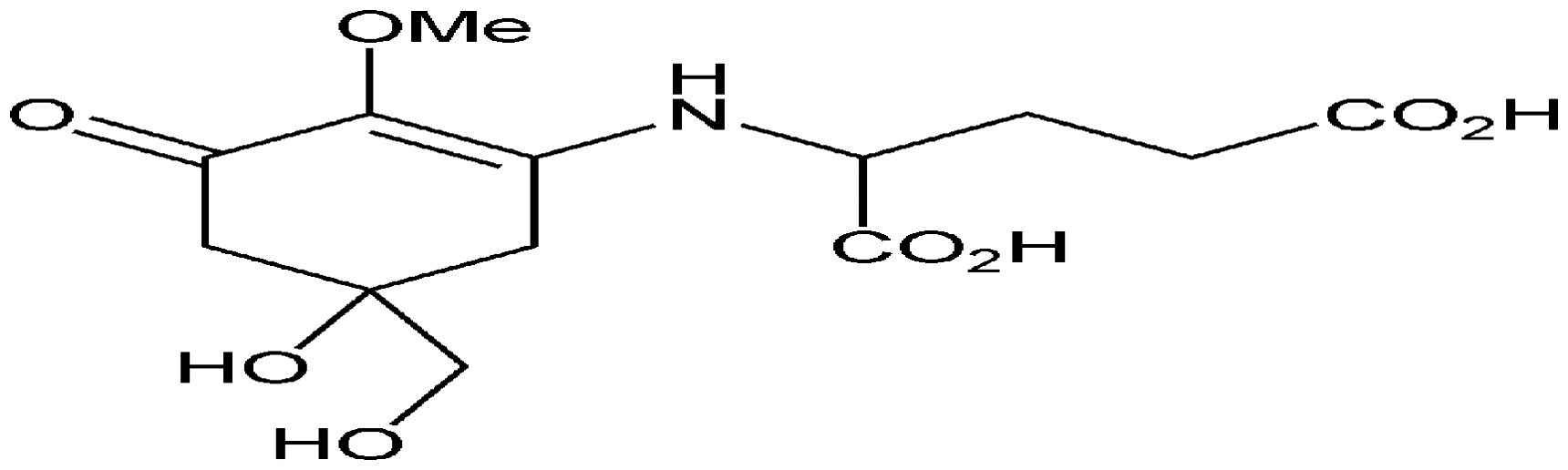
Evaluation of antioxidant properties present in seaweeds for medical textiles
Chemical reaction assays are based on either hydrogen atom transfer (HAT) reactions or single electron transfer (ET) reactions, which measure the ability of a compound to donate one electron. These assays often employ a substrate, which will undergo a colour change upon reduction, thereby allowing antioxidant activity to be quantified spectrophotometrically [53–55]. The total phenol content (TPC), ferric reducing antioxidant power (FRAP), 2,2-diphenyl-1-picrylhydrazyl (DPPH) radical scavenging and the trolox equivalent antioxidant capacity (TEAC) assays are the most commonly used electron transfer methods for the determination of the antioxidant potential of seaweeds and their extracts in the field of textile dyeing and wound dressing applications.
TPC assay
A strong relationship between TPC and antioxidant activity of seaweed extract was determined using total phenolic content assay. The phenols acquire strong scavenging ability for free radicals due to their hydroxyl groups. Therefore, the phenolic content of plants may directly contribute to their antioxidant action for trapping the free radicals of oxygen species and prevent the cell damages and develop the cell growth in human skin for wound management particularly in the field of medical textiles [53].
FRAP assay
It is used to test the antioxidant compounds in botanicals [53]. The reaction process measures the reduction of ferric 2, 4, 6-tripyridyl-s-triazine (TPTZ) to a colored product. FRAP is a realistic screen for the ability to maintain redox status in cells or tissue present in human skin.
2, 2 DPPH radical scavenging assay
The DPPH is a free stable organic nitrogen radical, which bears a deep purple colour. This assay mainly depends on an electron transfer reaction, and hydrogen-atom abstraction is a marginal reaction pathway and it is used for measuring the reducing ability of antioxidants compounds toward DPPH radical. The DPPH method is rapid and very simple and also needs only an UV spectrophotometer to execute the antioxidant screening in seaweed extracts and it has widespread use in the field of medical industry.
TEAC assay
In this method, ABTS is the free radical and it is oxidized by peroxyl radicals or other cationic to form ABTS •+, which is strongly coloured due to the presence of antioxidant activity in the seaweed extracts, and it has an ability to decrease the colour reacting compounds directly with the ABTS •+ radical. The results of antioxidant compounds are relatively expressed to Trolox equivalents. The method is operationally simple and fast growing in the area of food and pharmaceutical industries.
Hydrogen atom transfer-based assays consist of oxygen radical absorbance capacity (ORAC), total radical trapping antioxidant parameter (TRAP) and total oxidant scavenging capacity (TOSC) are used in the field of textile dyeing and pharmaceutical applications.
ORAC assay
In this technique, peroxyl radical oxidizes the radical chain of antioxidant compounds by hydrogen atom transfer act as antioxidant inhibition and also the peroxyl radical reacts with a fluorescent probe to form a non-fluorescent product. It has been used to study the antioxidant capacity of many compounds and food samples and some nutraceutical manufacturers include ORAC values on product labels in food and pharmaceutical industries [56].
TRAP assay
It is used to examine interference of peroxyl radicals generated by AAPH or ABAP [2, 2-azobis (2-amidinopropane) dihydrochloride] with antioxidant compounds and act as inhibition of cell damage proliferation and growth of cells in humans. It is most widely used for the measurements of in-vivo antioxidant capacity in serum or plasma, because it deals with non-enzymatic antioxidants such as glutathione, ascorbic acid, R-tocopherol, and β-carotene in the application of cosmetics and medical industries.
TOSC assay
This assay is used to calculate the antioxidants absorbance capacity towards three strong oxidant compounds such as hydroxyl radicals, peroxyl radicals, and peroxynitrite [54,55]. It is most widely used for the measurements of in-vivo antioxidant capacity in the tissue engineering and food industries.
Further research studies have investigated the antioxidant capacity of seaweeds, extracted by various methods and atleast three methods were generally used for the measurement of antioxidant potential. The use of chemical reaction assays to determine the antioxidant activity of brown seaweeds has been extensively reviewed in Balboa et al. This study also suggested that more advanced methods must be used for better understanding and determine the antioxidant effects of seaweed extracts particularly in the medical textiles [56].
Application of antimicrobial compounds present in seaweeds for medical textiles
The eco-friendly textiles used in medical sectors have to be treated with natural antimicrobial agents to avoid the degenerative diseases causing bacteria and to inhibit the growth of the microbes. Such antimicrobial activity present in the seaweeds will help to develop green textiles for the medical fields. The natural antibacterial agents present in the seaweeds are terpenes, phenolic inhibitors, flavonoids, saponins, chlorellin derivatives, acrylic acid, sulfur-containing heterocyclic compounds and halogenated aliphatic compounds [57,58]. Sulfur and halogenated compounds, inhibit the growth of microorganisms, present in all seaweeds are the main responsibility for antimicrobial activity [59]. Some researchers found that other bioactive compounds are responsible for antimicrobial properties such as phlorotannins, tannins, galactans steroids, polysulphides, fatty acid, some amino acids, halogenated ketones and alkanes are present in seaweeds [60].
Gerasimenko et al. reported that the adverse effect of ethanolic extract of brown seaweed on two yeasts, two fungus and two bacteria achieved higher antimicrobial activity which was mainly due to bioactive compounds. When the seaweed extract is added with erythrocyte, it will have hemolytic activity and such activity is more important to avoid the breakdown of red blood cells in the human skin [61]. The two marine algae such as ulva fasciata and gracilaria salicornia with ethanolic extracts showed higher antimicrobial and antioxidant activity and also act as nutraceutical agents [62]. Both antimicrobial and cytotoxicity activities were more effective using diethyl ether extracts of six green algae for both Gram positive and Gram negative bacteria and yeast [63].
Ely et al. [64] reported that the effective antimicrobial activity was achieved with methanolic extracts of stoechospermum marginatum and cladophora prolifera against clinical isolates of bacteria and fungi, from the south east coast of India. Brown algae should have good antimicrobial and antioxidant activity and it is also used as a preservative in food industry and protection against several pathogenic diseases [65]. The most widely used organic solvents such as acetone, methanol, petroleum ether and ethanol, for green seaweeds against both gram positive and negative bacteria which should have good antimicrobial and antioxidant activity from clinical and food origin [66].
To determine the antimicrobial and antioxidant activity of several brown seaweeds using methanol, dichloromethane and hexane extracts were studied and the result was more effective in dichloromethane when compared with the other two solvents [67]. The different solvents used to evaluate antimicrobial activities of brown seaweeds were studied from these results. The most suitable solvent for brown seaweed is ethanol, because it is used to extract the various bioactive compounds such as neophytadiene, fatty acids, phytol, fucosterol, palmitoleic and oleic acids [68]. Eight different types of seaweeds were tested using methanolic and ethyl acetate extracts against Gram positive and Gram negative bacteria were studied. The results showed that ethyl acetate extracts inhibited the growth of microorganisms more effectively compared to methanol extracts [59].
Terpenes and terpenoids
In recent years, the rapid development in the area of technical textiles and their applications has created many chances for the application of novel finishes that are environment friendly and improved functional properties. Bioactive antimicrobial agents with improved functionality act as ecofriendly finish to the garments worn close to the skin for infection control and act as a barrier material to inhibit the growth of microbes used in the area of health and hygiene products. Such bioactive antimicrobial agents present in the seaweeds were mainly due to the terpenes and terpenoids. Terpene has a hydrocarbon molecule in its cell walls and contributes to about 55% of the total secondary metabolites [69]. Terpenoid refers to the modified form of terpene with the addition of oxygen. The building block of plant secondary metabolites is the isoprene and it has five-carbon molecule in its side chains. Most of the terpenoids play a major role as ozone or radical scavenger and possess many biological properties to act as electron rich structure. It is most widely used in herbal medicines for their antibacterial, antiviral, antineoplastic and antitumour and also other pharmaceutical activity to cure human diseases like cancer, asthma and heart strokes. Terpene can be classified based on isoprene unit such as hemiterpenes (C5), monoterpenes (C10), sesquiterpenes (C15), diterpenes (C20) and triterpenes (C30). The chemical structure of monoterpenes is shown in Figure 11 [70–72].
Chemical structure of monoterpene.
Terpenes should inhibit the growth of microorganisms and it possesses good antimicrobial property [69]. Plant oils have good antibacterial activity, because it contains terpenes in its molecular structure [73]. Terpenes are used in various fields such as cosmetics, antibacterial soaps, and fragrance and household products [74].
Alkaloids
During finishing process, the natural-based antimicrobial agents derived from various medicinal plants are very effective against the bacteria and provide a durable finish in the textile. Many natural bioactive substances applied in textile materials will reduce chemical effects on skin and promote curative properties to the fabrics. Such activities are predominately present in the seaweeds which are mainly due to the alkaloid substances. Alkaloids are the active phytochemical substances present in most of the seaweeds having natural antimicrobial peptides molecules which can be broken during finishing process to form covalent bond in the intermolecular structure of the fabric in a very effective and homogeneous deposition for imparting antimicrobial properties to textile substrates in the area of medical textiles.
The major compounds present in alkaloids are nitrogen group in its plant metabolites, and are derived from amino acids. Alkaloids are majorly classified into two types namely pseudo and true alkaloids. Raffauf [75] reported that 300 different families of plant metabolites should contribute more than 10,000 different alkaloids. The chemical structure of the alkaloids is shown in Figure 12. Pseudo alkaloids are further subdivided into isoquinoline alkaloids, cyclopeptide alkaloids, phenanthrene alkaloids, phenethylamine alkaloids and purine group and true alkaloids are again subdivided into indole alkaloids, steroidal alkaloids, quinoline alkaloids, pyridine alkaloids, pyrrolidine alkaloids, tropane alkaloids. Alkaloids are used in the area of central nervous system of humans and painkiller tablets [76].
Chemical structure of alkaloid.
Phlorotannin
The different classes of bioactive substances present in the medicinal plants act as natural product-based antimicrobial finishing agents for the application of textiles have been developed in the current scenario. The mechanism of antimicrobial action against microbes in the textile materials is achieved through the phlorotannins substances which is present in the seaweeds. Phlorotannins also act as a natural mordant with a valency of atleast two or more electrons used to fix the colour in dyeing and fabric printing, and inhibit the growth of pathogenic bacteria with strong antimicrobial activities especially for cotton fabrics for the medical textiles [34].
Phlorotannins are the group of tannin compounds, which belong to the class of polyphenolic substances, while tannins are most widely used for both terrestrial and marine plants of phloro tannins e.g. eckol or dieckol, [28,34]. The phlorotannins are polyphenols formed by polymerization of phloroglucinol through the acetate-malonate pathway [11,32]. These polymers which are concerned in host defence mechanisms should possess biological activities in marine organisms. Phlorotannin content varies from 1 to 10% of the algal dry mass [77]. The molecular structure of phlorotannins consists of eight phenol rings, but seaweeds will produce phlorotannin consisting of only three to five phenol rings which is shown in Figure 13 [28].
Chemical structure of phlorotannin.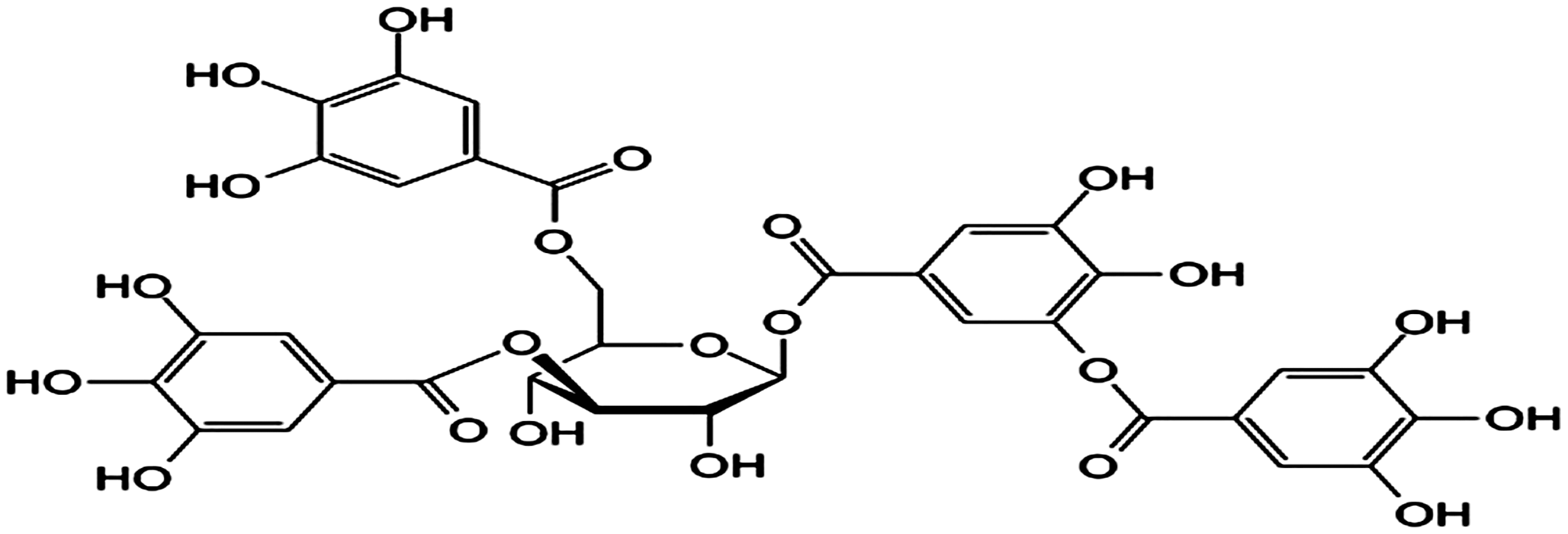
Phenol rings act as electron traps for the free radicals [34]. Consequently, phlorotannins have very strong antioxidant properties, because of their distinctive structure [28].
Algin
An ecofriendly based bioactive agents for antimicrobial textiles has a great demand for medical field which was mainly due to the infection control and effectively reduces the ill effects caused by the microbes present in the textile materials. Bioactive-based natural antimicrobial properties are present in seaweeds which were based on algin compounds. Algin compounds have an excellent gel forming properties and also have good hemostatic and absorbent nature. The algin gel forms a protective film to give optimum moisture content and healing temperature to the wound for wound healing applications.
Algin is a polysaccharide unit consists of 2-guluronic acid and D-mannuronic acid. Alginic acid has sodium, potassium and magnesium salts in its side chain and is soluble in water which gives a smooth viscous liquid without gel formation and the chemical structure of algin is shown in Figure 14. In India, algin content is majorly present in the seaweeds such as sargassum and turbinaria and it also has various industrial uses [78].
Chemical structure of alginic acid.
Evaluation of antimicrobial properties present in seaweeds for medical textiles
Antimicrobial activity has been a keen interest for the development of new antimicrobial agents from various natural sources to fight against microbes. The standard methods used for evaluating antibacterial activities of dye extract and finished fabric in textiles are Agar dilution method, Bacterial reduction test method, Broth micro dilution method (MIC), Agar diffusion method and Parallel streak method. Among these methods, Agar diffusion method is most widely used in finished textiles, because the active compounds stop the growth of bacteria or kill the bacteria, there will be an area where the bacteria was not grown visible around the fabric and this is called a zone of inhibition. The size of this zone depends on the effectiveness of functional compounds to inhibit the growth of the bacterium. A stronger antimicrobial activity with lower concentration of the extract is enough to stop the growth of bacteria to a maximum extent which was clearly seen on the fabric [79].
Several antimicrobial activity methods such as disc-diffusion, well diffusion and broth or agar dilution methods are commonly used. The other bioactivity methods such as flow cytofluorometric and bioluminescent methods require specified equipment and it can offer rapid results on the effect of different types of antimicrobial agents and a better understanding of their impact on the viability and cell damages inflicted the tested microorganism [79].
Some of the most common diffusion methods used in recent years for evaluating the bioassays are agar disc-diffusion method, antimicrobial gradient method (E-test), agar well diffusion method, agar plug diffusion method, cross streak method and poisoned food method for inhibiting the growth of bacteria and fungi to avoid cell damage.
For further study on the antimicrobial agent in depth, dilution methods are recommended. Several dilution methods such as broth dilution method, agar dilution method, time-kill test and flow cytofluorometric methods are used to provide the information on the nature of the inhibitory effect (bactericidal or bacteriostatic) and the cell damages inflicted the test microorganisms.
Role of biochemical composition of seaweeds in medical textiles
In modern trends, marine macroalgae with biological and pharmacological properties are used in the medical and biochemical research. The novel bioactive compounds are used to examine for the marine toxins. Toxins in macro algae (seaweeds) are insufficient compared to microalgae and cyanophytes. Many researchers used such toxic bioactive substances particularly in the area of drug discovery, and pharmaceutical firms developed new drugs from natural products for medical textiles.
The active bioactive compounds act as toxic inhibitor to most of the harmful pathogens. Some of the major toxic active substances such as sulphated polysaccharides as antiviral substances, halogenated furanones in red seaweed as antifouling compounds, and kahalalide F from green seaweeds are used as a potential treatment of lung cancer, tumours and AIDS. Other toxic active substances such as lectins, fucoidans, flavonoids, tannins, kainoids and aplysiatoxins are used regularly in the biomedical research in the area of pharmaceutical and medicinal applications [80].
Seaweed species collected from the seawater were washed thoroughly with tap water and finally rinsed in distilled water to remove the surplus materials. The seaweeds were spread on plotting paper in enamel trays which is to be kept two to three days under fan and placed in hot air oven below 70℃ till moisture content is removed from the seaweeds and attain constant weight [79].
The dried seaweeds were separated and then powdered well and stored in polythene bags, sealed and stored in dessicator for subsequent analysis. The biochemical composition of seaweeds such as protein, lipids, carbohydrate, dry mater and ash contents was determined using various standard procedures [81].
Evaluation of biochemical composition present in seaweeds for medical textiles
The protein content was examined using brown seaweed in accordance with some modifications by the method of Lowry et a1. [82,83]. Carbohydrate content was examined by the method of Dubois et al. [84,85] and lipid content was examined by the method of Barnes and Blackstock [86,87]. The dry matter was evaluated by oven drying at 103℃ and ash contents of seaweeds were placed in a muffle furnace at 525℃ for 12 h were examined according to Tomoselli [88] and AOAC [89], respectively. The calorific values were considered using caloric equivalents of 5.65 for proteins, 4.15 for carbohydrates and 9.40 for lipids on dry weight basis.
The extraction of pigments from seaweeds was carried out in methanol at 4℃, for 20 h. The antioxidant activity of seaweeds particularly total phenolic content was determined by the Folin-Ciocalteu method in accordance with Yıldırım with some modifications [90,91]. Chlorophyll a and total carotenoids were determined spectrophotometrically as described by Durmaz et al. [92]. The carotene content in terms of mg g−1 was expressed as 4.5 × A475 [93] and Chlorophyll-a content in terms of mg g−1 was expressed as 13.9 × A666, respectively [94].
Treatment of textile dye effluent using seaweeds
The number of synthetic dyes used for making desired quality of fabrics in terms of dyeing and finishing process is generating a substantial amount of effluents. In most of the situation, the effluents are unsuitable for reuse and cause environment problems as they are disposed without proper treatment. In recent years, natural bioactive substances are most widely used for the removal of toxic chemicals from dye effluents and protect environment from pollution in textile industry. Such bioactive substances are present in the seaweeds as nutritional compounds for removal of toxic agents from dye effluents and became environment friendly in nature. The nutritional analyses of seaweeds have shown high amount of carbohydrates as well as minerals, vitamins, and trace elements such as iodine. Such high-nutrition compounds in seaweeds serve as an important application in the area of dye effluent treatment. The removal of toxic metals such as copper, zinc and cadmium ions, nickel, and lead from dye solution depends on the type of seaweeds and metal ion concentration. After removal of the toxic substances, it can be used for the dyeing process.
The seaweeds are classified into three types namely red seaweeds, brown seaweeds and green seaweeds. These seaweeds come under the plant kingdom of chlorophyta, phaeophyta and rhodophyta. Seaweeds are present in the worldwide ecosystem of around 250 species, among these 32 Chlorophyta, 64 Phaeophyta and 125 Rhodophyta are being utilized in various industries. Among these, 145 species (66%) are used for food purposes [95]. In a nutritional point of view, edible seaweeds with a low content of lipids are in the range of 2.3–4.6% based on semidry sample weight and a high concentration of minerals, vitamins and proteins are used for low calorie foods [95]. Seaweeds are tremendous source of minerals such as calcium, potassium, sodium, phosphorus and folic acid as well as rich in riboflavin, niacin, pantothanic acid, and vitamin A, B1, B12, C, D and E [96]. The seaweeds are rich in protein and lipid and it is the most suitable food consumption compared to other vegetables mainly due to their high level of unsaturated fatty acids and relatively high content of amino acids. In the human body, the physiological functions required more than 54 trace elements in quantities greatly as nutritious sources exceeded vegetables and other land plants. However, the chemical composition of seaweeds has been poorly investigated compared to the land plants [97].
Dawczynski et al. reported that large differences in the protein contents of seaweed products varied from 26.6 ± 6.3% in red algae to 12.9 ± 6.2% in brown algae varieties. The author also detected that the seaweed products showed high levels of omega-3 fatty acids and established a nutritionally ideal omega-3/omega-6 free fatty acid ratio. Red seaweed species represent an important source of protein, protein digestibility and all essential amino acids, which are sufficient to meet dietary requirements, were mainly due to the high concentrations of taurine compared to the brown algae varieties [97,98].
Seaweeds are rich in soluble polysaccharides and the major components of soluble polysaccharides are galactose, mannose and glucose which have potential function as dietary fibre [99]. Due to the presence of essential nutrients, soluble polysaccharides and other bioactive compounds present in seaweeds are found to be important for health promotion and disease prevention. Other beneficial effects of the seaweeds are attributed to the complex mixture of phytochemicals, which possess antioxidant, antimicrobial, anticancer and antiviral activity. The seaweeds which are rich sources of such bioactive compounds are responsible for these activities which include phenolic compounds, sulfated polysaccharides, fucoidan, flavonoids and organic acids [34,100–102].
Role of other bioactive compounds in seaweeds for textile dyeing, printing and finishing
Ulvans and oligo-ulvans
The natural dyes extracted from the plant-based pigments have high medicinal values. The medicinal properties present in the plants were attained due to the bioactive compounds. Most of the plants used for natural dyes should possess medicinal and significant antimicrobial activity. The major components present in the seaweeds were due to the natural pigments such as Ulvans and Oligo-Ulvans compounds. Natural dyes are extracted from the green seaweed with the help of ulvans, and oligo ulvans act as a colour producing pigments. During dyeing process, ulvans are water soluble pigments, where green colours are dissolved, transported to the fiber surface and act as individual molecules or ions, which diffuse into the fibers to attain greater substantivity to the fabrics. The affinity of colour absorbed on the intermolecular structure of the fabric will increase the durability of the dyes and esthetic feel to the wearer [103].
Ulvans are one of the main components of green seaweeds and its cell walls indicate 8 to 29% of the algal dry weight [18]. They are the branches of acidic and sulphated polysaccharides compounds present in the central backbone of disaccharide units formed by an L-rhamnose 3-sulphate linked to a D-guluronic acid residue, L-iduronic acid residue, D-xylose 4-sulphate residue and D-xylose residue. In addition, ulvans also exhibit in the position of O-2 of the rhamnose 3-sulphate residue which is shown in the Figure 15.
Chemical structure of ulvan.
On the other hand, oligo-ulvans are obtained by the depolymerisation of cell wall polysaccharides in which monosaccharide and disaccharide units act as bioactive compounds present in the green seaweeds [19,20]. In addition, oligo-ulvans with higher molecular weight have been obtained by the ultrasound fragmentation using size exclusion chromatography, but it is a main pigment in green seaweeds.
Carotenoids, chlorophylls and phycobiliproteins pigments
Pigments used for the textiles can be divided into water soluble and water insoluble compounds. Such compounds have no essential substantivity for fibers and cross linked structure but finally it can be divided into water dispersible particles which have a surface negative charge. This surface negative charge attached the cationic groups of the pigment particles to the fibre surface with greater dye affinity. It can be used for textile coloration, ceramics, food, paint, plastics, printing inks, cosmetics and paper industries [20].
Pigments in seaweed can be classified into three main groups namely chlorophylls, carotenoids and phycobiliproteins [104]. The characteristic colour of brown algae is mainly due to the dominant xanthophylls, fucoxanthin, which masks other pigments including chlorophylls and carotenoids. The dominance of the phycobiliprotein pigments such as phycoerythrin and phycocyanin gives red algae their distinctive colour. Phycobiliproteins are water soluble pigments produced by cyanobacteria (blue-green algae), red algae and crypto-monads [105]. Phycobiliproteins have not only antioxidant activity, but it also has anti-inflammatory, antiviral and neuroprotective properties [106].
The dominance of chlorophyll a and b gives green colour in green seaweeds. Chlorophyll a absorbs the majority of light (in green and brown algae) at a particular wavelength. The pigments such as fucoxanthin, siphonaxanthin, and peridinin, and other chlorophylls b, c, d and f, which absorb light at different wavelengths to that of chlorophyll a to produce colours. The main light absorbing pigments in red algae are phycobiliproteins, which absorbs light in the range of 520 nm to 630 nm wavelength. Such absorbed light is used in the photosynthesis process to produce energy and other functional components.
Carotenoids are organic pigments present in chloroplasts and chromoplasts are considered as the most wide spread pigments in the nature. [11]. Carotenoids are produced by marine algae, plants, fungi and by some bacteria [18,107]. In plants, carotenoids serves two primary functions, in photosynthesis, to collect light and pass it to chlorophyll and to protect against light-induced damage to chlorophyll and other organelles are shown in Figure 16.
Chemical structures of major pigments in seaweeds (a) chlorophyll-a (b) chlorophyll-b (c) beta carotene.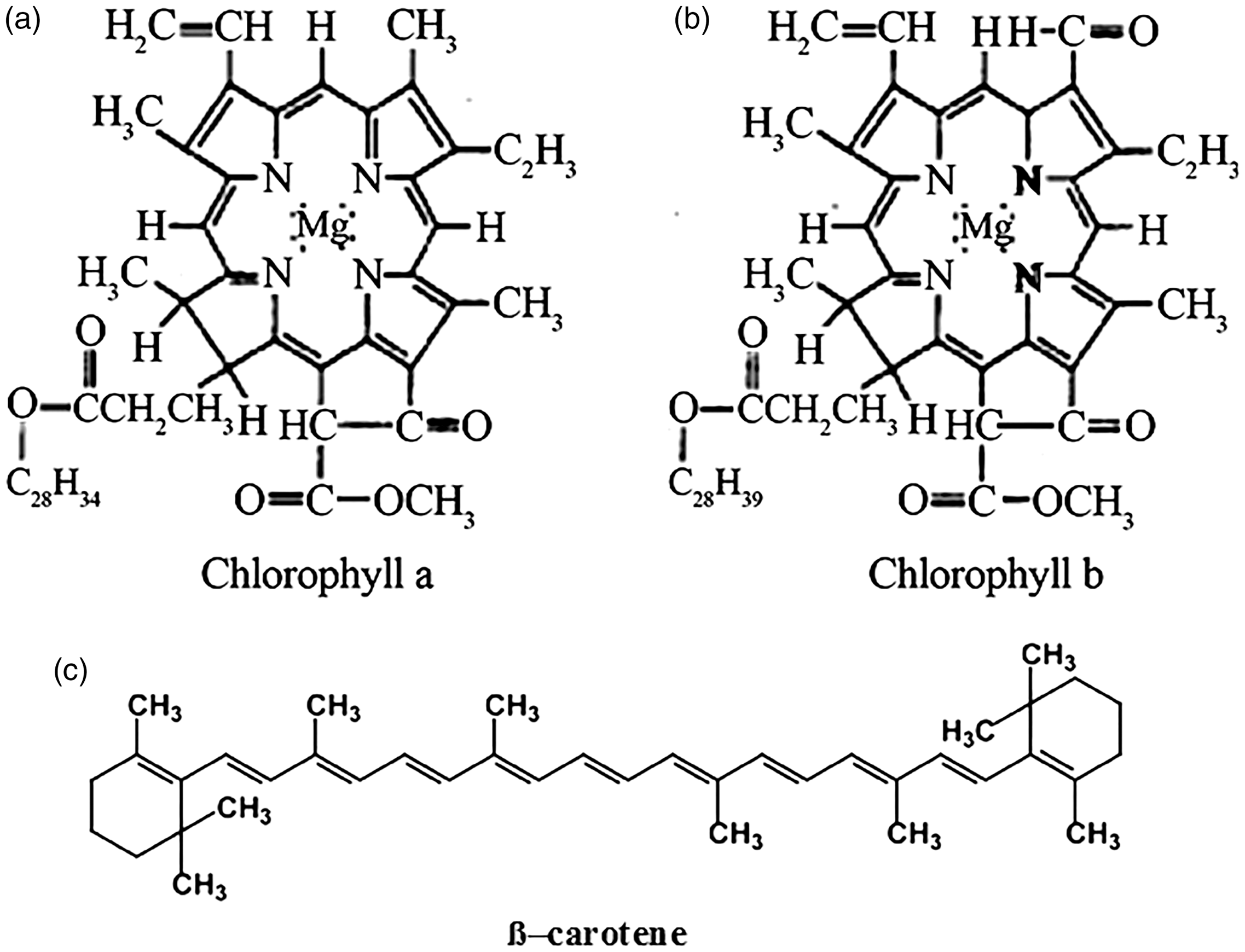
Pigments are the polyenes soluble in lipids. Different species of algae contain different kinds of carotenoids such as violaxanthin, antheraxanthin and zeaxanthin were used to protect seaweed by dissipating the potentially harmful photoenergy and also act as very strong antioxidants. Such antioxidant properties are based on the fact that they are able to quench singlet oxygen and scavenge free radicals [18]. The most important carotenoids are β-carotene, fucoxanthin and tocopherol. The content of β-carotene in algal dry mass will range from 36 to 4500 mg/kg. Fucoxanthin and tocopherol consists of 70% of total carotenoids content.
Enzymes
The predominant characteristics of enzymes in textile wet processing are non-toxic, biodegradable and environment friendly. In order to provide safety environment and avoid effluents and pollution created by synthetic chemicals, enzymes are used in textile wet processing like desizing, scouring, bleaching, dyeing, and finishing of fabrics. Such enzymes are rich in seaweeds used for making ecofriendly textiles and also possess strong antimicrobial properties.
Collen et al. [56] found that a vast number of cellular antioxidant enzyme and protein systems including ascorbate peroxidase, catalase (CAT), dehydroascorbate reductase, glutathione peroxidase (GPx) and superoxide dismutase (SOD) are present in the seaweeds. The antioxidant activities of seaweeds extracts have been determined in a variety of in-vitro and in-vivo based experiments. The in-vitro antioxidant activity of seaweed extracts can be determined using chemical reaction assays or cell culture models.
Carrageenans and oligo-carrageenans
Synthetic sizing agents used for textile sizing does not degrade and causes water pollution in the textile effluent treatment process. In order to avoid environmental problems and became ecofriendly and inexpensive, natural sizing agents have been developed from the medicinal plants in the current scenario for textile warp sizing. Such natural sizing agents such as carrageenans and oligo- carrageenans were derived from seaweeds used in the manufacturing of textile sizing powder. It has come as a replacement to starch due to its cheaper cost, biodegradable and quality in sizing. The other application of gelling-based carrageenans and oligo-carrageenans materials in seaweeds is used for printing processes, enzymatic stone washing of denim and fabric detergents [28].
Carrageenans are one of the main components of red seaweeds and its cell walls indicate 30 to 75% of the algal dry weight [105]. The D-galactose sulphated in different positions linked to anhydrogalactose units formed in linear sulphated polysaccharides present in carrageenans. Two types of carrageenans are present in red seaweeds namely kappa carrageenan and lambda carrageenan. Kappa carrageenan is formed by a D-galactose sulphated in C4 linked to anhydrogalactose and lambda carrageenan is formed by a D-galactose sulphated in C2 linked to a D-galactose sulphated in C2 and C6 which is shown in Figure 17.
Chemical structure of carrageenan.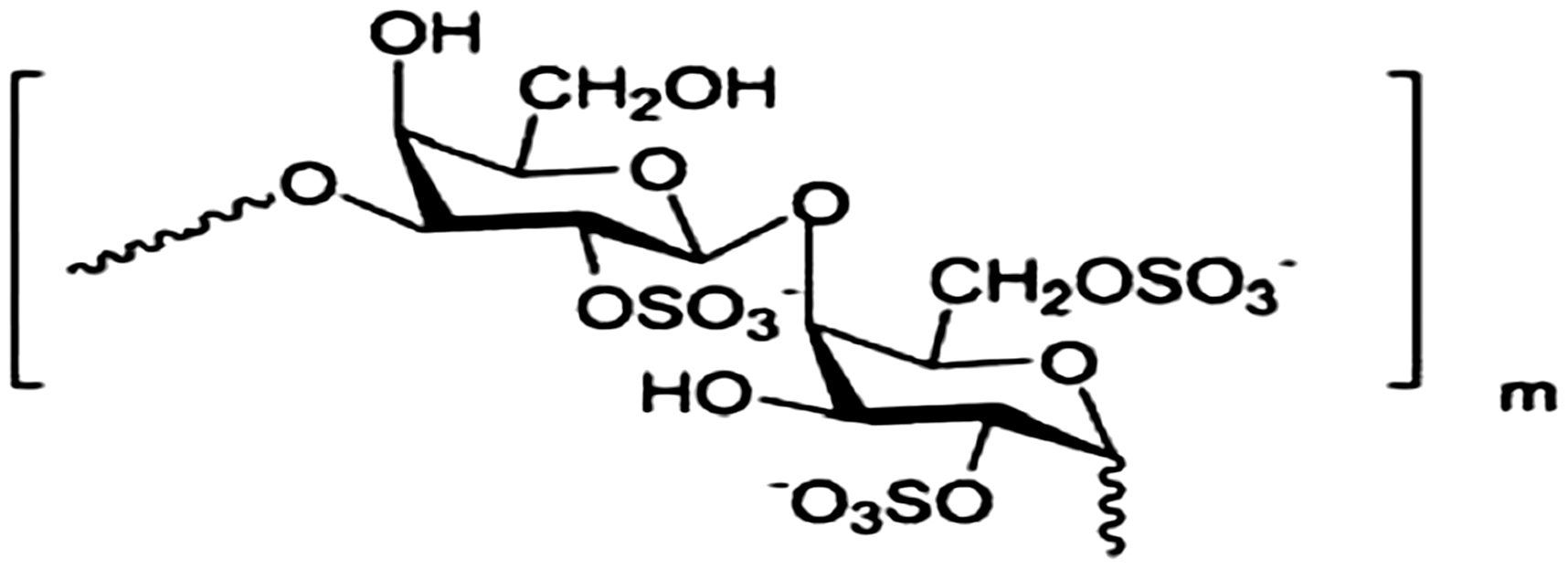
The higher amount of sulphate groups is present in lambda carrageenan followed by kappa carrageenan. Alternatively, oligo-carrageenans with average molecular weights were attained by the acid hydrolysis of carrageenans. It serves as a main function in the area of textile printing as a thickener, emulsifier, and gelling agent.
Polysaccharides
There are several synthetic polymer thickeners used in the textile printing industry which causes environment pollution and water insolubility to provide good printing performance of the fabrics. Most of the polysaccharide-based thickeners such as starch, British gum, cellulose ethers, emulsions of oil and water were used in the textile printing industry. In the recent years, natural-based polysaccharide thickeners derived from seaweeds are used for the textile surface printing with minimal environmental waste and pollution. Polysaccharides are long chain of carbohydrate molecules linked together by glycosides bonds in its repeating units. It acts as a thickener, stabilizing and gelling agent in food products and also used in the manufacturing of paper and textile products.
Seaweeds are rich in both sulphated and non-sulphated polysaccharides. Sulphated-polysaccharides are the structural mechanism that protect the surface of cell walls from drying out of seaweed and also provides gel structure to the cell wall which is shown in Figure 18 [108,109].
Chemical structure of polysaccharide.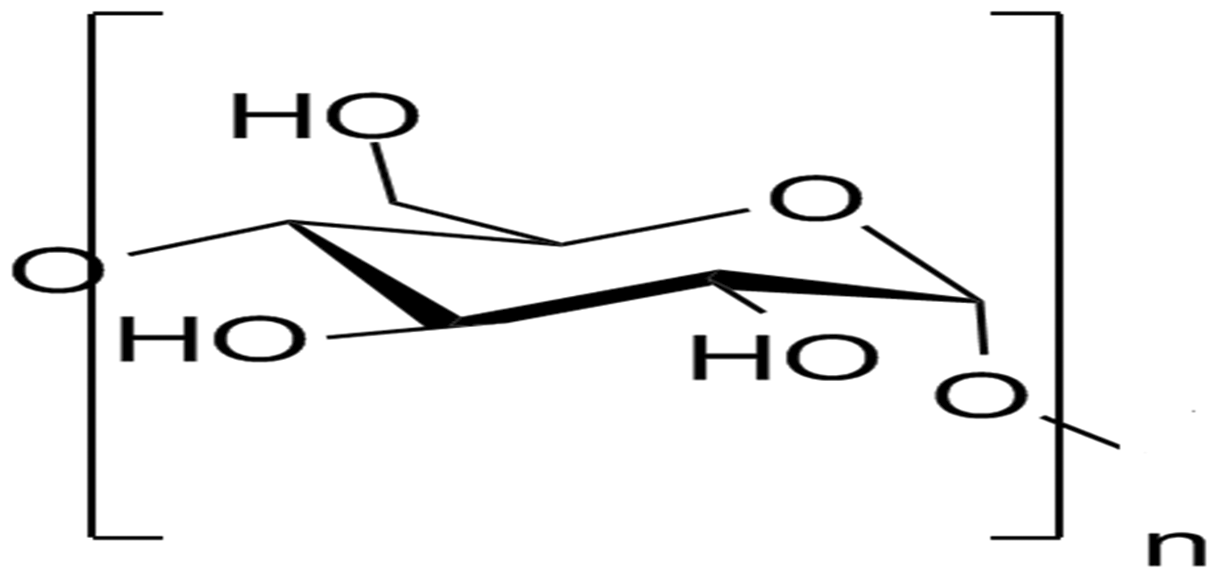
Non-sulphated polysaccharides such as laminarin and alginic acid (alginate) act as energy storage and structural components, respectively. The sulphated polysaccharide is highly dependent on the colour of the seaweeds [110]. Carrageenans and agarans are a rich source of galactans-based polysaccharides present in red seaweeds. Fucoidan and Ascophyllan are a rich source of sulphated polysaccharides and non-sulphated polysaccharides such as laminarin and alginic acid found in brown seaweeds. Ulvaran is the primary type of sulphated-polysaccharide found in the green seaweed. Fucoidan which is the sulphated polysaccharides are most frequently examined for its antioxidant activity in various industries.
Agar–agar
The novel approach for using synthetic aqueous binder derived from polyurethane acrylate based organic compounds was used for the screen printing. The highest fastness properties with good colour strength using synthetic binder, irrespective of the type of fabric used were achieved. Such functional properties with environment friendly natural binder in the form of bioactive substances such as agar and agaroids were present in seaweeds. Agar has an ability to produce clear colourless, odourless, and natural gels without the support of other colloids has been used as a binder in the field of textile printing and also act as a stabilizing and gelling agent in the food and medical industry.
Some red seaweed will have a jelly like colloidal carbohydrates present in the cell walls. The gels like layers are formed by the mixture of agarose, agaropectin and two polysaccharides. Agar also used as a solidifying agent in bacteriological culture media and the chemical structure of agar–agar is shown in Figure 19 [78].
Chemical structure of agar–agar.
Agaroids
Agaroids also act as a natural thickener and gelling agent for the replacement of starch because of its cheaper cost, ease availability, biodegradable and achieve good quality in fabrics. The applications of gelling based agaroids are used for emulsifying agents, binding agents, textile printing, fabric detergents, and enzymatic stone washing.
The gel like substance present in the red seaweeds is called agaroids. Agaroids are different from agar, because it has different chemical structure and properties. Agaroids does not form gel like structure, but it is viscous when cooled. The properties of agaroids can be altered by inorganic and organic solutes and it should improve their gelling power. Carrageenan comes under agaroids. The chemical structure of the agaroids is shown in Figure 20 [111].
Chemical structure of agaroid.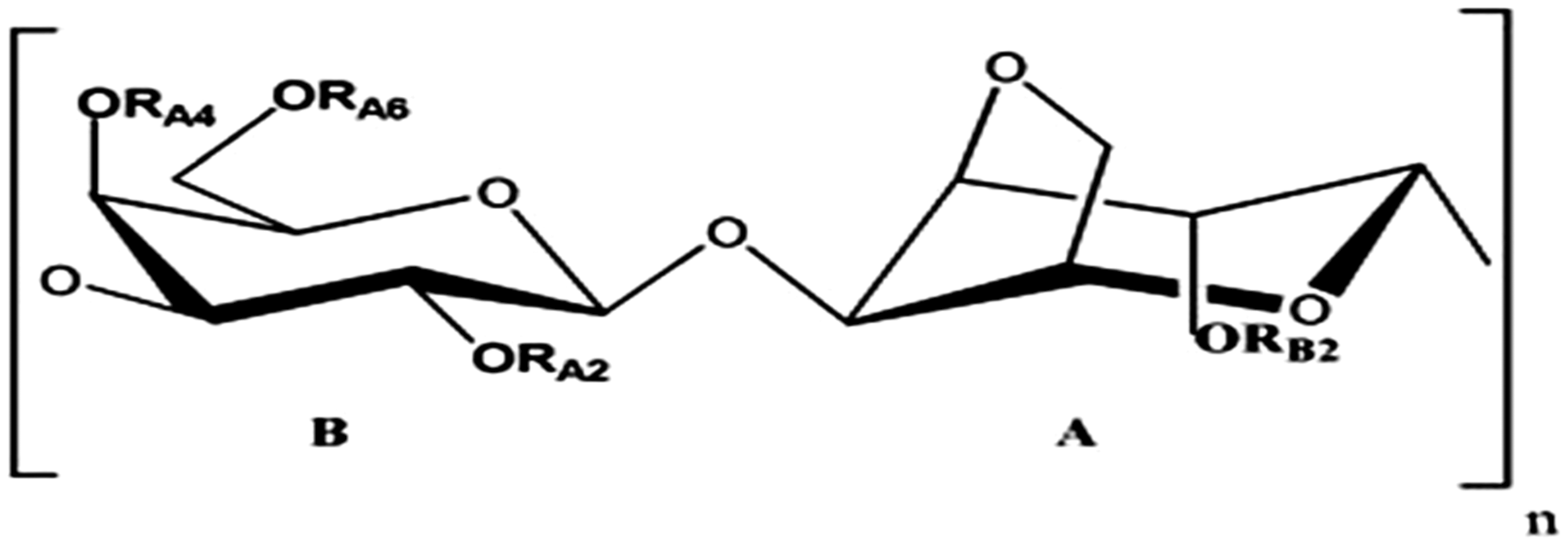
Curative uses of seaweeds in various industries
Seaweed fibre used for apparels (green and brown algae)
Seaweed is a natural-based cellulosic fibre with medium strength. It is situated in underneath of the world ocean waters. The woven and knitted fabrics are produced with seaweed fibres only and it is blended with other cellulosic fibres. The prominent features of seaweed fibre will have high nutritious value, ecological, and environmentally friendly. It is firmly bonded into the fabric and their effect is permanent and protects our skin as the most important building blocks to maintain its biological value. In olden days, the seaweeds are used in the Chinese medicine to protect the skin against degenerative diseases, because of its anti-viral and anti-inflammatory qualities. Seaweeds are also rich in nutrients, antioxidant and antimicrobial properties. In the year of 2000, many latest methods were used to develop the essential properties of seaweed fibres in the production of apparel industry.
The seaweed serves as the functional finish substrate to the cellulosic fabrics. The fabric, finished with seaweed, will have numerous health benefits to humans which was mainly due to bioactive compounds. During the lyocell process seaweeds, incorporating with hydroxyl ions in the cellulose should have antibacterial effect on the fibre. Nowadays, antimicrobial fabrics are produced by the surface finished with synthetic antimicrobial active agents and also produced with natural-based antimicrobial substances. The functional properties of fabrics are produced by the application of antimicrobial-based finish or by incorporation with antibacterial fibre are shown in Figure 21 [112].
Seaweed fibre and apparel.
Sea cell fabric (brown algae)
Sea cell fabric is the combination of small percentage of the brown seaweed, mixed with cellulose in the same family as lyocell. It is organic and it is used as eco-friendly fabric in recent years. The major benefits of Sea Cell fabric naturally contain ayurvedic properties and it also contains calcium and vitamin E as well as it has antimicrobial, antioxidant and anti-inflammatory properties that are beneficial to the skin. Sea cell fabric is also used in children’s clothing and active wear with better handle value and comfort properties are shown in Figure 22 [113,114].
Sea Cell fabric.
Seaweeds in textile printing (Brown Algae)
Sodium alginate extracted from brown seaweeds is widely used as both stabilizer and emulsifier in the textile printing industry over the years. The sodium alginates are also used as a natural binder to enhance the flourishing effect of design quality in printing industry and new trends in textile fashions. Sodium alginate in powder form is shown in Figure 23 [115].
Sodium alginate powder for textile printing.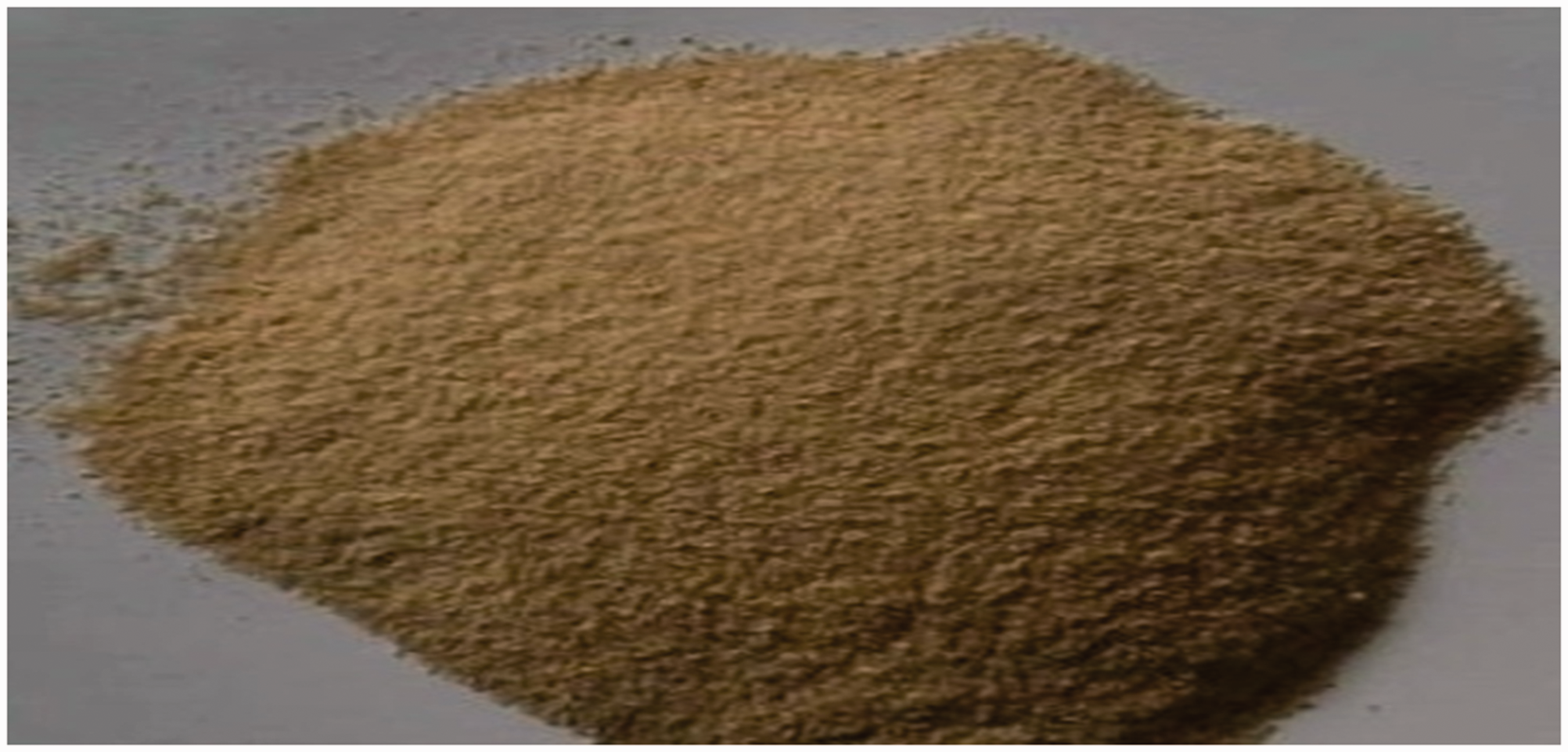
Seaweeds in medical bandages (brown algae)
Calcium alginate extracted from brown seaweeds is insoluble in water and such fibres are extracted through solution spinning method. Such fibres are made into woven fabric used for the medical textiles in the form of bandages, especially for large wounds and burns, became popular in recent years. The alginate bandage was much more effective than cellulose-based bandages, because of easy solubility in a simple salt solution and wound curing rate was reduced. Modifications of such type of natural-based alginate fibres are also used in firemen’s fire proof clothing. Calcium alginate wound dressing in the form of bandage is shown in Figure 24 [116].
Calcium alginate gel dressing for wound management.
Nonwoven helps in cultivation of seaweed for biomaterials
A specially designed cutting edge textiles have been developed in the area of technical textiles for large scale cultivation of different types of seaweed used for biomaterials, biopolymers and biofuels. A seaweed biomass can be used as a good alternative source of non-oil-based materials such as biofuels, biopolymers, pigments, antioxidants, heavy metals and other chemical compounds. In future years, the usage of terrestrial biomaterial and biofuel crops will increase the fertility of soil which helps in the mass food production. The advanced fibrous and fibre-composite materials were developed by a mix of woven, nonwoven and 3D layered fabrics. The coated and laminated textile structures are modified to encourage the growth of a particular seaweed species. Coated and laminated textile composite structures for seaweeds biomaterial are shown in Figure 25 [117].
Coated and laminated textile composite structures for seaweeds biomaterial.
Seaweeds in food industry (green and brown algae)
Seaweeds are the rich source of nutritive compounds such as proteins, carbohydrates, lipids and many essential amino acids including iodine as well, as it also hold more than 60 trace elements, higher than that in terrestrial plants. In the ancient days, seaweeds are eaten raw or processed to form staple human food, in many parts of the world. Some of the seaweed especially porphyra vietnamensis contain 16–30% protein on dry weight and it is higher than milk, eggs and cereals [118,119]. Fujiwara-Arasaki reported that 21 varieties of seaweeds in Japan are rich in proteins which were widely used as sea-vegetables [120,121]. In Japan, most of the people eat 100 g of algae per day and such seaweeds contain sodium, potassium and magnesium which provide health benefits of human being and maintain daily diet [122,123].
Seaweeds have a great potential in India, but it is not used as a food substances directly because 60% of the population are vegetarians [124,125]. Some of the bioactive compounds especially pigments are used to add colour to the food substances and particularly alginates are used as the additive agent in ice creams and dairy products in many parts of the world.
Seaweeds in other industries (brown, green and red algae)
Seaweeds are the rich source of bioactive compounds mainly phycoco1loids such as agar–agar, algin, fucoidan, flavonoids and carrageenan. Such bioactive compounds act as gelling, stabilizing and thickening agents and it is widely used in various industries like food, cosmetics, textile, paper, pharmaceutical, dairy, paint, etc [126].
Seaweeds in medicine (brown and red algae)
Seaweeds especially red algae are used in the treatment of degenerative diseases especially goiter [127]. Seaweeds are rich in iodine and antibiotic substance extracted from the green seaweeds which affected the inhibition of tubercle bacilli in cultures [128,129]. Naqvi et al. [130] reported that three algae species such as padina tetrastromatica, gelidiella acerosa and acanthophora spicifera especially used for anti-fertility activities. Therapeutic properties such as anticoagulant, anti-inflammatory, anti-lipemic and anti-tumour activities have been found in marine seaweeds that are active against influenza B and mumps virus. Apart from this, agar and algin are widely used in pharmaceutical applications as well as in the manufacture of dental impression moulds. Alginates will help the tuberculosis patients to stop internal bleeding [129,131].
Seaweeds as fodder (green algae)
Seaweeds are rich sources of proteins, lipids, carbohydrates, trace elements, and vitamins etc. It is also used as animal feed, which increases the fertility rate and birth rate of animals in many countries for world wide. Seaweed feeds and meals have been used extensively in the farming of milk fish which was mainly due to the presence of antisterility, iodine content, vitamin-E and pigments [129,132]. Green seaweeds are used as food in marine living animals to improve their growth and survival rates [133].
Seaweeds as manure (red and brown algae)
Seaweeds are the rich source of manure used in coastal areas throughout the world. Seaweeds contain nutrients such as proteins, minerals, vitamins and trace elements are consumed by the plants and it will help to overcome the various deficiency diseases. It is observed from the fact that the carbohydrates and nitrogen are higher in seaweeds [134]. It helps to improve the water retaining capacity of the soil and easy decomposability of seaweed organic matter for the growth of soil microorganisms. Nowadays, red and brown seaweeds are being used as foliar spray, and manure in the areas of agriculture, horticulture and coconut plantations in various part of the world [135,136].
Seaweeds as a source of vitamins (green and brown algae)
Seaweeds are the rich source of vitamins. The vitamins present in the seaweeds are Vitamin-A, B1, B2, C, D and E. Each type of vitamins is majorly present in the various types of seaweeds. Ulva lactuca, laminaria flitata, undaria, codium are rich in Vitamin-A. Enteromorpha, porphyra, ulva reticulata are rich in Vitamin C. Sargassam, porphyra and rhodymenia are rich in Vitamin B1. If a person consumes 100 gm of algae/day, the nutrient content of human body will be increased. Other types of vitamins identified in seaweeds are pantothenic acid, folic acid and Vitamin B6 [135,136].
Seaweeds as a source of energy (red algae)
Most of the solar energy reaches the outside area of our planet falls on water. Such energy, absorbed by macro algae, will enhance photosynthetic compounds that will help to grow functional plants in the water. In the early stages of 1980s, seaweeds can be used as biomass for energy production. Totally 50% of seaweeds are consumed every year for the production of biomass basis [137].
Seaweed as an ecosystem (green, brown and red algae)
Seaweeds afford habitation and seeding for most of the marine animals and play an important role in many marine ecosystems. It should have a significant role to the human food due to the rich source of nutrients. It is also used in detrital food chains due to the high biochemical composition. Several marine algae are rich source of different trace elements and it will act as biological monitors for radioactive research in waste water treatment of oceans. Seaweeds should have more effective biological role in marine environments and it helps to determine the ecological problems of seaweeds and biochemical composition [137].
Seaweed as an anti wrinkling activity in cosmetology (brown and red algae)
In the current scenario, both men and women have problem of wrinkling at an early age of 30s. In order to avoid such problem, humans require brown and red seaweeds as a natural anti wrinkling agent. Early wrinkling was caused by oxidative stress and this stress produces phosphorylates transcription activator protein and also stops the free radical oxygen species to develop the matrix metallo proteinases (MMP). These types of protein help for degradation of the fibroblast cells present in collagen. The damage of collagen in human skin causes skin ageing. The major production of gelatinases occur from sunlight is a source of ultra violet radiation to the human skin which causes early wrinkling and skin cancer. It is clear that MMP is a major contributor of wrinkling activity. Many researchers found that phenolic compounds have the capacity to inhibit MMP and act as potential anti photo ageing agent which was present mostly in brown and red seaweeds.
Most of the marine algae are the source of phenolic compounds and act as an anti-wrinkling cosmetic product. Marine algae could produce essential bioactive compounds as secondary metabolites and it consists of hydroxyl (OH) groups directly bounded to an aromatic hydrocarbon groups. The higher amounts of polyphenols present in brown and red seaweeds are phenolic acid, phlorotannins, catechins, gallic acid, phloroglucinol, vanillic acid, epicatechin, syringic acid, protocatechnic, chlorogenic acid, gentisic acid, rutin, quercetin, commanic acid, and fenulic acid. It has the ability to inhibit ultraviolet-induced oxidative stress and also avoid the productions of MMP in human dermal fibroblast (HDF) cells. Some of the species of red and brown seaweeds in south coast of India will increase the elasticity of skin tissues and reduce the fine lines and wrinkles present in the human skin and also act as prevailing antioxidant activities [137–138].
Conclusion
Textile materials are awfully essential in all the areas of medical fields particularly in the health care and hygienic sectors. In recent years, the textile products employed for medical fields seem to be simply functional and durable items with the use of natural and manmade fibres for stenter and various fabric forming techniques. A new advancement in medical textiles is the application of antimicrobial finishes to fabrics which would result in functional wound-dressing types, bandages and hygienic products.
Nowadays, antimicrobial textiles are popular and drastically increase in the global textile markets. The numbers of safe and durable natural-based antimicrobial agents with high durability from seaweeds are functionally performed and alginate-based dressing for wound management was gradually increasing in the recent years particularly in the field of medical textiles. An eco-friendly based fabric made of natural fibers is popular in the global economy which will try to reduce the chemical based products and increase the usage of medical based products. Such antimicrobial fabrics are also used in worldwide development for a safer environment in apparel industry. In this review, the overall application of the seaweeds in different industries was discussed and such industrial uses was mainly due to the high nutrients content and excellent bioactive substances, antioxidant properties, antimicrobial properties as well as the anti-viral and anti-cancer property which will help the humans to regularize our normal body activities, and avoid degenerative diseases. It is most widely accepted by the people as a medicine in different parts of the world.
Seaweeds are also used in the cosmetics and medical industry to overcome many human problems like the curative diseases as well as it creates new expertise in the form of natural antifoulants, UV-sunscreens. It is also used as food supplements, manure, fodders, pharmaceutical, medical bandages, tissue engineering, textile printing and finishing industries.
Footnotes
Declaration of Conflicting Interests
The author(s) declared no potential conflicts of interest with respect to the research, authorship, and/or publication of this article.
Funding
The author(s) received no financial support for the research, authorship, and/or publication of this article.