



Abstract
This article contributes to a growing academic debate about the role of young people in safeguarding the memory of the past to support post-war rebuilding through physical urban reform and national rebranding. It also provides new opportunities for young people to amplify their voices after years of struggle. We pose the following question: How can the youth better leverage heritage to emphasise commonalities, cultural links, and educational understanding, which can break down ideological barriers and create sustainable peace? Through a critical thematic analysis of 45 open-ended interviews held in Iraq, we developed a set of recommendations that allows the youth to engage in dialogue around the country and its cultural heritage through oral history, testimonies, and documentaries. The outcomes of this research could enable the youth to reflect on their interpretation of heritage contestation and their active role towards safeguarding Iraq’s cultural heritage.
Introduction
The Islamic State’s (IS) 2014 occupation of Iraq was described as an identity-bound destruction (Clapperton et al., 2017) of human bodies, sacred buildings, cultural heritage, archaeological sites, and museum antiquities (Harmanşah, 2015). Since 2017, Iraq’s efforts to preserve cultural and architectural heritage have become among the most influential sustainable development and reconstruction strategies (Alsalloum and Brown, 2019). In Mesopotamia, heritage preservation not only ensures the protection of high-profile historic cities and sites but also attempts to activate long-term economic investments and provides job opportunities for the youth through sustainable and peaceful industries such as tourism (Aslan et al., 2006). Over more than four decades of successive wars, internal conflicts, and political unrest in Iraq, the country’s architectural heritage and historic sites have been either brutally targeted or considered part of the collateral damage; in the best cases, they have suffered from tragic neglect (Higgins, 2020).
In several war contexts, such as Ukraine, the motivation for armed conflict and the subsequent destruction of cultural property is increasing due to nationalism. Nationalism is critical in understanding the continued destruction of cultural heritage. In Iraq, cultural heritage and archaeological sites were used by Ba’athist regimes as a tool to foster national unity and an ideological narrative to present the state as an ongoing reenactment of its past against the war with IS. Hence, secular nationalism was linked to the pre-Islamic era. This kind of idolatry includes the secular sacralisation of antiquities in the name of nationalism, which warrants their destruction (Jones, 2018). As such, numerous buildings still stand in Iraq’s public realm, displaying IS war memorials and revealing the country’s “dis-continuity” regarding political conditions (Cunliffe and Curini, 2018; Kathem, 2020). A popular example of this type of destruction of heritage is the systematic targeting of the Samarra Mosque, a historic religious holy site for the Iraqi Shia in 2006, which led to a civil war after three years of post-war chaos in the country following military operations in 2003 (Howard, 2006). In Mosul, north of Iraq, IS (2014-2017) committed terrorist attacks against heritage assets, which was described as cultural cleansing. The attacks were mainly directed at the persecution of not only minorities, such as Christians and Yazidis (Isakhan and Shahab, 2022), but also the demographic majority communities of Shia and their monuments, in an attempt to eliminate the cultural diversity that has long characterised Iraq’s social structure (Brosché et al., 2017).
It is not surprising that a plethora of academic studies have attempted to document and analyse the unprecedented level of cultural and historical destruction that Iraq has experienced since 2003. This is due to the role of memory in Iraq’s cultural heritage holding a substantial position within the country’s collective identity and psyche (Al-Daffaie and Abdelmonem, 2023; Isakhan, 2011, 2013; Zubaida, 2012). The concept of loss is a timeless narrative that has become an integral part of Iraq’s identity and past. What is at stake is never one or a few isolated acts of violence; each occurrence serves as a record of a struggle that continues to shape the nation’s future. The emotional and psychological study of conflict in Iraq revolves around how social groups interact with torn and destroyed sites. For many, the past serves as a legitimate means of connecting conflict-affected cities with their futures, necessitating a study of the contested heritage of these cities (Viejo-Rose, 2011). Interrogating the discourse on architecture and war reveals that destroying the nation’s rooted cultural heritage during warfare (both as part of collateral damage and as a political and systematic act of violence) has always been associated with the destruction of iconic sites and buildings (Figure 1). Heritage often represents a symbolic value for particular groups, whereas systematic destruction targets the elimination of these groups (Woods, 1993). Such acts of destruction not only shatter a nation’s culture and morale, but also destroy its memory and, ultimately, its existence (Bevan, 2016). In Lebanon, for example, the war-torn buildings highlight a particular claim to authenticity and urgently present an inquiry into “what an authentic narrative might tell us of the history of conflict by provoking a diverse and unpredictable effective response” (Selim et al., 2022; Mohareb et al., 2022; Larkin and Parry-Davies, 2019). World Heritage sites in Iraq. Source: UNESCO (2015).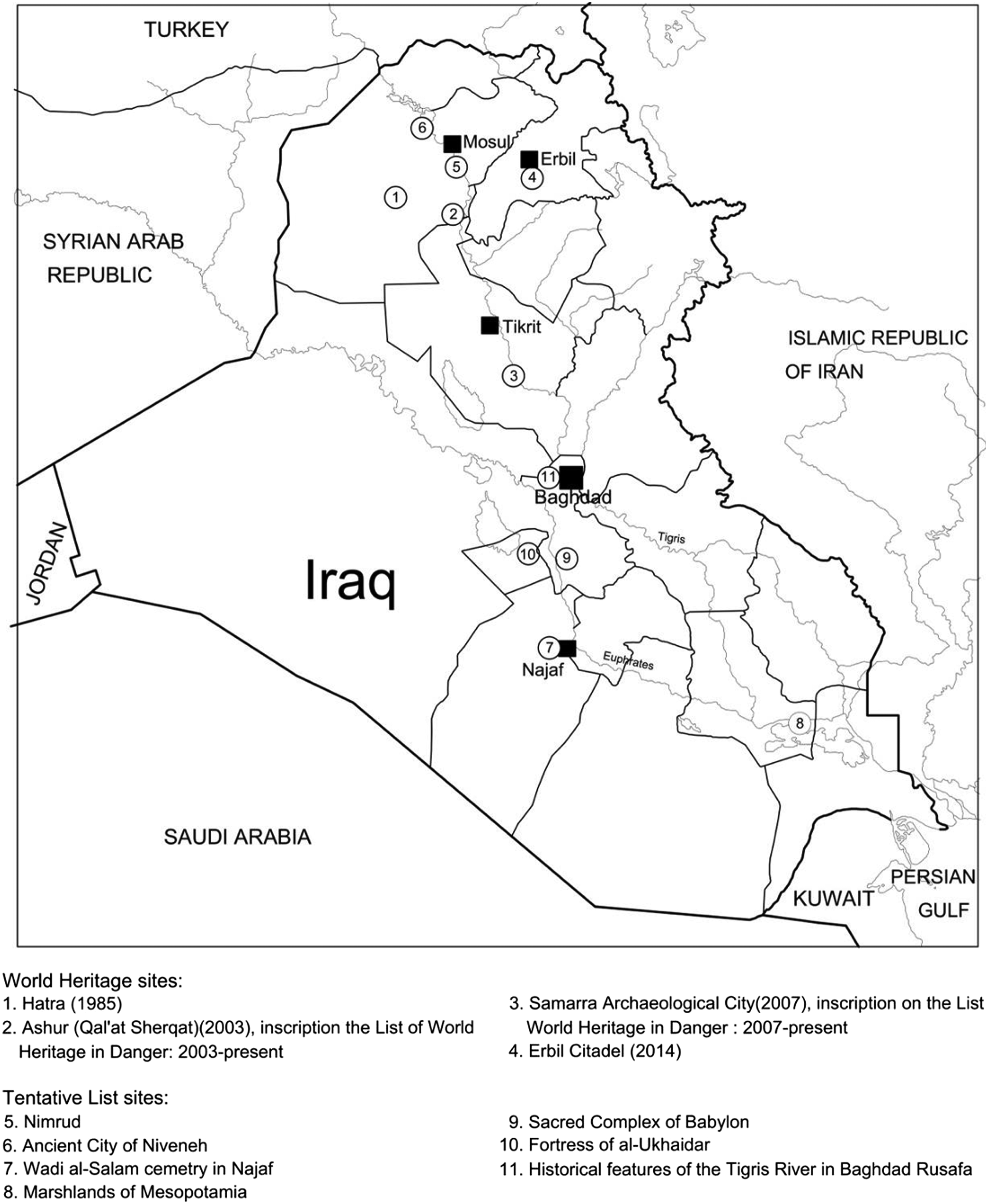
The political instability in Iraq has gradually produced intolerance and controversial discourses regarding the cultural identity of its youths. 1 War violence remains a significant point around which modern narratives and media images revolve, both preceding and following these conflicts. As such, this article is part of a growing academic debate about how the youth can safeguard memories of the past to help Iraq rebuild through physical urban reform and national rebranding. The idea of collective amnesia has been increasingly questioned in recent studies (Al Ani, 2020), examining how people remember the past and try to determine how different groups in the collective react to it. It is also essential to understand how young people in Iraq interact with their contested heritage, their knowledge of the country, what stories they share, and how the legacy of conflict and war can help them build their identities and become proud of their past. This extends beyond the usual argument that the country is too nostalgic and does not have sufficient control over its cultural heritage.
This article builds on the (Re) Contextualising Contested Heritage – ReConHeritage Project, funded by the Research England Global Challenges Research fund and conducted by the University of Leeds (UK) in partnership with the University of Wasit (Iraq). The project aimed to strengthen the roles of academic and cultural institutions as promoters of human rights and social justice by providing new opportunities for youth to amplify their voices after years of struggle in fragile states. We also aimed to build a viable cycle to reactivate the role of youths as crucial actors in safeguarding their local cultural heritage and increasing the value of these assets. We employed the term “reactivate” to describe the process of restoring and implementing a set of creative tools that revive a genuine and ongoing process of re-evaluating Iraq’s collective identity and envisioning its collective future. We examine how memory processes involve overviews and inductions that are relevant to the temporal context. As such, we pose the following question: How can the youth better leverage heritage to emphasise commonalities, cultural links, and educational understanding, thereby breaking down ideological barriers and creating sustainable peace? Despite Iraq’s challenging political environment, allowing the youth to express their everyday narratives could herald their significant contribution to the country’s reconciliation and facilitate a peacemaking process with the past.
Over nine months in 2021, we conducted 45 open-ended interviews with 25 young people (Y) and 20 academics (A) from multiple Iraqi universities, NGOs, and civil society members. This methodology enabled them to reflect on their interpretation of contestation and the authentic elements of local contested heritage. We maintained a sensible sample of interviews to represent gender balance and different religious sectors and ethnicities. We also held three online focus groups organised as half-day seminars/workshops, with each group comprising youths and academics (curators, architects, archaeologists, practitioners, and activists). The aim was to reinforce the role of cultural institutions in promoting social justice and human equality, following years of difficulty in fragile states. The interviews were conducted in Arabic and English and translated, transcribed, and coded. Trained researchers organised workshops in which the participants, their identities, and opinions were protected in terms of confidentiality. We developed a roadmap of tools that enable youths to engage in dialogue around on Iraq’s cultural heritage through oral history, testimonies, and documentaries. The following section explores the significant challenges impeding the process of activating cultural and architectural preservation in Iraq and the need to consolidate the role of its youth and participation in cultural heritage protection, and designs a future roadmap for a sustainable preservation culture. The article begins by situating Iraq within the context of its “fragmented” memories and cultural heritage, where we interrogate its geopolitical conditions as a country of war and conflict. We also analyse how the debate on heritage among the youth is lived and interpreted as an authentic element unique to the community. The final section examines the methods and framework for enabling positive outputs for youth engagement with their heritage by building a participatory heritage roadmap to activate heritage preservation in Iraq through collaborative work and public participation.
Memory and heritage in Iraq
Heritage is a fundamental component of our cultural identity. It has been shaped by our communities’ collective experiences and customs over a long period, with some being inherited and some being lost or altered … Our responsibility is to shape this heritage by preserving it and passing it on to future generations. (A34) A replica of the Ishtar Gate at the entrance to Babylon’s Ruins, Iraq. Source: North (2008).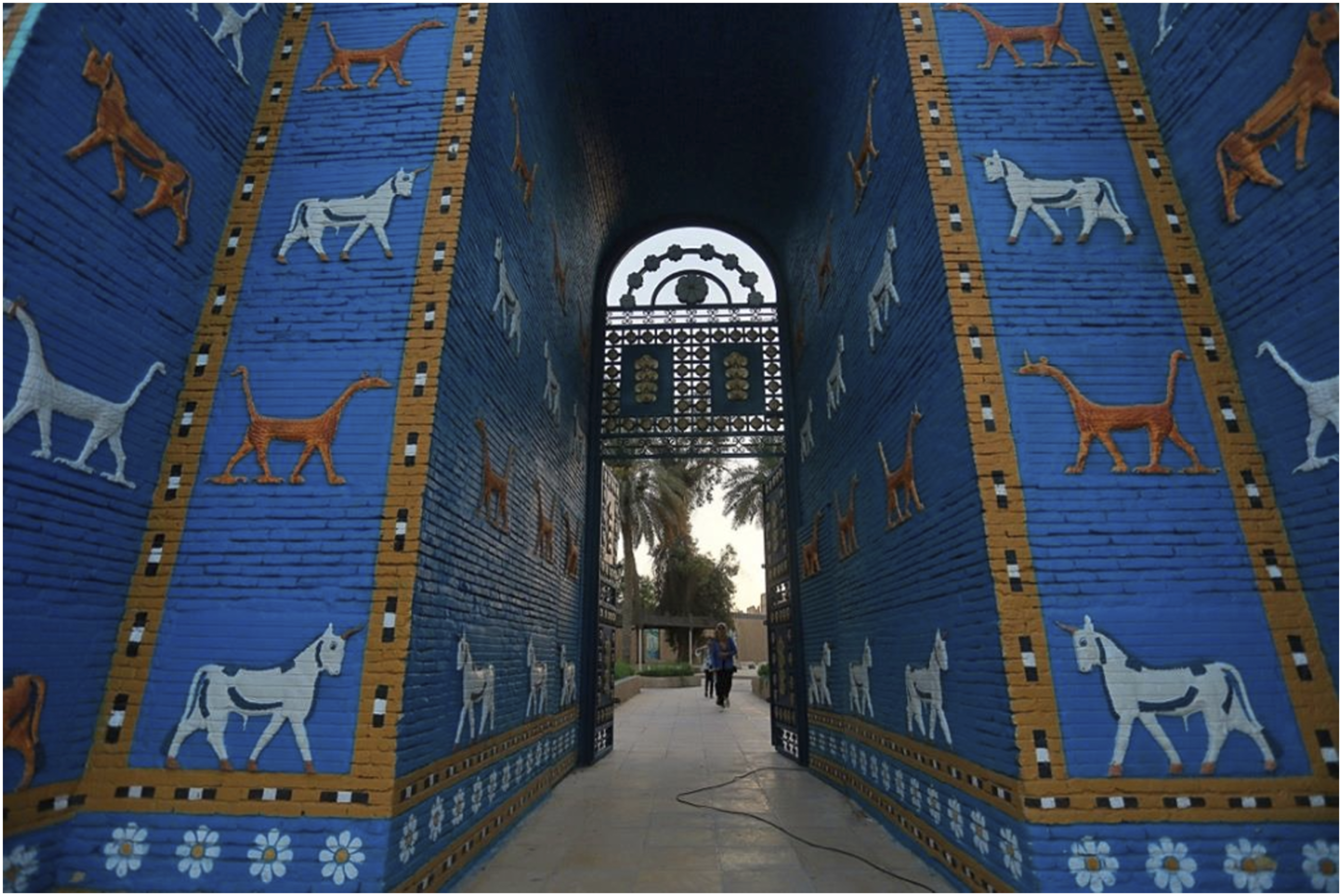
The post-Saddam era has also been depicted as a period of blind and deadly violence, sectarian animosity, and religious bias in how life is shaped and lived. Today, an estimated 4.5 million individuals worldwide are recorded as refugees or internally displaced (UNHCR, 2023). War and conflict also led to unprecedented hardships for millions of people who are confronted with daily challenges regarding access to water, food, healthcare, housing, and employment. Millions of people are forced to live in challenging conditions in neighbouring or distant countries. Post-war trauma had a significant impact on the rebuilding of the country’s historical core (A2, A5, A41). For instance, the post-war reconstruction of Mosul has been seen as a property development project “shaped by competing memory narratives and actors both local and international vying for the right to reimagine Mosul” (Larkin and Rudolf, 2023: 2). This has resulted in the destruction of the city’s pre-war history and the consolidation of social and spatial hierarchies, demonstrating a vast amount of transformation (Khalaf, 2020) (Figure 3). Al-Musfie Mosque, Mosul.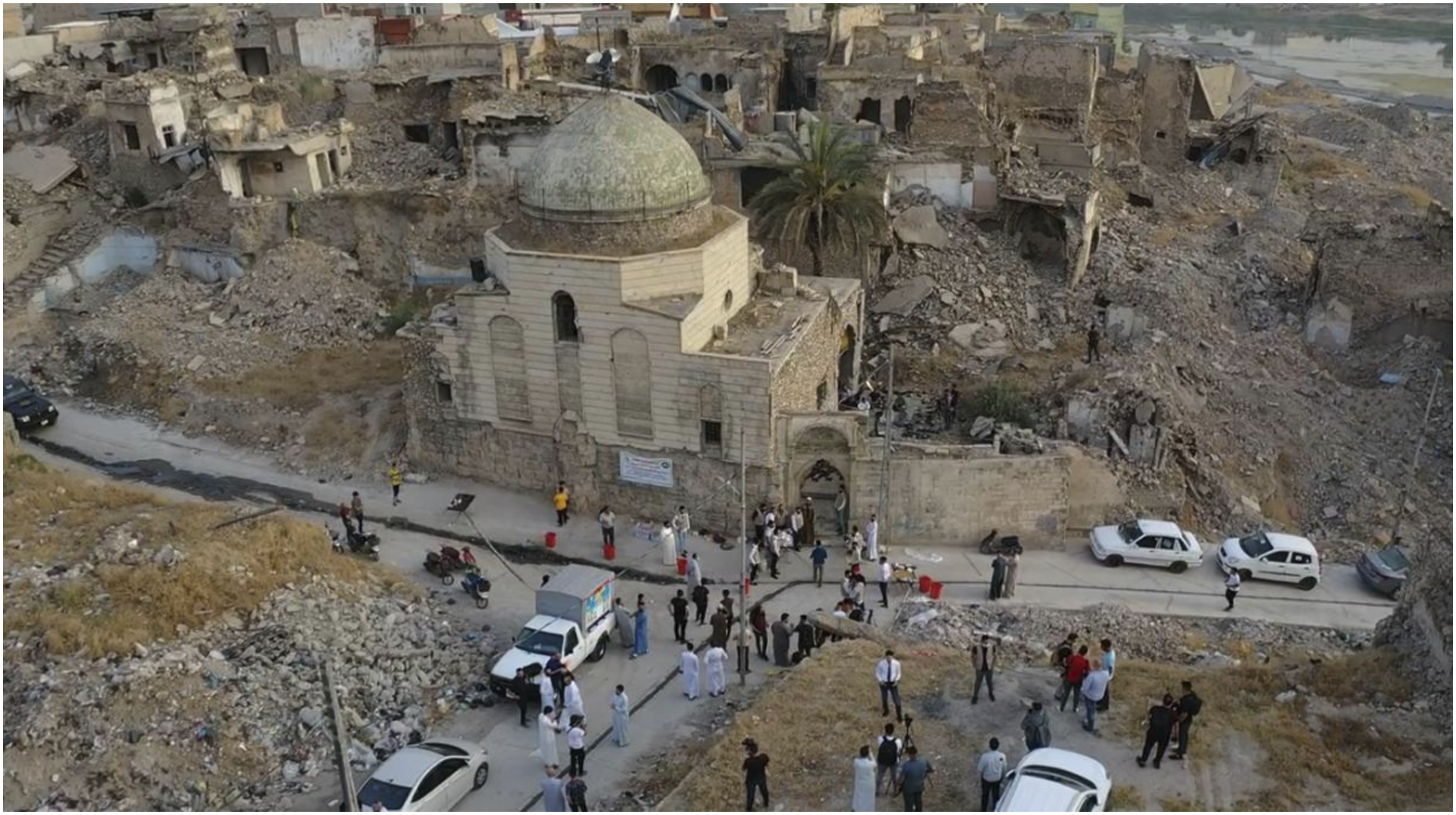
In Iraq, preserving World Heritage sites symbolises humanity’s creativity as each location reflects the past, present, and future of the individuals who created it. In Mesopotamia, the cradle of the first human civilisation, Iraq is home to a wealth of high-profile sites that not only symbolise the geniuses of humanity but also define the identity and cultural roots of the country’s people. Due to the country’s decades-long history of war and conflict, it has experienced an unparalleled humanitarian crisis, as highlighted by UNESCO Director-General Irina Bokova. Not only have many lives been lost, but high-profile sites have also been deliberately targeted or destroyed. As UNESCO acknowledged in 2015, the intentional destruction of cultural heritage is more than simply the destruction of buildings or sculptures; it is a form of systematic cultural cleansing that seeks to eliminate the dignity and cultural identity of those it represents. This deliberate destruction of heritage is seen as a violation of human rights in the most extreme sense (McCafferty, 2023; Isakhan and Meskell, 2019).
The reason for such a brutal annihilation of heritage in Iraq, such as that committed in Mosul, is to expunge the traces of history in the country, along with the identities of its people (Salman and Alkinani, 2023). The results of the brutal and violent “cultural battle” are torn social structures, divided societies, and generations of young Iraqis who lost their sense of belonging to their culture and history. With constant conflicts and tragic loss of life during warfare, in 2017 the Iraqi Minister for Tourism and Antiquities emphasised the importance of cultural heritage, especially for the new generations growing up in such a violent context. Nevertheless, it is fading or non-existent (Fares and Al-Obaidi, 2022). For example, when IS destroyed the Mosul Museum in 2015, this action was described as “just destroying stones” because it went along with a tragic loss of lives in the city and led to deep humanitarian trauma (Y11).
The youth interrogation of their heritage
The challenges faced by young people in Iraq should be viewed from a demographic perspective. With a current population of over 45 million individuals, Iraq is home to one of the youngest nations in the world, with more than half of its population under the age of 25, according to data from the United Nations (UN). This means that they were born within the 20 years after the US invasion. Since 2003, many youths have been subject to various complex situations and disruptive policies that have left them without access to education and employment opportunities, leaving them with tremendous challenges. When the situation deteriorated in June 2014, many people’s lives were destroyed and hope for a better life faded. In addition, they find it challenging to decide between migrating or continuing to live in their home country (Ozaltin et al., 2020; Amirali, 2019). Many have strong bonds with their families and localities. They also do not regard migration as a straightforward or ideal solution, and have conflicting emotions regarding leaving their homes. While some did not experience the war directly, they still experience ongoing repercussions and reproduced accounts of the conflict. They have witnessed the war’s enduring impact, not only through sectarian and political enmity, but most notably through the destruction of cities and cultural heritage.
Young Iraqis understand that the transformation of the country’s politics and governance structure could improve their future. In October 2019, protests in Iraq were sparked by the deterioration of working conditions and the country’s infrastructure, leading to a rise in young Iraqis demanding reforms and regime changes (A8 and Y14). After 2003, the new government established a quota system that restricted access to public resources and positions, mobilising political parties based on ethnic, sectarian, and communitarian considerations. Oil revenues were not allocated to the country’s reconstruction but to the expansion of public sector employment, with over eight million people employed by the state and a quarter of public funds lost to corruption, a problem prevalent in many Arab countries (Y7 and Y20).
The post-2003 political landscape has resulted in disconnects between society and heritage, with heritage becoming a province of unprincipled, opaque, and self-interested groups. The involvement of cultural heritage in resource competition has led Iraqi youth to perceive heritage as a product of serving the interests of specific groups rather than representing a shared history or culture. Attacks on heritage have been used to justify intercommunal violence and severely deteriorating social relations. Furthermore, sectarian groups often claim to act in the interest of their communities; however, they have yet to show much interest in supporting the constituents that they claim to be representative of. Recently, the negative image of most of Iraq’s heritage institutions, particularly those of religious origin, has been widely criticised by the country’s youth and protesters in Baghdad and Basrah (Jiyad et al., 2020). Furthermore, these policies have failed to provide the necessary training, empowerment, and health and cultural services (A42). As observed in other countries, the aftermath of wars often leaves young people in a crisis as they attempt to find employment. This crisis is exacerbated when the state is slow to provide suitable opportunities for safety (A19).
The consequences of destruction during warfare have increased, and the trauma of living in successive brutal wars continues (Kathem, 2020). Despite over 40 years of conflict and war, with thousands of military and civilian casualties and alarming numbers of displaced families, the destruction of heritage has become a marginal concern for most Iraqis, particularly the youth (Newson and Young, 2017). This is because violence against heritage is, among many other things, a form of communication that enlists architecture as its medium. Its casualties go beyond physical boundaries and manifest through the destruction of both collective memory and a sense of belonging in a particular culture (Matthews et al., 2020). Therefore, safeguarding heritage sites is no longer a priority for locals. Such cultural displacement and the loss of bonds with history have a more severe and destructive long-term impact than direct violence. From this point, it is necessary to raise public awareness not only of the physical values of heritage, but also of the role preservation plays in guarding cultural identity and collective memory as a sustainable development strategy for rebuilding peaceful and resilient cities and societies in fragile post-war contexts, such as that of Iraq.
(Re)connecting the youth with heritage
When we [young people] learn about our heritage, we do not just learn about it—we bring it to life and turn it into a better future. (Y7)
The war still portrays the community’s collective legacy of an unlived phase of the youth’s childhood. However, it remains a memory that is passed on to future generations and the general public (A5). This heritage is important because it provides people with a sense of belonging, identity, and community, which serves as the glue that binds us all together. Consequently, culture and heritage revolve around people and the things that matter to them (A17). An analysis of the Youth Roots Programme, funded by the Heritage Lottery Fund, demonstrated that young people’s involvement in heritage-related matters can be of great importance in revitalising the heritage sector and the built environment. Public involvement, particularly among young people, has proven to be effective and essential in preserving heritage. Heritage sites are inherited from ancestors and must be passed down to future generations. Young people play a vital role in transferring this legacy, as they are future leaders and the bridge between the past and the future.
Over the past decade, heritage supporters have increasingly shifted to the younger generation, with several non-governmental organisations operating in various fields (Halu and Küçükkaya, 2016; Madgin et al., 2016). In Iraq, groups have undertaken many initiatives focused on establishing public forums and conducting research activities that foster dialogue, raise awareness, and inform action. Most of these initiatives target groups that have likely experienced war. In contrast, many others aimed to gain insight into the youths’ perceptions of the country after the war (A29). For example, the Coalition for Religious Equality and Inclusive Development (CREID), a heritage-gathering programme in Iraq, formed partnerships with multiple national universities to work closely with over 100 young people from different religious minorities in areas of conflict and displacement. The project focused on documenting, archiving, and disseminating their local communities’ oral histories, as well as providing the space, tools, and technology necessary for young people to learn intangible heritage preservation skills. Reviewing and analysing oral histories and interviews creates a comprehensive heritage capture of religious minorities in Iraq, enabling young people to share their cultures with the broader student population, challenge preconceived notions, and foster an appreciation for religious and cultural diversity within the context of Iraq. A graduate from the University of Mosul who participated in the Chaldean Christian Heritage in Karamles project said, “this work has helped to connect with our communities and landscapes, as well as providing opportunities for work experience and income generation. Connecting youth with their heritage is a way of resourcing them for their futures” (Y16) (Figure 4). Organised activities for young people at the Ziggurat of Ur @ReConHeritage2021.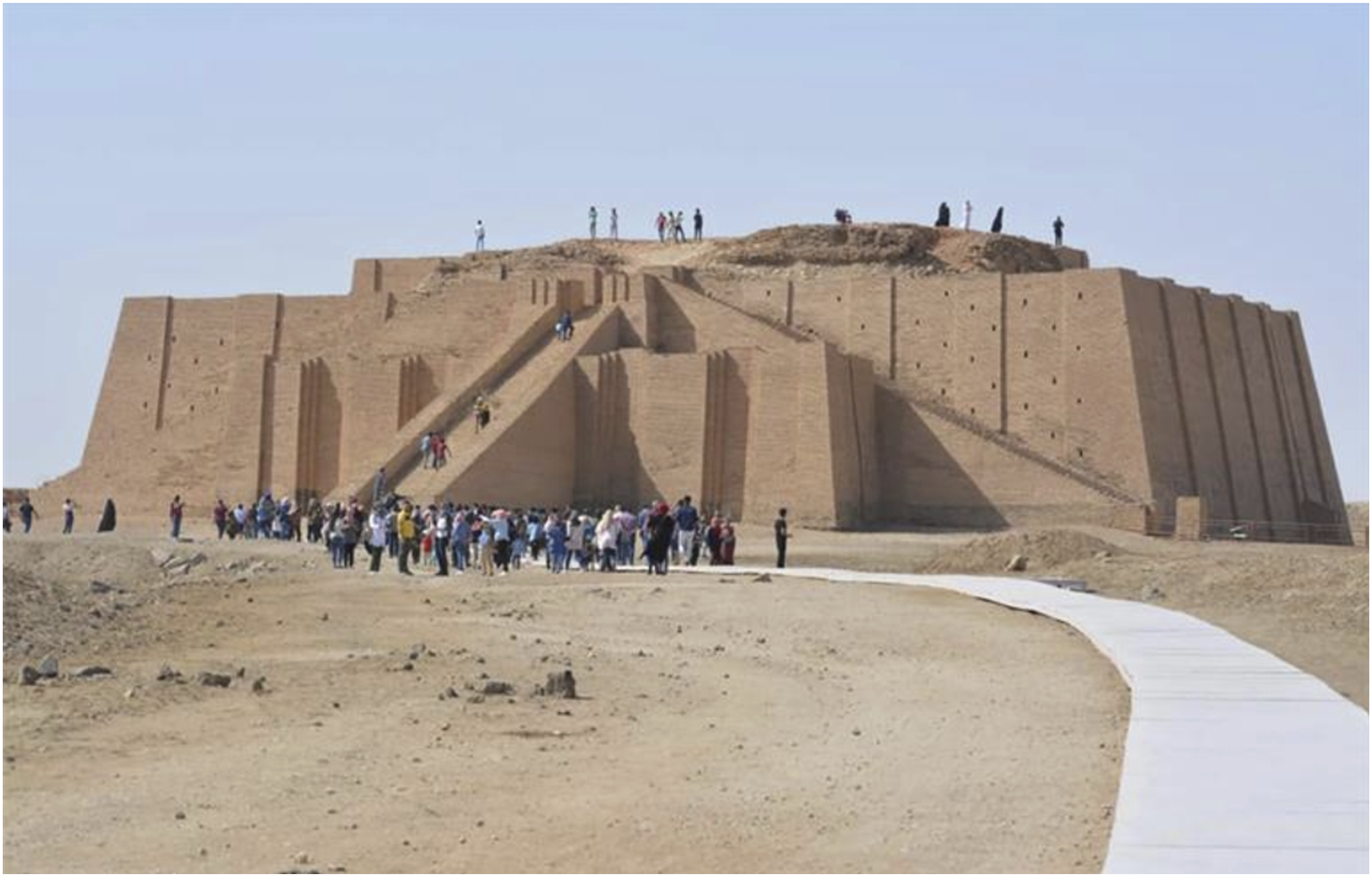
Various international funds have been used to provide financial assistance to young people displaced in Mosul, including those forced to leave their homes and those from host communities. The Japan Social Development Fund conducted two pilot projects in 2015 and 2022 to support youth livelihood development in Southern Iraq and promote the inclusion of conflict-affected youth. The first project focused on providing livelihood support to unemployed young people in homogeneous communities in Baghdad through life and employment skills training, youth-led community activities, workplace apprenticeships, and entrepreneurship activities. The second was part of a more comprehensive UNESCO initiative launched in 2018 to restore the city of Mosul to its former glory and create a vision for its future centred around its people. This project also focused on restoring and accurately reconstructing cultural heritage assets such as the Al-Hidal Mosque and other educational and cultural institutions to reconnect people to their past, present, and future (UNESCO, 2019). As part of UNESCO’s broader efforts to promote community engagement in heritage conservation, 119 local women and over 670 men are learning traditional stone masonry skills using “Mosul marble,” a gypsum-based alabaster indigenous to the region, in a separate training partnership in the city of Mosul with UNESCO’s International Centre for the Study of the Preservation and Restoration of Cultural Property. Young architects and civil engineers are also being trained. In other parts of the country, the EU’s Madad Fund supports Syrian refugees and displaced residents in restoring the Erbil Citadel, an ancient mound topped by Ottoman buildings that are part of the UNESCO World Heritage Site. Implementing capacity-building and training activities has enabled considerable employment opportunities for those educated in heritage preservation methods compared to those who have graduated from universities associated with non-governmental organisations and the Iraqi government. This aligns with the reconstruction process to create a living history (Ditmar, 2022).
Building a participatory heritage roadmap
While there has been much academic work on the role of the youth in society over the last few decades, a growing field now focuses on new conceptual and methodological ways of working with the youth (Horschelmann, 2008; Hopkins, 2007; Nayak, 2010). Indeed, the heritage sector seeks to engage with a wider young audience. For instance, in the UK, heritage bodies, such as Historic England, run activities and programmes for schoolchildren and young people. Simultaneously, debates about the quality of life of young people worldwide and the need to rethink holistic approaches to education also underpin a reassessment of the strength of heritage’s contribution (Johnson et al., 2014). More broadly, heritage is transitioning from being seen as “solely heritage-related” to a “health and wellbeing-related” role, potentially supporting a social prescribing offer (Sektani et al., 2023; Darvill, 2023; Sofaer et al., 2021; Power, 2016). However, they face the challenge of persuasively articulating the relevance of heritage to a society’s well-being (Brooks et al., 2023; Wallace and Beel, 2021). Stakeholders believe that Historic England “currently has neither the knowledge nor the language to articulate the concrete benefits that exposure to heritage can bring.” The broader questions, therefore, relate to whether and how these arts-related “benefits” can be extended to heritage.
As previously mentioned, Iraq’s unique cultural diversity shapes its citizens’ everyday lives. It signifies their understanding of the significance of cultural heritage assets depending on their cultural positioning, spatial literacy, and subjectivity. This value of each cultural heritage element varies across populations, often leading to heritage conflicts (Tunbridge and Ashworth, 1996). For these reasons, linear narratives often fail to capture the intrinsic meaning of heritage, such as place-specific physical artefacts and architectural memorials, and their relationship to the broader culture they belong to. In Iraq, as in other parts of the world, heritage exists through everyday practices and sedimentary legacy-based knowledge and values, and is an essential tool for creating a sense of belonging. Heritage is a “living social energy” intertwined with traditional legacies and communities (A3). The professional academic community is aware of the loss of collective heritage and is actively trying to rejuvenate heritage discourse by asking questions such as what architectural forms can support this legacy and what heritage means in the modern social context. In reality, [We] no longer need to live in the promise of a bright future, any more than we need to hide behind comforting pastiches from the past. Instead, we must live in a constantly changing present, driven by the possibilities of transformation, with the burden of the past, the experience as a shield. (A19)
In Iraq, the lack of a comprehensive national history curriculum and educational resources related to the Civil War period has contributed to the marginalisation of the youth in dialogue about the past and the necessity to document and communicate this memory. The term “youth engagement” has been used to describe the active involvement of young people in various areas of education, community, and research. One such area is the protection and preservation of cultural heritage as both tangible and intangible elements (ICOMOS, 2017). However, the challenge lies in connecting heritage (both tangible and intangible) with stories and living values. Although there is evidence that positive results can arise from working with young people in the heritage sector, they remain vastly anonymised in heritage conservation, policies, and practices (A33). They are also underrepresented across a variety of heritage sites. Over time, such disengagement creates a sense that heritage is “imposed on them” (Y1). It “feels like something pulling us down” (Y20) while our history should be “experienced first-hand” (Y13).
These considerable difficulties include “the need for updated conservation legislation and regulations and the ‘weak law enforcement,’ which plays a vital role in exacerbating the fragile presence of the professionals within the circle of preservation laws and decision-making” (A5). Despite being an interdisciplinary field, the lack of collaboration between historic preservation and heritage conservation in Iraq requires more professional platforms to provide support at both the practical and academic levels. Currently, existing departments and preservation programmes in Iraq operate separately, resulting in fragmented efforts and limited support for unified interdisciplinary preservation practices. For example, discussions have highlighted the need for preservation programmes integrated within the curricula of graduate and undergraduate studies in related to historic preservation, particularly in architecture schools in Iraqi universities. Moreover, the gap between the local preservation society in Iraq and international preservation societies is considered a significant issue. Reconnecting these societies is crucial for activating preservation culture in Iraq at both academic and professional levels through exchanging experiences, updating information, and developing existing preservation programmes and legislation.
Training young people to be part of the decision-making process is crucial, in addition to helping them realise their ideas and re-connect them with their culture. According to the participants in this article, globalisation has caused them to detach from their local environment (Y4, 9, 19). The war has left them with a “memory hole” and a general sense of amnesia that has caused a disconnection between the young and the older generations (Y20). The older generation constantly criticises the young for accepting what they perceive to be shallow values and beliefs. Consequently, the younger generation denies their beliefs, leading to a clash between them. One benefit of the pandemic is that young people have been able to reconnect with their villages and learn about their roots. With EU funding, heritage actors and supporters such as the Iraqi Civil Society Solidarity Initiative (ICSSI) 2 have been able to run annual events organised in the Marshes of Chibayish 3 by Humat Dijlah and the Mashufna Cultural Center. The camp included young participants from different cities such as Najaf, Baghdad, Nasiriyah, Hit, and Diwaniyah, who conducted environmental assessments of the marshes. The youth encountered representatives of the civil society coalition “Our Marshes,” toured the Iraqi Marshlands, and attended the Dhi Qar Forum festival. As the event was held during a drought and there was a lack of water from the Tigris, it was essential to introduce the Ahwar to young people in terms of its natural and cultural beauty. However, Iraq’s academic institutions are primarily responsible for raising awareness of the importance of the past. The education sector makes only a marginal contribution in this area. The discussions highlighted the issue of insufficient preservation programmes within the curricula of graduate and undergraduate studies in all fields of study related to historic preservation, particularly in the schools of architecture in Iraqi universities. As a result, more staff should be prepared to help, leading to an entire safeguarding process in Iraq at both the research and practice levels.
Young people should be encouraged to recognise the actual value of heritage through related initiatives, particularly in difficult times (Koukopoulos et al., 2020). The gap between the local preservation society in Iraq and international preservation societies is considered a significant issue. Reconnecting Iraq’s preservation society within an international preservation context is crucial for fostering a comprehensive preservation culture in the country at both academic and professional levels through exchanging experiences, updating information, and developing existing preservation programmes and legislation. Concepts that dynamically correspond to the variables affecting heritage existence in each context are required for sustainable heritage preservation. By considering the potential of cultural and architectural heritage and carefully addressing the challenges concerning heritage preservation in Iraq, it was possible to create a roadmap for promoting heritage preservation through collaborative work and public participation.
Conclusions
To effectively implement and sustain the long-term impact of the proposed tools, it is vital to garner support from professional resources and establish connections with international heritage preservation societies. Each proposed tool has been collaboratively designed to address the underlying causes of specific threats to heritage and obstacles impeding the development of a robust safeguarding culture in Iraq. The recommended resources include collaboration between the Ministry of Higher Education and Scientific Research, the Ministry of Culture, and all other governmental institutions in Iraq with international heritage preservation societies and organisations. Collaboration and experience exchange with preservation programmes at international universities, research agencies, and organisations is key to developing Iraq’s youth heritage preservation culture at both the academic and professional practice levels. This includes, but is not limited to, providing training fellowships, research funds, and research-based scholarships for young Iraqi scholars and activists involved in heritage preservation. It is also crucial to provide financial grants, professional support, and instructions, as well as follow-up and guidance for small-scale investment projects developed by the youth through heritage preservation.
The discussion of the outcomes and youth engagement in heritage preservation in this research revealed that simple acts of encouragement, support, and raising awareness could result in substantial long-term development. The proposed tools signify revolutionary progress in the field of cultural and architectural preservation in Iraq, led by highly enthusiastic youths eager to take the first steps towards protecting their heritage and building a peaceful and prosperous future in the aftermath of prolonged war and conflict. For example, supporting documentation and preservation projects through small-scale investments is crucial for building a national data bank. This further involves preserving and renovating historic structures (such as traditional courtyard houses in Baghdad and other historic cities in Iraq). If professionally managed and preserved, such structures can be adaptively reused for new activities such as small museums, restaurants, galleries, and cafés. Support includes financing through grants and loans, coupled with expert advice and experience to ensure the preservation and revitalisation of historical sites. By fostering small-scale preservation projects driven by youth investment, the potential of preservation as an influential strategy for sustainable economic development becomes evident. These projects will provide job opportunities for youth interested in cultural and architectural preservation and open the door to more professional investment through preservation.
However, providing professional preservation guidance will prevent damage to historical properties planned for new activities. In Baghdad, several historical buildings have been damaged by unprofessional and unskilled renovation attempts. Moreover, supporting academic and educational sectors, preservation, and heritage-oriented research through research fellowships and training workshops is vital for revitalising Iraq’s preservation culture. Providing such resources will raise awareness among young Iraqi scholars about the importance of addressing heritage-related issues and activating their roles in heritage preservation and public awareness. Interaction between Iraqi scholars and international academic and preservation research societies will help update knowledge, exchange experience, and develop a sustainable heritage preservation culture in Iraq.
Footnotes
Declaration of conflicting interests
The author(s) declared no potential conflicts of interest with respect to the research, authorship, and/or publication of this article.
Funding
This research is part of the (Re)contextualising Contested Heritage Project funded by Research England Fund, UK. Thanks to Dr Venus Suleiman (University of Technology Baghdad, Iraq), the project research fellow, for supporting this work.
